



Abstract
Research into harmful sexual behavior (HSB) by children and young people under the age of 18 has grown in recent years. A key concern emerging is the high prevalence of HSB in school settings. Although teachers are increasingly aware of HSB, their provision of effective responses has remained a major challenge. While progress has been made by providing teachers with best practice models and tools, little is known about what facilitates and hinders their application of these in practice. This scoping review sought to address the question: “What are the barriers and enablers for teachers in responding effectively to HSB?” Eight international databases and one search engine were employed to identify relevant academic and gray literature. The inclusion criteria comprised all study types, published in the past two decades, and focused on teachers’ knowledge, experiences, and responses to HSB. Twenty-five publications met the inclusion criteria. Thematic analysis identified that minimization of HSB, harmful social norms, and inadequate support from external agencies were major barriers. These barriers could be mitigated by adopting a whole-school approach and establishing proactive partnerships with parents and external agencise, along with offering alternative pathways to safety. The findings of this review highlighted the importance of addressing the full continuum of HSB through early, secondary, or tertiary interventions, and sharpening the focus of respectful relationships education to transform gender relations in classrooms and the workplace. Further research is needed to explore schools’ responses to specific populations, including those with disabilities and females.
Keywords
Introduction
Harmful sexual behavior (HSB) by children and young people under the age of 18 is a significant problem in schools. The UK media reported nearly 4,000 alleged physical sexual assaults and more than 600 rapes in schools between 2012 and 2014 (Ofsted, 2021). A recent Australian study found that 45% of HSB incidents reported to statutory child protection were from schools (Spangaro et al., 2021). Similar to child sexual abuse perpetrated by adults, many victim-survivors of HSB endure mental, physical, and social difficulties into adulthood (The Australian Royal Commission, 2017). The high incidence rates and their profound consequences have generated a small but growing body of research into HSB, and resulted in a suite of best practice models (e.g., Contextual Safeguarding Network, 2021; Hackett et al., 2019; McKibbin & Humphreys, 2021). However, little is known about the challenges and opportunities teachers face when implementing these best practices. This scoping review aims to synthesize research evidence to identify what hinders and facilitates teachers’ responses to HSB.
Harmful Sexual Behavior
Children and young people who present with concerning sexual behaviors have been referred to as children who sexually abuse children (Chaffin et al., 2002), children with problematic sexual behaviors (Ey et al., 2017), or children with harmful sexual behaviors (McKibbin & Humphreys, 2021). This diverse terminology reflects the broad spectrum of concerning sexual behaviors, ranging from problematic behaviors that occur more often than developmentally expected and interfere with children’s development (e.g., excessive masturbation) to abusive behaviors (e.g., online sexual bullying and non-consensual sexual contacts) (Chaffin et al., 2002; Hackett et al., 2019). Given that both problematic and abusive sexual behaviors are considered harmful (Hackett et al., 2019), in this paper, the umbrella term “harmful sexual behavior” is used. HSB refers to “sexual behaviors expressed by children and young people under the age of 18 years old that are developmentally inappropriate, may be harmful towards self or others, or be abusive towards another child, young person or adult” (Hackett et al., 2019, p. 13). Using “harmful sexual behavior” (HSB) rather than “sexually harmful behavior” also foregrounds the victims’ experience that the harm is more than sexual; it has profound consequences for victims’ physical, psychological, and social development (Tolliday, 2021).
Establishing the prevalence of HSB is challenging, not least because of under-reporting (Hackett et al., 2019). Nevertheless, reports of crime data show that children and young people account for more than one-third of sexual offenses committed against children in the USA (Finkelhor et al., 2009) and one-fifth of all child sexual abuse offenses in Australia (Australian Bureau of Statistics, 2021). In the UK, a population-based survey involving 2,275 young people (11–17 years old) found that 65.9% of alleged child sexual abuse is committed by children and young people (Radford et al., 2011).
Crime reports indicate that most HSB against younger children emerges during early adolescence, with more serious sexual offenses against adolescents peaking in mid to late adolescence (Finkelhor et al., 2009). A recent Australian study found that, of the 5,000 children and young people reported to child protection for displaying HSB, over 50% were between 10 and 15 years old (Spangaro et al., 2021). HSB is predominantly committed by adolescent males (Malvaso et al., 2020). In the USA, only 7% of young people who committed sexual offenses were females (Finkelhor et al., 2009). A UK study showed that, of the 700 children and young people referred to community-based services for HSB, only 3% were females (Masson et al., 2015).
Systematic reviews showed that most children and young people who display HSB, particularly females, are also themselves victims of sexual abuse (Malvaso et al., 2020; Seto & Lalumière, 2010). However, the victim-to-offender correlation alone is not sufficient to explain HSB because not all children and young people who display HSB have a history of maltreatment (Allardyce & Yates, 2018). Domestic abuse, sexualized care environments, inadequate sex education, harmful consumption of pornography, and lack of pro-social role models are other important contributing factors (Allardyce & Yates, 2018; McKibbin et al., 2017).
Harmful Sexual Behavior in Schools
Schools play a crucial role in preventing and responding to HSB (Hackett et al., 2013). However, in Australia and the UK, teachers were found to be either unaware of the scale of the problem (Ofsted, 2021) or ill-prepared for responding to HSB (Ey & McInnes, 2020; McInnes & Ey, 2020). The opportunity to improve schools’ responses to HSB is clear, and some progress has been made in recent years. In the UK, for example, policy reforms have taken place to strengthen schools’ responses to HSB (Firmin, 2020). In Australia, most states and territories have developed HSB policies and guidelines for teachers (Ey & McInnes, 2020). Resources directed at improving frontline practice have also been developed, such as an evidence-informed operational framework (Hackett et al., 2019), a contextual safeguarding toolkit (Contextual Safeguarding Network, 2021) and, more recently, the “building blocks” model (McKibbin & Humphreys, 2021). Implementing best practices in schools is likely to be onerous because teachers are often confronted with complex dilemmas when dealing with HSB, needing to delicately balance students’ educational and social needs while minimizing potential risks to other students (Hackett et al., 2013). Without adequate understanding of what hinders and facilitates practical applications, best practices may easily be judged as irrelevant (Mildon & Shlonsky, 2011).
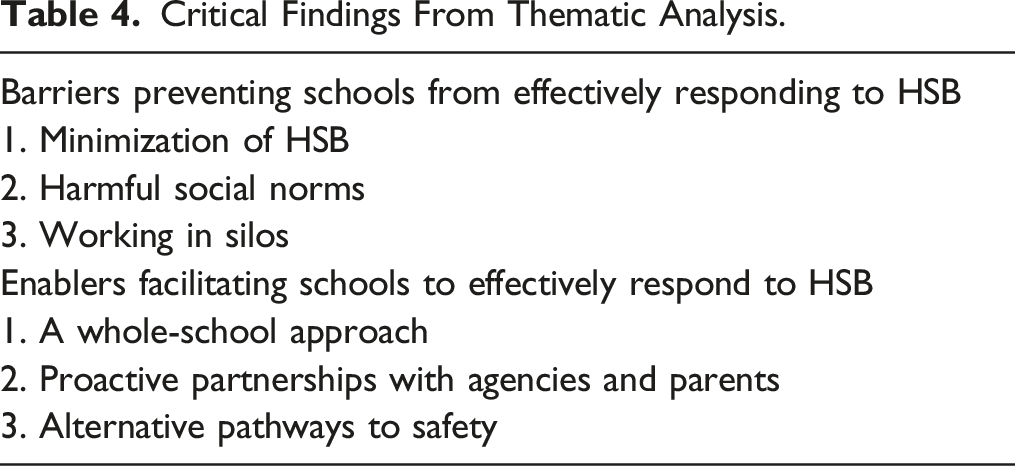
Therefore, this scoping review aims to address the question: “What are the barriers and enablers for teachers in responding effectively to HSB?” Eight databases and one search engine were employed, with 25 publications identified as having met the inclusion criteria. Using thematic analysis to synthesize the evidence from the identified literature, key findings are represented as three barriers to schools’ responses to HSB: (1) minimization of HSB, (2) harmful social norms, and (3) working in silos; and three enablers: (1) whole-school approach, (2) proactive partnerships with agencies and parents, and (3) alternative pathways to safety.
Method
Using the methods outlined by Arksey and O’Malley (2005), this scoping review involved five stages: (1) identifying the research question, (2) searching the literature systematically, (3) selecting relevant publications using inclusion and exclusion criteria, (4) extracting data, and (5) conducting analysis and reporting.
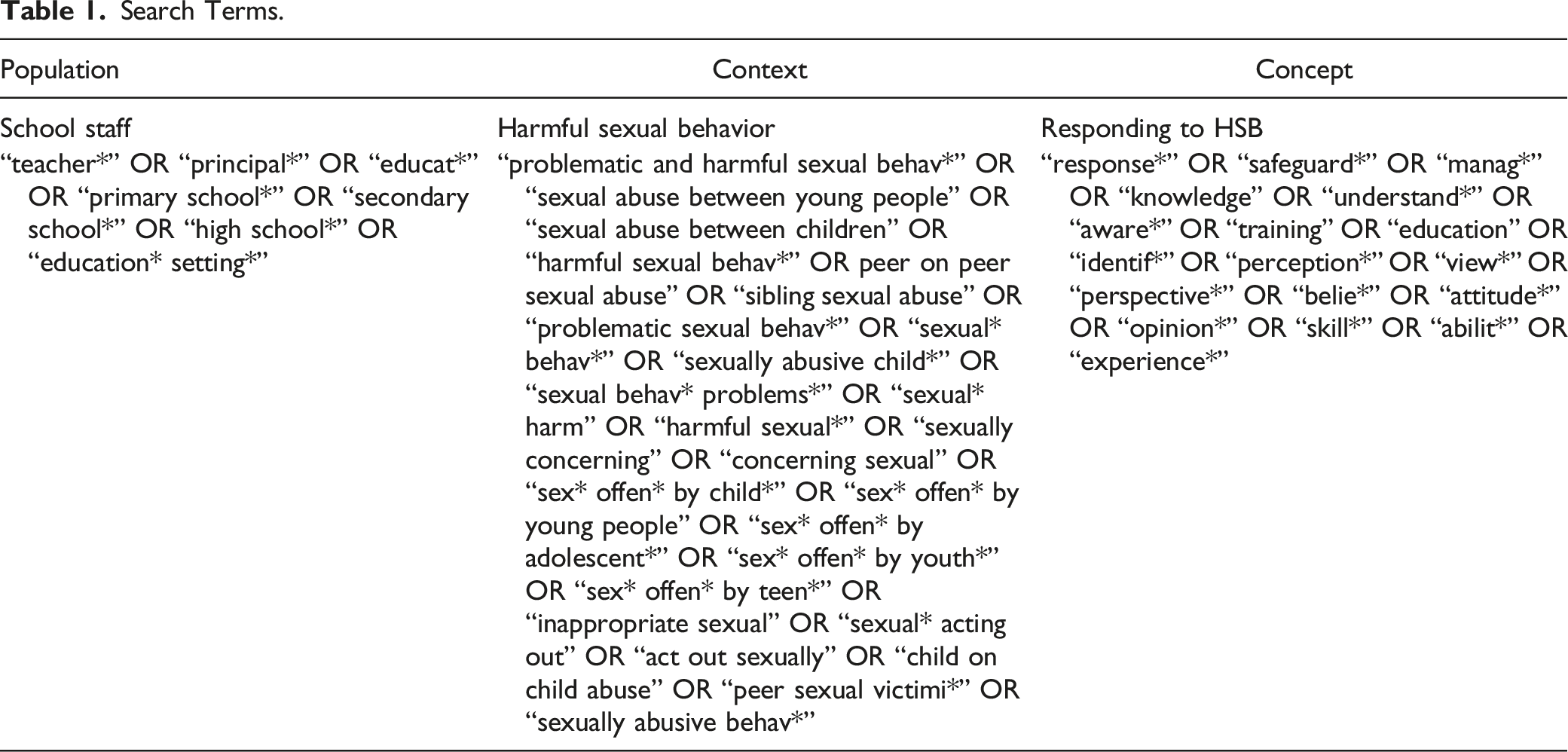
Research Question and Search Strategy
Search Terms.
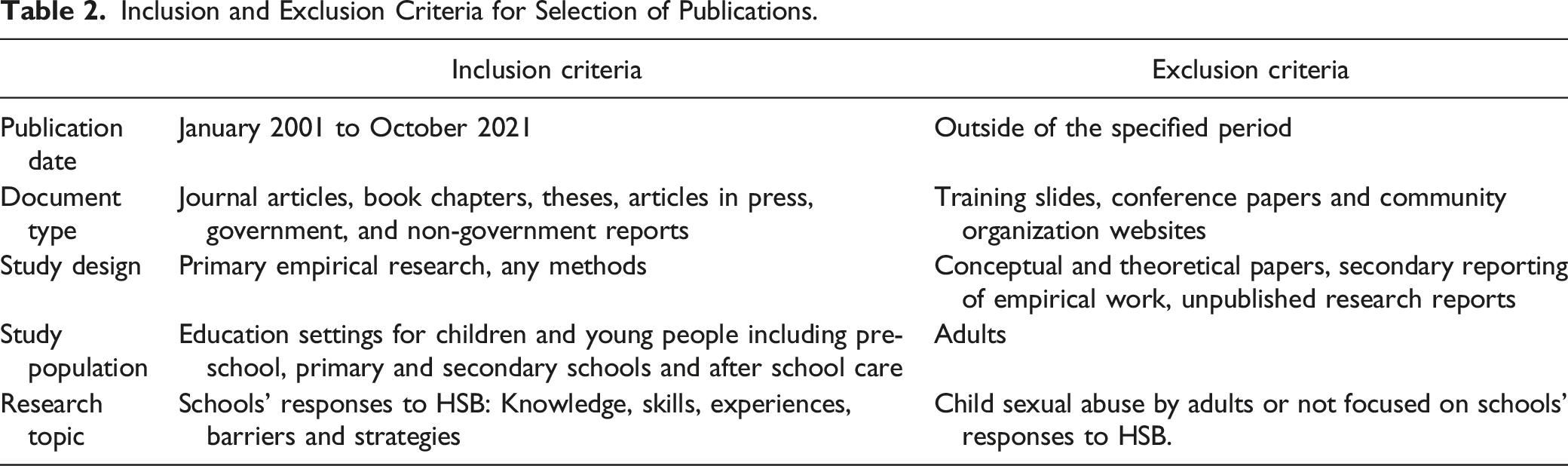
Publication Selection
Inclusion and Exclusion Criteria for Selection of Publications.
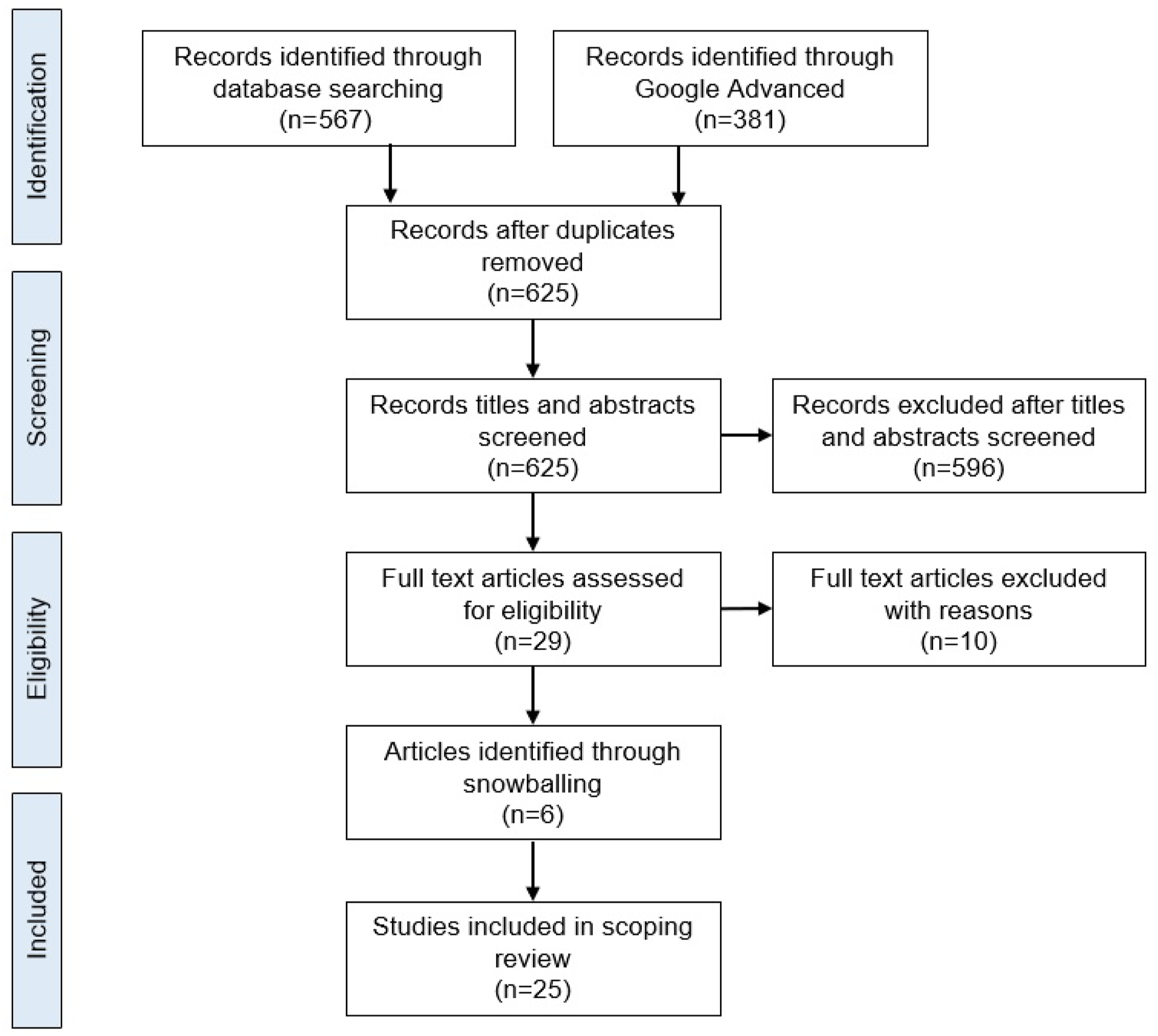
Search strategy flow chart.
Data Extraction and Analysis
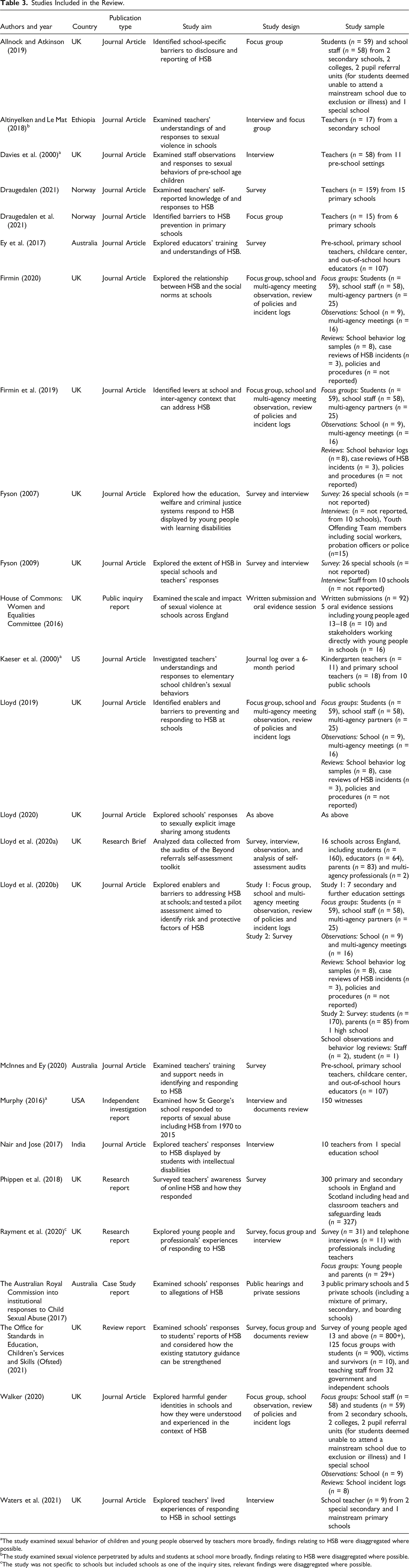
Studies Included in the Review.
aThe study examined sexual behavior of children and young people observed by teachers more broadly, findings relating to HSB were disaggregated where possible.
bThe study examined sexual violence perpetrated by adults and students at school more broadly, findings relating to HSB were disaggregated where possible.
cThe study was not specific to schools but included schools as one of the inquiry sites, relevant findings were disaggregated where possible.
Findings
Twenty-five publications were included in the review, including 18 journal articles, four inquiry reports into schools’ responses to HSB, and three research reports. The included publications predominantly came from the UK (n = 16), followed by Australia (n = 3), Norway (n = 2), the USA (n = 2), Ethiopia (n = 1), and India (n = 1) (Table 3).
Eighteen articles reported using mixed-method design (survey and interview) or a combination of qualitative research methods including semi-structured and focus group interviews, observations of school and inter-agency meetings, and reviews of school incident logs and case files. Four studies reported using surveys (Draugedalen, 2021; Ey et al., 2017; McInnes & Ey, 2020; Phippen et al., 2018). Written submissions and oral evidence sessions were the primary sources of evidence for the three inquiry reports (House of Commons, 2016; Murphy, 2016; The Australian Royal Commission, 2017).
The publications covered a broad range of school types, from pre-school, childcare and after school hours education settings, to primary and secondary schools, boarding schools, and schools with specific purposes for students with disabilities (the term “special schools” will be used hereafter to retain accurate reporting of the original articles). Twenty articles involved a combination of the different school types, except for Davies et al. (2000) which focused on pre-schools, Draugedalen (2021) and Draugedalen et al. (2021) on primary schools, and Fyson (2007, 2009) on special schools. Comparative analysis between school types is not the aim of this review and would have lacked reliability because the terminology for school types varies considerably across countries; reporting of school types and their relevant findings also lack precision and consistency across the publications. Nevertheless, all publications, regardless of school types, presented evidence of teachers’ experiences in responding to HSB. Findings relating to students’ experiences were reported in 12 articles (Allnock & Atkinson, 2019; Firmin, 2020; House of Commons, 2016; Lloyd, 2019, 2020; Lloyd et al., 2020a, 2020b; Murphy, 2016; Ofsted, 2021; Rayment et al., 2020; The Australian Royal Commission, 2017; Waters et al., 2021). HSB was not the sole focus in five of the 25 publications (Table 3); where possible, findings relating to HSB were disaggregated for analysis.
Critical Findings From Thematic Analysis.
Barriers to Strengthening Schools’ Responses to HSB
Twenty-four of the publications reviewed contain findings pertinent to understanding barriers to schools’ responses to HSB. Three barriers were identified, including (1) minimization of HSB, (2) harmful social norms, and (3) working in silos (Table 4).
Minimization of HSB
Of the 25 publications identified through this review, 21 reported on the impacts of HSB being minimized by teachers and students due to its normalization by both groups, insufficient training for teachers and students to identify and respond to HSB, and teachers’ concerns about damaging the school’s reputation.
Research reported that HSB, such as sexually abusive language and sharing of sexually explicit images online, were so pervasive in secondary schools that teachers and students had become desensitized to the issue (Allnock & Atkinson, 2019; Firmin, 2020; Firmin et al., 2019; House of Commons, 2016; Lloyd, 2020; Ofsted, 2021; Phippen et al., 2018; Walker, 2020). Within this context, the more prevalent HSB is, the less likely students are to report the behavior (House of Commons, 2016; Lloyd et al., 2020b; Ofsted, 2021), decreasing teachers’ ability to respond appropriately (Davies et al., 2000; Firmin, 2020; Firmin et al., 2019; Walker, 2020). This inadvertently generates a hierarchy of harm in which less pervasive HSB, such as physical sexual violence, is perceived as more harmful and therefore worthy of reporting and responding to. In contrast, the more common forms of HSB, such as sexist name-calling or pressure to send sexual self-images, are normalized and tolerated as part of school life (Allnock & Atkinson, 2019; Lloyd et al., 2020a; Phippen et al., 2018).
Harmful sexual behavior is also understood by some teachers as a normal part of pubescence, viewing the behavior as biologically driven. This finding was reported in studies across different cultures. For example, some teachers in Ethiopia attributed HSB to adolescent boys being in the “fire age” with “uncontrollable urges” (Altinyelken & Le Mat, 2018, p. 656), while in the UK, some teachers linked HSB pervasiveness with students having “too much testosterone” (Walker, 2020, p. 10). This framing is also evident in special schools where HSB was explained by teachers and other professionals as a hormonal reaction (Waters et al., 2021) or “sensory seeking” (Lloyd et al., 2020a, p. 23).
Insufficient training for teachers to fully comprehend what constitutes HSB has been identified in Australia (Ey et al., 2017) and Norway (Draugedalen, 2021). In the UK, training on HSB in some schools was only accessible to senior or specific staff (Firmin et al., 2019; Lloyd, 2019; Phippen et al., 2018). Consequently, frontline teachers, who have more direct interactions with students, reported feeling unprepared for identifying HSB (Draugedalen, 2021; Draugedalen et al., 2021; House of Commons, 2016; Lloyd, 2020; Rayment et al., 2020; Waters et al., 2021), and ill-equipped to supporting victims and students displaying HSB (Firmin et al., 2019; House of Commons, 2016; Lloyd, 2019, 2020; Rayment et al., 2020).
Studies in the UK and Norway also found that training for students to identify and respond to HSB was often delivered in piecemeal (Draugedalen et al., 2021; Firmin et al., 2019) or broad-brush approaches (Phippen et al., 2018; Waters et al., 2021). Students in the UK also reported that training relating to HSB was delivered in subjects that had a different focus, such as science or religious studies (Ofsted, 2021). Older adolescents found that sex and relationship education was misaligned with their maturity, noting that teachers underestimated how much students knew and how eager they were to learn about consent (Ofsted, 2021). Specifically, female students reported having a limited understanding of healthy boundaries and relationships (Lloyd, 2020), yet perceived themselves responsible for educating boys about what was unacceptable behavior (Ofsted, 2021).
Online safety training for teachers and students was also lacking. This reportedly contributed to teachers underestimating the prevalence and harm of sexual aggression in online pornography (House of Commons, 2016; Phippen et al., 2018). Additional vulnerabilities of students with disabilities were also overlooked (Fyson, 2007, 2009), such as their enhanced need to learn how to navigate the difference between private and public spaces (Nair & Jose, 2017).
While less commonly reported in the academic literature, public inquiries in Australia and the UK found that students’ reports of HSB were sometimes minimized or dismissed due to concerns about damaging the school’s reputations (House of Commons, 2016; The Australian Royal Commission, 2017). Incidents were cited where students’ allegations were not adequately documented or forwarded to child protection or police, despite contrary advice (House of Commons, 2016; The Australian Royal Commission, 2017). In some cases, victims were persuaded to sign confidentiality agreements in exchange for financial assistance and counseling (Murphy, 2016). Confounding the issue, information to parents about their child’s victimization was not always forthcoming (The Australian Royal Commission, 2017) possibly due to fears that, if exposed, HSB allegations would deter enrollments at those schools (House of Commons, 2016). Anxiety over individual reputations and career loss was also reported. Waters et al. (2021), for example, found that some male teachers in special schools were concerned about reporting HSB that was directed toward them: We are very wary of the danger we put ourselves in because we work with extremely vulnerable children … and there’s a huge grey line and it would only take the wrong child to say the wrong thing and our careers are over (Teacher from a special school, Waters et al., 2021, pp. 225–225).
Harmful Social Norms
Sixteen articles included in this review indicated that the minimization of the impact of HSB is compounded by harmful social norms within schools. The analysis identified two specific challenges: (1) gender norms associated with hegemonic masculinity are implicated in HSB and inadvertently perpetuated by schools’ responses, and (2) the unspoken “code of silence” in which disclosure of HSB or bystander intervention is seen by students to threaten further abuse or social ostracism.
Teachers and students described HSB as both a contributor to and consequence of hegemonic masculinity; defined here as gender-based attitudes and behaviors that condone men’s domination over women, and degrade other minority groups to a position of inferiority (Connell & Messerschmidt, 2005). Research indicates that stereotypical masculine attributes such as physical strength, aggressiveness, and sexual prowess shape gender relations between students. Male students were reportedly heard hurling sexual insults at female students and sometimes perpetrating sexual violence to demonstrate power and control over females (Altinyelken & Le Mat, 2018; Firmin, 2020; House of Commons, 2016; Ofsted, 2021; The Australian Royal Commission, 2017; Walker, 2020).
Female students in the UK reported feeling unsafe in specific “hot spots” within school environments, such as corridors and stairwells where male students could walk behind them or look up their uniform from below (Lloyd et al., 2020b; Ofsted, 2021). Female students of color, including Indigenous students in Australia, were found to be further victimized by racism (House of Commons, 2016; The Australian Royal Commission, 2017). Heteronormativity was also upheld as a superior form of masculinity, resulting in homophobic and transphobic insults directed at LGBTQI+ students (House of Commons, 2016; Ofsted, 2021; Walker, 2020).
In boarding schools, hegemonic masculinity was further propagated through a hierarchical structure in which the seniority of students was accorded a higher social order (and power) over younger (or newer) students. This hierarchical structure was demonstrated annually through “initiation rituals” whereby junior students were sexually humiliated publicly. Inquiries into HSB in Australian boarding schools suggested that while many rituals have now been removed, they represent a “frat system” implicated in the HSB investigated (The Australian Royal Commission, 2017, p. 38). Commonly across different HSB incidents in boarding schools was the apparent involvement of multiple students, either directly engaging in the HSB, or indirectly as bystanders (Murphy, 2016; The Australian Royal Commission, 2017). Similar incidents were reported in other studies whereby reporting of sexualized images or other HSB incidents resulted in further insults being circulated amongst students (Ofsted, 2021; Walker, 2020).
In a UK study, Walker (2020) found that some male students felt compelled to tolerate or conform to harmful gender attitudes and behaviors in order to seek approval and status from peers. Oppressive gender norms were also internalized by some female students who called themselves and other females “bitches” and “slags” (Firmin, 2020, p. 294), and attributed HSB victimization to their own “inappropriate” behaviors (House of Commons, 2016, p. 10). Furthermore, Walker (2020) found that stereotypical traits associated with hegemonic masculinity, such as being tough or aggressive, subsequently shaped students’ self-protective behaviors. For example, both male and female students were reported using physical aggression to deal with homophobic and other abusive incidents (Walker, 2020) or carrying weapons to protect themselves from HSB (Murphy, 2016).
Teachers were equally challenged by hegemonic masculinity in their responses to HSB. Female teachers felt disempowered to speak up about HSB and fearful of their own safety when dealing with male students who displayed verbal and physical aggression (Altinyelken & Le Mat, 2018; Lloyd, 2019; Lloyd et al., 2020b; Walker, 2020; Waters et al., 2021). Male teachers’ empathic responses to HSB also led to stigmatization. McInnes and Ey (2020) reported a male teacher was told to “just fuckin’ man up” by a senior staff member when emotionally impacted by the rape of a 12-year-old female student (p. 85).
In other cases, hegemonic masculinity was re-produced or reinforced by schools’ responses. The Australian Royal Commission (2017) detailed an incident in which a Year 7 male student (aged 12–13) was repeatedly sexually assaulted by a group of students using a wooden implement. When the implement was found by staff during a dorm inspection, the behavior was dismissed as a “joke” and “boys being boys” (The Australian Royal Commission, 2017, pp. 15–16). An Indigenous female student who was sexually assaulted by four male students was described by the school principal as “offering sexual favors to boys” (The Australian Royal Commission, 2017, p. 72). Similar harmful responses were reported in mainstream schools, where sexual insults were dismissed as “blokeish banter” (Ofsted, 2021, p. 14). Where HSB incidents were responded to, they tended to be individualized sanctions such as suspension rather than changing the harmful gender norms that underpin HSB (Lloyd, 2019, 2020; Lloyd et al., 2020a, 2020b; Ofsted, 2021).
Influenced by hegemonic masculinity, victim-blaming responses were also frequently reported (Allnock & Atkinson, 2019; Firmin, 2020; Firmin et al., 2019; Lloyd et al., 2020b; Ofsted, 2021; Rayment et al., 2020). This is particularly pervasive when responding to online HSB. Female students were reportedly held responsible for taking and sending sexual images, despite pressure from male students to take the images and the images being circulated online by the males without consent (House of Commons, 2016; Lloyd, 2019, 2020; Rayment et al., 2020). Lloyd (2020) noted the shortcoming that students are taught the blanket rule of refraining from sending sexual images without understanding consent in the online environment. Similar victim-blaming responses were reported by teachers to other types of HSB in which female students were further stigmatized:
Do you think that our girls are more promiscuous because they’ve got such a big pool of boys to choose from? (Teacher, Firmin, 2020, p. 295)
Another social norm preventing students from reporting HSB was the non-disclosure “rule” operating between students. “Dobbing” (or tattling) was seen by some students as an act of betrayal and weakness (The Australian Royal Commission, 2017). Some students were reported to tolerate insults and abuse rather than risk stigmatization by peers as a “snitch” or “snake” (Allnock & Atkinson, 2019; Lloyd et al., 2020a, 2020b; Ofsted, 2021). Teachers also reported that the fear of social ostracism or retribution deterred students from disclosing HSB (Allnock & Atkinson, 2019; Firmin, 2020; Lloyd et al., 2020a). In more extreme cases, students accused of HSB were found to have used violence to threaten the victim into retracting statements made to the police (Lloyd, 2019).
It is unsurprising then that Lloyd et al. (2020a) found only one-fifth of students surveyed said they would tell a teacher about HSB. Students reported the fear that, once teachers intervened, they would be unwittingly exposed to their peers and the wider school community as having broken the “code of silence” (Allnock & Atkinson, 2019; Firmin, 2020; Ofsted, 2021). Students cited instances where schools’ responses to HSB, such as teachers pulling them out of class or needing to leave the class to see a school counselor, had led to exposure, leaving them vulnerable to ridicule or ostracism (Allnock & Atkinson, 2019; The Australian Royal Commission, 2017).
Students also reported that schools’ responses to HSB were either too harsh or not harsh enough, noting they were rarely given a say in decisions about responses considered fair to them (Lloyd et al., 2020a; Ofsted, 2021). In other instances, not being informed of what would happen to them or to the person who displayed HSB following disclosure, contributed to fear and hesitancy in reporting (Allnock & Atkinson, 2019; Ofsted, 2021).
Working in Silos
Across the 25 articles included in this scoping review, 17 captured evidence of schools working in silos at individual and systemic levels. Teachers reported lacking internal leadership support, and school administrators found little, if any, assistance from external agencies when responding to HSB.
Lack of support for frontline teachers in responding to HSB was reported across mainstream, special and boarding school settings (Fyson, 2007; House of Commons, 2016; The Australian Royal Commission, 2017). While 84–95% of teachers in Norway and the UK reported they would seek assistance from their principals when dealing with HSB (Draugedalen, 2021; Phippen et al., 2018), nearly 60% of teachers did not know of any specific procedures in their schools (Draugedalen, 2021), suggesting that communication between frontline and senior education staff may be insufficient (Draugedalen, 2021; Lloyd, 2019). In schools where HSB response procedures were in place, the procedures tended to be reactive (Draugedalen et al., 2021; Lloyd, 2019; Ofsted, 2021) and lacking in long-term mechanisms to track incidents and provide follow-up support (Fyson, 2007; House of Commons, 2016). Teachers also reported an absence of practical and emotional support from their leaders, which hindered their prevention and response efforts (McInnes & Ey, 2020; Ofsted, 2021).
Insufficient inter-agency collaboration was also consistently reported. This theme is exemplified by the experience of a victim’s parent: Schools aren’t supported … when [sexual abuse] is discovered. There was no support to the head teacher to know what to do, and no one was willing to support her to make our daughter safe. Everyone was “hands off” (House of Commons, 2016, p. 50).
Two gaps were identified within this theme. First, schools were not always fully informed about when external agencies could be brought in, the type of HSB requiring external reporting, and the support being offered by other agencies (Fyson, 2007; Lloyd et al., 2020b; Phippen et al., 2018). School administrators were left to make complex decisions without sufficient external guidance and accountability, and in some cases, this resulted in serious HSB incidents going unreported (Kaeser et al., 2000; McInnes & Ey, 2020; The Australian Royal Commission, 2017).
Second, when teachers reported HSB to other agencies, support was not always available or sufficient (Fyson, 2007; McInnes & Ey, 2020). Lloyd et al. (2020a) found that support for schools tended to cease beyond the point of referral, after which little information and follow-up support was provided (Draugedalen et al., 2021; Fyson, 2007, 2009; Ofsted, 2021; Waters et al., 2021). When child protection or police investigations were lengthy and/or insufficient to warrant further action, teachers were often left with delayed or little support in managing the impacts of HSB on the victims and other students (Lloyd, 2019; Lloyd et al., 2020a; Ofsted, 2021; Rayment et al., 2020). Fyson (2007) and Lloyd et al. (2020a) also noted that a higher risk threshold was sometimes applied to students with disabilities, assessing their HSB solely through a disability lens and therefore under-estimating their need for early support, both as victims and students displaying HSB. Agencies lacking specialization in HSB were likewise reported in other studies (Draugedalen et al., 2021; McInnes & Ey, 2020). Where specialist services were available, a lack of accessibility meant delayed interventions (Ofsted, 2021), particularly for students from Indigenous communities (The Australian Royal Commission, 2017).
Another common barrier reported by teachers was a lack of support from external agencies when working with parents. Whether or not parents should be informed about HSB when their children were involved, and how this could be done in a sensitive and collaborative manner, were key concerns of several studies (Allnock & Atkinson, 2019; Fyson, 2009; Lloyd et al., 2020a, 2020b; McInnes & Ey, 2020; Nair & Jose, 2017; Phippen et al., 2018; The Australian Royal Commission, 2017; Waters et al., 2021). Fyson (2009) noted that some teachers were hesitant about discussing HSB with parents before reporting it to child protection because HSB may indicate parental abuse at home. Combined with fear of negative reactions from parents toward students, schools and/or themselves, teachers felt ambivalent and distressed about involving parents (Allnock & Atkinson, 2019; Lloyd et al., 2020a; McInnes & Ey, 2020; Phippen et al., 2018; Waters et al., 2021). The perception that parents are over-protective of their children and would not see the necessity of educating students about HSB also prevented teachers from working with parents (House of Commons, 2016; Lloyd et al., 2020a; Nair & Jose, 2017).
Enablers for Strengthening Schools’ Responses to HSB
While most of the publications identified in this review focused on inadequacies in relation to schools’ handling of HSB, many also found promising strategies that facilitated responses to HSB. Three enablers were identified: (1) a whole-school approach, (2) proactive partnerships with agencies and parents, and (3) alternative pathways to safety.
A Whole-School Approach
Twelve articles provided insights into how a whole-school approach can strengthen HSB responses. At an organizational level, staff were reportedly more confident and prepared to respond when three inter-linked strategies were in place that enabled a whole-school approach (Draugedalen et al., 2021; Firmin et al., 2019). First, having designated safeguarding staff to facilitate training, prevention, and response coordination (Lloyd, 2019; Lloyd et al., 2020a; Ofsted, 2021). Secondly, having HSB policies covering the continuum of HSB and regularly reviewing these policies to ensure they reflect learnings from recent concerns, incidents, research, and policy (Fyson, 2009; Lloyd, 2019; Lloyd et al., 2020b; Murphy, 2016). And lastly, involving multi-disciplinary staff including senior and frontline staff, school counselors and other allied-health professionals within schools for consistent prevention and response efforts (Murphy, 2016; The Australian Royal Commission, 2017).
At a practice level, a whole-school approach considers both the physical and emotional environments of students. Increasing supervision and modifying HSB “hot spots” were successful strategies in enhancing students’ safety (Lloyd et al., 2020a; Murphy, 2016; Nair & Jose, 2017). Lloyd et al. (2020a) cited schools’ creation of different lunchtime schedules to separate particular students, and remodification of restroom layouts to create more safe spaces. These measures were complemented by other proactive strategies, cultivating a culture where students felt safe to discuss concerns and inform educators of their needs. Some examples included creating a “therapeutic room” for drop-in support (Lloyd et al., 2020a, p. 9), regular “listening events” where students could discuss their concerns with adults (Ofsted, 2021, p. 16), and anonymous questionnaires to collect students’ feedback about HSB (Murphy, 2016; Ofsted, 2021).
Proactive Partnership With Agencies and Parents
Training specific to HSB was highly valued by teachers (Ey et al., 2017) and early counseling support was considered essential to students who displayed HSB and victims (Lloyd, 2019; Murphy, 2016; The Australian Royal Commission, 2017). However, access to both requires a strong commitment to multi-agency partnerships that proactively share responsibility. Fifteen articles contained research evidence demonstrating different forms of partnerships and how they strengthened safeguarding practices.
Unsurprisingly, child protection and police were the external agencies that schools had most contact regarding HSB (Draugedalen, 2021; Fyson, 2009). While these agencies are typically called upon for crisis response, Draugedalen et al. (2021) found that having a designated child protection caseworker to provide in-house support to schools several hours a week, even when there were no immediate HSB concerns, provided teachers opportunities to seek advice on prevention and emerging issues. Similarly, Fyson (2007) found that having a local police “link officer” to provide advice and exchange relevant information with staff enabled joint HSB assessment and management (p. 183).
Broader cross-sector partnerships with government and non-government organizations for regular information and resource exchange provided victims, parents, and students displaying HSB access to varied support services while avoiding duplication of efforts from different agencies (Firmin et al., 2019; House of Commons, 2016; Lloyd et al., 2020a; Rayment et al., 2020). Schools also drew on the varied expertise of these agencies to co-design or evaluate their response procedures or education resources. Lloyd et al. (2020), for example, reported that one school partnered with local police to develop protocols and systems to improve recording and monitoring of HSB incidents. Similarly, Murphy (2016) reported schools engaging a rape crisis service to review and assess their HSB response policies and practices. Other examples included employing experts from services to deliver HSB training to staff and students, and providing staff opportunities to observe how other professionals communicate with children about HSB concerns (Draugedalen et al., 2021; Murphy, 2016; Ofsted, 2021). These partnerships provided schools and other agencies with shared understandings of HSB, pathways to report HSB, and access to support for staff, parents and teachers (Draugedalen et al., 2021; Firmin et al., 2019; Ofsted, 2021). Establishing a community of practice between schools to share best practices, discuss emerging concerns and provide mutual support was also found to be valuable, particularly for special schools (Fyson, 2009; Lloyd et al., 2020a; Ofsted, 2021).
Regarding partnership with parents, Lloyd et al. (2020a) found that although 50% of students indicated that they would speak to their parents if they had concerns about HSB, nearly 76% of parents were either unaware of or unsure that HSB happens in schools. Most parents, however, indicated a willingness to partner with schools to strengthen HSB prevention and response efforts (Fyson, 2009; Lloyd et al., 2020a). Involving parents in the design and review of relationship education alleviated teachers’ anxiety about delivering sexually explicit content to students (Firmin et al., 2019; House of Commons, 2016; Ofsted, 2021) and kept parents informed about the importance of online safety (Phippen et al., 2018).
Alternative Pathways to Safety
Some schools were mindful of how harmful social norms contribute to reduced safety and disclosure of HSB. Eight articles contained examples of schools sensitively responding to HSB and cultivating gender-inclusive environments. In doing so, students’ fears of retribution and pressure to conform to harmful social norms were lessened, empowering them to disclose HSB.
It is evident that when HSB incidents were acted upon and students offered timely support, they felt heard, validated, and empowered. This provided them with confidence to counteract the “code of silence” by disclosing future HSB (Firmin, 2020; Lloyd et al., 2020b; 2020a), as articulated by this student:
If it was happening to someone else, I would stick by their side and I would actually help them out about it because I’ve experienced this before and I would tell them to tell the teacher about it because my head of year actually sorted it out for me and it didn’t happen again (Female student, Lloyd, 2019, p. 8).
Having a robust and accessible computerized system to record and monitor HSB incidents for teachers also facilitated early intervention and response, and consequently increased students’ confidence in reporting and disclosing (Lloyd et al., 2020a; Ofsted, 2021; Walker, 2020). A sensitive approach to supporting students following disclosure is also crucial. Murphy (2016), for example, cited an incident where a school advocated for a female student to be interviewed by a female police officer.
More broadly, students were encouraged to cultivate pro-social environments that unambiguously condemned harmful behaviors and supported positive peer relationships (Murphy, 2016; Ofsted, 2021; The Australian Royal Commission, 2017). Inquiries into schools’ responses to HSB documented new practices to redirect the discourse from not “dobbing [or tattling] on your mates” to acting as role models for one another (Murphy, 2016; The Australian Royal Commission, 2017, p. 32). These new practices were achieved by developing specific codes of conduct for respectful relationships and integrating them into daily interactions with students. This approach was bolstered by expanding the scope of sex education to respectful relationships, including embedding students’ lived experiences of HSB into relationship education, and tailoring it to align with students’ developmental needs (Murphy, 2016; Ofsted, 2021). Other schools “walked the talk” by increasing women’s representation in leadership roles amongst staff and in students, including the appointment of more female student leaders (Murphy, 2016) and using posters, assemblies, student surveys, and focus groups to engage students in the identification of HSB “hot spots” and safety measures (Firmin et al., 2019; Lloyd et al., 2020b; Ofsted, 2021).
Discussion
This scoping review sought to synthesize evidence from public inquiries and research to identify the barriers and enablers teachers experience when responding to HSB. Overall, the results indicate that HSB, particularly face-to-face and online non-contact behaviors, are normalized as part of school life. While evidence suggests that students and teachers are more willing to report and respond to HSB involving physical violence such as sexual assault, it implies that intervention is only rendered necessary when it is a criminal offense and the victimization is unambiguous. In her review, Fyson (2007) found that half of the students referred to police for sexual abuse allegations had previously been reported for HSB, however, no action had been taken. This suggests that, without timely intervention, non-contact or less intrusive forms of HSB may become a risk factor for future violent sexual offenses. Minimizing “milder” forms of HSB may therefore miss crucial opportunities to prevent escalation of HSB and protect students from further harm. More importantly, responding to HSB is likely to make victims feel heard, and subsequently encourages disclosure of more serious and/or future HSB (Ofsted, 2021).
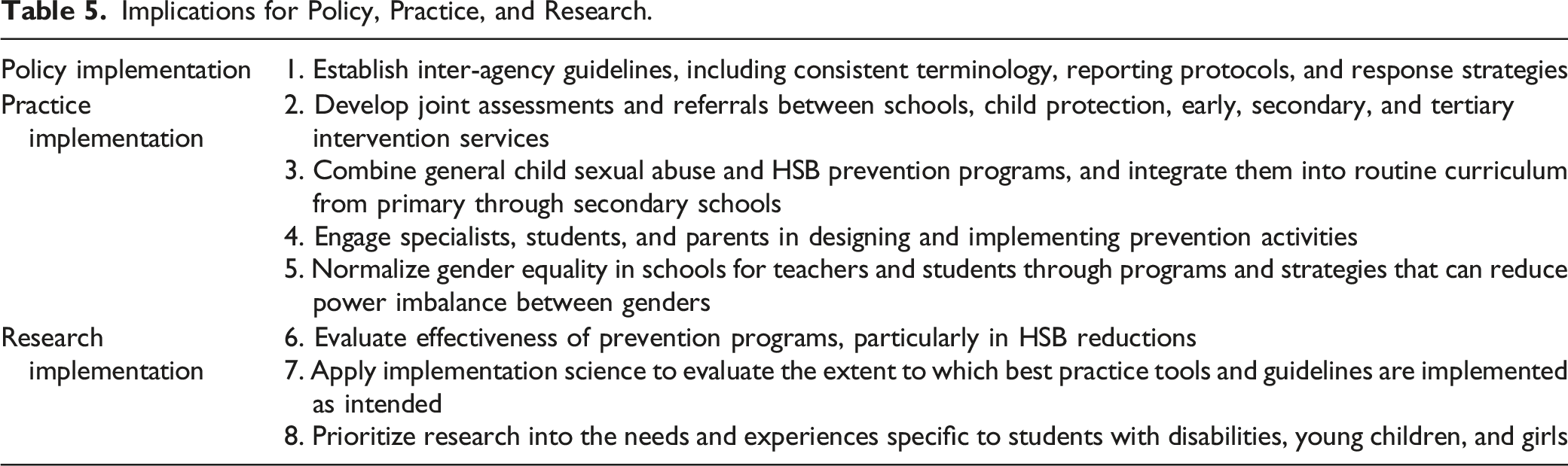
It may be that the minimization is further propagated by the lack of response from other agencies. In Australia, for example, teachers are mandated to report HSB to statutory child protection agencies. However, a recent Australian study found that only a quarter of HSB reports were allocated for child protection casework support (Spangaro et al., 2021). This not only presents an opportunity to strengthen child protection responses, but also reflects the complexity that not all HSB requires child protection intervention (Hackett et al., 2019). This means that a tiered response, proportionate to the severity of HSB and the student’s developmental level, is necessary (McKibbin & Humphreys, 2021). Implementing this tiered response requires coordination with services that provide early and secondary interventions. The existing partnership between schools and child protection agencies should therefore be expanded across the government and non-government sectors, with the aim of providing more varied and flexible service options to students displaying HSB and their families. Implementing a tiered response also requires a diverse skillset, from undertaking assessments, to communicating with students and their parents or caregivers, to formulating safety and support plans (McKibbin & Humphreys, 2021). These important tasks cannot be the sole responsibility of teachers (Ey & McInnes, 2020) or any one agency. As identified in this review, a multi-sectoral approach bringing in different expertise and resources from child protection, pediatric professionals, and children, youth and families services is a key enabler for effective HSB prevention and response.
This review also demonstrated that harmful social norms in schools, particularly those associated with hegemonic masculinity, underpin how students, and at times teachers, perceive, enact, and respond to HSB. Young people who displayed HSB suggested that education on respectful relationships would have been helpful in preventing HSB (McKibbin et al., 2017). The publications included in this review largely focused on schools’ responses after HSB had occurred. As Wurtele (2009) noted, prevention is a crucial component of schools’ responses. In addition to teaching students to recognize, resist, and report sexual abuse, they must also learn about respectful sexual behaviors and boundaries. School-based programs directed at changing gender relations such as Safe Dates (Foshee et al., 2004), Shifting Boundaries (Taylor et al., 2013), and LOVEBiTES (Flood & Kendrick, 2012) hold promise for improving gender-based attitudes (Flood & Kendrick, 2012; Foshee et al., 2004) and reducing victimization (Taylor et al., 2013). These programs are most effective when they are embedded into routine curriculum and supported by dedicated government funding (Kearney et al., 2016). McKibbin et al. (2017) also found that prevention programs must start early, at or before 12 years, when HSB starts to peak (Finkelhor et al., 2009), and continue into early and late adolescence as new developmental challenges and social demands emerge. Teaching students and teachers about online safety and establishing child-safe standards to enhance teacher-student communication and supervision should also be considered (Wurtele et al., 2019).
This review identified an additional barrier to working with parents in preventing and responding to HSB. The sensitivity of HSB makes teachers anxious that teaching students about HSB may not be welcomed or seen as essential by parents. Research evidence, however, indicates that parental involvement is integral to school-based prevention (Letourneau et al., 2017). Involving parents and students in co-designing prevention strategies, bringing in HSB specialists to guide this design process, and reframing HSB prevention as part of a larger safeguarding campaign in schools may address the sensitivity and buy-in needed for effective parental involvement (Letourneau et al., 2017).
More broadly, this review found that teachers are themselves subject to the socialization of harmful gender norms, inadvertently re-producing them through minimization of HSB. Other teachers, particularly female teachers, felt disempowered, and in some cases unsafe to intervene. This suggests that a whole-school approach seeking to equalize gender relations and address anti-oppressive practices must be implemented in the workplace for teachers, including increasing women’s representation in senior leadership (Murphy, 2016).
It is important to note that girls, while not the majority, have also been reported to display HSB (Masson et al., 2015; Spangaro et al., 2021). Girls have heightened vulnerability due to higher rates of prior sexual victimization and earlier onset of HSB (Masson et al., 2015). This knowledge needs to be incorporated in teacher HSB training (Hackett et al., 2013). Similarly, consistent with previous research (Hackett et al., 2013), this review identified that teachers, child protection professionals, and police lack understanding of the needs of students with disabilities. Although children with disabilities are over-represented in the HSB population (Hackett et al., 2013), only three of the 25 publications included in this review specifically examined HSB in special schools (Fyson, 2007, 2009; Nair & Jose, 2017). Resources developed for students in mainstream schools are likely to have limited applicability in special schools. Inter-disciplinary collaborations with other allied-health professionals such as speech and occupational therapists would be crucial. Relatedly, only six articles focused specifically on pre-school, primary school, and out-of-school hours settings (Davies et al., 2000; Draugedalen, 2021; Draugedalen et al., 2021; Ey et al., 2017; Kaeser et al., 2000; McInnes & Ey, 2020). Pre-school and primary school teachers will likely need different skillsets to communicate with young children and their parents about HSB. Further research is needed in this area.
Implications for Policy, Practice and Research
Implications for Policy, Practice, and Research.
Methodological Limitations
By relying on online databases, publications unavailable online may not have been captured. Nonetheless, we mitigated this limitation by employing a snowballing technique which identified six additional publications. Consistent with scoping review methodology, the publications included for this review were not assessed for quality and rigor (Arksey & O’Malley, 2005). This allowed us to include a wider range of publications and thereby capture a more comprehensive picture of the research topic. Regardless, the findings of this review must be interpreted with caution. Further, the publications included in this review were predominantly from the UK, therefore, the findings may not apply to all schools in all countries. The 25 publications covered six countries, journal articles, government inquiries and research reports; and encompassed a broad range of school types and multiple perspectives from teachers, students, parents, and stakeholders, yielding rich data and nuanced findings.
Conclusion
Harmful sexual behavior by children and young people can occur in settings outside schools. However, schools are primary locations where children and young people socialize and develop their gender-based attitudes and values. Therefore, they play a crucial role in HSB prevention and response. How this role can be effectively fulfilled is outlined in the literature (e.g., McKibbin & Humphreys, 2021). This review has extended this knowledge by synthesizing evidence to identify the challenges and opportunities teachers face when responding to HSB. The findings highlight the need for more comprehensive and integrated implementation of teacher training on HSB, inter-agency collaboration, engagement with parents and students, and respectful relationship education. Further research is required to explore schools’ responses to specific populations, including those with disabilities and females.
Footnotes
Declaration of Conflicting Interests
The author(s) declared no potential conflicts of interest with respect to the research, authorship, and/or publication of this article.
Funding
The author(s) received no financial support for the research and/or authorship of this article. The author(s) received financial support for the publication of this article: University of Wollongong.
