



Abstract
Background
“Colorism” or “shadism” contributes to the prevalence of skin lightening and bleaching practices, which are predominantly observed among females. Acknowledging the desire for a lighter skin tone is often deeply rooted in various social, psychological, individual, and cultural factors. Harmful skin lightening products (SLPs) are a widespread global phenomenon and a growing environmental and public health concern. However, it is not known what factors contribute to the pervasive use of harmful SLPs.
The Focus of the Article and Research Question
The current study addresses this gap by completing a systematic review of psychological and social factors contributing to the choice of harmful SLPs among females. It presents a conceptual model to guide social marketers in developing interventions to influence policies and de-market harmful SLPs.
Method
This research followed a systematic literature review (SLR) approach. In total, 1057 article titles and abstracts were reviewed across nine databases. Ten articles that were reviewed and subsequently analyzed met the inclusion criteria.
Results
Results indicated that the choice of harmful SLPs is deeply rooted in societal pressure to conform to specific beauty standards, the perpetuation of colorism or shadism, and a desire for upward social mobility.
Importance to the Social Marketing Field
Several studies suggest a considerable need for interventions to curb the use of SLPs. Resolving this issue with a multifaceted approach that addresses education, regulation, empowerment, and industry collaboration is crucial.
Recommendations for Research and Practice
A targeted approach is required to discourage the use of harmful SLPs through a social marketing platform. The campaign will craft compelling messages highlighting these products’ health hazards and societal implications. Simultaneously, it will recognize the beauty of diverse skin tones by segmenting the audience based on demographics and behaviors. Engaging content such as videos, testimonies, and infographics will be actively shared on popular social media platforms through influencer collaborations and dynamic online discussion boards. People are encouraged to commit to abstaining from using potentially dangerous products through behavioral prompts and calls to action. Additionally, working with sustainable beauty brands helps to reinforce this message further. Promoting safe skincare procedures and natural beauty through data tracking and campaign refinement based on feedback guarantees a dynamic and successful approach.
Introduction
The discourse surrounding the phenomena of “colorism” or “shadism” has experienced a notable increase in attention in recent years, leading to heightened conversations regarding skin lightening, skin whitening or skin bleaching (Chen & Jablonski, 2023). These skin lightening practices are motivated by a desire for a lighter skin tone and are presently experiencing rapid expansion within the worldwide beauty sector. It is projected to have a market valuation of $24 billion in the next ten years (Alrayyes et al., 2020). According to a survey by Grand View Research (2021), the market for skin lightening products (SLPs) had a substantial value of $9.96 billion in 2021 and is anticipated to maintain a compound annual growth rate (CAGR) of 5.5% from 2022 to 2030. The significant expansion of this industry implies the strengthening of current beauty standards.
Previous studies have demonstrated important insights into the interplay of factors contributing to the use of harmful SLPs. Research investigating the cultural, societal, and psychological factors related to the use of harmful SLPs has identified many reasons for using them. In many cultures, women are believed to be more attractive if they are fair and have a blemish-free face (Khan et al., 2022). These perceptions are influenced by social pressure (Liu et al., 2008), peer pressure (Kaziga et al., 2021), the caste system (Shevde, 2008), social inequalities (Shroff et al., 2017) and the media (Jennifer et al., 2012). In addition, the social stigma attached to dark skin and the belief that fair skin guarantees an alluring job and perfect marriage prospects (Bamerdah et al., 2023) influence the use of harmful SLPs. For instance, in some Asian cultures, dark skin tones may cause women to be exiled from their community, subjected to more labor (Kukreja, 2021), and face higher rejections in arranged marriages (Nagar, 2018). Pressures such as those stated above may lead to a psychological state where women feel internally demoralized because of their complexion, thereby triggering a psychological desire to attain a socially acceptable and preferable skin tone. Such desires may lead to choosing harmful skin lightening products and bleaching practices despite the potential bodily harm (Alrayyes et al., 2020).
Consequently, due to limited exploration of psychosocial factors in the prior studies, it is imperative to conduct systematic literature review (SLR) to investigate key factors influencing consumers’ choice of harmful skin lightening products (SLPs), and to develop conceptual model that can guide policy makers or social marketers in the designing of effective marketing strategies and policies.
Background of the Study
Previous research points extensively to the adverse effects of harmful skin lightening products (SLPs) on consumers’ skin and health. As Owolabi et al. (2020) point out, hydroquinone, a prevalent chemical in skin lightening creams, has been associated with skin irritation, allergic responses, and an increased risk of skin cancer. Some skin lightening treatments have also been found to contain mercury, which has been linked to poisoning and renal damage (Ramli, 2021).
Dr Rashmi Sarkar, a dermatology professor and the first president of the Joint Women’s Dermatology Society, observes the use of harmful SLPs as a primary concern in her practice. Of the 50 patients she evaluates each month, 10% have complications (Wong et al., 2017). This observation is consistent with research showing that approximately 40% of people report using harmful skin lightening products, and 17% report severe adverse reactions on their skin (Ladizinski et al., 2011; Mahé et al., 2003; Tse, 2010). Ly et al. (2007) present evidence that one out of nine females face a number of aesthetic complications related to skin lightening practices. Additionally, female patients who visit dermatologists frequently presented (71.9%) with other complications associated with artificial skin depigmentation.
WHO’s Initiatives and Challenges Against Harmful Skin-Lightening Products (SLPs)
In light of the complications associated with harmful skin lightening products (SLPs), the World Health Organization (WHO) has advised governments to restrict hydroquinone use and control the use of other components in skin lightening products because of its possible dangers (World Health Organization, 2019). The World Health Organization also recommends raising awareness of the dangers of skin lightening products through public education campaigns (World Health Organization, 2023). However, the supply on the market and the expanding demand make it difficult to eradicate skin-damaging compounds from SLPs (Lewis et al., 2012). A recent report by Anderson (2023) states that the WHO is facing challenges in tackling the adverse effects of harmful skin lightening products (SLPs). She further raised concerns that “the harms associated with these products are well documented,” she says, pointing to a 2018 nationwide lifestyle poll that revealed that just over 1 in 10 of Jamaica’s 2.8 million inhabitants have used skin-whitening products, “and yet people continue to use them, many as part of a daily routine (Anderson, 2023).
Social Marketing: Bridging the Gap in Policy Measures
As some recent studies note, policy measures alone may not be sufficient to control the proliferation of harmful products. However, social marketing can improve the creation of awareness about and the reduction of harmful products (Akbar et al., 2022). This highlights the crucial role that social marketing theory and practice can play in understanding and influencing consumer behavior related to the use of harmful products, such as skin lightening treatments. Social marketing campaigns leveraging advocacy, traditional, and social media channels can be the first step towards creating awareness, changing attitudes about the desire for fair or light skin tone, and reducing the consumption of SLPs (Dwivedi, 2020).
For instance, X (formerly Twitter) trends such as #unfairandlovely, celebrating darker-skinned people of color, and empowering populations to promote the beauty of all skin tones have resonated well among social media users (Pandey, 2016). The nonprofit campaign, Dark is Beautiful, is based in India and was created to challenge the long-held belief that value is determined by the fairness of the skin (Tarafdar & Bowen, 2015). Celebrities such as Amara La Negra, an Afro-Latina singer, speak publicly against skin bleaching and advocate for increasing the number of dark-skinned Latin performers in the media (Meraji & Richmond, 2018). These campaigns have garnered national attention, with thousands of consumer petitions that have prompted companies to take note and make changes. Recently, Johnson & Johnson has stopped its sales of skin-whitening lotions, while the popular Unilever cream Fair & Lovely has been renamed Glow & Lovely but has not yet been taken out of stores.
Advocacy groups against harmful skin lightening products have also emerged as a result of public awareness of the adverse effects linked to these products. For example, the Beauty Well Project, a nonprofit organization that focused on ending unsafe skin lightening practices resulting from biases against dark-skinned individuals, garnered 23,000 signatures in an effort to persuade Amazon to stop selling toxic and illegal skin lighteners (Garcia, 2019). Recently, there have been increasing calls to incorporate teachings on the harmful consequences of skin lightening into trainee education of dermatologists (Cline et al., 2020; Reilley-Luther et al., 2020).
Why a Systematic Literature Review on Psychosocial Influences Is Needed
Summary of Current Review Studies of Skin Lightening Products’ Choices.
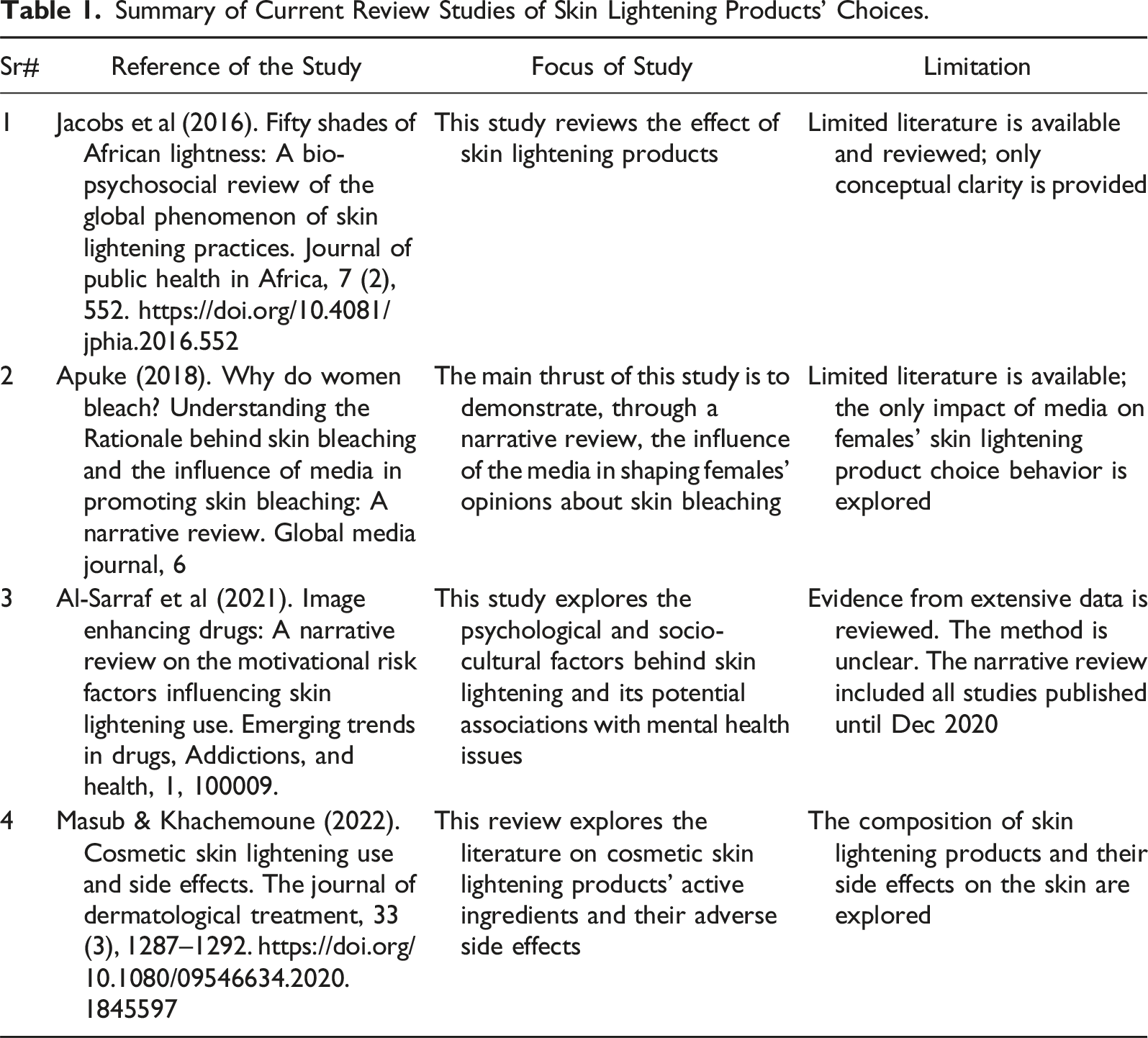
Jacobs et al. (2016) used a narrative review approach to examine the research on skin lightening practices. They reviewed studies from the perspective of the bio-psycho-social approach and used the prism of colonialism to explain why people used SLPs. Their study reported that the factors that underlie the choice of SLPs could be classified into (1) biological determinants, (2) psychological determinants, and (3) social determinants. Overall, the review concluded that SLPs’ choices are underpinned by two main social factors: emotions of pleasure and feelings associated with empowerment. This review did not follow a systematic approach to extracting the records, thus signifying that some critical studies in the domain may have been missed; hence, it mandates adopting a more systematic approach to include an extensive set of relevant studies.
More recently, Apuke (2018) adopted a similar approach to reviewing literature during 2017–2018 in the domain of SLP choices. The study extracted records from Google Scholar and Scopus to unpack factors affecting women’s SLP choices and reported that such choices were driven by psychological factors such as a sense of high status, privilege, empowerment, and the desire to look attractive. The study reported that media depictions of fair skin in the entertainment industry also substantially influenced women to purchase and use SLPs. The review primarily focused on the role of media and provided evidence to establish that media is playing the devil’s advocate. Analytically, this study leaves many gaps about what other factors can be attributed as determinants of SLP choices apart from media.
In a similar narrative review approach, Al-Sarraf et al. (2021) revealed factors other than psychological significance to SLPs’ choices. They reported that socio-cultural, skin-related, and psychological factors could motivate SLPs’ choices. Including studies on the subject matter published until December 2020, retrieved from PubMed, Scopus, CINHAL, and ProQuest, the review concluded that SLPs’ choices are influenced by perceptions of self-esteem and body image, socio-cultural benefits, and necessary skin conditions such as hyperpigmentation.
The literature review study by Masub and Khachemoune (2022) provided recommendations for counseling patients who adopt cosmetic skin lightening. Masub and Khachemoune (2022) highlight that skin bleaching motivations have underlying psychosocial explanations, including frustration and embarrassment about skin color, feelings of unattractiveness, and social pressures from friends.
The summary of current review studies confirms that the state of research around harmful SLPs’ choices needs to be synthesized more systematically to build an integrated model that could inform the de-marketing of harmful SLPs. This review paper follows the SLR approach to integrating the motives behind SLP choices.
Objectives of the Study
Following that, the objective of this paper is twofold: (1) to review the existing literature to explore underlying themes driving the behavior associated with the use of harmful skin lightening products by identifying key psychosocial factors influencing these choices and (2) to propose a conceptual model that can guide social marketers and policymakers in designing programs aimed at encouraging consumers to refrain from using harmful skin lightening products (SLPs).
Based on the objectives of this study, the research questions are: RQ1: What are the key psychosocial factors influencing consumer behavior towards the use of harmful skin lightening products (SLPs)? RQ2: What conceptual model can assist social marketers and policymakers in designing programs to reduce the use of harmful skin lightening products (SLPs)?
Methods
This study uses the Systematic Literature Review (SLR) approach following the PRISMA protocol to review studies in the SLP domain. The SLR approach involves a rigorous and structured process of identifying, selecting, and synthesizing relevant quantitative research studies to answer a specific research question based on a pre-defined protocol outlining the search strategy, inclusion and exclusion criteria, and data extraction and analysis methods.
This research identifies articles for review, following the method outlined by Pickering and Byrne (2014). A systematic literature review (SLR) approach is important for several reasons. Firstly, it ensures that the review process is transparent, rigorous, and replicable. By following a standardized method, researchers can minimize bias and ensure reliable and credible results. Secondly, a systematic review approach enables researchers to synthesize the findings of multiple studies and draw robust conclusions based on a large body of evidence. This is particularly useful when the research question is complex, multifaceted, and requires a comprehensive and nuanced analysis. Finally, a systematic review approach allows researchers to identify gaps in the literature and highlight areas where further research is needed. This can inform the development of future research studies and help advance the field meaningfully.
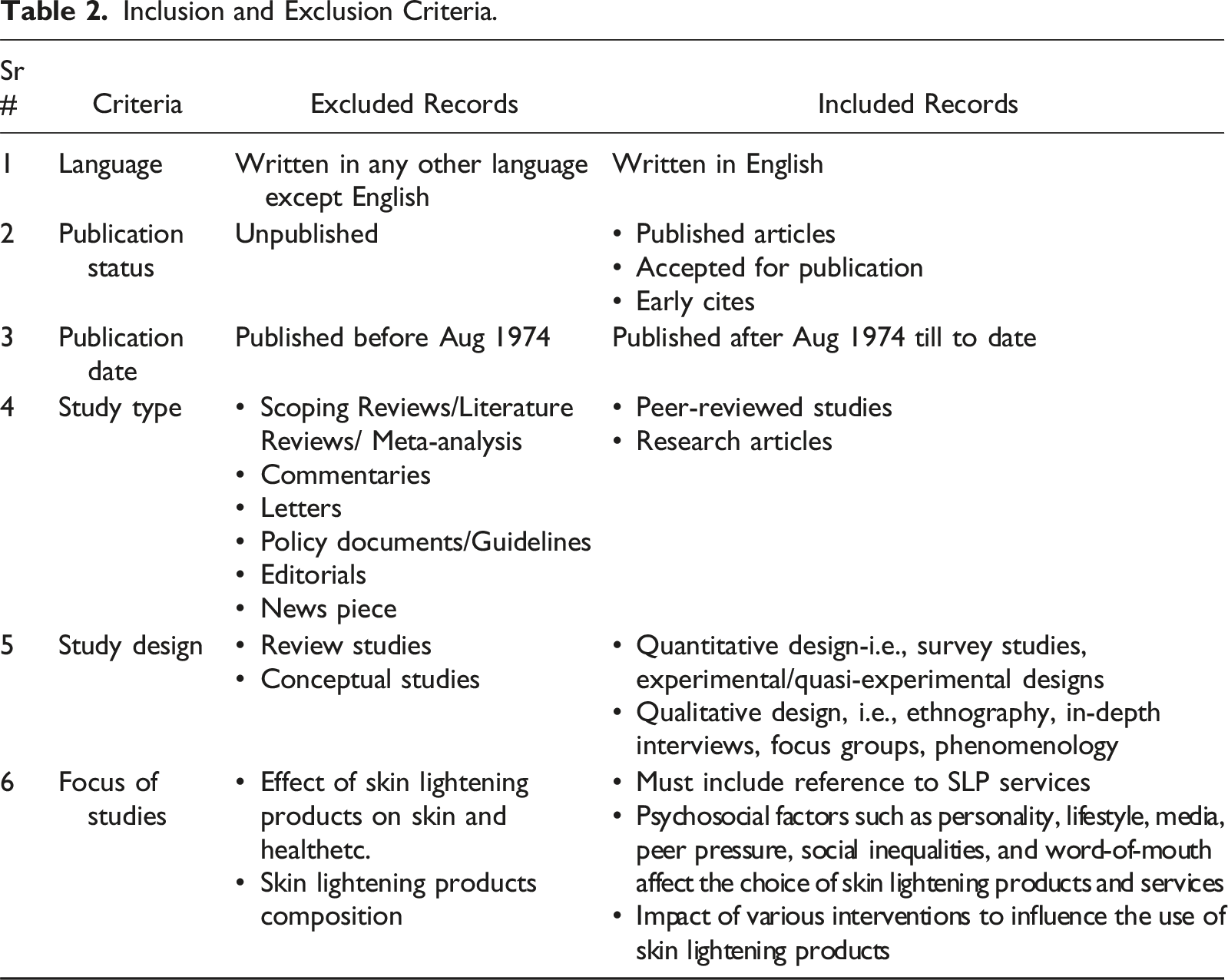
Inclusion and Exclusion Criteria.
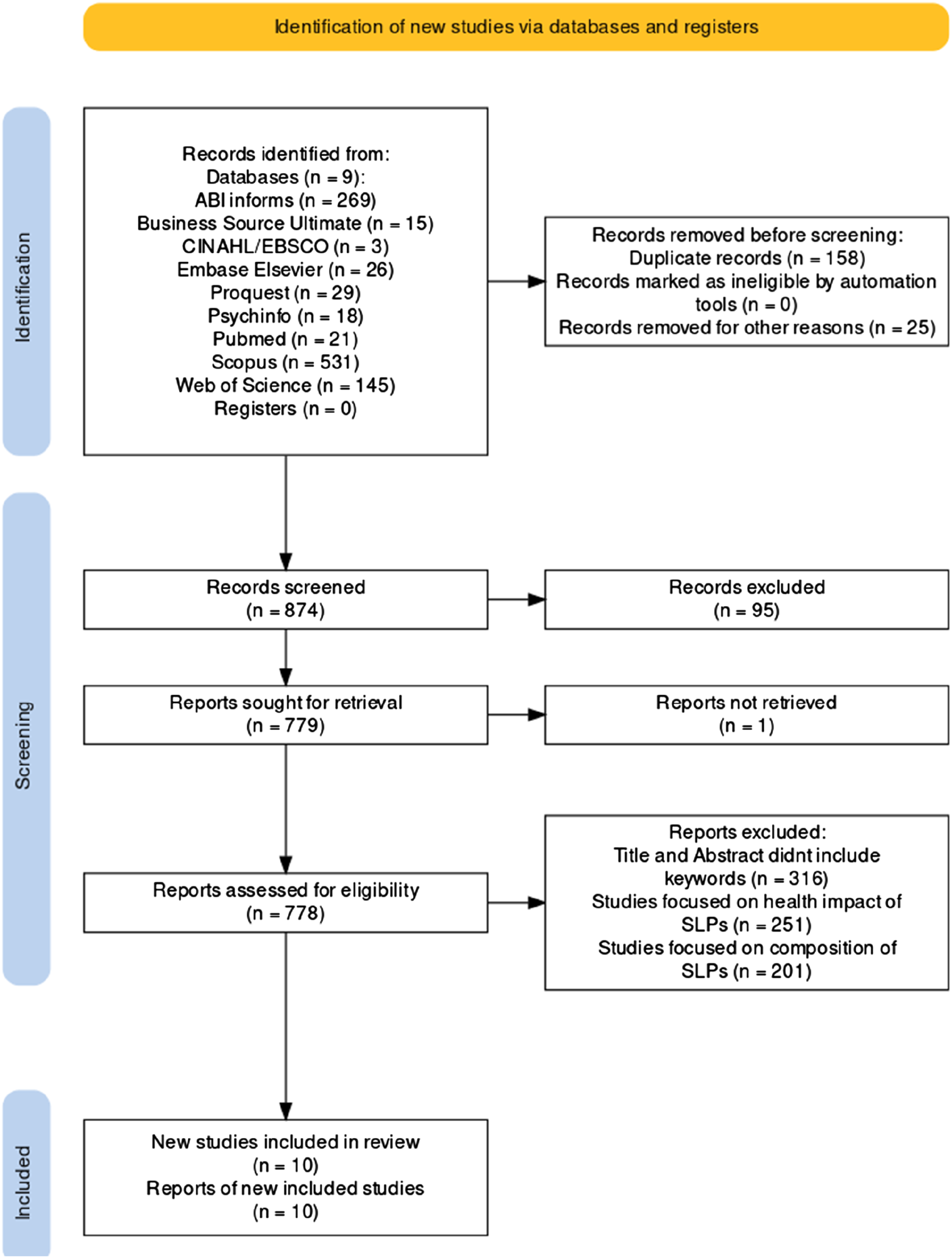
PRISMA flow diagram for extraction of records.
In the first round of screening, records that were not written in English were excluded, resulting in the removal of 25 records. The ‘Find Duplicates’ utility of the EndNote program was then used to remove duplicate records, resulting in the exclusion of another 158 records. The remaining 874 records were screened, excluding 95 articles where the title indicated a focus on health risks associated with skin lightening practices and aesthetic complications. Primary key terms for this study were centered on psychosocial factors behind the use of harmful skin lightening products. The remaining 779 articles were further analyzed for their relevance to the study’s objectives. The full-text of the 779 records was sought, but only one full-text article was retrieved. The remaining 778 records were excluded following the exclusion criteria: (1) manuscripts discussing the health impacts of skin lightening products; (2) manuscripts with the composition of skin lightening products. The screening process was conducted by a team of four experts (the authors of this paper), who initially assessed the records based on their title and abstract in relation to the study’s objectives mentioned in the introduction section. Records without keywords in their title and abstract were excluded. As a result, 316 records were removed. The review team found 251 records relevant to the health impacts of SLPs, while another 201 described the ingredients used in SLPs to highlight their harmful effects on the skin. A total of 743 articles were recorded as non-relevant and removed from further analysis. Finally, a set of 10 articles was analyzed in-depth to identify research trends in skin lightening products, psychosocial factors influencing consumers’ choice behavior, key themes investigated, methods and analytics applied, and prominent researchers in the field. Subsequent in-depth analysis was carried out to develop a framework of determinants of SLPs’ choice and use.
Findings
To achieve the objectives of this article, we used a thematic analytical approach to unpack the themes explored in our limited sample of 10 research studies.
The analysis of journals publishing research on SLPs choice was segregated by years, revealing a lack of research concentration in any specific year or research stream developing in a particular cluster of years. Moreover, the review of the publication years of the studies included in the analysis reveals significant trends in the research of harmful skin lightening products. There was only one study (n = 1) conducted between 1982 and 2001, suggesting that this issue garnered limited attention during that time. Between 2001 and 2020, there was a substantial increase in research activity, with only six studies (n = 6) being published. Three studies (n = 3) were conducted between 2020 and 2039, resulting in remarkable development post-2020. This trend addresses a growing recognition of harmful skin lightening practices as a critical issue, particularly in recent years.
The analysis of methods adopted in the ten included studies reveals a predominant use of methodologies (n = 9), comprising experimental studies (n = (2) and surveys (n = 7). In contrast, only one study (n = (1) utilized a qualitative methodology, incorporating interviews. This distribution underscores a strong reliance on quantitative methods in the exploration of harmful skin lightening practices, with limited engagement in qualitative research.
Geographically, studies are conducted in various regions and countries, including South Asia, India, and Africa (n = 9), with the one exception of the USA, attesting that skin tone is socially recognized as a significant concern. The sample size in studies varied from under 50 to above 800, with most representing smaller samples (under 50: n = 4).
Thematic Analysis of Selected Studies
This study adopted an automated thematic analysis approach using the Leximancer program to analyze the full-text reports of the ten studies. Leximancer follows the analysis of data based on repeated concepts and the corresponding interrelationship of concepts to form themes (Shah & Pabel, 2019; Smith & Humphreys, 2006). This program has been used in several studies adopting a qualitative or mixed-methods design. It has been reported to have reliability and accuracy for revealed themes compared with manual content analysis (Greenland et al., 2023).
The full-text files of the ten studies were loaded into the Leximancer program with a restriction to exclude the ‘methods’ section from thematic analysis. Two major themes emerged (see Figure 2). The theme ‘products’ (presented in a red balloon in Figure 2) received 956 hits, while ‘bleaching’ (presented in a green balloon) received 780 hits. Leximancer concept map of SLPs’ choice.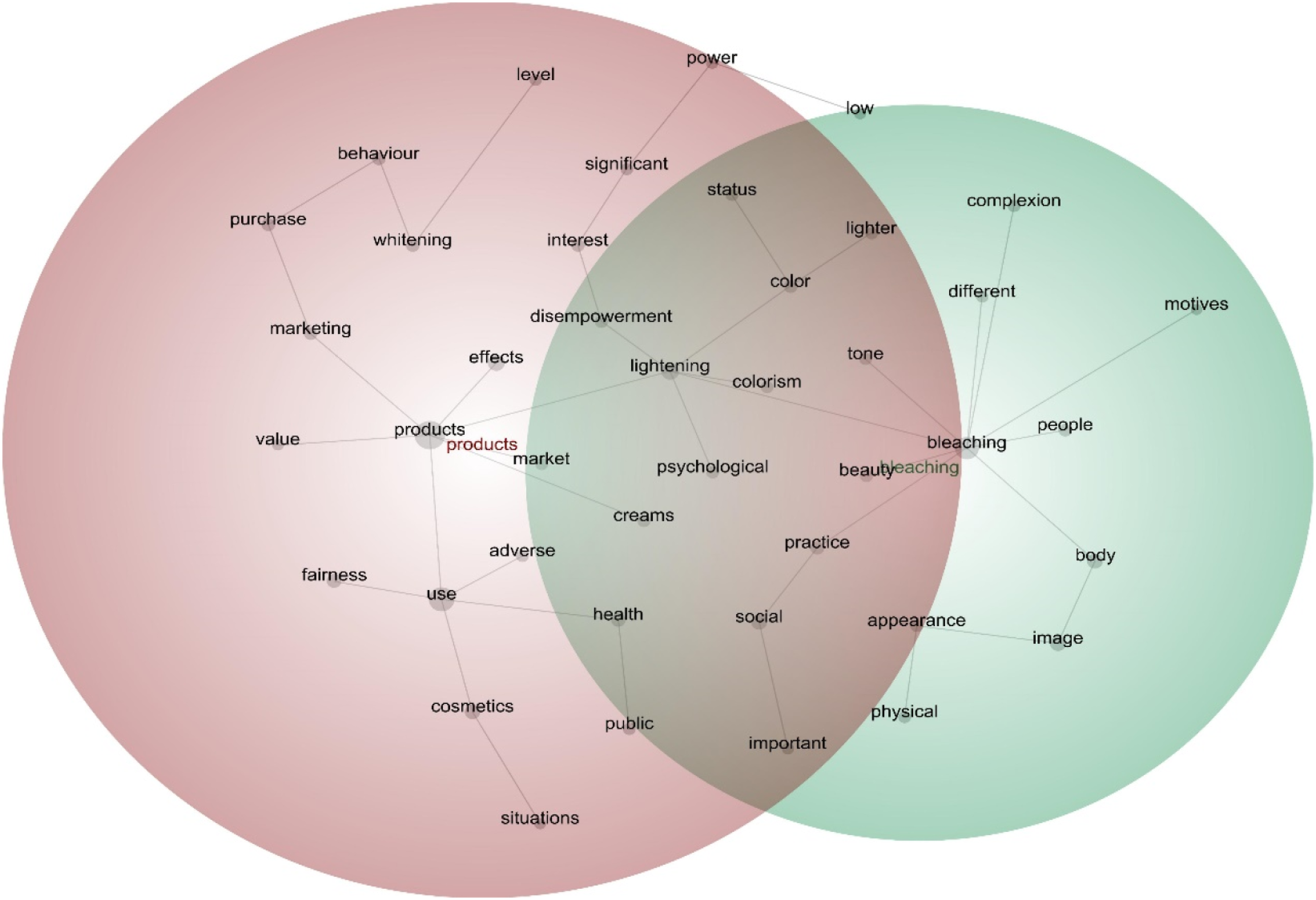
The analysis of the first theme, ‘products,’ revealed major concepts such as products, lightening, effects, cosmetics, fairness, health, purchase, whitening, behavior, disempowerment, interest, creams, psychological, marketing, adverse, status, significant, market, power, level, value, and situations, which are grounded in ‘tangible motivators’ leading to SLPs’ choice. The term tangible motivators is assigned to such factors following the proposal of McClelland’s Trichotomy of Needs theory (McClelland, 1965), which explains tangible motivations behind individuals’ engagement in various behaviors. The text analyzed describes these concepts in various ways. For instance, Adbi et al. (2021) reflect on these concepts in the following way: “However, the heightened level of self-objectification among women may lead women of color to be chronically and disproportionately (compared to men) attuned to the societal benefits afforded to lighter skin. As a result, women of color may more often (compared to men of color) use skin lightening products as a perceived path to improving important life outcomes through enhancing their power and status” (p.187)
Concepts related directly to the tangible benefits of SLP use are mentioned in one study below: “The majority of participants bleached because of the perceived personal, social, and entrepreneurial benefits of the practice and not because they suffered emotional distress, anxiety, and functional impairment because of their skin color” (Charles, 2003, p. 783).
Regarding the impact of marketing on SLPs choices with messages of life goals achievement as an outcome of the use of SLPs’, the concepts retrieved under product themes are narrated in literature along the following lines: “The cosmetic industry’s most powerful tool seems to be its strategy in advertising. The industry further endorses colorism in their advertisements, depicting light skin as beautiful, as the ideal skin tone to enable success, and that their products would help one achieve that ideal skin tone. Advertisements and packaging overtly claim that products will make consumers’ skin fairer and more even toned. In contrast, product names and the use of well-known models and actors in advertisements imply that they will enhance consumers’ cultural capital via improvements in attractiveness, youthfulness, confidence, and success” (Shroff et al., 2017, p. 2).a
The second theme, ‘bleaching,’ included a variety of concepts, including bleaching, body, image, social, practice, color, people, beauty, appearance, public, colorism, tone, complexion, lighter, physical, important, low, different, and motives. The current literature on SLP choices mentions these concepts alongside the choice and use of SLPs in various ways. For instance, motivations behind the attainment of physical attractiveness using SLPs have been described by Cash and Cash (1982) as follows: “Physical attractiveness is typically defined as the person’s aesthetic appeal as a visual social stimulus. Although researchers of physical attractiveness often attempt to control for nonverbal communication factors, they seldom distinguish the ‘natural’ attractiveness of facial and bodily characteristics from the attractiveness that incorporates adornments (i.e., cosmetics, wigs, clothing, jewelry). Nevertheless, physical attractiveness can exert powerful effects on social cognition and social behavior” (p. 2).
Similarly, the psychological state of disempowerment leading to the choice of SLPs has also been attributed as a key determinant of SLP choices. As one study reports: “….data are consistent with the interpretation that women whose body images are flawed and personally unacceptable may attempt to compensate for their discomfort with non-facial features by cosmetic facial enhancement. Perhaps social-image compensation, as well as self-image compensation, represent a psychological goal of cosmetics use. In other words, women who feel unhappy about their ‘below-the-neck’ social stimulus values may use a facial enhancement to distract others from those unacceptable areas and produce a more favorable balanced impression” (Masood et al., 2022, p. 5).
In one study, the concepts relevant to the influence of social pressures (and social media) on the choice of SLPs have been described as follows: “As the internet and social media usage has increased, more people started trying to take picture-perfect selfies, which has increased the usage of beauty filters and editing apps to hide or change their natural skin color, texture, or their real body shape – the trend has also been found to increase the use of skin lightening practices.” (Masood et al., 2022, p. 5)
Many studies highlighted the concepts of self and body image as key psychological factors leading to using SLPs. As Cash and Cash (1982) mention: “They observed relationships are consistent with the view that cosmetics is a tool of self-presentation and social impression management (17, 1, 8, 19, 20). The women in our sample who felt relatively dissatisfied with various body parts or with physical appearance reported higher or recently expanded patterns of cosmetics use—patterns perhaps reflecting a compensatory effort to correct or balance their flawed self-images” (p.12)
These concepts can be collectively categorized under the psychosocial factors affecting SLPs’ choices, as some studies in the literature suggest (e.g., see Gani et al., 2022; Kiang et al., 2020; Masood et al., 2022). The concept interlinks highlighted in Figure 3 show that themes and their concepts are strongly associated, representing a robust web of concept relationships. Interconnectedness of themes and concepts.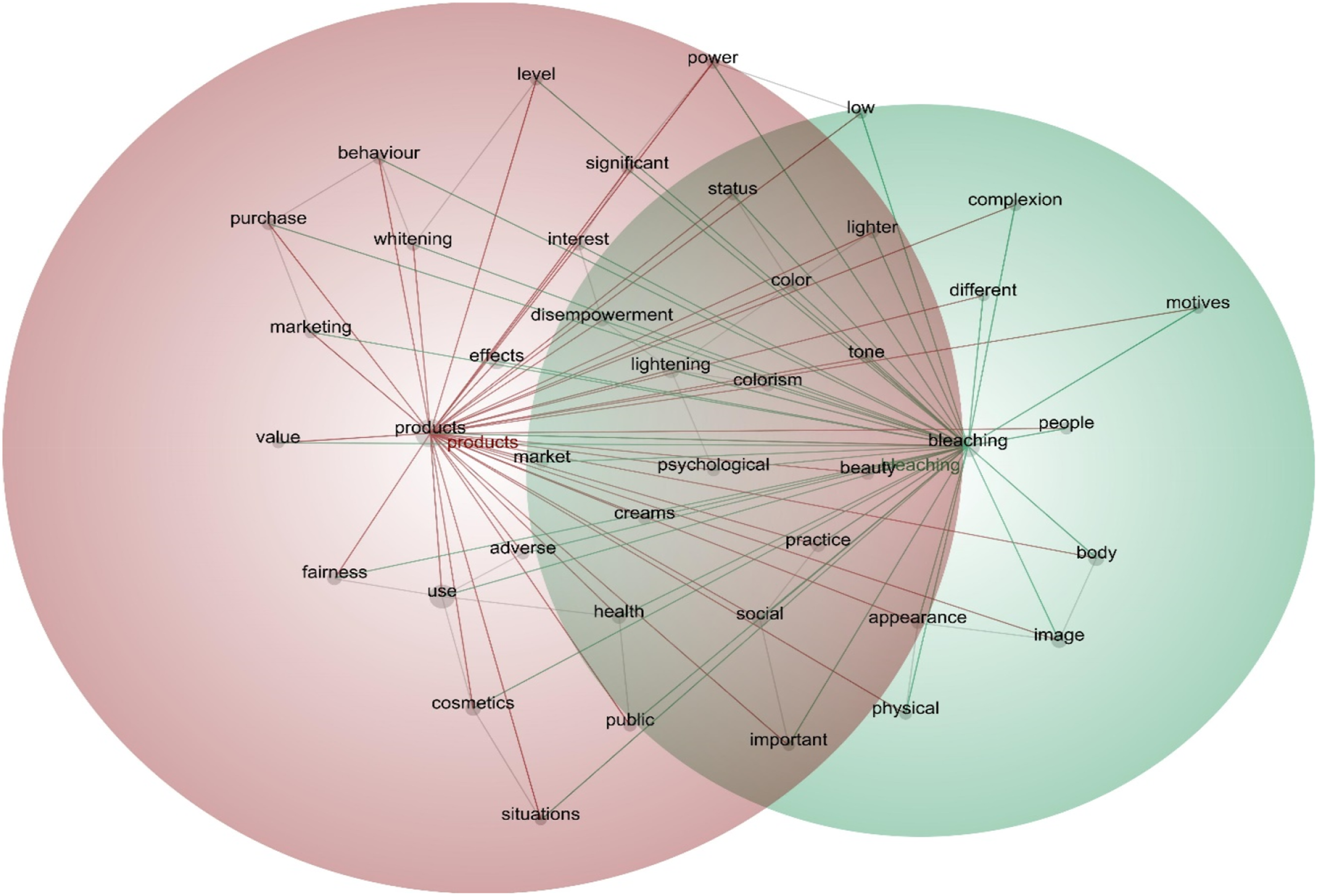
Discussion and Conclusions
Theoretical Grounding of Concepts from Thematic Analysis
After conducting the thematic analysis, we took a grounded theory approach (Chun Tie et al., 2019) to link the extracted concepts with theories in the literature about social psychology to make sense of the theoretical correlates of SLPs’ choice and use. The grounded theory approach helps to systematically assimilate segregated concepts and constructs as a theoretical model or framework to explain a causal chain process behind particular behavior (Babchuk & Boswell, 2023). The advantage of generating theory from individual concepts is that the theoretical explanations can be applied to several contexts and are easily adapted according to the changes in contexts and behaviors under investigation.
Largely, the use of SLPs can be attributed to a range of different factors including, but not limited to, societal and cultural pressures (Masood et al., 2022; Nyoni-Kachambwa et al., 2021), psychological factors, (Cash & Cash, 1982; C. A. D. Charles & McLean, 2017), medical reasons (Ladizinski et al., 2011), marketing and advertising influence (Glenn, 2008; Koubaa et al., 2011; Shroff et al., 2017; Suvattanadilok, 2020), and discrimination and colonial history (Kiang et al., 2020; Uzogara & Jackson, 2016). While such factors are undoubtedly among the most significant reasons reported in the literature behind the choice of SLPs, there is a lack of theoretical conceptualization or explanation of SLP choice behavior in the extant literature, except in a few studies (e.g., see El Jurdi & Smith, 2018; Gani et al., 2022; Kpanake, Muñoz Sastre, & Mullet, 2010). While the four studies mentioned above have given the theoretical explanation surrounding the use of SLPs, they are only limited to marketing factors and ignore the critical role of psycho-social theories that explain deep-seated motives behind body modification intentions (including attainment of lighter skin), such as poor self-esteem or body image.
Theoretical Grounding of Concepts Retrieved From Thematic Analysis.
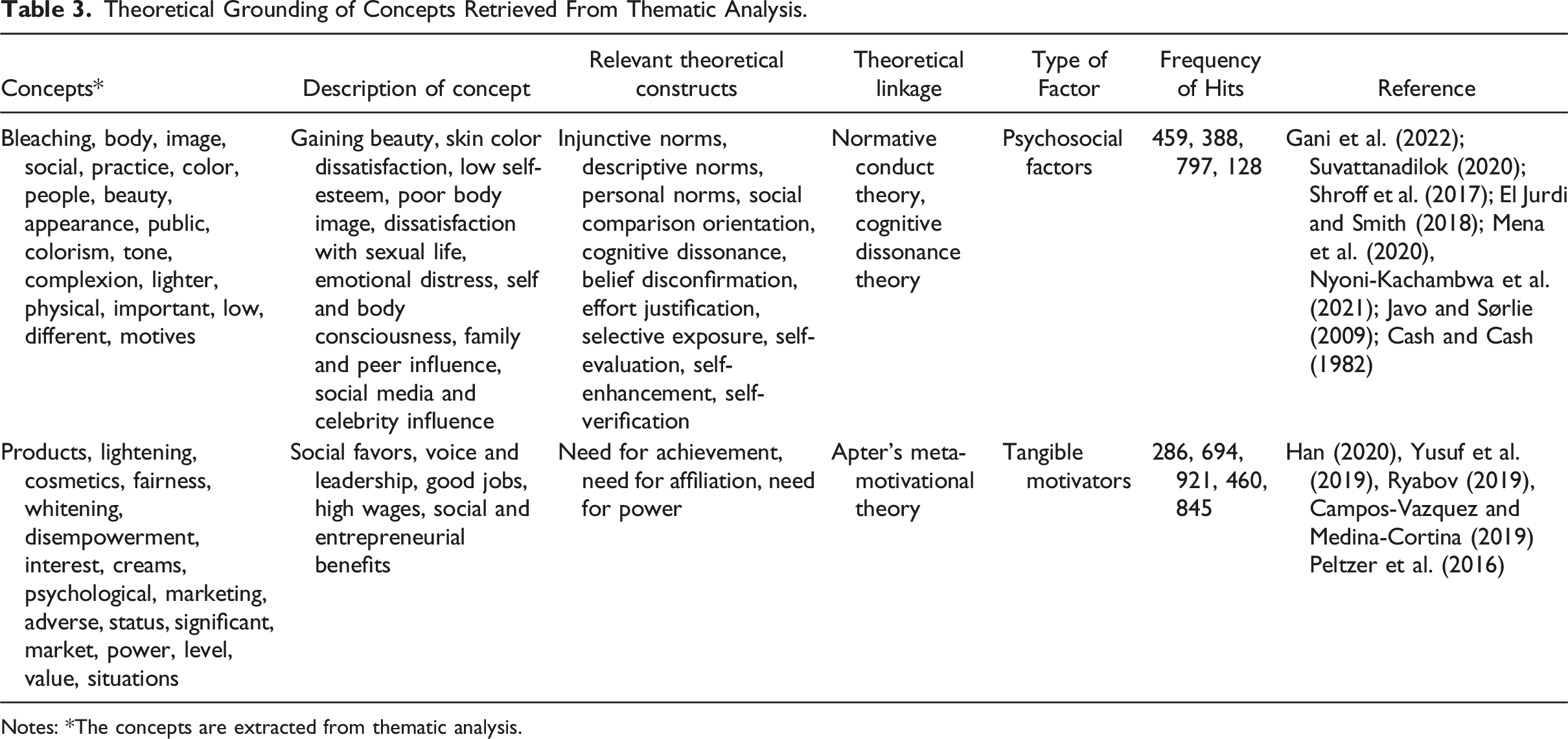
Notes: *The concepts are extracted from thematic analysis.
Psychosocial Factors
The ‘bleaching’ theme obtained from the thematic analysis can be mapped with psychosocial factors as the related concepts of this theme discuss the social and psychological drivers of SLP choices. The concepts underlying this theme, such as body image, complexion, and appearance, pertain to processes happening in the human black box. The detailed description of the concepts reported in the literature refers to psychological elements such as the desire to gain beauty, dissatisfaction with skin color, low self-esteem, poor body image, emotional distress, and self and body consciousness (for instance, see Cash & Cash, 1982; Javo & Sørlie, 2009; Mena et al., 2020; Nyoni-Kachambwa et al., 2021). Mapping these elements with psychology theories reveals that the postulates of objectification theory and cognitive dissonance theory best explain factors influencing SLP choice.
Cognitive dissonance theory (Chatterjee et al., 2023; Festinger, 1957) posits that individuals experience discomfort when their attitudes and behaviors are inconsistent. In the case of skin lightening products, an individual may experience cognitive dissonance if they believe that a fair skin tone is more beautiful while they have a darker skin tone. To reduce cognitive dissonance, the individual may change their beliefs about skin tone by rationalizing that dark skin is equally attractive or otherwise choosing to apply skin lightening products to attain a lighter skin tone to seek harmony between their beliefs and behavior. Alternatively, the individual may stop using skin lightening products and believe in equality in the attractiveness of all skin tones. This can be a difficult process, as it may require standing against one’s own underlying insecurities or societal pressures that may have contributed to the belief in the first place.
The other category of concepts in the ‘bleaching theme’ refers to social factors necessitating the choice and use of SLPs. The relevant concepts under this factor and their description presented in Table 3 posit that the choice and application of SLPs are highly recommended by strong institutions, including significant others, the public, people, and social practices (norms) who have considerable influence on individuals (e.g., see Gani et al., 2022; Shroff et al., 2017; Suvattanadilok, 2020). Literature suggests that normative conduct theory better explains these concepts and their impact on SLP choices.
Normative Conduct Theory (Bergquist et al., 2021; Cialdini et al., 1991; Saleem et al., 2021) is a framework that seeks to explain how and why people conform to the attitudes, beliefs, and behaviors of others in social situations. The theory asserts that people are heavily influenced by the presence and actions of others in their environment and that this influence can take many forms, including persuasion, obedience, conformity, and compliance. In the context of normative conduct theory, skin lightening can be seen as an example of normative influence. In other words, people conform to the attitudes and behaviors of a group to fit in or avoid rejection, even if they do not personally agree with the group’s beliefs. The theory also suggests that informational influence may play a role in skin lightening. When people lack knowledge or understanding of the harmful effects of skin lightening products or the social and cultural influences that drive this behavior, they may look to others for guidance and adopt the practice of skin lightening.
Tangible Motivators
The ‘product’ theme extracted from the thematic analysis fits well with the tangible benefits of attaining fair skin. Key concepts under this factor refer to status, attractiveness, beauty, and perceived importance. Benefits include social favors, good jobs, high wages, and social and entrepreneurial benefits (e.g., see Peltzer et al., 2016; Ryabov, 2019; Yusuf et al., 2019). The role of tangible motivators in choosing SLPs is theoretically grounded in Apter’s Meta-motivational Theory.
Apter’s Meta-motivational Theory (Heckhausen, 1977; Zarrouk & Fruchart, 2021) proposes that individuals are driven by a set of basic motivational systems, or “meta-motivational states.” These states include the need for achievement, the need for affiliation, the need for power, and the need for withdrawal. When it comes to skin lightening products, the need for affiliation and the need for achievement are two meta-motivational states that may influence an individual’s decision to use these products. The need for affiliation refers to the desire to belong to a social group. In cultures where lighter skin is considered more desirable, an individual may use skin lightening products to conform to the beauty standards of their social group and gain acceptance. This can be seen as fulfilling the need for affiliation by fitting in with their social group. Skin lightening product choices may also be related to the need for achievement, as individuals may be motivated to alter their physical appearance to achieve a certain standard of beauty and perceive lighter skin as a symbol of success.
Need for Interventions to Discourage Harmful SLPs Use
While there is ample research on psychosocial correlates of SLP choice (but limited empirical studies), there is a dearth of research proposing and applying interventions to reduce SLP use. To the best of our knowledge, Lewis et al. (2012) are the only scholars who made a compelling call to address the scarcity of research in this domain and contributed by evaluating some interventions to prevent skin bleaching in Tanzania. Their study concluded that an ideal intervention program to achieve desired results might include didactic education, governmental action, and the involvement of educational media. While some general guidelines with regard to reducing SLP use can be traced in medical and social policy literature, such as public health campaigns, education and outreach, and policy changes to promote diverse beauty standards and discourage discrimination based on skin tone, there is no scientific study to substantiate the effectiveness of such programs in different cultures. Little is known about the modalities of developing and deploying interventions to discourage SLP use.
Based on the thematic analysis and theoretical mapping reported in Table 3, Figure 4 proposes a conceptual model of the psychosocial correlates of SLP choice and use behavior. Conceptual model of SLPs’ choice derived from literature. Notes: (a) Constructs in the red block are based on Normative Conduct Theory; (b) Constructs in the blue block are based on Apter’s Meta-motivational Theory; (c) Constructs in green block are based on Cognitive Dissonance Theory; (d) Constructs in the dotted block are based on Social Exclusion (Marginalization) Theory.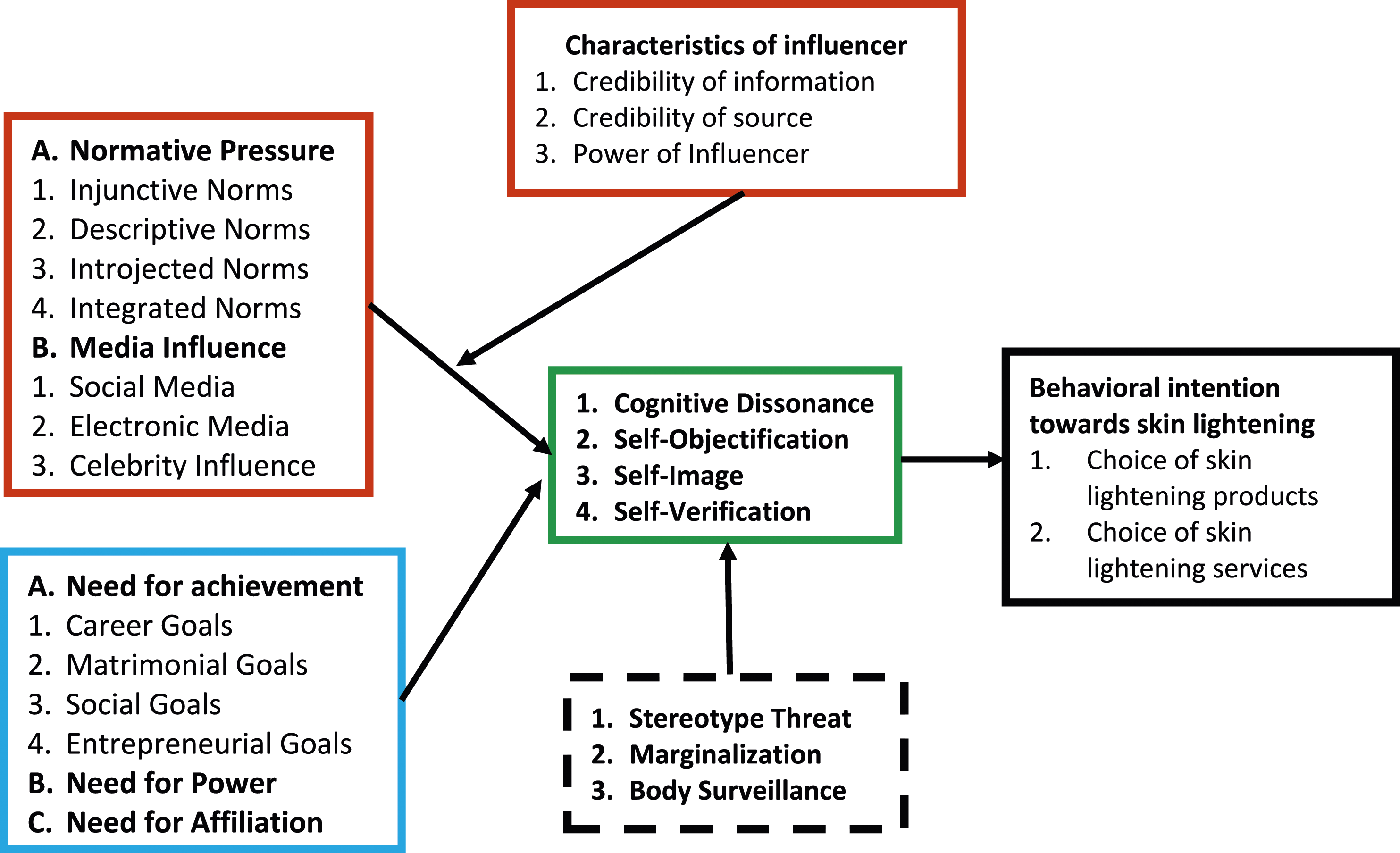
Our findings closely align with the current body of literature on skin lightening products (SLPs), particularly in terms of the intricate interplay of psychosocial factors that influence their use. As in previous research, we discovered that societal and cultural pressures have a substantial impact on the decisions of individuals, which is consistent with the apprehensions expressed by Chen & Jablonski (2023) and others concerning the adverse health consequences of SLPs. It is important to note that our research builds upon previous research by utilizing a grounded theory approach. This approach reveals not only the psychological factors, such as low self-esteem and body image dissatisfaction, but also the normative pressures that compel individuals to adhere to detrimental beauty standards. This contributes to the comprehension of colorism as it is addressed by Khan et al. (2022) and demonstrates how the necessity for social acceptability and institutional impacts influences the consumption of SLPs. Furthermore, our research emphasizes the importance of targeted interventions, a gap identified in the literature, particularly by Lewis et al. (2012), and the primary focus of existing studies on health hazards and marketing influences. By synthesizing these findings, we reinforce the critical need for comprehensive public health strategies to combat the pervasive appeal of SLPs, as highlighted in the WHO recommendations.
Implications for Social Marketing theory and Practice
Tesfamariam et al. (2023) suggested that within the field of social marketing, de-marketing dangerous skin lightening products by effective interventions, campaigns, or legislation requires a strong reliance on the influence of social media, normative pressure, achievement-seeking behavior, power, and affiliation. Harnessing social media to spread success stories, instructional materials, and positive role models who appreciate the beauty of nature is discussed by Harun, Mahsan, Zulkefli, and Md Isa (2016) in their conference presentation. Celebrities and influencers can be important in opposing harmful beauty standards and promoting positive self-images (Khan et al., 2022).
Normative pressure, which influences societal norms, may be utilized to initiate a cultural change (Raj et al., 2022). Campaigns can encourage people to reject harmful practices, combat societal pressure to comply, and appreciate their natural skin tone by encouraging positive beauty standards, involving influencers who reject inappropriate behavior, and supporting community debates questioning harmful norms (Islam & Hani, 2021).
Positive norms can be accomplished by promoting personal success and progress by increasing the emphasis on achievement, which is preferable to living up to unattainable beauty standards (Yayehrad et al., 2023). Personal goals should be redefined by empowering messages highlighting accomplishments without turning to destructive behaviors, featuring successful role models who appreciate their inherent attractiveness, and emphasizing that real confidence stems from abilities and accomplishments (Morgenroth et al., 2015).
Additional strategies include capitalizing on affiliation and authority. Messages would include portraying women with authority, such as film actresses, executives, and professionals with dark skin, and those who refuse dangerous skin lightening cosmetics as powerful influencers (Yusuf et al., 2019). Social media campaigns, workshops, and community-based events are examples of affiliation tactics that can help people who value their inherent beauty and reject negative behaviors feel more connected to one another (Dwivedi et al., 2020).
Social marketing initiatives can develop a comprehensive and effective plan by including social media influence, normative pressure, the demand for achievement, power, and affiliation. By encouraging a healthier and more inclusive beauty narrative, challenging harmful norms, and inspiring positive behavior change, this strategy hopes to de-market harmful skin lightening products (Petrescu et al., 2021).
To sum up, implications for social marketing include the necessity for comprehensive interventions to de-market harmful skin lightening products, aligned with a theoretical foundation that elucidates the motivations underlying their adoption. By employing normative conduct theory, social marketing may challenge social conventions and encourage more effective behaviors, while cognitive dissonance theory facilitates initiatives that address internal conflicts associated with self-image and cultural beauty standards. Furthermore, concentrating on tangible motivators helps redefine success and social belonging beyond dependence on lighter skin tones. By utilizing these psychological and social factors and its techniques, social marketing can drive a cultural shift towards recognizing natural beauty and effectively reduce the dependency on harmful skin lightening products (SLPs).
Conclusion
This review paper aimed to synthesize current literature on SLP choice to (1) identify its psychosocial correlates and (2) to propose conceptual map to assist social marketers and policy makers to discourage use of harmful SLPs. The results reported in earlier parts of this paper provide helpful information about both objectives, though the latter is highly under-researched.
Research reports that the media communication strategy of skin lightening products targets women’s emotions by portraying those with dark skin as sad, dejected, and lifeless (Adbi et al., 2021). Advertisements for pedaling products can be seen across the globe. The media drives this negativity further, where advertisements select lighter-skinned individuals to promote beauty products and success. In so doing, advertisers use several social norms to establish that dark skin is a disability that needs to be treated by using skin lightening products (Pollock et al., 2021). The prominence of light-skinned people is normalized on TV, which is further promoted by family. (Alrayyes, Alrayyes, & Farooq, 2020). Consequently, as noted earlier, the use of SLPs is growing at an alarming rate. (Khan et al., 2022).
The conceptual model proposed in Figure 4 can serve as a first step in designing interventions to prevent the use of SLPs. Once the model is tested and validated in a particular context and with a relevant target population, the resulting empirical evidence can be used to develop persuasive messages to educate customers about the harmful effects of SLP use and relevant prevention strategies.
Social Exclusion Theory has not been mapped against any concepts retrieved from the ten selected papers in this study. However, it has been excessively cited in other conceptual articles excluded from this study because they did not satisfy inclusion criteria. It explains the psychological reasons behind the pursuit of lighter skin. Overall, the conceptual framework proposed in Figure 4 posits that normative pressure exerted by immediate friends, family, and colleagues, supplemented with media pressure, is a key determinant of evoking psychological states of mind that trigger the use of SLPs. Alongside normative pressure, several individual goals and motivations also evoke negative psychological states, leading to the use of SLPs. The psychological states cited above include cognitive dissonance, negative body image perceptions, and the need for self-verification. Altogether, these states of mind develop a kind of psychological imbalance necessitating actions, such as using SLPs to attain lighter skin, to achieve balance and conform to group expectations while pursuing personal goals.
Limitations and Future Research Directions
Although considerable effort has been invested in ensuring that this study adheres to all scientific conventions described in PRISMA guidelines, our research has a few limitations, like many other studies. This current review paper focuses on extracting records and reporting using SLPs, which is a narrow approach. One might argue that studies reporting on general beliefs about skin tone may also contribute to conceptualizing the model of SLPs’ choices; excluding them may mean the loss of important information. Future studies may consider adding a more comprehensive range of papers for review on beliefs about skin tones and inequality arising from diverse skin tones. Additionally, the authors of this paper acknowledge that there might be some studies around interventions to reduce SLPS use that could not be captured in the SLR process adopted in this review paper. The reasons potentially include the stringent inclusion criteria stated earlier in this paper, for instance, including papers written in English and those that are empirical. Expanding the database choice and relaxing inclusion criteria could increase the probability of capturing all such records that future research studies may consider.
Supplemental Material
sj-pdf-1-smq-10.1177_15245004241309932 – Supplemental Material for Glowing Beyond Shades: Unveiling the Psychosocial Correlates of Skin Lightening Product Choice – A Systematic Review
Supplemental Material, sj-pdf-1-smq-10.1177_15245004241309932 for Glowing Beyond Shades: Unveiling the Psychosocial Correlates of Skin Lightening Product Choice – A Systematic Review by Hanan Afzal, Sameer Deshpande and Joan Carlini in Social Marketing Quarterly
Footnotes
Acknowledgments
I would like to extend my gratitude to Dr. Muhammad Abid Saleem, lecturer, University of Wollongong, for his unwavering support throughout this research endeavor. His expertise has been instrumental in refining the methodology and data analysis.
Ethical statements

Supplemental Material
Supplemental material for this article is available online.
Author Biographies
References
Supplementary Material
Please find the following supplemental material available below.
For Open Access articles published under a Creative Commons License, all supplemental material carries the same license as the article it is associated with.
For non-Open Access articles published, all supplemental material carries a non-exclusive license, and permission requests for re-use of supplemental material or any part of supplemental material shall be sent directly to the copyright owner as specified in the copyright notice associated with the article.
