



Abstract
Purpose
Feminine hygiene has emerged as a crucial topic of concern in recent years, with growing emphasis on the perspectives of medical professionals, particularly gynecologists. This paper sets out to study the feminine hygiene product adoption among women from gynecologists’ perspective using the theory of planned behavior (TPB) as a relevant and effective framework to study the behavioral tendencies of target audience.
Methods
Our research employs a qualitative approach, engaging in-depth interviews with 25 gynecologists. A semi-structured questionnaire guided these interviews, and they took place in settings chosen by the gynecologists themselves, such as private clinics or hospitals. The collected data was meticulously analyzed using thematic analysis.
Findings
Our study confirms the applicability of the TPB as a qualitative research tool. Furthermore, the results have contributed to the evolution and enhancement of the TPB model by incorporating additional influential variables. Notably, ‘comfort’ was identified as a significant factor influencing women’s attitude towards feminine hygiene, and beyond the TPB constructs, product knowledge was revealed to play a pivotal role in shaping women’s intentions to adopt feminine hygiene products.
Practical Implication
From a social marketing perspective, our study offers valuable insights for various stakeholders within the healthcare industry, policymakers, and product manufacturers. It highlights the urgency of normalizing the acceptance of feminine hygiene products, addressing unfamiliar advantages and disadvantages, and promote product efficacy. By adopting these strategies, stakeholders can better cater to women’s needs and enhance their overall health and well-being.
Originality/Value
This research makes a noteworthy contribution to the feminine hygiene literature by shedding light on the constructs that need to be integrated to understand women’s menstrual hygiene behavior comprehensively. This study has offered a wide range of understanding about feminine hygiene phenomenon from gynecologists’ perspective that has not yet been explored in any study. Additionally, we provide a robust theoretical framework for comprehending the feminine hygiene context, offering a foundation for further research and practical interventions.
Introduction
The role of gynecologists is of utmost importance in the field of menstrual health and hygiene. They play a crucial role in the healthcare sector, offering women a comprehensive perspective on menstrual health services across different regions, for both adolescent girls and women (Anaba et al., 2022; Ministry of Drinking Water and Sanitation, 2015). Ensuring menstrual health is essential for enhancing global population well-being, fulfilling Sustainable Development Goals, and promoting gender equality and human rights. Attaining comprehensive menstrual health involves educating everyone, including men, boys, and healthcare providers, about the menstrual cycle. It also requires dismantling harmful stigmas and norms within society (Hennegan et al., 2021). Despite this significance, women often conceal their gynecological health issues, as observed by Nash (2022). Many females only seek gynecologists’ help while experiencing diseases and gynecological problems such as irregular periods, Toxic Shock Syndrome (TSS), and Polycystic Ovarian Disease (PCOD). Unfortunately, social stigmas and taboos surrounding these health issues deter women from visiting gynecologists for timely medical attention (Guvenc et al., 2012).
Managing menstruation hygienically is crucial for women’s health and well-being, considering that they constitute more than 49.5% of the global population (Acumen, 2022). Menstrual health is not only important for personal well-being but also serves as an indicator of women’s overall health and a key aspect of sexual and reproductive healthcare, as highlighted by Sustainable Development Goal 3 (UNDP, 2015). However, problems related to feminine hygiene persist and pose significant concerns for both women and healthcare professionals.
Menstruation is stigmatized and considered abject; a substantial body of literature has addressed the adverse effects of menstrual stigma (Kosher et al., 2023). Lack of knowledge, cultural beliefs, and misconceptions about menstruation contribute to ignorance, unawareness, and unpreparedness among girls and women (Critchley et al., 2020; Majeed et al., 2022). These issues lead to various health problems and hinder women’s empowerment and career development opportunities (Miiro et al., 2018; Bryson et al., 2022). Unfortunately, menstrual hygiene has often been under-prioritized in healthcare systems and policies, affecting access to sanitary supplies. Social well-being in the context of menstrual health means individuals should be free to engage in civil, cultural, economic, social, and political activities without facing restrictions or exclusions based on their menstrual cycle (Hennegan et al., 2021). Being a part of social marketing, it should contribute towards addressing menstrual health comprehensively, including acknowledging and framing menstruation as a health issue, ensuring access to menstrual health information, and integrating menstrual health into sectoral work plans and budgets (WHO, 2023).
Research as to why public is averse to accepting gynecologists' help and understanding gynecologists' perspective towards the existing menstrual hygiene practices among females arguably remain ignored. Particularly as opinion of gynecologists has been demonstrated to provide evident menstrual hygiene importance and benefits (Guvenc et al., 2012; DePree et al., 2022). As this “gap” and “lack of understanding” was the catalyst for this research, the issues contributing to theory and knowledge by addressing the perspective of gynecologists was chosen as a criterion for investigation. It will focus on perceived attitudes, subjective norms and perceived behavioral control of women that plays a vital role in prevailing feminine health practices from a gynecologist’s perspective. It has been argued that in recent decades, health professionals and marketers have used social marketing initiatives towards popularizing the health and hygiene products (Wang & Xu, 2023). These social marketing involves the application of marketing principles to shape the attitudes and behaviors of a specific target audience for the betterment of society (Lee & Kotler, 2015). In this process, social marketing implements interventions aimed at influencing the attitudes and behaviors of the target audience (Dugas et al., 2021). In this context, this study uses Ajzen’s (1991) Theory of Planned Behavior as its theoretical framework as this theory is recommended in social marketing context due to its ability to understand the behavior of target audience (Machaka-Mare et al., 2023; Setiawan et al., 2020).
The primary aim of study was to develop a tool to help in identifying prevailing menstrual hygiene practices, perceived barriers in treating patients with menstrual issues and acceptance of feminine hygiene products with the help of a conceptual framework.
Literature Review
Menstrual Health and Hygiene
Addressing women’s menstrual health is important in improving for their well-being and providing them opportunities for better social position (Sundstrom, 2014). Research conducted in a south Indian city revealed that only half of the women surveyed used sanitary napkins as their preferred absorbent resource, indicating a significant gap in menstrual hygiene practices (Chandra-Mouli & Patel, 2017). Vaginal and reproductive tract infections affect approximately 70% of females, yet many of them avoid seeking timely help from gynecologists (Dasra, 2015). Cultural taboos and embarrassment surrounding gynecological issues have been observed among young women in Turkey, impacting their health-seeking behavior (Guvenc et al., 2012). Despite advancements, a significant percentage of young rural women (27%) and urban women (10%) continue to use unhygienic methods of protection during menstruation, as reported by the National Family Health Survey (NFHS-5) (Plesons et al., 2021). In India, 64% of women prefer sanitary napkins, while 50% use cloth, and 15% choose locally made napkins (Panjwani et al., 2023).
Under Prioritization in Healthcare Systems and the role of Gynecologists
Inadequate information and poor hygiene practices contribute to girls missing or dropping out of school when they reach puberty, hindering their access to education (Sharma et al., 2022). These challenges stem from the under-prioritization and under-resourcing of many countries' menstrual hygiene policies and infrastructure (UNICEF, 2019). Inconsistencies in access to healthcare services also contribute to the increasing prevalence of vaginal disorders (Zodpey & Negandhi, 2020). Furthermore, prevailing stigmas affect females' access to sanitary materials, resulting in low awareness and uptake of menstrual cups (Anaba et al., 2022). Limited adoption of menstrual cups and tampons has been attributed to women’s reluctance to use these products due to cultural and personal reasons and not seeking advice from healthcare professionals (Romo & Berenson, 2012).
The current situation highlights that women do not always receive prompt and effective clinical care for menstrual health issues, such as premenstrual syndrome, painful menstrual periods, irregular menstrual periods, excessive bleeding, and delayed or early onset of menstruation (Sommer et al., 2017). Among those who do receive care, healthcare professionals like gynecologists to provide traditional or contemporary treatments as compared to family members or friends (Chandra-Mouli & Patel, 2017). Many others deal with these issues alone and in silence. Lack of access to timely and efficient clinical care impairs the functioning and overall sense of well-being of girls and others who menstruate, including their sense of agency and confidence. Additionally, it results in the potential underdiagnosis and treatment of potentially serious medical conditions that are evident as menstrual symptoms (Sommer et al., 2017).
Insufficient care represents a lost opportunity to link efforts to improve menstrual health with initiatives on related issues, such as contraception, and to integrate menstrual health into the larger package of essential sexual and reproductive health services (Plesons et al., 2021). Several nations, including Japan, Indonesia, Taiwan, South Korea, and Zambia, have already instituted menstrual leave policies. While some companies in India have voluntarily adopted such policies, there is currently no legal mandate for menstrual leave. Establishing a legal provision would guarantee women the entitlement to menstrual leave, making it obligatory for employers to offer it. This step not only contributes to dismantling the stigma surrounding menstruation but also fosters gender equality within the workplace and society (Bhaghamma & Ramesh, 2023).
Theory of Planned Behavior
The theory of planned behavior by Ajzen (1991) is regarded as a foundational theory to study behavior changes, many public health researchers have used this psychosocial theory to study the behavioral changes in the target audience (Sundstrom, 2014). The theory presents clearly defined concepts that are easy to operationalize and has been utilized in several contexts such as public health, feminine hygiene (Yang & Kim, 2023), quitting smoking and healthy eating (Machaka-Mare et al., 2023), nutrition-related behaviors (Riebl et al., 2015). TPB elucidates that attitude, perceived behavioral control, and subjective norms play a strong role in predicting, understanding, and changing health behaviors (Sundstrom, 2014). At the same time, the TPB has been criticized for its applications to predict behaviors. For example, the explanatory nature of the TPB does not allow researchers and practitioners to predict future behaviors (McEachan et al., 2011). Further, other study conducted in Addis Ababa, employing the theory of planned behavior, demonstrated that the variables within this framework were insufficient for accurately predicting voluntary HIV counseling and testing (Mirkuzie et al., 2011). Thus, researchers in this study found it important to elucidates the TPB framework in health and hygiene behaviors change.
Figure 1 The role of TPB in this study is contextual by testing an established theory and exploring gynecologists' perspectives on feminine hygiene products. Using TPB in a new audience-oriented context makes the current research exploratory rather than confirmatory. This approach allowed respondents to voice their cognitive and relational perceptions on the topic. The proposed theory of planned behavior framework.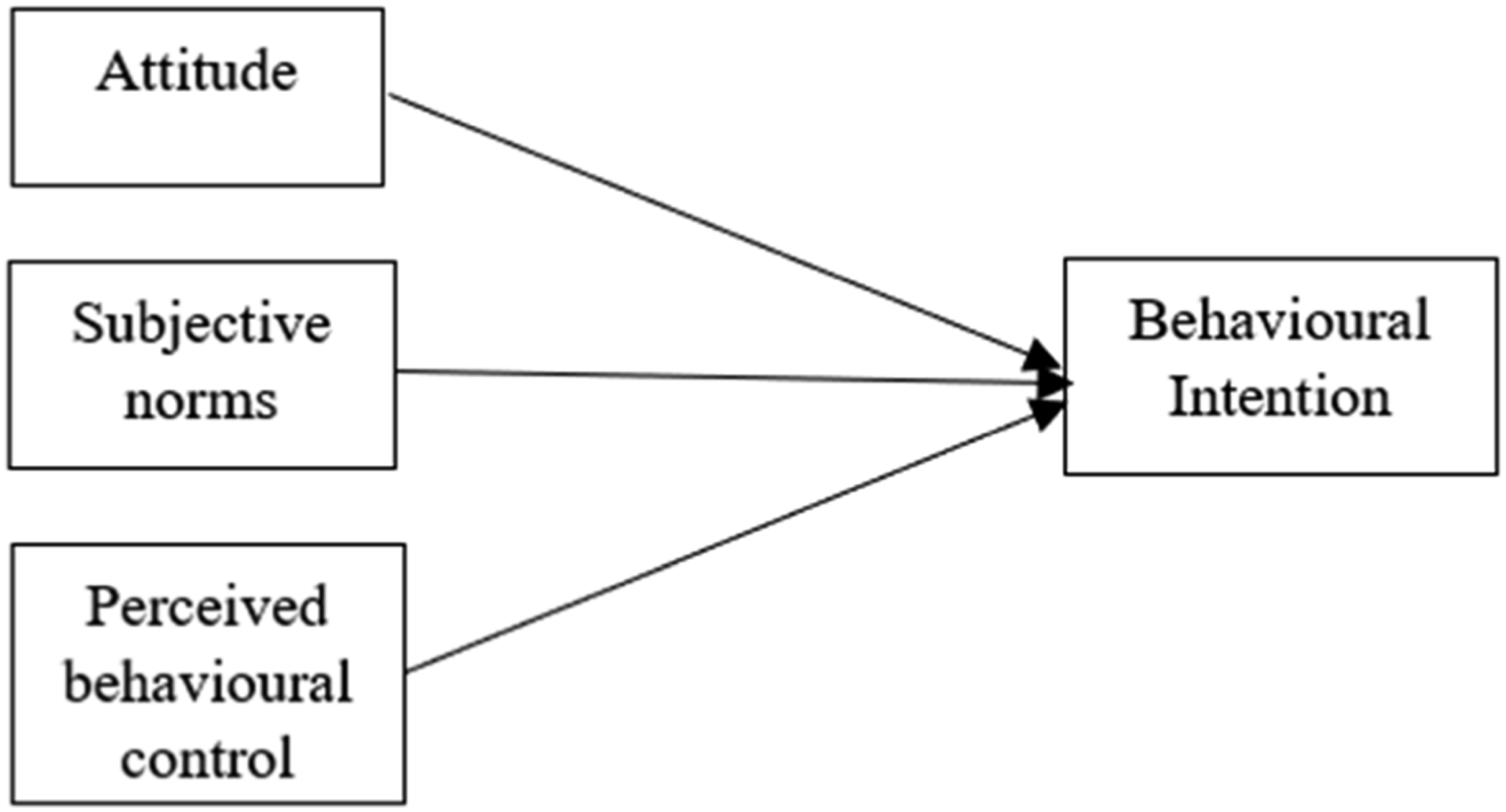
Research Methodology
This exploratory study is designed to gain a deeper understanding of Gynecologists' experience concerning menstruation management among women residing in different regions of India. We decided to investigate the factors or attributes that gynecologists usually come across menstruation management among Indian women by further probing their reasoning and comparing it with current literature. Thus, our elected methodology was qualitative; specifically, thematic analysis was utilized to develop the semi-structured interview questions, using Ajzen (1991) TPB as the theoretical framework.
Sampling and data collection
The study recruited 25 Gynecologists (21 females and 4 males) specialized in treating various gynecological problems. Care was taken to ensure a balanced representation of urban, semi-urban, and rural regions, providing a comprehensive understanding of perspectives. Respondents were selected from the different regions of Delhi NCR. Prior consent was obtained from the Gynecologists before conducting in-depth interviews. The interviews were conducted in an informal and friendly manner to establish rapport and elicit a subjective perspective. The interview process commenced with general questions to facilitate rapport-building, followed by specific inquiries about the study topic.
Ethical considerations
Written informed consent was provided to all the respondents to participate in the study. We also informed respondents of their right to end discussions at any time, and all audio recordings were permanently deleted after verification of transcripts. The study received approval from the Institutional Research Ethics Committee of Symbiosis International University (Ref: SIU/IEC/433).
Analysis
Overview of Interview Data Sources.
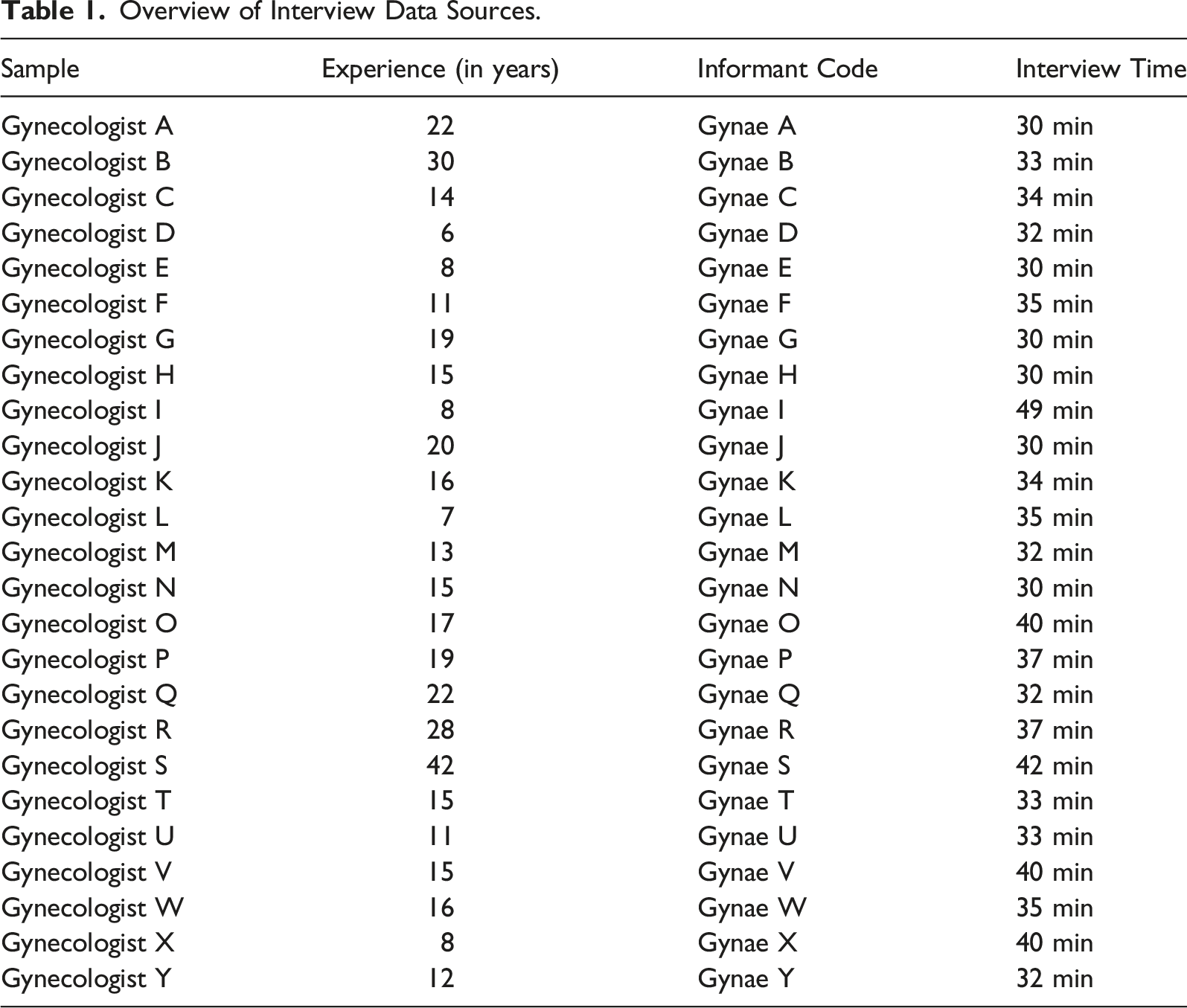
The analysis process followed a rigorous four-step qualitative analysis approach. Initially, codes were identified from the transcribed data and grouped into categories or themes. Subsequently, in steps two and three, these codes were organized within evolving themes, and categories were carefully examined for meaning and interpretation. Finally, a diagram was created to visually represent the identified themes and codes, offering a comprehensive overview of the findings.
Findings
Total 25 participants ranged from 24 to 56 years of age with an average age of 37.7. These participants included gynecologists working in their private clinics and at some private or government hospitals. They possess experience of 6–23 years with an average experience of 16.4 years.
Each participant was first asked to identify the general feminine hygiene practices prevailing among women. Participants discussed a variety of feminine hygiene and health issues, and factors affecting their behavior towards feminine hygiene product adoption. The primary results of this study, obtained through thematic analysis, are presented as six key themes that shed light on the factors influencing the acceptance of feminine hygiene products. Each of these themes include theory components, however as it is important to know the basic feminine hygiene needs and barriers in practicing feminine hygiene, our first theme emerged from the general context of feminine hygiene. All the themes are explained below. Note that examples of quotes from the participants are presented in italics with their pseudonym code in brackets at the end. As closely as possible, quotes are a true representation of the participants’ speech.
Feminine Hygiene Needs and Barriers
This theme analyzed from gynecologists’ perception towards important feminine hygiene practices to be followed and what are the barriers faced by females in this regard. While asking about the feminine hygiene practices that should be followed, most participants believed that it is crucial to use products that are hygienic and does not harm the health of women; more clearly a participant mentioned: “During menstruation, females should change their pads every 4 hours, whether she is having light flow or heavy, she should change pads between 4-5 hours firstly. Secondly, hygiene maintenance is a must. I strongly recommend females, even if they are poor; I tell them to go to government hospitals they are providing sanitary pads free of cost, take that but do not use cloths during your periods' strand because it is the main cause for PID and all the problems related to periods.” [GYNAE J].
With regards to the barriers faced by females in maintaining hygiene during menstruation, participants suggested that there are many misconceptions among women, which are widespread in rural areas. Interviewees revealed that females and their family members do not pay much attention to their menstrual needs; as a health issue, menstrual problems are very normal for them, and some females do not even discuss the issue with their family members. A participant mentioned “Talking about the concern, there are so many things, including economic problem, family background, main thing the area, rural area, and urban area. Awareness is the most important; they are not even aware of that” [GYNAE K]
Many participants said that females are very ignorant towards seeking consultation for gynecological problems which cause diseases in females. A participant said “Usually, the problems are not given much importance. Like if you have common problems, you might go to the doctor, but for menstrual issues, they do delay in consultation sometimes they come late to you, like when problems exaggerate” [GYNAE I]
One of the participants provided the example of an actual incident of the date of interview, she mentioned “Like I have a lady patient today she is bleeding for the last one month and does not take the step to diagnose the problem and now she is so weak as bleeding for one month is a big thing. Sometimes even the family does not take it seriously, especially if she does not have a daughter; when the family is not very keen to take her to the doctor, the problem exaggerates. Reaching the doctor at the right time and right place is essential” [GYNAE A].
Attitude
Participants showed both favorable and unfavorable attitude towards adopting feminine hygiene products. The perception of uptake was found to be influenced by two key factors: the ability to absorb menstrual blood and the comfort experienced while using the product. Majority of participants believed that using different feminine hygiene products, such as sanitary napkins, menstrual cups, and tampons, would effectively absorb or collect menstrual blood. However, they were in favor of using sanitary napkins. The respondents mentioned: “Tampons and these menstrual cups are definitely useful but I feel hygiene wise pads are easily changeable. Since like girls are progressing in various professions where they do not have facilities to change. They are in army or some other profession like in police. I am seeing constable and all standing on the booths, 8 hours or 12 hours duty they are serving in that case they do not get toilet and all proper where they can change so in that case.” [GYNAE C].
Some participants have shown satisfactory attitude towards sanitary napkins and thus want to continue using it. “I think there are pros and cons of all the products but rather necessary […] it is important to see with which product females are satisfied, I you ask me I am good with sanitary napkins” [GYNAE E]
Given the pros and cons of all the stated products from participants’ view, interviewees were asked to explain how they feel when using these products. The gynecologists shared mixed attitude towards these products. “If I talk about sanitary napkins which I actually use, I am confident about using this as it is easy to put in and out, we can check the flow and change accordingly, with menstrual cups and tampons insertion is a big problem, and if young girls are using this that makes a difficulty for them.” [GYNAE K]
Other participants stated “Insertion may be a negative point of menstrual cup but I feel once you get used to of it, it becomes easy, with menstrual cups on, you can do a lot of physical activity, which is difficult while the females are using sanitary napkins” [GYNAE S]
Subjective Norms
The participants stated that family views strongly influence the adoption of feminine hygiene products among females. This creates a challenging situation due to the inflexibility of elder opinions within the family. Participants noted that observing individuals and families from their community using a particular product influenced their own attitude towards its usage. “I have seen that most of the time girls get to know about menstruation either from their mother and tend to follow the instruction given by them only, beside that the new generation girls often discuss menstruation among their friends and colleagues and learn about hygiene and product available to manage menstruation.” [GYNAE B]
Participants highlighted the fact that in India adolescent girls are mostly educated by their mother towards menstrual topic and due to hesitation, mothers do not convey necessary information to their girl child, and sometimes they are not acquainted with proper menstrual hygiene knowledge. The respondent said “They lack the information they have learned from their mothers. Their mother does not know how to impart knowledge to their kids, so the unavailability of information….” [GYNAE D]
The participants indicate that social media influence the adoption of feminine hygiene products, besides the influence of family and friends. “Other than the closed one’s opinion, advertisement has major affect……firstly it lays to like knowledge and mostly we get to know from advertisement only because the related thing never knows from medical representatives as they never approach. Till date in my practice no MR has come with this and their companies making this.” [GYNAE H]
Perceived Behavioral Control
For feminine hygiene products, it has been seen that women’s own perception of adopting the product plays a significant role but not more than their closed one’s opinion, as they are likely to depend on the suggestions of their mother and friends and are also influenced by social media. Their perception plays an essential role in influencing uptake or resistance to product adoption based on the advice of their close ones. “What I have observed that among adolescent girls' uptake of product and practices is influenced by the perception and knowledge provided by family. Now a days social media is playing significant role, this new generation is active on social media and consumes much information from there.”
Sanitary napkins were more acceptable than other products because they are easy to use and do not require insertion into the body. “I feel is pads are like easily changeable and easily available and are very freely available unlike menstrual cups and tampons.”
The participants presented their personal views towards the advantages and disadvantages of products which motivates or resists them to use a particular product. Women’s perceived factors control their behavior in adopting a product. One of the participants said “There is major problem associated with menstrual cups that unmarried women are afraid of using because they fear that they will lose their virginity, as a Gynecologist we get to ask a lot many times that if we (patient) use menstrual cup then can we really lose virginity.” [GYNAE U].
The other expressed;
“Those who have to purchase I don’t think worried about the price, because those who are getting comfort, they are using. ‘Comfort is the main thing’. Their job profile is also requiring that kind of thing.” [Gynae R]
Comfort
They were not found to be more inclined towards using menstrual cups and tampons because of the discomfort of inserting them into the vagina. One of the participants said “As I have not used it so, I do not have much idea about this, but if a person is comfortable with the pads, then why to go for such products.” [Gynae L].
Others also mentioned: “It's a matter of thinking and how females use those products, how comfortable they are with them, see, people do say that cups are better, tampons are better but I say if you are using the pads properly and disposing them properly then its fine, then why go with any other methods.” [Gynae D]
Product Knowledge
Participants also mentioned that menstrual cups and tampons are better to use by the educated population as it requires to insert inside the vagina and is a little complex despite having relative advantages over sanitary napkins “I feel sanitary napkins, maybe they have cumbersome like you have to repeatedly change and may be more problems with that but cups and tampons are not managed well by people so many times, infected flora will be there inside so it's better unless the lady is really educated like highly educated then they only be the one using tampons and cups.”
Though multiple FHP has to be adopted by the females, especially during menstruation, the awareness of these practices differs with the profession and regions where they live. The demographic profile of respondents matters in educating them and influencing them to adopt a product “Depends on what area a female is residing, if she is in a good area like educated class than they are most of them are well educated and they are doing it well and if it's in a rural area or something like that than vaginal wash is not used usually, many of them do not take bath, they take bath on the fifth day when they have finished the cycle. That is only in rural areas. Urban areas are good enough, they have enough of knowledge.” [GYNAE E]
Behavioral Intention
The behavioral outcome of participants was seen to be depending on different factors, along with TPB factor, product knowledge has been found to have a major role. When asked about intention to use the feminine hygiene products, the participant replied “I am ok with sanitary napkins so I am not intended to switch to other product” [GYNAE R].
Other respondents pointed out that the way a feminine hygiene product is used also has a favorable or unfavorable attitude towards adopting that particular product. With regards to menstrual cups the participant mentioned “I talk about females; they are a little afraid to insert anything into their vagina and thus want to continue with sanitary napkins. At many regions they even do not have any knowledge of menstrual cups such as its existence, pros and cons, how to use and so on. When they do not about the product and then there is no question of its adoption.” [GYNAE T].
One of the participants expressed her overall view towards the acceptance of product, it can be seen as follows: “Some females are using menstrual cup and they have shown that they are interested to continue with it because it gives them freedom to do any physical activity. If they are having positive attitude towards menstrual cups and their surroundings are also like that then obviously there are more willing to continue with menstrual cup, however most of the females including me in favor of using sanitary napkins as we have to just use and dispose of the product, I feel no extra effort is required in this regard.” [GYNAE F]
Discussion
The findings of this study contribute towards social marketing body of knowledge by shedding light on the gynecologists’ perspective towards feminine hygiene product adoption among women in India. The research revealed mixed attitude of gynecologists towards different feminine hygiene products including sanitary napkins, menstrual cups, and tampons. It also emphasized on the need for more product awareness and knowledge among females, lack of which leads to delay in seeking necessary treatments for gynecological issues. Regional and socio-economic disparities were evident, with urban women having better access to education and information, leading to more hygienic menstruation practices and easy accessibility of alternative products. In contrast, rural women lacked adequate knowledge and often practiced improper feminine hygiene.
The influence of mother and friends emerged as a significant factor in product adoption. This finding relates with previous studies which also says that in India, the perspectives of mothers and friends hold great importance, sometimes leading individuals to blindly follow advice, even if it is untrusted (Singh & Misra, 2020). The findings of the study highlight that participants considered that women are informed about the different aspects of menstruation by mothers as well as the opinions of friends, more than the advice from medical professionals such as gynecologists, and often, the information is not sufficient. Advertisements played a crucial role in creating awareness about the availability of different feminine hygiene products. The price and embarrassment associated with purchasing these products did not significantly impact adoption among women who were already comfortable using a particular product.
Interestingly, gynecologists were unconvinced about using menstrual cups or tampons and primarily relied on sanitary napkins. They also expressed concerns about the health impact of menstrual cups, citing infections in girls who used them. However, they emphasized the need for health programs, campaigns, and awareness initiatives at various levels to educate females about the importance of menstrual hygiene. Dr. Surjit Kaur, national president of Inner Wheel Club, believes that Indian women should switch from disposable to reusable or biodegradable sanitary pads (Smita, 2022).
The method of usage of different products played a significant role in shaping the behavioral intentions of women towards feminine hygiene products. While there was a high intention to use sanitary napkins, some participants expressed concerns about their unfamiliarity with menstrual cups and tampons. The complexity of use and fear of impacting virginity contributed to women’s hesitancy in accepting menstrual cups and tampons. This outcome aligns with the findings of other studies, which also indicated that unmarried women and adolescent girls' do not use menstrual cups and tampons as they fear that they may lose virginity before marriage (Anaba et al., 2022). Comfort, ease of use, and the absence of the need to insert the product into the vagina emerged as significant factors enabling product adoption. Gynecologists also suggested that misleading information within social circles regarding menstrual cups and tampons contributed to women’s hesitation in adopting these products. Raising awareness about feminine hygiene products was emphasized to help women manage menstruation hygienically and maintain their daily routines without interruptions. Along with the TPB framework, the study has found the effect of comfort construct on the attitude of females and the effect of product knowledge on the behavioral intentions of women to adopt feminine hygiene products. Aligning with these findings, previous literature has also stated that TPB framework alone cannot show the influence in behavioral changes, it always considers some additional factors which influence the behavioral changes in the target audience (Ayikwa et al., 2020). Therefore, the findings of this study have led to the development of an extended Theory of Planned Behavior (TPB) framework, as depicted in Figure 2. Revised framework based on TPB model and findings from interview.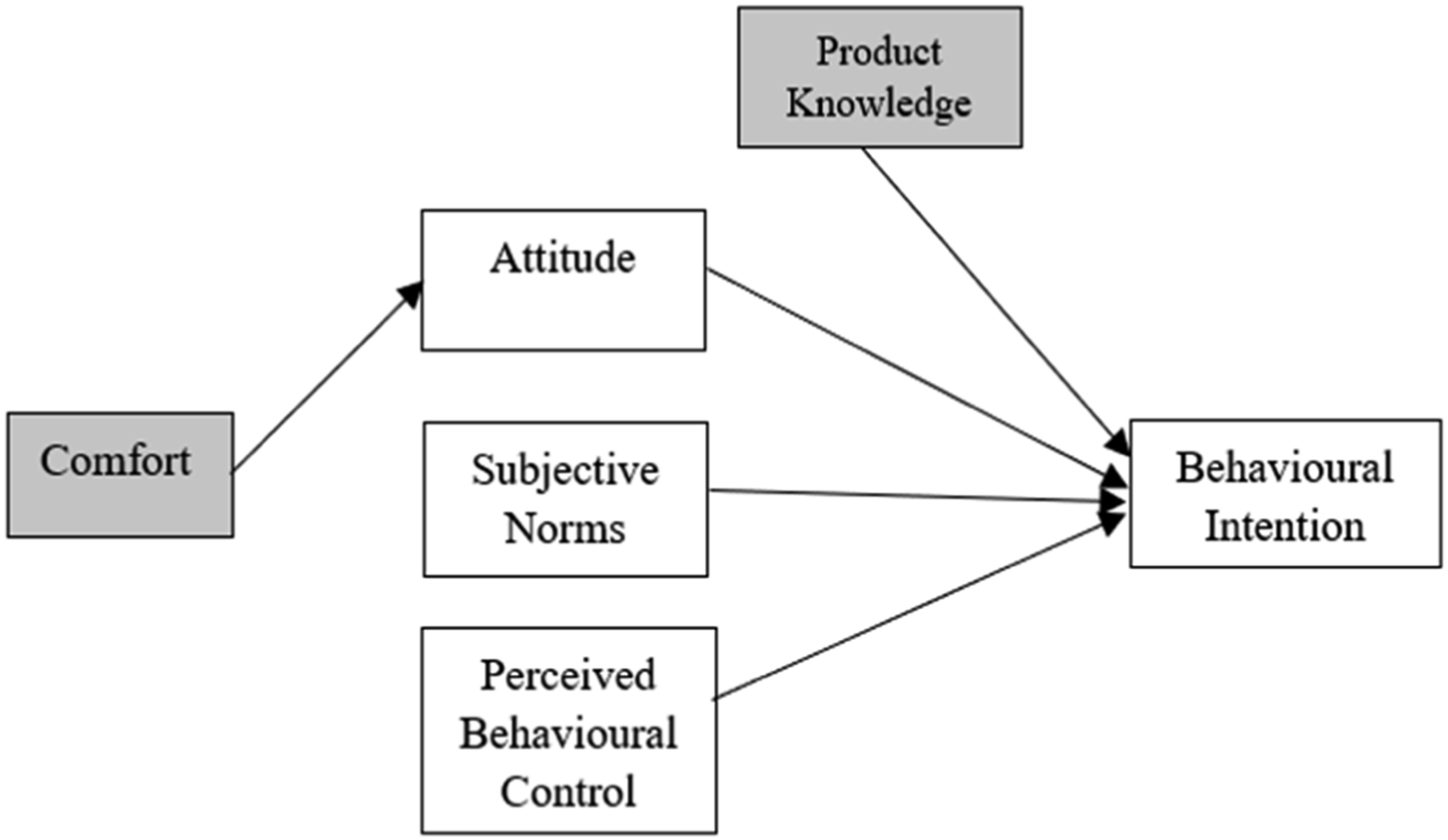
Implication
The findings provide valuable insights for marketers in the health product industry, particularly those involved in feminine hygiene products to understand the factors influencing the adoption of these products. For instance, normative and attitudinal factors can help marketers develop targeted strategies to promote product acceptance among women. Community leaders can organize forums and open discussions where expert knowledge can be shared, and influential individuals speak favorably about these products. This research can encourage the development of effective marketing campaigns that address the concerns and preferences of the target audience.
The study highlights the importance of collaboration with healthcare professionals, specifically gynecologists, to improve education about menstrual hygiene and promote women’s health. The findings emphasize the need for healthcare professionals to promote positive norms and attitudes towards menstrual hygiene products actively. Establishing partnerships with gynecologists and involving them in awareness initiatives can also enhance the effectiveness of interventions to improve menstrual hygiene practices. Recognizing all the individuals experiencing menstrual cycle, emphasizes the diverse factors influencing individual life experiences, needs, and situations. Various factors such as disability, age, gender identity, residence, homelessness, housing stability, detention conditions, migration, disasters, insecurity, displacement, religion, ethnicity, caste, and culture contribute to distinct menstrual experiences. To effectively address menstrual health needs, it is essential to take into account this array of factors and incorporate them into comprehensive strategies and interventions (Hennegan et al., 2021).
Social marketing has demonstrated its effectiveness in instigating behavioral changes on both individual and societal scales. The application of social marketing principles has yielded remarkable achievements in diverse domains such as healthcare, sanitation, and environmental conservation (Nnindini & Dankwah, 2023). Likewise, in India, social marketing can be harnessed with great success to tackle issues related to feminine hygiene products.
Limitations and Future Scope
While this study provides valuable insights into the beliefs and perspectives of gynecologists regarding behavioral intentions of women towards feminine hygiene product adoption, there are certain limitations that should be acknowledged. Firstly, one of the limitations is the exclusive focus on gynecologists’ perspectives, neglecting the direct input from women themselves. Including the viewpoints and experiences of women would provide a more comprehensive understanding of the factors influencing feminine hygiene product adoption. Future research should incorporate women’s voices through surveys, interviews, or focus groups based on their demography, social strata, and educational levels, to better understand their perceptions and experiences. Secondly, the study’s sample primarily focused on participants from Delhi NCR, which limits the generalizability of the findings to other cultural contexts. Future research should consider including a broader range of cultural contexts to capture diverse experiences and perspectives related to feminine hygiene products. This would enable a more comprehensive understanding of the factors influencing product acceptance and hygiene management across different regions and cultural backgrounds.
Additionally, future research could delve deeper into the concept of comfort, which emerged as a critical construct in forming attitude towards females’ behavioral intention. Exploring the multifaceted nature of comfort and its relationship with other psycho-social factors could lead to a more nuanced understanding of product acceptance and inform the development of interventions and strategies to improve product adoption.
To further enhance the validity and reliability of the findings, future research should consider conducting surveys with a more extensive and diverse sample. This would enable the generalizability of the results and provide a more comprehensive assessment of the prevalence and significance of the identified themes and factors.
Conclusion
This is the first study explicitly focused on the gynecologists’ perspective over feminine hygiene aspect prevailing in Indian society. This study is timely and imperative; marketers and the government should consider its findings to progress in the feminine hygiene area.
The research shed light on the factors influencing the adoption of feminine hygiene products, highlighting the need for improved menstrual hygiene policies and infrastructure. In addition, the significance of gynecologists and other health professionals in addressing the challenges associated with menstrual hygiene product, advocating for improved policies and promoting effective communication, hygiene practices among females, and timely treatment-seeking behavior among women. In addition to identifying regional and socio-economic disparities in knowledge and practices, the study highlights the significance of targeted interventions in underserved areas and the importance of awareness, education, and communication in promoting proper menstrual hygiene.
Footnotes
Declaration of Conflicting Interests
The author(s) declared no potential conflicts of interest with respect to the research, authorship, and/or publication of this article.
Funding
The author(s) received no financial support for the research, authorship, and/or publication of this article.
Correction (February 2024):
Article updated to correct the affiliation format as well as the spelling of “International” in the affiliation.

Author Biographies
Dr