



Abstract
Vocational education and training teachers play an integral role in ensuring students, both international and domestic, gain quality learning experiences and positive outcomes. The COVID-19 pandemic caused rapid changes and abruptly shifted vocational education from face-to-face teaching to teaching at a distance. This study aims to investigate vocational education and training teachers’ experiences during and post COVID-19. A systematic review and analysis of 26 publications, published between 2019 and 2022 in English-language peer-reviewed journals, revealed areas that were underexamined and warranted deeper exploration, including the impacts on pedagogy and recognition of the precarity under which many vocational teachers work. Such challenges impact students and teachers economically and mentally. Investigation of teacher experiences can aid management and policymakers to respond to the uncertainties of the post-pandemic world as it provides us with critical moments to rethink the management of professional development and support for teachers to be able to provide equitable opportunities to students’ differentiated needs.
Keywords
The COVID-19 pandemic and subsequent societal lockdowns imposed around the world caused waves of systemic shocks to peoples’ lives: personally, professionally, economically, and emotionally. This pandemic qualified as a crisis, causing ripple effects in global education systems when, virtually overnight, in-person instruction in schools, universities, and vocational education centres was transferred to wide-scale online learning and remote program administration (Hodges et al., 2020; Housel, 2022; Tesar, 2021). Educational institutions were required to make swift and unprecedented decisions in transitioning to the virtual classroom and the consequent need for inventiveness evoked pedagogies that emerged from ‘in-the-moment’ problem-solving, making learning more flexible and personalised (Belzer et al., 2022; Jandric et al., 2022; Peters et al., 2020; Smythe et al., 2021). Simultaneously, efforts were made to maintain the status quo in education to make the experience as close as possible to that which had already prevailed (Gibbons and Tesar, 2021; Tesar, 2020). This new educational delivery also created a range of educational opportunities for connecting with people who had previously not even considered engaging with further education because of caring or financial commitments. Siemens (2005) and Downes (2007) highlighted that such connectivism provides a framework for transforming workplace training, learning, and development practices to rethink existing pedagogical processes and training and to ensure employees have the tools to build relationships with each other and create a culture based on continuous learning.
Although for some commentators’ online education exacerbated some historic concerns around variable quality of educational offerings (Sun and Chen, 2016), Orchard et al. (2020) stressed that even if the absence of face-to-face interaction may entail a loss at the level of pedagogy and inhibit the nurturing that features in much education, the ‘new normal’ has the potential to reframe lifelong learning in meaningful ways. Peters et al. (2020) stressed that the COVID-19 pandemic offered the opportunity to explore into new spaces and cultures of reasoning and understanding and to rethink not only new digital, online, and pedagogical possibilities but also the basic purposes of education, and how a renewed vision of education might be harnessed to develop more democratic and just societies.
Notwithstanding these new possibilities, the rapid move to online delivery has been described by Tesar (2020) as a reactive experience for everyone involved in educational settings, one that has created challenges and insecurity resulting in looking back, analysing current conditions or predictions about contemplating the uncertain future. The resultant overall restructuring of degrees and programs, rules and processes, has raised more thoughts, questions, and concerns about the effectiveness of online teaching and learning as the future of education due to the enhanced otherness created due to physical distancing and social isolation policies (Arndt, 2015; Peters et al., 2020; Tesar, 2020; Tesar and Arndt, 2019). Peters et al. (2020) stressed that there seems to be some obliviousness regarding the policy of teaching online and the conditions in which educators have found themselves. Orchard et al. (2020) pointed out that the distorting effect of the competitive pressures may affect the social policies for which they were designed to take account, justifying inequalities as inevitable and functional and resorting to various perceptions of reasonable adjustments to accommodate differentiated needs of student in one class (Nakar, 2023).
While such restructure may risk falling into economic reductionism, this global crisis and the abrupt change in the educational landscape can leave psychological, emotional, financial, and physical scars as well as an understandable fear: status, and self-perception as control and authority are all at risk (Jennings and Greenberg, 2009; Peters et al., 2020). Teaching in the new COVID-19 period, as pointed by Jandrić et al. (2020), is marked by looming emotions such as uncertainty and fear as well as hope. As Jennings et al. (2013) and Greenberg et al. (2017) pointed out, it is essential for teachers to take time to be mindful of both intrapersonal and interpersonal aspects in order to be effective in their teaching when such unpredictable changes happen. By paying close attention to their own emotional responses, teachers can gain insight into the source of their emotional sensitivity and discover ways to handle it.
Like all educational institutions in the higher education sector, vocational education and training (VET) institutions rapidly shifted to online instruction when the pandemic hit. However, little is known about what factors shaped individual training organisations’ responses. VET is unique as it lies at the intersection of the world of work and the education sector (Andersson and Köpsén, 2018; Atkinson and Stanwick, 2016; Nakar, 2023). The pandemic has been a major catalyst for change for training providers and for the provision of training across the world. New forms of formal and informal work and organisational change experienced in different societies globally during COVID-19 can be seen to be reshaping workplace requirements, potentially making new demands on VET (Virolainen et al., 2021).
The COVID-19 pandemic abruptly shifted vocational education from face-to-face teaching to teaching at a distance, drastically upturning living, working, and learning (Lee et al., 2021). This rapid shift to online learning to continue delivering instruction has generated growing interest in the implications of digital education replacing face-to-face education, especially in the VET sector (Ferri et al., 2020; Lo et al., 2021; Polakova and Klımova, 2021). The limitations of online learning for practice-orientated training are reflected in countries reporting a lower perceived validity for distance learning and subsequent significant impacts on student academic performance in vocational education compared to general upper-secondary education (OECD, 2021a). Prior to the pandemic, institutional culture and philosophy played a large role in the extent to which institutions adopted online and technology-mediated instruction. Some made only modest investments in online instruction due to concerns that it was more challenging to deliver high-quality learning experiences online. While some institutions were resistant to changing their traditional approach, others had already begun experimenting with online learning (Cox, 2005; Martins and Nunes, 2016).
Although the pandemic has demonstrated the importance of VET in helping businesses and individuals globally to gain the skills or to reskill to adapt to change, the sector is ill equipped to respond with the agility and reliability required for systematic shocks like COVID-19. Amongst the myriad of concerns plaguing the VET sector, both internationally and in Australia, is a lack of funding and staffing in addition to declining enrolments and completions (Hume and Griffin, 2022). Furthermore, the industry reportedly complains of a lack of confidence in assessment and the qualification expertise of the VET teaching workforce (augmented by the national government’s adoption of the term ‘trainers and assessors’ instead of ‘VET teachers’; Smith, 2023; Zhou et al., 2022). The global prevalence of neoliberal manifestations of performativity, accountability, managerialism, privatisation, and competition in education due to locally situated forces has been well documented and discussed (Nakar and Olssen, 2021; Verger et al., 2016). Thus, this study further identifies the need to understand the narratives of teachers’ voices that might prove educationally useful.
VET teachers and COVID-19
While much of the reported data internationally and in Australia speaks to the practicality of challenges in VET and the challenges of implementing online delivery, there is little written about the experience of those delivering the courses, including teacher experiences in dealing with these challenges through day-to-day operations of the new norms during and post COVID-19. Thus, a comprehensive overview of teacher experiences is required. In this study, we aim to synthesise vocational teachers’ learning experiences across the world during COVID-19 to explore the impacts on pedagogy. Recognition is given also to the precarity under which many vocational teachers work.
VET teachers are generally charged with developing a productive workforce that serves workplaces, occupations, and industries as well as contributing to a global skills base (Billett et al., 2015; Nakar and Olssen, 2021; Rasmussen, 2016; Smith, 2019). Professional demands in the VET system include providing students with the occupational knowledge and skills they need in their future workplaces and, thus, ensuring that they are well equipped to compete on the labour market (Hellwig, 2006; Hill, 2019). However, continuous and accelerating changes in many workplaces place significant pressure on teachers to constantly enhance their domain-specific expertise and instructional repertoire (Warwas and Helm, 2018). Furthermore, the increasing complexity of the profession forces teachers to continuously professionalise themselves (Misko et al., 2021). That is, to cope with ongoing changes like increasing diversity in their classrooms, new learning psychological insights, and technological developments, teachers need to keep learning during their career (Smith, 2019). Moreover, because teaching is traditionally often approached as an isolated task instead of as a team responsibility, teacher teams are not easily implemented (Nakar, 2019). Previous studies have revealed that isolated teachers are often unable to align their daily teaching practices to competence-based education curricular changes (Misbah et al., 2015; Wijnia et al., 2016). Jackson (2021) and Webb and Chaffer (2016) have pointed out that there is a slower pace of updating and integrating skills in VET than in higher education faculties.
VET teachers are generally expected to have vocational competence, which is comprehended as being part of the symmetric perception of theory and practice (Hiim, 2020) and is, moreover, developed as knowing in practice (Bathmaker, 2013; Billett, 2001; Fenwick, 2006; Nakar and Du Plessis, 2023). Thus, VET teachers are ‘dual professionals’, needing to keep up with changes in industry, the economy, and society, while also developing their teaching skills to deal with increasingly complex learner groups and teaching environments (Mičiulienė, 2019; Tyler and Dymock, 2017; Zhou et al., 2022). On the one hand, they must keep abreast of changes in industry to ensure that what they are passing on to their students is up to date and relevant; on the other, they must be able to effectively pass on their theoretical and practical knowledge using modern and proven pedagogical approaches (Choy and Hodge, 2017; OECD, 2021b). However, the disruptions in training delivery caused while shifting to online teaching can add further to already overburdened VET teachers in a high-performance culture and teaching profession. The rapid change caused by the pandemic in teaching and teacher experiences, thus, can immediately affect learners’ skills, employability, and career development, particularly when vocational teachers and institutions are tasked with implementing programs and pedagogies that they had perhaps considered, but not previously prioritised. The NCVER report by Hume and Griffin (2022) stressed that this situation may create a skills gap between what employers expect and need from today’s and tomorrow’s graduates, for example, and what education providers offer.
Purpose of this review
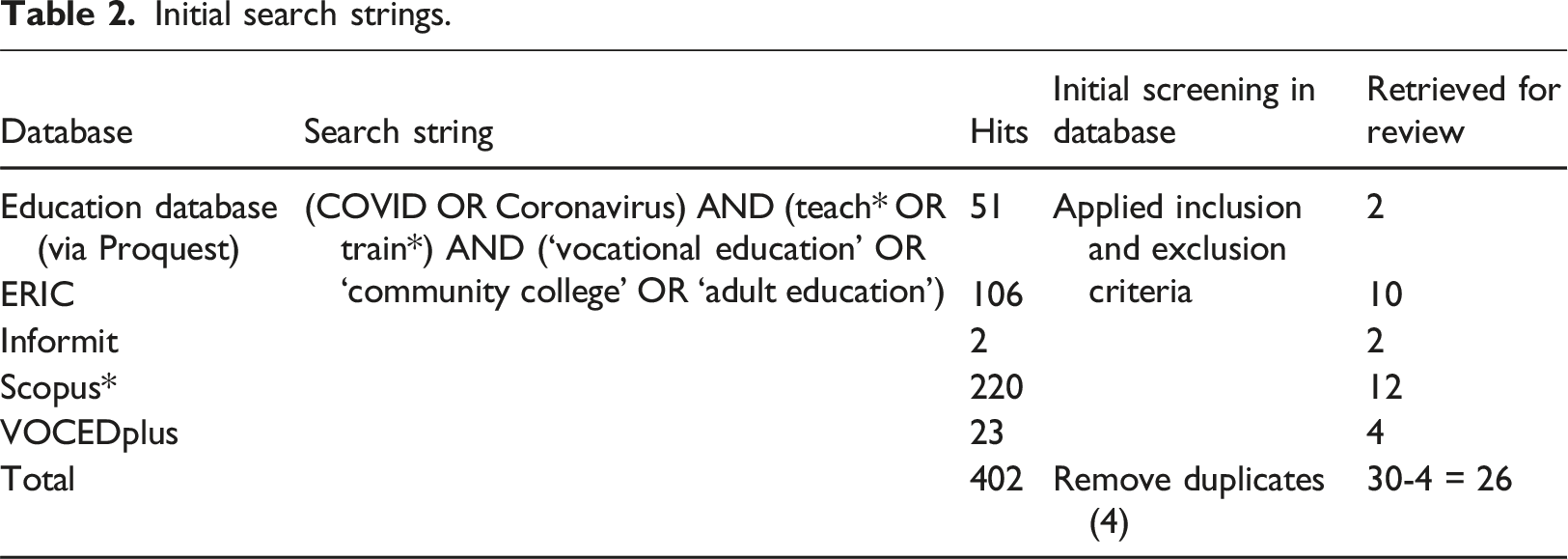
The purpose of this systematic literature review is to uncover the experiences of VET teachers resulting from the COVID-19 pandemic. In doing so, it aims to find out the impact of the pandemic on vocational teachers’ experiences of teaching within the confines of new norms and their endeavours to help students to meet industry expectations. In the following section, we explain the process of conducting the systematic review, highlighting the parameters applied when searching the literature.
Method
Key terms for literature search.

Initial search strings.
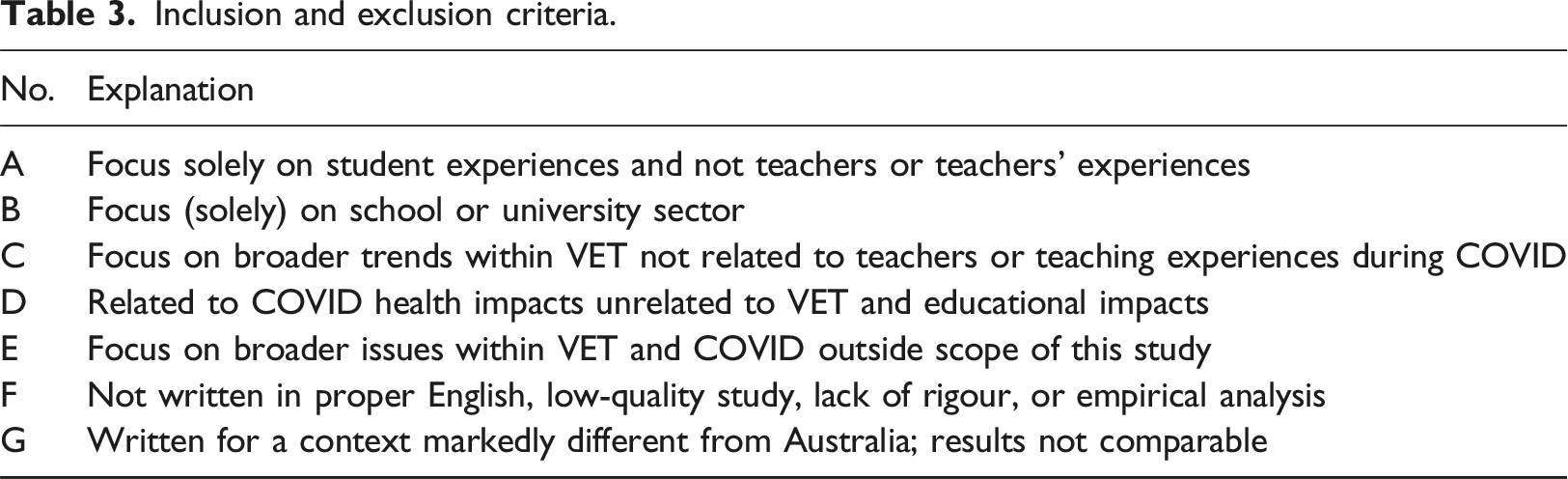
Inclusion and exclusion criteria.
Detailed search strings.
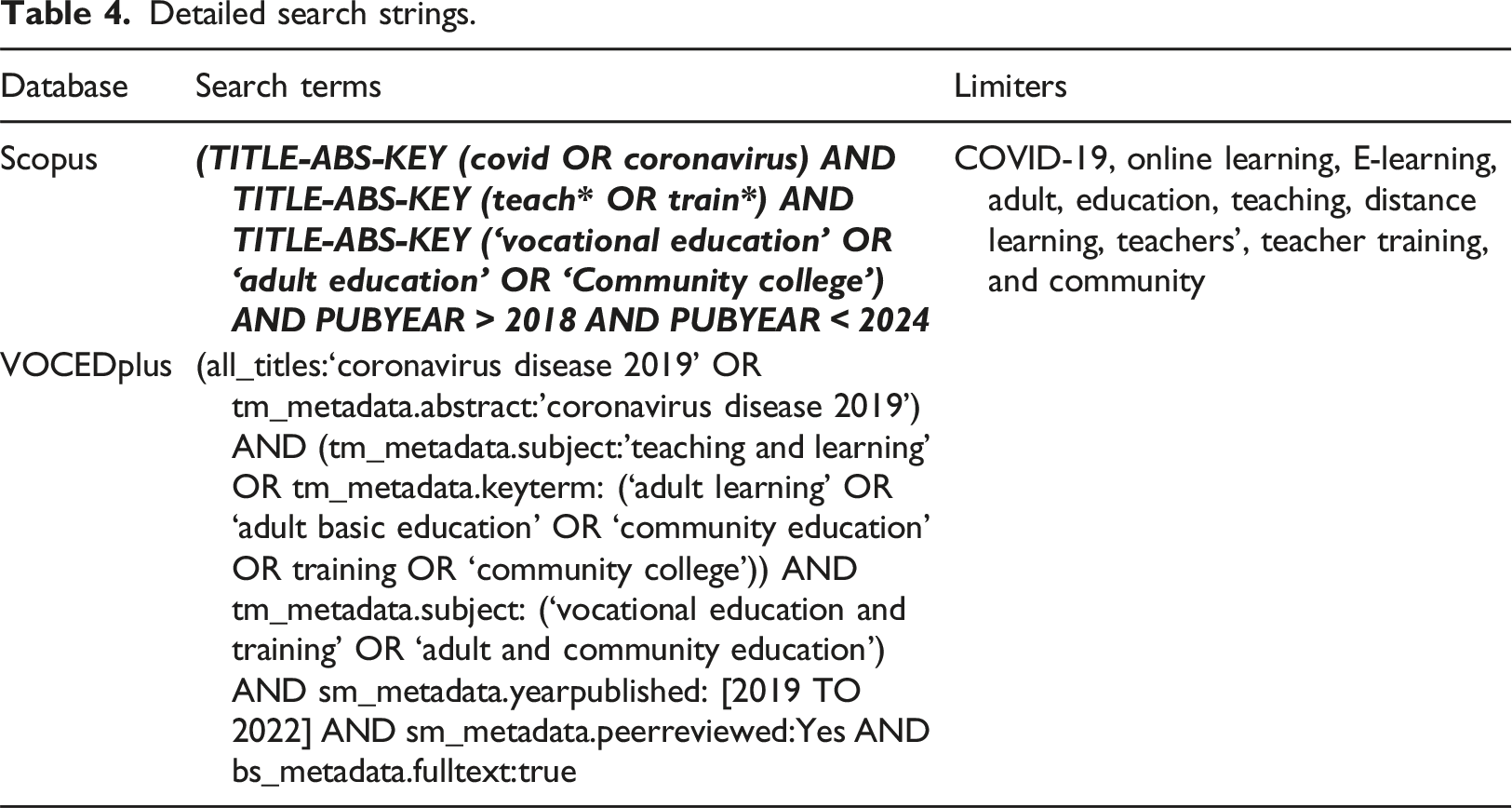
Figure 1 details the identification process for reporting systematic reviews using PRISMA. PRISMA flow chart. Note. Adapted from Moher D, Liberati A, Tetzlaff J, and Altman D (2009). Preferred reporting items for systematic reviews and meta-analyses: the PRISMA statement. BMJ 339. https://doi.org/10.1136/bmj.b2535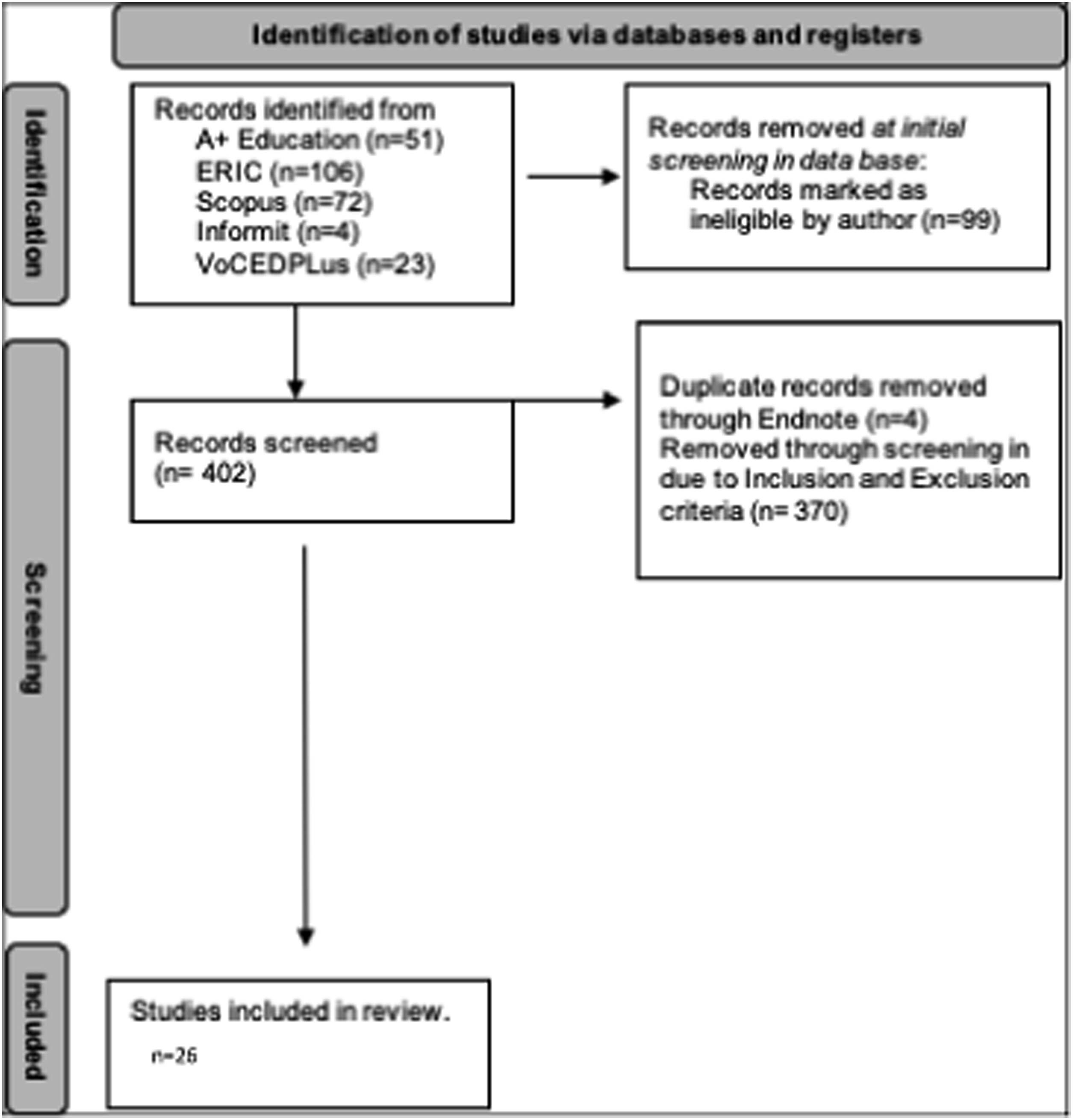
Data analysis
Thematic analysis was applied to identify themes within the 26 included studies. To assist with analysis, articles were initially screened, coded, and summarised according to predetermined and descriptive fields to capture the information presented in each study on an Excel spreadsheet. This process assisted researchers in becoming familiar with the data (the literature) and helped identify salient patterns (themes on digital literacy, pedagogical impacts, and physical, mental, and emotional stressors). During this process, the team recorded article authors’ details including the geographical location of the research (country and city where possible). This step is emphasised by Pickering and Byrne (2014) as a key start of a systematic literature review to indicate helpful trends in terms of where there is a concentration of research happening (or perhaps lack thereof) and why that may be the case. As findings were limited to studies published in English, a high concentration of articles came from the United States. Pickering and Byrne (2014) also recommended searching for information related to the methodologies used, the findings, and the patterns found in results. Following these recommendations, an Excel spreadsheet with these preliminary categories was created. Additional categories were incorporated after having coded the first few articles, and other relevant themes were identified.
Key themes
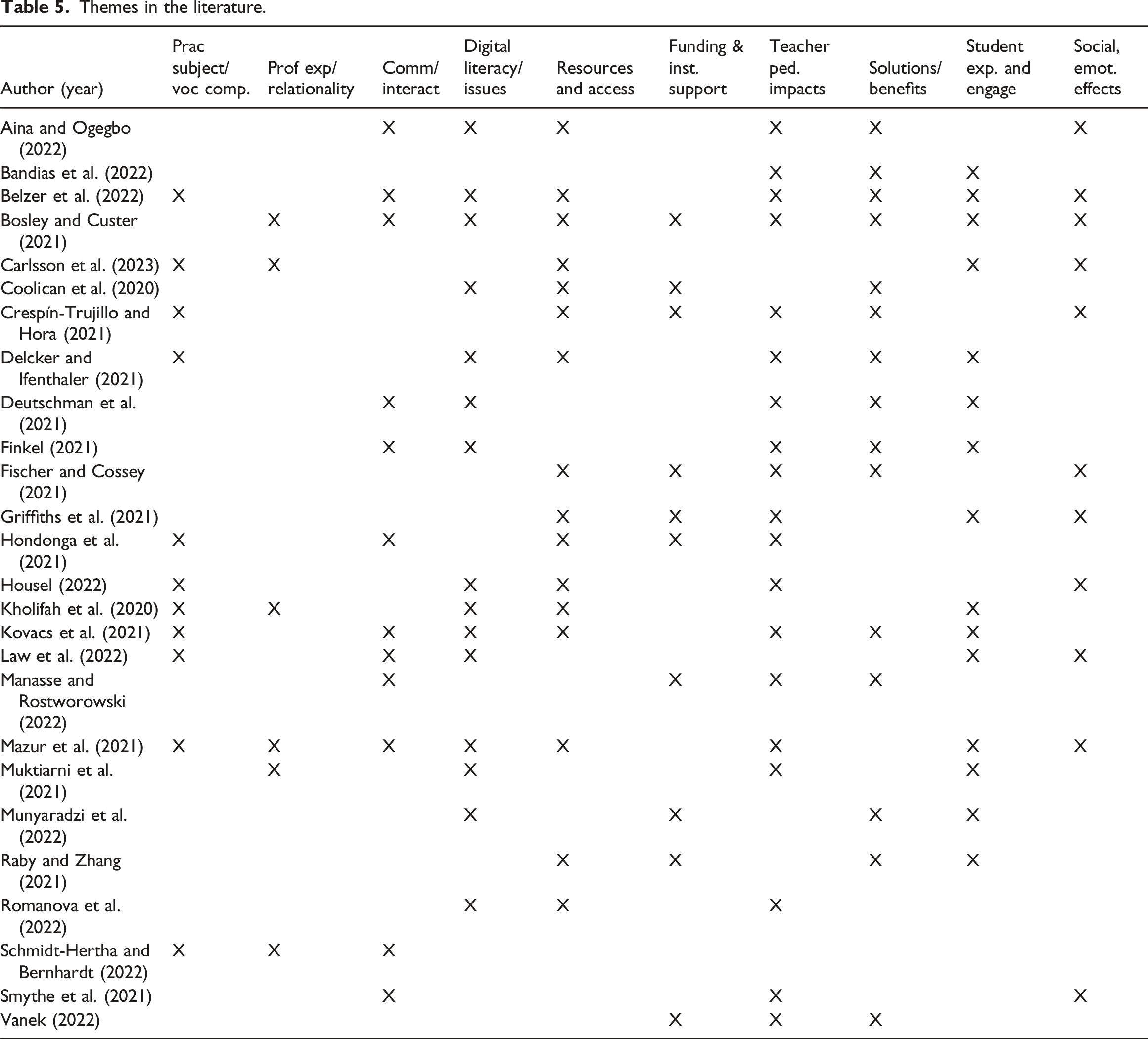
Themes in the literature.
Findings
The findings are presented in two sections. The first section focuses on challenges experienced by teachers during and post COVID-19, whether for themselves or for students; the second focuses on the positive outcomes or solutions arising from these challenges.
Challenges during and post COVID-19
Within the overarching theme of challenges, sub-themes included challenges of teaching practical subjects online, professional experience, resources and access, communication and interaction, student experience and engagement, and social and emotional effects. These are presented in turn.
Challenges of teaching practical subjects online
The literature reviews of several studies highlighted the inherent challenges of teaching practical, vocational subjects online. A defining theme that emerged from the thematic analysis was the challenge of teaching vocational subjects, given the nature of vocational education involving practical skills that cannot be easily replicated in an online learning environment. Eleven of the 26 studies noted an array of challenges brought by COVID-19 due to content reliant on learning environments that encompass machines, tools, materials, and an emphasis on ‘learning by doing’ (Carlsson et al., 2023). Key reasons included that changes in the socio-material environment cannot be easily transferred to a vocational teaching setting (Carlsson et al., 2023; Mazur et al., 2021). Learning online affected the use of authentic materials and situations (for problem-solving and dexterity); therefore, oscillation between practices that incorporate theory and practice did not occur (Carlsson et al., 2023). Carlsson et al. (2023) noted that this caused an asymmetry in vocational competence in favour of theoretical knowledge.
Mazur et al. (2021) found that the acquisition of skills that comes with laboratory education was limited during the transition to online instruction and that it increased barriers in access to necessary equipment. On-site teaching cannot be replicated; about half the studies highlighted the ongoing importance and value of the teacher’s presence and direct communication in vocational education (Delcker and Ifenthaler, 2021; Kovacs et al., 2021; Schmidt-Hertha and Bernhardt, 2022). The application of practical knowledge requires cognitive presence (Law et al., 2022; Muktiarni et al., 2021); findings from 11 studies (see Table 5) showed that students were unable to apply what they had learnt in practicum, laboratory work, or internships during online learning. The result was students taking ‘easy’ academic subjects online and preferring to take ‘difficult’ or ‘important’ subjects face-to-face (Law et al., 2022). Further, studies noted the lack of technical capacity for online learning platforms which had not been designed for remote use to deliver practical assessments (Belzer et al., 2022; Hondonga et al., 2021). Learners generally lacked the capacity to complete tests this way, and many teachers expressed concern about the openness and control of assessment practices as another challenge in the virtual classroom (Aina and Ogegbo, 2022). The personal encounter of teachers and learners, foundational for educational processes in terms of the relationship to oneself and the external environment, raises the question of how learning opportunities that remove physical co-presence can still engage students and provide meaningful learning opportunities.
Professional experience and training
The pandemic disrupted teaching and created a context in which educators felt discontented with inconsistent institutional support and insufficient training provided for teachers to adapt to new pedagogical practices. Crespín-Trujillo and Hora (2021) found that the shift to remote instruction was rapid for teachers, with minimal training provided. Teachers had to adapt to online pedagogy and technology, often without the time, resources, or access to professional development. Aina and Ogegbo’s (2022) South African study found that educators did not have the operational support and training to facilitate effective teaching and learning in the virtual space. In addition, the findings suggested that most of the participants appeared not to be strategically, pedagogically, technically, or structurally prepared to adapt to virtual learning.
Bosley and Custer (2021), in their assessment of vocational education in the United States, suggested that although some VET teachers had training, studies indicated that not all did. They found that many colleges did not offer additional pay for teachers who had to add training to their schedules. Vocational teachers had to learn to use the digital tools to teach online, as well as the new digital resources for students. In many cases, this came with limited to no training in how to teach online, how to use the new student tools, or what affordances those tools offered.
Several studies found that while institutions emphasised technological and logistical support during COVID-19, there was a failure to recognise disciplinary differences (Griffiths et al., 2021). Griffiths et al. (2021) also noted that the pandemic exacerbated existing gaps in institutional support for faculty, as many vocational institutions were unaware of how to, or unable to, expand teacher skills to the kinds of discipline-specific recommendations that support high-quality, engaged instruction. Manasse and Rostworowski (2022) surveyed around 3,000 students and found moderate to large effects on student outcomes when tutors have highly structured curricula incorporating ongoing training. Their findings further indicated that the relevant training and institutional support depended on the socioeconomic context, with studies from developing countries generally indicating insufficient training and institutional support and studies from wealthy, developed nations finding there was a deluge of paid professional development opportunities for teachers.
Resources and access
The transition to online instruction in VET exacerbated the effects of the digital divide and increased inequity. The need for digital literacy and internet/computer access to engage in online instruction was a dominant theme, with 15 papers referring to inequitable consequences. The digital divide affected how easily and successfully teachers and students could transition to online work. Findings consistently argued that the divide caused by unequal access to equipment and technology and differences in online training and skill level were further exacerbated by COVID-19 (Coolican et al., 2020). The divide was especially prominent in studies from developing countries (Indonesia, South Africa, Argentina, Botswana) where challenges identified were lack of access to digital resources, including students having no data, no Wi-Fi access, and no smart phones or laptops, hindering their ability to attend virtual classes (Aina and Ogegbo, 2022; Hondonga et al., 2021; Munyaradzi et al., 2022). The disparity and inequality in access revealed a complex set of challenges for educators in terms of enacting policies on digitisation and effectively integrating technology into pedagogical practice (Aina and Ogegbo, 2022; Belzer et al., 2022; Law et al., 2022).
Crespín-Trujillo and Hora (2021) noted that some community colleges in the United States were able to lend or purchase laptops for students who lacked their own computer, supplying wireless hotspots for those without a reliable internet connection at home. However, this was not possible in all countries and the consensus from studies both inside and outside the United States was that lack of uninterrupted access to the internet, insufficient hardware and software at home or in the workplace, and disadvantaged economically vulnerable student populations (Bandias et al., 2022; Crespín-Trujillo and Hora, 2021; Romanova et al., 2022). A study from Botswana noted that the vocational teachers surveyed agreed that their institution – and even more so, their students – lacked the required infrastructure, resources, and training to facilitate online teaching and learning of TVET courses (Hondonga et al., 2021). Finkel (2021) and Raby and Zhang (2021) found that in the United States, the shift to online teaching intensified inequities as students with inadequate resources, including reliability, speed, connectivity, and power supply, became disadvantaged in the digital divide.
Economically disadvantaged students tended to find remote learning exceptionally challenging, as reliable wireless internet and even, at times, shelter were not available, so this again spoke to the exacerbation of the equity gap in vocational education due to COVID-19. A small qualitative study by Coolican et al. (2020) in Argentina noted that these problems were exacerbated by the fact that the costs of using technological applications and digital platforms were borne by teachers themselves, and this hindered their ability to engage in high-quality remote learning. Many studies further argued that vocational teachers were justifiably concerned about creating online course content, knowing this precludes students who cannot participate in learning through a distance education modality (Crespín-Trujillo and Hora, 2021; Finkel, 2021; Raby and Zhang, 2021). Aina and Ogegbo (2022) and Delcker and Ifenthaler (2021) noted challenges around assessment, including difficulty in the distribution of learning materials and conducting assessments alongside expressed concerns about the openness and control of assessment practices in a virtual context. Many assessments in vocational education had recently been designed for remote use and learners lacked the capacity or resources to complete assessments in the online format (Belzer et al., 2022). Findings from three studies (Bosley and Custer, 2021; Mazur et al., 2021; Raby and Zhang, 2021) showed that vocational teachers acknowledge the importance of addressing systemic inequities in community college internationalisation, including providing equitable access to technology, educational services, and virtual learning experiences.
Communication and interaction with students
Teachers expressed that they did not know whether students truly attended class, especially for asynchronous learning, so this hindered richer understanding of the student experience. A German study highlighted that students were more passive in online classes and that discussions between the different participants rarely occurred, indicating a need for regular student contact to be able to guide the students through online teaching (Delcker and Ifenthaler, 2021). Carlsson et al. (2023) echoed these sentiments, noting that the support that usually exists between pupils decreased, and teachers and students testified that remote teaching did not enable building relationships among or with pupils.
Mazur et al. (2021) highlighted that, as part of changes in practices, many teachers altered their assessments during the transition to remote instruction to reflect a general transition from collaborative to individual assignments, further impacting on student interactions and outcomes. They also found that decreased student engagement and inequity between students contributed to the negative aspects of the faculty experience, citing a lack of student–faculty interactions and the lack of authentic laboratory and research experiences as negative effects.
Student experience and engagement
Many studies spoke about the impact of the changes on student experiences and engagement through teachers’ eyes. These effects were varied and impacted by socioeconomic factors. Students’ learning outcomes also depended on their self-efficacy, self-regulation, team cohesion, and technology fit, amongst a host of socioeconomic factors.
Law et al. (2022) from Hong Kong noted both positive and negative impacts on the student experience. Their study found that successful online learners tend to be more organised and are self-motivated to accomplish their work even without close supervision; thus, online learning may not be suitable for all types of students. Carlsson et al.’s (2023) Swedish study noted that some pupils thrived in the new situation through using learning platforms, online meetings, video-clips of instructions and activities, quizzes, and presentations online. Mazur et al. (2021, p. 5) in a U.S.-based study referred specifically to increased engagement of students in office hours or in virtual communications (e.g. RQ 2. ‘Students seemed more comfortable asking questions through e-mail’, and ‘Students seemed more open to online office hours’).
Many studies cited concerns for students in terms of not being able to finish their training properly and for their well-being. In South Africa, the added stress of the pandemic caused some students to disengage from overall academic activities (Munyaradzi et al., 2022). The study by Crespín-Trujillo and Hora (2021) found that the pandemic caused students to leave their programs of study, citing various reasons including the challenges of remote learning, losing jobs and income, familial responsibilities, and the overall stress and anxiety of attending college during COVID-19. Kholifah et al. (2020) found that in Indonesia, poor use of media and material and difficulty in understanding the material led to burnout and disinterest for students in vocational schools.
Social and emotional effects
The pandemic increased social, emotional, mental, economic, and health-related stressors for teachers. Around half of the studies in this literature review drew conclusions about the varied impacts that the pandemic had on the mental, physical, economic, and emotional health of vocational teachers. Housel (2022) and others noted that this stemmed from coping with multiple stressors and balancing pandemic uncertainty. A pressing concern for teachers was keeping their loved ones well and safe, which was identified as one benefit of working and teaching remotely. Abrupt changes, compounded by ambiguity and uncertainty, can be stressful and potentially traumatising; virtually all participants had never worked from home, nor had they taught online previously. From 1 day to the next, vocational teachers were expected to replicate program operation and classroom instruction via a medium they felt ill equipped to navigate (Housel, 2022).
In terms of mental health, a key theme was isolation. The public health lockdown prompted social isolation: Participants lost contact with family members and friends outside their households and missed ‘collegial and supervisory support’ and ‘interactions’ with students (Belzer et al., 2022). Fostering social presence was simply more challenging to replicate remotely (Manasse and Rostworowski, 2022; Schmidt-Hertha and Bernhardt, 2022). Carlsson et al. (2023) noted that the support that usually exists between pupils decreased, and teachers and students testified that remote teaching did not enable building relationships among or with pupils.
Household stressors compounded for many teachers and instructors who were not only doing their jobs but also home-schooling their children, with limited private space free from distractions to process information (Belzer et al., 2022; Bosley and Custer, 2021). Housel (2022) found that both instructors and program administrators struggled to disconnect from work because of the continuous presence of their computer and phone with incoming emails or text messages. Other studies cited how vocational teachers struggled with their work-life balance (Bosley and Custer 2021; Mazur et al., 2021) due to pedagogical and logistical difficulties layered over a mental health drain. Health impacts of working from home were more pronounced in developing countries. Aina and Ogegbo (2022) noted that teachers had to contend with inadequate electricity or rolling blackouts (also known as load shedding), network and connectivity issues, time management, background noise, and distractions from the home environment.
Both Griffiths et al. (2021) and Bosley and Custer (2021) noted that burnout and fatigue were compounded by implementing these shifts during the pandemic while also supporting their students’ emotional and intellectual needs during a crisis. Vocational teachers reported exhaustion from responding to continual changes. Many faculty were expected to balance multiple stressors for the same pay cheque they had been receiving before the pandemic. Stress was at an all-time high from trying to balance their own well-being with limited or no healthcare while simultaneously caring for the health, well-being, and success of their students (Bosley and Custer, 2021; Fischer and Cossey, 2021).
Learning remotely also exacerbated challenges for women in the vocational workforce. Crespín-Trujillo and Hora (2021) found that about 50% of community college faculty identify as women and that the pandemic has been harmful for working women who are traditionally familial caregivers and for whom the lack of childcare, and having children in secondary education, affected their work capability. Conversely, Belzer et al. (2022) noted that some adult educators felt energised as they gained new skills, rethought their practices through a new lens, and connected with learners in new ways. There were positives in that some teachers indicated a sense of greater competence and comfort using technology tools than they had when interviewed in the previous year. However, whatever the approach, adult educators, especially women, generally reported being overworked and stressed, compounded by boundary issues when working from home, especially with their own children participating in distance education. Smythe et al. (2021) concurred that almost all adult educators interviewed noted that intersecting and compounding effects of oppression based on gender, race, class, age, immigration status, language, and so on were made more palpably visible during the pandemic.
Positive outcomes
There were many positive outcomes cited from the COVID-19 transition for vocational teachers. Sub-themes within the overarching theme include funding and institutional support, teacher proficiency and pedagogical impacts, digital literacy, and solutions and benefits.
Funding and institutional support
Mazur et al. (2021) and Crespín-Trujillo and Hora (2021) highlighted creative solutions to address student and faculty needs in the new remote instructional environment. These included technology loan programs, equipment installed in college parking areas to provide Wi-Fi access, and weekly online faculty forums for the purpose of creating a platform to share challenges and best practices. Fischer and Cossey (2021), in their small study of 15 community college faculty and administrators, found that the COVID-19 pandemic resulted in unexpected funds that were previously allocated to support faculty-led face-to-face programs. The colleges in this study were able to reallocate these funds towards professional development or consulting services in a virtual environment; however, there was no discussion of whether this funding was sufficient or consistent to address teaching and learning needs. Kovacs et al.’s (2021) examination of Swiss vocational teachers reported that students found self-organisation and maintaining high motivation difficult, yet most teachers noted that students seemed to have gained more autonomy and sense of belonging through this experience.
Teacher proficiency and pedagogical impacts
Several studies found that many teachers experienced a transformative learning experience. The pandemic catalysed cooperation, collaboration, and innovation in pedagogical practice. Belzer et al. (2022), in a global study with adult educators and program administrators, described a spirit of cooperation and camaraderie, alongside impressive levels of creativity, adaptability, and resilience amongst staff. Deutschman et al. (2021) argued that the pandemic was a catalyst for pedagogical change in vocational instructors, as it disrupted teaching and created a context in which educators felt discontent with their teaching, and thus changed their practice. Teachers spoke to the need to change their practices to engage students in the new mode of delivery. Many enacted their self-efficacy to experiment with active learning techniques and to make changes quickly to their pedagogical practice, highlighting the concept of self-efficacy in cognitive change theory.
In the Australian context, Bandias et al. (2022) contended that the commitment, passion, and knowledge of the trainers served to maintain connections between what is being learnt and the ‘real world’. Vocational trainers applied a collaborative problem-solving approach that sought pedagogical and technical solutions to the challenges encountered. A Canadian study of community-based educators (Smythe et al., 2021) noted that participant interviewees reflected on how the need to check in with learners and families (about their safety, well-being, and online learning) collapsed traditional hierarchies between teacher and learner. As a result, adult educators and students quickly moved into modes of collaborative problem-solving and direct interpersonal communication as a pedagogical mode. Schmidt-Hertha (2021) found that the pandemic made the importance of the pedagogical relationship in adult education more prominent, noting that education cannot be limited to the transmission of information and determination of progress. They also noted that empathy, the willingness and ability to see the world through learners’ eyes, is crucial for being a successful adult educator.
Digital literacy and adaptations
In terms of embracing digital technologies, findings showed vocational teachers were generally at ease with common digital tools and embraced tools that made for easy and quick communication with students. Many educators used digital tools such as WhatsApp, Microsoft Teams, the Learning Management System, Mentimeter, and Kahoot to facilitate teaching and learning at their respective VET colleges (Aina and Ogegbo, 2022; Belzer et al., 2022). Though teaching and learning at a distance did not resonate well with all teachers and learners, those who persisted realised notable success in continuation of work and learning (Vanek, 2022).
Bosley and Custer (2021) examined challenges faced by students and faculty in community colleges in the United States and noted that, despite numerous challenges, students and faculty extended their knowledge and skill sets. For instance, digital communication improved as teachers and learners navigated and learned how to effectively engage with digital tools like email, WebEx, and Zoom. The findings of the study by Bandias et al. (2022) were that although some trainers experienced a ‘big learning curve’ in adapting to the online teaching environment, the benefit to students outweighed trainers’ initial misgivings. In Ukraine, Romanova et al. (2022) found the transition to distance and blended learning during the pandemic stimulated the development of digital competence of teachers, served as a driver of mastery and implementation of innovative technologies, and contributed to the diversification of forms of vocational training in postgraduate pedagogical education. Fischer and Cossey (2021) echoed these sentiments, noting that community college international educators have been resilient, creative, and flexible in their response to the pandemic by transitioning education to the virtual environment.
Belzer et al. (2022) found that teachers quickly learned new teaching strategies, acquired and learned how to use new digital instructional tools, adjusted teaching based on learner feedback, and responded to ongoing policy clarifications. Further, adult education staff used a range of technologies to reach out to learners to offer emotional support, to break down isolation, and to provide information on social service resources such as food banks, emergency supplies, unemployment services, and mental health assistance.
Solutions and benefits
The change in context from the pandemic created the opportunity for vocational teachers to apply new and creative pedagogical practices and attitudes. Consistent findings from the studies in this review show how VET teachers endeavoured to work in new ways, drawing on technology tools and applying self-efficacy to sustain instruction when they could not meet learners in person (Vanek, 2022).
Deutschman et al. (2021) conducted a rich qualitative study in the United States which described changes in teachers’ attitudes due to the course of the pandemic, shifting from a content focus to a student well-being focus. Belzer et al.’s (2022) widespread qualitative and quantitative study of adult educators, tutors, and program administrators found that adult educators drew on a range of services, technologies, and qualities to reach out to learners to offer emotional support and to provide information on essential social services and mental health assistance. Schmidt-Hertha and Bernhardt (2022) observed that the use of digital media in pandemic times also provides opportunities for the creation of more democratic structures in learning contexts of all kinds. Kovacs et al.’s (2021) study of vocational teachers in Switzerland highlighted the importance of using flipped classroom techniques, focussing class time on interaction and communication of learning content, and maintaining social interaction as a key aspect in establishing normality.
The benefits of remote instruction for educators also included flexibility and expanded access for learners who cannot commit to regular classroom attendance. Many educators took pride in their learners’ progress, which they had been able to support despite very challenging circumstances (Belzer et al., 2022). The global study by Belzer et al. (2022) found that going online enabled the participation of learners who could not participate before, for example, due to transportation or childcare issues. They noted that some learners who had struggled with in-person learning ‘blossomed’ (p. 85) in online instruction.
Concluding comments
A critical analysis of the literature has revealed a need for a more nuanced understanding of teachers’ experiences during and post COVID-19, as the evidence to date has shown mixed experience, attitudes, and outcomes. The findings provide the reader with a series of contributions that describe how VET has been affected by the COVID-19 crisis, and evidence of contradictions in the ways in which VET is currently organised, both in relation to configurations of knowledge and approaches to teaching and learning. The systematic analysis found a degree of discomfort and educational concerns, along with a responsibility to be sensitive, especially since the digital revolution in learning and teaching. On the positive side, the pandemic-related disruption to the status quo served as a catalyst for vast pedagogical improvements and adaptations. The literature has shown that COVID-19 has given the field of vocational education opportunities to innovate in ways unimaginable pre-pandemic.
The varied experiences of adult educators and learners in the many contexts of VET have highlighted the compassion, humanity, innovation, and resilience of educators during times of crisis. The resilience, creativity, cooperation, and camaraderie of vocational teachers were foregrounded as they quickly and flexibly developed new digital competencies and digital pedagogies to meet student needs during uncertainty. Studies showed a change in focus from content to the importance of well-being and pedagogical relationships, with collaborative problem-solving and direct interpersonal communication becoming more prominent in the teacher-student relationship and in the vocational classroom. The rapid development of digital competencies has required vocational teachers to embrace the knowledge, skills, and practices needed to navigate teaching and learning in an era characterised by drastic change.
On the negative side, the main challenge highlighted by this review was the issue of equity and the digital divide. Inequitable access to digital technologies and competencies, within and between countries, impacted upon how vocational teachers and students could transition to online learning during the pandemic. Findings showed that the divide caused by unequal access to equipment and technology and fundamental differences in online training and digital literacy were further exacerbated by COVID-19. This shift was challenging for those institutions that were not prepared for it, as they had to rapidly develop and implement technologies, policies, and plans for online learning. This has resulted in a significant investment of resources, in terms of both financial costs and staff time, as institutions work to develop new approaches to teaching and learning.
Socioeconomic inequities resulted in different levels of training and institutional support for teachers during COVID-19, with supports varying considerably within and between countries. Findings have highlighted the importance of addressing systemic inequities in vocational education, acknowledging that institutions and governments must work to provide more equitable access to technology, educational services, and online learning experiences if the future of online learning in VET is to truly benefit all.
Vocational teachers’ experiences depended largely on their pre-existing levels of self-efficacy, self-regulation, and digital literacy: again, factors mediated by their socioeconomic circumstances. Challenges evident from a curriculum perspective were more pronounced for learning situations which cannot be easily replicated online, particularly the more tangible ‘learning by doing’ required in certain vocational subjects where laboratories and physical presence are required. High-quality vocational education is the cornerstone of effectively preparing people, especially youth, for the labour market. A key difficulty for VET teachers from this literature review has been loss of instructional time; for student learning, the difficulty is the limited opportunities for work-based learning as the interruptions to face-to-face learning impacted apprenticeship places for practice-based instruction.
Around half of the studies in this review drew conclusions about the varied impacts of the pandemic on the mental, physical, economic, and emotional health of vocational teachers. These health issues stemmed from coping with multiple stressors and balancing pandemic-related uncertainty. The compounding effects of managing household and financial stressors, maintaining classroom instruction, navigating new learning platforms, and working in an environment of ongoing ambiguity and uncertainty had negative effects on teachers’ well-being. These effects were again mediated and impacted by the socioeconomic status of the vocational environments where teachers work.
Limitations and future directions
This systematic literature review shows that, overall, vocational education met many challenges during the sudden move to digitally enabled learning necessitated by the COVID-19 pandemic. The findings suggest a need for empirical research into equity issues surrounding digital competencies, skills, and literacies in VET. Technical and pedagogical support from the institution is another important factor, closely linked to teacher proficiency and the pedagogical impacts from remote instruction. If the vocational sector is to successfully transition into a post-pandemic future, ensuring equitable access to educational services and equally prepared teachers who can meet the needs of all learners is paramount.
At the time of writing, the world has by and large returned to a ‘new normal’ post pandemic, with most VET institutions resuming face-to-face classes, albeit with larger and more consistent offerings of online lectures and tutorials. Implications are yet to be seen but the COVID-19 pandemic is also likely to change the ways of living, working, and learning. More and more registered training organisations in the VET sector may be intending to use blended or online learning in the future. However, as pointed out by various authors in this systematic review, online distance education solutions for some training organisations may just have started as the short-term solution to COVID-19 and then the mainstay for conducting university business and course delivery. This raises the question of how best to support VET teachers in this change process, ensuring that students and teachers’ needs are met in addition to ensuring the suitability of training material for online delivery.
More research into understanding teachers’ experiences and needs is required to sustain, expand, and continue to refine innovations that support teacher preparedness, student readiness for employability, and the well-being of both teachers and students. The use of digital media in vocational education provides opportunities for more democratic structures in vocational learning, but the literature so far suggests that the benefits of the transition have been unfairly distributed. Many commentators have been too quick to establish the impact the pandemic has had on the economy, and to a lesser extent, on the ability of students to perform at their best. Additionally, this leads to concerns the economics of education and the ability of educators to switch to different educational frameworks when necessary. There is a need for more understanding to help vocational teachers to build on the learnings as practitioners during the pandemic, to build their capacity to design technology-rich, inclusive instruction that meets the needs of diverse learners.
The findings provide a valuable perspective on the adaptability and resilience of VET teachers during unprecedented times, offering insights that could inform future policy and practice in vocational education. The findings indicate that policy frameworks and implementation strategies need to be sensitive to the nature and scope of change required for the different contexts in which VET now operates. This study suggests the importance of VET teachers’ experiences and stresses that policymakers need to reassess the role of VET practitioners in the policy-making process. Lack of teacher voice impedes policymakers in targeting their efforts on future improvements in VET. Collectively, this review outlines the urgent need to raise teachers’ confidence to teach online through the provision of professional learning and development and resources in order to provide students with learning opportunities reflective of the 21st century. Codesigning professional development with teachers is a key component in an all-inclusive approach to VET, one that is needed to bring sustainability and stability in VET and the VET workforce.
Footnotes
Declaration of conflicting interests
The author(s) declared no potential conflicts of interest with respect to the research, authorship, and/or publication of this article.
Funding
The author(s) received no financial support for the research, authorship, and/or publication of this article.
