



Abstract
Most research on the consumer journey has focused on product purchases. This research, however, examines the consumer journey for experiences – in this case a long-distance hike. Two studies examine how people become aware of, learn more about, prepare for, evaluate, and reflect on a 200-mile hike on the John Muir Trail in California. The first study interviewed hikers while on the trail. The second study analyzed online discussion groups dedicated to the trail. These studies reveal that the idea of a long-distance hike often arises from a mention by others where people add the idea to a mental “bucket list”. For those with whom the idea resonates, they may quickly decide to hike the trail, though their motivation may not always be clear, and the trip may not occur for quite some time. Getting a permit is frequently a barrier, but online communities often offer advice. Preparation for the hike is typically a high-involvement process that involves purchasing equipment and physical training. The hike itself is a paradox of aesthetic appreciation in the face of physical struggle. Importantly, many hikers later report the journey as an important experience and serve as evangelists for other hikers. The two studies corroborate certain notions about the consumer decision process while calling others into question. For instance, they validate the significance of word-of-mouth recommendations from individuals with similar backgrounds, which plays a pivotal role in raising awareness. Simultaneously, they challenge conventional thinking by demonstrating that the decision-making process is influenced not solely by rational factors but also by emotional elements. Finally, these findings underscore the importance of employing multiple research methods to comprehensively grasp the intricate aspects of the consumer journey, especially the consumption of experiences.
In our attempts to understand the importance of consumption in people’s lives, marketing research has examined the consumer journey for tangible products (Court et al., 2009; Mittal, 1983). The earliest research in this area began with farmers’ decisions to adopt hybrid corn, and this was later broadened to a whole range of products (Rogers, 2010). This research has shown that adoption of an innovation starts with communication, either mass or interpersonal, where consumers move through the stages of awareness (or knowledge), persuasion, decision, and adoption (or rejection); if adopted, they later implement and confirm (or discontinue) using the product. The decision model is illustrated in Figure 1 and Table 1. The product adoption model. Comparing the models.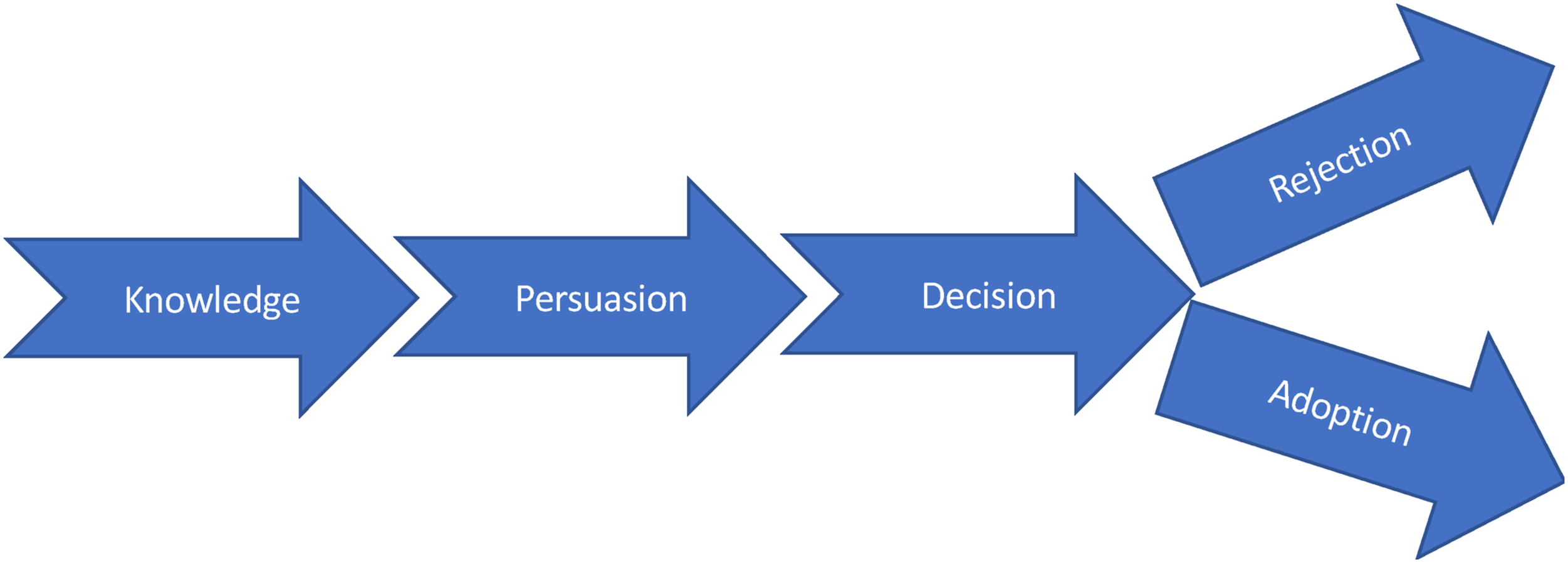

Later marketing theory expanded on this approach and proposed that people go through a “consumer journey” for a wide variety of products. These consumer-based models are also stage-based and propose that people move through several stages in choosing a product – from awareness through mass or interpersonal communication which results in need recognition, information search, evaluation, trial, purchase to post-purchase evaluation (Santos and Gonçalves, 2021). A summary of the decision model is shown in Figure 2 and Table 1. The consumer journey model.
Consumer culture theory (CCT) has raised questions about the validity of the mainly cognitive models of linear rational decision-making. This perspective posits that the process of consumer decision-making is frequently more complex than a straightforward progression, can be influenced by emotions, and is often socially constructed (Elliott, 1998). In addition to the adoption of products, in the contemporary context we have begun to recognize how the consumption of experiences is an important and growing part of the economy and people’s lives (Pine and Gilmore, 1988). In our post-industrial world, people spend a great deal of time and money on experiences such as recreational pursuits. As a result, how do people decide what to do with their leisure time and funds, and how they evaluate these experiences (Lemon and Verhoef, 2016)?
The bulk of research on experiences has examined restaurants and hotels, examining factors that predict satisfaction. A SERVQUAL model predicts that word of mouth, personal needs, and past experiences lead to service expectations which are then compared to the perceived service and evaluated in terms of perceived service quality (Parasuraman, 1985). A recent addition to this approach is the consideration of the ecosystem context in which these experiences occur (Akaka and Vargo, 2015; Vargo and Lusch, 2016).
An important question is how people learn about and develop expectations around other types of experiences. That is not to say we have no insights. One experience that is important to people, and often requires thought is travel. Overall, it appears that travel and tourism consumers are looking to balance novelty and familiarity (Cohen, 1972), sometimes stated as push and pull factors (Crompton, 1979), yet how do they evaluate destinations along these dimensions? Surprisingly little research has attempted to investigate this question. To date, finding a simple model has evaded our understanding. For example, the Theory of Planned Behavior, an approach that has proven useful in many other instances, appears to fall short in predicting experience choices (Yuzhanin and Fisher, 2016).
One study investigated tourism to Antarctica and found that the primary predictive motivation was people’s perceived learning and satisfaction (Cajiao et al., 2022). Other research in this tradition has examined “extraordinary experiences.” For example, Turner (1973) examined religious pilgrimages as a transformational experience. He observed that the process often began with a sense of ambiguity and disorientation, but as participants moved away from initial expectations they gained new awareness, beliefs, and perspectives which they achieved by the completion of the journey. Other research has examined experiences such as river rafting (Arnould et al., 1999; Arnould and Price, 1993), skydiving (Celsi et al., 1993) and bungee jumping (Ferguson, 2011). In trying to understand the process, Fowler and Droms (2010) suggest that many of people’s experiences with these extraordinary events can be mapped onto a path of transformation like Campbell’s (2008) hero’s journey. This research reveals that experiences such as wilderness canoeing offer personal transformations through growth or self-renewal (Lindberg and Østergaard, 2015). The research that has examined people’s experiences during a variety of adventures proposes that people’s evaluations are dynamic, multi-faceted, and emergent – a combination of expectations and experiences.
The questions of how and why people chose particular experiences, from common to extraordinary has seen less investigation. As a result, questions remain on how people learn about experiences, how they evaluate them, and how they fit into the entirety of consumers’ lives. That is, what is the entire “consumer journey” for their experiences?
Thru hiking
Theorists have proposed that wilderness recreation is partially motivated by a goal of acquiring experiences and stories that enrich one’s life (Patterson et al., 1998). One form of wilderness recreation that is growing in popularity that has seen limited research in marketing is long distance backpacking or long-distance “thru hikes” (Cole and Thomsen, 2021; Hitchner et al., 2019). Some evidence suggests that these journeys may have the power to provide personal growth to participants (Fowler and Droms, 2010; Maslow, 1961) and can be categorized as “serious leisure” (Stebbins, 2007). Although experiences such as whitewater rafting are important events, they are more likely shorter-term commercially based experiences.
This research examines the consumer journey behind a potentially significant adventure – a long-distance hike. Why a long-distance hike? Studies of these experiences support evidence of personal challenges, transformations, and understandings that arise (Borrie and Roggenbuck, 2001; Lindberg and Østergaard, 2015). This study proposes that an alternative way to understand consumer choice is by moving our investigation away from products and into the consumer decision process that for these types of experiences (Basil, 2023; Hansen, 2005).
Long-distance trails often reach the status of quasi-pilgrimages among outdoor adventurers (Hitchner et al., 2019). One critical component of thru hikes is a sense of completeness, such as hiking all the way from Canada to Mexico on the PCT (Pacific Crest Trail) or the CDT (Continental Divide Trail) (Hitchner et al., 2019). The JMT is a section of the PCT, but its shorter length (220 miles), ease and accessibility (in California) often make it one of the entrees in the “holy grail” of backpacking pilgrimages (Hitchner et al., 2019). The sheer beauty of the trail has resulted in a cult status as a premier experience. For example, Backpacking Magazine has rated the John Muir Trail (JMT) as the top trail in the world.
In describing the trail, Backpacker magazine extols… America’s most beautiful trail. Period. We’ve said it before (on our December 2007 cover, in fact), and we won’t equivocate now… First, you’d better hike the JMT’s 221 miles of granite-rimmed heaven: There’s not a single ho-hum segment along the entire span from Yosemite Valley to 14,495-foot Mt. Whitney. Countless lakes mirror chiseled peaks; waterfalls thunder over rocky cliffs; steep passes challenge the body and nap-awhile meadows soothe the soul; and the whole thing crescendos with an ascent of the highest summit in the Lower 48. Most backpackers take at least two weeks for the JMT (allow three or even four to really savor the trek) … We’ve also covered it on a honeymoon (“How to Ruin a Perfectly Good Marriage,” September 2005), and in winter with avalanche danger and −10°F temperatures (“High Sierra Ski Solo,” November 1979). [Bastone, 2010]
Although only a small percentage of the public will ever attempt a thru hike, demand for nature-based backpacking experiences is on the rise. To cope with this demand, in many parks and trails a permit system is used. Ever increasing demand has often resulted in many places increasing the number of permits. For example, the National Park Service increased the number of permits on the John Muir Trail from approximately 1000 to 3500 from 2006 to 2016 (National Park Service, 2017). Many wilderness trails are seeing not only an increase in demand but an exponential increase. To cope with almost runaway demand, in many places a lottery is also used. For example, on the John Muir Trail, applications are due exactly 168 days in advance of a planned trip. Yet even with this restriction, 70% of Muir Trail applications are still denied (Bearfoot Theory, 2017). Lotteries are used on other popular trails such as the Pacific Crest Trail, and hikes in Grand Canyon and Zion National Parks to provide a better wilderness experience and to protect the environment.
What do we already know of people’s motivations for “thru hikes”? Previous research on hiking found that four factors typically drive people’s desire for wilderness experiences – the challenge, the attraction of nature itself, a desire to do something unique, and a desire to be able to tell stories about their experiences (Patterson et al., 1998). Consistent with these factors, other researchers have shown that hiking and other wilderness adventures do provide a chance to connect with nature, and discover or challenge oneself (Borrie and Roggenbuck, 2001). Some evidence does suggest that a long-distance hike can provide an opportunity to step back and evaluate the meaning of one’s life (Patterson et al., 1998). A recent popular book has examined a variety of quests or pursuits that can bring purpose and happiness to one’s life and their examples include many long-distance hikes (Guillebeau, 2014). More specifically, Hitchner et al. (2019) demonstrates that a thru hike of the John Muir Trail achieves the level of a pilgrimage for many, requiring finding a balance between comradery and solitude.
Examining the decision
How do people decide on this type of wilderness pilgrimage? Word-of-mouth among members of a similar consumer group is likely to be important (Arnould et al., 2006; Carú and Cova, 2008). Backpacking in many ways may not only represent a similar group of consumers, but even indicate a similar lifestyle (Lemon and Verhoef, 2016). Especially relevant may be online leisure communities (Stebbins, 2007), especially those focused on similar forms of “serious leisure” (Anderson and Taylor, 2010).
In addition, is the online user-generated content for thru hikers important, and for what parts of the decision process? Research in how people decide on experiences has shown that contemporary consumption now involves “multi-channel shopping” and typically online information (Vázquez et al., 2014). Online searches have been shown to be an important source of information for traditional travelers to plan and share their experiences (Ye et al., 2011). Providing the right information at the right time, often through social media, is an important contemporary issue for marketing, especially the role of online media (Batra and Keller, 2016; Vázquez et al., 2014). One strategy of how to reach a potential consumer with the right information was proposed by Batra and Keller (2016) who provide a model of the consumer journey where people draw on both traditional and new media in their information search. They explain that purchase decisions are not always linear, but can be considerably more dynamic (Becker, 2018; Hansen, 2005). As a result, they show that there may be synergies across sources that can affect decision making. They further propose that research in this area should examine the dynamic nature of these decisions.
This study examined this process with a thru hike, the 221-mile John Muir Trail in California. The trail was named in memory of the naturalist John Muir. Muir loved the Sierra and was largely responsible for the establishment of the National Parks including Yosemite National Park, which is the traditional starting point for the trail. The John Muir Trail is often rated as one of the most spectacular trails in North America. At just over 200 miles, it is also one of the shortest of the “thru hikes.” Due to the shorter distance and lesser time commitment, the Muir Trail appeals to a wider variety of hikers, not just those who are making a major lifestyle change, but also people taking a 2- or 3-weeks extended vacation. Therefore, Muir Trail hikers can be more traditional consumers who simply choose to hike for their vacation, instead of the more avid hiker seen on longer multi-month thru hikes.
Study 1: On-trail interviews
Method
Because I was interested in learning more about the decision process and experiences on the trail, I conducted 29 structured interviews with hikers on the trail. These interviews were conducted after an initial netnography, which allowed me to probe further into the specific issues that arose from the netnography. My questions focused on people’s previous hiking experience, information sources, purchases and preparation for the trip, and experiences along the way. The interviews occurred while I was hiking the trail. The locations included campsites, where people gathered along the trail, and while hiking. After an initial chat to establish rapport and insure they were thru hiking the entire trail, the interviews ranged between 5 and 15 min, most typically in the form of a conversation than a formal interview. Due to the wilderness locations, audio recordings were not taken, but written noted were taken after the interviews.
My 29 respondents ranged in age from their early 20s to their late 60s. Six of my participants were hiking solo. Twenty people were hiking in pairs. Of the pairs, this included four opposite-sex couples that were likely married, one father-daughter pair, two sets of women hiking together (a group of college students and a mother-daughter pair), two pairs of men (including a father and son). There was one group of three men hiking together. Though most hikers were from California, there were three from Oregon, one from Colorado, four from Ohio, two from Florida, one from Vancouver, and two from the UK.
Results
I used the interviews to better understand more about how people gained their awareness of the trail. Several of the JMT hikers I interviewed told me they had been backpacking for many years, often as children. Others were relatively new to the sport; however, most of them told me they had heard about the Muir Trail from other hikers. Often this was while on other hiking trips, both overnight and day trips. Only two hikers told me they had heard about the trail from a traditional media source such as Backpacker magazine. However, many of the hikers had previous experience on the Muir Trail.
When I asked about their interest, people reported that it often had been a year or more since they learned about the trail. It seemed that of the couples, one of the two was generally the instigator. Many of the hikers told me that the trail simply went on their, in their words, “bucket list”. Although few had initially learned about the trail through media sources, a good number of hikers used these sources to learn more about the trail before either firmly adding it to their “bucket list” or deciding to hike it. Several hikers told me that they gathered additional information, often via a guidebook. Some hikers report using social media such as Facebook’s “John Muir Trail” group. One hiker I met was the organizer of the “Ladies of the John Muir Trail”. She was wearing a scarf that identified her to other members of that group. A few other hikers reported using other social media sources such as YouTube videos that offered advice on the trail.
Regarding people’s decision to hike the trail, most told me once they heard reports about how beautiful the trail is, they simply wanted to do it. When asked why they were hiking the trail, almost all the new hikers told me that once they learned about the trail they wanted to experience if for themselves. A few hikers mentioned that they wanted the challenge. One reported she wanted a little “Me time.” Only one interview accepted the notion of this being a “quest”. Of the repeat hikers, many lived nearby, and this was a common summer activity. Two of the returnees reported that they had not been able to complete it last time (for smoke or not being in good enough shape). But most everyone I interviewed said that once the trail was on their bucket list their focus was mostly a matter of finding a way to get a permit. Some had applied to the lottery the required 168 days in advance and been awarded a permit from the traditional starting point in Yosemite; I found this more common among those who had travelled farther. Several of the hikers I interviewed on the trail had acquired a permit using an alternative entry point (starting in the south, or from an alternative trailhead such as Rush Creek or Mammoth), others I met but did not interview were hiking sections of trail; both type of people in these categories were more common among those who lived within a few hours drive of the trail. On the question of motivation, some hikers had done the trail before, and loved it so much that they wanted to return. Several other hikers told me that their friends were responsible for their hiking, one woman telling me that she joined her friend when another friend had dropped out. One man who was part of a couple told me he hiked the trail every year to keep his weight under control – he would enjoy his ice cream throughout the year at home, and then take the weight off on his hike.
On the issue of purchasing equipment and preparation, although I heard many discussions about equipment on the trail, when I asked people about their preparation, few people mentioned anything about their equipment purchase for their journey. Perhaps this was because it had happened months before, or they were experienced backpackers who already owned the equipment. Whatever the reason, it was difficult to learn much about their purchase decisions on the trail itself. But on the more general question of preparation, most hikers told me that they had gone on overnight hikes to prepare. Typically, this was to get in better shape and become familiar with the routine and equipment. This was often the case even with those who had hiked the trail in the past.
What was easy was finding out about their experience on the trail itself. Overall, people’s experience on the trail was typically mixed. Paradoxically, most hikers said they were really enjoying their hike, especially the incredible beauty. They would tell me how incredible the scenery was to them and how lucky they felt to be able to experience it. Yet most expressed they were finding it more difficult than they imagined, especially the long distances and ups and downs in elevation. A few reported blisters, sore feet, or just being exhausted from all the walking that was involved. There were some that had contemplated or were contemplating getting off the trail. Yet even those were worried what incredible beauty they would be missing. Hunger was also an issue for many hikers, given the need to carry all their own food except for two possible supply points.
Study 2: Analysis of online facebook John Muir Trail groups
Method
This study was conducted by examining several Facebook (FB) groups over the course of more than 7 years, from February 2016 through March 2023. This examined participants’ understanding of, preparation for, experiences during, and reflections after hiking the John Muir Trail in California. I was primarily interested in the planning, information gathering process, and the sharing of their experiences. This information source is important as Stokowski (1990) identified an important role of social groups in leisure decisions which is now likely occur online. Five online groups – the general “John Muir Trail” group as well as groups for specific years such as “John Muir Trail Hikers 2017” through “John Muir Trail Hikers 2023”, provided a variety of relevant content. With these groups varying from a couple dozen to 40 or 50 posts a day, this involved more than 10,000 posts and more than 60,000 responses. In addition, I also examined blogs that were referenced from these Facebook posts. These various online postings provide a foundation in online contemporary virtual communities devoted to the John Muir Trail. Kozinets explains the value of netnography (2002) and argues that relevant experience improves a qualitative researchers’ potential understanding of consumer “tribes” (2006). I am uniquely qualified to understand this experience having hiked the trail on four previous occasions (1979, 1982, 1988, and 2016).
The strategy employed here involved following these groups and saving relevant posts. Later the posts were categorized according to emergent stages of the decision process. These postings were compiled into an outline according to the consumer stages. As each note was compiled exact quotes were referenced in the context and evaluated according to the consumer journey perspective. Finally, as this manuscript was compiled, I looked back at each quote and scanned its original context to ensure the accuracy of this summary to the decision process.
Awareness of the trail
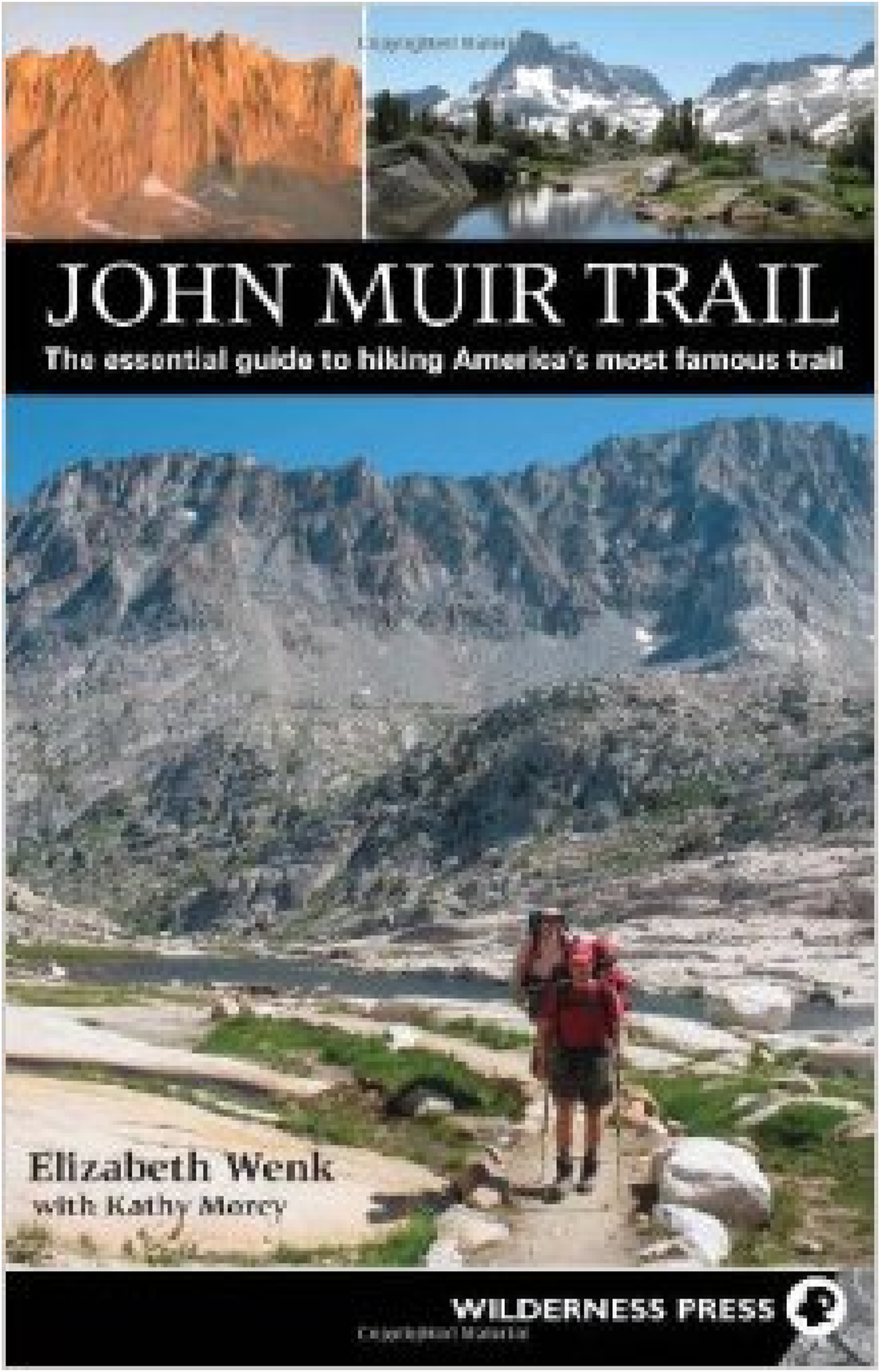
Despite evidence of traditional media which touted the trail (Figures 3 and 4), an examination of online postings suggested that people were more likely to report initially learning about the trail from others. Evidence of this was found in online postings that asked how people had learned of the trail. One FB post noted, “I grew up in a family that fished, hunted, camped and day hiked. Then, 1 day I picked up a backpacker in the San Gabriel Mountains outside of Los Angeles. I thought to myself, ‘Why didn’t I ever think of doing that?’” [FB JMT group post]. Another online post, not a Facebook group but a commercial site explained, “My name is Chris, and I am from the White Mountains of New Hampshire… I have learned, lived and loved the outdoors…. But one instance stands out in my mind over all the rest. This was the time that I met my first thru hiker. A pair actually. We shared some Oreos and I remember my dad asking them about their trip. As young as I was, I can’t say that I understood the enormity of their undertaking. I did, however, become enamored with the idea of living in the woods for an entire summer, summiting peak after peak. Over a decade later I would realize that dream.” [Zero Day Resupply home page]. Popular press. Guide book.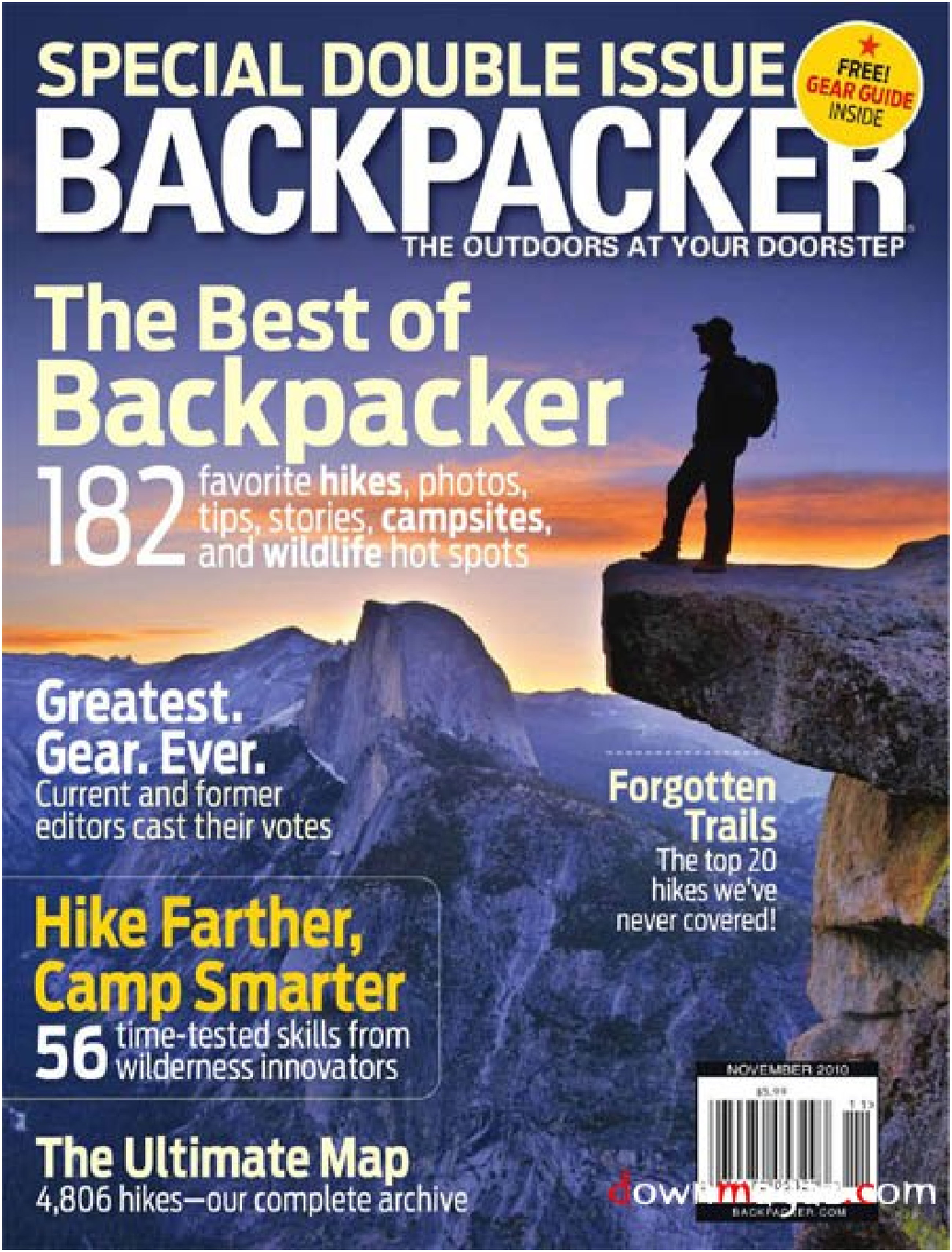
Research and decision making
Another important aspect of hiking the John Muir Trail, not unlike other thru hikes, is that there appears to come a time when people become serious about deciding to hike. Often this is somewhat removed from initially hearing about the trail. Evidence from these online groups demonstrates that many backpackers anticipate the journey months and sometimes years in advance. Deciding may follow buying books or magazines or learning more through conversations and online communities. Because of the seasonality of the trail (June – September) stories and social media posts often correspond to the annual cycle of the trail. In the late winter there are many posts asking for information on the trail and how to get a permit. In some ways this is somewhat surprising because the limited pool of permits means that helping people obtain a permit might decrease your own chances. It seems likely, however, that many of the posters were not expecting to be competing directly with those asking advice, either because they were not planning on hiking that year, or not during the same timeframe.
Purchasing equipment
Marketing theorists have proposed that purchase decisions vary in importance, what we call “involvement” (Zaichowsky, 1986). Most typically this is thought of as depending on the price of the purchase or its personal importance to a person. Examining traditional and social media discussions of backpacking equipment, especially for long-distance backpackers such as those doing the John Muir Trail, it appears that there is a good deal of online information that is offered and used in making equipment purchases. That is, the equipment purchases are often “high involvement”. Although many items can be expensive (backpacks, sleeping bags and tents are often in the $200-500 range), there also seems to be a great deal of information and discussion for lower prices items, including rain gear and even minor items such as food and tent pegs (which may sell for $.50 to $5 each). Hikers believe their comfort, well-being, and perhaps even their lives depend upon these purchases, no matter how small, so each purchase warrants careful consideration (Yoder, 1997). During the hike they will be limited to what they can carry on their back, so the matter of acquiring equipment usually receives a great deal of thought and effort. Of course, not all backpacking equipment is so thoughtfully considered, especially historically. One of the stories shared on FB page explained, “When I first hiked the JMT in 1970, a friend of mine asked me to go on a hike with him. I asked where to, he said from Yosemite to Mt Whitney. I said that sounds like fun. We bought two down bags from REI and bought two Kelty backpacks…” This casual approach appears to be an exception rather than the rule, however.
There is quite a bit of exchange on the Facebook groups, starting in March or April, and continuing right up until start dates. In spring there are many posts on planning, gear, and training. Data gathering may involve people asking for advice on equipment, from shoes to backpacks to tents. It also includes sharing of equipment lists where posters ask for advice regarding what is necessary or how to reduce the weight of their gear. In most cases there are many responses from other hikers. The “Backpacking” group appears to be more devoted to novices and therefore had questions on the overall kit. Most of the posters to the groups appear to have experience backpacking, so there were a higher proportion of posts asking for advice on a particular piece of equipment such as a particular model of tent or footwear. Although some questions were very general such as “What is a good tent” or “What is a good US$300 tent?” it appeared that most of the questioners had done some previous research and were narrowing down a “consideration set” and seeking advice from previous hikers to help them decide. Questions even asked about tent pegs asking things such as “Which pegs work best on the rocky Muir Trail?” In most cases several previous hikers were willing to respond to the requests with their experiences or with advice on particular pieces of equipment. From the postings and from my interviews it appears that some backpackers go so far as to buy more than one version of each piece of equipment. They tried them out before their hike, decided which option they liked best and would bring on the trail, and returned or kept the non-selected model.
One factor that illustrates the importance of the purchases was explained in a post, “Today all my gear is ultralight tech gear where everyone counts ounces. It has come a long way.” Reducing the weight of gear has increased the price of gear and increased the complexity of decision making for these backpackers. Greater interest in backpacking has led to increased availability of gear, competition, and innovation among outdoor gear manufacturers, resulting in a lot more options. Despite this history, much of the gear is novel to new backpackers who often need advice on equipping themselves. Among those active in the sport, some report they are asked for so much advice that they have recorded and posted YouTube videos for less experienced backpackers.
More research
Closer to hiking time many likely hikers asked for detailed planning information. For example, a good many hikers posted their schedules asking for advice from previous hikers, usually along the lines of “does this schedule seem reasonable?” In some cases, prospective hikers were looking for an evaluation of their schedule, how difficult the day would be, or the quality of particular camping spots. This often resulted in advice on (1) the overall schedule, (2) the daily mileage distribution (e.g., too much in the first days), and (3) the importance of allowing flexibility so that camping locations do not have to be determined beforehand.
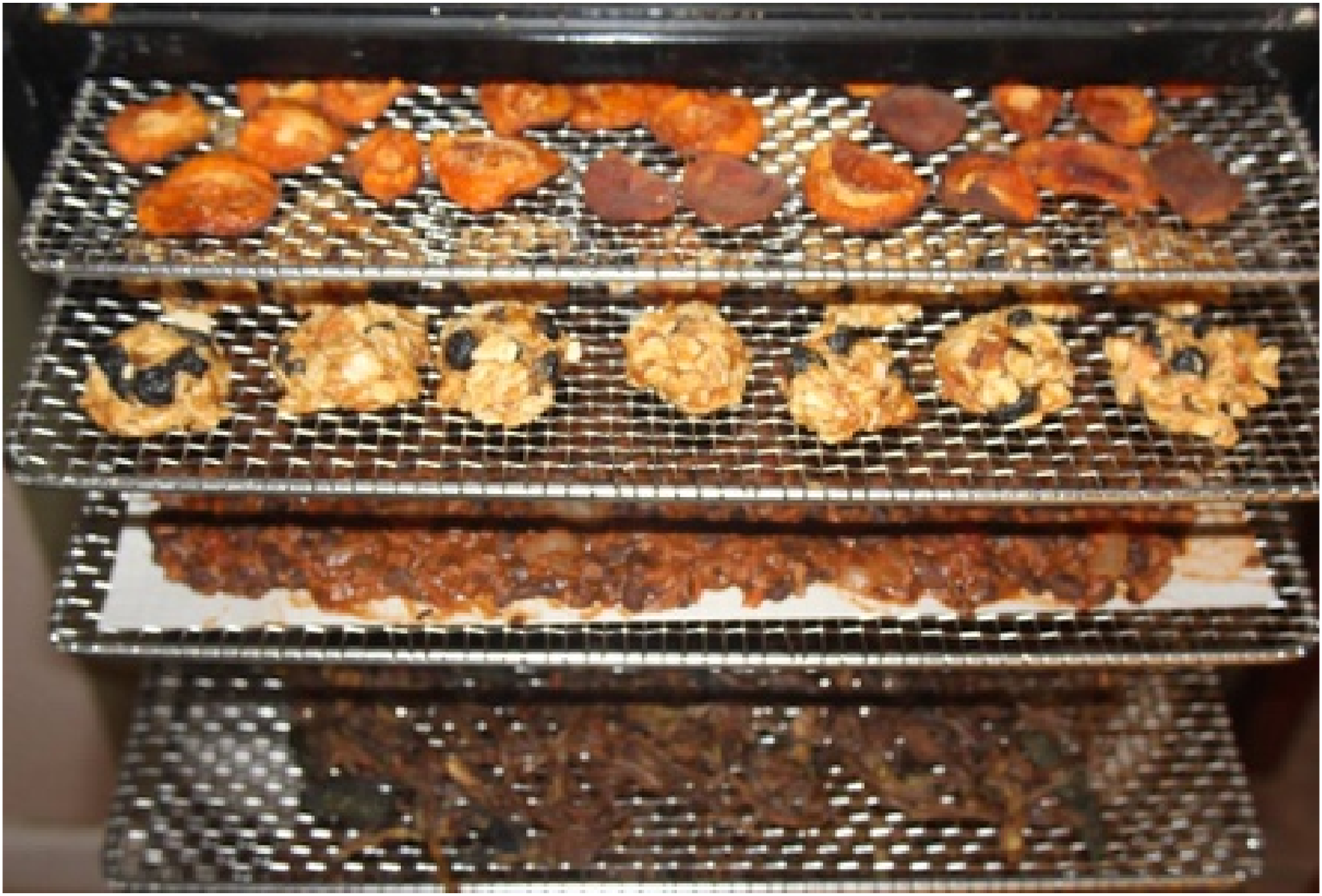
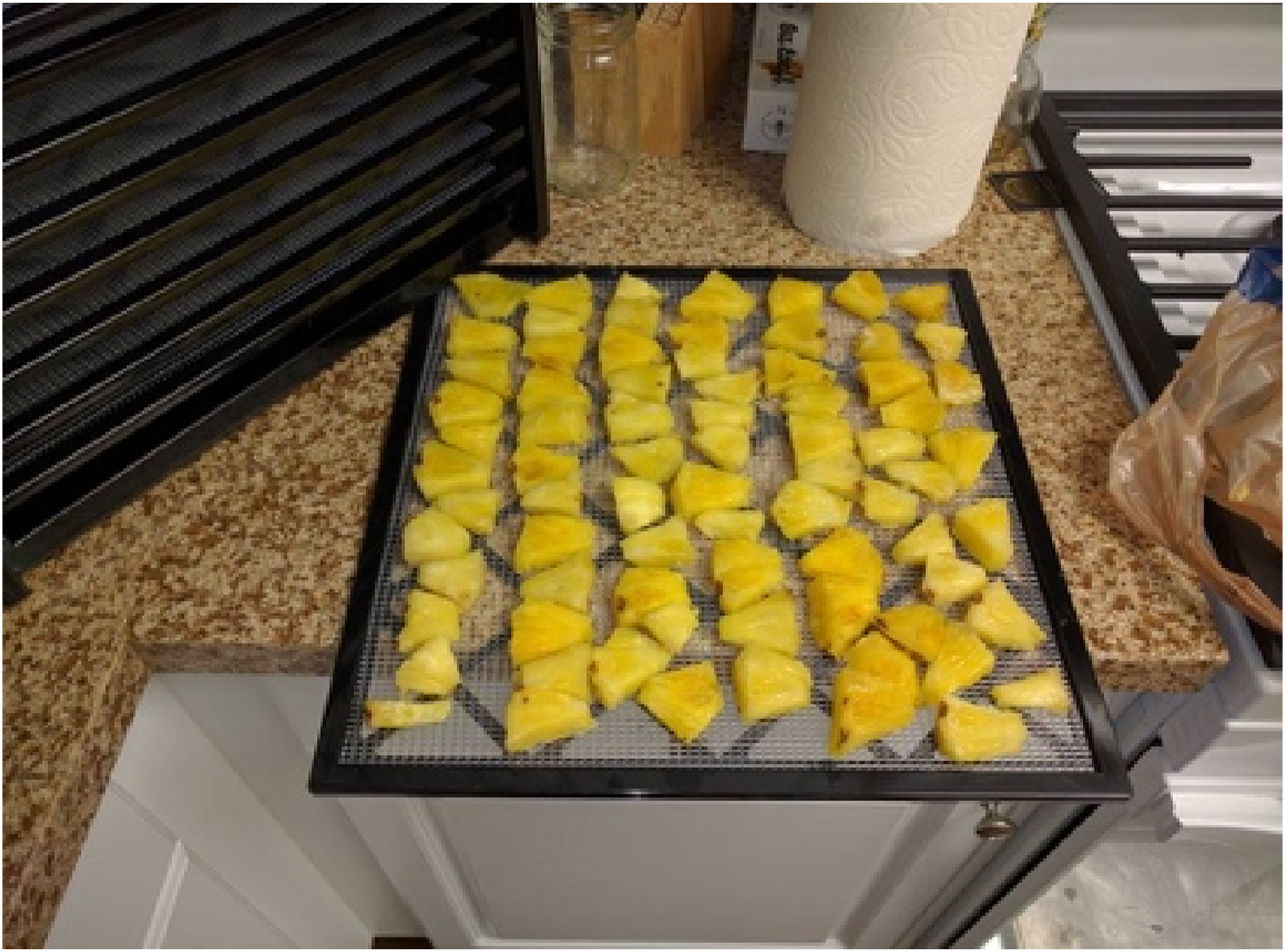
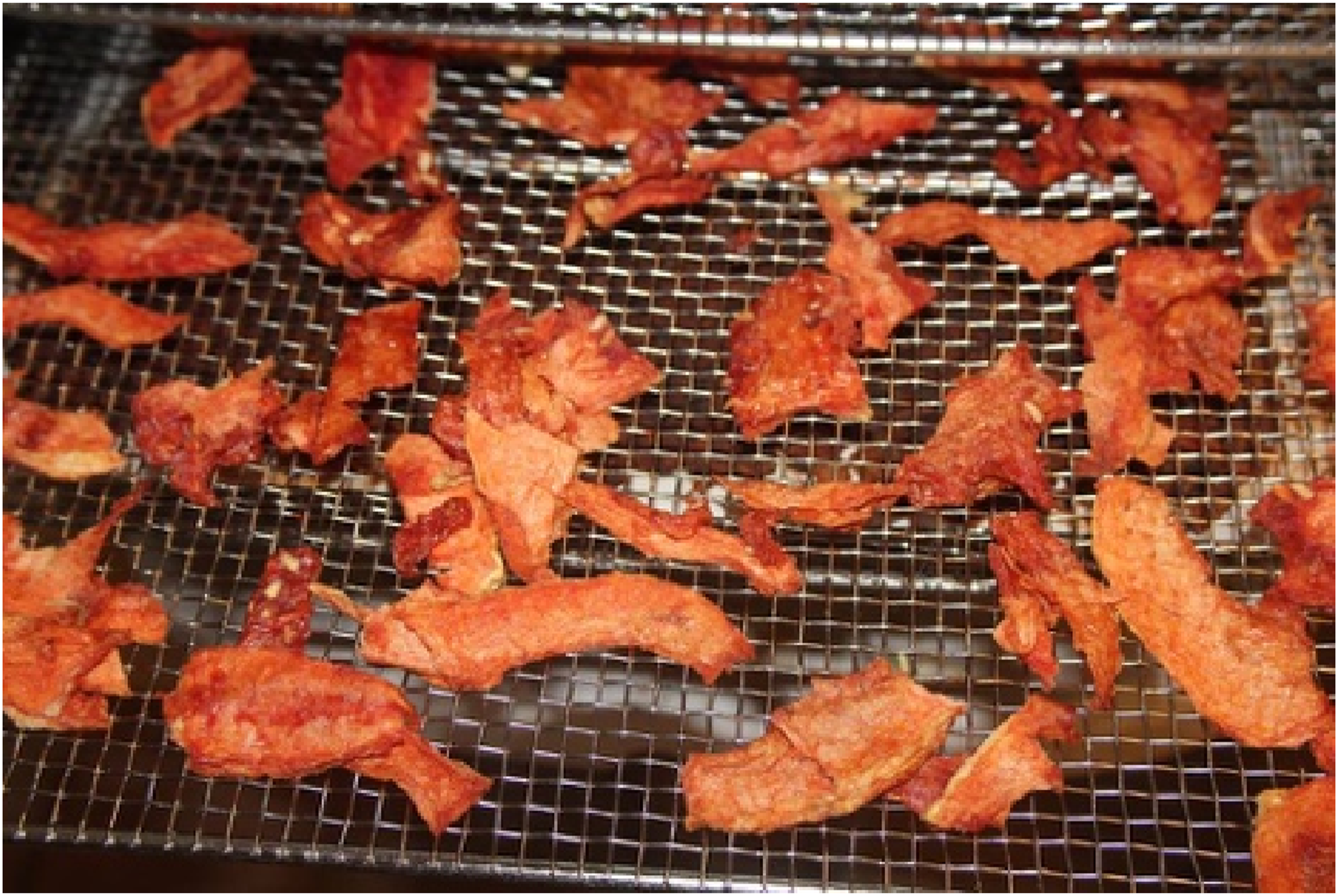
Another common topic of discussion over social media included discussion of food. Although the source of information has changed over the years, food planning always required effort. “When I first hiked the JMT in 1970, we planned the food out in our garage… We packaged up two caches… We drove down 395 Owens Valley and hiked in the two caches at equal intervals close to the Muir Trail. We dug two holes and buried the caches and hoped they would be there when we arrived… The caches were still there minus the peanuts and MMs the chipmunks had eaten. Near the end we got low on food so we had to fish for our meals.” [FB JMT posting]. More contemporary approaches include people who use and recommend food from regular grocery stores and suggest items that are appropriate for backpacking. So, although the cost of a single meal may only be in the US$2-US$10 range, this is higher involvement than one would expect based on price. General options include whether to bring homemade food, a store-bought meal, or commercially prepared dehydrated food. Why is this so high involvement? One reason is that this is wilderness, so a backpacker must rely on what they carry as their only option. Food is planned in advance, mailed to a few supply points, and carried on one’s back. Since the Muir Trail is all wilderness, there are no options to eat in a restaurant or stop by a store. If hikers don’t have enough food, they go hungry. If they have too much, they bear the extra weight with every step. These factors explain why food selection is often a high involvement decision for many backpackers and warrants online discussion. Examples of food suggestions can be seen in Figures 5 and 6 that were posted to Facebook’s John Muir Trail group. Evidence of more extensive individual effort can be seen in people’s efforts to dehydrate their own food (examples can be seen in Figures 7–10 that were posted to Facebook’s John Muir Trail group). Other people have even gone to the effort to post recommendations to sites such as https://bearfoottheory.com/john-muir-trail-food-shopping-list/ and others on YouTube. Food options. More food options. Homemade food. More homemade food. Homemade food. Homemade food.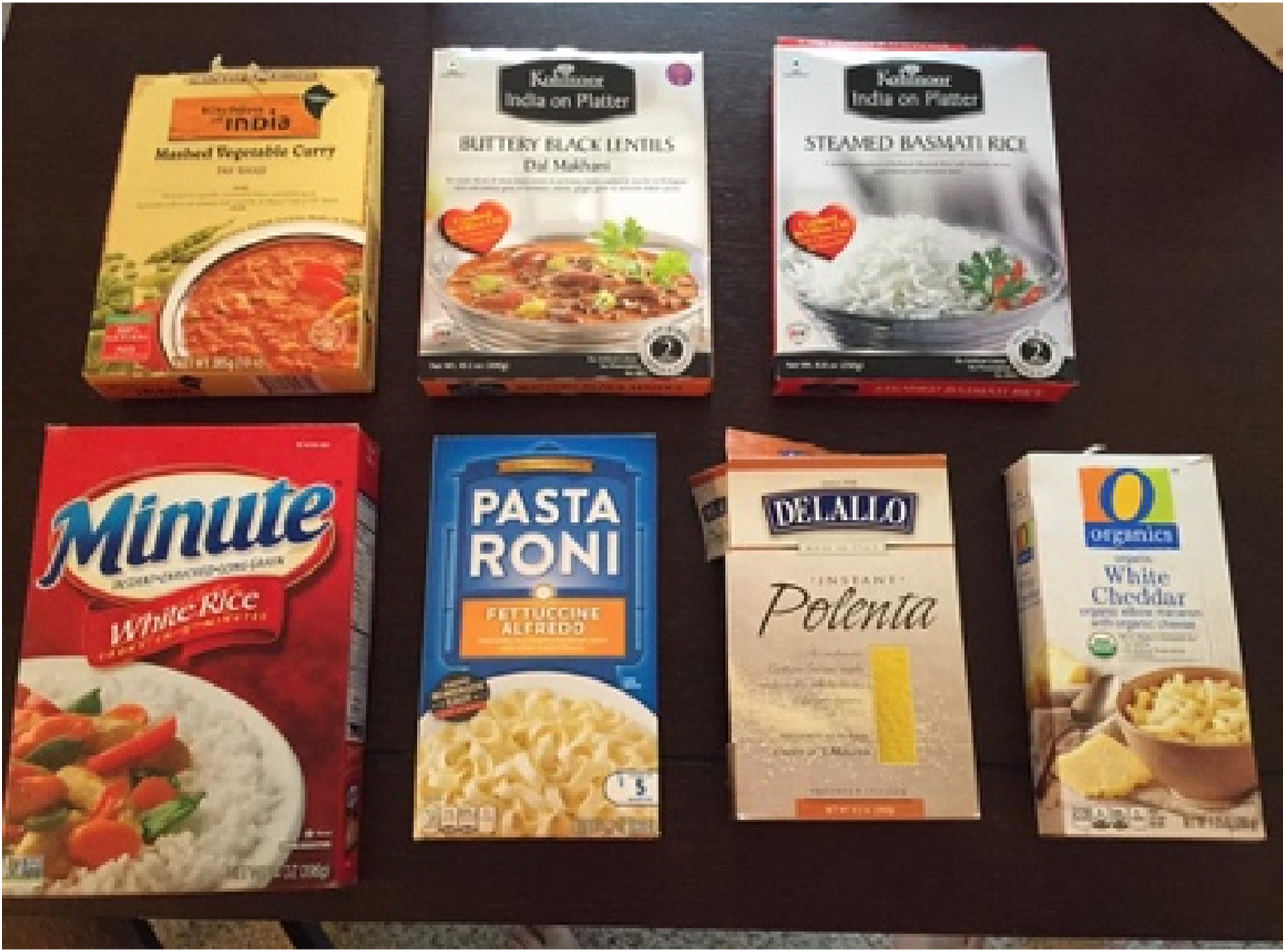


In the summer there are many posts of people in their final stages of preparation asking for equipment advice or conditions on the trail. As the departure date approaches, there is evidence of considerable last-minute planning on social media sites. There is, for example, a whole group where recent hikers and backpackers post their observations on conditions regarding snow, temperatures, precipitation, and mosquitos. In 2017 after a record snowfall that made the trail very challenging, many people asked advice about postponing or cancelling their trip and there were many others who asked about equipment for over snow travel such as crampons, microspikes, or ice axes. For example, “Does anyone know the conditions along the JMT? I leave Sunday SOBO from HI and was wondering if I can ditch my microspikes.” [JMT FB group posting, June 24]. “Still lots of snow in high country. North Lake to South Lake loop. About seven miles of snow over Muir Pass. Was good with micro spikes and poles on steep sections of Bishop Pass. Piute pass was the most snow free. Firm to icy snow in early morning with post holing around rocks in the afternoon. Evolution creek was waist high but the current wasn’t strong.” [JMT FB group posting, June 21]. Many hikers who had returned from the trail were willing to offer information and other advice to those who were preparing to leave. Similar questions and advice were posted after fires in 2019 and 2021 and Covid in 2020 and 2021.
Experiences and post-purchase behavior
Unlike most other contemporary travels that are instantly shared online, sharing of this hike typically happens later. This is a result of limited Internet access on the wilderness trail that forces many hikers to “disconnect” while on the trail itself. However, there are hundreds of instances where hikers blog or write or post about their experiences afterward. These are often posted in late summer or autumn and include photos and videos of people’s experiences on the trail. Blogs are also very common, sometimes linked from someone’s Facebook posting in the John Muir Trail group, and sometimes from their personal homepages (which can be found via an Internet search). Most blogs are a combination of text and photos. Previous research has focused on blog posts exclusively (Hitchner et al., 2019). Other JMT hikers compile videos, some posted as YouTube videos. Many of these postings appear to be attempts to share the experience with others, often family and friends. Many are also intended to be shared with other hikers and potential hikers, in turn becoming virtual word-of-mouth. As a result, the experience has the potential to go full circle in inspiring others to hike the Muir Trail. Given their tendency to support others on these online forums, many thru hikers can be seen as evangelists for the trail or thru hiking in general (Doss, 2014).
Overall, then, the consumer journey for a thru hike does bear some resemblance to the consumer journey for product purchase; however, there appears to be a higher level of involvement, contemplation, and planning. This may ultimately result in a high level of sharing or evangelism among former participants.
Discussion
What can we learn about the consumer journey for this experience? First, accidental exposure or word-of-mouth appears to play an important role in creating awareness. Specifically, people’s first exposure to the trail appears to be the result of serendipity, typically from hikers who suggest that this may be a trail of interest. The importance of these social groups has been shown to be important in recreational activities (Arnould et al., 2006; Lemon and Verhoef, 2016). Although many models of the purchase decision focus on the role of a product’s price or quality (Hansen 2005), previous findings demonstrate this is not typically the case with a specialized community like this, where word-of-mouth seems to be the most important factor (Stokowski, 1990). Neither study examined when people became interested in the trail, as those who showed no interest simply did not move on to seeking more information or hiking the trail. Other research is necessary to examine people who become aware but do not become interested – those that fall out of the “funnel.”
After they are aware, interested hikers appear to turn to a variety of sources to learn more about the trail and consider whether the Muir Trail was something they really wanted to do. Often this included guidebooks. This information appeared to help people evaluate the idea. This stage of active data-gathering is similar to what we see in the typical consumer product funnel. This stage, however, is somewhat invisible in face-to-face interviews.
Next, preparation often includes purchasing equipment and testing it out on practice hikes. Equipment has been shown to be serious business for backpackers (Yoder, 1997). However, contrary to what was found in the first study, only a few hikers reported searching for online information on gear. It seems likely that there were several reasons for that; first, the search for gear had occurred months or years before, and second, only a few folks used these online forums to gather equipment information, and likely appear to have relied on a variety of other sources, none of which were completely captured by face-to-face interviews on the trail.
Conclusions
What can we learn from these two studies? Importantly the type of information that was gathered through each method had their own limitations. Specifically, interviews were a better source to learn how people initially learned about the trail and their motivations. Facebook discussion groups, however, were a better source to understand people’s discussions about equipment and planning. Because this study examined likely hikers and actual hikers, neither approach allowed the examination of those who became aware but were not interested in the trail. Both methods, however, revealed information on training. The on-trail interviews were really the only means to understand their on-trail experiences. Finally, it was the online discussion, after the fact, that was the best source to examine trail evangelism. Together, by triangulating across these methods, I was able to get a picture of their consumer journey.
Despite these limitations, what does this research tell us about consumers’ decision process for this experience? In some ways these decisions follow aspects of the product purchase journey. First, awareness is often a result of outside forces. In this case the source is usually other hikers. In the traditional adoption of innovations and consumer journey models, word of mouth and mass media are important sources of awareness (Arnould et al., 2006; Carú and Cova, 2008; De Bruyn and Lilien, 2008; Ferguson, 2008; Stokowski, 1990). Second, once aware and interested, potential hikers often spend time researching their thru hike. Information sources include word-of-mouth, traditional media, and online media. This is similar to information sources for the traditional consumer purchase journey. Once a commitment to hike is made, a considerable amount of time, money, and effort goes into planning and provisioning for their wilderness experience (Basil, 2023). This study found that social media are an important source later in this process, especially in making decisions about equipment, food, and last-minute planning, and this finding is consistent with Batra and Keller’s (2016) findings on the growing importance of online media in consumer decision making. In the case of thru hiking, a great deal of sharing appears to occur on online forums such as Facebook. As in the traditional product and SERVQUAL models, consumers appear to continuously evaluate their experience, consistent with Lindberg and Østergaard’s (2015) study of wilderness canoeing. Finally, an interesting outcome of this online sharing is word-of-mouth and evangelism. In this case the development of an online community to support other long-distance backpackers is important. Many previous hikers expend time and effort in sharing their wilderness experience and serving as advisors, advocates, or ambassadors to other potential thru hikers. This sharing allows others to learn about the trail in the form of “evangelism” (Doss, 2014) that is shared with others (Fondren and Brinkman, 2019).
There are several aspects of this process, however, that challenge our existing theory of the consumer journey (Court et al., 2009; Mittal, 1983). First, people’s interest in long distance backpacking is limited to a very narrow segment of the population (Stokowski, 1990). Here, only a small percentage of the public probably learn of thru hiking and neither method allowed an understanding of those who showed no interest in the hike. Examining other products or experiences that are limited in their breadth deserves attention, specifically understanding the role of small segments of the population, and the role of word-of-mouth within them. Second, people are often unable to explain their motivations. Among the people who have heard of the trail, most report being “called” through some sort of resonance, likely a mix of rational and emotional factors (Canniford and Badje, 2016). In the case of the John Muir Trail, although this may primarily occur in the contemplation stage, it appears to be a matter of evaluating it in terms of rising to prominence on a hiking “bucket list”, not unlike a consideration set. The mix of rational and emotional factors that drive a hiker is important though difficult to understand. I believe this may be the case with other consumer decisions (Elliot, 1998). The notion that homogenous others are more influential can be seen in Rogers’ (2010) study of the diffusion of innovations and are likely important for other consumer journeys. Third, in the case of this thru hike, it appears that consumers went through a second information gathering stage – after they had decided to go but before they actually head out. This appears to be a search for conditions and last-minute decisions. It seems possible that additional information searches can also occur in high-involvement product purchases, although this deserves attention.
In addition to what we have learned about the context of thru hiking, we can see that a researcher can learn a lot about consumer journeys and consumer decision making through multiple methods including face-to-face interviews and online discussions. In this case, these research methods resulted in insights into different parts of the consumer journey. Face-to-face interviews provided insights into initial motivations. Meanwhile the online netnography illustrated differences with a previous study examining online blogs (Hitchner et al., 2019). An important finding of this research is the extent to which online sharing in leisure communities is an important resource to others. Understanding exactly how and when people make use of online information sources for consumer decisions for other experiences is warranted (Batra and Keller, 2016; Becker, 2018) including the important role that it plays in a variety of consumer decisions.
These studies focused on the niche activity of long-distance thru-hiking. However, these findings likely apply to a much broader range of alternative pastimes in which individuals engage, such as bicycling, boating, gardening, knitting, motorcycling, and motorhome travel. In these pursuits, the combination of serendipity and word-of-mouth likely plays a significant role in individuals’ awareness and interest in various products and experiences. Therefore, it is of paramount importance in the field of consumer studies to acknowledge the role of serendipity in the overall process, the variety of sources of information people employ, the pivotal role of emotions in generating enthusiasm for consumption, and distinguish this process from traditional rational models of product adoption, especially those based on the purchase of durable goods.
Footnotes
Declaration of conflicting interests
The author(s) declared no potential conflicts of interest with respect to the research, authorship, and/or publication of this article.
Funding
The author(s) disclosed receipt of the following financial support for the research, authorship, and/or publication of this article: This work was supported by the University of Lethbridge and methodologically by the hikers who posted on social media and who consented to an interview while on the trail.
