




Abstract
This study investigates the potential of Artificial Intelligence (AI) to foster sustainable tourism practices that align with the Sustainable Development Goals (SDGs). It employs the SPAR-4-SLR protocol to conduct a systematic literature review (SLR) of 76 Q1 peer-reviewed articles identified in Web of Science and Scopus to determine the contribution of AI to environmental, social and economic sustainability. Four thematic areas emerged: (1) co-creation of value and sustainability in supply chains; (2) AI, service innovation and sustainable transitions; (3) AI, experience and governance in sustainable tourism; and (4) technology, nature and emerging frontiers. Results indicate that AI improves the sustainability process by making operations more efficient and sustainable and promotes ethical governance, inclusivity and innovation. A framework presents the interaction of AI-driven transformation, governance and ethical practices to foster a sustainable environment, contribute to SDGs 8, 9, 11, 12 and 13, and help improve SDGs 5, 7, 10, 14, 15 and 17. The study’s research agenda includes evaluating the long-term purposes of AI adoption, adoption barriers, implementation in less developed destinations and the enhancement of AI-oriented forecasting models. It provides original insights into the intersection of AI and sustainable development within tourism, providing actionable knowledge for academics, policymakers and practitioners seeking to harness AI for advancing sustainable tourism.
Keywords
Introduction
Technological innovation, led by Artificial Intelligence (AI), is transforming industries such as healthcare (Jiang et al., 2017; Topol, 2019), finance (Cao, 2022; Makridakis, 2017), manufacturing (Dwivedi et al., 2021; Huang et al., 2021), retailing (Guha et al., 2021; Oosthuizen et al., 2021) and transportation (Ketter et al., 2023; Ma et al., 2020). The tourism industry, a key contributor to economic growth (Badulescu et al., 2021; Figini and Patuelli, 2022) and cultural heritage promoter (Adedoyin et al., 2022; Richards, 2018; Su et al., 2019), is also adopting automation through intelligent machines (Tussyadiah, 2020), sparking interest in AI’s role within the sector (Chi et al., 2022; Grundner and Neuhofer, 2021; Samala et al., 2020).
Three key AI benefits stand out (Nishant et al., 2020): automating tasks to free human resources; extracting insights from vast data; and integrating computing power to solve complex problems. AI aids in designing sustainable organisational practices, reducing resource and energy demands (Nishant et al., 2020). Its potential lies in facilitating environmental governance by guiding decision-making for managing natural resources and addressing environmental challenges (Nishant et al., 2020). Recent studies also support this perspective, demonstrating that AI can be directly utilised to make the hospitality industry more sustainable, reduce energy consumption, minimise waste and encourage low-carbon activities (Filimonau et al., 2025).
While tourism drives economic development, it also strains natural resources (Fragidis et al., 2022). The sustainability discourse remains central to policy and academic debates (Bernini et al., 2021). Integrating AI into tourism presents a path toward sustainability (Majid et al., 2023), aligning with the UN’s Sustainable Development Goals (SDGs). The Brundtland Commission defines sustainability as meeting present needs without compromising the needs of future generations (United Nations U, 2024). Its three dimensions, environmental, economic and social, emphasise resource efficiency, quality of life and community well-being (Olawumi and Chan, 2018).
Research highlights the role of AI in sustainable tourism (Loureiro et al., 2022; Majid et al., 2023; Rahmadian et al., 2022). AI-driven data analysis optimises processes (Gill et al., 2022), predicts environmental risks (Nishant et al., 2020) and monitors deforestation and climate change adaptation strategies (Haq et al., 2024). Despite the need for empirical research on AI’s implementation in environmental governance and tourism sustainability (Fragidis et al., 2022; Nishant et al., 2020), few studies explore AI’s contribution to SDGs within tourism (Tussyadiah, 2020).
While AI improves efficiency and enhances tourism experiences, its role in advancing SDGs remains underexplored (Loureiro et al., 2022; Majid et al., 2023). Loureiro et al. (2022) particularly highlight the lack of research on AI’s long-term impacts on sustainability. By addressing this gap, this study investigates how AI enhances operational efficiency while fostering sustainable tourism practices that support SDGs. By analysing resource optimisation, ethical governance and environmental risk mitigation, this research expands the discourse on AI’s role in sustainable tourism.
In addition, the introduction of conversational AI in the tourism industry offers new ways of promoting sustainable behaviour among tourists. Majid et al. (2024) show that AI-based chatbots are as effective as nudging tools, promote pro-environmental behaviour and do not rely on direct travel experiences; however, they influence tourists’ ecological behaviour long after they have completed their trips. This emerging field of research draws attention to the socio-behavioural aspect of AI in sustainability, connecting technological innovation to physical changes in tourist behaviour. Moreover, chatbots can make the sustainable travel habits of tourists go beyond the scope of the trips (Majid et al., 2025a), highlighting that conversational AI can foster continuation of pro-environmental behaviour, which would help bridge the gap between sustainable travel choices and everyday environmental behaviours (Majid et al., 2025a). This is a clear indication of AI’s role in enhancing the development of behavioural spillover effects that strengthen sustainability in the long term.
Moreover, AI-based actors, including virtual assistants and service robots, encourage sustainable conduct among hotel guests by providing social feedback and developing the illusion of social presence, motivating pro-environmental behaviours even when there is no tangible embodiment (Tussyadiah and Miller, 2019). This perspective is extended by conceptualising digital nudging as the application of the principles of behavioural economics to the digital environment, promoting sustainable tourist behaviour. Ni et al., (2025) theorise tourism interfaces as human-centred spaces that can intelligently and collaboratively use design features like adaptive feedback, social engagement and immersive storytelling to guide travellers towards pro-environmental decisions.
Beyond technological innovation, the contemporary focus on enhancing sustainability within the hospitality industry has shifted toward corporate certification.
The rapid growth of B-Corp certified organisations in the UK hospitality sector, for instance, is identified as a transformative force embracing inclusive, ethical, and environmentally responsible business approaches, effectively aligning business performance with broader sustainability and governance objectives (Ashton and Filimonau, 2025).
SDGs provide a structured roadmap for sustainable development, integrating environmental, social and economic dimensions (Sachs et al., 2019). Equipped with specific targets and indicators, they facilitate accountability and international collaboration (Donald and Way, 2016; Horan, 2022). Leveraging AI can accelerate sustainability in tourism, though this remains an underexplored area, it holds promising potential (Chon and Hao, 2024). AI’s potential to enhance decision-making and resource management is critical for achieving SDGs. As such, based on this gap and on Tussyadiah’s (2020) claim, this study explores, through a systematic literature review, AI’s theoretical and practical applications in sustainable tourism, addressing the next key research questions: RQ1: How can policies maximise AI’s benefits for sustainable tourism? RQ2: How do AI applications impact sustainable tourism and contribute to SDGs? RQ3: Which emerging AI trends have the highest potential for transforming sustainable tourism?
By addressing these questions, this paper offers a comprehensive understanding of AI’s role in promoting sustainable tourism. The article is structured as follows: the introduction provides an overview of AI’s application in sustainable tourism. The methodology section outlines the research approach. The findings section presents the thematic results. The following section develops a conceptual framework. While the subsequent section discusses the research agenda, the final section presents the conclusion.
Method
Systematic literature reviews (SLRs) consolidate knowledge and identify research gaps, thereby supporting the development of new theories and frameworks (Paul and Criado, 2020). SLRs critically discuss specific topics by integrating previous studies (Marabelli and Newell, 2014) and have gained recognition across academic fields, underscoring their significance (Callahan, 2014; Kraus et al., 2020; Gasulla-Tortajada et al., 2024). Building on this, this paper examines AI’s role in sustainable tourism, based on SLR principles, exploring its contribution to SDGs while identifying research gaps and future directions.
The researchers established a review protocol outlining data retrieval parameters to ensure replicability and transparency (Denyer and Tranfield, 2009; Kraus et al., 2020). This article follows the “Scientific Procedures and Rationales for Systematic Literature Reviews” (SPAR-4-SLR) Protocol (Paul et al., 2021), structured into three stages: (1) assembling – identifying relevant literature; (2) arranging – organising and refining literature; and (3) assessing – evaluating and reporting synthesised findings.
The four interrelated thematic areas addressed in this review include artificial intelligence, innovation, sustainable tourism practices and SDGs. To support the quality and validity of data sources, only peer-reviewed journal articles, indexed in the Web of Science (WoS) or Scopus databases and belonging to the first quartile (Q1) of the SCImago Journal Rank were selected. The search had no time restrictions, including all articles published up to August 31, 2025. This broad approach enabled an in-depth analysis of AI’s role in sustainable tourism practices. The search terms used were wide [(“artificial intelligence” or “AI”) AND (“sustainable” or “sustainability”) AND (“touris*”)], ensuring broad literature coverage.
After data retrieval, a multi-step purification procedure was undertaken to achieve quality and relevance. 540 articles were initially retrieved (247 from WoS and 293 from Scopus). Duplicate records (192) were removed after the merging and deduplication steps. Further filtering was conducted to exclude: journals that were not in the first quartile (143); articles that did not directly provide information about AI-driven sustainable tourism practices (125); and articles that were not available in full-text (5). This organic filtration process resulted in a final sample of 76 articles, comprising the core analytic data.
The chosen articles were systematised by three broad organising codes: artificial intelligence, sustainability and tourism. Firstly, a descriptive analysis was conducted to describe the trends in publications, the development of research over time, citation frequency and the discipline distribution. A thematic content analysis was then conducted to identify conceptual thematic groups and prevailing research streams. This process identified four key thematic groups, as presented in Section 3.2, Table 3: (1) value co-creation and sustainability in supply chains; (2) AI, service innovation and sustainable transitions; (3) AI, experience and governance in sustainable tourism; and (4) technology, nature and emerging frontiers in sustainable tourism.
The reporting phase combined descriptive and thematic synthesis through visual representation, like figures and tables, to summarise the publications’ characteristics, thematic content and research gaps. The analysis revealed a great diversity of conceptual and methodological approaches, with quantitative and conceptual studies prevailing and limited empirical applications. The review also found areas of critical importance in future research, such as the necessity of interdisciplinary frameworks, the need to empirically validate AI’s sustainability impacts, and the need to pay more attention to the ethical, social and governance aspects of AI-driven tourism innovation.
Figure 1 presents the review protocol used in this study, showing every step of the SPAR-4-SLR process. It summarises the systematic and transparent approach, which supports the review in achieving academic rigour and reproducibility of the results. Review protocol.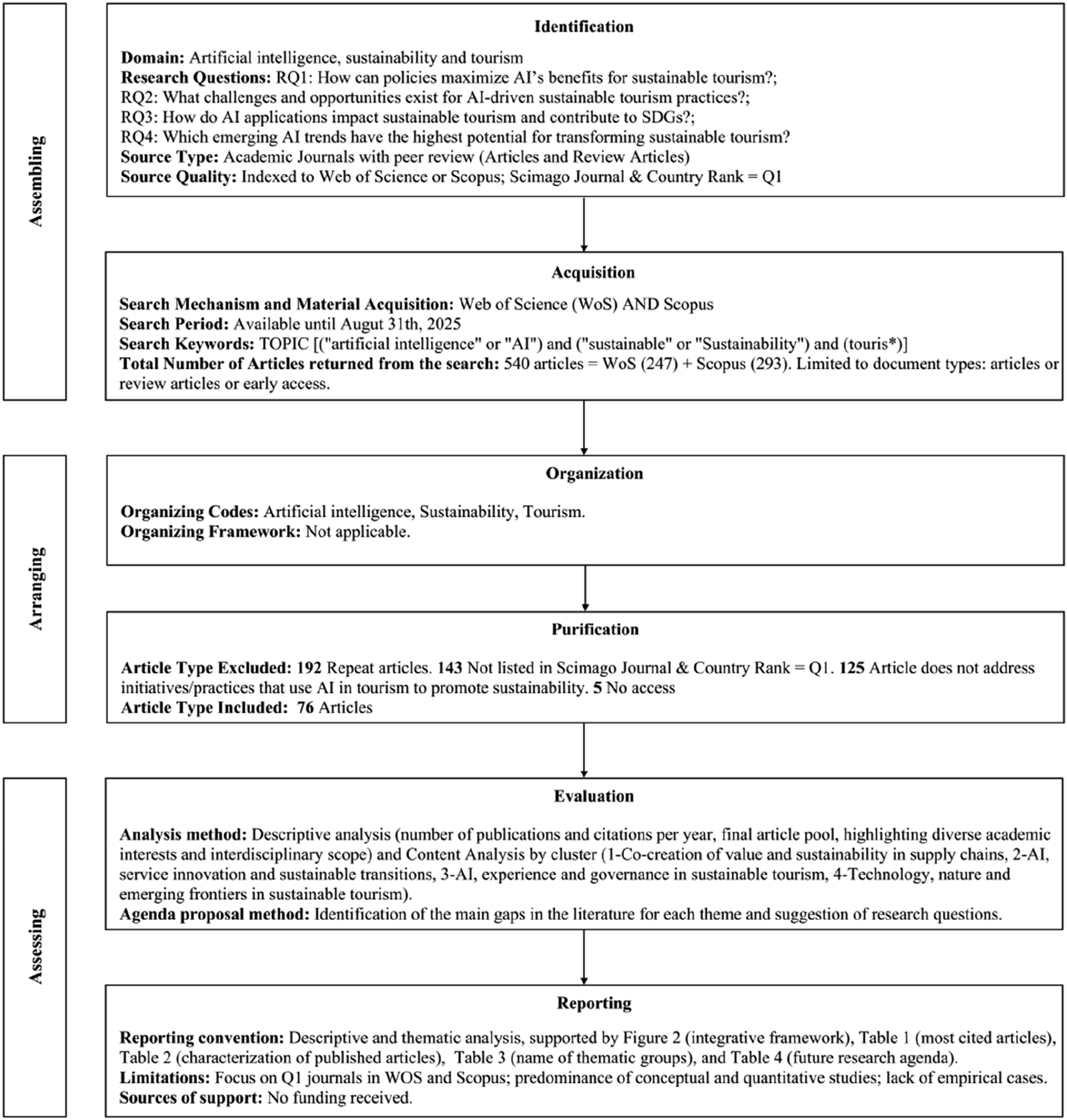
Results
Descriptive analysis
Number of published articles and number of citations per year.
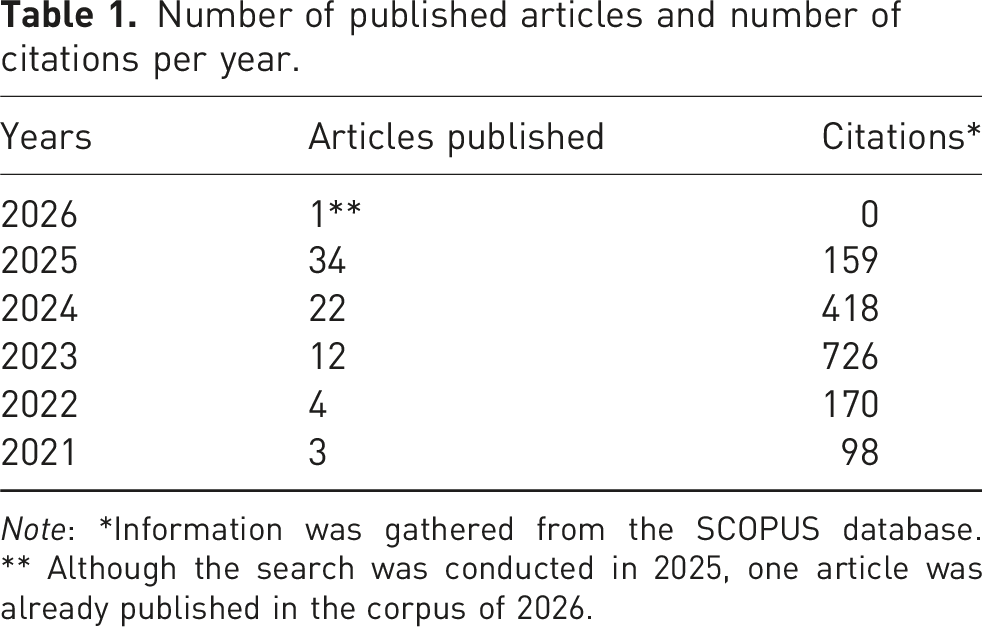
Note: *Information was gathered from the SCOPUS database. ** Although the search was conducted in 2025, one article was already published in the corpus of 2026.
A citation analysis was conducted to assess academic impact. Citations indicate research influence and emerging trends. The citation data reveal a fluctuating yet upward trajectory, with a notable peak in 2023, reaching 726 citations, indicating a period of strong academic impact and visibility.
Characterisation of published articles.
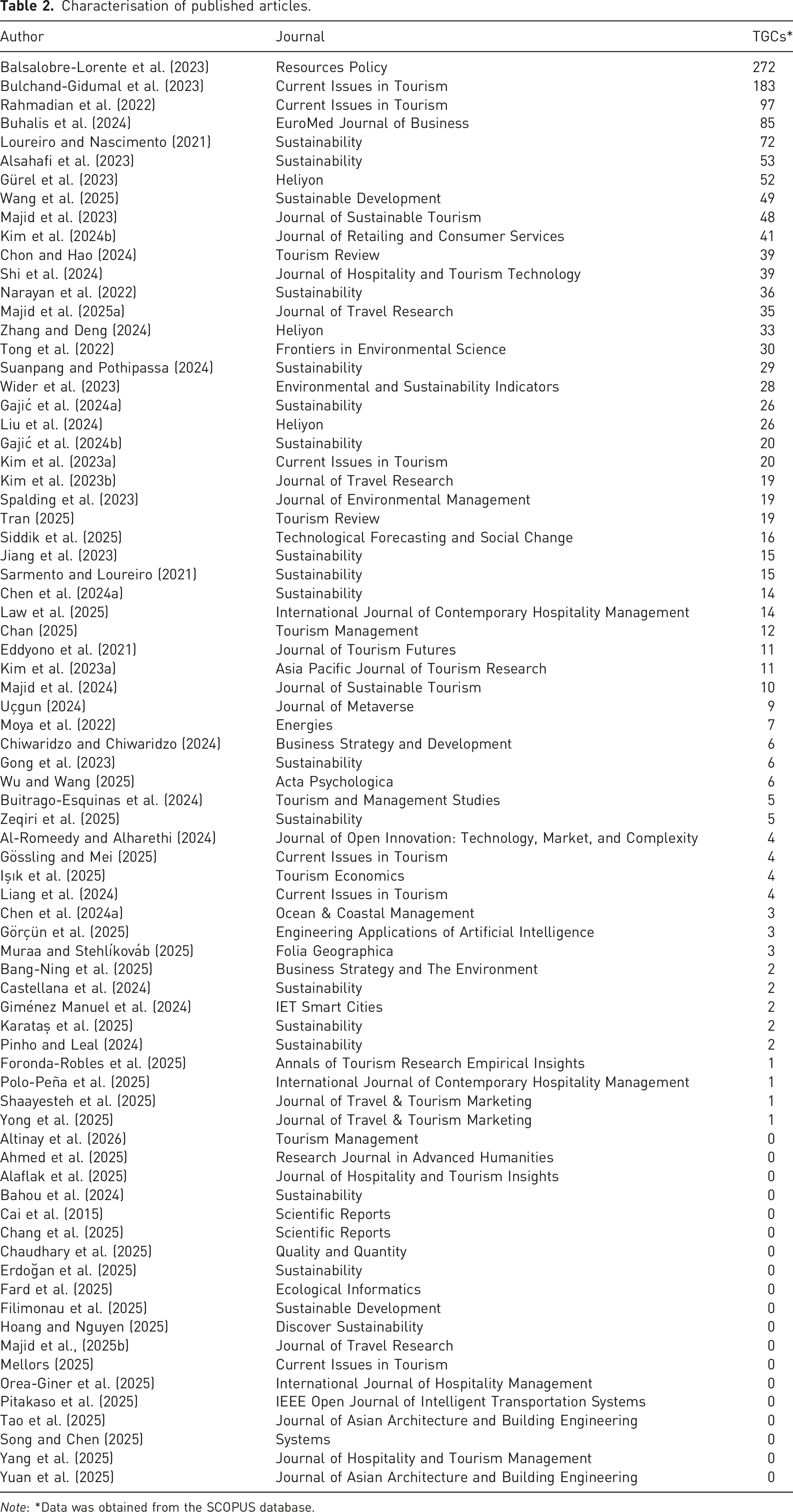
Note: *Data was obtained from the SCOPUS database.
The sample includes 307 authors, with a few contributing multiple articles. While Michael Hall authored five articles, Myung Kim, Kwonsang Sohn, Gilang Majid, Iis Tussyadiah and Yoo Ri Kim each coauthored four.
Content analysis
Name of thematic groups.
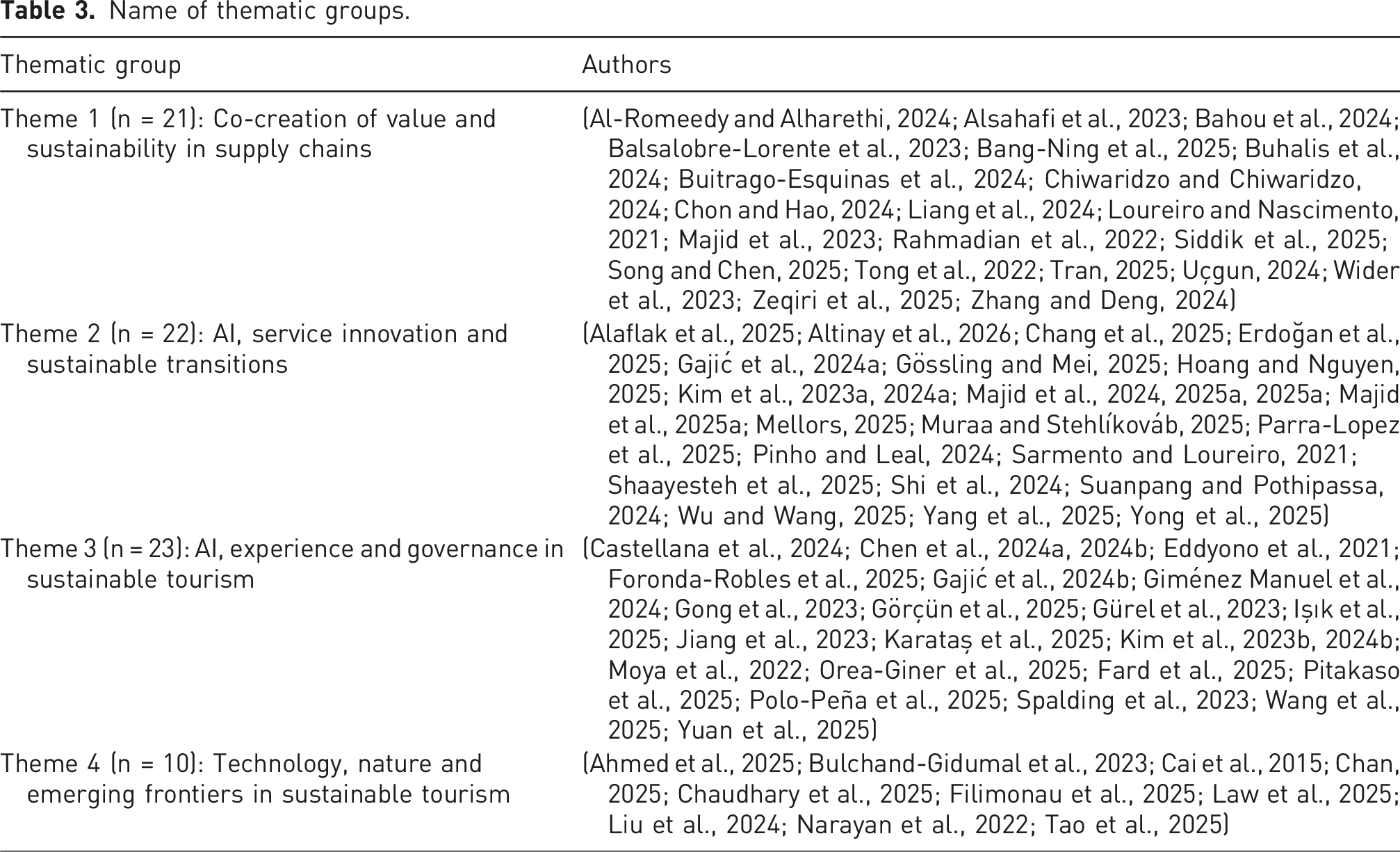
Co-creation of value and sustainability in supply chains
Thematic Group 1 comprises 21 studies that analyse how digital technologies, AI and sustainability intersect in tourism. This thematic group encompasses evidence on synthesis, conceptual modelling, and applied analytics that indicates digitalisation, when underpinned by suitable governance frameworks, can act as a catalyst for more sustainable, inclusive, and resilient tourism systems. Systematic reviews synthesise existing knowledge on big data and intelligent automation, emphasising both efficiency enhancements and experiential advancements, while acknowledging ongoing challenges in adoption and governance (Majid et al., 2023; Rahmadian et al., 2022; Zhang and Deng, 2024). Complementary bibliometric and mapping analyses delineate the progression of digital and sustainable tourism research, highlighting conceptual fragmentation and nascent areas of convergence (Loureiro and Nascimento, 2021; Wider et al., 2023). Besides, the new contribution presents a hetero-intelligence approach that combines human and artificial intelligence to address complex sustainability problems in tourism planning. In empirical testing with overtourism, which is an appropriate proxy problem, the study clarifies the beneficial functions of the human judgment and AI algorithms and, at the same time, calls on strict methodological validation and appropriate consideration of the ethical and legal implications that come with it (Buitrago-Esquinas et al., 2024).
A second sub-thematic strand examines technological futures, investigating the influence of the metaverse, Industry 4.0, and other innovation pathways on transforming value creation, inclusivity and sustainability. These contributions highlight the potential for immersive experiences and strategic transformation, while concurrently emphasising concerns regarding interoperability, adoption velocity and ethical regulation (Buhalis et al., 2024; Chon and Hao, 2024; Tran, 2025; Uçgun, 2024). Several studies propose frameworks that connect AI and digital platforms to responsible and inclusive growth, often directly related to the SDGs. These studies show how digital tools can help people get involved in their communities, make destinations more resilient and cut down on the bad effects (Al-Romeedy and Alharethi, 2024; Bahou et al., 2024; Bang-Ning et al., 2025; Chiwaridzo and Chiwaridzo, 2024; Siddik et al., 2025; Tong et al., 2022; Uçgun, 2024; Zeqiri et al., 2025).
On a more practical level, research shows that AI and machine learning can be used for forecasting, capacity management and mobility optimisation. This shows how analytical tools can help balance economic goals with environmental needs (Alsahafi et al., 2023; Liang et al., 2024). Macro-level analyses also connect digital adoption to environmental performance, linking digitalisation to more environmentally friendly ways for tourism to grow (Balsalobre-Lorente et al., 2023). The latest empirical studies in China have raised the issue of AI and its impact on carbon efficiency in tourism with decisive force. AI is a complex solution that enhances labour performance, stimulates structural improvement of the tourism industry and drives technological development. Still, the benefits are not equally distributed across regions and are also coupled with spatial spillover effects, which demand specific governance interventions (Song and Chen, 2025). There is general agreement within the thematic group on how digitalisation can help sustainability, but there are differences in the suggested speed of adoption and the amount of evidence available. Some contributions advocate for the expedited implementation of emerging technologies (Chon and Hao, 2024; Tran, 2025; Uçgun, 2024), while others underscore a gradual adoption facilitated by organisational preparedness and regulatory frameworks (Buhalis et al., 2024). The balance between normative conceptualisation and context-specific empirical validation exhibits considerable variation across studies.
There are persistent research gaps: there is insufficient longitudinal and destination-specific evidence regarding the effects of AI on environmental and socio-economic outcomes and mechanisms for equity and inclusion are inadequately developed in resource-constrained settings (Majid et al., 2023; Siddik et al., 2025; Zeqiri et al., 2025). Moreover, issues of interoperability, standards and competencies arise as essential yet insufficiently examined aspects of effective adoption (Buhalis et al., 2024; Loureiro and Nascimento, 2021). Claims regarding the sustainability potential of the metaverse remain predominantly speculative, necessitating a comprehensive comparative assessment (Tran, 2025; Uçgun, 2024).
The links to the SDGs are clear throughout the thematic area. Several studies link digitalisation to SDG 8 (Decent Work and Economic Growth) by showing how the use of AI and Industry 4.0 can lead to more jobs, higher productivity and more resilient destinations (Bahou et al., 2024; Buhalis et al., 2024; Chiwaridzo and Chiwaridzo, 2024). Some authors discuss SDG 11 (Sustainable Cities and Communities) and SDG 12 (Responsible Consumption and Production) by suggesting ways to use data to improve mobility, manage demand and optimise visitor flow (Alsahafi et al., 2023; Liang et al., 2024; Rahmadian et al., 2022). Additionally, SDG 13 (Climate Action) is evident in studies examining the role of digitalisation in enhancing environmental performance and fostering climate-sensitive policymaking (Balsalobre-Lorente et al., 2023; Zhang and Deng, 2024). The studies that conceptualise AI and digital platforms as tools for participatory development align with SDG 10 (Reduced Inequalities) by emphasising inclusivity and equitable access to benefits (Bang-Ning et al., 2025; Siddik et al., 2025; Zeqiri et al., 2025).
In conclusion, this thematic group presents a consistent yet complex perspective on how digital technologies and AI are being utilised to enhance the sustainability of tourism. The literature underscores the necessity of integrating technological innovation within robust governance frameworks, ethical protections and inclusive strategies that align with the Sustainable Development Goals (SDGs). It also demands further empirical validation to support the transformative assertions made in conceptual and foresight contributions.
AI, service innovation and sustainable transitions
Thematic Group 2 gathers 22 academic papers that challenge the intersection of service innovation, dynamic capabilities and sustainability in the tourism industry, where AI is emerging as the dominant technological driver. This corpus addresses how AI-based systems, autonomous service technologies and data-intensive decision-making can recalibrate tourist behaviour, change operational paradigms and shape destination-level and policy-level strategies. Another common leitmotif is the ability of AI to trigger pro-environmental behaviour via persuasive interfaces, behavioural nudges and experiences. Several studies reveal that conversational agents, chatbots, robotics and immersive systems cannot just prompt sustainable decision-making in discrete situations but also have spill-over effects beyond single behavioural episodes (Chang et al., 2025; Majid et al., 2025a; Wu and Wang, 2025; Yang et al., 2025). Moreover, recent empirical studies indicate that AI-based classification systems can help define the heterogeneous sustainability preferences that travellers display. The mobility and destination-choice preferences of European citizens are explained through the application of a machine-learning framework that can help clarify the divergent tendencies of tourists in contributing to a sustainable environment, society, and culture. These orientations are also refined by gender, age, and other variables, depending on the region, thereby forming specific pro-sustainability orientations (Pinho and Leal, 2024). Social norms and habitual patterns are predicted to mediate the acceptance of robots and AI in tourist settings, as suggested by complementary research (Sarmento and Loureiro, 2021). Meanwhile, considerations of ChatGPT and large language models hint at the broader implications for visitor decision-making and destination management (Mellors, 2025; Shi et al., 2024).
Another thread within this thematic group focuses on sustainable mobility, examining the impact of AI-enabled benefits on attitudes towards public transport and subjective well-being. Such studies highlight the intersection between knowledge, Environmental, Social and Governance (ESG) and technology acceptance in developing behavioural changes towards more sustainable mobility modes (Kim et al., 2024a). The operational level of AI and IoT integration into the hospitality and smart destinations is examined as a means of enhancing efficiency, personalisation and environmental performance (Gajić et al., 2024a; Suanpang and Pothipassa, 2024). Systemic views consider the economic and strategic implications of AI integration across the European Union (Muraa and Stehlíkováb, 2025) and describe policy-specific responses to new sustainable destination patterns (Parra-Lopez et al., 2025). Taken together, a long-term agenda outlines where service automation technologies are heading in the future, i.e., what risks and opportunities they may pose to sustainable tourism development (Gössling and Mei, 2025; Yong et al., 2025). Important issues of equity and inclusivity are also discussed in the cluster. One of them analyses the role of AI in supporting women in the tourism sector by reducing structural obstacles (Altinay et al., 2026), others explore how social media branding and AI can be used to cultivate green tourism in emerging economies (Alaflak et al., 2025) and the potential of AI assistants to strengthen sustainable Halal tourism in non-Muslin destinations (Hoang and Nguyen, 2025). The other key research area is coastal destinations, where it has been demonstrated that sustainability issues overlap with AI-enhanced management practices (Shaayesteh et al., 2025).
Structural equation modelling is particularly present in survey-based research, taking a central role in the literature that challenges behavioural processes, acceptance of AI and adoption of AI-enhanced services in tourism settings (Alaflak et al., 2025; Kim et al., 2023b, 2024b; Wu and Wang, 2025). The stimulus-organism-response frameworks are used to analyse the effects of virtual tourism experiences on pro-environmental outcomes (Wu and Wang, 2025) and experimental and longitudinal designs are used to provide strong evidence to nudging strategies and spillover effects of pro-environmental behaviour (Chang et al., 2025; Majid et al., 2024, 2025a). The use of computational and data-driven approaches, including deep learning and sentiment analysis, was used to produce insights based on hotel reviews and match service performance to sustainability principles (Chang et al., 2025) and the system-level adoption and economic analysis help to demonstrate that AI makes a broader contribution to the European tourism market (Muraa and Stehlíkováb, 2025).
Conceptually, reviews and research agendas explain long-term service automation technologies directions, including risks, opportunities and relations to SDGs (Gössling and Mei, 2025; Parra-Lopez et al., 2025; Shi et al., 2024; Yong et al., 2025). This methodological variety is both convergent and divergent: although the majority of contributions converge at the standpoint that AI-enabled systems have the capacity to effectively drive sustainability in the tourism industry, they diverge both in the technological design levers they explore: including accents and linguistic feedback to immersive simulations, and in the contextual areas of application, which include European policy to Halal tourism, women entrepreneurship and coastal management. Despite these developments, significant gaps remain in the body of research. The numerous contributions are still based on intentions of tourists to change instead of empirically observing long-term behavioural change, which questions the sustainability of AI-induced sustainability practices (Chang et al., 2025; Majid et al., 2025a, 2025b; Wu and Wang, 2025). Other articles highlight the necessity of more detailed comparative studies on AI interface design to find out which elements best encourage sustainable behaviour (Chang et al., 2025; Yang et al., 2025). The positive statements about inclusiveness, especially in the area of female entrepreneurship, need to be verified on a larger scale than in a case study (Altinay et al., 2026), whereas systemic threats like rebound effects, data governance and ethical connotations have been acknowledged but are under-researched (Gössling and Mei, 2025; Yong et al., 2025).
Finally, the study of policy adoption and diffusion of capabilities between different regions and destinations remains limited, although there is some preliminary reflection on European Union trends and strategic pathways (Muraa and Stehlíkováb, 2025; Parra-Lopez et al., 2025), meaning that further empirical evidence is required to bridge the gap between micro-level innovations and macro-level changes in sustainable tourism. This group is directly related to the SDGs, especially the evaluation of risks and opportunities of AI for sustainable tourism (Gössling and Mei, 2025). The studies directly or indirectly tackle SDG 8 (Decent Work and Economic Growth) by focusing on entrepreneurship, inclusivity and the economic benefits of AI; SDG 9 (Industry, Innovation and Infrastructure) by addressing AI, IoT and automation technologies as sources of innovation and SDG 11 (Sustainable Cities and Communities) through the analysis of sustainable mobility, smart destinations and coastal management; SDG 12 (Responsible Consumption and Production) by promoting pro-environmental tourist behaviour and spillover effects; and SD The inclusivity and entrepreneurship work also relates to SDG 5 (Gender Equality) and the commentary on policy frameworks and the systemic adoption leads to SDG 17 (Partnerships for the Goals). In general, thematic group 2 highlights that AI is not merely a technological tool but also a strategic and behavioural driver to support sustainable tourism in the context of the SDG agenda.
AI, experience and governance in sustainable tourism
A comprehensive review of the literature gathered in thematic group three indicates a multipolar investigation of how the editorialised implementation of AI, combined with data-driven approaches, can reposition the tourism industry to sustainable pathways, across 23 studies. Overall, the body of work leads to sub-thematic areas, which are the transmutation of energy systems to low-carbon mobility, the maintenance of biodiversity and ecological integrity, the governance and planning of destinations and changing attitudes of tourists towards the use of technologies. In all areas, the study anticipates the potential of advanced analytics to streamline decision-making and simultaneously highlight the challenge of balancing technological innovation and social and environmental concerns.
Several studies focus on the modelling of solar irradiance to optimally integrate renewable sources, model optimisation frameworks of electric vehicles when used in tourist transport and develop predictive methodologies of electric and solar-powered maritime in the arena of energy and low-carbon mobility (Gürel et al., 2023; Moya et al., 2022; Pitakaso et al., 2025). The contributions indicate a growing recognition of the vitality of clean energy solutions in reducing the carbon footprint of tourism activity; however, they largely exist in the context of technical possibility and are mostly unrelated to the wider questions of societal adoption.
Some articles address the management of biodiversity and ecosystems and put artificial intelligence into new forms. The combination of hybrid intelligence (the use of citizen science and machine learning) to monitor intertidal biodiversity, the use of deep learning to support sea-turtle conservation and the use of remote sensing to develop conservation indicators of protected areas all demonstrate a new synergy between technological capacity and ecological conservation (Chen et al., 2024a, 2024b; Fard et al., 2025). The role of integrative approaches in balancing visitor demand and conservation imperatives in nature-dependent tourism is further underscored by the macro-scale valuation of the tourism using big data and local knowledge (Spalding et al., 2023). However, these studies also demonstrate a lack of coordinated ecological surveillance in the framework of social and governance aspects, a gap that prevents comprehensive responses in the system.
The other overarching sub-theme is governance and destination management. Reviews focusing on low-carbon low-tourism pathways, embedding ecocultural circuits to reinvigorate rural environments and using smart-city analytics to predict demand demonstrate how digital technologies may support more sustainable planning and management practice (Giménez Manuel et al., 2024; Jiang et al., 2023; Karataş et al., 2025). This is further expanded to the examination of user-created material to reduce overtourism, the use of explainable machine learning to determine the attractiveness of a region and the multi-criteria approach to the value of a sustainable tour operator (Castellana et al., 2024; Foronda-Robles et al., 2025; Görçün et al., 2025). Also, the broader economic, social and environmental spillovers that tourism transport networks carry are also examined (Gong et al., 2023; Wang et al., 2025). Although these additions outline the growing complexity of online planning tools, they also reveal the shortcomings of the practice, which stem from a lack of participatory validation and limited longitudinal evaluation.
This thematic group examines the attitudes of tourists, the adoption of technology and the transformation of the visitor experience. Corpus-based reviews and empirical studies reveal that artificial intelligence is gradually influencing the authenticity of services and the co-creation of experiences in the hospitality industry, although it is also triggering concerns about the loss of human touch and trust (Orea-Giner et al., 2025; Polo-Peña et al., 2025). A common concern among the papers is the convergence of technology, sustainability and consumer values and is reflected in sentiment analysis of visitor perceptions towards heritage, modelling willingness to adopt AI in hospitality and research of sustainable behavioural intentions in space tourism (Gajić et al., 2024b; Kim et al., 2024b; Yuan et al., 2025). Macro-level evaluations of AI, ESG and tourism development, as well as contributions illustrating how AI-generated content can propel small and medium-sized enterprises (SMEs) to achieve SDGs, contribute to these views to question industry transformation and policy alignment (Işık et al., 2024; Wang et al., 2025).
Methodologically, this thematic group is characterised by the predominance of data-driven methods, including deep learning, machine learning, sentiment analysis and GIS-based spatial modelling. They are supplemented by multi-criteria decision processes, optimisation models (Eddyono et al., 2021), structural equation modelling using surveys, systematic reviews, qualitative studies and hybrid citizen-science models. The array displays the methodological richness of the research space, but also shows fragmentation: technical models often overlook the behavioural and governance constituents, while survey-based studies often abstract from operational realities. This disintegration underscores an important research gap, which is further complicated by a lack of longitudinal validation, a lack of cross-scale integration between ecological and social indicators and a severe shortage of intervention-based evidence in real-life situations.
Regardless of these differences, the academic literature is brought together around the assumption that artificial intelligence can serve as an instrument of sustainability, whether in the decarbonisation of operations, ecosystem conservation, improved governance, or the development of sustainable tourist behaviour. Citizen knowledge and stakeholder engagement combined with sophisticated analytics can be seen as a common theme and the conflicting values of technological optimisation and social acceptability continue to exist.
From the SDGs perspective, these contributions undeniably translate into a plethora of essential priorities. The focus on renewable energy and low-carbon transport is directly linked to SDG 7 (Affordable and Clean Energy) and SDG 13 (Climate Action), further revealing the nexus between decarbonisation and sustainable mobility. The governance strategies, which include heritage conservation, urban and rural regeneration and the creation of smart destinations, are in line with SDG 11 (Sustainable Cities and Communities), emphasising the need to incorporate resilience into the built environment. The behavioural modelling that explains sustainable decisions and supply chain decision-making frameworks intersects SDG 12 (Responsible Consumption and Production), thereby providing methodological instruments to promote sustainable procurement. The Biodiversity monitoring programs and conservation interventions are directly reflected in SDG 14 (Life Below Water) and SDG 15 (Life on Land), which emphasise the conservation agenda of aquatic and terrestrial ecosystems. The relationship between AI, ESG parameters, SMEs and overall economic resilience is echoed with SDG 8 (Decent Work and Economic Growth) and SDG 9 (Industry, Innovation and Infrastructure), supporting the argument that technology is a driver of inclusive growth and innovation. Finally, citizen-science programmes and mechanisms of knowledge co-creation are inherently in tune with SDG 17 (Partnerships for the Goals), expressed in the spirit of collaboration needed to achieve holistic development. Combined, this cluster illustrates how the systematic integration of high-tech technologies in tourism research and practice can directly support a broad range of global sustainability goals, while also shedding light on the enduring issues of reconciling technical viability and social legitimacy.
Technology, nature and emerging frontiers in sustainable tourism
Thematic Group Four comprises 10 studies that examine the potential of AI and other related technologies in brand management and the sustainability of the hospitality and tourism industry. The corpus highlights the dual nature of AI: the ability to boost marketing campaigns and enhance customer interaction, while also driving sustainable business and ethical leadership.
Some contributions focus on marketing and outline the opportunities and the challenges inherent in tourism communication. A thematic mapping clarifies the way AI transforms marketing practices (Bulchand-Gidumal et al., 2023), and experimental research confirms that AI-generated gastronomic imagery positively affects attitudes towards sustainable gastronomy (Chan, 2025). The infrastructure and operations are also discussed, where Industry 4.0 feedback systems are proposed to manage the resilient quality (Narayan et al., 2022) and the progression of smart hotels where AI, IoT and cloud technologies are intertwined with green strategies (Liu et al., 2024). Another example of technical innovation is the application of neural networks to prefabricated hotel construction to ensure that aesthetic design and low-carbon performance are reconciled (Cai et al., 2015). A review summarises the use of AI in reducing environmental impact and highlights organisational and social issues (Filimonau et al., 2025).
Cultural and behavioural attitudes are also included. Visitor AI-based perception analyses are used to inform heritage conservation policies (Tao et al., 2025), and structural modelling shows conflicting results on whether AI, as a green technology, decreases consumer resistance (Chaudhary et al., 2025). The competencies, AI self-efficacy and green human capital are explained to mediate the adoption of sustainable service innovation (Ahmed et al., 2025). The ethical aspects are summarised in a review that suggests five principles for the responsible use of AI, according to which privacy, fairness and governance are the key elements (Law et al., 2025).
This thematic group integrates reviews, bibliometric maps, experimental designs, structural modelling and technical proposals. Collectively, these studies focus on AI as a driver of sustainability with some deviation in the levels of analysis and evidence maturity. There are still gaps in proving quantifiable environmental impact, operationalisation of ethical frameworks and workforce readiness.
The study is also applicable to several SDGs: SDG 9 (Industry, Innovation and Infrastructure) through smart systems (Liu et al., 2024; Narayan et al., 2022), SDG 11 (Sustainable Cities and Communities) through heritage management (Tao et al., 2025), SDG 12 (Responsible Consumption and Production) through sustainable gastronomy communication (Chan, 2025) and SDG 13 (Climate Action) through the construction of low-carbon hotels (Cai et al., 2015). Together, the studies suggest that the implementation of AI in hospitality and tourism should strike a balance between innovation and responsibility, ensuring that technological advances enhance the brand’s value and promote sustainability.
Integrative perspective
An integrative perspective was developed based on the four thematic groups identified (Figure 2). This perspective provides a comprehensive overview of the relationships and influences between concepts related to AI, sustainable tourism and SDGs. The model is based on a circular and adaptive logic, in which streams of information, empowerment, transformation and feedback maintain a process of constant renewal, learning and adaptation. This systemic quality signifies the multidimensionally of sustainable tourism that is not fixed on technological progression but on ethical practices, governance and behaviour that meet the SDGs. Integrative perspective.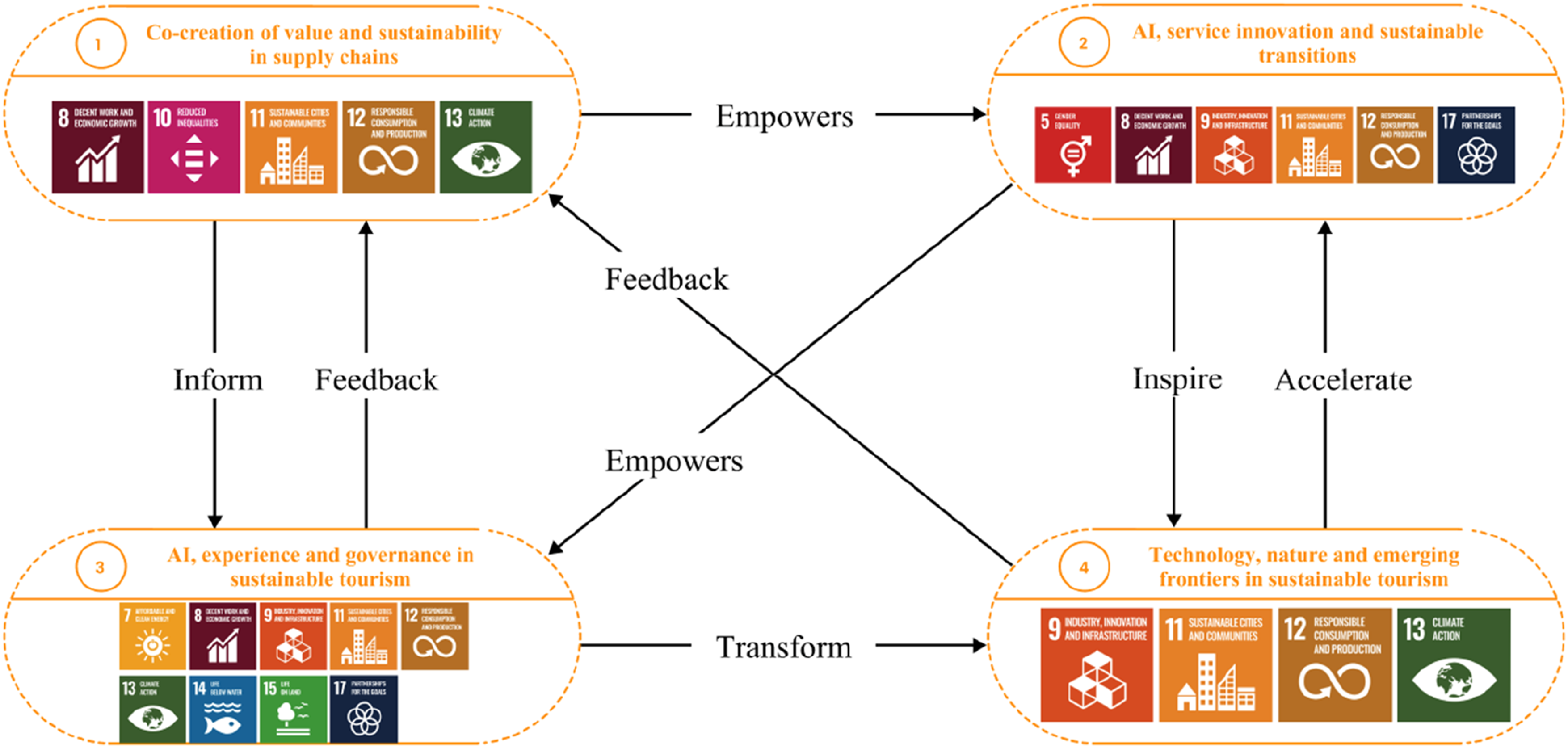
The strategic core of the system is thematic group 1, Co-creation of value and sustainability in supply chains. It is dedicated to the adoption of AI and digital technologies in the tourism value chains, demonstrating how digitalisation and automation can promote efficiency, transparency and inclusiveness. The cluster lays sustainable tourism development’s political and economic foundations, closely linked to SDGs 8, 10, 11, 12 and 13. Its purpose is driven by facilitation: it empowers thematic group 2 by offering structural and policy conditions that facilitate innovation and informs thematic group 3 with data and analytical information that aid evidence-based governance and planning.
Thematic group 2, AI service innovation and sustainable transitions, focuses on AI-led behavioural and organisational change. The cluster examines the ability of new technologies (chatbots, service robots, conversational interfaces and recommendation systems) to trigger pro-environmental behaviour and transform sustainable consumption patterns. It is directly connected to SDGs 5, 8, 9, 11, 12 and 17, where AI facilitates gender equality, innovations and international cooperation. Within this framework, this cluster performs two tasks: it is enabled by thematic group 1, which provides the policy and infrastructural foundation for innovation and supports thematic group 4 by disseminating ethical and responsible communication practices. Meanwhile, the innovative efforts of the thematic group 4 are developing innovations that help its technological advancement in a two-way flow.
Thematic group 3, AI experience and governance in sustainable tourism, encompasses the governing and experiential aspects of the framework. It deals with AI applications in fields of low-carbon mobility, biodiversity protection, destination management and the modelling of sustainable tourist behaviour. It plays an operational and political role by breaking down the knowledge developed within the last thematic groups into practical policy and governance activities. This cluster can be connected to SDGs 7, 8, 9, 11, 12, 13, 14, 15 and 17 as a catalyst between technology and public policy. It helps transform the innovations produced in thematic groups 1 and 2 into tangible sustainability decisions and contributions back to thematic group 1 with evidence and strategic insights to continuously enhance the policy frameworks and decision-making processes.
Thematic group 4, Technology, nature and emerging frontiers in sustainable tourism, completes the loop by investigating the intersection between technological innovation, business ethics and environmental responsibility. It emphasises the role of AI, featured alongside the Internet of Things, Industry 4.0 and cloud computing, in reinventing management, communication and consumption practices in the tourism sector. This group also highlights AI’s ethical and governance aspects, including privacy, fairness and accountability as pillars of sustainable innovation. In line with SDGs 9, 11, 12 and 13, this thematic group integrates technical innovation into responsible and sustainable business operations. It is connected back to thematic group 2, where new service innovations and responsible consumption models are accelerated.
Combined, this integrative perspective shows that sustainable tourism emerges not only through technological adoption, but also through a balance among innovation, ethics, governance and inclusion. It offers a critique of AI as a sustainable transition ecosystem, in which each cluster makes unique contributions to developing the SDGs. The combination of flows (empower, inform, transform, inspire, accelerate and feedback) unveils a holistic and dynamic vision where AI serves as a technology tool, a mediator in society, and a driver of political change.
Four of the SDGs are shared by all thematic groups: SDG 8 (Decent Work and Economic Growth), SDG 11 (Sustainable Cities and Communities), SDG 12 (Responsible Consumption and Production) and SDG 13 (Climate Action). This convergence is especially important because it suggests that, regardless of the thematic focus (digital value chains, service innovation, governance systems, or emerging technologies), a common core set of priorities exists that can be used to support the entire sustainable tourism ecosystem. These SDGs serve as the central component in the framework, maintaining alignment and focus among clusters. The ongoing belief in these goals symbolises a common vision whereby inclusive economic growth, sustainable urban development, conscious consumption and climate action are the fundamental pillars that can transform AI into a true engine of sustainable development in tourism.
Research agenda
Future research agenda.
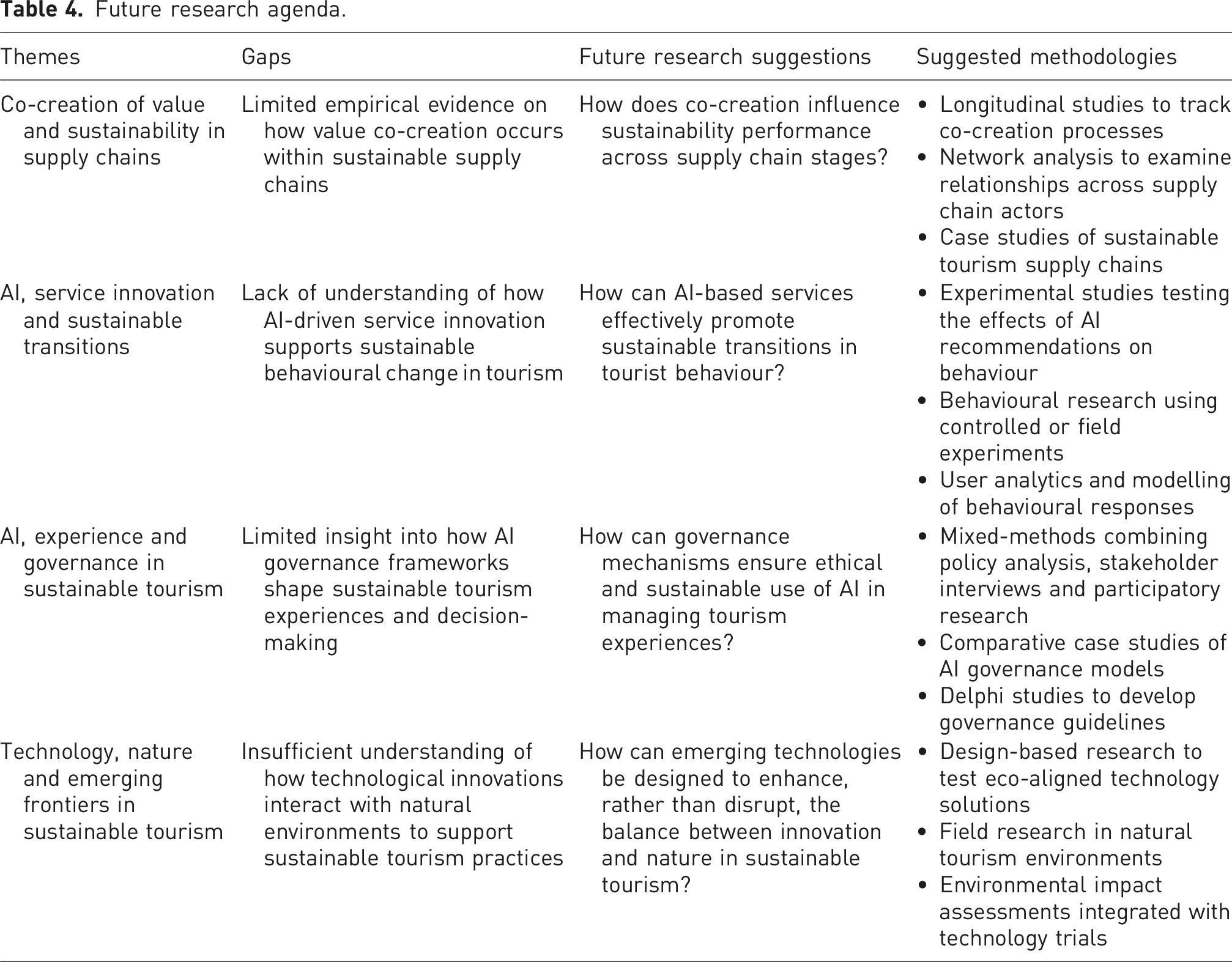
Building on the first theme, future research should examine how value co-creation influences sustainability performance across various stages of the tourism supply chain. Longitudinal and network-based studies could provide deeper insight into the relational dynamics that underpin shared value creation in sustainable contexts. The second theme calls for a better understanding of how AI-based service innovation can foster behavioural change toward sustainability. Experimental and behavioural studies could reveal how algorithmic recommendations, smart systems and personalisation strategies encourage responsible tourist behaviour and sustainable consumption patterns.
The third theme emphasises the importance of AI governance in ensuring ethical and sustainable management of tourism experiences. Future research should investigate governance frameworks that promote transparency, accountability and inclusiveness in AI applications. Mixed-method approaches combining policy analysis and participatory research could offer practical insights into balancing innovation with ethical responsibility. The fourth theme highlights the importance of examining how emerging technologies coexist with natural environments, ensuring innovation enhances rather than disrupts ecological balance. Design-based and field research in natural tourism settings could inform the development of technologies aligned with regenerative and nature-positive tourism models.
Complementarily, conducting longitudinal impact studies to assess the long-term environmental and socio-economic effects of AI adoption in specific tourist destinations is essential. In addition, investigating the factors influencing technological adoption and resistance among tour operators and tourists is also essential to facilitate a smoother integration of AI within the tourism industry.
Implementing AI solutions in remote or less-developed tourist destinations is another priority. Case studies examining the unique opportunities and limitations of these regions can offer valuable insights for effective technology applications. Developing and validating AI-based models to predict tourist demand more accurately is crucial, as it will help optimise resources and manage tourist flows efficiently.
Finally, an in-depth exploration of ethical and privacy implications associated with AI implementation in tourism is imperative. Research efforts should focus on user data protection and ensure the responsible and fair use of AI technologies.
Conclusion
This study systematically examined the role of AI in fostering sustainable tourism through a SPRA-4SLR-based review of Q1 peer-reviewed articles, assessing its contribution to environmental, social and economic sustainability in alignment with the SDGs. AI enhances sustainability by automating and optimising operations, leading to efficient resource use and reduced environmental footprints. Recommendation systems and chatbots offer personalised suggestions based on user data, helping distribute tourist flows and prevent overcrowding, promoting balanced tourism.
The review identified four thematic groups (see Table 3): (1) co-creation of value and sustainability in supply chains; (2) AI, service innovation and sustainable transitions; (3) AI, experience and governance in sustainable tourism; and (4) technology, nature and emerging frontiers. Together, they show how AI enhances operational efficiency, promotes ethical governance, fosters inclusivity and drives innovation, contributing primarily to SDGs 8, 9, 11, 12 and 13.
The integrative framework developed in this study connects these themes through dynamic flows of empowerment, transformation and feedback. It demonstrates that sustainability in tourism emerges not only from technological adoption but also from the balance between innovation, ethics, governance and inclusion.
This study contributes to the scholarship on sustainability and technological innovation by demonstrating how the integration of AI can enhance operational efficiency and resource management in tourism, thereby linking AI applications to sustainable practices. It offers a perspective on digitalisation and automation as key enablers for achieving SDGs. The integrative framework can serve as a foundation for future research exploring the intersection of technology and sustainable development.
Practically, the article suggests strategic directions for applying AI in sustainable tourism. A key takeaway is enhancing traveller experiences through personalised interactions facilitated by recommendation systems and chatbots, which also promote resource efficiency. Automating processes like booking management and customer feedback can reduce resource consumption and minimise environmental impacts. AI-powered demand prediction and visitor distribution optimisation can improve flow management, conserve natural resources and support community sustainability.
This research contributes to the knowledge on technology innovation and sustainability in tourism by examining how AI can facilitate the development of more sustainable models and practices. It establishes a connection between AI usage and the advancement of sustainable tourism methods, thereby filling research gaps. It also shows that AI technologies can help achieve SDGs by improving operational efficiency, optimising resource use and mitigating environmental impacts, especially in SDGs 8, 9, 11, 12 and 13. It expands the academic conversation about how AI can drive technological advances and social, environmental and economic sustainability in tourism.
By incorporating AI into environmental and social governance assessments in tourism, the study presents a new theoretical view on ethics in governance and sustainable decision-making. AI in forecasting demand and personalising services helps manage tourist influxes and preserve resources, aspects not extensively explored in previous research.
The proposed integrative framework is a starting point for future research into the interaction between AI and sustainable practices. It serves as a conceptual framework for practical studies in tourism, promoting a research approach that focuses on sustainable innovation.
Future studies should address public policies and public-private partnerships critical for responsible tourism development, exploring how AI use, incentives for green initiatives and cross-industry collaboration can foster a more sustainable and resilient industry.
This article has limitations, primarily due to its reliance on secondary data and the recent availability of literature, with most studies published within the last 4 years. The lack of empirical validation and regional comparisons constrains generalizability. Future research should explore longitudinal and destination-specific analyses, addressing ethical and privacy concerns to ensure the responsible adoption of AI in tourism.
Footnotes
Acknowledgement
The authors would like to thank the anonymous reviewers for their careful reading and constructive comments, which have enriched this manuscript. Their contribution was essential in strengthening the academic and methodological quality of the study. Note: The authors acknowledge the use of Grammarly, an Artificial Intelligence-assisted tool, exclusively to support the improvement of sentence structure and grammar, ensuring greater clarity and accuracy. Artificial Intelligence generated no content. The authors assume full responsibility for the content presented.

Funding
The authors received no financial support for the research, authorship, and/or publication of this article.
Declaration of conflicting interests
The authors declared no potential conflicts of interest with respect to the research, authorship, and/or publication of this article.