




Abstract
This study examines how hotel website quality influences online booking intentions and explores differences in perception between leisure and business travelers to understand how different traveler segments evaluate website quality and optimize digital engagement and direct bookings. A survey-based questionnaire was administered to 235 respondents in Portugal who had stayed at a hotel for leisure or business purposes within the past 12 months. Data were collected through social media travel groups and analyzed using exploratory factor analysis (EFA) to identify underlying constructs and assess differences between traveler groups. The results indicate that both functionality and usability significantly influence online booking intention, with functionality showing a stronger and more practically meaningful effect across both traveler groups. While both leisure and business travelers value the quality of information, business travelers also emphasize the effectiveness and usefulness of the information. This study highlights the importance of segment-specific hotel website design by identifying how leisure and business travelers differ in their evaluation of website quality. These insights extend current theoretical models and provide actionable guidance for enhancing user experience and driving direct bookings more effectively.
Introduction
With the advances in information and communication technology, the Internet has become an integral part of people’s daily lives, and the tourism and hospitality industry is no exception because it represents an effective marketing tool that offers cost-effectiveness and easy accessibility (Amaro and Duarte, 2015; Ostovare and Shahraki, 2019). Undoubtedly, the Internet offers a strong sales channel for tourism products and services. Online distribution channels generated more than 65% of the worldwide revenue in the travel market (Statista, 2022). Also, the Internet has become a primary source for potential tourists to obtain travel information for trip planning and reservations (Kang et al., 2020). As online travel agencies (OTAs) become increasingly prevalent in the hotel booking landscape, a growing number of tourists are opting to use these third-party websites for booking their accommodations (Shaputra et al., 2023). Therefore, a high-quality and well-designed hotel website constitutes a competitive advantage and, ultimately, booking intention (Zhao et al., 2022). In addition, the increased travel uncertainty induced by tourism crises has particularly made the importance of hotel websites even more significant (Deyá-Tortella et al., 2022; Foo et al., 2021). This is because the hotel website enables direct hotel reservations and direct communication with customers, translating into greater credibility and trust from customers in times of uncertainty (Lee et al., 2022; Serman and Sims, 2022). Recently, hotels have started concentrating on investment in digital and intelligence services to improve customer relationships and better understand customer behaviors and preferences (Hao et al., 2020). Thus, it is essential to understand what attributes of a hotel website will affect tourists’ perceived quality and purchase intention.
Apart from serving as a marketing tool for information dissemination, the hotel website also provides an online channel for generating sales (Chung and Law, 2003). Meanwhile, the ultimate success lies in the website’s ability to convert website visitors to hotel customers (Baki, 2020). During the pre-purchase decision-making process, travelers typically visit multiple hotel websites to compare different options before booking a hotel room (Amin et al., 2021). Given the intense competition in the hotel industry, understanding how users perceive and interact with hotel websites is paramount. Several studies have examined the factors that contribute to the quality of hotel websites and their influence on booking intentions. Law (2019) traced the evolution of evaluation models for hotel websites since the late 1990s, when they began to attract academic attention. The study suggested that information quality, accuracy, comprehensiveness, and timeliness are essential in effective hotel website design. Baki (2020) employed an integrated fuzzy AHP-TOPSIS methodology to develop a comprehensive approach for evaluating hotel websites, highlighting that trust and information quality are the primary criteria. Similarly, Amin et al. (2021) and Lata and Kumar (2021) revealed that the information quality of hotel websites can improve consumer trust and, therefore, influence online booking intentions. Moreover, Leung et al. (2016) focused on functionality to evaluate the richness of website content and information, and Huang (2020) assessed website usability to identify design features that affect user satisfaction. Meanwhile, functionality and usability are two key constructs generally accepted in evaluating hotel websites (Law, 2019). Since website visitors do not necessarily make purchases on a hotel website (Law et al., 2008), it is crucial to understand the factors that affect customers’ online booking intention when browsing a hotel website.
Despite previous efforts in developing various evaluation models of hotel websites, prior studies seem to have overlooked the different needs of the two core market segments of the hotel industry, namely leisure travelers and business travelers (Radojevic et al., 2018). Leisure and business travelers have different travel motivations; the former travels for pleasure or recreation, whereas the latter travels for work-related purposes (Kim et al., 2022). Such differences also manifest in their information search behaviors (Wang, 2019) and hotel selection behaviors (Wang et al., 2020; Yavas and Babakus, 2005). Therefore, it is reasonable to assume that both travelers will perceive hotel websites differently.
Overall, the present study rests on the premise that functionality and usability are the key factors affecting how travelers perceive hotel website quality, ultimately influencing their online booking intentions. While past research has examined website evaluation models and the role of website quality in consumer decision-making, there has been limited attention to how different traveler segments, specifically leisure and business travelers, perceive and interact with hotel websites, resulting in a gap in the literature. Therefore, this study examines how hotel website quality, as measured by functionality and usability, influences online booking intention among leisure and business travelers. By comparing these two segments, this research aims to provide a deeper understanding of how travelers evaluate hotel websites and the factors that drive their purchasing decisions. The findings will contribute to the academic literature on hotel website effectiveness and provide practical insights for hotel managers, enabling them to design more user-friendly and effective hotel websites that cater to the specific needs of their target markets, ultimately increasing direct online sales and customer engagement.
Literature review
Website quality
Key dimensions of hotel website quality.
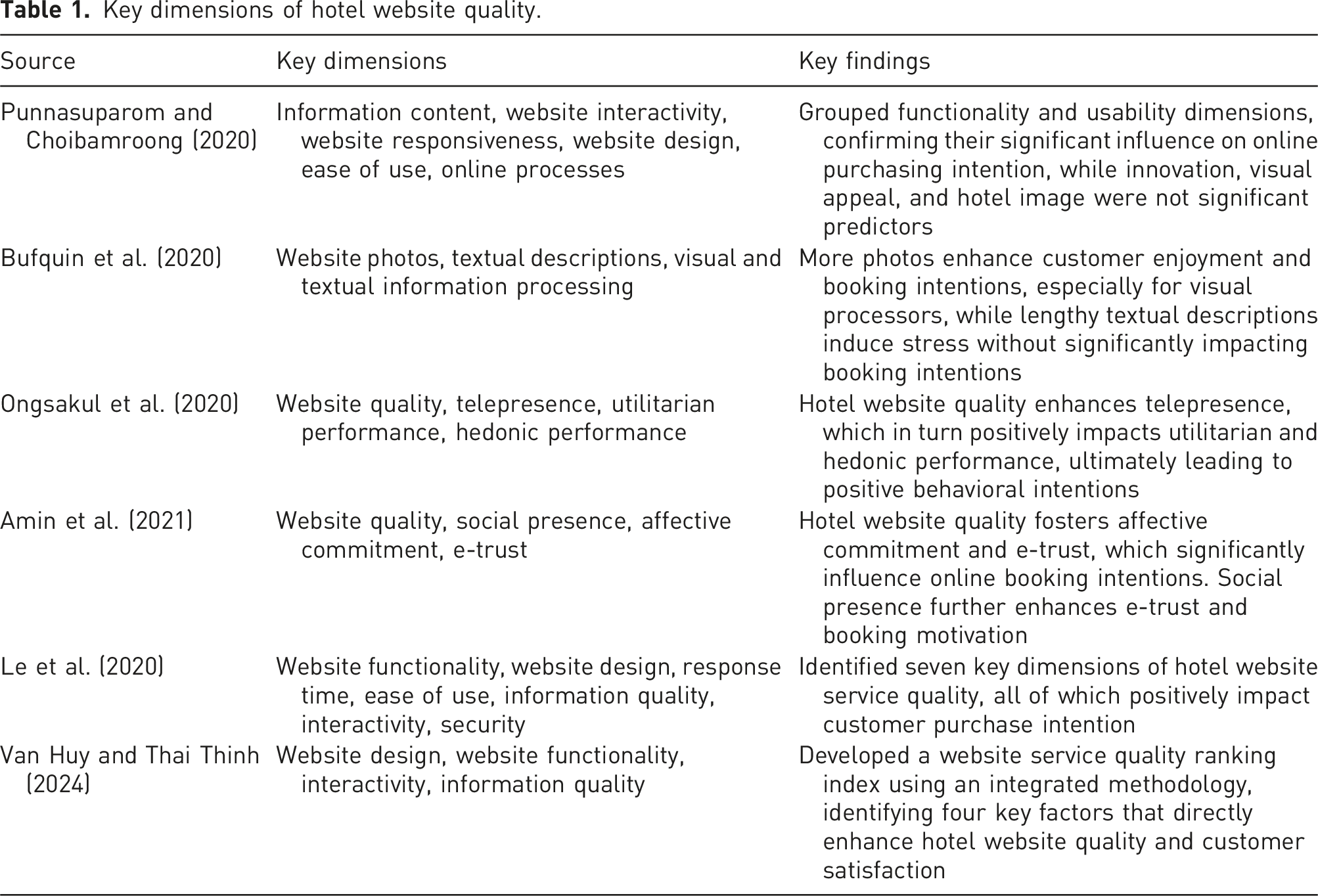
Different authors have interpreted the concept of website quality in various ways. Website quality was first conceptualized by Jeong and Lambert (2001), who developed a framework to measure information quality from four major perspectives (perceived usefulness, perceived ease of use, perceived accessibility, and attitude) based on customer information needs in the context of lodging websites. Later, Jeong et al. (2003) extended the framework of website quality (Jeong and Lambert, 2001) by introducing two additional constructs: information satisfaction and behavioral intentions, which are considered key consequences. In their study, Jeong et al. (2003) defined website quality as “the overall excellence or effectiveness of a website in delivering intended messages to its audience and viewers” (p. 162), in which website quality was measured by information accuracy, clarity, completeness, ease of use, navigational quality, and color combination. This broad definition has also been generally accepted. Nevertheless, Wang and Law (2020) argued that given its multidimensional nature, website quality is often interpreted differently to fit a particular research context. For instance, Li et al. (2017) evaluated the website quality of economy hotels in China across four dimensions: usability, ease of use, entertainment, and complementarity, and investigated its influence on users’ trust and online booking intentions. Meanwhile, usability and functionality are generally considered by scholars as the two key aspects of assessing website performance (Camilleri et al., 2023; Wong et al., 2020). Accordingly, the present study focuses on these two dimensions of hotel website quality to investigate their influence on the online booking intentions of two types of travelers (leisure vs business).
Website functionality
Website functionality refers to the effectiveness of a hotel’s website in delivering valuable and sufficient content that supports users in making room reservations online (Loiacono et al., 2002; Wong et al., 2020). With the participation of hotel managers, Chung and Law (2003) developed a measurement framework to quantitatively assess the functionality performance of hotel websites, which consists of five major aspects: information on facilities, customer contact, surrounding areas, room bookings, and website management. Subsequent studies by Law and Hsu (2005) and Ma et al. (2008) have verified the applicability of the four aspects and their associated attributes. Moreover, Ip et al.'s (2012) study adapted Chung and Law’s (2003) framework to analyze the weights of hotel website functionality using a fuzzy analytic hierarchy process approach. The findings suggested that reservation information was the most important aspect of website functionality, meaning that hotel website users primarily look for basic yet key information such as room rates, reservation terms, and conditions. However, the framework proposed by Chung and Law (2003) has received some criticism for lacking input from relevant stakeholders. Accordingly, Leung et al. (2016) refined the framework by considering new website features, such as instant chat, and the perceptions of pertinent website stakeholders (i.e., users, hotel managers, and website designers). In addition to the four aspects in Chung and Law’s (2003) framework, peripheral information such as language options, sitemap, terms, and conditions was added to the modified framework. Also, Leung et al.'s (2016) study concluded that hotel managers and consumers focus on different aspects of the website. Consumers look for more basic information, such as booking and availability information, while managers are more concerned with supply service attributes. Collectively, based on past studies, website functionality attributes may include information satisfaction, quality of information, customer support, system quality, comprehensiveness, and trust (Coelho, 2018; Hsu et al., 2012; Loiacono et al., 2002).
Website usability
Unlike functionality, website usability is primarily concerned with the design of the website. It refers to the website’s ease of navigation, clarity of information, and interface efficiency (Law, 2019). One of the most widely used frameworks for evaluating website usability in the tourism and hospitality literature is the one developed by Sprengers (2004), which encompasses five major dimensions: language, layout and graphics, information architecture, user interface and navigation, and general. Yeung and Law (2006) suggested that usability attributes such as layout, navigation, and ease of use directly influence travelers’ ability to interact with a website. Specifically, Bufquin et al.'s (2020) examined the impact of website visuals on user emotions and booking intentions, finding that an overload of textual descriptions can create stress, while high-quality images enhance enjoyment and engagement. Accordingly, the current study considers layout, user interface, clarity, color, and information architecture as key attributes of website usability (Coelho, 2018; Hsu et al., 2012; Loiacono et al., 2002)
Leisure and business travelers
Leisure and business travelers have different preferences in hotel choice attributes due to their different travel purposes, needs, and expectations (Wang et al., 2020). Business travelers frequently stay at hotels for meetings, conferences, exhibitions, and training sessions. In contrast, leisure travelers book hotels primarily for enjoyment and entertainment (Yavas and Babakus, 2005). Before selecting a hotel, travelers often rely on information search to inform their decision-making (MacSween and Canziani, 2021). However, given their different travel purpose, leisure and business travelers exhibit information search behaviors differently, such as other information needs (Lo et al., 2002).
When making hotel choice decisions, both leisure and business travelers consider different attributes before purchase (Victorino et al., 2005). Specifically, some hotel attributes are considered more important for one group than for the other (Kim and Park, 2017). Kim et al.'s (2020) study revealed that, in general, both leisure and business segments considered room quality the most important attribute. However, leisure travelers emphasized entertainment, service, and food quality, and business travelers were more concerned with price. Given their distinctive needs and preferences, it is reasonable to posit that leisure and business travelers perceive the quality of hotel websites differently.
Online booking intention
According to the theory of planned behavior (Ajzen, 1991), consumers’ purchase intention is a significant predictor of actual purchase behavior. In other words, a stronger purchase intention leads to a higher likelihood of making a purchase. Moreover, purchase intention is easier to collect and measure than actual purchase behavior (Chandon et al., 2005). Accordingly, purchase intention is a widely used proxy of purchase behavior in the consumer behavior literature (Poddar et al., 2009). Online purchase intention is defined as consumers’ willingness to purchase over the Internet, which involves evaluating website quality and product information (Pavlou, 2003). Dedeke’s (2016) study indicated that website quality is critical in influencing perceived product quality and purchase intention. In the current research, online booking intention refers to travelers’ willingness to book a hotel room on a website.
Theoretical framework and hypotheses development
Leisure travelers, who prioritize enjoyment and entertainment, may value functional aspects such as detailed descriptions of recreational facilities, activities, and dining options (Lu et al., 2024; Sreen et al., 2023). In contrast, business travelers, who focus on efficiency and purpose-driven travel, may rely on functionality to access pricing, availability, and meeting room details (Kreeger et al., 2023). Therefore, functionality is expected to have a positive influence on online booking intentions for both leisure and business travelers. Thus, we posit the following:
Leisure travelers’ perception of a hotel website’s functionality positively affects online booking intention.
The perception of a hotel website’s functionality by business travelers positively affects their online booking intention. Leisure travelers, who seek a more engaging online experience, are likely to favor websites with visually appealing layouts, simple navigation, and clear descriptions of offerings (Marder et al., 2021). Similarly, business travelers value usability features that offer ease of use and efficiency to streamline the booking process and meet their time-sensitive travel needs (Datta, 2021). Thus, usability will have a positive impact on online booking intention for both traveler segments, and we posit the following:
The perception of a hotel website’s usability by leisure travelers positively affects their online booking intention.
Business Travelers’ perception of a hotel website’s usability positively affects online booking intention. Accordingly, Figure 1 presents the conceptual framework.
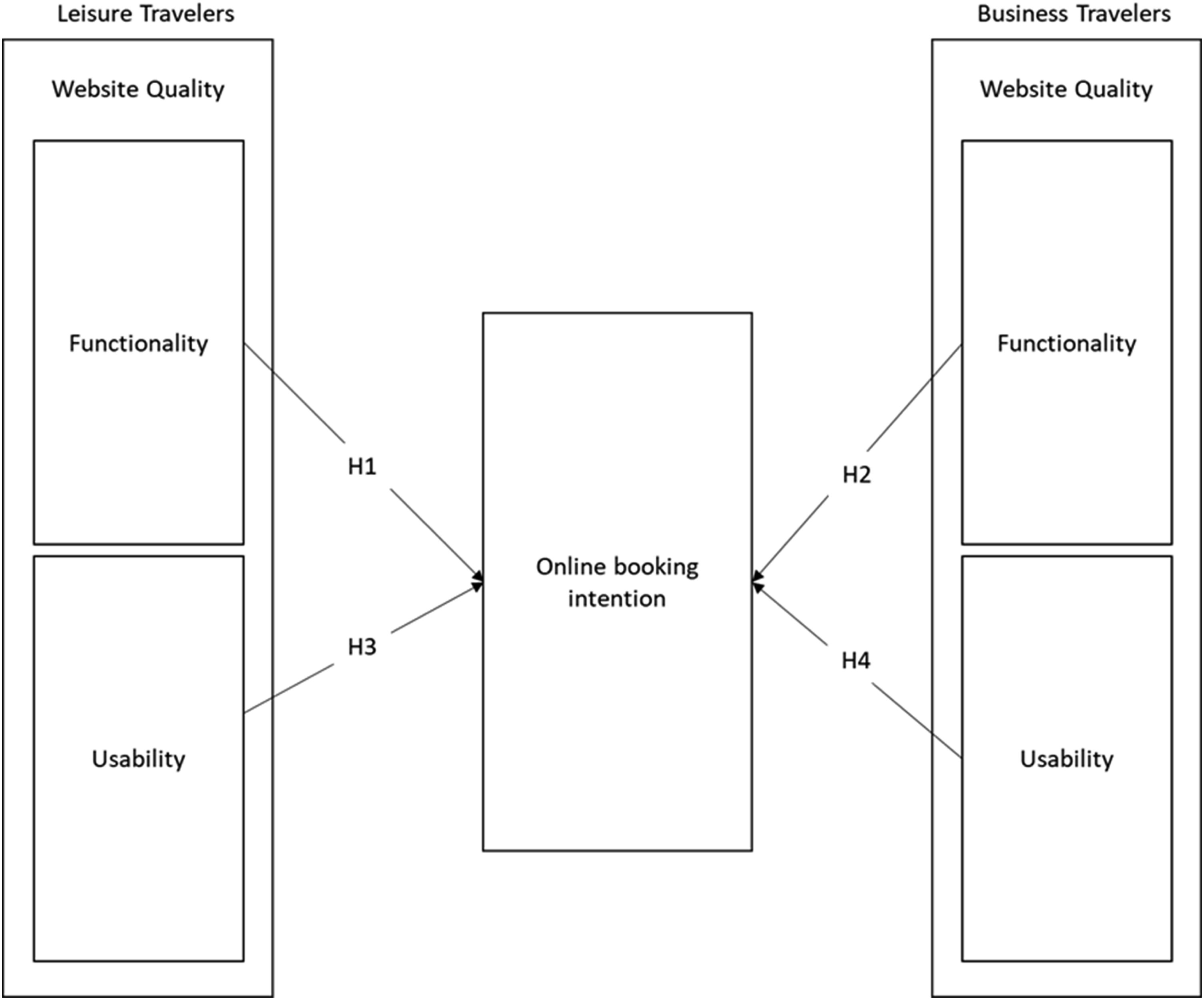
Conceptual model.
Methodology
Data collection
The questionnaire was shared in open-access travel Facebook groups, such as “Travel lovers”, “Dream trips and locations”, and “Travelers”. Data was collected between February and May 2021. The study targeted approximately 250 responses, and a total of 235 fully completed questionnaires were received for further analysis. The sample included individuals aged 18–65 who had traveled and stayed at a hotel for leisure or business purposes within the last 12 months. This age range was set to ensure the respondents had a solid understanding of the questions and had used a hotel’s website to make reservations. Only 28% of the population between 65 and 74 years old were Internet users in Portugal (Fundação Francisco Manuel dos Santos, 2022). Analyses were also conducted individually, depending on the respondents’ travel purposes, based on the premise that the factors affecting online booking intention may differ among groups. Demographic data, including gender, age, education, and annual household income, were also collected for this study.
Pilot test
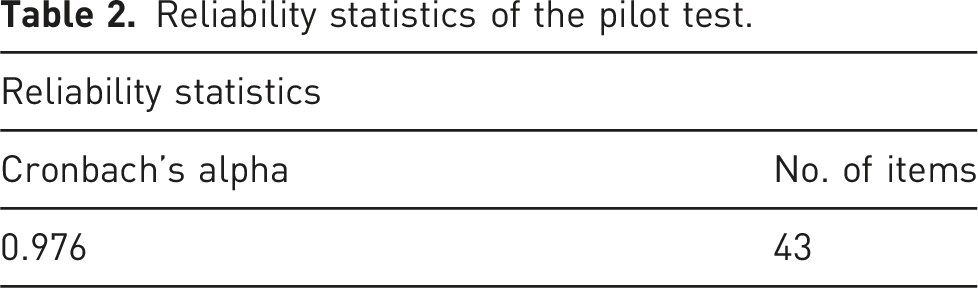
Reliability statistics of the pilot test.
Data analysis and results
Demographic characteristics of the respondents
Demographic characteristics of the respondents.
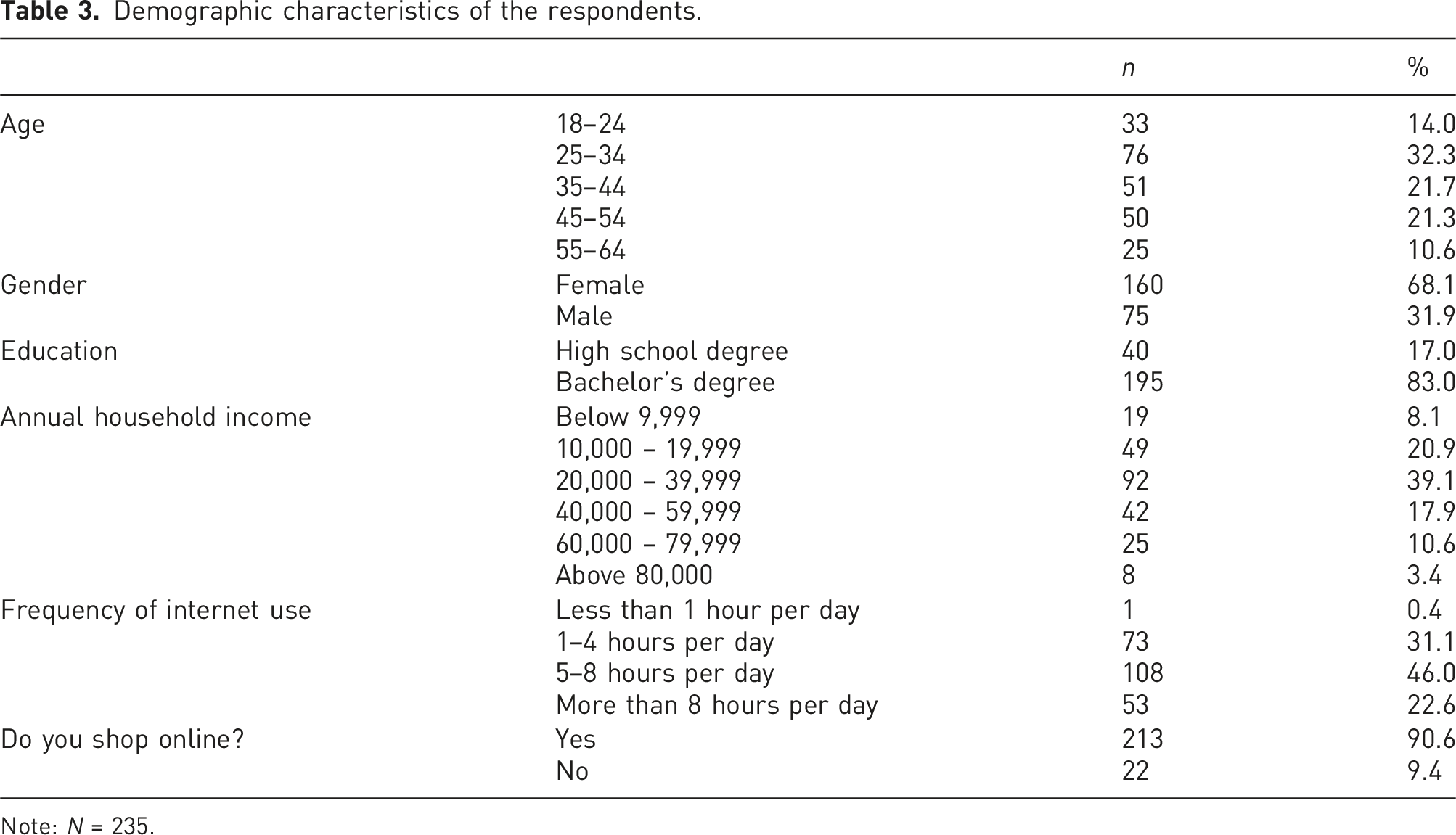
Note: N = 235.
Variable measurement
Measurement items.
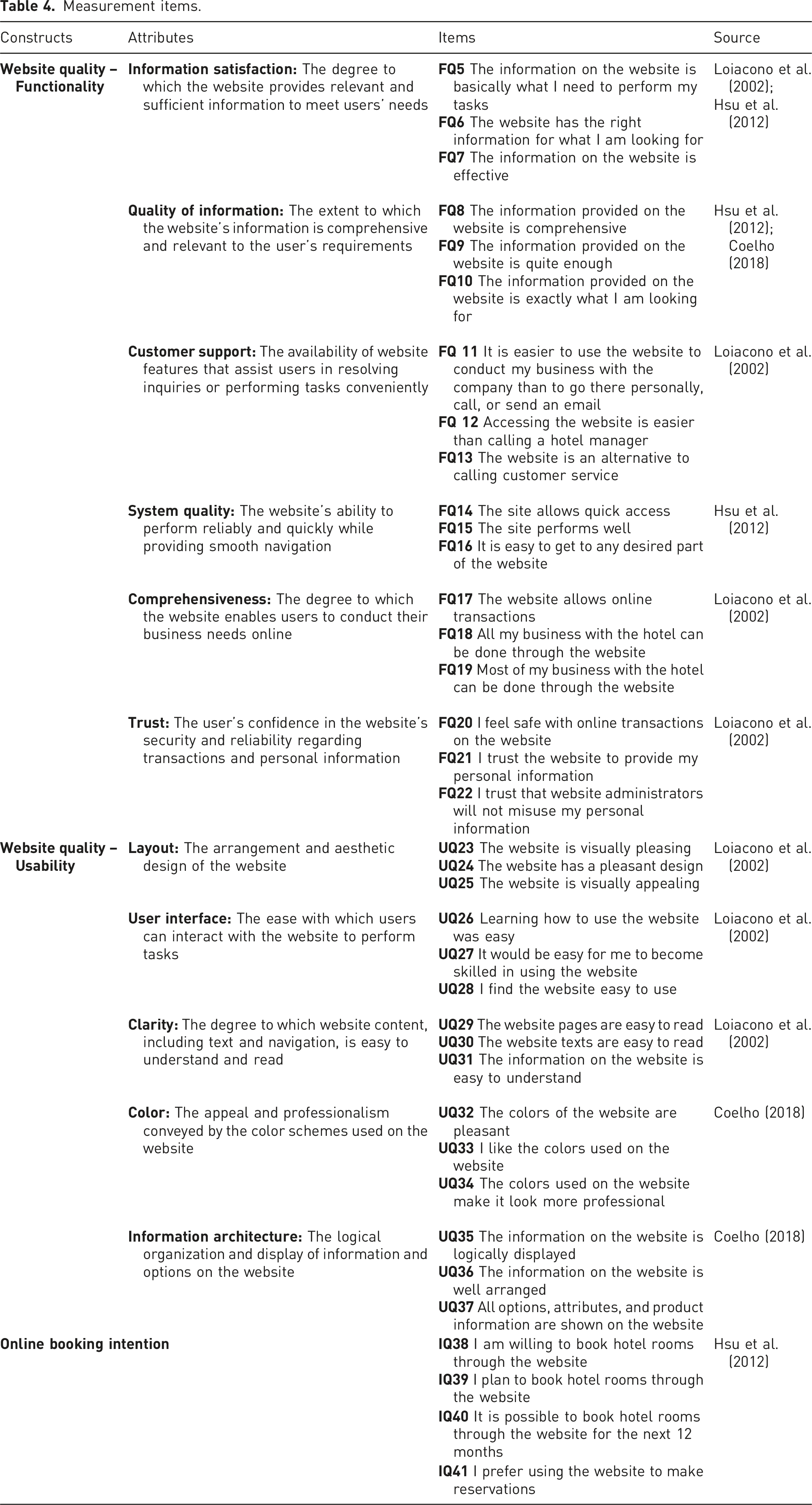
All measurement items for functionality and usability were assessed on a 5-point Likert-type scale, ranging from 1 (strongly disagree) to 5 (strongly agree), to express the degree of agreement. The online booking intention items were measured using a 5-point Likert-type scale, ranging from 1 (very unlikely) to 5 (very likely), to reflect customers’ behavioral intentions to make a hotel room booking online. As shown in Table 4, the functionality construct was measured using 18 items (FQ5 to FQ22), the usability construct was measured using 15 items (UQ23 to UQ37), and the online booking intentions construct was measured using four items (IQ38 to IQ41). Altogether, the measurement model comprised 37 items.
Exploratory factor analysis.
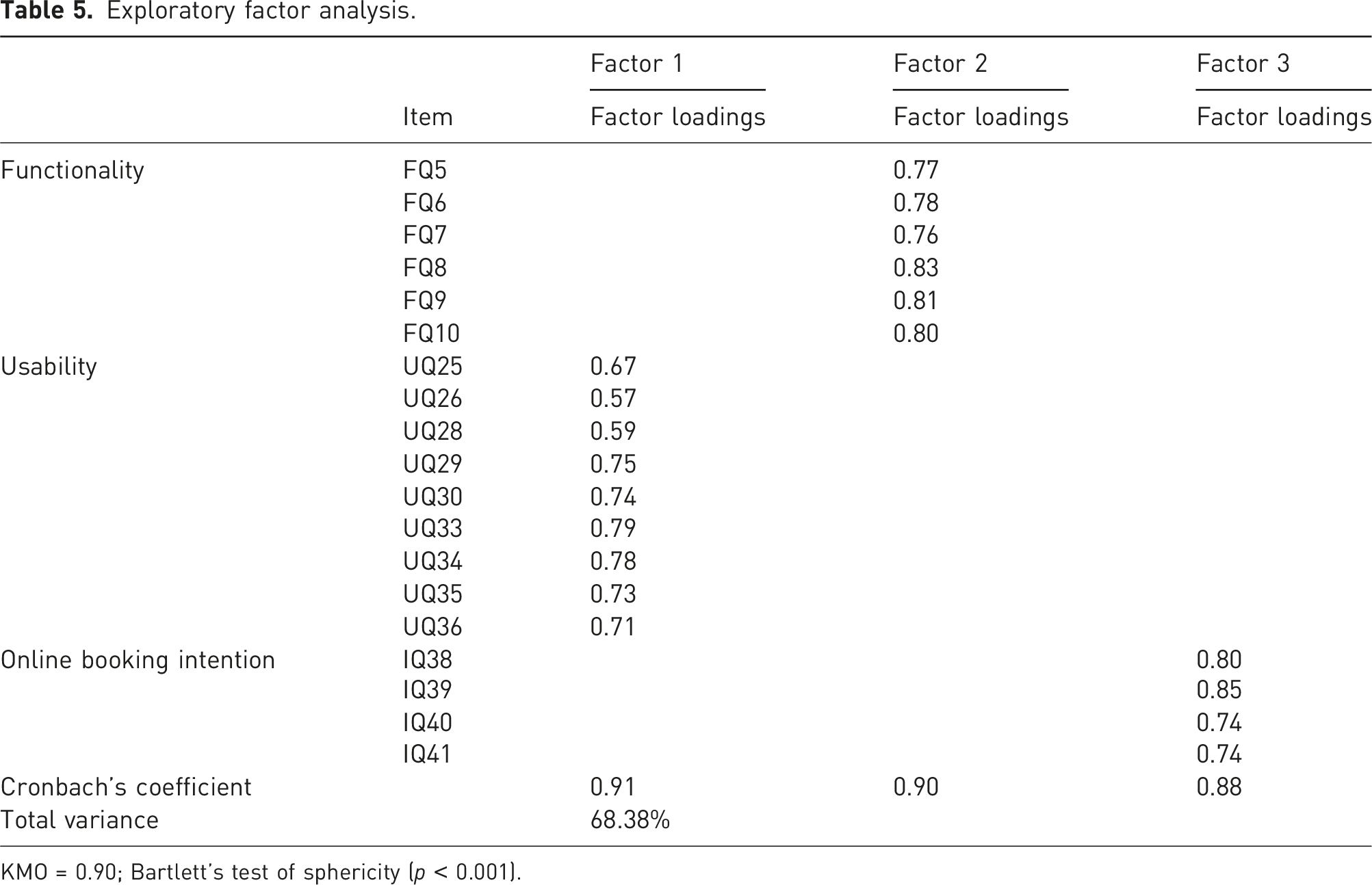
KMO = 0.90; Bartlett’s test of sphericity (p < 0.001).
Reliability and validity of measurement model
Results of confirmatory factor analysis.
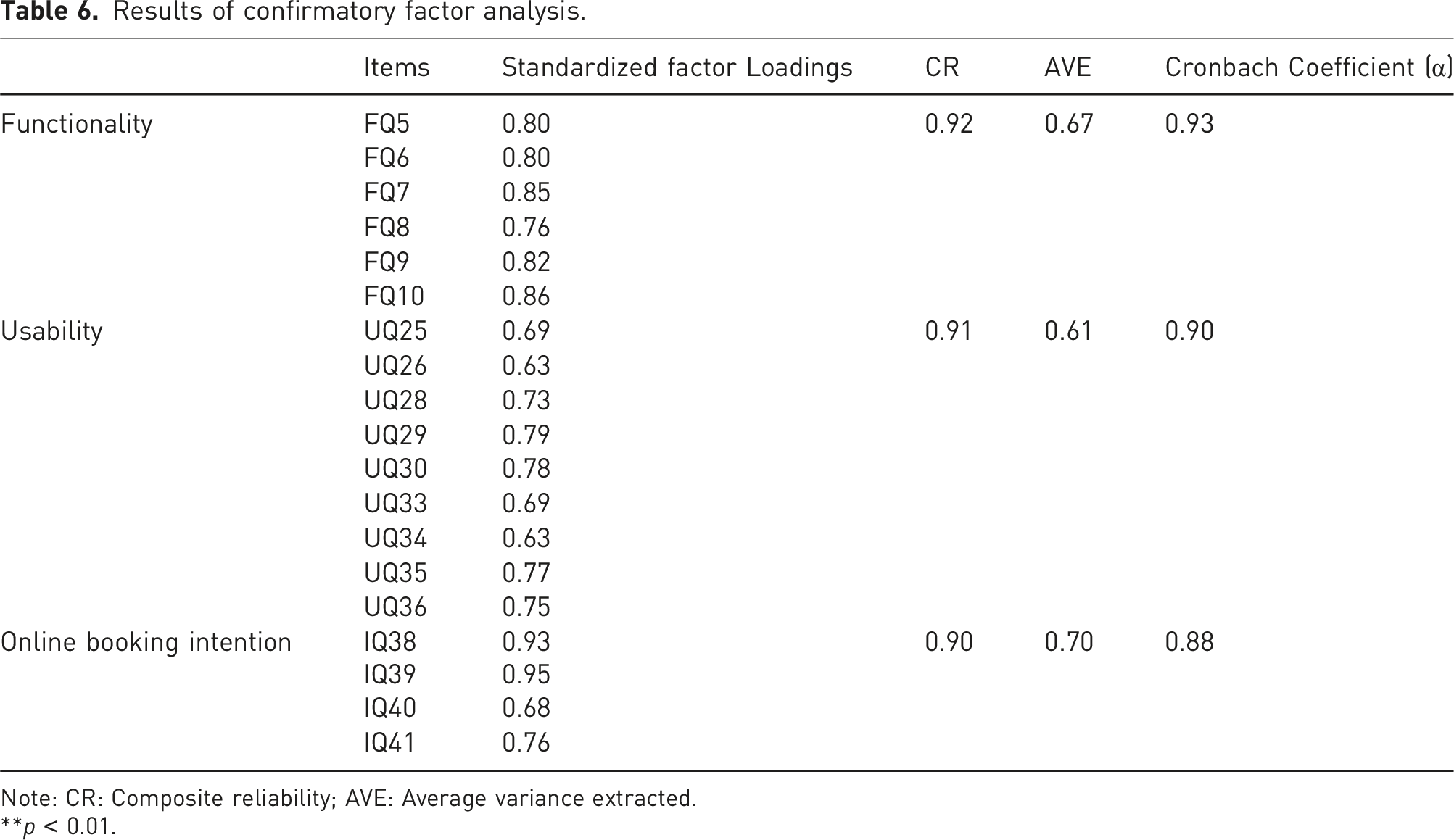
Note: CR: Composite reliability; AVE: Average variance extracted.
**p < 0.01.
Inter-construct correlations.
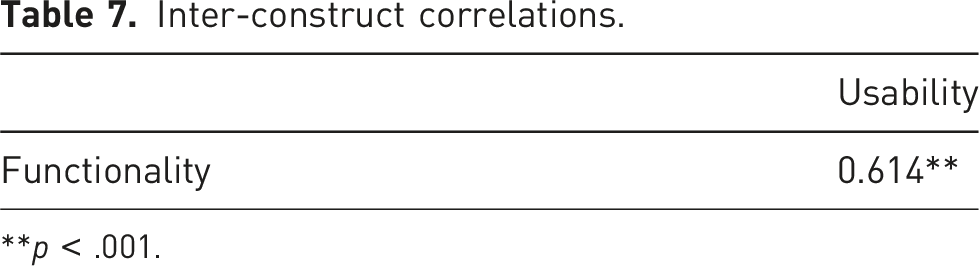
**p < .001.
Total sample analysis
Given the high correlation (r = 0.614) between functionality and usability factors (see Table 7), a second-order hierarchical model was chosen. As shown in Figure 2, the model fit results indicated a good fit of the data to the model. The fit indices were as follows: X
2
(423) = 778.85; X
2
/df = 1.84 (less than 3 acceptable); CFI = 0.947 (acceptable above 0.9); PCFI = 0.781 (>0.50); RMSEA = 0.043 (<0.05); and P[rmsea ≤ 0.05] = 0.996. Structural model (total sample) with standardized coefficients.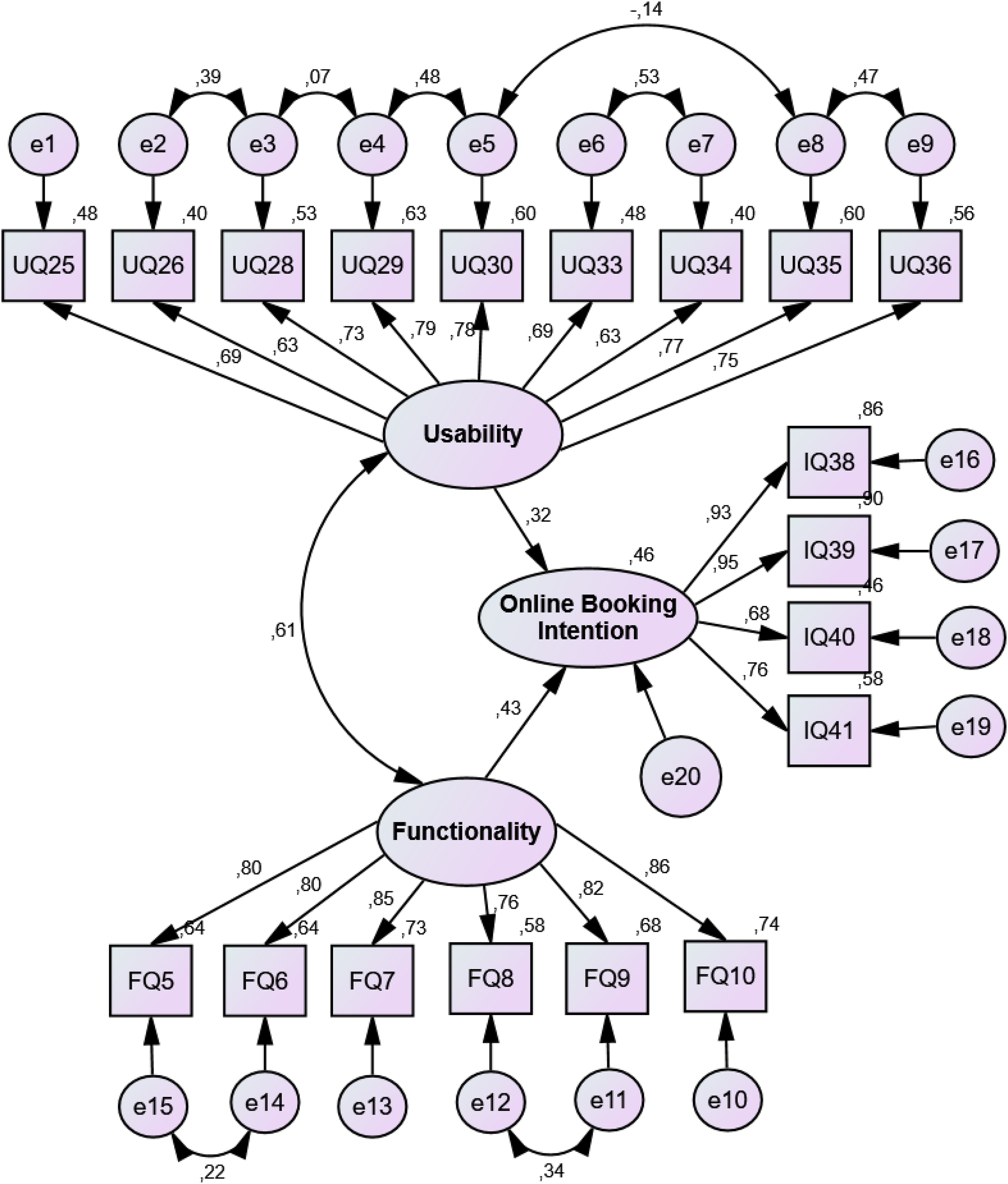
Multigroup analysis
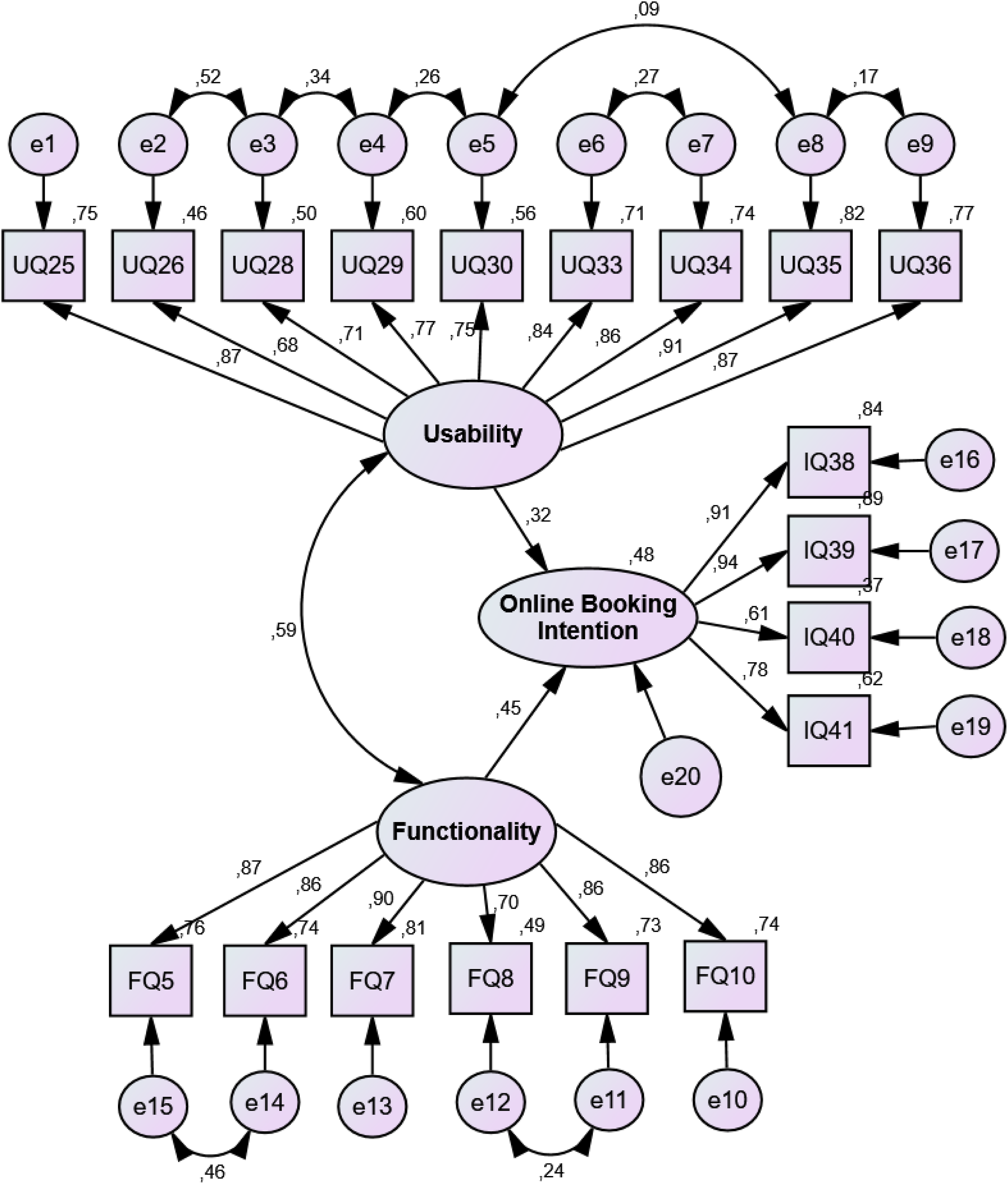
A multigroup analysis was applied to determine whether the model in Figure 2 could be adjusted to the two sample groups: respondents who traveled for leisure or business purposes. Accordingly, Figures 3 and 4 display the structural model for respondents who traveled for leisure and business, respectively. The factorial loads of the items were adjusted to the structural models in Figures 3 and 4. Notably, both models demonstrated significant weight on the online booking intention factor, as well as correlations between the latent variables (p < .001). The model in Figures 3 and 4 showed R2 values of 0.46 and 0.48 (R2 > 0.25), indicating appropriate individual reliability. Structural model for respondents on leisure travel with standardized coefficients. Structural model for respondents on business travel with standardized coefficients.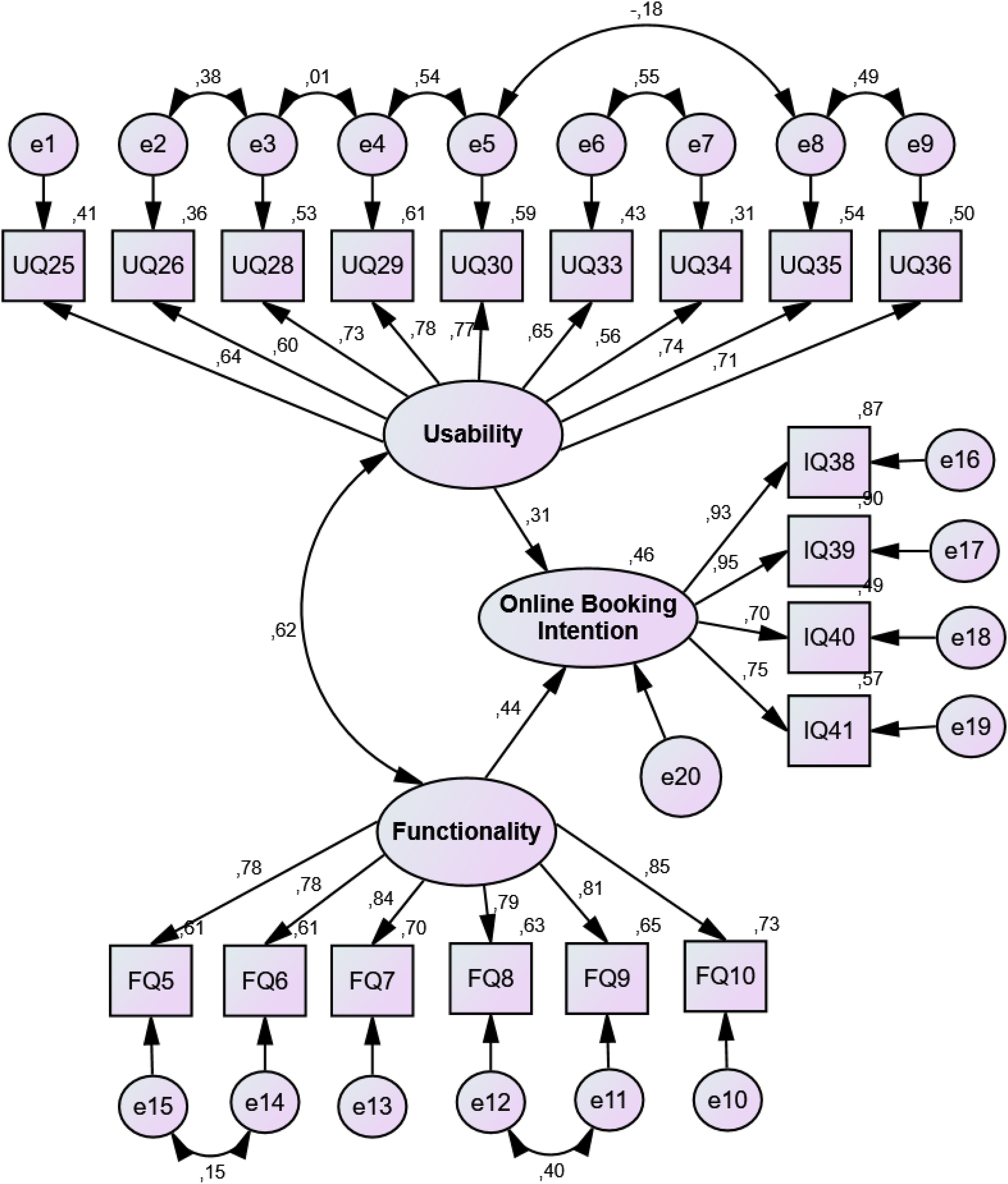
Assessment of the Model Adjustment’s quality according to the nature of travel: leisure or business.

Hypotheses testing
Hypothesis results.
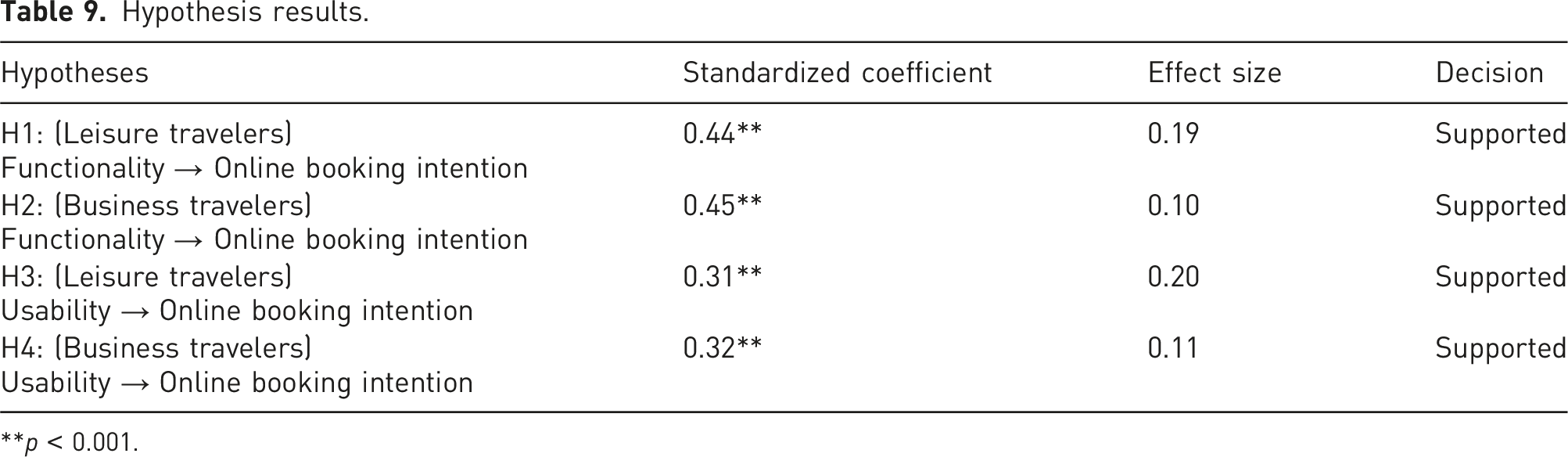
**p < 0.001.
Discussion
Theoretical contributions
This study extends prior research by empirically testing a theoretical model that links website quality dimensions namely functionality and usability to the online booking intentions of leisure and business travelers. By validating these two dimensions, this study strengthens the theoretical foundation of hotel website effectiveness and its impact on consumer decision-making in the digital travel landscape.
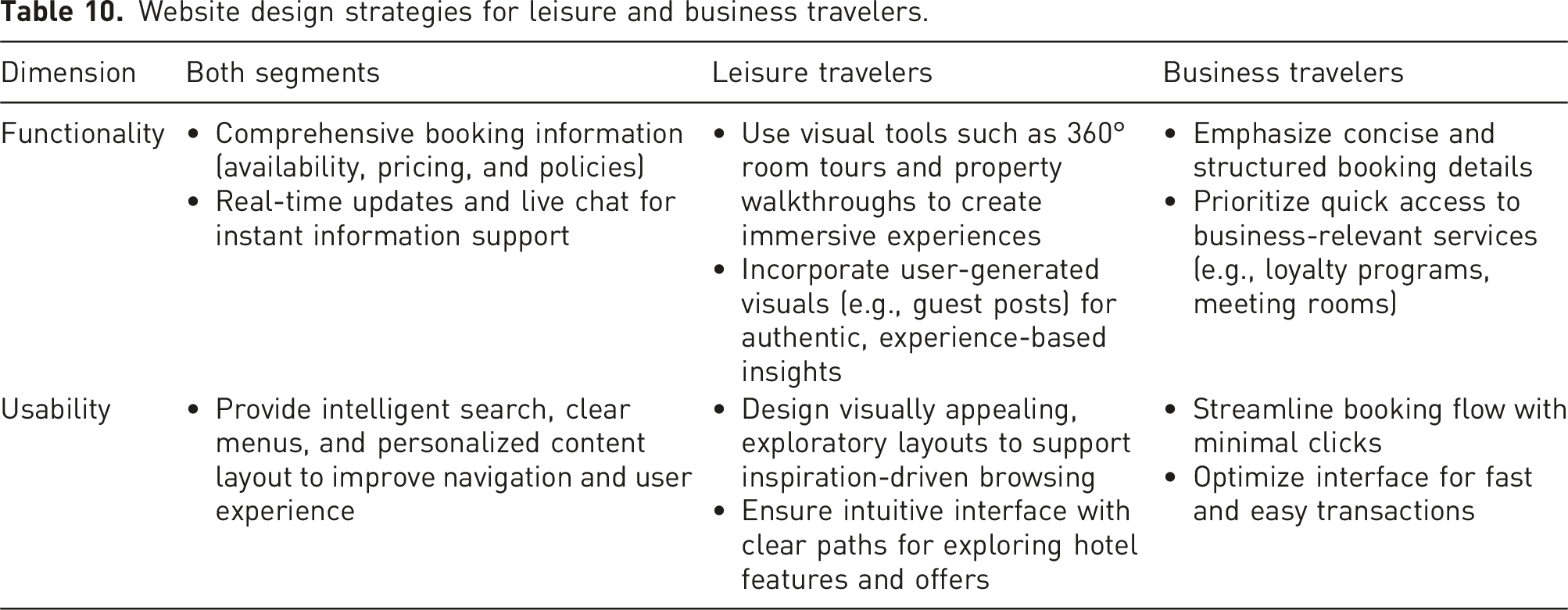
Consistent with findings from previous studies by Bai et al. (2008) and Wang et al. (2015), these results indicated that website quality’s functionality and usability attributes positively affect travelers’ online booking intention. Meanwhile, the functionality dimension, particularly the quality and effectiveness of information, has a greater influence on both groups’ online booking intentions than usability. This result is in line with earlier work by Wang et al. (2015), who suggested that functionality is of higher importance than usability as travelers cannot physically inspect a hotel before booking. Providing accurate and detailed information is therefore crucial in shaping consumer decision-making. Regarding usability, leisure travelers considered information clarity an essential aspect, while business travelers valued information architecture, aligning with prior research suggesting that structured and well-organized content enhances website effectiveness (Jeong et al., 2003) because useful information will also become worthless if not presented clearly (Giannopoulos and Mavragani, 2011).
This study also advances the literature by identifying segment-specific differences in how leisure and business travelers perceive the quality of hotel websites. While the overall effect of functionality and usability on online booking intention was similar for both groups, their perceptions of specific website attributes varied. Regarding functionality, the quality of information was rather important for both business and leisure travelers, particularly in terms of whether the website provided sufficient and precise information that met user needs. While information satisfaction, as in effectiveness and usefulness, was more relevant for business travelers. Concerning the usability dimension, leisure travelers pay more attention to the clarity of the information presented. In contrast, business travelers focused more on information architecture, such as the logical organization and categorization of information. This reinforces prior literature suggesting that user expectations vary based on travel purpose and booking behavior (Zhang et al., 2019).
Practical implications
Website design strategies for leisure and business travelers.
Conclusion, limitations, and future research
Conclusion
This study examined how website quality, specifically functionality and usability, affects online booking intentions among leisure and business travelers. The findings confirm that both dimensions significantly impact booking intention, with functionality, particularly information quality, playing a stronger role than usability. While leisure and business travelers perceive website attributes differently, both segments emphasize the importance of clear, well-structured, and easily accessible information in their decision-making process.
Limitations and future research
Like many studies, this study has several limitations. First, the sample used in this study was respondents residing in Portugal. This geographical limitation may introduce cultural biases, as travel behaviors, website preferences, and trust in online booking platforms can vary significantly across countries and cultural contexts. Second, this study was conducted during the COVID-19 pandemic; the sample size was small due to the lack of actual travel behavior and room purchase responses over the last 12 months. These two limitations made it difficult to draw any generalizable conclusions. Therefore, a future study may increase the sample size and include participants from different geographic locations to produce a more representative sample. Moreover, recruiting participants through Facebook travel groups may introduce platform-specific bias, as users of these groups may differ demographically or behaviorally from the broader traveling population, particularly in terms of digital literacy, socioeconomic status, or travel engagement. Future research may consider using more diverse recruitment channels to reach a broader segment of travelers. Finally, this study was conducted based on respondents’ online room booking experiences over the past 12 months; future research may yield different results by examining particular websites, such as considering different hotel categories or conducting similar studies in an experimental setting.
Footnotes
Declaration of conflicting interests
The authors declared no potential conflicts of interest with respect to the research, authorship, and/or publication of this article.
Funding
This work was supported by national funds through FCT (Fundação para a Ciência e a Tecnologia), under the project - UIDB/04152 - Centro de Investigação em Gestão de Informação (MagIC)/NOVA IMS.
