




Abstract
Community-based ecotourism (CBE) ventures were introduced in the 1990s with the aim to enhance the livelihoods of the destination communities in developing countries. However, incorporating sustainable livelihood frameworks to analyse the communities’ livelihood changes in CBE remains unknown. Two pioneer ecotourism destinations located in lower Kinabatangan, Sabah, Malaysia have been chosen to assess livelihood changes induced by CBE ventures using a sustainable livelihood framework. Qualitative research design is adopted using in-depth interviews and field observation for data collection. It is revealed that CBE ventures have transformed the local communities as ecotourism entrepreneurs to generate income to secure livelihoods despite depending on fishing which was considered as the main livelihood activity. However, identified costs were hindering the local communities to enjoy the benefits of CBE, thereby distressing the overall livelihood sustainability. All the elements in the sustainable livelihood framework were captured in this study and are acknowledged as the best analytical tools to assess the livelihood changes of local communities through CBE ventures. The study proposed a revised sustainable livelihood framework with novel socio-cultural capital for CBE development in developing countries.
Introduction
Community-based ecotourism (CBE) in developing countries is mushrooming over the years due to its adverse impacts to the livelihoods’ improvement of local communities. The main stakeholders who manage CBE are local communities who have some stake and their participation is thus warranted (Bhalla et al., 2016; Agarwal and Mehra, 2019: Ali, et al., 2020). CBE may naturally be considered as an environmentally sensitive initiative (Mary, 2019) which is often managed by the destination communities with the support from the tourism stakeholders. CBE contribution to the local communities is manifold. For instance, all the benefits are connected to the community and nature with respect to social, cultural and environmental aspects to ensure sustainability (Kaur et al., 2016). Similarly, CBE also fosters conservation awareness and community development in rural areas in many developing countries (Reimer et al., 2013; Masud et al., 2017).
Many advocate that local communities may perceive both positive and negative impacts in tourism development especially in the stages of CBE development (Lee and Jan 2019). To ensure the CBE is sustainable, local communities should be the pivotal stakeholder groups as they may be affected by the tourism planning and management based on their perceptions towards the impacts of tourism development (Lundberg, 2015). Unfortunately, many rural communities are not included, thus leading to unsustainable tourism development. The impact of tourism development in local communities is definitely their livelihood enhancement. Livelihood enhancement through tourism is a growing field of study and some evidence proves that tourism has been a sustainable livelihood approach for many communities in rural areas (Tao and Wall, 2009; Wu and Pearce, 2013: Su, et al., 2016). In order to assess the livelihood changes of local communities in tourist destinations, a (SLF) has been widely adopted by the researchers to guide and examine the relation of tourism and community livelihood changes (Su, et al., 2016). Moreover, SLF is a people-centred paradigm that emphasizes the inherent capacities and knowledge of rural and urban people and it is focused on community-level actions (Chambers, 1986; DFID, 1999). By applying the SLF, it is noteworthy that the complexities of people’s lives and their interest in the development process can be examined. Therefore, SLF is adopted in this study to compare the tourism-induced livelihood changes by looking at two communities in lower Kinabatangan who embraced ecotourism as an alternative livelihood approach having previously practised fishing as their main livelihood activity. Similarly, the ecotourism projects namely homestays and locally-owned Bed and Breakfast (B&Bs) and lodges covered in this study, which are from two villages (Sukau and Bilit) of lower Kinabatangan, have been established since the 1990s. The projects are known as CBE and are managed by the local communities to secure livelihoods.
The application of SLF in tourism has of late, become a growing field of interest among researchers (Shen et al., 2008) and some attempts were made to examine its utility, through notable empirical studies from Tao and Wall (2009), Wu and Pearce (2013) and Su et al. (2016). However, the application of SLF in CBE research in the context of developing countries remains scarce and there is a void in related literature. The absence of studies related to SLF application in CBE ventures leaves the question as to why SLF remains unapplied in CBE since it is popularly known as a people-centred development approach (Chambers, 1986; DFID, 1999). SLF application in CBE studies may provide insightful evidence due to the available components of SLF (livelihood resources and structures) which predominantly focuses on the human relationship with development structures and outcomes. The critical analysis of literature review in this study observed that the SLF application in tourism research is vital in analysing the complexities of human relation to development projects and its outcomes. In fact, while there is a call for integrating tourism in SLF for sustainable tourism development through community participation (Shen, et al., 2008) there is none focusing on CBE development in developing countries.
Evidently, CBE, which is managed by the local communities in rural areas, embrace all the elements in SLF and this may provide interesting insights based on famous ecotourism destinations in Malaysian context. Thus, the current study focuses on two local communities belonging to the orang sungai ethnic group (one of the native groups in Borneo) who now embrace ecotourism as an alternative livelihood, having previously fully depended on the traditional livelihood activity of fishing. With this in mind, the study raised a question: to what extent ecotourism has transformed the livelihood of the communities who are engaged in CBE for decades and why ecotourism has been acknowledged as a sustainable livelihood approach by the communities? Thus, the main objective of this study is to critically examine the livelihood changes brought by ecotourism and its outcomes which may lead to future sustainability. The following sections present the theoretical perspective, case studies, and methodology as well as research findings and discussion. The study also recommends the practical implications for community livelihood sustainability.
Theoretical perspective
Community-based ecotourism as livelihood strategy in Malaysia
Malaysia has witnessed a robust growth in tourism in recent years (Ahmad et al., 2014). Recognising the tourism potential, Malaysia has acknowledged tourism as a source of revenue and a mechanism for sustainable development for the country. In fact, the local community development through tourism has also become a major agenda for Malaysia despite focusing on economic development. In an effort to promote local community development, the Malaysian government has diversified many new tourism products focusing on nature-based tourism or ecotourism. Therefore, the implementation of CBE has become one of the rural tourism products in Malaysia (Hussin, 2006; Kayat, 2008; Ahmad et al., 2014) as an alternative livelihood option for rural communities (Kunjuraman, 2020). Several evidences claimed that CBE homestay programmes in Malaysia have been given an opportunity as a livelihood option for rural communities in Malaysia and initiated as community development tools (Hussin, 2006; Kaur et al., 2016; Masud et al., 2017; Jaafar et al., 2020; Kunjuraman, 2020) even though the local communities are facing numerous challenges (Kunjuraman and Hussin, 2017).
However, the potential of CBE as a community development agenda is still acknowledged by the Malaysian government. As a result, a new National Tourism Policy 2020–2030 has been officially launched by the Malaysian government on 23rd December 2020 to rebrand Malaysia as among the ‘Top of The Mind Ecotourism Destinations of the World’, despite facing a daunting task to revive the tourism sector amid the global COVID -19 pandemic. In the plan, ecotourism and Community-based Tourism (CBT) has been highlighted amongst the product augmentation strategies to boost the Malaysian tourism performances (National Tourism Policy 2020-2030, 2021). This serves as evidence that the Malaysian government is serious in encouraging local community participation in tourism to enhance their livelihood option in rural areas. Therefore, this study is timely done to enhance the policy in terms of its practicality and effectiveness.
An utility of sustainable livelihood framework in ecotourism setting
The advocacy of Sustainable Livelihoods Approach (SLA) has been pioneered from the 1990s and the most notable work was done by Chambers and Conway (1992) followed by Scoones (1998), Carney (1998, 2002), and Ashley and Carney (1999). Rooted from rural development context, the SLA concept has since been applied and adopted in a diversity of incidents in both developed and developing countries (Scoones, 1998; Ellis, 2000). Accordingly, Scoones (2009. p. 172) advocates “many development agencies started to advocate livelihood approaches as central to their programming, and even organisational structures”. Livelihood perspectives have their own connotations and are manifested in different situations. The concept has been described by many scholars from the development field. For instance, Scoones (2009) described SLA starts with how different people in different locations live. Chambers (1995) suggested that SLA as “the means of gaining a living”. In order to make a living, livelihood comprises the capabilities, assets and activities. Similarly, these relates to locales (rural or urban livelihoods), occupations (farming, pastoral or fishing livelihoods), social differences (gendered, age-defined livelihoods), directions (livelihood pathways, trajectories), dynamic patterns (sustainable and resilient livelihoods) and many more (Scoones, 2009, p. 172). The most cited definition of SLA has been produced by Chambers and Conway in 1992 in their working paper for the Institute of Development Studies. They described SLA as: “A livelihood comprises the capabilities, assets (including both material and social resources) and activities for a means of living. A livelihood is sustainable when it can cope with and recover from stresses and shocks, maintain or enhance its capabilities and assets, while not undermining the natural resource base” (Scoones, 1998, p. 5).
SLA is a people-centred paradigm which emphasizes on people’s concerns, aspirations, people’s inherent capacities and knowledge. Besides, the SLA is primarily focused at community level actions (Chambers, 1986). The community is the local champion who has the traditional knowledge to overcome possible threats from outside and ensure the security of their livelihoods. Based on the above definition from Chambers and Conway, a prime concern for sustainable living was deduced. A livelihood comprises capabilities, assets, and activities that are required for people to make a living. A livelihood should be sustainable which can cope with and recover from threats, stresses and shocks coming from different situations, maintain or enhance capabilities and assets, and pave a way to enhance new opportunities for the younger or next generation. Also, SLA involves the development of short-term coping mechanisms and longer-term adaptive capacities to the people to deal with unexpected circumstances which might happen at local level (Chambers & Conway, 1992).
Tourism or ecotourism may be a new activity and is often perceived as risky by the community (Tao and Wall, 2009). However, ecotourism still has the potential to be a main or alternative livelihood activity along with other conventional economic activities in rural areas. Since ecotourism has some potential in terms of providing alternative job opportunities and side income, it is useful to examine how ecotourism is and might be incorporated into the existing mix of livelihoods (e.g. fishing, agriculture, forestry and farming) strategies. It is important to know how people can sustain by having multiple livelihood strategies along with ecotourism. If the community perceives and decides ecotourism has potential to be incorporated as one of their livelihood strategies in order to accomplish sustainable livelihoods outcome, tourism will be a form of livelihood diversification (Tao and Wall, 2009, p. 91). Livelihood diversification is defined by Ellis (1998, p. 4) as “the process by which rural families construct a diverse portfolio of activities and social support capabilities in their struggle for survival and in order to improve their standard of living”. The livelihood diversification including ecotourism has many advantages if it is properly involved and managed by the community. For instance, it is a platform for the community to experience new livelihood activities besides only focusing on the conventional economic activities such as fishing, forestry, agriculture and farming in rural areas. On the other hand, the livelihood diversification through tourism provides the community with the opportunity to gain additional side income and material accumulation. This is a main concern of the community - to upgrade their socio-economic status of the households and improve their standard of living. Finally, livelihood diversification through ecotourism is the best choice for the rural communities especially in coastal communities in developing countries, including Malaysia.
Figure 1 illustrates the SLF based on the initial version developed by the UK’s Department for International Development (DFID) and following modification suggested by Scoones (1998), Tao and Wall (2009) and Su et al., (2016). All the suggested modifications were tested based on different geographical locations namely Taiwan (Tao and Wall, 2009) and China (Su et al., 2016). These studies successfully applied SLF for tourism development in Taiwan and China. Also, the researchers agreed that SLF has proven to be a holistic framework in identifying the livelihood resources in tourism development and potential coping strategies whenever it receives shocks from different situations. This framework has five key components which are significantly important to examine community livelihoods and rural development. The components are contexts, livelihood resources, transforming processes and structures, livelihood strategies and livelihood outcomes. Su et al., (2016: 22) noted that “a diversity of macro conditions and social trends constitute the broad context for people’s livelihoods”. To further illustrate, livelihood resources are inputs to a livelihood agenda which are utilized to produce livelihood outcomes (Scoones, 1998). Meanwhile, transforming processes and structures play a significant role on whether and how a diversity of livelihood resources are accessed and transformed into livelihood strategies. Accordingly, there are several assumptions that livelihood strategies can be constructed and helped to produce different outcomes. Different outcomes may be achieved in the form of income generation, material accumulation, good well-being, empowerment, health and vulnerability (Chambers and Conway, 1992; Ellis, 2000). The issue of sustainability is also emphasized in SLF involving resource or environmental and socio-cultural sustainability (Chambers and Conway, 1992; Scoones, 1998; Tao and Wall, 2009). However, Tao and Wall (2009: 91) claimed that the issue of “cultural sustainability still needs further exploration” in SLF. Thus, serious attention should be given by tourism academics about this issue in their research in the near future. Sustainable livelihood framework (SLF). Source: DFID (1999: 11).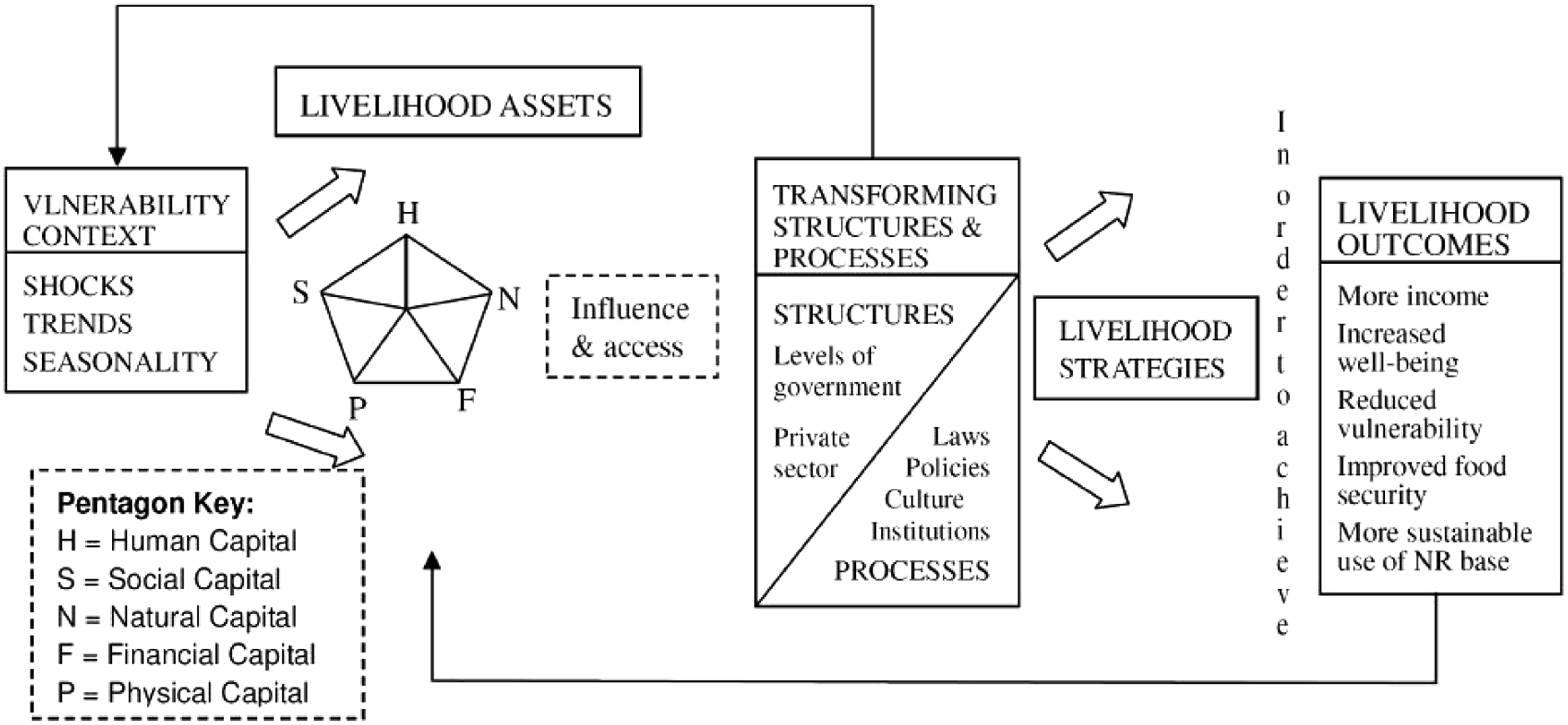
SLF has been acknowledged as a people-centred concept because it encourages the local community involvement in development initiatives (Tao and Wall, 2009). Wu and Pearce (2013) also expressed their feeling that SLF has emphasized the people’s freedom, notwithstanding constraints, of livelihood choices. The livelihood choices meant by Wu and Pearce (2013), is where the members in the community are free to choose their livelihood strategies and lifestyle they feel comfortable with. Therefore, alternative livelihood strategies should be available if the tourism-related activities do not match the community’s aspirations and preferences (Wu and Pearce, 2013). As noted earlier, SLF has proven to be a useful tool to examine the complex livelihoods of a community (Tao and Wall, 2009; Su et al., 2016). It is also proven to identify the potential strategies to make livelihoods more productive and sustainably sound (Scoones, 1998). Moreover, SLF is a holistic approach to be applied in community research, especially in ecotourism research due to two reasons: first, the SLF is a rural development framework and generally ecotourism is popular in rural areas. Second, the SLF emphasizes on the people’s development and functions as a tool to uplift the standard of living: ecotourism is a perfect match as most of the ecotourism projects in developing countries are managed by the rural communities.
Case studies
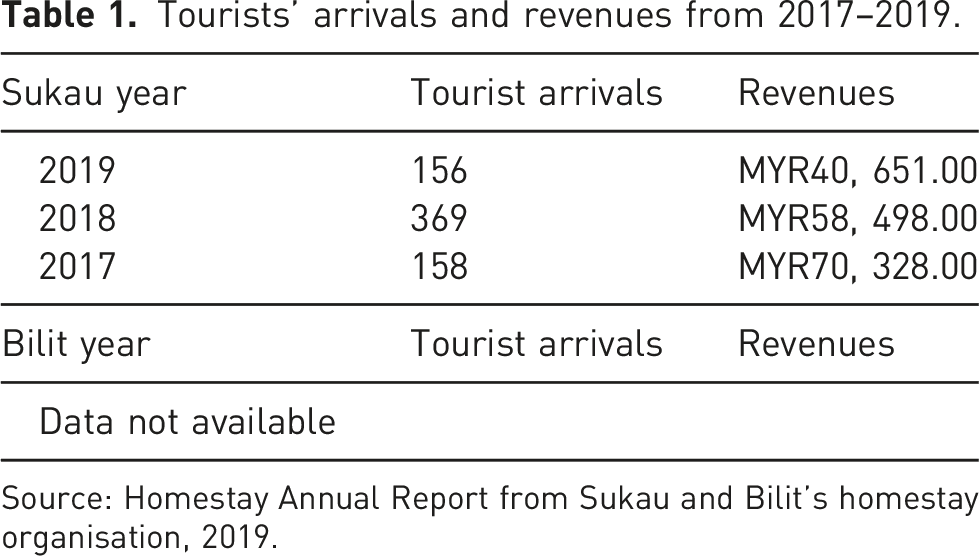
The Lower Kinabatangan (LK) region’s (see Figure 2) potential as an ecotourism destination was first realized in the early 1990s by the NGO called World Wildlife Fund for Nature (WWF). Kinabatangan is famous for wildlife tourism (Newsome et al., 2017) and CBE (Hussin, 2006). The recognition of LK as a famous ecotourism destination was observed due to its abundance of flora and fauna and popular among the tourists (see Table 1). The Kinabatangan Wildlife Sanctuary (LKWS) is approximately 29,000 hectares in size and comprises diverse wildlife habitats including mangroves, freshwater swamps, riverine and limestone hill forest formations, seasonally flooded floodplains, oxbow lakes and dryland Dipterocarp forest which have been protected and preserved. Meanwhile the fauna encompasses a number of iconic and endangered species, including the rare and endangered orang-utan (Pongo pygmaeus), the endemic proboscis monkey (Nasalis larvatus) and the Borneo pygmy elephant (Elephas maximus borneensis). Research sites of Sukau village (Kampung Sukau) and Bilit village (Kampung Bilit) in Lower Kinabatangan, Sabah, Malaysia. Source: https://twitter.com/karmenlunarx/status/856481801669300225?s=20&t=IzfOol2lP2-1ZJX7joe2Kw accessed on 21 July 2022. Tourists’ arrivals and revenues from 2017–2019. Source: Homestay Annual Report from Sukau and Bilit’s homestay organisation, 2019.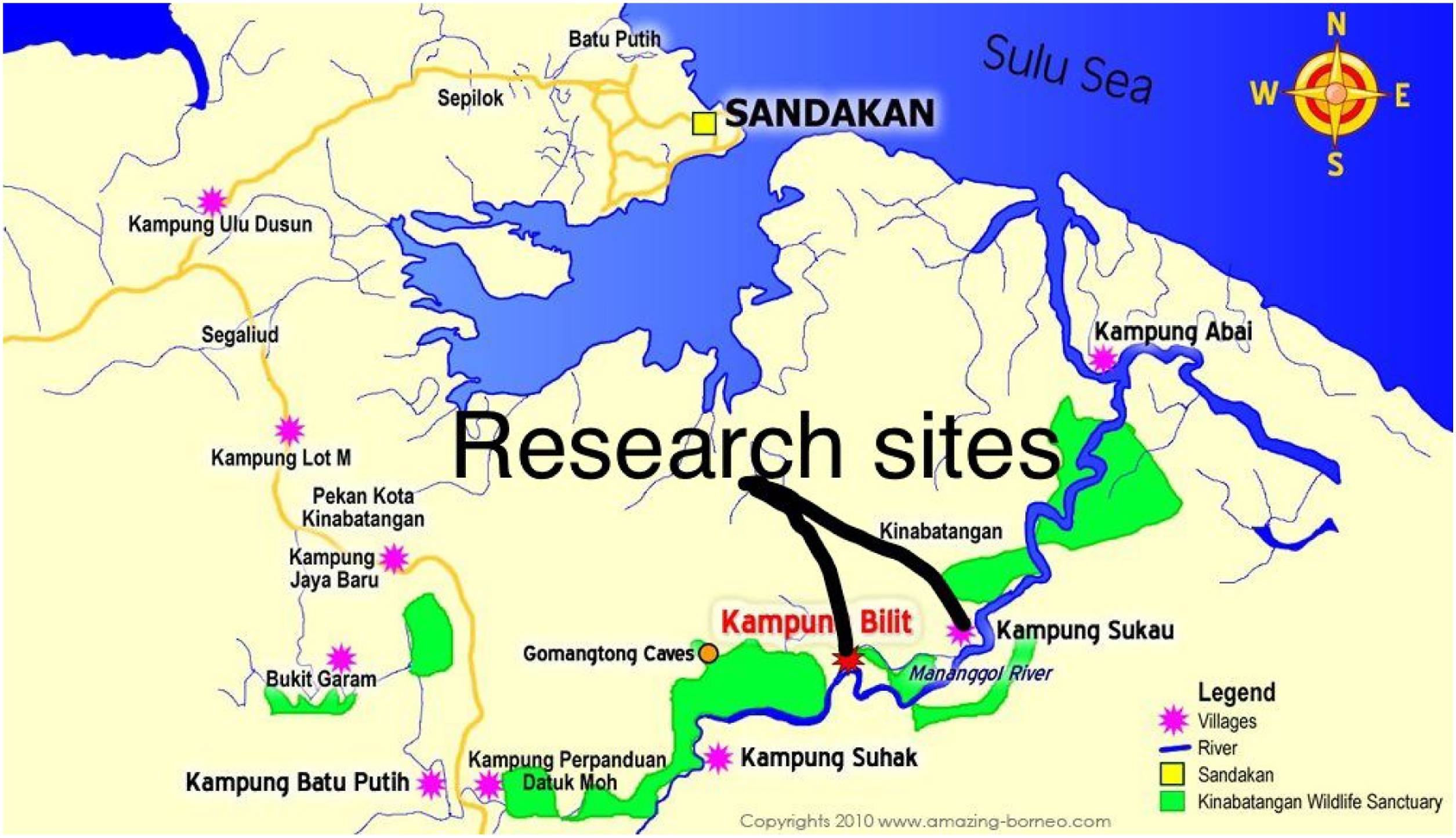
In addition, over 200 bird species can be found including eight of Malaysia’s threatened bird species such as the Storm’s stork (Ciconia stormi) and a number of hornbills (family Bucerotidae) (Ancrenaz et al., 2014; Newsome, et al., 2017; Boonratana and Sharma, 1997). Due to the above potential, CBE, which actively involved the local communities in Sukau and Bilit villages of lower Kinabatangan, was introduced in the 1990s. Notably, homestay programmes and locally-owned B&Bs are run by the local communities to secure their livelihoods. Sukau and Bilit villages have been chosen as case studies in this study due to several reasons. Firstly, both villages are located in the LK areas of Sabah which have experienced ecotourism activities since the 1990s to date. Secondly, ecotourism activities in both villages are fully managed by the local people with the assistance from several NGOs and government agencies. Thirdly the populations are largely rural. Fourthly, many of the residents belong to the ethnic minority group. The above reasons clarify that in order to understand the effects of CBE on local communities’ livelihoods, the LK region is a vital area to be studied empirically.
Methodology
An interpretive research paradigm as a researcher worldview was adopted and qualitative research methodology was used in this study. A case study approach is employed with a focus on multiple case studies (Yin, 2009), which is regarded as more robust than a single case-study by providing the observation and analysis of a phenomenon in several settings. The multiple case study design also enables logical replication in which cases are treated as a series of independent experiments (Urbano et al., 2010). Specifically, the researcher used an embedded multiple case studies design (Yin, 2009) to investigate the livelihood changes induced by CBE in Sukau and Bilit villages of lower Kinabatangan, Sabah, Malaysian Borneo. The two villages are chosen as case studies due to the fact that both villages have embraced ecotourism since the 1990s and the local communities have welcomed ecotourism as one of the alternative livelihood activities to secure future livelihoods. In fact, both villages are the pioneers of ecotourism destinations in the region and may become a role model to other similar destinations which have similar natural resources for ecotourism development (Hussin, 2006).
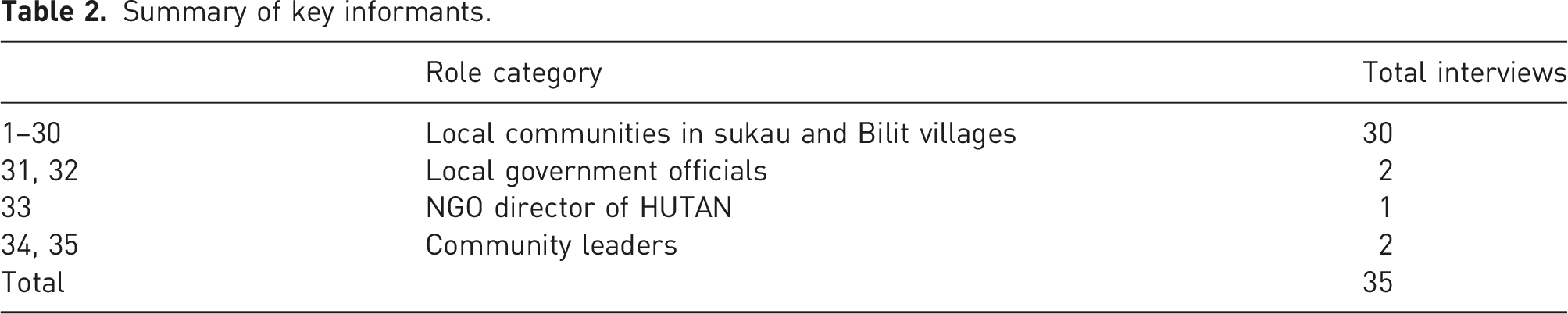
To safeguard the quality of the data, the triangulation technique was adopted to complement different sets of data supplemented by in-depth interviews with key informants, field note from participant observation and available secondary data sources and this allows to boost the generalizability of the research findings. The actual fieldwork was conducted in between 2017 to 2019, in which the researcher stayed in village homestays as a paying guest. Before the actual fieldwork, several preliminary visits were done by the researcher in 2016 in order to build relationships and rapport (Bailey, 2007) with the gatekeepers and CBE project participants in both villages which is important to enhance the quality of data.
Summary of key informants.
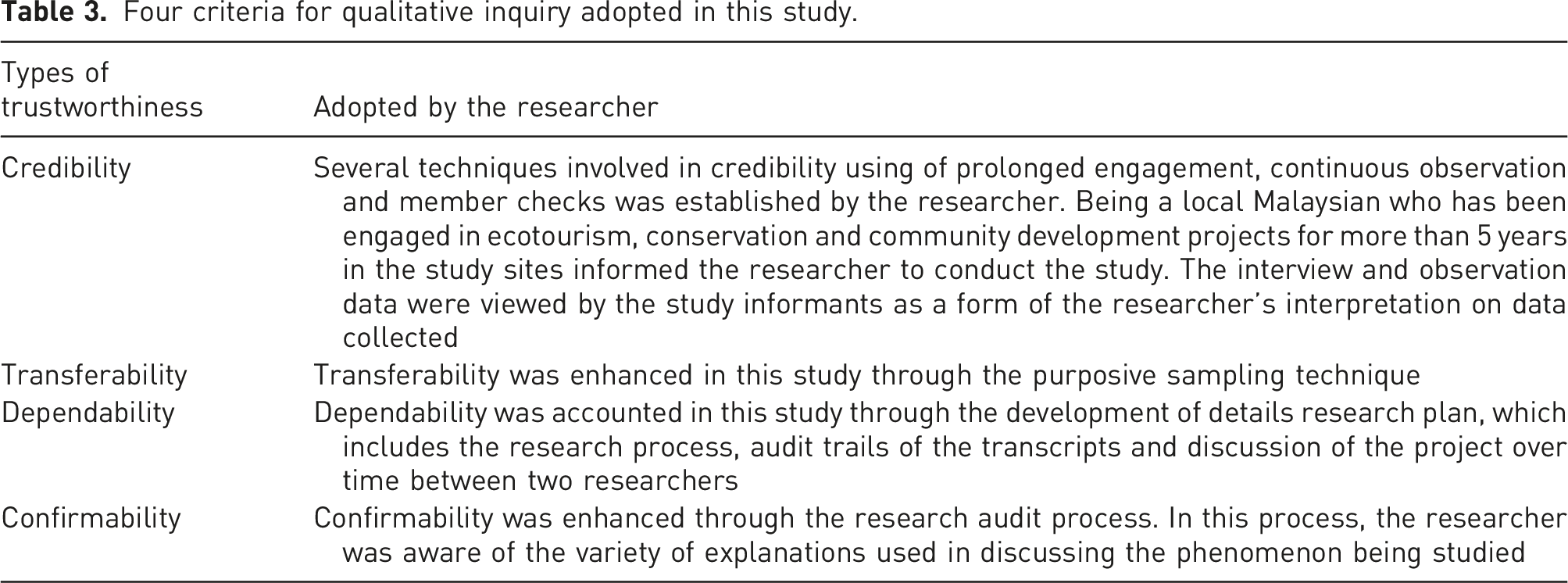
Four criteria for qualitative inquiry adopted in this study.
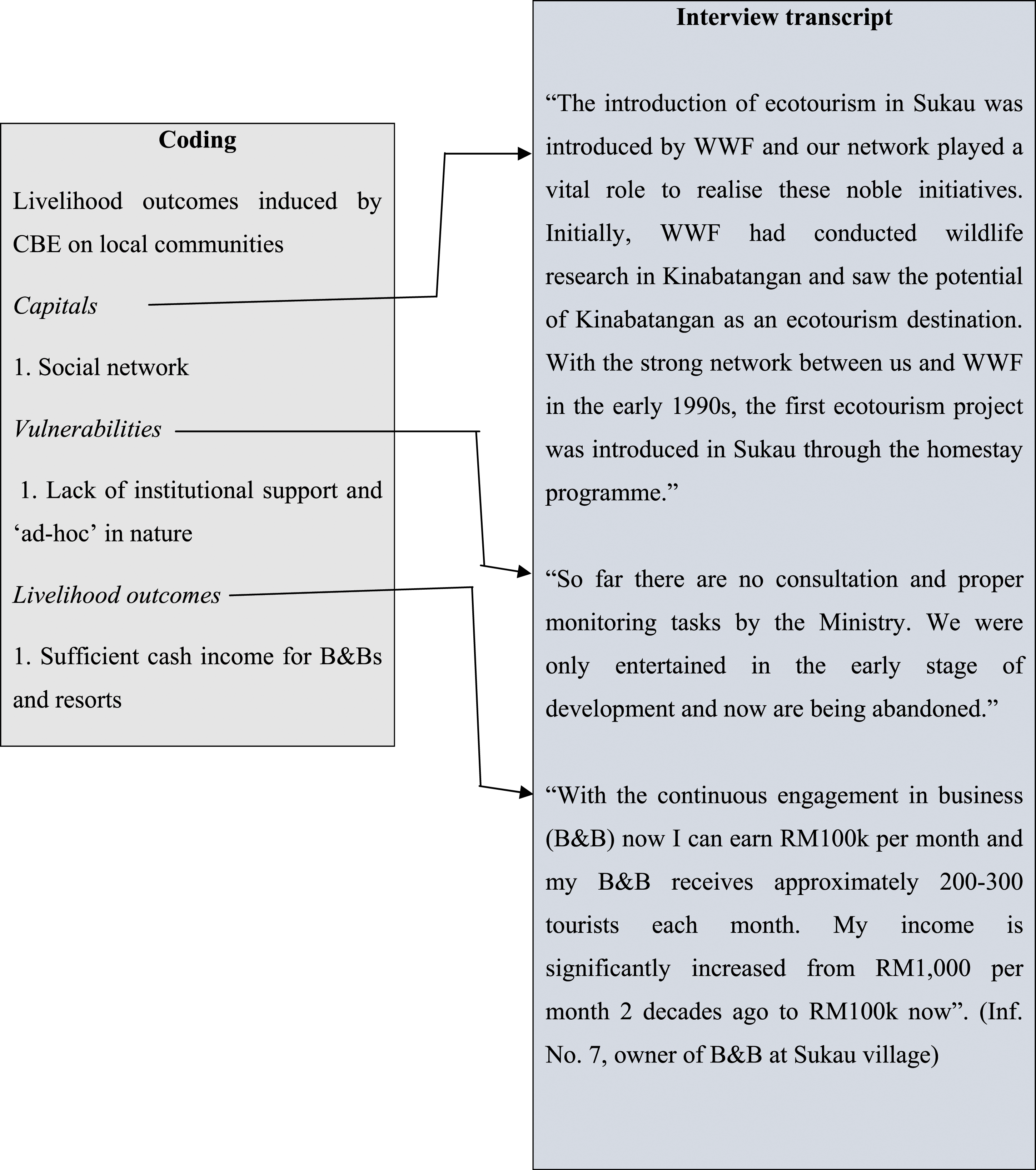
Miles and Huberman (1994) noted qualitative research basically examines the relationships of social issues and interactions in a real life setting and interprets the interviews and observation data thematically which involves qualitative analysis. Accordingly, qualitative thematic analysis techniques were utilized for this study. A similar approach comprising six stages is used in many recent community tourism and CBE studies in developing countries (Kunjuraman and Hussin, 2017; Sood et al., 2017: Kunjuraman, et al., 2022) namely, familiarising the data, generating initial codes, searching for themes, reviewing themes, defining and naming themes and producing the report. This enabled the researcher to identify several themes based on study objectives which is then presented in the findings section (Figures 3 and 4). The researcher manually analysed the qualitative data to establish and protect the authenticity of the data even though there are several qualitative analysis software which are freely available. A thematic framework for this study. Source: Author’s plot, (2019). Source: Author’s plot, (2019). Examples of index (coding) from the interview transcript. Source: Author’s plot, (2019).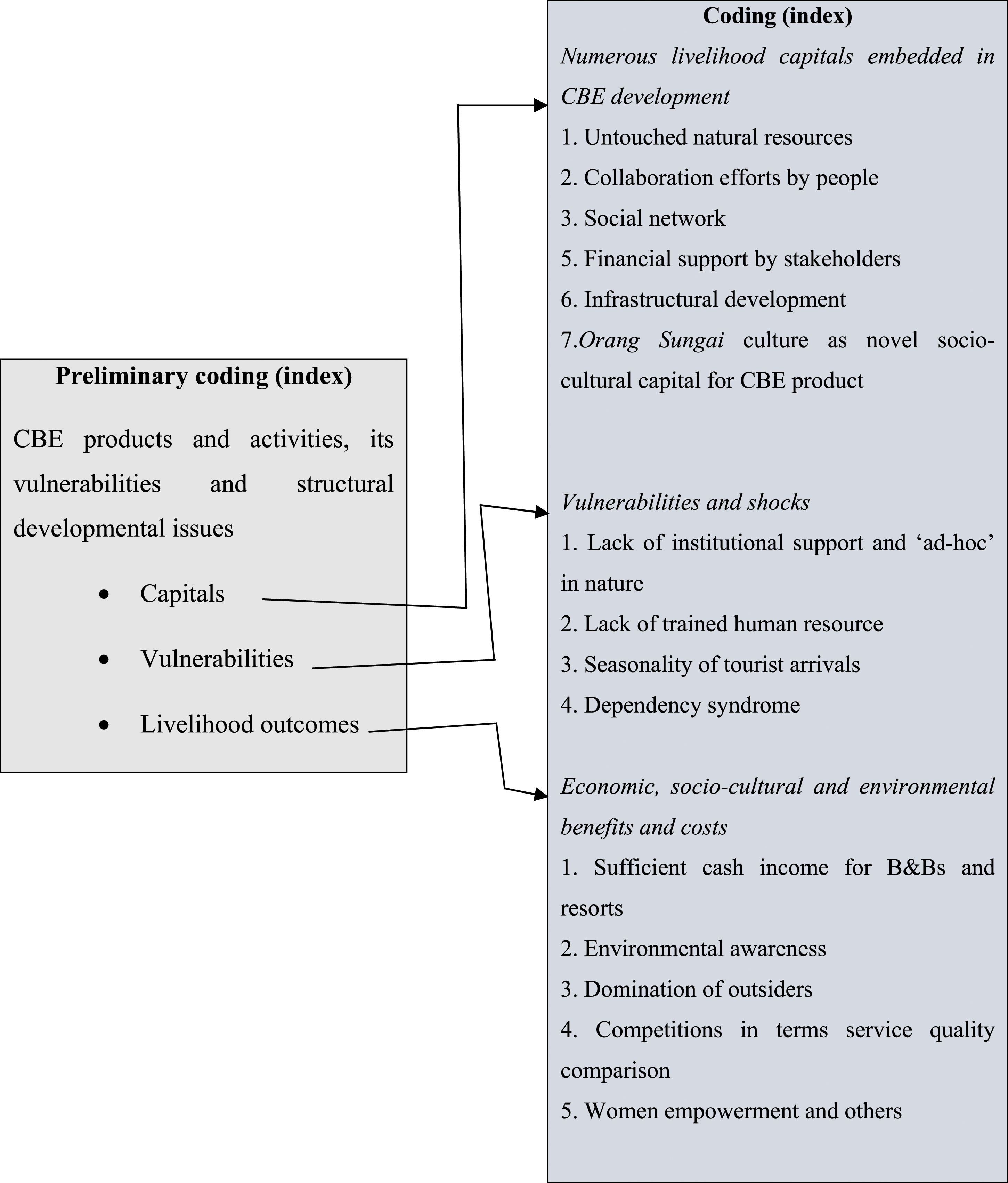
Research findings and discussion
Livelihood capitals, shocks and vulnerability issues and transforming structures
Livelihood capitals embedded in CBE projects in both villages.
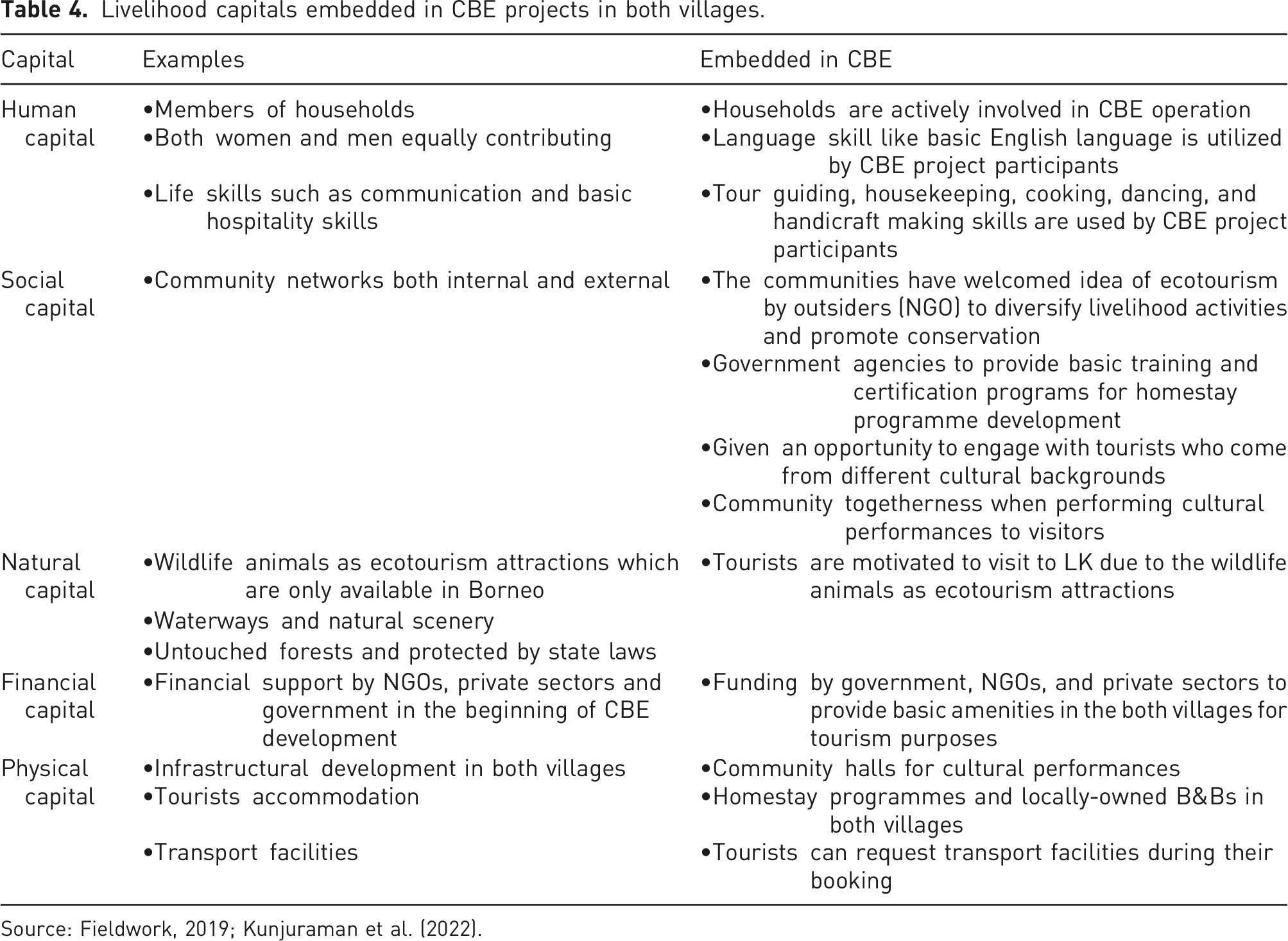
Source: Fieldwork, 2019; Kunjuraman et al. (2022).
Human capital is vital to be acknowledged in CBE projects especially in homestay programmes because it is managed by the ‘whole-of-family’ (Pasanchay and Schott, 2021). Similarly, homestay programmes in both villages are managed by family members as well as close community members. The activities that are devoted in homestay programmes include the receiving of guests, the executing of the homestay activities based on packages offered, housekeeping, cleaning and cooking. The ‘kampung’ (village) style which is embedded in homestay programmes is considered as a main attraction to the visitors to enjoy village stay and activities which are generally culture-based. All these are fully managed by the homestay hosts with the support from the village homestay committee and management. However, the study reveals that the lack of trained human resource (vulnerability) since the beginning of the CBE operation remains till the period of this study. These people do not have high educational attainment and most of the time they learn by doing. The ‘trial and error’ experience is valuable to them and this also applies to homestay programme management. For instance, in the early stages of homestay development, the homestay operators do not know how to welcome the tourists or fulfil their demands and expectations. Realising this, the government agencies and local NGOs have assisted the hosts to provide basic training on hospitality. The informants were assisted by government agencies, Kinabatangan Orangutan Conservation Programme (KOCP) or commonly known as HUTAN and Eco-tourism Co-operative (KOPEL Bhd). In terms of training and hospitality management for the inexperienced homestay operators of Sukau and Bilit. Generally, skill training workshops include the development of homestay committees, basic communication skills training, conservation guidelines and knowledge sharing of experienced homestay operators, men and women alike. The findings of this study are consistent with previous literature that lack of trained human resource has become one of the challenges in CBE operations which may affect the sustainability of the project (Bello et al., 2016; Kunjuraman and Hussin, 2017).
Financial capital is one of the important capitals among the informants because it cushions sudden shocks like seasonality of tourist arrivals. The interview data reveals that at the end of every year the tourist’s arrival to Sukau and Bilit dwindles, thus preventing the hosts from gaining more income. Generally, the two types of main sources with regards to finance are the owners’ own savings and financial support from the external organization like NGOs and private sectors. The informants who own B&Bs and resorts transformed themselves from homestay operators to private ecotourism accommodation providers due to the strong financial savings. This was possible where the arrival of tourists visiting their B&Bs and resorts increased. However, this did not happen to the homestay operators where they still depend on the financial capital resources from the government, private and NGOs. Over-reliance from external funding, particularly from the NGOs, made the homestay hosts less proactive and less independent and this could not guarantee the success of CBT projects in the villages as claimed by Spenceley (2008), Mitchell and Muckosy (2008), Goodwin and Santilli (2009), and Schott and Nhem (2018). In line with SLF, this could be detrimental to the long-term success of CBT projects and can be seen as one of the threats for ecotourism sustainability in the villages.
Other physical capitals like road infrastructure, boat stations and village community halls are equally important for ecotourism operations in both villages. For example, the village community hall in both villages become avenues to perform the tourist welcoming activities which are based on orang sungai culture by the homestay committee members. The observation data reveal that the tourists who stay in B&Bs and resorts are not given such an opportunity because it is not provided by the B&Bs and resorts’ owners. In fact, some tourists requested such activities in their ecotourism packages in the future. Thus, physical capital is pivotal for successful ecotourism operations in both villages.
In line with SLF, social capital in this study was also discovered through the interviews acknowledging the importance of social network as an important source of social capital in CBE establishment. Ecotourism has provided the informants an opportunity to be exposed to other livelihood activities like tourism despite fishing and subsistence farming. The social network between NGOs and government agencies has been strengthened in the beginning of ecotourism establishment and the informants were the pioneers to welcome ecotourism as a livelihood activity. For instance, the forms of social networks can be discovered through regular contact with tourists, fellow homestay hosts, village members, NGOs, private sectors and government officials. The noble idea of ecotourism by NGOs in both villages was well-accepted by the informants to enhance their socio-economic status and welcome the outsiders to enjoy the ‘kampung’ (village) lifestyle. The community leader noted this as: “The introduction of ecotourism in Sukau was introduced by WWF and our network played a vital role to realise these noble initiatives. Initially, WWF had conducted wildlife research in Kinabatangan and saw the potential of Kinabatangan as an ecotourism destination. With the strong network between us and WWF in the early 1990s, the first ecotourism project was introduced in Sukau through the homestay programme.” (Inf. No. 35, community leader Sukau village)
Institutional support from government agencies in terms of certification, basic training and workshops and marketing of CBE are also important forms of social capital for the informants to establish homestays, B&Bs and resorts. However, such assistance is ‘ad hoc’ in nature and considered by the informants as ‘seasonal’ activities. Evidently, an informant claimed that: “So far there are no consultations and proper monitoring tasks by the Ministry. We were only entertained in the early stage of development and now are being abandoned.” (Inf. No. 1, homestay operator at Sukau village)
This led to the homestay operators becoming passive and continuing to depend (dependency syndrome) on the Ministry to receive similar assistance. Moreover, WWF Malaysia’s support for the homestay programme at Sukau also disappeared. It was the researcher’s observation that the unavailability of continued support and consultation from stakeholders along with the limited social transformation gains only demotivates the homestay operators to continue engaging actively in the homestay programmes. Despite this, the importance of social capital in developing tourism businesses with other parties can diversify the distribution channels, namely tour operators (private sectors). This was evident in this study where the B&Bs and resorts owners have a partnership with some travel agencies in Sandakan and Kota Kinabalu to upgrade the ‘visibility’ of their ecotourism services to the tourists. Such awareness (significance of social network) owned by the owners of B&Bs in Sukau provided them with new marketing and communication skills to attract more tourists to the village and has allowed them to receive more income from ecotourism as well as motivate them to be involved with more enthusiasm. Similar findings are found in previous studies by Schott and Nhem (2018) and Pasanchay and Schott (2021) which emphasized the importance of social network to diversify the distribution channels.
Through the primary data collected in this study, it was discovered that local culture known as orang sungai culture became a most fundamental socio-cultural capital to attract the ecotourists in both villages. The interviews indicate that orang sungai culture has been embedded in ecotourism activities mainly in showcasing the cultural activities namely, dancing, singing, cooking and communication with tourists. The performance of activities based on orang sungai culture were highly emphasized by the homestay hosts because it was considered as their pride to preserve their culture through ecotourism. Before the tourists checked into homestays, they were entertained by both the homestay hosts and fellow members of the community through the welcoming dance performed by the young people of both the villages. Such activities make the tourists feel appreciated as well as become a memorable life experience. Moreover, the informants also clarified that the local orang sungai culture has been preserved by the local community through the annual event called ‘Pesta Damas’ an annual cultural event organised by a community organization called as ‘Persatuan Bangsa Sungai Sabah’ (Sabas). This event motivated the Sabas to preserve the orang sungai culture in Sabah and indirectly promote the tourists’ attraction to destinations of Sabah especially Sukau, Bilit, Batu Puteh and Suan Lamba in the Kinabatangan region. Most importantly, this event was supported by the state tourism ministry and Kinabatangan district office. Thus, it can be concluded that socio-cultural capital based on orang sungai culture served as pivotal ecotourism attractions in CBE projects in both villages, which is acknowledged as a novel capital source in the revised SLF framework in this study.
Livelihood outcomes of CBE to local communities
The study discovered that CBE has delivered several positive outcomes to the informants to enhance their livelihoods. In fact, several costs which could jeopardize the sustainability of CBE are also identified. In the context of economy, the informants acknowledged that CBE projects namely homestays, B&Bs and resorts provide a significant value of cash income rather than depending on fishing as recalled by the informants. Although the informants claimed that income earned from the CBE operation is significant for their motivation to future participation, it generally depends on the arrivals of the tourists. For instance, an informant shared his view: “I would say that the arrival of tourists to the homestay is on a seasonal basis [vulnerabilities]. Sometimes, the arrival of tourists to the homestay in the early years increases and sometimes it is low. This directly affects the homestay operators’ income generation from the homestay.” (Inf. No. 3, homestay operator at Sukau village)
The similar point was further claimed by the other homestay hosts where the cash income may be limited if no tourists visited their homestays. This scenario was well-understood by the informants because it is out of their control (shocks). Comparing the profit from ecotourism, the study found that B&Bs and resort owners have received sufficient cash income as compared to fellow homestay hosts. Evidently, one of the comments is as follows: “With the continuous engagement in business (B&B) now I can earn RM100k per month and my B&B receives approximately 200–300 tourists each month. My income has significantly increased from RM1,000 per month 2 decades ago to RM100k now”. (Inf. No. 7, owner of B&B at Sukau village)
This is possible due to several reasons such as a higher number of rooms (see Figure 5), service quality attributes and impressive and reasonable packages. This continued engagement in the ecotourism business since the beginning has yielded positive outcomes in the economic aspect. On the other hand, the homestay hosts are trying their best to solve their shortcomings (poor hospitality management, homestay maintenance and ICT skills) in their homestay operation and are still finding appropriate ways. Although the homestay hosts earned less profits from homestays, they used such profits to enhance their physical features of their homestays such as landscape, homestay maintenance, household expenses and education. An informant reveals that the profits of homestay was used to build a new homestay (see Figure 6) and he credited the ecotourism by noting: “See this house [currently the informant is living with his family] is from ecotourism, I am glad that I own a new house now.” (Inf. No. 3, homestay operator at Sukau village) A successful locally owned B&B business. Source: Fieldwork, 2019. Transformation of asset through ecotourism. Source: Fieldwork, 2020.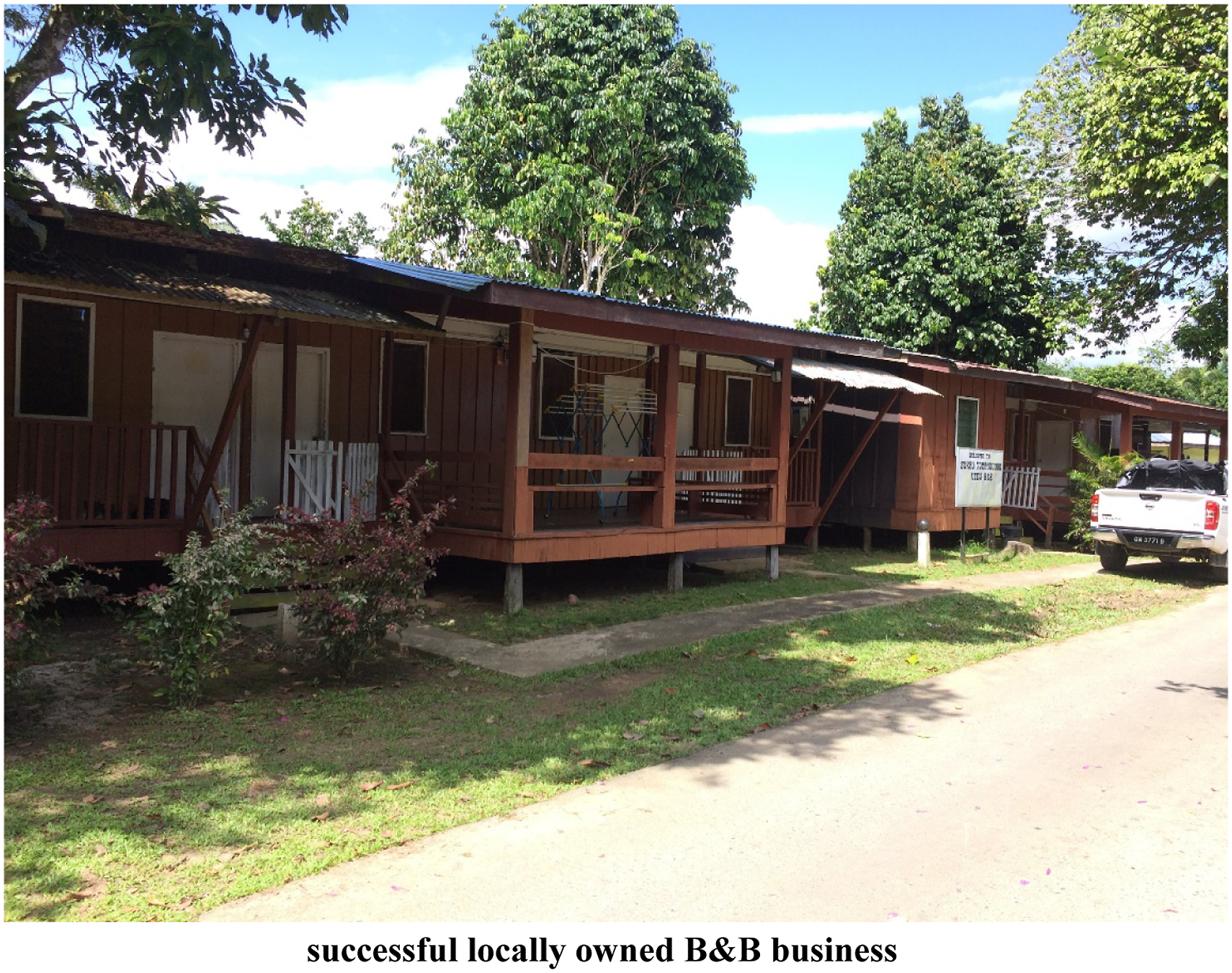
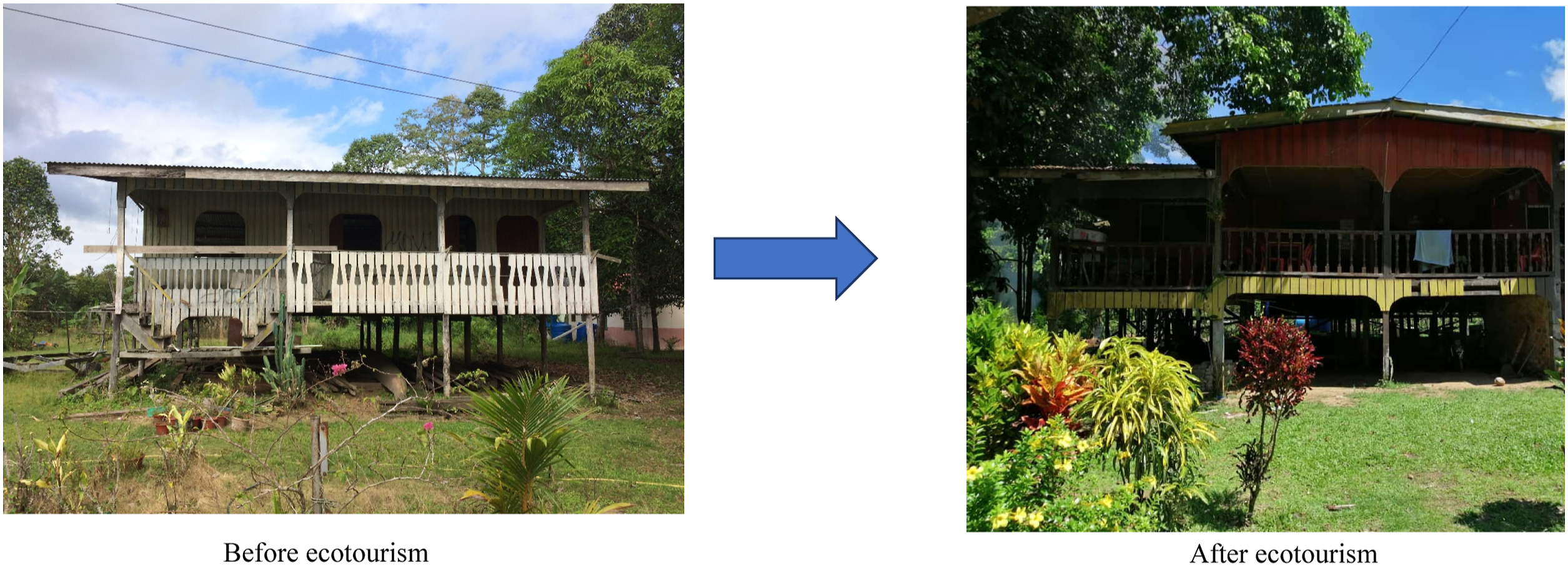
The engagement of local communities in ecotourism has been appreciated by the NGO director and motivated him to seek other alternative livelihood activities “as a means for communities to get income and [become] involved”. The similar evidence is also reflected in other CBE homestay studies (Bhalla, et al., 2016; Kunjuraman, 2020; Pasanchay and Schott, 2021) where CBE has become a source of cash income to local communities.
The livelihood outcome of CBE with regards to women empowerment was also identified in this study as gender relations have greatly improved since the beginning of the CBE establishment. The women in both villages are given equal opportunity in managing the CBE in several issues namely, hospitality, decision making process and execution of activities. The common activities are predominantly managed by the women in CBE which includes performing traditional cooking, dances, playing music instruments, providing inputs for management, and maintenance. Their contributions are highly acknowledged by the male informants in this study. Gender issues in tourism is the most debated topic and global agenda, like SDG 5 (gender equality), recognises the contribution of women to local development. This study is aligned with SDG 5 vision where the women in CBE in the study sites are the pillar of CBE sustainability. Not surprisingly, several previous studies are echoed in this finding claiming ecotourism as an agent of change (Pasanchay and Schott, 2021) but also as an empowerment tool to the whole community (Acharya and Halpenny, 2013; Kunjuraman, 2020). In terms of socio-cultural context, the study’s informants highlighted CBE outcome as a cultural revitalisation tool for orang sungai culture and enhancement feature for the sustainability of the projects. As noted earlier, orang sungai culture was embedded in CBE projects mainly in homestay programmes to attract the tourists. However, the study also emphasized the authenticity of culture which was promoted through ecotourism. The informants reveal that the authenticity of the local culture was considered as a fundamental issue and it was not overused or over commercialised. Such agreement was discussed in the homestay meeting and they hope ecotourism may be a tool for preserving the local culture and being appreciated by the tourists. This aligns with studies in developing nations by Shukor et al., (2014) and Pasanchay and Schott, (2021) acknowledged that homestay programmes become an avenue to preserve the local culture by fostering skills to maintain the cultural heritage, while also being a mechanism to teach the importance of cultural skills to the young generation.
Another outcome which was discovered in this study is the awareness towards environmental protection and conservation efforts by the informants. Before ecotourism was introduced in LK, logging was a popular economic activity where the environment faced major threats. The importance of the environment to the local people and the state was not fully understood by the local communities in the early 1970s. This was because the local communities were not aware of how to promote the environment and its resources for tourism purposes. Almost all the informants in this study mentioned the need to be made aware of the potential of LK as an ecotourism destination in the world. The informants agreed that ecotourism projects cannot operate without protecting the environment and its natural resources such as undisturbed forests, wildlife animals, and riverine areas. Furthermore, the rich natural resources and its clean environment in the LK has become a motivator and has created interest to one informant to participate in ecotourism through a B&B in Sukau. He said: “The interest to engage in ecotourism came from the environmental surrounding in my village where it is famous for proboscis monkeys and Sukau has been named as a ‘green village’ by the villagers here. The green scenario in Sukau is still conserved and a lot of animals available here are not available in other countries. For instance, proboscis monkeys and its population is higher in our village. On the other hand, ‘Sungai Menanggol’ became the first spot where a lot of proboscis monkeys can be seen and commercialised.” (Inf. No. 7, owner of B&B at Sukau)
After two decades, the local community in Sukau and Bilit have successfully gained a social transformation of their mindset about the real objective of ecotourism. It is true that a local community needs some time to ‘digest’ the vision brought by outsiders to the village, especially, in this context, the role of the NGOs, namely WWF and HUTAN. Through the involvement in ecotourism activities, the informants agreed that the changes happened in their mindset where the natural resources available in the village and surrounding LK was important for their livelihoods and should be protected and conserved. The findings of this study are consistent with studies by Zambrano et al. (2010) and Anup et al. (2015) whereby ecotourism encouraged the local community to protect the surrounding environment and promote environmental conservation efforts.
Nevertheless, the interviews also revealed a range of negative outcomes or costs perceived by the informants in their CBE operation which lead to unsustainable tourism development although several positive outcomes of CBE to local communities in study sites are discovered. These negative costs are discussed in this study in two milieus: the domination of outsiders in venturing in CBE projects and competitions in quality service provided by the CBE operators in both villages. CBE establishments in both villages are predominantly owned by the outsiders rather than native people. Several reasons why outsiders are keen to be involved in ecotourism business in the LK region are, the untouched natural resources as ecotourism attractions, easy access to villages, proper infrastructures, support to local government as investment purposes. All these reasons were revealed by the informants which indirectly creates competitions to native ecotourism accommodation providers. Currently, CBE projects in both villages belong to non-native outsiders who grabbed the opportunities in ecotourism business which is supposed to be grabbed by the native people. However, the informants also agreed that some fellow community members could not afford to venture into the ecotourism business due to financial issues and other paid labour in nearby plantations. Evidently, an informant noted that “In the early years, the government agencies [MOTAC] and NGOs started to deliver awareness talks on ecotourism in the village. At that time, several households were interested in participating in ecotourism projects and some were not interested in participating due to financial issues.” (Inf. No. 17, homestay operator at Bilit village)
As a result, the involvement of fellow members of the communities was passive due to their limited capacity to establish CBE projects. It is generally true that some amount of capital is needed to establish CBE projects to provide quality experience to the visitors. The lack of financial capacity among the community members somehow became an ‘advantage’ to the outside investors to grab the opportunity to invest in ecotourism business in the LK region which is clearly evident in this study. Day by day there are new investors who are coming in to invest in the LK region. This may potentially inhibit the native to establish their own ecotourism business as all ecotourism spaces or spots are already occupied by the non-natives. This jeopardizing of the locals’ control on resources is a serious issue identified in this study.
Through the SLF analysis, the informants also perceived that ecotourism in both villages creates competitions in quality service provided by the CBE operators in both villages. Generally, both homestay hosts and B&Bs owners in both villages offered the services like accommodation, activities and daily meals. However, the B&Bs owners offered western styled accommodation services and transportation facilities which became a value added to attract more tourists compared to homestays. The transportation facilities provided by the B&Bs owners in both villages ease the tourists’ arrival to the villages, and limit hassles. Upon booking, the tourists can request the transportation facilities along with the ecotourism packages offered by the B&Bs owners. Thus, the competitions on service quality dimension in ecotourism operations take place in both villages between homestay hosts and B&Bs owners and this may affect the bonding of community members. Nevertheless, the informants especially the homestay hosts were not envious of their fellow ecotourism providers because it is their individual efforts to enhance the ecotourism management. The observation data also similarly reveal that the homestays in both villages need some improvement in terms of facilities and the informants are optimistic to take appropriate actions. This particular finding which shows that the informants are not particularly envious of others’ achievement in ecotourism business is acknowledged in this study as a novel finding where the value of ecotourism is understood by the informants in the study sites. Moreover, this finding did not support the findings by Pasanchay and Schott (2021) documenting that ecotourism-based homestay programmes delivered a sense of jealousy over the economic income generated by the homestay hosts as community-focused concerns in Laos.
Implications and conclusion
The study critically examines the livelihood impacts brought by CBE on local communities in the context of developing countries using an analytical framework of SLF. Evidently, the CBE projects in both villages delivered many positive impacts as well as costs on local communities who have been engaging actively for decades. It was observed that the support to embrace ecotourism as a livelihood activity was acknowledged in this study but at the same time this study also alerted that the identified costs may jeopardize the sustainability of the CBE projects. The potential of CBE as a community and rural development tool also may be affected if the costs are not properly managed and solved.
The study adopted the SLF (DFID, 1999) as a critical and holistic framework to assess the capacity of ecotourism as a livelihood approach among communities in rural destinations in Sabah, Malaysia. All the components in SLF were critically evaluated from the lens of communities who are involved in CBE projects in both villages. SLF has provided a meaningful investigation to examine the capitals, and livelihood outcomes received by the rural communities in CBE operation in Malaysia (Kunjuraman, 2020). The utility of the SLF is evident to examine the impacts of tourism on rural community (Su et al., 2016) and non-tourism activity which impacts on rural communities (Sati and Vangchhia, 2017) however, the application of SLF in ecotourism with focus given to CBE was limited in the previous literature except the recent study by Pasanchay and Schott, (2021) in Laos. However, such study did not propose a revised SLF which may potentially serve as a reference to future researchers in ecotourism and community development fields. To fill such a gap, the current study has revised the SLF in ecotourism research with the novel addition of socio-cultural capital emerging from this study (see Figure 7). The socio-cultural capital in SLF is timely to be included because such a cultural element was considered as crucial livelihood capital for CBE operation. In the context of ecotourism, the socio-cultural element was naturally embedded in many forms in ecotourism operation (Kunjuraman, 2020b) in rural areas especially the socio-cultural events like dancing, cooking and singing. The absence of socio-cultural capital in early SLF proposed by DFID allows this research to contribute to the current body of knowledge. The current study significantly highlights that the socio-cultural element in SLF is acknowledged in ecotourism research (Kunjuraman, 2020; Pasanchay and Schott, 2021) due to its significance and preservation for future generations. The importance of socio-cultural capital being added into SLF will provide a holistic examination on the role of culture as a tourism product and community impact by tourism, and their relationships to secure livelihoods in rural destinations. A revised SLF for CBE development. Source: Fieldwork, 2019.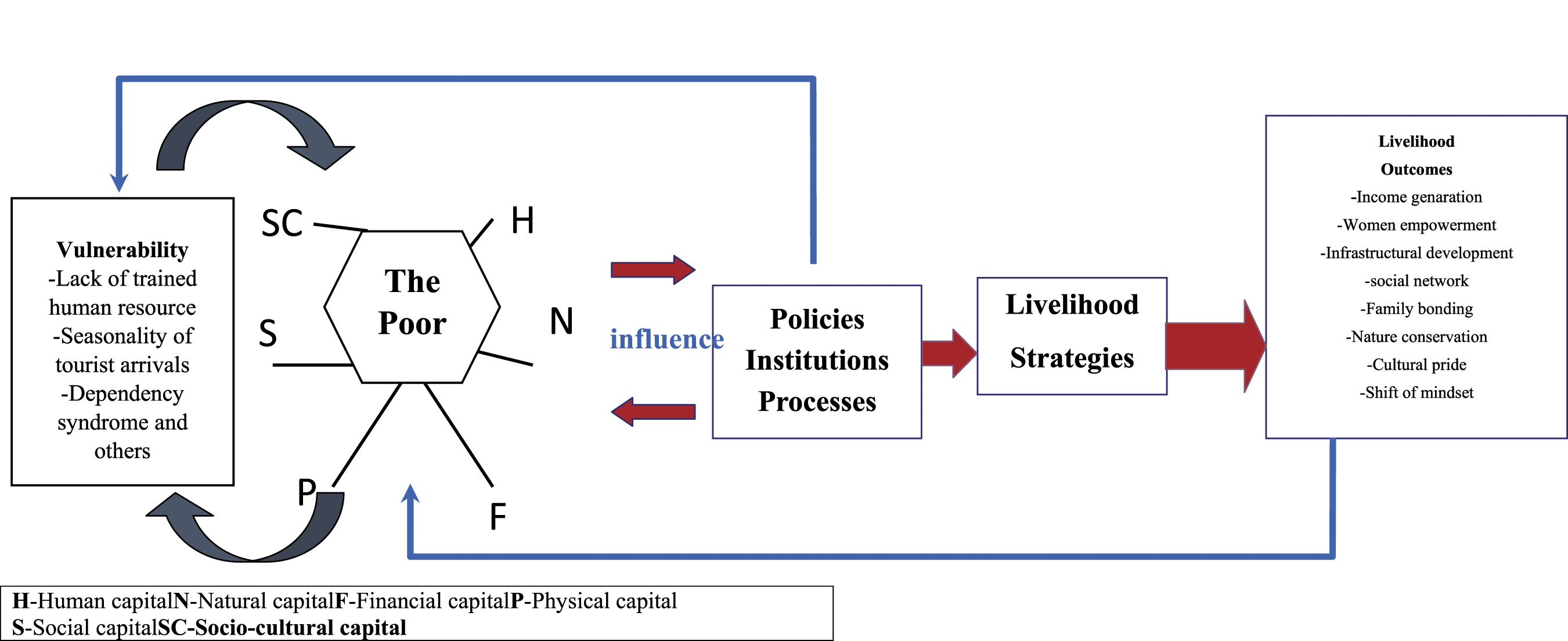
The findings of this study provide empirical evidence to the ecotourism and community development literature that the local community participation in ecotourism is imminent and delivers multiple benefits as well as costs in the context of developing countries. This expanded the body of knowledge on CBE and local community development through ecotourism. Moreover, the study also contributes to SDGs progress in the context of developing countries. Case studies from Malaysia provides an interesting finding to what extent ecotourism has been considered as a livelihood approach by the local communities in rural areas. On the other hand, the study also reported its significance in methodological aspects, especially highlighting an alternative approach in ecotourism studies which seeks the communities’ perspectives and aspirations in ecotourism development.
Several practical implications have emerged from this study mainly focusing on the current tourism policies and tourism stakeholders’ practical involvement in ecotourism development. The study elucidates some progress towards National Ecotourism Plan (2016–2025) and National Tourism Policy (2020–2030) which highlights the potential of Sabah as a famous ecotourism destination in Malaysia. Moreover, the policy makers can learn the importance of community participation in ecotourism development in rural areas of Sabah and include them in their future ecotourism planning avenues. The collaboration and local wisdom of local communities in ecotourism may benefit the policy makers to formulate more meaningful policies to the region. The promotion of ecotourism through such policies is evident and this study calls for community development issues which should be included in those policies. However, the findings also recommend that the National Tourism Policy (2020–2030) needs to be revised in future with emphasis on the local community participation in ecotourism. Currently, less focus was given to the local community participation in those policies and future revision should provide some control to the local community in policy making strategies.
The study revealed that the homestays hosts are lacking in terms of hospitality management, homestay maintenance and ICT skills to remain competitive in the ecotourism market in the LK region. Thus, it is recommended that the tourism stakeholders especially the government agencies may consider activating some capacity building programmes to enhance their practical skills. Though similar programmes were organised by both the NGOs and government agencies in the beginning of the ecotourism establishment in both villages two decades ago, they were largely ad-hoc in nature and less effective. The homestay hosts also doubt the seriousness of the government as a development agent to assist the local community to break the poverty line in the both villages. This is due to the fact that little coordination takes place and there is poor monitoring by the government agencies to check the progress of CBE projects in both villages. The similar problem is also evident in other CBE homestay programmes in the LK region (Kunjuraman and Hussin, 2017). The government agencies involved with CBE projects need to ensure there are systems in place to solve the problems faced by the local communities, or risk losing the trust of the communities, which will in turn affect the sustainability of the ecotourism projects. Moreover, it is timely for more policies related to the local ownership of resources to be considered by the government, as many potential ecotourism spots are occupied by the outsiders and the locals may lose their ownership.
Nonetheless, the study has some limitations. First, this study has conducted two pioneer ecotourism destinations in the LK region, Sabah, Malaysia to examine the capacity of ecotourism as a livelihood approach perceived by the local communities. Other similar ecotourism destinations in the LK region were not included in this study because such destinations are still in the early stages of development and the local community participation is still low. However, it is interesting to perform empirical studies by future researchers to consider other similar ecotourism destinations namely Batu Puteh, Abai, Dagat and several destinations in East Malaysia to examine ecotourism impacts on local communities as livelihood approaches and their challenges in operating CBE. Second, the study presents the views of local communities in Sukau and Bilit villages about the livelihood impacts delivered by ecotourism without considering other ecotourism operation issues such as challenges in ecotourism management, youth involvement for sustainability of the projects, new ecotourism product development and climate change related issues. Future researchers may consider such suggestions to produce interesting findings. Finally, this study calls for a wider adoption of the revised SLF as an analytical lens by future tourism researchers, focusing on other ecotourism destinations managed by the local communities in developing countries.
Footnotes
Acknowledgements
The research was supported by the Universiti Malaysia Sabah and Universiti Malaysia Kelantan. Many thanks to Prof. Rosazman Hussin for his early comments. I also thank the editor Dr Clare and anonymous reviewers for their insightful comments.
Declaration of conflicting interests
The author(s) declared no potential conflicts of interest with respect to the research, authorship, and/or publication of this article.
Funding
The author(s) received no financial support for the research, authorship, and/or publication of this article.
