




Abstract
This article investigates how integration manifests at the micro level by exploring how four newly arrived migrant children are enabled or restricted in their participation in peer play during free play. Based on in-depth analyses of participant observations and video recordings, the authors illustrate how certain participation patterns have the potential to enable peripheral participation in peer play, while others risk leaving these children more or less disconnected from play conducted in the majority language. The authors discuss these patterns from the perspective of integration and problematize children's free choice during play activities in early childhood education and care. The findings imply a need for preschool practitioners to adopt a more active role during free play in order to facilitate children coming together and learning from each other. The article is innovative in the sense that it makes use of integrative perspectives on education and explores a social phenomenon in the context of early childhood education and care.
Introduction
In Sweden, as in many other western societies, early childhood education and care is viewed as a crucial arena for integration, enabling migrant children to learn a new language and develop their overall competencies (Council of the European Union, 2019; Prop. 2021/22:132). This is believed to reduce the risk of migrant children being excluded and counteract societal segregation (Prop. 2021/22:132). However, while the policy emphasizes the role of early childhood education and care in integrating migrant children, little is known about how integration is realized in practice.
This study is part of a larger research project exploring the Swedish preschool as an arena for integration. In this article, we examine the integrative potential of peer play in Swedish preschools based on observations of how four migrant children are enabled or restricted in their participation during free play. This knowledge is crucial, considering that free play, during which children usually choose which peers to play with, and in which language, constitutes more than half of the preschool day in Swedish preschools (Åström, 2023; Puskás and Björk-Willén, 2017).
While research shows that peer play is of vital importance for migrant children's second-language learning and cultural socialization, playing with peers speaking the majority language is challenging for newly arrived children (Blum-Kulka and Gorbatt, 2014; Cekaite and Edvaldsson, 2017; Rydland et al., 2014). Furthermore, it has been shown that migrant children risk being excluded from peer play in the majority language (e.g. Cekaite and Edvaldsson, 2017; Mansikka et al., 2024), and that children with similar linguistic and cultural backgrounds tend to cluster together during free play (Eek-Karlsson and Emilson, 2023; Einarsdottir and Ólafsdóttir, 2019; Puskás and Björk-Willén, 2017).
In this study, the participating migrant children have recently arrived in Sweden and belong to the older age group (four to five) in preschool. Thus, when they join the peer community, their peers have already established linguistic skills and peer-culture norms through prior preschool attendance (Kalkman and Clark, 2017). This may pose challenges for them to participate in peer play as they lack both verbal communication skills in the majority language and familiarity with local peer-culture norms and rules (Kalkman and Clark, 2017; Picchio and Mayer, 2019; Sadownik, 2018). Hence, like other newly arrived children, they go through a process termed a ‘double transition’ on starting preschool because they must adjust to the institutional context as well as a culturally and linguistically unfamiliar environment (Löthman, 2022; Picchio and Mayer, 2019). By tracing the experiences of newly arrived children in preschool, we gain crucial insights into the opportunities and constraints shaping migrant children's participation in peer play. The aim of this article is to enhance understanding of these opportunities and constrains, particularly in the context of language's pivotal role in play at this age. This understanding will contribute to existing literature by shedding light on the potential of early childhood education and care to serve as an integration arena for migrant children who go through a double transition.
Previous research
Research shows that participating in peer play requires complex negotiations among children (Corsaro, 1979; Emilson and Johansson, 2018; Grindheim, 2011). For example, gaining access to play and sustaining play can be complicated because these actions follow intricate routines and rules, which are embedded in peer culture (Corsaro, 1979). Among older preschool children and schoolchildren, research has shown that verbal language is crucial during peer play because it is needed to make play suggestions and respond to peers’ initiatives, position oneself through arguments, and carry out extended play (Cromdal, 2001; Dominguez and Trawick-Smith, 2018; Kyratzis, 2004). In addition, peer play encompasses power relations and social boundaries, and may entail rules about who is to be included, or not, based on factors such as age, gender, friendship, competence, language proficiency and time spent at the preschool (Einarsdottir et al., 2022; Grindheim, 2011; Johansson et al., 2024; Löfdahl and Hägglund, 2006, 2007; Rydland et al., 2014).
For migrant children, language proficiency emerges as particularly crucial. Those with limited proficiency in the majority language encounter challenges in gaining social acceptance and risk occupying subordinate positions within peer groups over the long term (Cekaite and Edvaldsson, 2017; Einarsdottir and Ólafsdóttir, 2023; Kalkman et al., 2017; Rydland et al., 2014; Von Grünigen et al., 2010). Recent studies have confirmed that migrant children's participation in free play is restricted compared to that of their peers with a majority-language background (Dominguez and Trawick-Smith, 2018; Åström and Almqvist, 2022). However, successful non-verbal strategies, such as ‘shadowing’, where a child immediately replicates or imitates another participant's action, can facilitate cooperative play (Björk-Willén, 2008; Dominguez and Trawick-Smith, 2018).
Preschool teachers have been found to play a significant role in encouraging multilingual peer play by actively facilitating interactions and scaffolding play participation (Cekaite and Edvaldsson, 2017; Dominguez and Trawick-Smith, 2018; Rydland et al., 2014; Åström, 2023). At the same time, in Swedish preschools, preschool teachers tend to refrain from interfering in children's play and adopt a ‘support, not to disturb’ (Pramling Samuelsson and Johansson, 2006) or ‘wait and see’ (Johansson, 2004) attitude (see also Pramling et al., 2019; Åström, 2023). These features are seen as reflective of the overarching goals outlined in the Swedish national curriculum, which emphasizes that preschool education should be grounded in children's interests, exploration and interactions with their peers (Broström et al., 2014; Cekaite and Edvaldsson, 2017; Åström, 2023). Consequently, as in many other western countries, free play aligns with the principles of child-centred education, which assert that children's agency and free choice are fundamental to fostering learning and development (Broström et al., 2014; Wood, 2014; Åström, 2023).
Furthermore, Swedish and Nordic research highlights that the use of different languages during play is shown to create dilemmas. Use of their mother tongue among migrant children during play is seen, on the one hand, as a valuable communicative resource (Kultti and Samuelsson, 2014; Rydland et al., 2014), facilitating children's sense of belonging in multilingual peer groups (Eek-Karlsson and Emilson, 2023). On the other hand, the use of different languages during play is shown to create social barriers between children, reducing peer-group integration (Einarsdottir and Ólafsdóttir, 2019) and resulting in the exclusion of peers during play (Mansikka et al., 2024). In addition, it impedes migrant children's second-language acquisition (Cekaite, 2022; Puskás and Björk-Willén, 2017) and their sense of belonging to the broader peer community (Eek-Karlsson and Emilson, 2023). This article contributes to understanding newly arrived children's participation patterns in peer play from an integration perspective, complementing existing research that is primarily framed within language-socialization paradigms.
Theoretical framework
Integration, in this study, refers to a societal state characterized by social cohesion existing alongside room for individual interests and needs (Coser, 1984; Durkheim, 1984; Jacobsson, 2023). Thus, achieving integration entails enabling migrants to participate in society's social and cultural arenas on an equal footing with the rest of the population, thereby accessing society's resources (knowledge, language and values) and contributing to the production of society (Gustavsson and Miller, 2020; Klarenbeek, 2019; Moss, 2007; Penninx, 2019).
One site for migrant children's integration, which occurs through their engagement in everyday preschool practices, is participation in peer cultures, particularly peer play. Play represents the predominant activity within peer cultures, offering children opportunities to be co-creators of their peer community and culture while developing social and linguistic skills (Cekaite and Edvaldsson, 2017; Corsaro and Eder, 1990; Grindheim, 2011).
In the context of this study, integration is operationalized in terms of participation in peer play. The concept of ‘legitimate peripheral participation’ (Lave and Wenger, 1991) is employed to elucidate how newcomers gradually become fully engaged in a community of practice. Communities of practice are groups of individuals engaging in shared practices and using shared repertoires of action and language (Wenger, 1998). Through legitimate peripheral participation, newcomers interact with experienced community members – in this case, newly arrived migrant children with their Swedish-speaking peers in preschool.
According to Lave and Wenger (1991), newcomers must initially engage in peripheral participation before progressing towards deeper involvement. Peripheral participation entails being afforded access to sources for understanding through growing involvement in the practice of interest. This contrasts with situations where individuals are unrelated to ongoing activities. Furthermore, legitimate peripheral participation involves developing forms of membership in the community. This does not imply assimilation into existing social structures and practices, but rather entails changing relationships, where newcomers contribute to defining these relationships. Involvement in a community of practice encompasses both ways of doing and ways of being, where identity, knowing and social membership are interconnected (Lave and Wenger, 1991).
Legitimate peripheral participation includes various, more or less engaged and inclusive ways to be socially located within a community's practices. There is no stable or uniform ‘centre’ that can be identified as an endpoint for peripheral participation. Rather, the location to which peripheral participation leads is named ‘full participation’, which, according to Lave and Wenger (1991: 36–37), considers the continuously changing relationships and forms of membership that exist in differentiated communities. To further clarify the relationship between full and peripheral participation, Lave and Wenger (1991: 37) explain that full participation stands in contrast to only one aspect of the concept of peripherality: ‘It places emphasis on what partial participation is not, or not yet’.
Methodology and settings
This study is based on ethnographic fieldwork (Davis, 2008) during three months of participant observations from October to December 2022 in two preschools situated in a rural area in south-east Sweden. The fieldwork focused on migrant children's participation in Swedish preschool education and was carried out in the Lupinus and Sparrow departments, caring for children aged four to five. Lupinus and Sparrow had a similar composition, each comprising 13–14 Swedish-speaking children and two migrant children from Ukraine.
Adele and Elis attended Lupinus. Elis's mother tongue is Russian and Adele's is Ukrainian. Elis was an outgoing, socially confident child who seemed to be content in the preschool. Unlike Elis, Adele struggled to settle in and, as her mother told the practitioners: ‘She did not want to go to preschool because she could not understand what they were saying’. During the fieldwork, Adele often avoided interactions with her peers and practitioners. This troubled the practitioners, who had tried to bond with her, without succeeding. Eventually, she started to play with Elis in her mother tongue. Boris and Vanja attended Sparrow. Boris's mother tongue is Russian and Vanja's is Ukrainian. During the fieldwork, Boris was an active, self-motivated child who often engaged in playing with artefacts, while Vanja was a cautious girl who primarily sought closeness to the practitioners.
All of the migrant children had started preschool within eight weeks before the fieldwork began. They attended preschool from approximately 8 a.m. to 1 p.m. daily. A typical day in both preschools consisted of free play, fruit time, free play, circle time, lunch, rest and free play. Thus, a considerable proportion of the time the migrant children spent in preschool (approximately three of the five hours) was devoted to free play in both preschools.
Although all of the children and practitioners participated in the study, we paid particular attention to the four migrant children's whereabouts and activities. Consequently, the observations, documented by video recordings and field notes, concentrated on the migrant children's interactions with one another, with their peers and with the practitioners. Our approach to trying to capture how the migrant children participated in preschool activities was to closely observe how they acted and reacted in relation to the activities and participants around them: what they were doing and with whom; what they looked like emotionally; and how this changed across activities. For example, we observed what occupied the children's attention and engaged them, and what made them hesitant or confused, by looking at the ways in which they expressed themselves in terms of body movements and facial expressions. ‘Listening’ to children's embodied expressions in this way provided us with a sense of each child's experience, as well as a sense of what the social surroundings made possible for them (see Clark et al., 2010; Warming, 2010). During free play, the migrant children were predominantly silent and rarely attempted to communicate verbally with either the practitioners or their peers. The exception was when they interacted with each other in their mother tongue.
Ethically, the study received approval from the Swedish Ethical Review Authority (Dnr 2022-03484-01). Information about the study, that participation was voluntary and that the research data would be treated as strictly confidential was provided for both the practitioners and the children's guardians (the migrant children's guardians were informed in Ukrainian or Russian). Written consent was obtained from the participating practitioners and children's guardians. Adele's guardian declined video filming but consented to field-note documentation. The children's consent to observation and filming was continually assessed through interpretation of their signals and body language (Kalkman, 2017; Morrow and Richards, 1996). Pseudonyms were assigned to both preschools and the informants to ensure anonymity.
The data corpus for this article consists of 27 days of field-note observations (41 pages) and 17 hours of video recordings, which have been analysed using a multilayered qualitative content analysis approach (Fazeli et al., 2023), allowing for an exploration of multimodal features (body language, gestures, speech) and the character of the activities or situations.
In the first stage of the analysis, we found that a fruitful way to code units of forms of play was to use some of the categories that appear in the Play Observation Scale, which was designed to assess children's social participation in play (Rubin and Coplan, 1998). These are solitary play (a child is playing apart from other children, centred on their own activity and paying little or no attention to others in the area); parallel play (a child plays alongside or in the company of other children but does not play with their peers); group play (a child plays with others and there is a common goal or purpose to the social activity); onlooking (a child watches the activities of others but does not attempt to enter into an activity); and unoccupied (a child demonstrates a marked absence of focus or intent – e.g. they may wander aimlessly). To these codes we added playing with teachers. The interactions between the newly arrived children and their peers were also coded – for example, instances of initiating or declining play invitations (see Dominguez and Trawick-Smith, 2018).
After coding, we observed significant differences between instances when the migrant children played in their mother tongue and when they played with peers from the majority background. Furthermore, we also noticed that the migrant children made contact with their Swedish-speaking peers more often than the other way round. Additionally, we noted considerable variation in how individual migrant children engaged with majority-background peers, even when their play had initially been coded in the same category.
In the second stage of the analysis, we conducted a more in-depth exploration of these variations. This analysis revealed that some forms of play among the migrant children with majority-background peers – initially categorized as solitary play, parallel play, onlooking or unoccupied play – could be associated with social participation, while others aligned more closely with socially withdrawn behaviour (see Rubin and Coplan, 1998). For example, a child was interpreted as displaying withdrawn behaviour when he was oriented away from his peers, even though he played in proximity to them (typically associated with social participation in parallel play). Lastly, the participation patterns were interpreted in light of Lave and Wenger's (1991) theory of legitimate peripheral participation.
Results
The results highlight the complexities of newly arrived migrant children's participation patterns during free play. Through examples, we illustrate how the four migrant children – Adele, Elis, Vanja and Boris – made use of different strategies and affordances to enter and participate in peer play, depending on which language the play was conducted in. Specifically, we demonstrate how peer play conducted in the majority language – Swedish – and in the children's respective mother tongues resulted in distinct participation patterns. Furthermore, we explore and problematize withdrawn participation in peer play in the majority language.
Full participation in peer play in the mother tongue
From time to time, all four migrant children engaged in play in their mother tongue. Despite Elis and Adele at Lupinus and Boris and Vanja at Sparrow not sharing the same mother tongue (Ukrainian and Russian, respectively), the close proximity of these languages enabled verbal communication between them. During these interactions, the children actively participated in role play or collaborative activities, accompanied by a rich flow of verbal language, exhibiting outgoing behaviour. For instance, as the following video stills show, Boris and Vanja demonstrated extended engagement in peer play, lasting up to 20 minutes, where they seamlessly transitioned between scenarios and activities, expanding their play in various directions.
First, Vanja and Boris engage in play in the kitchen area, starting by cooking food (Figures 1a and 1b) before transitioning to playing with a doll (Figure 1c), which evolves into role play (Figure 1d). Throughout this session, they interact intensely in their mother tongues.
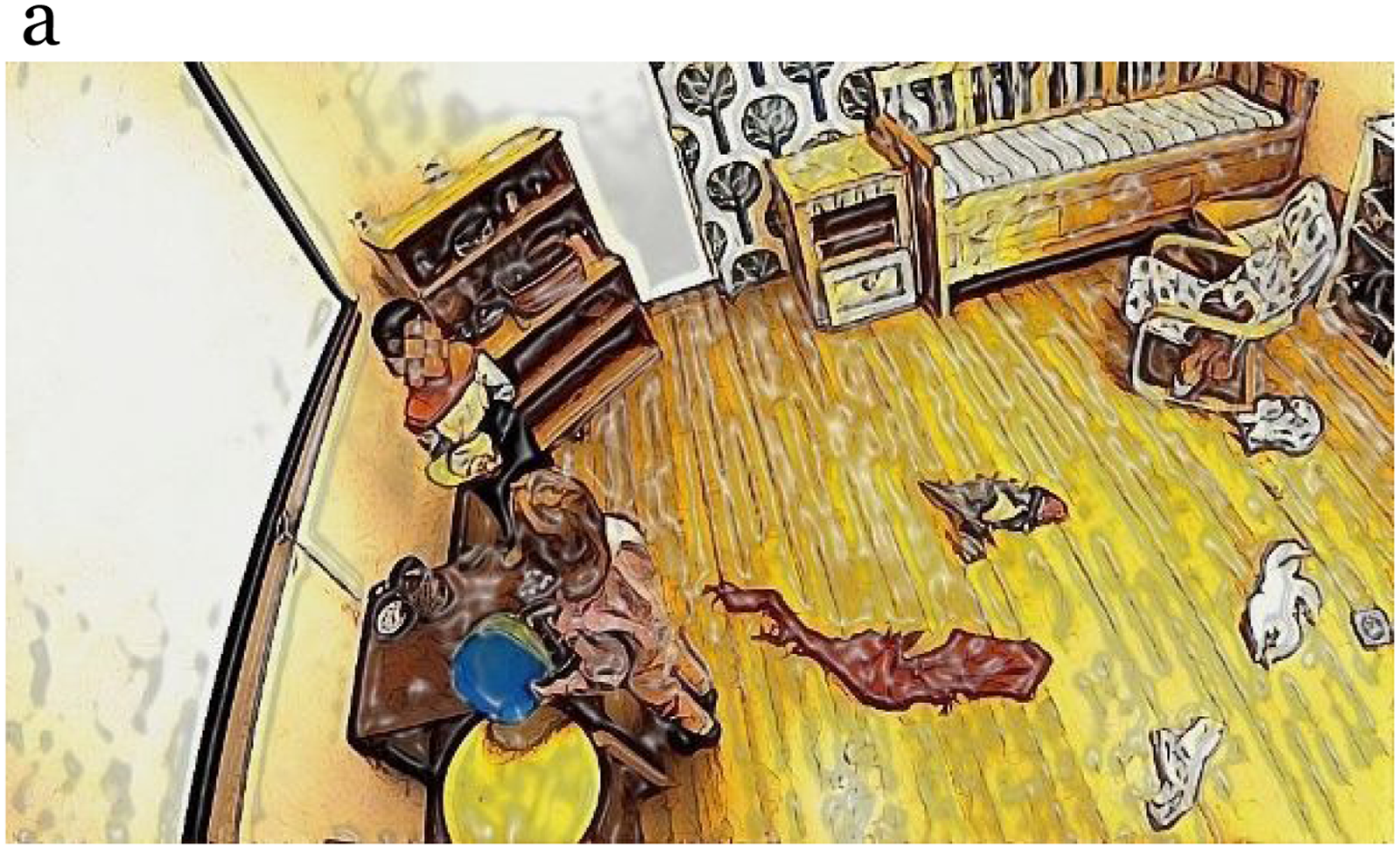
Vanja and Boris playing in the kitchen area and talking in their mother tongues.
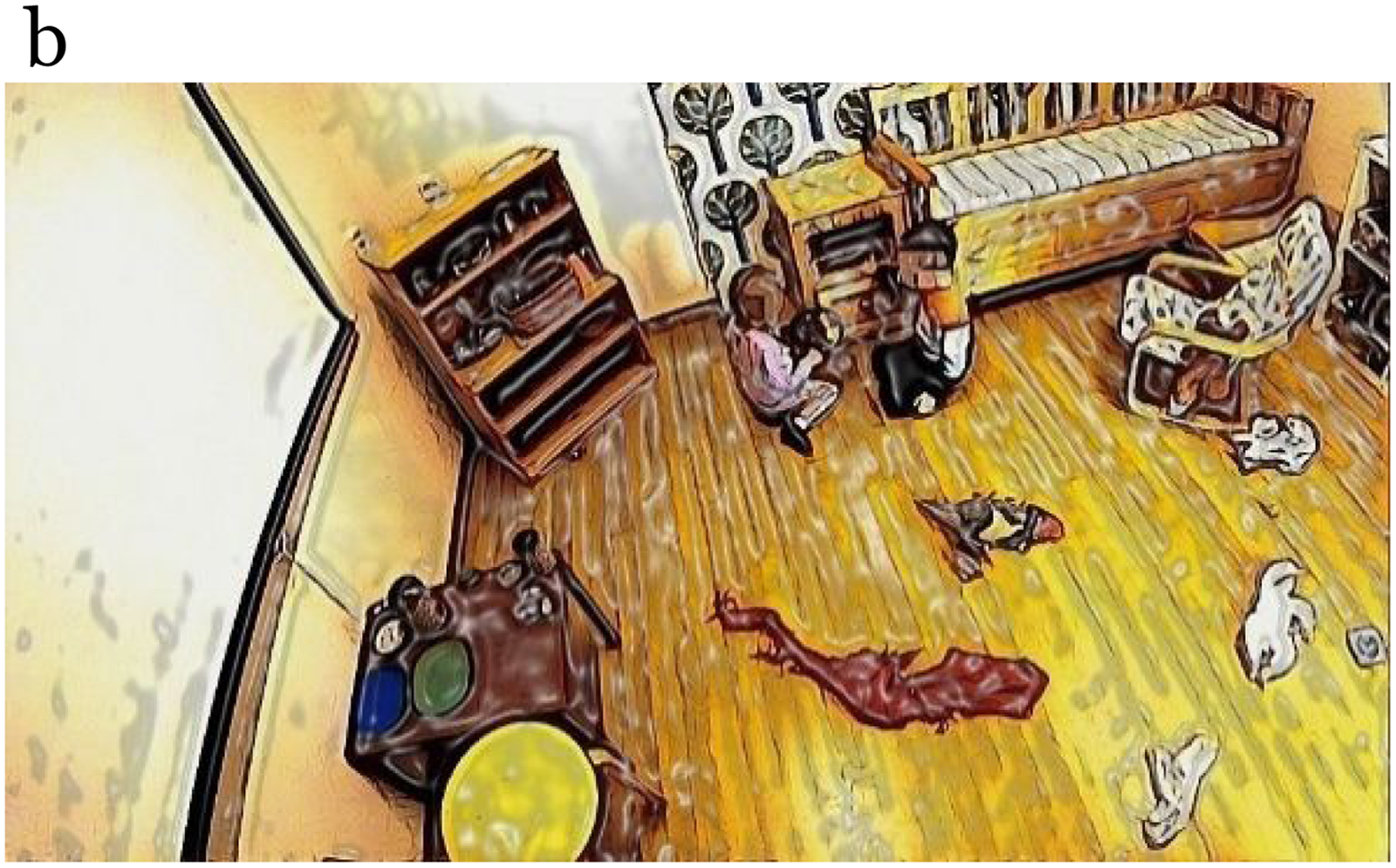
Vanja and Boris playing pretend cooking.
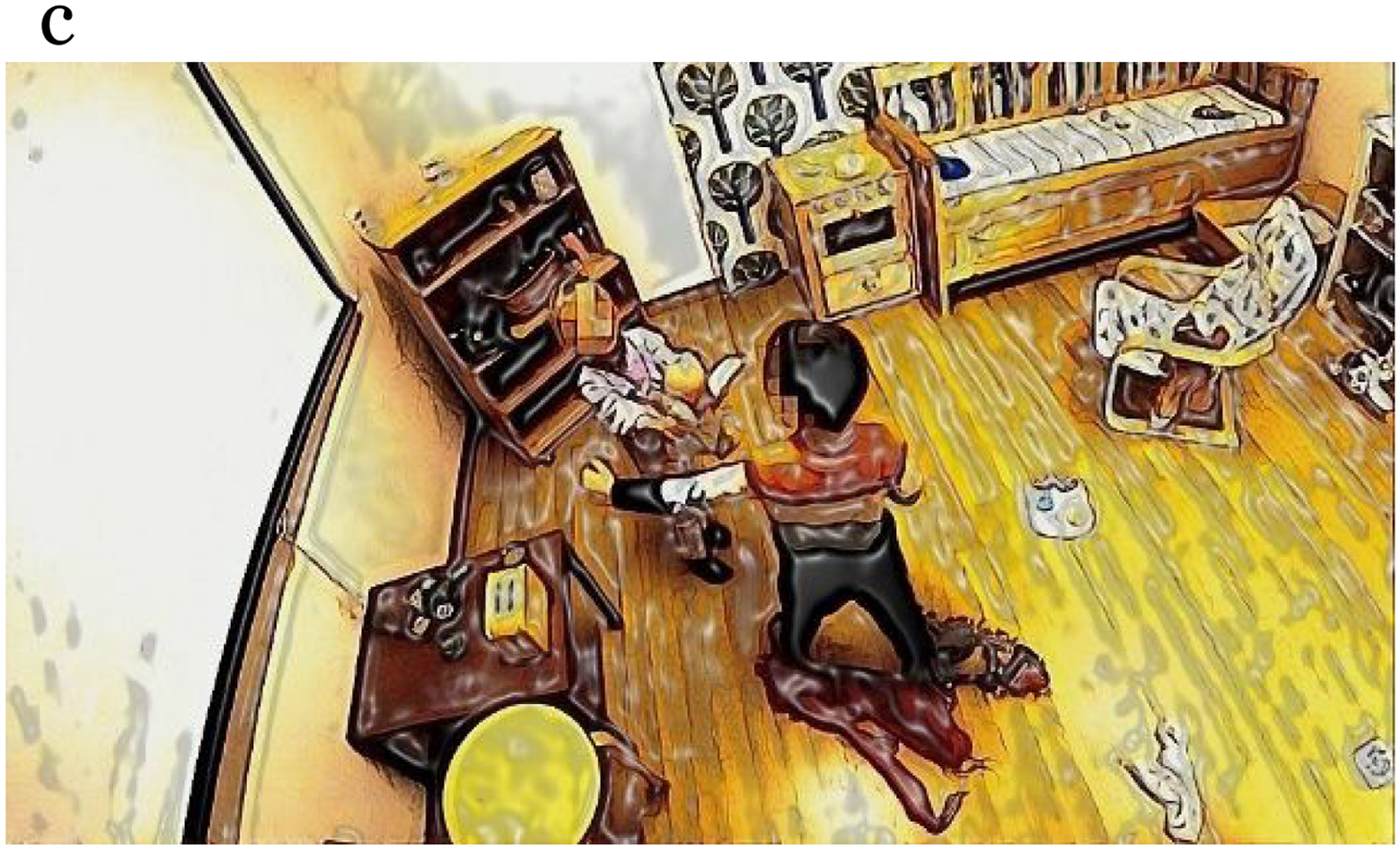
Vanja and Boris' play transitions into playing with a doll.
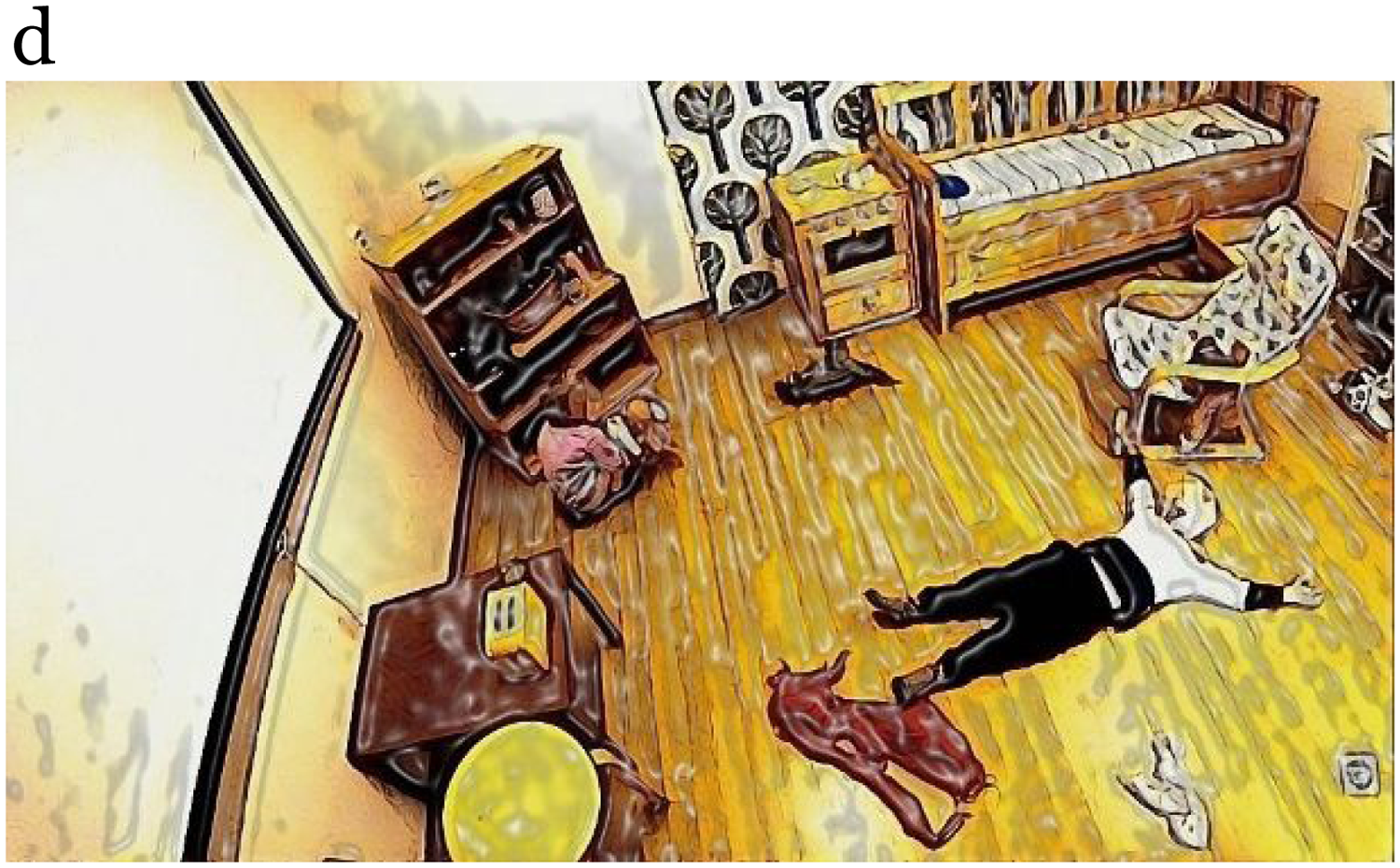
Vanja and Boris' play evolves into role play.
Boris and Vanja exemplify our observations that children at both Sparrow and Lupinus, irrespective of their mother tongue, prefer to engage in role play and various forms of collaborative play, facilitated by verbal communication. This preference aligns with previous research confirming the prevalence of collaborative and role play in this age group, which necessitates complex verbal interactions (Farran and Son-Yarbrough, 2001).
Interestingly, the play in Ukrainian or Russian extended beyond departmental boundaries, as observed during outdoor play in the preschool yard. Boris actively participated in extended collaborative play sessions with Ukrainian children from another department whenever the opportunity arose.
In the preschool yard, the Ukrainian children formed a cohesive group, engaging in lively peer play in their mother tongue. They demonstrated high levels of activity, communication and engagement in various collaborative activities. Their play often occurred in secluded areas of the yard, such as a separate courtyard with a gate, which they frequently closed. The practitioners refrained from intervening in the Ukrainian children's play, and there were no attempts by Swedish-speaking children to join them. During the play sessions in Ukrainian and Russian, Boris and his peers fully engaged in shared language and practices within a distinct peer community, spatially separated from the rest of the peer community.
Figure 2a shows Boris and two of his newly arrived Ukrainian peers playing in a separate play yard, located to the far left of the preschool's outdoor play yard. Figure 2b is taken from the place where the Ukrainian children are playing and shows the distance from the rest of the peer group community.
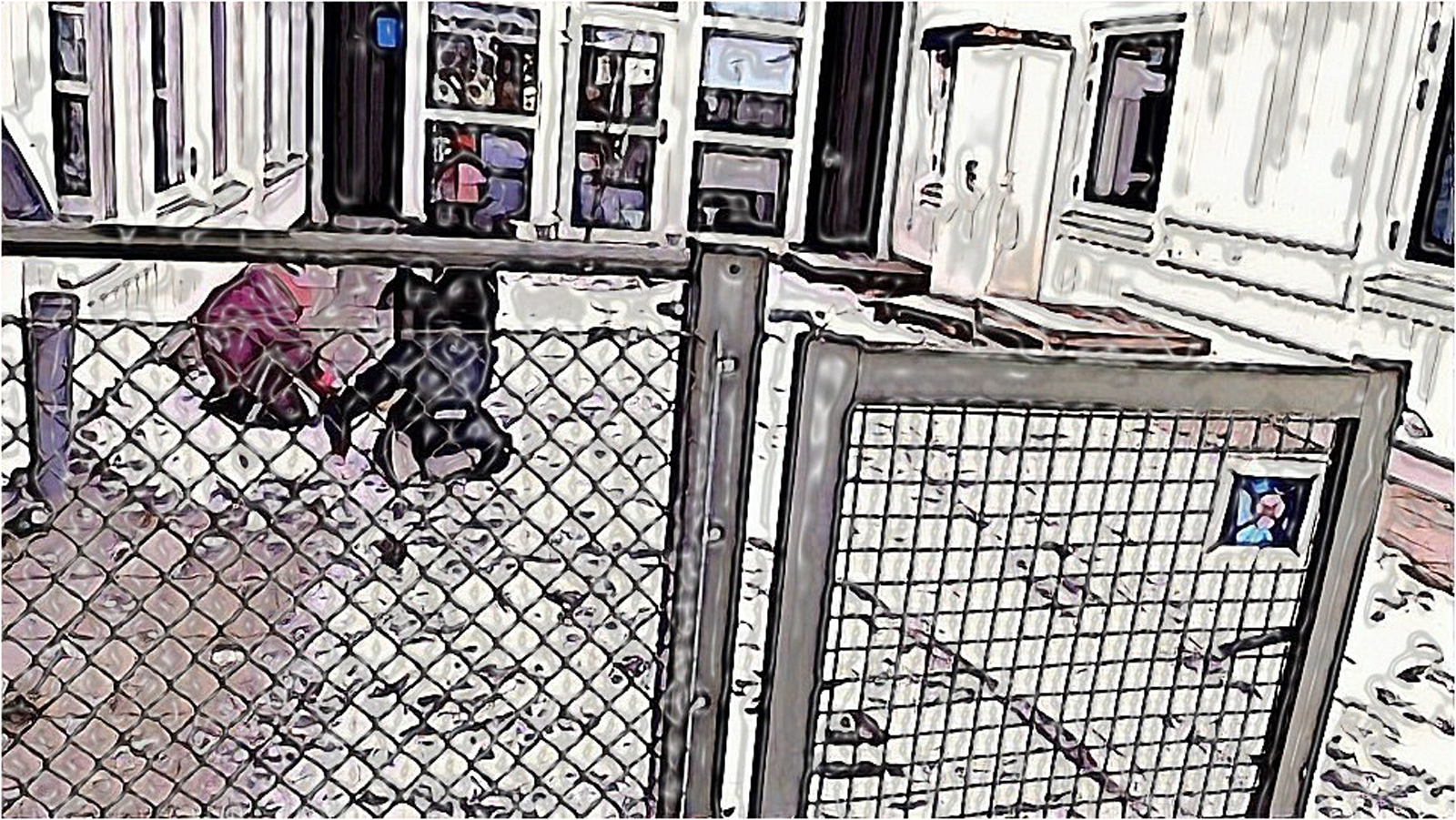
Boris and his Ukrainian peers playing in a separate play yard.
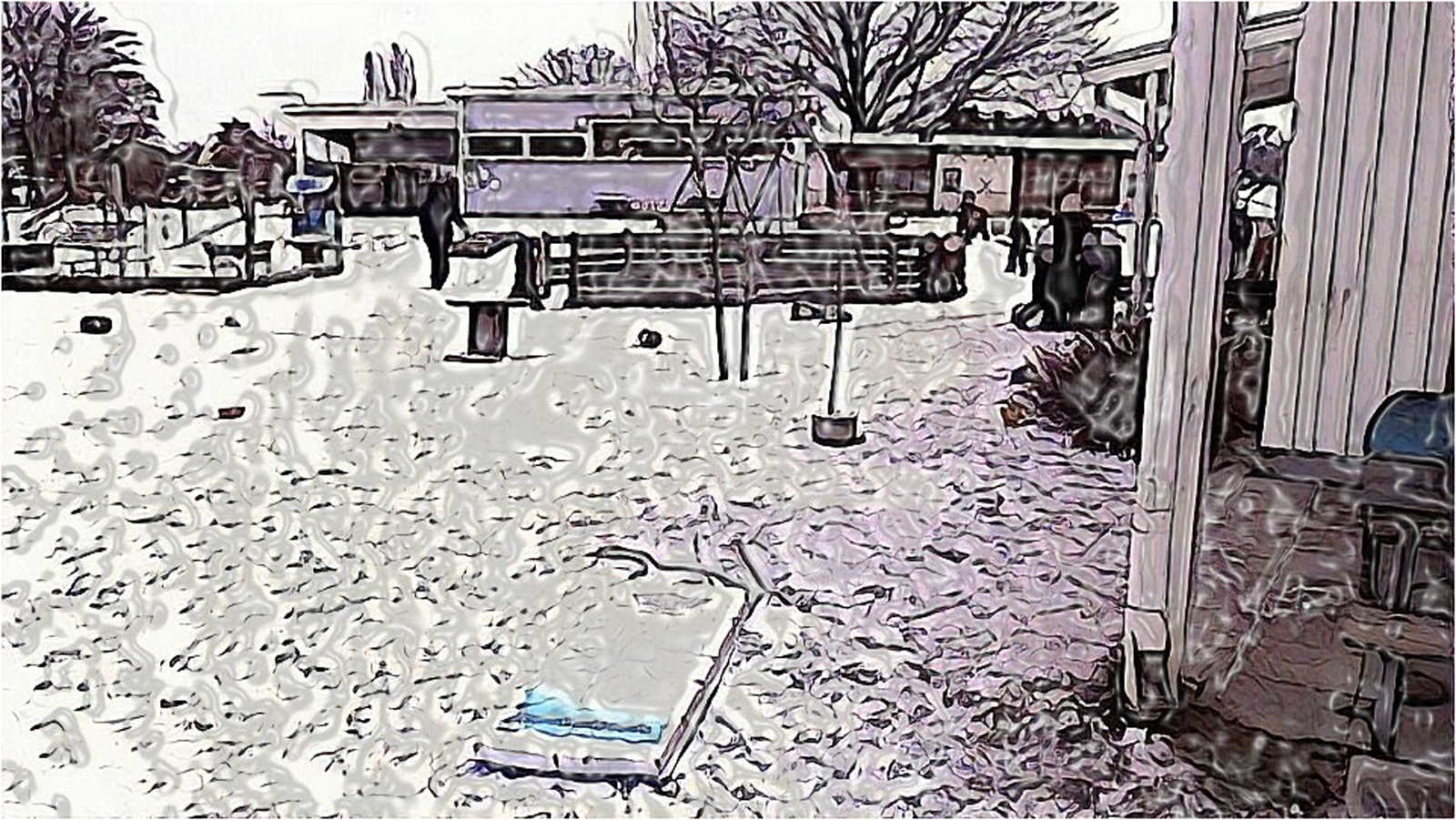
The distance from the seperate play yard to the rest of the peer group community.
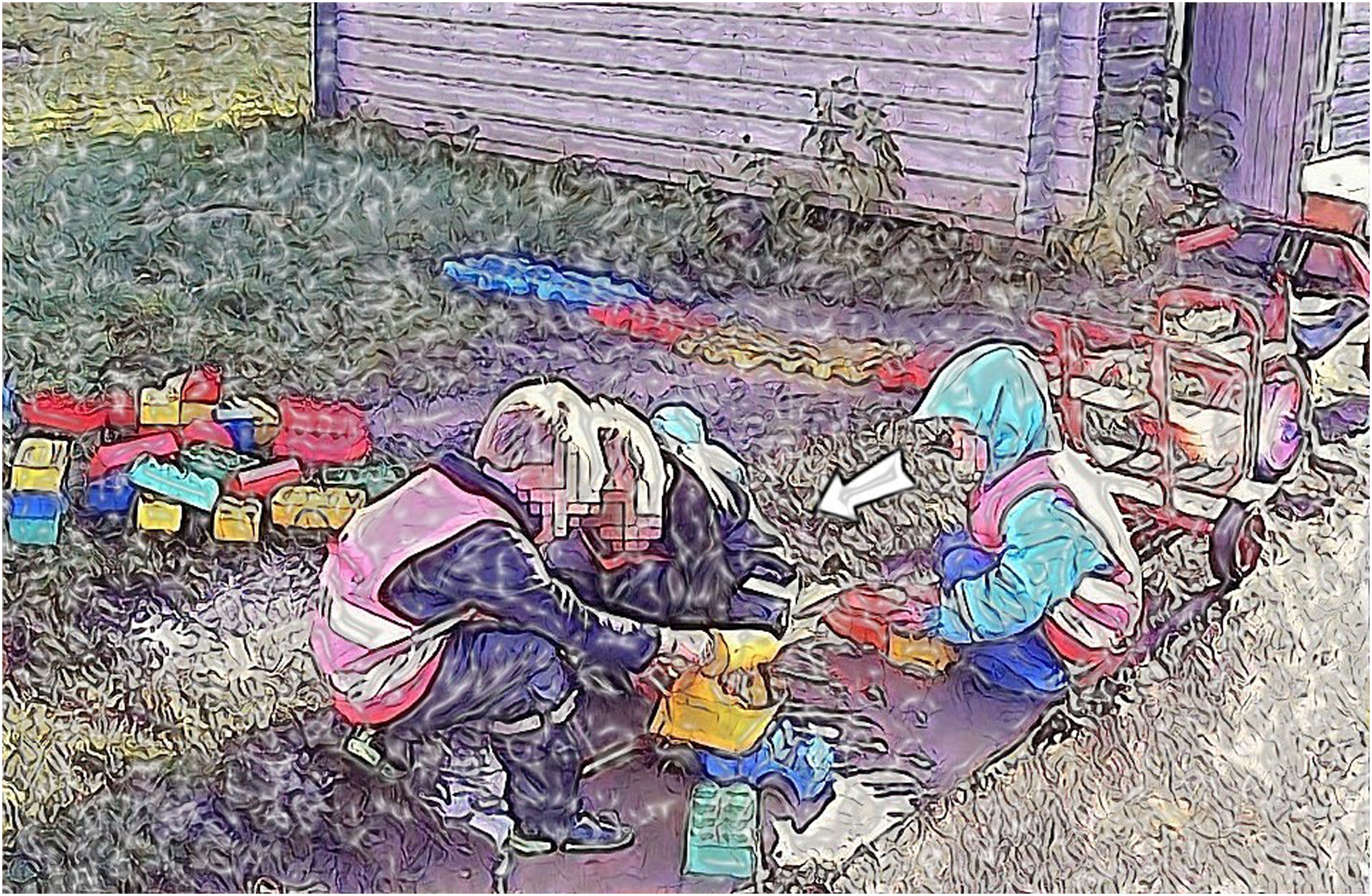
Elis playing in parallel to his peers.
Peripheral participation in peer play in the majority language
Among the four migrant children we observed, Elis demonstrated the strongest orientation towards his peers, speaking the majority language during free play. He actively approached his peers, utilized the same play materials, and mimicked their actions or movements, occasionally engaging in what has been termed ‘shadowing’ in previous research (Björk-Willén, 2008). This form of participation often resulted in Elis playing in parallel to his Swedish-speaking peers – playing next to his peers and using the same materials in a similar manner but without actively collaborating with them (Bakeman and Brownlee, 1980). Figure 3 shows Elis playing with the same materials in a similar way next to his peers. He is looking at his peers, oriented towards what they are doing.
Elis's attempts to initiate play with his peers or join their ongoing play by speaking his mother tongue and gesturing highlight his proactive engagement. Sometimes he succeeded in ‘sizing up’ from parallel play to full play (Bakeman and Brownlee, 1980), although this was typically limited to non-verbal interactions with one peer at a time. In contrast, Elis's attempts to join his peers’ ongoing play were often unsuccessful. One explanation for this could be his unfamiliarity with the play routines within the Swedish-speaking peer community. Elis's eagerness to imitate his peers’ actions sometimes led to him intruding physically into their ongoing play or claiming objects used by others, triggering protests from his peers. These behaviours, identified in previous research as predictors of peer rejection (Corsaro, 1979; Dominguez and Trawick-Smith, 2018), may have stemmed from Elis's lack of familiarity with the shared repertoires of action within the community of practice (Lave and Wenger, 1991).
Furthermore, the analysis reveals the narrow and ambiguous boundaries between playing in parallel to peers and being socially detached from them. Despite playing alongside his Swedish-speaking peers and using similar play materials, Elis could remain socially detached when his peers were fully engaged in verbally coordinating their play in Swedish. The lack of intersubjectivity became apparent when Elis failed to follow his peers’ lead as they extended their play or changed its direction. For instance, during free play in a nearby park, Elis followed his peers onto a pile of rocks, but as the video stills show, he failed to keep up with them when their play evolved, as some of them told the others that they were wolves and started chasing them down from the rocks to the climbing area.
Elis, positioned at the far right in Figure 4a, follows his peers onto a pile of rocks, but is unaware when they suddenly regroup after one of them suggests that they pretend to be wolves chasing the others. While his peers swiftly adapt to this new play scenario, Elis remains seated on the rocks, seemingly off track (Figure 4b).
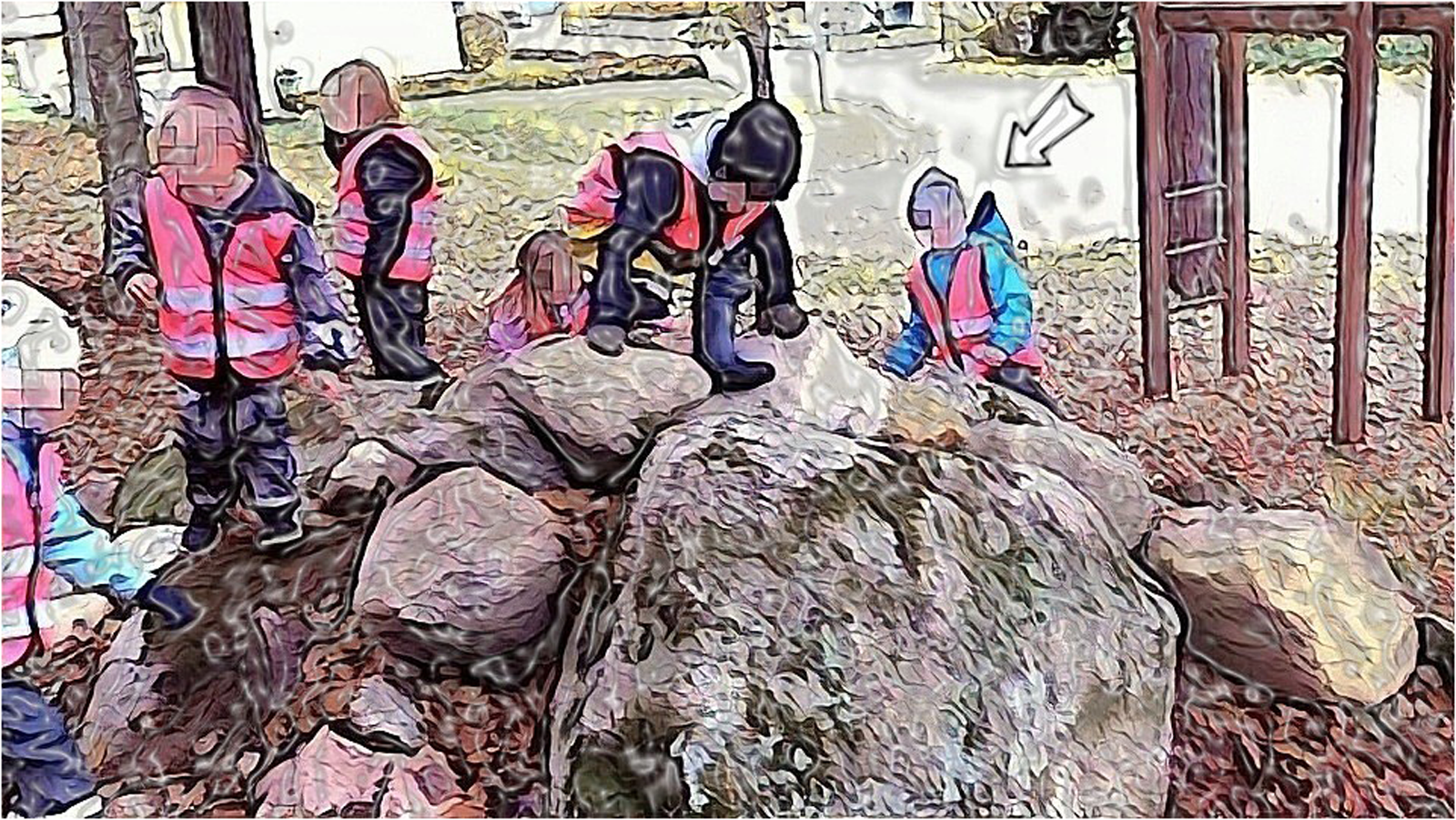
Elis failing to keep up with his peers when the play changes direction.
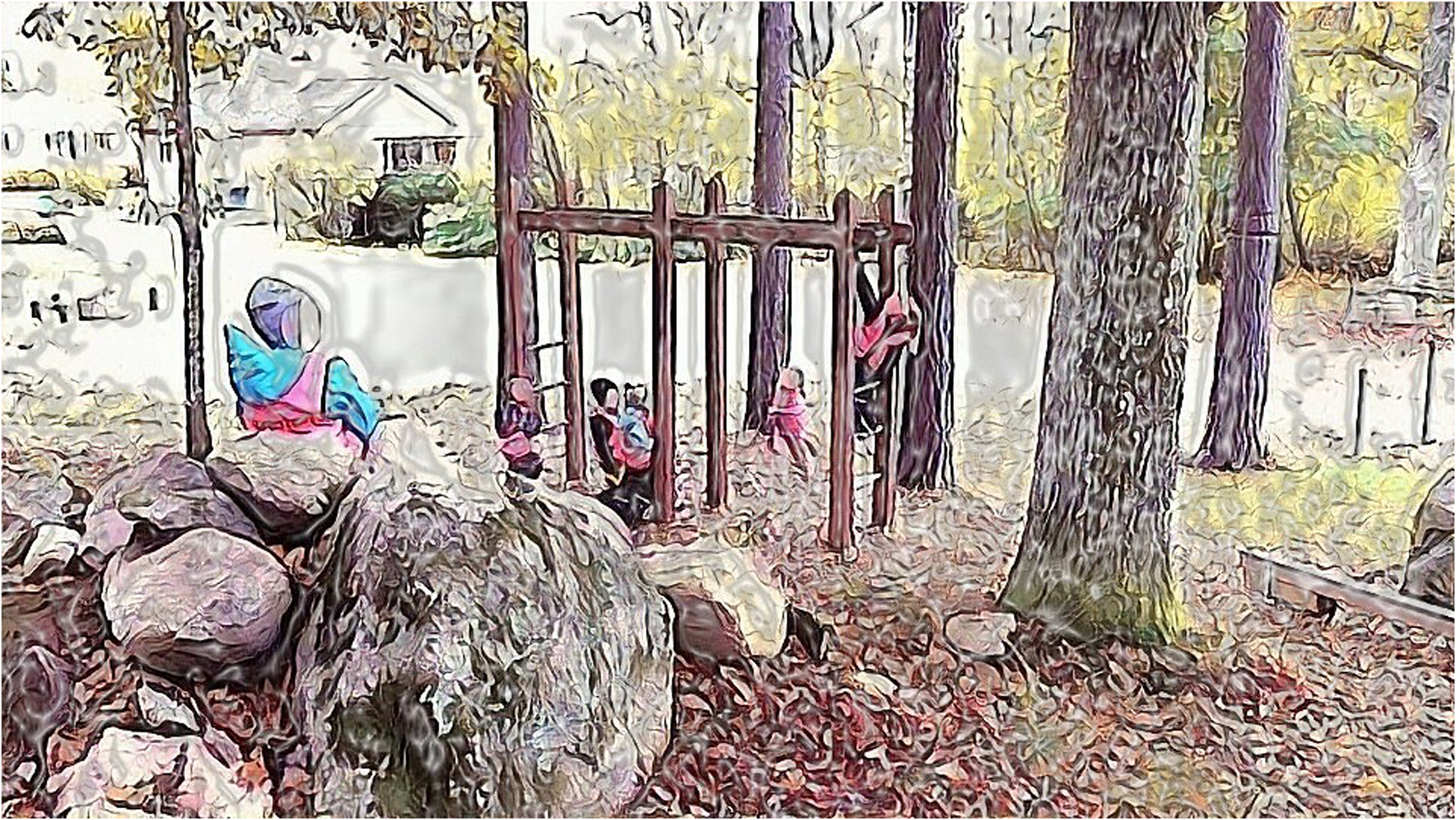
While Elis’ peers adapt to the new play scenario, Elis remains seated on the rocks, seemingly off track.
Despite encountering difficulties in his attempts to participate fully in play conducted in the majority language, Elis did not appear discouraged. He continued to shadow his peers and persistently attempted to join their play in a ‘trial and error’ manner. Through this process, Elis became exposed to both the peer culture and the Swedish language, contributing to his understanding of peer-community practices. This form of peripheral participation in negotiations of peer play is likely to facilitate children's development of social, linguistic and interactive skills, regardless of the outcome of the negotiations (Cromdal, 2001). However, the analysis also highlights the risk of more ‘hidden’ forms of social isolation due to a language barrier, blurring the boundary between peripherality and marginality (Wenger, 1998).
In contrast to Elis, Boris, depicted to the left in Figure 5, did not seem socially oriented towards his Swedish-speaking peers. Engaged in playing alone, Boris spoke his mother tongue aloud, rarely interacting with his peers. Even when in close proximity to his peers, such as at the Lego table, Boris remained focused on his own activities, speaking in his mother tongue while his peers communicated in Swedish.
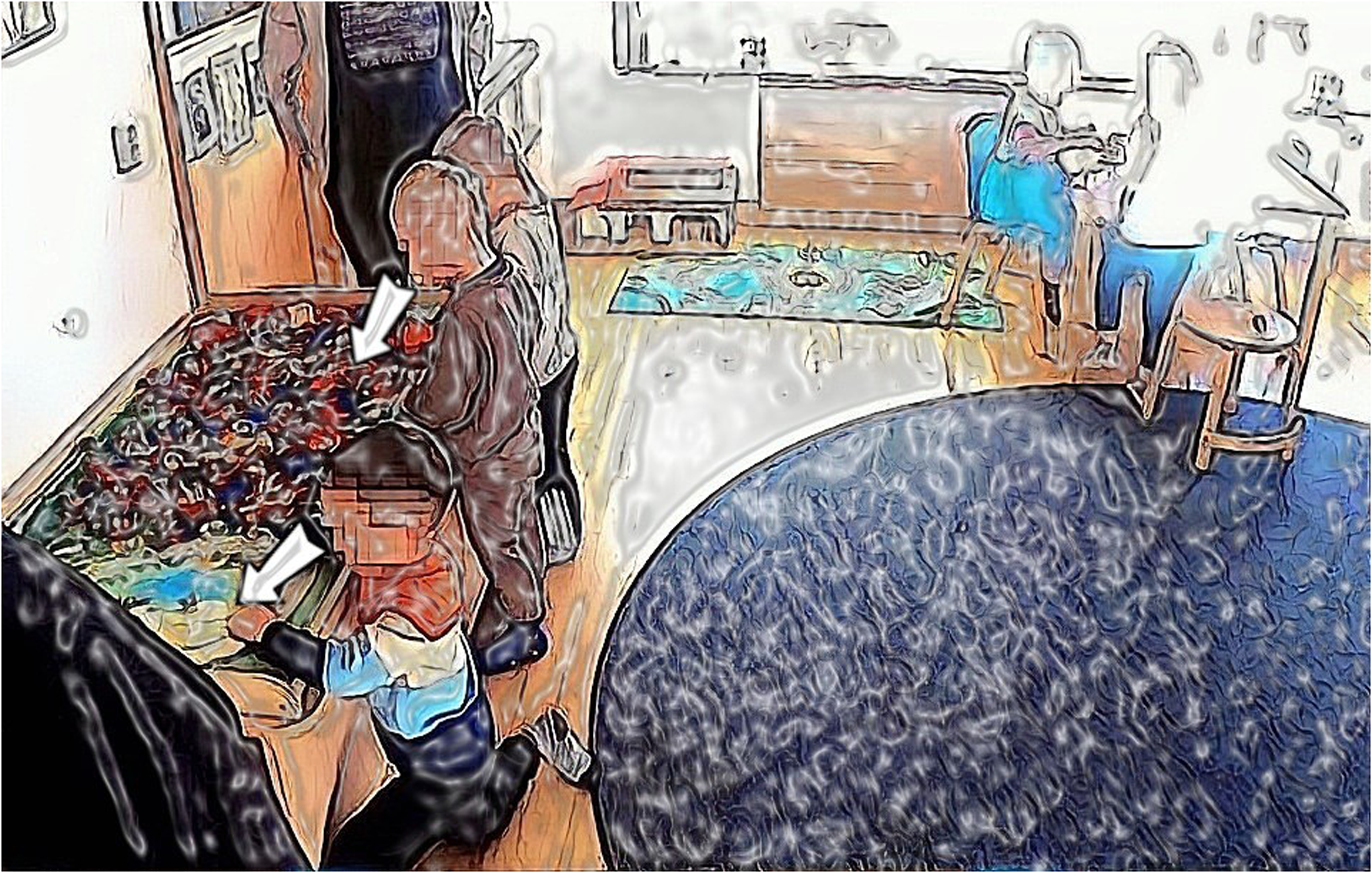
Boris, to the left, engaged in playing with Lego on his own while his nearby peers play with Lego and communicate with each other in Swedish.

Vanja holding the hand of a practitioner heading to a peer play area.
Obviously, all children in preschool engage in solitary play at times. However, unlike Boris, the other children generally stayed in tune with their social surroundings, paying attention to what their peers were doing and changing their locations and activities as new play materials were picked up by peers or new play ideas were introduced. This was also how Boris appeared to participate in play in his mother tongue (see the previous section on ‘full participation in peer play in the mother tongue’), but not among his Swedish-speaking peers.
The analysis reveals that Boris made a few subtle attempts to gain access to the ongoing play of his Swedish-speaking peers outdoors. On these occasions, he would ‘hover’ or circle round his peers, trying to get their attention through eye contact while producing variations of similar behaviours. However, when the others failed to acknowledge him, Boris sometimes resorted to seeking attention through physical contact, such as lightly poking them with a stick. These attempts often resulted in rejection – a common outcome of such access strategies (Corsaro, 1979). Following these unsuccessful attempts, Boris would retreat to his characteristic mode of participation during free play: playing alone, among or ‘in between’ his peers. At times, he would display a gloomy demeanour, possibly reflecting his frustration or disappointment. It is noteworthy that Boris's failures were either overlooked by the practitioners or misinterpreted as disruptive behaviour.
From a distance, Boris's play may appear to parallel that of his peers, like Elis's. However, their approaches to participation differ significantly, reflecting their respective opportunities for peripheral participation in the peer community. Despite the fact that Boris is surrounded by peer culture and the majority language, his orientation away from his peers signals that he finds comfort in playing on his own instead of exploring unknown ground. Adding the fact that his subtle attempts to gain access to play in the majority language were not recognized by the practitioners, who could have assisted him, there is a risk that he may develop negative expectations of interacting with his Swedish-speaking peers (Kirk and Jay, 2018) – especially in contrast to his enthusiasm for playing with peers in his mother tongue (see the first section).
Withdrawal from participation in peer play in the majority language
The participation of the migrant children in peer play in the majority language largely depended on their decision to approach and interact with their Swedish-speaking peers. Instances where the migrant children were invited to join peer play by their Swedish-speaking peers were rare. The practitioners generally refrained from interfering in peer play, but sometimes assisted the migrant children to play in close proximity to their peers. This assistance primarily focused on helping the children to start playing, directed towards providing them with artefacts to play with, rather than facilitating peer play across linguistic boundaries. One example is Vanja, who generally did not approach or interact with her Swedish-speaking peers, but often ended up in close proximity to them due to guidance from the practitioners to enter different play areas. In these situations, Vanja would often sit in silence and closely observe her peers, appearing deeply focused on their actions and communication. Hence, despite her withdrawal from participation in play, she was often afforded observations of peer play. Figure 6 depicts the practitioner guiding Vanja towards a table where her peers are engaged in play.
For Vanja, the practitioners appeared to serve as a secure base, and she generally remained close to them during free play. While this provided her with a sense of security, it also had its drawbacks, as there were times when she remained spatially distant from her peers for the entire play session, particularly outdoors, when she often walked alongside a practitioner holding their hand.
Maintaining a spatial and social distance from peers who spoke the majority language was also a noticeable participation pattern for Adele and Boris. At home, Adele said that the language barrier was an obstacle because ‘nobody understood her’. Consequently, she tended to withdraw from peer play in Swedish and, to a large extent, from interacting with the practitioners. While indoors, Adele sometimes occupied herself by stringing bracelets on her own; outdoors, she largely remained unoccupied, sitting or walking alone in the yard. In contrast, Boris did not seem uncomfortable among his Swedish-speaking peers or practitioners. However, he predominantly played alone, often at a spatial distance from his Swedish-speaking peers. For instance, he would spend entire play sessions building with bricks by himself, without any other children in the room. Similarly, when his Ukrainian peers were not present during outdoor play, Boris would either wander around the play yard alone or remain seated, unoccupied, as depicted in Figures 7a and 7b. The practitioners sometimes assisted Boris, Vanja and Adele in getting involved in activities like going on the swings or playing in the sandbox. When the children accepted these invitations, they either played with the practitioners or engaged in solitary play.
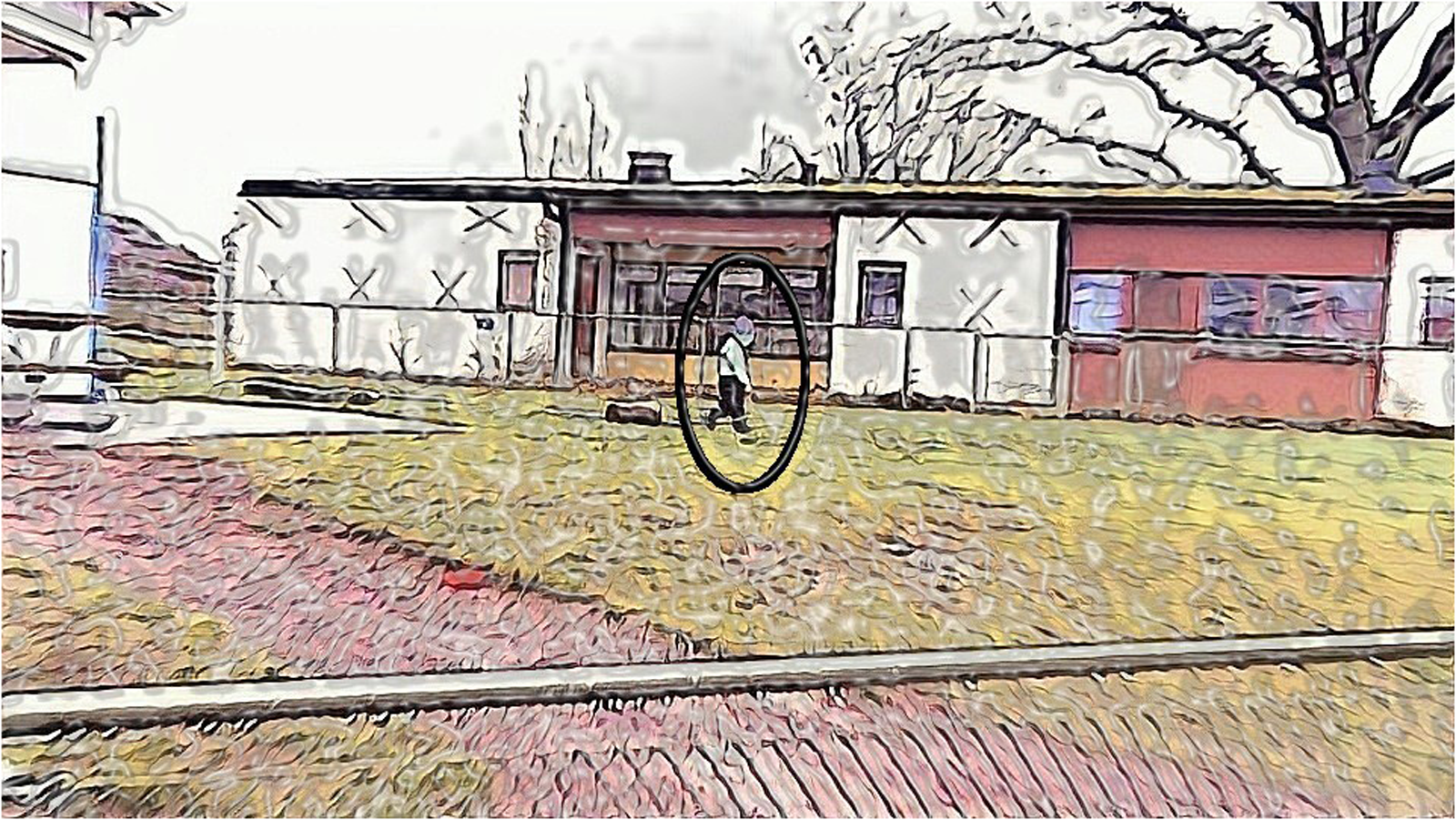
Boris wandering around the play yard.
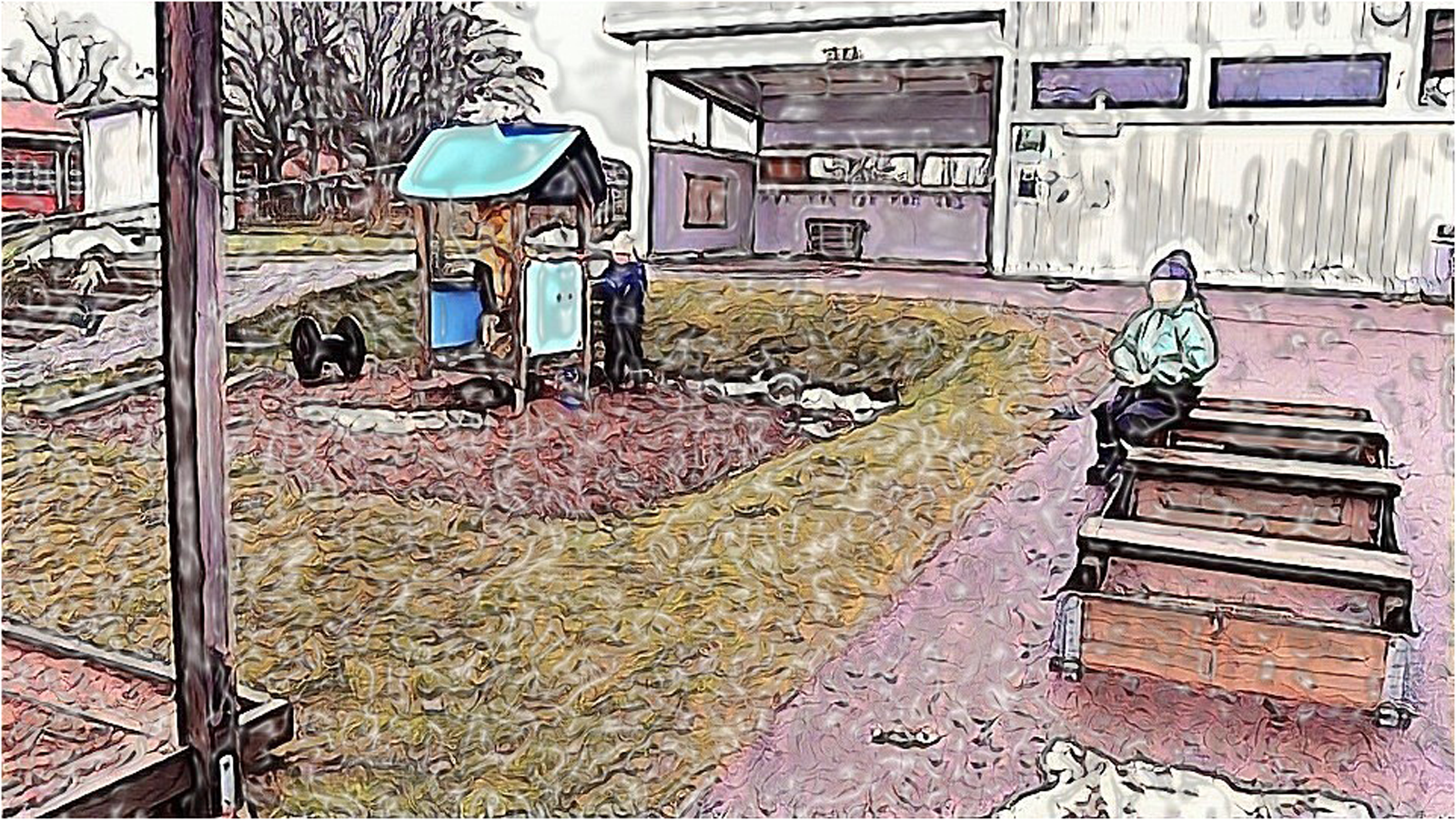
Boris sitting unoccupied on a bench a few metres from his peers speaking the majority language.
In conclusion, the participation patterns observed among some of the newly arrived children during free play suggest a tendency to withdraw from interactions with peers who speak the majority language. As a result, their engagement can be interpreted as largely disconnected from the established play practices within the community of peers who speak the majority language. However, the findings also highlight that choosing to remain in close proximity to practitioners may provide these children with opportunities to observe and listen to their peers interacting and playing. This form of silent but attentive observation could potentially facilitate learning in terms of both language acquisition and cultural understanding, as suggested by previous studies (Bernstein, 2018; Bligh, 2014).
Discussion and Conclusions
In summary, the newly arrived children's double transition into the Swedish preschool practices of free play is manifested by their difficulties, or hesitation, in initiating, entering and keeping up with peer play conducted in the majority language. At the same time, their Swedish-speaking peers do, to a limited degree, acknowledge them as play participants or the preschool practitioners help them to play with their peers.
Integration through participation in a community of peers at preschool age requires that every child is enabled to become mutually engaged with their peers in the shared practices of play. This does not mean that all children need to have the same preferences when it comes to the forms or frequency of peer play, or that they are not allowed to form groups of playmates within the community of peers. Nevertheless, integration requires the creation of a context where contact between children and mutual engagement are promoted.
The limitations to participation in play with peers speaking the majority language become especially salient in comparison with the ease and joy with which the migrant children fully participate in peer play in their mother tongue. Hence, the findings show that these children do not lack the capacity or interest to play with their peers. Rather, they face constraints to becoming included in play with children speaking the majority language, consisting of a language barrier and the play codes established within the peer community. These findings can be compared to the results of Dominguez and Trawick-Smith's (2018) study, which show that, when multilingual children are assisted in their peer interactions by teachers, they display social abilities that were not evident when they were on their own.
Newly arrived children cannot be expected to participate fully in a community of peers but, in order to achieve integration, they need to be enabled to take up the position of legitimate peripheral participation (Lave and Wenger, 1991). However, as the results of this study show, taking up the position of peripheral participation within the activity of free play is a free choice. This freedom works well for children with strategies such as Elis's, whose ‘agency’ (Schwartz et al., 2022) fits in well with preschool models that rely on children's competencies and autonomous agency (Emilson and Johansson, 2018; Pramling Samuelsson and Johansson, 2009; Sadownik, 2018; Åström, 2023). Yet this model paves the way just as well for children such as Boris, whose strategy (and, in fact, ‘agency’) is to remain within the linguistic and cultural boundaries of the community of peers speaking his mother tongue. This is a reasonable choice for newly arrived children, given the challenges of participating in play with peers whose language and play routines they have not yet mastered. Nevertheless, this strategy reduces newly arrived children's opportunities to learn the language and culture of the majority peer community, and the majority peer community misses out on learning from the diversity of experiences and perspectives that exists in the children's group (see Leggett and Ford, 2016). In summary, free play opens the door for both strategies that enable integration and those that constrain it.
The observation that children divide themselves into different communities of peers based on their mother tongue during free play is consistent with earlier studies within early childhood education and care (Einarsdottir and Ólafsdóttir, 2023; Puskás and Björk-Willén, 2017). Since communities of practice provide homes for identities (Wenger, 1998), playing with peers in their mother tongue may be crucial for newly arrived children to maintain a sense of belonging in an unfamiliar milieu. Nevertheless, to prevent the consolidation of boundaries between peer communities, which risks leading to segregation, children need to be provided with bridges linking the different communities to which they belong, and be supported to develop various forms of participation and membership in these. This, in turn, makes it possible for all children to mutually contribute to the production of peer culture, which enhances the potential for preschools to promote a society based on both social cohesion and individual autonomy – that is, integration (Durkheim, 1984).
The findings of this study also reveal more ‘hidden’ forms of constraint influencing migrant children's peripheral participation during free play. In line with Sadownik's (2018) suggestion, working from a distance and relying on children's competencies may result in practitioners not recognizing the vulnerability of migrant children, who may not feel, or have not yet become, competent enough to take advantage of the freedom given to them. As Wenger (1998: 164) points out, both peripherality and marginality involve a mixture of participation and non-participation, but they produce quite different experiences and identities, which is why associating them too closely can be deceptive. Thus, to reduce the risk of children ending up in a marginal position within their peer group – a risk that previous research has shown is present even after migrant children have learned the language (e.g. Rydland et al., 2014; Von Grünigen et al., 2010) – preschool practitioners need to stay close to them and ensure that they, like all children, have opportunities for meaningful participation and social connection during free play.
These findings suggest that the processes of peer integration at preschool seem mainly entrusted to the children themselves. This reveals an urgent need for preschool practitioners to take on a more active role during free play. Promoting integration among children at an age when linguistic skills are crucial for playing and interacting requires intentional efforts to assist children to connect and find ways to engage in shared activities.
The small number of migrant children in this study may appear to be a limitation. However, the benefit of immersing oneself in just a few cases is that it enables a deeper understanding of the otherwise hidden roots of a general problem (Atkinson and Hammersley, 2007). This study has adopted a societal perspective on the role of preschool in integration, highlighting the impact of participation structures and everyday practices on integration processes among children. Integration concerns the relationship between the majority and the minority, regardless of how many newcomers are about to be integrated. In line with Wood (2014), we acknowledge that children's free choices during free play have implications for their social relations, which, in turn, reflect serious social issues related to segregation and integration in society. The findings of this study suggest that preschool practitioners should become more conscious of their role in peer play, which ultimately has an impact on integration. Thus, further research should examine early childhood education and care practitioners’ assumptions, categorizations and values in relation to peer play, and explore how they can actively support children in initiating and sustaining collaborative play across linguistic and cultural boundaries by employing ‘difference-sensitive’ or/and guided play (Cekaite and Simonsson, 2023).
Footnotes
Declaration of conflicting interests
The authors declared no potential conflicts of interest with respect to the research, authorship and/or publication of this article.
Funding
The authors received no financial support for the research, authorship and/or publication of this article.
