




Abstract
Research on the shadow carceral state identifies new species of criminal-civil and civil-criminal legal hybrids embedded in state law. We bring into conversation disparate literatures on growing family complexity, monetary sanctions, justiciable problems, and child support enforcement to examine how contemporary American families experience a system of double and triple jeopardy—the compounding risks of exposure to both criminal and civil debts at the nexus of a legal hybrid, wherein monetary sanctions (criminal) and child support orders (civil) become co-constitutive (double jeopardy), thereby amplifying the risk that a parent will also experience (civil) child support arrearage (triple jeopardy). Using data from seven sources to construct a unique dataset, we evaluate the spatial and racial risk of double and triple jeopardy, as well as the state-level factors that explain them. Our analysis provides a valid description of, and critically establishes the sociolegal precarity wherein, currently incarcerated parents observe and experience their risks of double and triple jeopardy in the child support system via its orders, collections, and enforcement powers. We find that there are, indeed, racial and spatial disparities in the risk of double and triple jeopardy, and that specific state-level factors increment and decrement those risks.
Keywords
Introduction
Since the 1970s, mass incarceration in America has risen from one-quarter of a million people behind bars to over 2.3 million by 2009 (Sykes and Pettit, 2014). While contemporary estimates suggest that the penal population declined to 1.69 million people in jails and prisons, another 3.9 million were under other forms of correctional supervision by the end of 2020 (Kluckow and Zeng, 2022). Over half of all people in jails and prisons were parents to more than 2.6 million children in 2012 (Sykes and Pettit, 2014), and 45% of Americans have ever had an immediate family member incarcerated (Enns et al., 2019). Parental incarceration has emerged as a 20th century social problem that exacerbates existing family complexity—family forms and representations that often entail complications and challenges with marriage, legal ties, living arrangements, fertility, and noncoterminous parenting (Carlson and Meyer, 2014:7; Furstenberg, 2014). Custodial arrangements and the financial support of children are particularly salient issues for incarcerated parents because multiple state agencies and bodies of law (e.g. criminal and family court) may be cross-activated preemptively, concurrently, or sequentially with the criminal conviction of a parent (Verma and Sykes, 2022).
Indeed, growth in parental incarceration has been met with a concomitant rise in child support collections and arrearages (unpaid child support debt). In April 2017, 5.5 million parents had child support debt, amounting to over $114 billion in child support arrears, with about 20% of those arrears owed to the government (Putze 2017). A recent U.S. Department of Health & Human Services report states that, “incarcerated parents leave prison with an average of $20,000 or more in unpaid child support, with no means to pay upon release” (Administration for Children & Families, 2022: 1).
Child support arrearages are but one form of debt, albeit civil, facing fragile families. Research on criminal debt, also known as monetary sanctions or legal financial obligations (LFOs), shows that court-ordered fines, fees, penalties, assessments, and restitution are routinely imposed on people sentenced for criminal offenses (Harris et al., 2010; Harris, 2016; Harris et al., 2022). Martin (2020) details how these financial punishments for criminal offenses have been characterized across disciplines and over time, with their increased imposition in criminal courts having gained traction during the neoliberal push to hold individuals financially liable for their interactions with the state.
Largely unknown, however, is the prevalence of parents who carry both criminal legal debt (i.e. monetary sanctions) and civil legal debt (i.e. child support arrears). The existence of such parents has been empirically identified through policy and legal reviews (Turetsky and Waller, 2020), interviews and ethnographic observations in qualitative and multiple-method studies as “dual debtors” (Horowitz et al., 2022), and theoretically explained as those who experience simultaneously or hand-in-hand “the debt of imprisonment” and “the imprisonment of debt” (Haney, 2022a: 6). Haney (2022a: 6) defines the “debt of imprisonment” as “how the physical confinement of prison leads to the financial confinement of child support debt” and, conversely, the “imprisonment of debt” as how “the combined effects of debt accumulation and debt enforcement can seem inescapable” for the specific subpopulation of noncustodial parents with criminal records.
In this article, we bring into conversation the disparate literatures on family complexity, monetary sanctions, and child support enforcement to examine how American families experience legal hybridity via double and triple jeopardy 1 —the compounding risks of exposure to both criminal and civil debts that are at the nexus of a legal hybrid, wherein (criminal) monetary sanctions and (civil) child support orders become co-constitutive (double jeopardy), thereby amplifying the risk that an imprisoned parent will also experience (civil) child support arrearage (triple jeopardy). Specifically, we investigate three questions: (1) What is the national prevalence of imprisoned parents with (criminal) monetary sanctions and (civil) child support debt; (2) What are the spatial and racial risks of double and triple jeopardy among people in state prisons; and (3) What state-level characteristics explain the entanglement between these forms of debt and legal hybridity?
These questions are important for three reasons. First, understanding the disparate and compounding risks of different forms of criminal-civil debt (and other legal hybrids) is important for targeting specific public policies that exacerbate poverty and inequality among complex and fragile families. Increased family complexity, alongside growth in punishment, now means that many American families may be disparately subjected to legal hybridity (and various legal hybrids of a particular kind).
Second, the consequences of double and triple jeopardy are similar to those for failure to pay criminal monetary sanctions or child support alone (e.g. law enforcement surveillance, the threat of arrest, license revocation, and incarceration, see Harris et al., 2022). However, the fraction of the population at risk when these criminal-civil hybrids fuse is unknown, raising questions about how access to justice may limit exposure to these consequences, thereby dissolving legal hybrids and lessening one's risk to criminal and/or civil repercussions.
Lastly, assessing how state-level factors—child support collections, arrearages, and overall caseloads—matter for amplifying or reducing the risk of double or triple jeopardy moves beyond access to justice by illustrating the ways in which social safety net provisions have become weaponized to deepen and extend the risk of punishment for poor, complex, and fragile families in America (Cheliotis and McKay, 2022; Sered, 2021; Sykes et al., 2022; Wacquant, 2009).
We leverage data from seven sources to construct a unique dataset to evaluate the spatial and racial prevalence of double and triple jeopardy. In doing so, we make three contributions to the literature. First, we extend the conceptual literature on legal hybridity (Beckett and Murakawa, 2012; Verma and Sykes, 2022; Martin, 2023) by focusing on monetary sanctions and child support arrears as one specific criminal-civil hybrid, to reveal, as a case study, how these interstitial locations in criminal and civil law expose parents to a unique risk that stands to (re-)produce poverty and inequality. Second, while others have explored the relationship between monetary sanctions and child support systems (Roman and Link, 2017; Pleggenkuhle, 2018; Turetsky and Waller, 2020; Montes et al., 2021; Horowitz et al., 2022), this article is the first to provide a nationwide assessment of its prevalence among imprisoned parents. In doing so, we document spatial and racial disparities in the risk of double and triple jeopardy within and between states, thereby extending “dual debtors” (Horowitz et al., 2022) research from a one-state inquiry to a national analysis. Lastly, we contribute to the punishment and policy literature by demonstrating how different acts of state power—to manage caseloads, to collect child support payments, and to garnish/intercept paychecks to paydown arrearages—matter for disparate parental risks of double and triple jeopardy in the United States. We begin our inquiry with a brief background on legal hybridity by showing how child support orders, as a civil matter, become intertwined with criminal matters for parents that experience incarceration and can limit options for justiciability while increasing the risk of additional criminal and civil sanctions.
Legal hybridity: Monetary sanctions & child support orders
Justiciable problems—issues wherein a legal resolution is possible but often inaccessible or unknown—disproportionately affect people of color, women, and individuals and families in the lower rungs of the socioeconomic distribution (Sandefur, 2008). Absent in the literature, which generally focuses on civil matters (see Sandefur, 2008; Sandefur, 2016a), is an engagement with how civil legal problems can lead to criminal problems and how criminal legal matters can exacerbate civil legal problems, thus increasing the risk of incarceration or reincarceration for disadvantaged individuals. Legal hybridity—the fusion or intersection of two or more bodies of law for an underlying legal claim, charge, or penalty—has taken on increased importance in modern times, as the shadow carceral state has expanded to encapsulate criminal, civil, administrative, and military bodies of law (Beckett and Murakawa, 2012). Verma and Sykes (2022) demonstrate how the concentration of monetary sanctions throughout the California Legislative Code implicates both criminal and civil law, and how a neural net of legal statutes can become activated when an underlying offense, charge, or investigation diffuses within and across criminal and civil law to create particular types of legal hybrids.
Increasing legal hybridity (Beckett and Murakawa, 2012; Verma and Sykes, 2022; Martin, 2023) suggests that only focusing on legal matters contained in one arena of law may obscure the emergence and identification of important legal hybrids, like criminal-civil or civil-administrative (as in the case of child support and immigration status [Beckett and Evans, 2015]), which matter for how people interact with either or all bodies of law. As Martin (2023: 91) notes, “The problem with legal hybridity is that the blurring of justice aims across legal system divides creates legal needs while simultaneously obscuring the routes to recourse.” Indeed, how recourse is even pursued, in the context of legal hybridity, may be dependent on the ordering of which legal body disposes its case(s) first, triggering a possible matrix or array of justiciable problems and solutions to complex legal issues that emerge from a set of unique social problems. Verma and Sykes (2022) present several exemplars of different legal hybrids that may originate and terminate in different criminal-civil and civil-criminal cases, drawing attention to how legal recourse in one realm of law can spill over into other realms of law.
Variation in the structure, as well as the substance, of law across states (Verma and Sykes, 2022; Waller, 2020) may have implications for the resolution or discharge of different forms of debt (monetary sanctions, child support, consumer financial, student loan, etc.) and their varying degrees of consequences for failure to pay (Waller, 2020; Friedman et al., 2022; Harris et al., 2022). When such debts exist within a legal hybrid, the order or sequence of the type of unpaid debt may present differential levels of legal risk across states and bodies of law (Verma and Sykes, 2022). Yet, a full enumeration of different types of legal hybridity—their forms, consequences, and compounded legal risks—remains undocumented in law and social science (Verma and Sykes, 2022), creating a unique social policy problem for American families.
The “Final Rule” (2016): Child support orders & arrearages
The special role of the state in child support enforcement and—in cases of low-income families relying on Temporary Assistance for Needy Families (TANF)—the dual role of the state as creditor, enforcer, and obligee makes child support arrears a unique and distinctive form of civil debt and mode of indebtedness. The special power of state enforcement measures, which are backed by the state's monopoly on the legitimate use of force (Weber, 1946[1918]), means that no private creditor has the same ability to directly extract payment or levy threats to deprive the debtor of their liberty (imprisonment) nor their freedom of movement (revocation of driver's license) and means of livelihood (garnishment of wages; revocation of occupational licenses). Unlike even other forms of state-imposed monetary sanctions and state-owed debts, the government is authorized to garnish up to 65% of wages and to intercept any direct payments through the Internal Revenue Service's (IRS) federal offset to collect on child support arrears (Sorensen, 2021).
Any child support owed while the family receives TANF benefits—whether in the past or currently—is owed to the government for welfare cost recovery as a form of “reimbursement” to the state, known as “state payback” (Haney, 2022b; Sorensen, 2019). Child support arrears are largely uncollectible forms of debt because they are disproportionately ordered on people who are, by definition, least able to pay. Approximately 25% of child support arrears are owed by individuals reporting income below the federal poverty line (Arthur, 2018) and have been owed for more than 5 years (Sorensen, 2021). For all TANF cases that fall into arrears, a sizable portion, if not all, of the debt is owed to the government and does not represent amounts that would be paid to children (Haney, 2022a, 2022b; Haney and Mercier, 2021). Furthermore, child support arrears undermine states and state power when the state is unable to collect child support from families too poor to provide payment, even and especially when the state is incentivized by its own immediate fiscal interest—what Martin (2018) characterizes as a form of pecuniary justice (see also, Turetsky and Waller, 2020: 123) 2 .
Before leaving office, President Obama issued a Final Rule, Flexibility, Efficiency, and Modernization in Child Support Enforcement Programs (henceforth, “The Final Rule”). This rule detailed multiple directives while clarifying and expanding state powers to, “improve child support collection rates because support orders will reflect the noncustodial parent's ability to pay support, and more noncustodial parents will support their children,” through the increased flexibility of the Child Support Enforcement program (Centers for Medicare & Medicaid Services and Children and Families Administration, 2016: 93492). Thus, the Final Rule addresses the overburdened, low-income parents who do not have an ability to pay child support (Brito, 2019; Aharpour et al., 2020; Haney and Mercier, 2021; Cammett, 2022).
With the implementation of the Final Rule, states were required to adjust several practices, including efforts to “ensure that child support orders align with parents’ ability to pay based on their current earnings” and to prohibit “states from classifying incarceration as ‘voluntary unemployment’ (Aharpour et al., 2020: 1). Additionally, states are no longer allowed to exclude incarceration from consideration as a “substantive change of circumstances” that could warrant order modification (Haney and Mercier, 2021: 16). However, the rule failed to establish specific mandates for what new procedures must look like, leaving most of those decisions to states (Haney and Mercier, 2021; Brito, 2019; Cammett, 2022), thereby possibly creating new justiciable problems for parents across jurisdictions. As such, “states retain nearly all of their existing discretion to decide how to handle cases involving unemployed and underemployed noncustodial parents who are behind in their child support payments” (Brito, 2019: 969).
Ultimately, the Final Rule created space for states to make their own interpretations of how to manage child custody matters and potentially limit or expand avenues of justiciability for parents existing in a state of civil-criminal legal hybridity. Given that states are no longer allowed to consider incarceration as voluntary unemployment, requirements for a modification hearing do not address how states go about setting and processing those modifications. Courts can also issue retroactive orders for child support, and states can charge interest on past due support debt—and more than half do (Haney and Mercier, 2021).
Thus, recent changes in federal guidelines regarding the Final Rule mean that state power was expanded to improve child support collection rates, and at the same time, propose new practices for how to address the overburdened, low-income parents who do not have an ability to pay child support (Brito, 2019; Aharpour et al., 2020; Haney and Mercier, 2021; Cammett, 2022). This tension—between vigorous collection methods and more lenient designations of people too poor to pay child support—creates a particular type of legal hybridity for incarcerated parents; they exist in a form of legal hybridity whereby the state has established powerful collection mechanisms for both criminal monetary sanctions and for civil child support enforcement. Failure to pay monetary sanctions, child support, or the arrearage means that the noncustodial, currently or formerly incarcerated parent may be at risk of other criminal sanctions (incarceration) and other civil penalties (wage withholding, license revocation, tax refund intercepts, asset seizure, etc.; Waller, 2020). To understand how this form of legal hybridity affects incarcerated parents, we begin by estimating the national prevalence of imprisoned parents with these forms of debt, as well as the racial and spatial distribution of their prevalence at the state level, given that the Final Rule was directed toward states, allowing for the estimation of the maximal risk associated with this form of legal hybridity. Furthermore, our analysis investigates how specific state-level factors associated with social safety net provisions for complex and fragile families are associated with the compounding risks of monetary sanctions and child support debt.
Methodology
Data
We leverage data from seven independent sources to construct a unique dataset to assess how state-level characteristics are associated with the risk of double and triple jeopardy. Our first source of data comes from the 2016 Survey of Prison Inmates (SPI), collected by the U.S. Bureau of Justice Statistics (BJS). The SPI surveyed a total of 24,377 people in state and federal prisons throughout the United States; when weighted, these data are representative of all people imprisoned. SPI data contain information on inmate characteristics (e.g. race, gender, and parenthood status), monetary sanctions, whether the person has a child support order, and if that child support order is in arrearage. We utilize the restricted access SPI data to obtain state-level identifiers to construct estimates of double and triple jeopardy for all states. All analyses have been restricted to imprisoned parents.
Our second source of data comes from the Current Population Survey (CPS), which is jointly sponsored by the U.S. Census Bureau and the U.S. Bureau of Labor Statistics (BLS). CPS data are the primary source of labor force statistics for the U.S. population. The March CPS collects data, annually, on a sample of 50,000 to 60,000 Americans living in households (Flood et al., 2018). The data include measures of gender, age, race, ethnicity, and other socioeconomic characteristics. When weighted, these data represent the population distribution of all noninstitutionalized residents of the state. We obtain weighted population counts for all adults in each state-race-sex group to control for the prevalence of adult residents in each state by race and sex.
To understand how child support and TANF collections matter for the risk of double and triple jeopardy across states, as well as a direct measure of how the Final Rule may have increased state payback and welfare collections, we leverage data from RAND's Child Support Program Data, from 2009–2021, contained in their State Statistics Series. These data contain statistical and financial information on state Child Support Enforcement (CSE) programs, which are reported to the U.S. Department of Health and Human Services (HHS) (see RAND State Statistics [2023] for more details). These data can be purchased for $10 from RAND. We utilize these data to obtain TANF collections, total caseloads, and total child support orders over time and by state. There are no missing data on these measures.
We also include data from the U.S. Office of Child Support Enforcement (OCSE), a branch of HHS. Specifically, we leverage data from their Fiscal Year 2020 Preliminary Data Report and Tables, which includes information for the past 5 years on the total caseload (Table P-52), the total arrearages (Table P-85), and the number of cases with arrears due (Table P-87). We include only data for 2016 to align with the SPI data.
Research shows that state-level welfare policy regimes are associated with different levels of punishment (Beckett and Western, 2001). Therefore, we append to our dataset state-level economic and political data from the University of Kentucky Center for Poverty Research (UKCPR). The UKCPR Welfare Data contain economic and political indicators by state and year, including the state minimum wage, poverty rates, the unemployment rate, and whether the executive branch of state government is headed by a Democrat or Republican. We use these data as controls in our models.
Data on the state expenditures and budgets were obtained from the National Association of State Budget Officers (NASBO). NASBO is an independent, nonpartisan, nonprofit research and educational organization that collects annual data on fiscal budgets and other issues of import for state operations and management. We use the 2016 expenditure and rainy-day fund data to assess how fiscal budgets and spending matter for the risk of double and triple jeopardy across states.
Lastly, data on state imprisonment rates were obtained from BJS. The BJS's Corrections Statistical Analysis Tool (CSAT) allows for the extraction of the number of prisoners under state or federal jurisdiction sentenced to more than 1 year per 100,000 U.S. residents. We use these data to control for the overall annual stock of people imprisoned in state correctional facilities in 2016.
Methods, measures, and hypotheses
Our analysis begins by analyzing state-level estimates of the risk of double and triple jeopardy. Double jeopardy is conceptualized as whether the imprisoned parent has both a monetary sanction and a child support order. Triple jeopardy extends the conceptualization of double jeopardy by including whether the child support order is in arrears. 3 We calculate double and triple jeopardy as the proportion of parents in state prisons who affirmatively report both (double jeopardy) or all three (triple jeopardy) of these criminal and civil measures. Double and triple jeopardy are the central dependent variables in our analysis.
We construct weighted estimates of double and triple jeopardy by state for specific demographic groups. Because there are 4 racial groups, 2 genders/sexes in the data, and 50 states, our analyses have a maximum of 400 (= 4 × 2×50) race-sex-state observations, for which we append the aforementioned state-level RAND, OCSE, NASBO, and CSAT data to explain the observed differences in double and triple jeopardy across states (presented in Figures 2–5). Also, because triple jeopardy is conditional on having experienced double jeopardy, some people in state and federal prisons may not be in child support arrearage.
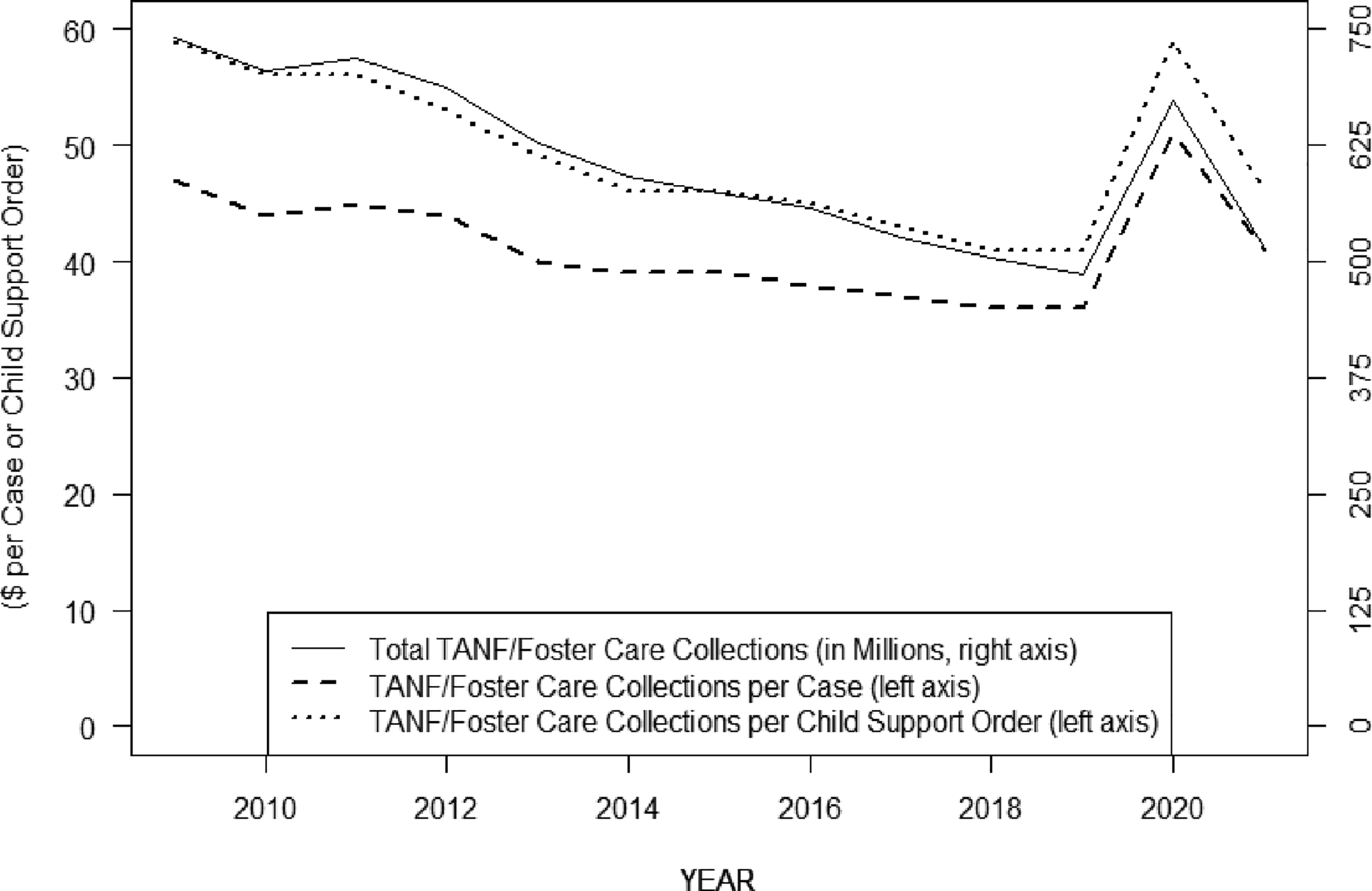
TANF/foster care collections, in total and per case and or child support order, United States 2009–2021.
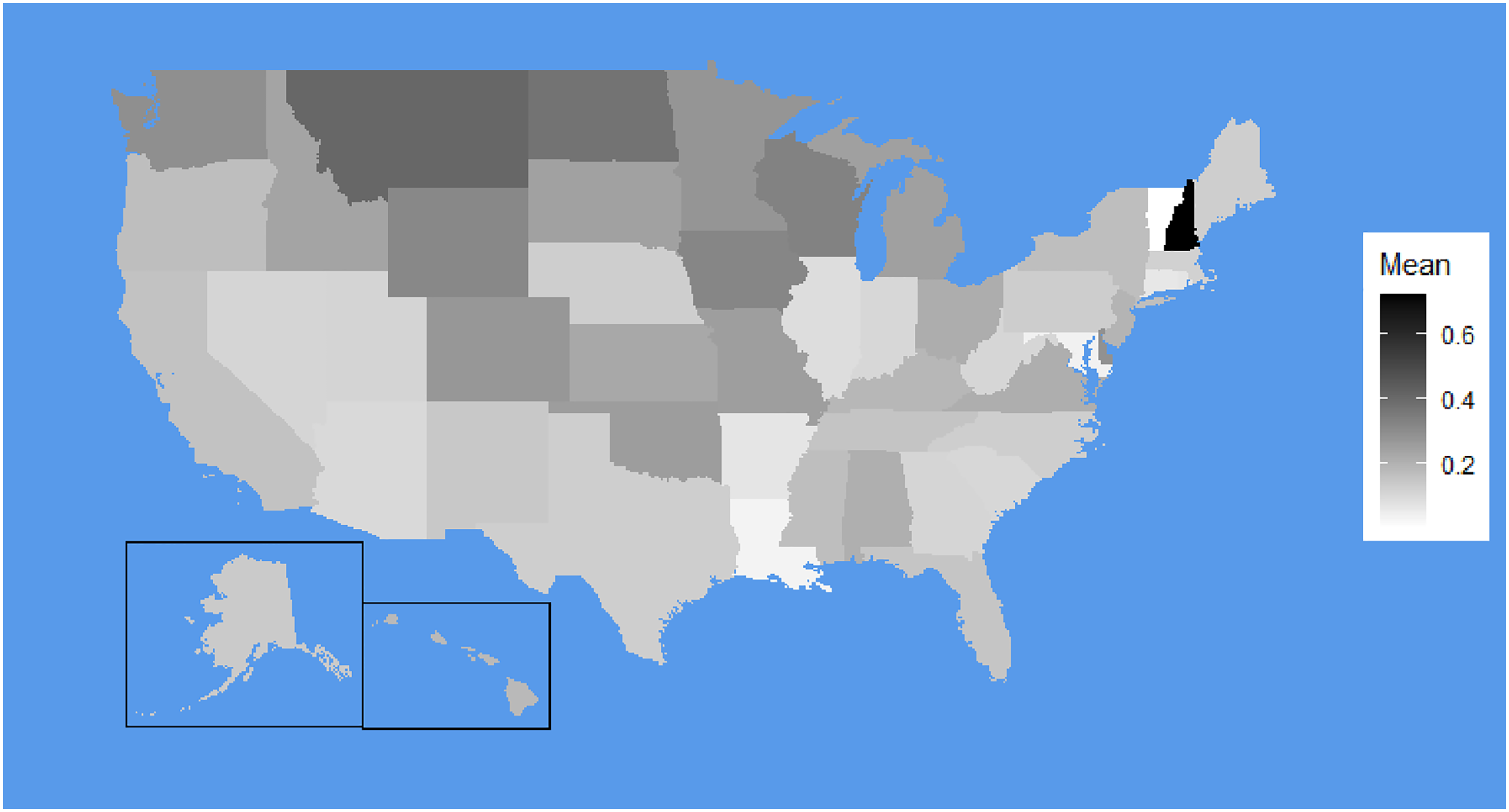
The Prevalence of Double Jeopardy (Monetary Sanctions & Child Support Order) Among Imprisoned Parents in the United States, by State in 2016.
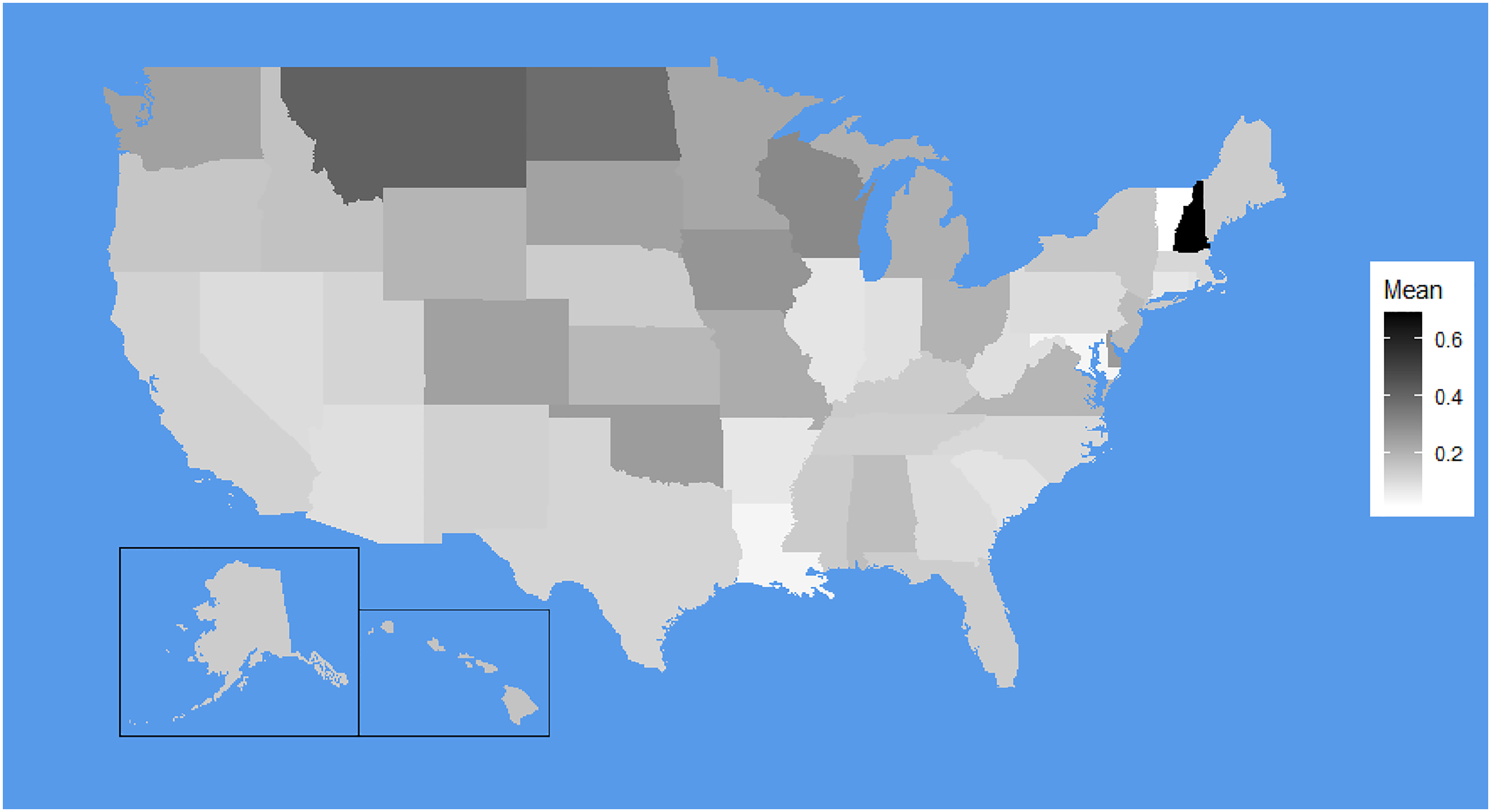
The Prevalence of Triple Jeopardy (Monetary Sanctions, Child Support Order, & Child Support Arrearage) Among Imprisoned Parents in the United States, by State in 2016.
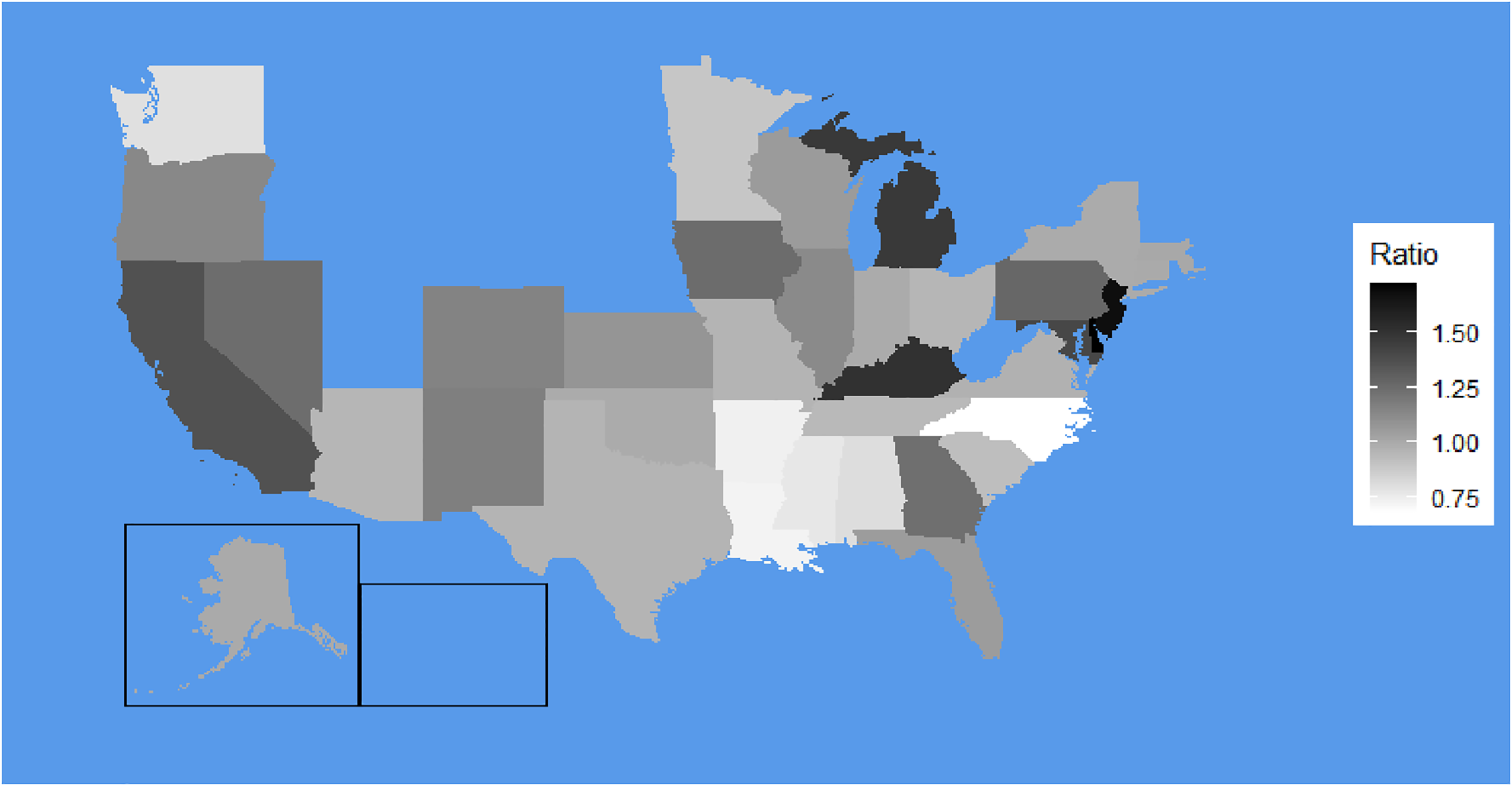
Black-White Disparities in the Prevalence of Triple Jeopardy (Monetary Sanctions, Child Support Order, & Child Support Arrearage) Among Imprisoned Parents in the United States, by State in 2016.
Table 1 shows the state-level mean prevalence of double and triple jeopardy within the race-sex-state cross-classified data. The national average of double jeopardy across race, sex, and states is approximately 14.8%, indicating that, on average, over 1-in-7 imprisoned parents experience double jeopardy. Among imprisoned parents who experience double jeopardy, over 4-in-5 (82.1%) of them have child support orders that are in arrears, placing roughly 1-in-8 (12.1%) parents in triple jeopardy of criminal-civil sanctions.
State-Level Descriptive Statistics for Conceptual Measures and Control Variables, United States 2016.
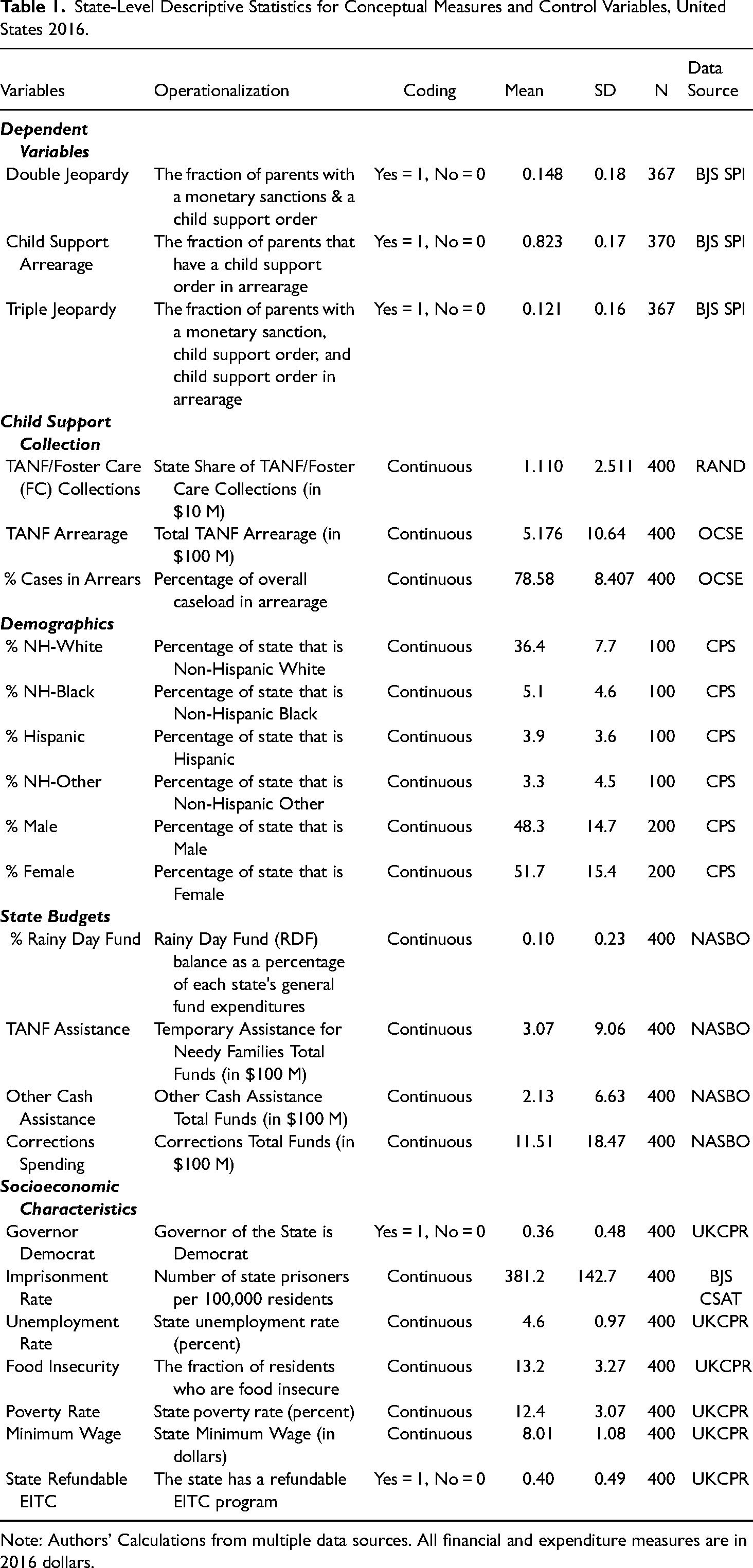
Note: Authors’ Calculations from multiple data sources. All financial and expenditure measures are in 2016 dollars.
There are three central independent variables in our analysis: total TANF/Foster Care collections (in $10 M), total TANF arrearages (in $100 M), and the percentage of the overall caseload in arrears. These measures represent the total amount of collections by the state, civil debt owed to the state (i.e. TANF arrears), and the percentage of the caseload where civil child support debt is owed to the state. On average, the state share of TANF/Foster Care collections was approximately $11.102 M, and, across states, the average TANF arrearages were in excess of $517.622 M, with 78.6% of all state caseloads in arrears.
There are two reasons to suspect that state-level variation exists in the risk of double and triple jeopardy. First, changes in state-level policies around the Final Rule may have affected the underlying risk of exposure to double and triple jeopardy (Brito, 2019). In doing so, it is possible that some states may have become more lenient than others when devising policies that may affect incarcerated parents with child support orders and arrearages. Second, there is reason to believe that there is state-level variation in the risk of double and triple jeopardy by race, given that TANF recipients are disproportionately people of color, women, and single, never married persons (Office of Family Assistance, U.S. Department of Health & Human Services, 2021). If TANF receipt triggers formal state payback for noncustodial parents in child support arrearage, then it is reasonable to expect that state-level variation in the risk of double and triple jeopardy would be observed across racial groups. Yet, less is known about what state-level factors are positively or negatively associated with these risks of jeopardy. Our analysis is the first to examine how TANF caseloads, budgetary considerations, state demographics, and other socioeconomic characteristics matter for explaining state-level variation in the risk of double and triple jeopardy among parents in prison.
We hypothesize that TANF/Foster Care collections, TANF arrearages, and the percentage of the caseload in arrears should be positively associated with an increase in the risk of double and triple jeopardy. These state-level measures are important because they represent the overall welfare exposure of the state, both in size (the percentage of the caseload in arrears) and expenditure/potential revenue (TANF/Foster Care collections & TANF arrearages). Because double and triple jeopardy reflect the increasing risk that incarcerated parents may be ensnared by the child support collection apparatus of the state, we would expect that an increase in any or all of these measures would be positively associated with the prevalence of double and triple jeopardy across states. To test these hypotheses, we implement Ordinary Least Squares (OLS) regressions to assess the association between TANF/Foster Care collections, TANF arrearages, and the percentage of the caseload in arrears against the overall risk of double and triple jeopardy among incarcerated parents. Additional independent variables listed in Table 1—demographics, budgets and expenditures, and other socioeconomic characteristics of the state—are used to evaluate, in stepwise regressions, how these factors moderate the association between collections and double (or triple) jeopardy.
Results
Figure 1 displays the total TANF/Foster Care collections and two standardized metrics (per case and per child support order) in the United States between 2009 and 2021. The left axis is for the standardized metrics, and the right axis is for the total collections. Between 2009 and 2019, all three measures declined, indicating that collections and collections per unit (i.e. per case or per child support order) was becoming less efficient over time. However, in 2020, as COVID stimulus checks were electronically dispersed to families and recipients, states began intercepting these payments and applying them to outstanding balances owed, thereby increasing the collection amounts. Some states passed laws to prevent the garnishment of subsequent stimulus checks, resulting in a reduction in the amounts collected in 2021 as the pandemic continued.
Figure 2 illustrates the spatial prevalence of double jeopardy in the United States in 2016. Vermont has the lowest proportion imprisoned parents in double jeopardy (0.010), while New Hampshire has the highest (0.720). Alaska (0.143) and New Mexico (0.147) have prevalence estimates around the national average (0.148), as reported in Table 1.
The spatial patterning of triple jeopardy is displayed in Figure 3. Conditional on having experienced double jeopardy (Figure 2), a substantial proportion of imprisoned parents that have child support orders are in arrears (see Table 1). The result is that estimates of triple jeopardy are almost synonymous with the risk of double jeopardy. As the pool of parents in state prisons with child support orders that end up in arrears shrinks, the disadvantage becomes increasingly more concentrated when arrearage is added to the equation. Vermont has the lowest proportion of imprisoned parents in double jeopardy who then experience triple jeopardy (0.010), while imprisoned parents in New Hampshire have the highest risk of triple jeopardy (0.69). All other states fall somewhere in between, with the national average of imprisoned parents in triple jeopardy at 0.121 across all states.
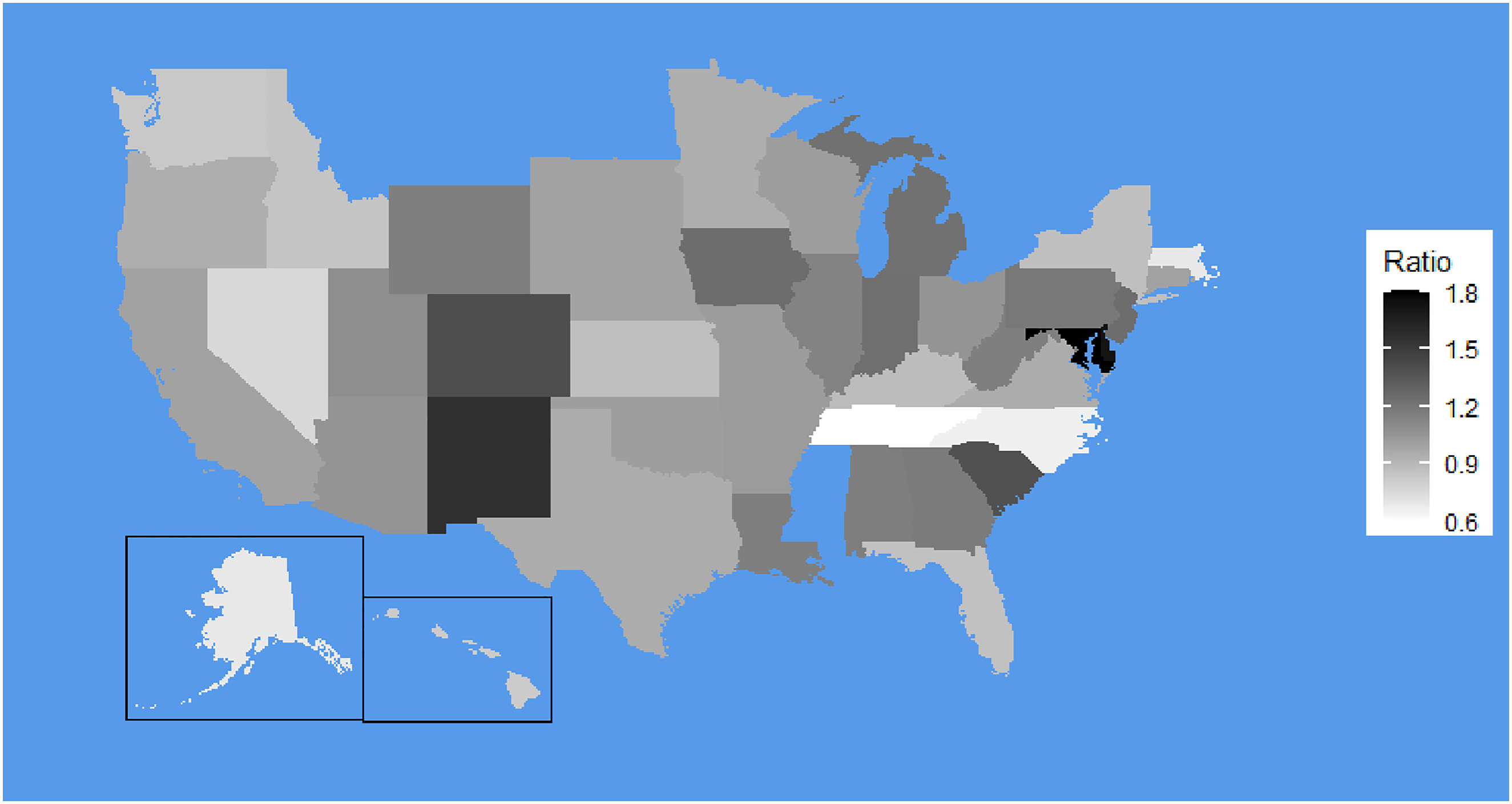
Hispanic-White Disparities in the Prevalence of Triple Jeopardy (Monetary Sanctions, Child Support Order, & Child Support Arrearage) Among Imprisoned Parents in the United States, by State in 2016.
We also explore the spatial patterning of racial differences in triple jeopardy. Black–White and Hispanic–White differences in the risk of triple jeopardy are displayed in Figures 4 and 5, respectively. 4 We estimate racial differences by taking the ratio of Blacks (or Hispanics) relative to Whites experiencing triple jeopardy in states where there are a sufficient number of state prisoners of each race to confidently estimate racial differences. The Black–White ratio is highest in Delaware (1.73), indicating that the risk of triple jeopardy is 73% higher for Blacks than Whites. The ratio is lowest in North Carolina, where the risk of triple jeopardy is 33% lower for blacks than whites, and in Massachusetts, the Black–White ratio is on parity (1.01). Conversely, the Hispanic–White disparity ratio is highest in Maryland (1.80), indicating that the risk of triple jeopardy is 80% higher among Hispanics than whites. The Hispanic–White ratio is lowest in Tennessee (0.596), with the risk being almost 40% lower for Hispanics than Whites. Regionally, the Southwest and South are locations of substantial disparities between Hispanics and Whites, whereas Western, Midwestern, and some Southern states are notable for racial disparities that are 12–68% higher for Blacks than Whites.
Next, we present results from our regression analysis. Table 2 presents the association between state-level characteristics and the risk of double jeopardy in 2016. Model 1 shows that our three conceptual measures—TANF/Foster Care collections, TANF arrearages, and the percentage of the caseload in arrears—are not associated with the risk of double jeopardy. Including the state's demographic composition (Model 2) does not alter the observed nonassociation; however, the percentage of the state that is female (compared to male) is negatively associated with an increased risk of double jeopardy. Model 3 shows that, upon including budgetary and expenditure measures, TANF/Foster Care collections are positively associated with the risk of double jeopardy (p < 0.01); every $10 M in TANF/Foster Care collections is associated with a 4.7 (= 0.0466 * 100) percentage-point increase in the risk of double jeopardy. This change in association for TANF/Foster Care collections may be due to the fact that the total corrections budget is negatively associated (p < 0.05) with the risk of double jeopardy, suggesting that increased spending on the penal state may reduce state welfare expenditures to the point that state payback is a strategic necessity. 5 Adding other state socioeconomic factors increases this relationship, with every $10 M in TANF/Foster Care collections associated with a 5.1 (= 0.051 * 100) percentage-point increase in the risk of double jeopardy (p < 0.01).
OLS regression estimates of the association between state-level characteristics and the risk of double jeopardy, United States 2016.
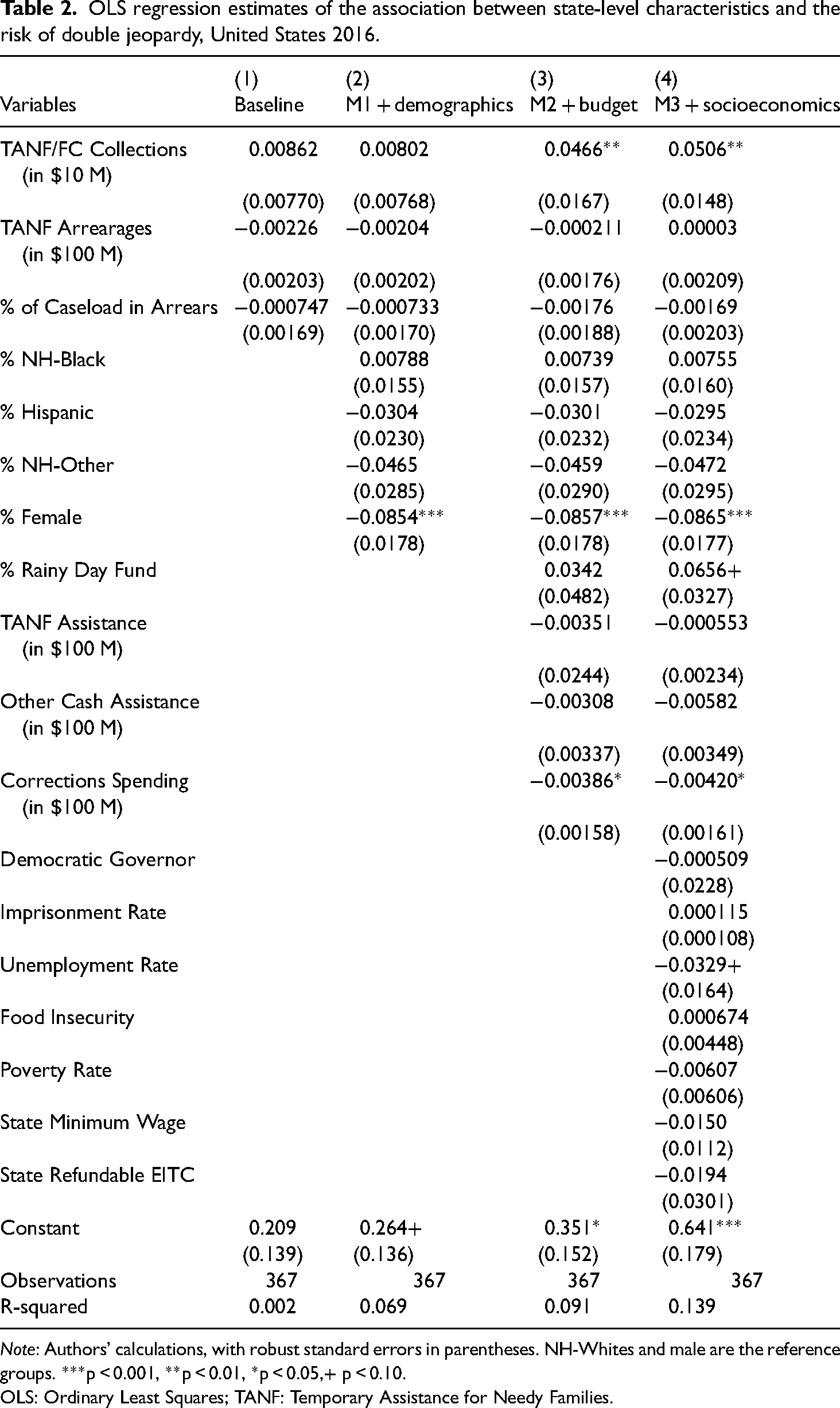
Note: Authors’ calculations, with robust standard errors in parentheses. NH-Whites and male are the reference groups. ***p < 0.001, **p < 0.01, *p < 0.05,+ p < 0.10.
OLS: Ordinary Least Squares; TANF: Temporary Assistance for Needy Families.
Lastly, despite the observed racial disparities in Figures 4 and 5, the racial composition of the state does not appear to be associated with an increased or decreased risk of double jeopardy by race and sex, once other state-level factors are controlled. This finding suggests that, perhaps, the risk of experiencing both monetary sanctions and child support orders may be more normative among any parent likely to be imprisoned. However, due to racially disparate incarceration rates, even if the risk is normative, there may continue to be racially disproportionate associations.
Table 3 presents similar models as those in Table 2, with triple jeopardy as the outcome being explained. Here, the story is largely the same. Among the state-level welfare measures, TANF/Foster Care collections are positively associated with the risk of triple jeopardy (p < 0.01, Model 3); every $10 M in TANF/Foster Care collections is associated with a 3.5 (= 0.0351 * 100) percentage-point increase in the risk of triple jeopardy. Including the full array of controls (Model 4) increases the estimate to a 3.9 (= 0.0391 * 100) percentage-point increase in the risk of triple jeopardy (p < 0.01).
OLS regression estimates of the association between state-level characteristics and the risk of triple jeopardy, United States 2016.
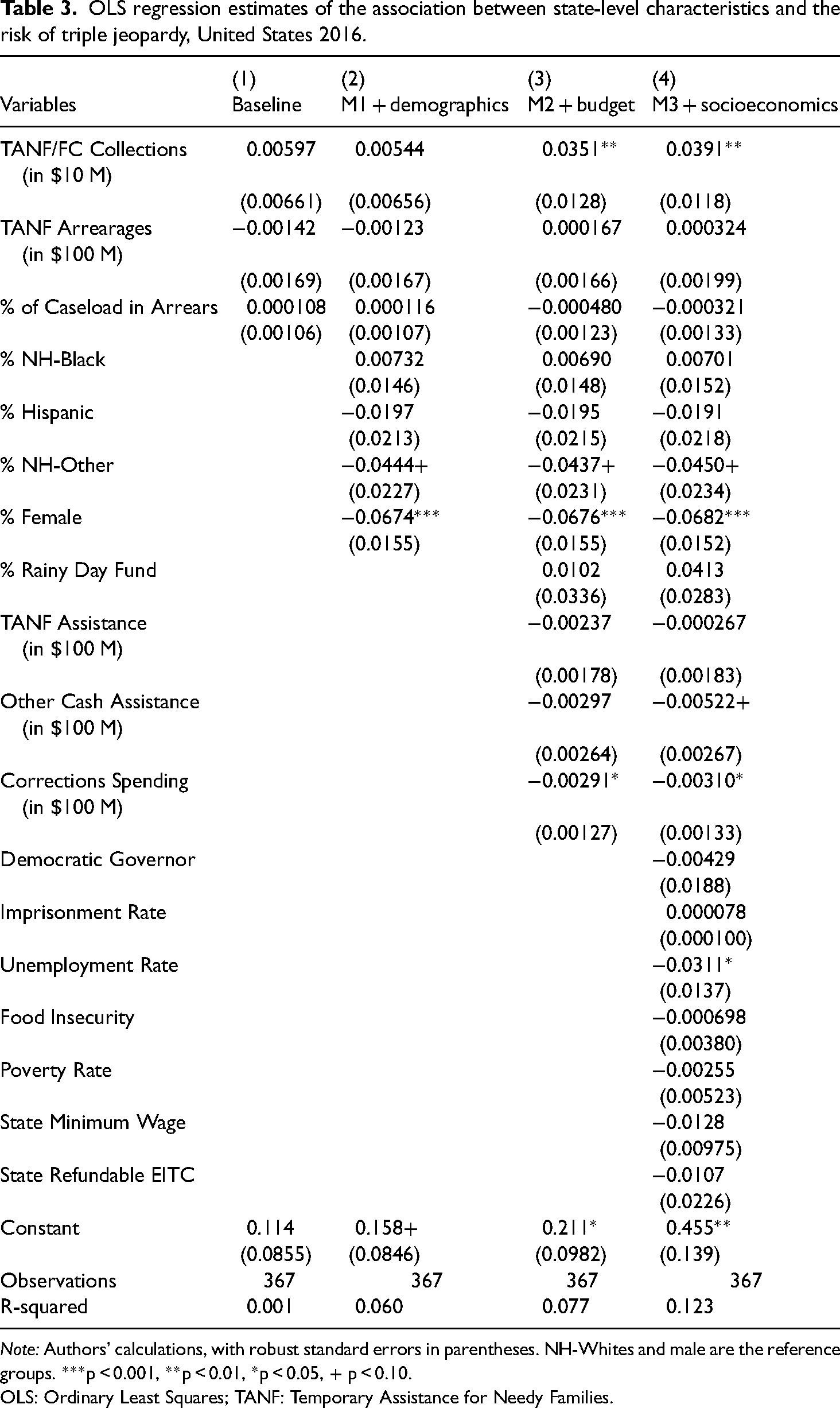
Note: Authors’ calculations, with robust standard errors in parentheses. NH-Whites and male are the reference groups. ***p < 0.001, **p < 0.01, *p < 0.05, + p < 0.10.
OLS: Ordinary Least Squares; TANF: Temporary Assistance for Needy Families.
Other demographic, budgetary, and socioeconomic factors, however, are associated with decrements in the risk of triple jeopardy. The percentage of women in the state is a strong predictor of the risk of triple jeopardy. A one percentage-point increase in the percent of women in a state reduces the risk of triple jeopardy by 6.7 to 6.8 percentage-points (p < 0.01), depending on the model. Additionally, a one-point increase in the percentage of non-Hispanic others in a state is associated with a marginal (p < 0.10) decrease in the risk of triple jeopardy by 4.4 to 4.5 percentage-points. Lastly, correctional spending and the unemployment rate are both negatively associated (p < 0.05) with a reduction in the risk of triple jeopardy.
Conclusions and implications: Access to jeopardy
Double jeopardy is a common concept in criminal law, referring to the prosecution of a person twice for the same offense. In jurisprudence, double jeopardy is a procedural defense that prevents an accused person from being tried again on the same charges following an acquittal or conviction (and in rare cases, prosecutorial, and/or judicial misconduct). While this procedural defense protects defendants from repeat prosecution, not every sanction qualifies under the double jeopardy rule. Typically, the only sanctions that can be considered as “punishment” would qualify under the rule. Yet, in One Lot Emerald Cut Stones v. United States, 409 U.S. 232 (1972), the Supreme Court held, “Congress may impose both a criminal and a civil sanction in respect to the same act or omission, for the Double Jeopardy Clause prohibits merely punishing twice, or attempting a second time to punish criminally, for the same offense.” Additionally, with respect to civil sanctions, in United States v. One Assortment of 89 Firearms, 465 U.S. 354 (1984), the Supreme Court held that the prohibition on double jeopardy extends to civil sanctions that are applied in a manner consistent with the punitive sanctions. And, still, in the case of civil asset forfeiture, in United States v. Ursery, 518 US 267 (1996), the Supreme Court held that civil property forfeitures did not constitute a “punishment” for purposes of the double jeopardy clause. Civil property forfeiture, thus, is a remedial civil sanction and not a punitive criminal “punishment” (see e.g. Currier v. Virginia, 138 S. Ct. 2144, 201 L. Ed. 2d 650 [2018]). As such, American case law continues to wrestle with the conundrum of criminal-civil hybrids and what constitutes punishment in civil law.
In the empirical examination we have undertaken here, double jeopardy defines the particular predicament in which someone who is currently incarcerated owes (criminal) monetary sanctions and has a formal (civil) child support order; in turn, double jeopardy can empirically characterize a subpopulation as that particular demographic group of all individuals within a specified jurisdiction, at a particular time, who experience incarceration, criminal legal indebtedness, and court-ordered child support obligations. Thus, double jeopardy, in the case of criminal-civil debt as one form of legal hybridity, presents a unique problem of access to justice, particularly following the Final Rule: how do incarcerated parents access justice, in civil cases, during periods of confinement and in states that eschew federal directives?
Legal hybridity creates unique and novel burdens that can impact the justiciability of civil legal problems. However to date, justiciable problems have primarily been studied in relation solely to civil legal matters, including how the poor access legal aid (Sandefur, 2007a); general inaction of justiciable matters (Sandefur, 2007b); diminished access (Sandefur, 2008, 2019); unmet civil legal needs (Sandefur, 2016a, 2016b); legal resolution without lawyers (Sandefur, 2019, 2020); and a lack of access to civil justice (Sandefur and Teufel, 2020). Our study broadens understandings of justiciable problems by incorporating intersections of legal hybridity that obscure, complicate, and potentially limit methods for accessing justice (see Martin, 2023). Due to the intricate nature of legal hybridity for those experiencing double and triple jeopardy, when combined with state interpretations of federal rules, an individual's ability to access civil justice—in this case, through child support debt and payment relief—becomes dependent on state interpretations that redefine what is justiciable for parents experiencing legal hybridity. Legal hybridity in this form places parents in jeopardy of multiple civil and criminal sanctions without a clear means of how to reduce that jeopardy, even in light of the Final Rule.
States that have been sluggish to implement directives and suggestions for child support collection and enforcement under the Final Rule limit justiciability options, particularly for formerly incarcerated parents, because parents may be unable to address their child support matters while incarcerated and instead continue to amass further debt before being able to navigate and contend with civil courts or administrative bodies upon reentry. Aharpour et al. (2020) detail several efforts made by states to adjust to the new rules; however, many states continue to fall short, with many states continuing to consider incarceration as a form of voluntary unemployment.
Access to justice for current and formerly incarcerated parents with formal child support orders in arrearage experience a unique form of legal hybridity that requires targeted solutions that scholars are only beginning to discuss. Haney and Mercier (2021), for example, identify several policies that they consider as facilitating successful child support repayment and reintegration of formally incarcerated individuals with support orders, including: (1) restrictive modification policies and court practices, which impose restrictions on when and how parents can request and obtain modifications; (2) state interest policies that allow states to charge interest on past unpaid debts, further increasing debt amounts; and (3) criminal and civil contempt, which uses incarceration as a punishment for unpaid debt, again further restricting a parent's ability to create income and make payments. Haney and Mercier (2021) also list several methods states have used to help promote repayment and reintegration that include proactive modification assistance, coordinated reentry and child support assistance, public assistance payback orders, and debt relief compromise programs.
As a starting point, this study operationalized what we propose is one feature (or consequence) of the hybridization of the vast legal capacity for state power to intervene and to shape, substantially, family complexity across multiple domains of policy (social welfare and criminal justice), legal codes (i.e. the penal and family codes), and fundamental types of law (criminal and civil). Thus, the main implication of our work is that the notion of “hybridity” should be taken more literally than perhaps considered in the literature (Beckett and Murakawa, 2012; Verma and Sykes, 2022), with empirical analyses that can elucidate the size, distribution, characteristics, and risks of populations exposed to these legal hybrids and statistical tests that can reveal the factors that may increment or decrement their exposure. Indeed, the recent Supreme Court decision in Dobbs v. Jackson Women's Health Organization (2022), overturning a woman's right to an abortion and other reproductive care under Roe v. Wade (1973), has already facilitated the conditions rife for increased legal hybridity because many state legislatures, governors, and State Attorneys General have created and enforced new laws aimed at imposing both criminal and civil penalties for women seeking specific types reproductive care and the doctors and hospitals that dispense such care. 6 In doing so, the restrictive and punitive criminal and civil reproductive laws now means that new forms of family complexity may emerge to engender a wide and diverse array of legal hybrids that will undoubtedly vary across states for incarcerated and nonincarcerated people and their families. 7 Changes in social mores, laws, and legal decisions place contemporary and emerging family forms at risk of new types of legal hybridity associated with criminal, civil, and administrative law, creating new avenues for research in access to justice scholarship.
Nevertheless, while we find that there is considerable variation in exposure to the criminal-legal hybrid of monetary sanctions and child support, there are several limitations to our study. First, our analysis only includes parents exposed to imprisonment. Parents in detention facilities, jails, and on community supervision (probation or parole) are not included in the analysis, suggesting that our estimates and statistical relationships are very conservative. Second, due to measurement limitations in the data, we do not know if a parent's monetary sanctions are in arrears or collections, which would amplify their risks beyond triple jeopardy; if their monetary sanctions are sent to collections, such parents would experience another form of legal hybridity: a conversion from criminal debt to civil debt, which could affect that person's credit rating, at a minimum (see Harris et al., 2022). For these two reasons, we believe that the prevalences, disparities, and associations presented in our analysis are extremely conservative.
In sum, our forgoing analysis provides a valid description of, and critically establishes the sociolegal precarity wherein, currently imprisoned parents observe and experience their risks of double and triple jeopardy in the child support system via its orders, collections, and enforcement powers. O’Malley (2013: 2) writes that, “[u]nlike other punishments, money sanctions are not a subtraction from life, but a transfer of value,” and, perhaps, a transfer from one body of law to another. Indeed, Rusche and Kirchheimer (1939:176) made what O’Malley (2013: 6) characterizes as “a singularly astute observation” that, “fines are about governing distributions of action rather than about the correction of individuals.” If so, we expect all manner of actions that stand to be governed through the legal mechanism of monetary sanctions would so too spill beyond criminal law and into civil law, allowing for the cocreation of legal hybrids that take the form of, minimally, double and triple jeopardy, and in doing so, create new types of unexplored and unexplained legal problems in America.
Footnotes
Declaration of conflicting interests
The authors declared no potential conflicts of interest with respect to the research, authorship, and/or publication of this article.
Funding
The authors received no financial support for the research, authorship, and/or publication of this article.
