




Abstract
In this work, the general algebraic method is proposed for finding some solutions of a conformable fractional coupled nonlinear Schrödinger equation with variable coefficients arising in inhomogeneous fibers with two orthogonal polarization states. With the aid of symbolic computations, many types of new soliton pulse and periodic pulse solutions including complex doubly periodic solutions, solitary wave solutions, and trigonometric function solutions are obtained. Some 3D and 2D numerical simulations about these solutions are portraited, which show the novelty and visibility of the dynamical structure and propagation behavior of the corresponding model. Moreover, we found the W-shaped soliton pulse and the periodic wave pulse can be effectively controlled by changing the relative parameters of the frequency coefficients and orders, which will help us to have a better understanding about the internal structure of this model.
Keywords
Introduction
Since Newton and Leibniz founded calculus, the development of natural science has entered a new era, many natural phenomena can be described by partial differential equation models, but in recent years, people realized that more and more problems of engineering science and mathematical physics need to be descripted by fractional differential equations(FDEs), such as chaotic oscillations,
1
engineering and physics ,
2
two-scale thermal science ,
3
optical fibers,
4
and so on.5–6 For better understanding and explaining the physical meaning of these models, searching for analytic solutions including approximate solutions and exact solutions of these FDEs plays an important and significant role in these areas. In the last two decades, many powerful methods have been proposed by scholars to handle this subject, such as homotopy analysis method(HAM),
7
homotopy perturbation method(HPM),
8
Adomian’s decomposition method(ADM),
9
and variational iteration method(VIM)
10
to find the approximate solutions of FDEs. Bäcklund transformation method,
11
Darboux transformation,
12
and Hirota bilinear method
13
can be used to find the N-soliton solutions. Improved F-expansion method,
14
projective Riccati equations method,
15
Jacobi elliptic function expansion method,
16
Up to now, scholars have built many types of definitions about the fractional derivative, the most classic definitions are
Riemann–Liouville fractional derivative
21

Caputo fractional derivative
22

Jumaries’s fractional derivative
23

He’s fractional derivative
24

Furthermore, Atangana fractional derivative, 25 M-fractional derivative, 26 Atangana–Baleanu derivative, 27 and the conformable fractional derivative which will be utilized in this article,28,29 etc 30 are built recently, the geometrical explanation on fractional calculus has been discussed by He in Ref. [31].
We consider the conformable fractional coupled nonlinear Schrödinger equation in inhomogeneous fibers (CFCNLS) in the form32–34

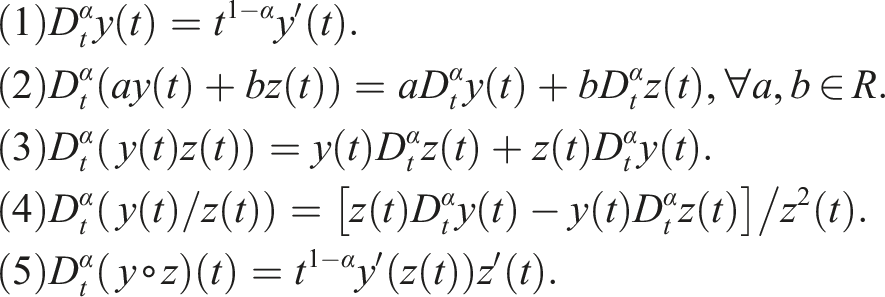
Definition for a function Also, we have the following important properties28,29: The paper is organized as follows: In Section 2, we introduce the general algebraic method based on the sub-ode method. In Section 3, some new exact solutions of the CFCNLS are found and discussed by utilizing the proposed method. Finally, the conclusion is presented in Section 4.


The general algebraic method (GAM)
A brief description of the GAM is presented as follows:







After finding the new solutions of equation (6) by equations (7) and (8), let us substitute Equations (6) and (5) in equation (4), setting the coefficients of
In the following, we will use this method to solve the CFCNLS.
Exact solutions to the CFCNLS
Exact solutions
If we let

We can give the following complex variable transformation48–50:


Substituting equations (10) and (11) in equation (9), separate the real part and the imaginary part, we obtain

We assume that equation (12) have the following solutions:

Substituting both equations (6) and (13) in equation (12) and setting the coefficients of
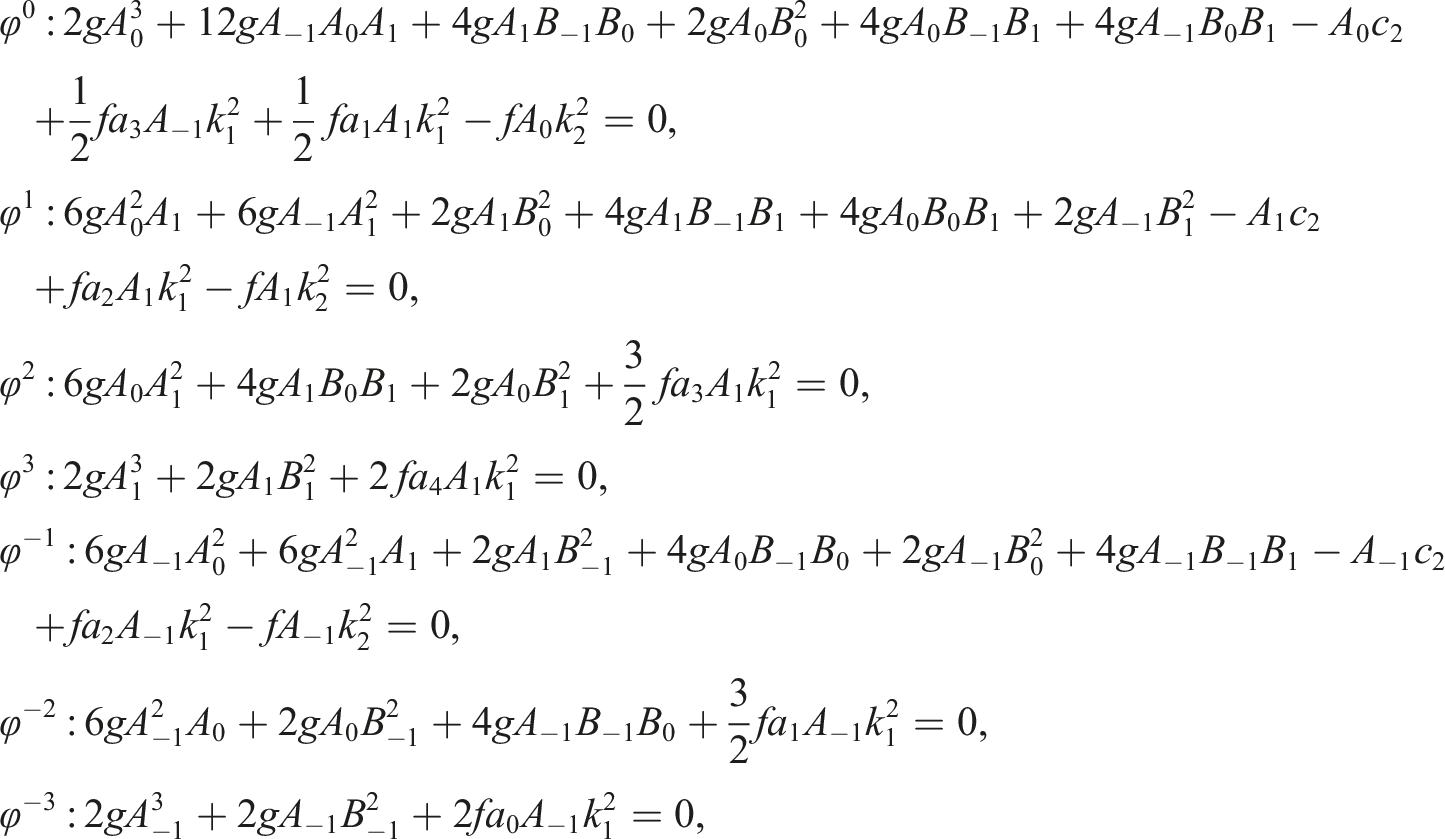
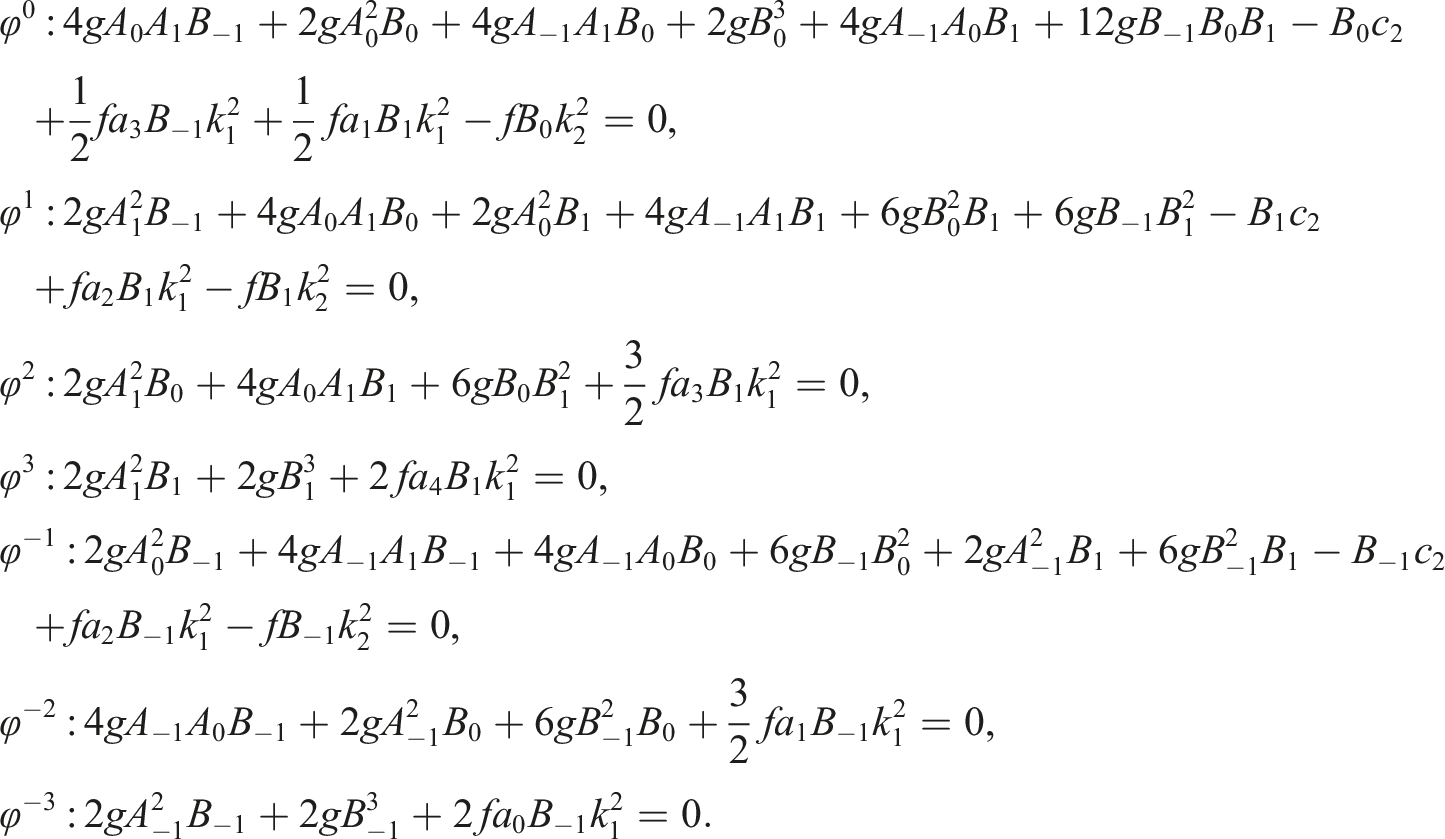
After solving the above AEs along with equations (10) and (11), we could determine the following solutions:
We find the following trivial solution of equation (9)

In this situation, we produce the following solutions of the above AEs:

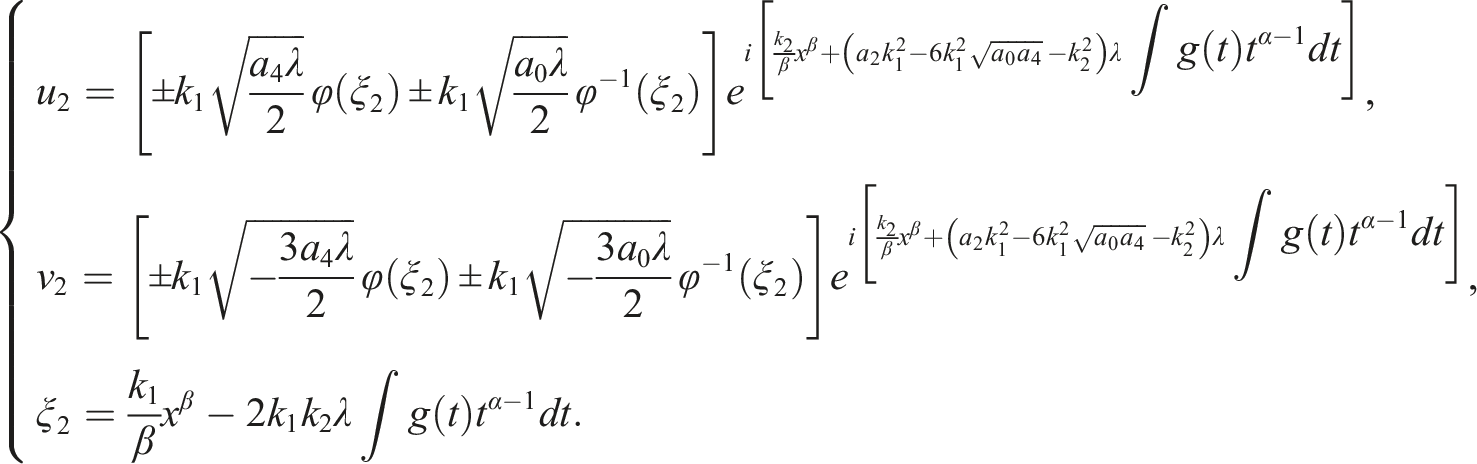
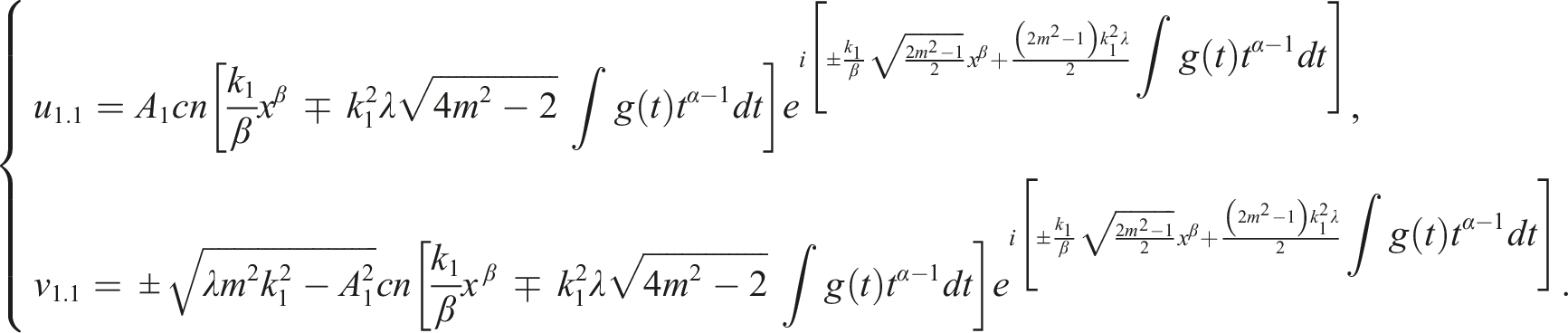
Thus, the following solutions of equation (9) are deduced:

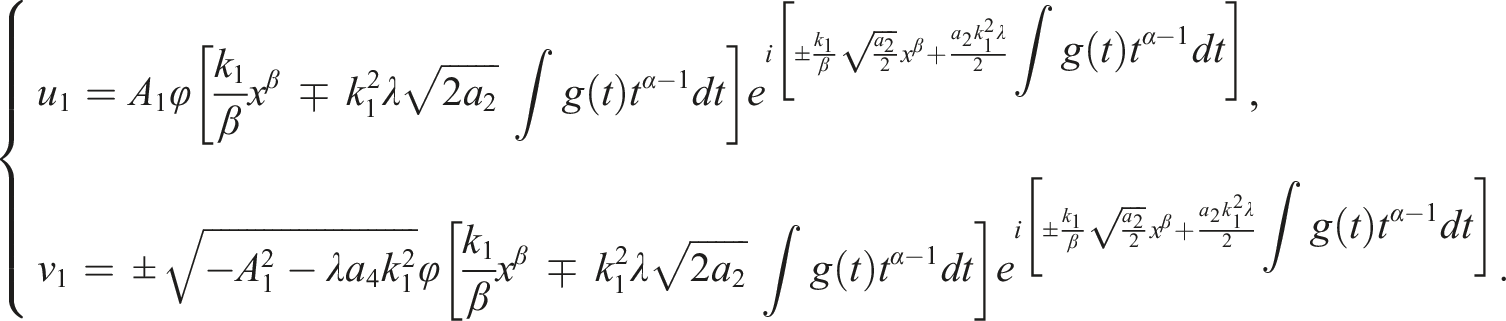
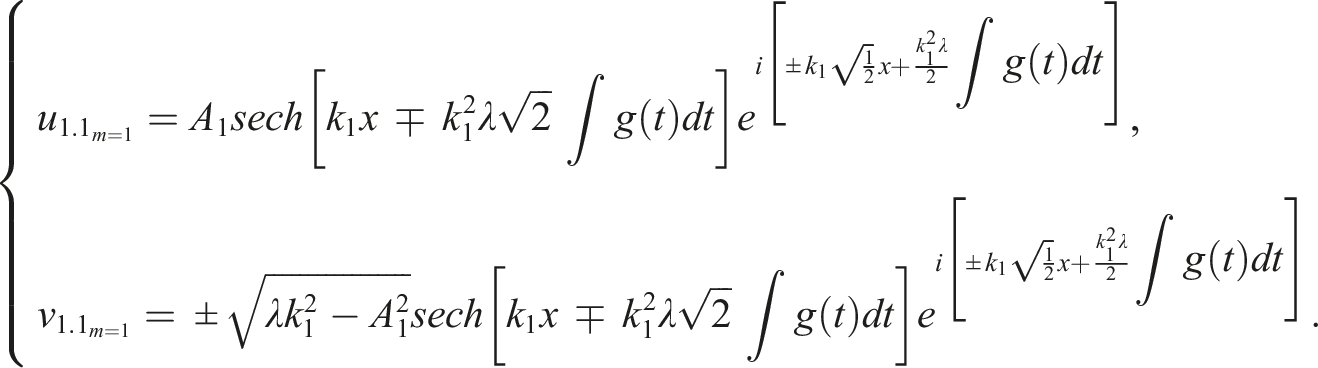
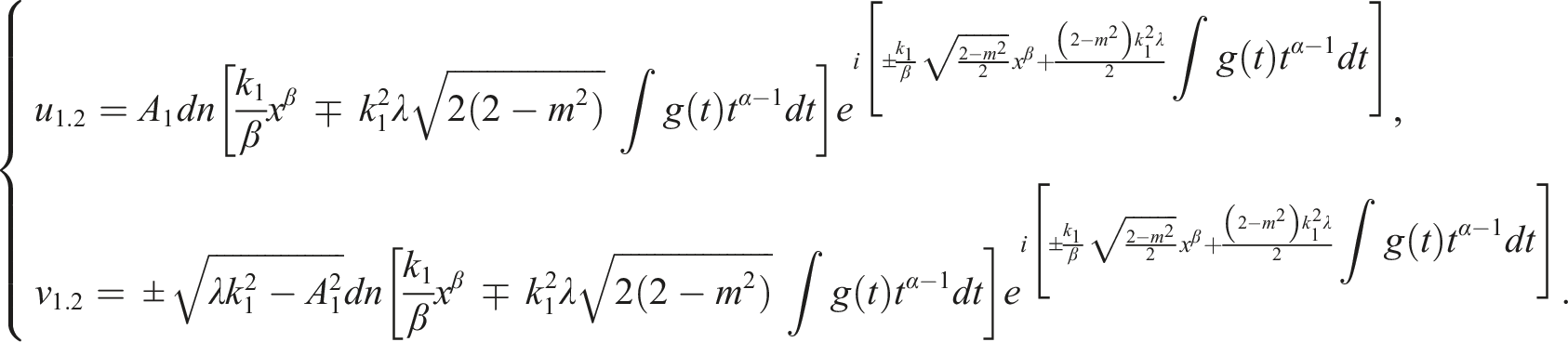
Here, Obviously, Selecting
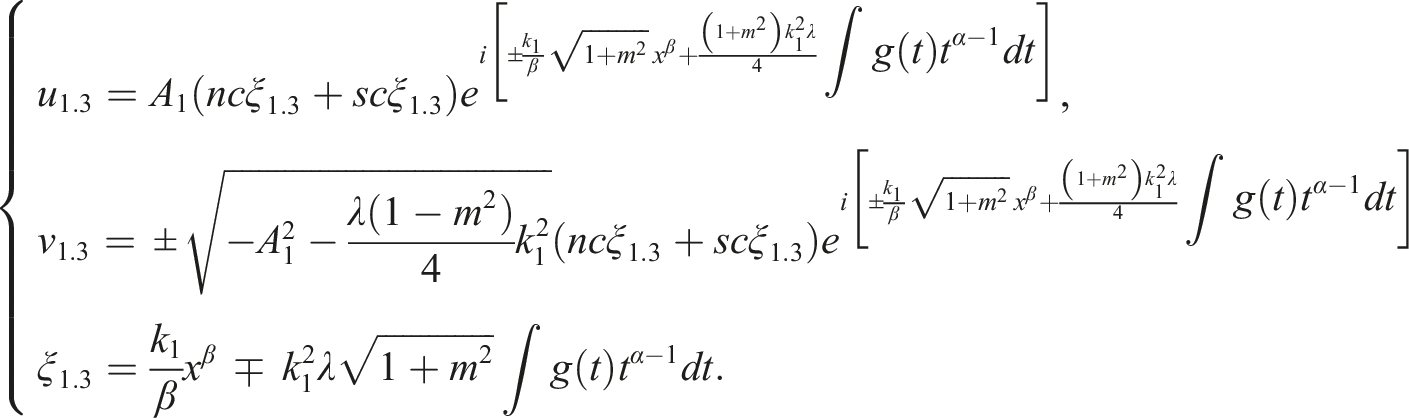

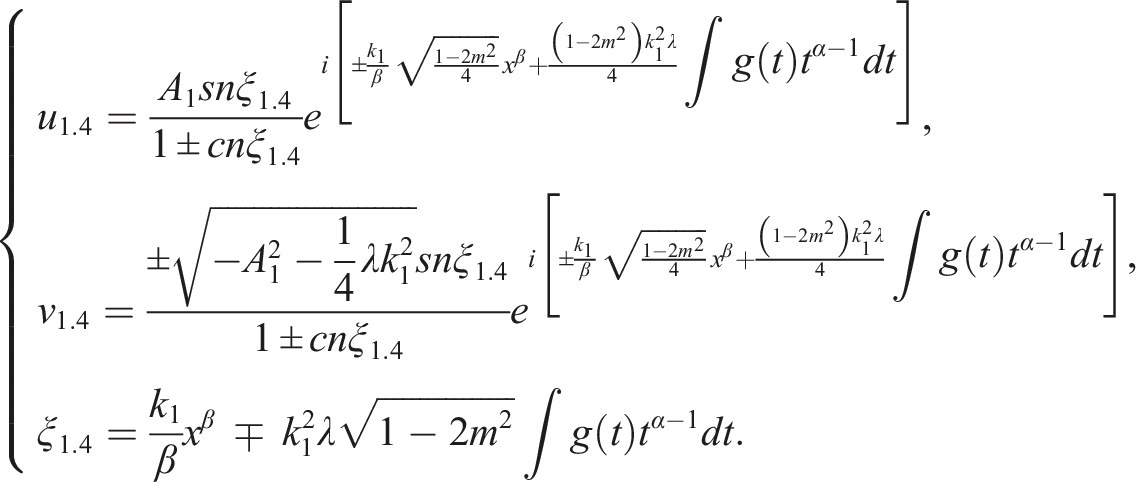
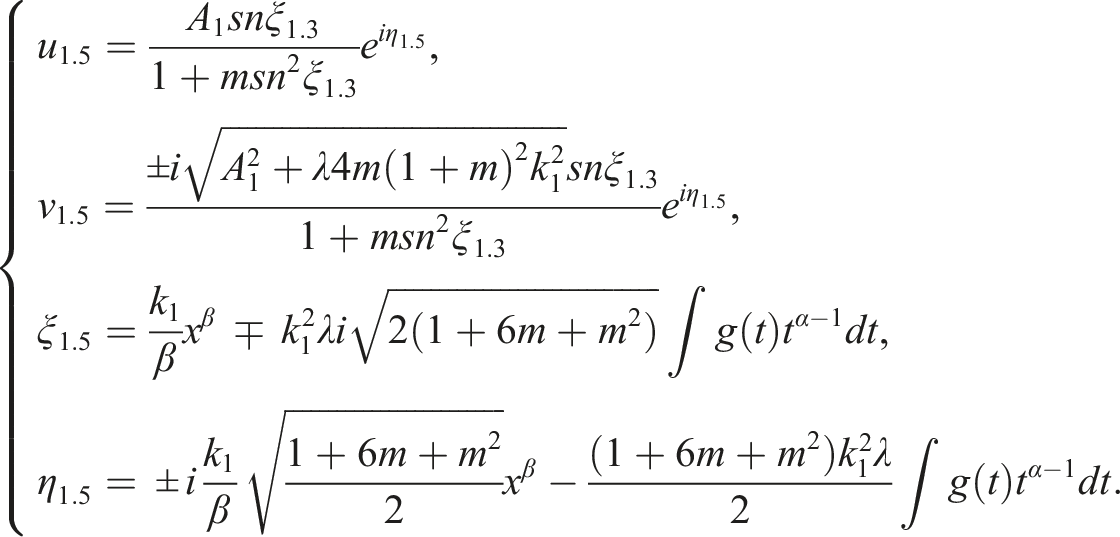
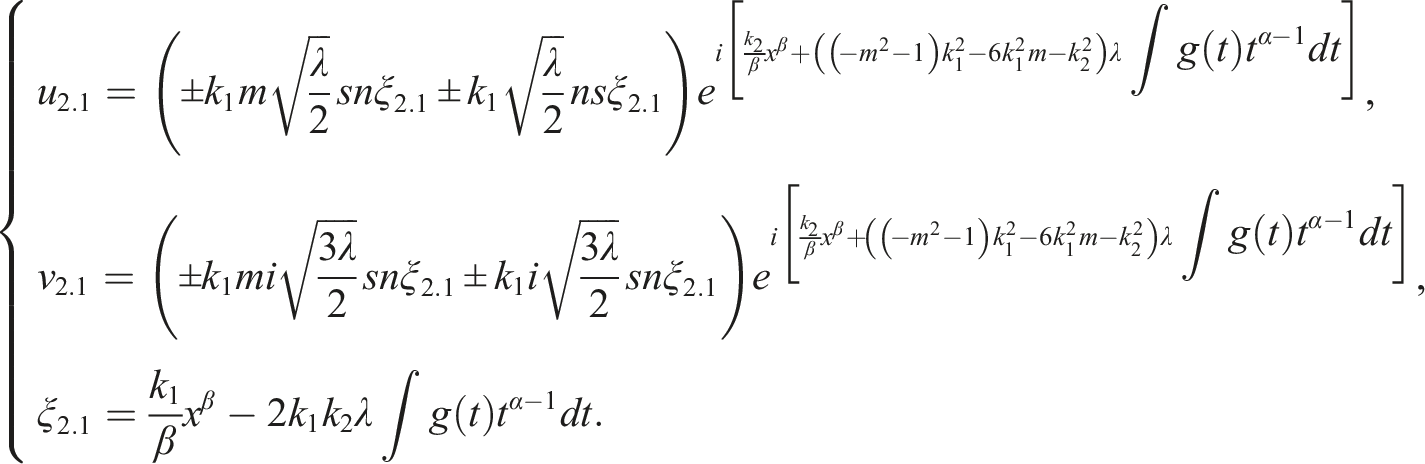
If we let
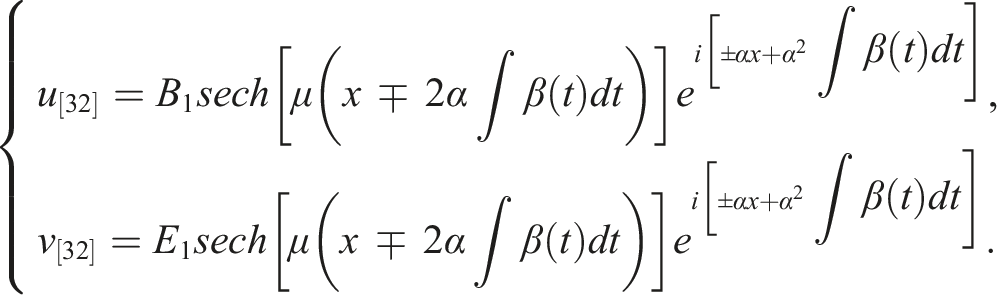
We find the following solutions of equation (9):

Type 3 Selecting Selecting
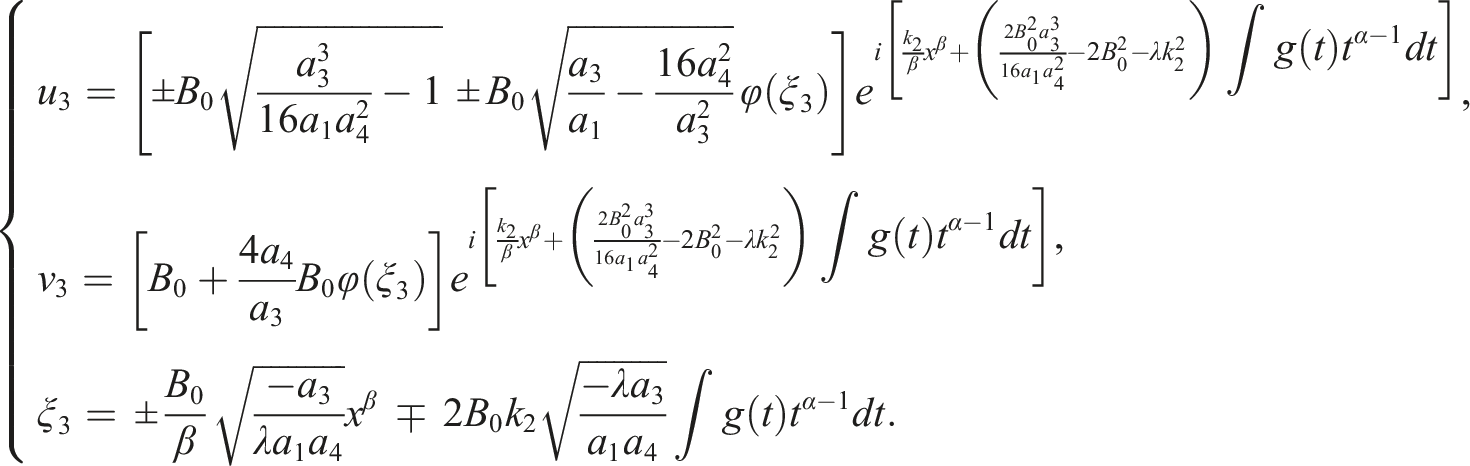
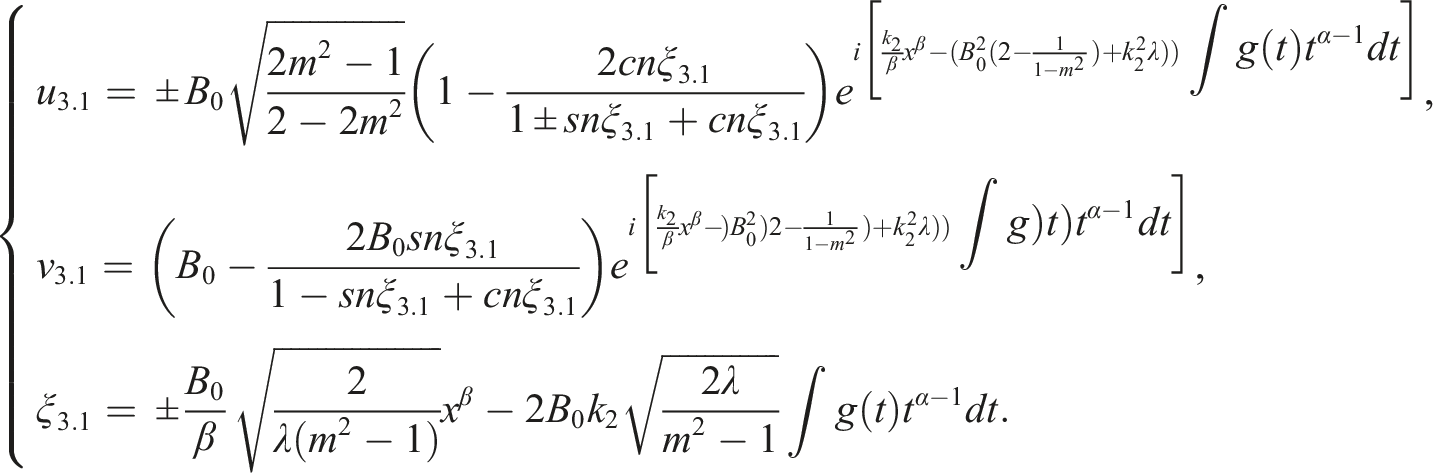

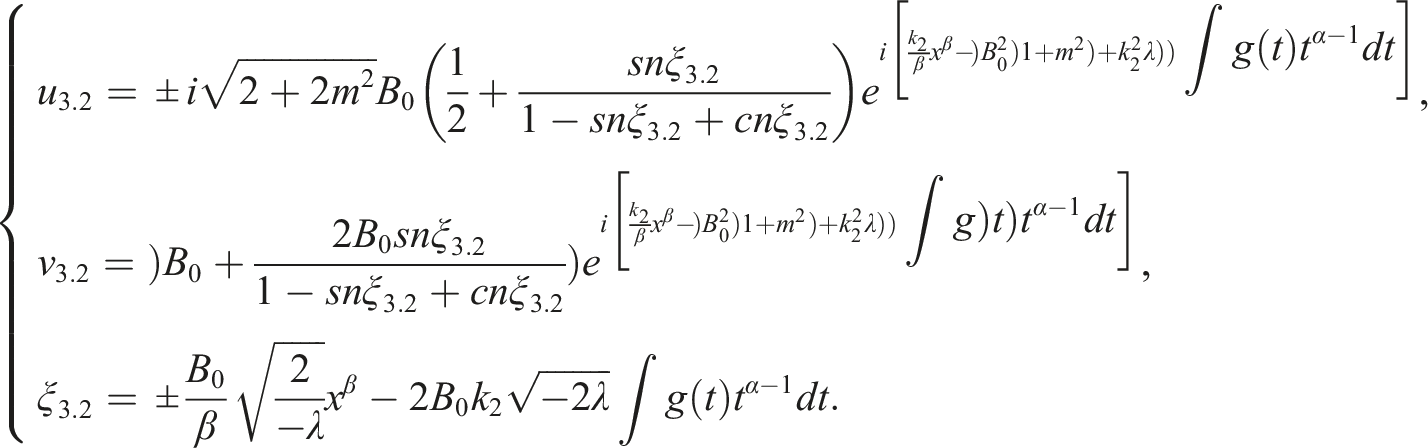
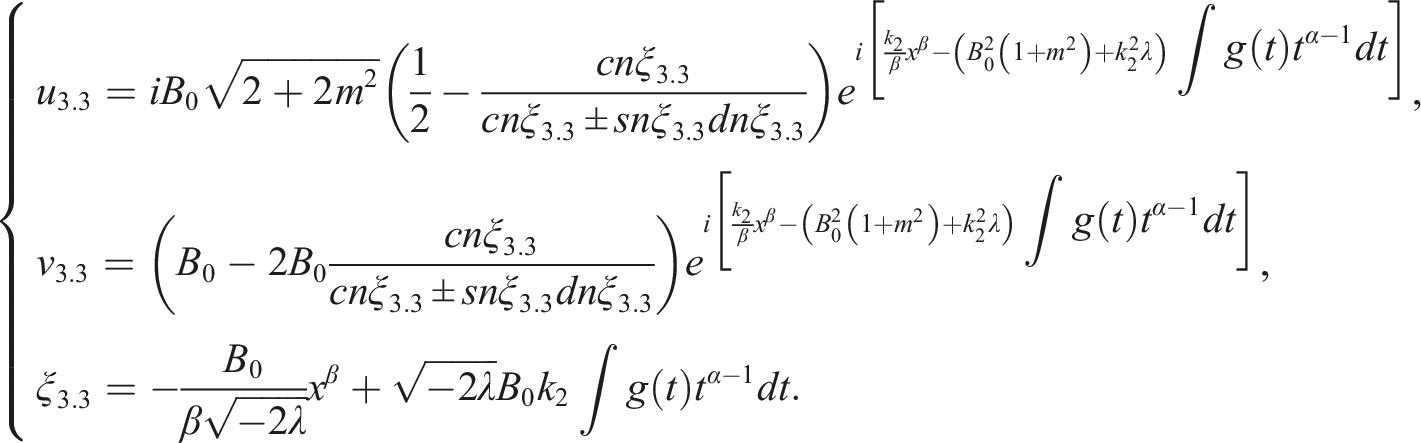
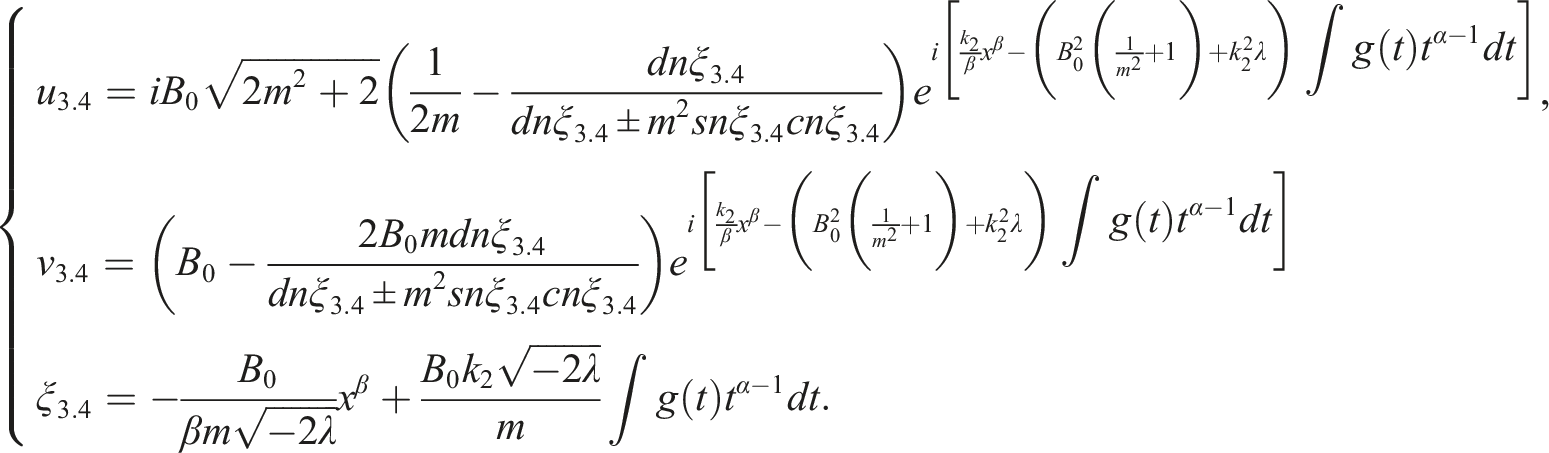

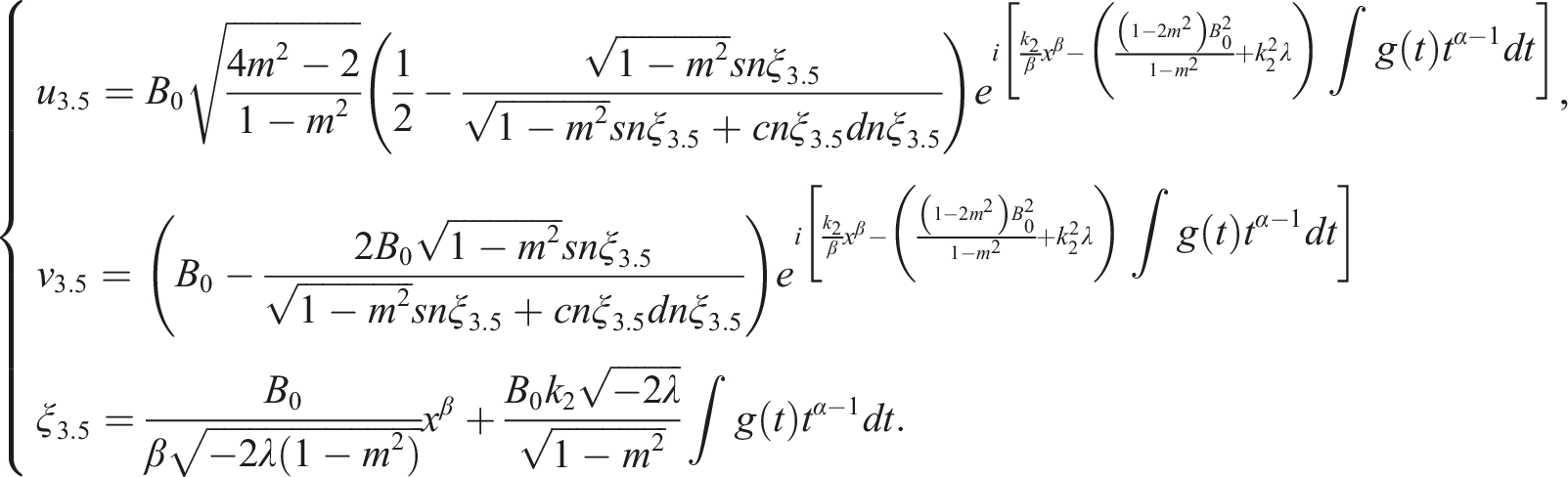
We simulated some of these solutions in Figure (1), (2), (3), (4), (5), (6), and (7).
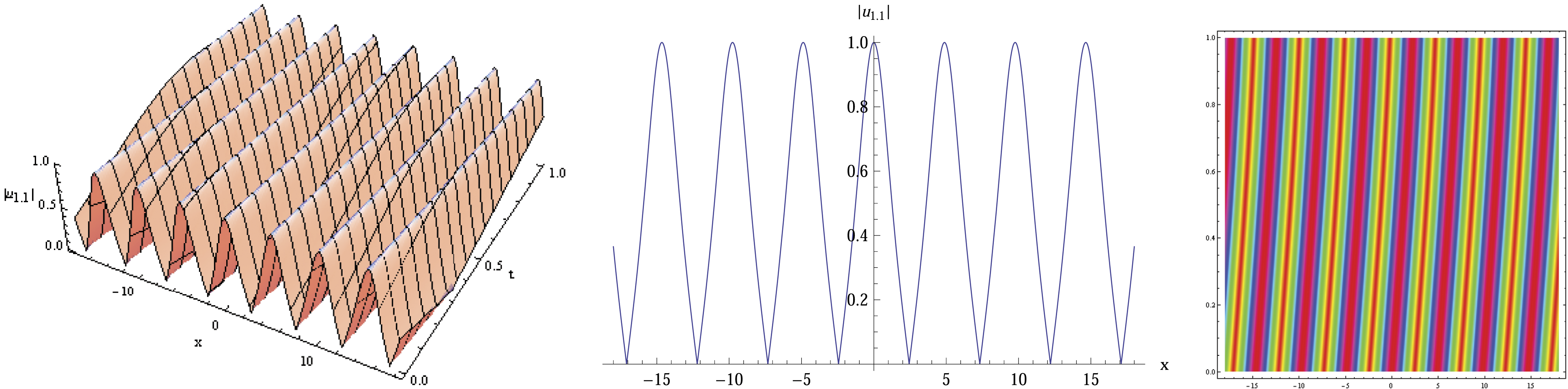
The modulus of
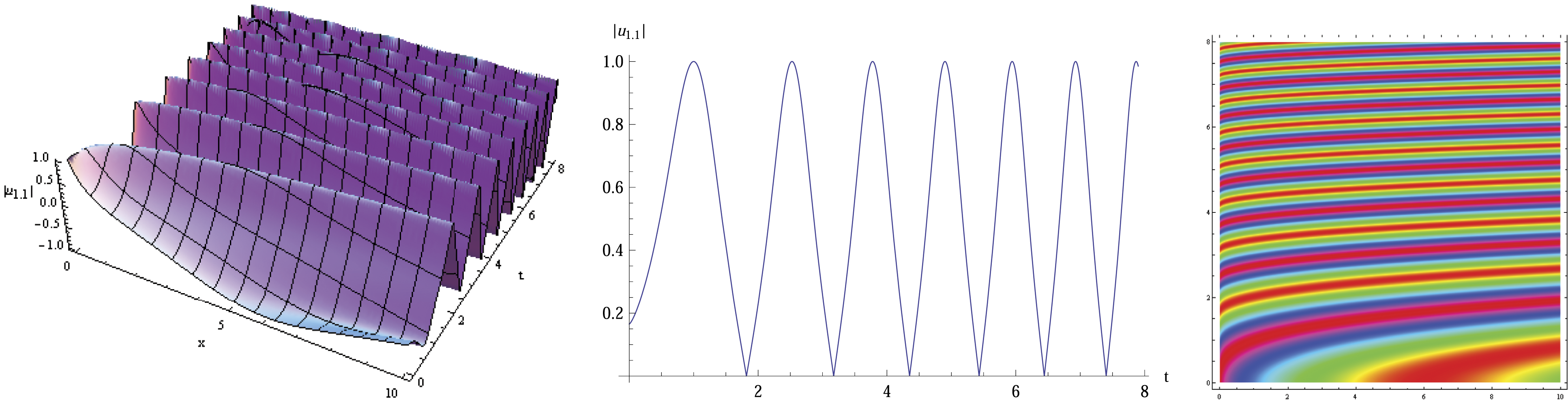
The modulus of
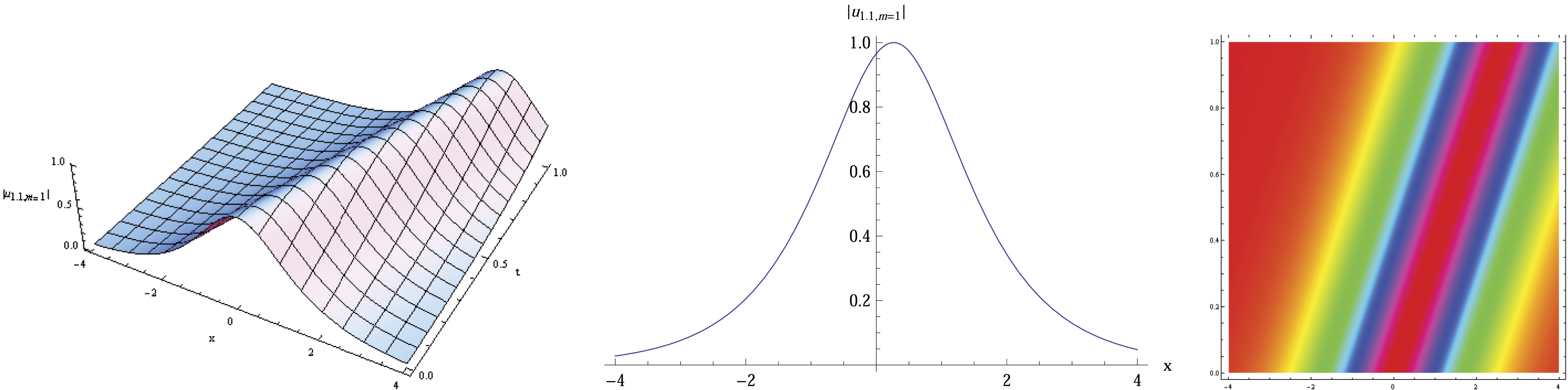
The modulus of
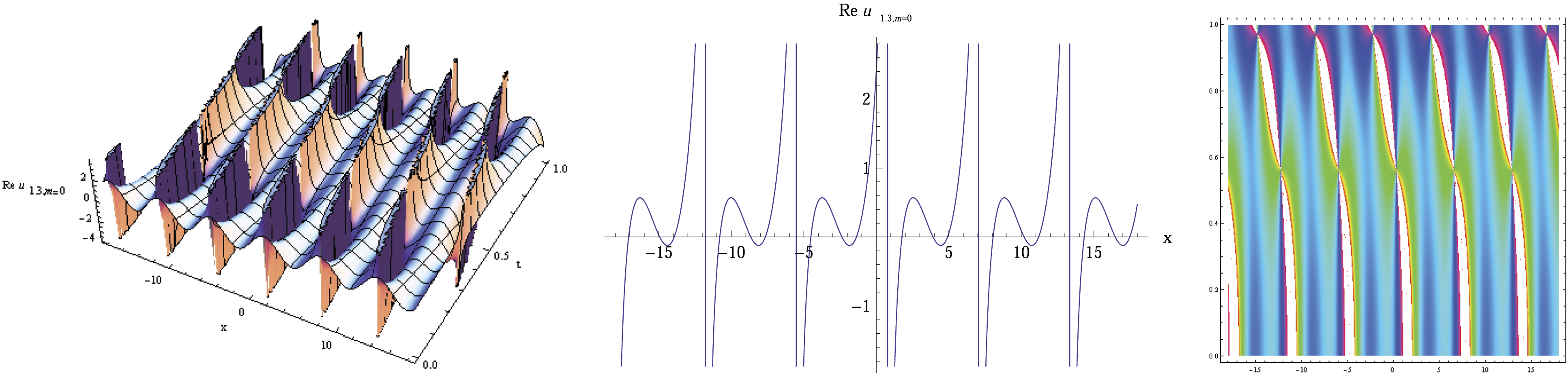
The real part of
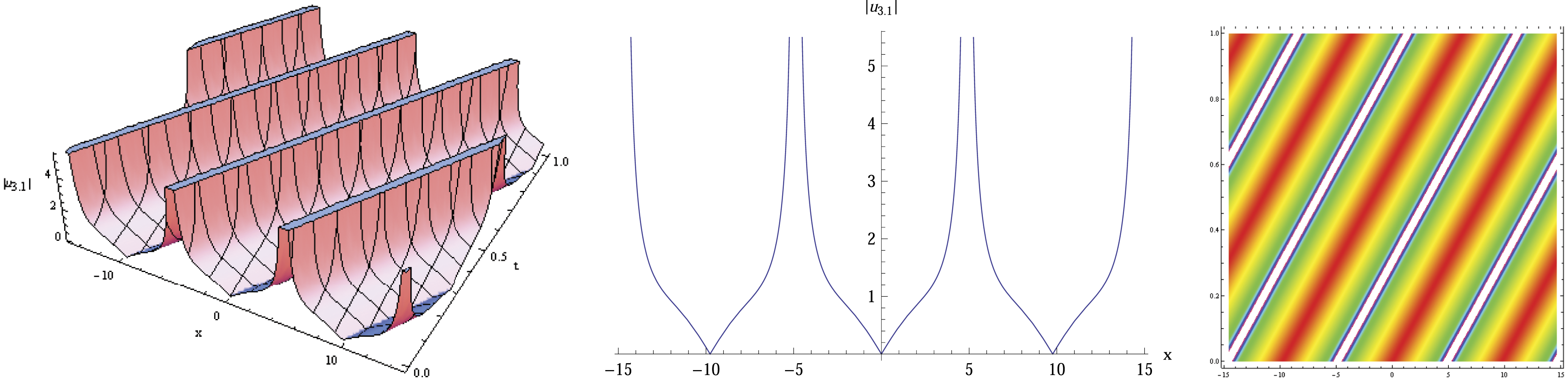
The modulus of
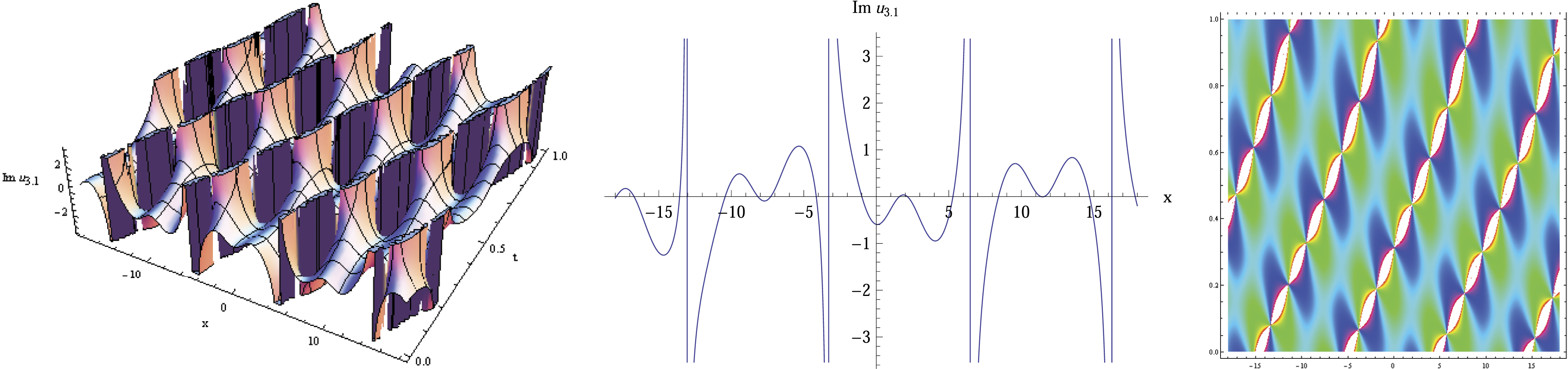
The imaginary part of
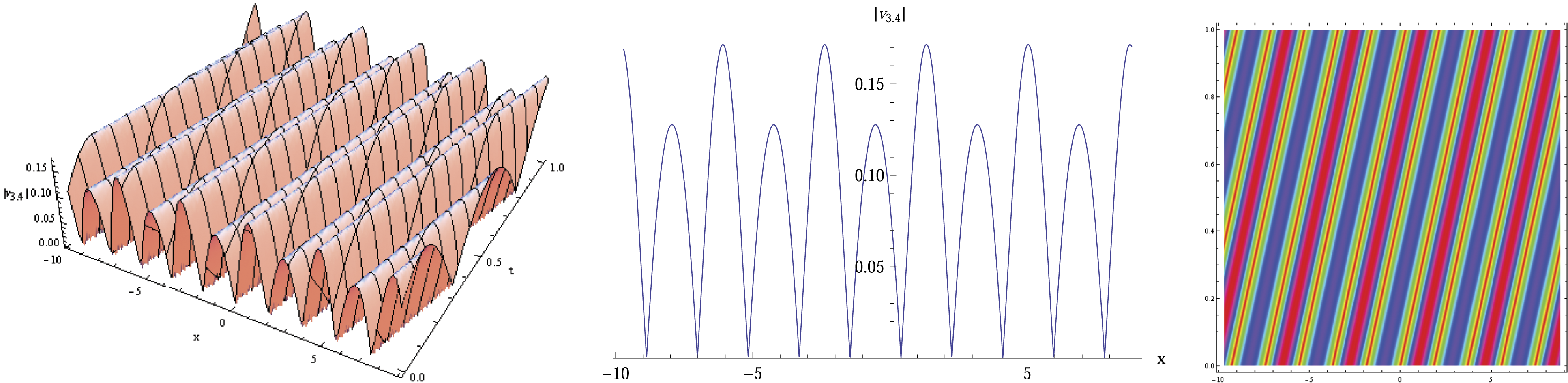
The modulus of
Results and discussion
After utilizing the GAM, we get many types of similar solutions of equation (1), and some structure of these solutions are simulated in Figure (1), (2), (3), (4), (5), (6), and (7). The visualization can help us to better understand the dynamic behavior and propagation property of these soliton pulse and periodic pulse solutions, and the doubly periodic pulse solution of equation (1) is shown in Figure 1, which can be degenerated to a bell-soliton solution when the modulus The change of modulus for 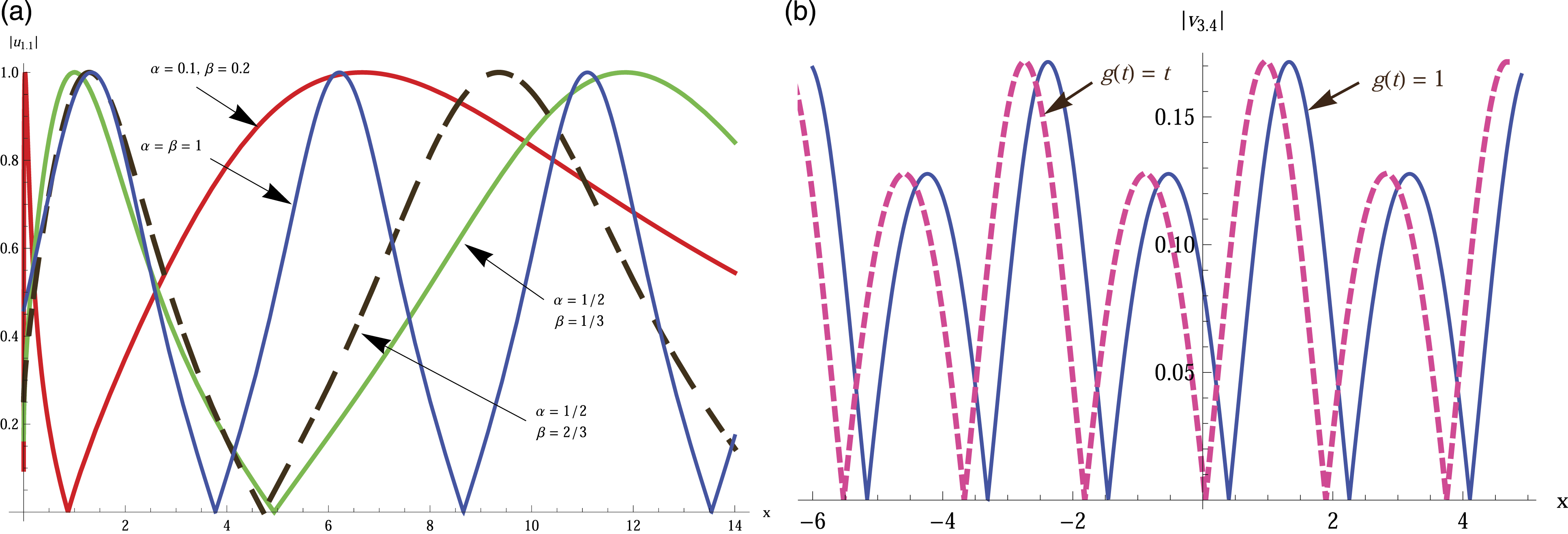
Conclusion
In conclusion, many types of new exact soliton pulse and periodic pulse solutions for the CFCNLS have been found after utilizing the GAM. Some propagation behavior of these solutions are discussed and simulated, and the graphs of which show that these doubly periodic wave solutions, solitary wave solutions, and single periodic solutions are propagated through different pattern which were controlled by the parameters of the two components. The efficient and significant method can be used by many other nonlinear models such as vmKdV equation, Ginzburg-Landau equation, and Burgers-BBM equation.
Footnotes
Author contribution
Baojian Hong: Completed all of the study, carried out the results and drafted the paper.
Declaration of conflicting interests
The author(s) declared no potential conflicts of interest with respect to the research, authorship, and/or publication of this article.
Funding
The author(s) disclosed receipt of the following financial support for the research, authorship, and/or publication of this article: This work is supported by the practical innovation training program projects for the university students of Jiangsu Province (Grant No. 202211276054Y), Natural science research projects of Institutions in Jiangsu Province (Grant No. 18KJB110013) and Nanjing Institute of Technology (Grant No. ZKJ201513, YZKC2019086). The author wish to express his sincere appreciation to the editors and the anonymous referees for their valuable comments and suggestions.
Data availability
The author affirmed availability of data and material in deriving the solutions mentioned in this manuscript.
