




Abstract
Wooden structures, as the most representative structural types of the ancient Chinese architecture, are very common and have a long history. The special construction methods adopted in ancient wooden structures, such as the platform foundations and plinth connections, enabled the ancient buildings to stand for thousands of years. However, research on the vibration reduction and isolation of the unique structures is insufficient. Thus, this paper investigates the vibration reduction and isolation performance of the platform foundation and column base of ancient wooden buildings, taking the 1500-year-old Feiyun wooden pavilion as a case study. First, using the acceleration RMS, the traffic-induced vibrations were analyzed in the time domain. It was found that the platform foundation tends to amplify the horizontal vibrations, while the column base tends to reduce them. Furthermore, background vibrations were eliminated from the measured data by using the principle of energy conservation. A frequency domain analysis of the processed data showed that the horizontal traffic-induced vibrations below 16 Hz were reduced by the platform foundation, and the column base had an obvious effect on the vibration reduction and isolation below 40 Hz. Both the platform foundation and the column base demonstrated a good effect on the reduction of traffic-induced vibrations in the vertical direction. The reported research results can be used as a basis for further studies on the dynamic performance of ancient wooden structures.
Keywords
Introduction
In recent years, with the rapid urbanization in China, the traffic networks have grown considerably. While bringing convenience to people, the environmental vibrations caused by traffic have become an issue, especially for some old buildings with cultural value. Due to their age, weathering, detrimental impacts of the surrounding environment, poor maintenance, and other factors, such ancient building may already be damaged. Now, they are also subjected to the micro-vibrations caused by traffic that last for extended periods of time. When the dynamic stresses induced by the micro-vibrations are large, they may cause fatigue damage to the ancient buildings. This fatigue damage can threaten the structural integrity, produce cracks or structural deformations, and finally affect the structural safety. Once the ancient buildings are destroyed, they cannot be replaced; thus, traffic-induced vibrations can be considered as their “invisible killer.”
This research takes the Feiyun Pavilion—one of the oldest existing wooden structures in China—as the case study. The Feiyun Pavilion is a pure wooden building in the Yuan (1271–1368 AD) and Ming Dynasty (1368–1683 AD) styles. It is located within the Dongyue temple in the Wanrong County, Yuncheng City, Shanxi Province, China, as shown in Figure 1. The entire building is mainly made of wood and structural connection using mortise and tenon joints without any metal components. The pavilion has three floors on the outside and five floors inside. The total height of the building is about 23 m. Due to the long-term wind and rain action and traffic vibrations, the structure has accumulated serious structural damage, such as beamcolumn joint cracking, tenon joint loosening, and others.
1
Therefore, the research on the dynamic performance of the structure when subjected to the long-term traffic-induced vibrations will have a significant value for the protection of the structure. Location and overall view of Feiyun Pavilion.
As a typical wooden building structure, the Feiyun Pavilion has the following characteristics: (1) The weight of the building is mainly borne by the pillars, and the weight of the upper structure is transferred to the column frame through the bucket arch. (2) The column and column base are connected by friction without any other structural connections (Figure 2). Thus, the column can slip within a certain range on the column base. This unique link is neither a rigid connection nor a traditional articulated connection. (3) The entire building is located on a platform foundation, which not only provides a stable support for the building but also affects the dynamic performance of the structure. Column base: (a) Photograph and (b) schematic diagram of column sliding.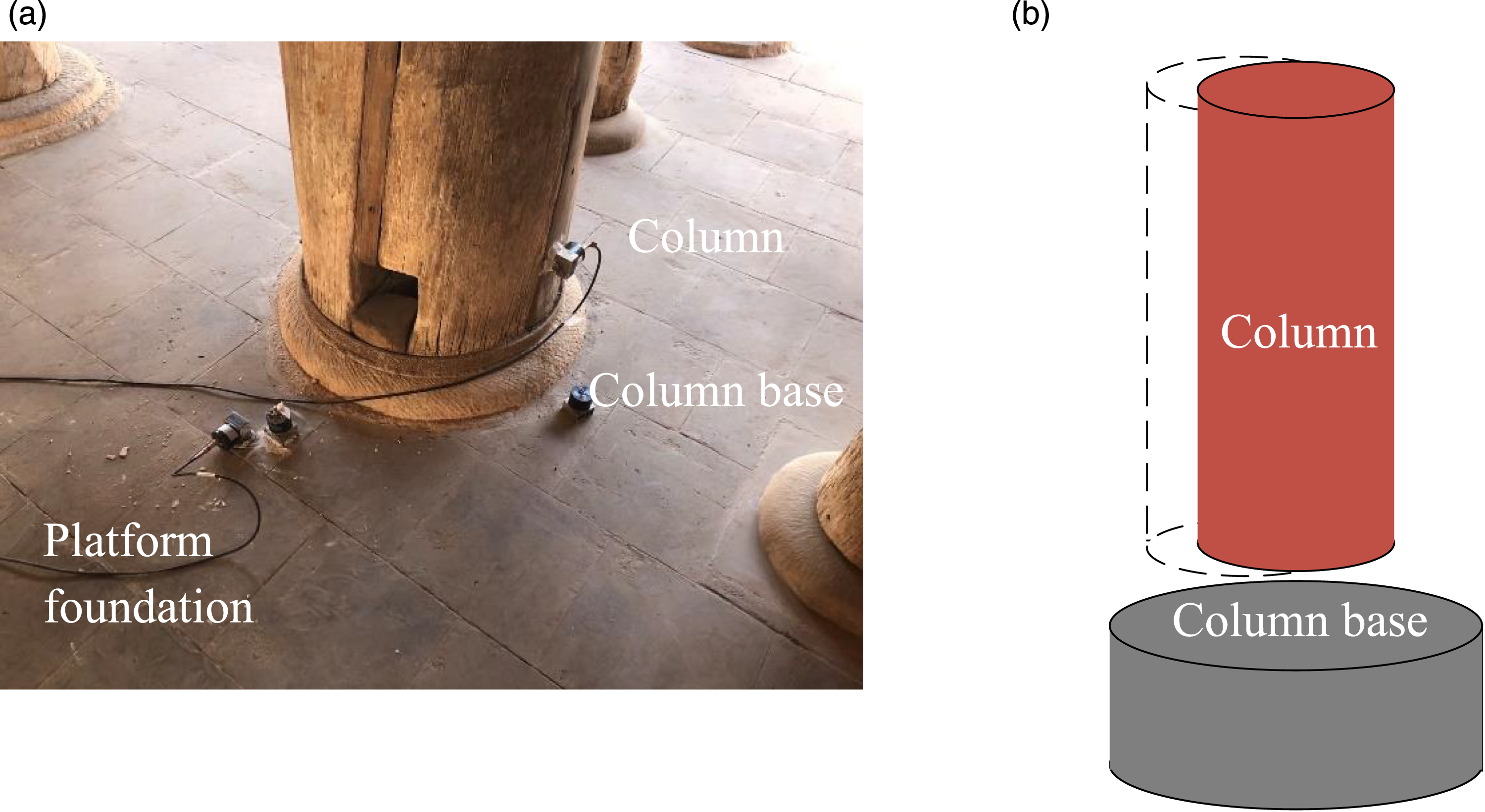
Numerous studies have been conducted on the vibrations of historic buildings.2-6 For the traffic-induced vibrations, Bata 7 investigated traffic-induced vibration effects in buildings. Subsequently, in the past several years, the road traffic-induced vibrations in historical buildings were investigated experimentally and numerically by Hunt, 8 Bazaco et al., 9 Crispino and D’Apuzzo, 10 Bongiovanni et al., 11 and Zhang et al. 12
The ancient Chinese wooden structures have an extremely high historical and cultural value. Therefore, several studies, mostly focusing on on-site measurements, on such structures subjected to the traffic-induced vibrations have been conducted. Tieying L. et al., 13 Ruizhi W. et al., 14 and Bo C. et al. 15 conducted field vibration tests under environmental excitations for the Yingxian Wooden Tower in the Shanxi Province and identified its modal parameters, including the low-order translational and torsional vibration modes. Maohong Y. et al. 16 conducted field tests on the Xi’an North Gate Arrow Tower using ground pulsation excitation with or without roof load, and identified the modal parameters of the tower in the two working conditions. Ping C. et al. 17 researched the dynamic performance of the Xi’an Bell Tower and evaluated the effect of the restoration works on the structural dynamic performance. Zhaobo M. et al. 18 conducted a 24-h dynamic response test on the Xi’an city wall. Using the quadratic regression analysis, they studied the attenuation of vibrations caused by traffic in rammed earth and the influence of ground-transmitted traffic vibration on the Xi’an Bell Tower. The impact of ground-transmitted traffic and subway vibrations on the bell tower was comprehensively evaluated according to the national standard GB/T50452-2008 technical specifications for protection of historic buildings against man-made vibrations. 19
The above survey of the existing research results demonstrates that although some understanding of the dynamic performance of ancient wooden buildings is available, the following limitations still exist: (1) The existing research mainly focused on several typical high-rise ancient buildings, while ancient wooden structures with different structural features have not been properly investigated. (2) There is a lack of research on the law of vibration reduction and isolation of the platform foundation and column base in the ancient wooden structure. The number of existing related studies is less, and the views expressed are inconsistent. (3) In the field tests, the influence of wind and earth pulsation on the measured data was often ignored, which could lead to large errors in the experimental results. (4) Most of the vibration excitations studied were strong but short-lasting dynamic loads, such as earthquakes. There are still lacks the research of the dynamic performance of ancient wooden structures under traffic-induced vibration.
Therefore, the vibration reduction and isolation performance of the Feiyun wooden pavilion, a precious ancient wooden structure built in the Yuan and Ming styles, under the traffic-induced vibrations is studied in the paper. Considering that the excitation source is traffic-induced vibrations, a method for removing background noise vibrations based on energy considerations is proposed to improve the signal-to-noise ratio in the collected data. Then, the vibration reduction and isolation performance of the platform foundation and column base of the structure are studied. This paper’s research results are of great significance for the protection of the ancient wooden structure—Feiyun Pavilion.
Experimental procedure
Because of the fragility and heritage value of ancient wooden buildings, large artificial excitation sources must not be used in dynamic tests. However, the Feiyun Pavilion is only about 10 m away from a road (see Figure 3), it is strongly affected by traffic-induced vibrations. Thus, it was possible to analyze the dynamic performance of its platform foundation and column base using the naturally occurring traffic-induced vibrations. Conducting the dynamic performance tests on a structure under the ambient traffic excitations has no impact on the normal use of the structure and is inexpensive. Feiyun Pavilion situation.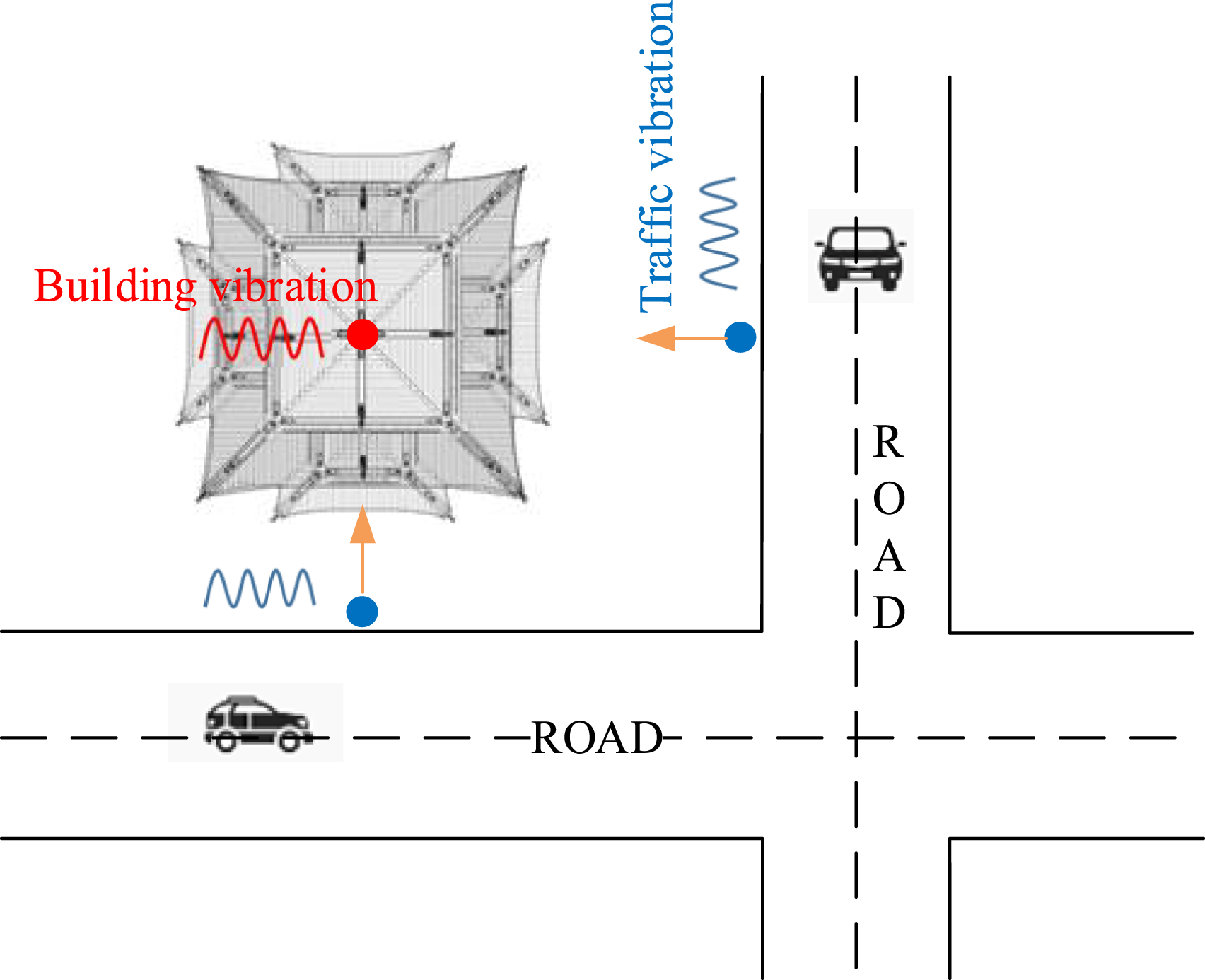
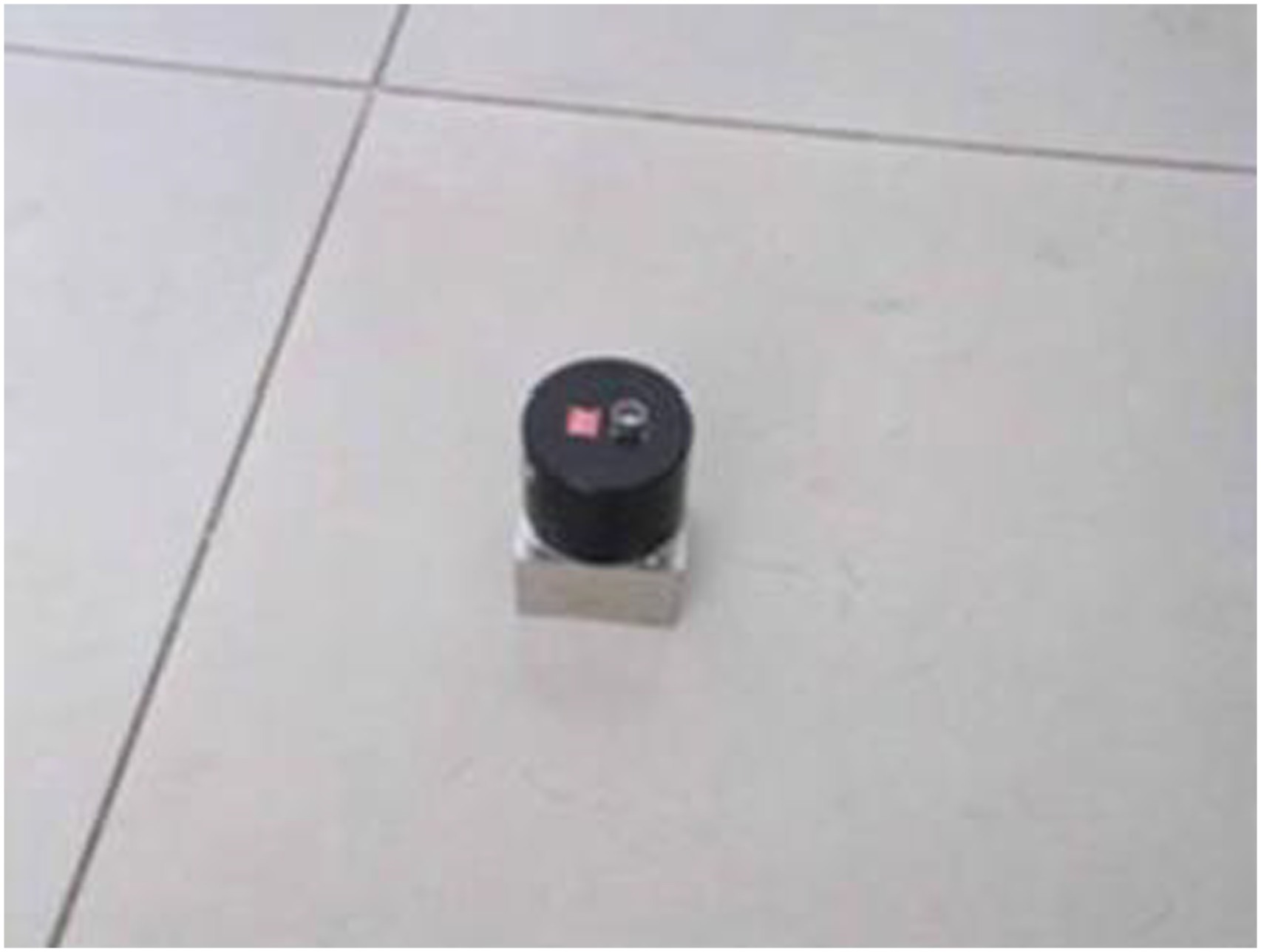
The equipment used in the test included an INV3020 C synchronous data acquisition system with 28 channels, and 12 uniaxial (8 horizontal and four vertical) 941b acceleration sensors, as shown in Figures 4 and 5. Before the test, the acceleration sensors were calibrated for consistency and sensitivity. Inv3020c 28-bit high-performance data acquisition system. 941b ultra-low frequency vibration meter.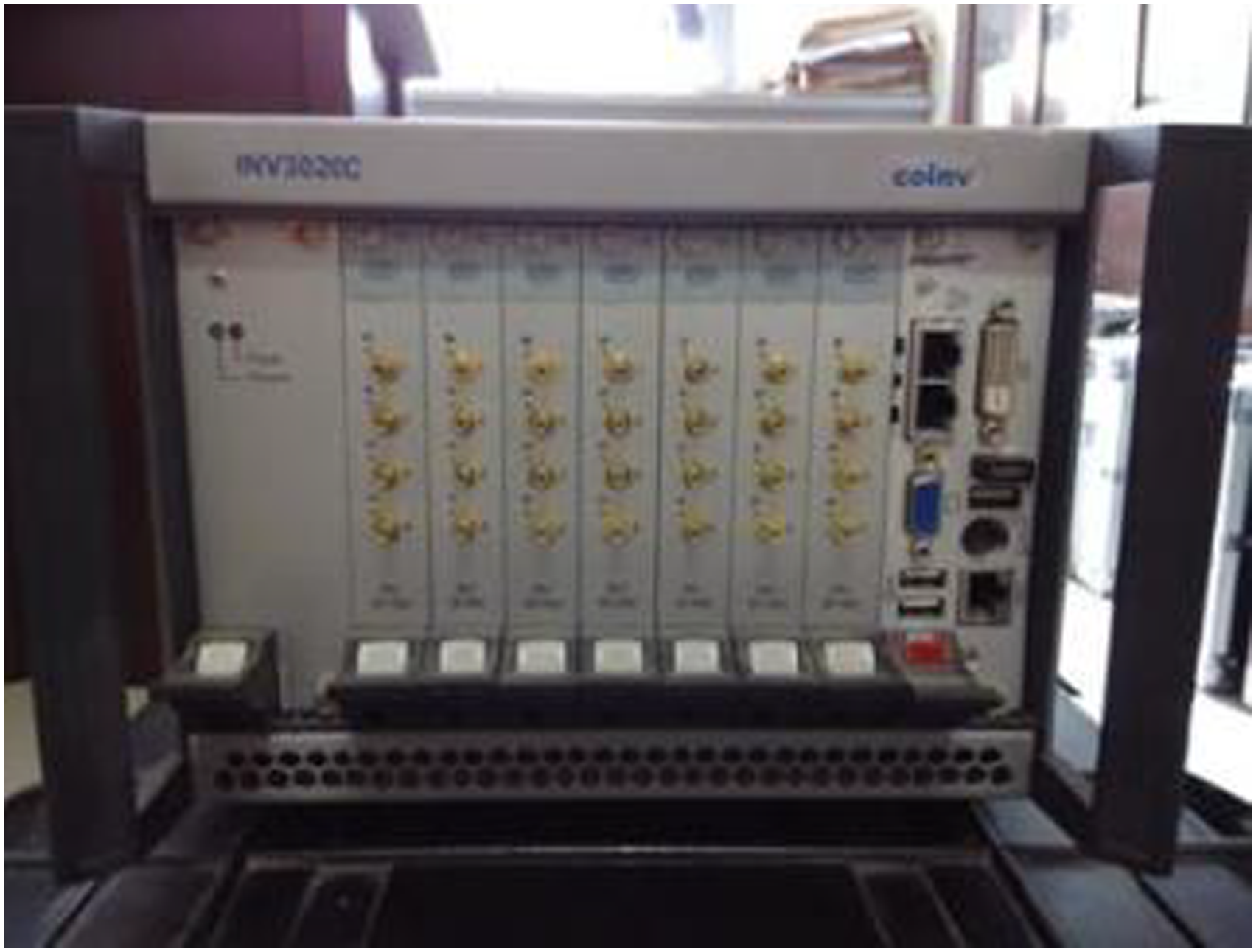
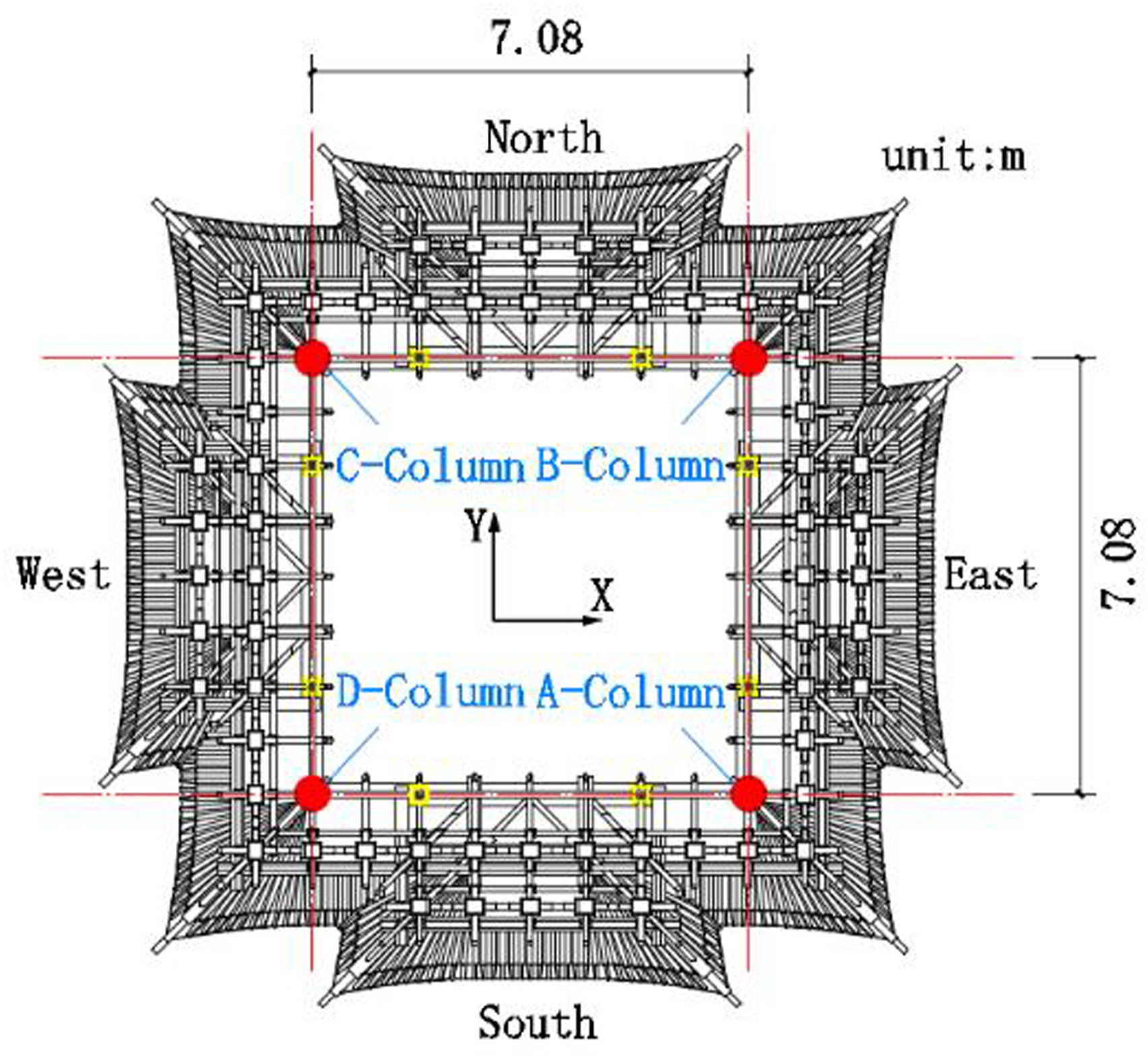
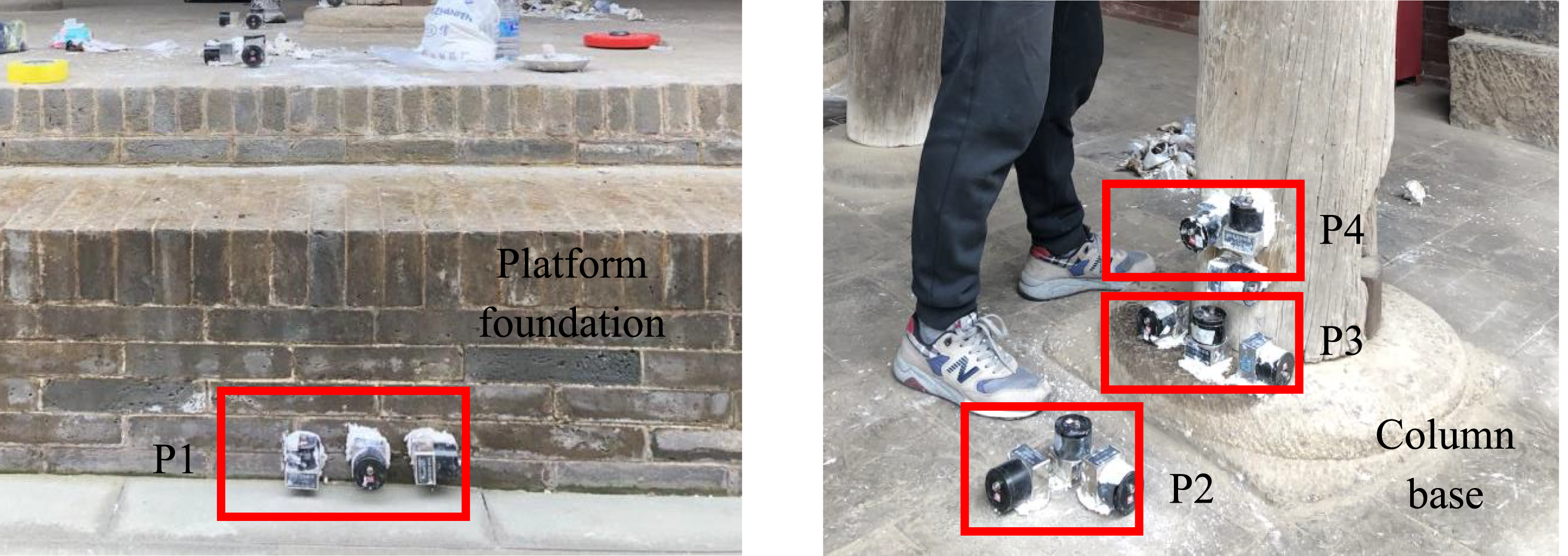
Considering the structural characteristics, the four main columns of the Feiyun Pavilion were focused on. As shown in Figures 6 and 7, four sets of measurement points were arranged at different heights. The measurement point at the first level (P1) was located at the bottom of the platform foundation, the measurement point at the second level (P2) above the platform foundation, the measurement point at the third level (P3) on a plinth, and the measurement point at the fourth level (P4) on a column 15 cm above the foundation stone. At each measurement point, two horizontal acceleration sensors (east-west, X-direction and north-south, Y-direction) and one vertical acceleration sensor were arranged. Due to the limited number of sensors available, only the acceleration data from one column using eight horizontal and four vertical sensors were collected at a time. The data collection period was 12:00–24:00 every day. The entire data collection process for Columns A through D lasted for 4 days. Photographs of installed sensors are shown in Figure 8. The sampling frequency was 1024 Hz and the data collection duration for each set was 1800 s.
19
Vertical layout of measurement points. Horizontal layout of measurement points. Sensors installed on structure.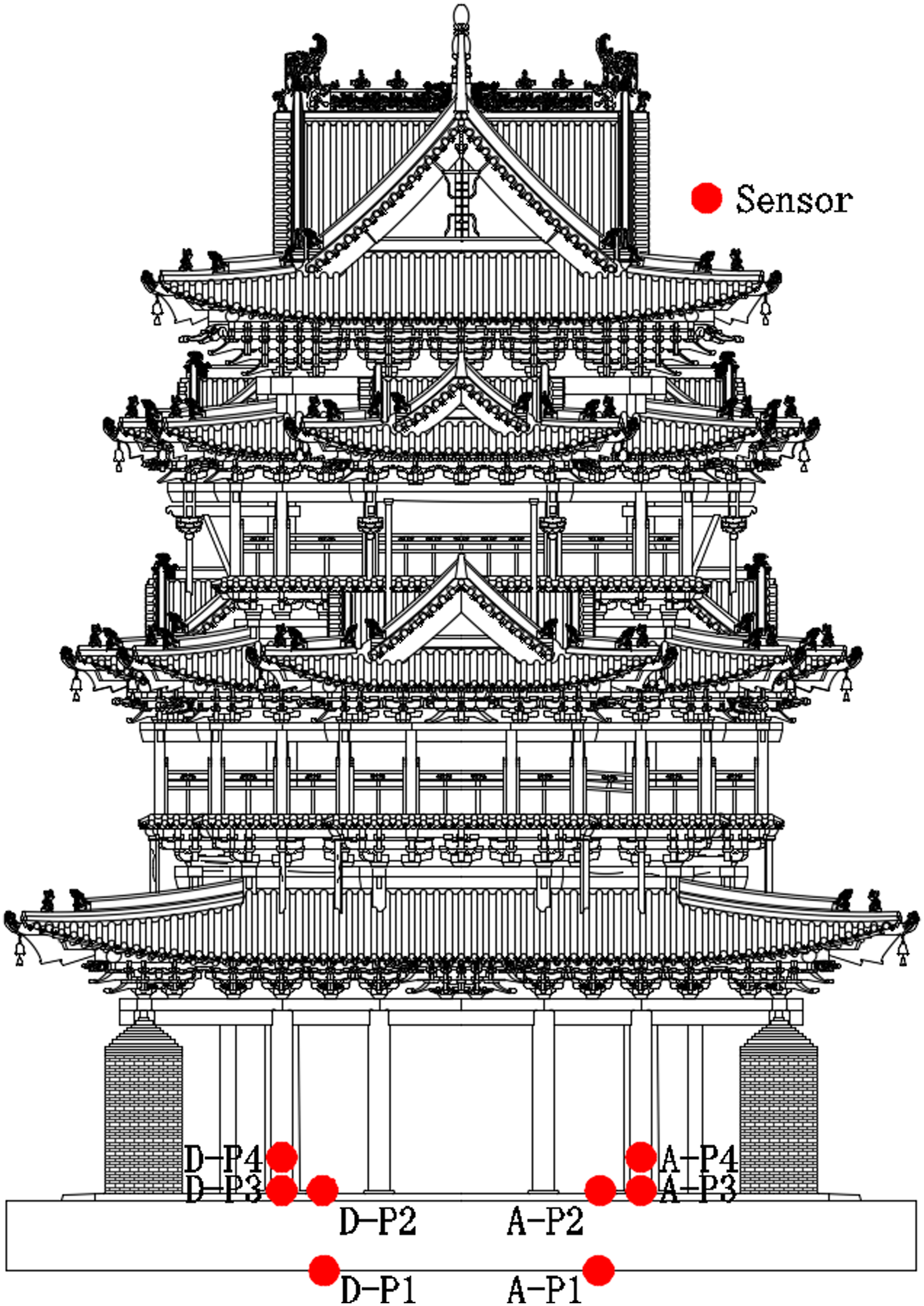
Dynamic performance analysis
The acceleration data measured in three directions at Point P1 of Column A are shown in Figure 9 as an example. Acceleration time histories measured at Point P1 of Column A: (a) East-west direction, (b) north-south direction, and (c) vertical direction.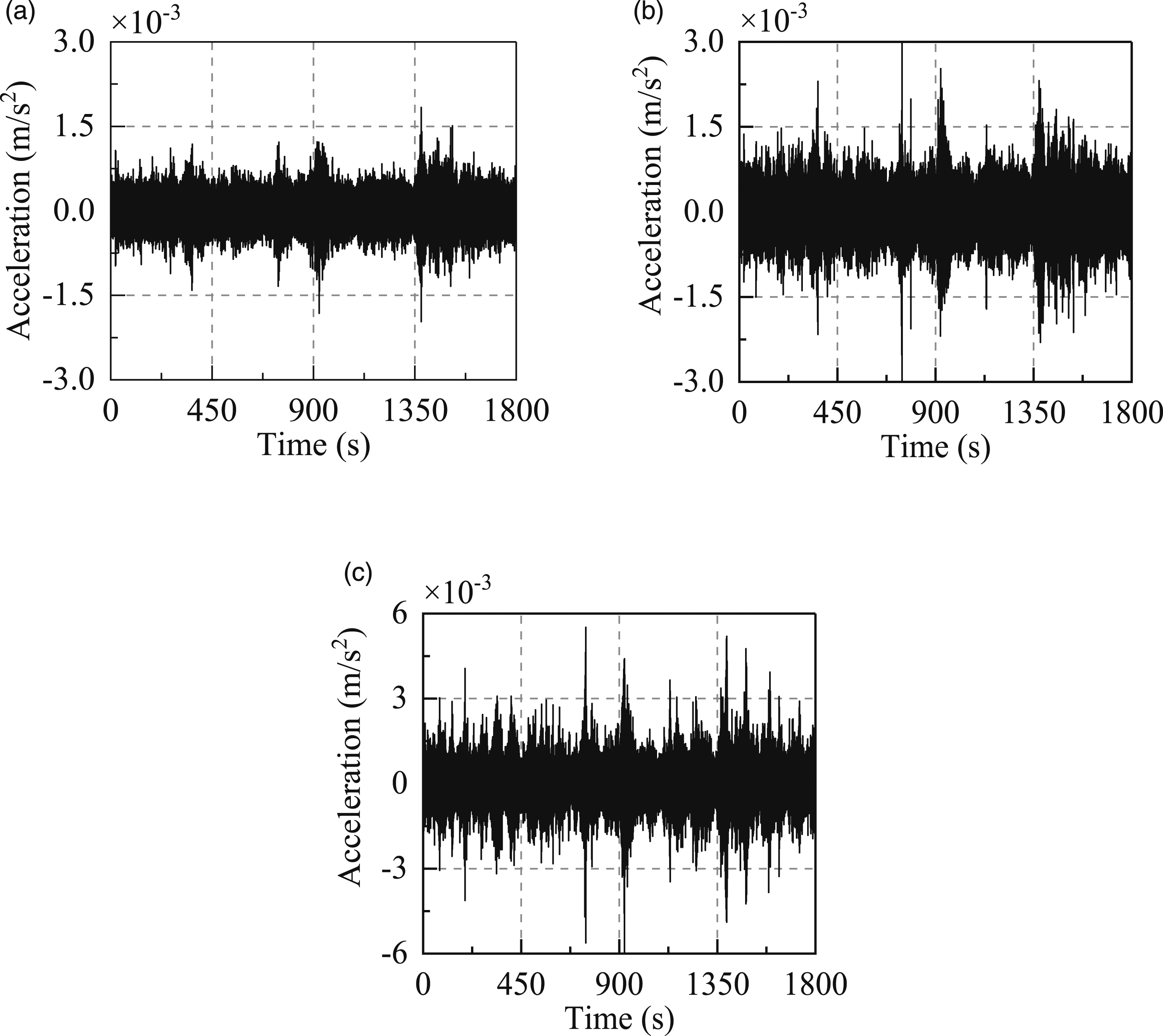
A total of 10 segments, each the length of 10 s of traffic-induced building vibration data, were selected for analysis. The peak and averaged values of the Fourier spectra were examined first. As shown in Figure 10, the structural vibrations caused by traffic were mainly concentrated in the 10–30 Hz frequency band. Acceleration Fourier spectra at Point P1 of Column A: (a) East-west direction, (b) north-south direction, and (c) vertical direction.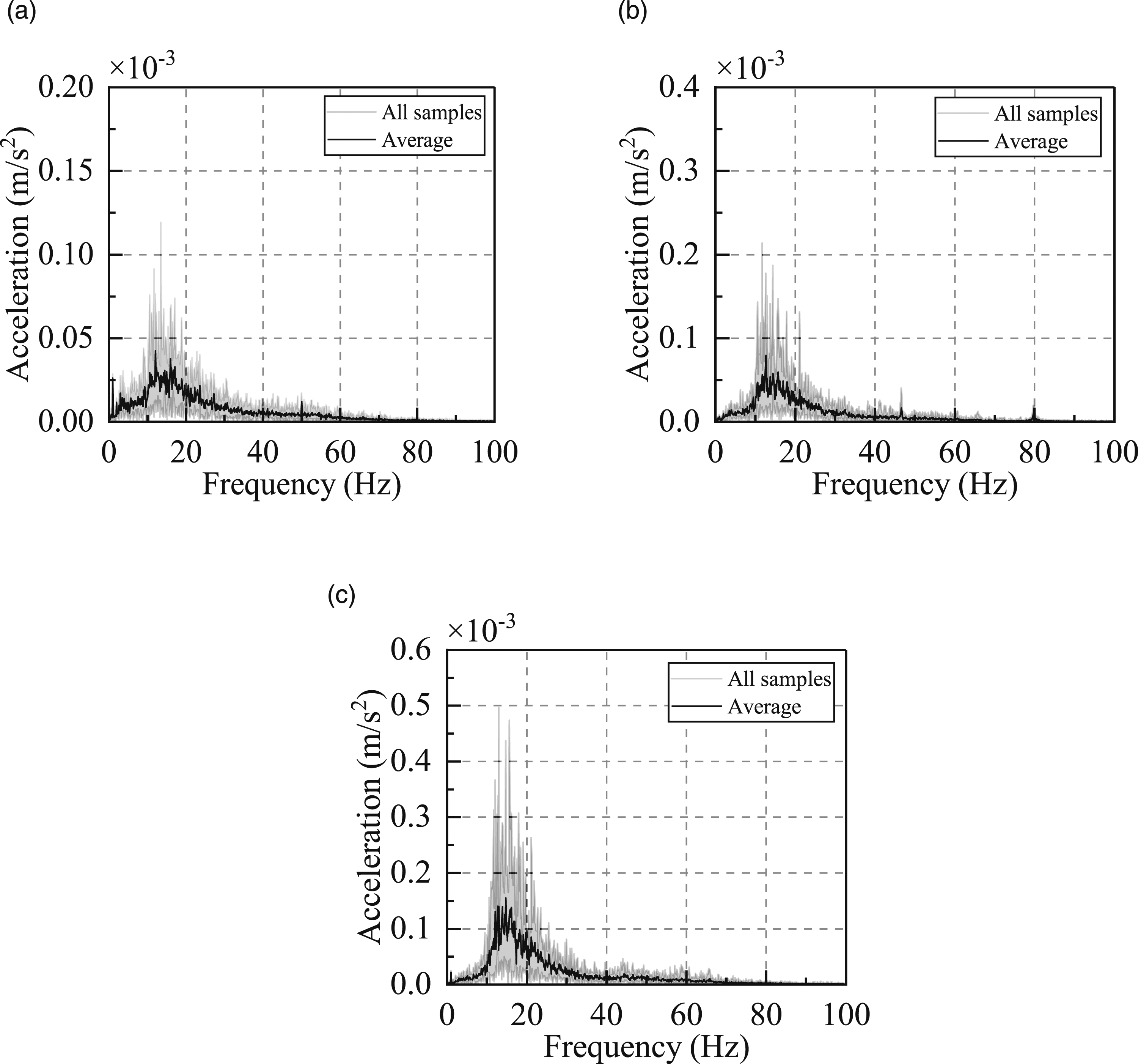
Data preprocessing
Data preprocessing methods.

A least-square method was used to reduce the signal data departing excessively from the baseline. The five-point-three-times smoothing method was used to reduce the burr in the collected data, which made the modified signal more realistic. Considering the overall dynamic performance of the structure, its vibrations should be mainly of low frequencies, thus FIR filtering was used to filter the interfering external factors of higher frequencies.
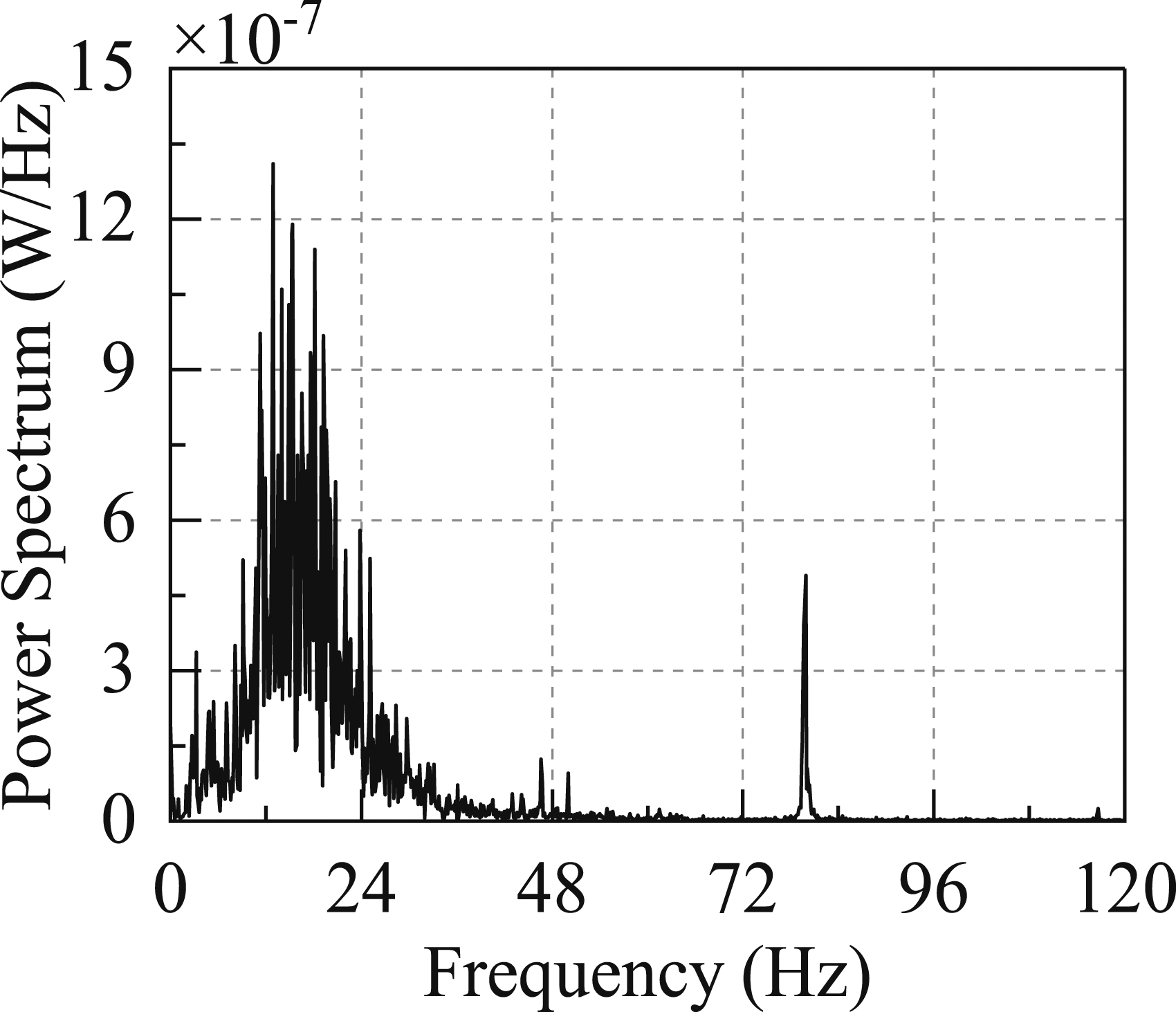
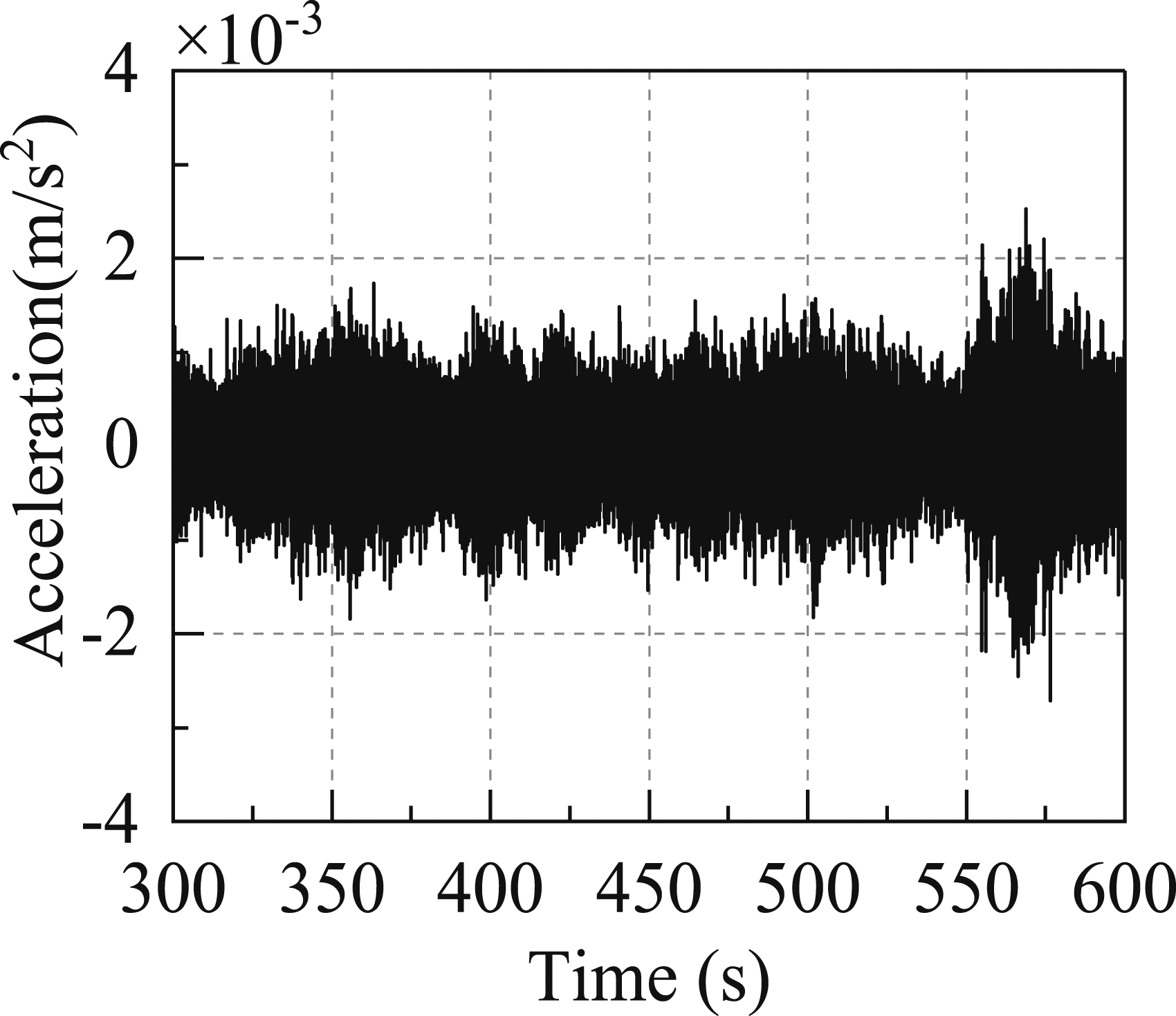
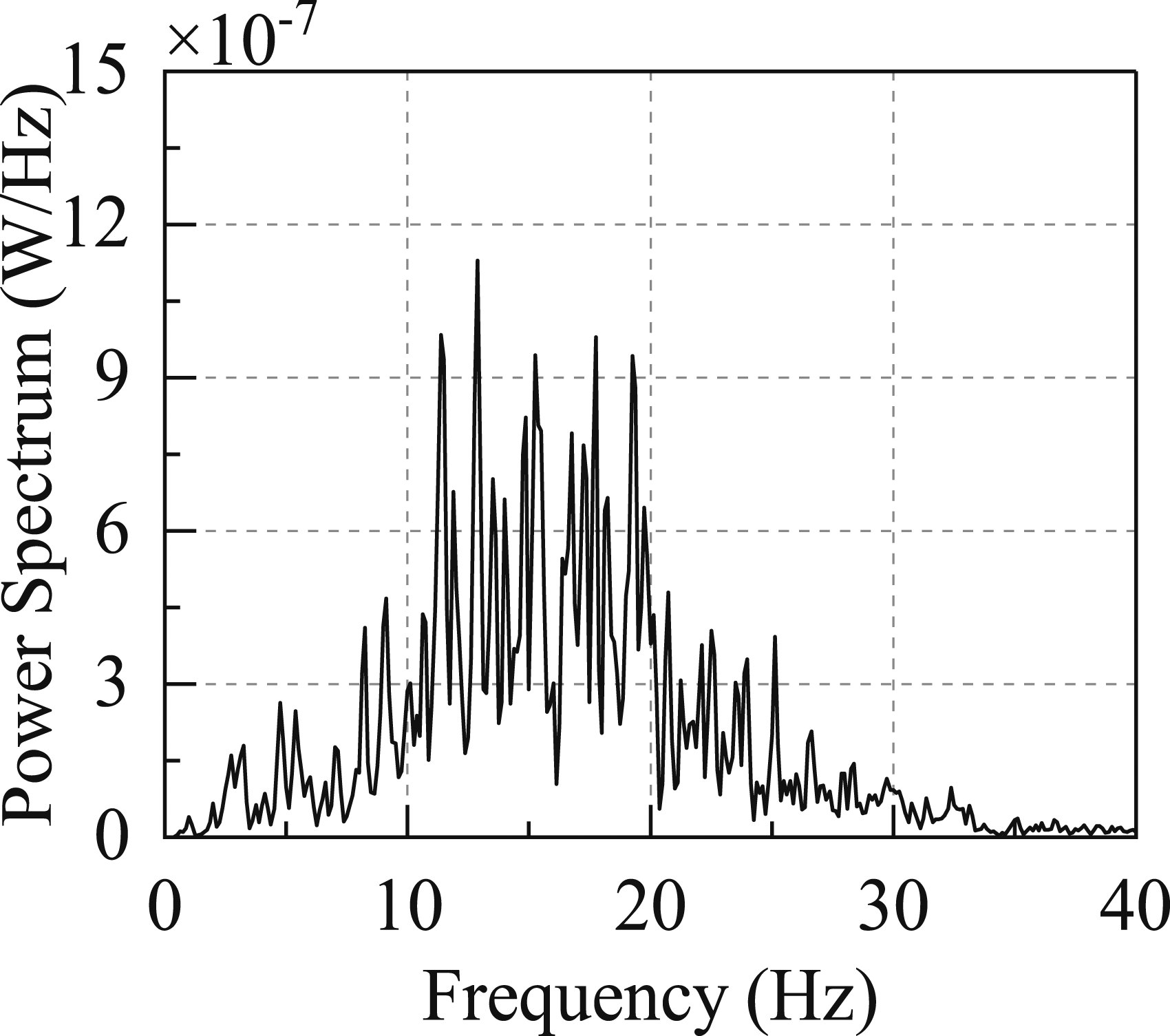
A segment of data between 300 s–600 s measured at Point P3 of Column A is shown in Figure 11, where it can be seen that the original acceleration signal time history not only had more burr but also deviated considerably from the baseline. The power spectral density (PSD) is shown in Figure 12, which shows a peak at a high frequency. However, as mentioned before, the structural vibrations caused by traffic are mainly of low-frequency, thus the high-frequency noise (over 80 Hz) was filtered out. The preprocessed time-domain acceleration data are shown in Figure 13, where it can be seen that the signal is now closer to the baseline. Furthermore, as shown in Figure 14, the vibrations are mainly of low frequency, which better reflects the characteristics of the vibration source and the dynamic performance of the structure itself. Original time history of acceleration signal. PSD of original signal. Preprocessed time history of acceleration signal. PSD of preprocessed signal.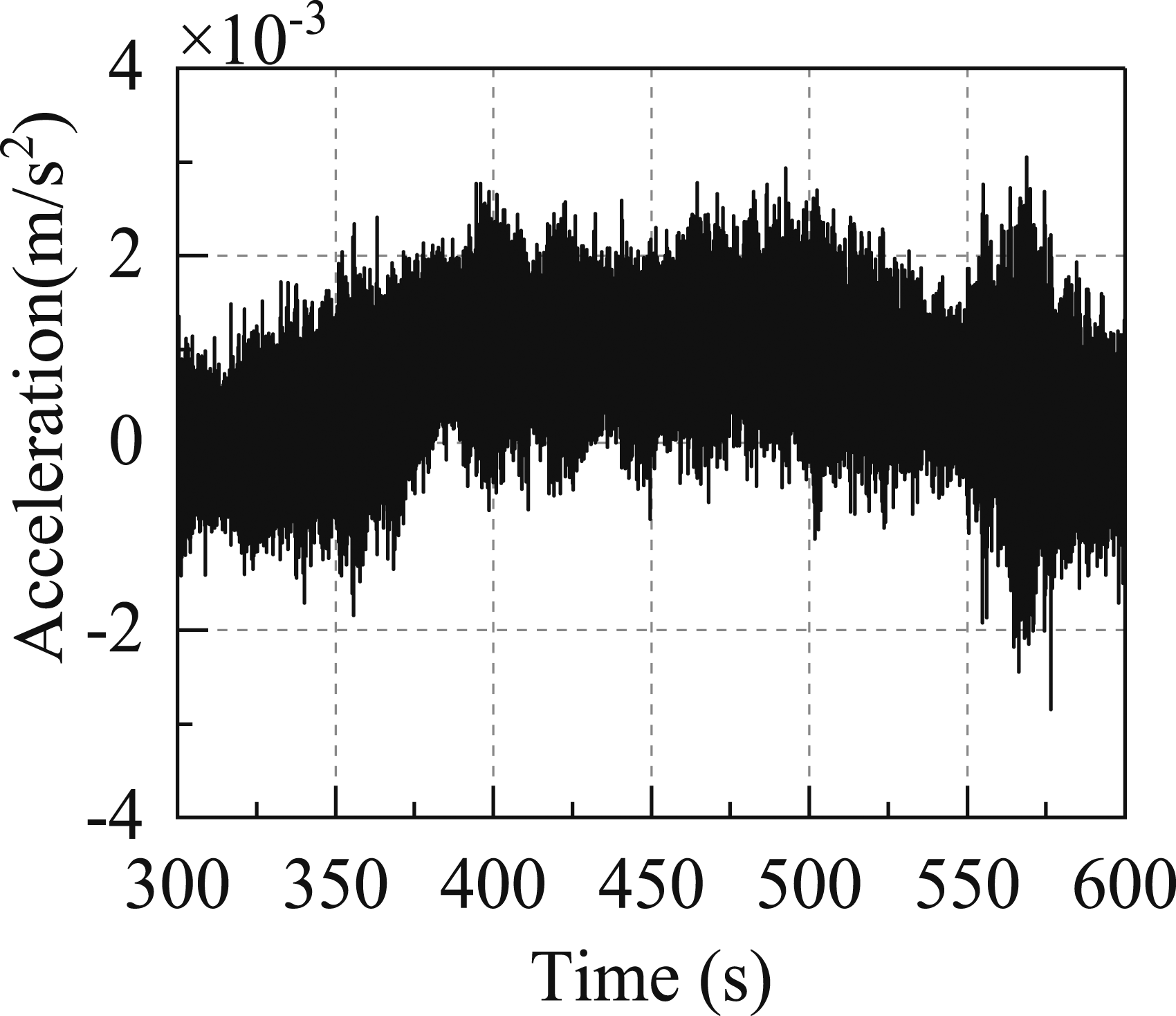
Experimental data analysis.
This study used MATLAB to analyze the dynamic performance of the platform foundation and column base of the Feiyun Pavilion in the time and frequency domains, respectively.
Time-domain analysis
The square of the root-mean-square (RMS) can be used to quantify the average vibration energy at each measurement point.
20
Therefore, the RMS can be used to evaluate the vibration response produced by traffic vibrations. The RMS value of a discrete-time signal can be expressed as follows
Representative RMS values (mm/s2).

Comparing the RMS representative values in different directions at Point P1, the energy of vertical (Z-direction) vibrations caused by traffic was the largest, followed by the north-south direction (Y-direction), while it was the lowest in the east-west direction (X-direction). This was because the north-south direction (Y-direction) is perpendicular to the road, and the ambient vibration energy from traffic is largest in this direction. The environmental vibrations caused by traffic reached Point P4 after passing through the platform foundation and the column base. The vibration energy in the north-south direction (Y-direction) was the smallest among the three directions. At the same time, the vibration energies at the remaining two directions were almost the same. The vibrations in X-direction were generally magnified along the path between Points P1-P4, as were the vibrations in Y-direction between Points P1 and P2. However, they were significantly reduced between Points P3 and P4. The vibrations in Z-direction generally decreased along the path from Points P1 to P4, and markedly decreased between Points P1 and P2. After passing through the platform foundation and the column base, the vibration energy in the three directions at Point P4 was 207%, 45.2, and 62.6% of the original values, respectively.
By comparing the RMS representative values in the horizontal directions, it can be concluded that the platform foundation tended to amplify the vibrations, which is detrimental to the safety of the superstructure. This is also consistent with the conclusions reported in Ref. 21. However, the column base tended to reduce the vibrations, showing a certain shock absorption effect. In the vertical direction, the platform foundation and the column base both showed a shock absorption effect, but the vibration reduction effect of the platform foundation was stronger.
Frequency domain analysis
Buildings can be affected by the vibrations caused by human activities, power facilities, and traffic; however, the adverse effect of the traffic-induced vibrations on buildings is typically more prominent and important. However, the acquisition of traffic-induced vibration data is often disturbed by other vibration sources, which can distort the collected data and the results of the dynamic performance analysis. Therefore, it is crucial to find an effective method to remove background vibration.
The effective value, maximum value, and vibration level are commonly used to evaluate the vibration energy. The effective value and vibration level cannot be added or subtracted directly, but the effective value can be squared and then added or subtracted to reflect the change in vibration energy.
20
For example, the vibration superposition of vibration sources A and B at the same point can be expressed as follows
The acceleration level is defined as follows.

The structural acceleration level of the measured vibration response caused by traffic can be expressed as follows
Thus, combining equations (4) and (5), we can deduce the acceleration level of the vibration response of the structure caused solely by traffic as follows
The formula for calculating the effective value of acceleration using a discrete time series can be obtained from equation (1).
Combining the equation (6) and a large database of ambient traffic vibration data, a method based on the principle of energy conservation is proposed for the removal of noise from the measured data. The process is shown in Figure 15. Elimination of background vibration using energy conservation.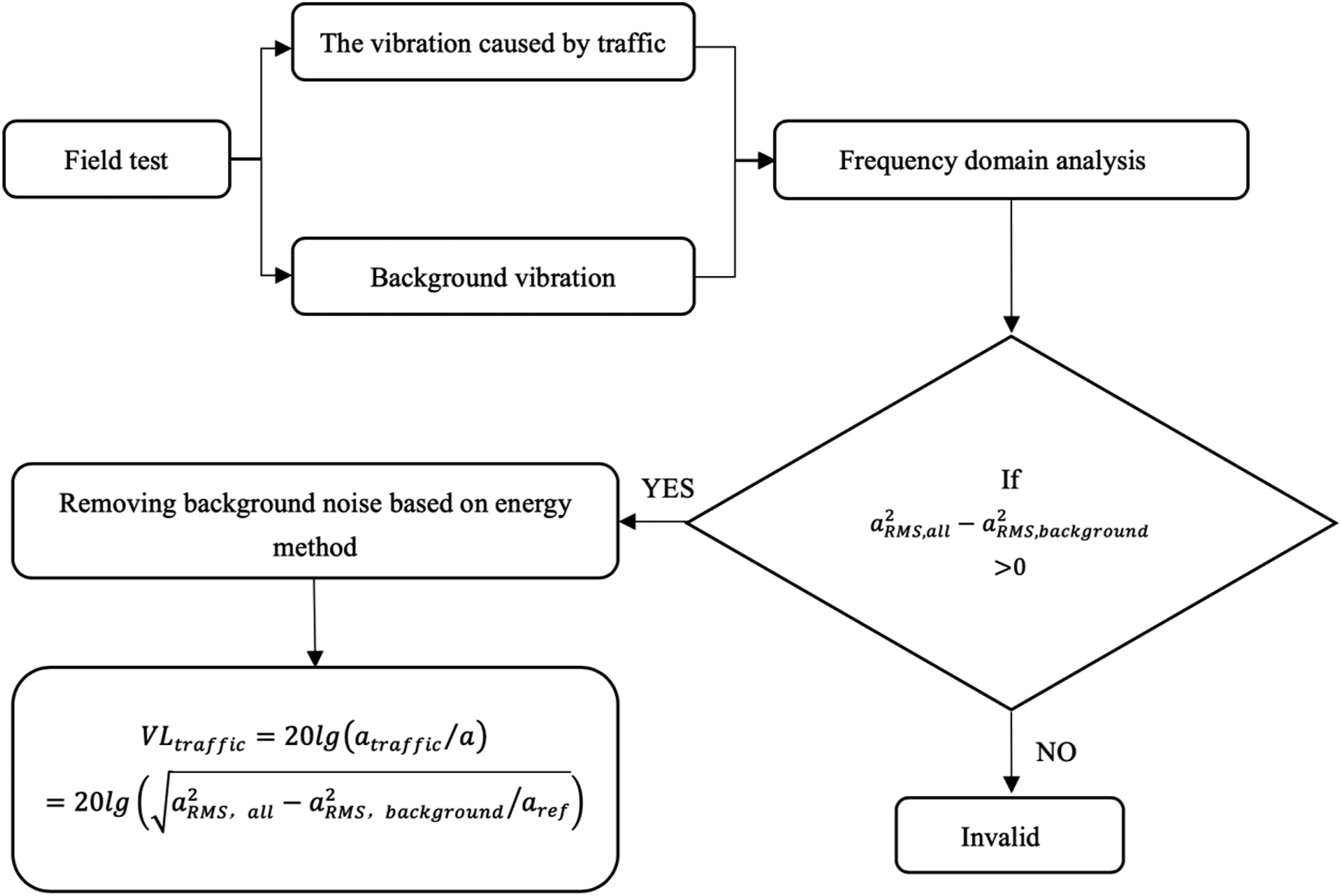
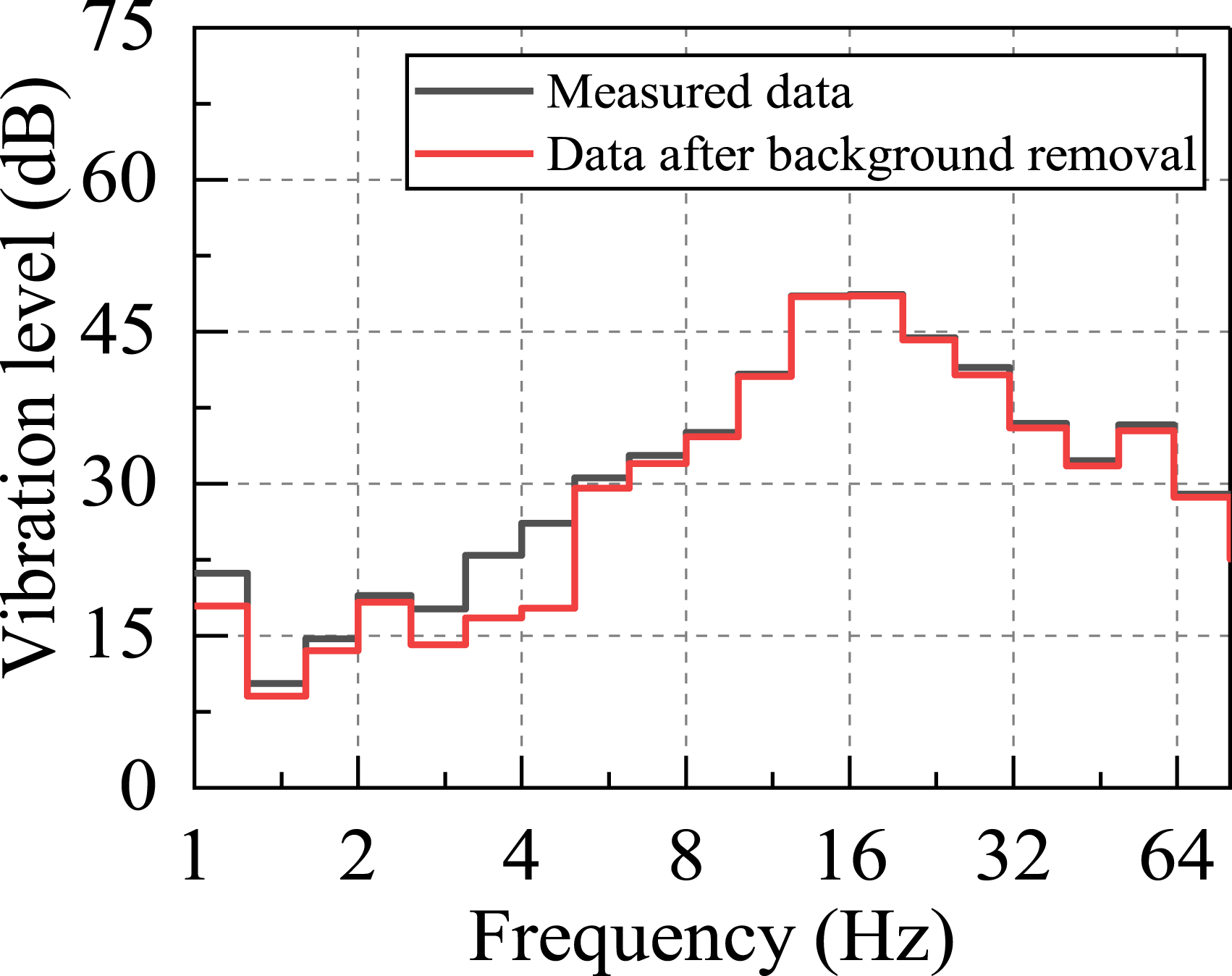
Different from the FIR filtering, eliminating background vibrations can reduce the aliasing of interference information in the frequency band we are concerned with. As shown in Figures 16 and 17, the background vibrations were mainly of low frequency below 10 Hz; thus, the background vibrations with strong low-frequency components significantly influenced the low-frequency vibration level of the measured data. Considering that the traffic-induced vibrations were mainly of low frequency, it was deemed necessary to remove the background vibration when analyzing the collected data. Comparison of background vibration and original acceleration. One-third octave diagram of acceleration before and after removing background vibration.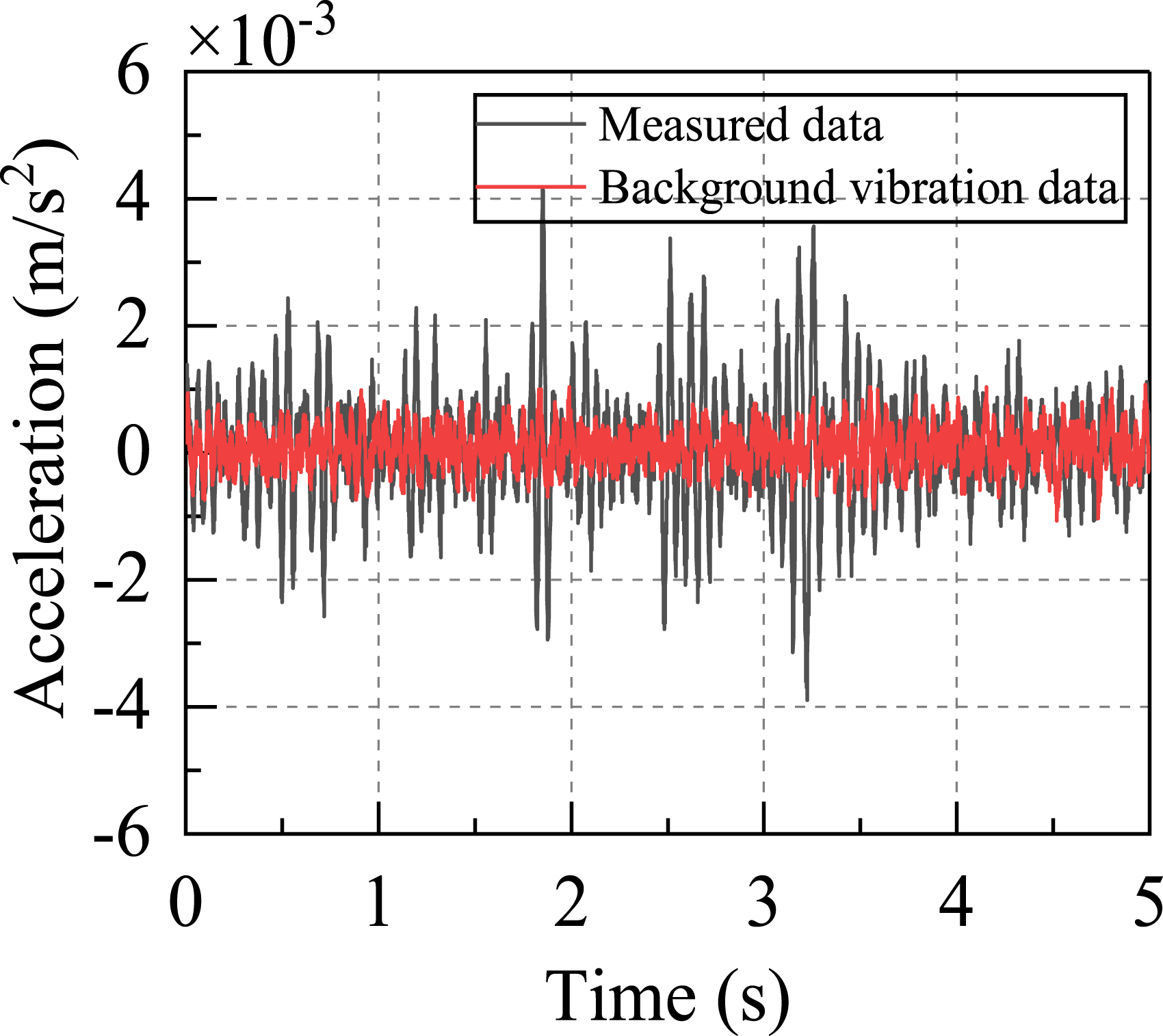
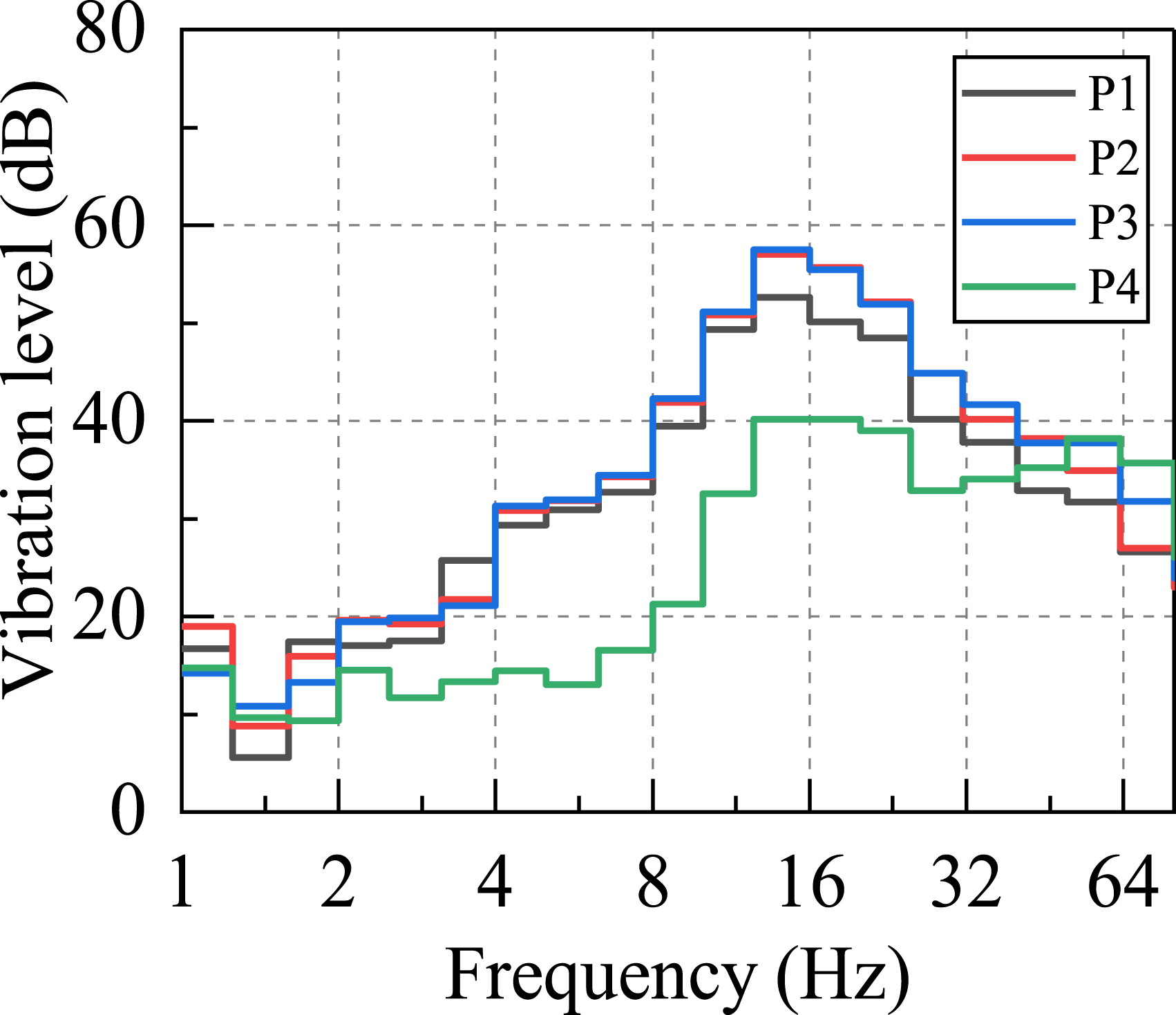
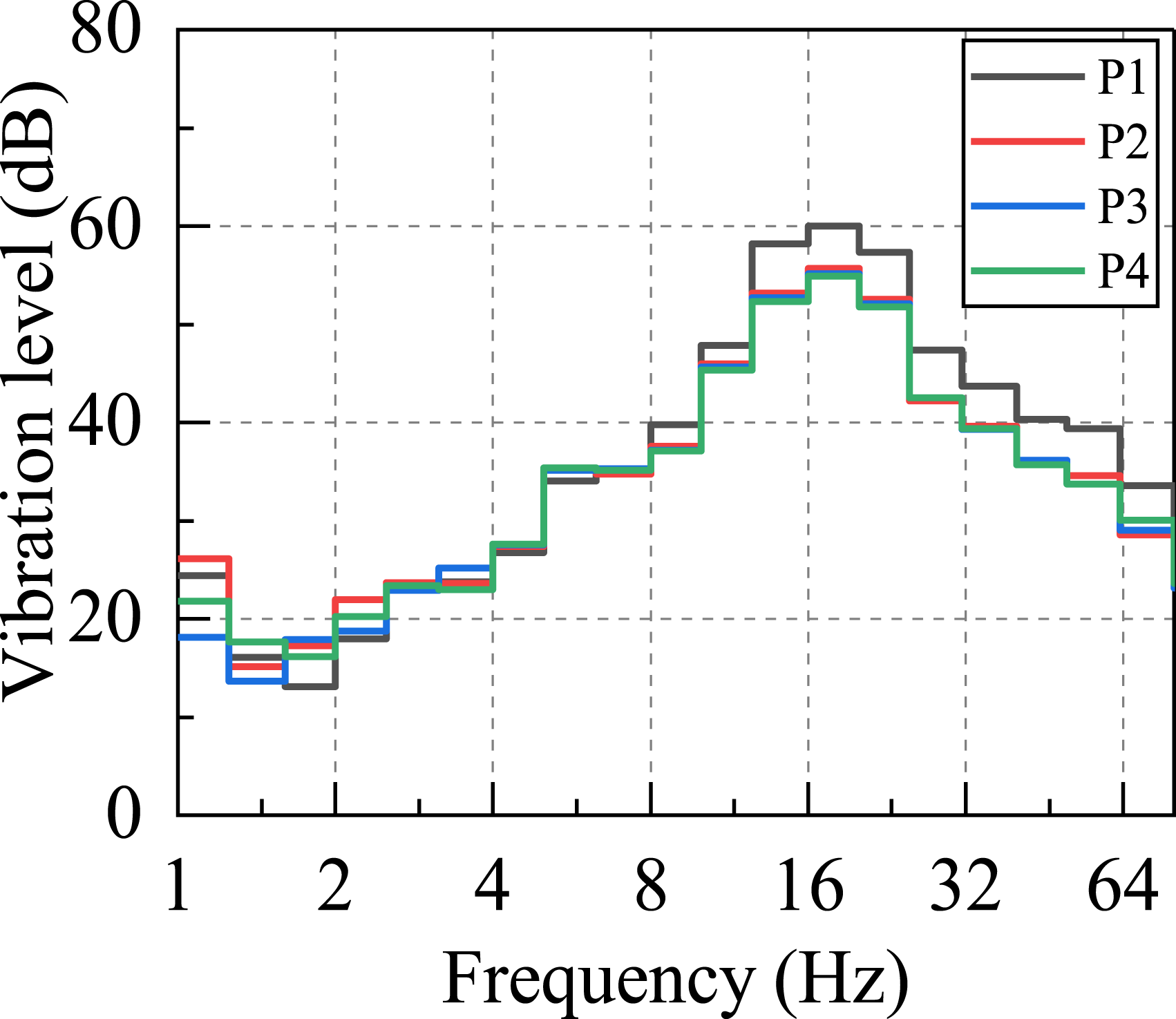
The acceleration data between 720 s and 750 s (Figure 9) produced by a vehicle and background vibration data without any vehicle passing between 650 s and 660 s were examined using the spectrum analysis. The one-third octave band spectra after background vibration removal from the experimental data for each direction are shown in Figures 18 to 20. One-third octave spectra in the X-direction. One-third octave spectra in the Y-direction. One-third octave spectra in the Z-direction.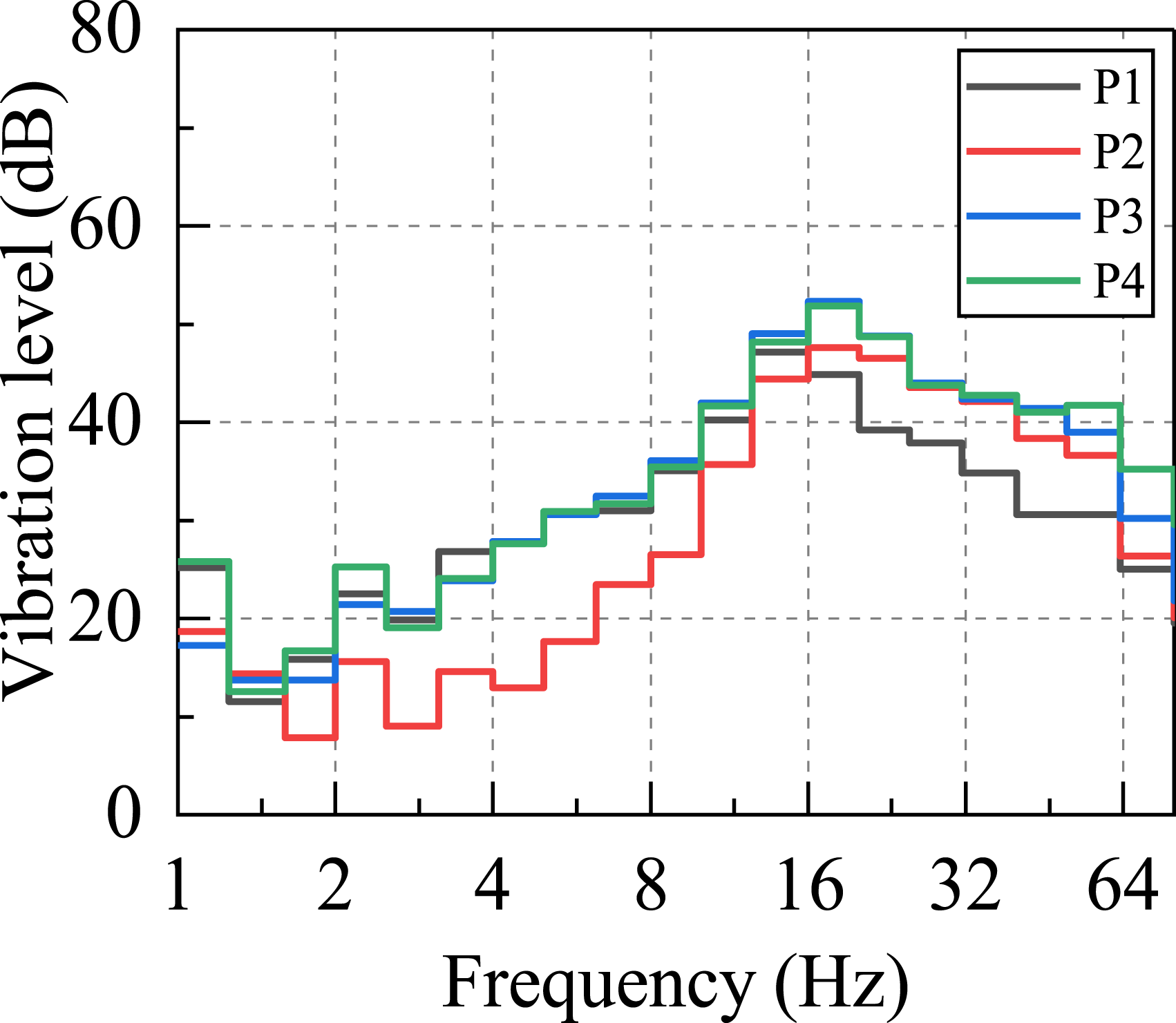
As shown in Figure 18, the vibration data from each measurement point in the X-direction increased along the transmission path, but differently in different frequency ranges. Comparing Points P1 and P2, it can be seen that the vibrations of the platform foundation below 16 Hz were significantly reduced. However, in the frequency range of 5 Hz–40 Hz, the vibrations at point P3 were slightly larger than at Point P4.
By analyzing the one-third octave band spectra of each measurement point in the Y-direction shown in Figure 19, it can be seen the values at Point P1 were smaller than at Point P2 in almost the whole frequency band. Therefore, it can be concluded the platform foundation had no obvious vibration reduction and isolation effect in the Y-direction. However, by comparing the data at Points P3 and P4, it can be seen that the vibrations along the transmission path were significantly reduced in the frequency range 1 Hz–40 Hz because the column base provided good seismic isolation in the Y-direction.
According to Figure 20, the vibration energy in the Z-direction was mainly concentrated between 8 Hz and 32 Hz. The energy at Point P1 was much larger than that at the other measurement points. The energy at Points P2, P3, and P4 was slightly reduced along the transmission path. Therefore, by comparing the energies at the different measurement points, a clear vibration reduction and isolation effect of the platform foundation was observed in the 8 Hz–32 Hz frequency band. However, P3 point and P4 point are arranged close to each other in the Z-direction, so the effect of vibration reduction and isolation has not been fully reflected.
Conclusions
(1) A method of removing background vibration proposed in this paper based on energy conservation can well solve the problem that the collected data are disturbed by other vibration sources. Using frequency domain analysis, it was found that the vibration of the ancient wooden structure caused by traffic was mainly of low frequency and concentrated mostly in a frequency band of 10 Hz–30 Hz. (2) Under the action of traffic-induced environmental vibrations, the platform foundation had no vibration reduction or isolation effect in both horizontal north-south direction and east-west direction, and these vibrations showed an amplification trend in excellent frequency bands. The vibration reduction and isolation of measurement points in two horizontal directions are mainly controlled by the vibration energy in the excellent frequency bands. (3) The column base joints showed a good vibration reduction and isolation performance in both horizontal directions when subjected to traffic-induced vibrations. Frequency domain analysis showed that the frequency band of vibration reduction and isolation was mainly between 5 Hz and 40 Hz. Therefore, the vibration energy transmitted to the upper part of the wooden structure was reduced owing to the column base. (4) The platform foundation and column base had a clear vibration reduction and isolation effect in the vertical direction.
Footnotes
Acknowledgments

Declaration of conflicting interests
The author(s) declared the following potential conflicts of interest with respect to the research, authorship, and/or publication of this article: “Vibration Reduction and Isolation Performance of a Platform Foundation and Column Base of an Ancient Wooden Structure Based on the Energy Transfer Analysis.”
Funding
The author(s) disclosed receipt of the following financial support for the research, authorship, and/or publication of this article: This work was supported by the Fundamental Research Funds for the Central Universities (2019YJS133).