




Abstract
In this work, a modified viscoelastic model of initially stressed microbeam on the base of the Winkler foundation under the effect of ultrafast laser heating and axial stress has been proposed. Viscosity effects are taken into account following the Kelvin–Voigt model. The governing equation for the thermoelastic vibration of the microbeam is obtained when the thermal field effect is defined by the non-Fourier Moore–Gibson–Thompson (MGT) heat equation. The microbeam is seen as an Euler–Bernoulli beam that is exposed to varying sinusoidal heat. An analytical solution to the problem has been presented on the basis of the Laplace transform in addition to applying a numerical method to find inverse transformations. A numerical illustration is organized in the discussion section which discusses the impact of different effective parameters both on the vibrational behavior of a microbeam system and on the field variables. The viscous damping coefficient, laser pulse duration, and axial load greatly affect the deflection and temperature responses. The results obtained are verified and compared with the literature.
Introduction
Micro-mechanical systems (MEMs) have features that can be used in a wide range of food, plasma, optics, etc., for example, low weights, low energy consumption, and low costs. These devices can also be used as oscillators, switches, and sensors in aerospace in order to reduce maintenance costs. 1 In many micro and nanodevices, particularly in recent years, microstructures have been used extensively. The microstructures to apply to small-scale issues in this study are the desired. One of the microbeams is the highly responsive and quick-response microbeam resonators. 2 In many applications, microbeam resonators are used. For better performance of the devices, certain factors like the quality factor and resonant frequency are important. Mechanical elements similar to beams such as cantilevers, micro-, or nano-length bridges play the main roles of mechanical components in many NEMS or MEMS (Nano- or Micro-electromechanical Systems) and devices. 3 Since micro/nanoscale-based beam devices are being used as highly sensitive sensors or actuators, their performance is extremely influenced by its beam-like component ’s dynamic properties. 4 In order to predict the performance and design of the devices, well understanding of the mechanisms of such structural component is essential.
The size-dependent conduct of materials at the micron and submicron scale cannot be represented using classical continuum theory since the constitutive relations lack an inherent length scale. Various higher-order elasticity theories have been used to construct microstructure-dependent beam models to model the static and dynamic response of micro-and nanobeams. Reddy and his colleagues investigated microstructure-dependent thick beams, 5 functionally graded beams, and plates 6 using the couple stress principle.
The material properties of carbon nanotubes (CNTs), such as Young’s modulus and bending stiffness, have extraordinary size effects, according to a broad body of scientific evidence as well as computational simulations. While these classical continuum elastic models will study the mechanical actions of CNTs to some degree, they are unable to approximate the properties of CNTs in the presence of large nanoscale size effects because the material constants relevant to structural scale parameters are not included in the constitutive relations.7,8
Since material properties at the nanoscale are size-dependent, the study of size effects on CNT material characteristics has become a serious concern. To cope with size-dependent material properties, it is important to strengthen the classical continuum theory. The non-local continuum elastic stress field method, first suggested by Eringen, 9 is one of the most common models for this size effect.
While Eringen’s differential non-local continuum theory has a range of applications for predicting the dispersive connection between frequency and wave number for wave propagation in CNTs, its capacity to detect size-dependent stiffness is restricted. 10 Other non-classical methods suggested by Lam et al. 11 include strain gradient theory. With three, separate higher-order materials length scale parameters for isotropic linear elastic materials, new additional equilibrium equations are used to model the conduct of higher-order stresses in this theory. The strain gradient elasticity theory has drawn a lot of attention in recent years because of its benefits. The Integral Law of Eringen 9 has been coupled with the strain gradient elasticity in Ref. 10 to establish a non-local higher-order concept and therefore collected into one single model non-local model and strain gradient theory. 12
Because of its diverse technical applications, micro-scaling mechanical resonators have attracted considerable consideration. For the design of high-performance devices, accurate investigation of the various effects on resonant characteristics, such as consistency factors and resonant frequencies, have been made. Many researchers have considered the mechanism of heat transfer and microbeam vibration.13–22
The inclusion of different field effects, such as temperature or initial stress field effects, also represents an important problem in the simulation of microstructures and microscale systems. Initial stress is generated in the medium due to various factors, resulting from a tightening phase, temperature difference, shot pinning, varieties of gravity, differential forces external, etc. The earth should be under great initial stress. This leads to an analysis of their effect on the transmission of stress waves. In the last five decades, the pattern of spread has been greatly attenuated. A few analysis studies are applicable to the effects on the microstructure of the initial stress fields.23–26
As most solids and polymer materials are subjected to a viscous effect, the theory of viscoelasticity is still an important field of study. Studies in different frameworks are of interest to the viscous behavior of viscoelastic materials such as bioprotective materials and bone. Materials of practical interest used for structural applications can exhibit viscoelastic behavior that has a profound bearing on viscoelastic substance efficiency. For certain materials such as polycrystalline metals and the high polymer principle of viscoelasticity, Hooke’s legislation can be approximated. A dash point and spring are composed of a viscously constructed model considered to be Kelvin–Voigt. The elongation of each element is identical, but strains are added. Adding strains proportional to deformation and the speed of deformation will then display damping. The damping is a dominant feature that affects viscoelastic structures' dynamic behavior.
Many investigators have examined the viscoelastic dynamics of damped beams. Ghayesh and Farajpour 27 investigated the dynamic non-linear response to shaving functionally deformable viscoelastic graded microscale beams. Viscoelastic characteristics impact is taken up via the scheme of Kelvin–Voigt. Ghayesh in Ref. 28 analyzed the combined dynamics of viscoelastic microbeams that are axially non-uniform deformations (AFG) with special attention given to the FGM system type viscosity of Kelvin–Voigt. Attia and Emam 29 proposed a size-dependent, non-linear beam model for bending, buckling, and free vibrations of electrically actuated viscoelastic clamped – clamped microbeams. For modeling the size effect, the modified pair stress theory is used. The vibrational properties of non-local viscoelastic damped nanobeams were studied by Lei et al. 30 Complex frequencies have been obtained by means of transfer function process, velocity dependence of external damping as well as the theory of the Timoshenko beam, for the viscoelastic model Kelvin–Voigt. In the Gurtin–Murdoch theory of elastic surface, Oskouie et al. 31 studied, respectively, the linear and non-linear motions of fractional viscoelastic nanobeams Euler–Bernoulli and Timoshenko. In order to investigate viscoelastic micro/nanobeam bending response, the transverse vibrations of non-uniform viscoelastic nanoplates were investigated by Mohammadsalehi et al. 32 in the first-order shear deformation theory, the Model Kelvin, and the DENCM. Nanoplate vibration frequencies with DQM were solved by a numeric solution.
In several fields of engineering, the dynamic response of beams to elastic foundations is of interest. Elastic-founded beams are commonly used in contemporary architecture and have significant technical challenges in the design of structures. Consequently, numerous research reports have been presented concerning the calculation and analysis approach for the elastic base beams. 33 As is well known, the Winkler model of elastic base is the most original in what is believed to be proportional to the strain at an arbitrary position of the vertical displacement. A number of studies have been carried out by numerous researchers on Winkler foundation beams' free vibration, buckling, and stability behavior. In geotechnical, rail, and highway analyses, there are usually issues with a beam that rests on elastic foundations. The relevant references provide a detailed description of the basic models.34–38
Any difference in temperature in a physical system induces heat transfer from the higher to the lower temperature zone. This transportation method takes place until the temperature of the device is constant. Though the thermal conduction equations of Fourier have been of service to the people well in the past two centuries, several phenomena are still often present in daily life and scientific research which require particular care and careful interpretation. For example, where very rapid phenomena and small sizes are involved, Fourier’s classic law is inaccurate and sophisticated models are required in order to physically explain thermal conductivity mechanisms.
The generalized thermoelasticity theory takes the effect of the coupling between strain rate and temperature into account, but the resulting coupling equations are hyperbolic. Thus, the inconsistency in the classic combined theory is removed with regard to the infinite speed of heat propagation. Lord and Shulman 39 proposed one of the generalized theories of thermoelasticity updated, which included the implementation of a new law of thermal conductivity to replace the Fourier conventional law. This amended legislation involves heat flow and its time-related partial derivative.
The three Thermoelasticity Models for Homogeneous and Isotropic Substances, labeled as models I, II, and III, were formed between Green and Naghdi.40–42 The nature of these models for the compositional equations is to reduce model I to a classical heat management theory (based on Fourier’s law) when the related theories are linearized. Models II and III’s linearized versions allow thermal waves to propagate at a limited speed. Some attempts have been made recently to modify the classical Fourier law using the time-derivative of a higher-order by Abouelregal.43–48
Tzou 49 proposed the dual-phase heat conduction law which is a more common one with two different phase delays, one in the heat flow vector and the second in the temperature gradient, which takes into account the effects of the microstructure on the heat transmission mechanism, in order to evaluate the delayed reaction caused by the microstructure effects over time. One of the most recent advances in the theory of thermoelasticity is the three-phase lags suggested by Roychoudhari. 50 This model also has phase delays of thermal displacement gradients, in addition to the phase lags in the hot flux vector and temperature gradient. These two suggestions, involving different derivatives as the Taylor spectrum approaches the heat flow and temperature gradients, assume that the suggestion by Roychoudhari seeks to restore Green and Naghdi models if various Taylor approaches are taken into account. Unfortunately, Hadamard’s case was led into subjective problems by both models (Tzou and Choudhuri). The combination of amended Fourier law and the energy equation has proved that the continuity of the points results in a number of components so that the real component is infinitely dependent and thus dependence on solutions continues to fail. 51
In recent years, a significant number of studies were based on research and understanding of the Moore–Gibson–Thompson (MGT) equation.52–55 This theory was derived from a differential equation of the third order, integrated into the importance of some aspects of fluid dynamics. Quintanilla 56 has built a new thermoelastic heat conduction model presented by Moore–Gibson–Thompson equation. The modified heat equation proposed by Quintanilla 55 has been achieved after adding the relaxation parameter in the Green–Naghdi model of Type III. Since the advent of the MGT theory, the number of studies on this theory has increased significantly.57–61
This research is concerned with a transient analysis of the Euler–Bernoulli viscoelastic microbeam under dynamic load on the basis of Winkler. The viscoelastic Kelvin–Voigt model is used to simulate the viscoelastic material’s linear behavior. The micro-scale beams are subjected to laser heating at high speed and also undergo variable heat. The new thermoelastic heat conduction model provided by Quintanilla 56 based on Moore–Gibson–Thompson equation has been used. Laplace transform method is used in the derivation to solve the problem. The dynamic properties are analyzed and discussed with viscoelastic, ultrafast laser heating, elastic foundation variation and initial stress results. A comparison of such findings with those in the literature has validated the model and there is a strong agreement.
Moore–Gibson–Thompson thermoelasticity (MGTE)
Heat energy is transferred from one body to another only when the bodies have different temperatures. The basic concept in heat transfer is the classical Fourier’s law. The flow of heat

The law of energy conservation for the heat flux can be written as


Using equations (2) and (3), we get the energy equation as

Fourier Law (1) together with the energy conduction equation (4) provides an equation for the parabolic form that allows waves at infinite speeds to propagate. This conclusion is materially implausible, which some scientists have described as a contradiction to the instantaneous diffusion of heat. This paradox can be solved with several models influenced primarily by the Maxwell and Cattaneo model. The most popular theory is Maxwell and Cattaneo, which modifies the law of Fourier through a constitutive equation containing a relaxation time parameter as follows



When equations (4) to (6) are joined, we get the linear version of the heat conduction equation for isotropic material which is based on generalized Moore–Gibson–Thompson (MGTE) thermoelasticity.56,60 This thermo-mechanical problem is modeled as a combined framework comprising a hyperbolic partial differential equation in order to transform the field of displacement and a partial differential parabolic equation for temperature transformation. 62
The theory of MGTE is the generalization of the theory of Lord–Shulman (LS)
39
and of Type III Green–Naghdi theory of thermoelasticity (GN-III)56,60

In the event that any of the constituent tensions are not positive, Pellicer and Quintanilla
63
consider the thermoelasticity of Moore–Gibson–Thompson, and we will prove fundamental results in terms of uniqueness and unstable solves. The field equations are considered for a linear, isotropic, and homogeneous solid that occupies the whole space in the absence of body forces depending on the generalized thermoelasticity. The constitutive equations can be expressed as


The motion equations are given by

The thermoelasticity model of Moore–Gibson–Thompson (MGTE) may be classified in some special cases into four different generalized thermoelasticity models. The cases obtained are listed as follows: When The model for Lord and Shulman (LS) can be bought as a limited case if The Green and Naghdi (GN-II) theory can be obtained with Green and Naghdi’s theory of Type III (GN-III) can be achieved by
Problem formulation
Consider a linear viscoelastic microbeam of the Euler–Bernoulli with a fixed cross section resting on Winkler’s elastic base (Figure 1). The microbeam of density A microbeam resting on Winkler’s foundation.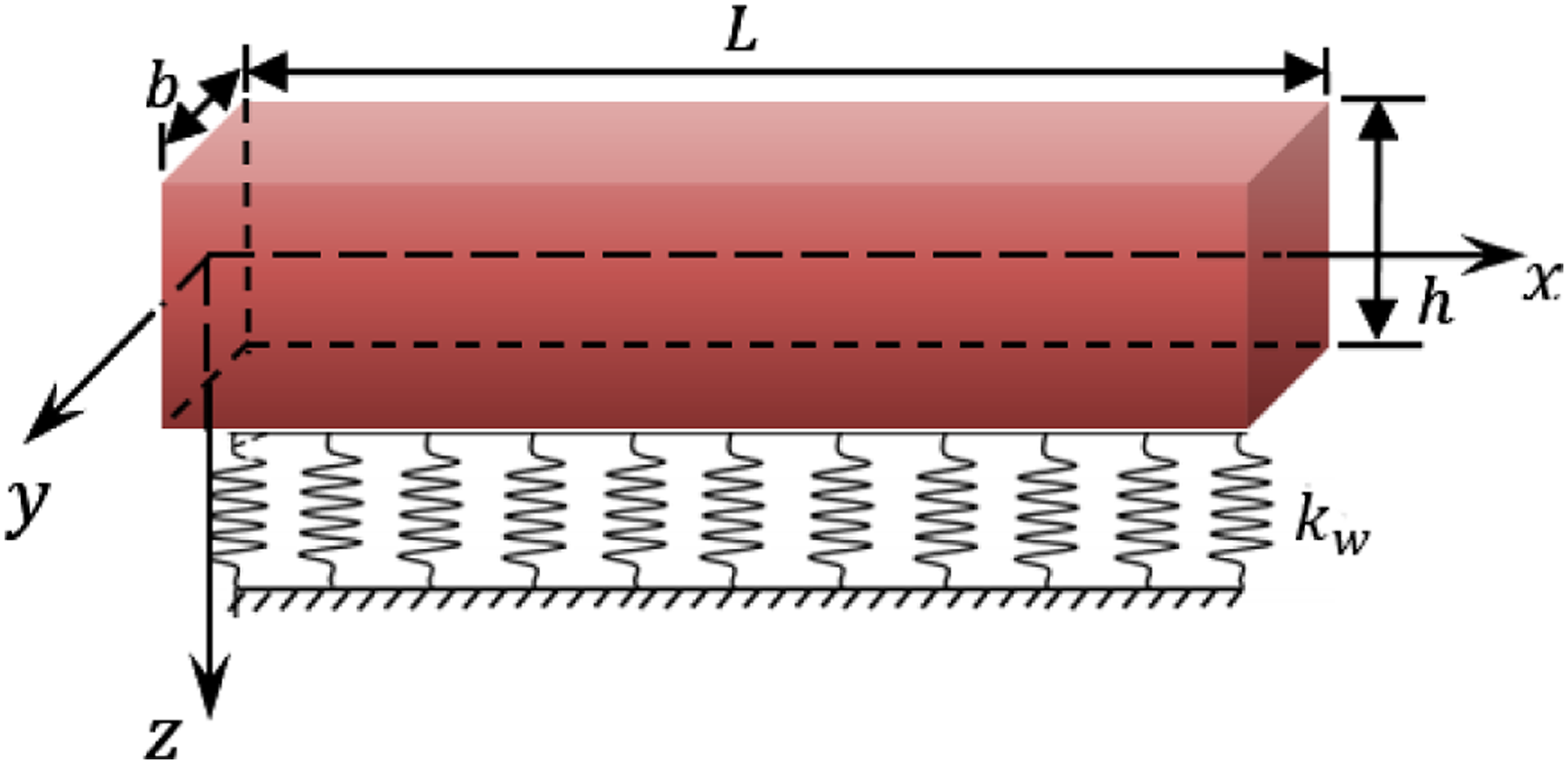


For the viscoelastic model of Kelvin–Voigt,27–29 the viscoelastic constitutive relations between elasticity and the theory of viscoelasticity are combined. The Young’s modulus of the material should also be amended as follows in accordance with the Kelvin–Voigt model in order to understand the material’s viscoelastic properties27,64

Thus, the only constitutive relationship is given for one-dimensional elastic viscous solids as

The motion equation for microbeams under axial load




The generalized non-Fourier thermoelastic model of Moore–Gibson–Thompson (MGTE) (8) may be written as follows
56

For the present microbeam, it is assuming that the temperature increment varies in terms of a function

Hence, the substitution of equation (21) in (20) and (18) gives


If integration is done along the microbeam thickness to equation (22), after multiplying with

Now the following non-dimensional parameters are introduced





The function

The initial conditions are supposed to be

We will assume that the microbeam is simply supported at the two ends, that is

Several width pulses per half cycle are used in sinusoidal pulse width variation. Various pulsed thermal shock drives are principally used to increase the output efficiency in many industrial applications. We also consider that the microbeam is loaded thermally at end


Solution in Laplace transform field
The Laplace transform, defined by the relationship below, will be used to solve the problem

Applying the Laplace transform to equations (16)–(19) under the initial conditions (21), we have




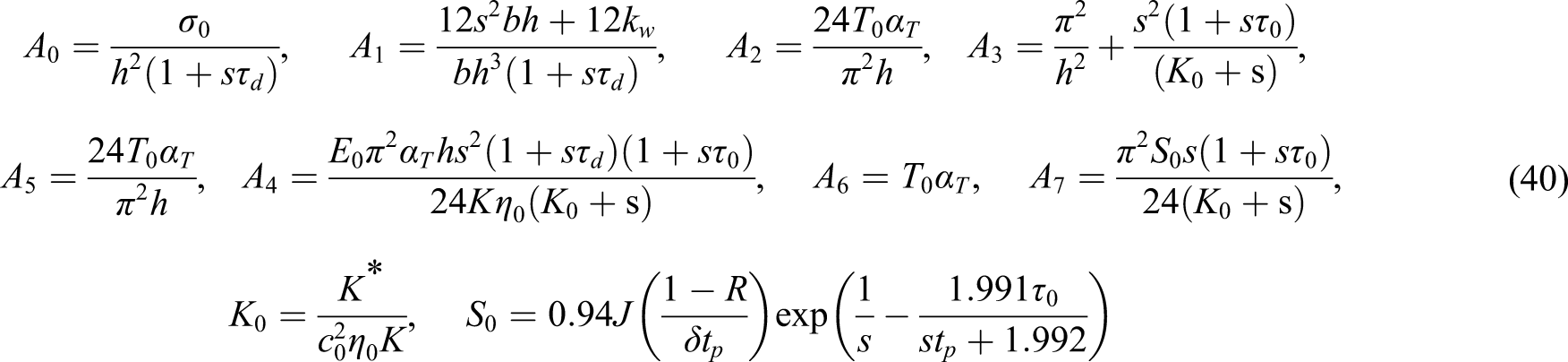
By removing the function


The differential equation (31) can be written as


The solution of the non-homogeneous differential equation (33) can be expressed as


Likewise, by removing


The solution of equation (37) can be given as






The strain-energy produced by the beam is also expressed in terms of

Conditions (22)–(24) under the field of Laplace transformation will be the form

Substitution of equations (35) and (37) into boundary conditions (46) produces

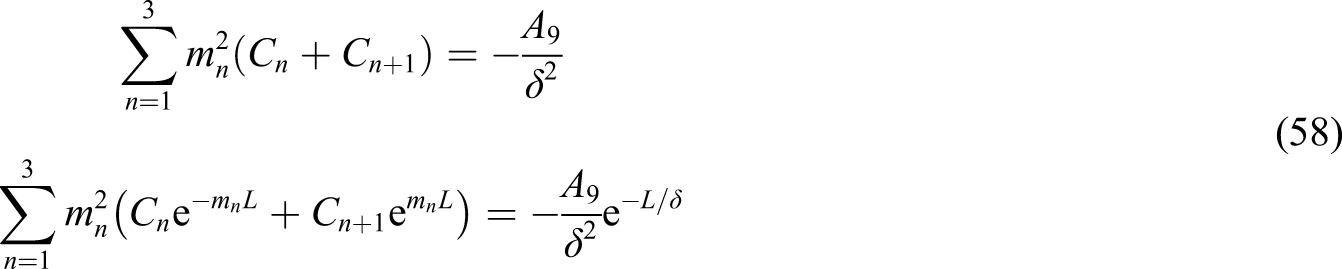

The solution of this linear equation system gives the parameters
Numerical results
In this section, an overview of the results obtained in this study will be explained through comparison and analysis. In addition, results of the literature, describing effects on non-dimensional temperature, stress, displacement, and deflection in the microbeam for a number of key parameters are discussed. It has been taken into account that the microscopic beams of the system are made of aluminum and have the following characteristics
69

In addition, we consider that the microbeam length to thickness ratio is fixed as
For various values of the viscous damping coefficient
Effect of Winkler’s elastic foundation
One of the main purposes of this research is to explain the effect on mechanical and thermal waves and on physical fields in the microbeam of the elastic Winkler foundation. The variation of the non-dimensional fields studied for the simply supported microbeam of different parameters of Winkler’s foundation The deflection The temperature The displacement The thermal stress 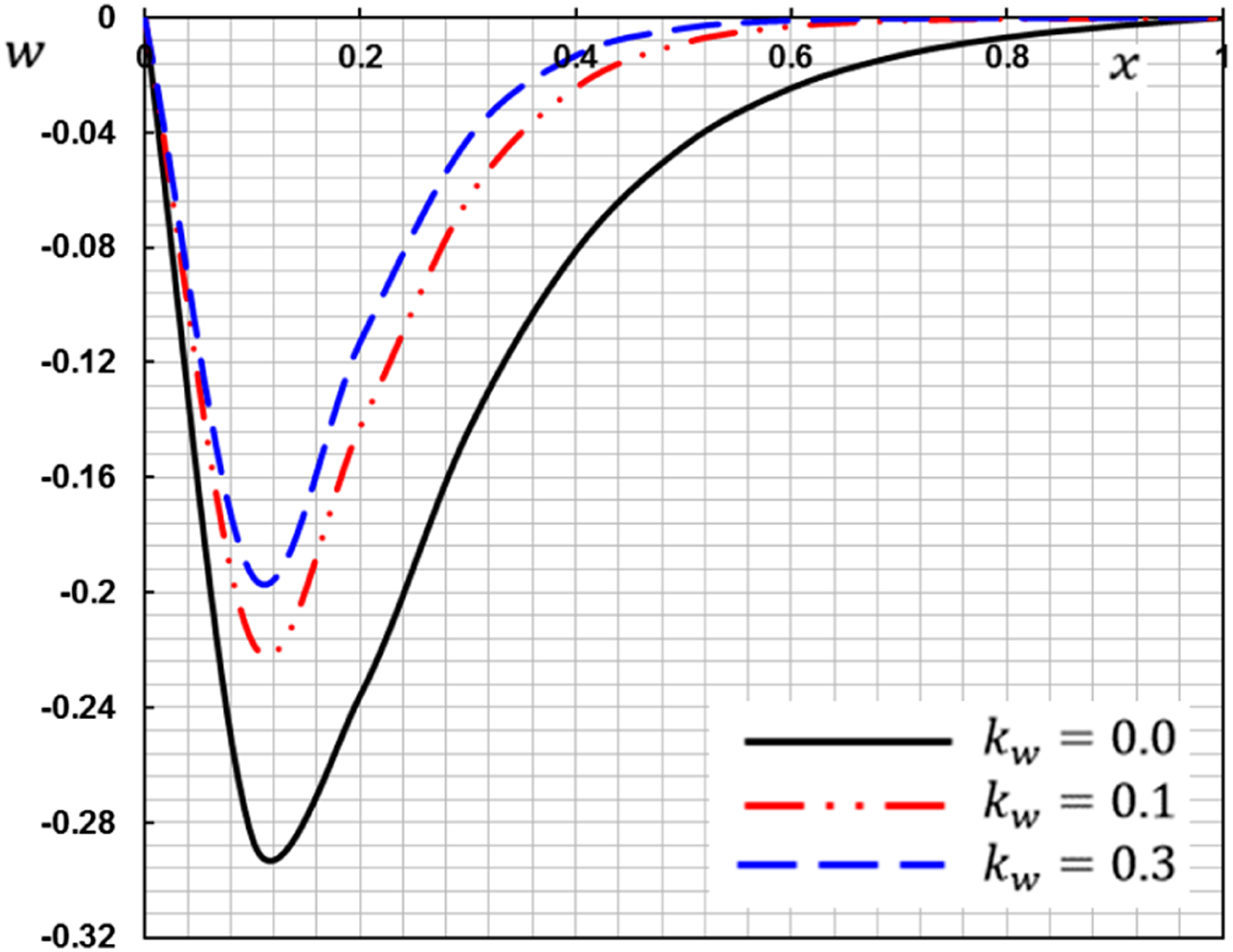
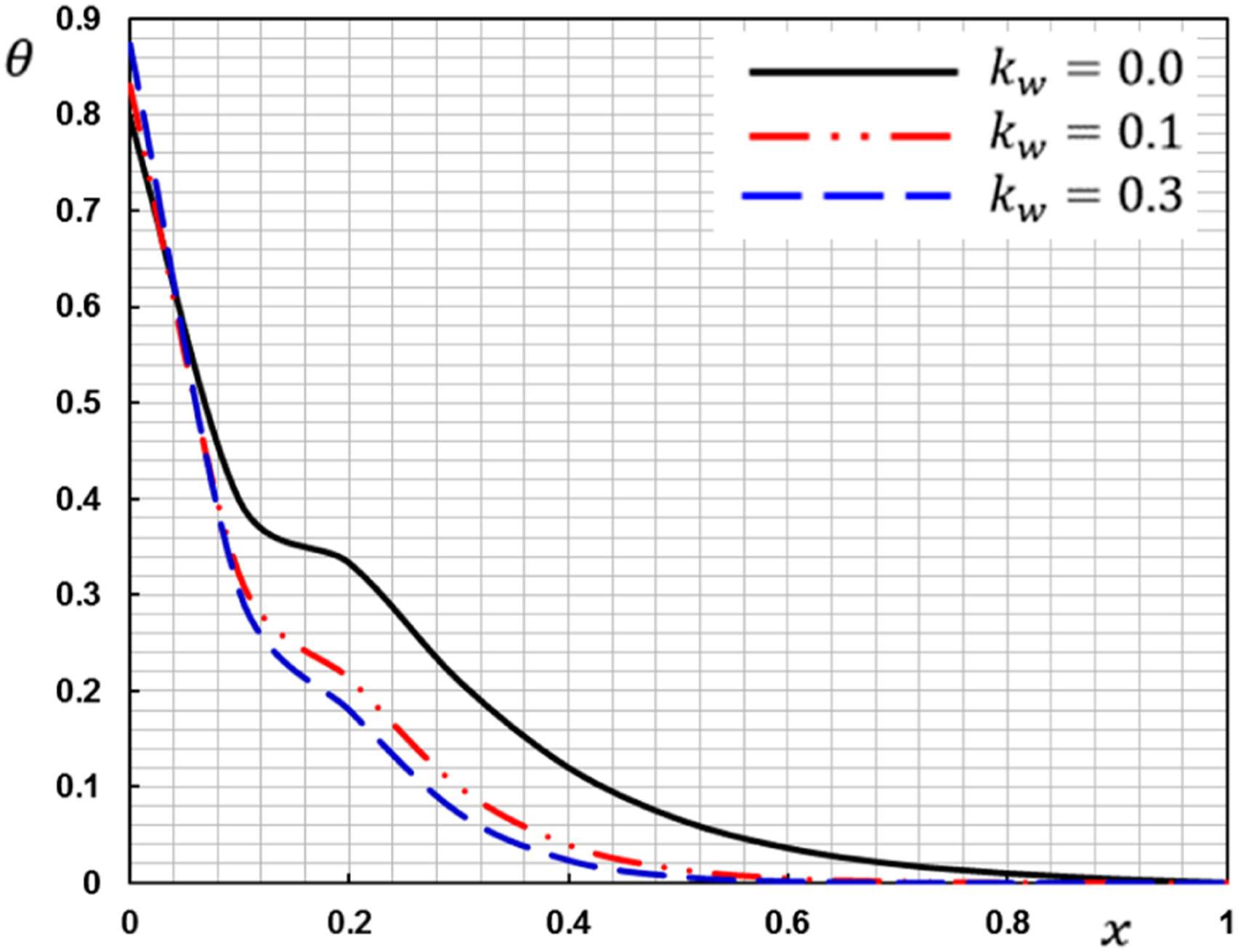
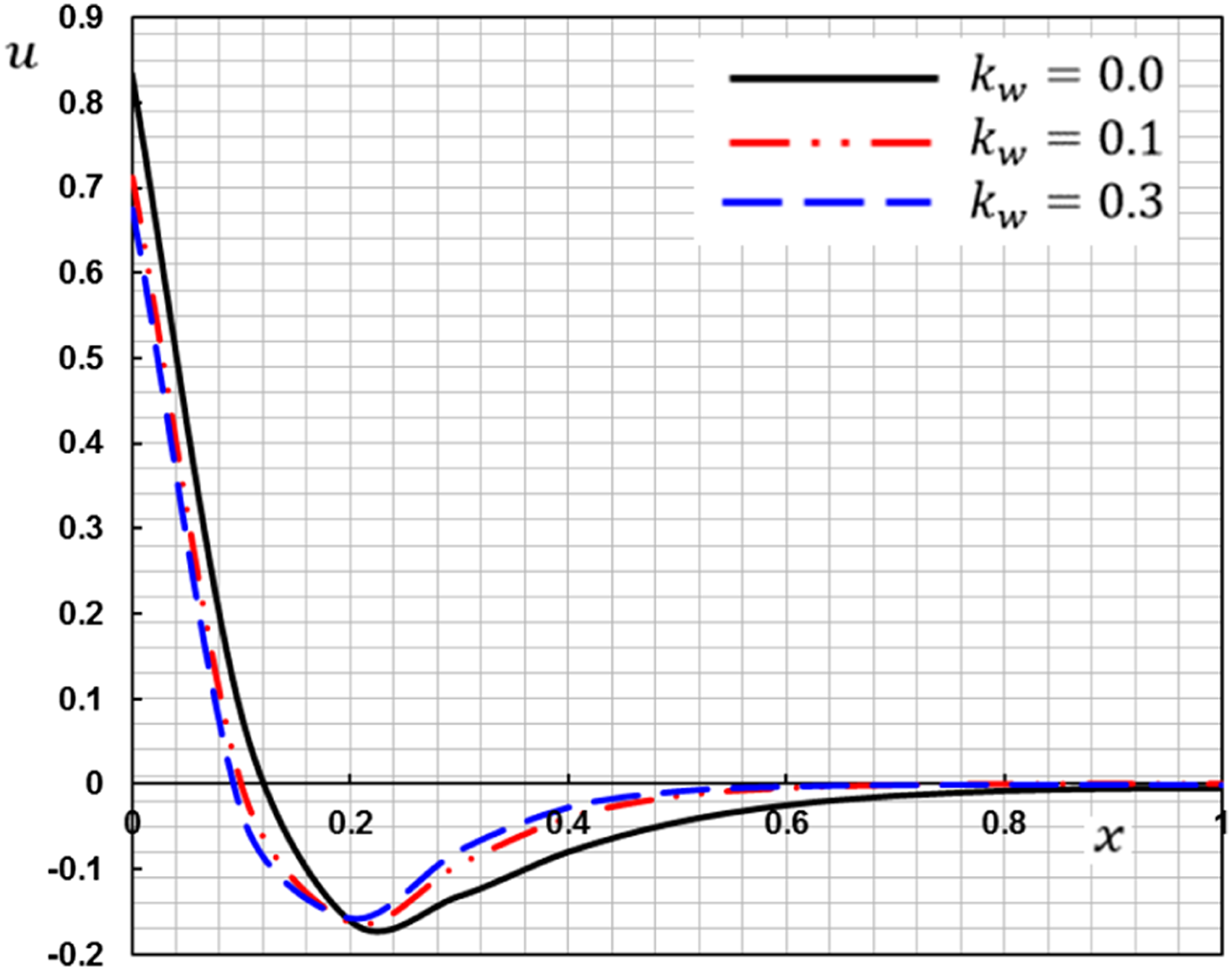
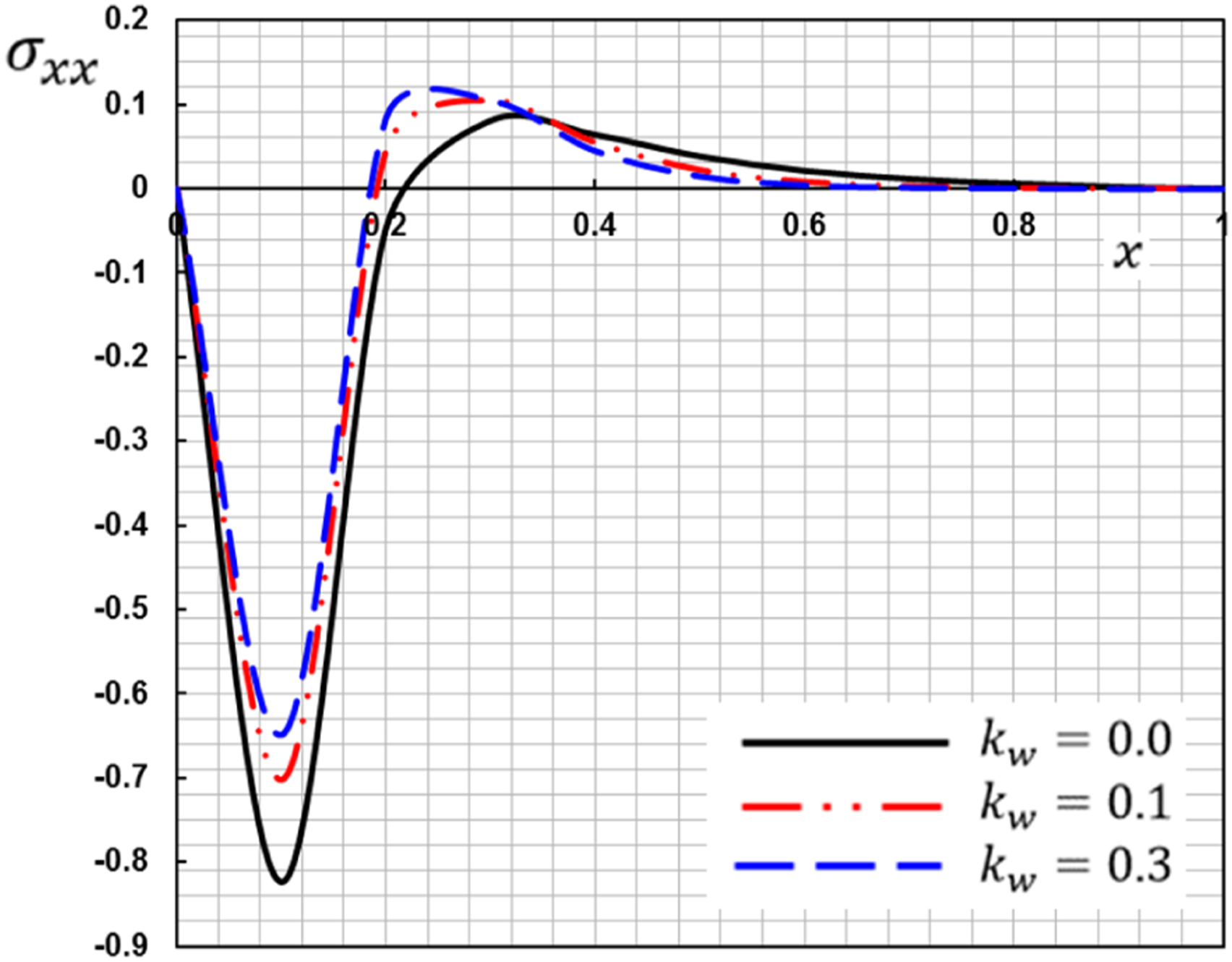
Similarly, in Figure 5, the maximum magnitudes of the thermal stress
To examine the effect of high Winkler’s foundation parameter on thermodynamical temperature
Figure 4 shows the effect of the base parameter of Winkler
The selection and variation of the mechanical parameters that distinguish the elastic base have a major impact on the deflection and temperature values. 71 The results of the presented method are in good agreement with Ref. 72.
Comparison between different models of thermoelasticity
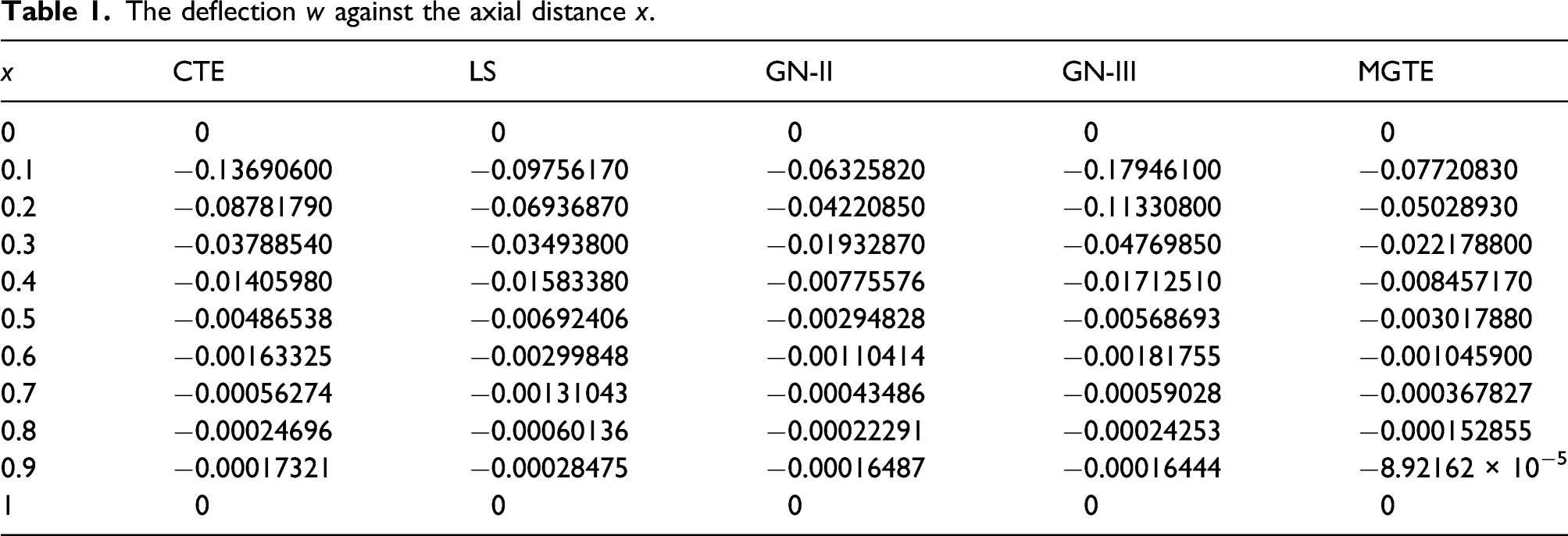
The results of the mathematical modeling are discussed and comparisons to previous investigations are made in this subsection to show the accuracy of the presented model and the results. If the effective parameters are constant, then the non-dimensional field variables along the axial distance
The deflection
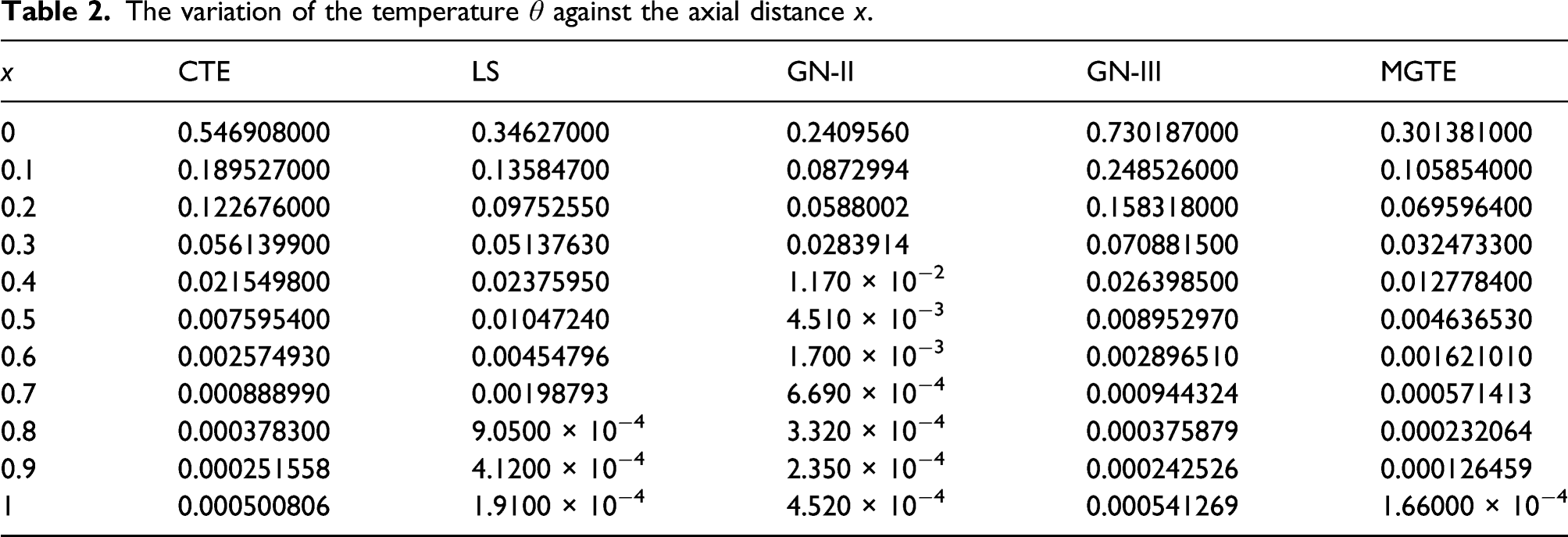
The variation of the temperature
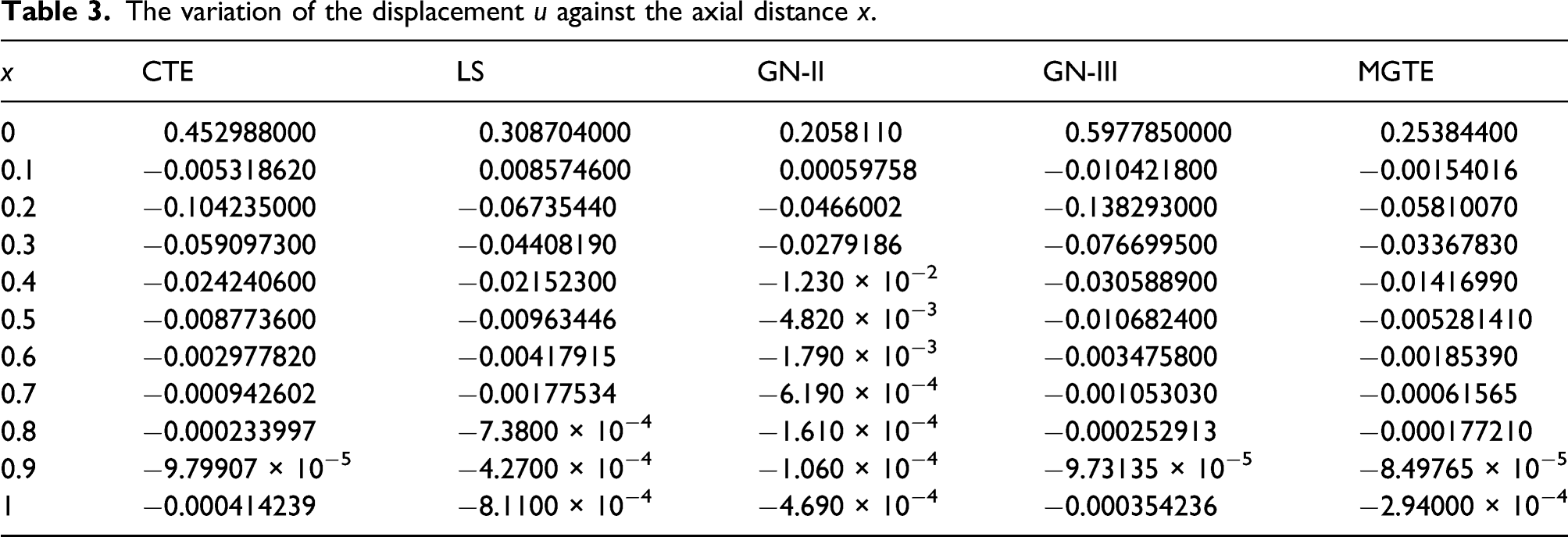
The variation of the displacement
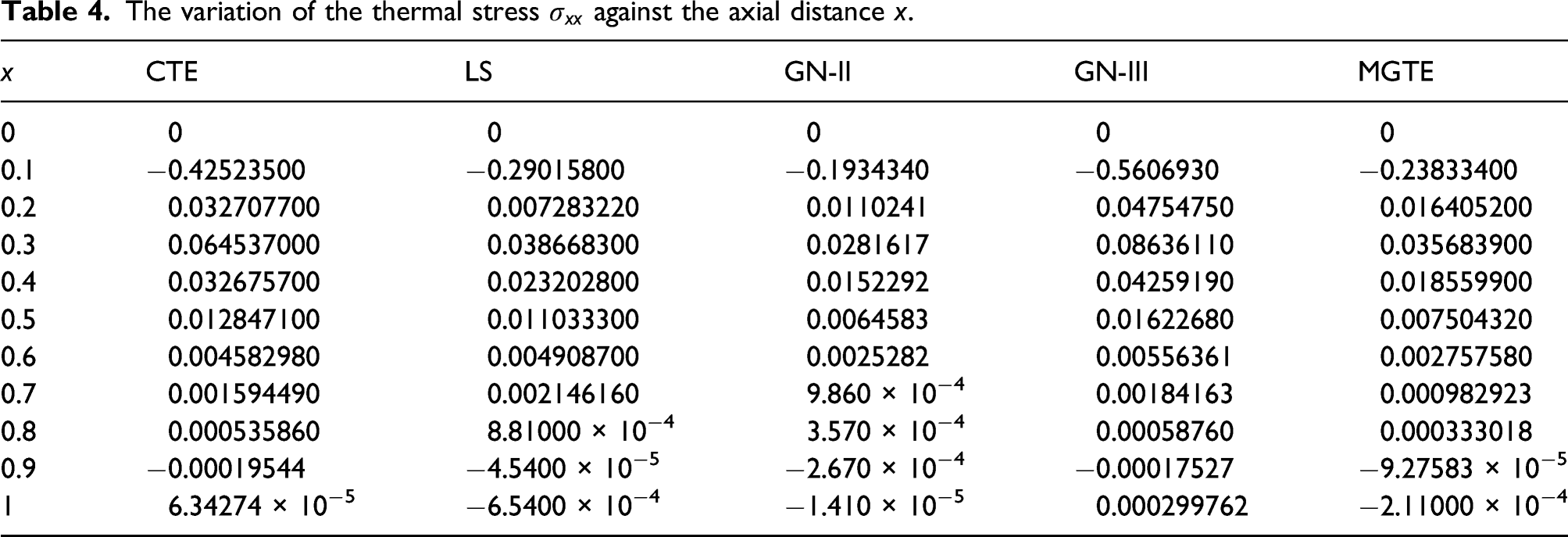
The variation of the thermal stress
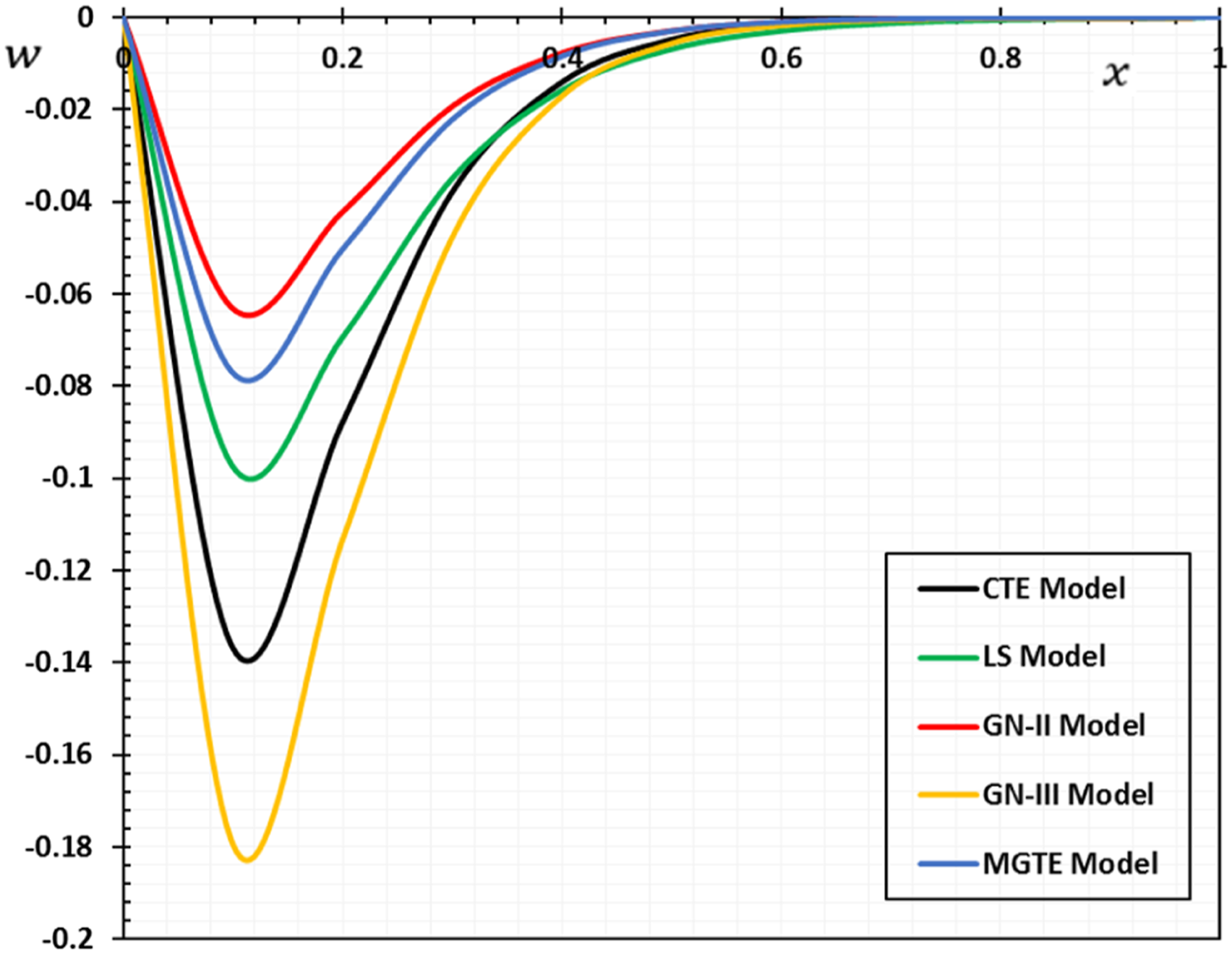
The deflection
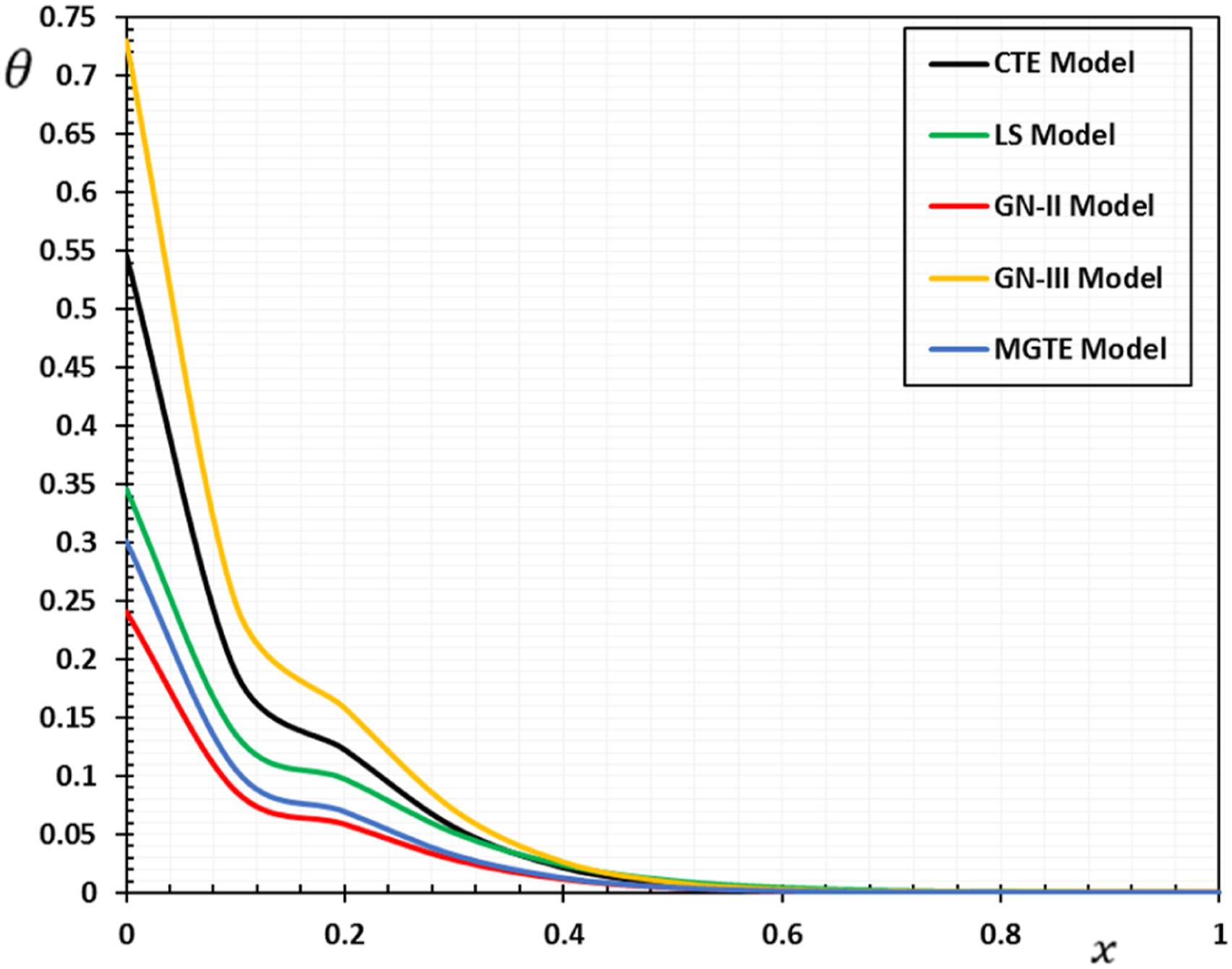
The temperature
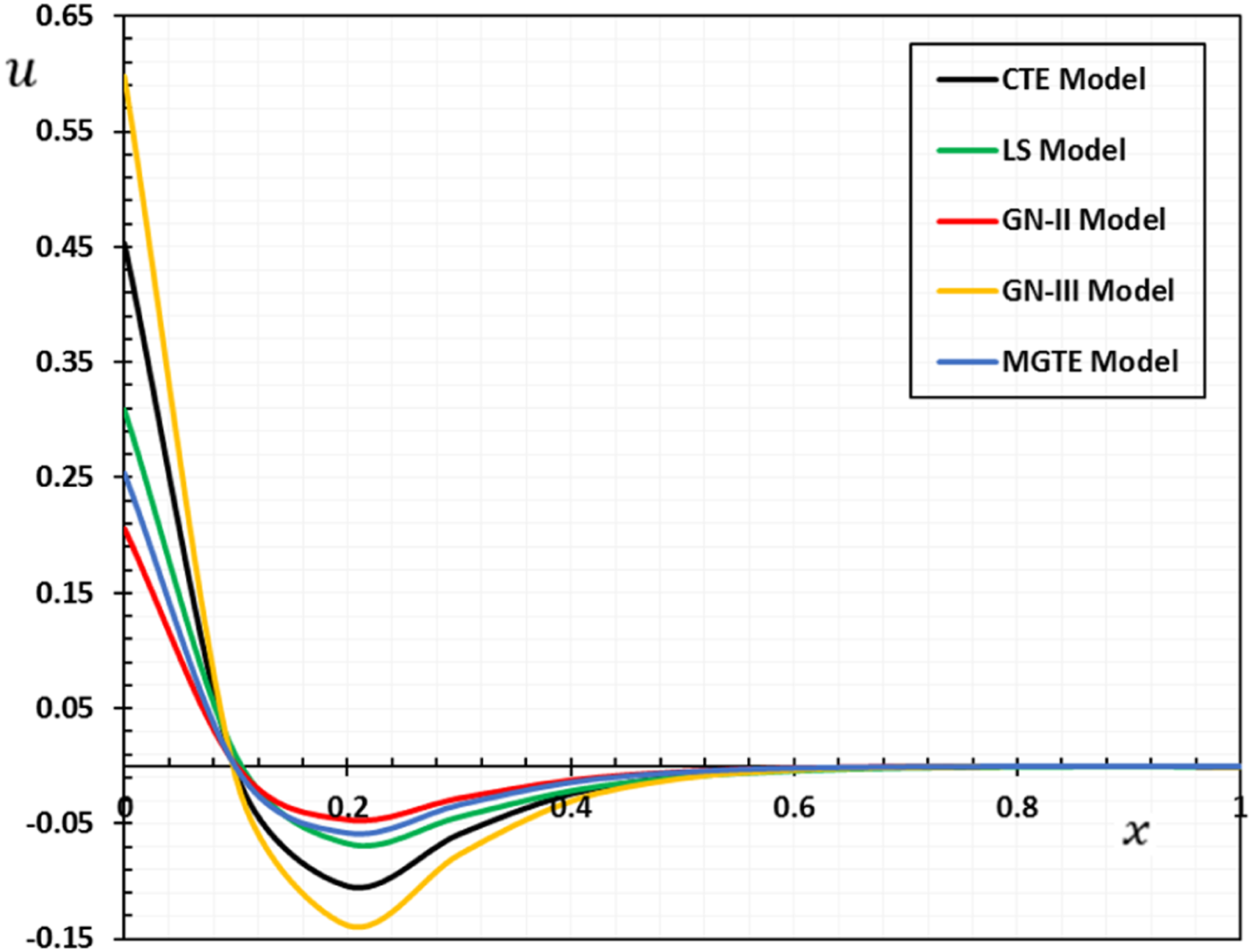
The displacement
Tables and Figures display the influence of thermal parameters
Tables 1–4 and also Figures 6–9 display the difference between GN-III forecasts and MGTE theories. The physical variables of the GN-III are shown to be bigger than MGTE and similar findings are shown in the LS and MGTE graphs of both models. The results for the generalized GN-III thermal elasticity show that it varies greatly in terms of energy dissipation with the GN-II thermal elasticity models. Furthermore, the presence of the relaxation parameter in the model LS and MGTE could indicate a slow decrease in temperature. The stress 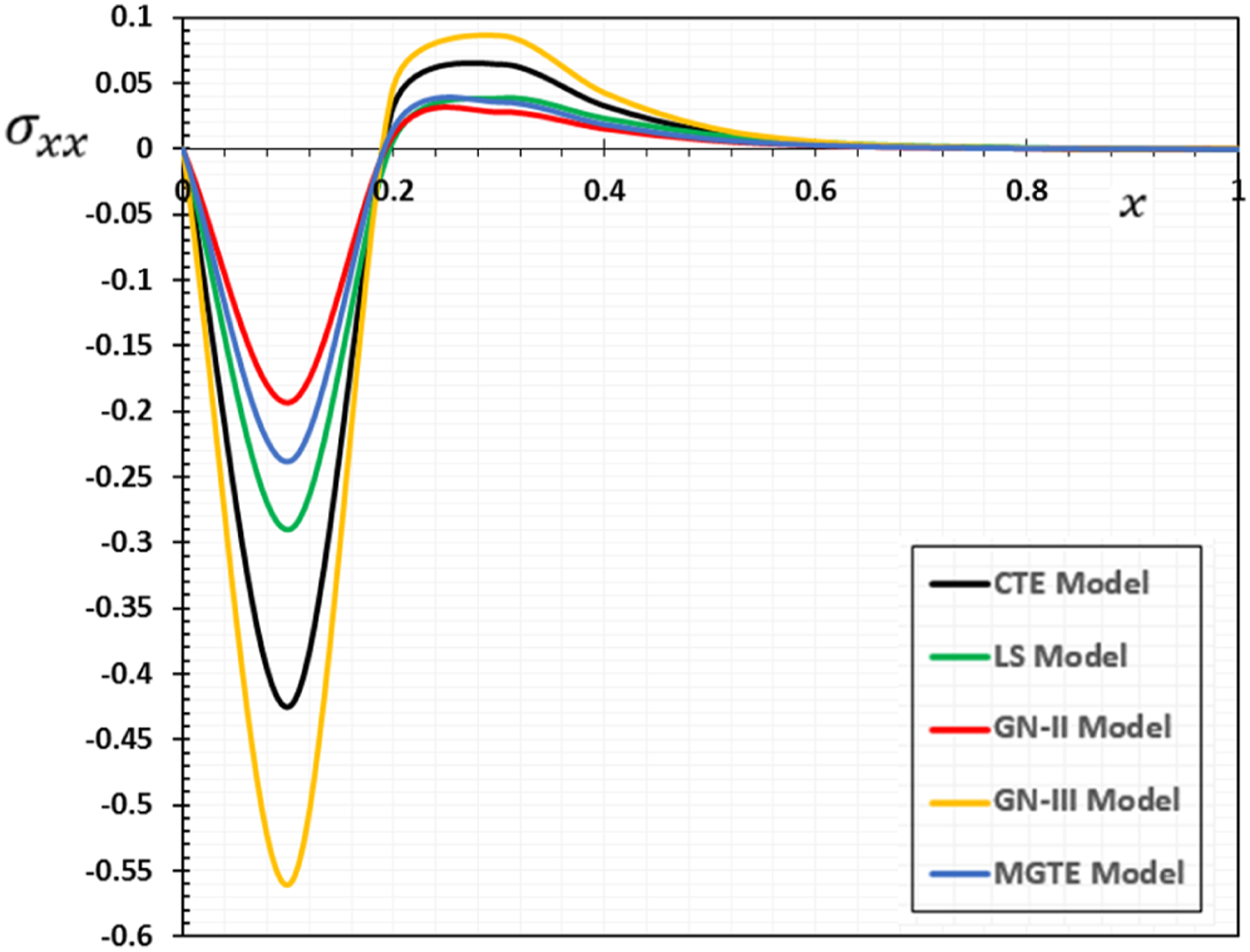
It has also been observed through the presented Figures and Tables that there is a convergence in the behavior of the different distributions in the case of Lord–Shulman (LS) and Green–Naghdi model (GN-II) in addition to the Moore–Gibson–Thompson model of thermoelasticity (MGTE), they differ only in magnitude.
The results of the generalized thermoelasticity model GN-IIII also demonstrate the convergence between the traditional thermoelastic model (CTE) which, unlike other generalized thermoelasticity models, do not easily fade into heat. It is entirely consistent with the information provided to Quintanilla.56,60 The Figures and the Table show the identical trends of viscous solids to the changes in temperatures and physical quantities that were examined in the theories of thermoelasticity MGTE and LS. Usually, both theories are very similar in behavior but differ slightly in quantity. The results are consistent with increasing distance and are consistent with generalized theories of thermoelasticity.
Effect of viscosity on the field variables
It is known that viscoelasticity is the study of materials that have a dependence on time. The proposed microbeam system consists of a viscoelastic material, which takes into account the memory effect of the strains. The analysis of viscoelasticity in biomechanics is also important because different biomaterials, for example, heart tissue, muscle tissue, and cartilage respond in a viscoelastic form. The effect on the properties of viscoelastic materials by temperature changes is relatively rarely discussed. This case explores the dynamic response of the viscoelastic microbeam depending on the different damping coefficients The transverse deflection The temperature The displacement The thermal stress 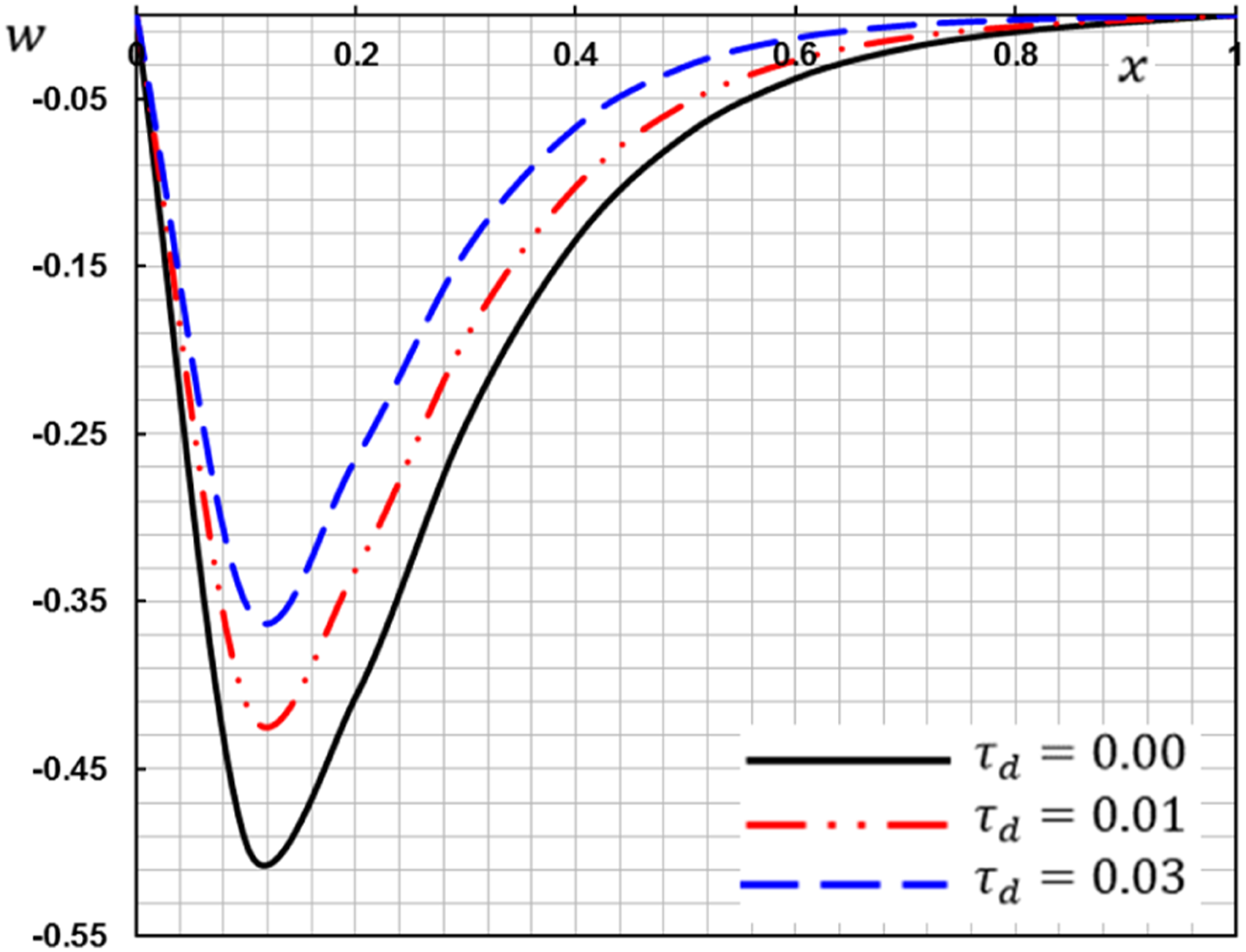
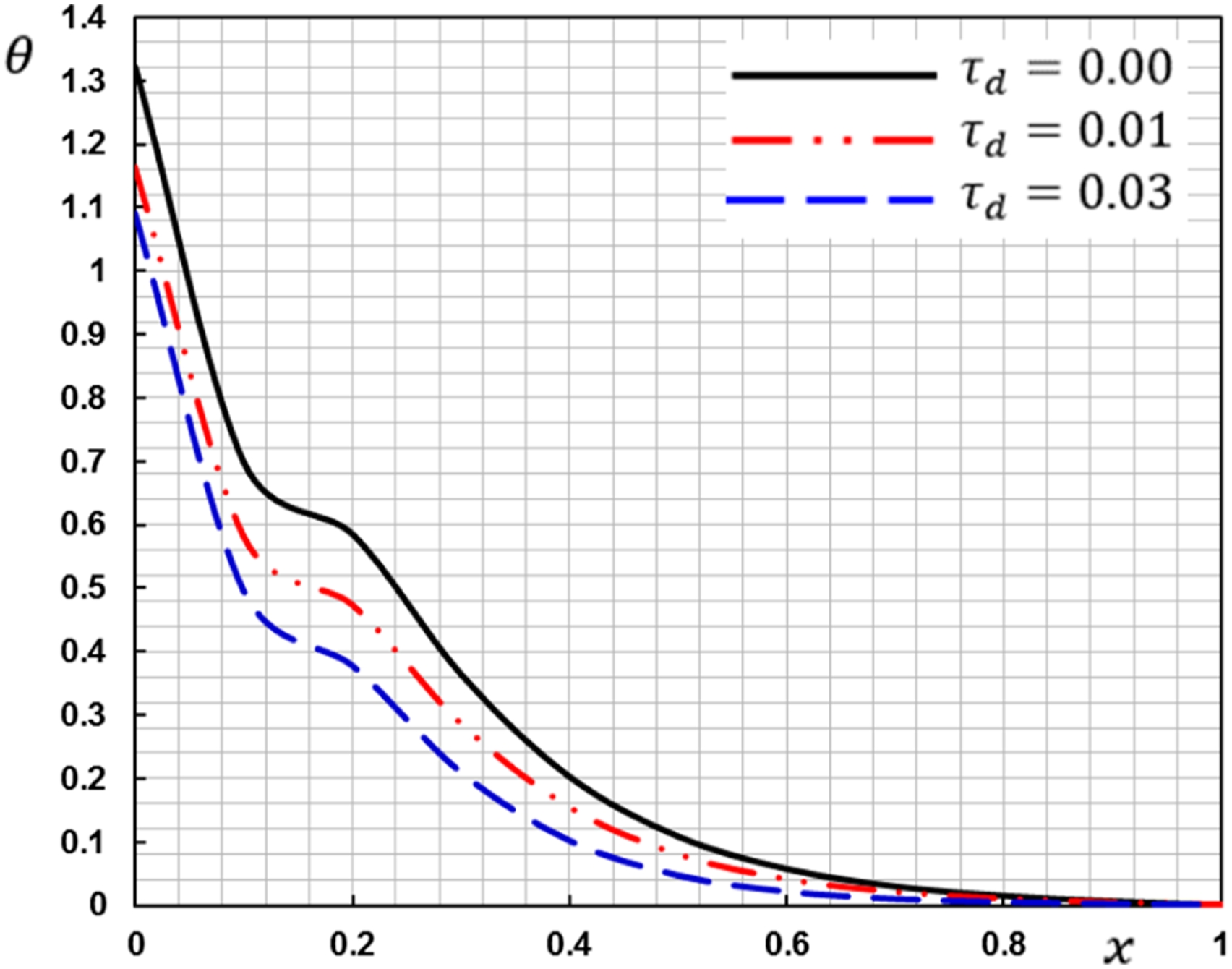
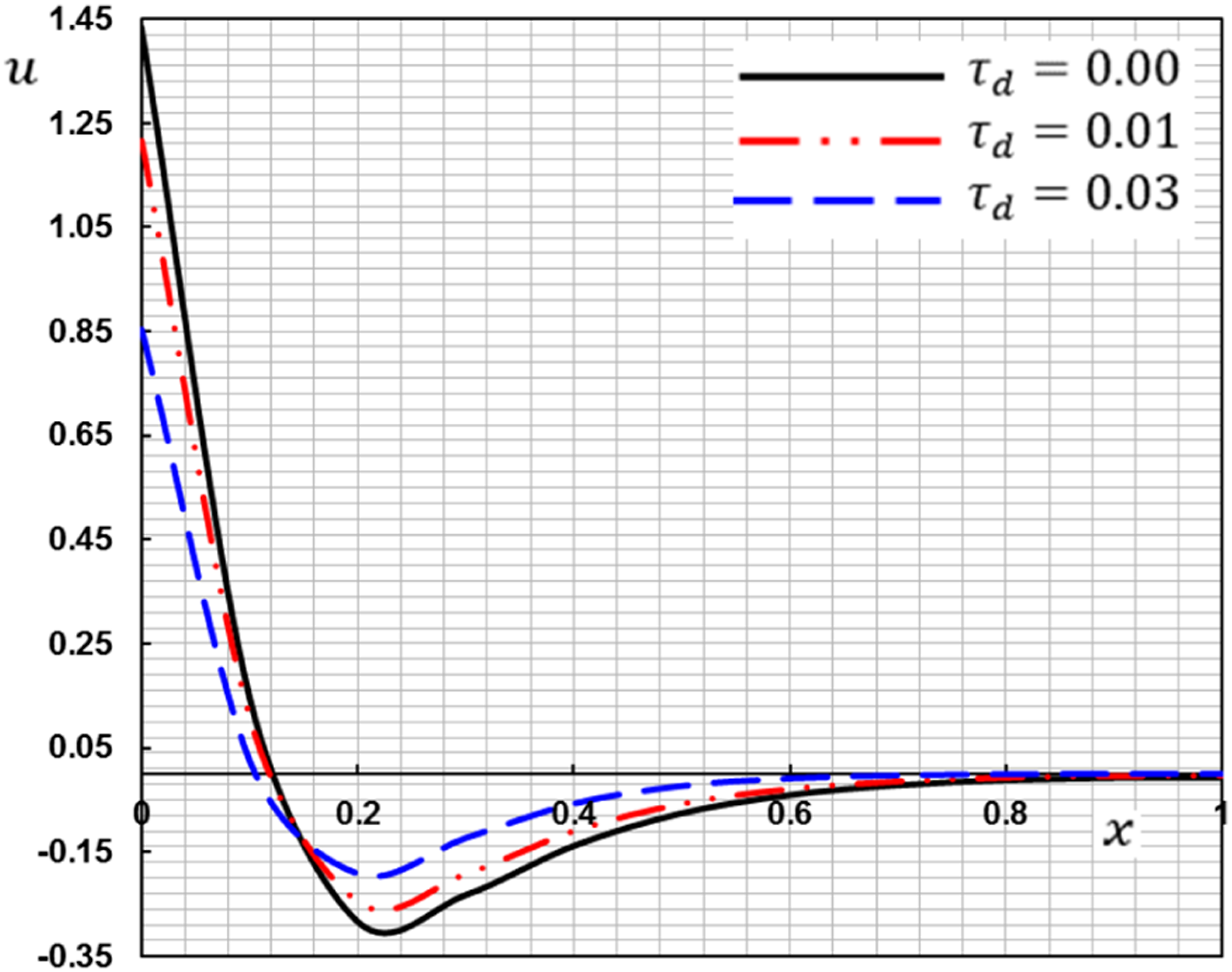
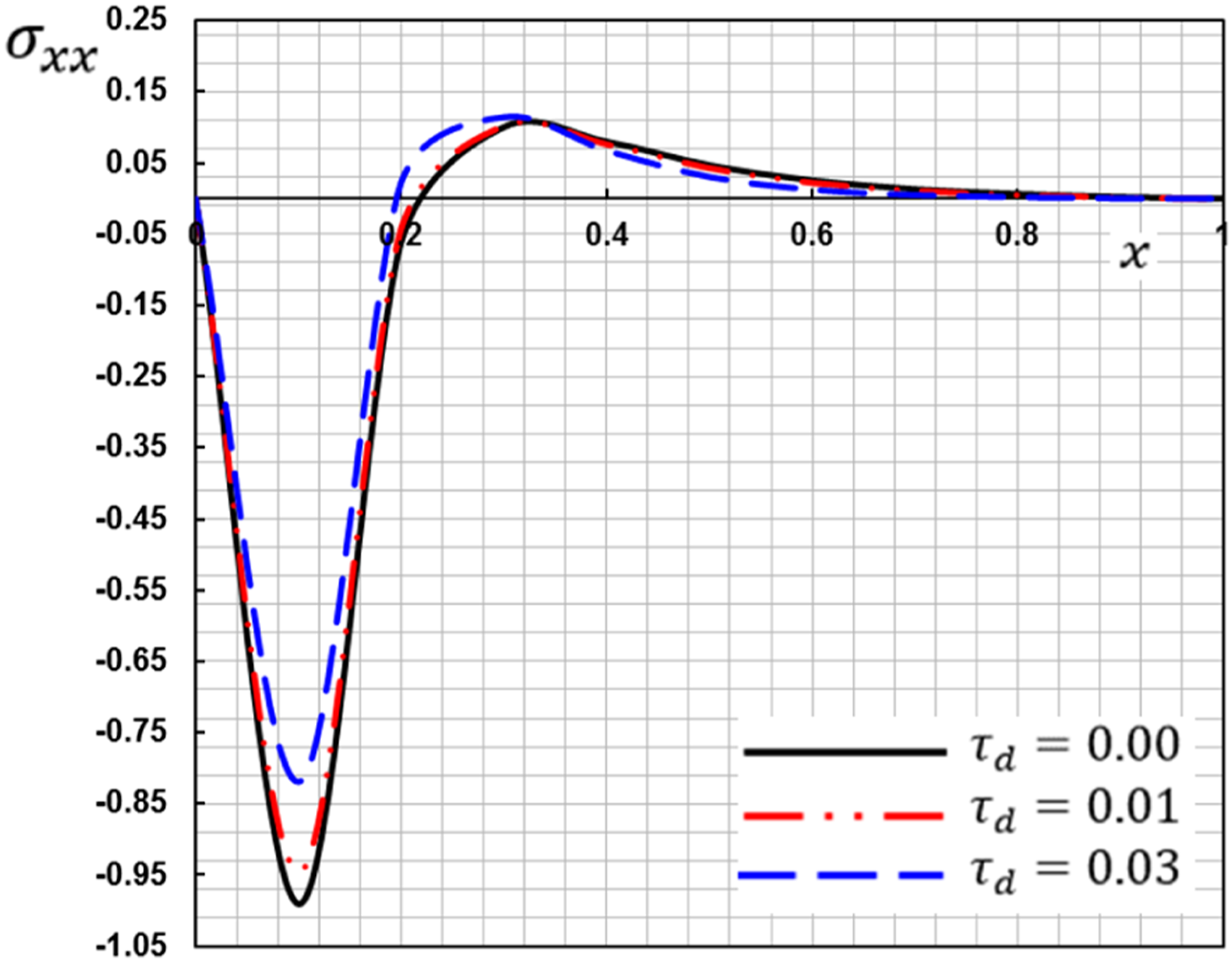
Figures 10–13 indicate that compared to non-viscous situations, the presence of the viscosity term of the introduced model resulted in a significant decrease in the magnitude of the thermoelastic physical fields. It is also noted from Figure 11 that the phenomenon of temperature is inversely proportional to viscosity. From Figures 11 and 13, we see that materials that function elastically at room temperature also achieve viscoelastic properties when they are heated. This is true for the metal turbine blades of the jet engine, which achieve very high temperatures and have to withstand very high tensile stresses.
In general, it is noticed that the behavior and the differences are similar for the different values of the damping factor
Effect of laser pulse duration
The phenomenon of pulsed laser heating of the microbeam has been investigated in this subsection. The beam is made of aluminum, heated by a non-Gaussian pulsed laser beam of The transverse deflection The temperature The displacement The thermal stress 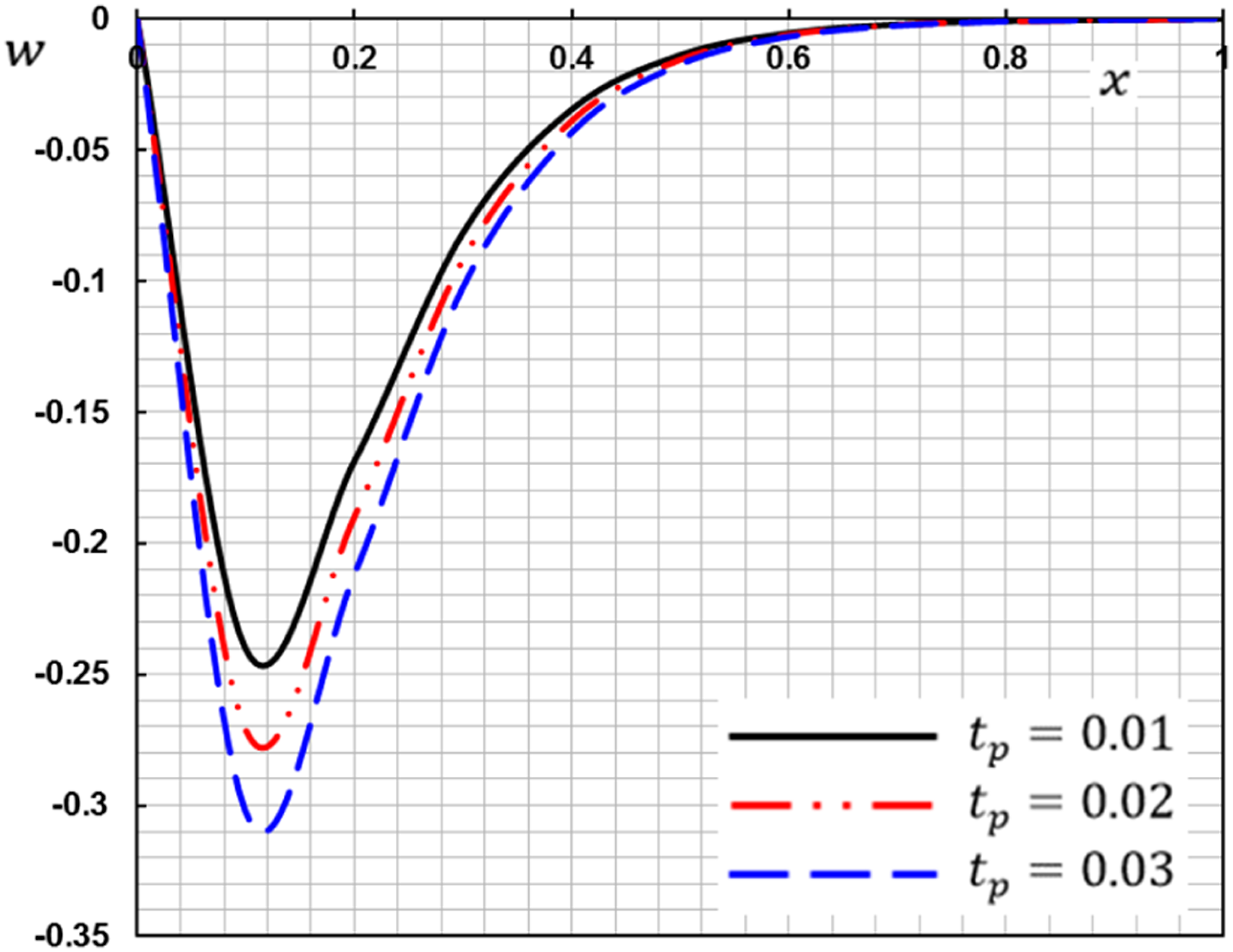
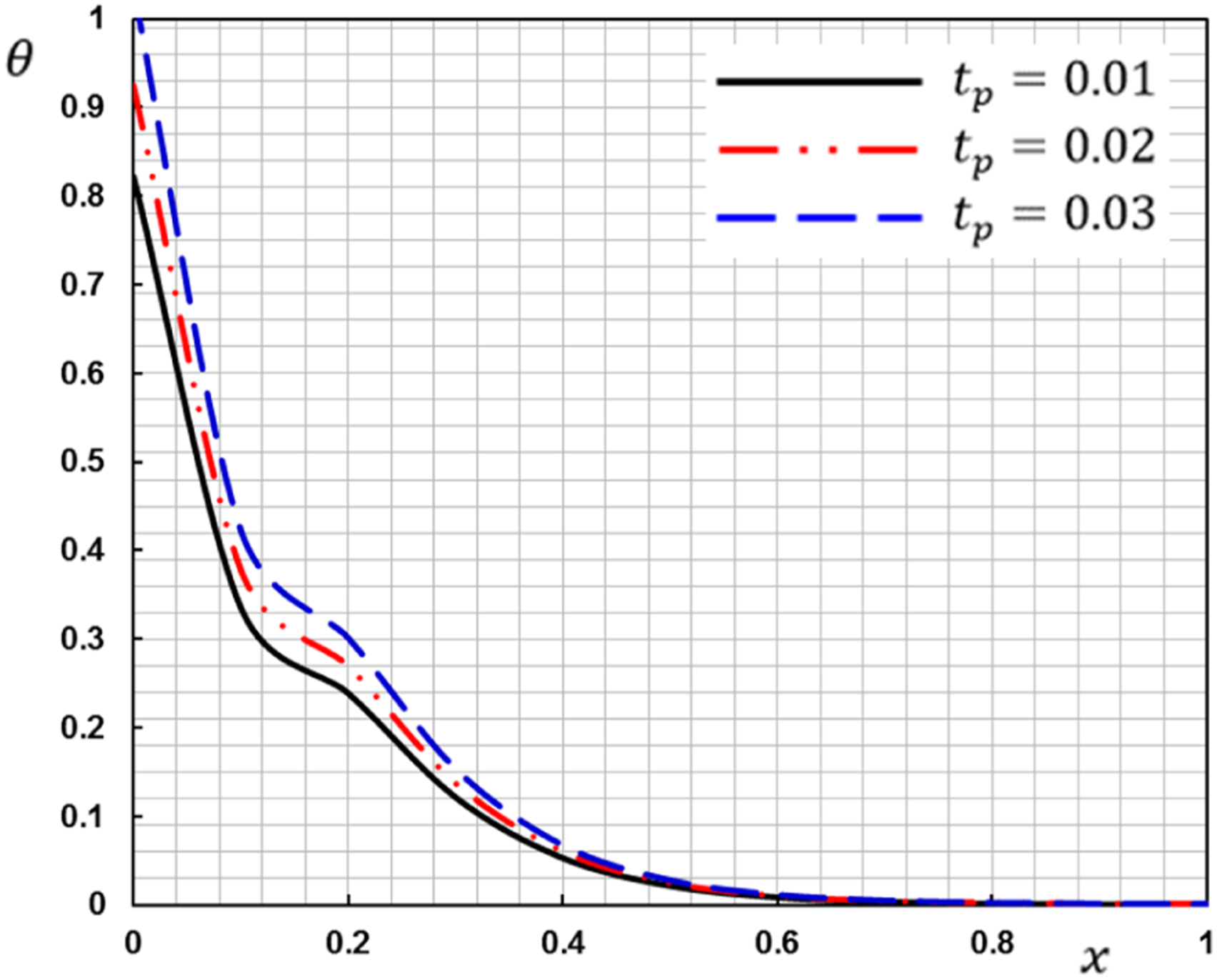
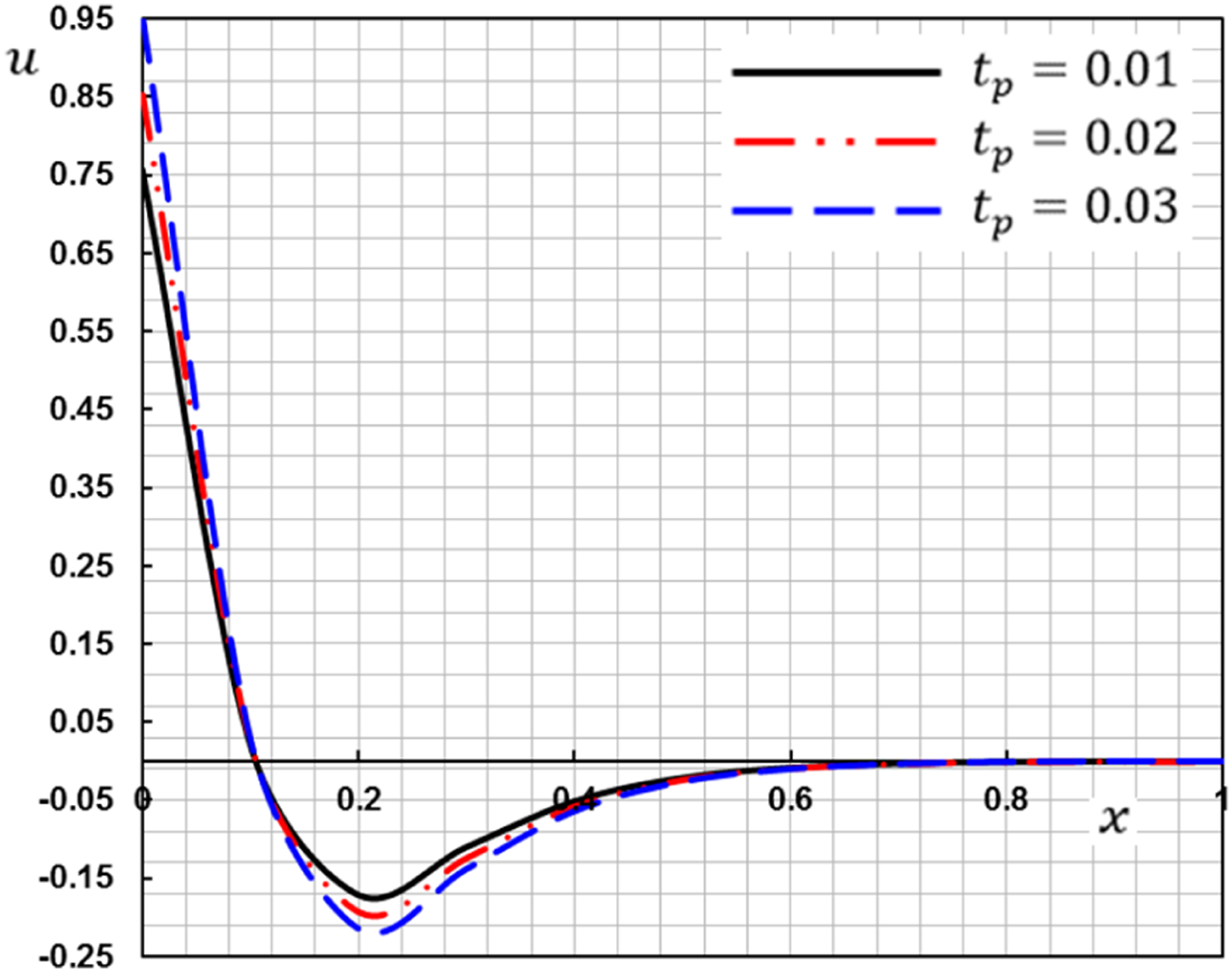
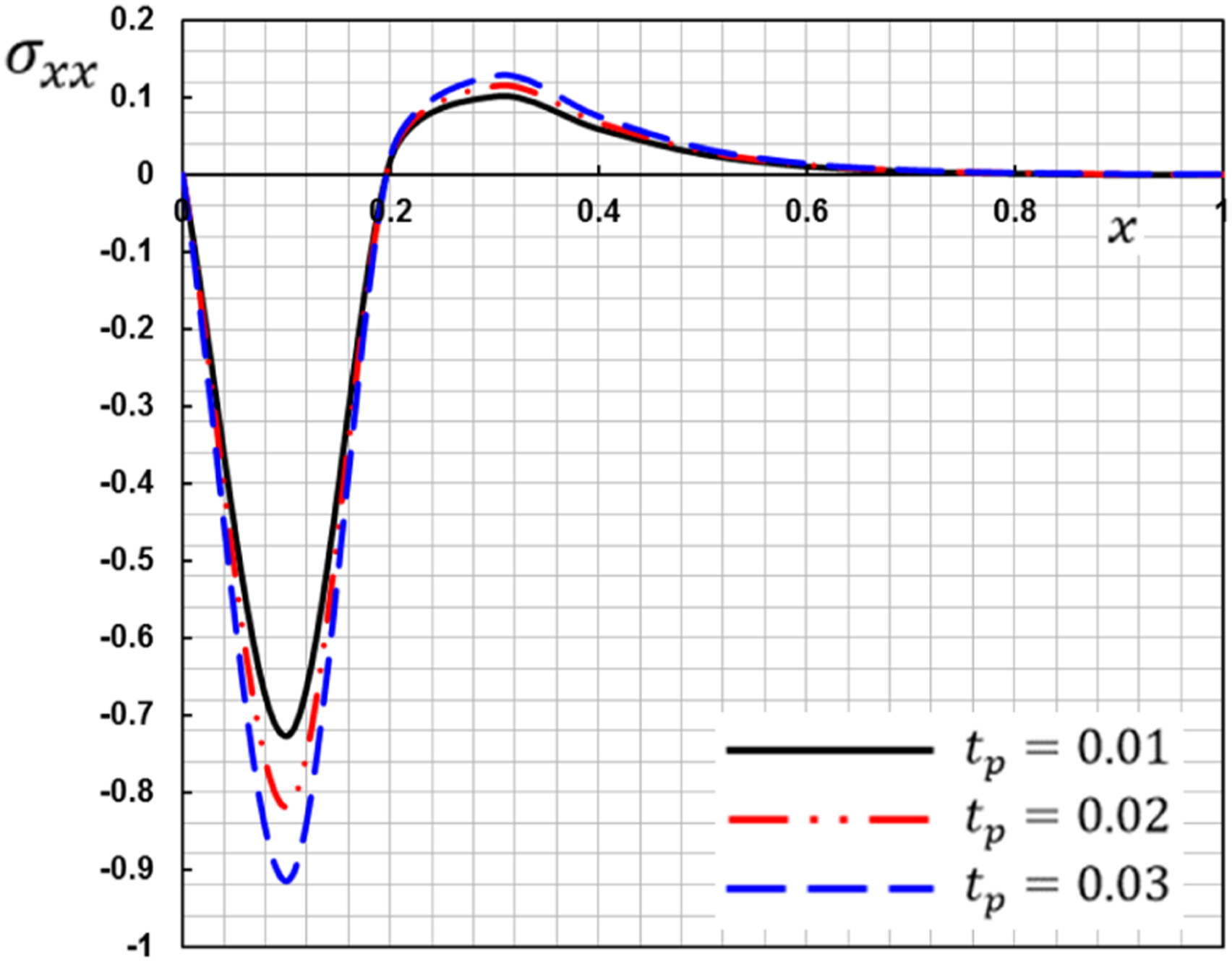
The laser pulse parameter
Conclusions
In this study, based on Euler–Bernoulli’s theory, the thermoelastic vibrations of an initial stressed viscoelastic microbeam resting on an elastic foundation are investigated. To model the behavior of thermoelasticity, a new thermal conductivity model of the Moore–Gibson–Thompson equation has been proposed. In addition, based on the viscoelastic Kelvin–Voigt relationship, the behavior of viscoelastic microbeam material has been modeled. The effects of laser pulse duration, Winkler’s foundation modulus, and damping coefficient on the responses of the microbeam have been evaluated.
The results and numerical discussions showed that: Increasing the Winkler’s foundation modulus contributes to reducing the dynamic response of the microbeam, thus achieving the balance at a much faster rate. Raising the viscous damping values contributes to a strong decrease in the magnitudes of studied fields and response time. Since the laser pulse duration increased the dynamic response, this effect is very significant and should be considered for micro-and nanostructure analysis. The presence of the relaxation parameter in the model LS and MGTE could indicate a slow decrease in temperature and other mechanical fields. For the design and study of microsensor vibrations and microsensor applications, the physical observations of this article may be useful. The investigation presented in this work is considered one of the important studies due to the widespread use of ultrasound laser technology in laboratory applications. This study can be expanded to include industrial fields and applications in an increasing number of cases. It is hoped that the results presented here will be used as criteria for validating results from other mathematical methods and will support the design of MEMS devices as well.
Footnotes
Acknowledgments
Authors extend their appreciation to the Deanship of Scientific Research of King Saud University for funding this work through research group no RG-1441-327.
Declaration of conflicting interests
The author(s) declared no potential conflicts of interest with respect to the research, authorship, and/or publication of this article.
Funding
The author(s) disclosed receipt of the following financial support for the research, authorship, and/or publication of this article: This work was supported by the King Saud University grant number RG-1441-327.
