




Abstract
Conventional metallic sandwich panels are widely used for noise control owing to their good noise control capabilities and excellent mechanical strength-to-weight ratio property. Furthermore, sound-absorbing products consisting of glass or mineral fiber materials are generally filled into the sandwich structures to lower the vibration response in resonance frequency and to enhance the structural noise attenuation capacity. In the present study, a fiber-reinforced graphite material is used as an alternative to its metallic counterparts. Moreover, a wood-based renewable absorption material is used as the absorption material and is filled into the sandwich structural core. The vibro-acoustic characteristics of the panel with such a design are numerically investigated using Actran. The findings of the research indicate that the proposed sandwich structure achieves advanced low-frequency noise control performance in comparison with other conventional metallic sandwich panels. Approximately 7 dB increase in sound transmission loss in the audible-frequency range is achieved in addition to a reduced panel weight and more stable vibration with reduced amplitude. The existing data available in the literature are employed for validating and illustrating the accuracy and reliability of the proposed approach.
Keywords
Introduction
In recent years, the effects of urban noise, regarded as one of the main causes of severe environmental pollution in urban areas, have been of particular concern and have been investigated by researchers and engineers. Owing to rapid industrialization and urbanization globally, excessive noise is increasingly being produced across a full range of frequencies, which is hazardous to human health from both physically and psychologically.1,2 In the meantime, sandwich structures with decent sound insulation and sound absorption properties have been widely used in the engineering fields3,4 as these structures provide a substantial advantage in terms of weight flexibility in addition to heat dissipation and vibration control. 5 The present study aims at developing a practical sandwich structure filled with absorption material for noise control within low-frequency and audible-noise-frequency ranges. 1
Low-frequency property has recently become a widely research topic in various nonlinear vibration systems. For instance, because of the significant role of low-frequency vibration in concrete beam systems, He et al. 6 theoretically revealed the vibration behavior of the porous concrete, including vibration attenuation and vibration absorption, to enhance the structural safety and life span of the beams. What is more, He et al. 7 applied their exclusive methodology, called the fractal frequency formulation, to investigate the nonlinear vibration behavior of fractal oscillators, in which the low-frequency property was found to be of important significance for sound and vibration attenuation. The low-frequency property of capillary effect of micro/nano devices was comprehensively and systematically reviewed in Ref. 8, for the purpose of enhancing the devices’ capacity in terms of mass, energy, and charge transfer. In order to better understand the oscillatory behavior of nano/microelectromechanical systems, Anjum and He 9 put forward an effective Laplace-based variational iteration method approach, which combined the variational iteration method and Laplace transform, to investigate the amplitude–frequency relationship. Furthermore, low-frequency noise is pervasive in urban life, produced not only by natural reasons (sea waves, wind turbulence, etc.) but also by artificial sources such as vehicles, industrial machinery, and ventilation or air-conditioning units. Compared with middle- and high-frequency noise, low-frequency noise has longer wavelength, which means low-frequency noise can travel long distances but with little energy loss. In light of this, controlling low-frequency noise is still a challenge for researchers and engineers.
Sandwich structures have been studied for enhancing the structural noise control capacity, in the way of using a variety of materials and configurations in their two faces and the middle layer. Various types of fiber-reinforced materials are widely used in material science due to their excellent mechanical properties. A nanofiber-reinforced concrete pillar, one kind of fiber-reinforced materials, was studied by Ji et al. 10 with regard to the transverse vibration property to avoid vibration damage. Zhang et al. 11 refined the face sheets of sandwich panel as the periodic subwavelength arrays of shunted piezoelectric patches to attenuate the low-frequency sound radiation. In contrast, Zhao 12 focused on the middle viscoelastic layer, embedding the acoustic black holes using the power-law relation theory. Furthermore, many enhancement approaches including varying geometries of sandwich structural cores were investigated in Refs. 13 and 14
It is well known that sandwich structural dynamic behavior is a key factor affecting the corresponding vibro-acoustic behaviors and sound transmission loss (STL) characteristics. Numerous research studies have been conducted to predict the dynamic behavior of sandwich structures with the help of various commercially available finite element solvers. However, analytical predictions of the dynamic behavior are difficult because of the complexity of three-dimensional systems 15 and variations in material property. Moreover, dynamic analysis based on complex three-dimensional structures is a time-consuming and tedious process, and it is easy to lead numerical ill conditioning.16,17 In the present study, the aforementioned problems can be avoided by transferring the complex structures into an equivalent 2D finite element model (FEM), in which the model establishment could be relatively easy and the processing time and number of hardware resources needed 18 could be reduced. Validation in terms of frequency and mode shapes is a straightforward and effective way of illustrating the reliability and accuracy of FEM. For instance, to validate the effectiveness of the FEM of the wind turbine blade assembly, a comparison of the high-order complex curvature mode shape between the FEM and a correlated experiment was conducted. 19 Chen et al. 20 first introduced the polynomial expansion theory to derive the dynamic time response for representing the cylindrical shell structure. The utility of the theory was demonstrated by the experiments of two relative test configurations. When a set of time response data was collected to form the frequency response function, data consistency assessment function was applied to check the consistency of the entire dataset. 21 Instead of representing the plate-type structure using mode shapes, non–model-based expansion technique based on Chebyshev polynomials was proposed and used as an alternative way of mode shapes to display the vibrating structure. 22
For investigating vibro-acoustic responses and STL behavior, classical approaches including Fourier series approaches, 23 the finite difference method, 24 and finite boundary element method are widely used and still being enhanced. However, the inherent complexity of the geometrical radiation model, mesh restrictions, and dispersion limits the application of the first two methods. 25 To investigate the vibro-acoustic problem with an acoustic field exterior to a flat plate set in an infinite coplanar rigid baffle, many researchers recast the series of governing partial differential equation as a Rayleigh integral equation to establish the connection between vibration and acoustic.26,27
Numerous studies have been conducted by researchers and engineers on optimizing the acoustic comfort of sandwich structures and applied the optimized structure in aeronautic and astronautic areas. However, the traditional metallic sandwich structures considering acoustic constrains only are always heavier in weight and larger in size than those merely considering mechanical constraints. 28 This characteristic restricted their application in building constructions. Therefore, saving weight and space occupation without losing the capacity of noise control of sandwich structures has become one of the challenges that need to be overcome. Additionally, decent acoustical performance in terms of noise attenuation in low- and audible-frequency range is also an important requirement that needs to be met. Furthermore, the growing awareness about the potential health risks posed by glass and mineral fiber materials29,30 compelled researchers and engineers to focus on the application of environmental-friendly materials. Despite this, studies focusing on addressing the above concerns are rare in the literature. Therefore, in the present study, we aim to fill this gap with the help of software Actran, which is a powerful tool for numerically solving acoustical problems.31,32 The numerical studies using the software are carried out for quantitatively investigating the vibratory and acoustic behaviors of the considered sandwich panels. The numerical model established in the present study and the accuracy and reliability of the numerical results obtained are validated through comparison with the data existing in the literature. The proposed approach can provide a useful guidance for quantitatively studying the vibro-acoustic characteristics and designing optimized sandwich structures.
Methodology
(1) First, the complex 3D foam-filled truss core sandwich panel is equivalent to a 2D rectangular orthotropic panel. Relying on the theory proposed by Arunkumar et al.
33
for the equivalent stiffness properties of foam-filled truss core sandwich panel, we assume that foam and truss are firmly fixed together and derive the equivalent stiffness parameters through the comparison of the behavior of unit foam-filled cell with the behavior of an element of the orthotropic thick plate. The equations used to calculate the equivalent stiffness properties are as follows (2) Second, the equivalent elastic constants are calculated using the equivalent stiffness parameter equations (a) Finite element analysis model. (b) Zoom-in view of the element.
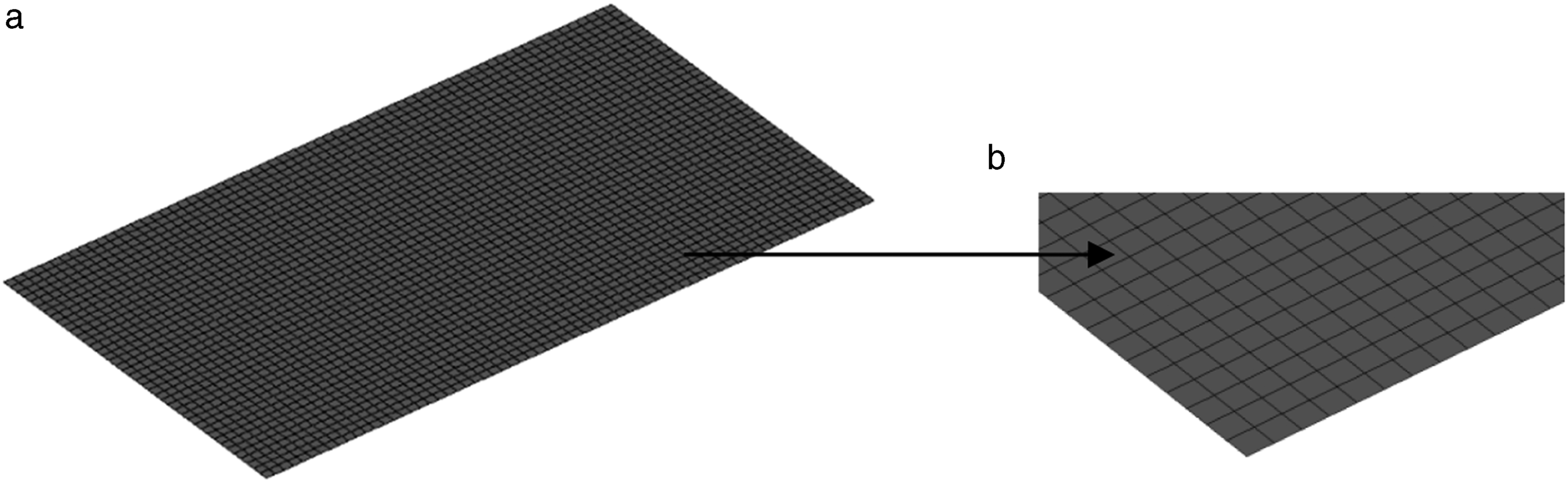

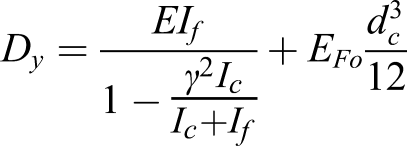
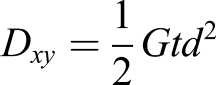
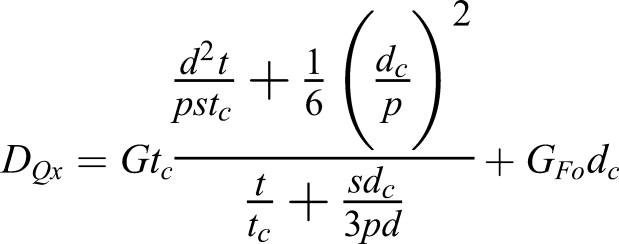



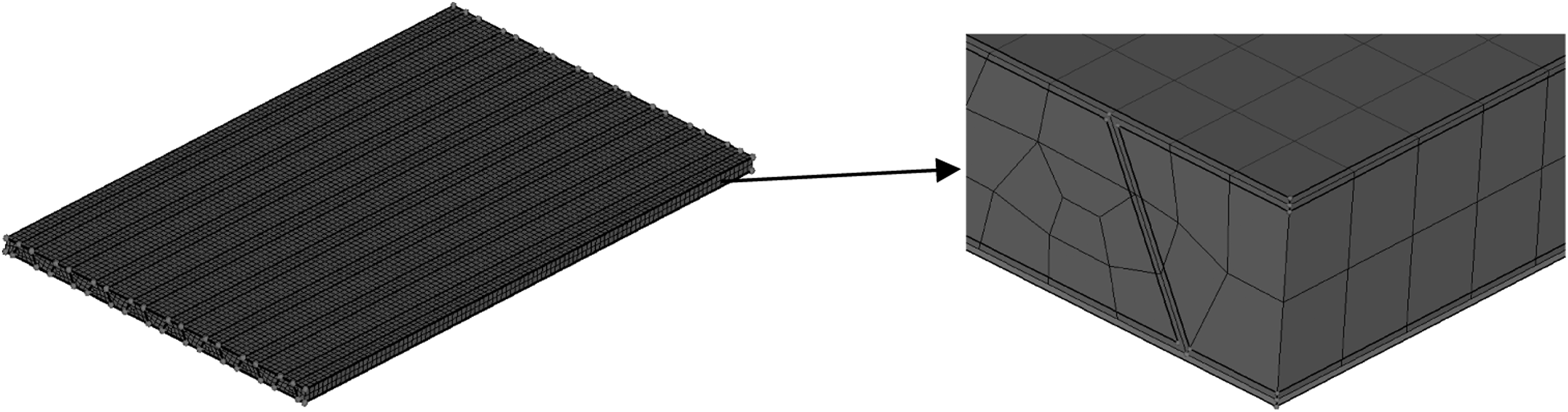
The 3D model of the foam-filled truss core sandwich panel is established in Ansys, and then the model is imported into Actran to extract the mid-surface. Based on extracted surface, the foam is filled and the whole sandwich structure is meshed. The elements and connections of 3D model are shown in Figure 2 (3) The response of free vibration and its corresponding mode shape can be obtained using the formula below 3D model of foam-filled truss core sandwich panel.

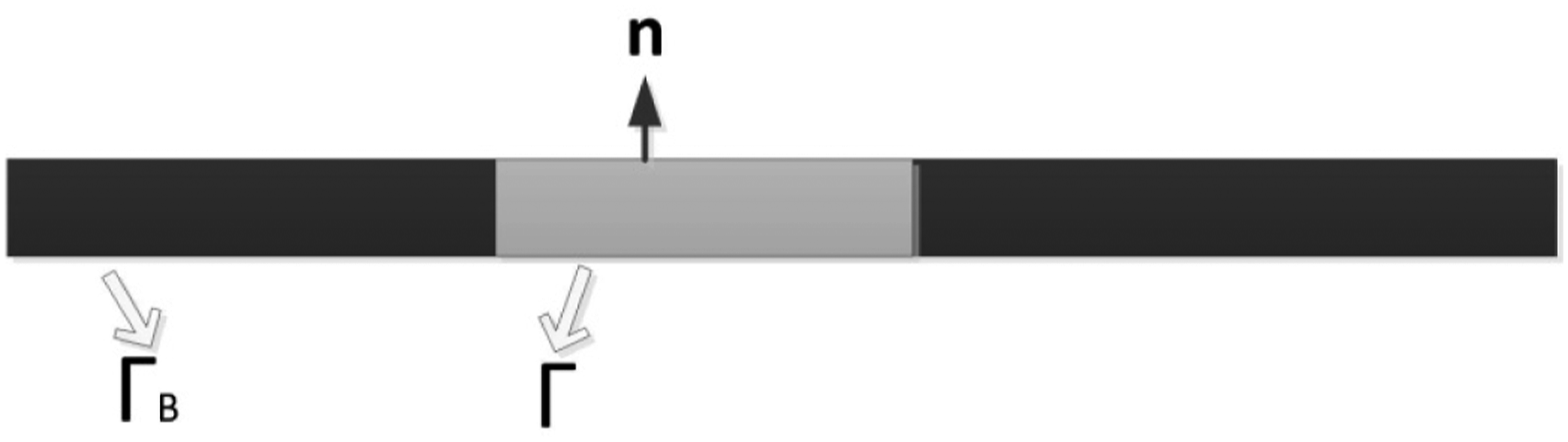
Considering that the model is established based on original coordinates and that its length, width, and height are represented along the x, y, and z directions, respectively, the mathematical expression under the clamped edge boundary conditions (CCCC) is (4) A time-harmonic load vector is used as an excitation for vibrating the sound barrier structure to obtain the forced vibration response, which can be expressed as (5) In Actran, the acoustic radiation problem based on the Rayleigh boundary elements theory (Figure 3) can be formulated with reference to a vibrating structure whose radiation surface Г is located in the plane of a rigid baffle. In each element, the vibrating responses are used as inputs for the Rayleigh boundary integral method Plane structure mounted on a plane rigid baffle.






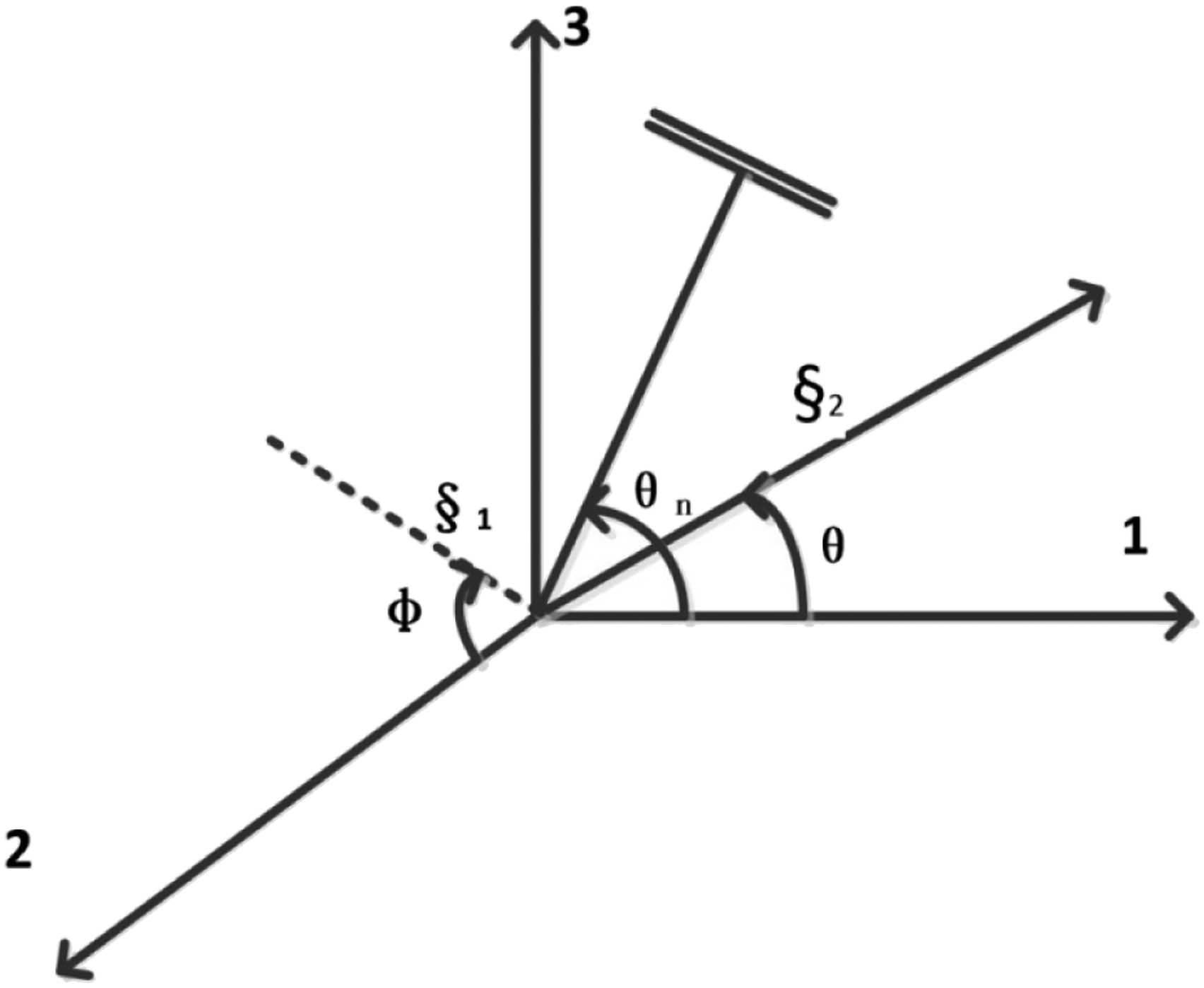
The above equation (6) can be obtained by recasting the governing partial differential equation as a boundary integral equation (shown as follows) (6) Further, the radiated sound power can be obtained from the radiated sound pressure (7) The diffuse incident pressure field is assumed as Coordinate system and a particular plane wave.






Then, we retrieve the pressure from location r to axis 1 by converting the spatial interval into an equivalent time interval (8) Consequently, the STL (dB) is described as






Validation
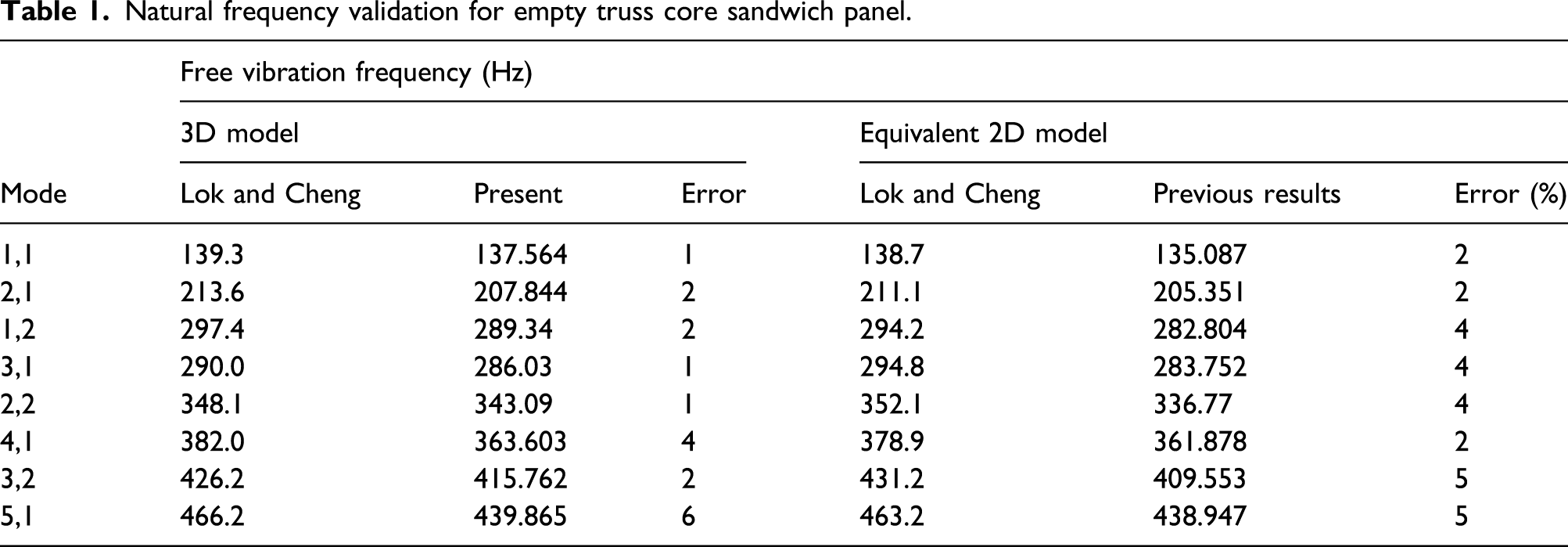
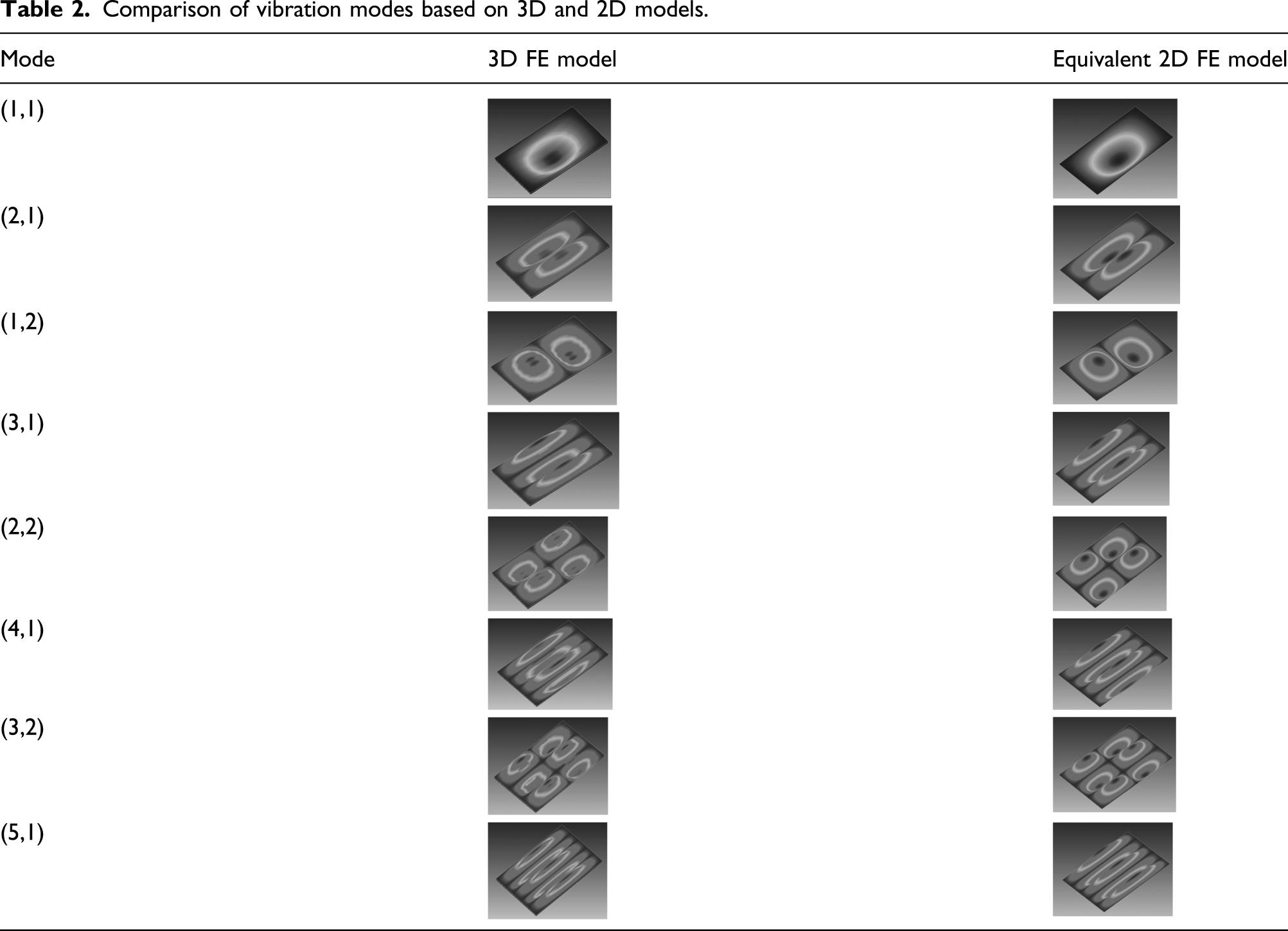
Validation for free vibration frequencies of the truss core sandwich panel without filling foam
Based on 3D and equivalent 2D models, a comparison between the proposed numerical results of natural frequency calculation and the results analyzed by Lok and Cheng
34
is conducted to validate the free vibration response of the truss core sandwich panel without filling foam. Lok and Cheng
34
used closed form solution to predict natural frequencies of the sandwich panel. A truss core sandwich panel of size being (a) Dimensions of the truss core sandwich panel. (b) Dimensions of the unit cell truss core. Natural frequency validation for empty truss core sandwich panel. Comparison of vibration modes based on 3D and 2D models.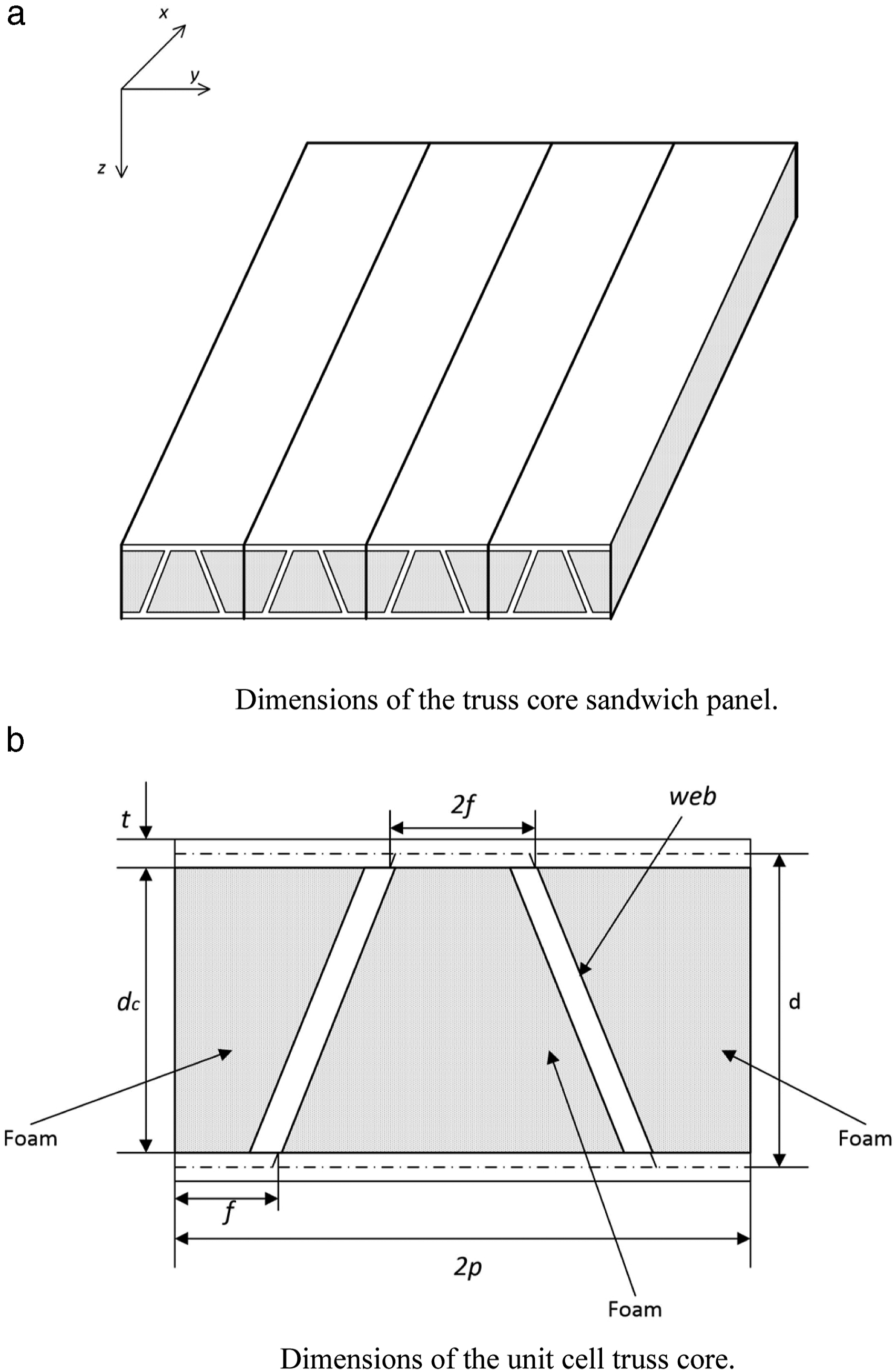
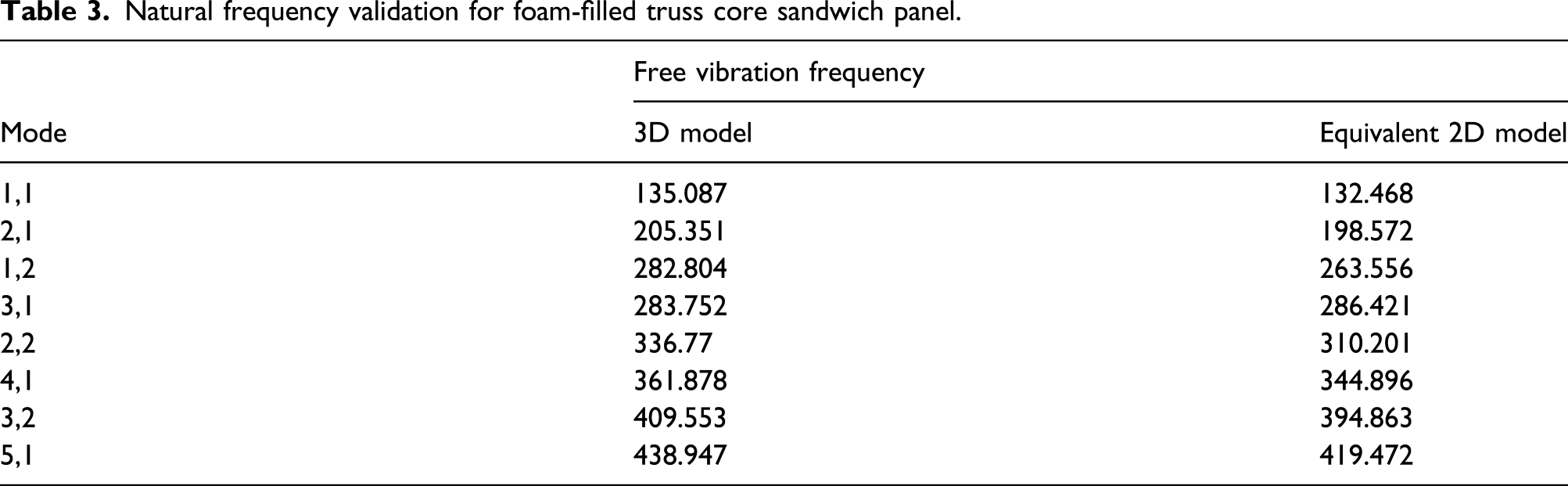
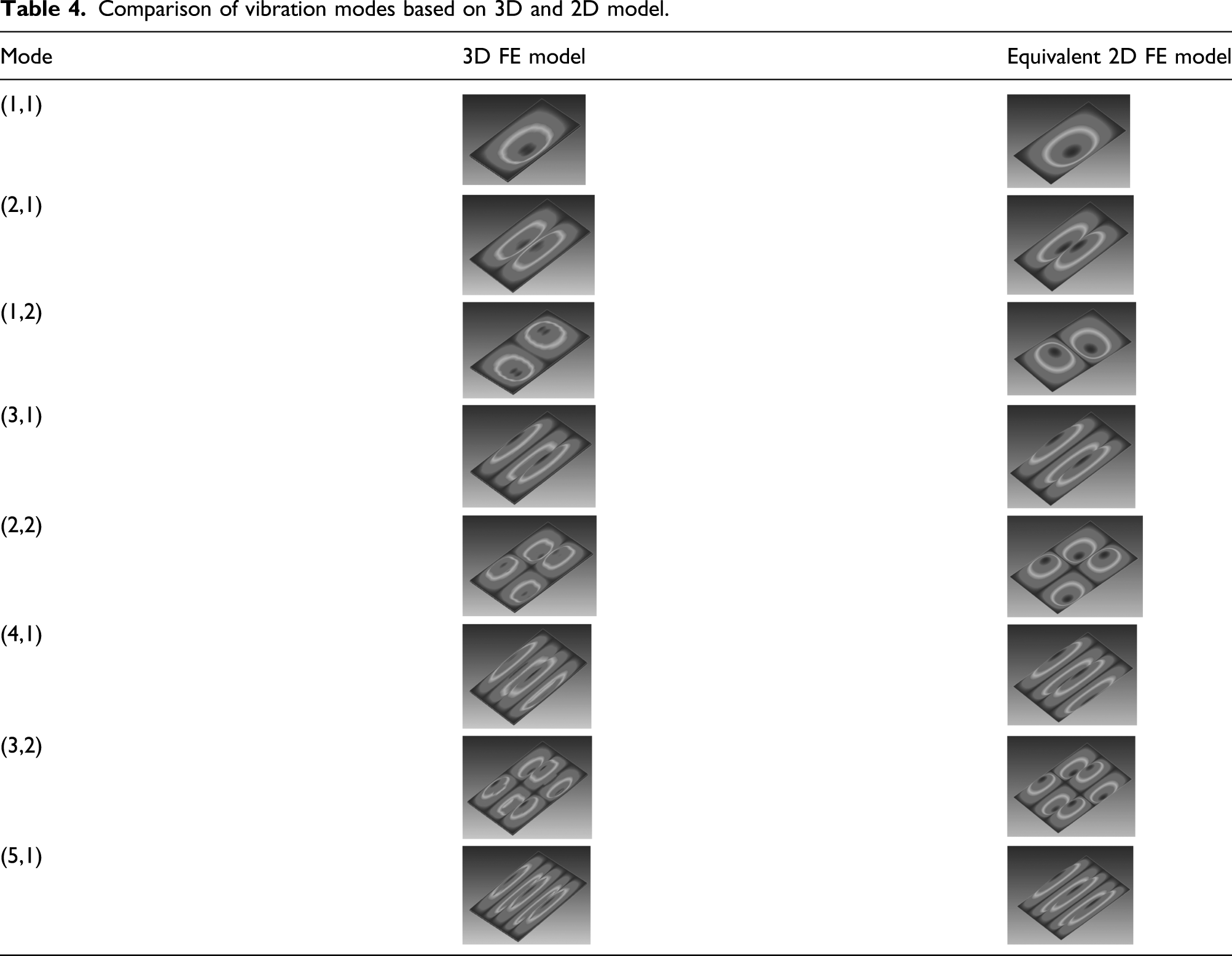
Validation for free vibration frequencies of foam-filled truss core sandwich panel
Natural frequency validation for foam-filled truss core sandwich panel.
Comparison of vibration modes based on 3D and 2D model.
Validation of natural frequencies for honeycomb sandwich panel
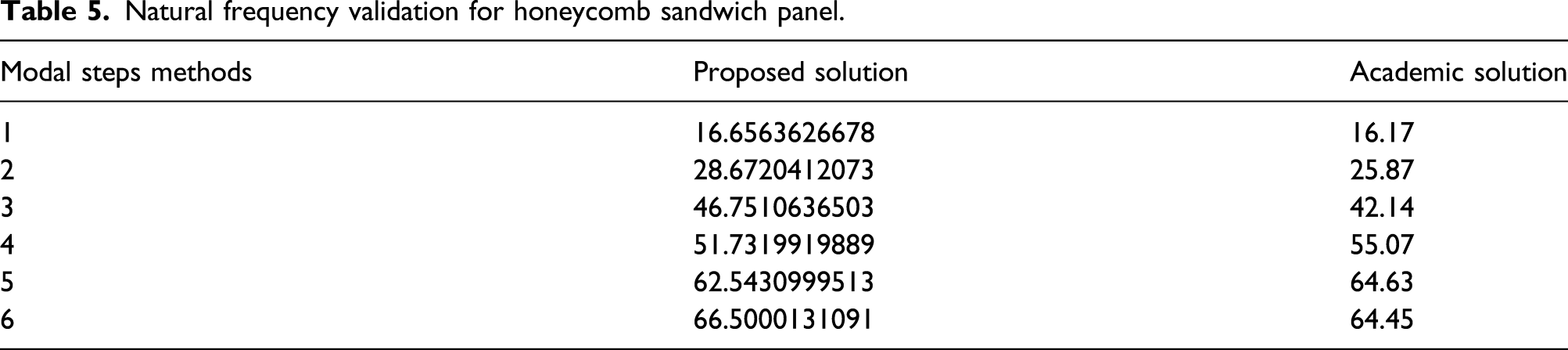
To validate the proposed method for predicting the vibration responses of honeycomb sandwich panel, the comparison between the results of the natural frequency calculation conducted by Hao et al.
35
and the results obtained in this study are conducted. The honeycomb sandwich plate proposed previously
36
in the literature is applied in the present study, as shown in the following figures (Figure 6). (a) Dimensions of the honeycomb core sandwich panel. (b) Dimensions of the unit cell honeycomb core.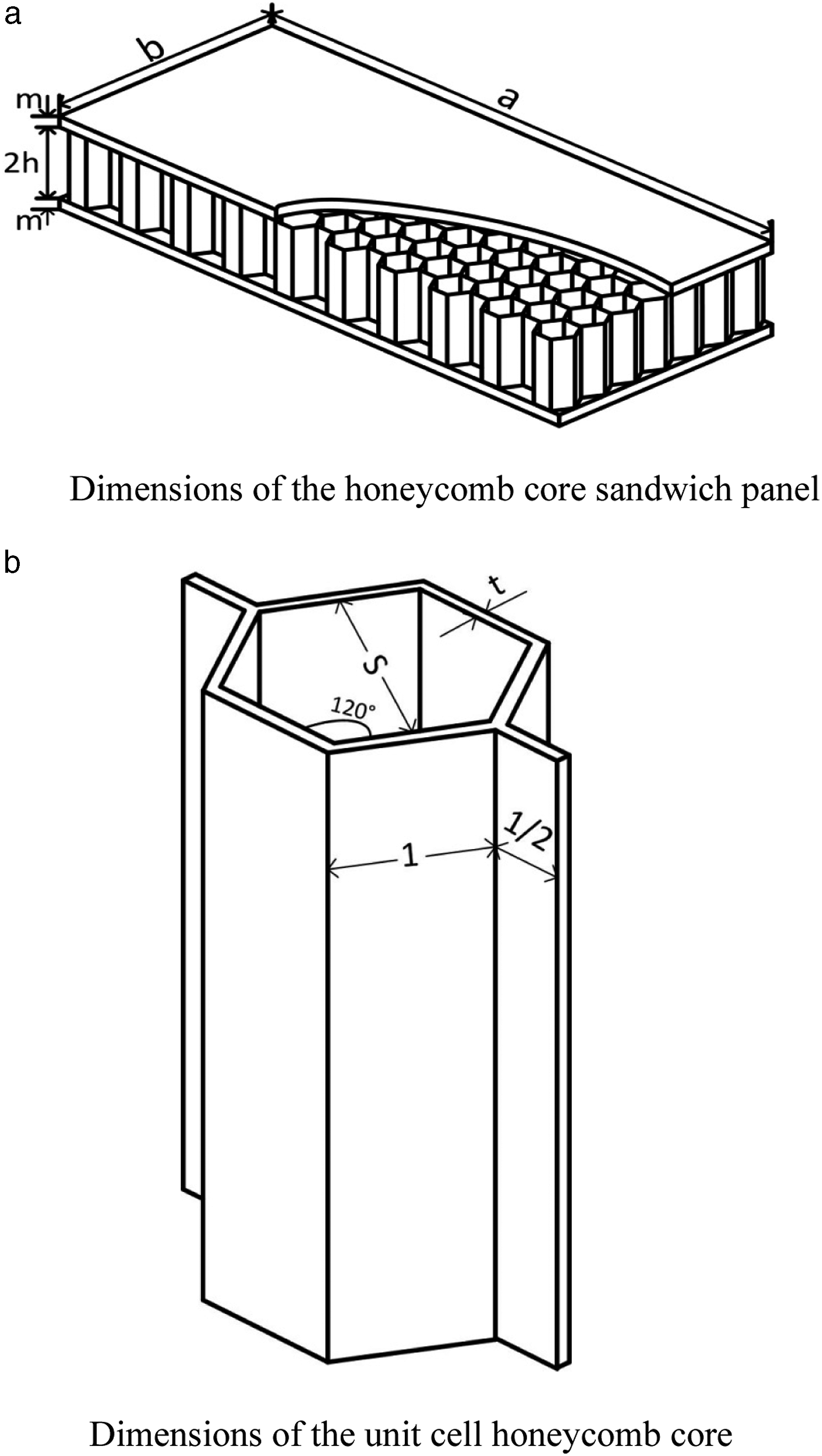
The size of the honeycomb sandwich plate used is

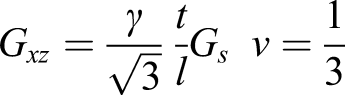
Natural frequency validation for honeycomb sandwich panel.
Validation of STL evaluation
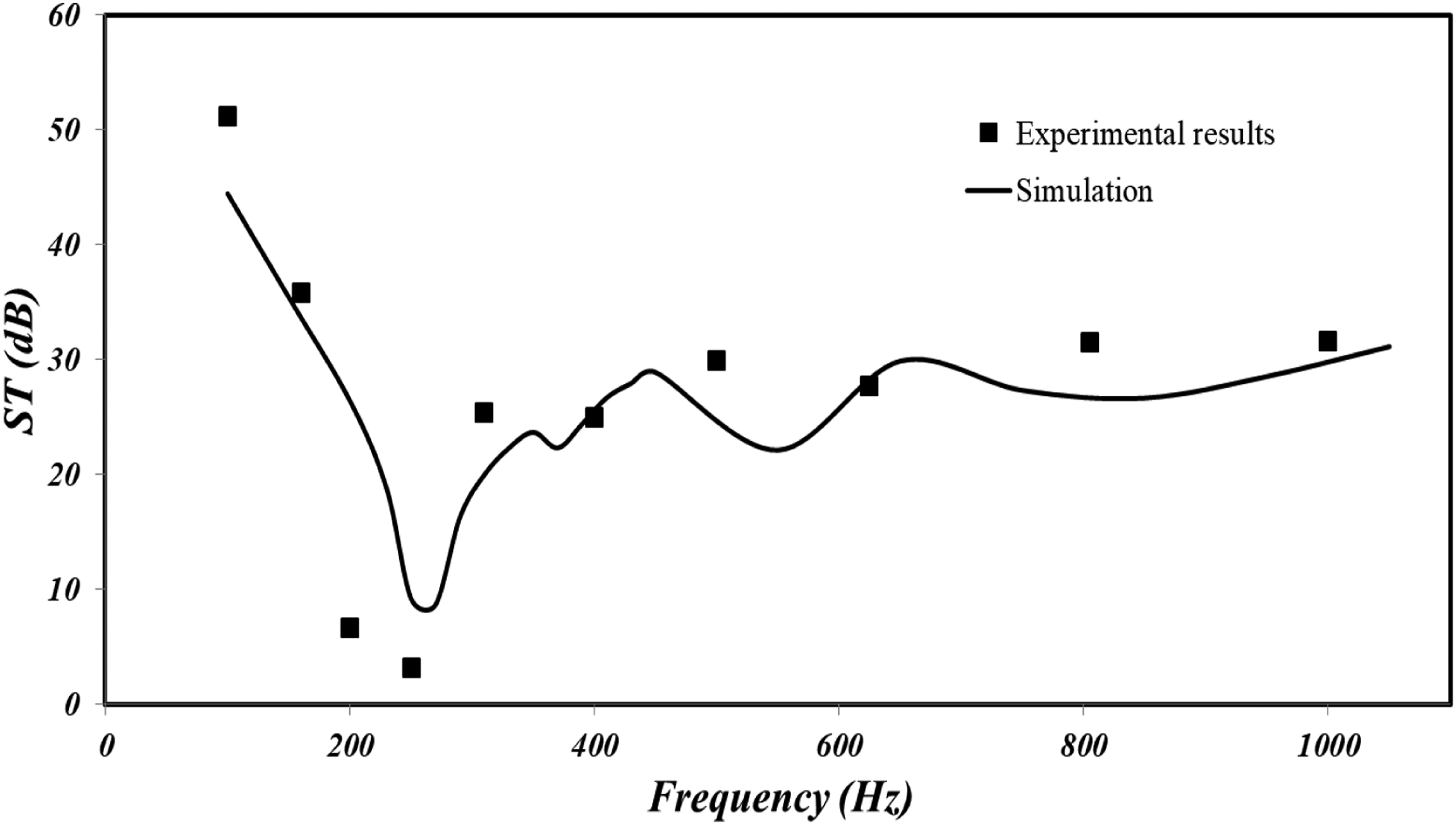
To validate the proposed method for predicting the STL of a sandwich panel, the available experimental data reported by Arunkumar et al.
33
are compared with the current results. Arunkumar et al.
33
analyzed a classic sandwich panel (Figure 7) with a viscoelastic layer in the middle. The length and width of the panel are Dimension of three layers sandwich panels. Sound transmission loss validation.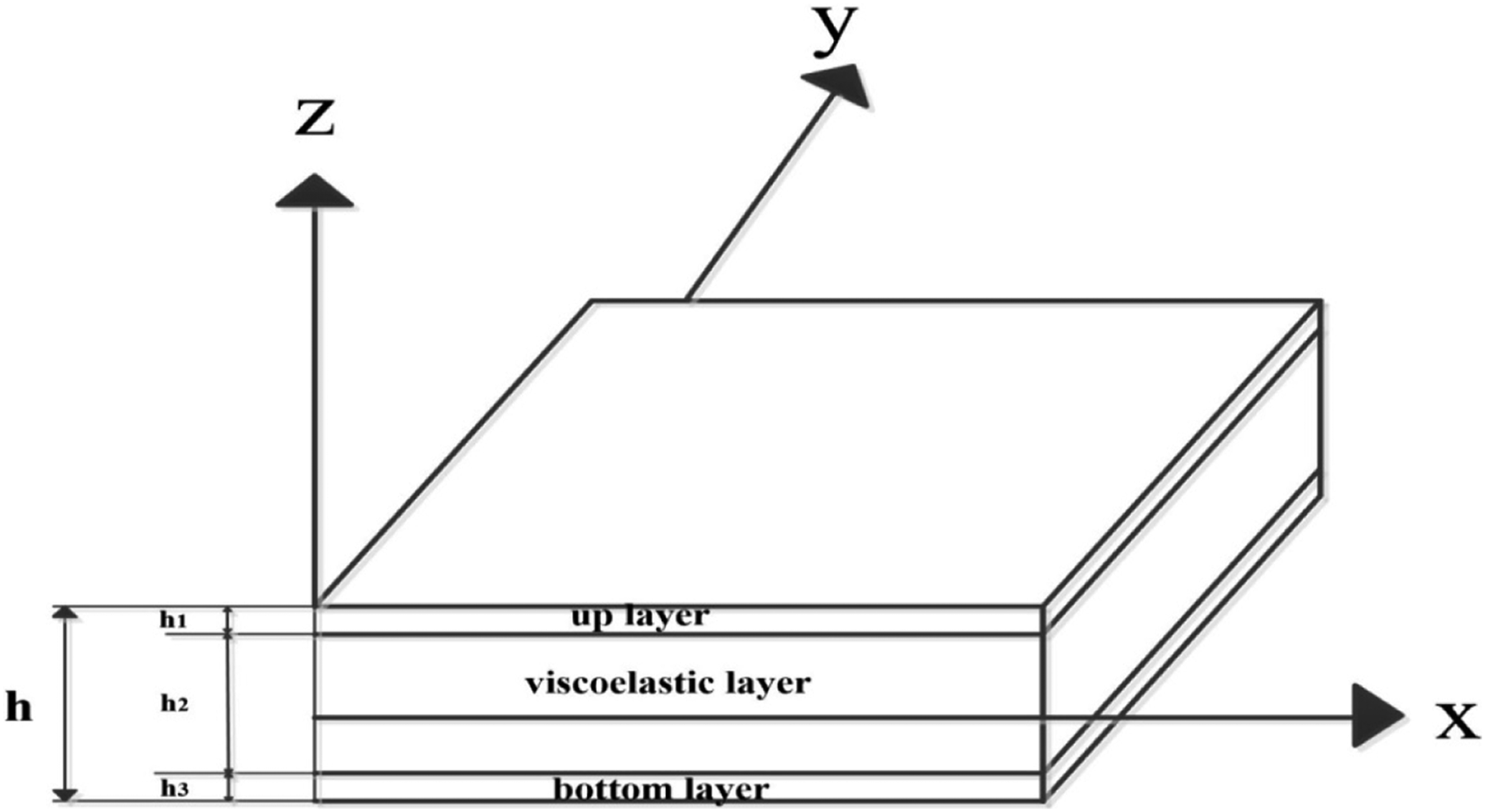
Data analysis
In this section, the effects of a variety of geometrical cores (as shown in Figure 9) on vibro-acoustic responses and STL characteristics are studied first, which include the honeycomb core, truss core, and triangle core. The corresponding equivalent 2D model of the three types of geometrical core sandwich panels without filled foam is considered as a set of vibrating bodies and shells and is mathematically modeled. The face sheets tested in the first section have a Young’s modulus of Different types of geometrical core sandwich panels. (a) Truss core. (b) Triangular core. (c) Honeycomb core.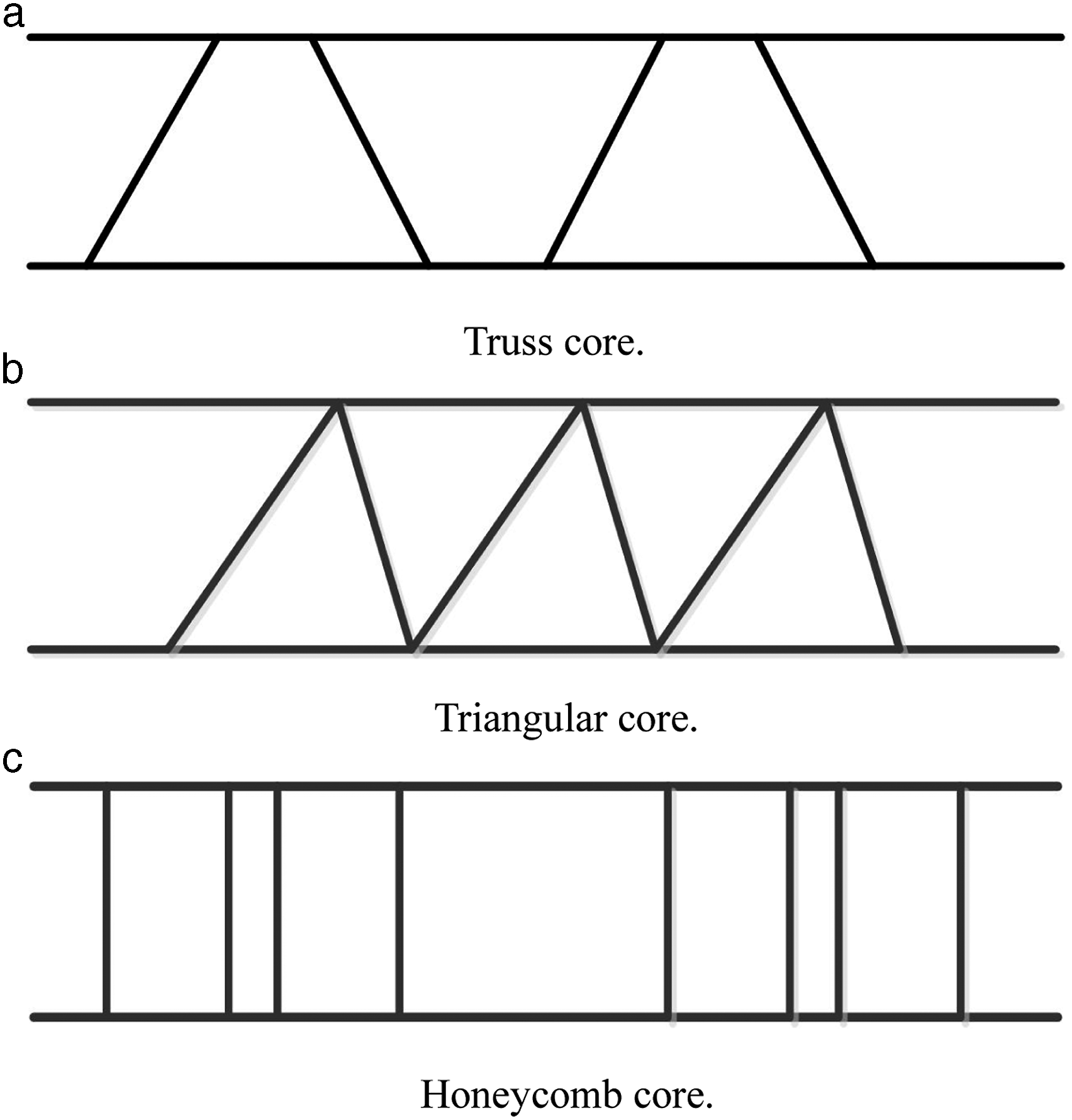
Comparison between three different cores of sandwich panels without foam
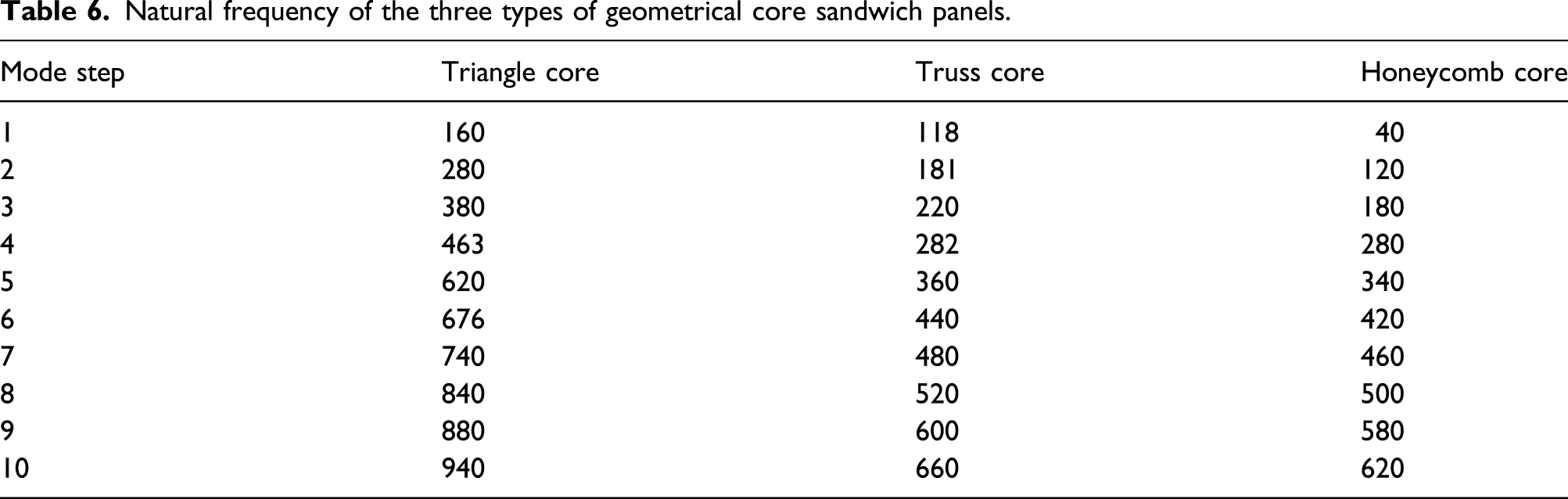
Natural frequency of the three types of geometrical core sandwich panels.
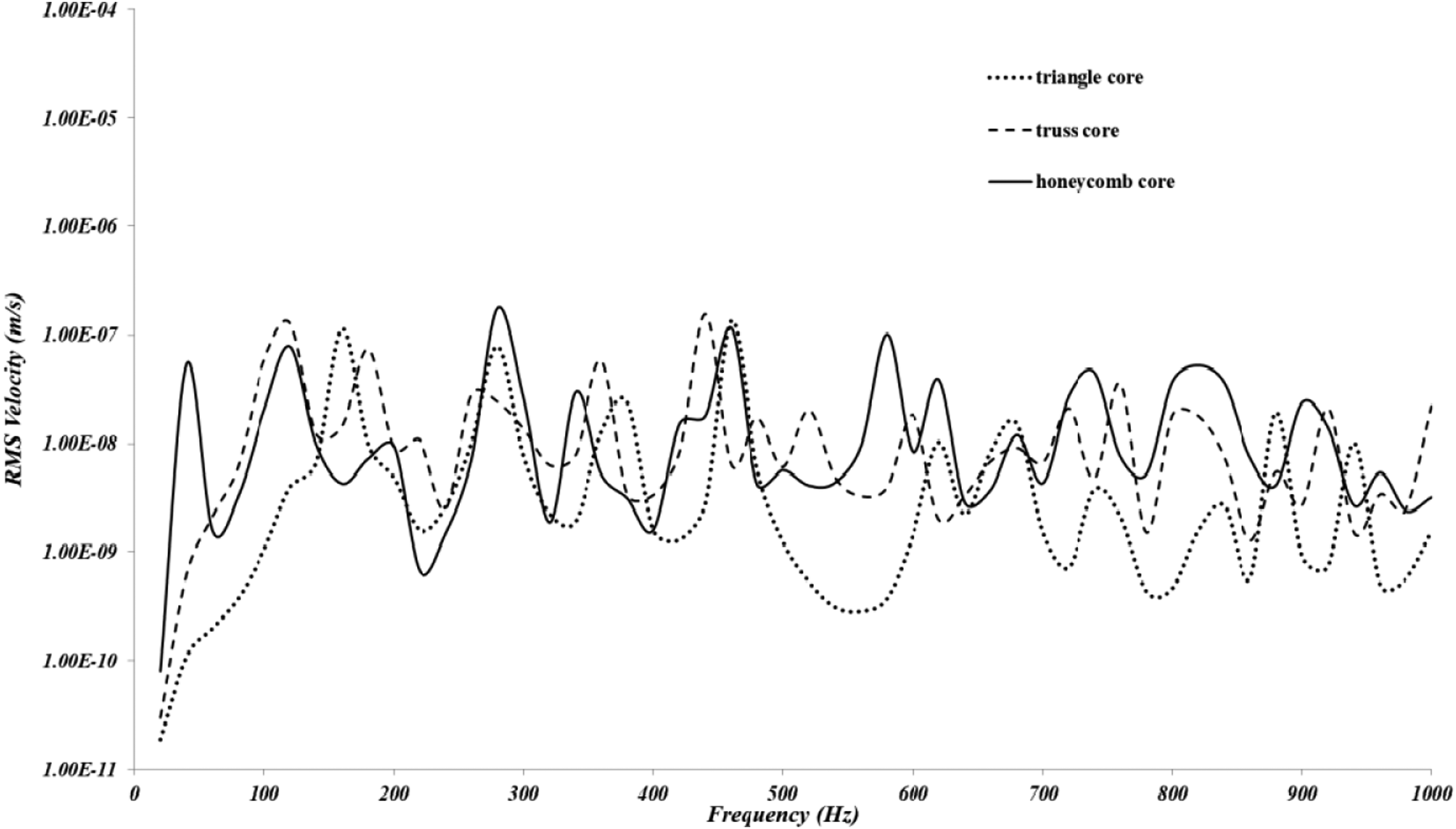
Vibration response of the three types of geometrical core sandwich panels.
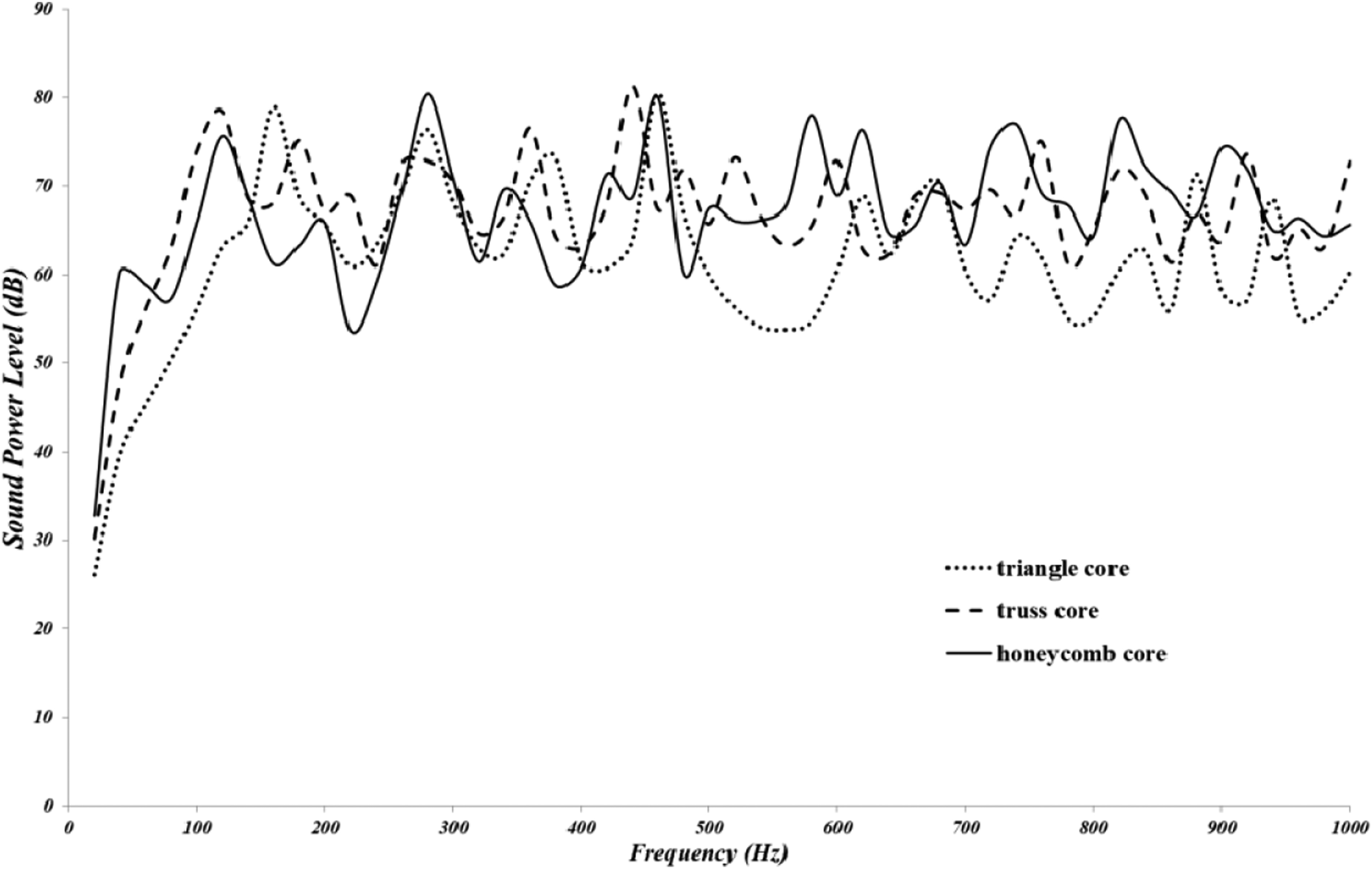
Sound power level of the three types of geometrical core sandwich panels.
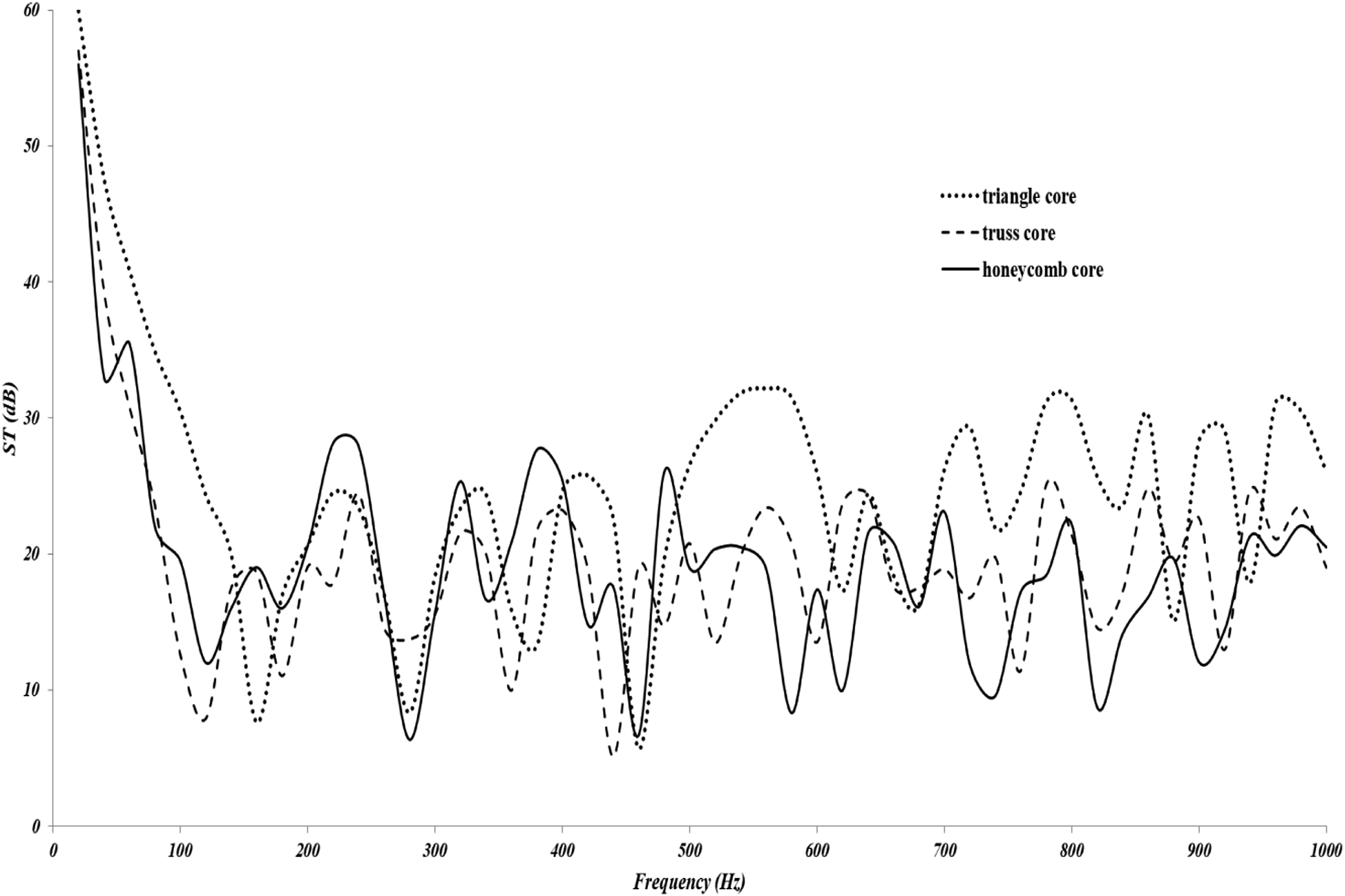
Sound transmission loss of the three types of geometrical core sandwich panels.
Comparison between empty and foam-filled truss core sandwich panels
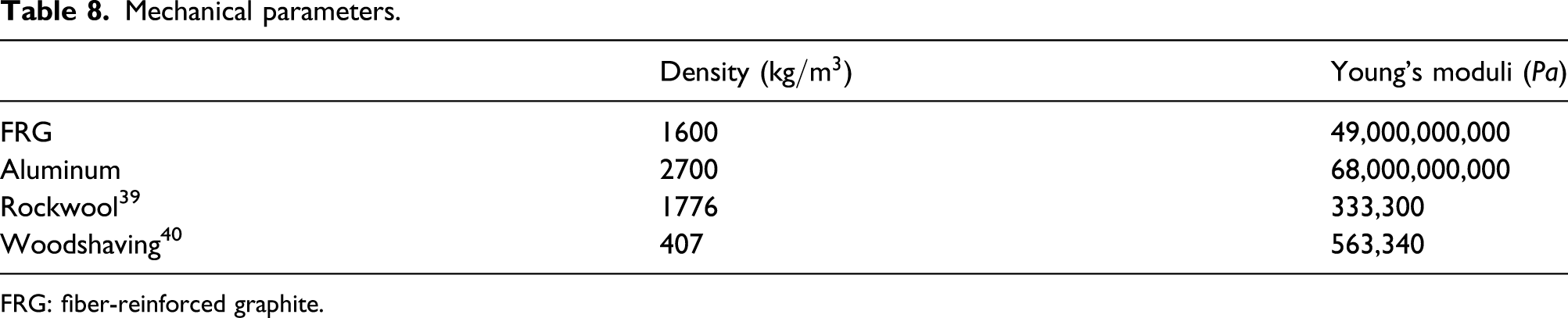
Mechanical parameters.

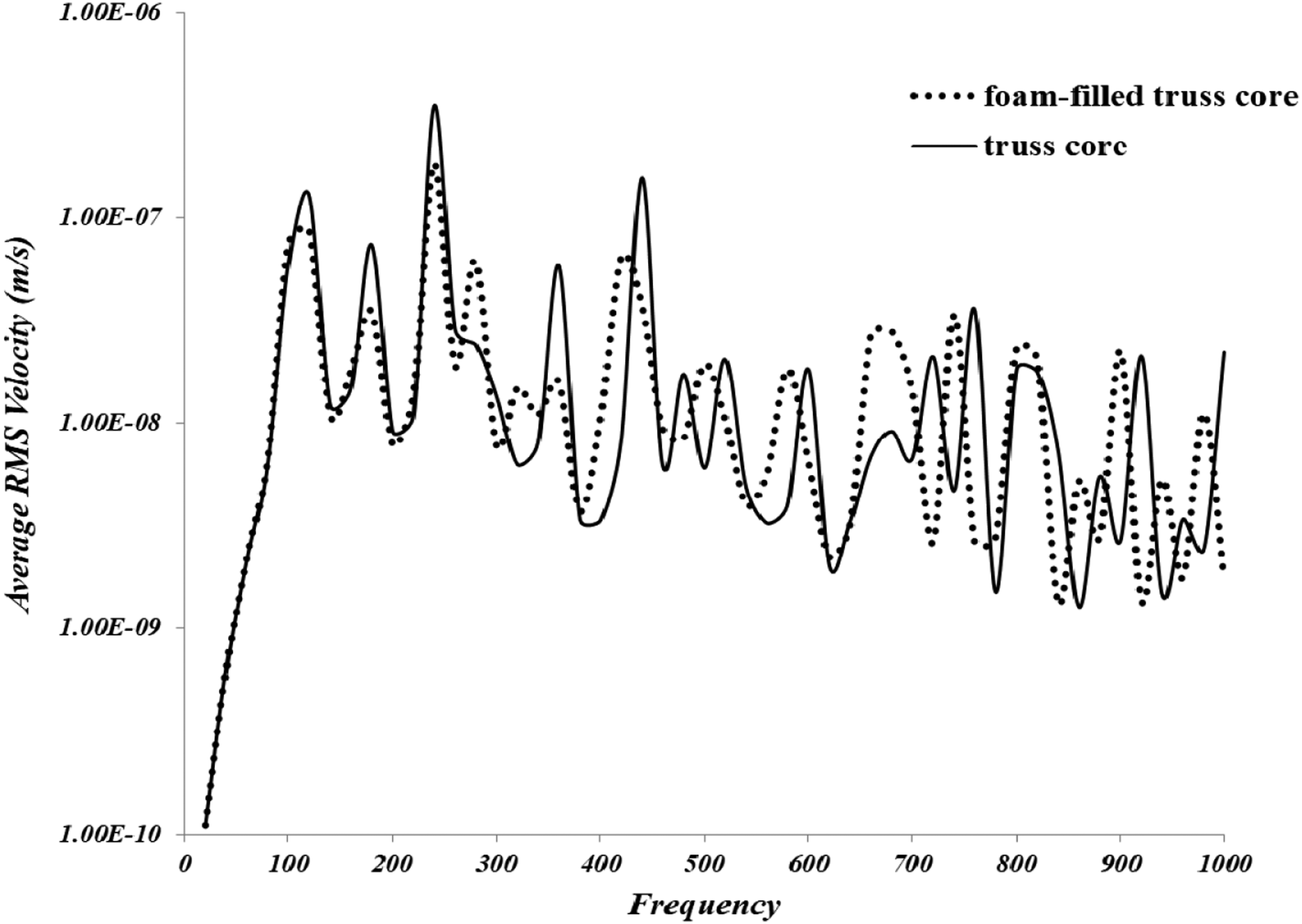
Vibration response of truss core with and without foam filling.
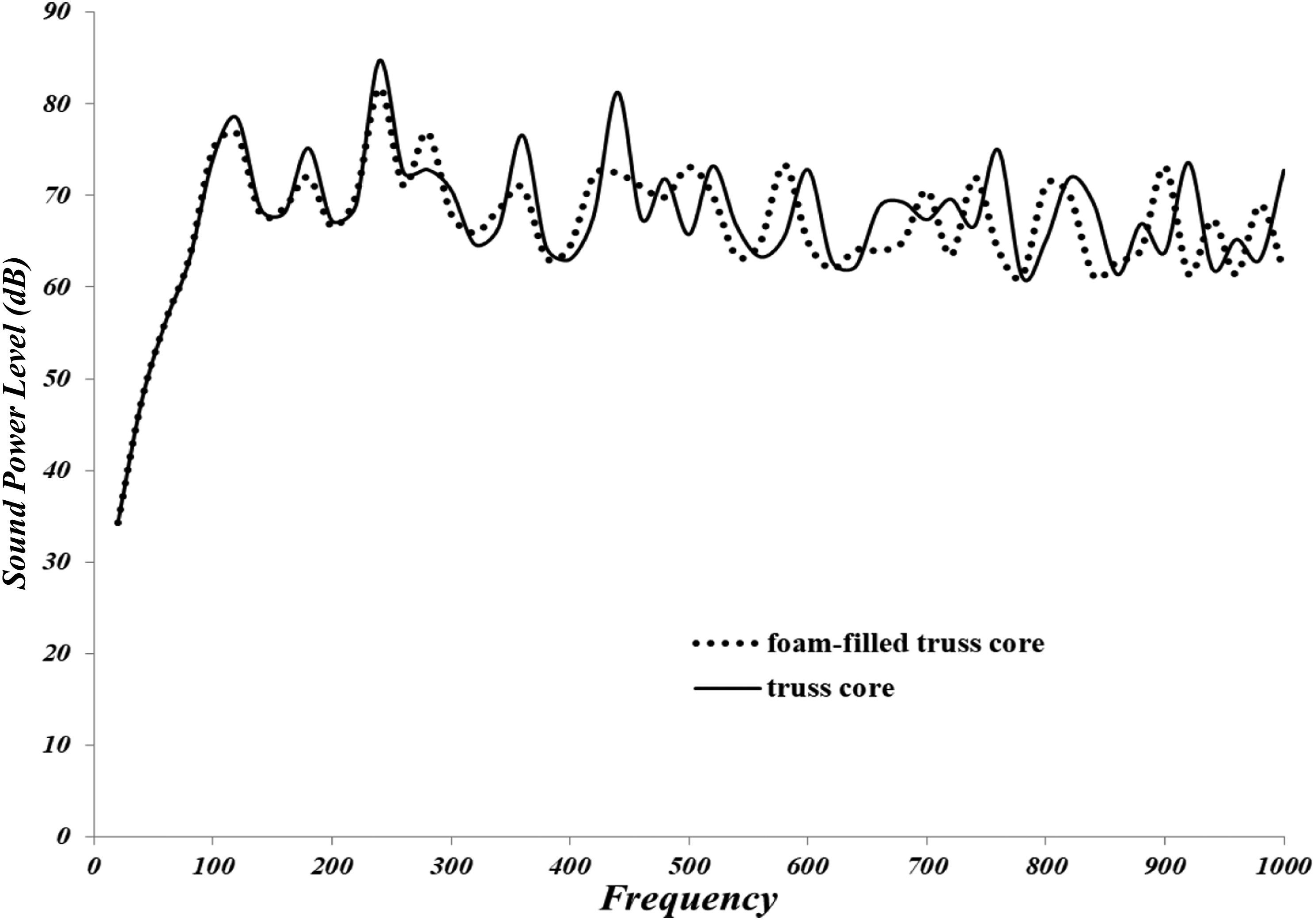
Sound power level of truss core with and without foam filling.
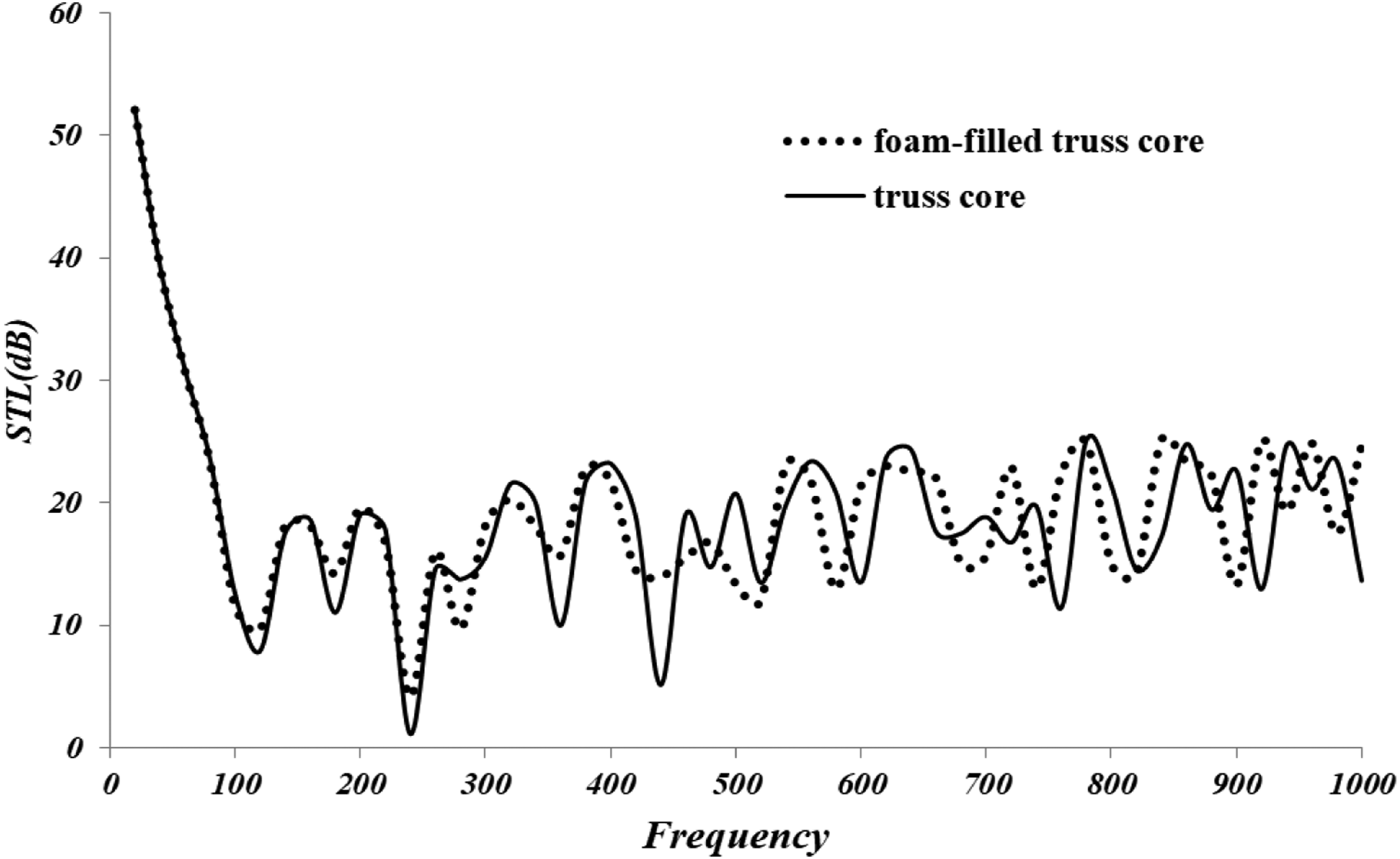
Sound power level of the truss core with and without foam filling.
Comparison between different face places and absorption materials
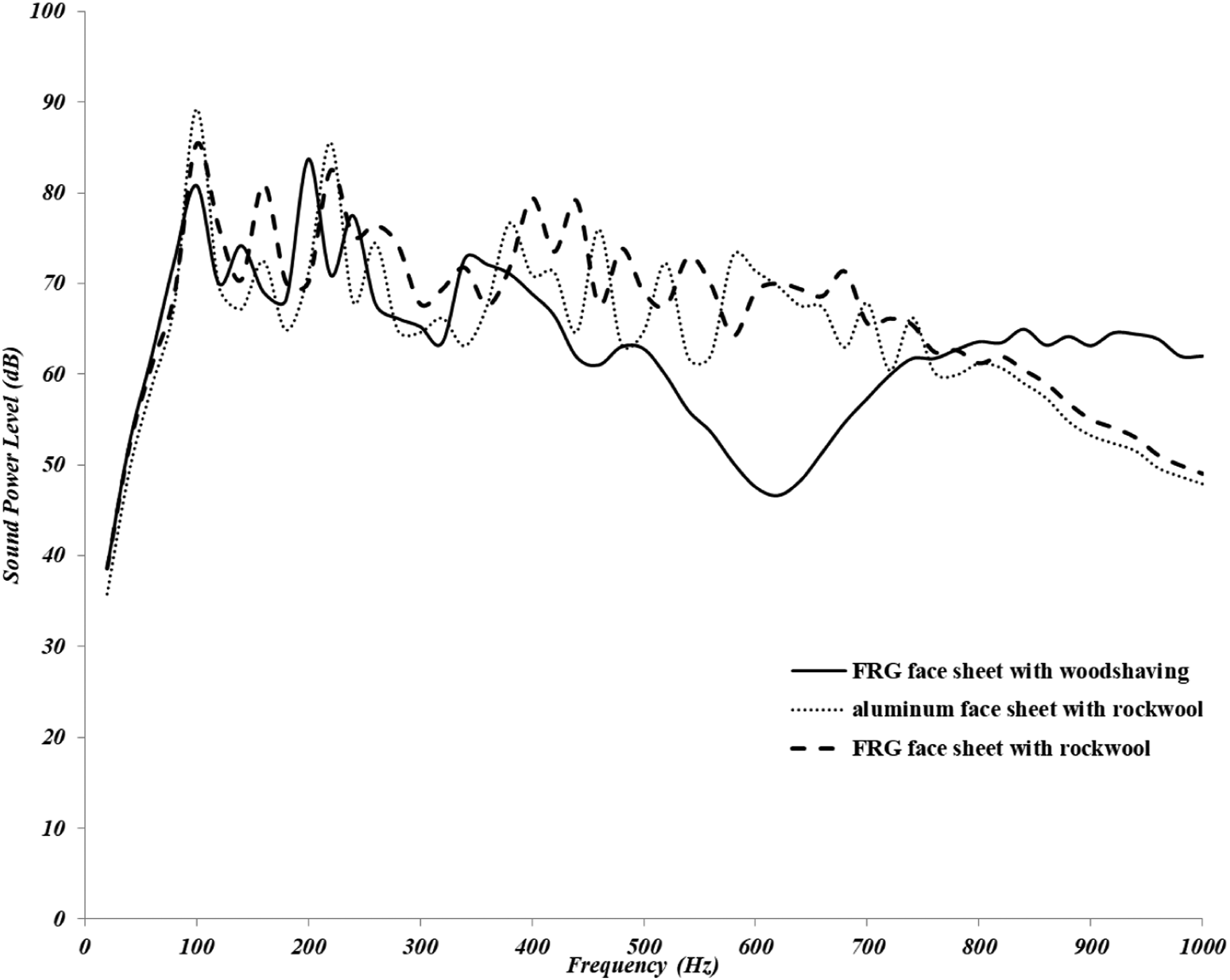
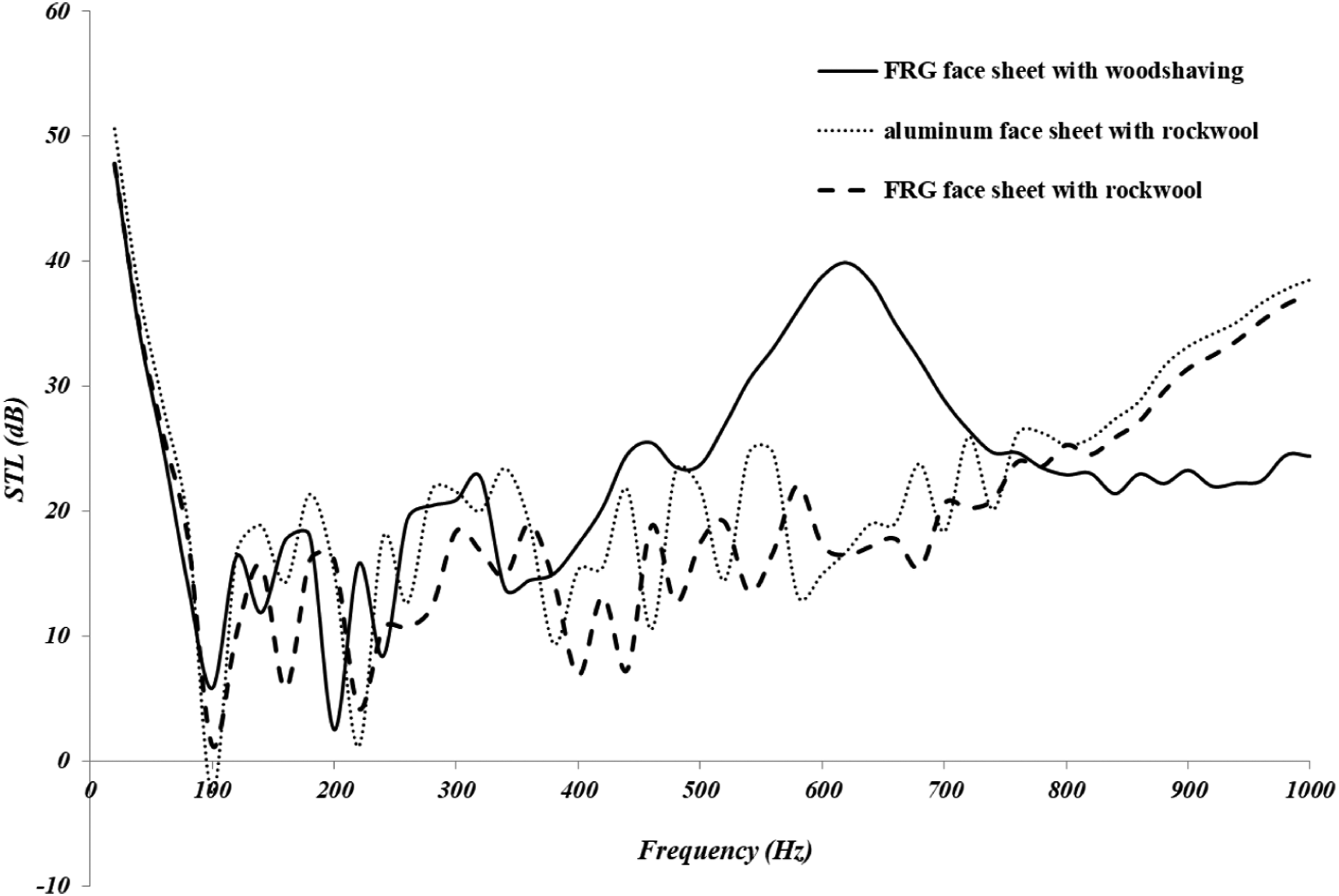
The effects of the materials applied in faces sheets and the materials filled into cores on vibro-acoustic characteristics are studied in this section. The details of the corresponding materials can be seen from Table 8. Figures 16 and 17 depicts the RMS velocity responses and SPL of the three types of absorption material filled truss core sandwich panels respectively. Due to its high stiffness property Vibration response comparison. Sound power level comparison. Mechanical parameters. FRG: fiber-reinforced graphite. Sound transmission loss comparison.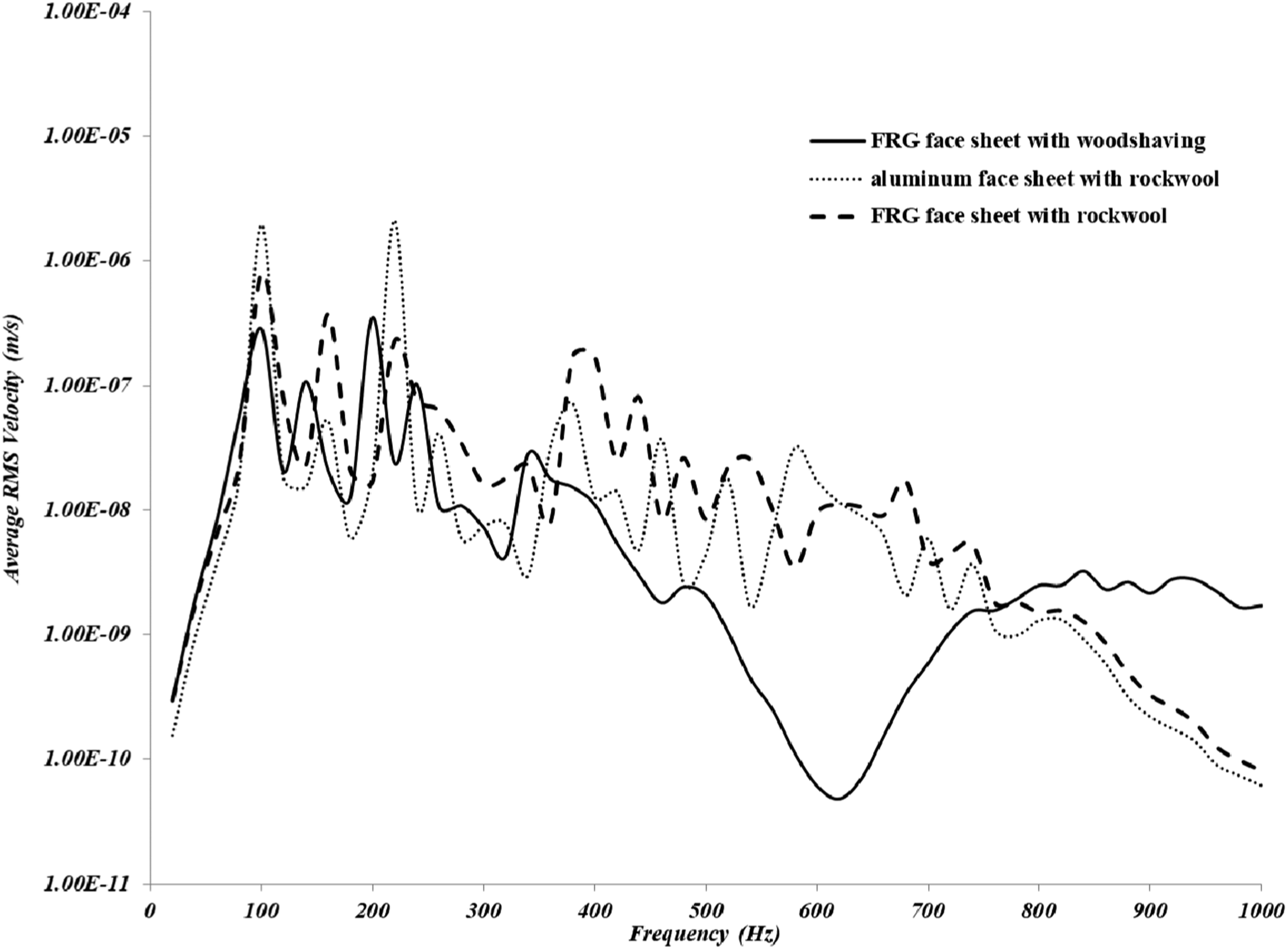
Conclusion
This study numerically investigates the vibro-acoustic properties of a FRG truss core sandwich panel filled with wood-based material. The effects of geometrical cores and filling material on vibro-acoustic behavior are analyzed with the employment of Actran. The accuracy and reliability of the proposed results are illustrated using a series of validation studies. From the results, the following conclusions are obtained. • In addition to approximately 20% reduction in weight, sandwich panel with triangle core achieves a better acoustical performance in the range of low frequency and audible frequency compared with honeycomb sandwich panel. • Filling foam can reduce the sudden dips in resonance and provide stable vibration state with reduced vibration amplitude. • The proposed sandwich structure, FRG face sheet truss core sandwich panel filled with the wood shaving material, achieves approximately 7 dB increase in STL in the audible-frequency range.
The results show that the proposed sandwich panel has the following advantages over conventional metal counterparts: the vibration state is more stable, resonance amplitude and STL are lower, and weight of the design is lighter. The approach implemented in this study is anticipated to provide guidance for the evaluation and selection of other types of sandwich structures when vibro-acoustic characteristics are considered.
Footnotes
Acknowledgments
With great appreciation, the authors sincerely thank the supports given to this research by Natural Sciences and Engineering Research Council of Canada (NSERC) and the Mathematics of Information Technology and Complex Systems (MITACS). The authors are also grateful for the supports from the University of Regina.
Declaration of conflicting interests
The author(s) declared no potential conflicts of interest with respect to the research, authorship, and/or publication of this article.
Funding
The author(s) disclosed receipt of the following financial support for the research, authorship, and/or publication of this article: With great appreciation, the authors sincerely thank the supports given to this research by Natural Sciences and Engineering Research Council of Canada (NSERC) and the Mathematics of Information Technology and Complex Systems (MITACS). The authors are also grateful for the supports from the University of Regina.