




Abstract
Keywords
Introduction
Hypertension and diabetes are two of the most common and serious chronic diseases worldwide. 1 Hypertension is one of the major risk factors for ischemic heart disease, stroke, and other cardiovascular diseases, as well as chronic kidney disease and dementia. 2 The World Health Organization (WHO) estimates that hypertension is directly or indirectly responsible for at least nine million deaths globally every year. 3 Diabetes, a disease of the endocrine system characterized by abnormally high blood glucose levels, is one of the fastest-growing diseases worldwide. 4 Uncontrolled diabetes can lead to multiorgan and systemic damage, affecting the heart, kidneys, nerves, and blood vessels, which impairs quality of life and increases the mortality rate. 5 Global diabetes-related health expenditures were estimated at 966 billion USD in 2021 and are projected to increase to 1054 billion USD by 2045. 6 The high prevalence and burden of these two chronic diseases have raised great concern in China. The Chinese National Health Commission (NHC) has identified the prevention and treatment of hypertension and diabetes as key priorities. 7 The emphasis on utilizing the Internet to improve the health management of individuals with hypertension and diabetes has now become a central focus.
The prevalence of hypertension and diabetes increased from 2013 to 2018, and the visiting rate of these two chronic diseases increased by 24.7% and 8.3% respectively. 8 However, the adequate treatment rate did not significantly improve. 9 Therefore, it is inadequate to solely rely on hospital-centric, fragmented, and treatment-based healthcare delivery system to manage chronic disease. 10 Moreover, emphasizing patient responsibility and self-management represents a promising strategy for chronic condition intervention. 11 Previous studies have shown that improving individual’s health literacy helps prevent and control chronic.12,13 Meanwhile, it has been recognized that internet-based health information, including articles, videos, and other resources, can improve patients’ health literacy, assisting them in managing chronic diseases.14,15 As a result, being attentive to health information, correctly acquiring, understanding, distinguishing, and applying health information has been identified as a key health literacy skill in the “Chinese Citizen Health Literacy - Basic Knowledge and Skills (2024 Edition)”. 16
Recently, social media platforms that support the sharing of short videos are emerging as an important channel for disseminating health information.17–19 A ranking indicated that WeChat and TikTok are the leading social media platforms in China, 20 98.35% of the participants reported seeking health information via WeChat. 21 TikTok in China has also emerged as a potentially powerful medium for disseminating health information. 22 Various studies have highlighted the capacity of these platforms to facilitate patients with hypertension and diabetes in self-management.23,24 Nevertheless, research assessing the quality of hypertension and diabetes treatment information available on WeChat and TikTok has been limited, and the findings regarding the quality of such content have been inconsistent. Therefore, this study aimed to evaluate the quality of treatment information on hypertension and diabetes on WeChat and TikTok by the Quality Criteria for Consumer Health Information (DISCERN), Journal of American Medical Association (JAMA) benchmarks, as well as the Chinese Guidelines for Hypertension Prevention and Control (2022) and the National Guidelines for Grassroots Diabetes Prevention and Management (2022) (referred to as “the two Guidelines” hereafter).
Materials and methods
Search strategy and data extraction
This is an observational study. In this study, we entered the keywords “糖尿病的治疗 (diabetes treatment)” and “高血压的治疗 (hypertension treatment)” in the WeChat and TikTok search fields to identify relevant videos. The “diabetes” refers to “type 2 diabetes”. We adopted specific inclusion and exclusion criteria to ensure that the included videos met the research objectives. The inclusion criteria were as follows: (1) videos related to hypertension or diabetes treatment information, (2) videos with a playback duration of more than 1 min, and (3) videos with an upload time within the last 6 months. The exclusion criteria were as follows: (1) Unrelated videos such as advertisements, (2) Videos with insufficient duration, (3) Videos with 0 likes, and (4) Content repetition in videos (it refers to the exact duplication of information, redundant explanations, or duplicate videos with similar content). Take collecting diabetes treatment information video on WeChat as an example, we entered “diabetes treatment” in the search field, and filtered the included conditions on the interface, secondly, browsed and collected videos in order of likes. Based on inclusion and exclusion criteria, we excluded videos with repetition content, while ensuring compliance with the minimum sample size standard for statistical analysis (n ≥ 30). After the aforementioned search process, we included a total of 120 video samples for research – 60 from WeChat (30 on hypertension and 30 on diabetes) and 60 from TikTok (30 on hypertension and 30 on diabetes).
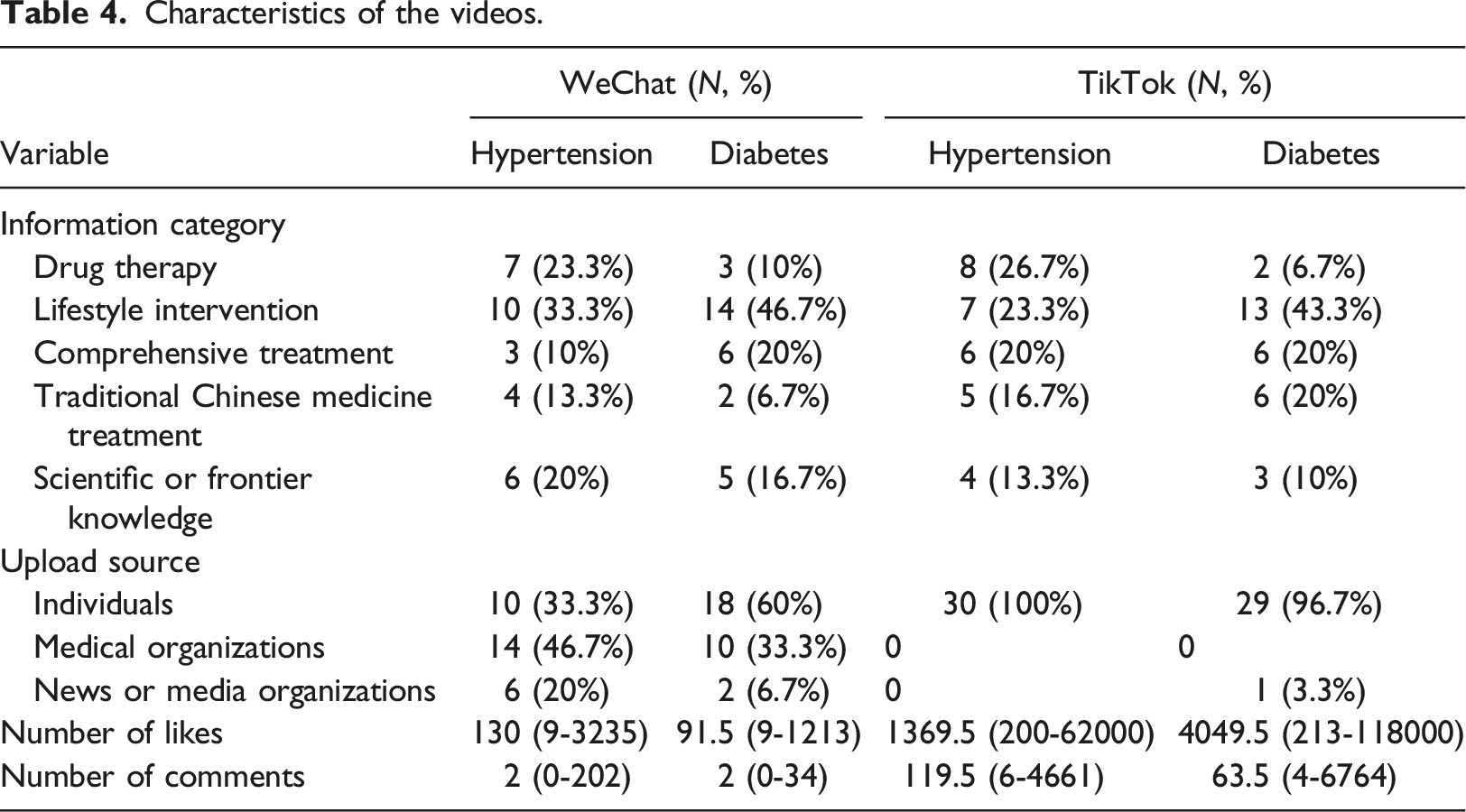
This study contained uploaded videos from 6 months before February 15, 2023. We extracted information about each video and its source, including the video release date, duration, title, likes, comments, upload sources (individuals, medical organizations, news or media organizations), and content types (drug therapy, lifestyle interventions, comprehensive treatment, traditional Chinese medicine treatment and scientific or frontier knowledge). We recorded the extracted data in Excel 2019 (Microsoft Corp).
Evaluated methods and dimensions
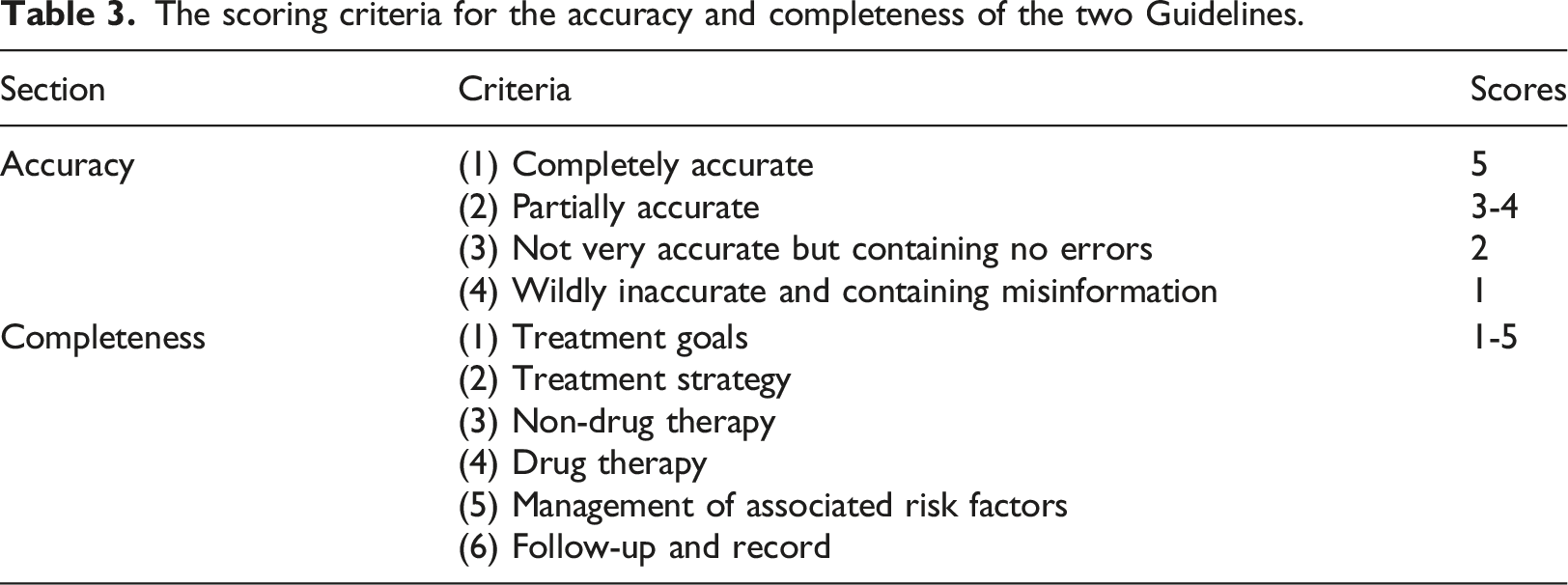
DISCERN and JAMA have been verified as effective tools for evaluating online websites or Internet information,25,26 therefore, we used these tools to evaluate the reliability and specificity of video information in our study. Additionally, we employed supplemented the results by using the two Guidelines to assess the accuracy and completeness of medical video content.
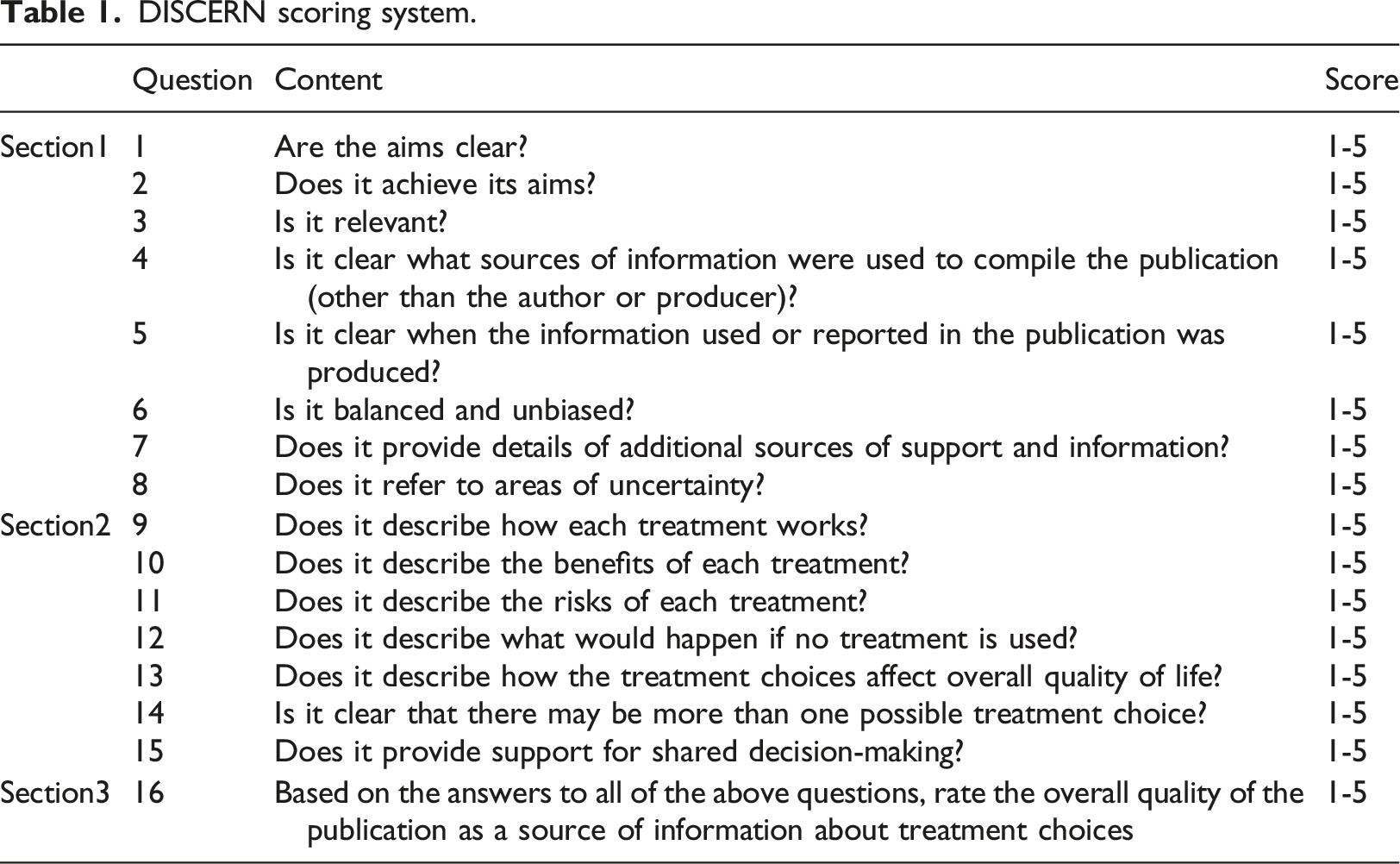
The DISCERN tool was developed collectively by Oxford University and British Library employees, is intended for individuals who utilize or create information regarding treatment choices.27,28 DISCERN empowers consumers and information providers to assess the quality of such information. This tool comprises 15 critical questions, each corresponding to a distinct quality criterion, and an overall quality rating. The first section (Questions 1-8) addresses reliability, while the second section (Questions 9-15) focuses on the quality of the information regarding treatment options. In contrast, the third section (Question 16) presents the overall data quality rating. Each question is rated on a five-point scale from “no” to “yes”. 28 DISCERN scores ranging from 63 to 75 points are considered “excellent”, scores from 51 to 62 points are classified as “good”, scores from 39 to 50 points are labeled as “average”, scores from 28 to 38 points are deemed “poor”, and scores below 28 points are categorized “very poor”. 29
DISCERN scoring system.
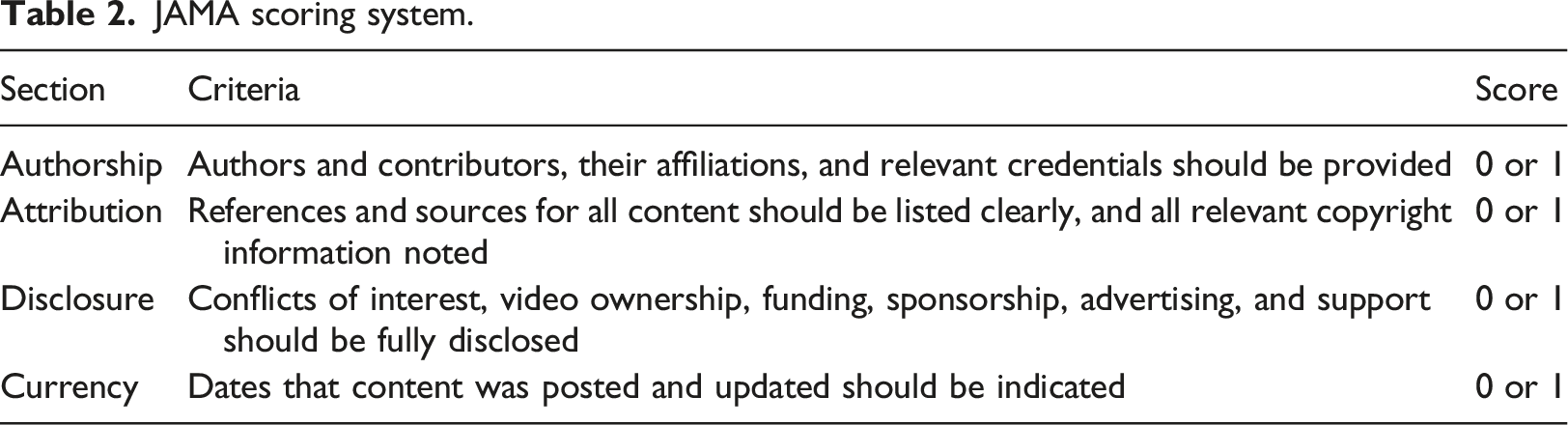
JAMA scoring system.
The scoring criteria for the accuracy and completeness of the two Guidelines.
In summary, we combined the results of the DISCERN and JAMA tools and the two Guidelines to determine the overall quality of the videos.
Data analysis
The data were summarized using descriptive statistics. We employed the Mann-Whitney U test to identify statistically significant differences between two groups or among more than two groups of variables. Spearman correlation analysis was utilized to assess the correlation between the quality evaluation score and the number of likes and comments. p < .05 was considered statistically significant. To mitigate the assessment bias, two cardiovascular physicians were invited to review the results. The intraclass correlation coefficient (ICC) was utilized to evaluate the repeatability or consistency of various measurement methods or evaluators for the same set of measurement results. 33 The ICC value ranges from 0 to l, where ICC >0.75 indicates strong consistency, and ICC <0.40 indicates poor consistency. 34 SPSS software (version 28.0; IBM Corp) was employed for analysis.
Patient information statement
This study did not focus on patients, and the video content analyzed did not contain any patient information, preserving patient confidentiality. Institutional review board approval was not necessary as all data were publicly available online. The term “videos” encompassed any openly accessible published video material.
Results
Characteristics of the videos
Characteristics of the videos.
Evaluation results
Evaluation of hypertension and diabetes treatment information in WeChat and TikTok videos
Evaluation results using the DISCERN instrument.
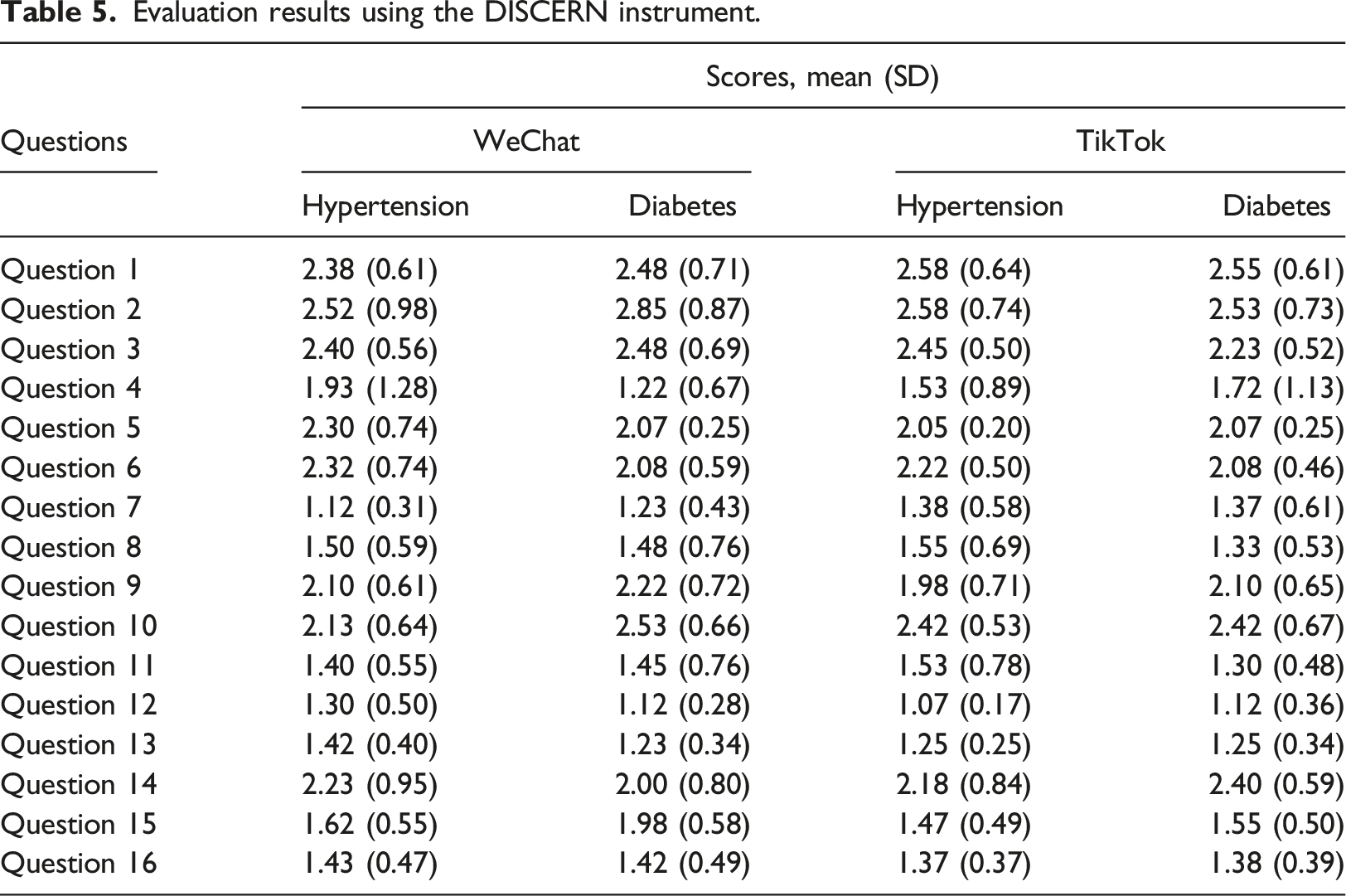
Specifically, the question “Does it describe what would happen if no treatment were received?” (Question 12) received the lowest average score, indicating a lack of discussion on the consequences of not receiving treatment in the video. Moreover, for the question “Is it clear what sources of information were used to compile the information (other than the author or producer)?” (Question 4), the lower score suggested inadequate detail on additional information sources provided in the videos, failing to fully depict the impact of the diseases on quality of life. The ICC value of 0.87 was obtained.
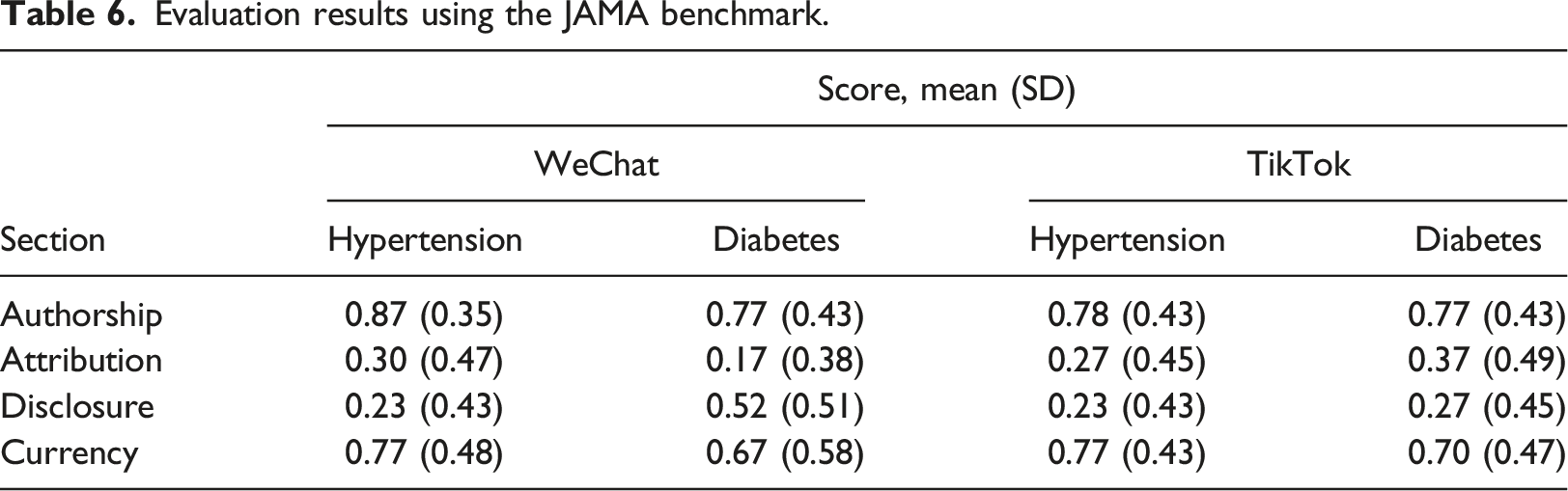
Evaluation results using the JAMA benchmark.
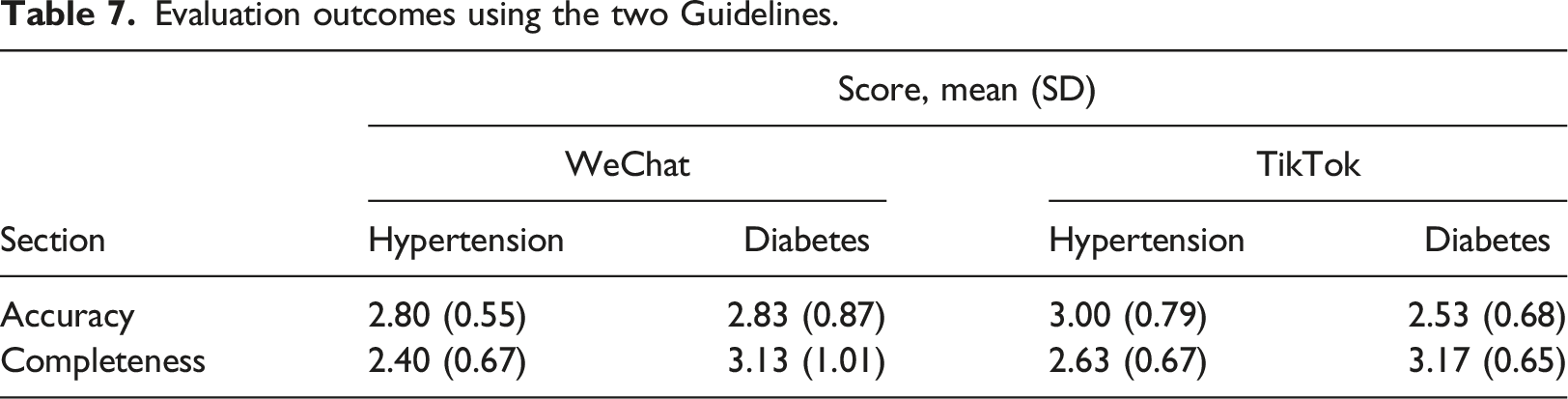
Evaluation outcomes using the two Guidelines.
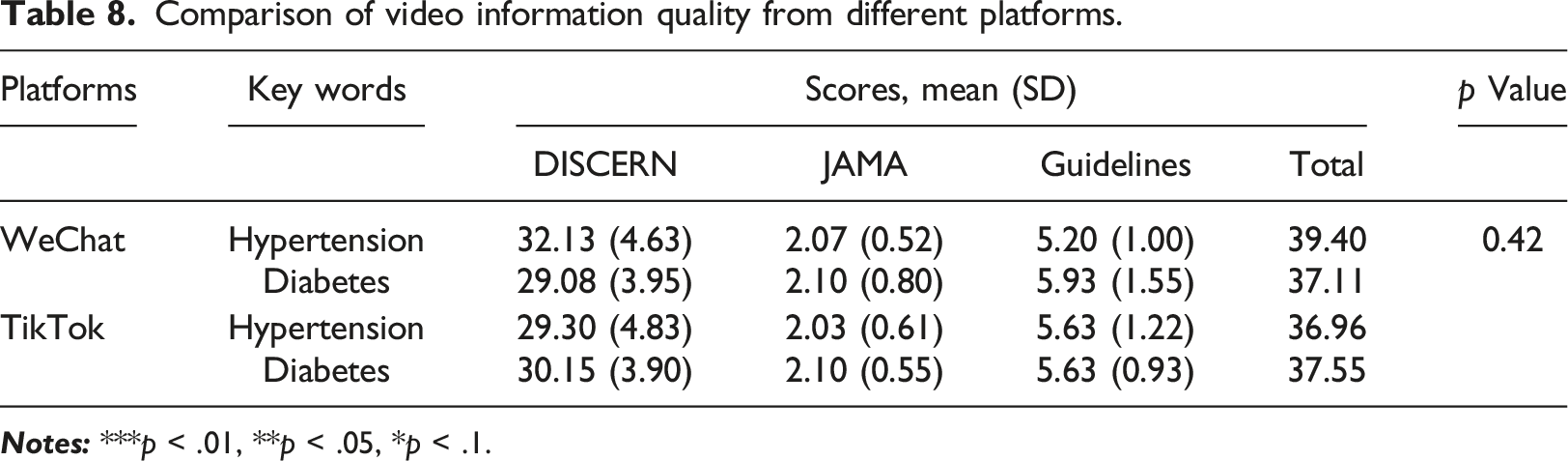
Comparison of video information quality on WeChat and TikTok
Comparison of video information quality from different platforms.
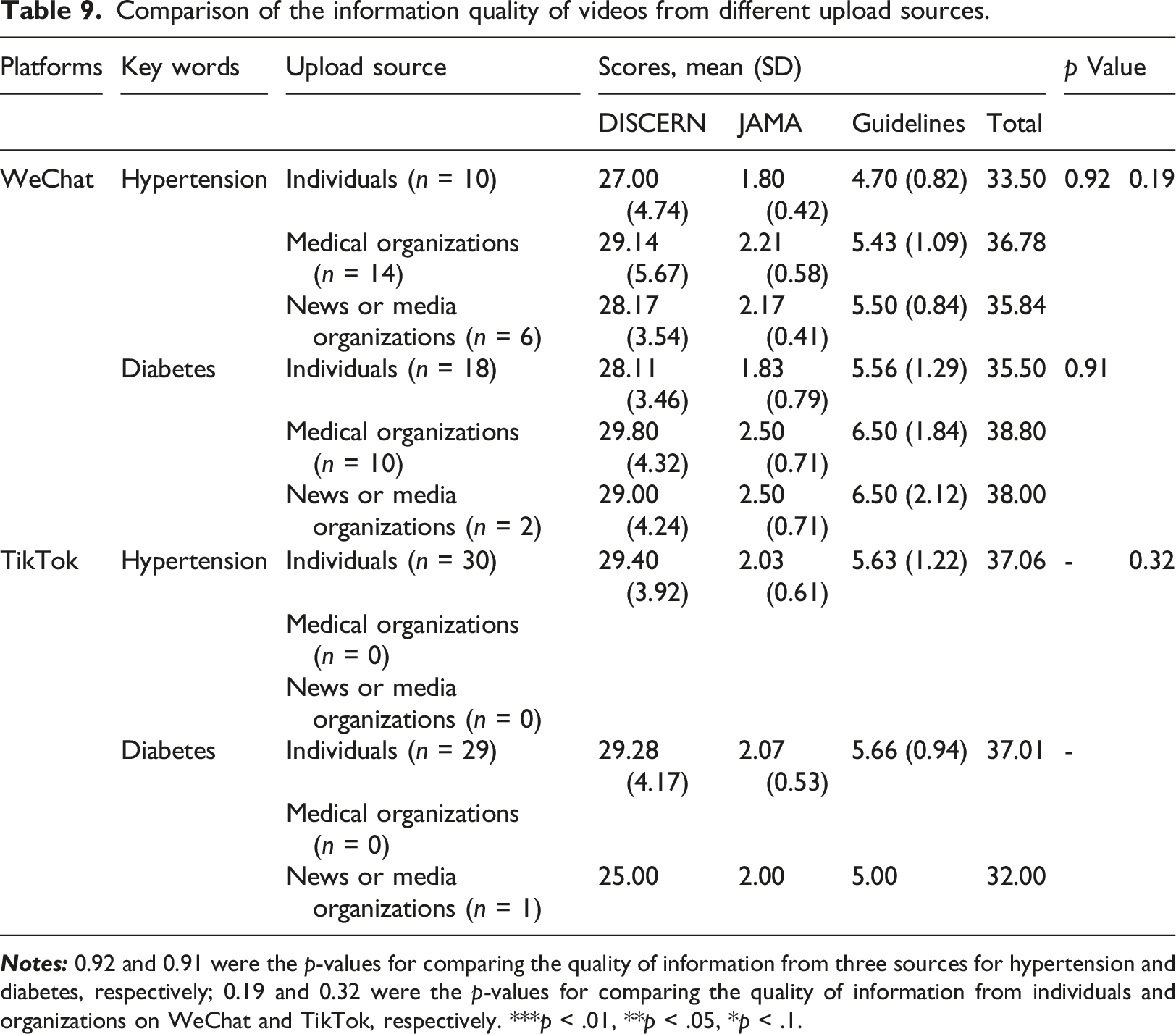
Comparison of the information quality of videos from different upload sources.
Information quality correlation with the numbers of likes and comments
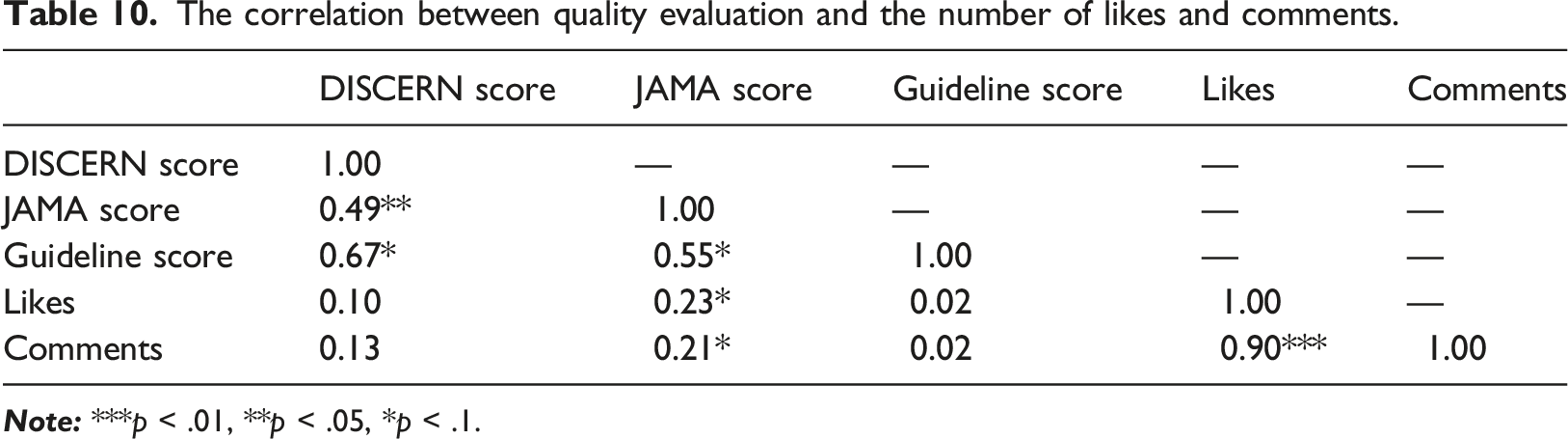
The correlation between quality evaluation and the number of likes and comments.
Discussion
Principal findings
We employed the DISCERN tool, the JAMA benchmark, and two guidelines to assess the quality of WeChat and TikTok videos offering information on hypertension and diabetes treatment. Our analysis revealed inadequate quality of treatment information regarding credibility, specificity, accuracy, and completeness. Importantly, there was no discernible disparity in the quality of video information across various platforms and uploader sources. It is imperative to underscore that information quality should not be evaluated solely based on the quantity of likes and comments.
Comparison with prior work
Previous studies have investigated the quality of online information across various diseases and platforms. For instance, the study by Basch et al. 35 evaluated the quality of information on COVID-19 prevention and treatment in TikTok videos, while Liu et al. 36 assessed therapeutic health information on rare neurological diseases in WeChat videos. While limited studies have examined online information on hypertension and diabetes, a few notable ones are present. Yang et al. 37 analyzed WeChat articles on hypertension treatment, revealing low-quality hypertension treatment-related information. In contrast, Kong et al. 24 assessed information in diabetes-related TikTok videos and found it acceptable. Our study specifically focused on hypertension and diabetes, revealing a generally poor quality of treatment information related to these conditions in WeChat and TikTok videos. Furthermore, we enriched our assessment by incorporating guidelines specific to hypertension and diabetes.
WeChat and TikTok are important sources of health information
Currently, with WeChat and TikTok playing an increasingly important role in health information dissemination, more participants acknowledge these platforms as essential channels for obtaining health information. 38 At the same time, consistent with previous research findings, we found that most health information is contributed by individual users. 22 This trend is particularly prominent on TikTok. This is because in China, while WeChat is also commonly used by institutions and official organizations, TikTok is predominantly used by individuals. However, WeChat and TikTok, known for their social and entertainment aspects characterized by low barriers to entry and high creative freedom, which may increase the likelihood of invalid health information to some extent. 39 A previous study indicates that reliable online health information can enhance patients’ health literacy and adherence to medical advice, potentially reducing the burden on individuals and the healthcare system. 40 On the contrary, inaccurate treatment information can negative impact on patients’ health. 41 Moreover, our results indicated inadequate quality of hypertension and diabetes treatment information videos on WeChat and TikTok. Therefore, improving the quality of video information on platforms like WeChat and TikTok is imperative.
Strengthens supervision of health information uploaders
While previous studies have consistently revealed that health information is considered more credible when sourced from official websites rather than social media platforms,24,42 our study found no statistically significant difference in the quality of video information uploaded by institutions and individuals on WeChat and TikTok. Probably, hypertension and diabetes are common chronic diseases, and their clinical treatment pathways are relatively clear. 43 As a result, treatment information has no big difference between different uploaders. Furthermore, professional medical organizations may tend to convey disease information using less easily understandable technical terms, while disease information shared by individuals, although easily accessible and understandable, may sacrifice information quality to attract traffic. This can result in a lack of significant quality differences between the two uploaders. Consequently, it is recommended that the government should strengthen oversight of information resources, define admission standards and information quality responsibilities of medical information uploaders, prohibit individuals without a professional medical background from sharing disease treatment information, and mandate that information providers assume relevant information quality responsibilities. Additionally, transparent disclosure helps to safeguard the rights of information recipients and facilitates the dissemination and effective utilization of health information. 44 Given the specialized nature of medical knowledge and varying levels of understanding among viewers, information providers should establish communication channels to allow viewers to seek clarification when needed. In sum, the infodemic requires collective responsibility to address. Information providers should not only disseminate clear, simple, and honest messages, but information users must also enhance their digital literacy and health literacy. 45
Correlation between likes, comments, and information quality
Internet information has a profound influence on shaping patients’ beliefs and behaviors. 46 The dynamics of social media are distinct as acting such as liking, sharing, or commenting can influence how individuals interpret health information. 47 A great number of “likes” are often perceived as more credible, fostering positive attitudes toward the brand. 48 For example, previous studies found an increasing focus on the use of “likes” in digital marketing.49–52 Nevertheless, our study found no significant positive relationship between the evaluation of information quality and the number of likes and comments. One potential explanation was that users might not necessarily “like” or “comments” based on information quality but rather other personal preferences. 53 Therefore, this finding highlights the importance of individuals enhancing their information discernment skills and suggests that information users should be cautious when sharing comments and disseminating health information on platforms like WeChat, TikTok, and other social media platforms.
Limitations and future directions
This study has a few limitations. Firstly, the sample size of 120 meets the minimum statistical requirements but may be considered relatively small. Secondly, the continuous updating of WeChat and TikTok videos may have constrained our ability to conduct real-time searches. Nevertheless, this study addressed a gap in the existing literature and provided valuable insights into emerging social media platforms. Future research endeavors should consider increasing the sample size and diversifying the research content beyond disease treatment information. Investigating the utilization of social media platforms such as WeChat and TikTok to promote public health initiatives is necessary.
Conclusion
Accurate health information plays a crucial role in promoting chronic disease prevention and managing patient care. However, the current quality of information on the treatment of hypertension and diabetes on platforms like WeChat and TikTok is unsatisfactory. Therefore, it is essential for the government to enhance the evaluation and oversight of medical content within social media videos on platforms like WeChat and TikTok, particularly regarding the monitoring of health information uploaded by individuals. Simultaneously, social media platforms themselves should proactively review health-related content to combat the spread of inaccurate information. Additionally, individuals must prioritize improving their digital literacy and health literacy. This collective effort is essential for combating the infodemic and effectively utilizing health-related information.
Footnotes
Author contributions
All authors have accepted responsibility for the entire content of this manuscript and have approved its submission. Minxia Wu: Methodology, Writing review, and editing; Yongmei Yang: Conceptualization, Methodology, Writing review, and editing. Yanxing Chen: Data collection and cleaning.
Declaration of conflicting interests
The author(s) declared no potential conflicts of interest with respect to the research, authorship, and/or publication of this article.
Funding
The author(s) disclosed receipt of the following financial support for the research, authorship, and/or publication of this article: This work was supported by the The National Social Science Fund of China (22BGL250).
