



Abstract
Dispersal of COVID-19 related information from YouTube plays a vital role in containing the pandemic and diminishes associated anxiety in the population. This study investigated the characteristics of popular YouTube videos related to COVID-19 outbreak. YouTube videos were searched using the COVID-19 related specific keywords with the eligibility of at least 1 million views. The videos were classified as types of videos (News, TV Shows, Educational, and Documentary) and sentiment-based titled videos (Positive and Negative). Total viewership, length of videos, comments, likes, subscribers of the channel, and the number of days since upload was recorded as video and user engagement characteristics. A total of 93 videos were found eligible to include in the study. About 44.1% of videos were educational and 32.3% of videos were news updates related to COVID-19. Furthermore, 45.7% of videos had a positive sentiment-based title whereas 53.2% of videos had a negative sentiment-based title. Viewer’s comment responses were classified into nine various categories; most frequent comments were sarcastic/humorous (21.5%) category. Results revealed the differences in audience behavior in response to different types of videos and sentiment-based titled videos. YouTube has a significant amount of informative COVID-19 videos and incorporating certain characteristics can increase YouTube video popularity.
Keywords
Introduction
The COVID-19 pandemic has rapidly spread across the globe in the past few months and affected worsley than the SARS (Severe Acute Respiratory Syndrome, 2003) and HINI influenza. 1 The first COVID-19 case was reported on November 2019 in the Hubei Province, China. 2 In December, there were clusters of cases reported of pneumonia by Wuhan Municipal Health Commission, China. 3 WHO (World Health Organization) announced the COVID-19 a pandemic on 11th March 2020. Till May, COVID-19 affected 6,535,354 people and 387,155 globally were deaths reported from more than 210 countries and territories 4 and the new cases still counting. COVID-19 caused due to novel Coronavirus that includes symptoms like fever, cough, and respiratory problems that lead to pneumonia and death. 5
In this pandemic situation, dissemination of health-related information plays a vital role in the prevention of viral disease. Approximately, 80% of users seek internet to research health related information in the United States. 6 One of the studies reported that 98% of the respondents used internet to search about the health information. In addition, 72% of user identified the internet as first source of information. 7 About 76.9% of the polish population used Internet for health purpose in which 72.6% were active and 27.4% were passive users. 8 Considering the popularity of the internet and its accessibility, it becomes the main concern that numerous informative videos were not able to reach to the maximum users. Dissemination of COVID-19 related information through videos can benefit the country’s population. Researchers around the globe are still working on the vaccine meanwhile precaution is the only measure to fight from COVID-19. Preventive measures for COVID-19 include wearing mask, sanitization, identifying, isolating the diseased person, and educating the public about the disease. YouTube can be considered as an important platform to promulgate relevant healthcare information. Therefore, it is imperative to understand the characteristics of the viral YouTube COVID-19 videos, so that implementation of these characteristics can reach out to the maximum users. YouTube has been assessed as a source of information in the past related to vaccination, breastfeed, tobacco use, cancer, and H1N1 influenza virus,9–14 still the coffers of the literature pertinent to studies about YouTube usage as a source of reliable information are non-existential. The emergence of Coronavirus (COVID-19) has made a perquisite for sharing health-related information more effectively to the maximum number of people. YouTube, among all the platforms comes across as one pivotal for disseminating the information quickly, thus creating awareness among digital users. Hence, more studies needed to examine the YouTube video’s characteristics in the COVID-19 pandemic outbreak for disseminating healthcare information to the maximum users in the possible time.
Classification of the videos plays an imperative role, to ensure that the individual videos or categories of videos must be identified by the users. Most video websites includes features to tag their videos by themselves. For example, YouTube provides 15 different categories to tag the videos by the uploaders. This feature enables the users to search the videos through keywords or to follow the default categories to search videos as per the interests. There are six ways to classify the YouTube videos that is, verticals, formats, style, length, personality, topic. 15 YouTube videos can further be categorized on the basis of video content and sentiments. Various type of user generated information is available on the YouTube videos like title, description, keywords, and comments which are helpful to categorize the videos. The present study classified the viral YouTube video on the basis of user generated information as “types of videos” (News, TV Shows, Educational, and Documentary) and “sentiment-based titles” (Positive and Negative) related to the COVID-19 pandemic from January to March 2020. Primarily, the purpose of this study was to analyze the characteristics of popular YouTube videos related to the COVID-19 outbreak.
Method
YouTube popular videos were searched on 28 March 2020 with key words“COVID-19” “Coronavirus,” and “COVID-19 Outbreak” which consists of relevant information and uploaded over the last 2 months. YouTube videos with a minimum of 1 million views consist of information in English were included and duplicated videos (in part or as a whole) were not included in the study. There were 105 videos were screened in which eight videos had less than 1 million views and duplicated both, two videos were in a different language other than English, and two videos were uploaded more than 2 months ago. These 12 videos were excluded and the remaining 93 videos were included for further analysis.
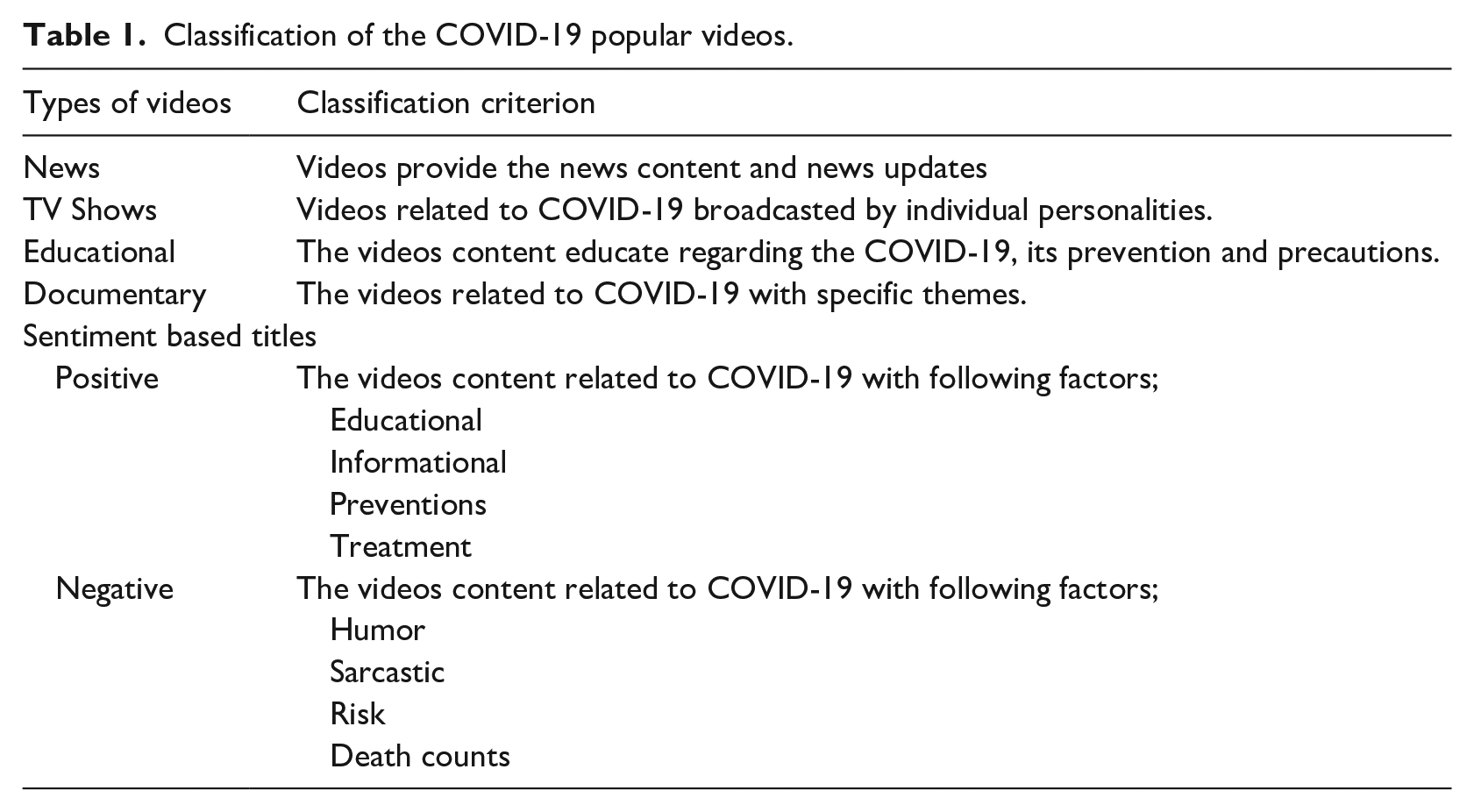
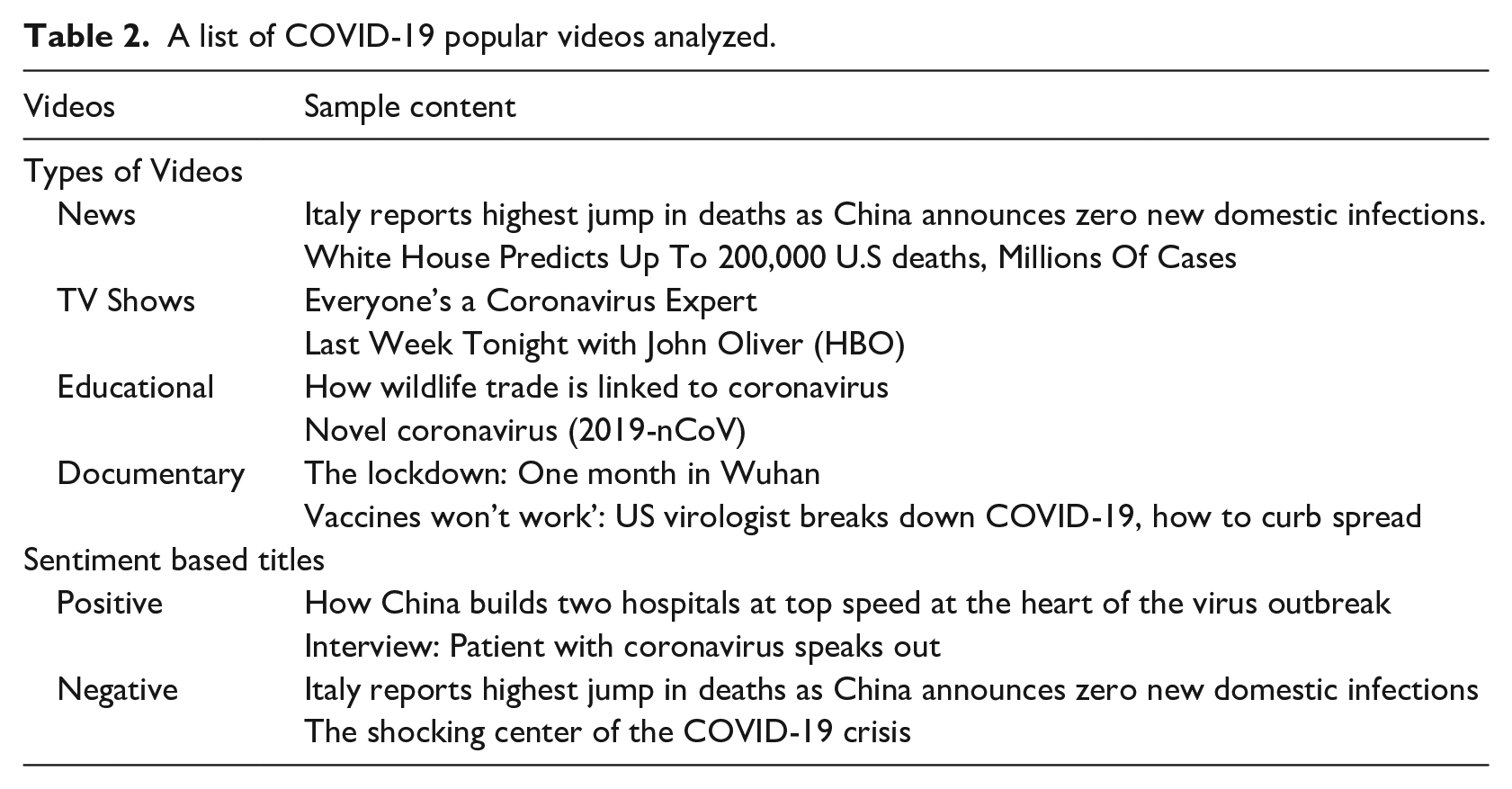
The videos with inclusion criterion reviewed by the two independent researchers who were unknown about the objective of the study and viewed all 93 videos to validate the classification of the videos in two groups as types of videos (News, TV Shows, Education, and Documentary) and sentiment-based titled titles (Positive and Negative) videos. There was 100% consonance between the researchers related to the classification of the videos. The types of videos were categorized based on the defined criterion (Table 1) and video content, whereas the sentiment-based titled videos were classified based on defined criterion and sentiments felt by reading the video titles (see sample content Table 2). For instance, the educational videos were more COVID-19 concept-oriented, depicted the prevention and precaution of COVID-19 with short time duration whereas documentary videos were based on specific theme mixed with entertainment and facts with long time duration. Educational, informational, prevention, and treatment-related titled videos were categorized as positive sentiment based titled videos while humor, sarcastic, risk, and death counts related titled videos were categorized as negative sentiment based titled videos. COVID-19, for all the havoc it has caused, is a major and serious outbreak spreading all over the world and hence specifically for the current study the health information related to prevention and cure was treated as positive sentiment in contrast of humor and sarcastic treated as negative sentiments.
Classification of the COVID-19 popular videos.
A list of COVID-19 popular videos analyzed.
Numerous methodological elements frequently accumulated in the different YouTube studies were classified as popularity driven measures and heuristics driven measures.16,17 The number of views, number of comments, dislikes, likes, and the number of subscribers to a particular channel was classified as popularity driven measures, 16 whereas the length of videos (in seconds) and days since videos were uploaded was classified as heuristic driven measures. 17 In the current study, the numbers of views, comments, likes, dislikes, number of subscribers, length of the video, and the number of days since the videos were uploaded were recorded. The missing information about the videos due to channel creator privacy policy was not included in the study.
Additionally, viewer’s comments were also analyzed to determine the popularity of the videos. Out of 93 videos, 14 videos had turned off their comments section. Top five comments were included in the study for each of the 79 videos. In total, 395 viewer’s comments were collected for the analysis. Seventy-three viewers mentioned their location details in their respective YouTube channel which was also included in the study. Ethics approval was not needed as the data was collected from the public domain (YouTube public posted comments and individual YouTube channel).
Data analysis
Data entry and analysis were conducted on SPSS software version 21. One-way ANOVA and an independent t-test was performed to compare the means of various variables with a p-value <0.05 considered as significant. Additionally, Pearson correlation was performed to examine the association between the video characteristics variable which helps to make the video popular.
Results
The current study included 93 videos in which various types of videos were classified on the basis of different criterion listed in Table 1. Figure 1 represents the screening procedure for the study.
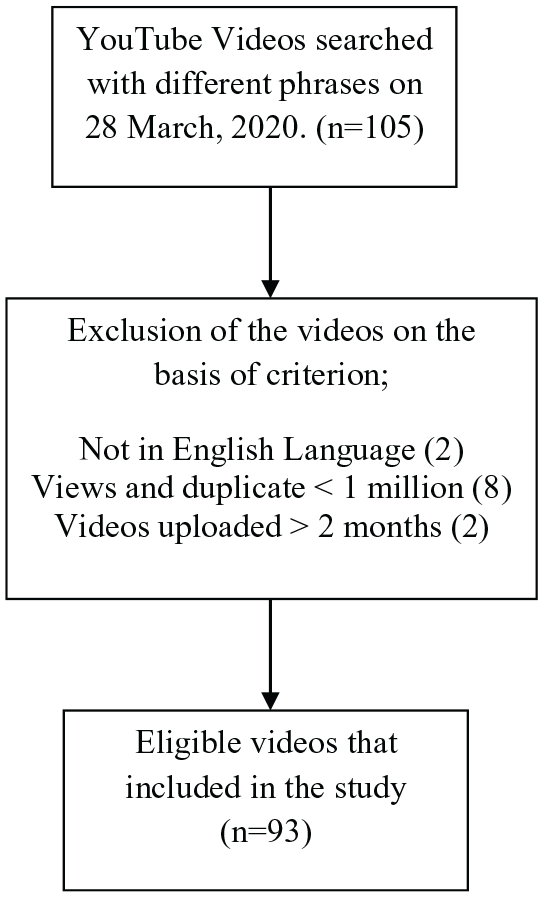
Flow chart of screening procedure.
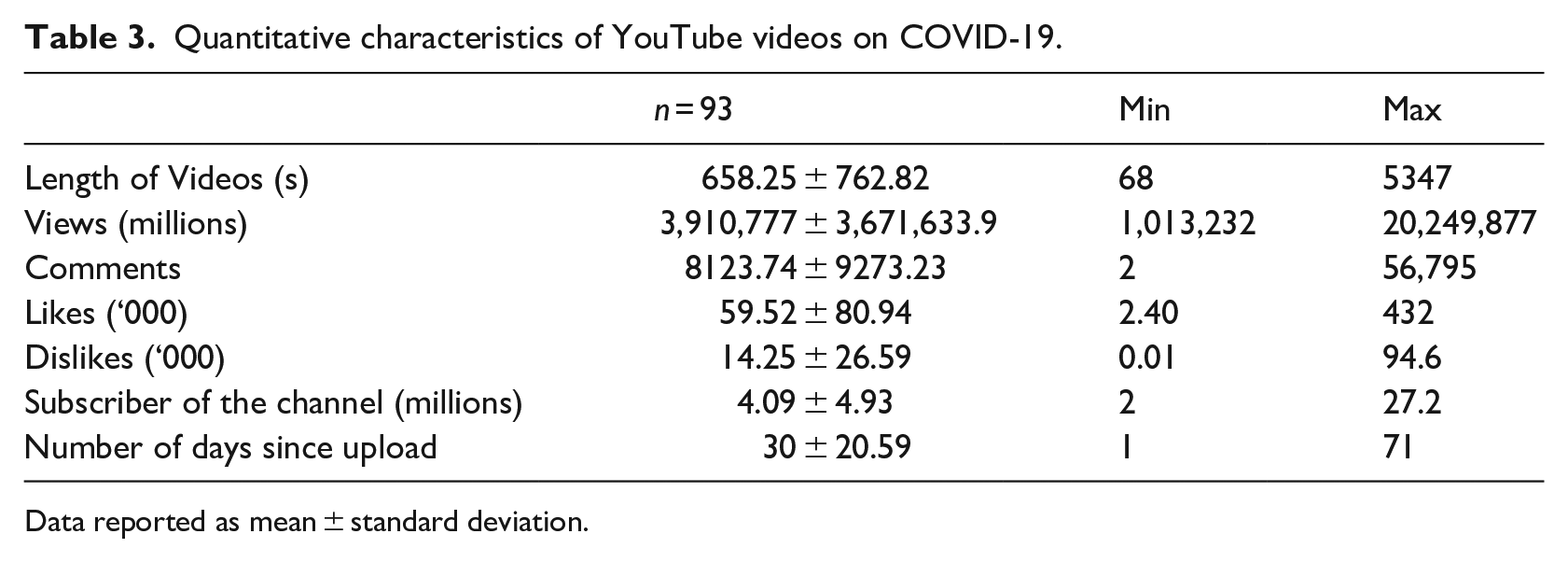
The content of the videos was represented in Table 2. The kappa coefficient of agreement related to the classification of the YouTube videos was 0.95. The quantitative characteristics of COVID-19 videos were provided in Table 3 in which mean duration of videos was 658 s (SD = 782.62, range = 68–5347), mean viewership was 3,910,777 (SD = 3,671,633.9, range = 1,013,232–20,249,877), the mean number of days since the videos were uploaded was 30 (SD = 20.59, range = 1–71) (Table 3).
Quantitative characteristics of YouTube videos on COVID-19.
Data reported as mean ± standard deviation.
Detailed characteristics analysis of the videos according to the classification is shown in Tables 4 and 5. The maximum subscriber of the channels was found for TV Shows (9.90 ± 5.40) with a share of 11.8% of total videos, the highest views were recorded for documentary videos contributed 11.8% share (4,908,884 ± 5,062,958) of total videos. The maximum length of videos was also found in documentary videos (1002.18 ± 805.15) however news videos were with the shortest length (652.52 ± 765.76). It was quite interesting that documentary videos were comprised of maximum comments (9280 ± 9000.49) though maximum likes were recorded for TV Shows (79.18 ± 77.72) and maximum dislikes (17.43 ± 28.36) were recorded for educational videos (Table 4). About 53.2% of the videos were negative sentiment-based titles while 45.7% videos were positive sentiment based titles in which highest viewership (4,188,981 ± 4,168,248) were recorded for positive sentiments based titled videos. It was quite surprising that the negative sentiment based titled videos (53.2%) were more as compared to positive sentiment based titled videos (45.7%), but the positive titled videos comprised more views (4,188,981 ± 4,168,248), likes (68.63 ± 83.12), and comments (9720.30 ± 11,518.21) than negative titled videos (Table 5).
Detailed characteristics of classified YouTube COVID-19 videos.
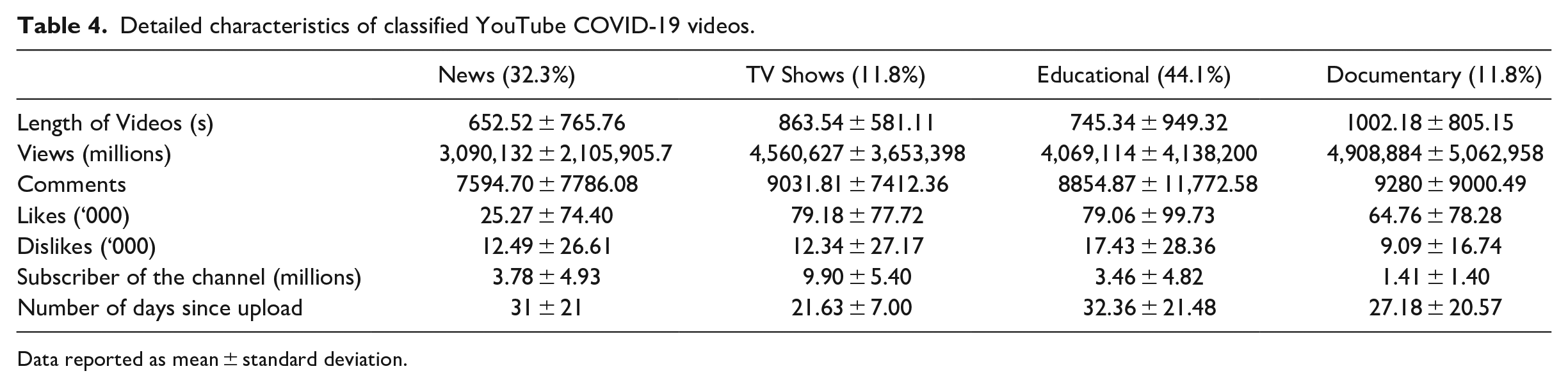
Data reported as mean ± standard deviation.
Detailed characteristics of sentiment based titles of Covid-19 videos on YouTube.
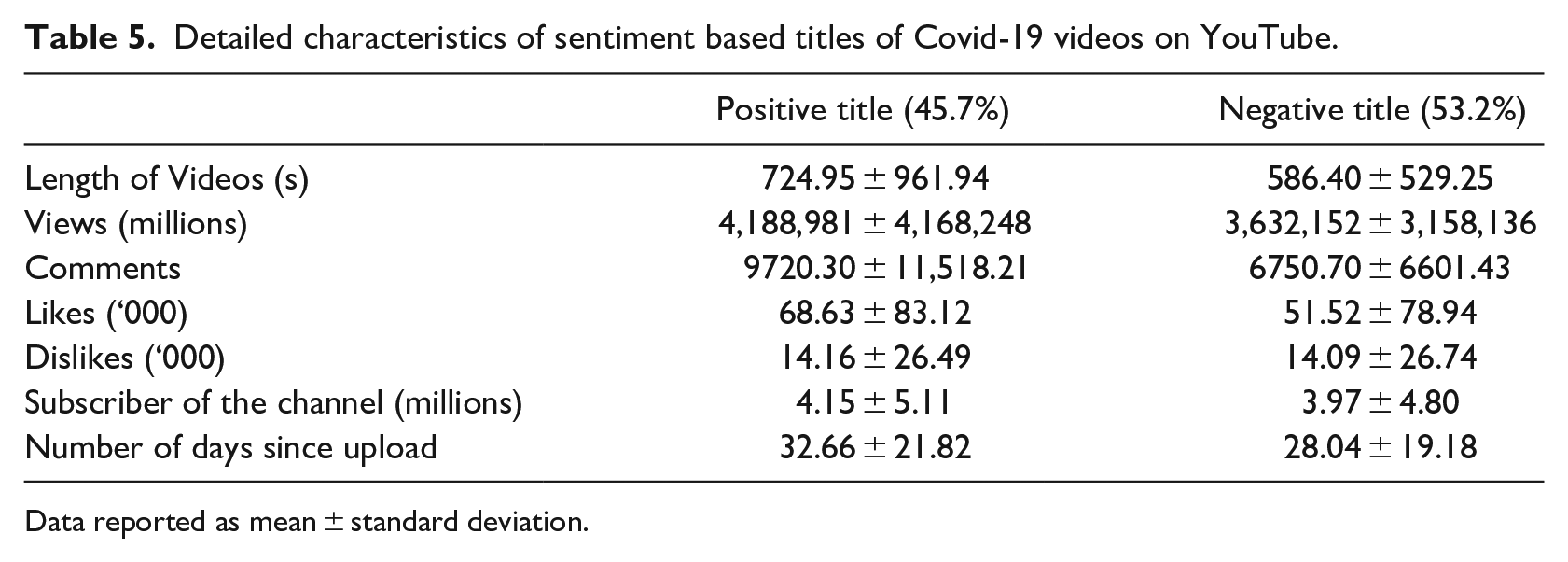
Data reported as mean ± standard deviation.
One-way ANOVA was conducted to examine the difference between multiple groups. From the result it was found that there were statistically significant differences found between the groups (news, TV shows, education and documentary) for length of videos (F (3, 89) = 3.16, p = 0.028), likes (F (3, 89) = 2.97, p = 0.036), and subscriber of the channel (F (3, 89) = 7.89, p = 0.000) (Table 6).
Values of variables for Covid-19 related YouTube videos.
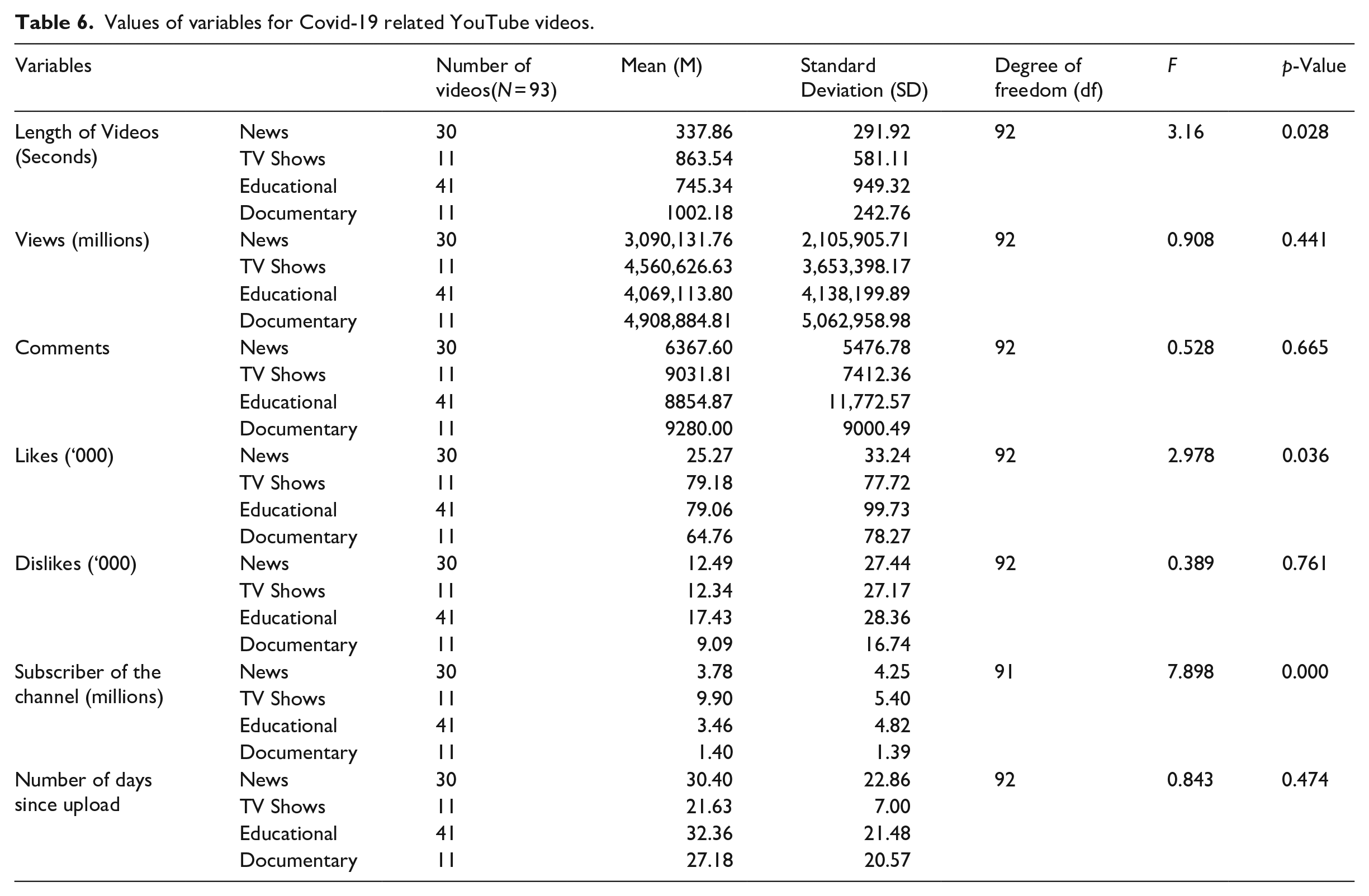
Eventually, a T-test was conducted to assess the difference between the positive sentiment based titled videos and negative sentiment based titled videos. There was a significant difference between the sentiment-based video groups (positive and negative sentiment titles) for views (positive M = 4,234,758.67, SD = 4,206,371.98; negative M = 3,632,152.44, SD = 3,158,136.93), comments (positive M = 9720.30, SD = 11,518.20; negative M = 6750.70, SD = 6601.43), and number of days since upload (positive M = 32.58, SD = 22.07; negative M = 27.50, SD = 19.36). In all, positive sentiment titled videos (M = 4,234,758.67, SD = 4,206,371.98) were comprised more viewership as compared to negative sentiment based titled videos (M = 6750.70, SD = 6601.43), t (91) = 0.788, p < 0.05). Similarly, positive sentiment titled videos (M = 9720.30, SD = 11,518.20) comprised more comments as compared to negative sentiment based titled videos (M = 6750.70, SD = 6601.43, t (91) = 1.55, p < 0.01 (Table 7).
Values of variables for positive and negative sentiment titled COVID-19 YouTube videos.
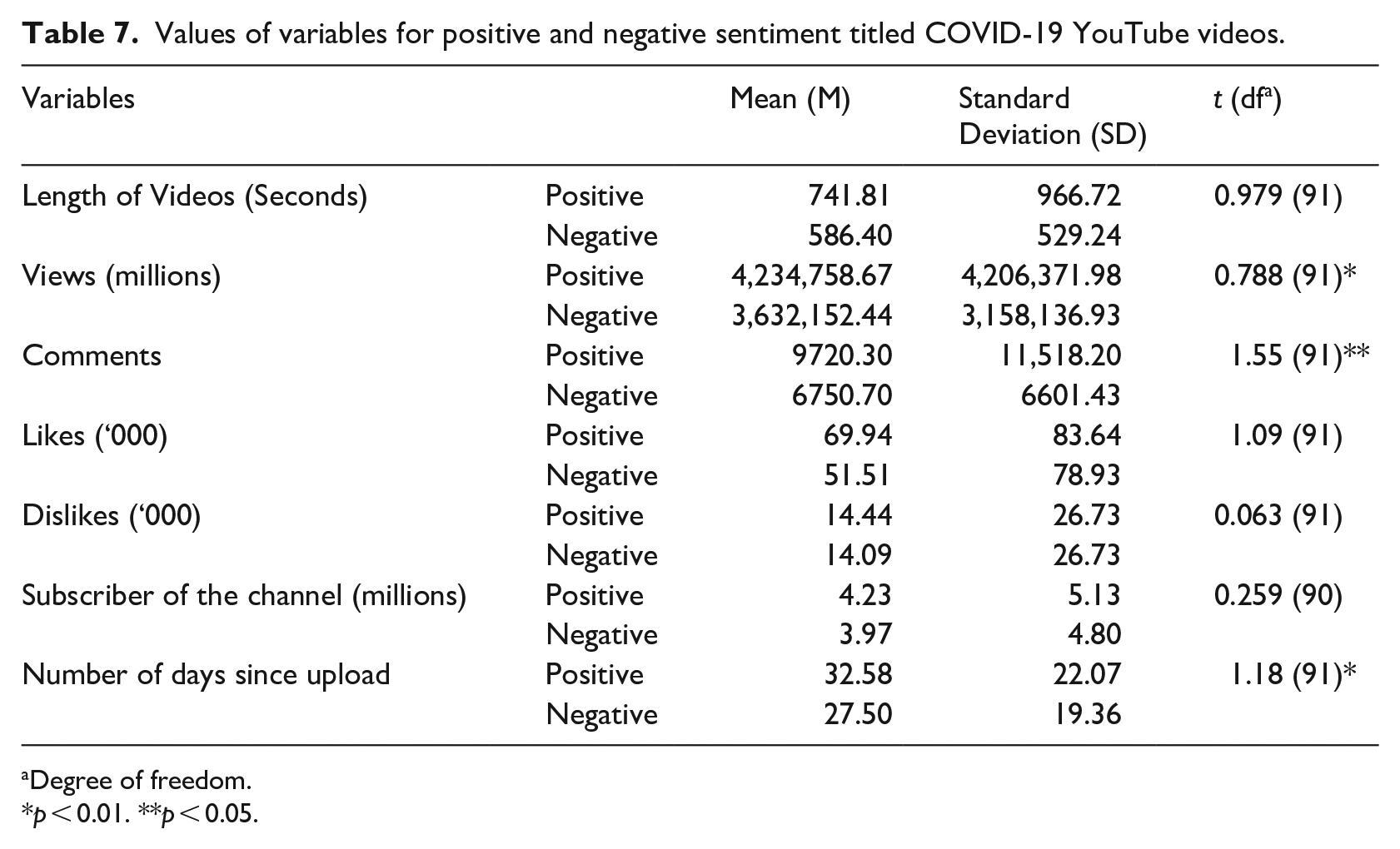
Degree of freedom.
p < 0.01. **p < 0.05.
Additionally, Pearson correlation was employed to investigate the association between viewership (views) and various characteristics (subscriber of the channel, length of videos, number of days since upload, likes, comments, and dislike). The views of the videos were strongly correlated with likes (r = 0.771, p < 0.01) and comments (r = 0.788, p < 0.01) posted on the channel. It was interesting to note that there was a direct relationship between the length of the videos and subscribers of the channel (r = 0.271, p < 0.01) (Table 8).
Correlation between different characteristics.
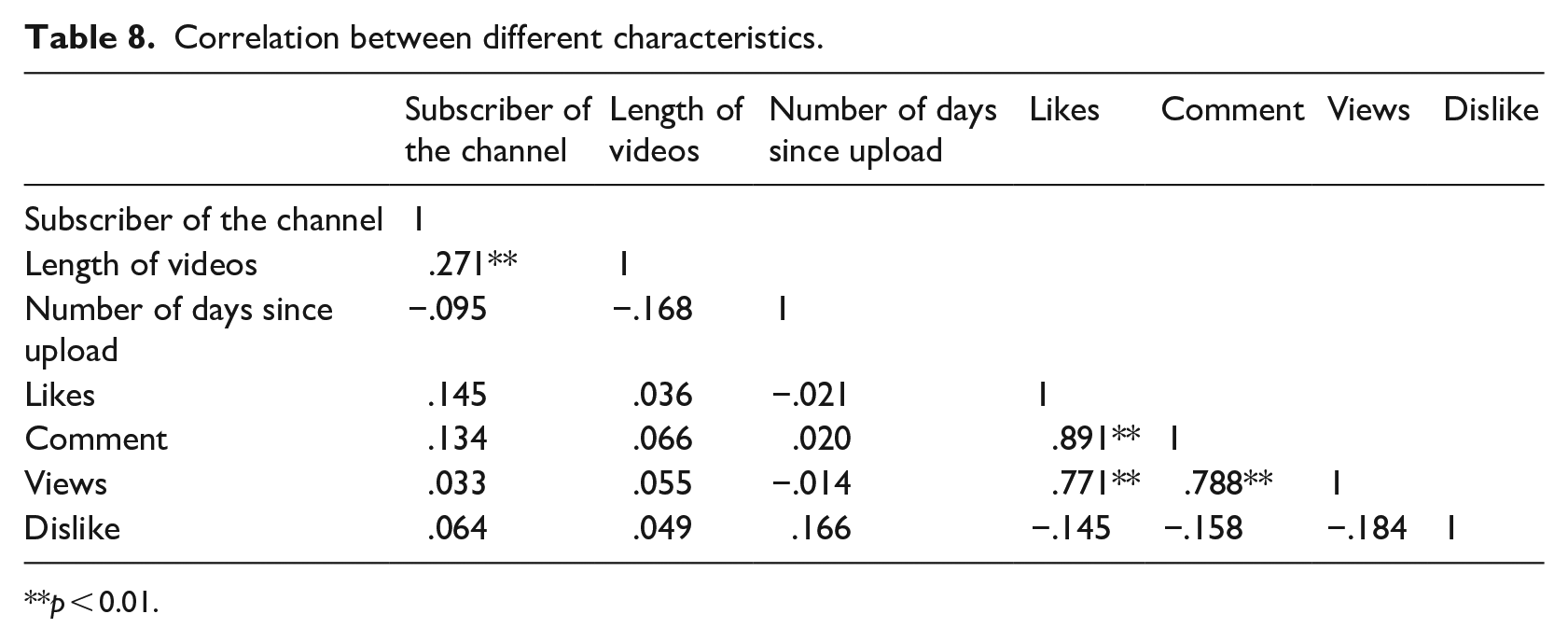
p < 0.01.
Viewers comment response analysis
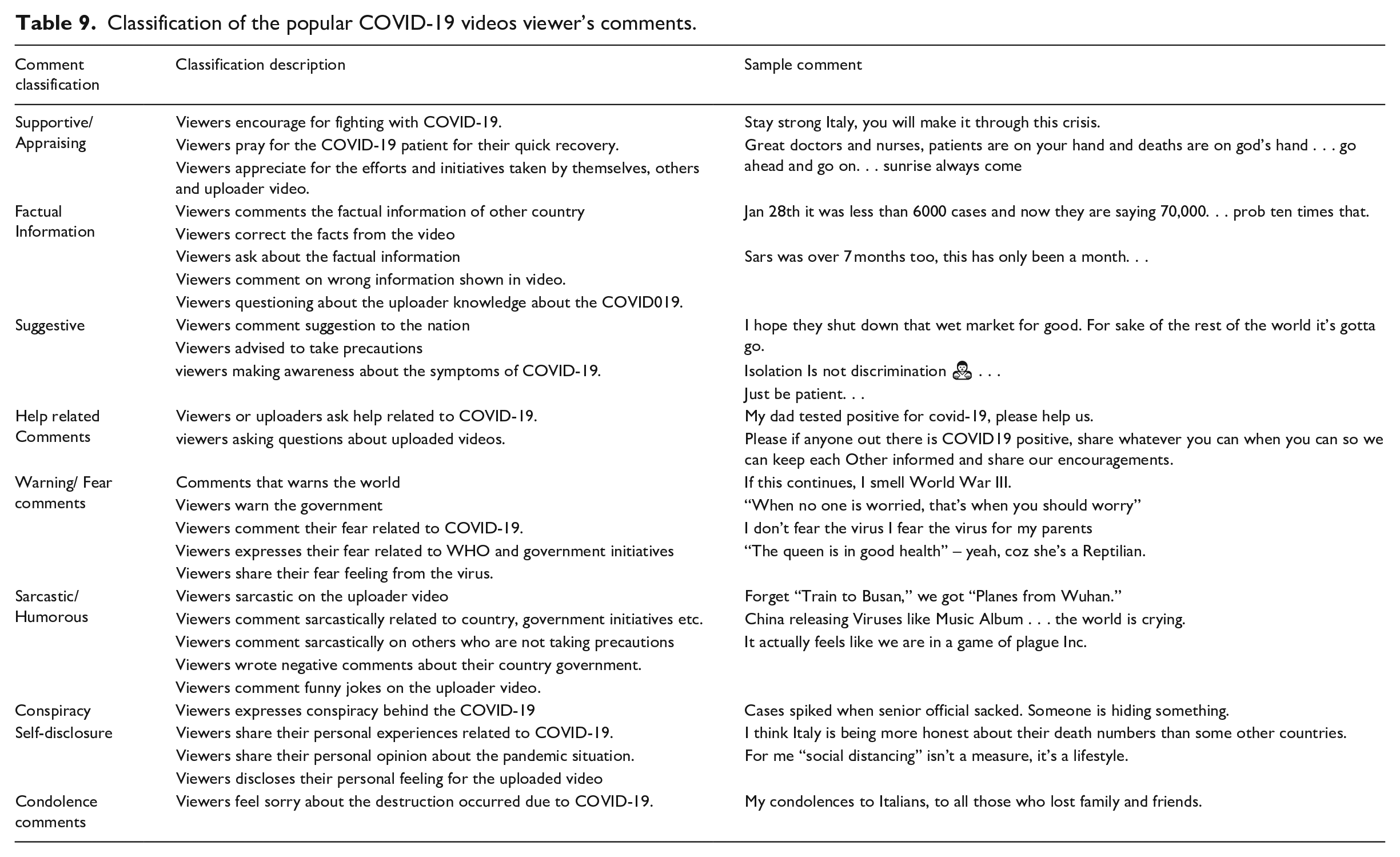
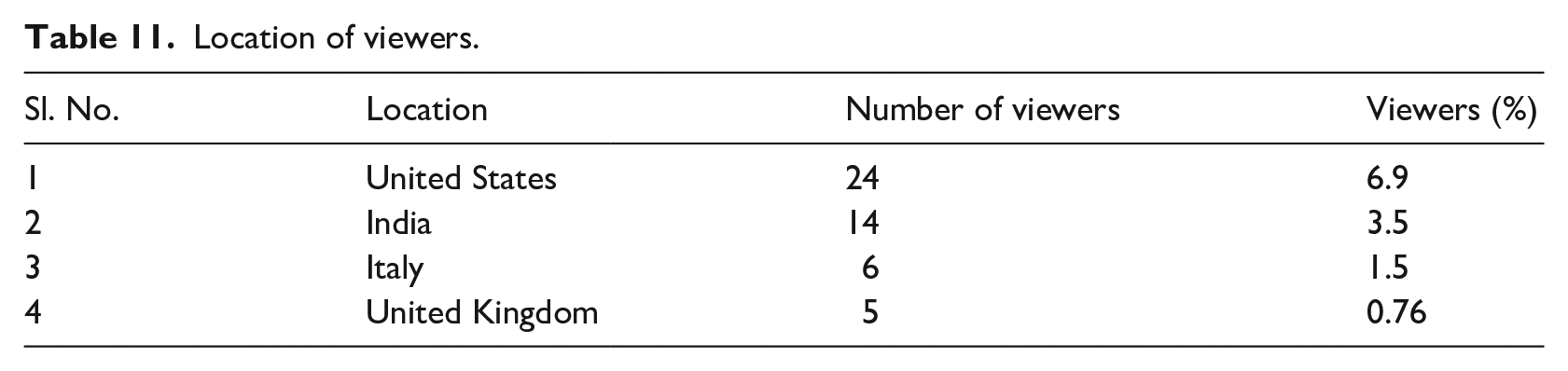
Detailed characteristics analysis of the comments posted on individual YouTube videos is shown in Tables 9 and 10. There were 79 videos were analyzed in which 787,075 comments (mean = 10,494.3, standard deviation = 10,904.5) were posted as a response on these videos. Top five comments were examined for each of the 79 videos. In total, 395 viewer’s comments were analyzed. The comments were classified in nine various categories in which most frequent comments were posted in sarcastic/humorous (n = 85) category and least comments were posted in conspiracy (n = 1) category. Whereas, highest likes on the comments were in the warning/fear category (mean = 4593.6) and lowest were in the conspiracy (mean = 207) category. Reply on the comments were highest in the help related comments (mean = 127.3) category and lowest in conspiracy (mean = 12) category. There were 73 viewer’s location also collected and found from all over the world, top four viewer’s location were listed in the Table 11, for example from United States (n = 24), India (n = 14), Italy (n = 6), and United Kingdom (n = 5).
Classification of the popular COVID-19 videos viewer’s comments.
Summary of the popular COVID-19 videos viewers.
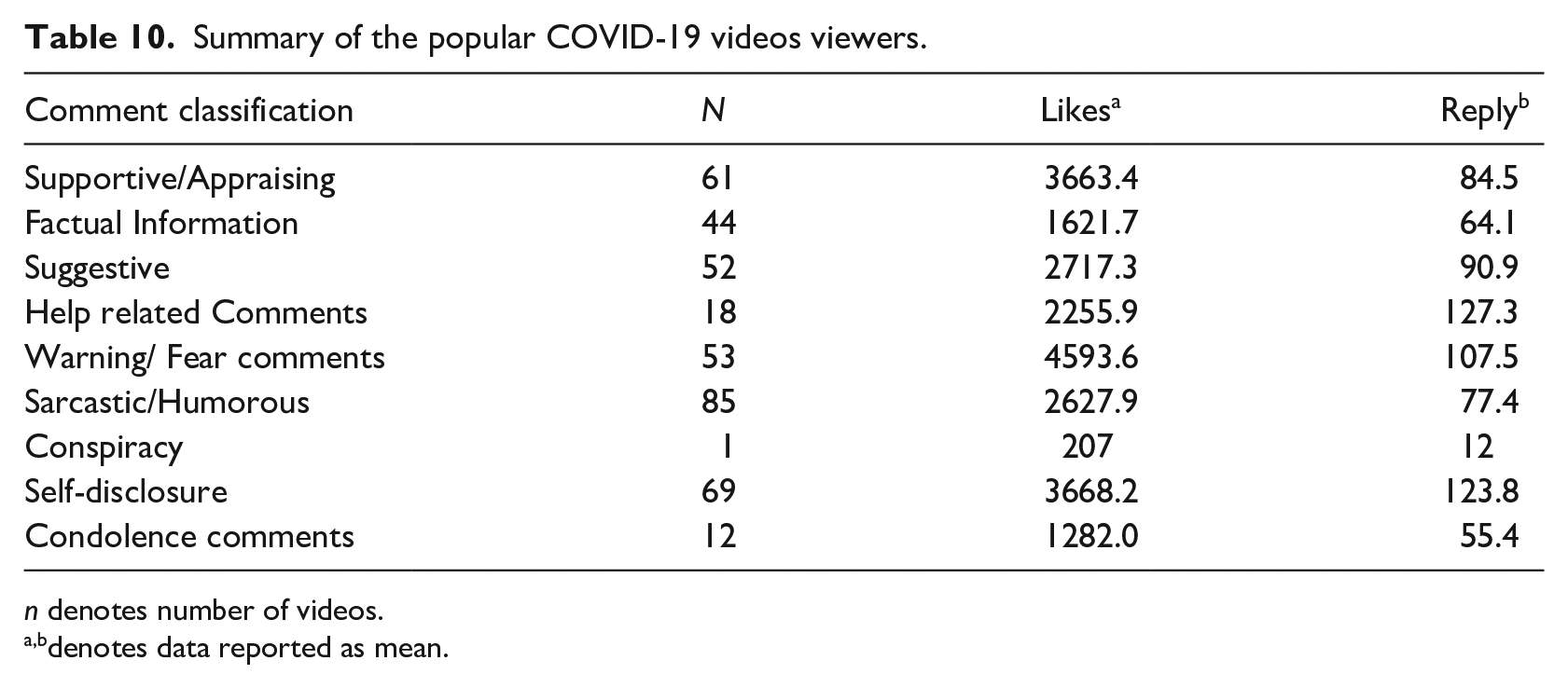
n denotes number of videos.
denotes data reported as mean.
Location of viewers.
Discussion
The current study examined the characteristics of YouTube videos of the COVID-19 pandemic situation. This study contributes in understanding the characteristics of popular YouTube videos to disseminate the healthcare information rapidly in a pandemic situation like the COVID-19 outbreak. The results revealed that the views of the videos are not dependent on the subscriber of the channel nor the number of days since the videos were uploaded. For example, TV shows videos had the highest subscribers and the educational videos were uploaded before 30 days, but the documentary videos were recorded highest viewership. Subsequently, more negative sentiment based titled videos were found on YouTube, but the maximum views were recorded by positive sentiment based titled videos. News channels have sensationalized the videos through negative sentiment-based titles, but the audiences were interested to watch positive sentiment based titled videos (Table 5). In the pandemic situation, audiences were gazed for the prevention or cure related videos, while the channels were uploading the death counts and humored related videos. This mismatch between the channel proprietor perception and audience interest can be an important factor which make videos unpopular. Therefore, it is important to note that the channel proprietors should think according to the perspective of the audience to disseminate health-related information.
Results also revealed that the length of videos, likes, and subscribers of the channel were significantly different for types of videos. Documentary videos were longer in length whereas TV shows videos had the highest likes and subscriber size. Length of the videos and audience engagement measures like comments were important factors for YouTube videos to be popular. Titles of the videos also play a very important role in viewership. From our results, it was identified that channel owners used negative titles to attract the attention of the user to maximize the viewership, but in this pandemic situation, people used to view the videos with positive titles. As per the correlation results, it was noted that the video views were dependent on the other characteristics such as likes and comments posted on the video channel. The likes on the videos will spread word of mouth which ultimately leads to more views. In our analysis, videos had four times more likes as compared to dislikes. There was a significant correlation between the length of the videos and subscribers’ size. The length of the videos was an important factor for ranking the videos on YouTube. It was found that, documentary videos were longer in length comprised of highest views as compared to shorten the length of the videos.
Viewer’s comments also play an important role in making video more popular. Result revealed that most frequent comments were in sarcastic or humorous category, but most viewers liked the warning/fear related comment which represented that the situation is horrible and viewers wanted to treat this situation seriously. The nature of the comments attuned to the worrying situation and had words related to prevention, correction, initiation, and encouragement for the efforts put by the people to fight from Coronavirus. There were only 18 viewers’ comment found in the help related comment category, but viewers were responded highest on the comments of this category videos. This represents that viewers were interacting for help on COVID-19 related YouTube videos.
There are few steps that can be taken to enhance the accessibility of the videos in this outbreak situation. The YouTube videos will be displayed on the user’s result page according to rank calculated based on relevance, it is recommended that different keywords, positive title of the videos, description, and representative thumbnail can be included in the videos. It was also important to note that the length of the videos should not be smaller and based on a certain theme mixed with entertainment and facts like “Vaccines won’t work’: US virologist breaks down COVID-19, how to curb spread” which create interest among the users leads to more likes and comments.
There are certain limitations to the study. The videos were selected based on the English language. More research can be conducted by selecting other language videos. YouTube is dynamic whereas the current study is cross-sectional which does not reflect the characteristics of the website. Some longitudinal studies can be conducted to ensure whether the same characteristics prevail in the due course of time or not. Furthermore, the organizations like WHO can be analyzed to disseminate the information through different platforms such as Facebook and YouTube.
In this study, the researcher has analyzed the characteristics of COVID-19 popular YouTube videos. In the era of Web 2.0, 18 users frequently access, utilize, and share health-related information. In the case of pandemic situations like COVID-19, information dissemination to the public for the prevention and cure of influenza virus plays a vital role to stop spreading among the different communities. Healthcare related information is supposed to integrate properly with the audience engagement characteristics in YouTube which can act as an effective user-centric alternative platform that provides appropriate, relevant, and accurate information.
Footnotes
Declaration of conflicting interests
The author(s) declared no potential conflicts of interest with respect to the research, authorship, and/or publication of this article.
Funding
The author(s) received no financial support for the research, authorship, and/or publication of this article.
