




Abstract
Cloud technology has brought great benefits to the health industry, including enabling improvement in the quality of services. The objective of this review study is to investigate the reported factors affecting the adoption of cloud in the health sector by comparing studies in the health and non-health sectors. This article is a systematized review of studies conducted in 2018. From 541 articles, 47 final articles were selected and classified into two categories: health and non-health studies; conclusions were drawn from the two sectors by comparing their effective factors. Based on the results of this review, the factors were categorized as technological, organizational, environmental, and individual. The results of this review study could be a beneficial guide to the health empirical research on cloud adoption. Individual domains have not been examined in health sector studies. Since the process of adoption of new technologies in organizations is time-consuming, due to the lack of managerial knowledge about the efficient factors, recognition of these factors by decision-makers while planning for cloud adoption becomes of great importance. The findings of this review study aim to help health decision-makers by increasing their awareness of the cloud and of the factors that impact decisions at both the organizational and individual levels.
Introduction
Cloud technology is a paradigm that has changed the computing process 1 and has attracted both industry and academic attention due to its perceived potential.2,3 This technology brings benefits to organizations by meeting the challenges of traditional information technology (IT) governance,4,5 as well as providing potential benefits.3,6
Many researchers and stakeholders investigating the adoption and diffusion of new technologies have focused on a range of key issues, such as the factors that influence the pattern, rate, and extent of diffusion among an adapting population.7,8 For cloud migration in hospitals, an adoption model must possess the effective factors with a strategy or roadmap close to the organizational culture. 9 Hospitals and other healthcare centers need to first identify the effective factors for successful cloud adoption, which is key to helping IT managers design strategies for implementing the technology in their organization.10,11
Identifying the key factors will lead to the success of cloud adoption in the health sector. 12 Lee 10 identified the strengths and weaknesses of factors influencing cloud adoption, which can aid IT managers and cloud service providers (CSPs) speed up cloud adoption in US hospitals. The analysis of past research on the use and adoption of cloud technology in the health industry has shown that the majority of research emphasized cloud technology as a replacement for grid computing, while neglecting other aspects of computing.13,14
Studies are available that have investigated the factors influencing the successful adoption of cloud technology in the health sector12,15–17 as well as in other sectors.18–27 Figure 1 shows that while there has been a significant increase in published articles on cloud technology adoption in the non-health sector, overall, there is a dearth of articles on the health sector.
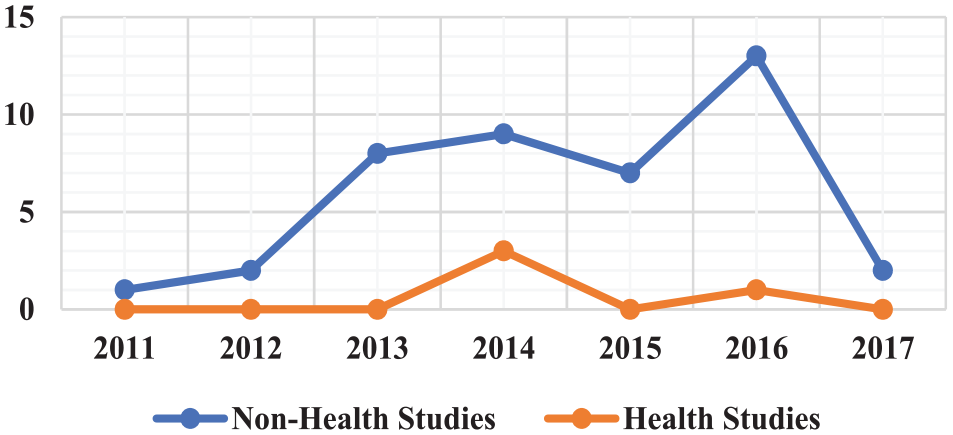
The distribution of published articles on cloud adoption in the health and non-health sectors.
Most studies on cloud technology have focused only on the technological aspects; 28 hence, future studies are required to investigate the business issues in the area of cloud technology adoption.
Apart from many articles that have examined the factors influencing cloud adoption in the non-health sector, several studies have also performed systematic reviews of the literature reporting on research into these factors.7,28,29 Considering these review studies, it seems that many factors effective in the field of business have been discussed and studied. However, as mentioned above, most studies have focused only on the technological aspects, 13 and hence, a systematic study is necessary to summarize and provide the results of adoption studies in the health sector. Given that cloud technology is a new subject in the health sector and that the adoption domain has received less attention, a systematic review could integrate the progress to date and determine additional approaches to future research in this field The results of this review can provide reliable guidelines to health organizations for adopting cloud technology and for identifying the factors effective in planning for a successful migration.
The objective of this review was to study the factors influencing cloud adoption in the health sector by comparing past research in the health and non-health sectors. The justification for conducting this research is that the factors studied in the non-health sector have not yet been fully explored in the health sector; therefore, a broader perspective could be developed for the health sector by conducting this study.
In this article, an overview of the current status of cloud adoption in the health sector is presented, followed by the research methodology, explaining our systematic review mapping process, and presenting research results based on a classification framework. Next, the current literature is discussed in terms of the technological, organizational, environmental, and individual factors influencing the adoption of cloud technology in the health sector. Finally, some implications for future research and practice are presented.
Cloud adoption in the health sector
Studies that have examined cloud adoption in the health industry from a non-technological perspective are limited. These studies have been conducted in the health industry in countries such as Taiwan, Saudi Arabia, Jordan, and Malaysia.12,15–17 The Taiwan Government has developed cloud-based medical technologies as a key target for its healthcare system, since it facilitates the development of electronic medical records—which is another goal of the country. Recognizing the experiences, lessons, and challenges of cloud adoption in Taiwan hospitals will be useful for any country planning to upgrade their healthcare industry. 12 The Malaysian Government has responded to healthcare system problems, such as increased healthcare costs, a lack of integration between healthcare providers, and the problem of sharing healthcare information between healthcare providers, by implementing a cloud-based health information system. 15 Using cloud technology in the Saudi care system has led to providing sufficient computing resources for the growing volume of data generated in the healthcare system, as well as improving the health system of the country. Cloud-based technology could be beneficial for the increasing healthcare demands and will also solve the problem of isolation of Saudi health information systems. 17 The study conducted by Sulaiman and Magaireah 16 categorized the factors that influence the adoption of cloud technology in Jordan into technological, organizational and environmental factors. In addition to these factors, Lian et al. 12 identified human factors, while Alharbi et al. 17 identified business factors as being important for examining the adoption of cloud-based technology within the health sector.
Research methodology
The vast number and frequent updating of health informatics publications makes it difficult for health advisors and specialists at the management level to check the relevant articles for evidence-based practice. 30 Health personnel should not focus on a single study on which to base their decisions, since studies may have certain biases and the results may be inconclusive. 31 In adopting evidence-based research practices and determining the factors that likely influence the adoption of cloud technology in the health and non-health sectors, health advisors and specialists must depend on strong evidence of research that informs practice. Systematic reviews are one of the best approaches for supporting evidence-based health informatics practice. 32
The systematic review is a technique for recognizing, assessing, translating, and orchestrating all the accessible research pertinent to a specific research subject.33,34 The main purpose of conducting a systematic review is to provide strong evidence in a transparent and rigorous way to improve the validity and reliability of the research results.35,36 Systematic reviews are undertaken via a stage-wise process covering the definition of the review scope, research questions and protocol, selection of evidence, quality appraisal of evidence, data extraction and synthesis, and reporting and dissemination. 37
While undertaking a systematic review, the rules and guidelines to be followed are purported by Ali et al. 38 There are three stages in this research study: the planning and execution stages are presented in detail in the “Methodology” section, while the reporting stage is presented in detail “Results” section. The processes in each individual stage are shown in Figure 2.
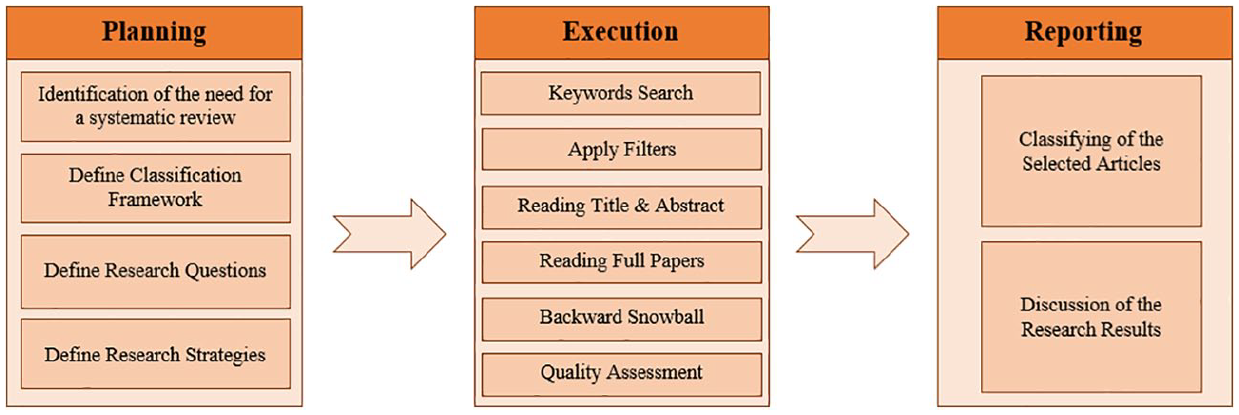
Systematic review stages.
Planning stage
The identification of the requirement for a systematic review is the first step in the planning stage. As mentioned above, there is no systematic review that outlines all the study findings and offers a profound understanding of the suggestions for research and practice in this research topic, despite the fact that there is dynamic research directed toward the factors that likely influence the adoption of cloud technology in the health and non-health sectors.
The development of the research review protocol is the second step in the planning stage. This protocol provides a base to comprehend the current factors that are likely to influence the adoption of cloud technology in the health and non-health sectors. A review protocol was created to illustrate the classification framework for this research. This classification framework was initially created by Ngai and Wat 39 to direct a systematic review within the applicable journal articles that manage spontaneous customers within the health sector. A comparative classification framework on a social science literature review by Van Oranje et al. 40 has been adapted in this study. The categorization framework has four directions: technological, organizational, environmental, and individual factors. Researchers have developed the categorization framework by adding other specific categories to each direction in the framework (Figure 3).
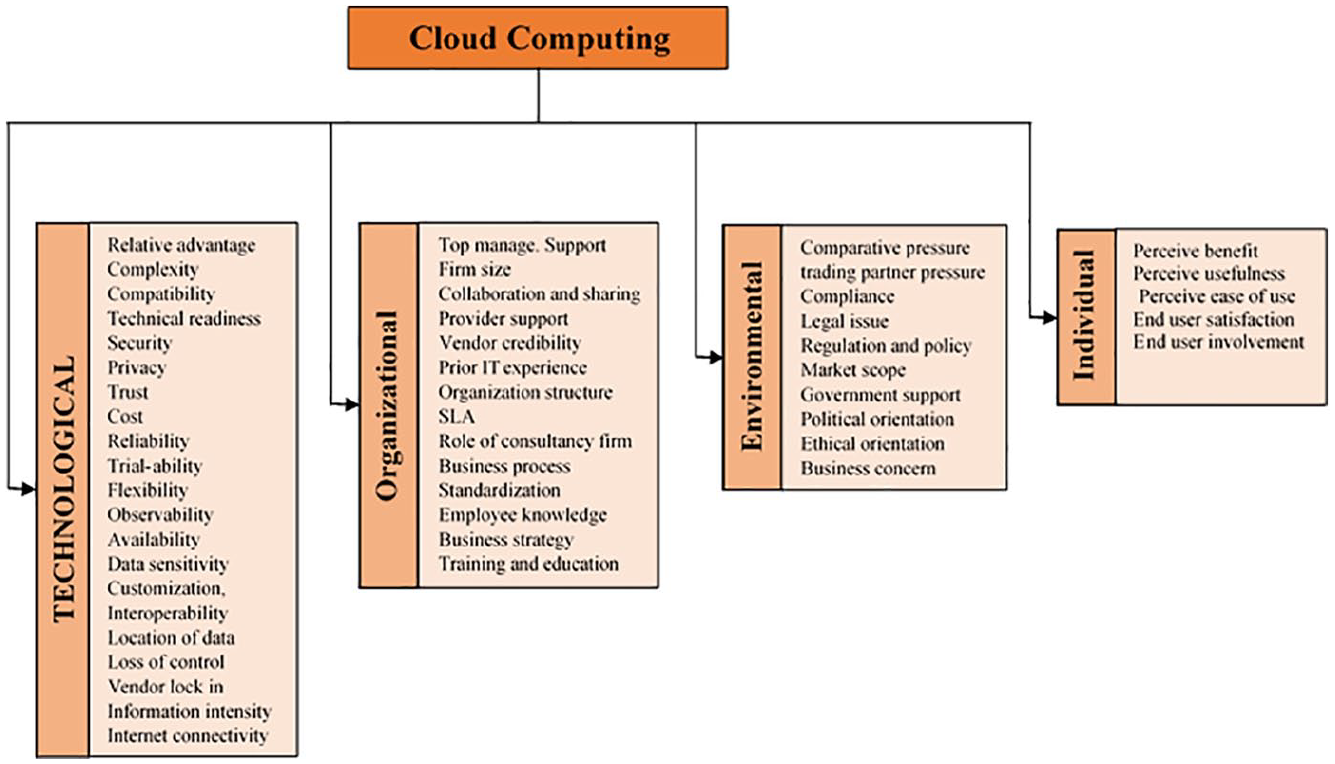
Classification framework.
The classification framework depicted in Figure 3 is a result of the literature review of the nature of factors influencing the adoption of cloud technology research. The figure clearly shows the identified factors that belong to each category.
Definition of research questions is the third step in the planning stage. This is a critical step in a systematic review. Literature reviews basically achieve their goals by responding to research questions. The research study questions for this systematic review are as follows:
What are the factors affecting cloud technology adoption in the organizational field in both the health and non-health sectors?
What are the major findings from the previous research and their significance for future research directions in the health sector?
The definition of the strategies for article selection is the fourth step in the planning stage. An integrated search strategy was embraced in this stage, which covers an extensive automated search of various online databases and a manual review of the chosen articles.
The automated search strategy incorporates determination of the most appropriate online sources.41,42 The online databases that were chosen in this systematic review are Web of Science, Scopus, IEEE, Science Direct, and PubMed. In addition, significant filtering tools were applied to every database to restrict the research outcomes. 43
The manual review method broadly includes initially reading the title and abstract of the research,44,45 and then reading the selected articles fully, to filter out the irrelevant ones.38,42
As a supplement to the extensive automated search and manual review, the backward snowball technique was utilized, with the specific end goal to detect articles that are not found at first. Backward snowballing implies utilizing the reference rundown to recognize new articles to incorporate. 38 The initial step is to scrutinize the reference list and remove articles that do not satisfy the essential criteria, such as the language, publication, year, and type of publication. The next step is to remove articles from the list that have just been inspected in light of being uncovered before the past emphasis. Once these are removed, the rest of the articles are a solid possibility for incorporation. The backward snowballing technique guarantees that as much data as could reasonably be expected from the article being inspected are extricated before proceeding to the new article.46,47 The mix of the two strategies increases the likelihood that the systematic review covers many articles in any research area.
Execution stage
In the execution phase, the selection strategies are applied to help filter the overall publication results down to the selected relevant articles. This research study followed the six techniques outlined below:
The establishment of search terms is a continual method, beginning with preliminary inquiries using distinctive search words to embark on an underlying search of articles that are already known to have a place within the study field of the systematic review. 42 The technique of deciding the search terms ends when the underlying arrangement of definitely known articles has been found. All the previously mentioned online databases offer the chance to play out a search utilizing advanced search in combination with relevance to the IS discipline. In this review, the search utilized the following keywords: “cloud” AND “adoption” AND “factors” AND “health” AND “non-health sector.”
Filters were applied using all the available tools for each database to limit the research results. 43 As the underlying search of any database delivers countless articles by using particular catchphrases, we limited the quantity of articles by using filters that included the research area, chosen year of publication, and document type.
Every search item was checked manually to affirm that the title and the abstract of the articles were related, keeping in mind that the end goal was to remove non-essential articles from the indexed lists. 44
To distinguish important information on the topic of interest, entire articles were evaluated. 48
The backward snowball technique was utilized to complement the broad automated search to uncover articles that were unidentified from the main strategy. 49
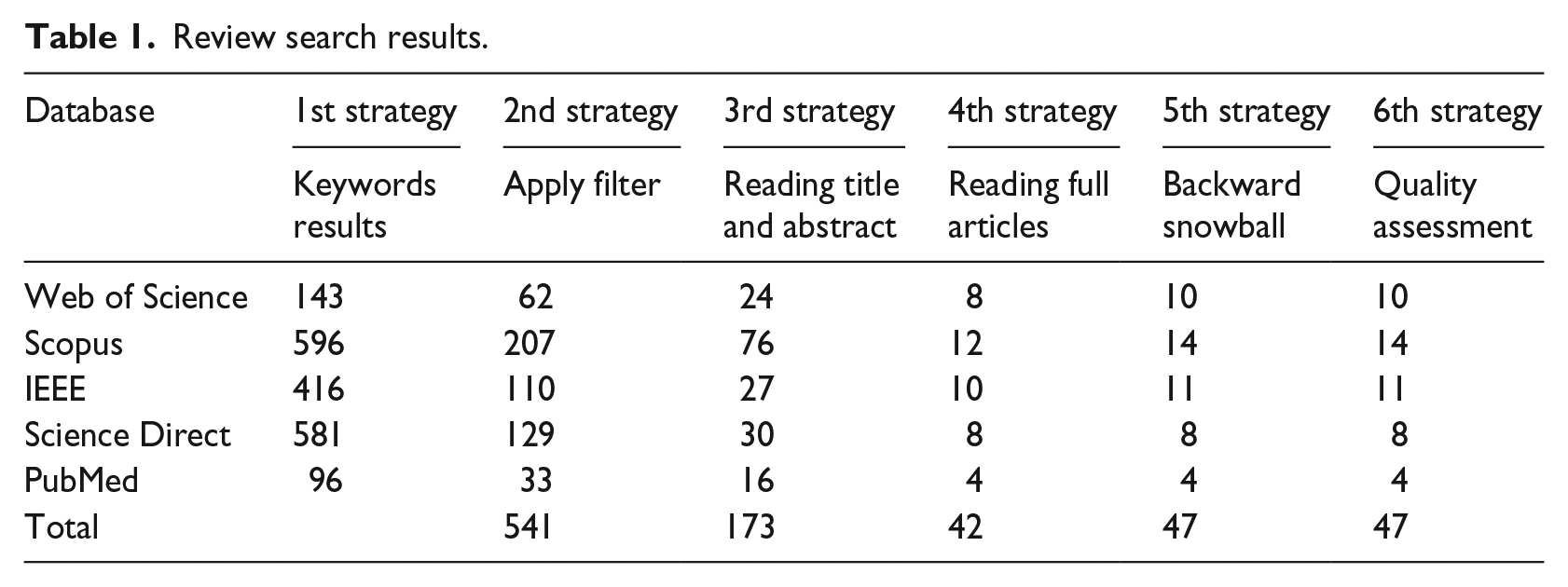
The quality assessment criteria were characterized to check that all the incorporated researches in the systematic review achieve value. 42 A high-quality checklist was developed to evaluate whether an article was to be incorporated into the research or not. The checklist consisted of assessment questions of Spanos and Angelis, 49 and Ali et al. 38 and included criteria in regard to sufficient discussion about the objective, a clear statement of the research question/problem, the description of data and the methodology, and presentation of the results and their relevance in answering the research question. Articles that addressed all of these criteria were incorporated into the last review. Detailed elements of the literature-indexed lists are given in Table 1.
Review search results.
This research review was conducted from February to October 2018, following the protocol discussed in the planning stage.
Research results
All the predefined steps of the systematic review were executed after improvement of the review protocol. Table 1 illustrates the final number of articles selected for this review. The summarizing stage as a part of the systematic review process in this research study summarizes the results in different categories.
Summarizing stage
After the initial search process (keywords), 1832 articles were found. After applying filters, the number of articles in this process reduced to 541. The final number of selected articles resulting from the broad automated search was 541.
Thereafter, the researchers conducted a manual review by reading the titles and abstracts of the candidate articles with the aim of identifying irrelevant articles or duplicates. As a result, 368 articles were removed and the number of remaining articles was 173. Next, after reading full articles, 131 irrelevant articles were removed, resulting in the number of remaining articles being 42. The backward snowball technique was subsequently applied, and from the reading of the references, 5 more articles were added—with the number of articles now being 47. Thus, the final number of articles after employing the entire study selection process was 47. All these articles adhere to the four quality assessment criteria described previously.
Research results and classification
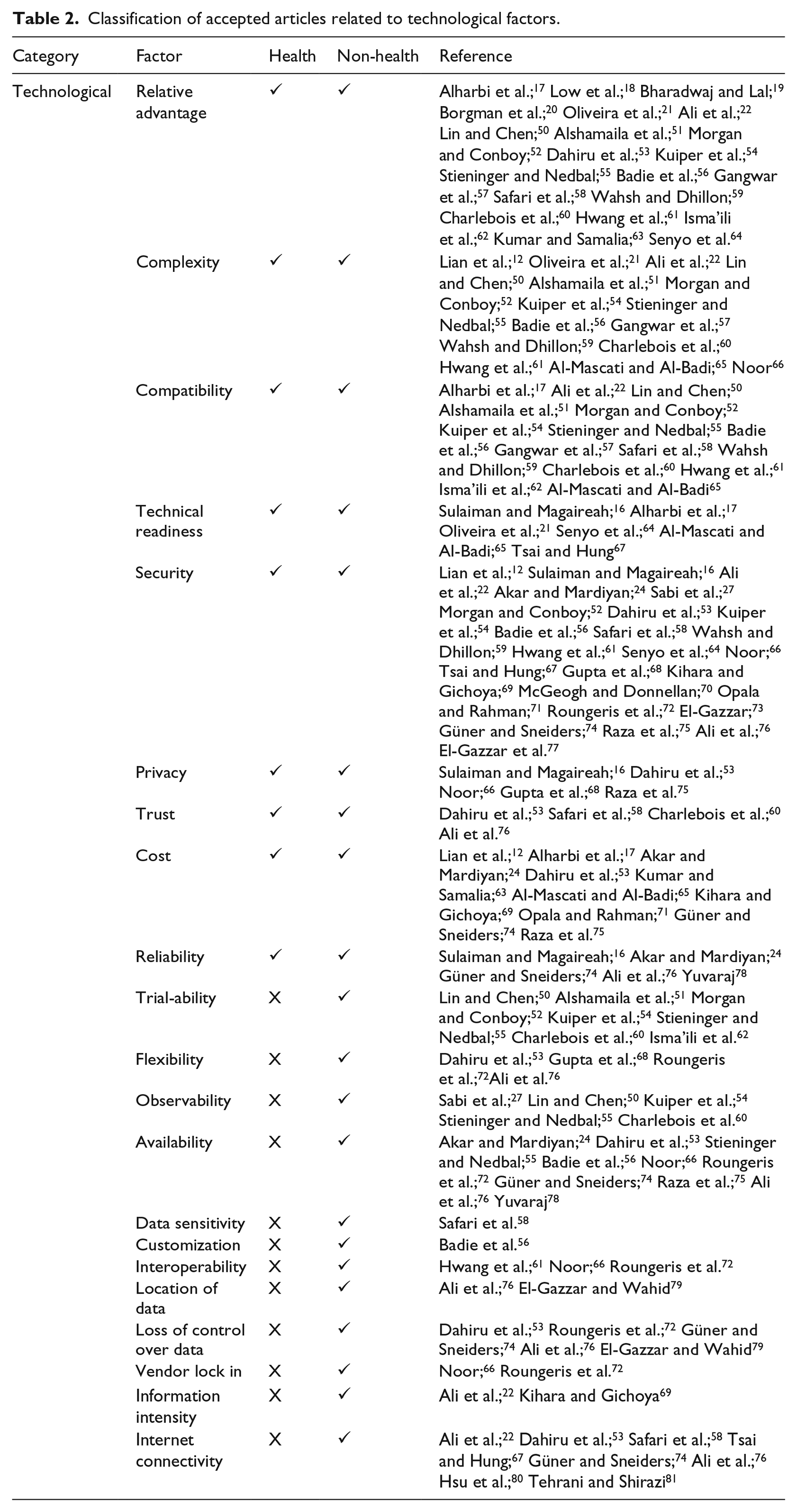
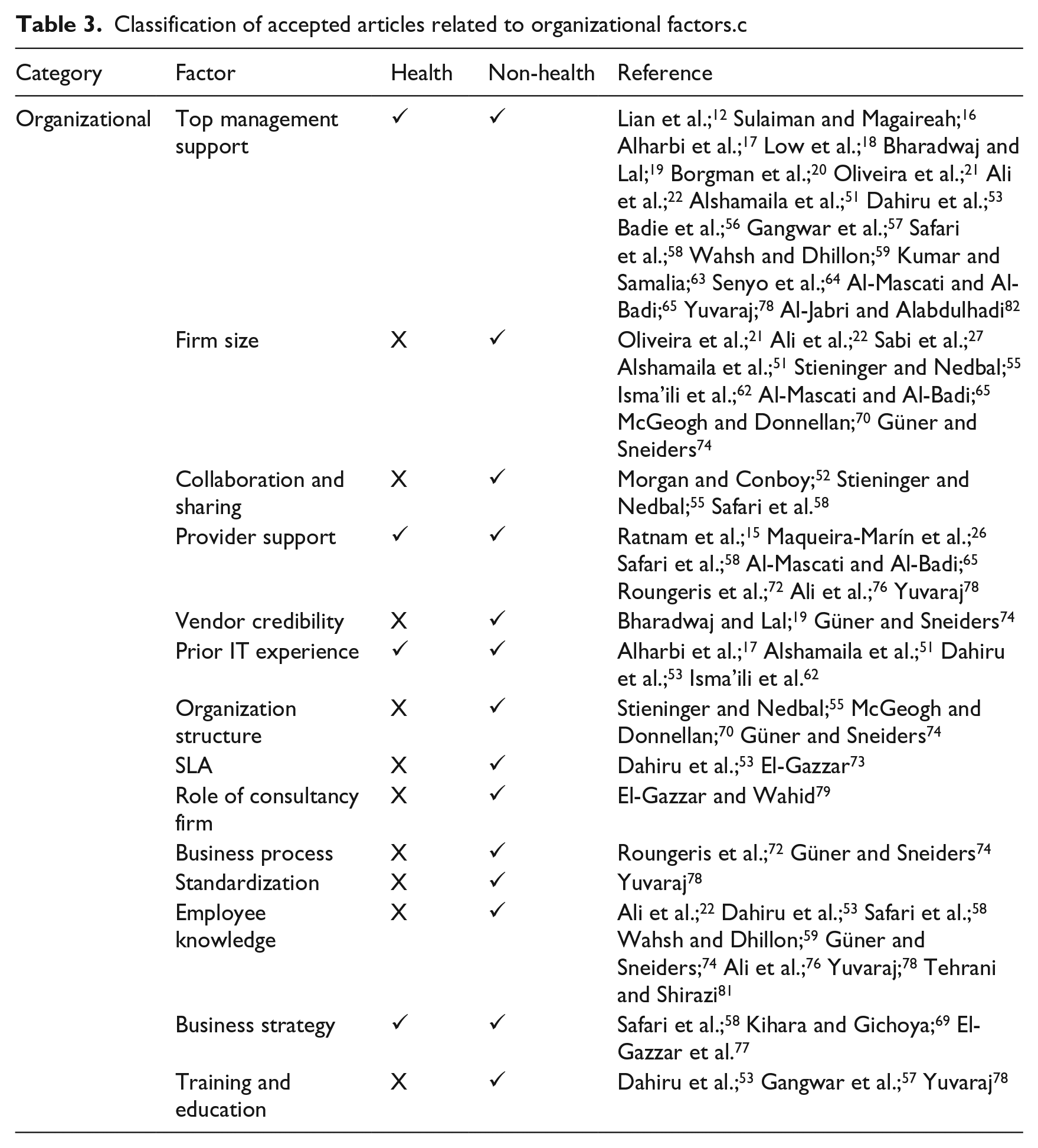
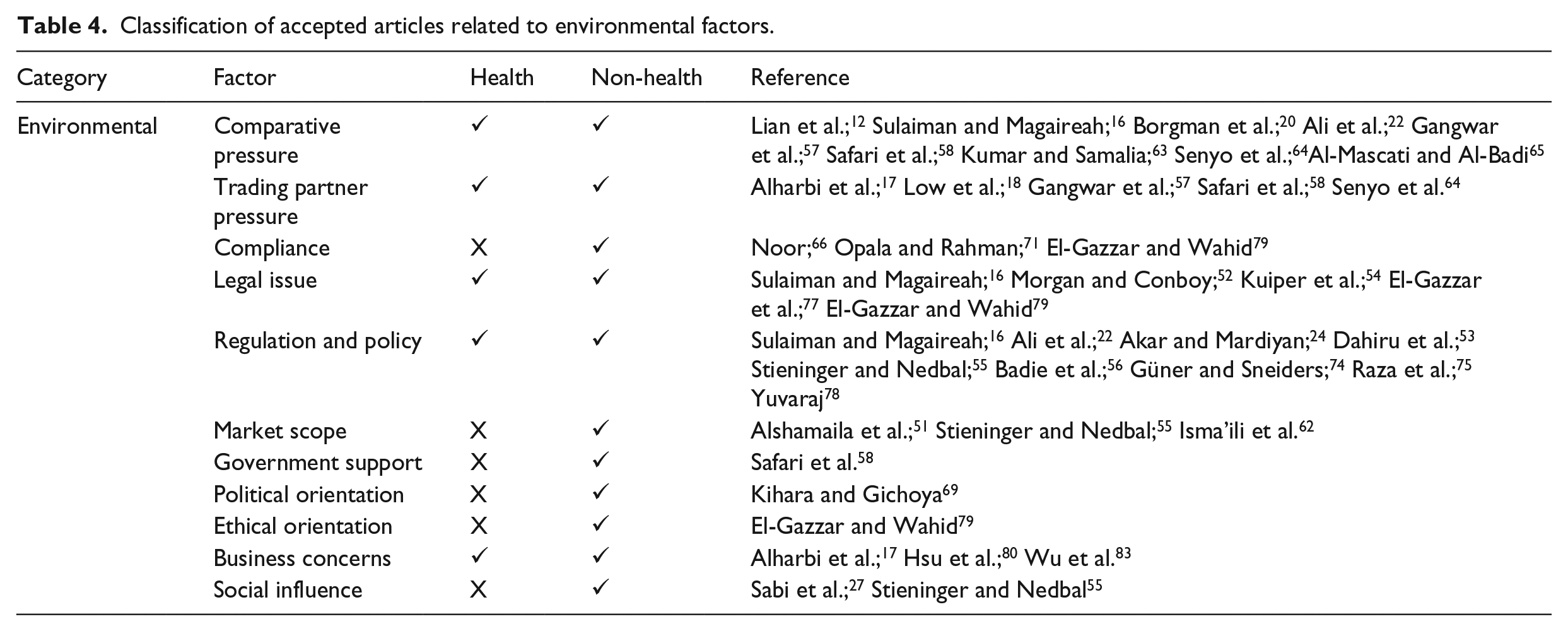
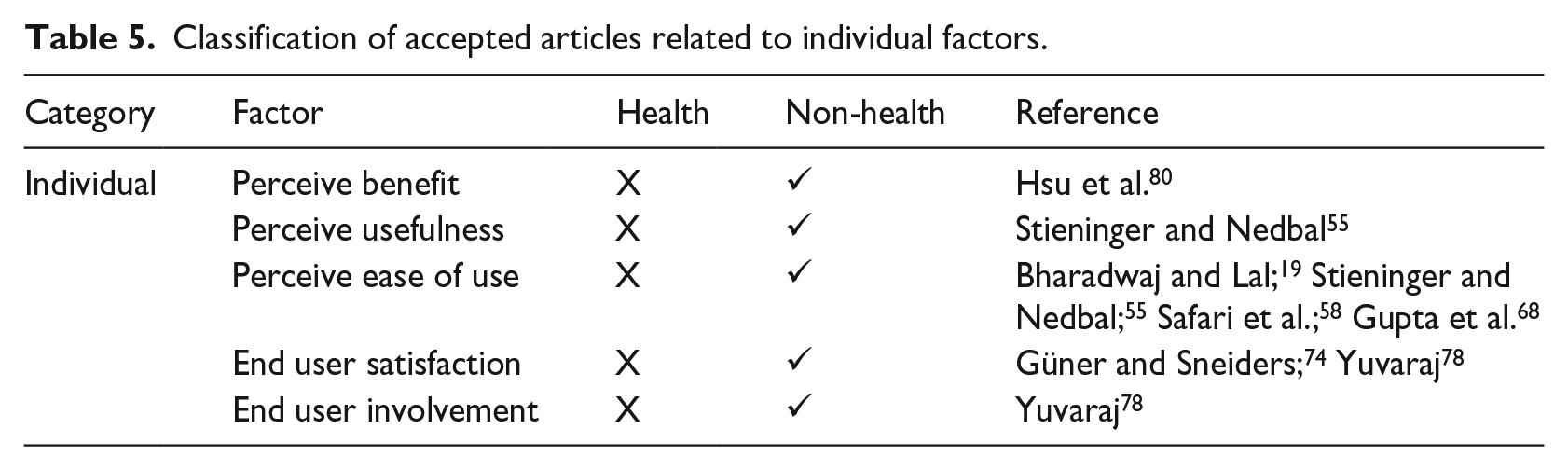
The results of a detailed review of the factors affecting cloud adoption in the organizational field in both the health and non-health sectors were advanced and inspected. The categorization research framework was applied by considering four directions: technological, organizational, environmental, and individual factors. The chosen articles for this study are delineated in Tables 2 to 5, based on the categorization research framework. Table 6 demonstrates the models and methodologies used in the selected articles.
Classification of accepted articles related to technological factors.
Classification of accepted articles related to organizational factors.c
Classification of accepted articles related to environmental factors.
Classification of accepted articles related to individual factors.
Models and methodologies used in health and non-health studies.
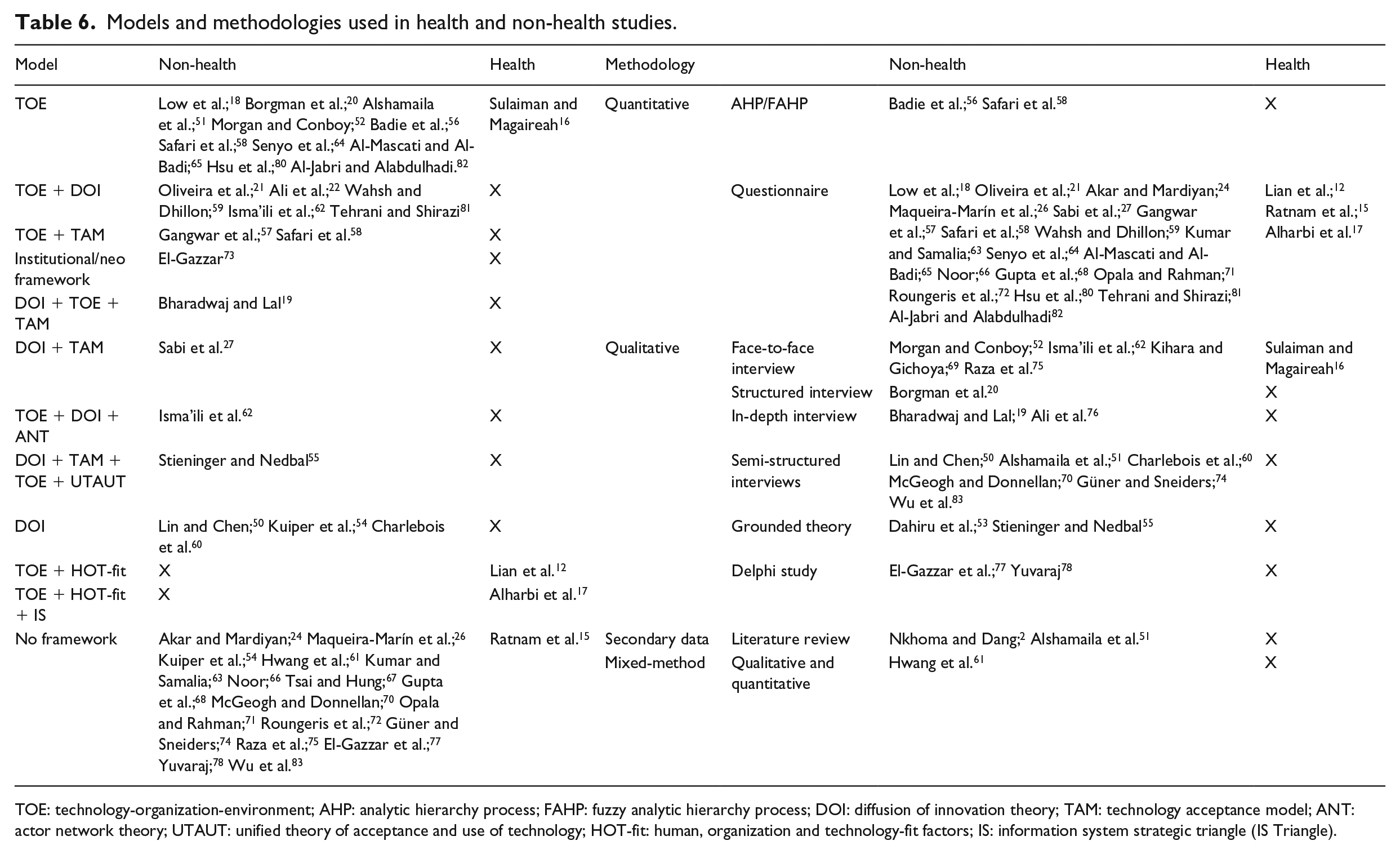
TOE: technology-organization-environment; AHP: analytic hierarchy process; FAHP: fuzzy analytic hierarchy process; DOI: diffusion of innovation theory; TAM: technology acceptance model; ANT: actor network theory; UTAUT: unified theory of acceptance and use of technology; HOT-fit: human, organization and technology-fit factors; IS: information system strategic triangle (IS Triangle).
In Table 2, the research identified the technological factors. Among these factors relative advantage, security, complexity, compatibility, technological readiness, privacy, cost, and reliability have the most frequency in both health and non-health studies. Factors such as availability, trial-ability, flexibility, observability, pricing model, customization, data sensitivity, data intensity, data loss, vendor lock-in, location of data and lack of Internet connectivity, trust, and interoperability were not discussed in the health sector studies.
In Table 3, the research identified the organizational factors. Among these factors, top management support, provider support, prior IT experience, and business strategy were the most frequently cited as organizational factors in the health and non-health sector studies. The factors not examined in health are shown in Table 3.
In Table 4, the research identified the environmental factors in health and non-health studies. Among these factors comparative pressure, trading partner pressure, legal issues, regulation and business concerns have the most frequency in both health and non-health studies. Factors such as compliance, market scope, government support, political and ethical orientation, and social influence were not examined in health sector studies.
In Table 5, the research identified the individual factors. Based on the research findings, these individual factors were not studied in the health sector and, according to the efficiency of these factors, they could be evaluated by an empirical study.
Research on cloud computing adoption has led to the creation of models, frameworks, and ultimately new knowledge, which aid in technology adoption from different perspectives. So far, researchers have used many theories to analyze the acceptability of cloud computing, which can increase their use and provide IT managers with the necessary guidance on the use of cloud computing to meet the processing needs of their organizations. 84 Some of the adoption theories are Theory of Reasoned Action (TRA), Technology Acceptance Model (TAM), Diffusion of Innovation Theory (DOI), Technology-Organization-Environment (TOE), Unified Theory of Acceptance, and Use of Technology (UTAUT).
TRA is based on the assumption that individuals will act reasonably. They collect and evaluate all available information about the target behavior on a regular basis, consider the effect and outcome of the actions, and then decide on their own reasoning of whether or not to carry out the action. 85 TAM was introduced by Davis in 1986, based on TRA for modeling the topic of information technology adoption by users. The model provides an explanation of the factors influencing computer acceptance by users; it is a model at the level of individual factors and considers the factors of perceived usefulness and perceived ease of technology use. 86 DOI considers the diffusion of innovation as a specific type of communication process, in which a message about a new idea is passed from one person to another in the social system. In this theory, it is assumed that the acceptance rate is determined by the perception of individuals about the characteristics of an innovation. 87 UTAUT is a model of technology adoption that aims to achieve a unified view of user acceptance. This theory consists of four components that influence technology’s willingness to use, performance expectancy, effort expectancy, social impact, and facilitating conditions. It helps managers assess the likelihood of adopting new technology within the organization and also identify factors that drive the adoption of new technologies. 88
The TOE framework is used to understand the critical factors affecting the application of new information technology in an organization. This framework encompasses the three main organizational, technological, and environmental factors that influence the process of applying technological innovation. 89 The HOT-fit model, which comprises four human components, organizational technology, and the environment, generally focuses on the adoption of information systems in hospitals. 90 Some studies have used theories of other domains in combination with these theories to investigate other variables involved. For example, the Information System Triangle in organizations is important for creating alignment between concepts such as business, organization, and information and to increase strategic and business value added to other frameworks such as TOE 17 or Actor Network Theory (ANT). It is used for the sociologic domain, describing the communication network between people, objects, and organizations and is capable of explaining heterogeneous networks from a technical and social point of view. 62 The neo-institution theory has been used as a tool to understand the impact of institutions on technology use and since the organization field is the most important issue for cloud adoption, factors such as government, vendors, CSPs, consulting firms, and business partners will be effective in accepting the cloud from this point of view. 29
Most of the selected studies used in this research study have used these frameworks, models, or theories to determine the factors affecting cloud adoption. For more details about the models and methodologies used in the selected articles in this research, see Table 6.
Table 6 illustrates that the TOE framework had the highest usage, followed by the DOI model. Furthermore, some of the selected articles used a combination of or more than two models—such as TAM, ANT and UTAUT—as the research model, while other articles did not use the preliminary framework or model and qualitatively extracted the relevant factors. In terms of methodology, quantitative methods accounted for the highest number and were generally based on questionnaires. The analytic hierarchy process (AHP) and fuzzy analytic hierarchy process (FAHP) were the other quantitative methods used in the articles. The qualitative methods used were interviews that were held utilizing various modes—with semistructured, structured, in-depth, and face-to-face being the most frequent methods. Other qualitative methods were also used, including Delphi and grounded theory study. Mixed methods had the lowest frequency of use.
Figure 4 outlines the general number of chosen articles over the years that the researchers examined in this review, while Figure 5 categorizes the countries in which research articles were published on subjects related to the adoption of cloud technology and other closely related topics. The appropriation of the chosen articles by database sources is displayed in Figure 6.
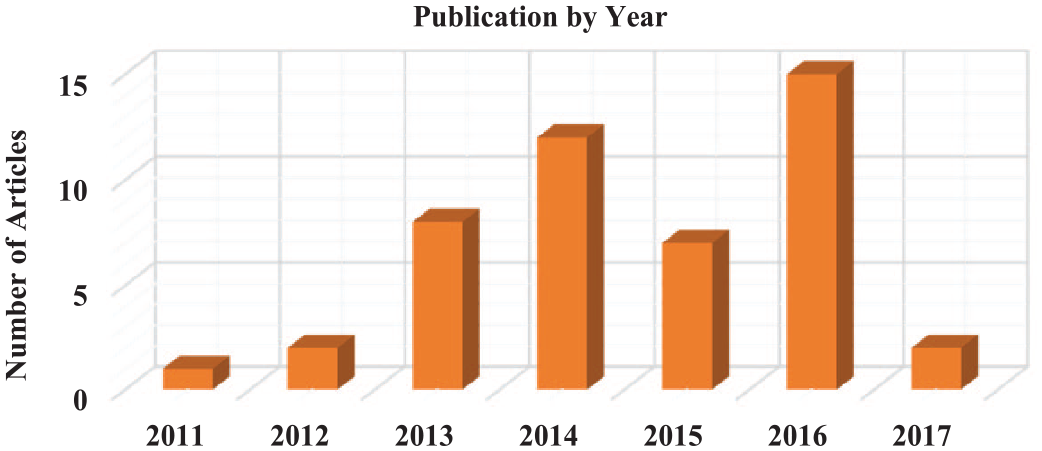
Publications by year.
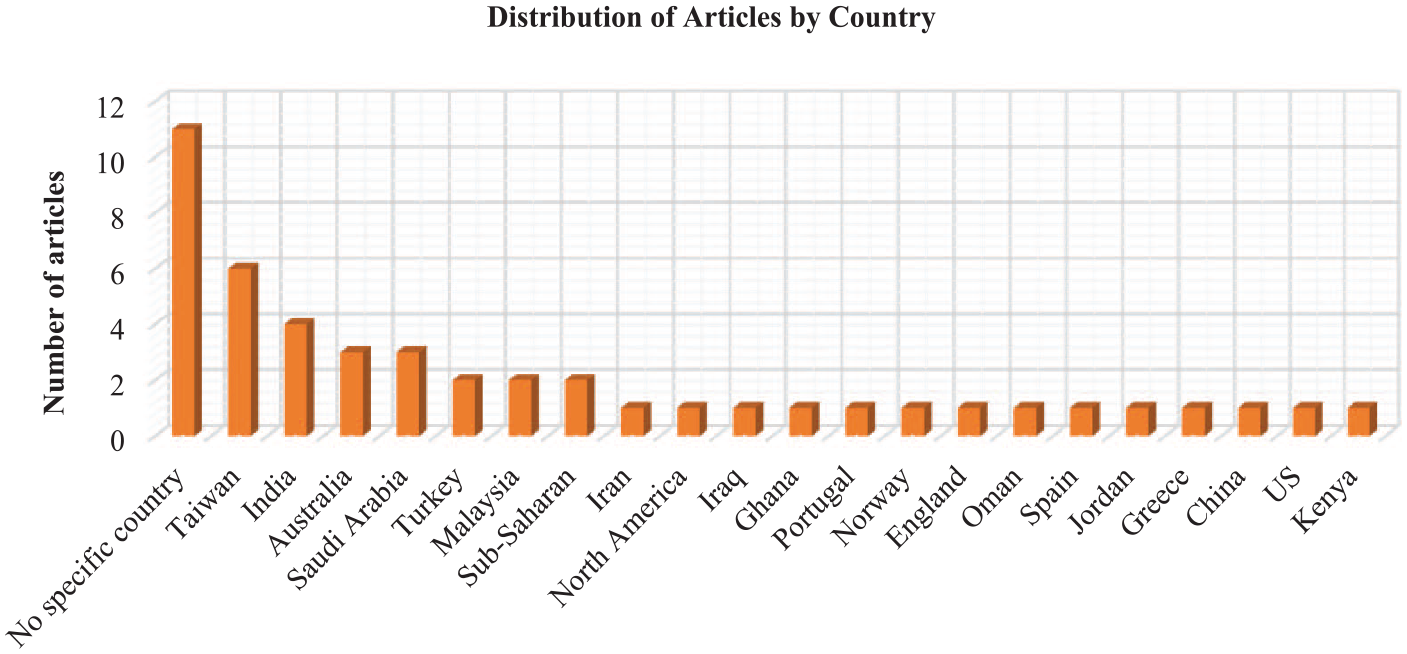
Distribution of articles by country.
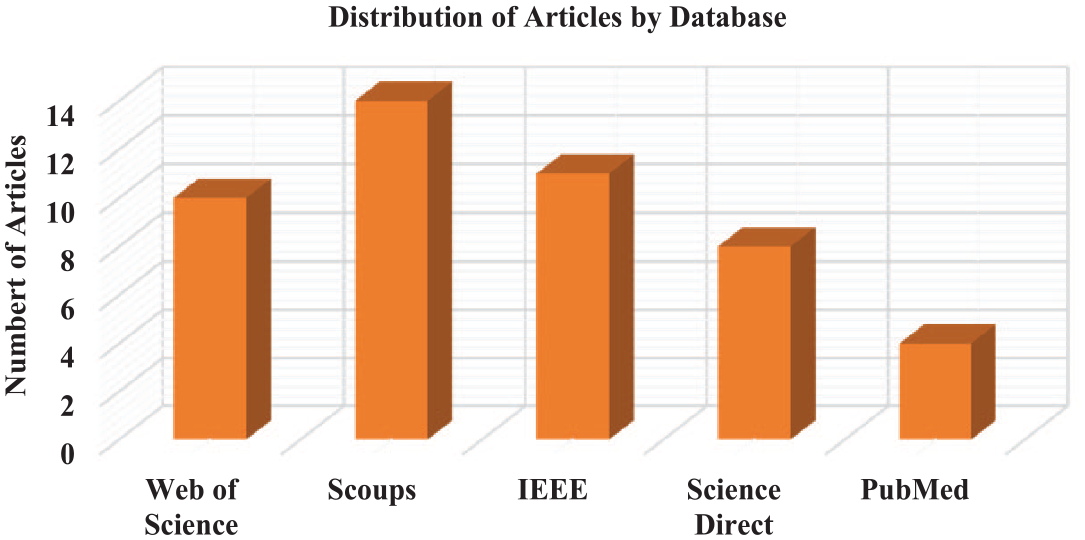
Distribution of articles by database sources.
The research topic is organized into four directions—technological, organizational, environmental, and individual—which are the factors that likely influence the adoption of cloud technology in the health and non-health sectors. The quantity of articles published each year and related to each direction from the classification research framework is displayed in Figure 7. Thus, the aggregate number of articles published for technological factors is n = 43, organizational factors n = 34, environmental factors n = 30, and individual factors n = 9.
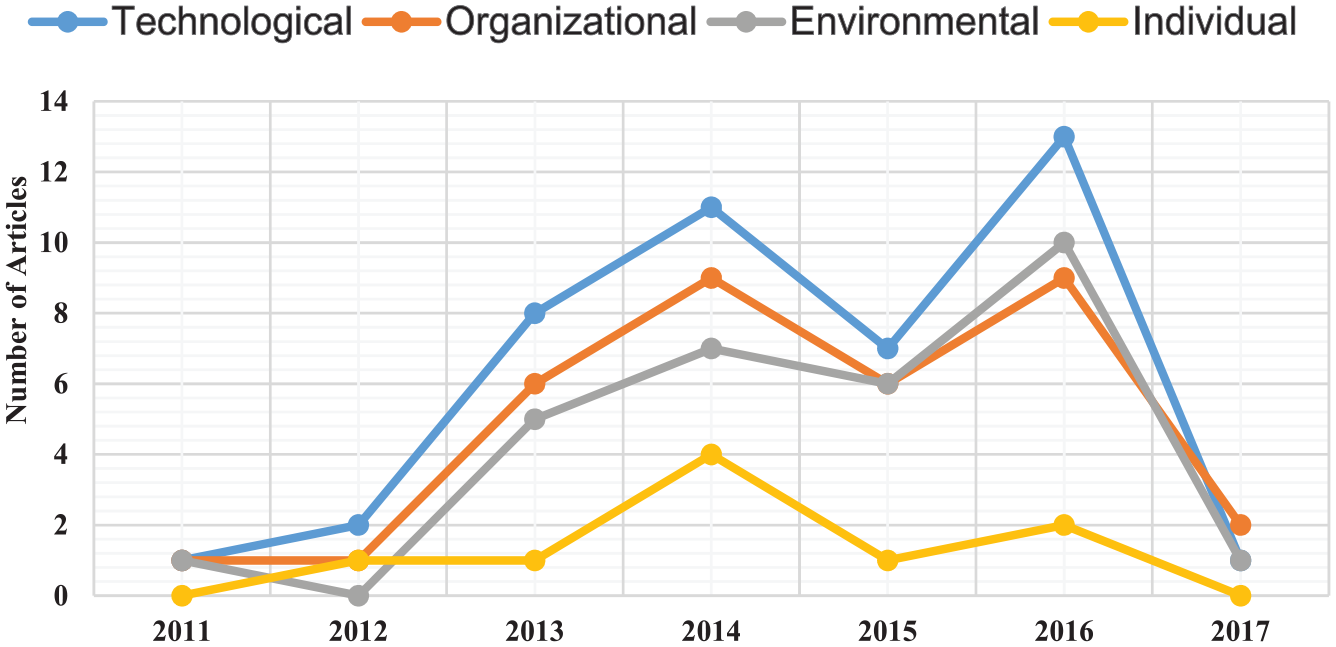
Research topics according to classification framework.
The distribution of the directions in the research classification framework per year is presented in Figure 7. Studies of cloud technological, organizational, and environmental factors surrounding the health and non-health sectors have decreased since peaking in 2016, while studies of individual factors in cloud technology appear to remain steady, except for a slight rise in 2014, and then back to the previous level in 2015—this demonstrates a very positive outlook with regard to the adoption of cloud technology in the health and non-health sectors. We next present research discussions stemming from our findings.
Research discussion
In this study, the authors endeavored to identify the factors affecting cloud technology not previously studied in the health sector, by comparing studies in the health and non-health sectors. According to the study results, the TOE framework showed the highest usage in studies of cloud technology adoption in the non-health sector. The mentioned framework investigated the factors affecting cloud adoption in the three areas of technology, organization, and environment. This framework has been used extensively in health studies which, together with HOT-fit, seem to have the ability to explain the factors affecting cloud adoption in the health sector. This model is directly focused on the use of information systems in health organizations. In contrast, Güner and Sneiders 74 believe that the use of frameworks such as TOE and DOI would limit the results of the predetermined factors, so they perceived that factor identification studies should be conducted without considering a basic framework. The use of exploratory studies, without being limited to initial frameworks, could also help researchers identify the effective factors affecting cloud technology.
The set of factors obtained from comparing health and non-health studies, together with those less frequently discussed in the health sector, is discussed later in this article to provide a reliable guide for decision-makers in the health sector.
Technological factors
The most effective technological factors were classified into three categories. The first category included those related to specific cloud technology capabilities such as availability, trial-ability, flexibility, observability, and customizability. The second category included factors related to cloud storage, such as data sensitivity and data intensity. The last category included factors inhibiting cloud adoption such as data loss, vendor lock-in, data storage location, lack of Internet connectivity, trust, and interoperability. Each of these categories is discussed in detail in the following sections.
Factors related to cloud capabilities
According to Noor, 66 the major factor affecting the adoption of cloud technology is the availability of cloud services. This has resulted mainly from the failure of known CSPs and the inactivity of commercial websites. These facts make a strong impression on customers. It was recommended that CSPs pay special attention to availability so that customers can trust the availability of services anywhere and at any time. 66 CSPs need to provide less expensive services with high availability to encourage clients and win their confidence. 65 In fact, the short life of an innovation may lead to uncertainties about it, hence CSPs should communicate with customers and resolve any ambiguities about the innovation in order to create a healthy environment for cloud adoption. 51
Concerning the health sector, high-level decision-makers who are considering cloud technology should pay special attention to the provider’s history of providing cloud services since the nature of health services requires the use of high-availability services. Availability refers to the accessibility of resources, hence, it is recommended that cloud technology not be used in sensitive patient care areas due to availability and outage problems; in contrast, the areas of education, follow-up, consultation, and informatics could be more suitable for the use of cloud technology. Therefore, managers of health organizations should pay more attention to the availability of CSPs that can provide cloud-health services.
In studies of non-health sectors, flexibility has been studied from the technical and organizational perspectives. From a technical perspective, it refers to the ability of cloud technology to allocate resources based on customer needs.25,53,72 From an organizational perspective, flexibility could be effective in the economic, process, professional, and market areas of an organization, with no difference in terms of the type of the service model. 19 Health organizations would benefit from the potential adoption of cloud technology because without it, it is necessary that the number of patients be estimated before each system is adopted. If the estimation does not yield satisfactory results, organizations will have to increase the number of servers, which in turn, will lead to increased costs. By employing cloud technology, organizations can utilize computational resources optimally, with the flexibility of cloud technology leading to economic benefits for health organizations. 91
When adopting cloud technology systems, managers of health organizations should pay particular attention to features such as the customizability of cloud services, which refers to the ability of cloud models and providers to provide services that meet the needs of users. 56 Due to the nature and diversity of health organizations with different users and service providers, the customizability feature is helpful for users to satisfy their needs. Cloud service observability is useful in observing cloud services and identifying the extent of innovation visible to users. 27 If health administrators and users realize the benefits of cloud systems tangibly, they will accept them more willingly. In addition, the similar feature of trial-ability entails the trial-ability functionality of an innovation 27 being considered as one of the major factors in adopting cloud technology. If customers are given the opportunity to test cloud technology before full use, their trust in it will increase. 51 In the same vein, the ability of organizations to test products affects their decisions to a certain extent. 65 If organizations can test their cloud systems before adopting them, their awareness of the products will increase. 79
CSPs will be more successful in attracting customers if they are able to make cloud services more observable, customizable, and trailable for users. In the same vein, health organizations can evaluate CSPs based on the mentioned criteria and choose the most appropriate services according to the specific needs of organizations, users, and patients.
One of the major benefits of cloud technology systems for health organizations is the pay-as-you-go payment model, which allows to pay only for the services used, with no need for buying hardware infrastructures, software licenses, or fulltime staff for equipment maintenance and security, since the provider covers all these aspects. 92
Factors related to cloud storage
Data sensitivity and information intensity are other data factors that influence cloud technology adoption. Organizational data sensitivity is based on criteria such as information accessibility, as well as the degree of confidentiality and unauthorized accessibility of the information; hence, the more sensitive organizational data are, the higher the possibility of errors by the provider endangering the organization. As a result, organizations with more sensitive data are resistant to cloud adoption. 58 Health systems contain sensitive information, so they are required to control secondary or unauthorized access to such information; however, cloud systems do not allow for such a control over customers. Health systems operate using mechanisms such as insurance, fines, and court actions against processes such as specific leakage areas (SLA): 76 therefore, using private clouds or hybrid models could be effective solutions.
Information intensity depends on how accurate, synchronized, relevant, and new information is supplied when the organization requires it. 22 This factor is quite important and useful in health organizations, owing to the sensitivity of the health system and the need for the most up-to-date information for the treatment, follow-up, and overall care of patients. Having the potential for providing information and ensuring supply of the latest information, cloud technology can exert positive effects on decision-makers to adopt this technology.
Hindrance factors
Trust is another significant factor in cloud adoption from the perspective of non-health studies. It is also one of the major reasons why many organizations resist the use of cloud technology. The concern increases when sensitive data and key programs of the enterprise are transferred to the cloud. 93 Therefore, the senior managers of health organizations should pay particular attention to this factor when adopting cloud technology. Fernández-Cardeñosa et al. 94 pointed out in their research that when health organizations intend to use cloud technology, they are advised to choose providers who guarantee the security and confidentiality of data. Health organizations must inform their patients that their data are being transferred to the cloud, as some patients may be dissatisfied about their data being controlled by a third party. Some researchers believe that legal frameworks and data security are among the major barriers to trust for healthcare providers. 94 When trust is developed between the customer and the provider, despite security concerns, the customer tends to accept the cloud. 51
Interoperability has been another intriguing and deterring factor in the non-health sector. This factor should be considered carefully by senior executives when adopting the cloud. If cloud services do not have the ability to adapt to current systems and systems of care facilities, they will not solve problems in the health system. 95 In order to use cloud technology services, healthcare organizations are required to integrate existing systems with modern cloud-based ones and standardize their own processes, such as the patient information process and its flow to the cloud. Software developers should collaborate with CSPs in order to use commonly used data models to design products for communicating with each other. Furthermore, they must comply with standards and legal frameworks such as HIPAA.92,95
Infrastructure such as network connectivity, broadband, fiber optic connectors, and electrical power supply is a major concern in non-health studies for adopting cloud technology.68,71 For instance, the upgrading of networks and Internet infrastructure in Saudi Arabia was one of the prerequisites for cloud adoption. Likewise, technical infrastructures such as power and bandwidth were believed to be effective in cloud adoption in Turkey, with this result being applicable to countries with similar economies. 73 It was suggested that cloud development in Turkey required the development and improvement of infrastructure with the partnership of the public and private sectors. 74 Having a powerful and accessible Internet connection and its related infrastructures feature among the major criteria for cloud adoption. 53
Some effective inhibitory factors not considered in non-health studies were data loss, vendor lock-in, and data storage location. Users may sometimes intend to transfer their data to another provider or to their internal infrastructure because the provider has stopped its activity. Many cloud infrastructures have the low possibility of establishing interconnection between data and applications, thus making it difficult to migrate from one provider to another, or to return to the previous infrastructure. 93 Most participants in the study conducted by Ali et al. 76 perceived data storage as a critical issue, with data retrieval from the cloud being considered vital for businesses. Losing data (i.e. clearing records without data backup) could cause irreparable damage. 76 Isma’ili et al. 62 in their research survey pointed out that the solution to the problems of privacy and security was to set up data centers inside Australia to overcome the lack of uniform international laws and lack of trust in laws of other countries. Based on the results of research conducted by Charlebois et al., 60 cloud adoption in health organizations is at the lowest level, except in large and international health projects. Researchers in the healthcare field are keen on using hybrid models for data storage in local environments, due to concerns such as security, confidentiality, and data loss while using the cloud. 60 In the health sector, due to the sensitivity of data, special arrangements should be made to meet the relevant challenges. These challenges include the development of legal frameworks for the data storage location, as well as determining the responsibilities of CSPs and health organizations for data security and data recording in the SLA. CSPs can resolve this issue by considering customer preferences in choosing the location of data centers, with this issue being mentioned in the SLA. 51 The use of advanced security techniques in accordance with international standards by CSPs could be an effective solution to such issues.
Organizational factors
In this section, the most effective organizational factors are classified into two categories. The first category entails factors related to providers, which include vendor credibility, examples of success, SLA, employee knowledge, standardization, and the role of consultancy firms. The second category entails factors related to organizations, including firm size, organizational structure, collaboration, knowledge sharing, business processes, training, and education. These categories are discussed in detail below.
Factors related to service providers
The provider’s reputation plays an important role in the successful acceptance of the cloud. Providers’ credits are usually guaranteed on the basis of licenses and certifications. 74 The CSP credibility improves with their experiences in meeting business needs and the fulfillment of their cloud promises, such as service quality, availability, and retrieval. CSPs can improve the acceptance rate by introducing successfully implemented cases. 73 Successful cases are the facts used by service providers as tools for developing the industry, with this issue being equivalent to the managers’ awareness of successful instances. Organizations can accomplish successful cloud adoption by identifying positive examples and benchmarking. 26 Since one of the essential steps in migrating to the cloud is the choice of a provider, the best providers for health organizations are those who work in the health system themselves, as they are aware of the legal frameworks of such organizations, including HIPAA, and can better follow the rules. 92
The knowledge level of decision-makers and staff has been a major factor affecting cloud adoption in studies of non-health sectors.22,24,53,57,58,68 The adoption of cloud technology is sometimes a time-consuming process because decision-makers are not aware of the factors affecting its implementation. 25
Thus, improving the knowledge and awareness of decision-makers and staff in the health sector can play a critical role in their decisions relating to cloud adoption. Service providers should focus their advertisements on improving the awareness of decision-makers and staff. 62 Activities such as offering training and obtaining permits for the implementation of cloud technology are among the most effective strategies to raise the awareness of managers and staff about new technologies.53,75
Information technology standards in the fields of security and interoperability are other important factors in cloud adoption and are the missing pieces in the cloud technology puzzle. To date, some efforts have been made to develop the security standards. For example, the Cloud Security Alliance (CSA) has formulated security guidelines for cloud technology to manage cloud risks. 73 The lack of standards for applications and the interoperability problem have made it difficult for companies to migrate from one platform to another—and this is considered to be a hindrance to cloud adoption. Therefore, standardization should be seen as a priority by CSPs and developers to reduce uncertainties and increase cloud adoption. 50 Using international standards, the control, update, and maintenance of systems will also improve 92 and enhanced access to medical records by doctors and other medical personnel will be facilitated. 91 In this case, developers and service providers of health-related cloud applications will provide better opportunities for migrating to the cloud. Furthermore, switching providers and platforms to decision-makers and senior managers in the health sector will improve by utilizing standardized programs.
Counseling firms in the adoption process facilitate the process by striking a balance between benefits, risks, national laws, and credentials. These firms help providers showcase their customer confidence using successful accounts of adoption. 79 According to Raza et al., 75 the lack of cloud-based business brokers is one of the reasons for the low growth of the cloud. The role of governments in creating and supporting such firms can be highlighted. Such brokers act as intermediaries and consultants in advising clients on legal and technical issues. 79 Health organizations can benefit from such entities, for they may not otherwise be able to make informed decisions about cloud adoption due to the insufficient knowledge of managers. Therefore, with the help of consulting firms, apart from being able to choose providers and services based on the type of the organization, organizations will use their advisory services in formulating their SLA and using the respective services. Any relationship between the provider and the client is documented using the SLA, with any relationship between the contracting parties in the cloud technology project to be governed by this agreement. 56 Health organizations need legal advisers to regulate the document so as to be able to anticipate and document all aspects, while elucidating providers’ tasks.
Factors related to the organization
While organizations derive considerable benefits from using cloud services, taking advantage of these benefits depends on the nature and size of the organization. One service model may not be appropriate for all organizations. For instance, an organization in its early stages of growth may benefit from one type of cloud services, but may need other types of services as it develops. 70 Cloud technology has led to the development of the market with small and medium-sized enterprises (SMEs), as these enterprises usually have fewer resources and less authority in the purchase and supply of IT infrastructures; hence, the “pay-per-use” model of cloud technology provides major benefits to these organizations. 20 In contrast, larger organizations with more resources are capable of adopting cloud technology. 22
According to the organizational structure, centralization and decentralization are designed in a way that the more diverse the organizational structure is, the more willing it is to accept the cloud; in fact, the organization’s staff undoubtedly needs more access to data anywhere at any time, and if cloud services help them in their goal, they will be more willing to accept it. 74 Cloud adoption in each organization depends on its nature and size. For example, if an organization is in the development phase, it will require a specific type of cloud service and, with the growth of the organization, the need for cloud services will also change. 70 This issue must be considered in the health sector as well. This sector has a large variety of services such as in-patient, outpatient, and nursing care—as well as various types of service providers such as physicians, insurance companies, and pharmacies that all need to collaborate with each other. Hence, before implementing any cloud system in the health sector, health managers should assess the organizational needs and identify the best service and deployment models according to the size and nature of the organization.
The results of research by Akar and Mardiyan 24 showed that organizational needs increase the necessity for cloud adoption. The technological needs of organizations increase in a global competitive environment, thereby necessitating organizations to actively change. One of the reasons that businesses use the cloud is that it serves their business requirements.24,50 One of the decisions of health organizations must be the selection of cloud services based on their own needs. For example, the needs of hospitals and small centers differ from those of larger hospitals; in the same vein, the needs of general service providers are different from those of specialized providers. Hence, the selection of service and deployment models varies according to the type of centers involved. Large hospitals benefit effectively from IaaS models (Infrastructure as a Service) and private clouds, while smaller centers benefit more from public clouds and SaaS models (Software as a Services).
Given the nature of cloud technology, IT managers are at risk of losing their role or job as a result of their organization in accepting a cloud system, where the control of activities is passed on to the provider. Thus, there is the possibility of changing their job, or of IT managers and staff having their employment terminated. This may lead to a scenario where IT managers fear the consequences of adopting cloud services because of the possibility of losing their positions. 52 One of the major reasons for fearing job losses is the personnel’s lack of knowledge in this sector, thus, education and raising their knowledge level seems necessary. 75 However, the personnel should be made aware that upon the transfer of some activities to the cloud, more time will be freed for the organization to focus on its core activities. 68 As a result, organizations will be more competitive, and the personnel will show less resistance to accepting the cloud. Before adopting cloud technology in health organizations, it is necessary that personnel be kept informed and trained to increase their acceptance and reduce organizational resistance to cloud services. Upon the transfer of major activities, health organizations will be more likely to focus on their core activities, namely, improving and caring for patients’ health.
Improving collaboration between people in the organization and sharing information are two expected benefits of cloud adoption. 58 When using a variety of cloud-based features such as computational science and engineering (CSE), collaboration improves in research teams, and cloud strategies lead to the elimination of overhead costs and allow for accessing any device inside the organization from any geographic location. 68 This factor is particularly beneficial in the healthcare system, since the treatment of patients requires collaboration between various clinical and para-clinical groups, and cloud technology improves the quality of care via timely data sharing. In addition to the treatment aspect, cloud technology creates more opportunities for the health system by providing enhanced communication and storage capability.
Environmental factors
From among the factors considered in the non-health sectors, government support and political decisions are the two influential factors considered in the field of cloud technology. Governments, by enacting laws, facilitate the adoption of the cloud. 73 In contrast, compliance can be a barrier to cloud adoption.66,71,79 Although cloud-related laws exist in developed countries, they are sometimes contradictory, and there are no legal frameworks for cloud technology in developing countries. 73 Such obstacles make it difficult for CSPs to act in accordance with the laws of the customer countries. Government policies can exert both positive and negative impacts on cloud adoption. Cloud technology promotion by influential people such as presidents may lead to its growth, while focusing on data security and major ICT project failures exert negative impacts on cloud adoption. A political decision to modernize the government will have a positive impact on cloud adoption. 54 A good example is Turkey, which upgraded its technical infrastructure with the help of political effort by both the government and the private sector. 74
If specific cloud technology rules are enacted, health organizations will undoubtedly benefit; however, due to the sensitivity of health data, the rules relating to this field should be addressed by the health sector’s stakeholders in relation to the transfer, storage, and dissemination of health data into the cloud, as approved and assured by the support of the government.
Other factors considered in the non-health sectors were found to be ethical factors and social influence. The ethical implications of cloud technology development in an organization should be integrated with the nature of its activities. Ethical decision-making about cloud-based data can be encouraged and promoted using entrepreneurial capacities and organizational learning: managers who intend to change their organizational culture must pay attention to the ethical aspects of cloud technology in order to raise people’s perceptions of the expected outcomes of the cloud and adopt a suitable advertising method to reach a higher rate of acceptance. 96 One of the major ethical aspects of the health sector is patients’ data. This is because of the sensitivity of data and the ethical challenges associated with the disclosure or loss of data—which may be high in the cloud environment. Based on the results of research conducted by Charlebois et al., 60 nowadays—except for large and international health projects—the adoption of cloud technology in the healthcare sector is at its lowest rate. Organizations are more concerned about issues such as cost, security, the loss of control over data, and the confidentiality of cloud data. Ethical aspects such as patients’ awareness of their health information storage, people having access to the information, and the possible use of their health information are generally evident in all areas of electronic health—all of which need to be considered in cloud technology. Therefore, health stakeholders should take into account the specific ethical considerations of health information, as well as cloud technology rules and policies that minimize harm to patients and other individuals involved at the time of enacting the laws.
In addition to ethical aspects, social influences must be taken into account. Organizations must consider the positive or negative images of the cloud as created by partners or the media, since such images play an effective role in the vision and understanding of managers and whether the cloud system is implemented or not. 58 Furthermore, cloud technology provides an opportunity for supporting managers, engineers, and vendors through developing new skills and working with new technologies, thereby leading to job improvement and enhanced satisfaction. 69 Health organizations can also use the cloud’s social impact to develop new skills among their staff. By encouraging employees to do so, they will not only obtain enhanced job satisfaction and development, but will also ensure the successful implementation of cloud technology in their organizations.
The market scope refers to the geographical distribution of organizations. The results of this study show that organizations that are internationally distributed are most likely to derive the benefits of cloud technology; in other words, the larger the scope of the business is, the more likely the demand for IT adoption. 64 The geographical distribution of health organizations depends on the type of rules governing each country. For instance, health systems that have many subsystems at the provincial, urban and rural levels are hierarchically linked to one another, as against private systems that can be linked horizontally. The cloud seems to be more beneficial for larger systems with more subsets. 64
Individual factors
Individual factors are among the major factors not studied, to date, in the health sector. These factors refer to the individual’s behavior toward new technologies in an organization and their role in the health sector. It can also determine and evaluate the impact on cloud acceptance. Models such as TAM, DOI, and TRA have been used for evaluating cloud computing adoption at an individual level in other sectors such as manufacturing and service, 21 education, 27 SMEs, 58 public sector, 54 genomic research, 60 local government, 22 and e-government,59,64 but these theories have not been used in health-related studies. Therefore, in future studies of cloud computing adoption in the health sector, these models can measure the individual factors that may be affecting cloud computing adoption in the health sector.
If users consider a technology beneficial, it will result in a positive effect in relation to cloud adoption. Furthermore, realizing these benefits is one of the most important factors in the process of cloud adoption in organizations. 80 Among the reasons that small and medium businesses (SMBs) and SMEs have adopted the cloud are ease of use, higher security, and confidentiality—which can be easily explained by the growth in the use of tablets and smartphones. 68 Due to the social impact of the cloud on the development of organizational skills, the resulting job satisfaction obtained by users can lead to increased involvement in organizational affairs.69,78
The factors mentioned above could potentially lead to an increase in cloud adoption in organizations. Top management in the health sector should pay particular attention to individual issues and initiate the implementation process relying on factors such as the usefulness of cloud technology. This will facilitate the use of this technology through both increased skills and job satisfaction. Users’ knowledge increases the level of collaboration and ultimately leads to the acceptance of cloud technology.
Implications and future research
Implications for research
In health sector studies, technological aspects were once considered to be the most significant features. However, in comparison with non-health sector studies, factors such as availability, trial-ability, flexibility, observability, customizability, data sensitivity, information intensity, loss of control over data, vendor lock-in, data storage location, lack of Internet connectivity, trust, and interoperability have not been discussed in health sector studies. When considering the nature of services provided by health organizations, the availability of services 24/7 is crucial. As a result of this requirement, factors such as availability and Internet connectivity are important aspects to investigate. Furthermore, Lian et al., 12 consider security as one of the most important factors in cloud adoption in the health sector to protect sensitive data within health organizations.
In relation to the organizational aspects, our review found that, to date, there are a number of factors that have not been discussed in health sector studies. These factors include firm size, organizational structure, collaboration, knowledge sharing, business processes, training, and education. Thus, it is important to pay attention to the service providers in the health sector. Top managers in health organizations should seek out CSPs with a history of working successfully in health organizations—which will occur more frequently as knowledge about cloud technology increases. In turn, increasing knowledge and awareness among managers about cloud technology will assist in the processes of selecting the appropriate CSPs.24,57,68,97 Due to the new wave of services that cloud technology provides to organizations, particularly those in the health sector, and also the lack of sufficient information for top managers and staff on cloud technology, the existence of consultant firms that act as the interface between the CSP and the client will be extremely useful. Hence, high-level health managers can support the establishment of such firms; moreover, the addition of qualified counselors to hospitals and other health centers and their care providers can offer legal and technical advice on cloud technology adoption.
By comparing the environmental factors within the health and non-health sector studies, the results of this review identified that top managers in the health sector organization should be involved in regulatory affairs, attract government support, and be the decision-makers in cloud technology adoption. Individual factors were among the areas that were not discussed in the health sector studies. Considering the important role of users in adopting new technologies such as cloud technology, health managers will play an important role in promoting adoption. Providing arrangements and incentives that will make it easy for users to use cloud technology will be beneficial through training and incentives, as well as increasing the degree of job satisfaction.69,78
Future research directions
According to the results of this review study, a comparison between both the health and non-health sector studies shows that the number of articles related to cloud technology adoption in health sector is very limited and the majority of articles cover the non-health sector. Also, the highest rate of these articles used the TOE framework to investigate cloud technology adoption. In health sector studies, this framework was also used individually or in combination with other models such as Hot-fit. On the other hand, there were a large number of articles that have not used any theoretical framework to investigate the factors that might affect the adoption of cloud technology in health and non-health sectors (see Table 6). Furthermore, this review study classified the factors into four different categories: technological, organizational, environmental, and individual factors. The results show that individual factors were not discussed at all in the health sector studies (see Table 5). Also, in the other categories there were many factors that have been studied in the non-health sector studies, but not considered in studies on the health sector.
As a result, the successful implementation of cloud technology in the health industry and the study of factors affecting adoption can be an appropriate topic for future research. Based on the results of this review study, future research should investigate the impact of the factors identified in non-health sector studies, but not considered in previous studies on the health sector. Furthermore, future research should use a combination of different theoretical frameworks to investigate and understand the diffusion of IT innovation—in particular the adoption of cloud technology within the health sector as recommended by different scholars such as Fichman, 98 Lyytinen and Damsgaard, 99 and Oliveira and Martins. 100
Limitation
One of the most important limitations of this research study is the lack of coverage of all relevant articles due to the scope of the study. As we focus on the organizational view of cloud adoption, some viewpoint in any other aspect may not have been included in our research. On the other hand, the low number of articles in the field of health makes it difficult to compare and generalize the results. However, as only English-language articles are included in this research study, some valuable and relevant articles may not be available in the current review.
Conclusion
This review study aimed to investigate the factors that are reported to affect the adoption of cloud technology in both the health and non-health sectors. The comparison of these two sectors provides a basis for health managers and researchers in the field of cloud adoption. Based on the results of this review study, four main categories of factors were identified: technological, organizational, environmental, and individual. This review study found that some identified factors were not considered in the health sector studies. These include availability, trial-ability, flexibility, observability, customizability, data sensitivity, information intensity, loss of control over data, vendor lock-in, location of data, lack of Internet connectivity, trust, interoperability, firm size, collaboration and sharing, organization structure, SLA, business process, standardization, employee knowledge, training and education, compliance, market scope, government support, perceive benefit, perceive usefulness, end user satisfaction, and end user involvement.
In particular, trust, interoperability, vendor lock-in, and loss of control are all interconnected issues that can lead healthcare organizations to retreat away from the cloud if they are not resolved by providers. One of the most important solutions to improve the vendor lock-in problem is that providers follow standards across all service areas, so that if they are somehow able to share with each other, in addition to enhancing interoperability, organizations will be able to receive services from all providers and even change them if needed. So, in addition to keeping the organizations in control of their data, increased trust between the service provider and the organization is needed. 101
Security toward the cloud is one of the most important concerns of healthcare providers, so the trust issue should be seriously considered by providers and health managers. That is, while CSPs gain the trust of healthcare providers, managers in the next phase gain patient confidence. To increase trust between providers and their health organization, they must seek out reputable service providers, while at the same time trying their best to choose the most appropriate option. At this point, using consulting firms will be very helpful. Health managers should also ensure that patients are kept informed through proper training, in addition to providing general information on how data are stored. When health organizations pay attention to the provider’s years of service and quality of service, they will have less concern about the vendor lock-in issue, because reputable companies will allow customers to move to another provider because of the high standards.
Another important issue at the time of moving to cloud is setting a credible SLA by health organizations to be able to cover all aspects. Top managers at healthcare organizations are responsible to identify issues such as data storage location, and will not allow the provider to leave the country if necessary, using specialized legal advice. Because, of the different laws in other countries, healthcare organizations can either refuse to leave or only transfer to countries that are legally similar and trustworthy. Patients as key customers have a right to know where their data are stored, so caregivers must take into account patients’ rights regarding where they are kept and when they make a decision, and not allow servers to exit if there are legal restrictions by the provider.
The findings of this review study will help to address the gap in the literature relating to the organizational view toward cloud technology adoption in the health sector, while at the same time identifying strategies for future studies. The findings will also assist in clarifying ideas for health research and provide useful experiences from other sectors. To overcome the current slow rate of cloud technology adoption in the health sector, it requires adequate experience and decision-makers’ knowledge related to cloud technology adoption. The results of this review study can improve knowledge at the management level in the health sector and can be used as a guide for improved decision-making on cloud adoption.
Footnotes
Declaration of conflicting interests
The author(s) declared no potential conflicts of interest with respect to the research, authorship, and/or publication of this article.
Funding
The author(s) disclosed receipt of the following financial support for the research, authorship and/or publication of this article: This work was supported by Iran University of Medical Sciences (grant ID- IUMS/SHMIS-1394/ 9221563203).
