



Abstract
Reviews have become an essential part of consumer decision-making. However, the rise in fake reviews can lead consumers astray and provide misleading information to sell more products or harm competing brands. This study systematically analyzes 229 studies on fake reviews using structural topic modeling. The study outlines the antecedents, decisions, and outcomes (ADO) of fake reviews in marketing and summarizes the theories, contexts, and methods (TCM) used by research in this domain. Additionally, the study integrates the sender, message, channel, and receiver (SMCR) communication model with dual-factor theory to propose a comprehensive framework that categorizes marketing factors that contribute to or inhibit the creation and transmission of fake reviews along with their marketing implications. Finally, the study outlines opportunities for further research and provides equivalent recommendations for marketers and marketing researchers to deal with fake reviews.
Keywords
Introduction
Customer reviews significantly influence the success of brands and their products, with firms investing substantial resources in generating positive word-of-mouth to establish a favorable brand image and a strong brand reputation (Lozano et al., 2020; Mishra et al., 2018). Consumers often rely on these reviews for information about products before making purchase decisions (GlobeNewswire, 2022). However, the growing impact of reviews on consumer behavior has led to an alarming increase in fake reviews, primarily online, containing misleading information intended to damage brands and the integrity of e-commerce (Domenico et al., 2021; Lazer et al., 2018; Marciano, 2021; Mishra & Samu, 2021; Talwar et al., 2019, 2020; Visentin et al., 2019). The widespread use of the internet and social media, coupled with the proliferation of smartphones and instant messaging apps, has fueled the rise of fake reviews and the dissemination of false information, even targeting leading brands such as PepsiCo and Unilever, resulting in threats of boycotts (Lim, 2024; Luca & Zervas, 2016; Mishra & Samu, 2021; Nyilasy, 2019; Zhuang et al., 2018).
Fake reviews not only tarnish a brand’s image and reputation but also result in a significant reduction in brand equity (Berthon & Pitt, 2018; Fulgoni & Lipsman, 2017). They adversely affect consumers’ perceptions and attitudes toward brands, with research highlighting their critical impact on consumers’ psychological dispositions, brand equity, and firms’ financial performance (H. Li et al., 2020; Nyilasy, 2019; Talwar et al., 2020). Such negative consequences underline the urgency for firms and consumers alike to recognize and counteract the spread of false information in order to maintain the integrity of consumer opinions and market trust.
The pervasive issues of disinformation and misinformation, reflected in the rise of fake reviews, prompts a critical comparison with the phenomenon of fake news, revealing distinct characteristics in their focus, purpose, and context (Lim, 2024). In terms of focus, fake news is often presented as legitimate news stories, whereas fake reviews tend to manifest as false or misleading feedback or testimonials. In terms of purpose, fake news is often aimed at influencing public opinion on macro issues such as culture, politics, and social practices, whereas fake reviews tend to promote or criticize a brand or a product to improve sales or hurt competitors. In terms of context, fake news usually appear in the context of media and journalism and get spread over blogs, news websites, and social media such as instant messengers and social networking sites, whereas fake reviews manifest primarily within e-commerce platforms, online forums, and review websites. These platforms are places where consumers seek trustworthy information to make informed purchasing decisions. Unlike fake news, which often targets a broad audience, fake reviews are usually directed at potential customers, capitalizing on the reliance on peer evaluations in the digital marketplace. This specificity in audience and platform necessitates tailored approaches in identifying and addressing fake reviews. Such approaches must consider the unique behavioral patterns of consumers in online shopping environments and the subtle ways in which fake reviews can influence purchasing decisions. Recognizing these differences is crucial in developing effective strategies to combat disinformation and misinformation and protect the integrity of journalism and the marketplace. The contrast between the dissemination channels and targeted audiences of fake news and fake reviews highlights the need for distinct analytical tools and mitigation tactics in each domain.
While recent literature reviews on disinformation and misinformation exist, they predominantly focus on specific areas, such as the rise of false information related to recent events (e.g. COVID-19; Apuke & Omar, 2021), the methods of detecting false information (Walther et al., 2023; X. Zhang & Ghorbani, 2020), and the result of these methods on the dispersion of false information (Domenico et al., 2021). However, these reviews do not adequately address the distinct dynamics and impacts of fake reviews within the marketing context (Y. Song et al., 2023), leaving a significant gap that highlights the need for a comprehensive review centered on the marketing implications of fake reviews (Sahut et al., 2024).
Marketing is uniquely positioned to be affected by and address fake reviews due to its direct impact on consumer behavior (Lim et al., 2023). Theoretical frameworks such as the SMCR (sender, message, channel, receiver) communication model (Berlo, 1960) and the dual-factor theory (Cenfetelli & Schwarz, 2011) illustrate that marketing is fundamentally concerned with how messages are received and interpreted by consumers. This makes marketing particularly vulnerable to the influence of fake reviews. Furthermore, marketing strategies are inherently designed to build and maintain customer trust and brand loyalty among consumers (Atulkar, 2020), both of which are critically undermined by the presence of fake reviews.
The importance of addressing fake reviews in marketing is underscored by their profound impact on consumer behavior, a key pillar of marketing (Lim et al., 2023). Noteworthily, research indicates that more than 90% of consumers read reviews before making a purchase, and over 50% are willing to pay more for products from brands with positive reviews (GlobeNewswire, 2022). Furthermore, positive reviews can increase conversion rates by 190% for lower-priced products and 380% for higher-priced products (Spiegel Research Center, 2017). The prevalence of fake reviews can therefore severely distort consumer perceptions, leading to misguided purchasing decisions and eroding trust in brands (DataDome, 2024). Moreover, the industry is grappling with how to effectively manage and mitigate the impact of fake reviews without resorting to censorship. Censorship is not a viable solution, as 70% of consumers consider it a serious concern, potentially damaging freedom of speech and resulting in wasted resources, while over 60% of consumers would discontinue using review platforms if they were found to be censoring reviews (Trustpilot, 2024). Given that consumer trust is a cornerstone of successful marketing, any erosion in this trust due to fake reviews can lead to long-term negative consequences for brands, including decreased customer loyalty and diminished brand equity (Parris & Guzman, 2023).
These observations highlight the complexities marketers encounter when dealing with fake reviews, and thus, the absence of a systematic review of related studies on fake reviews from a marketing perspective, particularly a review that explains the marketing factors that contribute to or inhibit the creation and transmission of fake reviews along with their marketing implications, indicates a critical and significant gap in the literature. There is a need to bridge this gap in knowledge, offering marketers practical insights to mitigate the negative impacts of fake reviews on marketing-related metrics such as customer trust and brand loyalty (Chakraborty, 2019; Román et al., 2024). Addressing this gap is essential for developing a comprehensive understanding of the implications of fake reviews for marketing. With this understanding, marketers can develop more effective strategies for detecting and countering fake reviews (Chen et al., 2023), where the subtleties of consumer engagement and brand perception play a pivotal role (Chen et al., 2023; Lo Presti & Maggiore, 2023). Without such understanding, marketers are ill-equipped to formulate effective strategies to combat the negative effects of fake reviews, potentially risking their brand reputation and return on marketing investment (Lim, 2024).
Building on this necessity, a thorough review of fake reviews from a marketing perspective is essential to fully grasp their impact on consumer behavior, and consequently, on brand reputation and business performance (Chen et al., 2021; Lim, 2024). This review would explore into various facets, including the motivations driving firms and consumers to create or propagate fake reviews, the role of digital platforms in enabling their spread, and the tactics businesses can use to negate the damaging effects of fake reviews on their brands. Furthermore, a marketing-focused examination would offer valuable insights into consumer interactions with and perceptions of fake reviews, the factors influencing their vulnerability to such misinformation, and the long-term effects on consumer-brand relationships. It would also showcase the efficacy of current marketing strategies in detecting and mitigating the influence of fake reviews, providing a comprehensive understanding vital for strategic decision-making in the contemporary digital marketplace.
Given the above, the present review aims to synthesize existing research on fake reviews, identify gaps, and provide actionable insights for marketing professionals and researchers interested in combating the spread and influence of fake reviews. By conducting a rigorous review on the fake reviews literature from a marketing perspective, this study endeavors to bridge the aforementioned gaps, highlighting not only the theoretical underpinnings, contexts, and methods of past research, but also provide a more comprehensive understanding of this phenomenon within the framework of antecedents, decisions, and outcomes as recommended by recent scholars (Lim et al., 2022; Paul et al., 2021). Furthermore, this review will not only contribute to the academic discourse on fake reviews but also offer practical implications for marketing professionals and policymakers seeking to navigate the challenges posed by fake reviews in the digital age. Such a review will encompass various marketing-related aspects of fake reviews at the juncture where consumers and brands interact, emphasizing the ethical considerations and responsibilities of marketers in the era where infodemics are prevalent (Lim, 2024). Therefore, a thorough examination of the fake reviews literature, specifically through a marketing lens, is essential for understanding its multifaceted impact on brands, consumers, and the industry as a whole. Such insights would manifest through the present review that seeks to answer the following research questions (RQs):
RQ1: What are the antecedents, decisions, and outcomes of fake reviews within marketing?
RQ2: Which are the major theories, contexts, and methods available to study fake reviews within marketing?
RQ3: Where can future research explore to advance understanding of fake reviews within marketing?
Answering these RQs is vital as understanding the antecedents, decisions, and outcomes of fake reviews within marketing (RQ1) enables firms to devise preemptive and reactive strategies, enhancing their ability to mitigate the impact on consumer trust and brand reputation. Exploring the major theories, contexts, and methods (RQ2) deepens our comprehension of fake reviews within marketing, guiding the development of more sophisticated detection and management tools to safeguard brand reputation and marketing investments. Finally, identifying areas for future research (RQ3) not only highlights current gaps but also sets the direction for innovative approaches and interdisciplinary efforts spearheaded by marketing to address this multifaceted issue, ensuring the field’s ongoing relevance and adaptability.
This study presents a comprehensive synthesis of marketing research on fake reviews, encompassing insights from 229 published studies. In a departure from traditional methods, we have adopted the Scientific Procedures and Rationales for Systematic Literature Reviews (SPAR-4-SLR) approach (Paul et al., 2021), offering a more contemporary alternative to the established PRISMA methodology (Lim et al., 2022). This study explores the antecedents, decisions, and outcomes (ADO) of fake reviews within marketing, while also providing a detailed examination of the theories, contexts, and methods (TCM) prevalent in this field. To ensure an objective and comprehensive analysis, we have utilized structural topic modeling (STM; Roberts et al., 2019), a sophisticated text-mining technique, to systematically analyze the articles and extract prevailing research themes. This methodology not only reinforces the thoroughness of our review but also promotes an unbiased and data-driven exploration of the subject matter.
The remainder of this study is organized as follows. First, we discuss the methodological approaches of a framework-based systematic literature review and provide relevant details of the included studies. In the “What do we know” section, we present the antecedents, decisions, and outcomes related to fake reviews within marketing. Following that, the “How do we know” section offers details on the theories, contexts, and methods employed in research on fake reviews within marketing. Lastly, a conceptual and theoretical framework is proposed, accompanied by suggestions for future research avenues to approach and tackle fake reviews within marketing.
Method
This comprehensive study employs a systematic literature review methodology, utilizing the SPAR-4-SLR approach (Paul et al., 2021) and the ADO-TCM framework (Lim et al., 2021), supplemented with STM for text analysis (Kraus et al., 2022). This review aims to address the following questions: what is currently known about fake reviews, how has this knowledge been acquired, and what strategies should be implemented to combat these reviews within the marketing domain. Broadening the focus beyond the online context, the analysis acknowledges that fake reviews within marketing are not limited to digital environments, thus providing a more inclusive perspective on the issue.
Review approach
Utilizing a framework-based approach aids in the logical and systematic organization of literature review content, thereby enhancing the rigor, relevance, and overall impact of the review (Hulland & Houston, 2020; Lim et al., 2022; Paul et al., 2021). This study employs two organizing frameworks (Figure 1)—that is, the ADO (Paul & Benito, 2018) and TCM (Paul et al., 2017) frameworks (Lim et al., 2021)—to provide a comprehensive review of existing literature on fake reviews through a marketing lens. In the ADO framework, “A” represents antecedents, “D” stands for decisions, and “O” pertains to outcomes. Antecedents describe the factors that influence engagement or non-engagement in specific behaviors; decisions delineate the types of behavioral performance or non-performance; and outcomes encapsulate the consequences resulting from behavioral performance or non-performance (Lim et al., 2021; Paul et al., 2021). The TCM framework encompasses “T” for theories, “C” for contexts, and “M” for methods. Theories summarize the perspectives that scholars employ to guide their research, contexts outline the situations surrounding the investigation, and methods elucidate the nature of empirical evidence used to advance the research (Lim et al., 2021; Paul et al., 2021).
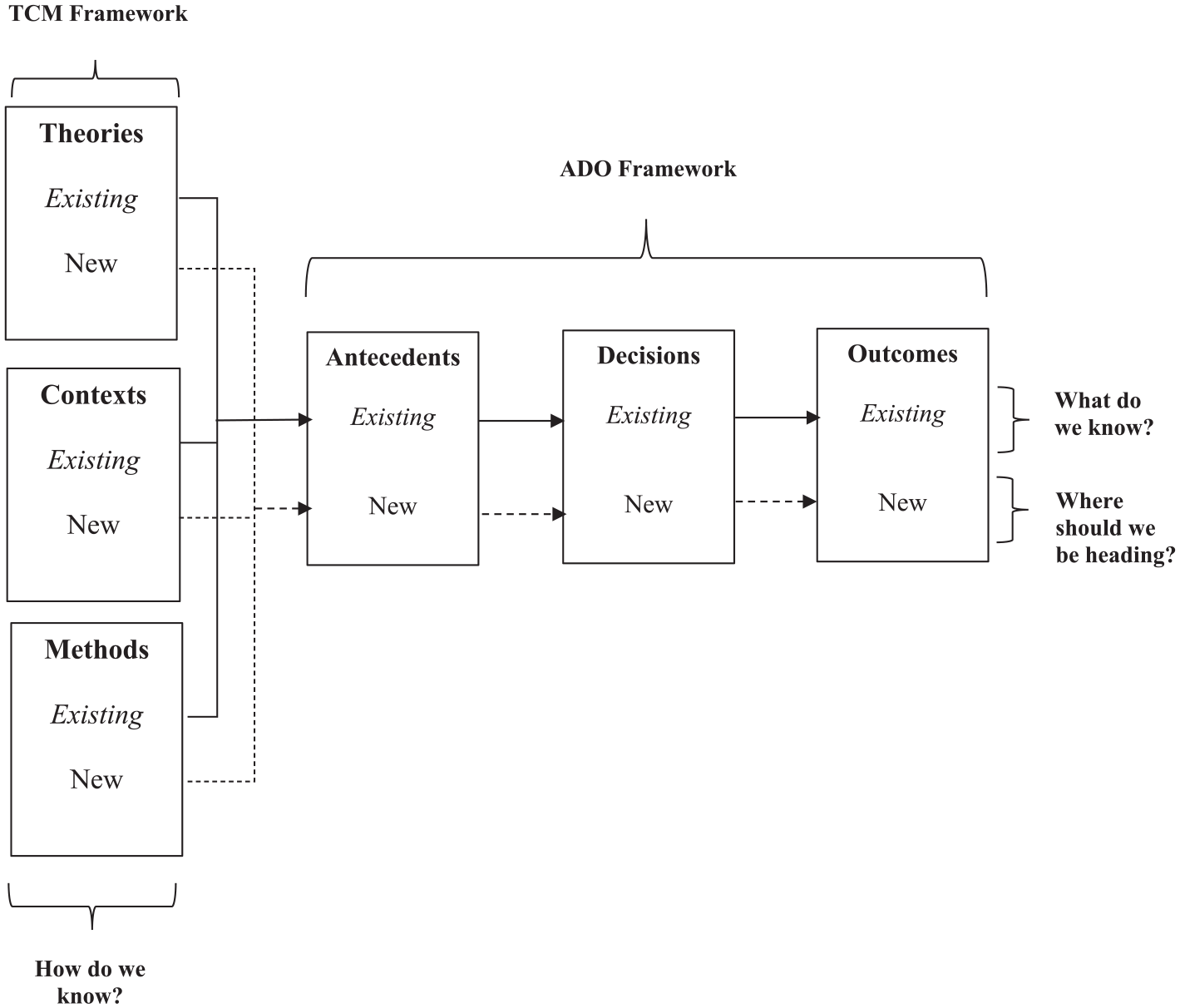
The integrated ADO-TCM framework adopted from Lim et al. (2021).
Taking a leaf from Lim et al. (2021), the integration of the ADO and TCM frameworks offers a dual advantage. First, the ADO framework effectively organizes data gleaned from prior studies, particularly in terms of identifying constructs and the relationships among them (Paul & Benito, 2018). However, the ADO framework may fall short in providing direction for future research, as it does not address the theories, contexts, or methods that could facilitate further investigation (Lim et al., 2021). Thus, the TCM framework compensates for this limitation by examining the foundations of past research (Paul et al., 2017), thereby assisting researchers with the necessary tools to continue their work in the field. Conversely, the TCM framework alone may prove insufficient for guiding future research due to its lack of contemporary content identification and collection (Lim et al., 2021). Consequently, both the ADO and TCM frameworks are employed to synthesize the existing literature on fake reviews—both online and offline—within marketing and to propose future research directions in this area.
Review procedure
The SPAR-4-SLR protocol proposes three sequential stages for conducting a systematic literature review: assembling, arranging, and assessing (Figure 2).
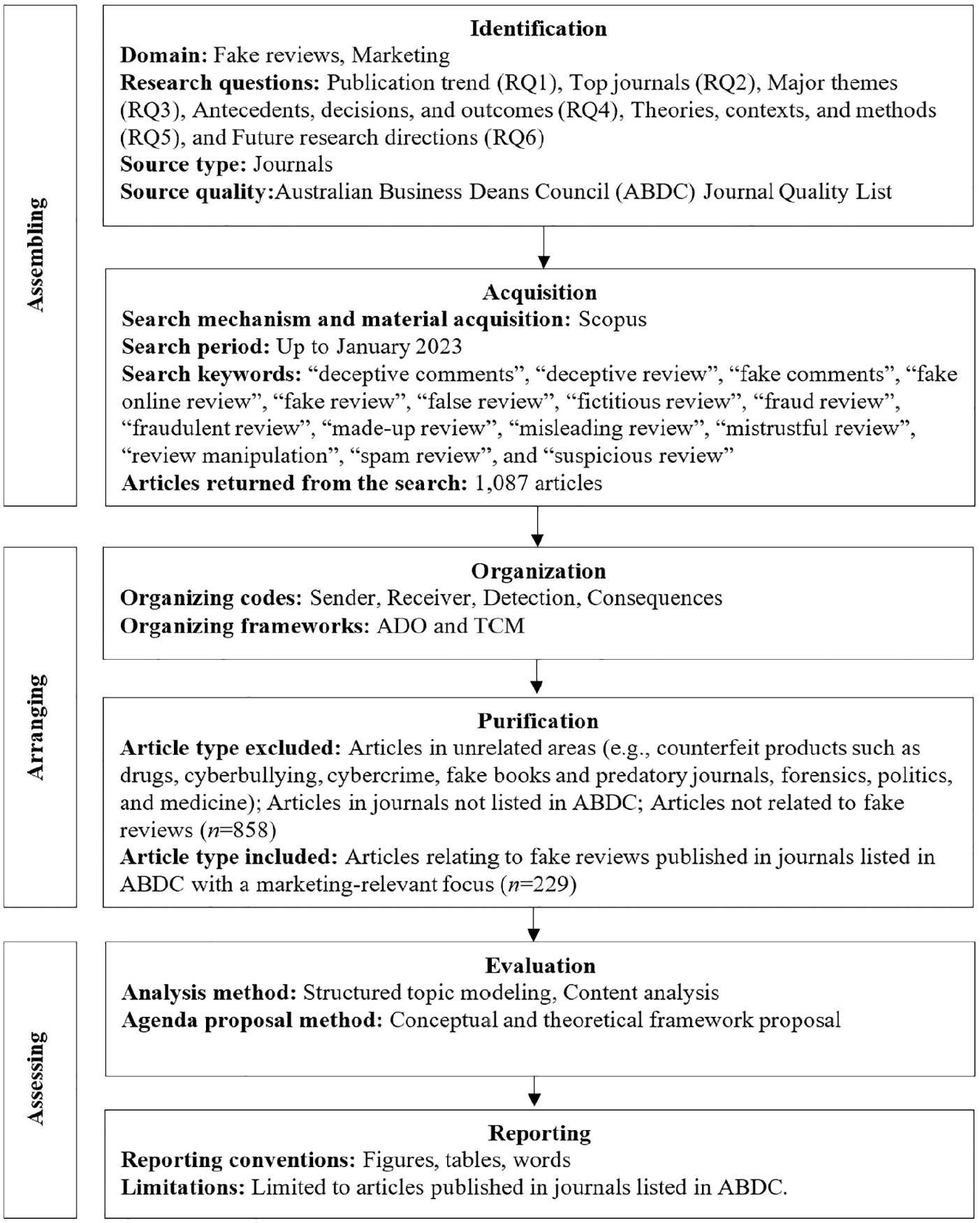
The review procedure adapted from Paul et al. (2021).
Assembling
The assembling stage consists of identification and acquisition (Paul et al., 2021). During the identification phase, articles related to fake reviews were located across various databases. The acquisition phase involved downloading articles for further analysis, considering five aspects: (1) source type, (2) source quality and relevance, (3) search engine employed, (4) search period, and (5) search keywords (Paul et al., 2021). Only full-length articles published in journals were included in this review. To ensure quality and relevance, a triple principle was adopted, where articles published in journals ranked on the Australian Business Deans Council (ABDC) journal quality list were considered relevant and of higher quality. The Scopus database was chosen for its extensive bibliographic and citation catalog of peer-reviewed research (Lim et al., 2021). This review considers all relevant articles up until the latest full year at the time of study (i.e. January 2023), providing a more extended analysis than existing systematic reviews on fake reviews (e.g. Domenico et al., 2021). The inclusion of recently published articles also offers timely insights into this field of study.
The following keywords, which were brainstormed among expert authors following reading a randomly selected list of articles on fake reviews and combined with the conjunction “OR,” generated the initial list of relevant studies: “deceptive comments,” “deceptive review,” “fake comments,” “fake online review,” “fake review,” “false review,” “fictitious review,” “fraud review,” “fraudulent review,” “made-up review,” “misleading review,” “mistrustful review,” “review manipulation,” “spam review,” and “suspicious review.” The search was limited to journal articles and reviews in English, with keywords restricted to titles, keywords, or abstracts. This stage identified a total of 1,087 articles.
Arranging
The abstracts of each article were examined for further refinement. Articles that did not have a marketing focus (e.g. consumer behavior, brand reputation and performance) such as those related to counterfeit products such as drugs, cyberbullying, cybercrime, fake books and predatory journals, forensics, politics, and medicine were excluded, leaving 858 articles for additional analysis. All these articles were reviewed, and articles that did not focus primarily on fake reviews were removed. The corpus of articles was further refined by excluding articles from journals not listed in the ABDC ranking list, resulting in a final selection of 229 articles.
Assessing
Following the methodology used in prior systematic literature reviews (Hudders et al., 2021), all 229 articles were coded to identify overarching categories of studies. The initial coding process identified four primary themes: source, types, detection, and consequences. The results of the initial coding were discussed, and subcategories were determined. Articles were then coded independently by each of author, yielding an inter-coder reliability of 96%. The final set of themes included: sources of fake reviews, types of fake reviews, message characteristics of fake reviews, diffusion channels, detection of fraudulent evaluations, controlling fake reviews, and the impact of fake reviews. The use of fake reviews specific to the COVID-19 pandemic was incorporated as a separate theme in the study.
Review profile
The profiles of the articles included in this review are disclosed as follows, mirroring the practice of revealing the profiles of cases or participants in empirical studies (Donthu et al., 2021; Lim et al., 2022, 2024).
Publication trend of fake reviews research
Figure 3 showcases the frequency of studies published on the subject of fake reviews within marketing, arranged by year. The first relevant study emerged in 2010, with the number of publications experiencing a significant increase from 2016 onward. This trend demonstrates a growing interest among researchers in understanding fake reviews and their influence on consumer behavior and brands.
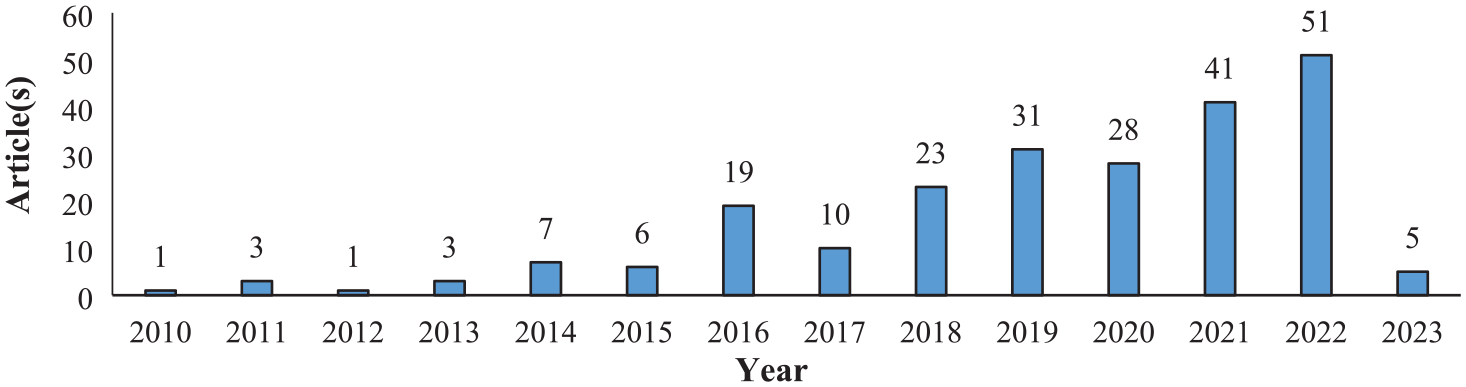
Publication trend of fake reviews research.
Journals publishing fake reviews research
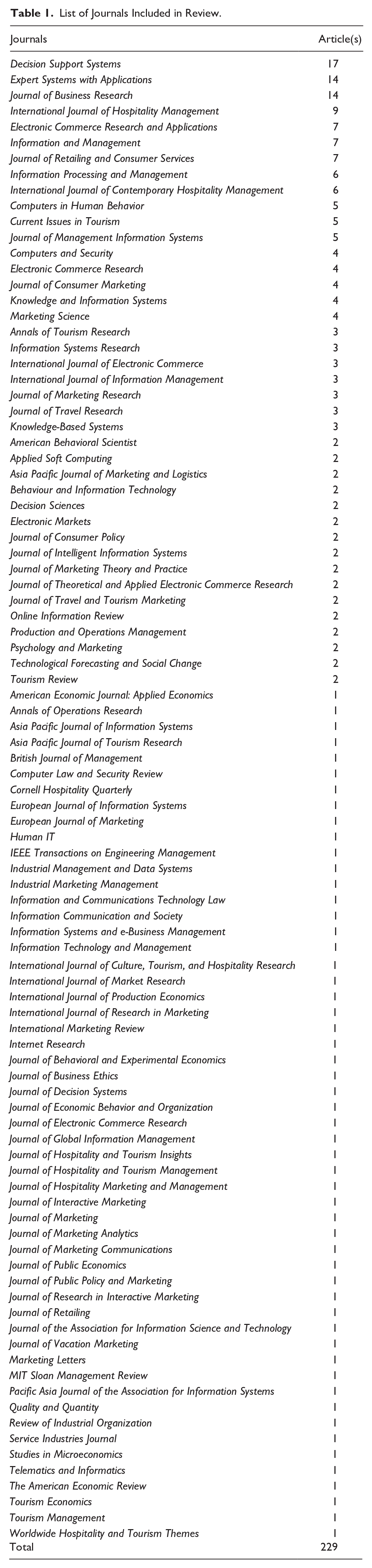
A majority of the articles on fakes reviews were published in journals focusing on information systems (IS) and marketing (Table 1). Some prominent journals featuring numerous studies in this field include Decision Support Systems, Expert Systems with Applications, Journal of Business Research, International Journal of Hospitality Management, Electronic Commerce Research and Applications, Information and Management, and Journal of Retailing and Consumer Services.
List of Journals Included in Review.
Major themes in fake reviews research
To identify the major themes in the existing literature, this study employs Structural Topic Modeling (STM) to reveal the key topics within the current body of knowledge (Kraus et al., 2023). Using STM, the top 10 keywords were determined for each topic based on both the highest probability (Highest Prob) of being included in each topic and the frequent yet exclusive occurrence of words (Frequency-Exclusivity or FREX) not shared by other topics. The FREX metric addresses the drawbacks of topic matching with the highest probability. FREX emphasizes words that are both frequent and exclusive for a particular topic (Sharma et al., 2020). The average semantic coherence and exclusivity scores for all extracted topics are provided in Table 2. Each topic was labeled by analyzing the semantic relationships between its words. The topics were mapped to the following broad themes: sources of fake reviews, types of fake reviews, message characteristics, dissemination channels, detection of fake reviews, control of fake reviews, consequences of fake reviews, and COVID-19 specific misinformation.
Themes Identification Using STM.
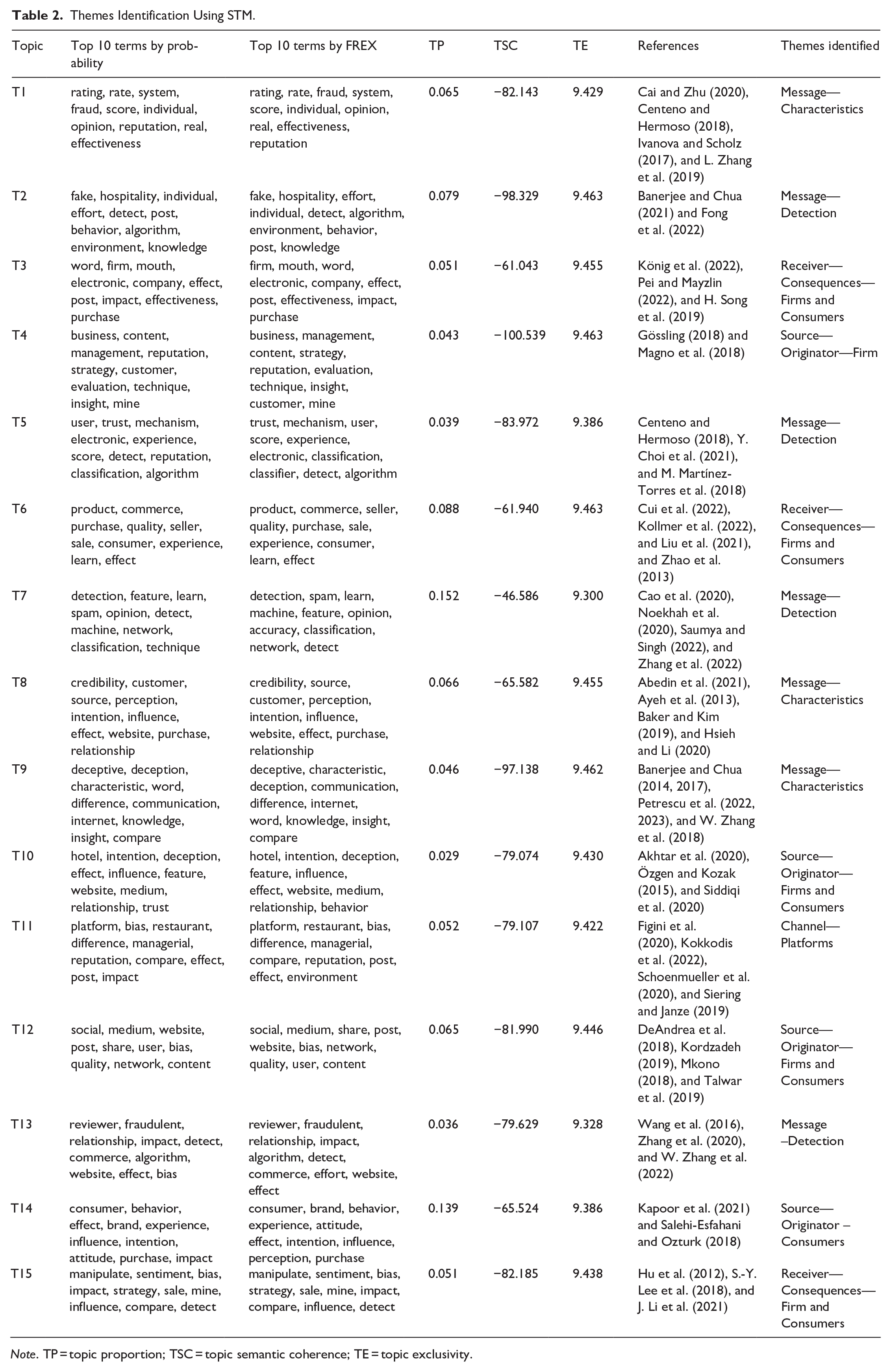
Note. TP = topic proportion; TSC = topic semantic coherence; TE = topic exclusivity.
Figure 4 illustrates the prevalence of topics studied over time. Topics 1, 3, 4, 5, and 15 have been extensively researched in the past, resulting in a declining trend in research on these topics due to their saturation. Figure 4 indicates that although a considerable number of studies have been conducted on Topics 6, 8, 9, 10, 12, 13, and 14, there remains potential for further research to be undertaken on these themes related to fake reviews. A growing interest and increase in publications are observed for Topics 2, 7, and 11.
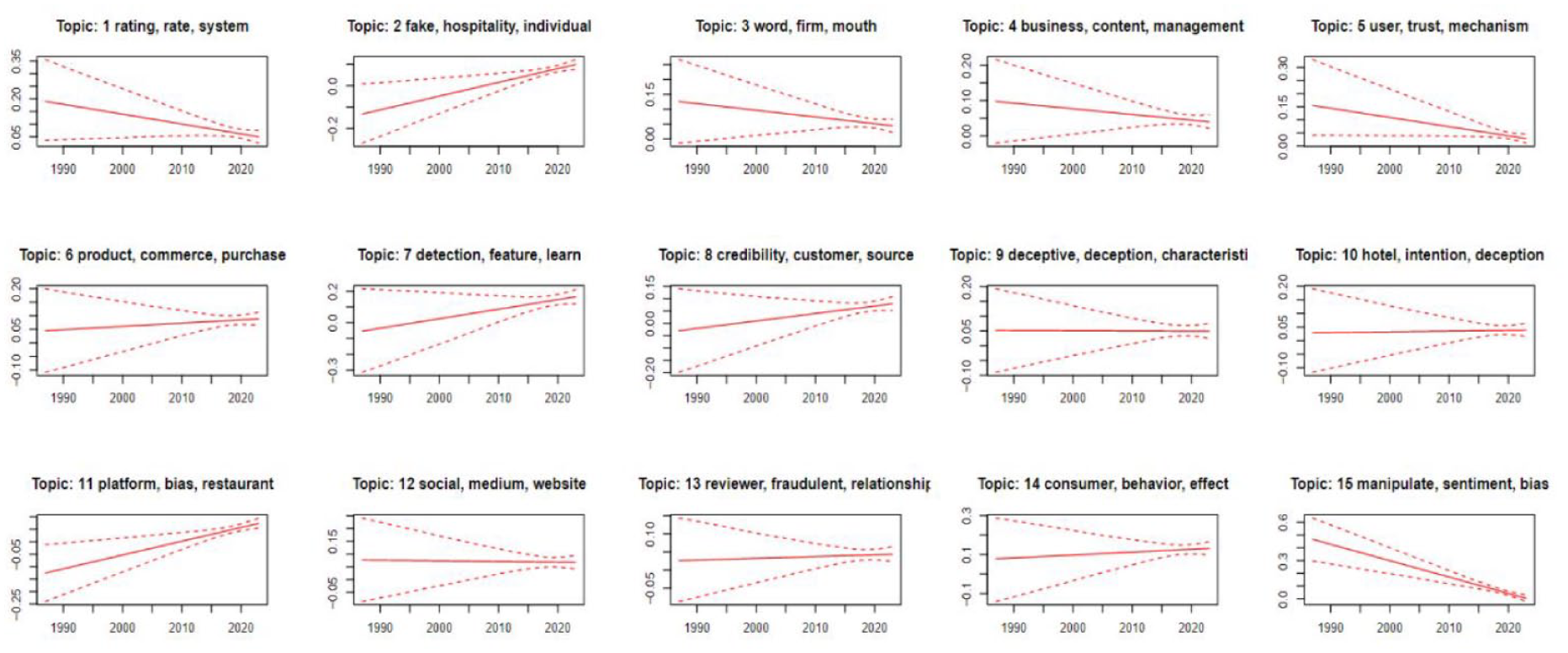
Topic prevalence of fake reviews research.
We also dive into the originators who contribute to the spread or mitigation of fake reviews, as well as the antecedents and outcomes of these reviews. The themes we present offer a comprehensive understanding of these features. A significant number of articles were focused on the detection of fake reviews by firms, consumers, or through the application of technology (e.g. Salminen et al., 2022). A comparable number of studies were grouped under themes of source, message characteristics, and the consequences of fake reviews.
The findings highlight the prevalence of fake reviews, which can negatively impact a brand’s reputation, as well as consumers’ perceptions and attitudes toward the brand. Consequently, firms are recognizing the ramifications of fake reviews and are investing time and resources to detect and control the dissemination of misleading information in order to minimize damage. Additionally, researchers have explored the creators or sources of fake reviews and have analyzed the underlying tone, characteristics, and linguistics of these reviews (Banerjee & Chua, 2021). A limited number of studies addressed the classification of fake reviews, which presents research opportunities related to categorizing or developing a typology for prevalent fake reviews.
A distinct theme was established to investigate the role of fake reviews in relation to the COVID-19 pandemic. A conceptual and theoretical framework illustrating various themes is presented in Figure 5 while an analysis using the ADO and TCM frameworks is summarized in Figure 6.
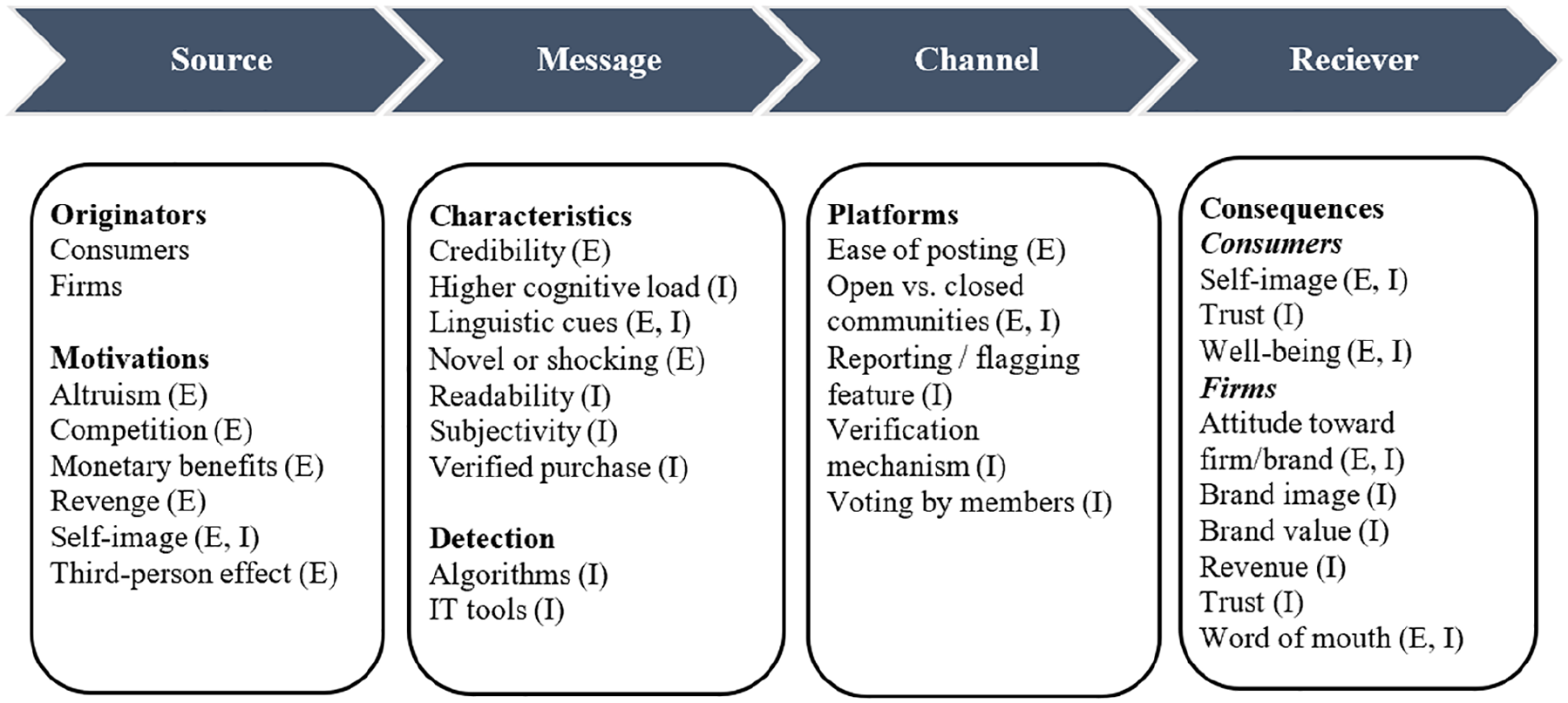
A marketing-oriented conceptual and theoretical framework of fake reviews.
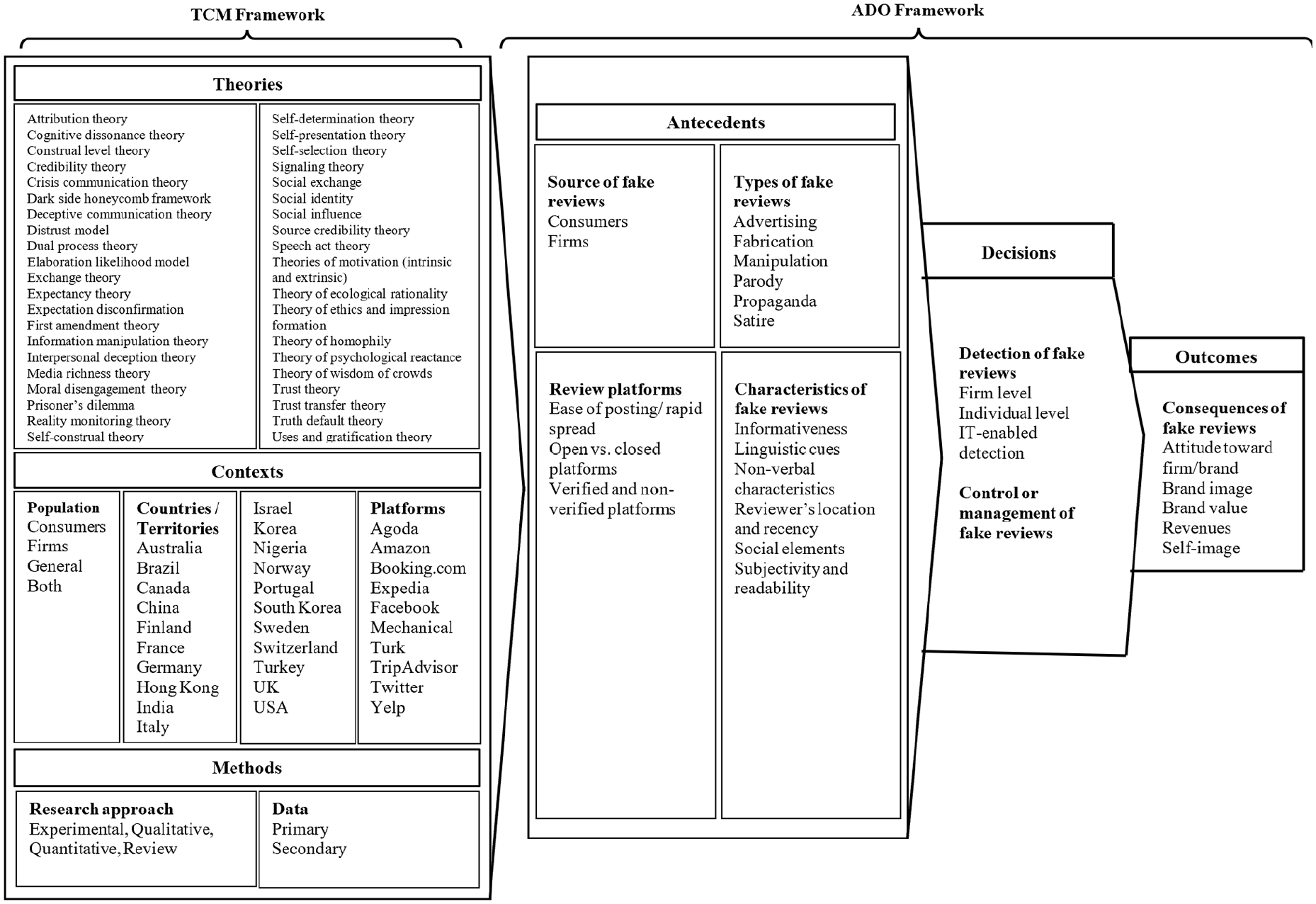
Overview of the ADO-TCM framework for fake reviews.
What do we know about fake reviews?
Antecedents of fake reviews
Sources of fake reviews
Online reviews play a significant role in influencing consumers’ purchasing decisions in the e-commerce industry (Ring et al., 2016). Although the majority of reviews are genuine, there has been a growing trend of review fraud and manipulation (Perez, 2016). Given the crucial impact of online reviews on sales and consumer purchasing behavior, it is essential to understand the motivations behind the creation of fake reviews (Rynarzewska, 2019). A review of previous studies suggests that fake reviews can be generated by either consumers or firms (Simonson, 2016).
Driven by various motives, consumers are responsible for a substantial portion of fake reviews (Rynarzewska, 2019; Talwar et al., 2019). Research indicates that multiple motives may interact when consumers review products online (Burtch et al., 2018; P. F. Wu, 2019). One reason consumers write fake reviews is to receive benefits such as free or discounted products offered by firms as incentives for posting positive reviews (S. Choi et al., 2017; Rynarzewska, 2019). Moreover, consumers may experience a sense of power when they manipulate reviews, believing they can control resources and outcomes in social relationships (Keltner et al., 2003). Monetary incentives (self-benefitting) and charitable incentives (other-benefitting) are also key motivators for the creation and posting of fake reviews (S. Choi et al., 2017). Additionally, consumers’ motivation for sharing fake reviews can be influenced by behavioral tendencies and the third-person effect. Consumers may be driven by a psychological need to keep their group members informed and maintain their alliances (Talwar et al., 2020).
In contrast, firms may be motivated to create fake reviews to preserve or enhance their image among consumers and improve the perception of their products or services (Ma et al., 2019; W. Song et al., 2020). Positive review deception by firms may be driven by concerns over reputation, while negative review fraud is often aimed at undermining the competition (Luca & Zervas, 2016). Firms like AMZTigers have even established large networks of reviewers, which they offer in the marketplace to create tailored reviews (Starling, 2021).
Types of fake reviews
The impact of various types of fake reviews on consumers’ beliefs can vary significantly (Domenico et al., 2021). Within the context of businesses, the type of fake review can influence the extent of control a firm has and its ability to respond with appropriate strategies. Some misleading claims spread more quickly and are perceived as more credible than others (Chaudhari & Pawar, 2021; Ferreira et al., 2019). For instance, sensational and unexpected claims about well-known brands such as Coca-Cola and Pepsi often gain more traction due to their widespread recognition and usage. Regarding consumers, a lack of knowledge about different types of fake reviews can lead to subjectivity in interpretation. Consumers may define fake reviews differently, which can result in the increased dissemination and belief in specific types of fake reviews over others.
Roles of review platforms
The platforms where online reviews are posted play a critical role in the spread of fake reviews due to their associated features (Domenico et al., 2021). One such feature is the ease of posting (Tandoc et al., 2018; X. Zhang & Ghorbani, 2020), allowing anyone with internet access to effortlessly submit a fake review (Tandoc et al., 2018). Another factor contributing to the diffusion of fake reviews is the lack of verification for content posted on platforms (Kokkodis et al., 2022).
Online platforms can take various forms, such as social media communities like social networking sites like Facebook, microblogs like Twitter (X), media-sharing sites like Instagram and YouTube, and knowledge sites like Wikipedia (Leung et al., 2013; Lim, 2024). In some cases, websites are specifically designed to spread false information for financial or political gains (Allcott & Gentzkow, 2017).
Differences in platform features can significantly impact the spread of fake reviews. A key distinction is between verified and non-verified platforms or systems. For example, Figini et al. (2020) examined the role of channels in affecting reviews by comparing Booking.com (verified) and TripAdvisor (non-verified). Non-verified platforms generally have higher average ratings, leading to potential bias. Consumers often find extreme scores (positive or negative) more useful, and thus, they may prefer reviews on non-verified platforms (Park & Nicolau, 2015).
Review platforms can also be classified as open versus closed platforms (Moon et al., 2019). Open platforms, accessible to anyone, can be easily manipulated by firms, resulting in more positive reviews and leading to sampling and false information bias (Koh et al., 2010). Groupism (in the form of echo chambers) occurring through social media platforms is another characteristic that promotes the spread of fake reviews (Kuehn & Salter, 2020). Typically, consumers read and share information that aligns with their beliefs and become active on platforms with like-minded consumers. This dynamic encourages the spread of fake reviews, as consumers are more exposed to and trusting of what others post on these platforms. The rapid spread is another feature that enables online platforms to play a crucial role in the distribution of false information (Xiao et al., 2019).
Characteristics of fake reviews
This section discusses the characteristics that distinguish fake reviews from authentic ones and how they impact consumer responses to these fraudulent reviews (H. Li et al., 2020; Plotkina et al., 2020). Understanding these characteristics can help in identifying fake reviews and subsequently limiting their spread. Several characteristics differentiate fake reviews from genuine ones. The first is linguistic cues. Fake reviews contain affective, cognitive, social, and perceptual cues that influence the psychological processes of readers (H. Li et al., 2020). In contrast to genuine reviews, fake reviews exhibit a higher cognitive load and are more elaborate (Toma & Hancock, 2012). The easier it is to identify psychological signals in fake reviews, the less likely readers are to believe them. The second is reviewer’s location and recency, wherein the location of the reviewer and the recency of online reviews significantly impact the prevalence of fake reviews (H. Li et al., 2020). The third is social elements, whereby reviewers who post fake reviews may attempt to bolster the credibility of their claims by fabricating stories involving social interactions with others. The fourth is subjectivity and readability. Fake reviews often contain subjective statements due to the reviewer’s lack of personal experience with the product or service (Ong et al., 2014). Consequently, fake reviews tend to be more general compared to genuine ones. Regarding readability, fake reviews are typically less readable as they often contain a higher number of complex words than genuine reviews (Budhi et al., 2021). The fifth is informativeness, which is a characteristic that refers to the amount of information contained in the review (Hamby et al., 2015). Informativeness depends on the product features, which can be classified as official or unofficial. Official features are noun phrases or nouns related to the product that are part of publicly available descriptions. Unofficial features, also consisting of nouns or noun phrases, are not part of the public product narrative. Genuine reviewers who have used the product will be aware of these unofficial features, which are generally absent from fake reviews (S. Liu et al., 2017). The sixth involves non-verbal characteristics, wherein factors such as the ratio of positive to negative sentiment, the number of valuable (or helpful) votes, and membership duration can also help differentiate fake reviews from genuine ones (Zhang et al., 2016).
In summary, the origins of fake reviews can be traced back to both consumers and firms. Consumers may be motivated by a range of factors, from financial incentives like free goods or discounts, to non-financial drivers such as a sense of power or altruism. In contrast, firms typically encourage the posting of fake reviews to enhance their brand image and positively influence perceptions of their products or services. Regarding the nature and impact of fake reviews, research indicates that different types of fake reviews exert varying levels of influence on consumers. Additionally, the platforms on which these reviews are posted significantly affect the speed and extent of their dissemination. Particularly, platforms that are open and lack stringent verification processes are more susceptible to the rapid spread of fake reviews.
Decisions in response to fake reviews
In the ADO framework, decisions serve as a response to antecedents and contribute to outcomes (Paul & Benito, 2018). This study highlights two primary decisions related to fake reviews: (1) early identification and detection of fake reviews and (2) implementation of control measures by firms to minimize potential damage.
Detection of fake reviews
Fake reviews have negative impacts on both firms and consumers, making it crucial to establish an effective detection system (Birim et al., 2022; Jindal & Liu, 2007; Plotkina et al., 2020). This detection process can be executed at either the firm or individual level (Arora & Chakraborty, 2020; Banerjee & Chua, 2021).
At the firm level, combating fake reviews involves a multifaceted approach employing various detection methods. Barbado et al. (2019) discuss the use of feature frameworks, which involve analyzing specific characteristics of reviews such as frequency, language patterns, and timing to identify anomalies that may indicate falseness. Another innovative approach is the individual-group merchant relation model, as proposed by Arora and Chakraborty (2020). This method examines the relationships between reviewers and merchants, looking for patterns that suggest inauthentic or unnatural interactions, which are often indicative of fake reviews. Additionally, firms are increasingly turning to the analysis of both content and behavioral features to recognize potentially fake reviews, a method highlighted by Budhi et al. (2021) and Zhang et al. (2016). Content analysis involves scrutinizing the text of reviews for signs of fabrication, such as overly positive or negative language, lack of specific details, or generic descriptors. Behavioral analysis, on the other hand, examines the patterns of reviewer activity, such as the frequency of reviews and the diversity of products reviewed, to detect irregularities that might suggest fraudulent behavior. These methods, when combined, offer a robust strategy for firms to identify and mitigate the impact of fake reviews. Employing a comprehensive approach that includes feature frameworks, relationship models, and content and behavioral analyzes, firms can enhance their ability to safeguard their online reputation and maintain the trust of their consumers in the digital marketplace.
On an individual level, certain factors such as a consumer’s personality traits and epistemic beliefs may bolster their ability to distinguish between fake and genuine reviews. Banerjee and Chua (2021) note this discernment capability, while Munzel (2016) suggests that both contextual and textual indicators can aid consumers in recognizing deceptive online reviews. However, it is important to note that human accuracy in detecting fake reviews is often no better than random chance. This limitation has prompted the development of more sophisticated solutions. Advanced software and AI-based algorithms, including the recently developed OpenAI GPT, are increasingly being leveraged to effectively identify fraudulent content. These technological tools, as indicated by Evans et al. (2021), Lozano et al. (2020), Saumya and Singh (2022), and Salminen et al. (2022), represent significant strides in the ongoing effort to combat the proliferation of fake reviews.
Control or management of fake reviews
The imperative for firms to actively control and manage the spread of fake reviews is clear. Control measures are not just reactive but strategic, enabling firms to regulate both the types and quantities of fraudulent reviews (DeAndrea, 2014). For example, Facebook’s acquisition of Bloomsbury AI in 2018 underlines a proactive approach to curbing inappropriate and inaccurate information on its platform (Deoras, 2019). Moreover, firms must transparently communicate their control strategies, providing justifications to maintain consumer trust and comply with legal standards (Shin et al., 2020).
Effective control methods include issuing consumer alerts to warn against violators (Luca & Zervas, 2016), scrutinizing reviewer profiles and review content for signs of fraud (Munzel, 2016), and collaborating with legislative bodies to strengthen regulations against the spread of false information, thereby offering legal shields for businesses (Malbon 2013; Mkono, 2018; Rinfret et al., 2022). A notable case is PepsiCo India’s successful legal action to remove misleading social media posts about their product, Kurkure, which served as a deterrent against the spread of disinformation (Mkono, 2018).
In addition, firms can assess the credibility of frequent negative reviewers to identify potential online trolling activities (Mkono, 2018; Schuckert et al., 2016). Analyzing a reviewer’s comment history and social connections is a key strategy in this regard (Vafeiadis et al., 2019). Another innovative approach is the implementation of reviewer reputation systems, requiring consumers to register and provide personal information, thereby enhancing the transparency and credibility of review platforms (Kumar et al., 2019; M. R. Martinez-Torres & Toral, 2019).
Therefore, firms now have a variety of robust strategies at their disposal, both at the individual and organizational levels, to effectively detect, discourage, and control the proliferation of fake reviews. These strategies, ranging from technological innovations to legal actions and policy reforms, are critical in preserving the integrity of consumer feedback and safeguarding the digital marketplace.
Outcomes of fake reviews
Consequences of fake reviews on firms and consumers
Fake reviews inflict considerable harm on both firms and consumers, posing a growing risk that extends across the business-customer spectrum (Bastick, 2021; H. Li et al., 2020; Peterson, 2019; Visentin et al., 2019).
The repercussions of fake reviews for firms are manifold. They threaten brand image and reputation, leading to reduced brand equity (Berthon & Pitt, 2018), decreased consumer trust, and brand-dissociative behaviors (Ferreira et al., 2019). Furthermore, fake reviews can result in tangible financial losses, manifesting as diminished sales and revenues (Zhuang et al., 2018). The spread of fake reviews also compromises a firm’s ability to effectively manage its marketing policies and strategies (Allcott & Gentzkow, 2017; Fulgoni & Lipsman, 2017). The issue is exacerbated as deceptive marketers often employ human actors or automated bots to produce favorable reviews for their products or to malign competing brands (Salminen et al., 2022). The financial impact is substantial, with studies indicating that just one negative review can lead to a loss of 22% of potential consumers (Kaemingk, 2020).
The impact of fake reviews on consumers is equally concerning. Consumers’ trust in a brand diminishes, leading to detachment and altered behaviors, including reduced purchase intentions and hesitancy to engage in positive word-of-mouth promotion or visit brand outlets (Ferreira et al., 2019; Fulgoni & Lipsman, 2017). Deceptive reviews not only discourage purchasing but can also adversely affect consumers’ self-perception (Mishra & Samu, 2021). When consumers suspect the authenticity of reviews, they become skeptical, developing negative attitudes toward both the reviewer and the brand, often leading to a backlash against the deceptive claims (Zhang et al., 2016). Moreover, the presence of numerous deceptive reviews undermines the altruistic motives behind genuine consumer reviews, eroding trust in the review system as a whole. This scenario contributes to a “lemons problem” of information asymmetry, complicating matters for marketers and impacting the entire industry (Kim et al., 2023; Salminen et al., 2022).
Fake reviews and COVID-19
A burgeoning area of research identified in this review concerns the significance of fake reviews during the COVID-19 pandemic (Apuke & Omar, 2021). The spread of panic due to fake reviews in a pandemic setting is concerning and necessitates a deeper understanding to curb its dissemination. Deceptive claims regarding vaccines have exacerbated vaccine hesitancy. The impact of false health information can have negative consequences for consumers and society at large (Cifuentes-Faura, 2020). Consequently, factors related to the origin, proliferation, and influence of fake reviews during a pandemic are becoming an increasingly researched topic attracting global scholarly interest. In the context of marketing, the heightened panic surrounding the ongoing COVID-19 crisis has amplified adverse consumer reactions, leading to irrational panic buying behavior and misguided medical precautionary actions (Bermes, 2021).
How do we know?
Theories
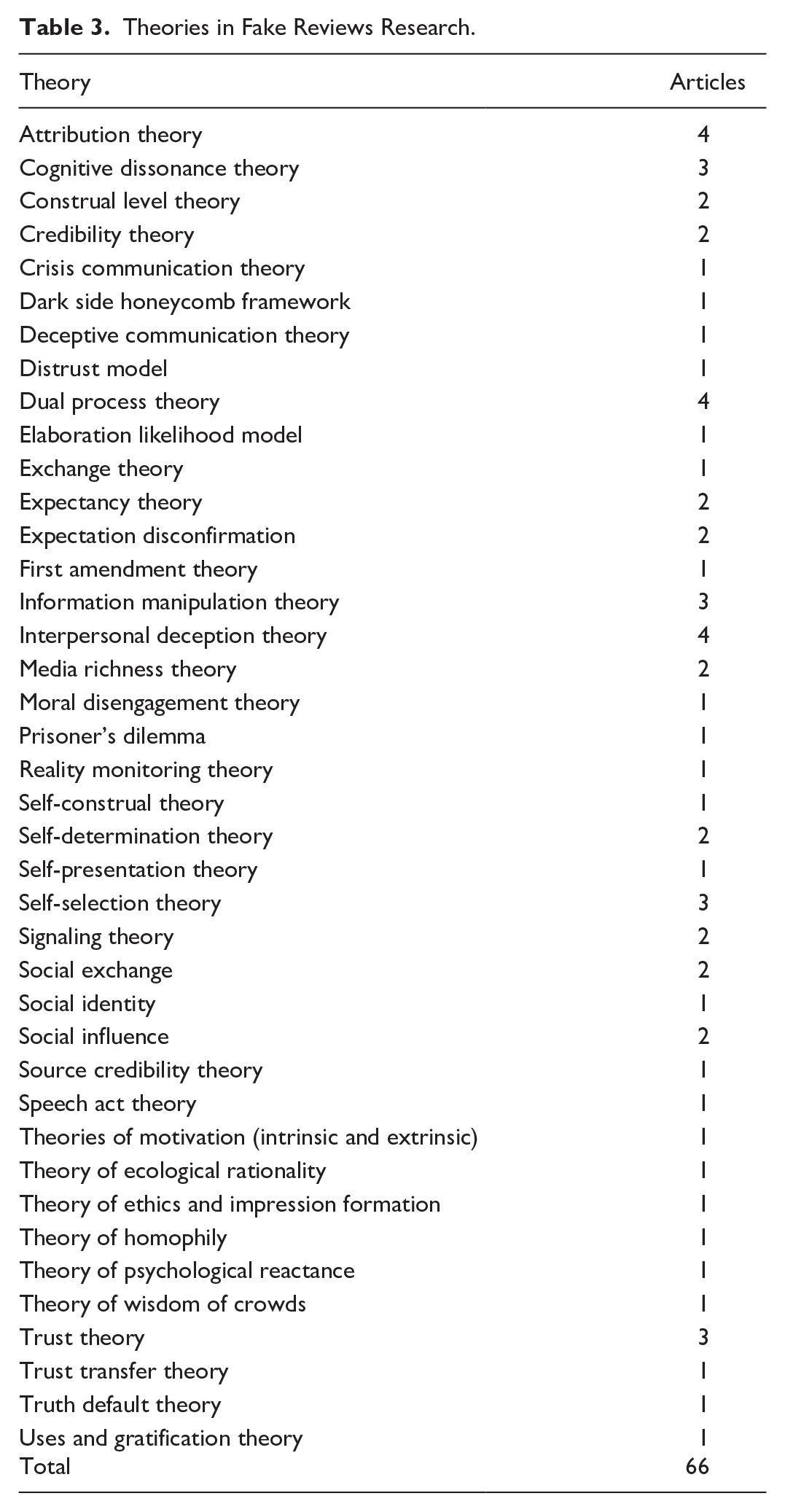
Theories offer a foundation to guide research (Lim et al., 2021; Paul et al., 2021). Numerous theories across various domains have been employed in the context of fake reviews (Table 3). A total of 40 different theories were utilized to guide research on fake reviews. Theories pertaining to the individual (self), gratification, trust, credibility, attribution, and deception were predominantly used in existing research to explore multiple facets of fake reviews. Notably, 163 of the analyzed studies did not employ any specific theory. This may be due to some studies using quantitative models for fake review detection. In this regard, the present review can assist researchers in identifying relevant theories for future research.
Theories in Fake Reviews Research.
Contexts
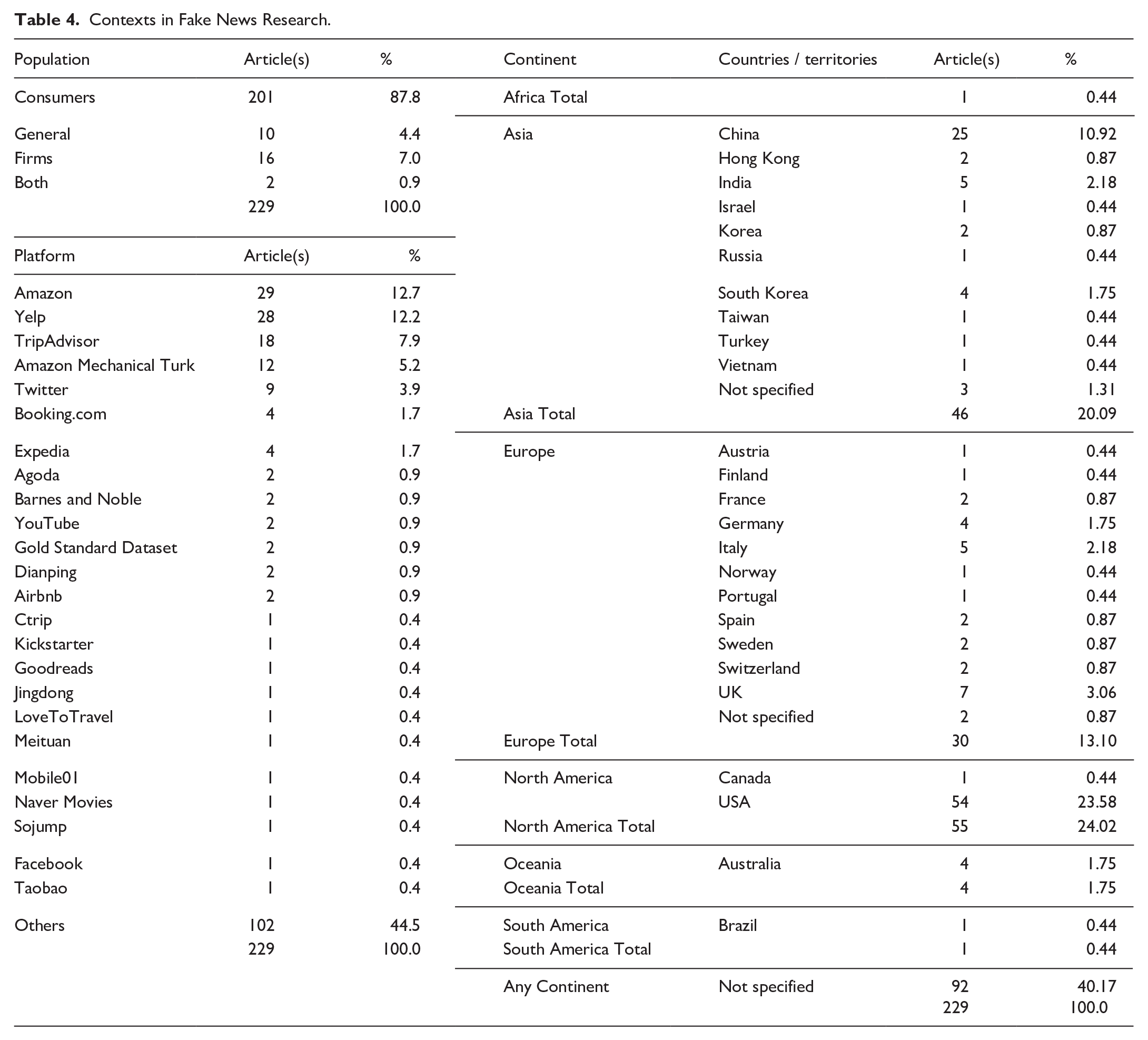
Contexts pertain to the circumstances in which research is conducted (Lim et al., 2021; Paul et al., 2021). This review examines three main contexts to categorize the 229 articles under investigation: population, platform, and countries (Table 4). Regarding population, the majority of the articles (87.8%) examined fake reviews from an individual’s perspective, while only 7% focused on fake reviews within the context of firms. Therefore, more attention could be given to fake reviews in relation to firms, as false reviews negatively impact firm performance (Peterson, 2019; Visentin et al., 2019). Various platforms were considered in the studies, with Amazon and Yelp featuring in 12.7% and 12.2% of the articles, respectively. The majority of studies (23.6%) were conducted in the United States, followed by 10.9% in China.
Contexts in Fake News Research.
Methods
Methods refer to the techniques employed in the study (Lim et al., 2021; Paul et al., 2021). This review uses two primary characteristics of methodological approaches to classify the articles: research approach and data type. Approximately 56.8% of the articles employed a quantitative research approach, while 18.3% used an experimental research approach. The articles primarily relied on secondary data (66.5% of total studies), which was collected from various platforms, making secondary data relevant in this context. About 84 articles gathered primary data, which could be increased in future research (Table 5).
Methods in Fake Reviews Research.
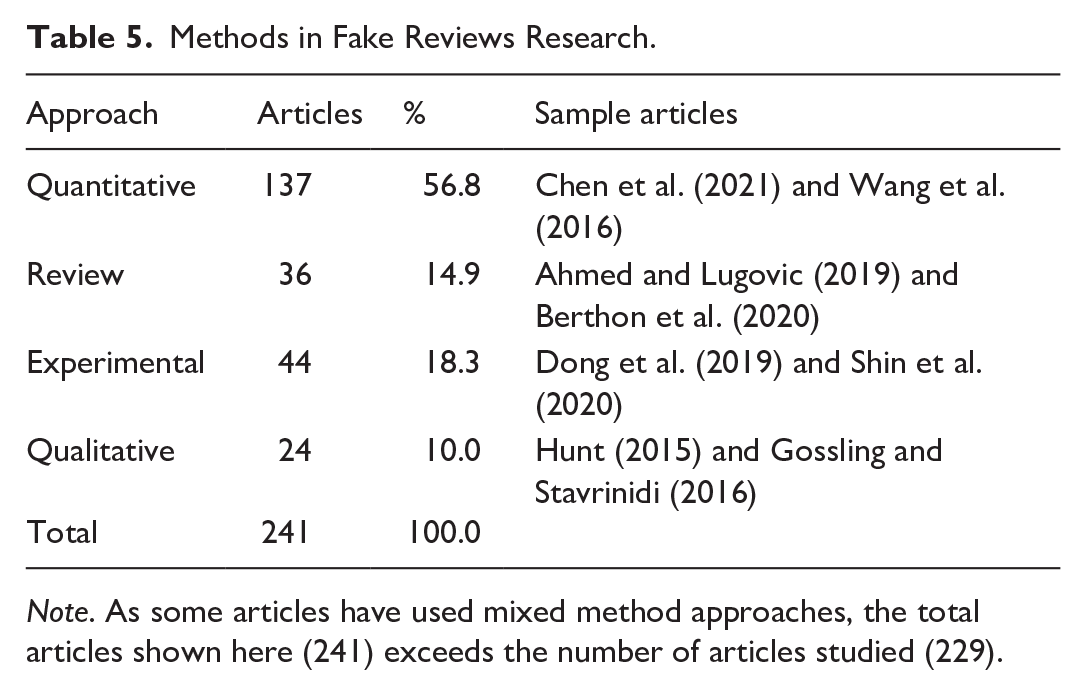
Note. As some articles have used mixed method approaches, the total articles shown here (241) exceeds the number of articles studied (229).
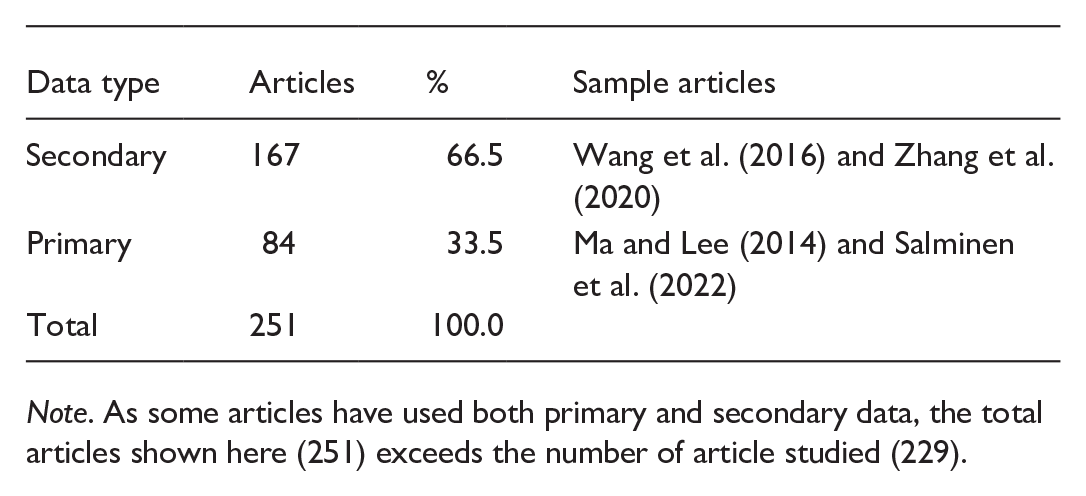
Note. As some articles have used both primary and secondary data, the total articles shown here (251) exceeds the number of article studied (229).
A marketing-oriented conceptual and theoretical framework of fake reviews
To put fake reviews into perspective from a marketing lens, a conceptual and theoretical framework is developed by integrating the SMCR (sender, message, channel, and receiver) communication model with the dual-factor theory (Figure 5). The SMCR model (Berlo, 1960) has been expanded to include sources and consequences of fake reviews within marketing. Dual-factor theory examines the reasons consumers accept (enablers) or reject (inhibitors) a focal object or subject and has been widely applied to explore technology acceptance or rejection (Cenfetelli & Schwarz, 2011). In this study, we seek to understand the enablers and inhibitors of fake reviews within marketing. Our proposed framework identifies the sources of fake reviews, highlights the enablers and inhibitors for disseminating fake reviews, and examines the impact of fake reviews on both firms and consumers.
Sources of fake reviews within marketing
The source refers to the originators of fake reviews within marketing, which can be either firms or consumers (Simonson, 2016). These sources may be driven by various motives, both financial and non-financial (Talwar et al., 2019; P. F. Wu, 2019). Firms may seek to maintain a positive image of their products or services (Ma et al., 2019; W. Song et al., 2020), while consumers might be motivated by financial gains (Rynarzewska, 2019) or personal gratification derived from the sense of power achieved by controlling resources and outcomes in social relationships (S. Choi et al., 2017; Keltner et al., 2003). Further information about fake reviews by these sources can be found in the “Types of fake reviews” and “Characteristics of fake reviews” sections.
Enablers driving the dissemination of fake reviews within marketing
The speed at which fake reviews spread is influenced by factors such as the type of fake information and the channels used to disseminate them (Domenico et al., 2021; Ferreira et al., 2019). Prior research indicates that certain types of fake reviews spread more quickly, and consumers are more likely to believe some types of reviews compared to others (Chaudhari & Pawar, 2021). Additionally, the platforms on which fake reviews are posted can affect their spread, depending on the inherent characteristics of those platforms (X. Zhang & Ghorbani, 2020)—as previously discussed in the “Roles of review platforms” section.
Inhibitors as countermeasures against fake reviews within marketing
In light of the negative consequences of fake reviews on firms and consumers, it is crucial to curb their dissemination. One effective approach is to detect fake reviews early, either at the firm or individual level, using technological tools (Banerjee & Chua, 2021; Evans et al., 2021). Analyzing textual, psychological, and social cues from review content and reviewers can enhance the likelihood of identifying fake reviews (H. Li et al., 2020; Zhang et al., 2016). Early detection enables firms to implement regulatory or technical measures to prevent the creation and spread of fake reviews (Luca & Zervas, 2016; Shin et al., 2020)—as previously discussed in the “Detection of fake reviews” and “Control or management of fake reviews” sections.
Consequences of fake reviews within marketing
Fake reviews have detrimental effects on firms and consumers (H. Li et al., 2020; Visentin et al., 2019). False information can harm brand image, brand equity, and consumer trust, leading to decreased sales and revenue (Berthon & Pitt, 2018; Ferreira et al., 2019). Fake reviews impede consumer purchase intentions and foster unfavorable attitudes toward the brand. Additionally, those who receive fake reviews develop negative perceptions of users who post such content, potentially damaging the individual’s social image (Mishra & Samu, 2021)—as previously discussed in the “Consequences of fake reviews on firms and consumers” section.
Where should we be heading to combat fake reviews?
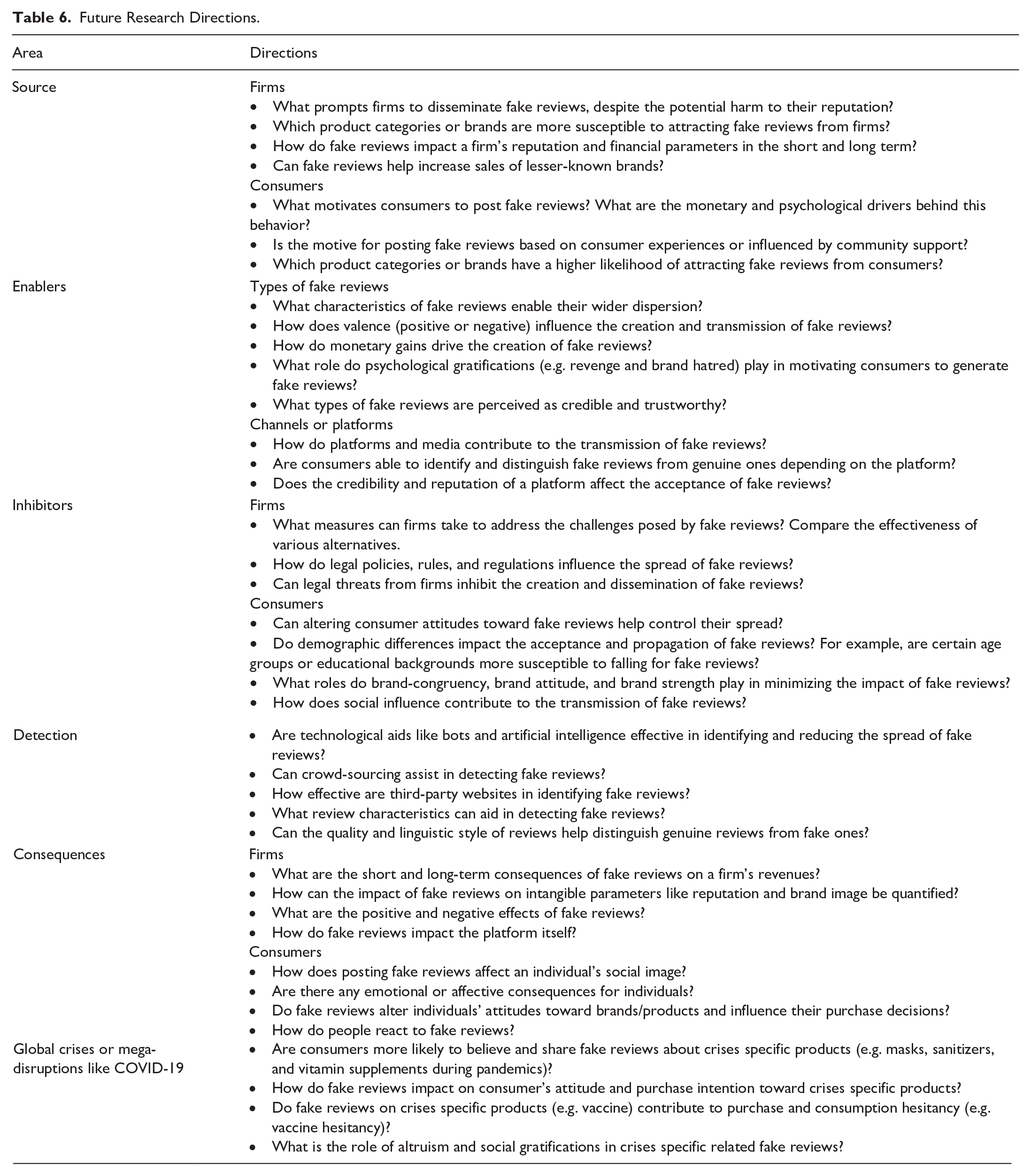
Based on the synthesis and analysis of existing literature, this study proposes several guidelines for future research on fake reviews within marketing (Table 6). Key research questions were identified for each aspect that can be addressed in upcoming studies. The subject of fake reviews presents a rich area of research, particularly within the marketing context, as it allows for the examination of the wide-ranging effects of fake reviews on consumer responses and firm or brand outcomes. As demonstrated by Figure 4, Topics 2, 7, and 11—identified through STM—represent promising avenues for research on fake reviews, as the investigation of these themes has experienced a consistent upward trend over the years. Topics 2, 7, and 11 pertain to fake review detection using algorithms, message detection using information technology (IT) tools, and the role of channel platforms in the dissemination of fake reviews, respectively. Consequently, these themes may serve as the foundation for focused, in-depth studies on fake reviews (Fong et al., 2022; Kokkodis et al., 2022; W. Zhang et al., 2022) to safeguard brand reputation and marketing investments (Lim, 2024).
Future Research Directions.
The sources of fake reviews pathway
Two primary sources contribute to the proliferation of fake reviews: firms and consumers. These sources may employ bots or other technologies to disseminate deceptive information. Future research could investigate the motives behind the propagation of fake reviews. Although existing studies have explored individual-level factors (Rinfret et al., 2022; Rynarzewska, 2019), we contend that there is substantial potential in this area, particularly regarding why firms participate in creating fake reviews. What types of firms engage in such behavior? Is it related to the firm’s reputation and the extent to which its brands are recognized by consumers?
The enablers of fake reviews pathway
Misleading claims in tone and content fuel the proliferation of fake reviews (Chaudhari & Pawar, 2021). For instance, sensational claims spread rapidly, as demonstrated by the Kurkure snacks case by PepsiCo India. Consumers might also author deceptive reviews to receive rewards or retaliate against a brand (Mishra & Samu, 2021). Additionally, certain online platforms are designed specifically to disseminate false information. Thus, researchers can investigate various factors contributing to the generation, transmission, and propagation of fake reviews.
The inhibitors of fake reviews pathway
In contrast, inhibitors aim to reduce or halt the spread of false information. Research on the impact of legal frameworks, rules, and regulations on the dissemination of false news is limited. Social media platforms have established policies addressing misleading claims, but enforcement is challenging due to the overwhelming volume of information (Chaudhari & Pawar, 2021; Ferreira et al., 2019). Therefore, researchers can examine intriguing topics, such as discouraging users from posting fake reviews and potential behavioral or systematic interventions to prevent information spread.
The detection of fake reviews pathway
Technologies like bots are widely employed to circulate false information about firms and consumers across popular social media platforms (Salminen et al., 2022). Numerous fake accounts are created on social media to lend credibility to the content (Kumar et al., 2019; M. R. Martinez-Torres & Toral, 2019). There is ample opportunity for research in detecting fake reviews, where researchers can analyze characteristics of false information, dispersion timelines, content tone, and linguistics to determine authenticity. Studies may also concentrate on identifying patterns, such as shocking revelations, emotions, and sentiments in content, as well as the persuasive appeal used to encourage further dissemination.
The consequences of fake reviews pathway
Fake reviews contribute to the degradation of a brand’s image and reputation, leading to a significant decrease in the firm’s brand equity (Berthon & Pitt, 2018). Moreover, they negatively impact sales and revenue (Zhuang et al., 2018). However, the extent to which these effects are short-term or long-term remains unclear in the current literature. Firms invest considerable resources in combating false negative reviews, yet there is a noticeable lack of longitudinal studies examining the impact of fake content. While fake reviews may initially boost product sales, consumers will eventually discern their inauthenticity. The subsequent outcomes, once consumers recognize and label the information as fake, remain largely unexplored. It is possible that consumers may increase their purchases or develop a more favorable brand image to compensate for their feelings of guilt, akin to the concept of service recovery. Therefore, a time series analysis of fake content and its effects would present an intriguing area of research.
The global crisis or mega-disruption pathway
As global crises or mega-disruptions like the COVID-19 pandemic continues to affect the world (Lim, 2023), a surge in fake content related to products and brands have been witnessed. Mainstream media has reported on the supposed efficacy of certain products in treating the virus, leading to a dramatic increase in demand for items such as multivitamins, often without scientific justification. Given the immense risk of fake reviews (e.g. life-threatening consequences of a pandemic), we recommend focused research on fake reviews and misinformation concerning the impact of products on the spread and scale of global crises or mega-disruptions (Sharma et al., 2020). Research in this direction should also contribute to social marketing, which leverages the power of marketing for social causes (Bhattacharyya et al., 2022), by providing insights on how to combat infodemics and promote accurate information for the public good (Lim, 2024).
The theory-focused pathway
The 229 articles included in this analysis employ over 40 different theories. We identify considerable potential for incorporating theories from disciplines such as sociology and psychology to enhance our understanding of fake reviews. The dissemination of false information often hinges on individual motivations and the pursuit of self-enhancement (Talwar et al., 2020), while the strategies to prevent it might benefit through a better understanding of behavioral control—the mechanism to close or open the intention-behavior gap (Lim & Weissmann, 2023). Consequently, we advocate for the integration of theories from multiple disciplines to create innovative research frameworks and uncover hidden perspectives on the phenomenon of fake reviews within marketing.
Implications
Theoretical implications
This systematic literature review makes a substantial theoretical contribution to the field of fake reviews within marketing by integrating the ADO and TCM frameworks (Lim et al., 2021). These frameworks facilitate an in-depth exploration of the multifaceted aspects of fake reviews as revealed in prior marketing research. The application of the SPAR-4-SLR protocol (Paul et al., 2021) ensures a rigorous and structured approach in our review process. Dissecting the antecedents, decisions, and outcomes of fake reviews and synthesizing various factors and relationships, this study consolidates fragmented insights and sheds light on broader implications for consumer behavior and the operational dynamics of firms through a marketing lens. Over 40 theories utilized in research on fake reviews within marketing were identified, along with a myriad of contexts and methodologies, emphasizing the comprehensive nature of this review.
To provide a marketing perspective on fake reviews, this study expands the SMCR model, initially conceptualized by Berlo (1960), to address the originators and consequences of fake reviews. Concurrently, dual-factor theory, which explores the factors prompting consumers to accept or reject information (Cenfetelli & Schwarz, 2011), offers a robust foundation for understanding the enablers and inhibitors of fake reviews. This integrated framework identifies the sources of fake reviews within marketing and elucidates the factors that facilitate or hinder their dissemination. The framework acts as a comprehensive theoretical lens through which the impact of fake reviews on both firms and consumers can be analyzed, advancing theoretical discourse on consumer behavior and marketing ethics.
The review elucidates the objectives and detrimental effects of fake reviews on brands and customers, providing significant theoretical insights. Integrating past literature, this study highlights the applicability of theories such as credibility, impression management, signaling, and social exchange. These theoretical frameworks elucidate the economic, psychological, and sociocultural dynamics that underlie the creation and dissemination of fake reviews. Moreover, our findings reinforce the importance of group dynamics and conformity in shaping consumer behavior, demonstrating how fake reviews influence perceptions and actions. These insights contribute to a deeper theoretical understanding of the mechanisms through which fake reviews impact consumer decision-making processes and corresponding marketing practices.
The proliferation of fake reviews also introduces pressing ethical dilemmas for marketers and reviewers. This review catalyzes scholarly discourse on the ethical dimensions of business conduct in the digital age, particularly concerning integrity, moral obligations, and transparency. In this context, we expand upon ethical theories such as utilitarianism, exploring the tension between consumer welfare and revenue maximization, and justice theory, emphasizing the ethical imperative of ensuring equitable access to accurate information (Ashworth & Free, 2006).
The proposed future research directions act as a compass for advancing the theorization of fake reviews in marketing. Investigating the sources of fake reviews can deepen our understanding of the underlying motivations and socioeconomic factors that influence both consumers and firms, thereby enriching sociological and psychological theories related to consumer behavior and marketing ethics. Exploring the enablers of fake reviews can provide insights into how misinformation spreads, thereby enhancing theories related to information dissemination and network effects within marketing communications. Research on inhibitors can contribute to developing robust theoretical models for fake review control and behavioral interventions, integrating insights from behavioral economics and regulatory frameworks. Studies on the detection of fake reviews can advance computational and algorithmic theories by identifying linguistic patterns and psychological cues indicative of deception, advancing our understanding from deceptive advertising to managing infodemic market behavior (Lim, 2024). Examining the consequences of fake reviews through longitudinal studies can offer new perspectives on brand equity and consumer trust theories, highlighting the dynamic interplay between fake reviews, consumer behavior, and marketing outcomes. Addressing fake reviews in the context of global crises can significantly contribute to social marketing theory by leveraging marketing strategies for public welfare. Therefore, these future research directions, when taken collectively, underscore the critical role of marketing in addressing the pervasive issue of fake reviews. Integrating multidisciplinary perspectives and focusing on both theoretical advancements and practical applications, marketers can better navigate the challenges posed by fake reviews, ultimately safeguarding consumer trust and enhancing brand equity. This approach not only reinforces the ethical and societal responsibilities of marketers but also empowers them to contribute meaningfully to the integrity and effectiveness of the marketplaces in which they operate.
Practical implications
This review offers critical insights for marketers, equipping them with a deeper understanding of the antecedents and consequences of fake reviews. These insights are invaluable for developing effective detection and mitigation strategies, enhancing proactive reputation management. Recognizing the studies and researchers in this field, firms can leverage expert consultation and practical recommendations to craft tailored strategies for controlling and countering fake reviews.
Firstly, businesses and online platforms should utilize the synthesized knowledge from our review to establish robust strategies and guidelines for managing fake reviews. Managers can harness AI and machine learning techniques to detect patterns characteristic of fake reviews, ensuring the integrity of user-generated content. Implementing policies mandating transparency, such as disclosing sponsored content and paid reviews, can foster a more trustworthy environment for consumers (Bastrygina et al., 2024).
Secondly, firms can use our findings to formulate effective responses to fake reviews. Strategies might include refuting false claims with evidence, issuing public apologies, or escalating the issue to platform management. Developing crisis management plans specifically addressing fake reviews can help businesses proactively handle instances where such reviews gain significant traction. Additionally, businesses should focus on encouraging authentic customer engagement rather than inadvertently fostering an environment conducive to fake reviews. For example, companies like Google combine automated systems with human oversight to effectively remove misleading reviews.
Thirdly, our proposed framework assists in pinpointing factors that fuel the spread of fake reviews. Collaboration between businesses and review sites to share insights and jointly combat fake reviews is crucial. This could involve participating in industry-wide initiatives to uphold the integrity of user-generated content. Enhancing the design and user experience of review platforms can also play a significant role in minimizing the impact of fake reviews. Research-driven user interface (UI) changes can facilitate easier credibility assessments by users, thereby reducing the influence of misleading reviews.
Finally, businesses should actively inform their customers about the presence of fake reviews and educate them on how to identify such content. This empowerment not only bolsters consumer trust but also positions the company as a credible source of information. Training employees to recognize and report suspect reviews can also heighten internal vigilance, further reinforcing a firm’s commitment to authenticity and transparency. For instance, platforms like Yelp actively monitor for and take action against groups promoting paid reviews, demonstrating a proactive approach in maintaining review integrity.
The practical implications of our study empower firms to not only detect and control fake reviews but also to minimize their harmful effects on consumer behavior, brand image, and overall firm performance. Therefore, by employing the strategies identified in our framework, businesses can effectively navigate and mitigate the challenges posed by fake reviews in today’s information-laden marketplace.
Conclusion
The prevalence of fake reviews presents significant challenges for businesses. With countless consumers utilizing social media (Lim & Rasul, 2022), the rapid creation and dissemination of misleading information to large audiences has become increasingly problematic. Brands are grappling with mitigating the damage and managing this immense challenge, as they often lack direct control over information sources and face limited options for effective deterrents or regulations.
This study presents a thorough review of existing literature to enhance our understanding of fake reviews within the marketing domain. The study dives into several key areas, structured around our research questions. First, the study explores the antecedents, decisions, and outcomes associated with fake reviews within marketing (RQ1), offering a comprehensive analysis of the factors leading to their creation, the choices involved in their dissemination, and the impact they have on both consumers and firms. Next, the study examines the major theories, contexts, and methods employed in the study of fake reviews within marketing (RQ2), providing insights into the diverse approaches and frameworks utilized by researchers to understand and analyze this complex phenomenon. Lastly, the study identifies potential avenues for future research that can further advance our understanding of fake reviews within marketing (RQ3), highlighting emerging trends, un(der)explored areas, and novel methodologies that can contribute to a better understanding of this subject.
Notwithstanding its contributions, one limitation of this study is the selection criteria based on the ABDC ranking system, which was used to exclude articles from predatory journals or those lacking rigorous review processes. Additionally, conference papers were not considered in order to avoid limited contributions and the duplication of content. Nonetheless, this study underscores the critical impact of fake reviews on consumer behavior and brand responses. We anticipate that the suggested avenues for future research will encourage further studies that contribute to the existing body of knowledge, ultimately assisting marketers in developing effective strategies to combat the growing issue of fake reviews.
Footnotes
Declaration of conflicting interests
The author(s) declared no potential conflicts of interest with respect to the research, authorship, and/or publication of this article.
Funding
The author(s) received no financial support for the research, authorship, and/or publication of this article.
