



Abstract
Thermal comfort plays an influential role in the learning process. This paper explores the thermal comfort of students studying in a large university library in Johannesburg, South Africa. Quantitatively, Humidex was used to quantify and classify the level of thermal comfort using eight thermal data loggers that were installed in the library on the 1st of September 2023 and ran until the 25th of May 2024. These high spatiotemporal resolution meteorological data were used to calculate Humidex values for each 15 min interval, classifying periods of thermal discomfort from these output scores through the austral summer. Qualitatively, students’ self-reported thermal comfort in the library was explored through a questionnaire. The first floor was perceived to be the coolest and the third floor the warmest. Of the total respondents who consumed water, 8.33% felt hot and 1.96% felt very hot. The majority of respondents on the second floor added clothing in response to feeling cold or very cold; the third floor was characterised by the most respondents removing clothing in response to feeling hot or very hot; the first floor had minimal thermal behavioural adaption. This study shows that there is a risk of heat stress, especially if people do not have access to water.
Introduction
Human thermal comfort can be defined as a state of mind expressing contentment with the thermal environment. 1 Thermal comfort plays an important role in optimising human health and well-being, enhancing learning capacity, maintaining high productivity levels and contributes to safety and social equity.1–3 Thermal stress occurs when the human body cannot maintain homoeostasis through the regulation of internal temperature in response to external heat. 4 The risk of thermal stress is rising under climate change, raising concerns about human health. 3 While there is a growing body of research exploring thermal comfort and stress in a range of indoor and outdoor environments, libraries are under-studied. Thermal comfort research and the consideration for energy performance in the design of a building are researched globally. Multi-objective optimisation techniques have been used in cold climates to minimise energy use while simultaneously maintaining acceptable outdoor thermal comfort. 5 These trade-offs between energy and comfort is important to consider, regardless of the climatic conditions. 5 Urban morphology influences thermal comfort through local climate zones, where urban environments are classified by several factors, including building density, land use and land cover and surface materials. 6 In densely-built spaces, like university campuses, the urban morphology greatly impacts indoor thermal comfort, due to the influence of wind, sunlight exposure and building construction and orientation. 6
Libraries are large institutional repositories, but many do not just store books but provide a quiet space for focussed learning. 7 Students prioritise study environments that are conducive to their study needs, ensuring that the space is comfortable, quiet, well-organised and resourceful.8,9 Libraries encourage intellectual stimulation, thereby improving academic performance and promoting effective learning. 10 Libraries can optimise learning outcomes of students through flexible seating options, private study rooms for individual learning and discussion rooms for collaborative learning. 11 Research shows that libraries should be designed to optimise cognitive function and comfort to facilitate learning. 9
Learning can be defined as the process that promotes the acquisition of knowledge. 12 There are a range of exogenous factors that impact learning, including the physical environment, socioeconomic context and maintenance and accessibility of infrastructure. 13 Thermal conditions are a key component of the physical environment, and are influenced by exogenous factors. 9 The primary exogenous factors that could promote thermal comfort are controlled environmental conditions and thermally remediated infrastructure.9,14 A study in Japanese schools links thermal comfort in classrooms to optimal student performance and well-being. 15 Learning environments are crucial in the development of a learner's perception, health and performance. 9 Thermal discomfort caused by both high and low temperatures negatively impacts learning performance and holistic student well-being. 16 Heat stress caused by high temperatures compromises human health and creates a dangerous environment for learning.9,16 A study explored the danger of heat risk in a school sports setting, where there is heat stress risk for people playing hockey in summer, outdoors, in the sun. 17 By contrast, research on the risk of heat stress for students in sedentary environments such as libraries is often not explored. Creating thermally conducive environments that maximise student performance and human health is crucial. 18
Thermal comfort research in learning spaces in South Africa primarily explores classroom settings.19,20 The relationship between indoor classroom temperature and learner absenteeism as an indicator of a child's health and well-being was explored. 19 This study was conducted in public primary schools in the Eastern Cape Province. 19 Internationally, research on thermal comfort in learning spaces explores the need to optimise thermal comfort through school planning and design as well as utilising adaptive mechanisms to optimise thermal comfort.9,16,21 A study assessed how ventilation rates in primary schools in England impacted student performance, with lower ventilation rates resulting in a reduction in attention and vigilance which negatively impacts memory and concentration. 16 Other studies assessed the impact of air-conditioning in classrooms, how warmer classroom temperatures can impact a students’ heat-health symptoms, the introduction of automated systems and how that can improve thermal comfort in classrooms and the impact of extreme heat events on students’ well-being and overall health.21–23 Although thermal comfort research in library settings has not been researched extensively, there is a growing body of research that recognises the value of studying thermal comfort in library settings. In Sweden, where a cold climate is experienced, a study was conducted assessing thermal comfort and indoor air quality in library group study rooms, using predicted mean vote and predicted percentage dissatisfied. 24 The study found that ventilation control is essential in these spaces, especially when library group study rooms are fully occupied. 24 In a study conducted in naturally ventilated and air-conditioned library buildings in Ghana, the findings emphasised the need for region-specific thermal comfort adaptive models to ensure building efficiency and comfort, as international thermal comfort standards were not entirely representative of tropical climates. 25 In the hot-humid climate of Malaysia, thermal comfort was assessed in large open spaces in a library using both qualitative and quantitative measures. 26 Although the thermal environment was within the acceptable comfort ranges, the need for consistent monitoring and adaptive strategies was emphasised. 26 Globally, no study has explored indoor thermal comfort in university libraries in subtropical highland climates. Additionally, the need for region specific thermal comfort adaptive models demonstrates the novelty of this study, and the importance of research in thermal comfort in learning spaces like libraries, in climates where this is under-researched.
This paper explores thermal comfort in library settings through the case of a large university library in Johannesburg. With inadequate ventilation and an absence of air conditioning in the first to third floors of the library presently, researching the ways in which this may impact human thermal comfort, health and student performance is crucial in facilitating data-driven recommendations on how to remediate the library to promote thermal comfort, but more broadly provides insight into the importance of exploring thermal comfort within libraries globally. This is the first study on thermal comfort in libraries in South Africa, and one of the first in the world. As thermal comfort research continues to grow in relevance due to climate change, this study has further framed the human biometeorological link between thermal comfort and student performance.
Methods
Study site
This study explores thermal comfort in the setting of a large university library, based in Johannesburg, South Africa as seen in Figure 1. This university library is the largest at the institution and is a popular and multi-faceted learning centre that is easily accessible to all students on the main campus. 27 The entrance of the library is west facing and adjacent to a large-lawned recreation area. The library is located within an access controlled campus and access to the building is facilitated via biometrics access, restricting the use of the space to current students and staff of the university.
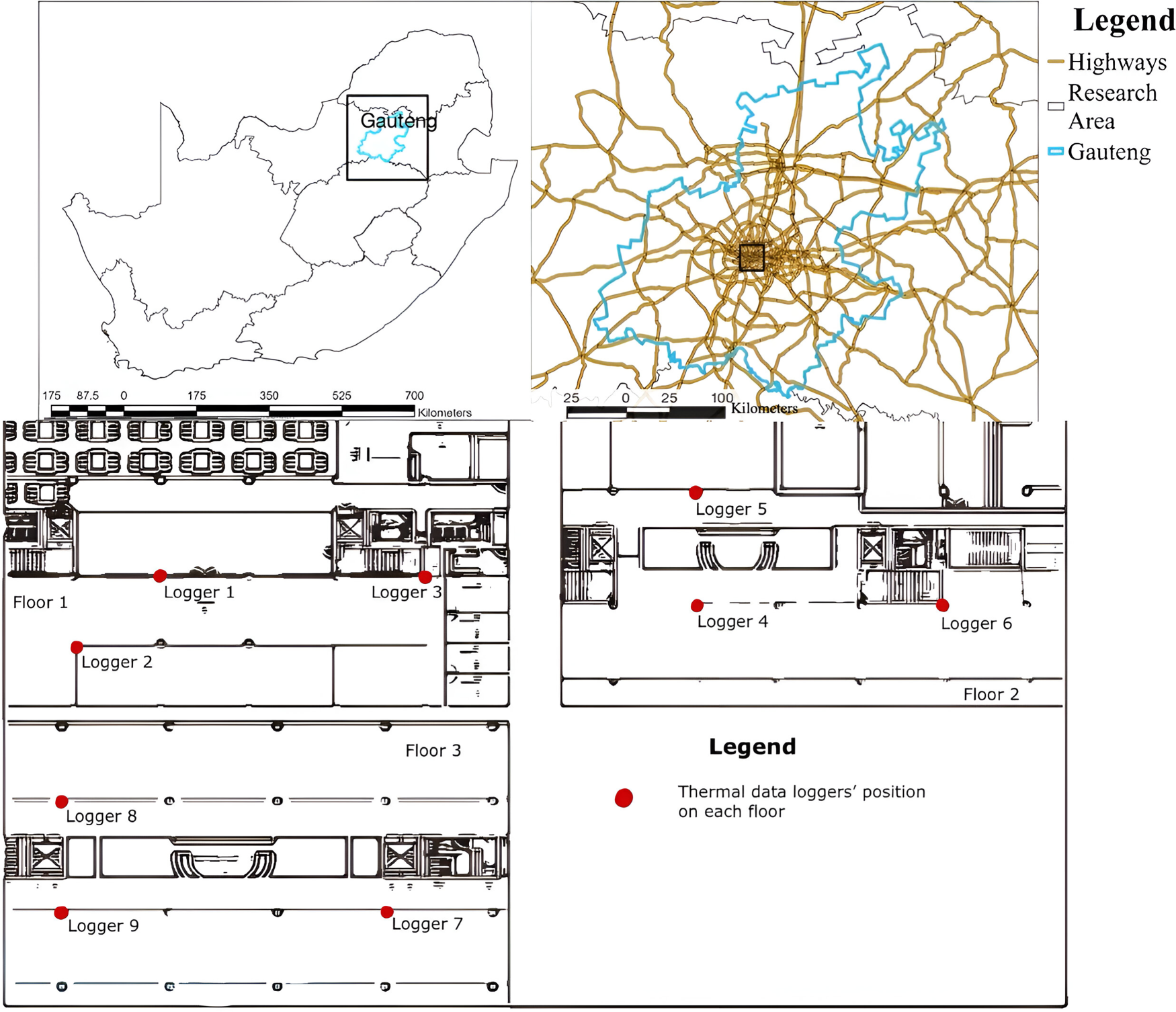
Location of the study within Johannesburg, South Africa, and floor plans of the library indicating the position of data loggers.
Johannesburg is located in the north-eastern region of South Africa and experiences a subtropical highland climate, with a large seasonal temperature range.28,29 Spatial variations in temperature across Johannesburg are influenced by topography and the urban heat island effect. 29 Daily maximum temperatures occur between 11:00 and 14:00; and January, February and December are typically the warmest months of the year. 29
The South African student cohort is diverse and, according to the National Student Financial Aid Scheme, over 700,000 students are from low-income households defined by a gross household income of below R350,000 and therefore receive financial aid annually. 30 A large number of students rely on university residences for accommodation. 30 University libraries play an important role in facilitating access to all students, including those from disadvantaged communities by enabling access to vital study resources such as an optimal studying environment, personal and communal study spaces, reliable internet connection and other resources such as textbooks.8,9 University libraries are therefore centres that promote equity in the higher education space. 7
Data collection
On the 1st of September 2023, nine thermal data loggers were installed in the library in three locations in study areas on floors one, two and three respectively. The distribution of the data loggers was determined with the aim to capture any nuanced microclimates and determined which parts of the library were more prone to thermal discomfort and thermal stress than others. This information is important as it can assist with effective re-organisation of the space to optimise thermal comfort and learning. The data loggers were mounted to polyvinyl chloride boxes on the walls using insulated double-sided tape to ensure that the readings captured air temperature and relative humidity, and not that of the wall. The thermal data loggers recorded and stored temperature and relative humidity readings at 15 min intervals and continued running until data were downloaded on 25th May 2024, and immediately re-started. The additional data were downloaded on 16th October 2024. Tzone Digital Temperature Management Software was used for data retrieval.
Students’ experiences of thermal (dis)comfort in the library across these three floors, and their responses to any discomfort, were evaluated through a survey questionnaire. Institutional ethics clearance was obtained prior to the collection of survey questionnaire results, and each respondent recorded their consent to take part in the study. The online questionnaire hosted on Google Forms was accessible via quick response (QR) codes. These QR codes were placed on desks throughout the library in the knowledge commons, open learning areas, focus rooms and tutorial rooms. A single QR code was placed at the corner of each desk. The QR codes were available for prospective participants to engage with from 29th July 2024 until 20th September 2024. Questions related to exogenous and endogenous factors that influence thermal comfort were asked, such as age, gender, thermal sensation, perception of the room temperature, water consumption and clothing. The question types included multiple choice and short open-ended questions. As each questionnaire response was submitted, the time and date were automatically logged. The questionnaire data were downloaded on the 20th of September 2024 at 11:17 through Google Sheets, exported to an Excel file for analysis.
Data analysis
In preparation for data analysis, the data were checked to ensure that they covered the full time period. The formats of dates and times were checked to ensure consistency before index calculation. To analyse the high spatiotemporal resolution meteorological data obtained from each thermal data logger effectively, each thermal data logger was analysed on a separate sheet. All calculations were performed in Excel. Data logger 3 was placed in an area that during the data collection period was converted into an air-conditioned office space. Since the temperature and relative humidity values were not going to reflect the thermal environment of the learning spaces that are at risk of thermal discomfort, the data from that thermal data logger were removed from the study, and data from the remaining, eight data loggers were analysed.
Humidex was calculated using equation (1):

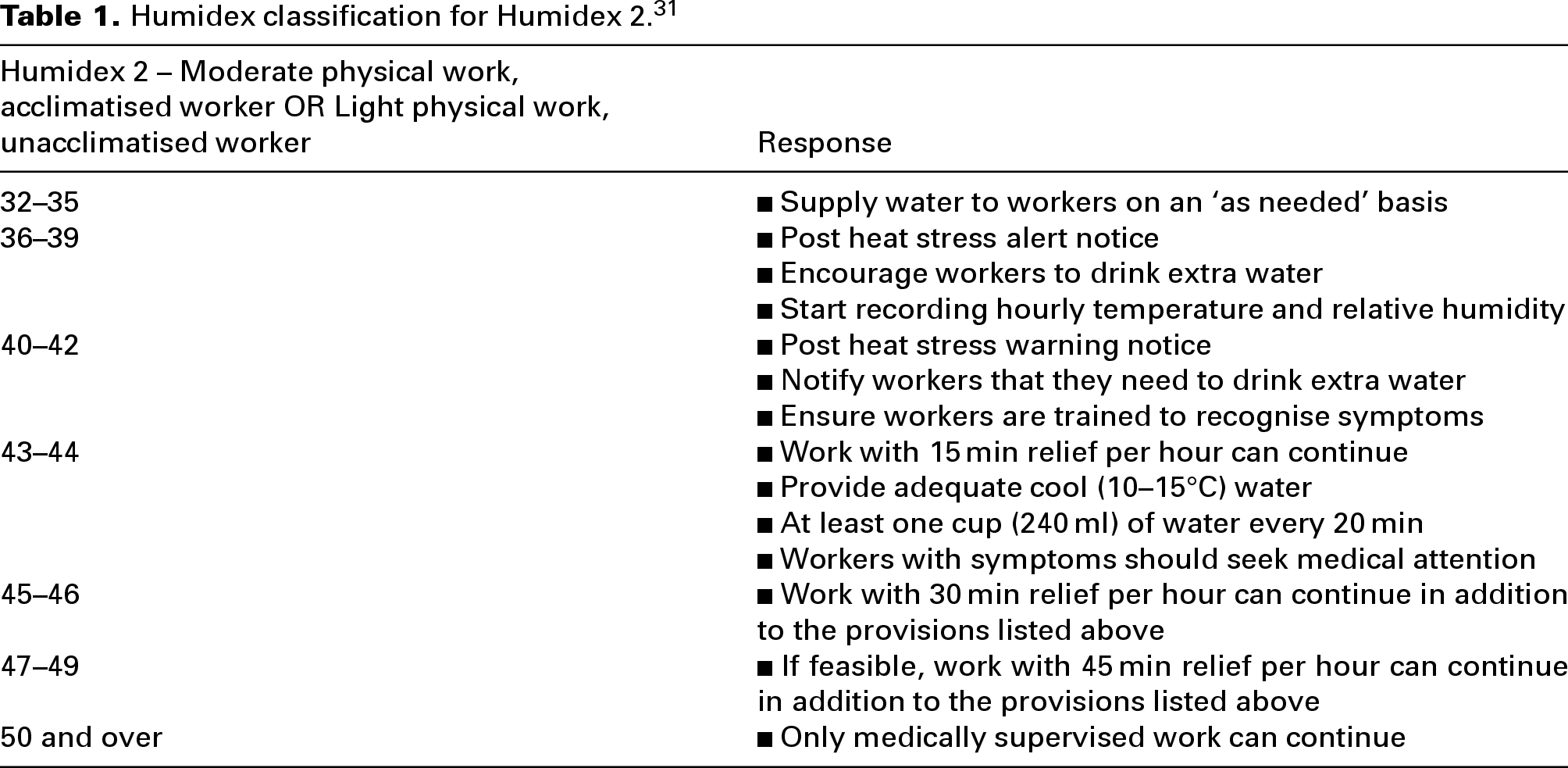
The Humidex score was calculated and classified using Table 1, for each 15 min interval for the full study period. To identify the thresholds at which students experienced thermal discomfort, the average Humidex and temperature values that corresponded with the exact date and time the questionnaires were answered was analysed. By aligning the measured thermal conditions with students self-reported experiences of thermal discomfort, the specific thermal thresholds at which students experienced discomfort was identified.
Humidex classification for Humidex 2. 31
Results
Quantitative classification of thermal stress
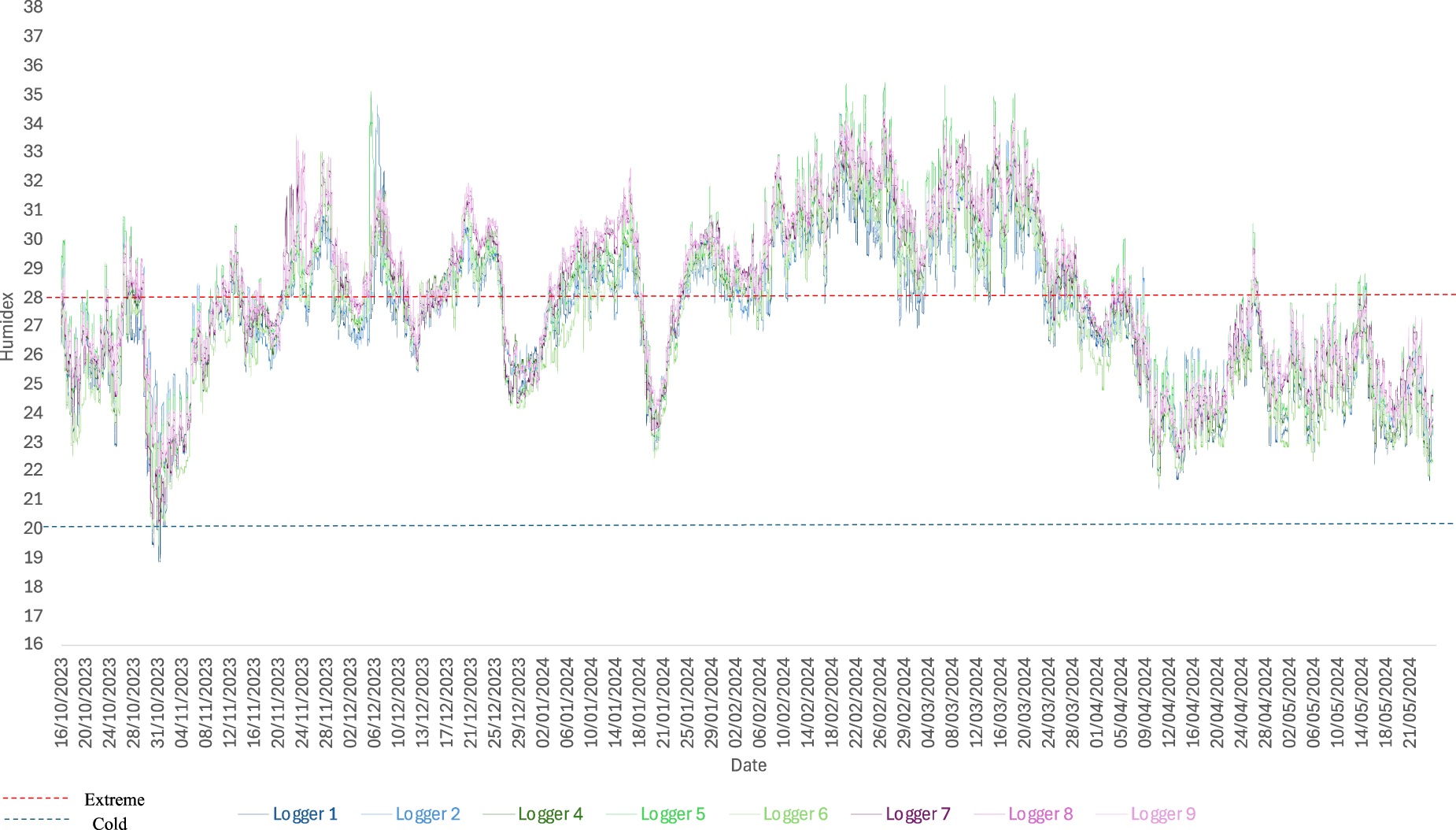
The temporal trends in Humidex values across all eight data loggers on floors one, two and three demonstrate clear diurnal and seasonal fluctuations across the study period (Figure 2). Thermal stress thresholds are exceeded in the library throughout the study period. Level one thermal stress (32–35) is regularly exceeded during the warmer months, from October to March, mainly during the midday and afternoon hours, around 11:00 and 16:00 (Figure 2). Classifications of thermal stress were not recorded for the study period, where the underlying assumption is that students are sedentary while in the library space.
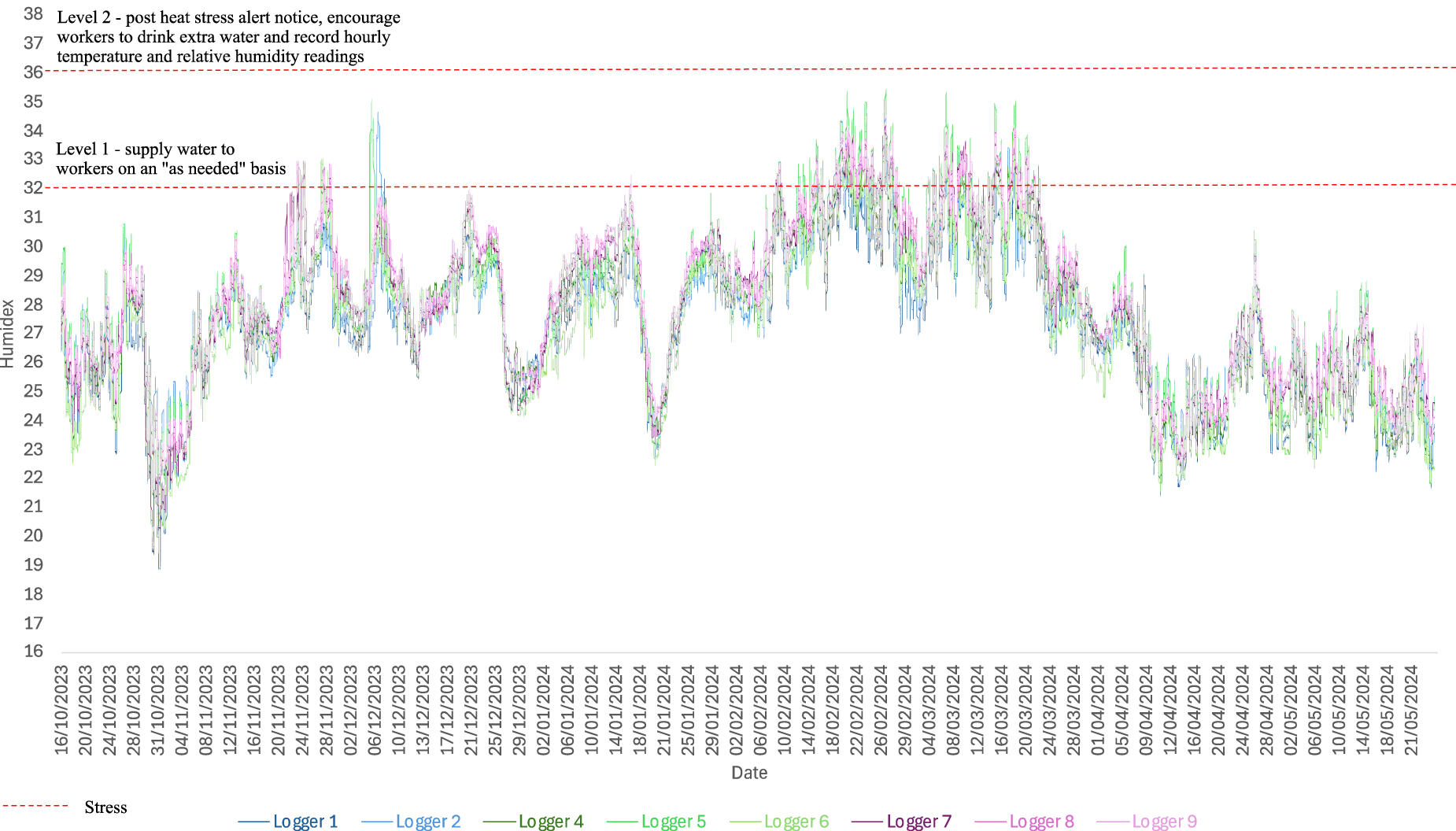
Humidex values calculated using meteorological data in the library with thermal stress thresholds over course of study.
Thermal stress was experienced in the library at the level one thermal stress threshold (32–35). By observing the frequency Humidex exceeded this threshold across the study period, February has the highest frequency of Humidex exceeding the level one thermal stress threshold, (Figure 3. Warmer temperatures are experienced during February. The exceedance of Humidex during February mainly occurred in the midday to afternoon hours of the day, from 11:00 to 16:00. By contrast, Humidex did not exceed the level one thermal stress threshold in the months of October, April and May.
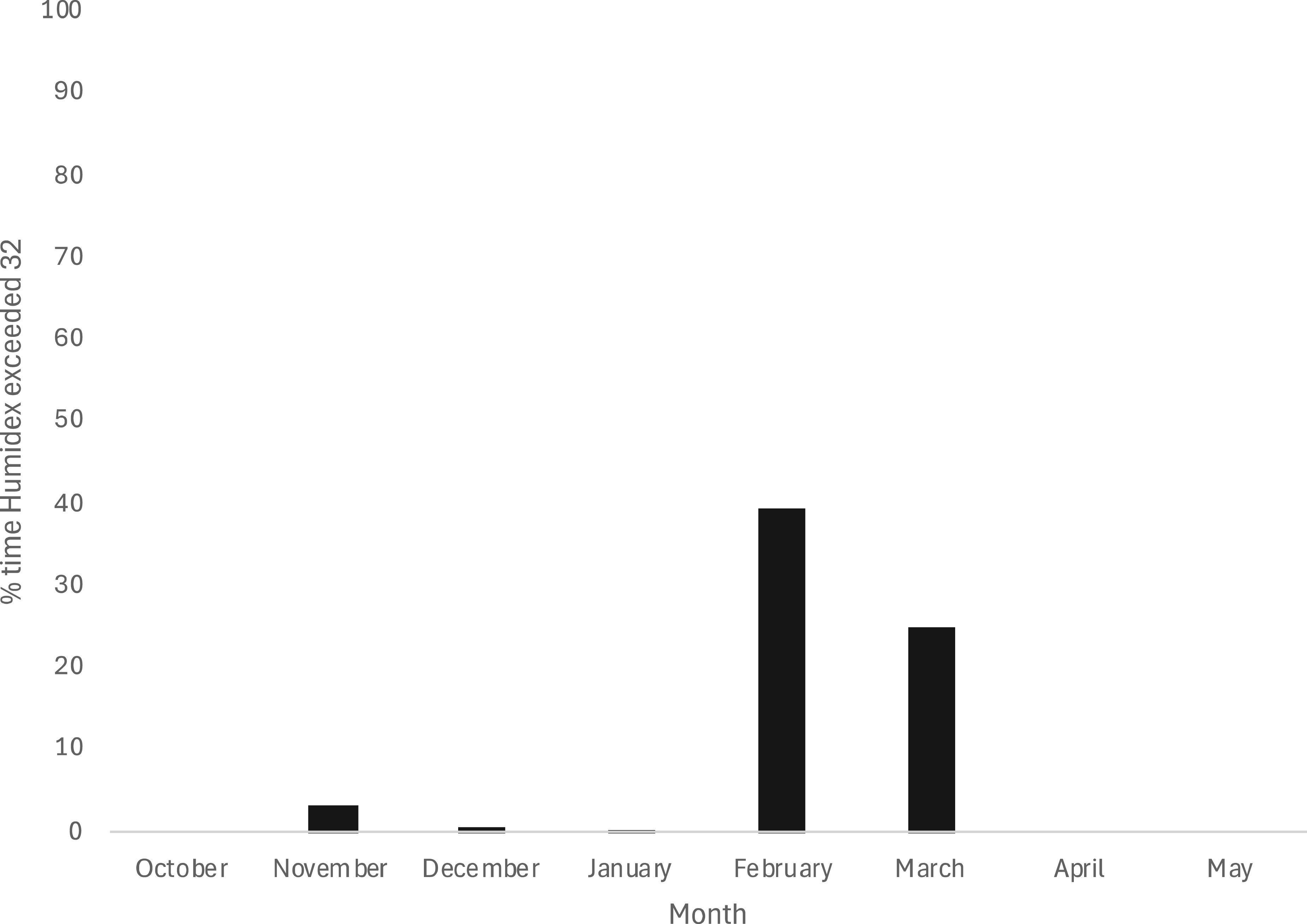
Percentage of times Humidex exceeded level one thermal stress across the study period.
Library users’ perception of thermal discomfort
Demographics of respondents
A total of 204 responses were obtained from the online questionnaire completed between the 30th of July 2024 and the 20th of September 2024, comprising 56 responses on the first floor, 71 responses on the second floor and 77 responses on the third floor. The majority of the responses were recorded between the 30th of July and the 7th of October 2024. The respondents fell into four age groups, 18–24 (93.6%), 25–29 (3.4%), 30–34 (2%) and 35–39 (0.5%), with no respondents over the age of 40. The respondents identified as male (39.7%), female (58.8%) and non-binary (1.5%), and no respondents selected ‘other’ when classifying their gender.
Respondents’ experience of heat in the library
The library users’ experience of heat in the library is categorised as follows: very cold, cold, correct temperature, hot and very hot. On the first floor, the hot and very hot categories combined represent a small number of the total responses (4.9%), indicating that few respondents felt uncomfortably hot on this floor compared to the other floors (Figure 4). Most respondents felt cold or at the correct temperature, indicating that the first floor is cooler than floors two and three. On the second floor, more respondents felt hot and very hot compared to the first floor, and the cold and correct temperature categories represents the largest number of the total responses. Although some respondents experienced heat, most respondents found the conditions acceptable and or slightly cool. On the third floor, the hot and very hot categories combined represent the largest number of the total respondents on all floors, indicating that more respondents experienced uncomfortably hot conditions on the third floor. However, a large number of respondents also felt that the temperature was correct. Overall, the first floor is the coolest and the third floor is the warmest. Thermal comfort decreases from the first floor to the third floor.
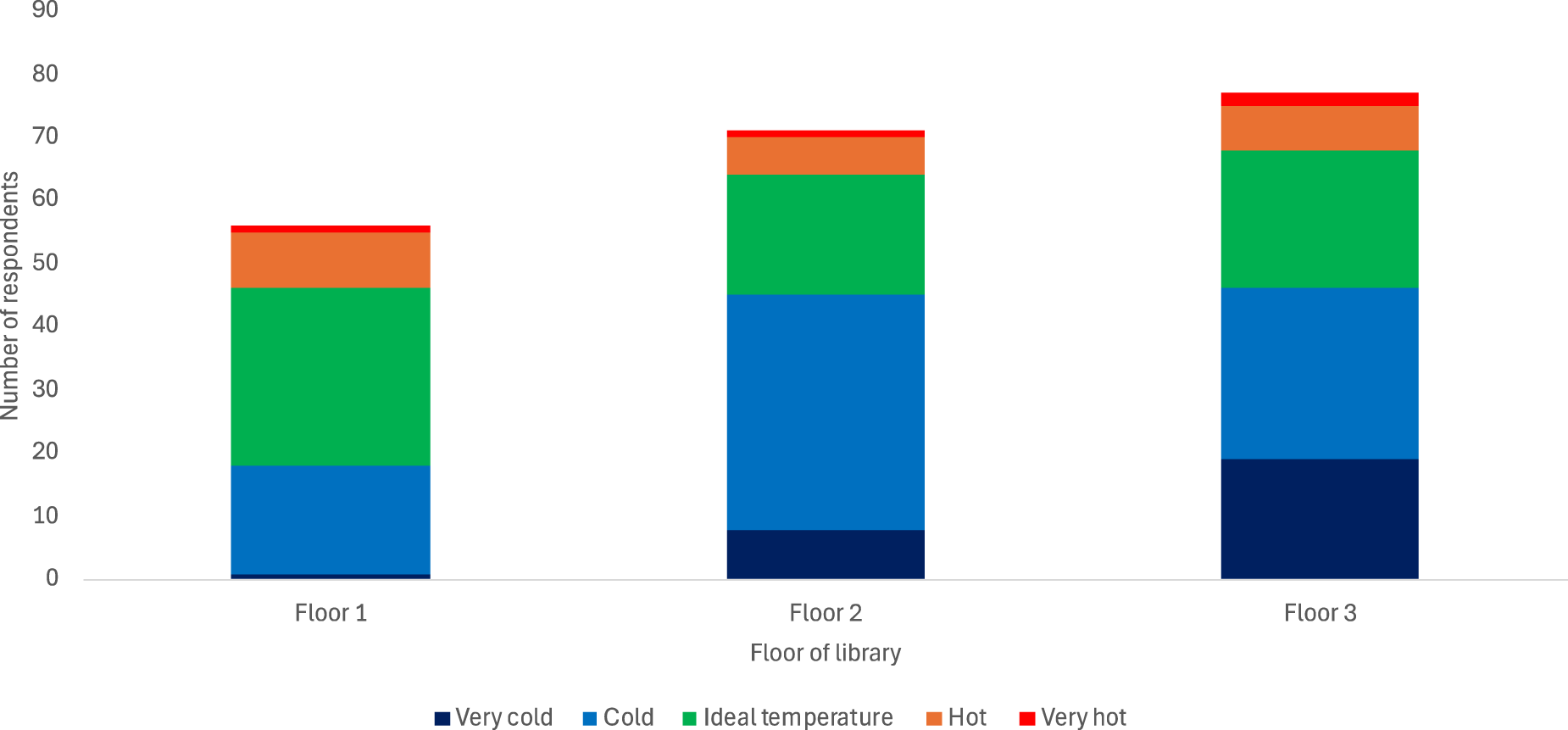
Respondent's classification of their thermal comfort, by floor of the library over the period 30th July–20th September 2024.
Adaptation to thermal discomfort
Behavioural adaptation is an important aspect of studying thermal comfort. Of the 204 respondents in the library, 64.7% consumed water in response to changes in their thermal environment (Table 2). Of these 64.7% respondents, 8.3% felt hot and 2.0% felt very hot. When answering how much water they drank, a wide range of descriptions were provided, many of which cannot be effectively quantified or compared. However, with the quantitative data that were provided, a low to moderate intake of water, falling within the range of 100 to 500 ml was consumed.
Actions respondents took in response to how they felt in relation to their thermal environment in the library.
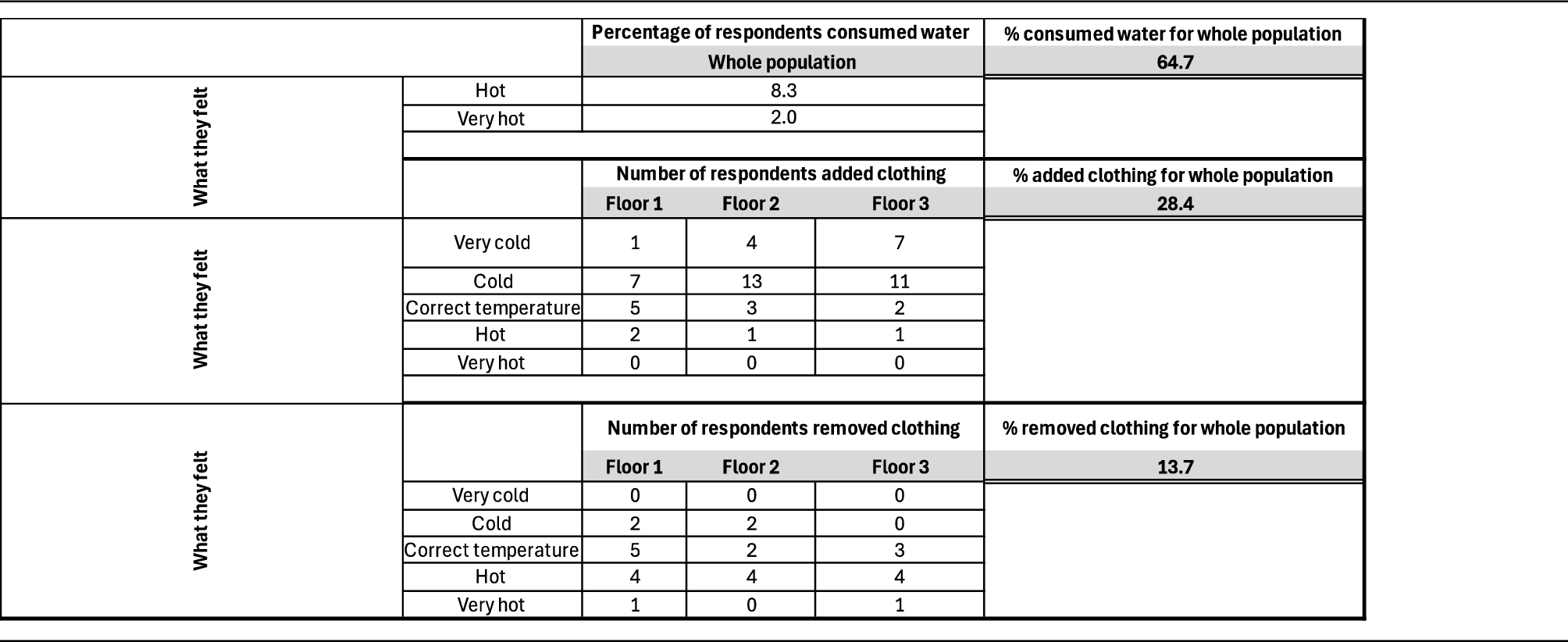
Thermal comfort affected the clothing adjustments of respondents when there were changes in the thermal environment. Of the 204 respondents, 28.4% added clothing as a form of behavioural thermal adaptation. The majority of respondents added clothing when they felt cold or very cold. On the second floor, the most clothing was added, with 4 respondents adding clothing when they felt very cold and 13 respondents adding clothing when they felt cold. Few respondents added clothing when they felt that the temperature was correct or hot. Of the 204 respondents, 13.7% removed clothing as a form of thermal adaptation. Respondents removed clothing when it was hot or very hot. The most clothing was removed on the third floor, where four respondents removed their clothing when they felt hot, and one respondent removed their clothing when they felt very hot. A small number of respondents removed their clothing when they felt that it was the correct temperature, but none removed their clothing when it was very cold. Overall, the second floor had the most respondents adding clothing in response to feeling cold and very cold, the third floor had the most respondents removing clothing in response to feeling hot and very hot and the first floor displayed very little thermal behavioural adaptation.
Despite the variation in responses, to accurately assess the level of thermal discomfort experienced by the students, the specific thermal thresholds at which students experienced thermal discomfort, relative to the quantitative measurements, was identified. Students reported feeling ‘cool to ideal’ when Humidex values were less than 20. They felt ‘hot’ when Humidex values were greater than and equal to 20 and the students felt ‘very hot’ when Humidex values were greater than 28.1. These thresholds informed how thermal discomfort was classified.
Quantitative classification of thermal comfort
Thermal discomfort was identified in the library. The Humidex threshold of 20 was regularly exceeded throughout the study period (Figure 5). These threshold exceedances occurred from October 2023 to May 2024, throughout the day, including morning, midday and evening hours. On the 31st of October 2023, Humidex was below 20, indicating that the library environment was perceived to be ‘cool to ideal’. The extreme Humidex threshold (28) is regularly exceeded during February and March, primarily during the midday and early afternoon hours. During November, December and January, exceedances above this threshold are limited to the warmest time of the day, between 11:00 and 15:00.
Modal thresholds derived from quantitative and qualitative data, used to classify thermal discomfort in over course of study.
Thermal discomfort classification
To determine the percentage of time it was hot per month during the study period, the modal Humidex value of 20 was used that aligned with the threshold at which respondents felt ‘hot’. In Figure 6, during October 2023, 0.27% of the time, it was not hot, 80.6% of the time, it was hot and 19.1% of the time, it was very hot. From November 2023 to May 2024, Humidex values were frequently above the ‘hot’ and ‘very hot’ thresholds that were identified by students’ self-reported experiences of thermal discomfort for 100% of the time.
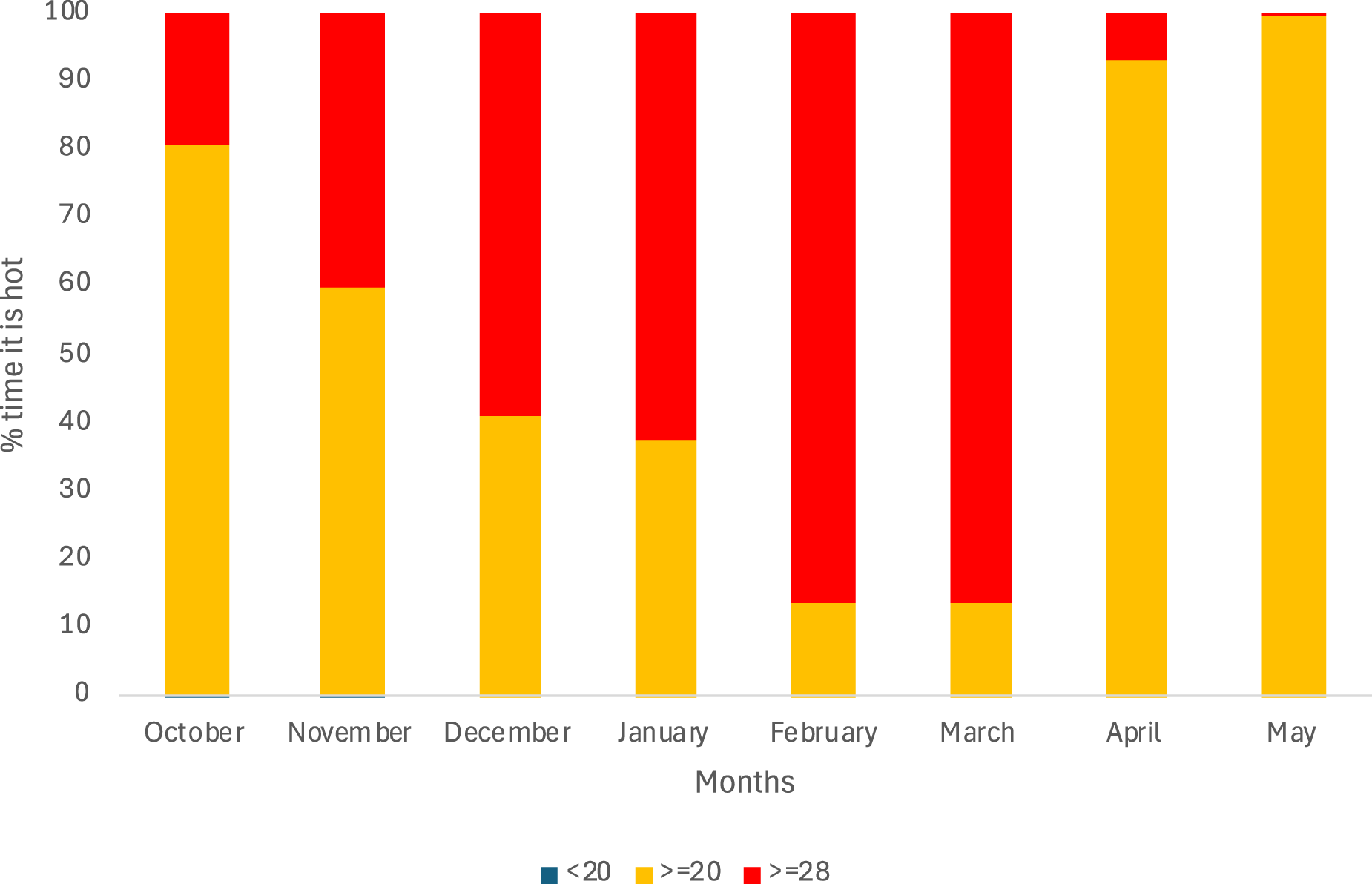
Percentage of time it was hot during the study period in the library, relative to the modal questionnaire-based threshold of 20.
While Humidex measures heat stress, thermal discomfort is also a concern in the library. We therefore explored how many respondents said they were cold through to hot, and classified thermal discomfort using the quantitative and qualitative data. A large proportion of the percentage of the readings fall into the ‘hot’ and ‘very hot’ categories across all three floors of the library, with floors two and three showing higher percentages of ‘very hot’ conditions compared to floor one (Figure 7). This indicates spatial variation in thermal comfort, with some areas of the library experiencing more thermal discomfort.
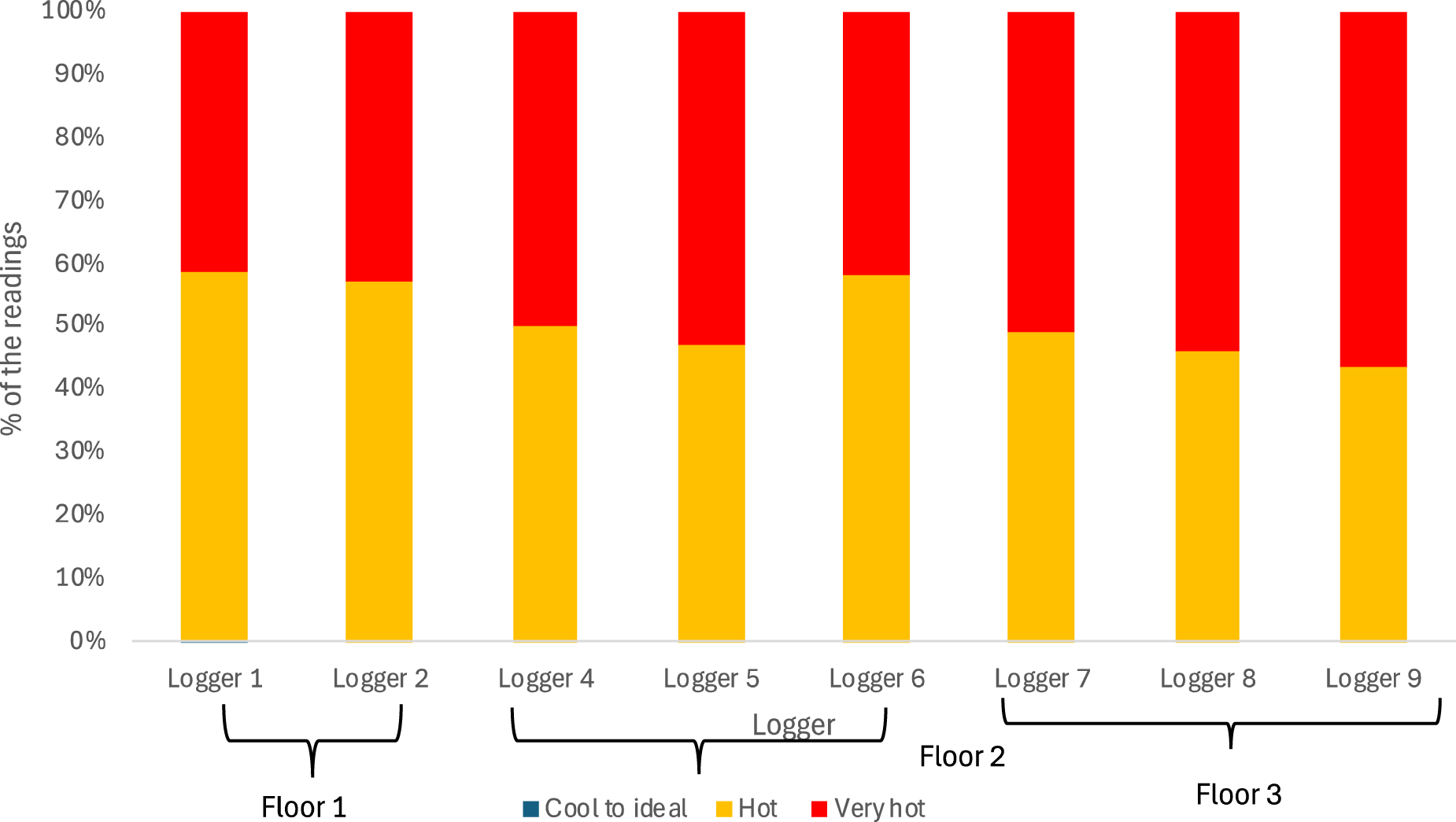
Humidex comfort classifications based on the thresholds that aligned with the thermal comfort perceptions that were reported in the questionnaires as a percentage of the readings in the library over the course of study.
Discussion
Thermal comfort in the library
Thermal comfort impacts every facet of human life and is of great concern in spaces where maintaining environmental comfort is critical, including sedentary environments such as libraries. 32 Sedentary activities can require concentration and research shows that optimal learning can be compromised by exogenous factors such as heat.9,33 When heat exceeds discomfort and people are exposed to heat stress, there is a risk to human health. 23 Thermal comfort is important in libraries because comfort plays a role in an individual's ability to engage in these activities with maximum efficiency.15,18 The thermal comfort–discomfort continuum reflects differences in the human experiences between optimal thermal comfort and thermal discomfort. 34 Understanding this continuum is important as it informs thermal adaptation of spaces and creates a broader awareness of the need to maintain thermal comfort during unprecedented environmental change. 35 Complexities in the standardisation of thermal comfort is an important factor to consider when studying thermal comfort as it can be both subjective and objective. 36 Given that context, a multi-faceted approach is needed when exploring thermal comfort in an indoor space. 37 In library settings, understanding the thermal comfort–discomfort continuum is relevant because people engage in sedentary activities for an extended period of time and that requires optimal cognitive function. 21 The relationship between thermal comfort and productivity is well established in the literature as research shows that changes in the thermal environment that result in discomfort can impact cognitive function and productivity by causing a distraction and decreasing efficiency. 38
This study was conducted in Johannesburg, South Africa that experiences a subtropical highland climate. Insights from this study can be globally compared to studies conducted in similar climatic regions such as Nairobi, Kenya. 39 These studies can validate and add nuance to the results in this paper. In this study, Humidex was used to quantify thermal comfort in the library to ascertain whether students are experiencing thermal discomfort or thermal stress. Additional thresholds were introduced based on respondents’ experiences of feeling too hot and too cold. Students felt ‘cool to ideal’ when Humidex values were less than 20. They felt ‘hot’ when Humidex values were greater than and equal to 20 and the students felt ‘very hot’ when Humidex values were greater than 28.1. The self-reported experiences of students throughout the library provide valuable insight with regards to how students feel in relation to their thermal environment. When respondents were asked how they were feeling between ‘very cold’, ‘cold’, ‘correct temperature’, ‘hot’ and ‘very hot’, respondents felt ‘hot’ and ‘very hot’ on every floor, from the data loggers, it is clear that the first floor was the coolest and the third floor was the warmest, with thermal comfort decreasing from the first floor to the third floor. In addition to the thermal discomfort experienced in the library, thermal stress was also experienced at the level one thermal stress threshold (32–35).
Although a minority of the responses reported experiences of being hot or very hot, this still indicates that students felt unbearably uncomfortable on each floor of the library at some point during the course of the study. However, when analysing the thresholds at which students were feeling ‘hot’ and ‘very hot’, it is evident that a large percentage of the readings fall within these thresholds. Humidex values and complaints of discomfort varied between the three floors of the library. According to the literature, individual or localised factors could have impacted these responses.40,41 Metabolic rates are highly subjective and variable, and individual differences were not considered in the application of these thresholds. Rather, thermal perception was considered by analysing students’ self-reported experiences of thermal comfort in the application of the thresholds. Follow-up studies analysing the impact of the variability and individual differences of metabolic rates, and how that relates to thermal comfort can be useful in understanding the relationship between metabolism and thermal comfort. There is a variability in thermal perception as everyone has a different threshold for heat tolerance. 33 For example, a student might feel comfortable at a Humidex of 20 whereas another student might feel uncomfortable at a Humidex of 28.1. This can be influenced by the metabolic rate of the individual as students with a higher metabolic rate might feel hotter compared to students with a low metabolic rate.40,41 The type of clothing an individual wears also impacts the way they perceive heat.43,44 Someone wearing heavy and non-breathable clothes are more likely to feel hot than someone with thinner and more breathable clothing. Some students may also have a personal preference for either a warmer or a cooler environment and that would influence the way they perceive their thermal environment. 45 The variability in thermal perception, influenced by both endogenous and exogenous factors, results in an inconsistency about when students are experiencing thermal discomfort. 32 It is therefore unlikely that students will know when they are experiencing heat stress. This places a greater burden on the library management and institution to prevent heat stress, because students themselves might not be aware that they are at risk of heat stress and what to do when they are heat stressed, such as the need to be supplied with water on an ‘as needed basis’. 31
In large buildings like libraries, air circulation is often uneven which can lead to some areas experiencing hotter conditions compared to others. 46 Expectation and perception influence the response to the thermal environment. 47 If a student expects the library to be cooler but experiences a warmer environment than what was expected, they may describe it as ‘hot’ or ‘very hot’ even if the objective temperature will produce slight discomfort in the library.33,46 Although activities in the library are primarily sedentary, the academic work is often highly stressful and mentally intensive, which can contribute to how heat is perceived. 16 Although staying in one environment for an extended period of time is conducive to acclimatisation, the opposite can also occur.48,49 A student sitting in one spot for an extended period of time may start to feel warmer as they adjust to their environment, especially if they are located in spaces in the library that are near sunlight or where there is a lack of adequate ventilation.9,16 Higher humidity in the library can also result in a greater perception of warmth in the thermal environment as the air feels warmer and the human body will not be able to thermoregulate through physiological mechanisms such as sweating. 42 Students might be sensitive to the changes in humidity in the thermal environment.9,33 Individual heat sensitivity and localised environmental conditions are relevant within the context of this study because they emphasise the need to monitor the thermal environment in the library and improve the ventilation to ensure that they do not impact students’ learning and productivity.
Avenues for adaptation
Thermal adaptation gradually lessens the physiological requirement for human response to environmental stimuli, and can be behavioural, psychological and physiological. 47 Behavioural factors include the choice of clothing, consuming water, the use of artificial heating and cooling systems, and opening of windows to improve ventilation. 50 Psychological factors include expectation and perception. 51 Physiological factors include autonomous thermoregulatory actions that help maintain a stable core body temperature such as acclimatisation and sweating. 42 Thermal adaptation is an important aspect of thermal comfort research as it is extremely relevant to maintain a degree of comfort in most environments. 52
In this study, how respondents adapted to the temperature and relative humidity variations and fluctuations were analysed. Of the total respondents, 64.71% consumed water and 8.33% consumed water in response to feeling ‘hot’ and 1.96% consumed water in response to feeling ‘very hot’. There are avenues to enhance adaptation in thermal environments that need to be explored and implemented where applicable. Water stations and cold-water dispensers throughout the library could also be effective in encouraging improved hydration in this space. 53 This aligns with the level one thermal stress response to supply water to workers on an ‘as needed basis’. 31 However, water can pose a risk to the preservation of books and documents and can damage electronic devices. 54 Spills and leaks from water bottles, stations and dispensers can result in the warping, staining and discolouration of books and documents.54,55 It can also result in mould growth which can spread quickly, causing irreversible damage to library collections. 54 When water comes in contact with electronic devices and equipment, electrical short circuits and fires can occur, resulting in damage to expensive equipment, which disrupts library operations. 56 It is therefore important to ensure that water access for heat stress mitigation addresses preservation concerns. 54 The implementation of water stations with drip-proof trays in hydration zones, or spill-proof dispensers that are strategically installed in thermal stress prone zones, encourages heat stress mitigation, while simultaneously addressing preservation in the library space. 57
In addition to thermally adapting to the environment through the consumption of water, respondents also added and removed clothing in response to their thermal environment. On the second floor of the library, most of the respondents added clothing in response to feeling ‘cold’ and ‘very cold’, most respondents removed clothing on the third floor in response to feeling ‘hot’ and ‘very hot’ and the first floor showed minimal thermal behavioural adaptation. These results show that when exposed to temperature extremes where it is either too hot or too cold, thermal behavioural adaptation is a viable and important response to the thermal environment to ensure that thermal comfort is maintained. 50 Natural ventilation through the use of operable windows to promote airflow when weather conditions allow, is incredibly important.58,59 However, in libraries, natural ventilation through the use of operable windows is not often allowed because of the risk this poses to the safety of the books which are collectively valuable. 60 Thermal perception is greatly improved when individuals are exposed to natural ventilation in indoor spaces. 61 Window retrofitting is a process that involves upgrading existing windows to improve building performance, and can be used to improve energy efficiency, thermal comfort and safety indoors. 62 The addition of low-emissivity films or a smart coating on windows can reduce heat gain and glare, thereby enhancing thermal comfort, and preventing ultraviolet damage to books. 63 This also addresses preservation concerns.62,63 Airflow management through targeted ventilation strategies that prioritise optimised fan placement is important. Ceiling fans, tower fans or desk fans can be installed and used to redistribute air in the library to improve thermal comfort. 64 Installing heat, ventilation and air conditioning (HVAC) systems such as smart thermostats that are able to adjust indoor temperatures based on real-time individual and environmental feedback should be considered.33,46 These systems are able to adjust the indoor thermal environment through temperature management and control, by accounting for outdoor temperatures and sedentary activities to optimise thermal comfort. 50 This can be seasonally adjusted and aligned with adaptive thermal comfort models, and to the feedback from library workers and users. 38 The need for thermal behavioural adaptation and the installation of HVAC systems is crucial, because in addition to being thermally uncomfortable, there is a risk of heat stress in the library, especially if students do not have access to drinking water, which can pose a danger to human health.
Conclusion
This research contributes to the field of human biometeorological research and evaluates the role of thermal comfort on optimal learning in library settings. Although there is a growing body of literature evaluating thermal comfort in library settings, it is still under-researched, especially in subtropical highland climates like Johannesburg. The need for region-specific thermal comfort adaptive strategies makes this study both necessary and novel. Optimising thermal comfort is important in our capacity to learn effectively. This study highlights the importance of thermal comfort in learning spaces such as libraries and established a link between thermal comfort and maximising learning capacity. The findings from this study highlight how students’ comfort is compromised and how that can impact their concentration and academic performance, as well as how students are at risk of heat stress if they do not have access to drinking water. The identification of periods of thermal stress and thermal discomfort between the floors of the library suggests that this learning space requires thermal adaptation to optimise the thermal environment, and in turn, thermal comfort and learning outcomes and in turn, minimise heat stress risk. Thermal comfort can be improved in low, medium and high budget situations. The findings from this research can be used to inform the university's architectural approach when building learning spaces to ensure that thermal adaptivity is made more of a priority. This research also emphasises the need for climate adaptation strategies. When one library in a region of a country that experiences temperate meteorological conditions, for regions that are much hotter or where facilities for thermal adaptation are under-resourced, a serious problem arises. Future research needs to focus on exploring a wide range of different libraries globally, to optimise the thermal environments of these spaces. This will in turn minimise heat stress risk and optimise thermal comfort.
Footnotes
Acknowledgements
We would like to acknowledge Wartenweiler Library of the University of the Witwatersrand, South Africa, for allowing us to conduct this study in the library, with particular thanks to Mr Kgosi Matlhabe for his assistance through the data collection period. We thank the anonymous respondents of the survey questionnaire for taking part and sharing their experiences of thermal (dis)comfort.
Authors’ contribution
JMF conceptualised the study and supervised TJE. JMF and TJE collected the data. JMF developed the methodology. TJE led the data analysis and first draft of the manuscript. TJE and JMF both edited subsequent drafts of the manuscript.
Declaration of conflicting interests
The authors declared the following potential conflicts of interest with respect to the research, authorship and/or publication of this article: While JMF works at, and TJE studies at, the University of the Witwatersrand, the authors have no material conflict of interest, financial or otherwise, to declare.
Funding
The authors disclosed receipt of the following financial support for the research, authorship and/or publication of this article: This study was supported by funding from the University of the Witwatersrand Friedel Sellschop Award granted to JMF.
