




Abstract
In response to the pressing need for housing and streamlining construction processes, the building industry has embraced innovative construction techniques. One such method, known as the Industrialized Housing Construction (IHC) system, departs from traditional framing systems by utilizing thin-reinforced concrete walls (TRCW). These TRCWs, characterized by high flowability and rapid strength gain, enable quick and efficient monolithic construction of walls and slabs. However, challenges have arisen regarding the structural behavior of these elements, potentially compromising their seismic performance. Given the significant seismic risk, there is a compelling need to develop resilient buildings by using this cost-efficient structural system. This study proposes the use of passive control systems such as base isolation to address this problem. While base isolation has proven effective in other countries, its feasibility in structures using TRCW and its performance during actual seismic events warrants further investigation. This paper presents an innovative approach using Multi-Axial Real-Time Hybrid Simulation (M-RTHS), which combines numerical and experimental components to gain deeper insights into the seismic response of low-rise TRCW buildings with base isolation using unconnected fiber-reinforced elastomeric isolators (U-FREIs). The methodology is detailed and includes the division of the structure into numerical and experimental segments and the use of transfer systems to replicate real seismic excitations, including those from El Centro (USA, 1940), Pizarro (Colombia, 2004), Chihuahua (Mexico, 2013), Loma Prieta (USA, 1989), and Kobe (Japan, 1995), with a maximum amplitude of 7.36
Keywords
Introduction
In recent years, structural engineering has been oriented towards the development of new construction techniques that offer substantial improvements in economic efficiency and expedite certain activities. This is a response to increasing demand for housing, which is directly proportional to demographic growth (Ortega et al., 2021). Several construction systems have been explored, including the industrialized housing construction system (IHCS). IHCS uses thin reinforced concrete walls (TRCW) in a significant portion of the structural area. In addition, it uses highly fluid concretes to achieve better finishes and is commonly mixed with accelerating additives to obtain the design strength at an early age, allowing monolithic casting of TRCW and slabs for a whole plant per day using reusable modular metal formwork. During this phase, this system exhibits significant advantages compared with other construction methods that reduce labor and material requirements, which has generated an important reception in the Latin American construction industry (Kildashti et al., 2021). TRCW buildings typically have a structural wall between 80 and 150 mm in thickness and dimensions below those limited by international standards, which classifies these walls as ultrathin. These types of walls incorporate electrowelded core reinforcements, often arranged in a single layer, which does not create a confined core. The reinforcement quantities are typically 0.25%, complying with the minimum requirements of Colombian regulations on earthquake-resistant construction (NSR-10) (Arteta et al., 2018; Ortega et al., 2023). Depending on the design specifications, the IHCS may require specific types of edge elements composed of longitudinal reinforcement with conventional ductile steel and closed hooks or stirrups to provide confinement to maintain the thickness of the core, which limits its performance under flexural and compressive loading (Arteta et al., 2014; Carrillo et al., 2023).
Several studies have documented that TRCW buildings, after being subjected to seismic events in countries such as Chile (2010), New Zealand (2011), Morocco (2023), and Turkey-Syria (2023), exhibit limited structural performance owing to factors such as low ductility, inadequate energy dissipation capacity, out-of-plane instability, and the occurrence of brittle failures, even when facing wall thickness restrictions were high than 15.0 cm (Abdullah and Wallace, 2018; Cheng et al., 2023; Ibrahim et al., 2024; Massone et al., 2023; Mouhine et al., 2024; Ortega et al., 2023; Wallace et al., 2012). In addition, local slenderness ratios of up to 16.0 have been implemented with a typical height between floors of 2.5 m, which increases vulnerability and out-of-plane instability (Almeida et al., 2017; Carrillo and Alcocer, 2012; Massone et al., 2023). However, the geographical location and geological and seismological conditions of Colombia result in an intermediate to high seismic hazard. Therefore, approximately 87.0% of the population resides in areas with significant seismic risk. Hence, the construction industry has increasingly prioritized the development of robust structures capable of efficiently recovering from exposure to substantial dynamic loads (Segura and Wallace, 2018).
Considering the local seismic risk conditions and structural vulnerabilities observed in TRCW buildings during seismic events, there is a growing need to implement control systems capable of reducing their seismic vulnerability and performance (Galano and Calabrese, 2023). These structural control systems are alternative methods for reducing internal forces in a structure and improving their dynamic properties using passive, active, semi-active, and hybrid control schemes (Castillo et al., 2024a, 2024b; Dey and Saha, 2019; Peng et al., 2022; Saaed et al., 2015; Spencer Jr and Nagarajaiah, 2003). Base isolation systems have become the most commonly utilized passive structural control systems in buildings owing to their independence from external energy sources and their ability to generate forces in response to structural movements (Calabrese et al., 2019; Losanno et al., 2019, 2020, 2022; Madera Sierra et al., 2019). Traditionally, base isolation systems utilize elastomeric devices reinforced with steel that are capable of withstanding high axial loads while facilitating substantial lateral deformation to concentrate seismic energy dissipation. Nevertheless, their high manufacturing and installation costs present a significant barrier to widespread adoption (Calabrese et al., 2019; Madera Sierra et al., 2019). In order to enhance their cost-effectiveness, traditional connecting plates and steel reinforcements have been replaced with nonconnected elements and fiber reinforcement. These devices are known as unconnected fiber-reinforced elastomeric isolators (U-FREIs). UFREI devices have been utilized as base isolator systems in several studies (Castillo et al., 2024a, 2024b; Losanno et al., 2022; Pauletta, 2019; Riascos et al., 2022), including those involving structural systems similar to those used in low-rise TRCW buildings such as low-rise masonry load-bearing wall buildings (Losanno et al., 2021).
Studies that have focused on assessing the dynamic behavior of low-rise TRCW in base-isolated buildings during possible seismic events have been limited due to technical, spatial, and cost-effectiveness limitations when performing large-scale dynamic tests (Torres et al., 2022). Currently, the most common established methods for experimental testing to evaluate the seismic behavior of structural systems are quasi-static tests, shake table tests, and in the last few years the hybrid simulation tests. Quasistatic tests involve the subjection of structural elements under predefined protocols for loads or displacements to low velocities to avoid inertial effects (Beyer et al., 2008; Calderon et al., 2021; Carrillo and Alcocer, 2013). This limits their application to seismic loads such as those conducted by Ortega et al. (2023), Wallace et al. (2012), Abdullah and Wallace (2018), and Carrillo and Alcocer (2012, 2013), among others (Beyer et al., 2008; Mousavi et al., 2014), to determine the TRCW performance. Shake-Table tests replicate realistic seismic conditions on structural prototypes, which provide feasible and accurate results of structural performance during dynamic loads. However, large-scale tests under this methodology are limited owing to restrictions of size, weight, and applied force under laboratory conditions (Brunesi et al., 2019; Henry et al., 2021; Martinelli and Filippou, 2009; Nagae et al., 2015; Panagiotou et al., 2011). On the other hand, real-time hybrid simulations (RTHS) are a novel experimental technique that divides the dynamic system into two principal components: numerical and experimental substructures, through a dynamic substructuring methodology (Gao et al., 2014; Nakata et al., 2014; Silva et al., 2018). The structural elements whose behavior can be readily identified are numerically modeled using an analytical model, whereas structural elements with complex or nonlinear behavior are physically constructed and tested under laboratory conditions (Gao et al., 2014; Takanashi et al., 1980). Transfer systems induce boundary conditions and responses of the analytical model to the experimental substructure and acquire feedback states to feedback the numerical substructure, which closes the loop of the dynamic system (Li et al., 2021; Shao et al., 2011; Shao and Griffith, 2013). The RTHS technique offers several advantages over conventional quasi-static or shake table tests, such as significantly reduced experimental costs and requirements of size, time, and applied loads. This methodology concentrates the resources in relevant structural elements evaluated on a large-scale, and the rest of the structure is assessed analytically, which allows for fast, accurate and cost-effective assessments (Castillo et al., 2024a, 2024b; Shao and Griffith, 2013).
Although TRCWs have been widely evaluated in the literature, their seismic performance has traditionally been assessed using quasistatic tests, which do not include the inertial component of seismic events and limit the evaluation to independent structural elements. Likewise, the use of U-FREI devices as base isolation in structural systems with thin load-bearing walls, such as low-rise TRCW buildings, is in its early stages, which requires accurate and reliable experimental validations of their dynamic performance. In an effort to push the boundaries of research in low-rise TRCW buildings and base isolation systems, this study focused on evaluating the dynamic behavior performance of a low-rise TRCW building with U-FREI devices as base isolation using Multi-experimental RTHS (M-RTHS) in order to assess both relevant structural elements in isolated TRCW buildings. These tests were conducted to assess the reduction in the seismic vulnerability of this type of building and validate multi-experimentally the use of U-FREI devices for base isolation in the ISHC and the behavior of a TRCW structural element. Hybrid tests were performed by coupling a unidirectional shake table within the framework of scale model isolator tests and a reaction framework at the University of Valle, Colombia, as transfer systems. The remainder of this paper is organized as follows. Section Main Structure provides the details of the assessed reference structure and a description of the experimental structural elements. In Section Real-Time Hybrid Simulation, the dynamic substructuring of the isolated low-rise TRCW building with U-FREI devices, transfer systems employed, experimental setup, and seismic excitations are described. A detailed analysis of the seismic performance of the U-FREI devices and low-rise TRCW building with U-FREI devices as base isolators is presented in Section Results. In this section, the performance of RTHS is evaluated. Finally, Section 5 presents the conclusions of the study.
Main structure
Reference structure
The reference structure represents a typical low-rise TRCW building, which is located in Cali, Colombia and was initially used by (Castillo et al., 2024a, 2024b). The selected structure was designed based on the IHC system using TRCWs with thicknesses ranging from to 80–100 mm and interfloor slabs. Normal-weight concrete with a compressive strength of Reference structure. Structural isometry (top-left), beam frame of the isolation system (top-right), and structural plan with U-FREI devices (bottom).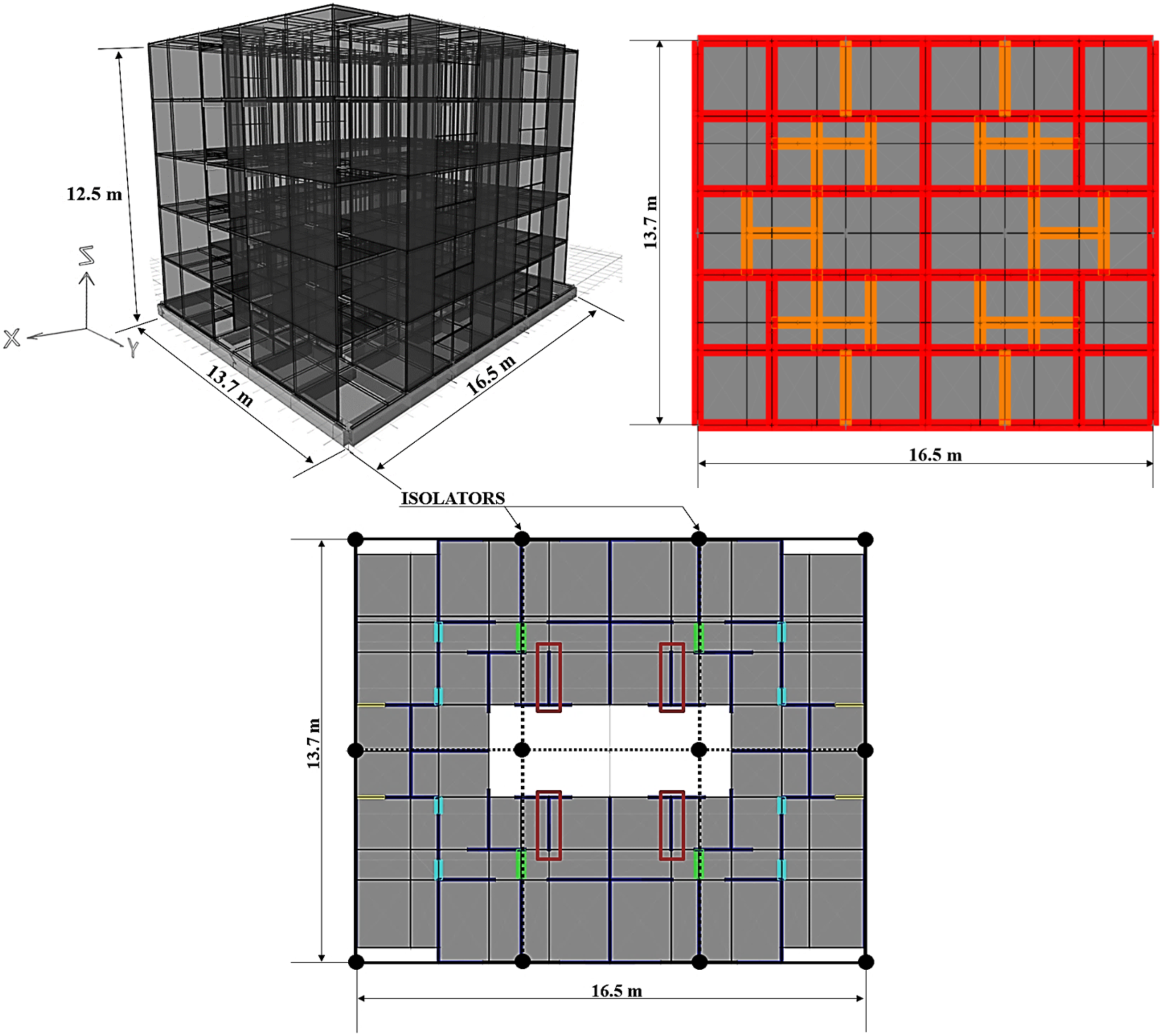
The low-rise TRCW building with U-FREI devices as the base isolation system was modeled using the finite element software ETABS19. Shell-membrane elements were used for the slabs, thin shell elements for the walls, and frame elements for the beams. The slabs at all the levels were assumed to behave as rigid diaphragms. The conventional condition of a structural damping ratio ζ = 5.0% was considered. The frequencies in the x-y directions for the first two modes were 4.46 Hz and 4.77 Hz, respectively. In contrast, for the isolated condition, a target period of 1.90 s was achieved, resulting in rigid-body behavior in the superstructure supported by the isolation system. The structural damping ratio was not considered for the isolated building, considering only the damping provided by the hysteresis behavior of the U-FREI devices (Castillo et al., 2024a, 2024b).
Thin reinforced concrete wall (TRCW)
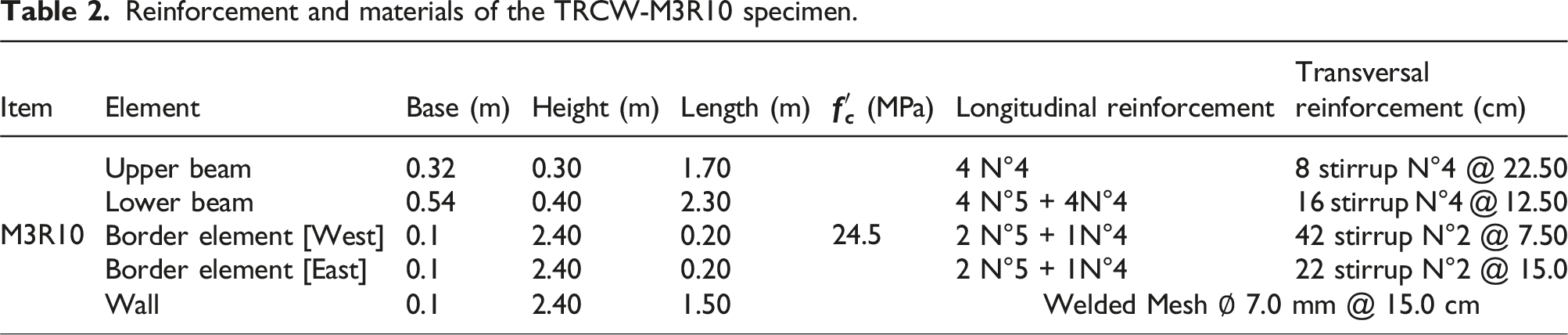
The first experimental substructure corresponds to a TRCW element denoted as M3R10, as shown in Figure 2. The TRCW specimen was constructed using concrete with a compressive strength of Specification of the TRCW-M3R10 specimen. Properties and general geometry of TRCW-M3R10.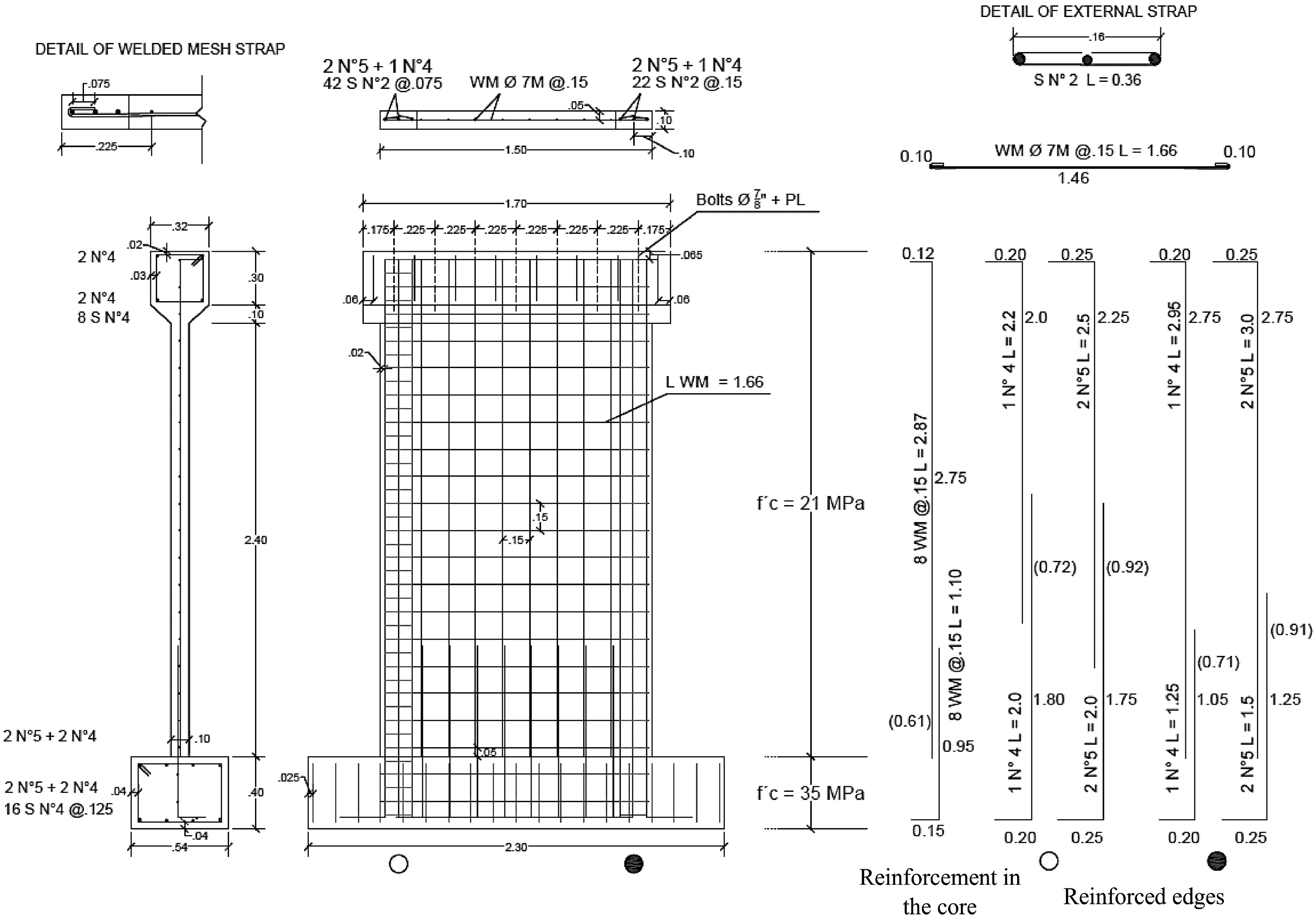

Reinforcement and materials of the TRCW-M3R10 specimen.
Base isolation system: U-FREI devices
Two small-scale U-FREI specimens were used as the second experimental substructures. U-FREIS devices were built with local manufacturing and have been used in previous studies (Castillo et al., 2024a, 2024b; Riascos et al., 2022). These isolators are composed of 15.0 layers of 2.0 mm thick rubber, reinforced with 14.0 layers of 1.0 mm thick polyester fiber, as shown in Figure 3. Small-scale U-FREI specimens.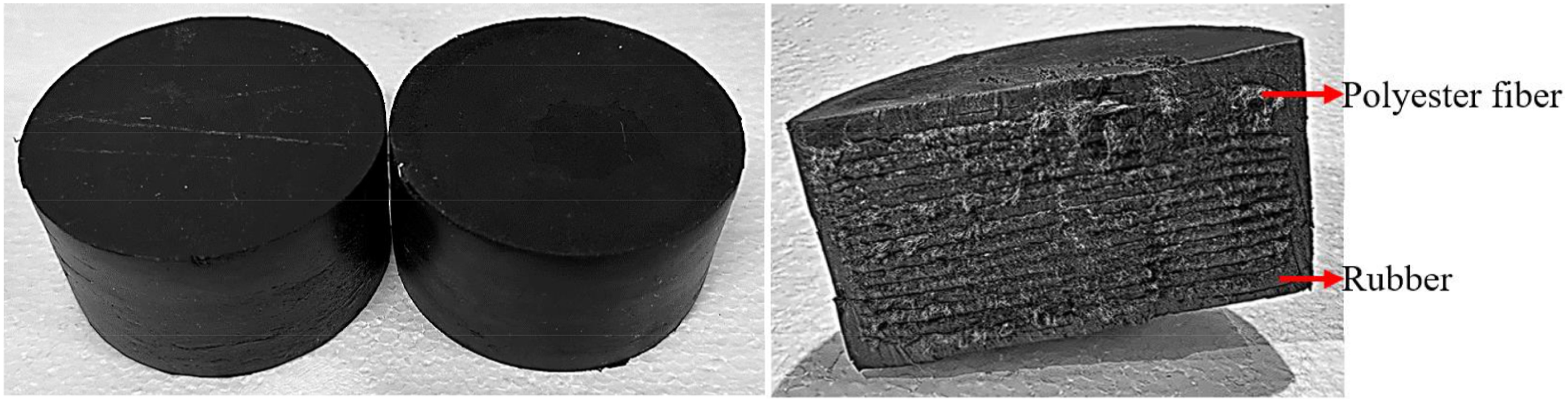
Real time hybrid simulation (RTHS)
In recent years, innovative methodologies have implemented to evaluate the dynamic behavior of structural systems, Real-Time Hybrid Simulations (RTHS) are a notable experimental technique of example (Castillo et al., 2024a, 2024b; Li et al., 2021; Nakata et al., 2014; Shao and Griffith, 2013). The RTHS technique retains the concept of dynamic substructuring used in traditional hybrid simulations, which allows division of the dynamic system into experimental and numerical substructures. These substructures are connected by transfer systems to induce boundary conditions and measure the state of the dynamic system (Takanashi et al., 1975, 1980). In addition, RTHS involves real-time execution, which allows the inclusion of inertial conditions in the experimentally tested specimens (Darby et al., 1999; Silva et al., 2020).
In this study, the RTHS technique was employed to evaluate the seismic performance of a low-rise TRCW building with base isolation under reference seismic events, using continuous feedback at a rate frequency of 1024 Hz. The testing and homologation framework (THF) and small-scale isolator framework (SS-IF) of the University of Valle, Cali-Colombia, were used as transfer mechanism systems, which had robust and accurate control systems type
Numerical substructure (NS)
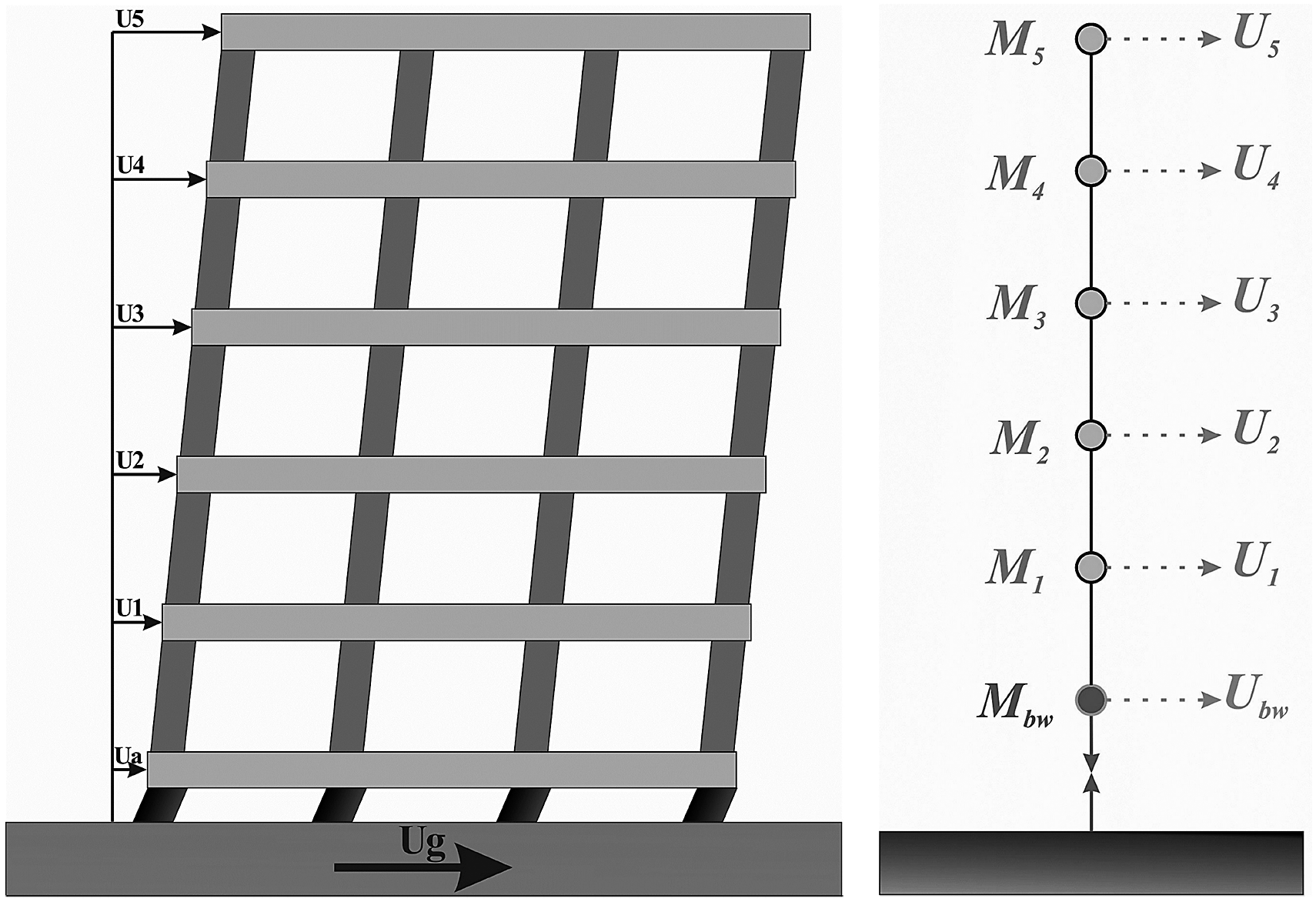
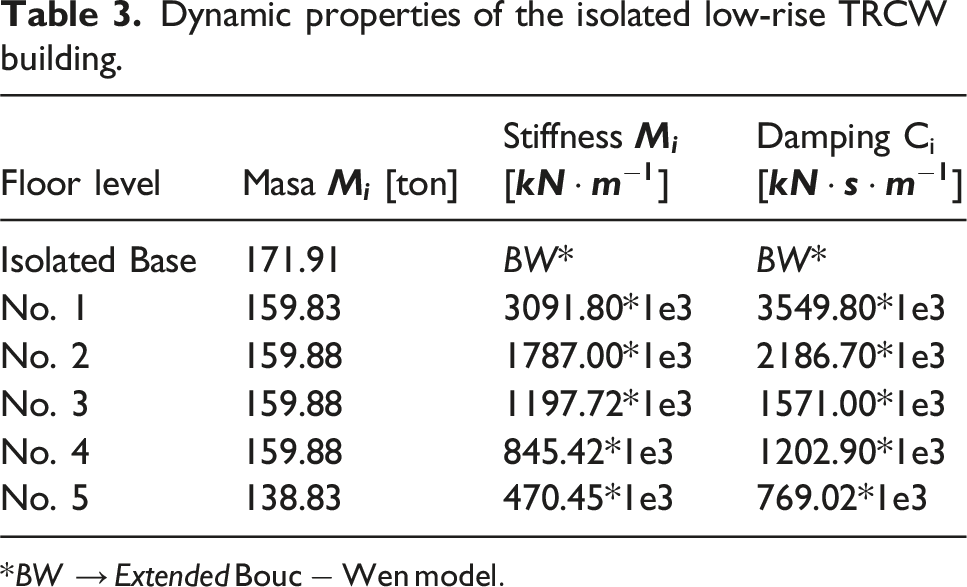
An analytical model of 6.0 condensed translational degrees-of-freedom (DOF) as shear frame was proposed to model the Y-axis behavior of the isolated low-rise TRCW building, as shown in Figure 4. This is based on the premise that the U-FREI devices can maintain the elastic range of the TRCW structure. The analytical model constituted a numerical substructure (NS). The dynamic responses of this analytical model were adjusted to the response obtained in the model developed using ETABS software, according to the methodology proposed by (Castillo et al., 2024a, 2024b), which consists of inducing a sweep with constant amplitude and range frequencies between 0.1 and 20 Hz. The shear frame dynamic properties adjusted are listed in Table 3. Numerical model of the isolated low-rise TRCW building. model DOF (left) and masses and stiffnesses per floor (right). Dynamic properties of the isolated low-rise TRCW building.


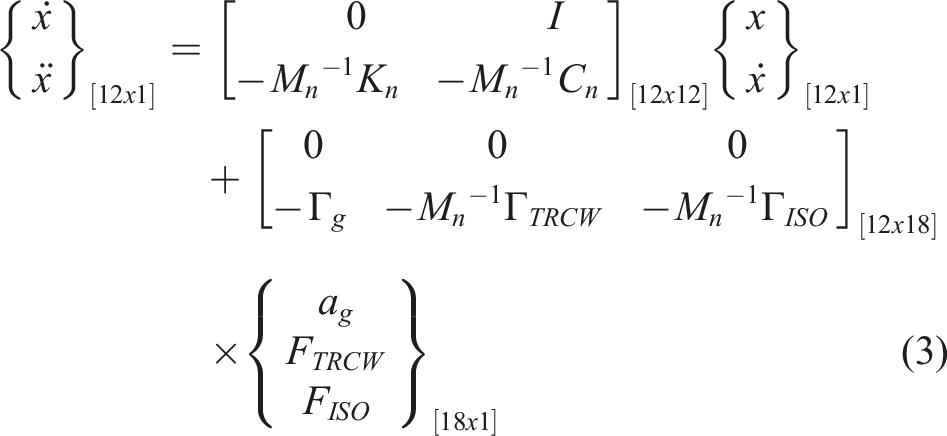
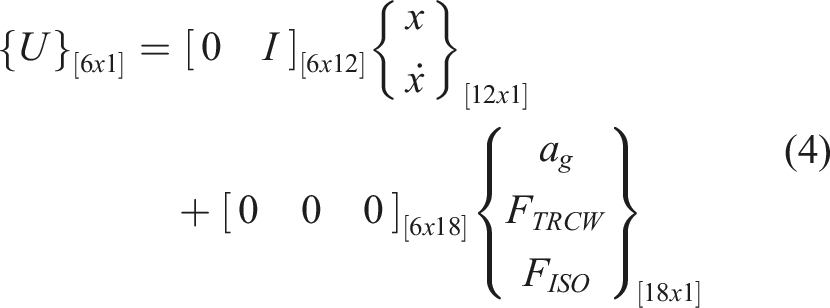
Extended Bouc-Wen model constant increased for the isolation system.

The first restorative force of the system is resulting from the experimentally acquired force from the TRCW structural element, are determined by the term
Experimental substructure (ES)
The experimental substructure (ES) was initially composed of a full-scale TRCW experimental specimen, denoted as TRCW-M3R10, which represents four structural elements similar to the reference structure described in Section 2. The four structural elements selected, highlighted in Figure 1 (bottom), represent approximately 12.0% of the lateral force capacity of the low-rise TRCW building evaluated. The experimental assembly of the TRCW-M3R10 specimen in THF is shown in Figure 5, which highlights the essential components of the mechanism for the development of axial and lateral loads. The experimental assembly of the TRCW-M3R10 specimen on the THF.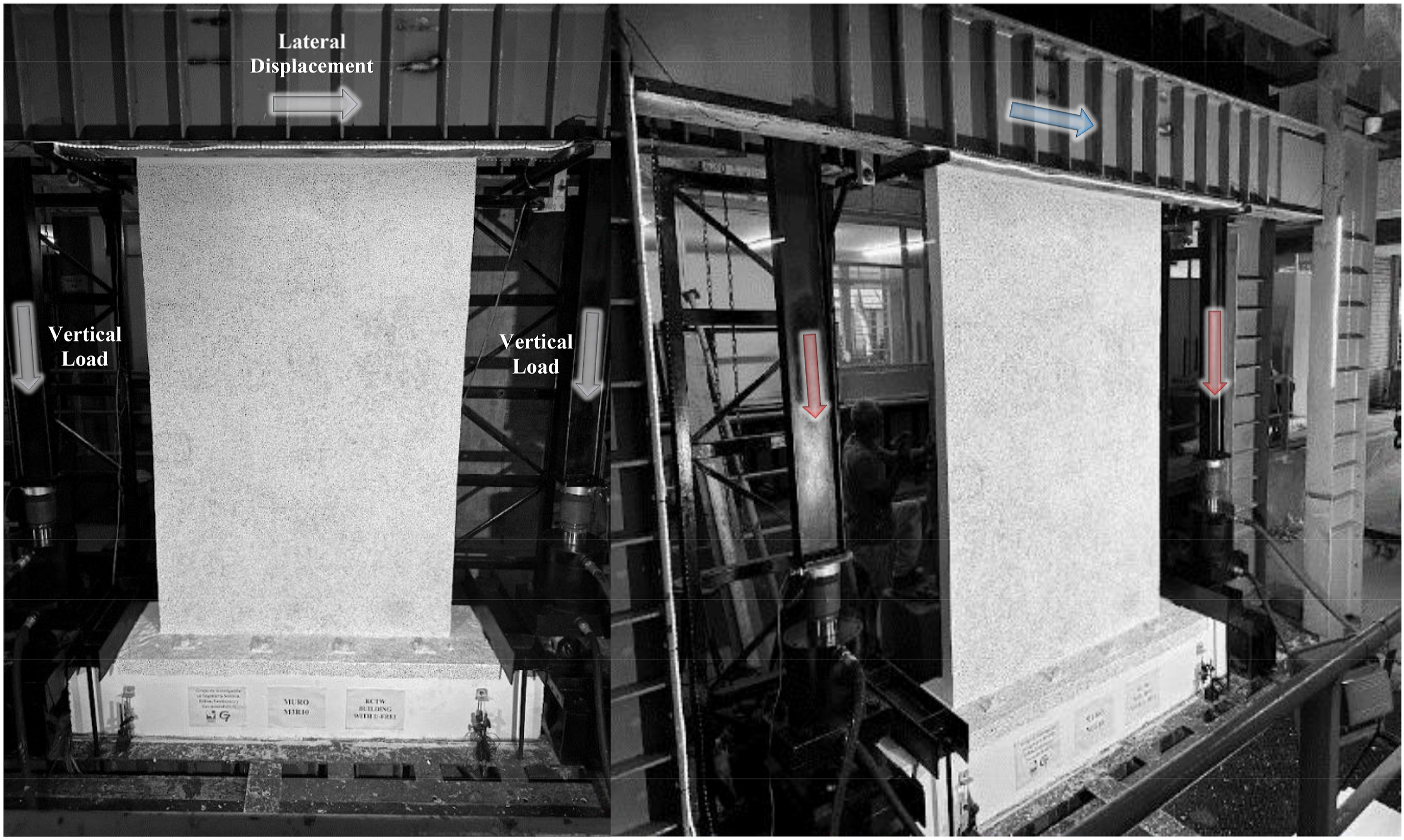
Likewise, the dynamic behavior of two isolation devices was substructured from the isolated reference structure, represented as shear frame, and feedback of the result load generated by two reduced-scale experimental U-FREI devices using scale factor of stiffness and form, according to similarity laws. These specimens were evaluated in the SS-IF, as described in Section 2 and shown in Figure 6. The experimental assembly of U-FREI devices in the SS-IF.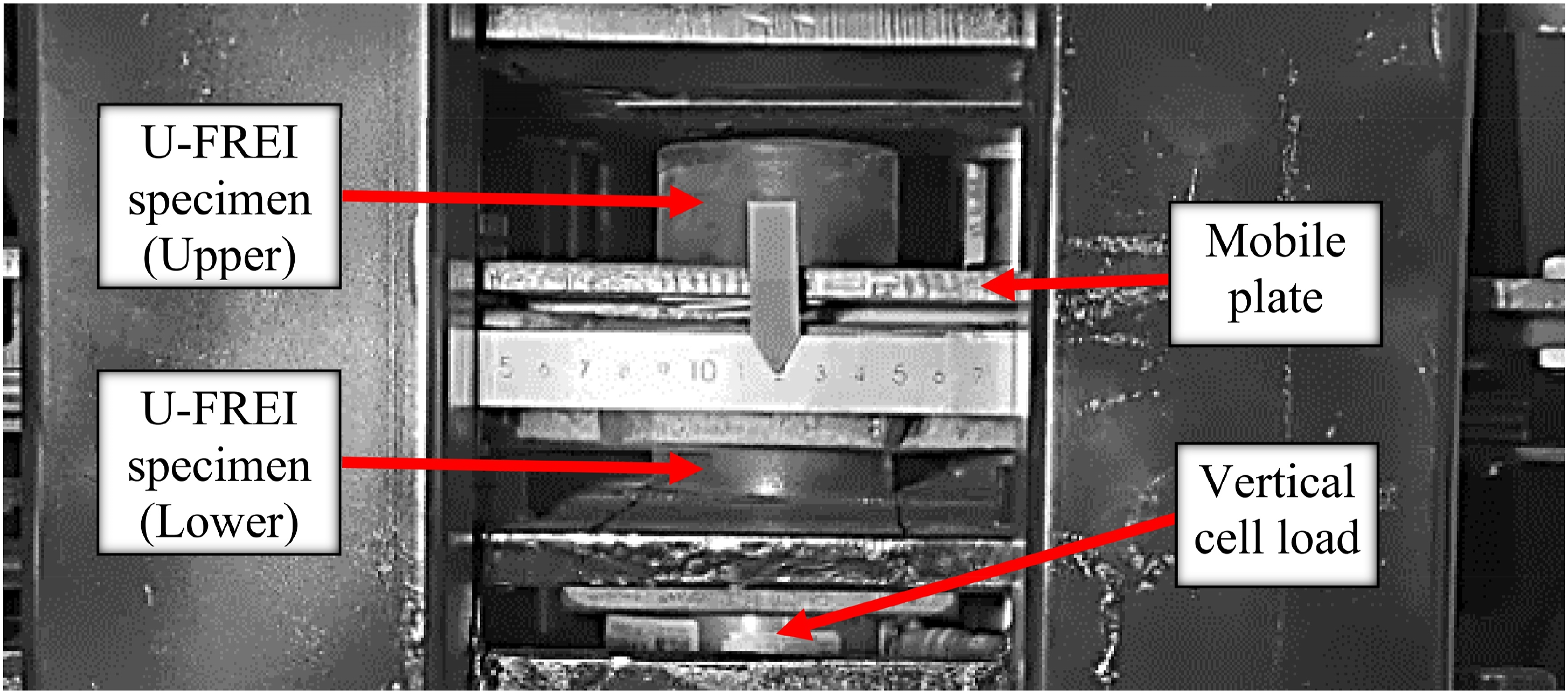
Transfer systems
In the RTHS technique, the transfer systems replay the behavior of the NS and induce it to the ES, which generates boundary conditions. This transfer of states between substructures requires high accuracy in the response of mechanical devices.
Small-scale isolator framework (SS-IF)
The small-scale isolator framework (SS-IF), used as a transfer system in other studies (Castillo et al., 2024a, 2024b; Riascos et al., 2022), serves the purpose of housing the two scaled U-FREI devices and applies a vertical load (Napp) using an actuator controlled by a servo valve. This hydraulic system continuously fed the vertical transfer system to load the experimental specimens axially at 19.0 kN. The isolated low-rise TRCW building has a variation in the vertical load of the isolators of less than 10.0% during seismic excitations, which allows consider the vertical load on U-FREI devices as constant. U-FREI devices were separated by a steel movable plate, which received horizontal displacement ( Setup of the small-scaled isolator Framework (SS-IF).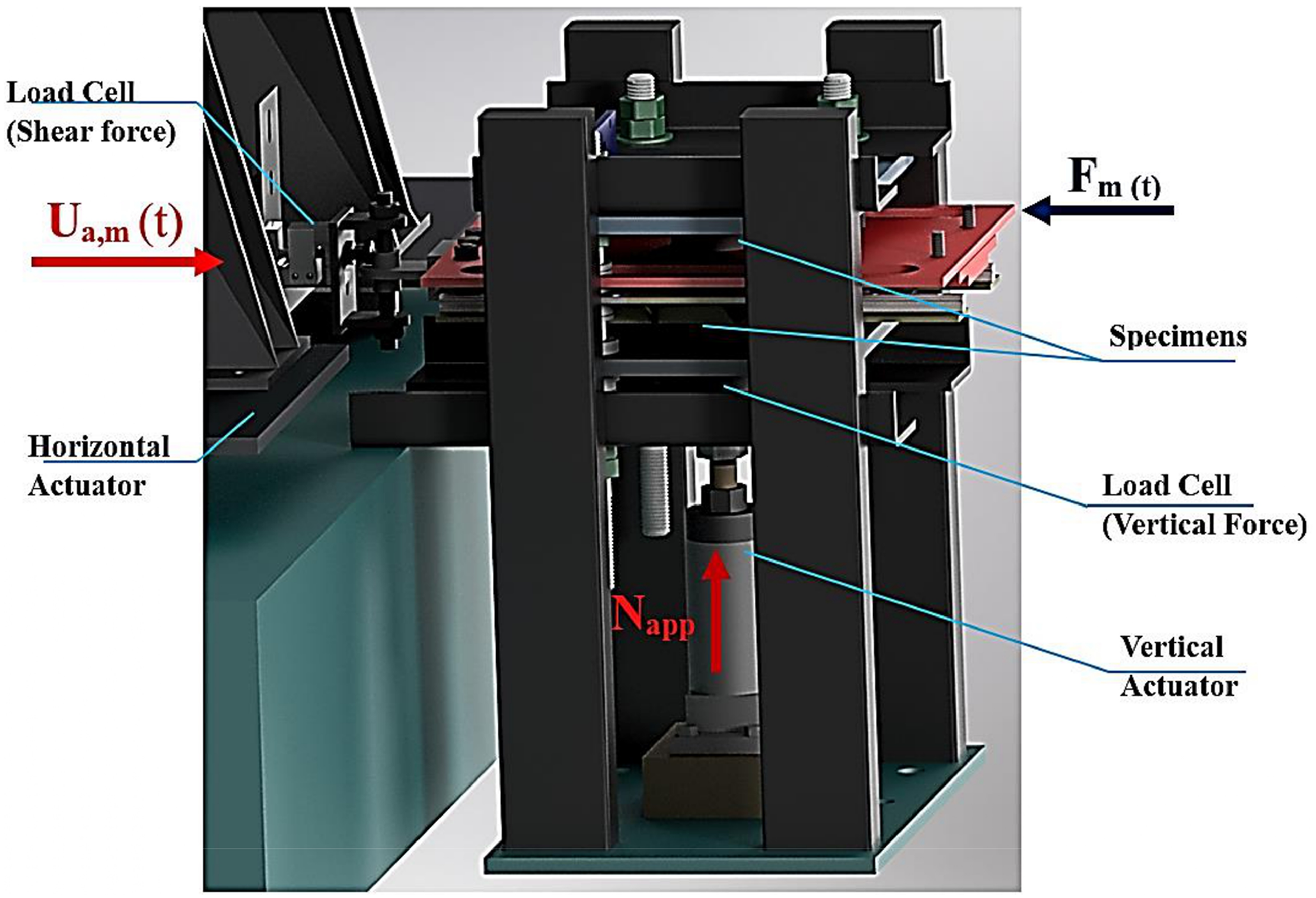
The displacement, corresponding to the response of the reference structure, was scaled using form and stiffness factors and induced by SS-IF to maintain the similarity of scale in the analysis. In addition, robust control type
Testing and homologation framework (THF)
The Testing and homologation framework is designed to perform tests on full-scale structural specimens subjected to lateral loads, as shown in Figure 8. Simultaneously, THF was used as the horizontal transfer system (HTS) and vertical transfer system (VTS) to evaluate the structural specimen TRCW-M3R10, as used in quasistatic studios (Ortega et al., 2023). This prototype consists of a metal frame with braced columns and beams attached laterally to a reaction wall, which allows vertical deformation in TRCW-M3R10 and, independently, a lateral displacement. In addition, the THF integrates a multiaxial acquired system composed of vertical and lateral cell loads, which allows feedback of the NS with the experimental response of the structural specimen generated by states of the isolated low-rise TRCW building. In this study, robust control type Setup of the testing and homologation framework (THF).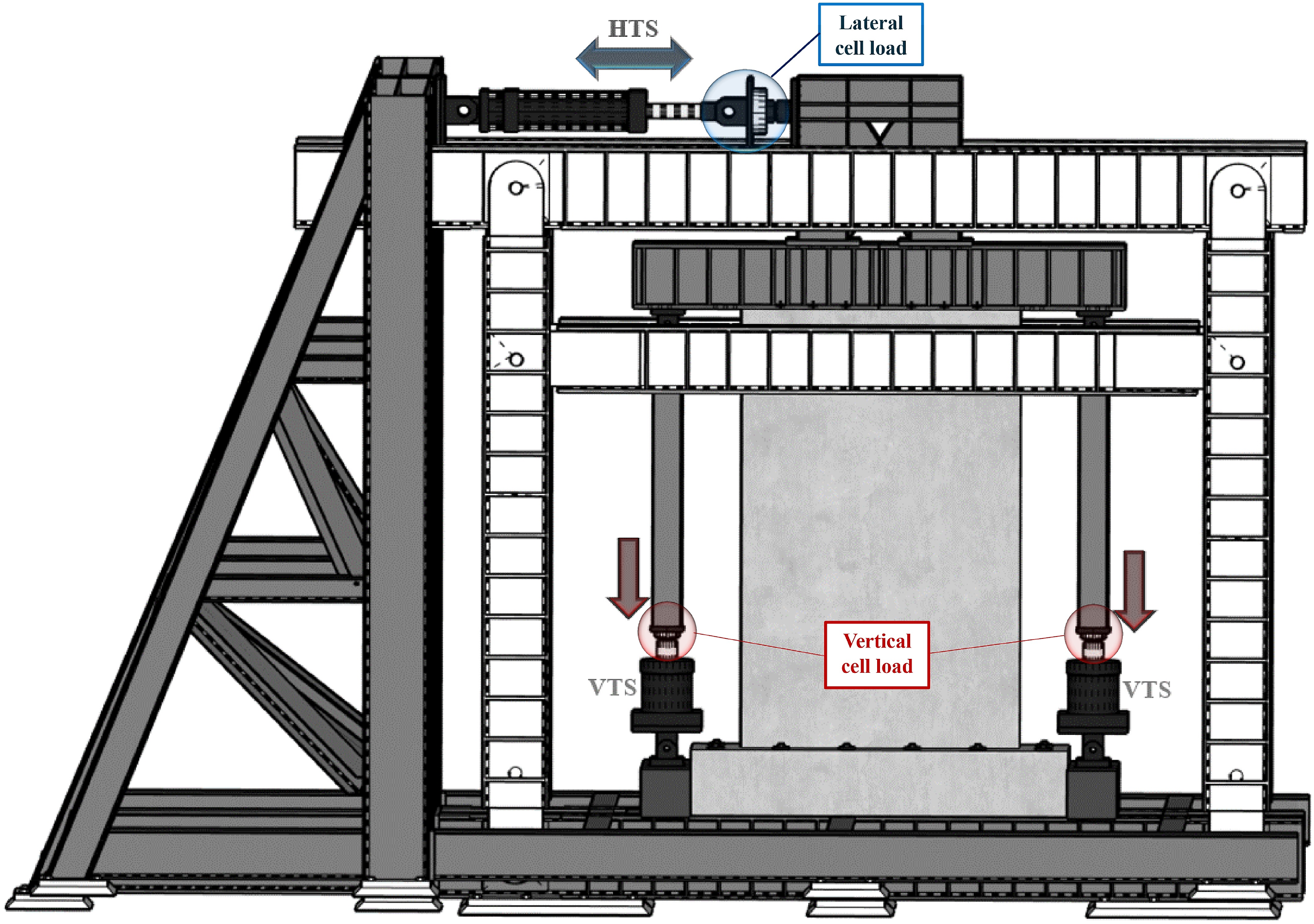
Seismic events
The seismic behavior performance of the isolated low-rise TRCW building was assessed using multiple Real-Time Hybrid Simulations (M-RTHS), which were performed using the following international reference source seismics: El Centro (USA, 1940), Pizarro (Colombia 2004), Chihuahua (Mexico 2013), Loma Prieta (USA 1989), and Kobe (Japan 1995). All seismic events were scaled to a maximum amplitude of 7.36 Seismic events evaluated.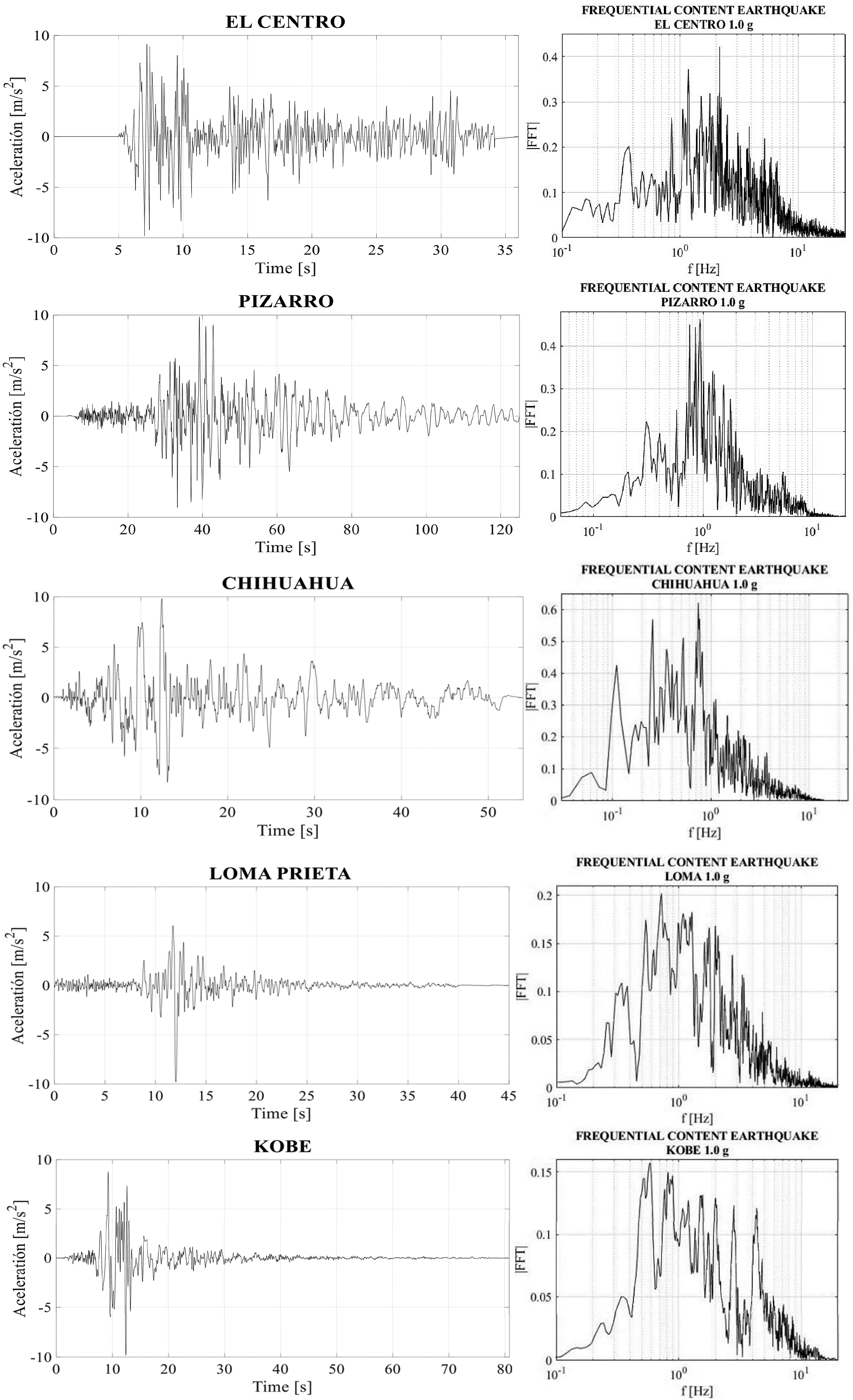
Experimental setup
The evaluation of a reference structure using RTHS techniques involves interconnecting numerical substructures (NS), experimental substructures (ES), and transfer systems (TS) through a dynamic loop developed in real-time. In this study, the isolated low-rise TRCW building was evaluated dynamically at the base of the NS using seismic inputs, which produced a displacement response Experimental multi-axial dynamic loop RTHS scheme.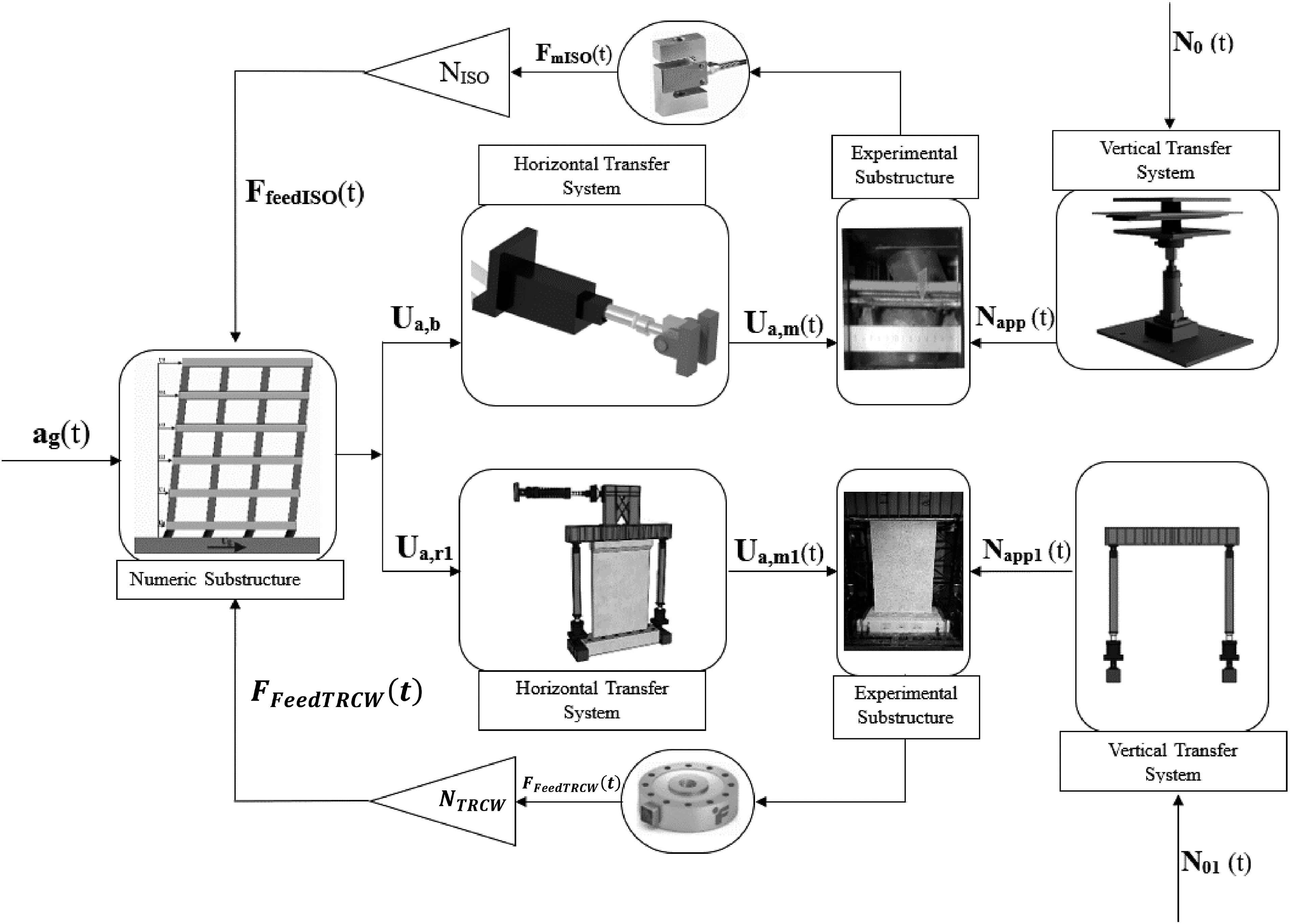
Results
Seismic performance of the base isolation system: U-FREI devices
The experimental dynamic response of the U-FREI devices as a base isolation system for the reference low-rise TRCW building, experimentally obtained using the RTHS technique, was evaluated under five international reference seismic events. The experimental hysteretic behavior of the specimens was calculated, which contained a characteristically viscoelastic behavior and an important energy dissipation capacity according to their desired performance, as shown in Figure 11. Experimental hysteresis of the U-FREI devices as base isolation system of the low-rise TRCW building.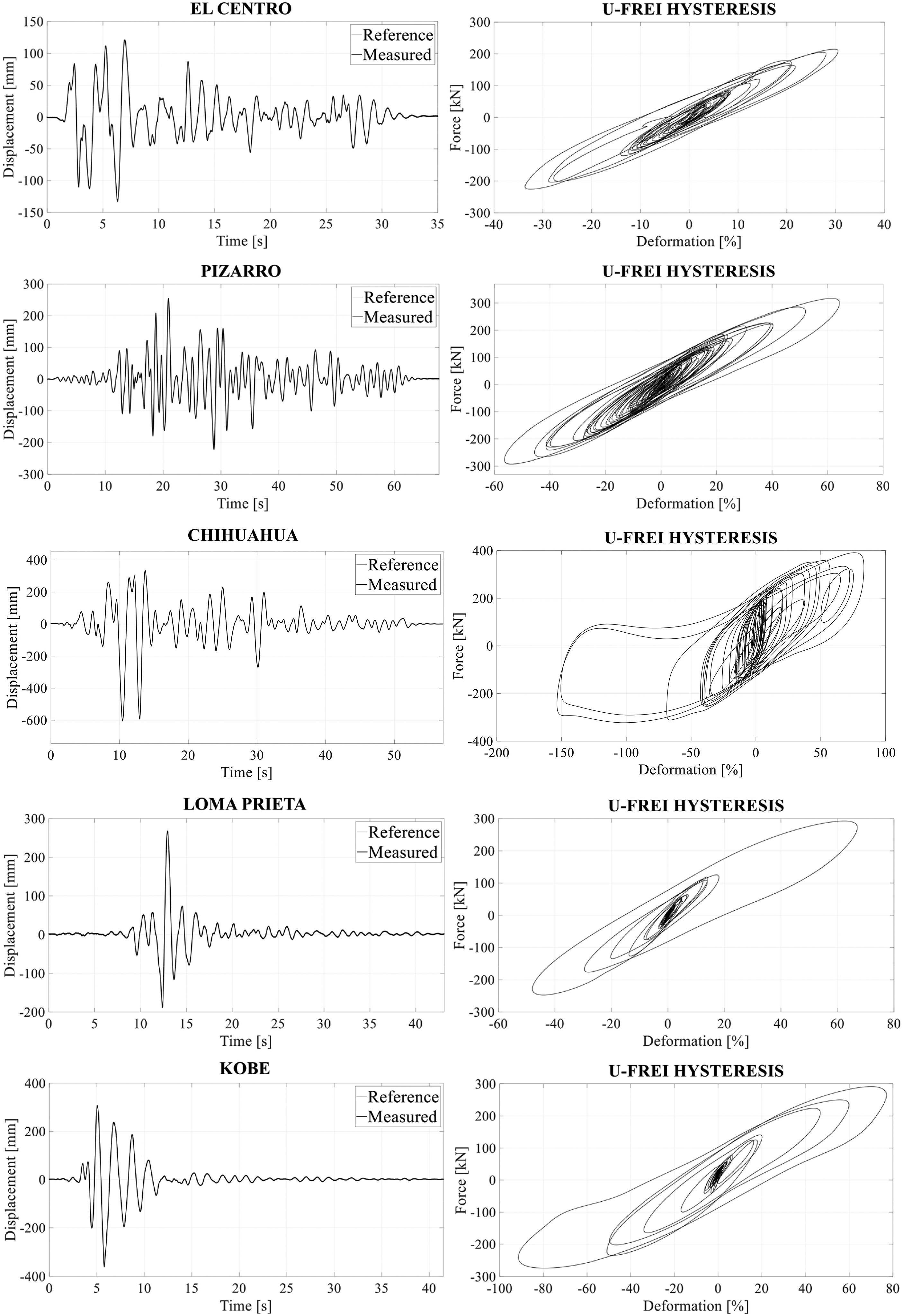
The accumulative energy dissipation (AED) of the U-FREI devices for all seismic events is shown in Figure 12. The AED developed by isolation specimens during the Chihuahua event was ≈300% higher than that of the other seismic events, mainly attributed to a resonance phenomenon between the base isolation system and the frequency content of this seismic event. Accumulative dissipated energy of the U-FREI devices.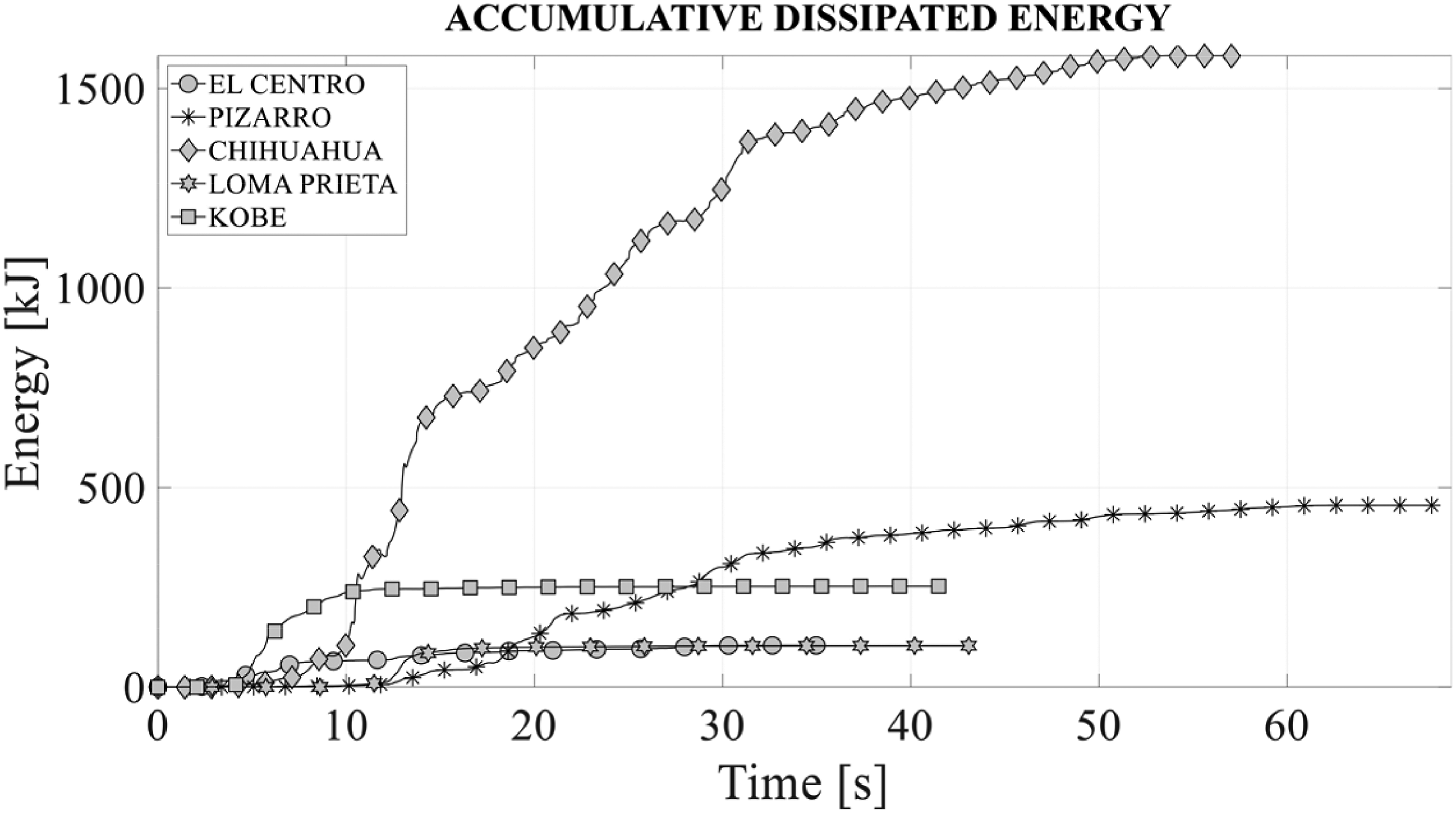
Seismic performance of the structural specimen: TRCW-M3R10
The structural dynamic response of the full-scale TRCW-M3R10 specimen as a component of the first level of the reference low-rise TRCW building, experimentally obtained using the RTHS technique, weas evaluated under five international reference seismic events. The experimental hysteretic behavior of the structural specimen was determined, which developed linear behaviors owing to the control action performed by the base isolation system. In addition, a low energy-dissipation capacity was identified, as shown in Figure 13. Experimental hysteresis of the TRCW-M3R10 specimen as component in the first level of the low-rise TRCW building.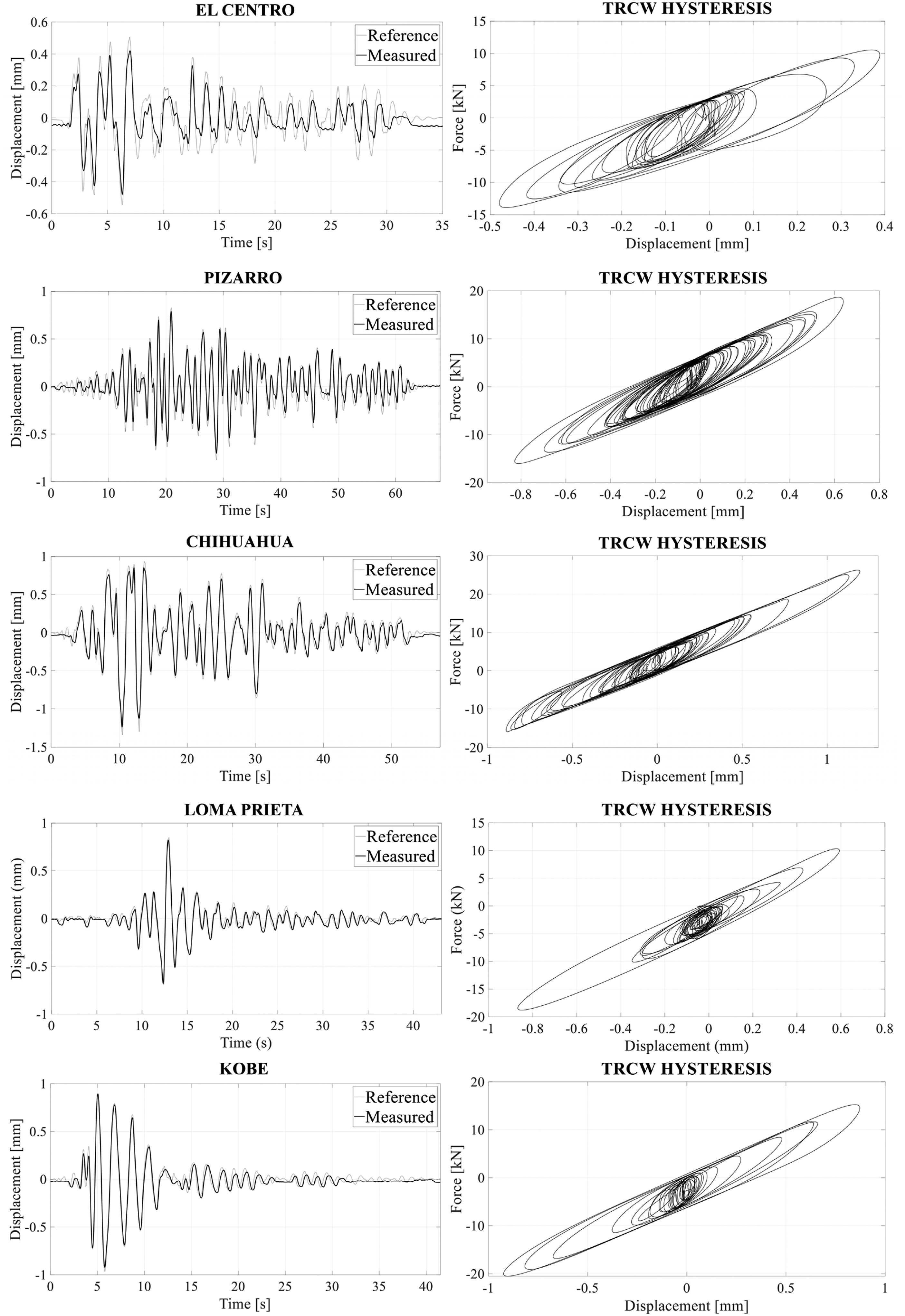
The AED of the TRCW-M3R10 specimen for all seismic events is shown in Figure 14. The Chihuahua and Pizarro earthquakes were seismic events with higher affectation to the isolated low-rise TRCW building, which reached an AED higher than 200% compared to other seismic events, as shown in Figure 14. However, in all cases, the performance of the base isolation system using U-FREI devices decreased the seismic vulnerability of the reference low-rise TRCW building, which maintained a maximums drift of less than 0.05% in the structural element. This drift level has been recommended in recent studies to protect the dynamic performance of this structural system (Arteta et al., 2018). Accumulative dissipated energy of the TRCW-M3R10 specimen.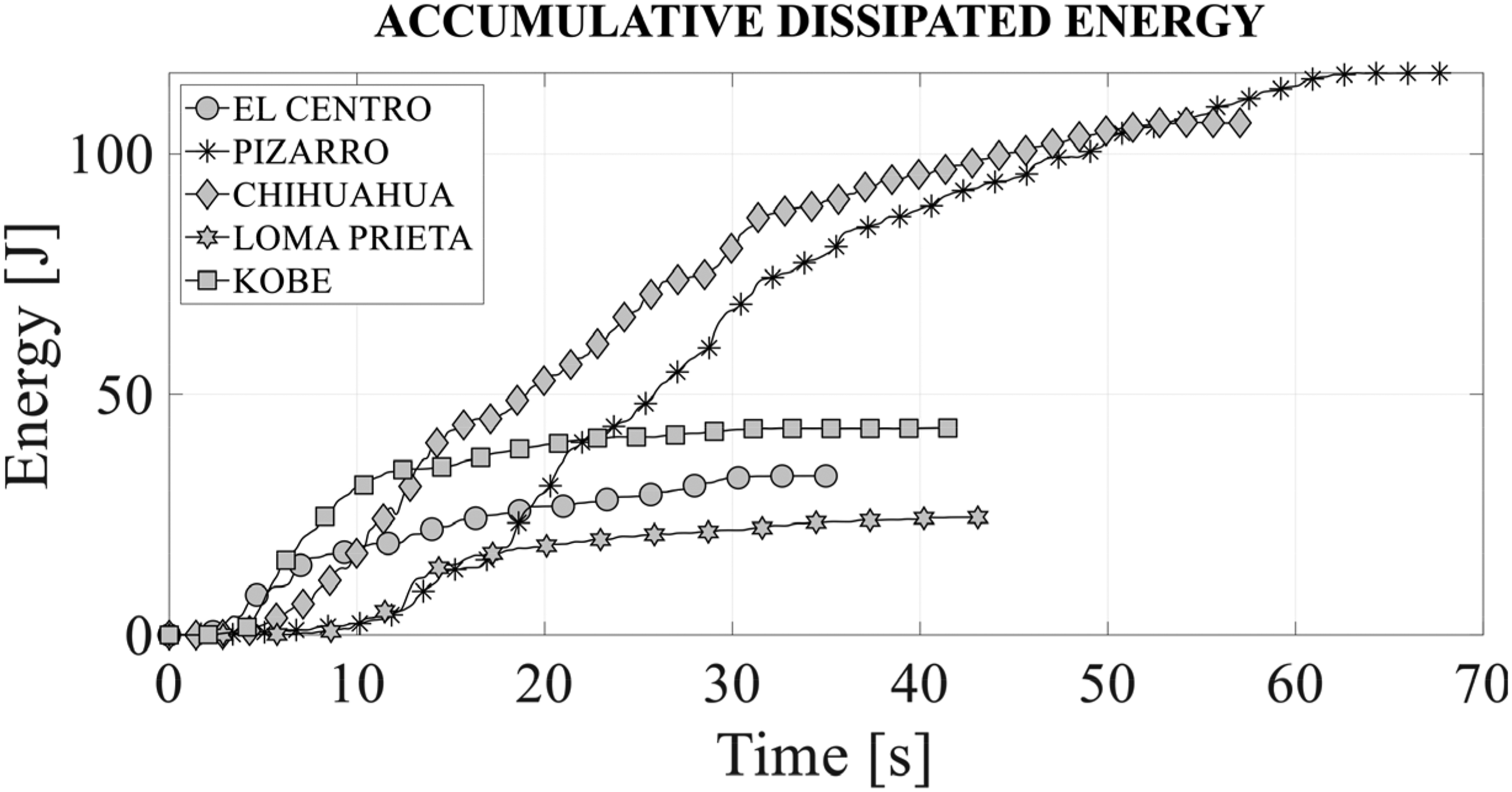
Low-rise TRCW building seismic performance with U-FREI devices as a base isolation system
Inter-story drifts generated in each case evaluated of the reference RCWT building.
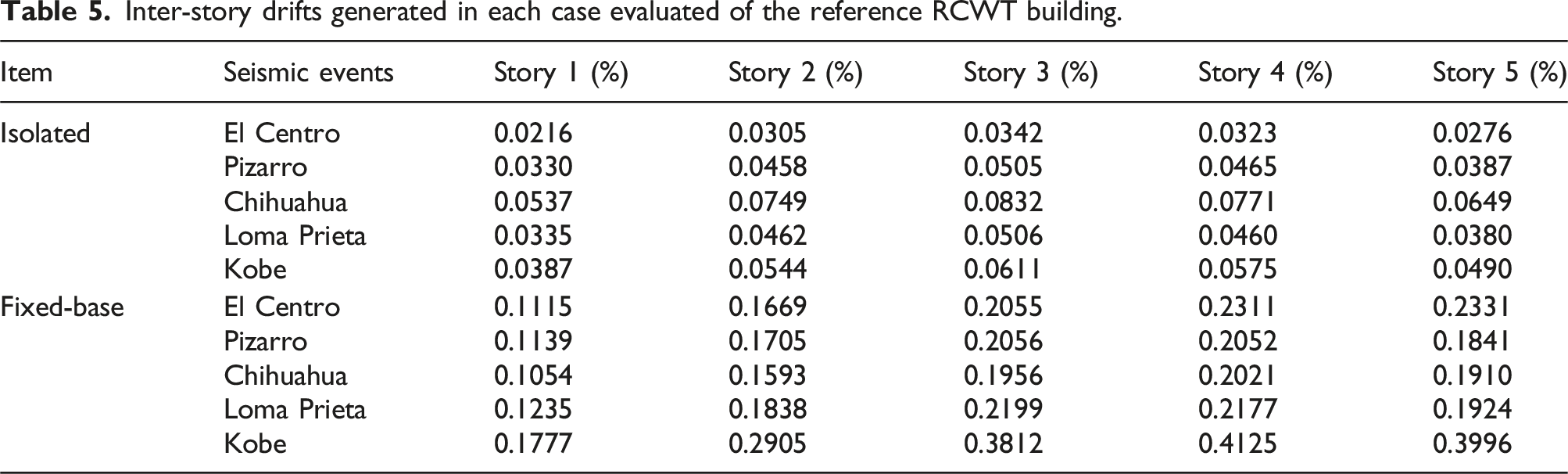
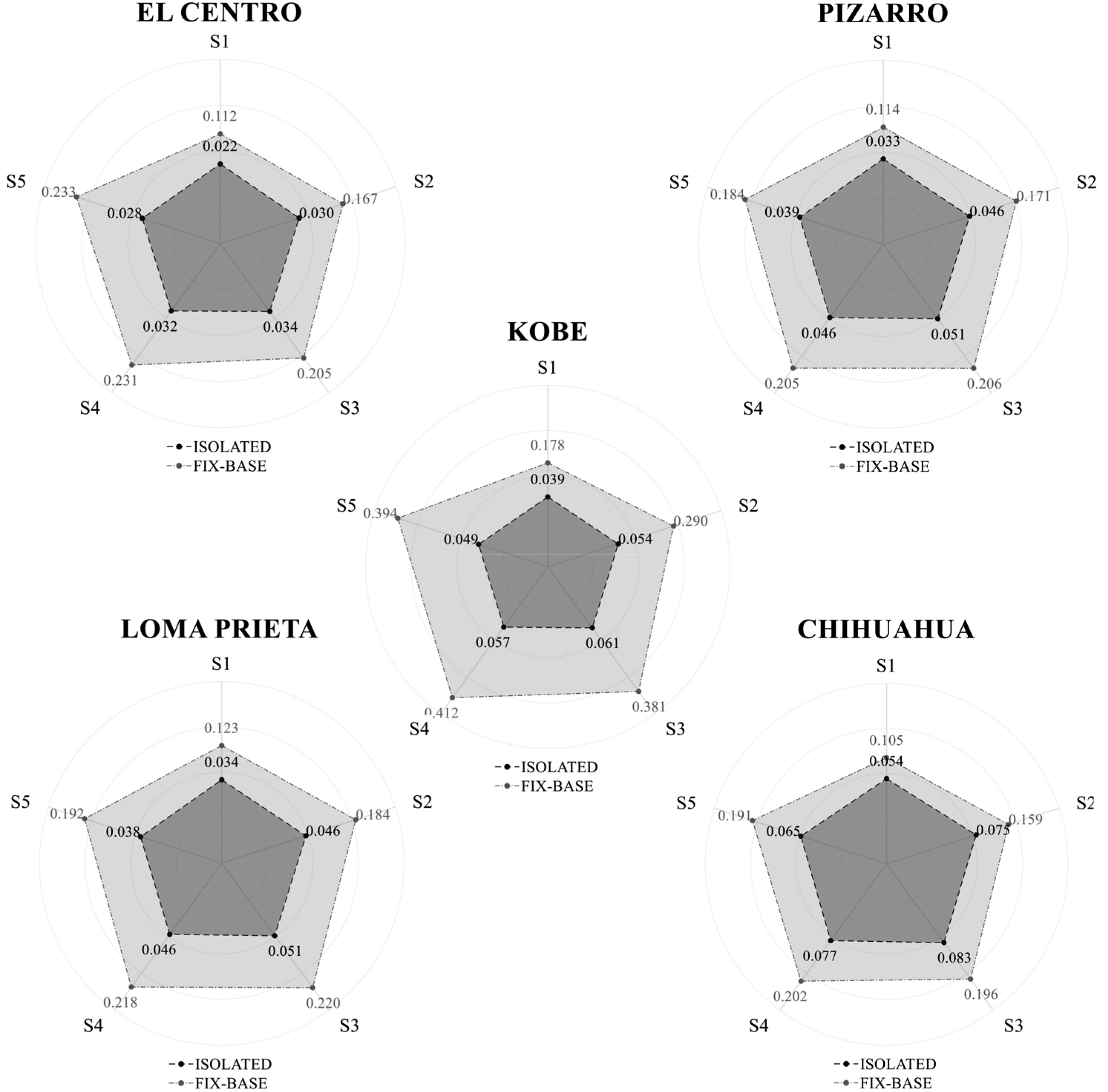
Inter-story drifts per level of the reference low-rise TRCW building. Isolated and fixed-base structure for all seismic events evaluated.
The maximus lateral base displacements generated by U-FREI devices used as a base isolation system.

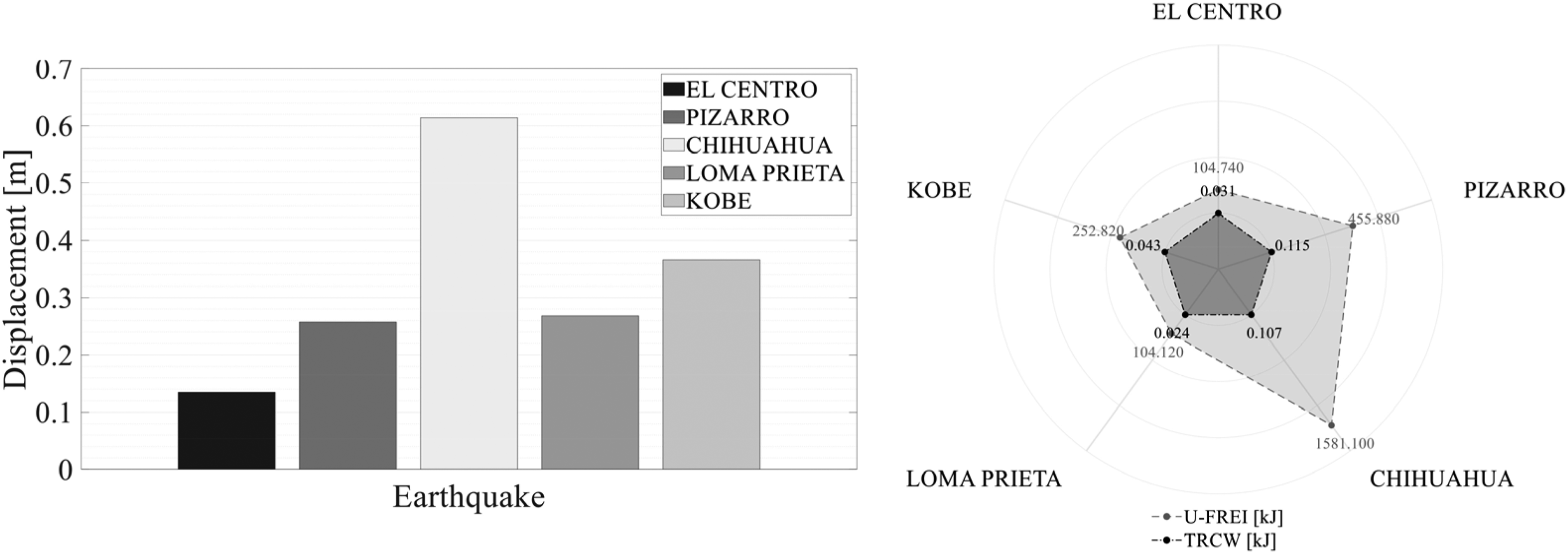
Displacement at the base level of the low-rise TRCW building (left) and accumulative dissipative energy of the experimental structural elements (right).
Evaluation of the RTHS performance
Some indices have been proposed to assess the performance of the RTHS owing to inherent factors that introduce errors between the interaction of the transfer systems and the numerical and experimental substructures. The evaluation of local performance was based on the synchronization of the boundary conditions between the numerical response (

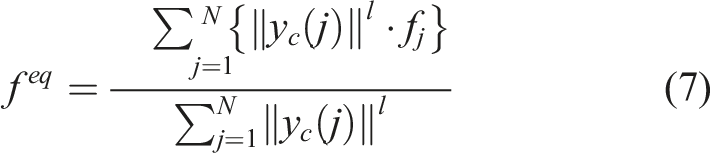



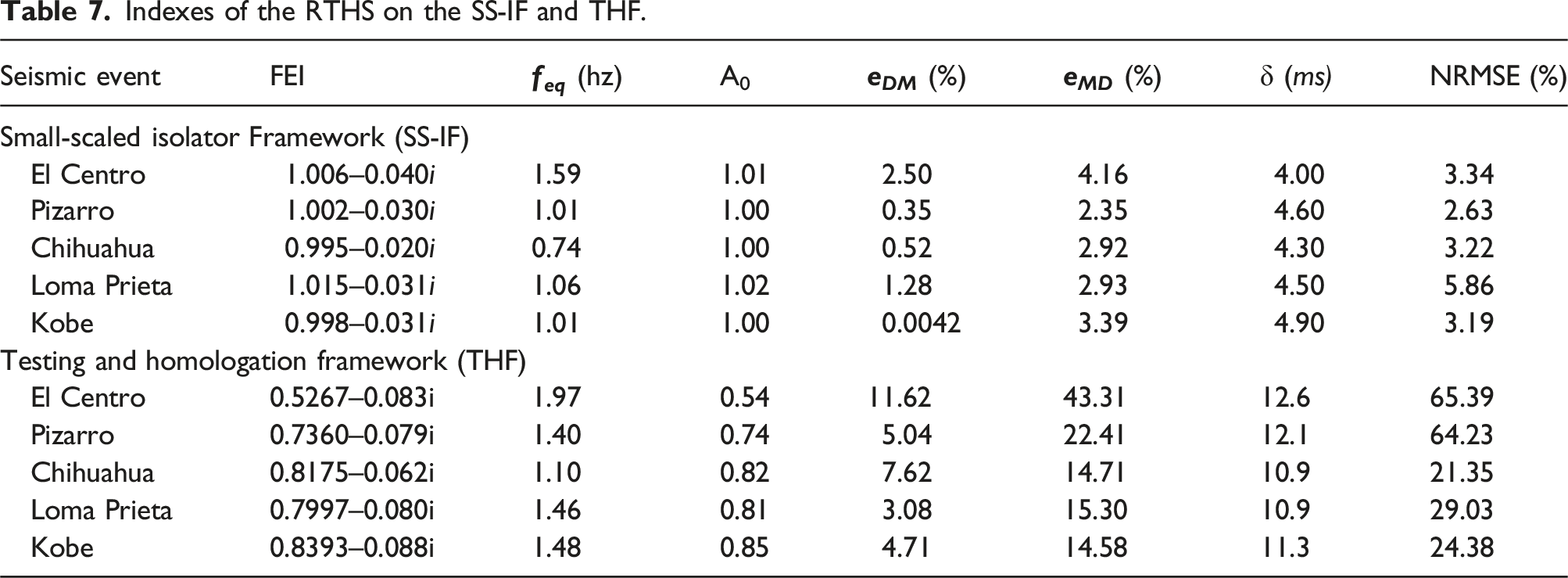
In addition, the global indices considered the interaction between the numerical and experimental substructures, and were evaluated in the time domain, quantifying the largest difference between the calculated and measured displacements using 

Indexes of the RTHS on the SS-IF and THF.
Conclusion
The seismic performance of a reference isolated low-rise thin reinforced concrete wall building was evaluated using the multiaxial real-time hybrid simulation (M-RTHS) technique through dynamic substructuring in three principal substructures. The first dynamic component was confirmed by a pair of small-scale unconnected fiber-reinforced elastomeric isolators (U-FREI), which were adjusted using a Bouc-Wen numerical model to simulate the base isolation system of the reference structure numerically and experimentally. The second component was formed by the experimental specimens denoted as TRCW-M3R10 structural element, which represented approximately 12.0% of the thin-walls in the first level. The last component was defined as the remainder of the low-rise TRCW building modeled as a 6-degree-of-freedom shear frame. Each substructure interacts with another substructure through a transfer system to simulate the boundary conditions using a sample time of 1024 Hz. In this study, the transfer system was composed of a testing and homologation framework (THF) and small-scale isolator framework (SS-IF) at the University of Valle, Cali-Colombia. The seismic evaluation of the reference structure using M-RTHS was performed implementing five historical seismic events: El Centro, Pizarro, Chihuahua, Loma Prieta and Kobe with a maximum acceleration of 7.36 (1) The isolated low-rise TRCW building using U-FREI devices as base isolator system had reductions in maximum drifts of 83.98%, 75.18%, 57.47%, 76.77% and 83.45% for The Centro, Pizarro, Chihuahua, Loma Prieta, and Kobe seismic event, respectively, compared to the non-isolated building evaluated through analytical model. Because of this reduction in the maximum drift, the effective shear forces on the TRCW structural element were also reduced, which reduced the vulnerability of this type of ultra-thin wall to flexural compression and out-of-plane buckling effects. The results indicate the technical potential of base isolation using U-FREI devices to reduce the seismic vulnerability of TRCW buildings. (2) The experimental assessment was performed using the M-RTHS methodology, taking a 6-DOF model of the low-rise TRCW building as a numerical substructure, scaled U-FREI devices as base isolation system and TRCW-M3R10 specimen as experimental substructures. Initially, all cases evaluated presented high-performance tracking for SS-IF with amplitude generalization values A0 close to 1.0, errors of less than 4.50%, and time delays of less than 5.0 ms. Similarly, THF exhibited a high level of response tracking for all seismic events with low fractional content, with A0 amplitude generalization values close to 1.0, errors lower than 15.50%, and delays lower than 13.0 ms. The above results indicate that the RTHS exhibits high fidelity and accuracy.
Footnotes
Acknowledgements
This work is part of two research projects: (1) Real-time hybrid simulations: a reliable, fast, and economical alternative for the evaluation of resilient structures; and (2) Eco-Isolators: low-cost, eco-friendly seismic isolators for risk mitigation in new and existing infrastructure; under the program: Emerging technologies for the mitigation of seismic risk in civil infrastructure, CT 463-2020 – program code 110685270483. The authors would like to express their gratitude to the Universidad del Valle and the Ministerio de Ciencia Tecnología e Innovación (Minciencias, Colombia), entities that financed the project.
Declaration of conflicting interests
The author(s) declared no potential conflicts of interest with respect to the research, authorship, and/or publication of this article.
Funding
The author(s) disclosed receipt of the following financial support for the research, authorship, and/or publication of this article: This work was supported by the Departamento Administrativo de Ciencia, Tecnología e Innovación (COLCIENCIAS), (80740-463-2020).
