




Abstract
Extreme events, with natural or manmade causes, such as floods, pandemics and wars, have recently brought the need to provide shelter and field hospitals in a very fast and affordable way. Prefabrication can play an relevant role in this context, by offering several advantages compared to on-site construction. The precast structural wall system is a paradigmatic example of how precast structural members can contribute to speed up construction and reduce costs. A new research project was defined to develop with the aim of delivering a new product, a precast structural concrete wall system, where the design of the wall itself and connections are key, keeping in mind not only the above requirements, but also the new demands created by the recent challenges of the construction sector. To reach this goal, first is necessary to survey the existing commercial solutions and developed by researchers and analyse the main scientific and technical documents about precast structural wall systems. Herein, a comprehensive review is presented, aiming at identifying the most relevant aspects regarding precast structural concrete walls and connections. The main advances made in the past and that are being developed in the present are also highlighted. The growing concerns of the prefabrication sector about durability and sustainability were identified as mandatory for new generation of products. To produce prefabricated solutions with less environmental impact is required, beyond the optimization related with cement consumption, connections that are easier to use, to maintain and that allow disassembly, for future deconstruction and reuse. So, innovative improvements are proposed, namely, dry connections and concrete composite walls to be addressed in future work, with the goal of correcting some of the drawbacks found in existing solutions.
Introduction
In general, the construction sector implies the consumption of large amounts of resources and contributes to the environmental degradation. Additionally, the climate changes become one of the main concerns of our society, and generally the major cause is attributed to the greenhouse gas emissions (GHGs) (Dong et al., 2015). Therefore, controlling carbon emissions is fundamental to achieve a sustainable development. With the Kyoto Protocol, the European Union (EU) and many other countries committed to a 20% reduction of the GHGs emissions by 2020, and in 2019 a reduction of 24% has achieved. Currently, the EU has approved a new target that consists of reducing at least 55% by 2030.
Conventional on-site construction has been characterized as a solution that requires long time, has low productivity, and produces large amount of waste (Chen et al., 2010; Li et al., 2014). A sustainable alternative to traditional construction is prefabrication (production of members are off-site construction) because it can reduce the overall energy consumed and the time required to build on-site construction, increasing the timeline predictability, and usually the product/process has better quality and improved durability (Gallo et al., 2021). The prefabrication of buildings is based on the production of elements, panels or modules, in a factory, which are later transported and assembled at the construction site. Some authors proved that precast reduce the carbon emissions and the waste generated, compared to on-site construction (Dong et al., 2015; Lachimpadi et al., 2012). The growing focus on the precast sector can be explained by the technologic developments and resources that can be used in the factory. The factories have better and controlled production conditions, with greater quality control, usually use more qualified workmanship, creating more competitive products. These advantages can be very useful to construct buildings with extreme quickness demanded by strategic or urgent situations, caused by natural disasters, political instability, and social conflicts. Recently, there were several natural or human caused events, such as the COVID-19 pandemic in 2019 or the war in Ukraine in 2022, that require an efficient action in terms of construction of buildings, such as field hospitals and shelters for the displaced-persons and refugees, with reduced costs and execution time.
There are several technical solutions for the construction of prefabricated residential/industrial buildings, which are mainly concrete structures due to its several benefits over other structural materials: high compression strength, high durability, fire resistance and better thermal insulation using lightweight concrete (Fib, 2011). Currently, the prefabricated panel system is a widely used solution in the construction sector, composed of a load-bearing walls, floors, and roofs. These walls can have high strength and stiffness in plane, to support vertical and lateral loads such as wind and earthquakes, without the need of using other structural elements (e.g. columns, beams or masonry division walls) (Chen and Poongodi, 2020). The walls are easier to transport, compared to three-dimensional modules, and can be simple panels, made only with reinforced concrete, or more complete with cladding, insulation, doors and windows, hydraulic and electrical installations (Boafo et al., 2016).
The walls of this type of structural system are connected to each other and to the other structural members using vertical and horizontal connections. The design of connections is one of the most important considerations in the structural design of a precast concrete structures. The connections’ purpose is not only to transfer loads between members, but also to restrain movements to provide the required stability of the entire structure (Singhal et al., 2019). So, each connection must be properly designed to assure the required strength and ductility (Fib, 2008). Also, it must be taking into account the tolerances required for assemblage, provide a good fit with the remaining materials and fulfil other functional requirements, such as thermal and acoustic insulation, and watertightness.
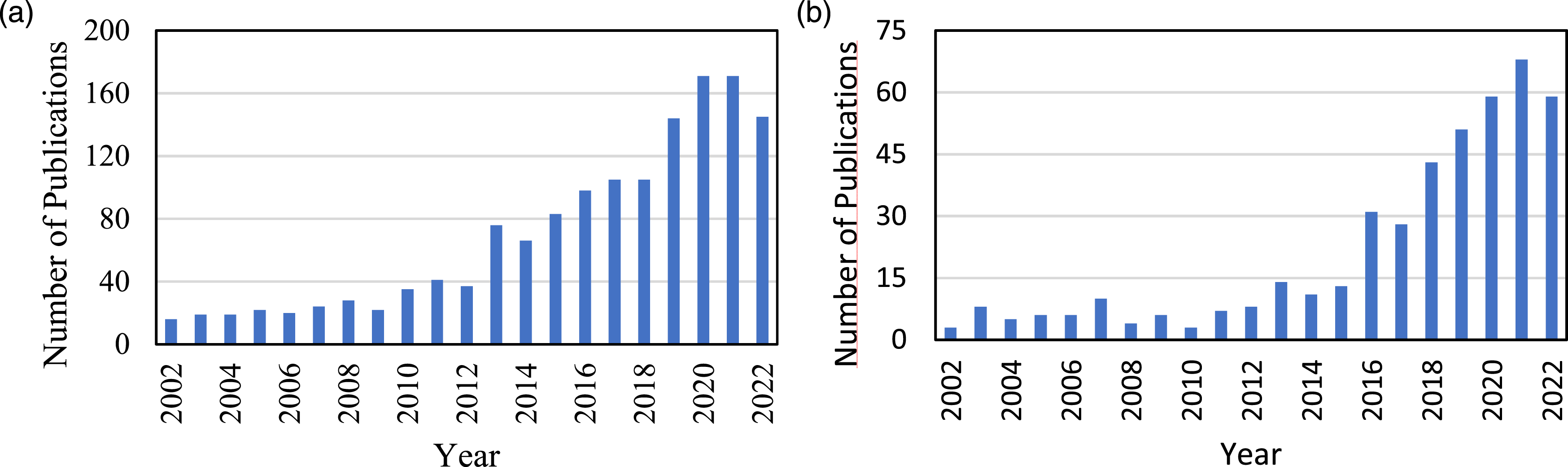
This study is a state-of-the-art that intends to identify, synthesize and evaluate the available prefabricated concrete walls with structural function, as well as the connections for this type of structural system. Thus, a literature review was made in several databases, using different keywords about the mentioned subjects (Figure 1). Some requirements were defined to increase the reliability of this search, such as: (i) the type of publication, in order of preference: journal papers; conferences and book chapters; standards; theses; and others; (ii) the number of citations; (iii) priority for review studies relatively to case studies; and (iv) preference for more recent and updated studies. Figure 2 presents a summary of the studies accomplished along the last 20 years about precast concrete walls and the corresponding connections and can be seen a clear increase of studies available about these topics in more recent years. The analysed works reveal the benefits of the precast structural wall system. However, there is still a need to improve the performance of this system, both from a structural point of view, as well as from an economic and sustainability point of view. The main goal of this research is to collect and summarize the recent developments and the existing solutions on these topics, identify the gaps, promote new insights and suggestions for improvements to support new solutions. Databases and search requirements. Number of publications in the last 20 years: (a) about precast walls; (b) about connections in precast walls (source: Clarivate, 2022).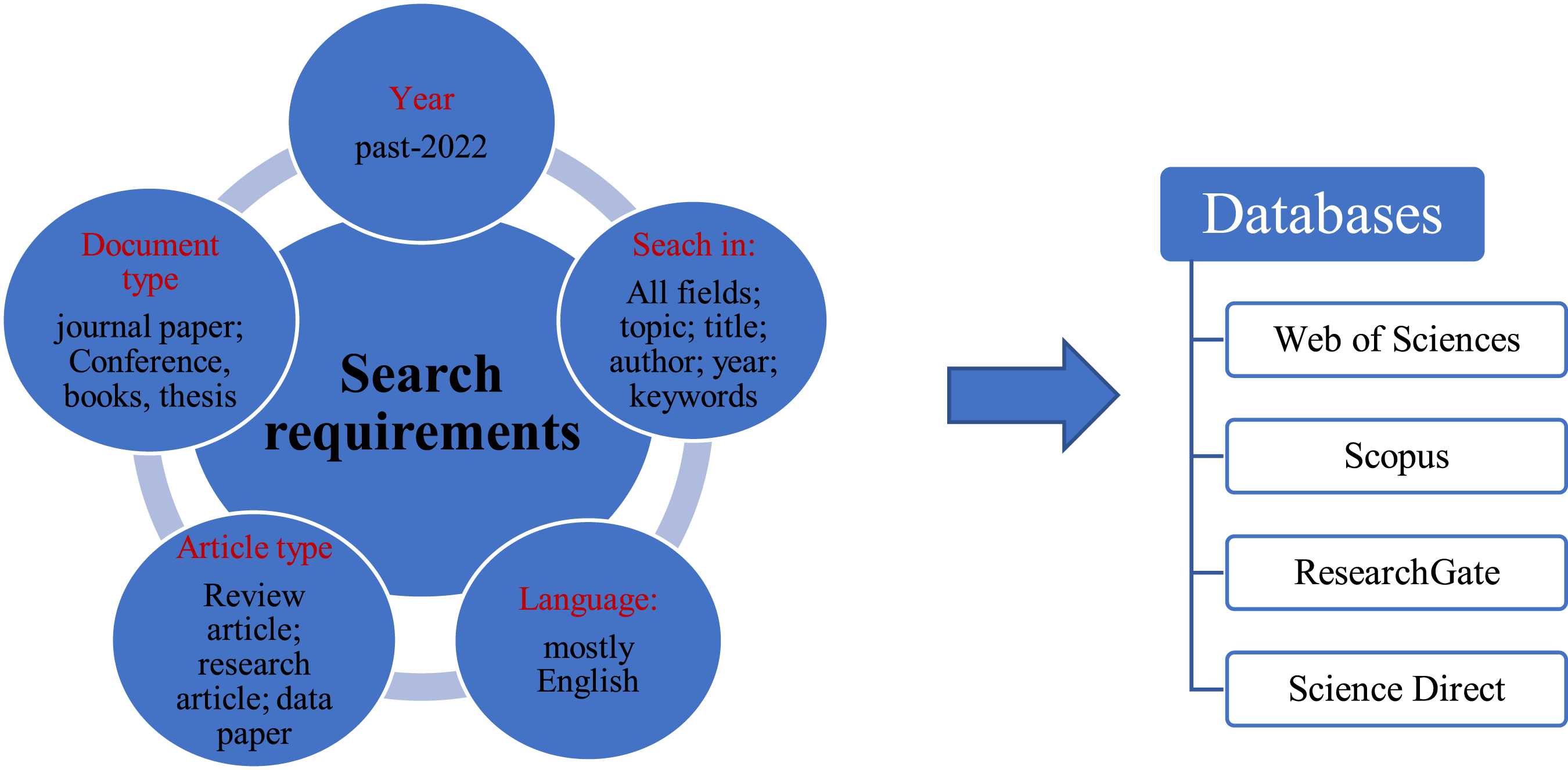
Prefabrication industry
Overview
Construction methods can be classified into the following categories: conventional or traditional construction; industrialized or prefabricated construction system; and hybrid system. Prefabricated construction is considered the first level of industrialization in construction and consists of an industrial process where building components are manufactured in factory, under stable conditions, being after transported to the construction site, where they are assembled using specific designed connections (Steinhardt and Manley, 2016; Kamali and Hewage, 2017). During the last decades, off-site construction has gained a rapid growth worldwide and, currently, it is used in many types of projects, demonstrating its high applicability. The five sectors that use precast construction in over 40% of projects are: healthcare; education (schools and dormitories); low-rise office; public; and family residential (McGraw-Hill Construction, 2011). According to data provided by Global Market Insights (Global Market Insights, 2022), the market of prefabricated construction exceeded 131 billion euros in 2021 and is estimated a growth rate from 2022 to 2030 in this sector about 6,8%, achieving a predicted value around 235.5 billion euros in 2030 (Figure 3). Although prefabrication in not new and has been used for several years, the recent technological advances contributed for the prefabrication increase, such as computer-aided design and manufacturing, and automation of the construction process. The need to optimize all construction process to reduce costs, time and consumed materials, as well as the demand to increase recycled used material, are also important reasons for the increase of prefabrication (Tavares et al., 2021a). Prefabrication/Modular construction market, by application (Global Market Insights, 2022).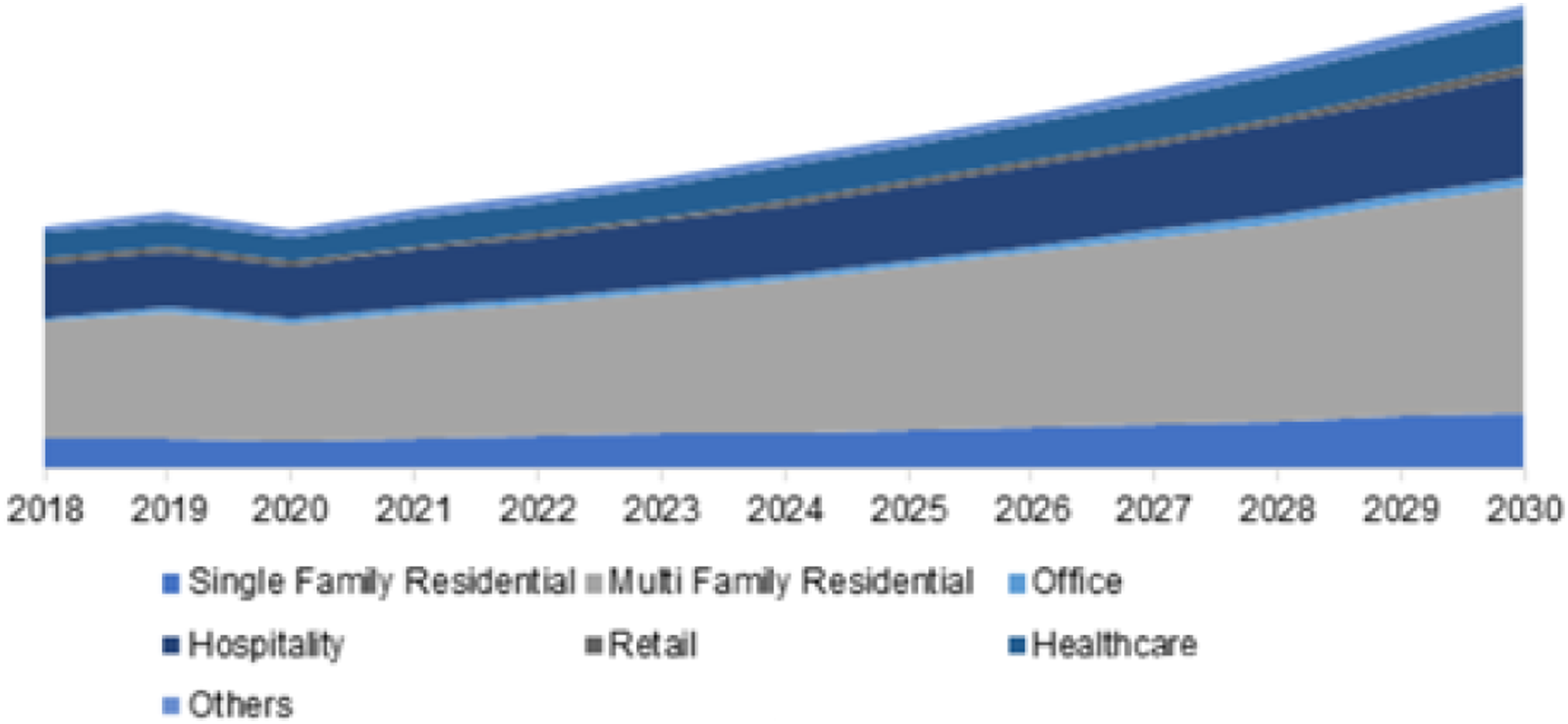
Prefabricated structural systems can be divided according to the used materials, methods and structural configuration. From a material point of view, there are several materials used in prefabrication, but steel, wood and concrete are most used due to their properties, availability and cost. The steel framed and timber constructions (low-rise buildings) are commonly used because of their lightweight and, at the end-of-life, these materials can be easily recycled, and with lower costs than non-precast buildings (Boafo et al., 2016; Tavares et al., 2021b). Despite this, concrete is a material characterized by significant benefits to be used in prefabricated buildings, compared to the other structural materials: it is durable; requires little maintenance; has good thermal inertia; can be used both as a structural material and as a finishing material; and it can be designed and produced to satisfy a wide range of performance specifications (Fib, 2011). This is why, among other reasons (economic and productive), worldwide more than 33 billion tons of concrete and around 4.17 billion tons of cement were produced in 2020 (CEMBUREAU, 2021).
The precast bearing elements can be classified in terms of degree of prefabrication, which is related with the size of the elements or with the final product configuration: (i) linear elements/components, such as columns or beams (one-dimension); (ii) panel system, like walls and floors (two-dimensions); (iii) combination of linear and walls elements; and (iv) volumetric or modular system (three-dimensions) (Boafo et al., 2016) (Figure 4). Different degrees of prefabrication (Moradibistouni et al., 2018).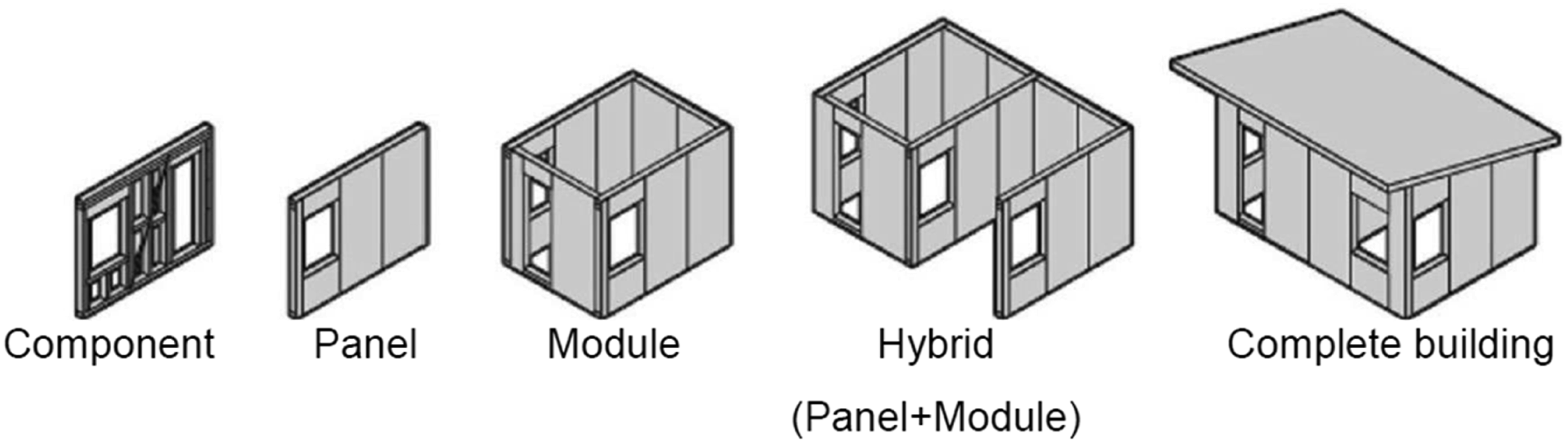
Pros and cons of precast structures
In Europe, buildings are responsible for about 40% of energy consumption, about 1/3 of CO2 emissions and generated waste, and circa 1/2 of the total material extraction (Tavares et al., 2021b). Due to these values, the European Union has identified the reduction of construction impacts as one of its main environmental goals – the decarbonization of buildings by 2050.
Main Advantages of Precast Construction vs Traditional Construction.
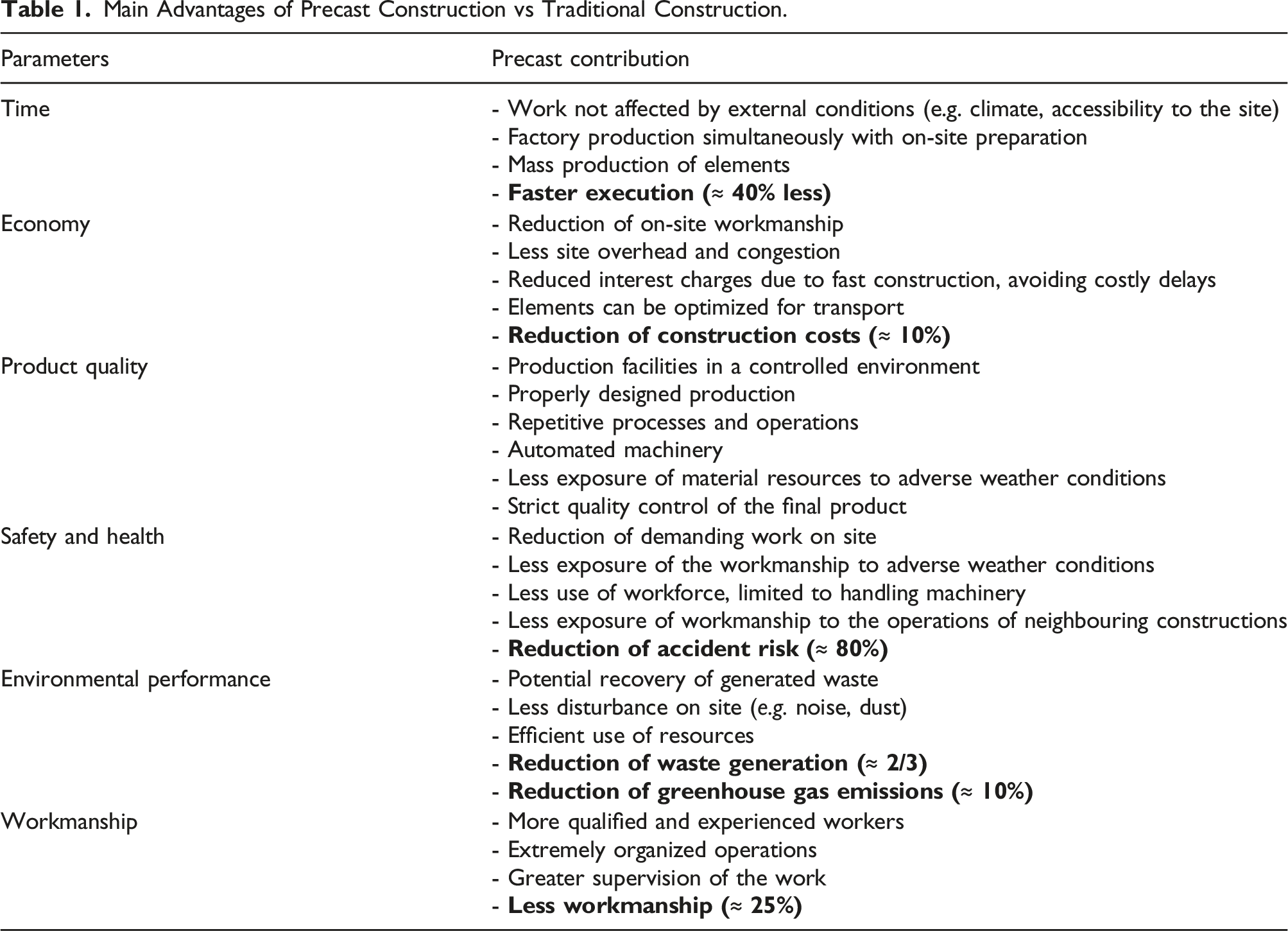
Despite the advantages, there are challenges that should not be ignored. If there is not proper preparation and organization, delays in production and an increase in the construction cost may occur (Chen et al., 2010). Prefabrication requires, compared to traditional construction, a greater coordination of all stakeholders involved in the process, and a more rigorous planning in the project phases, since it is more difficult to make changes after the elements had been produced in the factory and even worst if those had been transported to the construction site. The transport of precast elements itself can also represent a challenge, this issue restrings the size of the elements, special transport may be necessary for larger elements, and the accessibility must be properly evaluated. For long distances, transportation cost increase significantly as well as the CO2 emissions. However, with the increasing use of precast elements was created a need for a general modernization of this sector, using digital tools and more automatic and robotic processes, where all stakeholders can easily participate. One clear example related with share information and communication between all intervenient is the BIM system, that turns possible to improve the precast construction in several aspects and overcome some of the obstacles abovementioned, namely, the coordination among stakeholders and the optimization of the project. Improvements and modernization of railway networks are important to reduce some of the difficulties encountered in transporting prefabricated elements.
Precast walls
Technology and applications
Depending on the structural system adopted, precast panels can be structural or non-structural (Figure 5). The non-structural walls are only used as envelope or as a division of the interior space, fixed and supported on structural elements. For this reason, the level of strength required is lower. The load-bearing panels are designed to support gravitational loads from the top of the structure and horizontal forces caused by wind and earthquakes. The walls have high stiffness and load capacity when the loads are applied in the wall plan, which contributes to the bracing and structural stabilization of the entire building (Singhal et al., 2019). This type of walls can provide a high degree of seismic protections in terms of damage control and prevention of collapse (Hemamalini et al., 2021). This literature review is focused mainly on the study of concrete walls with structural function. Examples of precast walls: (a) non-bearing walls; (b) bearing walls (Fib, 2008).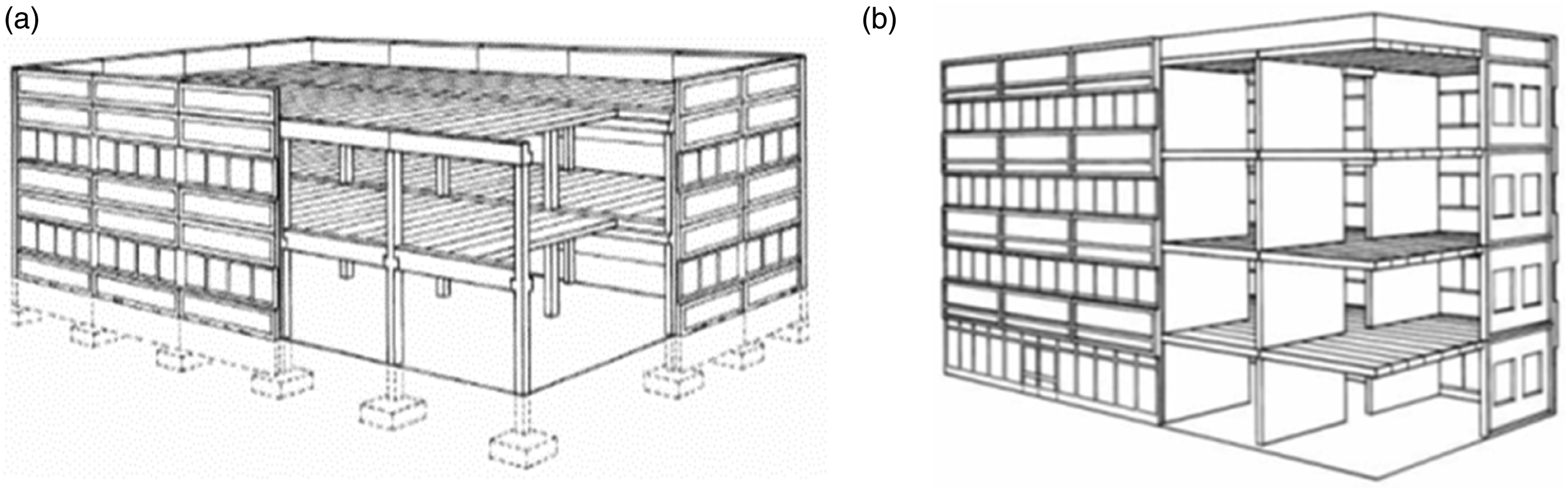
The constructive system that uses load-bearing walls is very common in precast and prestressed concrete industry to construct buildings, because it provides simultaneously a cost-effective solution and a high strength (Hemamalini et al., 2021). Figure 6 shows some examples of precast constructions with the load-bearing wall system. Examples of wall system constructions (collected from O’Hegarty and Kinnane, 2020).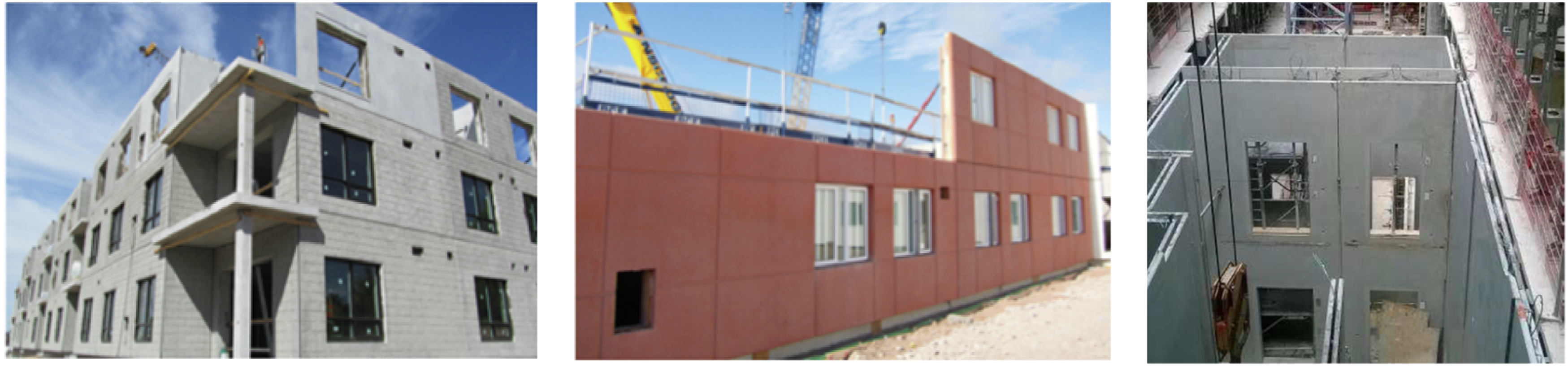
Below is presented a summary of the studies that identifies the benefits of this structural solution, comparatively to other prefabricated systems. Nibhanupudi and Rahul (2020) compared the load-bearing wall system with the precast framed structure (constituted by columns and beams) and found that the wall system allows a time saving about 35%. Also, they verified that, despite the higher cost of the wall system, this method is preferable than the precast framed structure. Gallo et al. (2021) also made a comparison of several precast systems, namely, walls and modules, and concluded that concrete panels ensure higher degree of flexibility and can be adapted to meet space requirements, since walls can be combined in very diversified layouts. Freedman (1999) used this system for a slightly different application from the previous ones, it was used to renovate and rehabilitate old structures. In this case, the standardization of precast load-bearing walls significantly reduced the productions costs. Wang et al. (2010) and Yu et al. (2019) mention that the walls can be produced with openings for electrical and hydraulic installations or larger openings for doors and windows, which must be properly designed since these geometric discontinuities substantially reduce their strength and stiffness.
Manufacturing, transportation and installation
In general, the production of concrete walls is similar to the process used in other prefabricated elements but can have some differences depending on the type of constructed panel (composite or non-composite, more details in subchapter 3.4) and on the implemented pre-installation. It starts with the preparation of the formwork, which can be made of timber, polymers, or more commonly made of steel. If there are openings in the walls, they are obviously considered in the formwork. The thickness of the formwork will depend on the type of the panel. Once ready, the steel reinforcement is placed, and the concrete is casted and levelled. At this stage, some connections are also fixed, mainly for composite walls, according to engineering specifications (O’Hegarty and Kinnane 2020). For prestressed panels, the prestressing process occurs in this first phase, and before casting the concrete (Fib, 2017). If walls have a built-in insulation, the corresponding layer is applied in this first stage. The composite wall has a second layer of steel and a second concrete layer that can be different from the former. In some types of walls, with a double concrete layer, it may be necessary to use a rotating table to produce the second panel.
The surface can have the desired appearance and roughness, it can be produced either in the fresh state (e.g. superficial hardening retarder, brushing, sand casting) or in the hardened state (e.g. acid etching, sand blasting, polishing) (O’Hegarty and Kinnane, 2020). After adequate curing, the walls are lifted from the formwork and stored until transport to the construction site. The lifting positions and bearing points must be considered in the structural design, to not cause damages, such as cracks, distortions or imperfections. Figure 7 shows the construction process of concrete prefabricated walls. Prefabricated production of concrete wall: (a) formwork and steel reinforcement/mesh; (b) casting the concrete; (c) insulation layer and openings; (d) rotating table; (e) final finishing of the surface; (f) storage (collected from web (Cimento Itambé, 2022; Vollert Group, 2022)).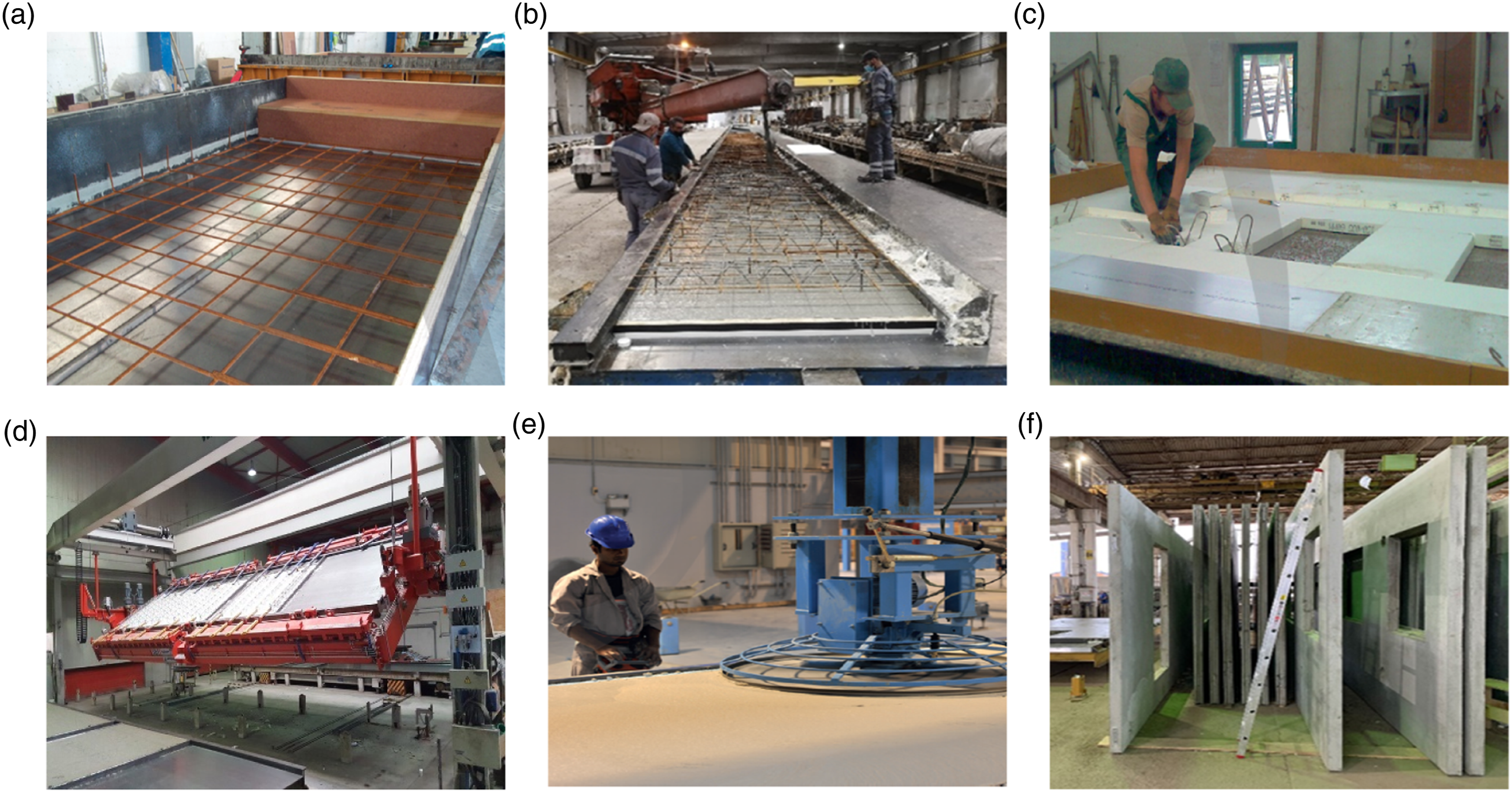
Panels dimensions will vary due to design requirements, form, handling equipment capacity, transportation limitations and jobsite restrictions. The transportation requirements vary worldwide, but panels with 4 or 6 m wide and 20 m long are being manufactured and transported, using special means. The transport of large panels can greatly increase the cost or delay delivery times because special licences are often required. The panels are typically shipped on edge/vertical but may also be in the flat position. For vertical transportation, localized bearing stresses must be considered to prevent chipping and spalling (Fib, 2017). This type of transportation also prevents damages on the surface of the walls and minimize the handling damage (Brunesi and Nascimbene, 2017). Panels transported in flat position allow shipping more elements but, as was previously mentioned, it is not commonly used. Most precast walls are transported on roads by semi-trailer trucks, and a few are shipped by train or boat.
The panels must be delivered in the erection and assembly sequence established in the project and according to the coordination meetings between all stakeholders. For handling the elements, at least two lifting points must be considered. There are several types of lifting equipment such as crawler and truck-mounted mobile cranes, hydraulic cranes, tower cranes and derricks (Fib, 2017). After the walls be placed in the final position, it is usual to use temporary stabilization before assembling the remaining elements, with temporary bracing, that must be designed to support all construction loads, including wind. These provisional supports should never be removed until the stability of the structure has been obtained by other elements, such as the connection of the precast walls. Figure 8 shows the stages of transport, handling and installation. Handling precast walls: (1) vertical transportation; (2) storage; (3) handling and installation.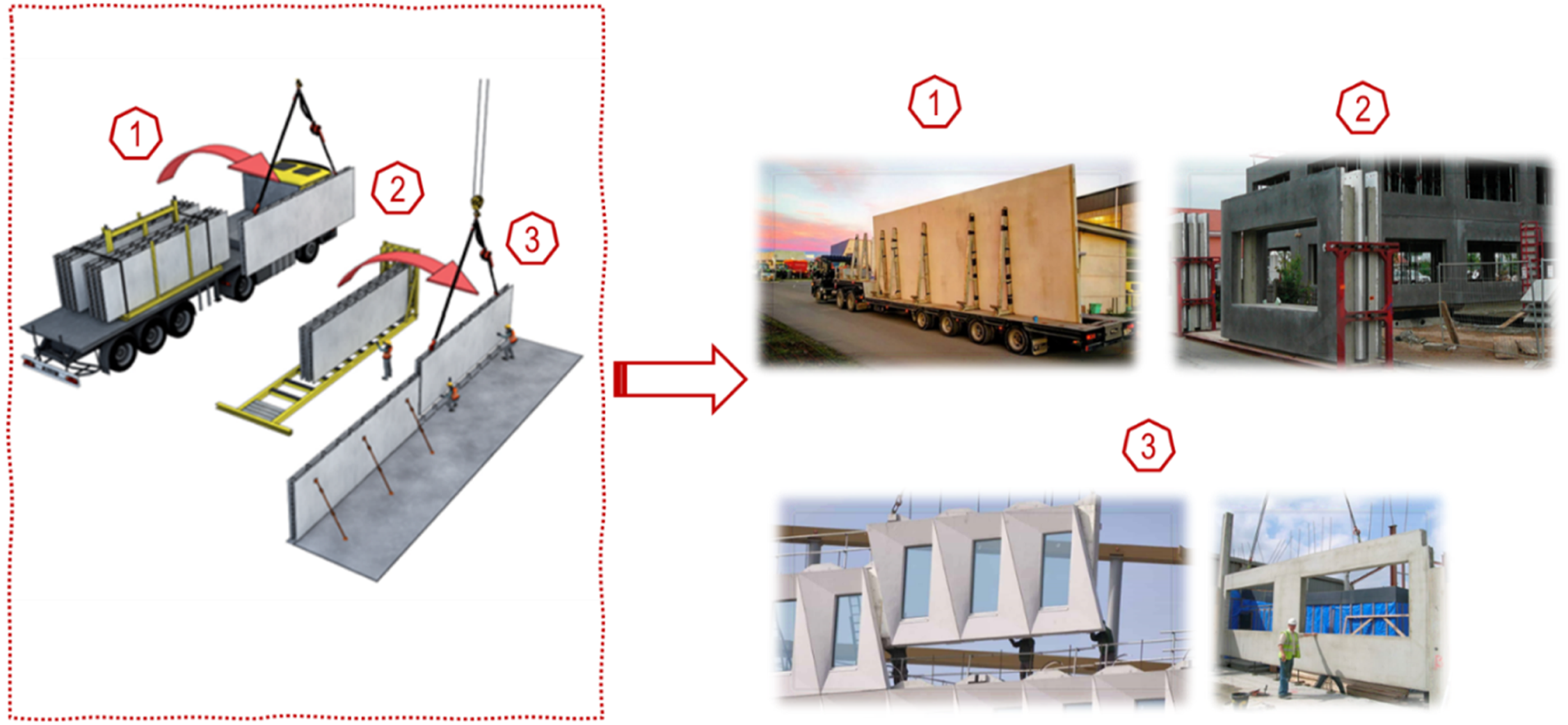
Design considerations
The main codes recommendations for designing and reinforcement detailing of precast load-bearing walls are similar to the on-site concrete walls, with some special considerations (ACI 318-19, 2019; EN 1992-1-1, 2004). In general, the design and behaviour of these walls should take into consideration the shape and configuration of the walls and the applied actions, highlighting the following topics (Freedman, 1999): - The gravity loads should be transferred to the foundations, considering that vertical loads are parallel to the plane of the wall, with an eccentricity influenced by wall geometry, load location, production and assembly tolerances. - The magnitude and distribution of lateral loads are caused by wind and earthquakes and should be properly determined. - Define the type of connections used to support the applied loads and restring the movements. - Define the joints localization, which can be influenced by the deformations due to concrete creep, shrinkage and temperature. - Define panel and connection tolerances necessary to perform the assembly of the structure. - Define specific requirements during construction, such as site accessibility.
The forces typically acting on a wall are illustrated in Figure 9. The major stress in load-bearing walls is the axial compression, the bending moment caused by gravity loads is usually small and accidental. The ductility is one of the main parameters to be considered in the structural analysis and to achieve this it is recommended that shear capacity must be greater than the bending capacity (Aydin and Bayrak, 2021). Loads applied to the wall (ACI 318-19, 2019).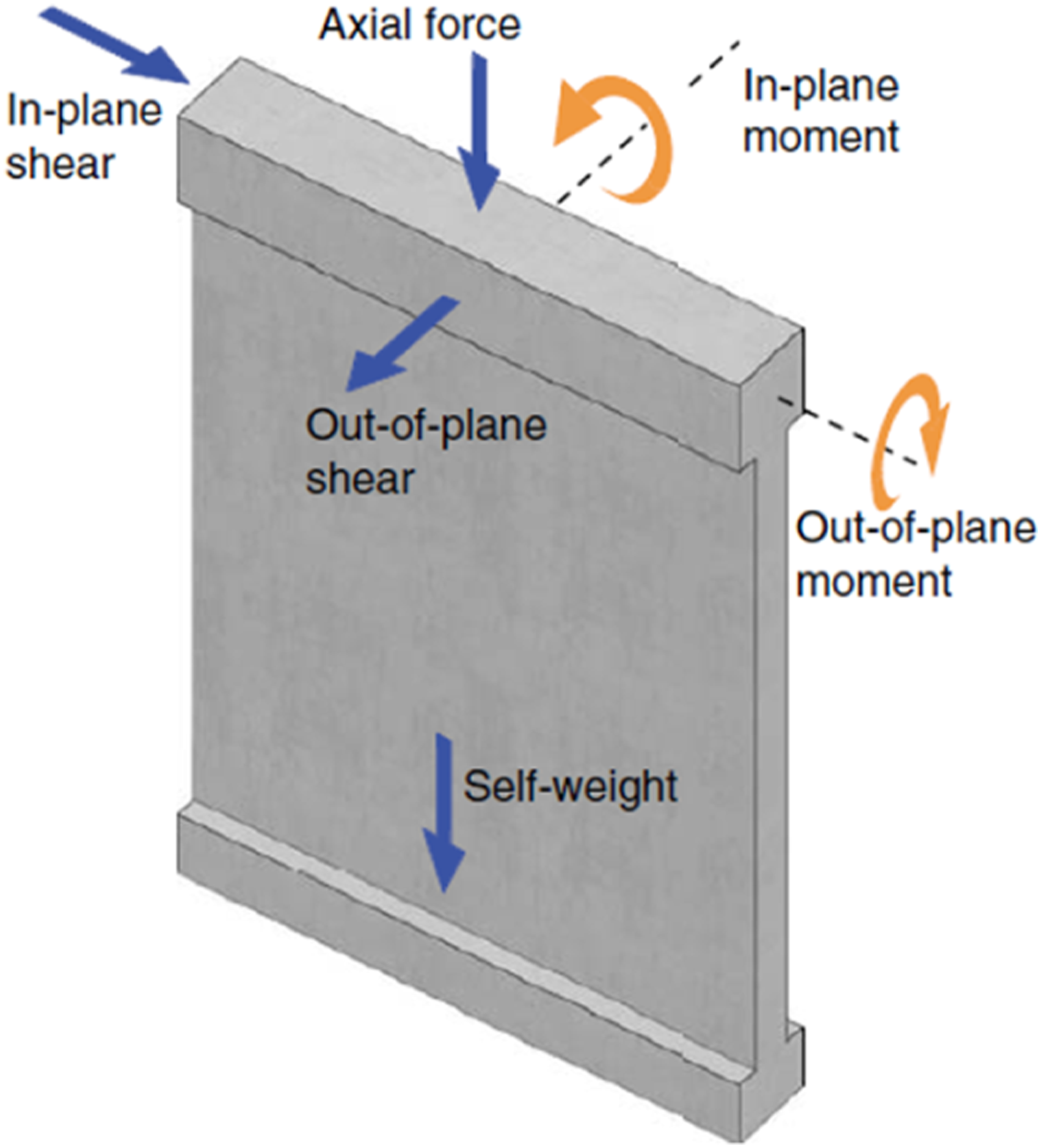
The aspect ratio, defined as the height/length ratio (H/L), significantly conditions the behaviour of the wall. In high-rise buildings, tall walls are usually used, whereas in low-rise buildings squat walls are preferred. Thus, according to the aspect ratio, the walls can be: (i) slender shear wall, dominated by flexion; (ii) intermediate, dominated by the combination of shear and flexion; and (iii) squat shear wall, dominated by shear (ACI 318-19, 2019; Aydin and Bayrak, 2021). Related with the previous topic, the different failure modes of walls under lateral loads are: sliding shear failure; flexure failure; diagonal tension failure; diagonal compression failure and hinge sliding failure (Figure 10). Failure mode of structural walls: (a) sliding failure; (b) flexure failure; (c) diagonal tension failure; (d) diagonal compression failure; (e) hinge sliding failure (Tang and Su, 2014).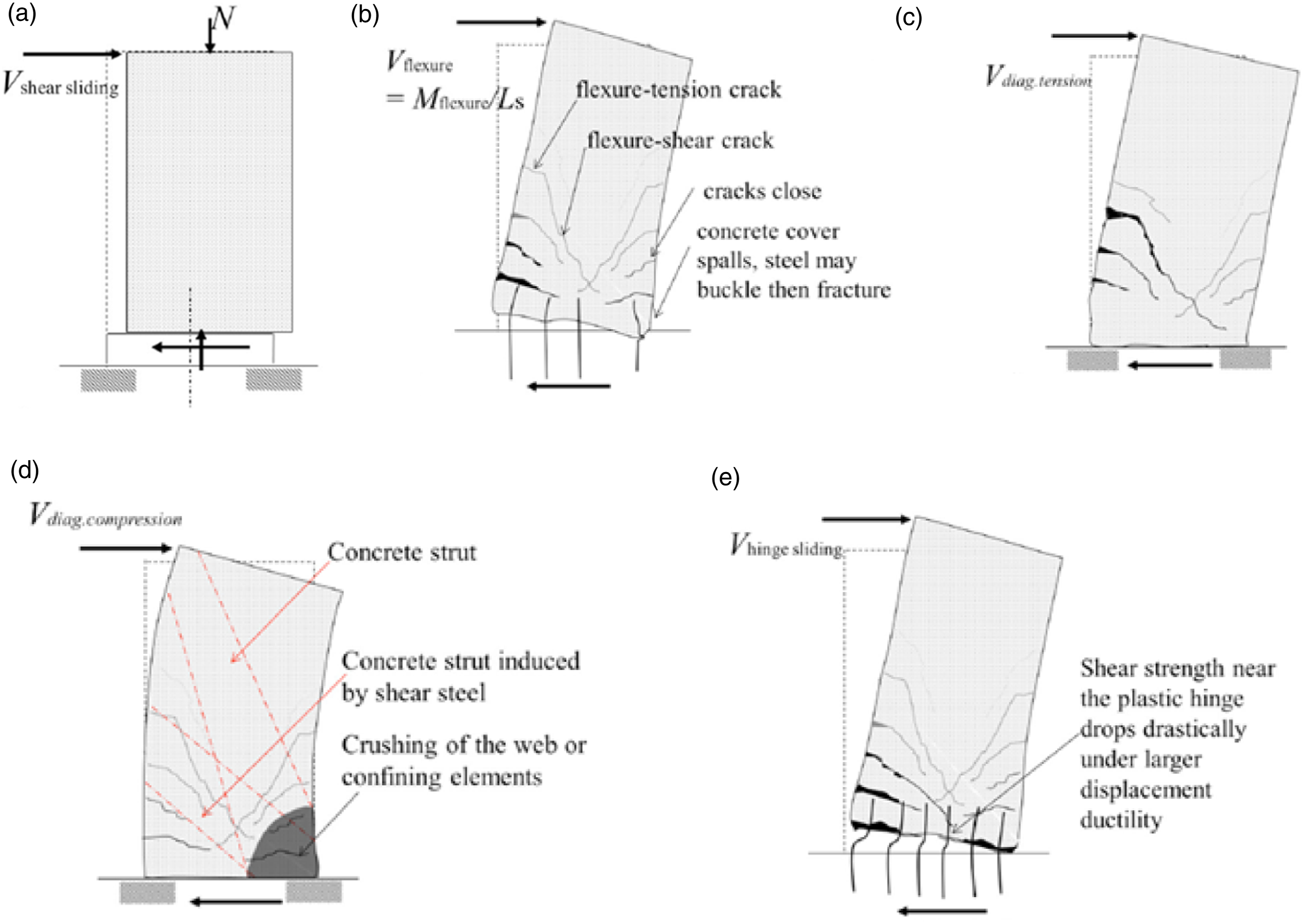
Many researchers have been studying the strength and deformation capacity of load-bearing walls under quasi-static, cyclic loading and dynamic loading on shaking tables; but most of them are concentrated on the cyclic loading. Hemamalini et al. (2021) reports that shear deformation of a wall increased with lateral loading, with no surprise, but also increased with the aspect ratio (H/L) decrease. It was concluded that is important to consider the shear stiffness variation in cracked regions to improve the accuracy of the results.
In addition to the actions abovementioned (wind and earthquake), usually included in construction projects, other factors involving explosions and blast loads should also be considered. Although unlikely in current situations, it can be potentially catastrophic. According to Eurocode 1990; EN 1990, 2002) “a structure shall be designed and executed is such a way that it will not be damaged by events such as: explosion, impact and the consequences of human errors, to an extent disproportionate to the original cause”. In response to these events, whether intentional (e.g. wars or terrorism) or accidental (e.g. gas explosion) the level of protection against blast loads of existing and new buildings should be analysed and properly design (Zhou and Hao, 2008). After the progressive collapse of Ronan Point tower, in 1968, due to a small gas explosion, there was a huge discussion about the structure’s vulnerability. Before this partial collapse, codes failed in providing rules to ensure structural robustness required, i.e. the ability to avoid disproportionate collapse due to an initial damage (Russel et al., 2019). After this event the technical and scientific community was concerned particularly with the precast construction with large concrete panels, and updates to existing codes were recommended, especially to provide a proper strength under wind loading. Also, after the World Trade Center attacks, the robustness of structures received wide attention and became an important research topic (Stochino et al., 2019). Another equally important characteristic to take into consideration during the structure design is the resilience, i.e. the ability of the structural system of restore its original functionality after suffering damage. The lessons drawn from the past allow stating that the precast construction system based only on structural concrete panels: (i) should be used for buildings no higher than six stories; (ii) take into consideration the wind pressures; (iii) the system should have alternative load path to redistribute forces in case of partial collapse; and (iv) the connections should be designed to create a robust and stable structure under regulamentar loads to ensure that in case of an accident the damage is not disproportionate to the cause (Pearson and Delatte, 2005).
Another issue that is also important to address is the performance of precast walls under fire (Stochino et al., 2019). In critical fire situations, a sharp thermal gradient can be developed along the wall thickness causing a significant bowing. So, under fire exposure conditions can be created an additional eccentricity of the vertical loads, which might lead in extreme situations to a buckling failure. In addition, high temperatures cause degradation of concrete and steel properties (decrease of strength capacity), the interaction steel-concrete is also affected and at higher temperatures there is the risk of concrete spalling that can damage the entire wall (Chen et al., 2020).
Tolerances and treatment of imperfections
With the growing need for faster construction, geometric accuracy has also increased to avoid extra work that could delay the construction. However, precast concrete elements must comply with some dimensional tolerances to enable the connection of the elements and to facilitate maintenance, without compromise the required load-bearing capacity. PCI (2010) published a manual that covers all structural concrete, including precast panels/walls, where the limits for dimensional tolerances are defined, identified the following reasons and aspects to be consider on tolerances: (a) structural – there are some factors that are sensitive to dimension changes; (b) feasible – allow assembly of the precast elements, ensure acceptable performance of the joints and a proper interface between materials; (c) economical – ensure an ease and speed of production and erection; (d) visual - control the variations to ensure an acceptable appearance of the final structure; (e) legal – avoid encroaching on properties lines; and (f) contractual – establish an acceptability range and responsibility for the specified tolerances. For all these reasons, tolerances should be used as an acceptability criterion and not as limits for rejection. Panel warping and bowing are important aspects to consider, not only from a visual point of view, but also because influences the assembly and the functional performance of the element (Figure 11). Figure 12 and Table 2 shows typical tolerances for prefabricated walls. Precast panel tolerance: (a) warping; (b) bowing (PCI, 2010). Precast panel dimensions and tolerances (Adapted from PCI, 2010). Typical Tolerances for Precast Panels (Adapted From (PCI, 2010).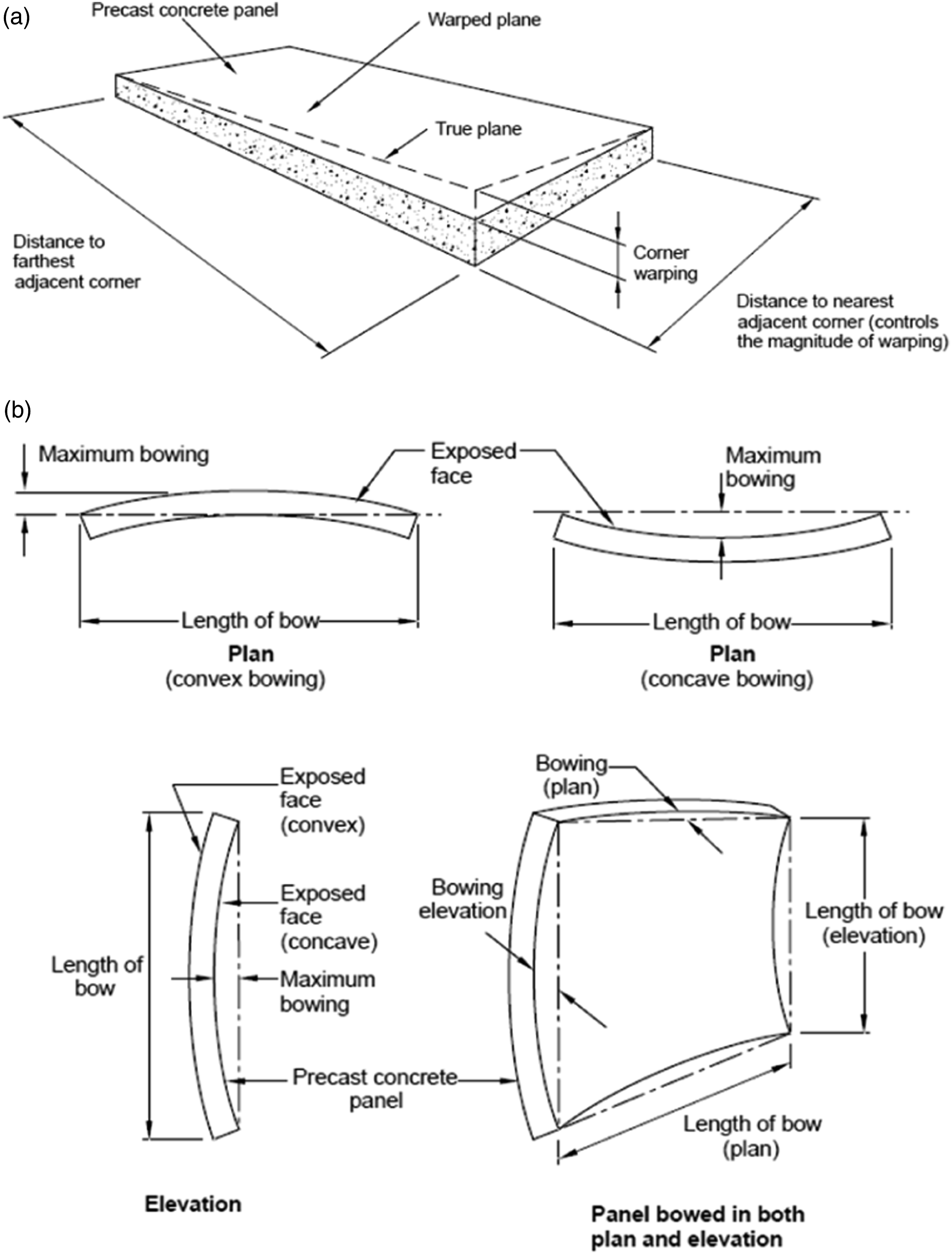
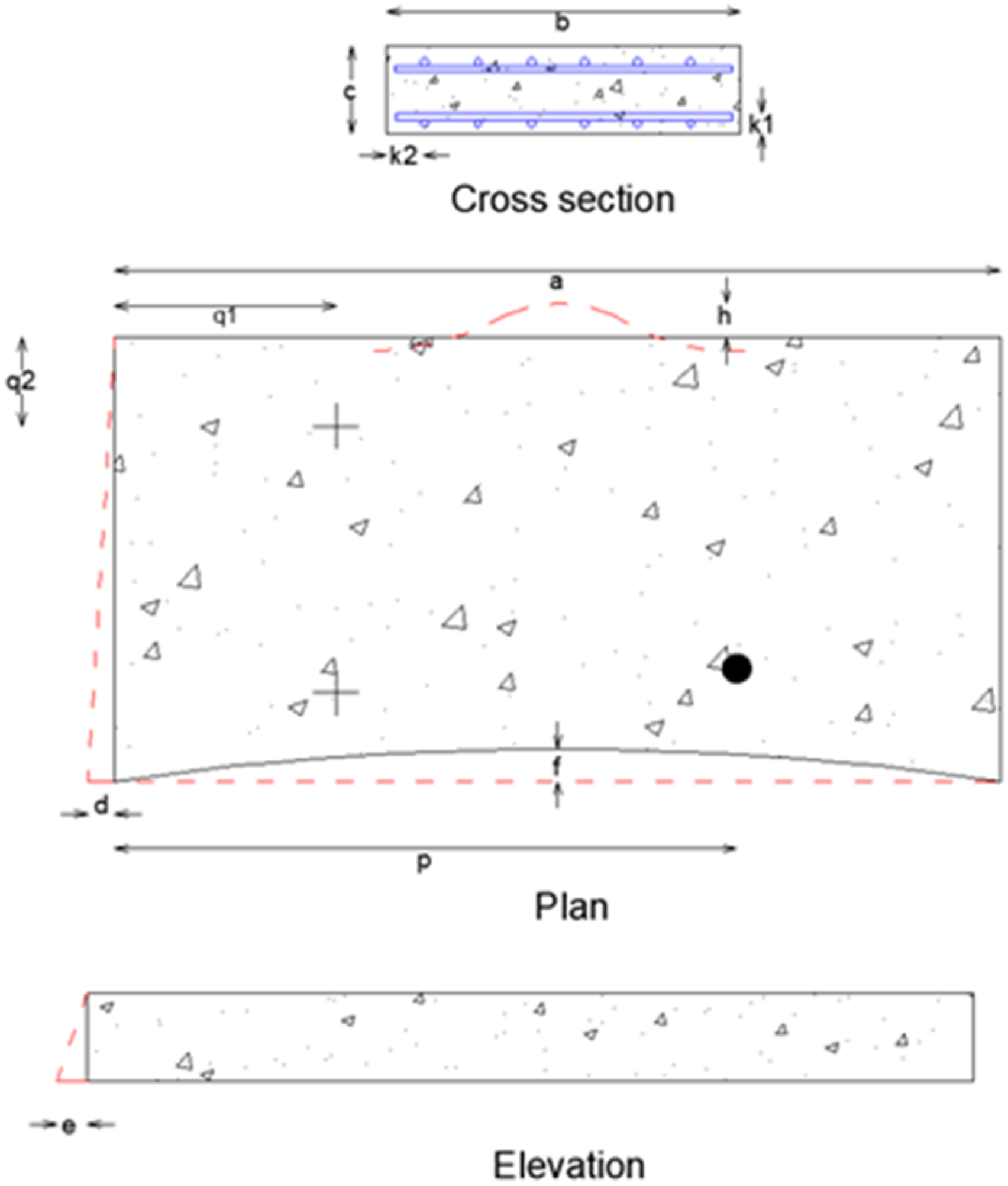
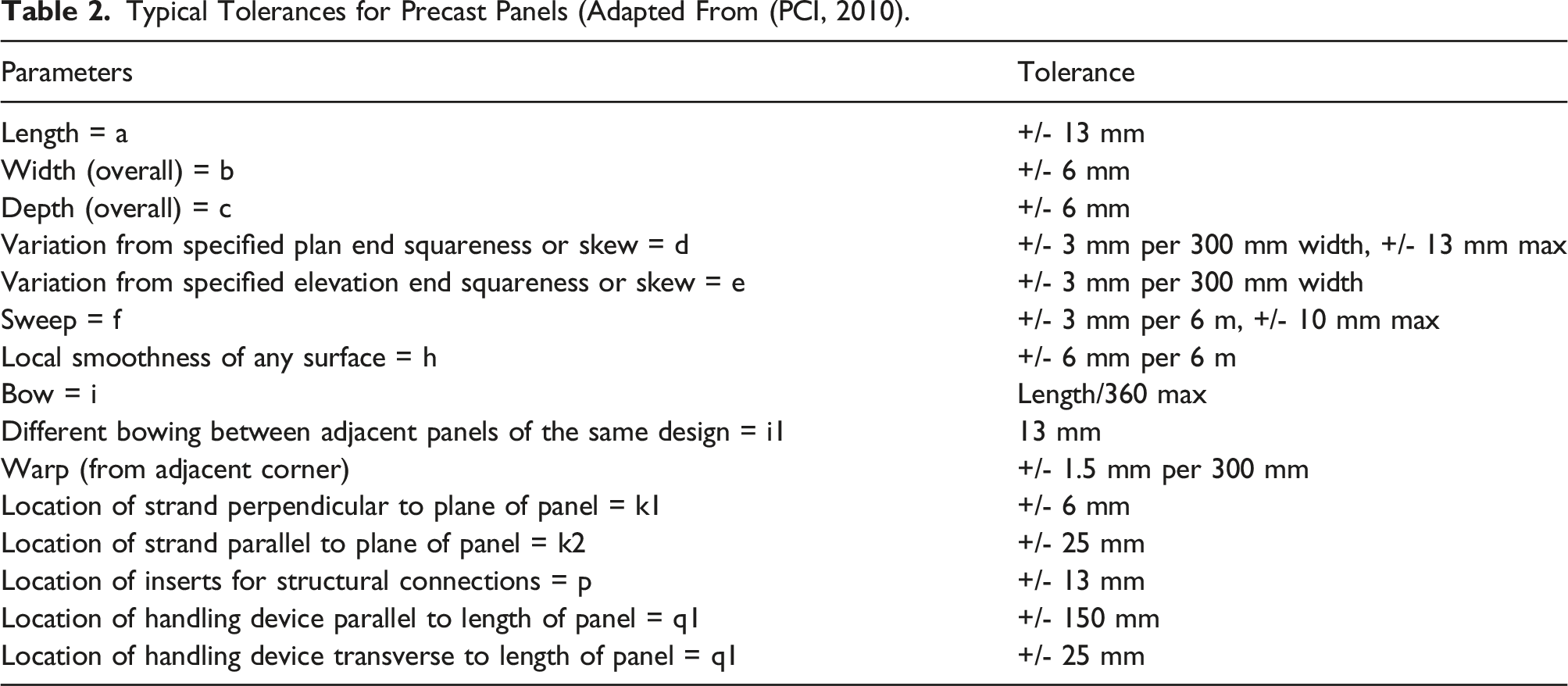
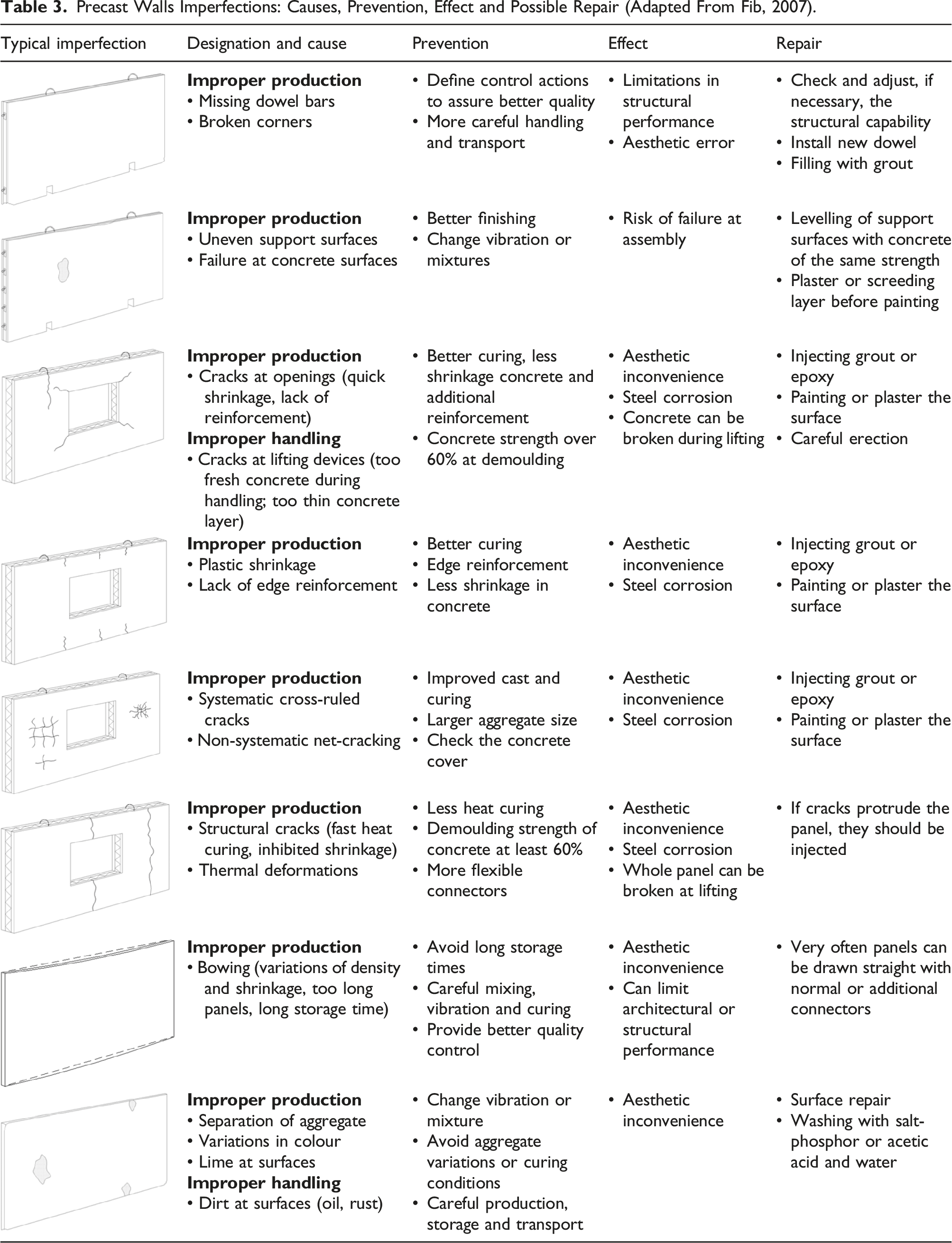
When the defined tolerances are met, the product must be accepted, but these tolerances are not always met. In these cases, the product can only be accepted if: (i) exceeding the tolerance does not affect the structural integrity; (ii) it stills to be possible perform the assemblage of the several elements; and (iii) the total construction can be modified to meet structural requirements.
Precast Walls Imperfections: Causes, Prevention, Effect and Possible Repair (Adapted From Fib, 2007).
Types of precast walls
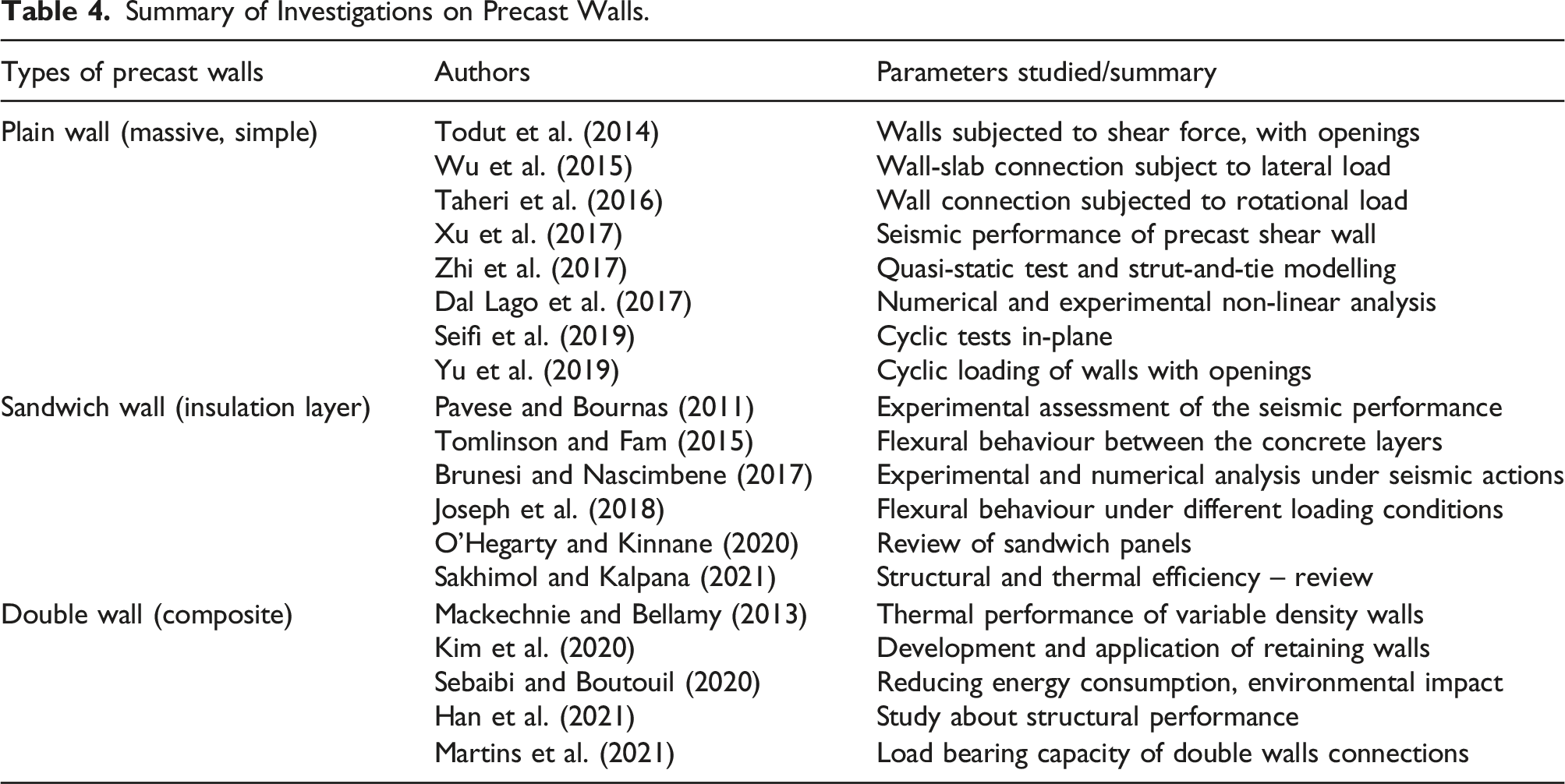
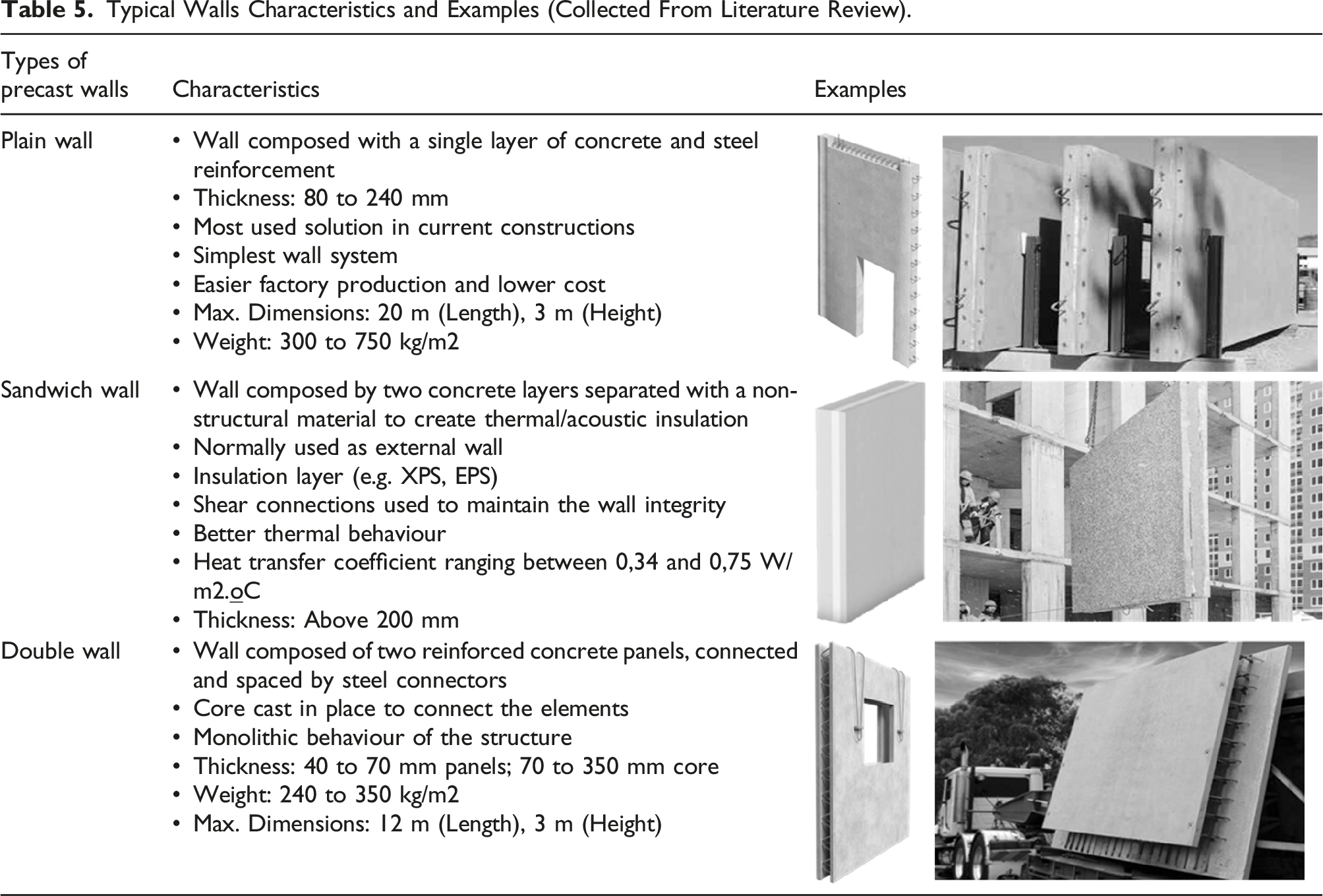
Based on the literature review carried out, it is possible to identified three different types of prefabricated walls, according to the type of cross-section (Figure 13): (a) simple/plain walls; (b) insulated/sandwich walls; and (c) double/composite wall. Table 4 summarizes some of the most recent studies about precast walls and Table 5 shows the main characteristics and applications. Types of precast wall according to the type of cross-section: (a) plain wall; (b) insulated wall; (c) double wall. Summary of Investigations on Precast Walls. Typical Walls Characteristics and Examples (Collected From Literature Review).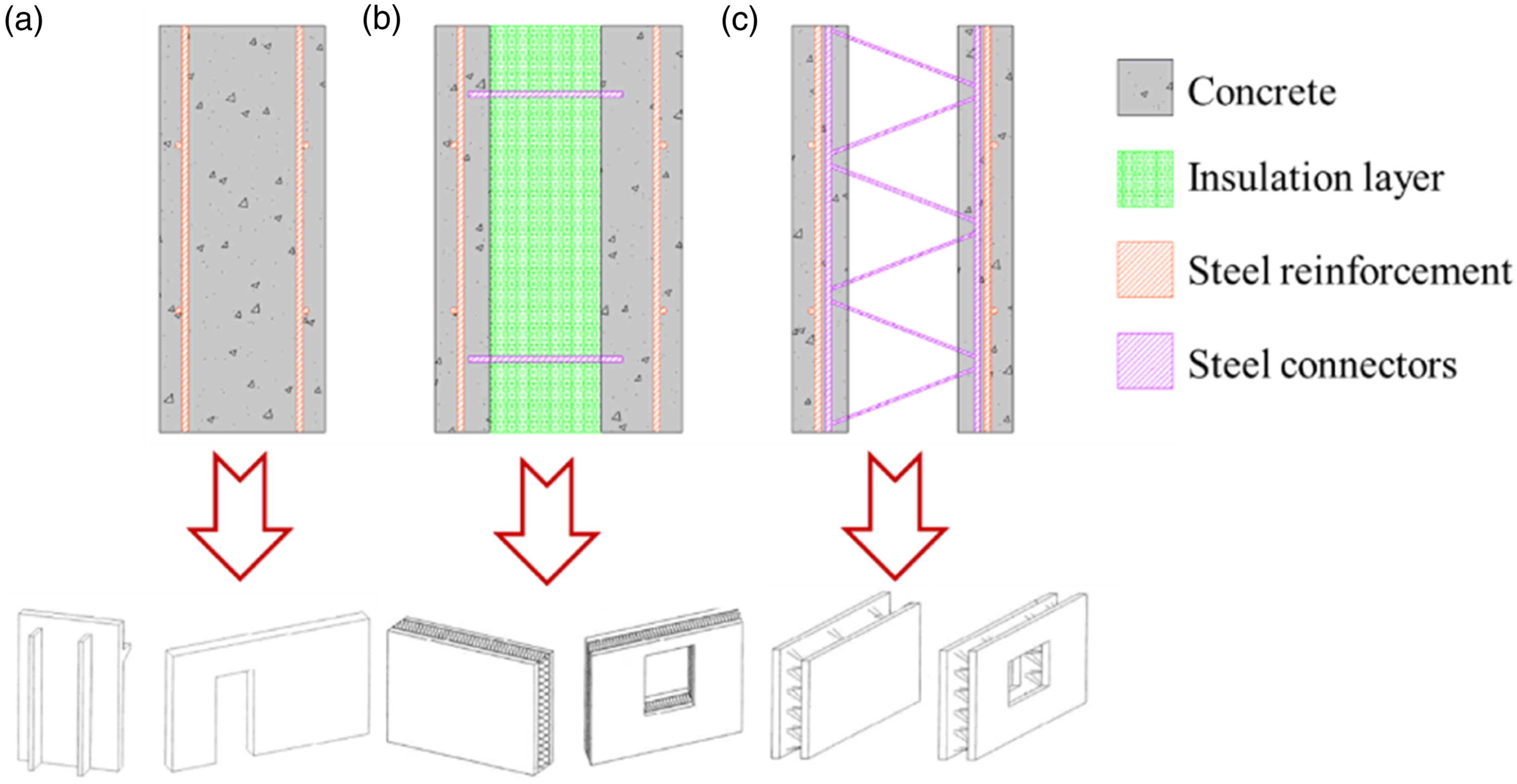
Precast walls connections
Prefabricated walls with structural function must be able to transmit not only the axial forces (compression and tension), but also shear forces between the walls (vertical and horizontal). The connections must also restrain the displacements between the several members due to effects of loads or volumetric changes (shrinkage and thermal effect), although small movements are allowed (Singhal et al., 2019; Fib, 2008). So, the structural safety does not depend only on the quality and strength of the walls, but also on the connections between the precast elements. For these reasons, the connections are considered critical regions and one of the most important aspects in the design of precast structures. They must be designed taking into account not only the safety requirements, i.e. to support the applied loads, but also the transport and assembly requirements. According the Technical Council of (Fib (2008), the most relevant factors to consider in the design connections are: (i) stability of the entire structure; (ii) requirements related with serviceability limit states (deformations and crack width); (iii) fire protection; (iv) type of connection; (v) environmental conditions; (iv) ease production and cost-effective solution; (v) temporary stability requirements for transport and assembly operations; (vi) accessibility.
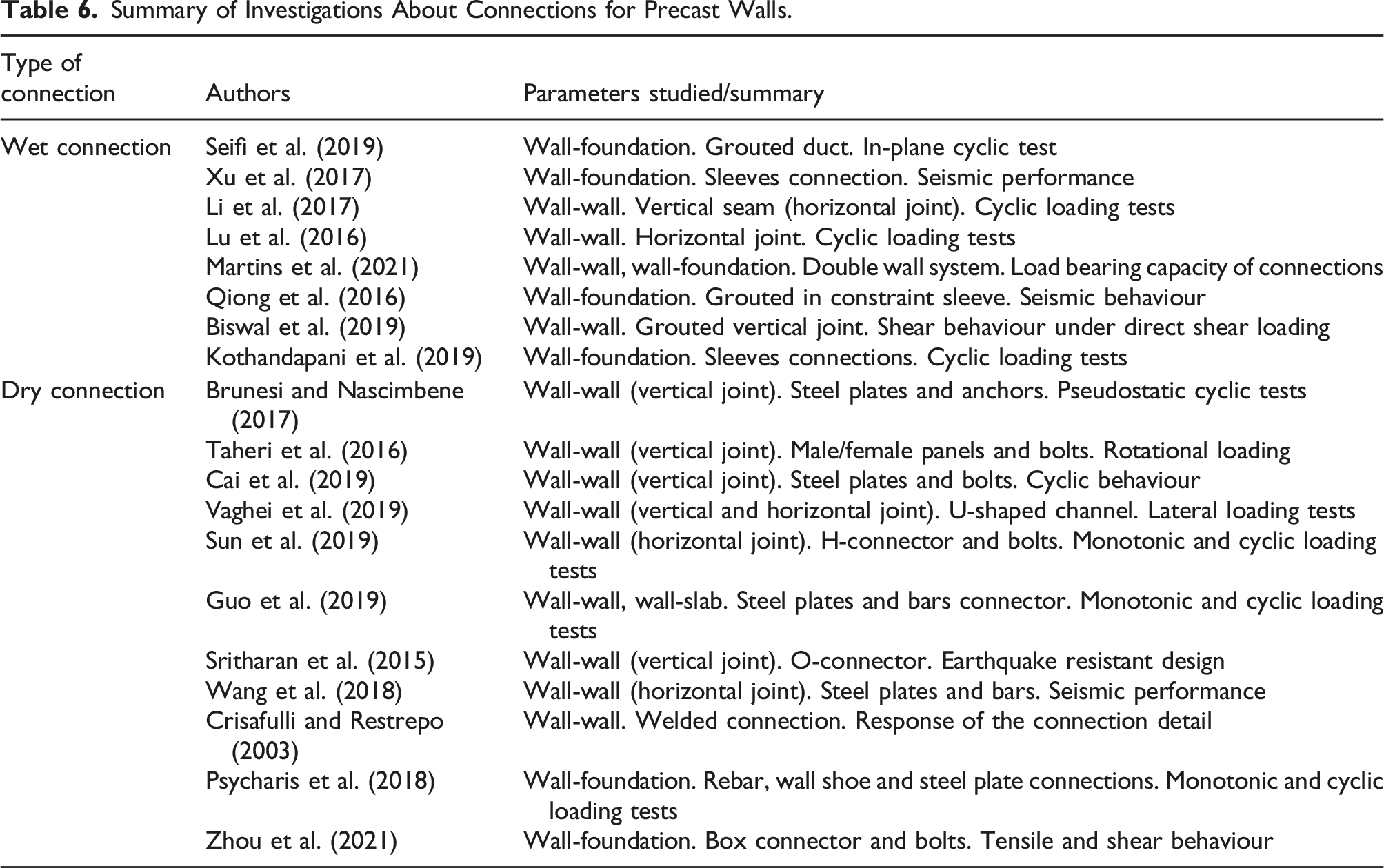
The typical connections required for a precast wall system are: (a) wall-to-wall (vertical and horizontal); (b) wall-to-foundation (vertical); and (c) wall-to-floor slab (Figure 14). The connections between precast members can be classified as wet or dry, based on method applied. This issue is explained in detail below. Table 6 summarizes the most recent studies reported in literature about connections between precast walls and identifies the main parameters studied in each research. Typical connections used in a precast wall system (wall-wall; wall-foundation; wall-slab). Summary of Investigations About Connections for Precast Walls.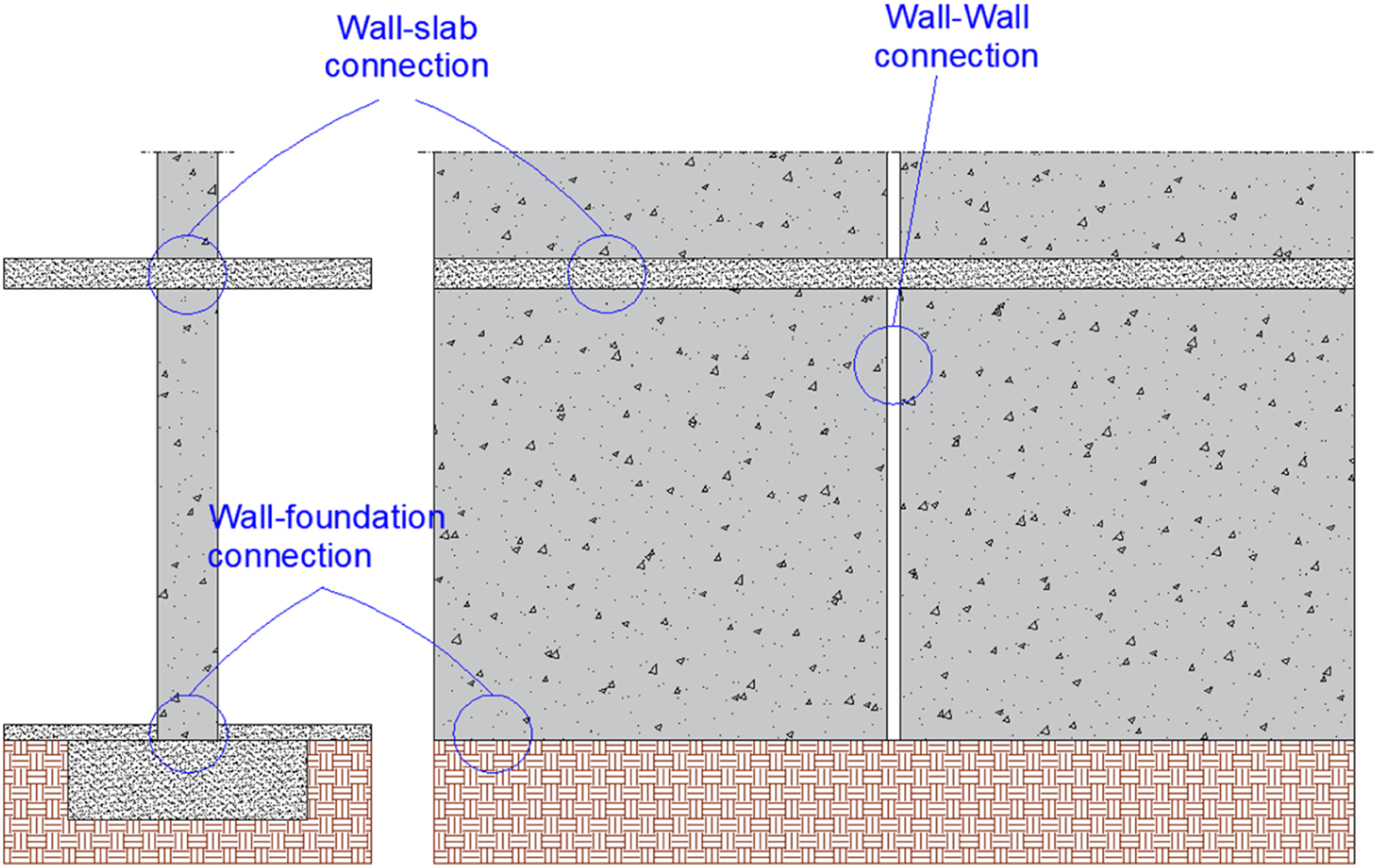
Wet connections
The wet connections between precast walls are formed using in-situ casting concrete. Reinforcement is also required and must be properly designed and embedded on concrete to obtain the necessary strength and stiffness on this critical region (Figure 15). From the structural point of view, the wet system allows to build structures with a monolithic behaviour, ensuring a continuous transfer of forces between the panels and avoiding inelastic deformations in the connection region (Cai et al., 2019). Typical wet connections used in a precast wall (Elematic, 2022).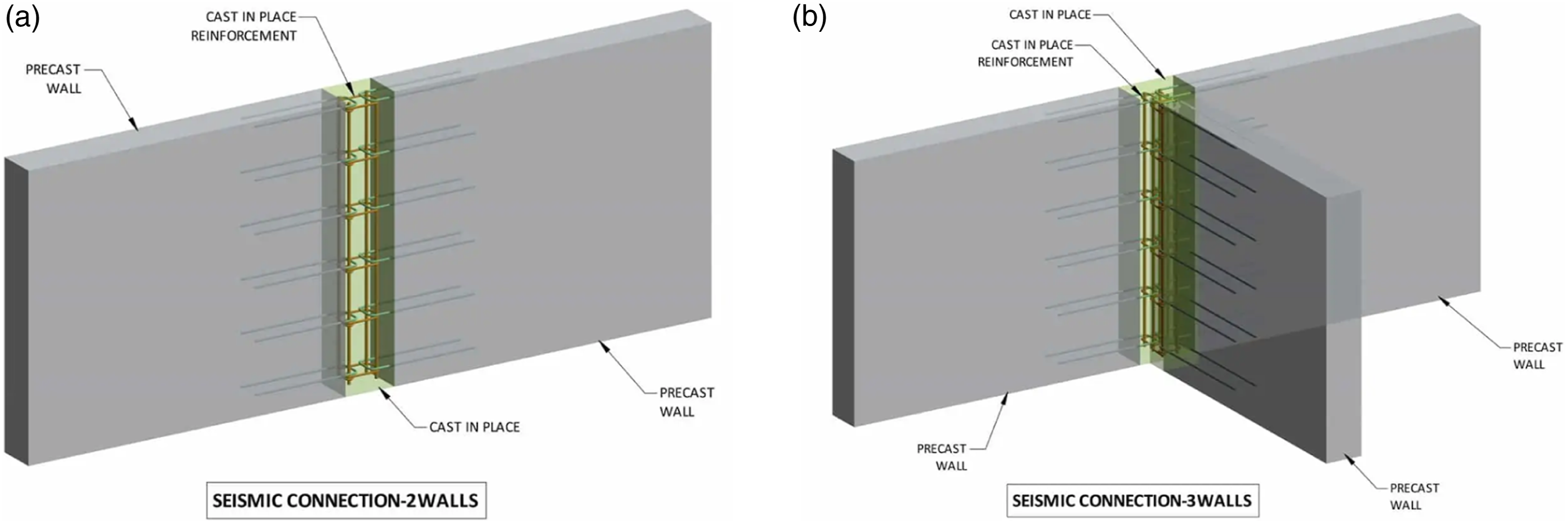
When properly designed and executed, this type of connections also provide protection against fire and reinforcement corrosion. However, since the production of these connections requires some tasks on site, the execution and quality control can be conditioned by the environmental conditions. The possibility of disassembly is not possible and the process of deconstruction is similar to what happens to an on-site built structure. Biswal et al. (2019) proposed a loop for the reinforcement detailing used on the connection, to provide a better anchorage capacity, and consists in a loop constituted by grout-rebars developed inside the core of the wall (Figure 16(a)). Some authors (Kothandapani et al., 2019; Seifi et al., 2019; Xu et al., 2017) studied the use of metallic ducts for placing reinforcements and then grouting (Figure 16(b)). Lu et al. (2016) studied a connection between two walls using a cast-in-situ beam and the results showed an efficient transfer of stresses, which can be particularly useful for squat walls (Figure 16(c)). Martins et al. (2021) studied different types of connections used in a double wall system, particularly, the connections between precast walls-foundation, lateral walls and between perpendicular walls, and concluded that this solution provides enough strength and capacity, similar to a monolithic behaviour (Figure 16(d)). Examples of wet connections: (a) loop bar connection; (b) grouting metal duct; (c) cast-in-situ beam; (d) double-wall with casting the concrete core.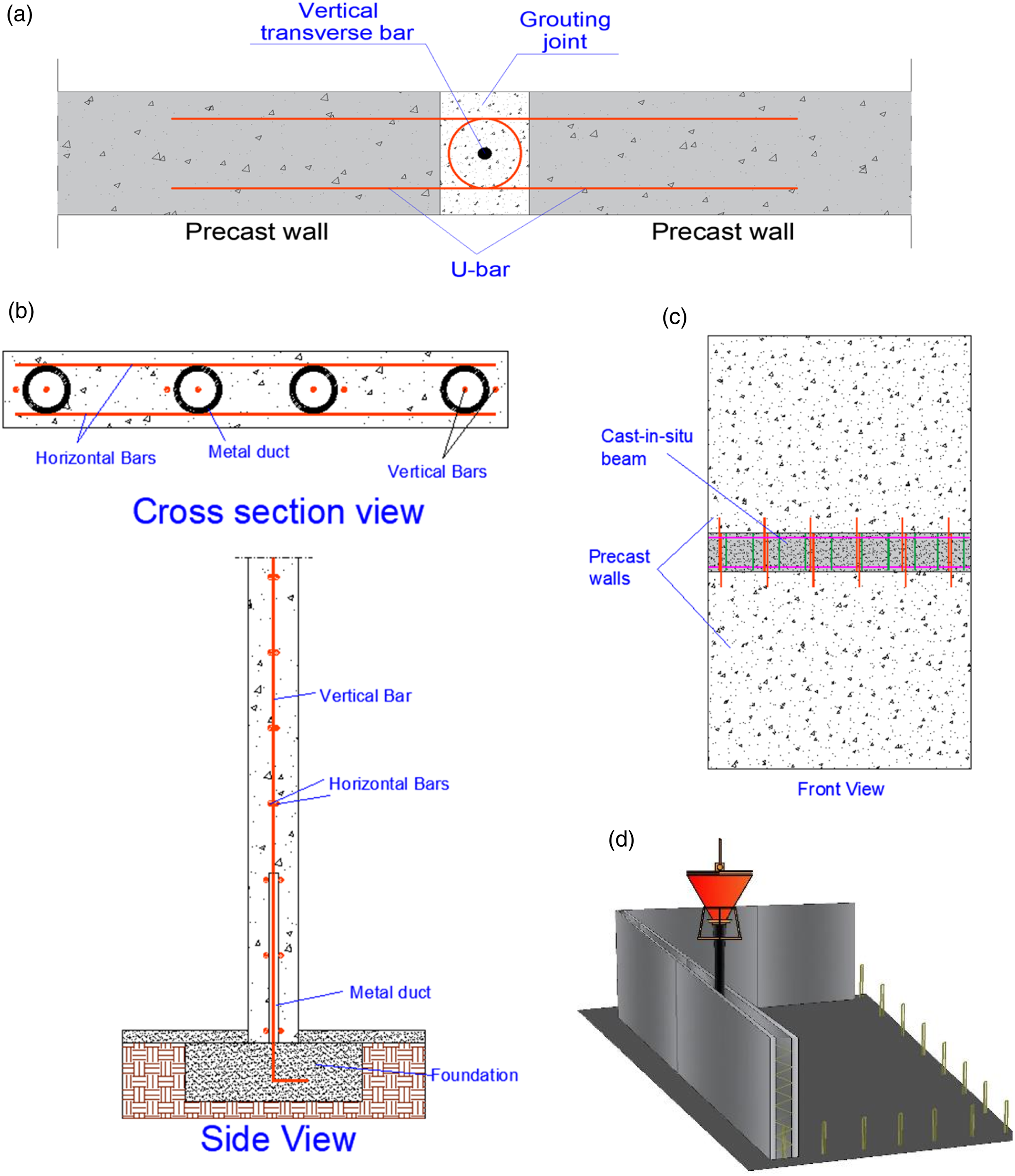
Dry connections
The dry connections use metallic connectors, bolted or welded, to assemble the precast walls. This type of connection, compared with the previous one, creates a discontinuity in the system and is generally used in buildings located in low-moderate seismicity regions. When the seismic risk is higher, prestressing or wet connections are usually used to assembly and guarantee the established requirements (Sanghvi and Dhankot, 2015). The structural requirements, strength and stiffness, and the dimensional tolerances are important for the assembly and execution that must be carried out according to the defined project (Fib, 2008). The benefits of these mechanical connections are: (i) easier and faster execution; (ii) casting concrete on site is not necessary, with less workmanship; (iii) easier maintenance; (iv) enable disassembly, useful for buildings with temporary use; and (v) end-of-life benefits, easier deconstruction, and use of materials for reuse and recycling (Cai et al., 2019).
There are different types of dry connections. Brunesi and Nascimbene (2017) proposed an anchoring system composed of threaded bolts and steel plates, used to attach the external longitudinal rebar (Figure 17a). Cai et al. (2019) studied a steel bolted connection that consists basically by steel bolts and steel plates. The bolt holes are made in the panels using pipes, and after the alignment of the walls the assembly is ensured using the steel plates and bolts (Figure 17(b)). Results showed that the concrete compressive strength, the number of bolts and the tightening process had a significant effect on the strength capacity of the joints. Guo et al. (2019) proposed an innovative solution consisting of a steel plate with holes, anchored to the panel using steel rebars, and the connection between the two walls is made through plate-to-plate and high strength bolts (Figure 17(c)). The experimental tests showed this system presents a large ductility and a great and stable energy dissipation capacity. Psycharis et al. (2018) studied a solution designated ‘wall shoe connection’, that showed to have large ductility and strength (Figure 17(d)). This system has a hole that fits in a corresponding anchor bolt, then the walls are attached using nuts and washers. Taheri et al. (2016) and Vaghei et al. (2019) studied a connection composed by male-female panels, rubber, hooks, bolts and nut (Figure 17(e)). This system was an improvement of the loop connection (wet connection) and the results showed a significant increase of the maximum strength (Biswal et al., 2019). Finally, here is also an H-connector with steel bolts that was studied to link precast walls and showed a satisfactory performance under monotonic and cyclic loading (Sun et al., 2019) (Figure 17(f)). Examples of dry connections (collected/adapted from literature review: (a) Brunesi and Nascimbene, 2017; (b) Cai et al., 2019; (c) Guo et al., 2019; (d) Psycharis et al., 2018; (e) Taheri et al., 2016 and Vaghei et al., 2019; (f) Sun et al., 2019.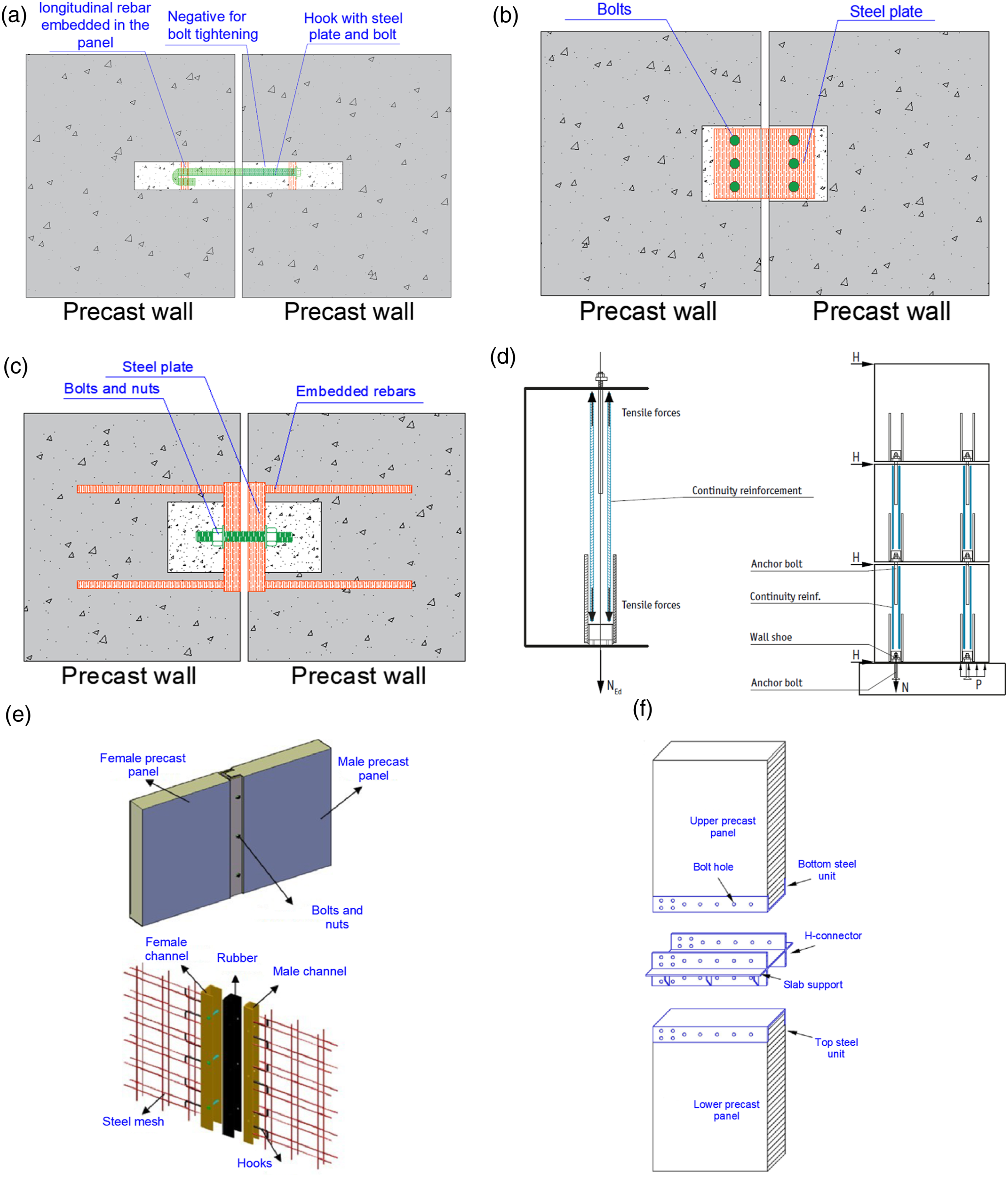
Final remarks and future developments
Extreme events, with natural or manmade causes, such as floods, pandemics and wars, have recently brought the need to provide shelters and field hospitals in a very fast and affordable way. Having this idea in mind, the authors decided to conduct a research and development project, based on the precast structural wall system, aiming at delivering a new product, to build fast and at low costs, in different emergency scenarios. The first step is the survey of existing commercial and scientific solutions, and analyse technical documents on precast structural wall systems, which is presented herein. The goals of this review were the following: (i) record and organize the main characteristics of the existing precast structural concrete wall systems, including connections; (ii) identify aspects that need to be improved and/or to be further studied; and (iii) propose innovations, mainly with the goal of reaching a final product with adequate structural performance and durability and, at the same time, with high eco-efficiency.
Regarding (i) abovementioned, the literature review revealed that the growing evolution of the prefabrication sector allows fast and cheap construction, compared to traditional method, which is significantly useful in emergency situations. This study shows that, in the last 20 years, has been a substantial advance in precast walls, new types of different structural walls were developed. Several researchers state that this structural system is very close to the modular construction, with the advantages of greater architectural flexibility and transport/handling. The connections between the walls were also analysed and summarized, which is a very important subject in the designing of prefabricated structures. Connections can be wet, with on-site concrete casting or can be dry, using mechanical elements, such as steel plates with bolts or welding. Based on this review, it was concluded that there is a need to construct structures more quickly, cheaply, lighter and with less environmental impact. The dry connections, namely, bolted connections, seems a good solution to achieve these goals for low-rise buildings, also allowing future deconstruction and reuse. On the other hand, those studies also show that it is necessary to improve the performance of the load-bearing walls and their connections, not only from a structural point of view, but also in terms of sustainability, to reduce the environmental impact of concrete structures. Therefore, this study provides a critical review of the development obtained on precast concrete walls accomplished from both academics and industry practitioners. It helps to gain an in-depth understanding of the state-of-the-art and creates the ground to continue evolving.
In relation to point (ii) abovementioned, future developments must address the following aspects: (a) optimize the concrete mixture used in the walls, to increase the durability of the structures and to reduce the environmental impact (through the reduction of embodied carbon); (b) reduce the weight of the structure; (c) develop bolted connections to allow a faster execution, and (d) the overall solution must be economically viable. Although concrete is already a well-known and widely used material in construction sector, several researches were carried out in recent years, aiming not only to enhance the concrete properties but also to develop more sustainable solutions, such as: (1) optimized lightweight aggregate concretes (LWAC), with low density and high strength; (2) ultra-high performance concrete (UHPC), with high strength and durability; and (3) low cement concrete (LCC), with reduced cement content using additions with less environmental impact than Portland cement. The use of more eco-efficient and durable concretes is fundamental for development and competition of precast sector, and this is stress out in the study herein presented. Regarding the connections between precast walls, this study summarizes several solutions available on the market and developed by researchers, highlighting the advantages and drawbacks of each one. This analysis reveals that these connections can be improved. A better transmission of forces between walls is important to improve the structural performance under extreme or accidental actions, such as severe earthquakes or explosions. Based on previous studies and considering the new demands for the construction sector, it is concluded that it is necessary to develop new connections that allow both easier and faster assembly and disassembly, simultaneously ensuring the required stability and robustness of the entire structure.
To meet the goal (iii) of this survey and answer the challenges highlighted, the authors propose an innovative composite wall system, that consists of two concrete panels with different characteristics: (a) an inner layer with greater thickness (15 cm) made with a lightweight aggregate concrete and low cement dosage; and (b) thinner external layer (5 cm thickness) composed of high-performance and durability concrete. The lightweight concrete provides thermal insulation and reduces the weight of the structure, and besides is advantageous for transport and handling. Associated with the reduction of cement dosage, it is possible to improve the eco-thermal-efficiency. On the other hand, the enhanced durability is achieved using the superskin concept, previously studied by the authors (Ghafari et al. 2016; Martins et al. 2020), which consists of using a ultra-high-durability concrete only in the external layer of the structural element, where it is most needed to protect the structures, allowing to reduce the environmental impact associated to cement production, since the highest cement dosages are used in the outer thin layer. The shear strength at the interface between the superskin and the lightweight concrete will be addressed. New dry bolted connections for this type of walls will be also developed in the future, to allow faster assembly and disassembly, using bolts and roughened plates to improve the friction between plates. The main challenge identified is to compatibilize the tolerances required during the assemblage with stiffness and strength required for the structural performance.
Footnotes
Acknowledgements
The authors acknowledge the support of FCT - Fundação para a Ciência e a Tecnologia, through both the PhD scholarship SFRH/BD/05254/2020, granted to the first author, and the project UIDB/04625/2020, that finances the authors’ research centre, CERIS - Civil Engineering Research and Innovation for Sustainability. The authors are also grateful to Vibogloco – Pré-fabricados, S.A., for co-hosting this research study, together with CERIS.
Declaration of conflicting interests
The author(s) declared no potential conflicts of interest with respect to the research, authorship, and/or publication of this article.
Funding
The author(s) disclosed receipt of the following financial support for the research, authorship, and/or publication of this article: This work was supported by the support of FCT - Fundação para a Ciência e a Tecnologia, through both the PhD scholarship SFRH/BD/05254/2020, granted to the first author, and the project UIDB/04625/2020
