



Abstract
Archaeological work leaves material histories, from archival notes to containers that used to store artifacts. Rarely, however, are these containers preserved or valued as technologies that codified and organized archaeological information. This paper analyzes a collection of matchboxes that were formerly used as artifact containers in a 1940s excavation in Coahuila, Mexico. The matchboxes, never formally accessioned and yet still saved by collections staff, are housed In the Smithsonian National Museum of Natural History (NMNH) Museum Support Center. By tracing the labor regimes the matchboxes passed through, the specimens they once contained, and the hands that used them in a multitude of ways, this project uses the matchboxes’ microhistories to reveal how archaeological containers influenced archaeological science. This research argues for a treatment of the matchboxes as artifacts themselves, worthy of formal accession and of value for their role in the history of archaeological science.
Introduction: Containing the past
Archaeology is a historical and cultural product that can never be dissolved from the contemporary frameworks in which it is made (Díaz-Andreu, 2004; Lowenthal, 2015; Meskell, 2000). Likewise, what we refer to as artifacts do not sit as discoverable entities that are slotted into periodizations and categories upon being observed; instead, one must take into account personalities, worldviews, and motivations that morph and fossilize objects’ significances into paradigms of meaning (Barad, 2003, 2006: 186; Chazan, 2018). Museum scholars specifically have highlighted the ways that knowledge is made rather than simply recorded in museum catalogs and records (Boast, 2011; Glass, 2015; Merriman, 2016; Povinelli, 2011). Understanding the process by which an object becomes a data point or specimen involves analyzing the containers that aid in its categorization.
While many have focused on these conceptual containers in the making of knowledge (Harding, 2008; Shotwell, 2016), this paper focuses on the physical boxes that turned small remainders of life into parcels of analyzable historical data. While these containers might be thought of as artifacts of archaeology, their treatment in museum settings reveals how the containers’ suspense between archive and object has led to an arrangement in which their value is linked to both and yet belongs to neither.
As Bjørnar Olsen states, “There is a poetic irony in the fact that a discipline that assumes the importance of things for the study of the past has neglected them to such an extent when recollecting its own past” (Olsen et al., 2012: 14). In taking up Olsen et al.'s call and centering the material debris of archaeological data making, this paper seeks to understand how containers came to value materials. In turn, it aims to understand why these containers became so de-valued in museum settings, and argues for their importance and formal preservation.
This paper weaves a suite of 182 matchboxes with the Smithsonian's National Museum of Natural History (NMNH) records and the National Anthropological Archives (NAA) to argue that these matchboxes served as archaeological instruments capable of making data. The matchboxes were originally used as containers in the 1940s, holding plant specimens and textile fragments, each one labeled with a field number associated with cave complexes from around 7500 BCE in Coahuila, Mexico (Figure 1).
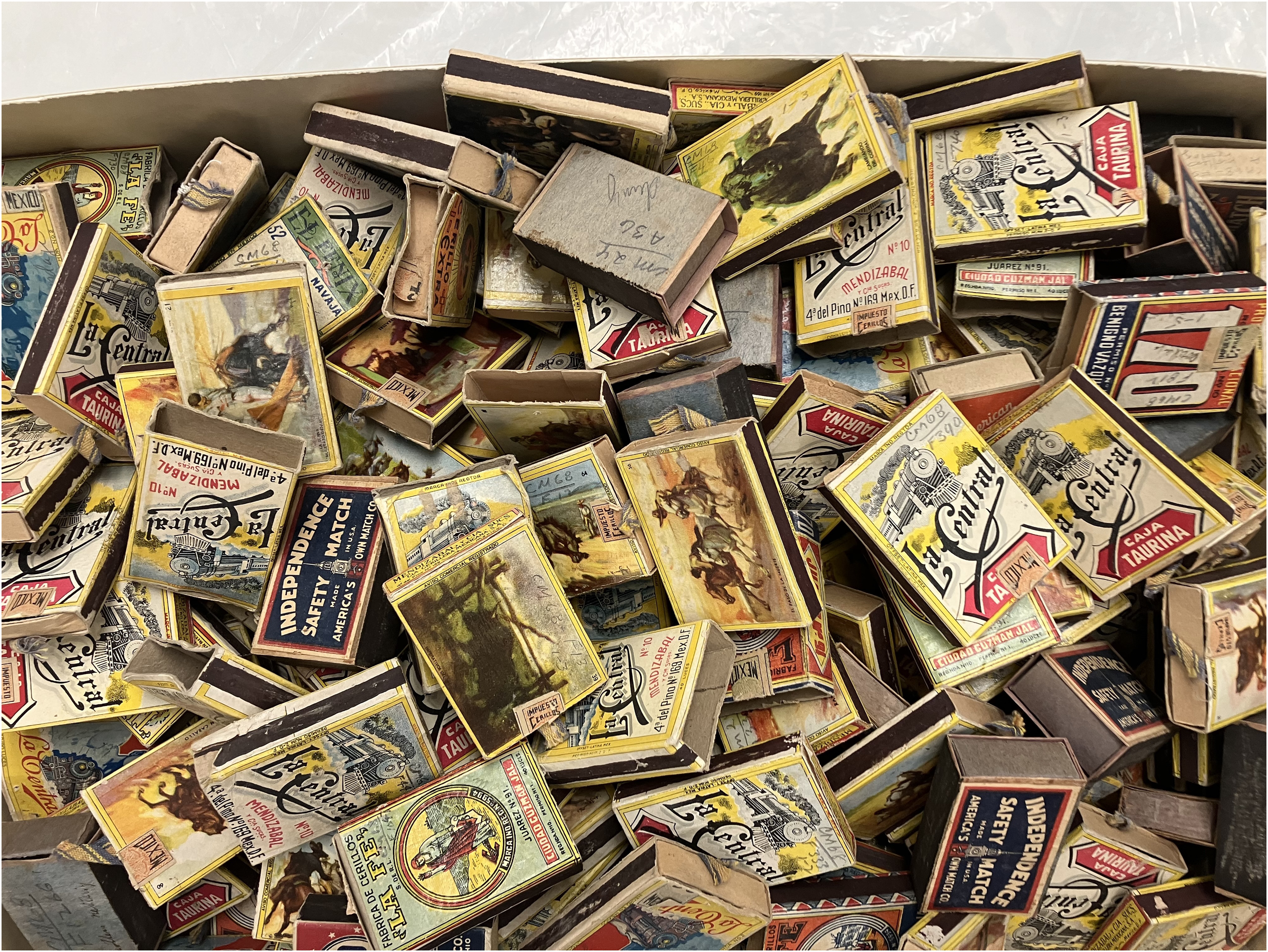
Matchboxes as found by author. Museum Support Center, Smithsonian Institution.
In agreement with the notion that container technologies can be used as entry-points into understanding infrastructures and social dynamics (Sofia, 2000), this paper treats these containers as tools of archaeological production. Analyzing the collection of matchboxes as archaeological items in their own right reveals patterns of labor and clues into stratified work regimes implicit in the making of archaeological science at a particular moment. Finally, the fact that the matchboxes inhabit a space within the walls of a museum as “unofficial” un-accessioned objects forces us to think about how institutions chose to tell narratives about the past, and what physical evidence they see as necessary to aid these testimonies. The matchboxes’ liminality between the vitrine and the bin has everything to do with how time, history, and archaeological science are socially constructed and valued.
Part I of this paper explores current literature on containers and categorization. Part II introduces the Coahuila project and contextualizes the use of matchboxes within data keeping and in Walter Taylor's archaeological theory. Part III analyzes the matchboxes themselves and puts them in conversation with archival and photographic records. Part IV brings together matchboxes that were used for a particular locus, and analyzes the chronology of how containers were made and filled, offering a lens through which we might see hidden regimes of archaeological habits and labor. The conclusion offers that archaeological tools of this kind deserve to be conserved and valued since they co-construct archaeological remains and perhaps even influence how we read their contents.
Part I: Archaeological technologies: holding values
Scholars have long agreed that we cannot treat the field sciences as hermetically sealed lab spaces, and illuminate how labor structures, politics, and the archaeologist's behavior (Schiffer, 1987) can influence the gathering and interpretation of results (Barad, 2006; Kuklick and Kohler, 1996, 2019). In order to understand legacy data of the past, we must always study the historical context of data collection (Banta et al., 1986), moving beyond the “internal history” of the science, and broadening one's perspective to political, environmental, and personal factors (Christenson, 1989; Kuhn, 1979). The historical context of data collection can leave behind material debris. Whether it is the manner of note-taking, or the detritus of an archaeological camp site, the science of archaeology in a particular moment produces artifacts that can contextualize how knowledges were made. One of the crucial ways that knowledge is codified is through the use of containers.
Containers can be defined as “any object that can hold something else inside itself for an indefinite period of time, isolating the contents from the give and take of the world outside” (Shryock and Smail, 2018: 1). Existent theory on containers and containment demonstrates that confinement and partitions leave lasting effects on interpretive outcomes, and as “anti-entropy machines” containers shield the objects inside from time, decay, and outside conditions, leading some theorists to call them “time machines” (Robb in Shryock and Smail, 2018; Hodder, 2012). “Container technologies” from petri dishes to envelopes offer us a way to understand social and relational choices about which materials are discrete and valued (Sofia, 2000).
There are scholars who have similarly found both the object and container to be co-constructing entities that reveal ideas about scientific value. James Delbourgo has argued that 19th century amateur collector Sir John Soane's custom-made seed boxes, for instances, were in themselves designed to act as a “theatrical spectacle.” When revealed to visitors, the 90 drawers of the boxes were congealed into a “singular spectacular object” in which container and specimen co-produced each other (2017: 38). When amassed and organized without display or publication, these accumulations can be thought of as a “performance for future use” (Delbourgo, 2018: 51). Wendy Shaw refers to this accumulation as a “dictionary of outtakes” in which objects that were not employed in original world-building narratives are nevertheless saved for potentiality and potential worlds (Shaw, 2018: 164).
Some have even specifically traced matchboxes as specimen holders. Indeed, there is a long and yet misunderstood history of how archaeological, historical, and botanical specimens intersect with re-used boxes. 1 Discarded matchboxes have been used to date historic sites (Anson, 1983) and also have served to hold other archaeological collections in the UK (Archaeology Archives Oxford, 2013).
While not well-represented in literature, some scholars have traced how archaeological environments of knowledge production, such as dig houses, have influenced the political and social dynamics of archaeological science (Morgan and Eddisford, 2015; Schofield et al., 2011). Within these sites, others have analyzed the “ecology of practices” (Stengers, 2005, 2010) that came to denote structured procedures of knowledge-making that came to characterize the practice of archaeology (Olsen et al., 2012). Yet the signatures of these practices, rendered in discard, refuse, and instruments, have received little attention. Tracing some of the storage practices in archaeological field methods helps to provide context as to why certain tools were privileged in the acquisition of particular pieces of data, and offers a window into how these questions shifted between early archaeological practices and those of today.
Scholars have taken up the call to better understand the hierarchization created by the tools of archaeology, and how people's interactions with tools convey power (Carvalho and Agosto, 2023). According to Daniel Carvahlo and Frederico Agosto's comprehensive overview of archaeological tools and field methods, boxes for specimen storage are among the most recognizable features of archaeological instruments; fascinatingly, the authors find that small artifacts are “frequently deposited into tobacco-related storage: cigar boxes, tobacco tins, and matchboxes” (Carvalho and Agosto, 2023: 13). In 1949, matchboxes were recommended as a field storage container for small artifacts (Heizer, 1966 [1949]: 35, 55). Yet the collection of botanical and small textile remains was still not a prevalent practice. Paleoethnobotany only blossomed as a field with the development of flotation methods, and techniques for botanical extraction appear in volumes that occur well after the Coahuila excavations, in the 1970s (Hastorfm and Popper, 1988; Marston, 2014; Pearsall, 1989).
By later field guides in the 1970s, advice around storage changed with the abundance of plastic, which would not be as frequent to crushing as cardboard (e.g. Coles, 1972). Today, contemporary methods say that botanical specimens should be stored dried in a box or sealed in airtight bags (Marston, 2014: 92). The use of matchboxes to store archaeological and botanical fragments thus reveals a time signature on archaeological production.
The NMNH since the mid-19th century has received millions of specimens, archaeological objects, and ethnological collections from around the world (Henson, 1999). Archives that are associated with collections, including correspondence, photographs, and excavation journals are located in the NAA, and are cataloged according to their association with the collections. Yet there are an untold number of objects that enter the museum associated with collections that are never cataloged by registrars and yet are inherent to the assemblage of the archaeological collection. The registrar's room houses the containers in which many archaeological items were shipped; from coffee cans, to cigar boxes, to beer crates. 2 Most of these containers, conceptualized as either unimportant, or in the best circumstances, ephemera, are simply thrown out. 3
This paper holds that the matchboxes are important, archaeological debris in their own right that point to social dynamics of the site, and clues into habits, preferences, and happenstance entwined in archaeology's production. While much has been written about how results of archaeology were used for political purposes (Anderson, 1983; Curtoni and Politis, 2006; Sommer, 2017) very few have questioned how the results of archaeology were actually manufactured on a granular level by tools, containers, and industry.
There are a multitude of examples of how industries appear in archaeological science. The Munsell soil chart, for example, used to calibrate soil color that aids archaeologists in making context and chronological distinctions (Martin, 2016), was made by the United States Department of Agriculture and was not widely used until after the 1940s (Simonson, 1993). Oftentimes, however, the tools and containers of science are not displayed or even kept alongside the objects they helped to produce, creating an “illusion of separate worlds” (Kohler, 2019: 14). The fact that objects are divorced from their archives and tools reveals which kind of assemblages get privileged in museum spaces, and indeed, what chronologies and moments in time are seen as the most valuable (Shanks, 1998).
Part II: Categorizing Coahuila: archaeology and data-making
The matchboxes belonged to a collection that entered the NMNH as the “Walter Taylor Coahuila Collection.” Walter Taylor conducted a 10-month long project, doing excavations in a series of caves in Coahuila Mexico from 1940 to 1941 (Kennedy, 2010). The “community of practice” (Joyce, 2021) of the archaeological field site included trained sociocultural anthropologist and wife of Walter, Lyda Taylor, and archaeologist Albert Shroeder. While some articles only refer to the fact that Taylor worked with “several laborers” (Kennedy, 2010: 80), archival photos reveal the names of the excavators that conducted most of the archaeological work. They include Manuel Castro, Armando Garcia, Pedro Gonzales, Juan Mata, Miguel Salas, and Guadalupe Romo. Unfortunately, not much personal information was available about them within Walter Taylor's materials, but their work and knowledge of the landscape and area was undoubtedly crucial in aiding Taylor in his quest for preserved contexts. He relied on guides, for instance, to collect information, to lead him to caves that were relatively well preserved, and for excavation labor. Their labor wages were based off of calculations of what they would have earned working in nearby mines, which only paid $2.50 per diem. 4 From 1940 to 1941, the team began excavating a series of caves that had long been known by local people and scientists to contain ancient textiles, burials, and sites of occupation. While many of the textiles and baskets were recovered, they were still so brittle that it was common that pieces of cordage, woven fibers, and plant fibers would break off of the objects.
A manuscript covering the whole study of Coahuila was never published (Maca, 2010: 49). Apart from some focused research articles (see Taylor, 1956, 1983, 2003) no monograph of the site was ever produced. His treatise, however, A Study of Archaeology was widely distributed and debated. As Patty Jo Watson in the 1983 edition of A Study of Archeology explains, however, much of what was seen as controversial by the archaeological community then is currently standard practice: notably, synthesizing biological data with cultural and paleo-environmental data (Kennedy, 2010: 96).
For those trained in textile specialties, or for those concerned with chemical testing, having small fibers to use for detailed analysis was crucial. Empty matchboxes proved to be a useful solution, and indeed may have provided the possibility of saving such fragments to begin with. One person who may have had research interests in preserving these fragments was a vital, though often unsung member of the expedition: Lyda Taylor.
Lyda Taylor is speculated to have had an enormous influence on Taylor's synthesis of archaeology with sociocultural anthropology (Maca, 2010: 51). At Coahuila, Lyda Taylor's role was to categorize and catalog specimens at a field house in the neighboring town of Cuatro Cienegas, where she mainly focused on her specialty; botanical analysis 5 (Reyman, 2010: 61).
Through looking more closely at the matchboxes themselves along with the associated archives and photos, we can see the use of matchboxes as a serendipitous but utile decision that may reflect the desire to conduct fine-grain botanical and fiber analysis. In short, they may reflect Lyda's own standpoint epistemology and role in archaeological interpretation.
Part III: Social lives of matchboxes: multiple genealogies
There are 182 matchboxes that were saved by record keepers that accessioned the collection in the early 1990s. According to the accession record, there were other object containers that held parts of the collection, and close to three quarters of the collection was stored in organic material (Wood, NMNH Accession Record 374960, 1997: 7). As the record notes, “Small sized organic specimens are stored in match boxes or other small reused boxes from film, candy, medicine, etc” (Wood, NMNH Accession Record 374960, 1997: 7). Because the materials were stored in organic boxes, the collections team recommended that they be re-housed in acid-free boxes and the original containers disposed of. Despite this, some collections team members held on to them (Wood, NMNH Accession Record 374960, 1997: 7).
Not all of the matchboxes were saved, and there is no record as to how many were thrown away during the accession process. The ones currently in records were held on to by Smithsonian staff that saved them due to the novelty of the designs, and as part of an informal collection of interesting, historic containers of collections, which are kept in a glass filing cabinet in a cardboard box (Figure 1). None of them have official museum numbers. 6
Analyzing the matchboxes as archaeological containers reveals certain taxonomies of choice, preference, and social lives of the objects. Like currency or pottery, the advertisements and illustrations on the matchboxes serve as excellent chronological and geographic indicators that provide insight into the infrastructures and people that brought them there to site. Given the need of matches for both cooking and to facilitate the habits of smoking, publics would have come into contact with matchboxes quite frequently, and they may have been collected from several families in the Cuatro Cienegas neighborhood.
To analyze the matchboxes, I photographed each one (both the outer shell and the inner tray) and recorded them in a database. I then created different seriations. In the first, I divided the matchboxes into groups by brand, which I hypothesized would reveal geographic signatures of where they were made and acquired. In the second iteration (explained in part IV), I arranged them by field number sequentially, such that the first matchboxes would represent the first containers used in the latest, first strata of the excavation.
Dividing the collection by company type and brand reveals that there are 10 brands represented, and four additional brands for which there are only one example (Figure 2). The most represented brand is “La Central” with two sub-brands represented: (1) La Central “Caja Taurina” brand with 85 boxes, and (2) La Central Mendizabal with 36. La Central, a matchbox manufacturer since 1885, is still in operation. The abundance of the Central brand means that the overwhelming majority of boxes were made in Mexico, rather than the United States, with 161 boxes made in Mexico, representing at least three different cities of manufacture, while 21 of the boxes came from American brands (Figure 3). Such a distribution reveals that choices to use matchboxes were most likely made after and during initial excavations, and not necessarily collected beforehand in the United States as a field item to be brought to Mexico. But the matchboxes were not just used as archaeological containers having never been used for other means; the matchboxes all display that they were in different “social lives” (Appadurai, 1988). Every single box shows a pattern of use wear on the match strip, indicating that all of them had been used to light matches given the striations and pressure conducive with a strike pattern (Figure 4). Their use-pattern reflects activities that point to different social practices on and near the archaeological site, such as lighting a fire or stove for cooking, and also to light cigarettes.
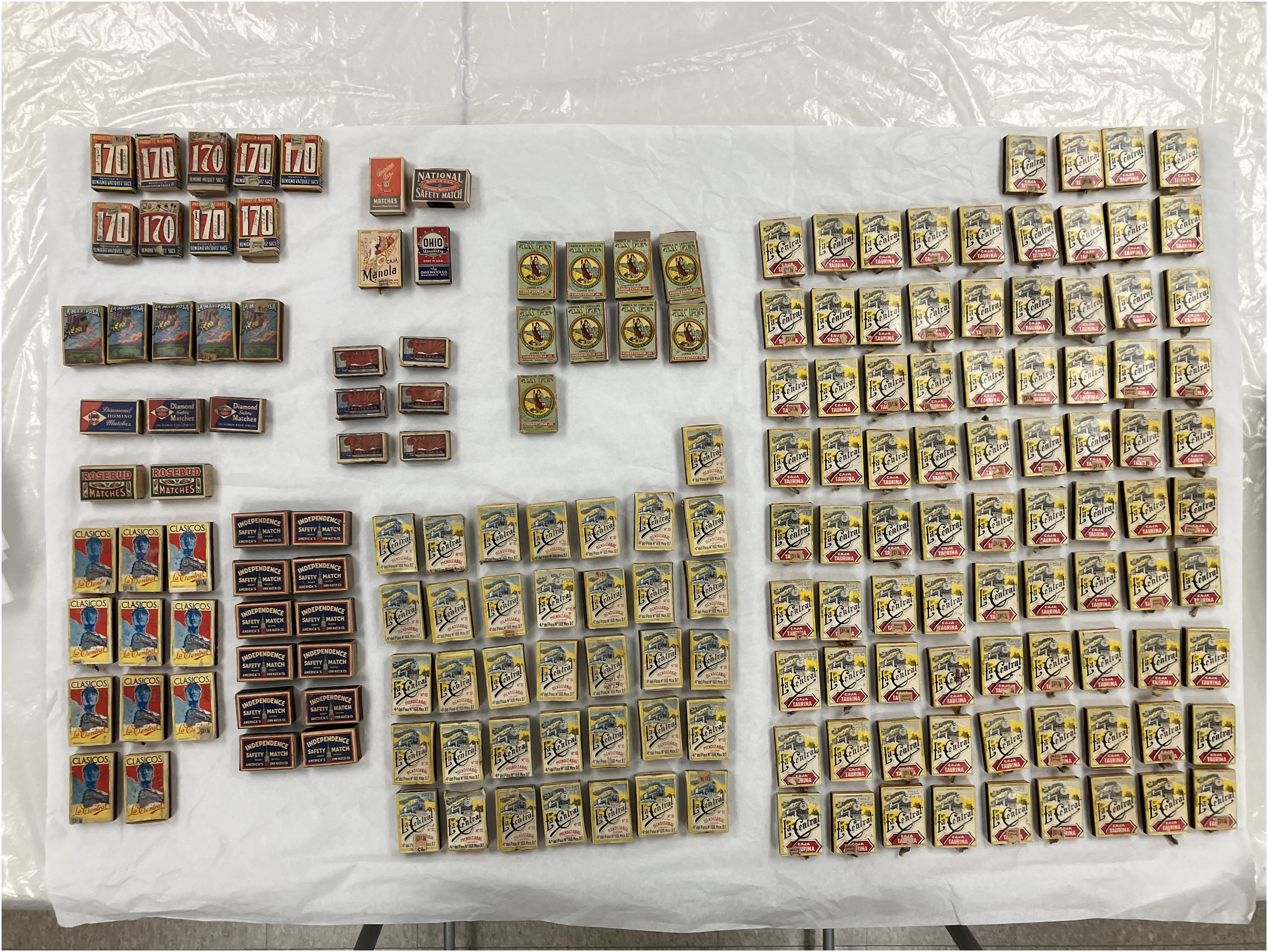
All Matchboxes sorted by brand. Museum Support Center (MCS) Smithsonian Institution. Photo by Author.
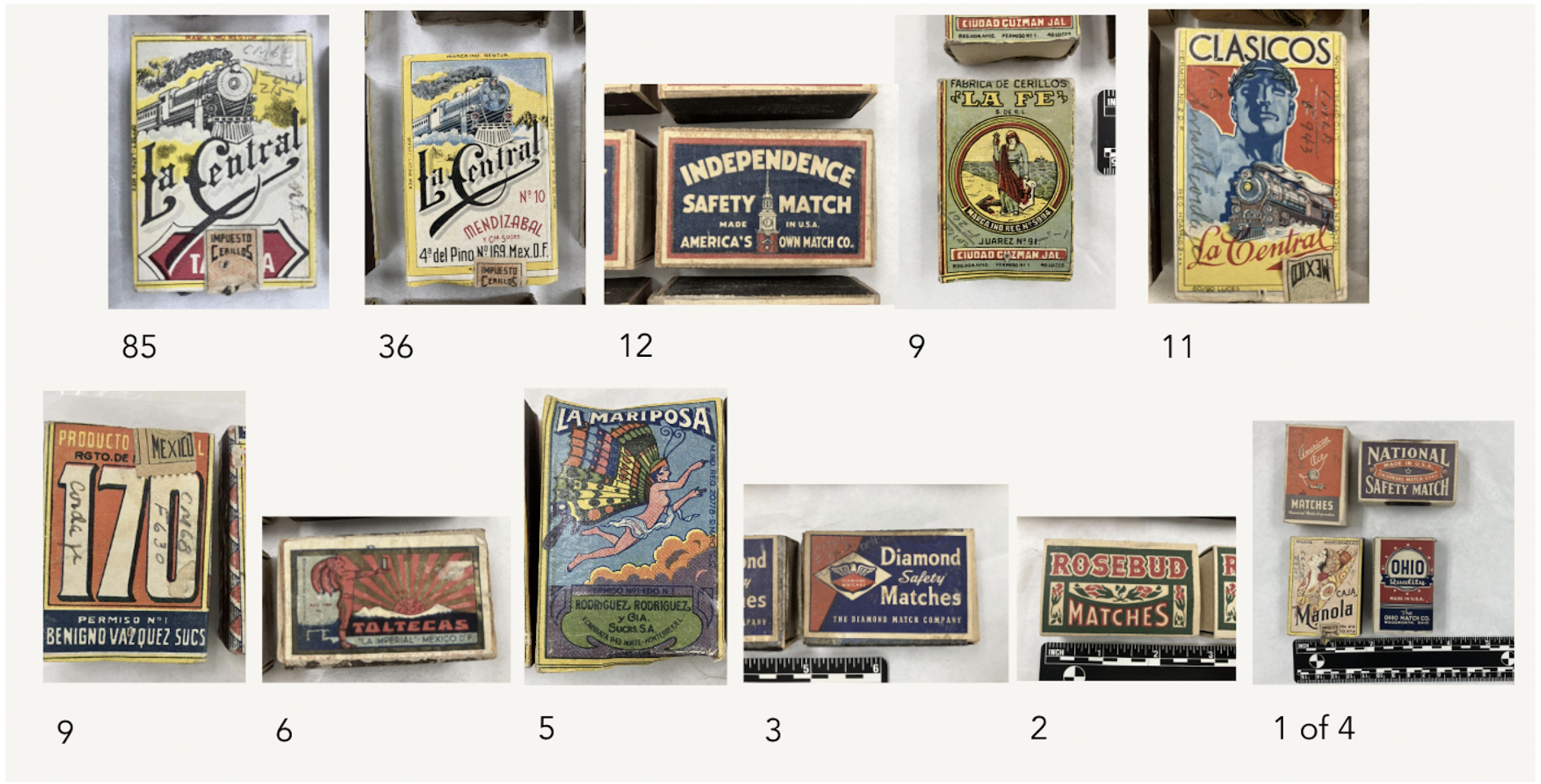
Typology of a matchbox by brand, labeled with quantity of each represented. Photo by Author.
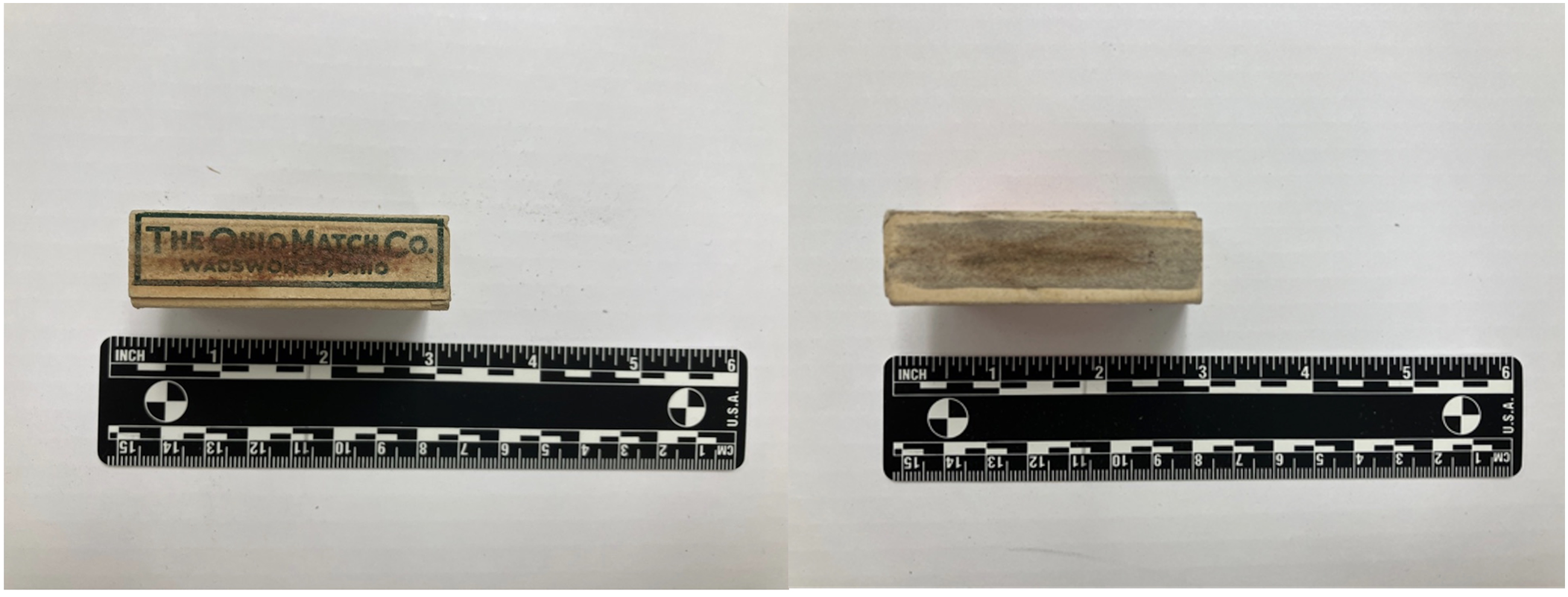
Two matchboxes from collection demonstrating strike pattern. MSC. Photos by Author.
The matchboxes can be used as lenses onto the quotidian lives and livelihoods surrounding, and indeed creating the conditions for the excavation of artifacts. American archaeology conducted by Americans throughout the 1930s and 1940s, and indeed up until recently and still today, involved micro economies of smoking that figured into currency, gift, and status making, all of which influenced the way that archaeology was practiced on site. There are several examples in other American-operated archaeological sites in Central America, for instance, in which cigarettes were rewarded to laborers successful in locating important finds, and examples in which cigarettes served as near direct payment for participation in archaeological labor, or associated anthropological and ethnographic studies. 7 Understanding that archaeology is imbedded within practices of consumption (Mullins, 2011) helps one understand how some of the matchboxes were emptied and produced through tobacco habits, socialized networks of exchange, and agency of consumers.
The role of cigarettes in labor is important in that smoking practices became infused in capitalist logics of work efficiency, the need to stay alert, and also as a way to exercise the freedom to take breaks between menial tasks (Brandt, 2009). Assembly lines and factory labor enveloped practices of habit, reward, and breaks that both enabled, and were made possible, by smoking; by World War I when cigarettes were enfolded into the military, they were seen as crucial, even patriotic. 8 My initial hypothesis was that the majority of the matchboxes were emptied through the practice of smoking onsite.
However, I found that the archaeological excavators were most likely not smoking while they were working, and would have had to smoke during breaks, if at all. Analyzing photographic records and maps reveals that many of the excavators were working in abandoned guano caves. Excavators thus wore gas masks while they worked which would make smoking cigarettes a highly cumbersome practice (Figure 5). While it is possible that the workers smoked and took smoke breaks, understanding the process of when these matchboxes were turned into archaeological containers reveals hidden labor in the categorization and archaeological registrar process that was highly gendered.
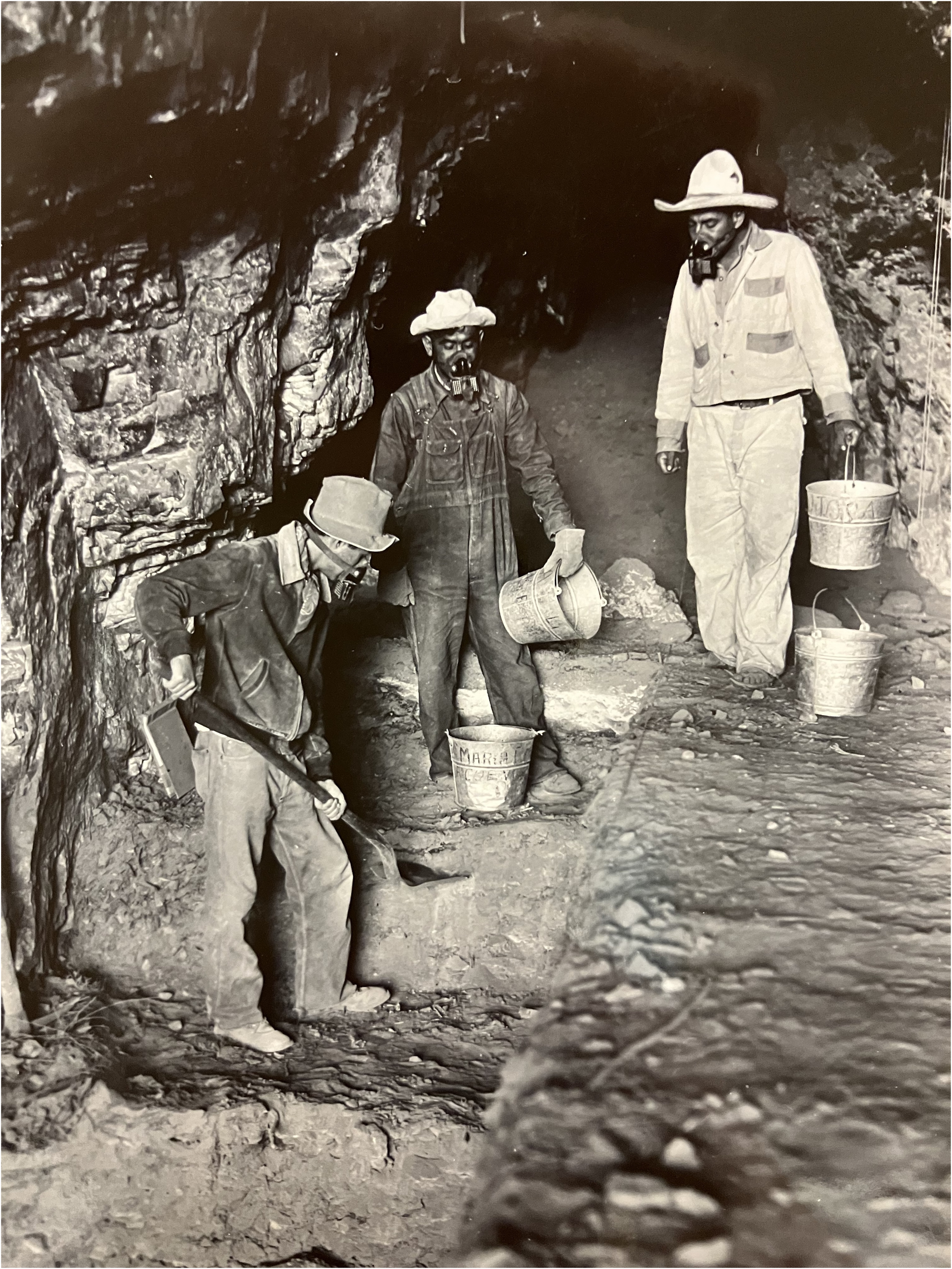
National Anthropological Archives, Smithsonian Institution. Workers wearing masks while excavating. Coahuila Walter W Taylor Field Photographs Box 105.
Many scholars have acknowledged that much of archaeological labor and interpretation conducted by women went unacknowledged and unaccounted for by the time that results of archaeology were published (Díaz-Andreu García and Søresnson, 1998; Voss, 2000). Other historians of science have specifically analyzed the ways in which the wives of male scientists were intimately ensconced within scientific research, and yet formally excluded from broader scientific communities (Lindsay, 1998: 4). Confined to tasks that were often seen as menial or secretarial, women nonetheless packed, tagged, and recorded archaeological objects. In so doing, many started to create their own categories, seriations, illustrations, and observations that helped to develop different chronological sequences that were crucial in the interpretation of archaeology, but simultaneously reified gendered orders that can persist today (Conkey and Spector, 1984). It appears that what some have called the “silent partners” of science reveal themselves in the Coahuila archives, and make apparent the intersection of “the locus of science within everyday life” (Lindsay, 1998; Shteir, 1989). From analyzing the photographic record, it appears that Lyda Taylor was also a person largely responsible for creating the empty matchboxes used for the collections—both through her categorization techniques, and originally, as part of her own smoking practices.
In the personal archive of Walter Taylor is a rather remarkable image of Lyda Taylor. Entitled “portrait of a tobacco fiend” 9 the photo is a still-life of Lyda, with two boxes of Camel cigarettes in the foreground (Figure 6). The photo serves as an intimate and yet powerful attestation to the fact that Lyda Taylor practiced smoking while she conducted her archaeological and interpretive work. Creating a self-portrait with this title might be read as a fiercely independent stance; during and after World War II, women took up smoking as a marker of autonomy and appropriation of a practice that had previously been labeled as overtly masculine (Brandt, 2009: 57). Lyda, through her self-announced tobacco fiendom, may have twined her habit with her archaeological research skills. In the expedition archive is a photo of both Lyda and Walter Taylor in the field house, organizing a series of specimens. In the background, it is indeed possible to see some matchboxes, at the moment in which they changed from match-lighter to archaeological container (Figure 7).
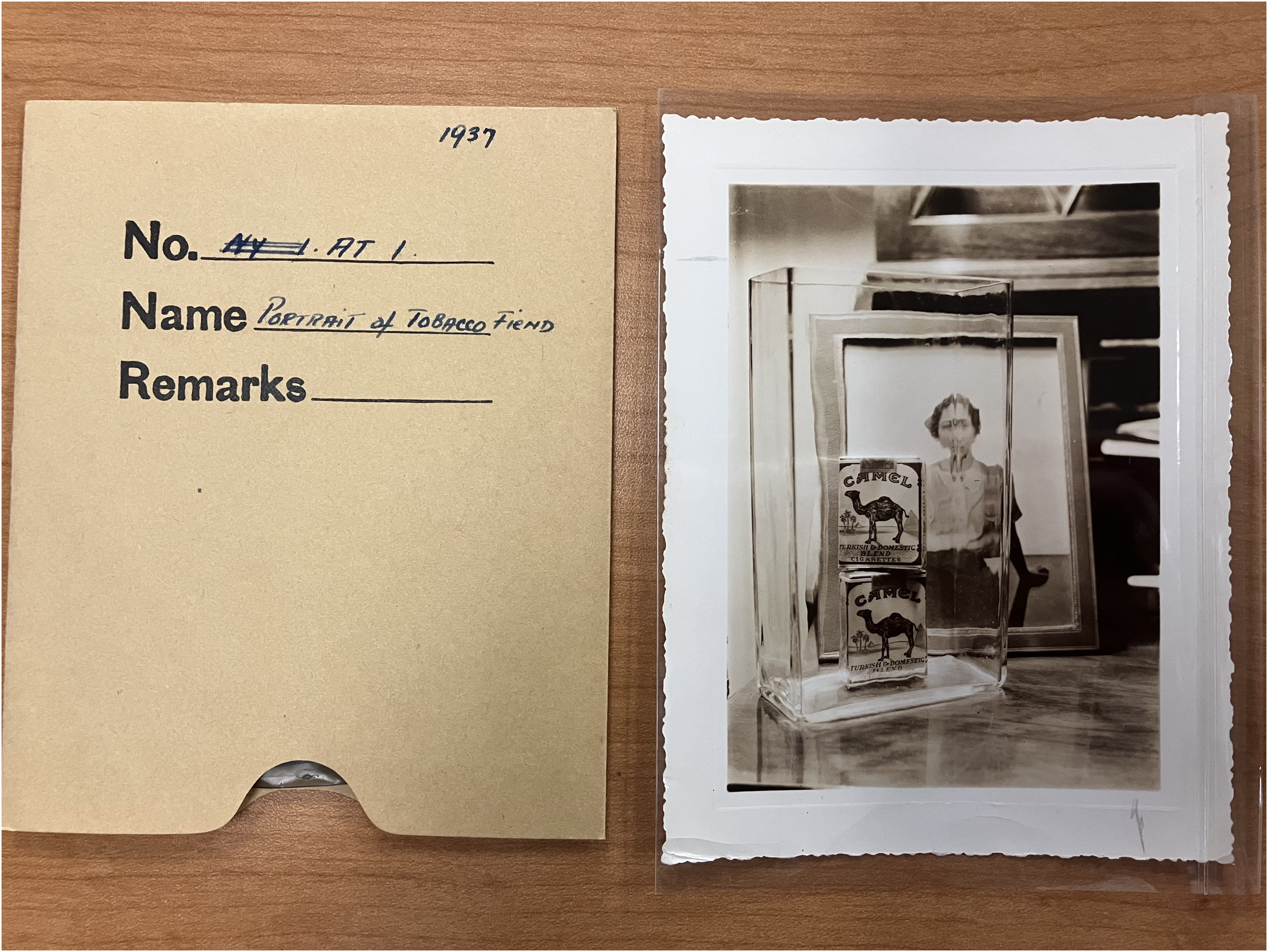
National Anthropological Archives, Smithsonian Institution. Portrait of a Tobacco Fiend, Lyda Taylor. 1937. Walter W Taylor, Coahuila AZ, Personal Misc. Photographs Box 106.
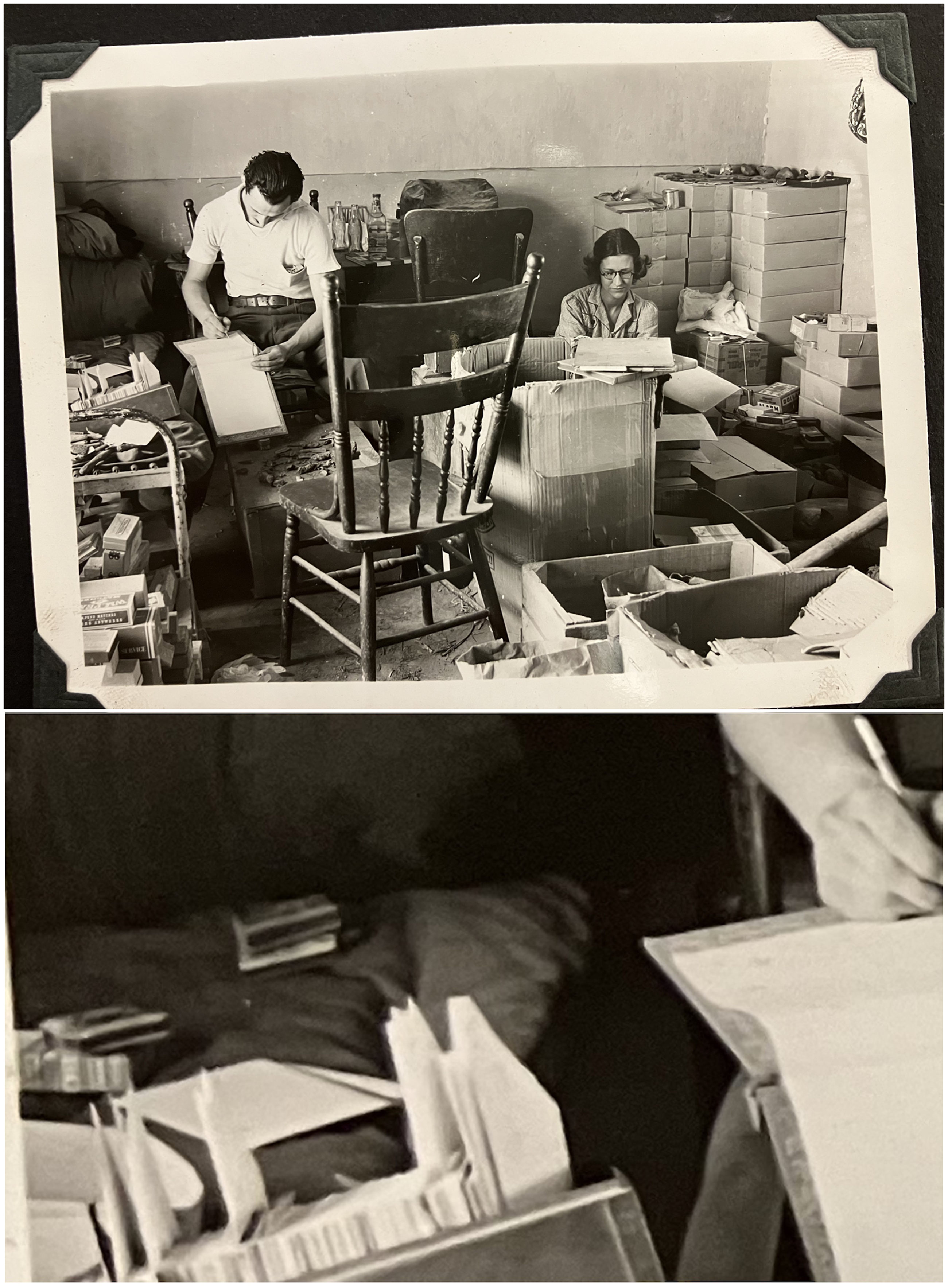
National Anthropological Archives, Smithsonian Institution. Walter and Lyda Taylor organizing data in field house. Detail of matchbox in second image. Walter W. Taylor Field Photographs Box 105.
To understand how the matchboxes were turned into archaeological containers, I arranged them chronologically, in the relative order that specimens were put inside. Though not every box was saved from excavation, this relative pattern reveals that the boxes were used somewhat interchangeably; rather than one type being used before switching to another one—which might convey a preference—the boxes were saved for archaeological use no matter what brand (Figure 8). This simple fact might reveal that it was the size of the box that was the most important aspect, rather than the quality of the cardboard, or a clear surface on which to make notes. These seemingly ad-hoc decisions about the ordering of data nevertheless had significant ramifications for knowledge production. The ability to segment tiny fragments of data individually meant that each fragment was saved according to type, such as cordage or charcoal, rather than as mixed within a context, in which two or more elements that were found together might get stored and categorized together.
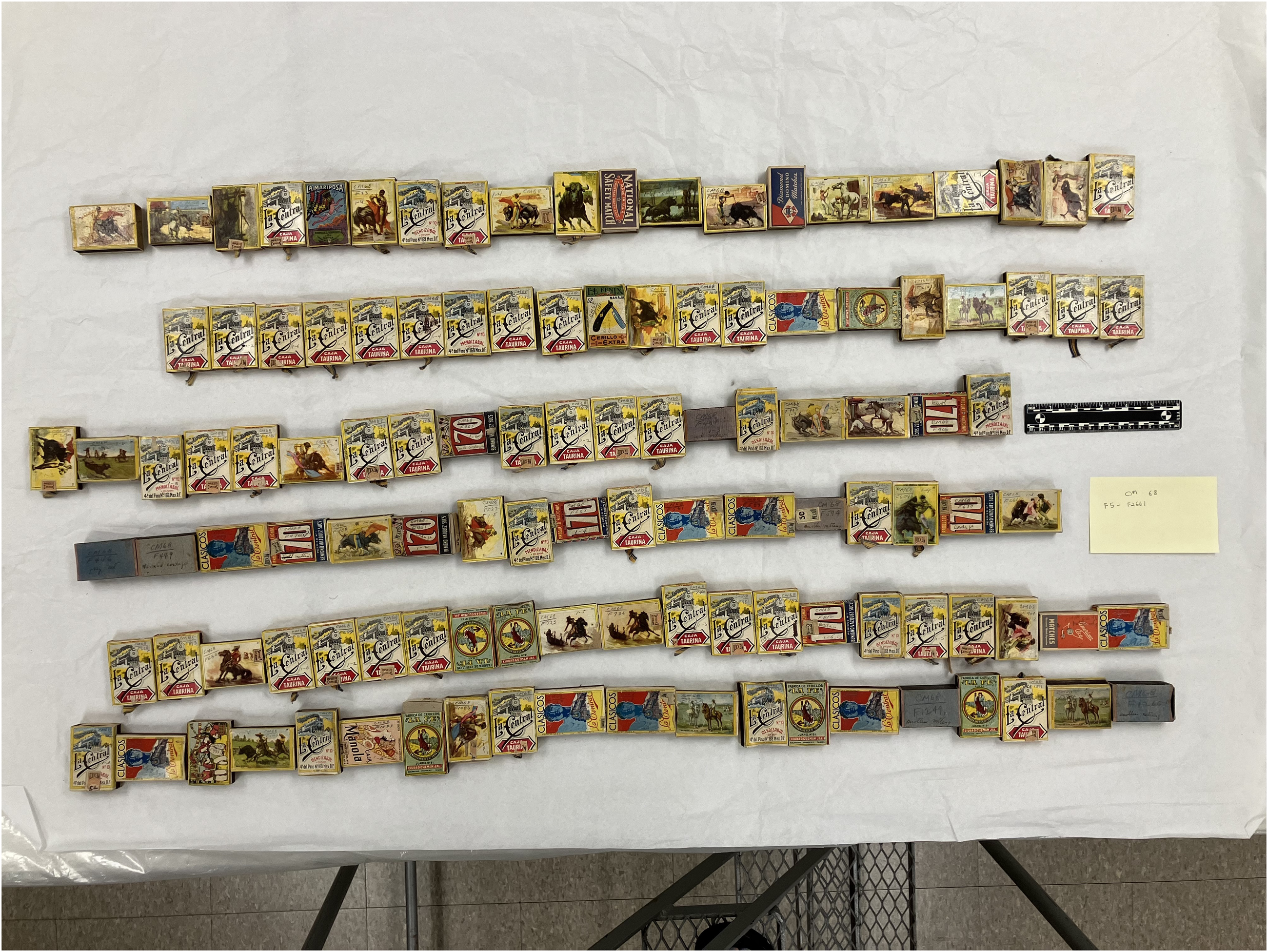
Matchboxes from Frightful Cave, CM68 arranged chronologically. Photo by Author.
Putting the boxes in chronological order allowed me to match each box from its field number to the contents that it once contained, in addition to the field cards that recorded the context from which the objects had been removed. Each field card contains a signature of the person that recorded the find, revealing the often-uncredited person responsible for making archaeological records, and the person who may have added the specimen to the box (Figure 9). Through this relationship we can start to unite the archival assemblages of text, object, interpretation, and image that transform objects into “archaeological” pieces, allowing us to understand the stages of the conveyer belt of knowledge making. Oftentimes the liminal stages at which objects become archaeology are not that perceptible; in museums, for instance, objects are displayed in vitrines with object labels which in themselves construct meaning (Porter, 1995) that is then solidified as neutral “truth” (Classen and Howes, 2006). Rarely, however, are objects shown with their old field notes, maps, and diaries that helped make them into historical data, despite calls to historicize archaeology, and science in general (Wylie, 2020) in museum settings (Delley and Schlanger, 2022). Displaying the fact that data is not neutral nor “pure” (Shotwell, 2016) allows us to begin to question the ways in which archaeology was not just stored in the boxes, but indeed made into data by the physicality and availability of the containers themselves.
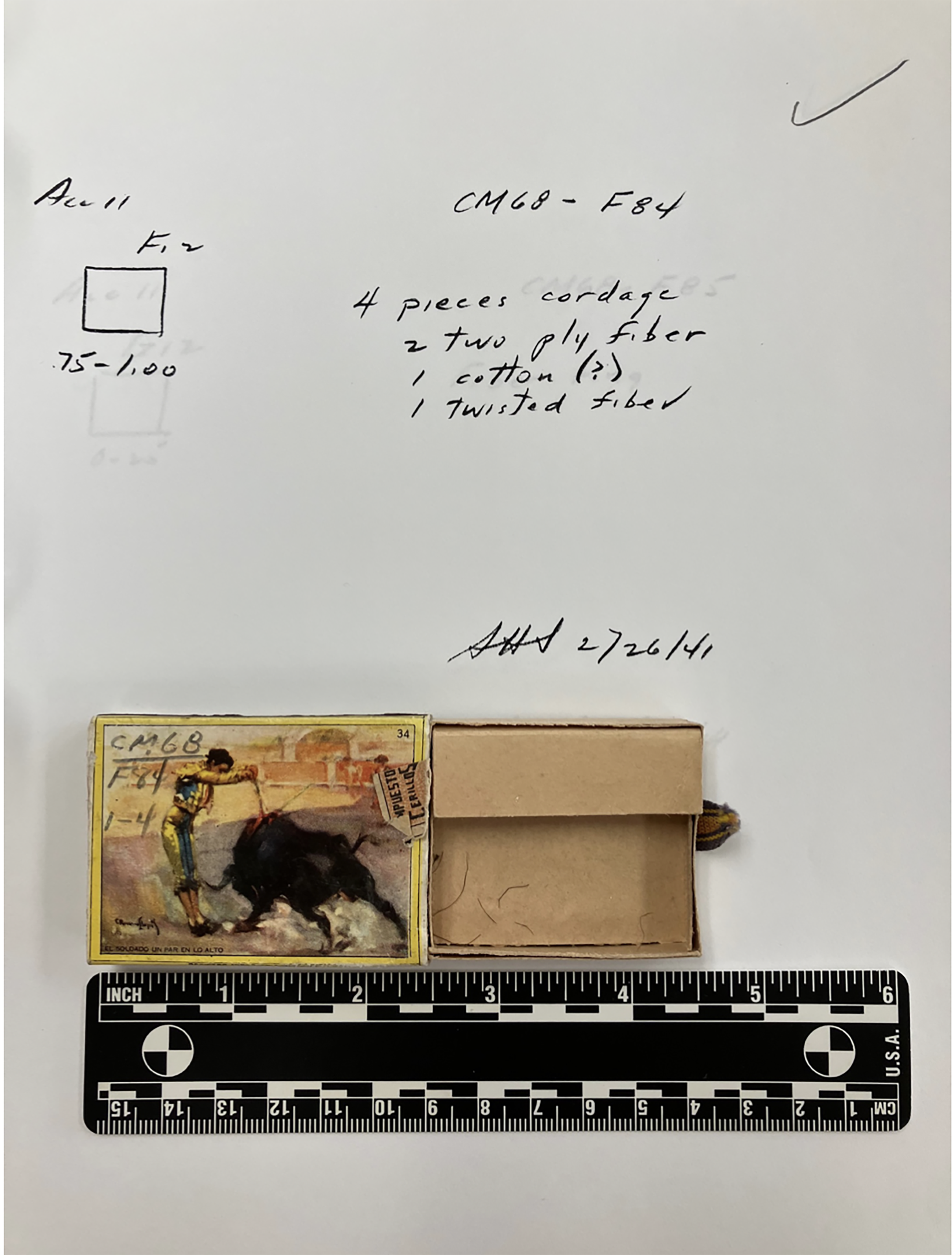
Matchbox with Field Card From CM68.F84. Dated 2/26/41. Note fibers still present in matchbox tray. Card from W.W. Taylor Field Catalog Collection, Smithsonian National Museum of National History.
Part IV: Frightful Cave/Cueva Espantosa
The greatest number of boxes came from the site of CM68, otherwise known as “Cueva Espantosa” or “Frightful Cave.” 10 Located in the north of the State of Coahuila, the cave belongs to a dry, desert landscape that forms part of the Sierra Madre Oriental (Taylor, 1956: 218). Frightful Cave became one of the most important spots for Taylor's excavation, as it yielded an immense amount of archaeological data, and, decades later, after radiocarbon dating became widespread, changed the way that researchers positioned the timeline of Coahuila's occupation since the occupation sites were older than anticipated. Taylor estimated that about 55% of the cave was excavated through their efforts (Taylor, 1956: 223). From this estimation were about 1000 artifacts at the bottom level, 1600 from the middle level, and 2100 artifacts from the top level (Taylor, 1956: 223). As Taylor noted in his 1956 article, the artifacts from Frightful Cave were exceptional in that they presented the opportunity to construct cultural context in “considerably more detail that is possible in most aboriginal sites” (Taylor, 1956: 224).
The deepest level of artifacts according to radiocarbon dates was suspected to be between eight and ten thousand years old (Taylor, 1956: 224). The absolute dating of the site was crucial to establish a more accurate timeline, but was only done because of the fact that artifacts and botanical specimens were saved in such a multitude. Many of the fiber artifacts, very similar to the ones that were packed in matchboxes, were used in the carbon testing of the site (see plate 30 of Taylor, 1956: 226). In conjunction with artifact analysis, Taylor used these findings to attest to the fact that the site was most likely part of what was deemed the “Desert Culture,” and that it was one of the earliest representatives of that or any other culture in North America” (Taylor, 1956: 228).
The matchboxes play an unlikely role in this story of dating the site—while they may indeed be the containers of archaeology, they might actually be capable of influencing time. While radiocarbon testing was unavailable during the original excavations, the matchboxes suspended these fragments in time until further testing was possible. Held in these particular time capsules, contamination was highly probable, especially since by the time they were tested there were no pretreatment standards. 11 The material components of the matches most likely did not disturb the data; the matcheads do not contain carbon; the only possibility of contamination would be from the matchbox cardboard or wood fragments from the matchsticks. 12 The matchboxes, coupled with a lack of standardization of dates with the later established calibration curve, 13 could have led to possible outcomes in which data was influenced by their very containers. Understanding that archaeological items are inherently tied with the assemblages that forge them demands that we understand the enduring stickiness of prior tools and systems, that nevertheless leave traces on how we understand the past. 14
Final thoughts: Data makers, boxing up science, and making time
As field technologies, matchboxes speak to archaeology's broader imbrications with industry and different forms of labor. The matchbox as an archival technology produced a particular way of conserving data that influenced interpretations of Coahuila materials.
The ability to store tiny fragments of data, and the foresight to save them (perhaps from Lyda Taylor) is likely what enabled Walter Taylor to save these fragments in the first place. Taylor's deep commitment to statistical analysis, and later to radiocarbon dating, meant that the lifetime of these objects could continue for future research, with containers acting as conditions of time's suspense.
If archaeology is a manner to construct space and time from a particular viewpoint (Hamilakis and Duke, 2007: 16) then it is imperative that we understand the paratextual traces which bring objects into being. If we know that knowledges are made from certain “standpoint epistemologies” then a greater focus might be on collecting the traces of choices and motivations that are coupled with archaeological items themselves. As Yannis Hamilakis (2007) contends, archaeology is often thought of as the apparatus that “manufactures” time. In this case, the matchboxes are time-makers in the capability to conserve certain fragments for testing only available in the future, while enveloping their contents in organizational data structures.
Libraries and archives privilege the written record, while museums hold on to the “physical” or the non-textual; yet this distinction between text and non-text can reinforce colonially created dichotomies, and privilege, more often than not, European means of capturing and inventing history (Derrida and Prenowitz, 1995; Stoler, 1997, 2010, 2015; Trouillot, 2015; Wolf, 2010). Ignoring archaeological tools in the production of knowledge is to engage in the idea of “casual magic” in which objects simply become attestations to historical truths (Bowker and Leigh Starr, 2000).
Archaeologists notoriously amass collections with undetailed plans for material aftermaths (Kersel, 2018: 273; Marquardt et al., 1982). Even if objects end up in museums rather than storage facilities, museums have a well-documented space and storage problem, sometimes referred to as a “storage debt” (Tomás-Hernandez, 2021). There are few museums that can put all of their collections on view (Brusius and Singh, 2018). But consideration of what is hidden and what is shown is often a “disciplinary concern” more than it is one of space, in which objects of lesser value are shielded from view (Brusius and Singh, 2018: 11). Yet understanding storage in museum settings reveals which objects are believed to have some suspended value (Randle, 2024).
Archaeologists have thus encouraged researchers to excavate archives and storerooms rather than beginning new field projects (Kersel, 2018; Voss, 2012). Others, seeing the move in archaeology toward “big science” and the use of legacy datasets, encourage the archiving of data in publicly accessible repositories (Britton and Richards, 2020: 5). Among the other goals of this paper, I hope to show that there is a wealth of information to be gleaned from uniting records with objects, and that understanding their co-production reveals values both past and present surrounding archaeological work.
Studying archaeological objects with their containers opens the possibility of understanding chemical signatures of archaeological storage; how tobacco, caffeine, phosphorus, and sulfates can actually embed themselves into fibers and organics, in turn creating new objects that only became such through archaeological articulations. In this sense, it is actually impossible to disarticulate a historically pure object (Shotwell, 2016). Rather than frame these matchboxes as aiding in contamination of a past, we might better see them as what Donna Harraway describes as “semiotic technologies” for making meaning through their categorizations and assumptions (Haraway, 1991: 187). While museological infrastructures have separated objects from container and container from archive, this research suggests that we make the time for archaeological assemblages that constantly make time for us.
Footnotes
Acknowledgements
I am indebted to the organizers of the Summer Institute of Museum Anthropology (SIMA). A special thanks is in order for Joshua Bell and Candace Green, who made this opportunity possible. Thank you also to Frederick Reuss and James Krakker for their institutional knowledge and for facilitating access to these unique, un-accessioned collections. Thank you to the archivists at the National Anthropological Archives (NAA), particularly Daisy Njoku, and to collections staff including Madison Pullis for making sense of the Walter Taylor Finding Aid and its dispersed and associated materials. Many thanks to Lynn Meskell and Richard Leventhal for early feedback of this work, and for Nikhil J. Dharan and Jordi Rivera-Prince for their meticulous commentaries and encouragement. Thank you for the incredibly generous and thoughtful feedback from the anonymous reviewers of this piece.
Declaration of conflicting interests
The author declared no potential conflicts of interest with respect to the research, authorship, and/or publication of this article.
Funding
The author disclosed receipt of the following financial support for the research, authorship, and/or publication of this article: This work was supported by the Smithsonian Institution Summer Institute of Museum Anthropology (grant number 1127060, grant number BCS-0852511, Gr).

Notes
Author biography
Charlotte M Williams is a PhD candidate in anthropology at the University of Pennsylvania and a 2024-2025 fellow in the Mellon Democracy and Landscape Initiative at Dumbarton Oaks, Harvard University.