




Abstract

Jay D. Coffman Young Investigator Award (YIA) Presentations
In honor of Dr. Jay D. Coffman (1928–2006), distinguished internist and researcher of vascular medicine and clinical cardiology, SVM sponsors an annual award in vascular medicine and biology research. The top finalists make oral presentations during the Jay D. Coffman Young Investigator Presentation.
YIA 1
JMJD3 regulates macrophage-mediated inflammation in abdominal aortic aneurysms
1University of Michigan, Ann Arbor, MI, USA
YIA 2
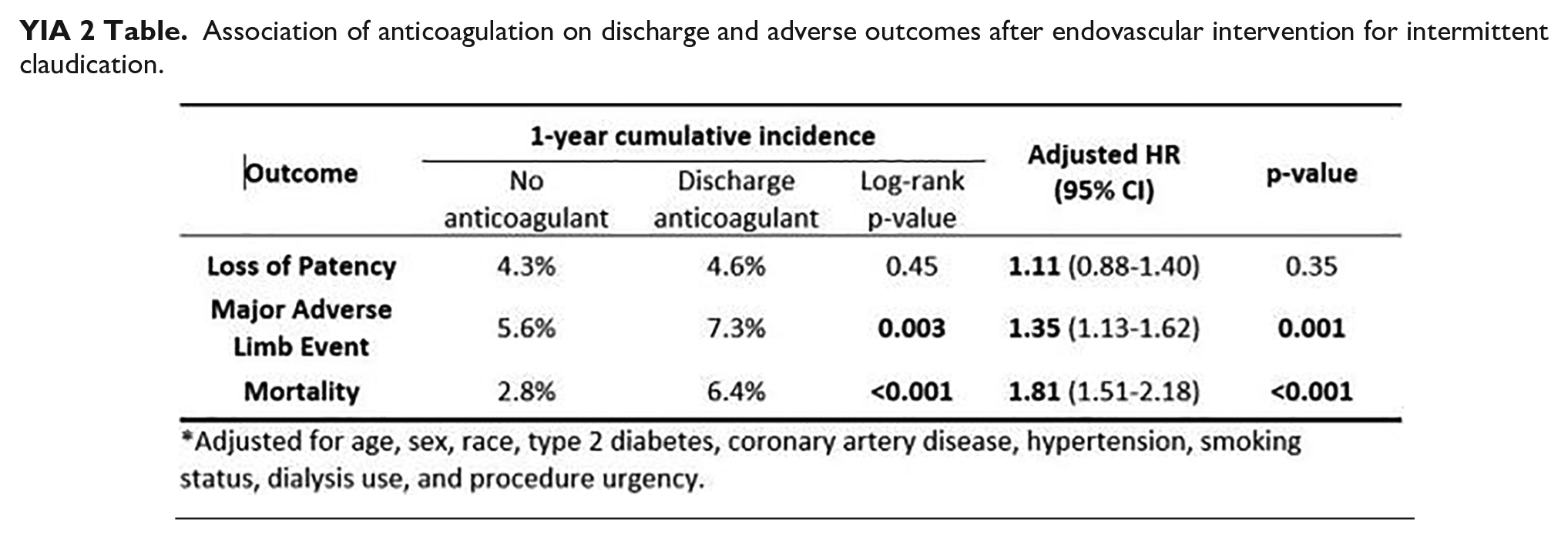
Anticoagulant use after peripheral endovascular intervention in intermittent claudicants is associated with increased risk of major adverse limb events
1Dartmouth-Hitchcock Medical Center, Lebanon, NH, USA
Association of anticoagulation on discharge and adverse outcomes after endovascular intervention for intermittent claudication.

YIA 3
A deprived neighborhood environment and diminished health status gains following peripheral artery disease treatment: Insights from the PORTRAIT registry
1Saint Luke's Mid America Heart Institute, Kansas City, MO, USA, 2Kansas City University-Medicine, Kansas City, MO, USA, 3Yale School of Medicine, New Haven, CT, USA, 4University Hospitals Cleveland Medical Center, Cleveland, OH, USA, 5People Tree Hospital, Bengaluru, India

Variation in health status change by area deprivation index over 12 months.
YIA 4
Characterizing cancellations, exercise duration, and results of exercise ankle brachial index testing
1University of Michigan, Ann Arbor, MI, USA
Poster Presentations
Poster 101-A
Outcome heterogeneity in response to CMS-reimbursed supervised exercise therapy in PAD: An exploratory domain analysis
1School of Medicine, University of Colorado Anschutz Medical Campus, Aurora, CO, USA, 2School of Public Health, University of Minnesota, Minneapolis, MN, USA, 3School of Nursing, University of Minnesota, Minneapolis, MN, USA
Poster 102-B
Improvement in patient reported outcome measures following supervised exercise therapy or peripheral vascular intervention for symptomatic peripheral artery disease
1Beth Israel Deaconess Medical Center, Boston, MA, USA

Poster 103-C
Identifying dietary and nutritional risk factors for symptomatic peripheral arterial disease using the UK biobank cohort study
1Stanford University, Stanford, CA, USA, 2Stanford Health Care, Stanford, CA, USA

Poster 104-D
Cardiac rehabilitation program improves outcomes in patients with peripheral arterial disease after undergoing revascularization
1University of Kansas Medical Center, Kansas City, KS, USA
Comparison of Outcomes between Cardiac Rehabilitation and Control Group.


Poster 105-A
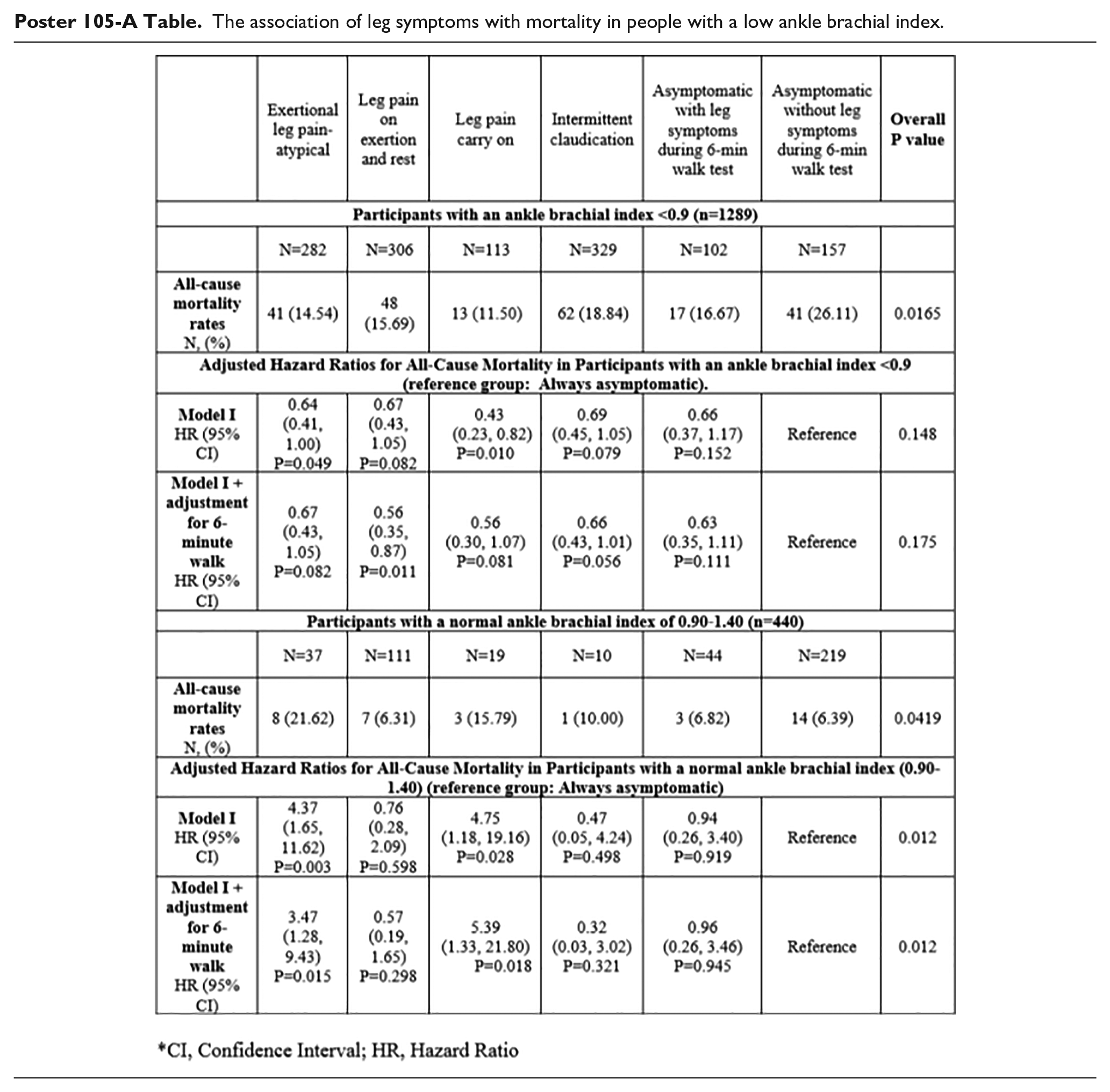
The association of leg symptoms with mortality in people with a low ankle brachial index
1University of Illinois at Chicago College of Medicine, Chicago, IL, USA, 2Northwestern University, Evanston, IL, USA
The association of leg symptoms with mortality in people with a low ankle brachial index.

Poster 106-B
Barriers to supervised exercise therapy participation in people with peripheral artery disease
1University of Illinois College of Medicine, Chicago, Il, USA, 2Northwestern University, Evanston, IL, USA
Reasons* Provided by PAD Patients Who were not Willing to Travel to a Medical Center 3x/Week for 12 Weeks for SET.


Poster 107-C
Descriptive epidemiology and clinical characteristics of latent versus active JAK2-Myeloproliferative Neoplasms (MPN) in splanchnic venous thrombosis: Updated analysis of pooled database
1LSU Health Sciences Center-Shreveport/Overton Brooks VA Medical Center, Shreveport, LA, USA
Poster 108-D
The relative impact of treatment approaches on the outcome of catastrophic antiphospholipid syndrome (CAPS): Analysis of an updated database
1LSU Health Sciences Center-Shreveport/Overton Brooks VA Medical Center, Shreveport, LA, USA
Poster 109-A
A coronary artery calcium scan is essential to identify cardiovascular risk in asymptomatic firefighters
1Johns Hopkins University School of Medicine, Baltimore, USA, 2Johns Hopkins Bloomberg School of Public Health, Baltimore, USA
Poster 110-B
Safety and efficacy of drug coated balloon angioplasty for the treatment of peripheral arterial disease in patients with critical limb ischemia: A systematic review and meta-analysis
1Rocky Mountain Regional VA Medical Center, Aurora. CO, USA, 2University of Colorado, Denver, CO, USA, 3Columbia University Irving Medical Center, New York, NY, USA, 4Beth Israel Deaconess Medical Center, Boston, MA, USA, 5University of California at San Francisco, San Francisco, CA, USA

Poster 111-C
Active smoking is associated with decreased rates of wound healing after endovascular treatment of critical limb ischemia
1Rocky Mountain Regional VA Medical Center, Aurora, CO, USA, 2University of Colorado, Denver, CO, USA, 3Vascular Center and Division of Cardiovascular Medicine, University of California, Davis, Sacramento, CA, USA, 4Beth Israel Deaconess Medical Center, Boston, MA, USA, 5Penn Cardiovascular Outcomes, Quality and Evaluative Research Center, Leonard Davis Institute of Health Economics, University of Pennsylvania, Philadelphia, PA, USA, 6Cardiovascular Medicine Division, University of Pennsylvania, Philadelphia, PA, USA, 7Department of Medicine-Cardiology, Vanderbilt University Medical Center, Nashville, TN, USA

Kaplan Meier Survival Analysis for Lack of Wound Healing.
Poster 113-A
Anticoagulation changes following major and clinically relevant nonmajor bleeding events
1Michigan Medicine, Frankel Cardiovascular Center, Ann Arbor, MI, USA, 2Henry Ford Hospital, Detroit, MI, USA, 3William Beaumont Hospital, Royal Oak, MI, USA, 4Huron Valley-Sinai Hospital, Commerce Township, MI, USA
Matched Data (2:1 varied ratio matching) All Bleeding Events.


Poster 114-B
Effect of recent hospitalization or surgery on pulmonary embolism treatments and outcomes: A comparative analysis
1Beth Israel Deaconess Medical Center, Boston, MA, USA

Effect of Recent Hospitalization or Surgery on Pulmonary Embolism Treatments and Outcomes.
Poster 115-C
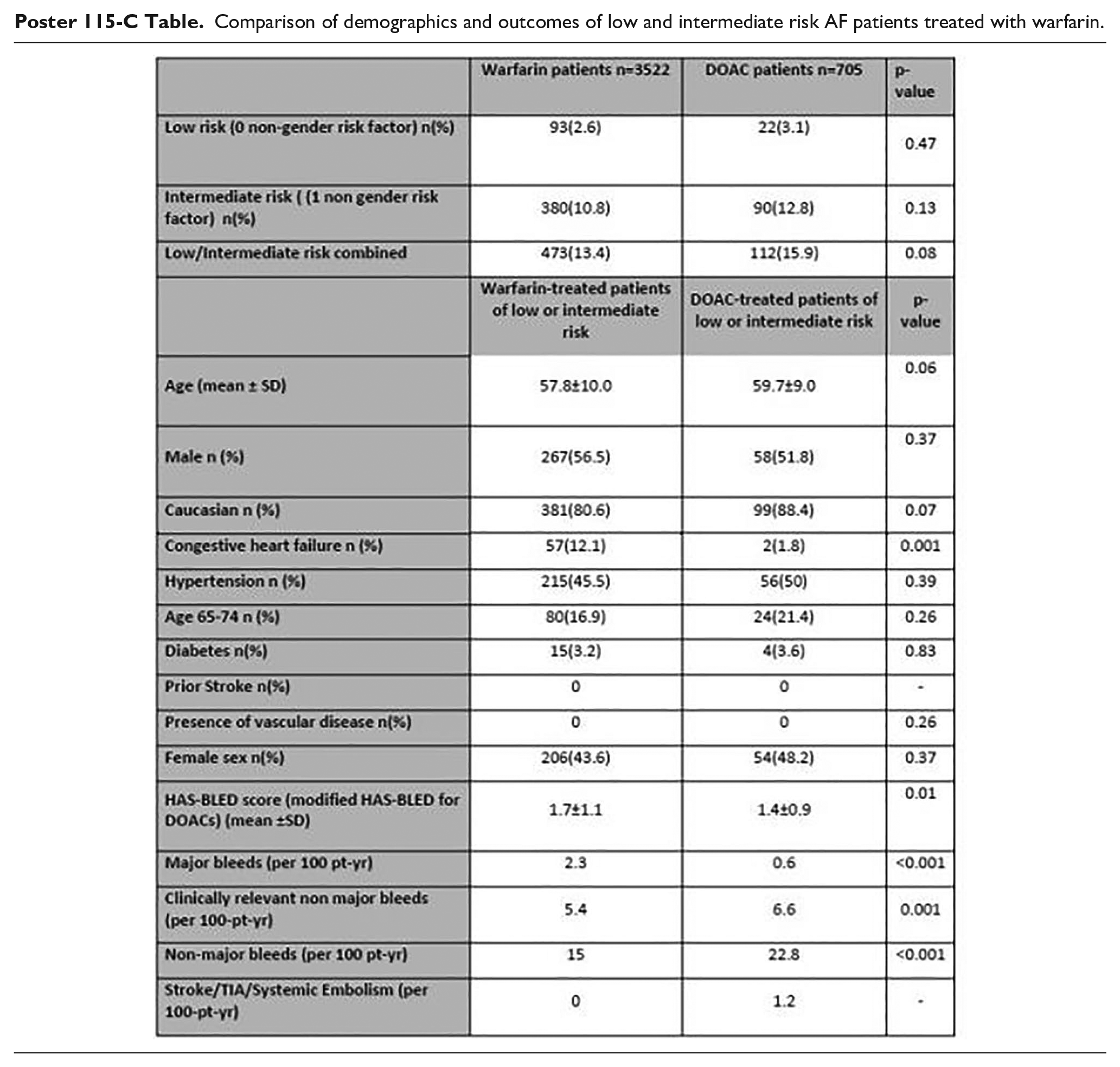
Frequency and outcomes of low to intermediate risk atrial fibrillation patients prescribed Warfarin or direct oral anticoagulants
1Michigan Medicine, Ann Arbor, MI, USA, 2Michigan Medicine, Frankel Cardiovascular Center, Ann Arbor, MI, USA, 3William Beaumont Hospital, Royal Oak, MI, USA, 4Huron Valley-Sinai Hospital, Commerce Township, MI, USA, 5Henry Ford Hospital, Detroit, MI, USA
Comparison of demographics and outcomes of low and intermediate risk AF patients treated with warfarin.

Poster 116-D
Arterial dissections in pregnancy: A nationwide cohort study
1Beth Israel Deaconess Medical Center, Boston, MA, USA
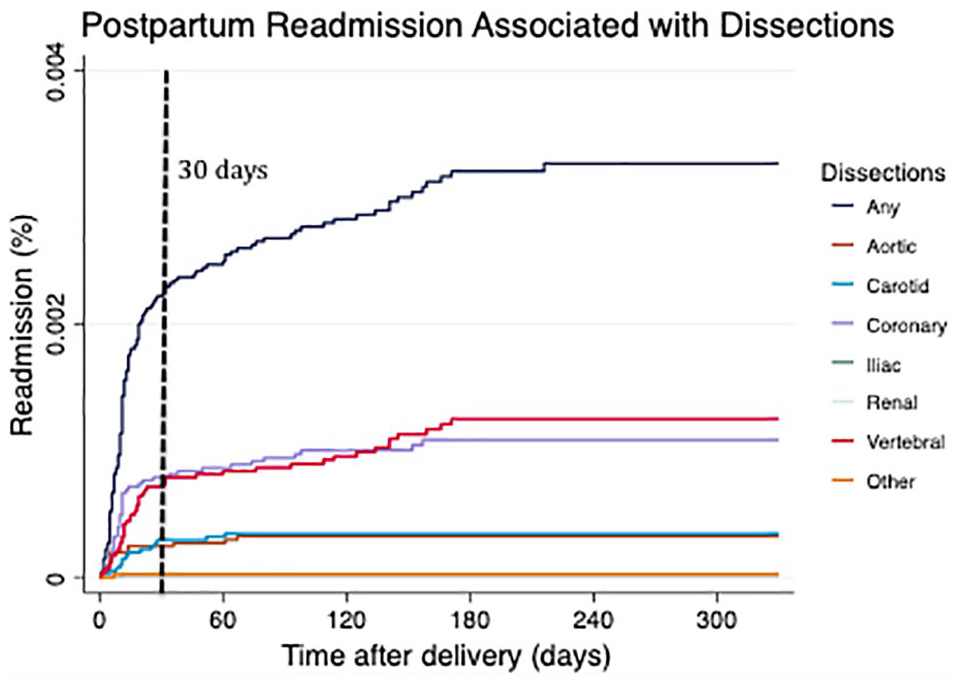
Timing of postpartum readmissions associated with new dissections. Most dissections occurred within 30 days after delivery. Vertebral and coronary dissections were the most common new dissections in the postpartum period.
Poster 117-A
Comparison of atherosclerotic burden in non- lower extremity vasculature in patients with and without peripheral artery disease using 18F- sodium fluoride imaging
1University of Pennsylvania, Philadelphia, PA, USA, 2University of Connecticut, Storrs, CT, USA, 3Odense University Hospital, Odense, Denmark
Poster 118-B
Length of treatment in provoked VTE patients
1University of Kansas, Lawrence, KS, USA, 2Michigan Medicine, Frankel Cardiovascular Center, Ann Arbor, MI, USA, 3William Beaumont Hospital, Royal Oak, MI, USA, 4Henry Ford Hospital, Detroit, MI, USA
Patient Characteristics and Length of Treatment.


Poster 119-C
Venous thromboembolism incidence and management following meningioma resection
1Brigham and Women's Hospital, Boston, MA, USA, 2Beth Israel Deaconess Medical Center, Boston, MA, USA
Poster 120-D
Aspirin-free strategy versus standard term dual antiplatelet therapy in patients undergoing percutaneous coronary intervention: A meta-analysis of randomized controlled trials
1The Miriam Hospital, Providence, RI, USA, 2Warren Alpert School of Brown University, Providence, RI, USA, 3Metropolitan Hospital Center, New York, NY, USA, 4Massachusetts General Hospital, Boston, MA, USA, 5Harvard Medical School, Boston, MA, USA, 6University of Louisville School of Medicine, Louisville, KY, USA

Forest plot comparing aspirin-free strategy and standard term dual antiplatelet therapy for the included outcomes.
Poster 121-A
Intravascular lithotripsy for treatment of severely calcified mesenteric stenosis
1The Miriam Hospital, Providence, RI, USA, 2Warren Alpert School of Brown University, Providence, RI, USA

(A) Preprocedural angiography showing severe de-novo stenosis of proximal to mid superior mesenteric artery. (B) Treatment of superior mesenteric artery stenosis with shockwave intravascular lithotripsy system. (C) Post treatment angiography showing resolution of stenosis. (D) Preprocedural angiography showing severe in-stent restenosis of previously placed celiac stent along with under expansion in its midportion. (E) Treatment of celiac in-stent restenosis with shockwave intravascular lithotripsy system. (F) Post treatment angiography showing resolution of stenosis and full expansion of previously placed celiac stent.
Poster 122-B
Mesenteric artery dissection and/or inflammation
1Vascular Medicine, Minneapolis Heart Institute, Minneapolis, MN, USA, 2Research, Minneapolis Heart Institute Foundation, Minneapolis, MN, USA, 3Vascular Surgery, Minneapolis Heart Institute, Minneapolis, MN, USA
Poster 123-C
Safety and efficacy of dual versus triple anti-thrombotic therapy in patient with atrial fibrillation undergoing percutaneous coronary intervention: Meta-analysis
1The Miriam Hospital, Providence, RI, USA, 2Warren Alpert School of Brown University, Providence, RI, USA
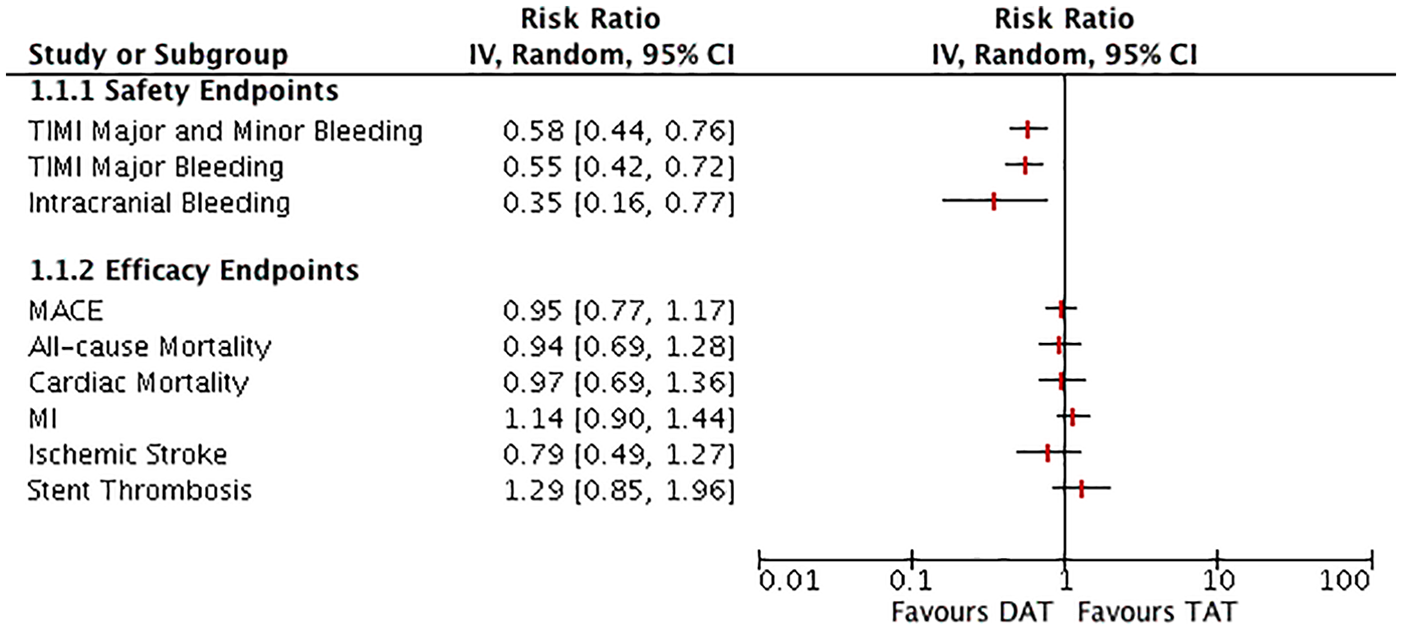
Forest plot for safety and efficacy endpoints combined.
Poster 124-D
Comparing acute pulmonary embolism care between black and white patients: Experience of a multi-hospital academic medical center
1Duke University Medical Center, Durham, NC, USA, 2Vanderbilt University Medical Center, Nashville, TN, USA
Poster 125-A
Reasons and associated outcomes in delayed anticoagulation in venous thromboembolism
1Danbury Hospital, Danbury, CT, USA, 2Mayo Clinic, Rochester, MN, USA
Reasons for delay of anticoagulation initiation.


Poster 126-B
Higher admission rates and in-hospital mortality for acute type A aortic dissection during Influenza season: A single center experience
1University of Michigan, Ann Arbor, MI, USA, 2Michigan Medicine, Ann Arbor, MI, USA
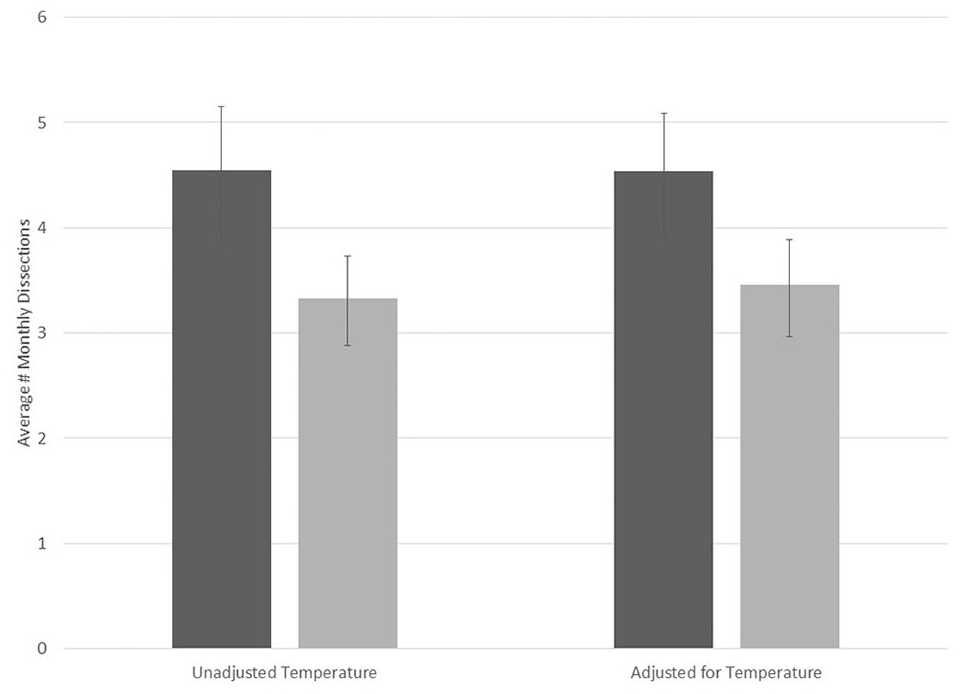
Monthly Aortic Dissection Rate by Influenza activity. Dark gray = high flu activity months (n = 202). Light gray = low flu activity months (n = 253).
Poster 127-C
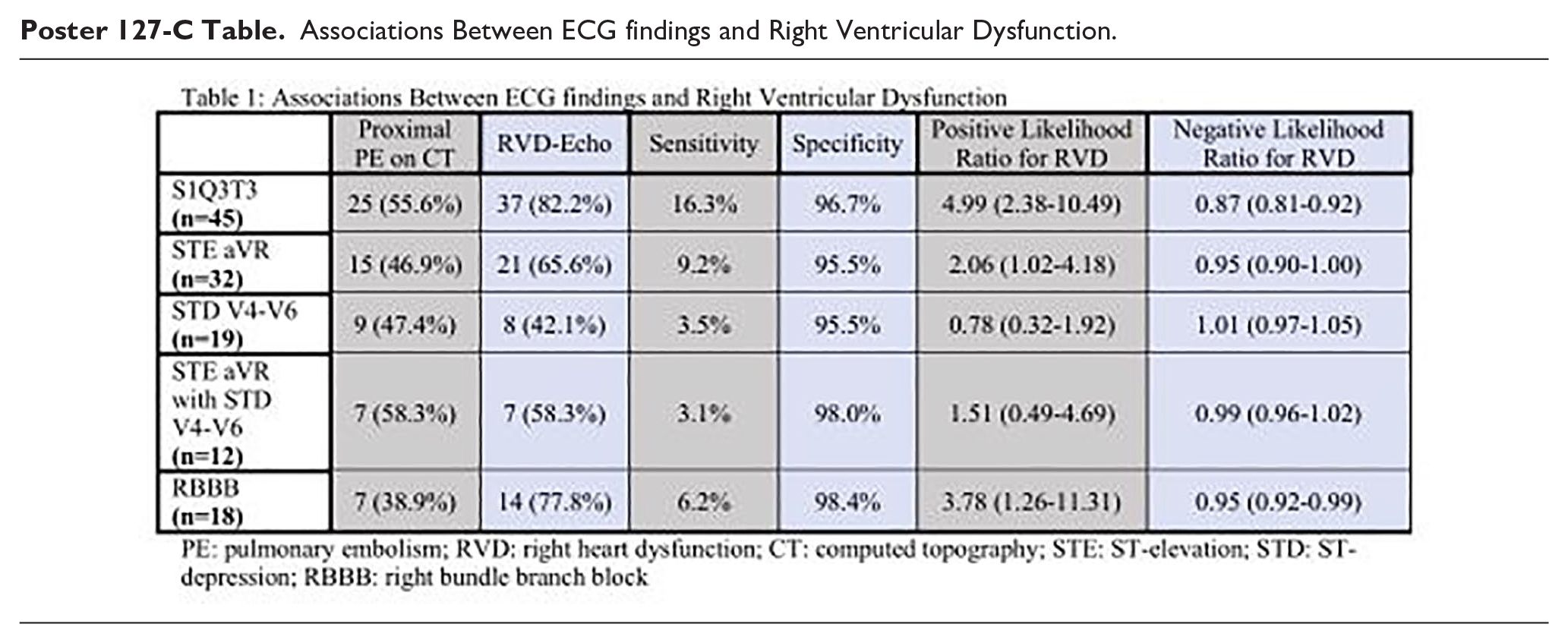
Fact or fiction: Electrocardiographic findings associated with right ventricular dysfunction in patients with acute pulmonary embolism
1Duke University Medical Center, Durham, NC, USA, 2Vanderbilt University Medical Center, Nashville, TN, USA
Associations Between ECG findings and Right Ventricular Dysfunction.

Poster 128-D
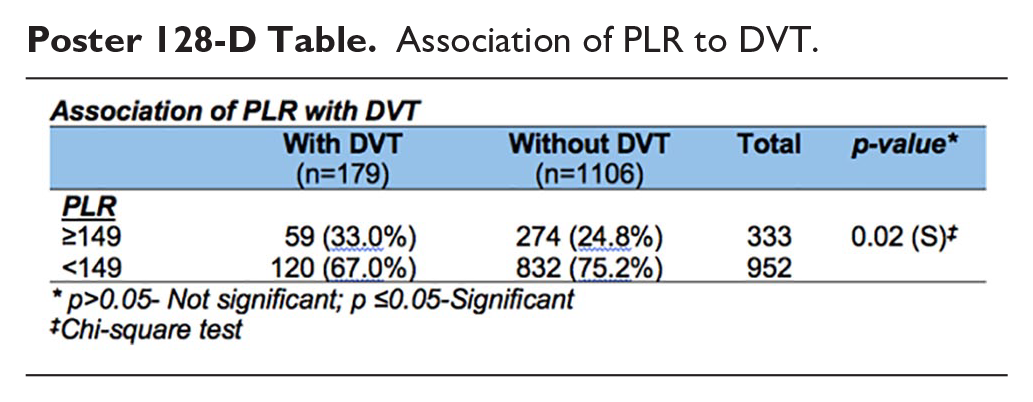
The value of platelet-to-lymphocyte ratio in predicting deep venous thrombosis among adult patients who underwent venous duplex study in a tertiary medical center
1St. Luke's Medical Center - Global City, Taguig City, Metro Manila, Philippines
Association of PLR to DVT.

Poster 129-A
Prevalence of thoracic outlet syndrome and thrombus resolution in patients with primary upper extremity deep vein thrombosis: A phlebographic study
1Hospital Privado Universitario De Cordoba, Cordoba, Argentina
Poster 130-B
Atrial fibrillation and adverse clinical outcomes in acute aortic syndromes
1Brigham and Women's Hospital, Boston, MA, USA, 2Beth Israel Deaconess Medical Center, Boston, MA, USA
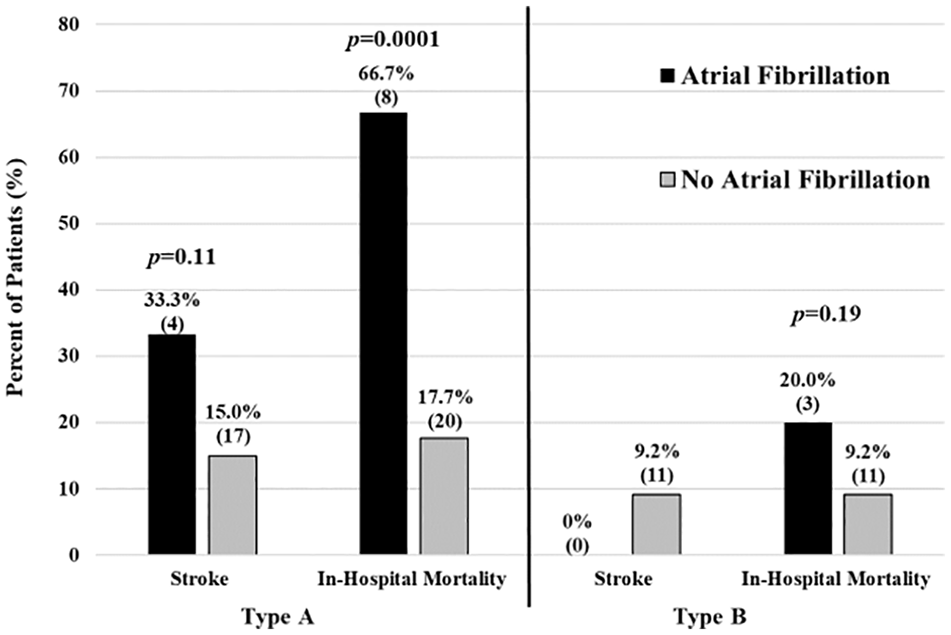
Stroke and In-Hospital Mortality in Acute Aortic Syndromes Patients with and without Atrial Fibrillation.
Poster 131-C
Pulmonary artery elastance: A useful risk stratification tool for patients with acute pulmonary embolism
1Cleveland Clinic, Cleveland, OH, USA, 2University of Rochester, Rochester, NY, USA
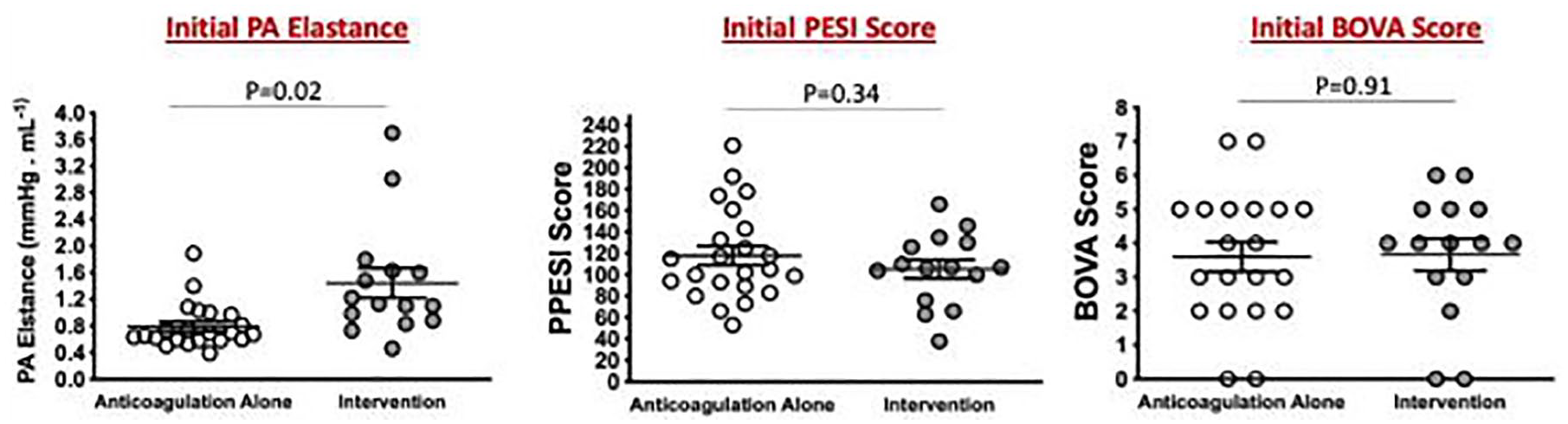
Comparative analysis of initial PESI, BOVA scores and pulmonary artery elastance of patients presenting with pulmonary embolism.
Poster 132-D
The teachable art of vascular medicine
1Cleveland Clinic, Cleveland, OH, USA, 2University of Rochester, Rochester, NY, USA
Poster 133-A
Real world outcomes in a veteran population of claudicants referred for supervised exercise therapy: A pilot project
1Yale University, New Haven, CT, USA, 2Yale University School of Medicine, New Haven, CT, USA, 3VA Connecticut, West Haven, CT, USA, 4Ascension — Columbia St. Mary's Hospital, Milwaukee, WI, USA
Poster 134-B
Safety and efficacy of combined lithoplasty with adjunctive drug coated balloon angioplasty in the treatment of common femoral artery disease
1Warren Alpert Medical School of Brown University, Providence, RI, USA, 2Brown University, Providence, RI, USA, 3The Miriam Hospital, Providence, RI, USA
Poster 135-C
Peripheral arterial disease patient and health status profiles across vascular specialty settings: Insights from the PORTRAIT registry
1People Tree Hospital, Bengaluru, India, 2Saint Luke's Mid America Heart Institute, Kansas City, MO, USA, 3Yale School of Medicine, New Haven, CT, USA, 4University of Adelaide, Adelaide, SA, Australia
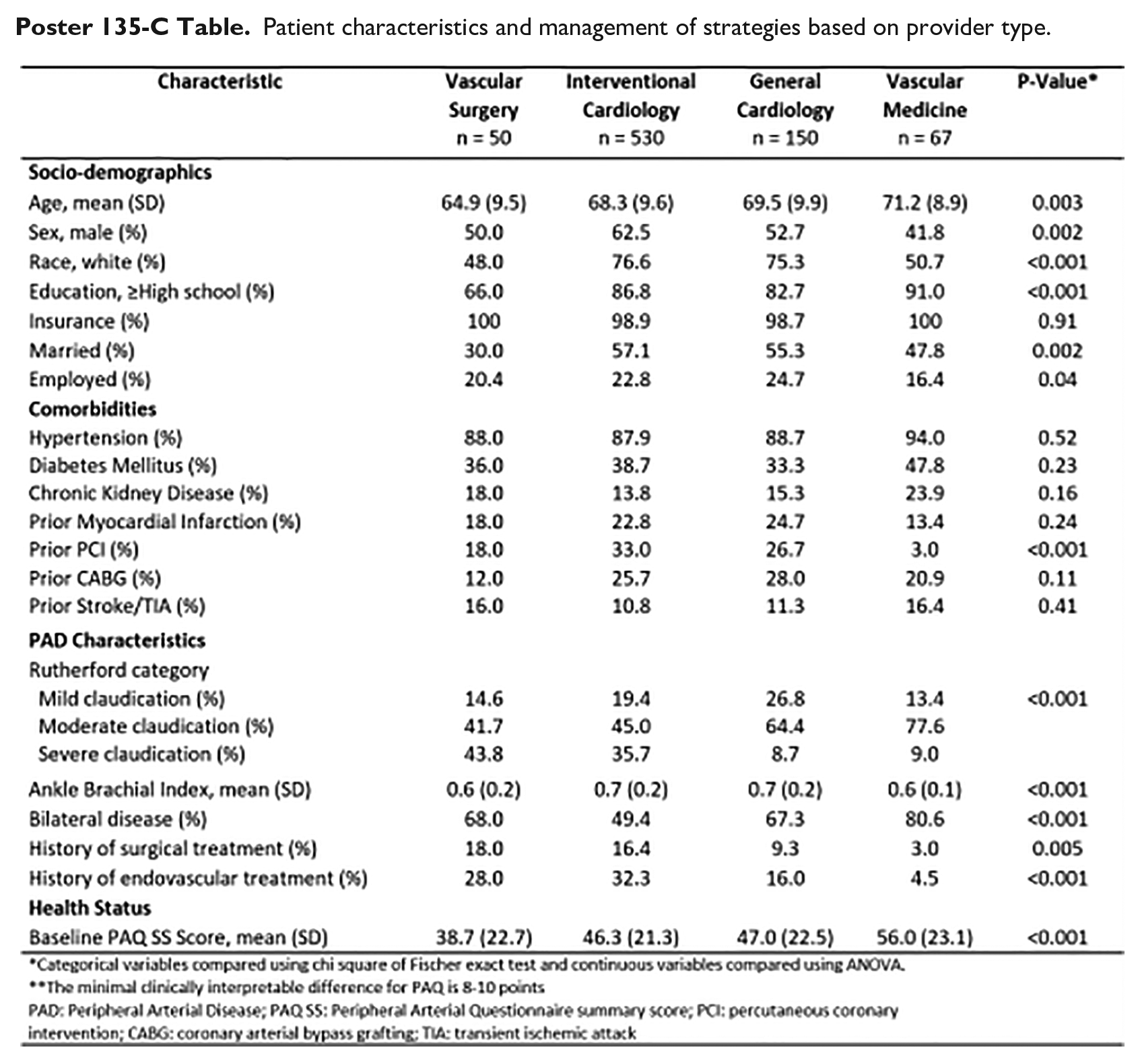
Patient characteristics and management of strategies based on provider type.

Poster 137-A
Evaluation of changing vena cava filter use from 2016 through 2019: A single institution quality improvement project
1Mayo Clinic, Rochester, MN, USA


Poster 138-B
Quality review and education as method of improving guideline adherence for medication prescription and outcomes among vascular interventionalists performing non-cardiac vascular surgeries
1Providence Heart Institute-Oregon, Portland, OR, USA
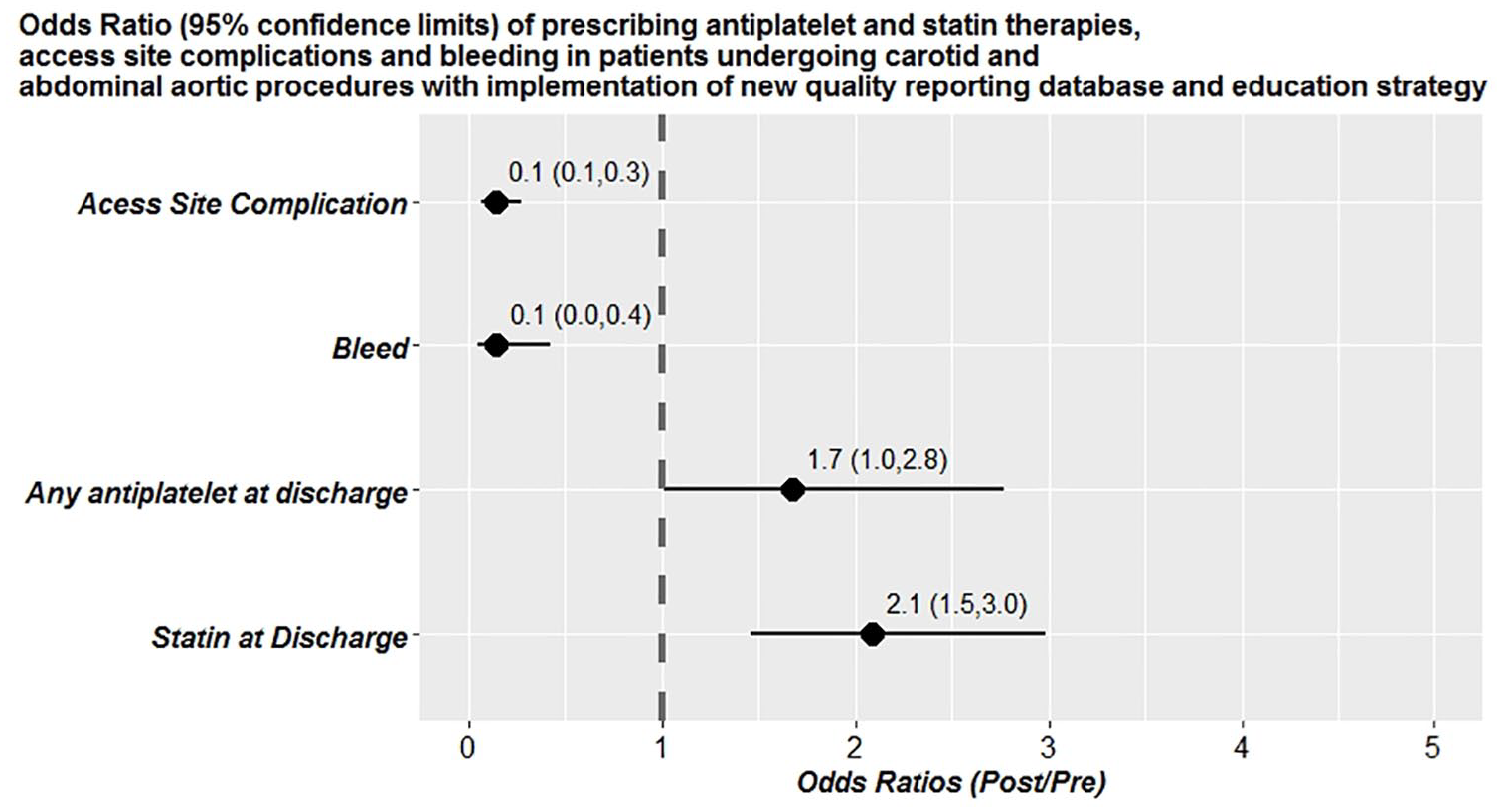
Impact of quality review and education on medication management and surgical outcomes in vascular surgery patients.
Poster 139-C
Sex differences in platelet activation following plant-based nitrate consumption
1Cleveland Clinic, Cleveland, OH, USA, 2University of Rochester, Rochester, NY, USA

Poster 140-D
Platelet reactivity in response to P2Y12, thromboxane, and PAR1 agonists among patients with acute ischemic stroke and large vessel occlusion
1University of Rochester Medical Center, Rochester, NY, USA, 2Cleveland Clinic, Cleveland, OH, USA
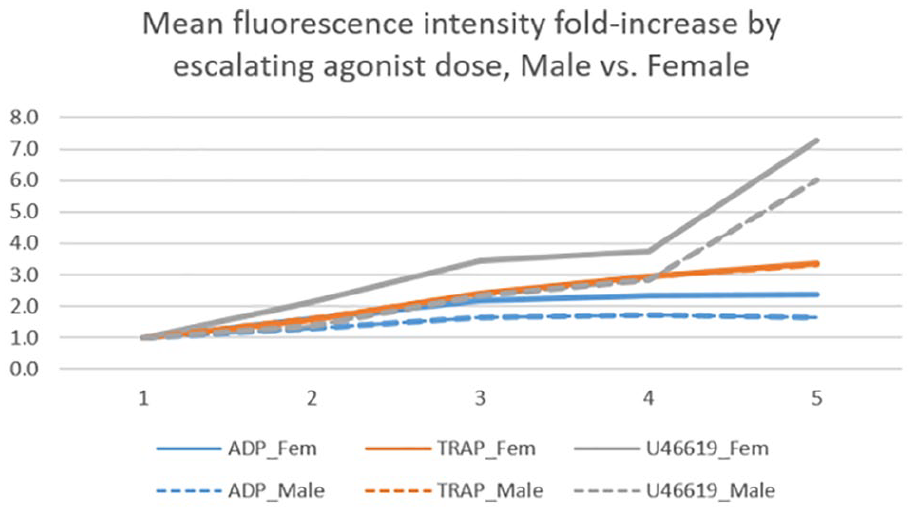
Mean fluorescence intensity fold-increase by escalating agonist dose, Male vs. Female.
Poster 141-A
Treatment
-risk paradox for the receipt of guideline-recommended medical therapy in patients with critical limb ischemia and comorbid chronic kidney disease: insights from the VQI registry
1Yale School of Medicine, New Haven, CT, USA, 2Yale New Haven Hospital, New Haven, CT, USA, 3University of Connecticut, Storrs, CT, USA, 4Warren Alpert Medical School of Brown University, Providence, RI, USA
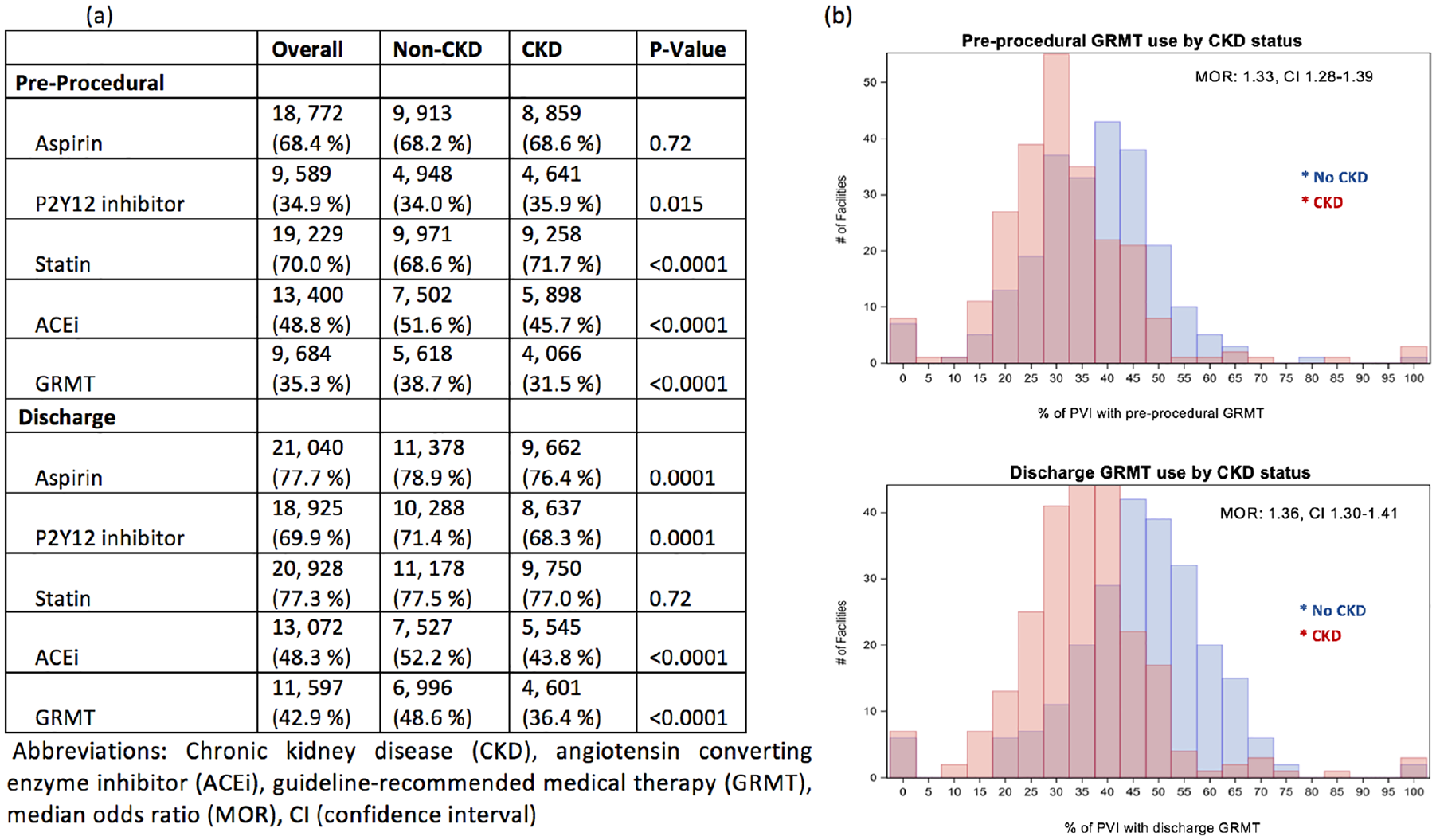
(a) Overview of Receipt of Guideline-Recommended Medical Therapy Before and After the Endovascular Procedure for the Overall Cohort and by CKD Status. (b) Site Variability of GRMT by CKD Status.
Poster 142-B
The impact of pulmonary embolism response team activation on outcomes of pulmonary embolism
1University of Virginia, Charlottesville, VA, USA
Baseline characteristics and outcomes for PE patients presenting during normal business hours versus off hours.

