



Abstract
The emergence of glamping as a form of vacation has become a prominent new trend in the leisure industry, therefore, understanding the behavioral intentions of glampers is crucial in an increasingly competitive landscape. Existing research has yet to fully explore the emotional and psychological mechanisms that drive glamping-related behavioral intentions. Grounded in the Cognitive-Affective-Conative (CAC) framework, this study investigates the relationships among glamping experience, place attachment, nature connectedness, tourist satisfaction, tourist involvement, and behavioral intention. Utilizing a combination of online and offline questionnaire survey, data from 427 glampers were empirically analyzed. The results indicate that glamping experiences, place attachment, and satisfaction significantly and positively influence vacationers’ behavioral intentions. Further analysis reveals that place attachment plays a significant mediating role between glamping experiences and behavioral intentions. Additionally, two chain mediation effects were identified, uncovering the dynamic mechanisms among multiple variables. Notably, the moderating effect of tourist involvement is supported only in the relationship between glamping experiences and nature connectedness. These findings contribute valuable insights into the formation process of glampers’ behavioral intentions from emotional and psychological perspectives, extending the application of the CAC framework to the glamping context and providing a new perspective for vacation marketing research.
Keywords
Introduction
In recent years, the global rise in popularity of nature-based tourism and ecotourism has aligned with an increasing demand for more sustainable tourism experiences (Haukeland et al., 2023; Xu et al., 2023). Particularly since the COVID-19 pandemic, factors including isolation, risk, and health have further intensified the desire for healing through connection with nature (Jeong and Lee, 2023). Camping is a type of nature-based tourism that offers an escape from the urban routines and an opportunity to connect with nature (O'Neill et al., 2010; Shahane, 2023). To alleviate the discomfort associated with traditional camping (e.g., tent leakage, unclean sleeping conditions, limited bathing facilities, basic food provisions, and safety concerns) and offer individuals an outdoor hotel experience, camping has undergone a transformation. This transformation is through the adoption of an innovative accommodation concept known as “glamping.”
The core appeal of glamping lies in the unique balance between “luxury” and “nature” (Andrey et al., 2014). Unlike traditional camping, which often seeks wilderness survival style, glamping presents an inherent paradox: it offers authentic natural experiences while simultaneously creating a “comfort bubble” through modern amenities such as air conditioning, private bathrooms, and high-speed internet. This configuration forms a “controlled contact,” which constitutes one of its primary attractions. To enhance the immersive experience, glamping typically organize a series activities that integrate both natural and cultural elements. These may include eco-hiking, stargazing, guided interpretations of local flora and fauna, as well as cultural workshops such as local handicraft making or indigenous culinary classes. These modes directly address a paradoxical need among contemporary tourists, particularly family vacationers and experience-seeking younger generations (Frederick, 2022). As one of the fastest-growing sectors in the tourism industry (O'Neill et al., 2010), glamping has secured a prominent position in the current market. According to Allied Market Research (2022), the global glamping market size was 2.78 billion in 2022 and is projected to grow at a compound annual growth rate of 12.5% to reach 6.89 billion by 2030.
In China, the core glamping market size reached USD 29.7 billion in 2024, representing a year-on-year increase of 60.4%. It is projected that by 2030, this core market will grow to approximately USD 67.7 billion, driving the overall market size to approximately USD 332.8 billion (Ii Media Report, 2025). Unlike the remote, self-sufficient models prevalent in the Western or Japan's minimalist aesthetic (Rogerson and Rogerson, 2020), China's glamping sector is primarily driven by three forces: tourism conglomerates (e.g., Fosun Tourism's “Atlantis Glamping” in Sanya), brand extensions of upscale hotels (e.g., Kaiyuan Senbo's “Moganshan Glamping Resort”), and entrepreneurial ventures (e.g., Dare Wild's campsites, HiKing Wild Luxury Camp). This ecosystem has fostered a business model characterized by accessibility, diversified amenities, social media-driven motivations, and strong social appeal. The rapid evolution of this distinctive model makes the study of glamping experiences in the Chinese context particularly valuable.
As a service-oriented industry, tourism relies on the visitor experience as its core element. In the era of experience economy, tourist experience serves as a crucial value evaluation indicator for destination marketing organizations (DMOs) (Girotto et al., 2025). Studies have examined tourist experiences in settings like museums (Lee et al., 2020a), theme parks (Lee et al., 2020b), virtual tourism (Cham et al., 2024; Merkx and Nawijn, 2021), and ecotourism (Li et al., 2021), focusing on tourists’ perceptions, emotions, satisfaction, and behavioral intentions. However, despite extensive research on experience-driven behavior in services, limited focus has been placed on glampers’ behavioral intentions from an experiential perspective (Hanafiah et al., 2025). Besides, current glamping researches rely on exploratory designs framed by objectives or questions, with insufficient engagement in hypothesis testing (Craig, 2025). Addressing this, our study employs an empirical, demand-side approach to provide fresh insights into the consumption patterns of glamping participants in China.
Emotional factors act as crucial bridges linking tourist experiences to behavioral intentions (Agapito and Sigala, 2024; Han et al., 2015). For instance, nature connection enhances tourists’ emotional bonds with environmental experience, subsequently fostering revisit intentions (Li et al., 2021). Yet it is unclear whether luxury-filtered glamping experiences can foster a connection as deep as that earned through direct, hands-on engagement with nature. While the significance of experiences is acknowledged, the “black box” of how glamping experiences ultimately influence behavioral intentions through a series of underlying micro-psychological and emotional mechanisms (e.g., place attachment and nature connectedness) remains underexplored in rigorous empirical investigation. Moreover, potential moderators (e.g., tourist involvement) that may influence this relationship remain also remains unexplored.
Researchers commonly employ the “Cognitive-affective-Conative” framework to elucidate the mechanisms behind tourist behavior (e.g., Huang et al., 2024; Kim and Chen, 2021). Drawing on the experience management theories (Agapito and Sigala, 2024), glamping represents a cognitive reaction emerging from interaction, participation, and co-creation with environment. These cognitive processes trigger emotional and intellectual responses that shape visitors’ site evaluations and subsequent behaviors. This study establishes a comprehensive model positioning glamping experience as a cognitive variable, place attachment, nature connectedness, satisfaction as an affective variable, and behavioral intention as a conative variable. Through empirical testing, we examine the psychological mechanisms underlying Chinese glamping experiences, addressing two key questions: (1) What's the impact of glamping experience on tourist behavioral intention? (2) What's the linking mechanism between glamping experience and tourist behavioral intention? Given China's status as the world's largest developing economy, understanding its glamping sector not only enriches the global discourse on sustainable tourism but also offers valuable insights for developing similar industries in other emerging markets.
Literature review
Glamping and glamping experience
Glamping is commonly referred to as “glamorous camping” or “luxurious camping” (Brochado and Pereira, 2017; Lee et al., 2019). It typically involves particularly luxurious or innovative rental accommodations at campsites, often combined with upscale services and set within an attractive ambiance (Craig, 2021). Recently, Craig (2025) proposed a global definition of glamping: “Glamping is a form of camping that incorporates glamorous or luxurious features not typically or expectedly found in traditional camping.”
The “glamping experience” in this study encompasses tourists’ holistic perceptions of the physical environment, facility services, and participation in organized activities at the campsite. Among these, the various immersive activities orchestrated by the campsite constitute a critical component of the overall experience. These activities are not entirely in their raw, natural state but are professionally designed to strike a balance between “authenticity” and “accessibility.” The core objective of such activities is to lower the barriers for tourists to engage with nature and local culture through guided participation, thereby stimulating positive emotional responses, such as place attachment and satisfaction.
Glamping managers place significant emphasis on understanding and improving tourist experiences. Recent studies have illuminated the multifaceted nature of glamping experiences (Brochado and Pereira, 2017; Xiang et al., 2023). Brochado and Brochado (2019) systematically explored glamping experiences and identified 11 themes, covering service provider functional elements and customer perception elements: experience, hotel, learning, protagonist, camping, nature, food, ingredients, differentiation, ecology, and yoga. Together, these themes constitute the distinctive nature of glamping, setting it apart from other accommodation forms such as traditional camping and luxury eco-tourism.
Traditional camping usually emphasizes closeness to nature and a simple lifestyle, while glamping focuses more on the comfort experience in the natural environment. Glamping provides convenient amenities such as luxury beds, modern bathrooms, kitchens, televisions, air conditioning, Wi-Fi service, and housekeeping (Brooker and Joppe, 2014; Lu et al., 2021). Its model satisfies consumption upgrading trends and visual communication experience of social media. This “ready-to-live” service saves preparation time and suits the popularity of Micro-cations in China.
While eco-luxury lodgings similarly provide comfortable accommodation conditions, glamping emphasizes more direct contact and interaction with nature. Unlike eco-luxury lodgings that achieve sustainability through permanent architecture, the distinctive accommodations of glamping including dome houses, yurts, cabins, caravans, carriages, tree houses, and “bubble hotels” (Petruša and Vlahov, 2019). Eco-luxury lodgings, on the other hand, focus more on sustainable development and environmental protection, and may place more emphasis on the ecological friendliness of buildings and operations.
Despite these advancements, the nascent glamping literature remains largely reliant on exploratory designs (Craig, 2025), with limited empirical examination of glamping experiences outcomes. Among the studies that develop and test theory-driven hypotheses, existing studies have confirmed that the original ecology, accommodation environment, and customers’ intrinsic affective values significantly influence word-of-mouth (WOM) regarding glamping (Lu et al., 2021), while the quality of the glamping experience plays a significant role in shaping consumer satisfaction, trust, engagement and loyalty (Hapsari et al., 2024). Regarding behavioral intentions, much of the existing evidence stems from pre-pandemic studies, which confirm the pandemic's impact on tourists’ behavioral intentions (Craig, 2021; Craig and Karabas, 2021). Consequently, a notable gap exists in post-pandemic empirical investigations into the relationship between glamping experiences and behavioral intentions, particularly from micro-level perspectives such as emotional and psychological mechanisms, as well as within non-Western contexts.
Cognitive-affective-conative model
The Cognitive-affective-conative (CAC) framework categorizes human psychological processes into three components: cognition, affective, and conative, also known as the “mind trilogy” (Hilgard, 1980). Cognition involves understanding and evaluating products or services, affection reflects emotional responses, and conation refers to actual behaviors, such as purchasing or recommending. The CAC framework has been widely applied in consumer behavior research to explore decision-making processes (e.g., Huang et al., 2024; Woosnam et al., 2020). Studies indicate that travel behavior aligns with the CAC sequence of the standard learning hierarchy. Tourists develop cognitive perceptions of destinations through information search and onsite experiences, form affective responses during interactions, and ultimately integrate cognition and affect to guide their behavior. For example, Huang and Zhang (2024) used this framework to investigate tourists’ cognitive and emotional reactions to historical sites and their likelihood of revisiting or recommending them. Similarly, drawing on the CAC framework, Huang et al. (2024) developed a model of service robot acceptance in the hospitality industry by incorporating both cognitive evaluations and affective responses.
In the field of glamping tourism research, the CAC theory offers a suitable theoretical framework for this study, systematically explaining the complete psychological process of tourists from experience evaluation to the formation of behavioral intentions. Specifically: In the cognitive stage, tourists form initial perceptions and evaluations of glamping activities through direct experiences with glamping facilities, service quality, and the natural environment. These cognitive assessments reflect tourists’ rational judgments of objective factors like accommodation comfort, hygiene conditions, and safety measures. In the affective stage, tourists develop corresponding emotional responses based on the aforementioned cognitive evaluations. These emotional reactions are primarily manifested in three aspects: first, a sense of place attachment to the glamping site, demonstrated by a preference for and sense of belonging to a specific location; second, an emotional connection with the natural environment, expressed through appreciation of natural landscapes and concern for ecological preservation; and third, overall satisfaction with the experience, which serves as a critical link between cognition and intention. In the conative stage, tourists ultimately form behavioral intentions such as repeat participation or willing to recommend.
Therefore, this study adopts the CAC theory because it comprehensively explains the interactions between cognition, affection, and conation among glamping tourists. The theoretical model constructed here treats the glamping experience as the cognitive variable, place attachment, nature connectedness, and tourist satisfaction as affective variables, and behavioral intention as the conative variable. Grounded in CAC theory, the model effectively elucidates the relationships among travel experience, emotion, and behavioral intention specific to glamping tourists.
Hypothesis development
The main effects of glamping experience and behavioral intention
Behavioral intention is a critical construct in tourism research, reflecting an individual's likelihood to revisit, recommend, or engage in positive word-of-mouth communication (Chen and Tsai, 2007; Gao et al., 2023). Studies across diverse tourism settings consistently demonstrate that tourism experiences exert a direct influence on behavioral intentions. Sthapit et al. (2019) revealed that overall tourism experiences directly influence behavioral intentions, while Ratnasari et al. (2021) emphasized the role of emotional experiences in shaping future behaviors. Additionally, Fang and Ariffin (2021) showed that leisure experience and service experience in cultural heritage tourism have positive relationships with behavioral intention. O'Neill et al. (2010) also confirmed that people, service, tangible, and WC experience factors are critical of predicting behavioral intention in nature-based tourism. Given that glamping offers high-quality services and comfortable environments, visitors are more likely to develop positive attitudes and subsequent behavioral intentions. Based on this literature, it is hypothesized that:
The mediating effect of place attachment, natural connectedness, and tourist satisfaction
The tourist's experience is closely related to their satisfaction. Although direct evidence regarding the impact of glamping experiences on tourist satisfaction remains limited, studies in other tourism domains across heritage tourism (Chen and Chen, 2010), memorable tourism (Gohary et al., 2020), and ecotourism (Li et al., 2021) have shown a notable, positive correlation between experiences and satisfaction. Satisfaction is widely employed in empirical studies of post-trip behavior intention and has been recognized as a critical mediator connecting various dimensions of tourist experiences to behavioral intentions. Rasoolimanesh et al. (2022) emphasized that satisfaction bridges memorable tourism experiences and tourists’ behavioral responses, particularly in distinctive and heritage tourism contexts.
The unique attributes of glamping experiences, such as high-end outdoor amenities, personalized services, and social interaction opportunities, are likely to evoke positive emotional responses. Building upon the CAC framework and prior studies, this study proposes that such enriched glamping experiences significantly contribute to tourist satisfaction, which in turn mediates the formation of behavioral intentions. Thus, the following hypotheses are proposed:
Place attachment arises from both functional and tangible factors as well as social relationships (Lewicka, 2011). Research highlights that memorable nature-based tourism experiences (Sthapit and Coudounaris, 2023), food experiences (Hsu and Scott, 2020), and peer-to-peer accommodation experiences (Souza et al., 2020) positively shape tourists’ emotional connections with a place. Attachment theory further underscores the role of emotional support in strengthening these bonds (Kastenholz et al., 2020; Lee and Jeong, 2021). In the context of glamping, the integration of functional and tangible elements with social interaction creates unique emotional stimuli, fostering a strong sense of place attachment among visitors.
Place attachment theory holds that an individual's emotional connection to a particular place affects their attitude and behavior toward it. If a person feels a strong emotional connection with a destination, they are inclined to travel there and exhibit more positive behavioral intentions during their stay (Isa et al., 2019). In glamping settings, place attachment cultivates profound emotional ties between visitors and the destination, driven by memories, personal experiences, and emotional links. These ties enhance the likelihood of revisiting and recommending the site. Existing literature supports the mediating role of place attachment between tourism experiences and behavioral intentions. Tsai et al. (2020) found that experiential quality and nostalgia in hospitality environments strengthen place attachment, which in turn drives loyalty and recommendations. Loureiro (2014) demonstrated that rural tourism experiences enhance place attachment, thereby fostering revisit intentions and loyalty.
In glamping contexts, common culture-oriented activities—such as bamboo weaving, tie-dyeing, culinary experiences using local ingredients, and open-air film screenings—simplify and repackage real local practices, making them more accessible to guests. These activities help establish meaningful connections with the local culture and environment. The fusion of luxurious comfort with immersive natural and cultural experiences generates cognitive and emotional bonds, which mediate the impact of glamping experiences on behavioral intentions. Based on this analysis, the following hypotheses are proposed:
The biological hypothesis posits that humans evolved from nature and have a natural affinity for it. Studies indicate that engaging in different nature activities leads to stronger nature connectedness (Mateer, 2022; Schwass et al., 2021). Glamping experiences usually situated in natural environments, where nature constitutes their fundamental character. Furthermore, a range of nature-based activities—such as guided sunrise viewing, stargazing sessions, forest hiking, and herbal plant identification—provide opportunities to appreciate the beauty, serenity, and power of nature. These immersive encounters inspire feelings of awe and curiosity while fostering a deeper sense of interconnection with the natural world.
Nature connectedness represents the intimacy and quality of the relationship between humans and nature (Mayer and Frantz, 2004). By drawing strength from nature, individuals can achieve positive effects, including enhanced physical and mental well-being, improved cognitive functioning, better behavioral self-regulation, and alleviation of psychological symptoms (Pritchard et al., 2020). Glamping offers distinctive nature-based experiences that frequently evoke emotional resonance and a sense of closeness, leaving a lasting impression on visitors. Based on cognitive consistency theory, individuals strive for consistency in behavior and cognition. When individuals develop positive attitude and evaluation toward a place, they are inclined to revisit it to preserve cognitive consistency. Recent studies have also demonstrated the mediating role of nature connectedness across various tourism contexts (Wang and Lu, 2025; Zhang et al., 2023). These findings suggest that nature connectedness serves as a key mechanism through which tourism experiences translate into behavioral intentions, particularly in nature-based tourism contexts. Based on this analysis, the following hypotheses are proposed:
Attachment emerges as a significant indicator of tourist satisfaction and loyalty (Yuksel et al., 2010). Based on the perspective of tourists’ local cognition, attitude, and identification, Stedman (2002) proposed that when a place fulfills individuals’ material and physiological needs such as geography, facilities, services, and social interaction, tourists tend to be satisfied. Although there are contradictions and ambiguations about whether place attachment is a prerequisite for satisfaction or vice versa (Stedman, 2003), many scholars agree that place attachment positively influences tourist satisfaction (Hwang and Chen, 2005; Prayag and Ryan, 2012). Specifically, when the facilities or environment of a destination caster to tourists’ specific activities or needs, it stimulates their attachment to a place, subsequently enhancing their satisfaction.
The allure of natural landscapes is a key draw for tourists, offering a serene experience that fosters relaxation and happiness, ultimately boosting satisfaction with the destination. Jiang et al. (2022) discovered nature has healing powers and can reduce anxiety. They explained the underlying mechanism connecting nature connectedness with satisfied feeling within a natural heritage context. Further research confirms a positive correlation between nature connectedness and life satisfaction (Chang et al., 2020). Glamping provides the opportunity to interact with nature, visitors can usually participate in a variety of outdoor activities, such as hiking, fishing, bird watching, fostering a deeper understanding, and appreciation of nature, thereby amplifying the enjoyment and satisfaction of their travel. Thus, we propose the following hypothesis:
Tourists’ psychological factors usually contain rich variable types and may have complex mutual influences. Some scholars argue that focusing solely on one variable's influence is insufficient, and considering multiple mediating variables as independent mediators may not completely consistent with reality. Instead, the multiple mediating effects of multiple mediating variables and the chain effects between the mediating variables should be considered (Wen and Ye, 2014). For example, Chen et al. (2023) investigated hot spring hotels in wellness tourism and empirically confirmed that authenticity, memorability, and organizational identification play positive chain-mediating role. Similarly, Li et al. (2022) constructed a model illustrating how transformative travel experiences affect college students’ prosocial behavior through a multichain mediating effect involving awe and social connection. Drawing on the CAC theory and empirical evidence, glamping experiences are likely to enhance tourists’ place attachment and nature connectedness, which in turn increase their satisfaction and ultimately influence their behavioral intentions. Based on this theoretical and empirical analysis, the following hypotheses are proposed:
The moderating effect of tourist involvement
Tourist involvement, defined as the intensity of emotional investment and psychological engagement individuals experience during tourism activities (Havitz and Dimanche, 1990), plays a crucial role in shaping tourists’ emotional connections to destinations. It encompasses both behavioral involvement—reflecting the time, energy, and actions invested in activities—and psychological involvement, which captures tourists’ attitudes and emotional states. According to involvement theory, higher levels of tourist involvement led to deeper engagement, greater attention, and more meaningful experiences, fostering stronger emotional bonds with destinations.
In the context of glamping, tourist involvement reflects the personal meaning and emotional connection generated through participation in glamping activities, activating tourists’ motivation, and interest. Tourists with high involvement are more likely to develop a strong sense of belonging and dependence on the glamping site, as well as a profound emotional resonance with the natural environment. Conversely, low-involvement tourists may have shallower experiences and weaker emotional ties. Based on this theoretical foundation, it is proposed that tourist involvement positively moderates the relationship between glamping experience and place attachment, as well as between glamping experience and nature connectedness. Therefore, the following hypotheses are proposed:
Based on the hypotheses developed, the conceptual model proposed as depicted by Figure 1.
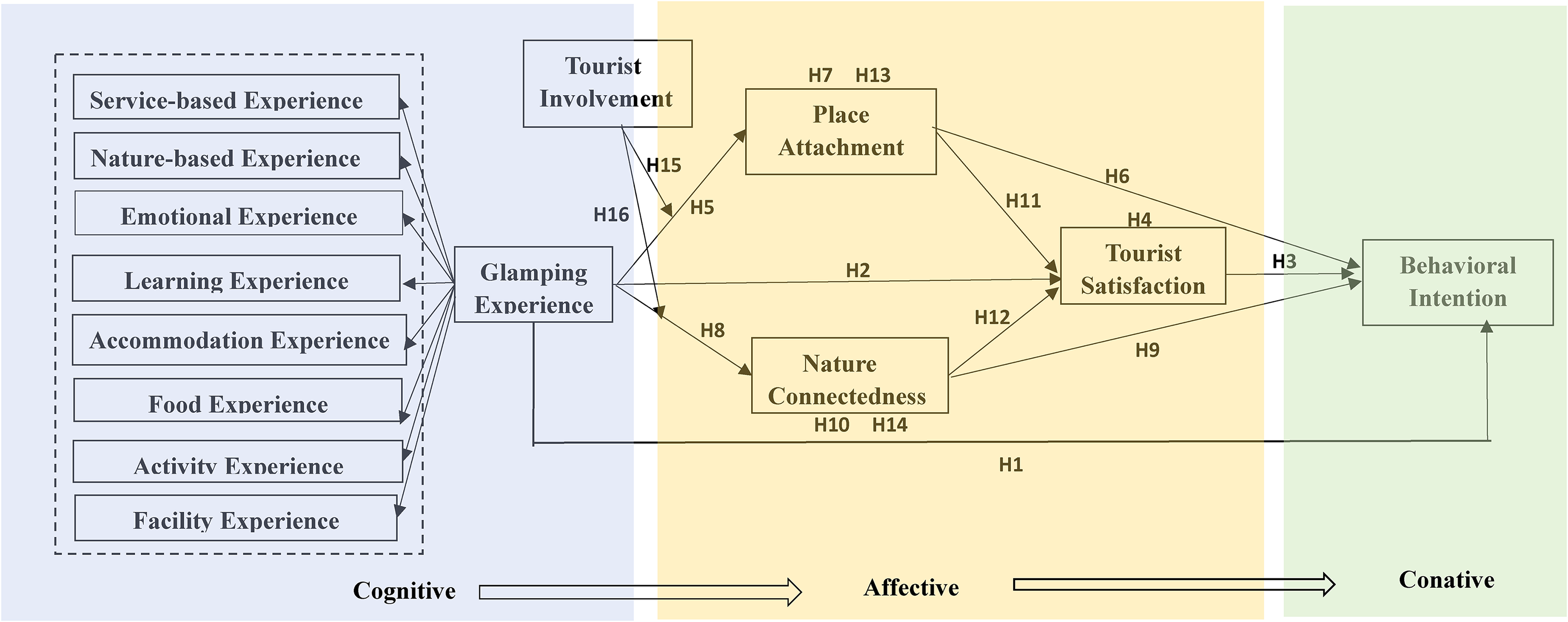
The conceptual model and hypotheses.
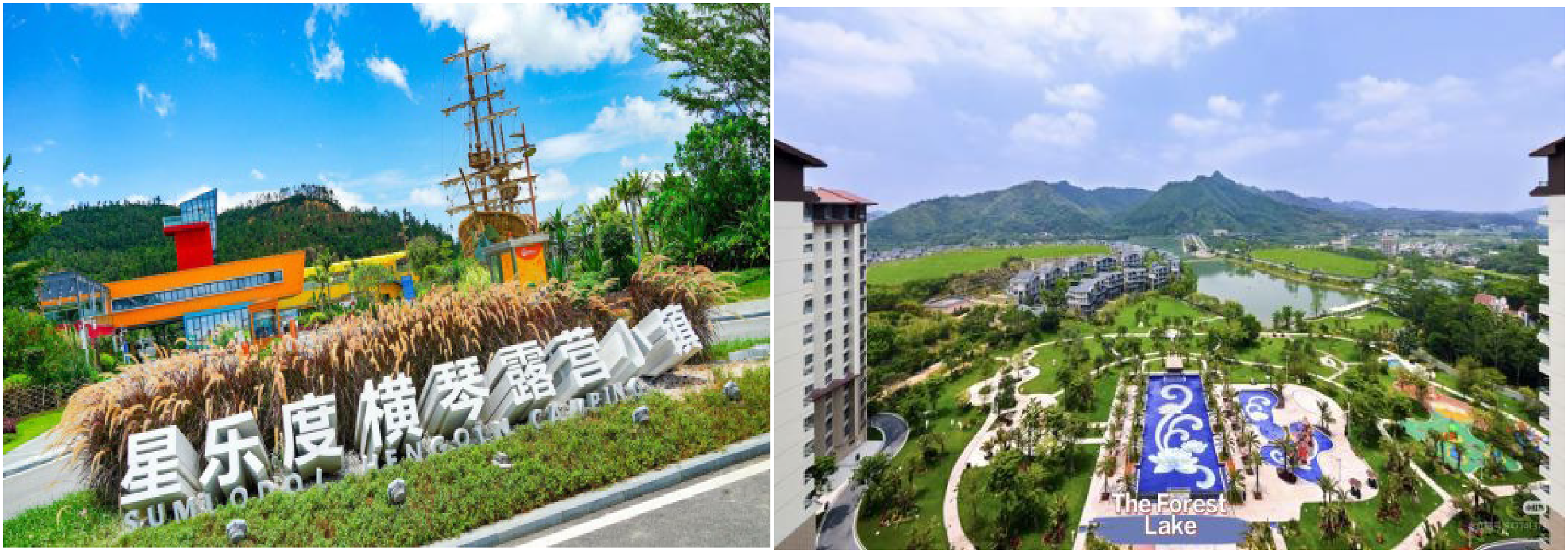
Glamping sites of offline survey.
Research methodology
Data collection and sample method
This survey adopts a combination of online and offline questionnaire distribution to collect data. We conducted a pilot test with 30 glamping tourists prior to the formal survey to assess the clarity, comprehensibility, and contextual appropriateness of the questionnaire. Based on the feedback received, minor refinements were made to the wording of certain items, resulting in the final version of the survey instrument.
The online survey was commissioned to the Sojump platform to distribute 300 questionnaires. Sojump is China's largest online survey platform, with a wide range of sample sources across China. We targeted the questionnaires specifically at tourists who had engaged in glamping within the past 6 months. This targeting can effectively support in-depth discussions on individual feelings of glamping experiences. A screening question, “Have you experienced glamping in the past six months?” and two attention test items were designed in the survey, as the standard basis for identifying invalid questionnaires. The online research period spanned from 5 January to 10 February 2025. After excluding ineligible responses, 250 (83.3%) valid questionnaires were retained for analysis.
To avoid online samples skewing toward tech-savvy and younger demographics and address self-selection bias, researcher conducted the offline survey using either an iPad or a paper questionnaire after obtaining the respondents’ consent. Two established glamping destinations in Guangdong Province, China, were selected as case studies: Zhuhai Sumlodol Camping Town and Huizhou Forest Lake International Campground. Both venues (Figure 2) explicitly self-identify as glamping sites on their official websites and social media channels. Zhuhai Sumlodol Glamping Town is notable for its nearly 150 distinctive accommodation units, which showcase diverse architectural styles and an immersive rustic ambiance. It is recognized as a pioneering demonstration base for RV and glamping tourism in China. Meanwhile, Huizhou Forest Lake offers a wide range of curated nature-immersive and cultural activities, including hiking, fishing, kayaking, agricultural experiences, handicraft workshops, lakeside cinema, and campfire gatherings. Both glamping sites exhibit a high degree of designed authenticity, characterized by a built environment that harmoniously integrates with the natural surroundings and programmatic activities deeply rooted in local cultural elements. This synthesis fosters a cohesive and perceptible sense of authenticity for visitors.
A total of 249 offline questionnaires were collected, and after excluding 72 invalid questionnaires (failed in attention tests, had excessively short completion times, showed identical ratings for all items, or exhibited obvious patterned responses), 177 valid questionnaires remained (71.1%). Combining the online and offline data, the study yielded 427 valid questionnaires. To ensure the representativeness of the combined sample, demographic comparability was checked (e.g., age, education) between online/offline samples, slight disparities were noted but deemed acceptable for exploratory analysis (Blom et al., 2017).
Measurement of instrument
In the process of questionnaire design, the researcher compared and screened different versions of each scale, opting for one with wide applicability, high reliability, and validity. The scale's prior use in the context of Chinese tourism research was also considered to ensure its suitability for this study. These scales were translated into Chinese by a professional translation team and subsequently reviewed by two native Chinese speakers to ensure translation accuracy. The survey instrument comprises two parts. The first part focuses on measuring core variables. Since previous studies focused only on parts of glamping experiences, this study integrated various experience scales, making situational adjustments and modifications. By integrating insights and perspectives from various research literature, this scale provides a comprehensive assessment tool to evaluate the overall quality of the glamping tourism experience. Specifically, the scale (Table 6) cover: service-based experience (Brochado and Pereira, 2017; Seyfi et al. 2024), learning experience and emotional experience adapted from Li et al. (2021), food experience was constructed following Yasami et al. (2021) and Brochado and Pereira (2017), and activity experience and facility experience were drawn from Li et al. (2021) and Guo et al. (2024) (see Appendix).
The place attachment scale by Williams and Vaske (2003) was selected as the foundation due to its brevity, reliability, and contextual relevance to natural settings, which align well with the glamping tourism environment. However, to better fit the unique context of glamping, the scale was adapted by modifying the language of certain items. Example items include “This place is very special to me” and “I feel very comfortable here.” The Connectedness to Nature Scale developed by Mayer and Frantz (2004) and Cheung et al. (2020) was selected due to its strong theoretical foundation, proven reliability, and relevance to the Chinese research context. The CNS aligns well with the goals of this study, as it captures the emotional and experiential aspects of nature connectedness, which are particularly relevant in the context of glamping tourism. We adopted the Tourist Satisfaction Scale of Li et al. (2021) due to it was specifically designed to assess tourist satisfaction in ecotourism contexts, making it highly relevant for studying glamping tourism, which shares similar characteristics such as a focus on natural environments, sustainability, and immersive experiences. The tourist involvement adapts mature scale from Prayag and Ryan (2012) and modifies measurement items and language expressions to align with the research context. Finally, an adapted version of Moon and Han (2018) and Seyfi et al. (2024) was selected to capture tourists’ likelihood of revisiting a glamping site and recommending it to others. The second section of the questionnaire captures tourists’ demographic and travel characteristics. All variables were evaluated on a 7-point Likert scale ranging from 1 (strongly disagree) to 7 (strongly agree).
Results
Characteristics of respondents
Table 1 shows the demographic information of 427 respondents for this study. Most of the respondents are found to be between 18 and 25 years old, female, and have education qualifications. Additionally, Table 2 presents the travel characteristics of glamping tourists. Among those participating in glamping, 189 individuals, or 44.2%, traveled with friends, followed by 120 individuals, or 28.1%, who traveled with children or family. The duration of trips was mostly 1–2 days, representing 47.1%, indicating that glamping is a popular form of short-distance leisure travel. The average expenditure for glamping per person was relatively high in the ranges of below 500 yuan and 500–1000 yuan, with 46.4% and 35.4%, respectively. The majority of participants engaged in glamping 1 time per year and 2–3 times per year, accounting for 48.2% and 37.7%, respectively. In terms of the duration of participation, those with less than 1 year and 1–2 years of experience had higher proportions, with 46.4% and 30.0%, respectively.
Demographic summary of survey respondents.
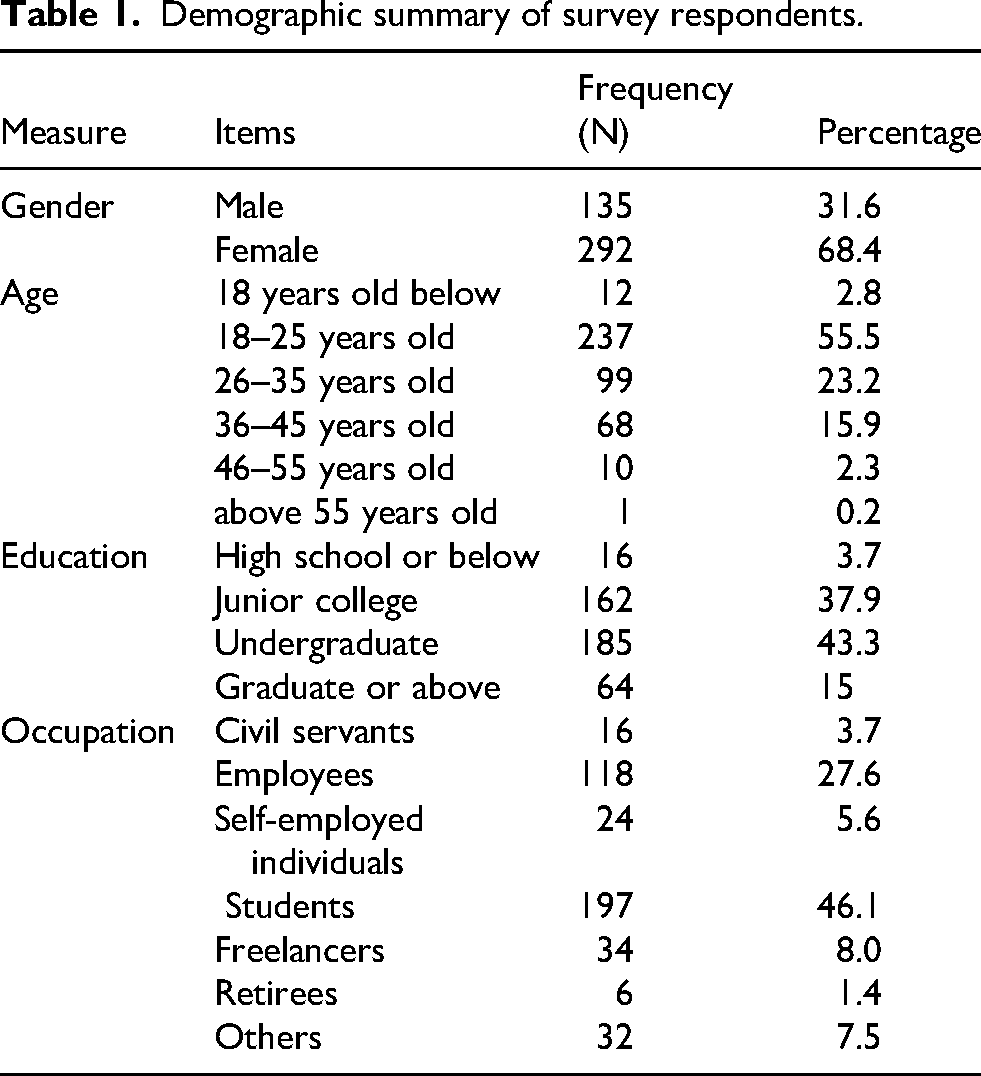
Travel characteristics of glamping tourists.
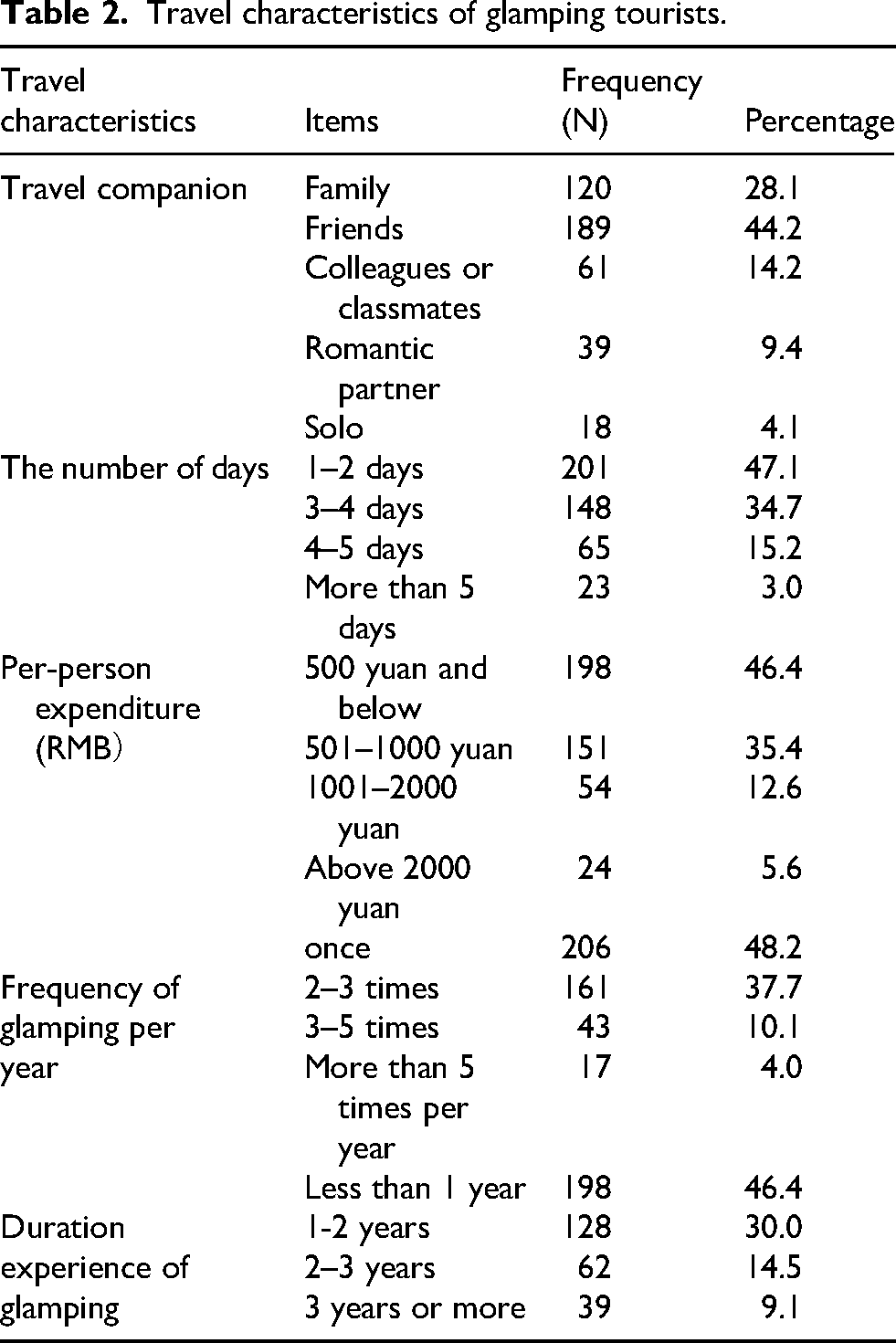
Statistical analysis
SPSS version 27.0 and SmartPLS 4 (Version 4.1.0.8) were utilized to conduct the Partial Least Squares Structural Equation Modelling (PLS-SEM) analysis. PLS-SEM is adept at prediction and theory development, aiming to maximize the explained variance (Hair et al., 2014). PLS-SEM is particularly effective in handling complex research models that encompass multifaceted constructs (Ang et al., 2015). This study extends the CAC theoretical model by incorporating involvement theory, involving mediating and moderating constructs, thus making PLS-SEM an appropriate choice for this research. The analysis was conducted in two primary stages: the assessment of the measurement model and the evaluation of the structural model.
Common method bias
Since the data were collected using a single instrument for both endogenous and exogenous variables, common method bias (CMB) may arise. The mitigation of CMB can be categorized into procedural controls and statistical controls (Cham et al., 2023; Low et al., 2022; Podsakoff et al., 2003). For procedural control, this study carried out rigorous checking to avoiding any misunderstandings or ambiguities in the measurement items. Besides, an intermittent data collection method was adopted at different times and locations in stages. For statistical control, the single-factor Harman test was employed. The results found that the variance explained by the first factor was 30.269% (below the 50% threshold), and the cumulative variance explained was 66.298%. The variance explained by the first factor did not exceed half of the cumulative variance, indicating that there is no significant common method bias in this study (Podsakoff and Organ, 1986). Additionally, following Kock (2015), a full collinearity test was conducted on the inner model. The results revealed that all VIF values in this study ranged from 1.000 to 2.389, which is well below the threshold of 3.3. This further confirms that there is no significant common method bias in the study's model.
Assessing the outer measurement model
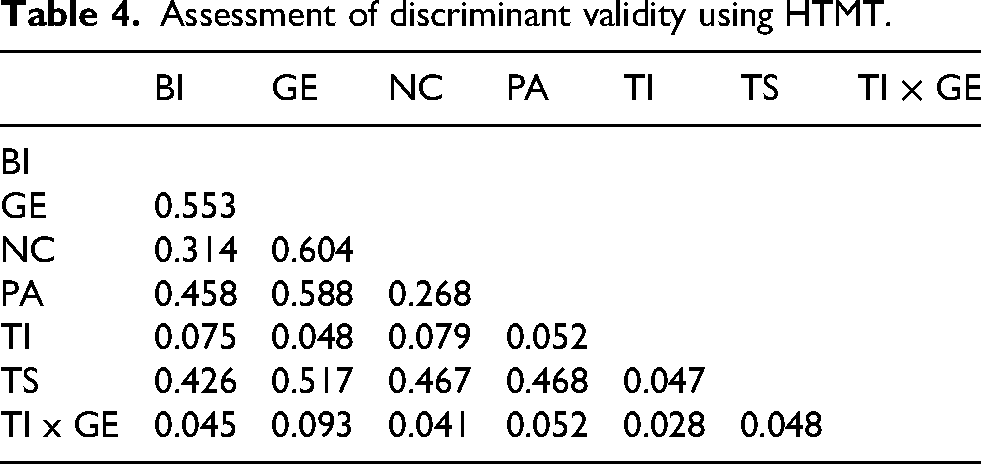
As recommended by Hair et al. (2019), the outer measurement model should be assessed based on both reliability and validity. In this study, the reliability of the constructs was evaluated using Cronbach's α and Composite Reliability (CR), both of which are widely accepted metrics for assessing internal consistency. Convergent validity was determined by calculating the Average Variance Extracted (AVE), which indicates the extent to which a construct explains the variance of its indicators. Hetero-Trait-Mono-Trait (HTMT) ratio of correlations was employed to assess discriminant validity.
In this study, the reliability analysis results demonstrate that all constructs exhibit Cronbach's α values ranging from 0.823 to 0.915, and CR values ranging from 0.883 to 0.930 (see Table 2). Both indices significantly exceed the recommended threshold of 0.7, confirming a high level of reliability and internal consistency for the measurement model. The AVE values for each latent variable fall between 0.607 and 0.666, all surpassing the minimum acceptable level of 0.50. These findings demonstrate that the measurement model in this study exhibits a high level of convergent validity. The HTMT assessment demonstrates no discriminant validity issues since all values in Table 3 are lower than 0.85 (Henseler et al., 2015).
Assessment of reliability and convergent validity.
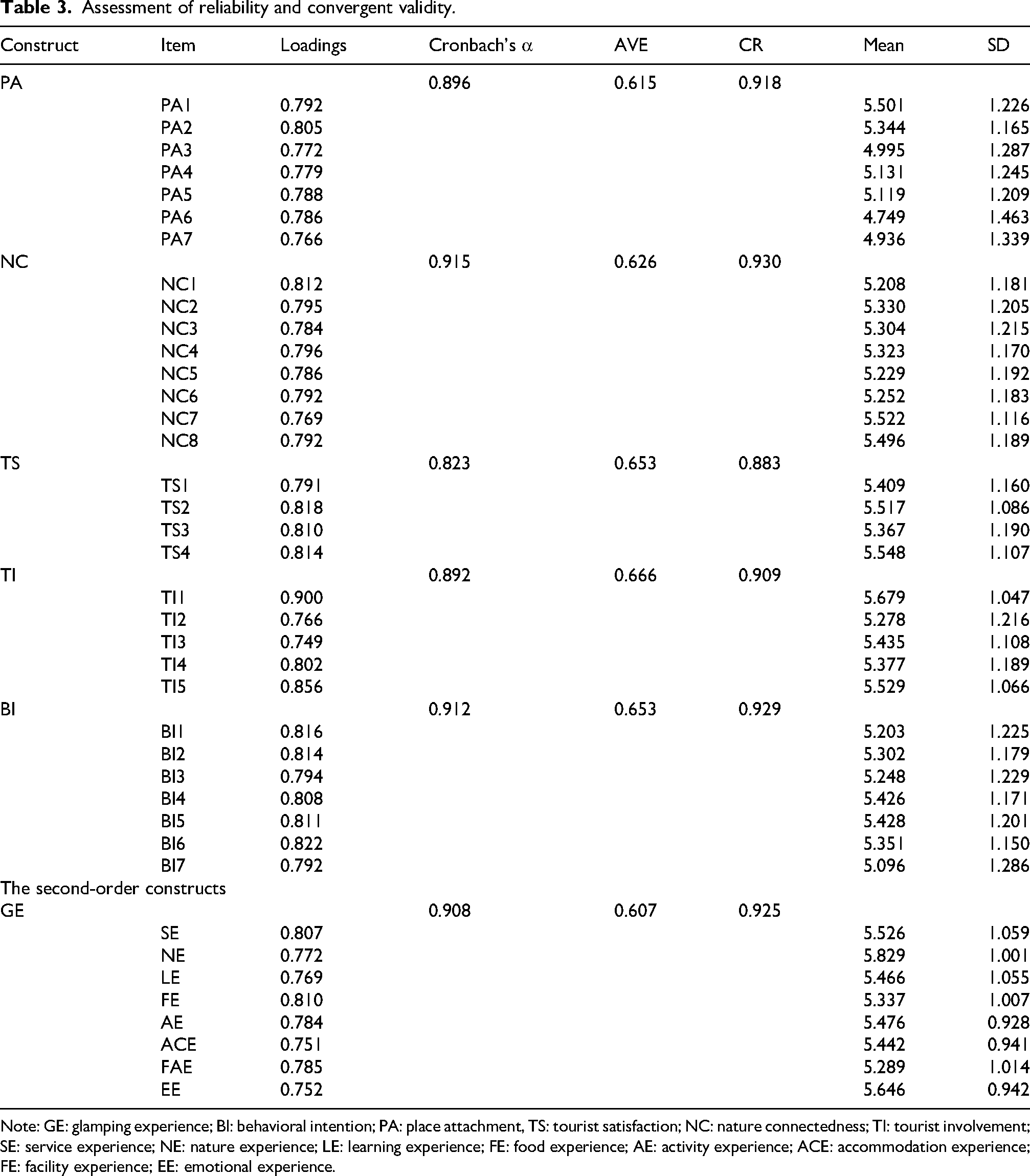
Note: GE: glamping experience; BI: behavioral intention; PA: place attachment, TS: tourist satisfaction; NC: nature connectedness; TI: tourist involvement; SE: service experience; NE: nature experience; LE: learning experience; FE: food experience; AE: activity experience; ACE: accommodation experience; FE: facility experience; EE: emotional experience.
Inspecting the inner structural model
This study employed 5000 bootstrapping subsamples with no sign change option and bias-corrected and accelerated (BCa) bootstrap at 95% confidence intervals to assess the significance of path coefficients (Hair et al., 2017). The strength and direction of the path coefficients were determined by their proximity to +1 or −1, with coefficients considered significant if their confidence intervals did not include zero (Hair et al., 2017). The results of the analysis are presented in Table 4.
Assessment of discriminant validity using HTMT.
Results of the direct effect.
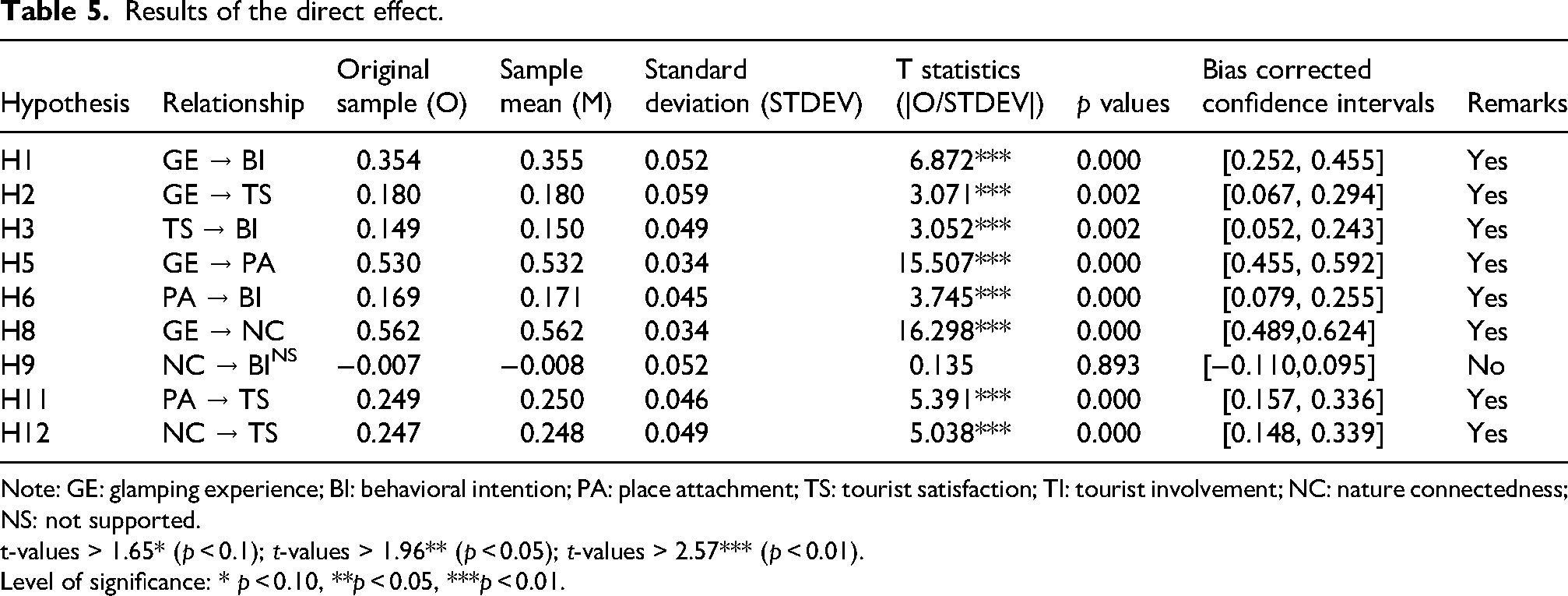
Note: GE: glamping experience; BI: behavioral intention; PA: place attachment; TS: tourist satisfaction; TI: tourist involvement; NC: nature connectedness; NS: not supported.
t-values > 1.65* (p < 0.1); t-values > 1.96** (p < 0.05); t-values > 2.57*** (p < 0.01).
Level of significance: * p < 0.10, **p < 0.05, ***p < 0.01.
Mediation analysis.

The findings (Table 5) reveal that GE, TS, and PA (H1: β = 0.354, p < 0.01; H3: β = 0.149, p < 0.01; H6: β = 0.169, p < 0.01) have a significant positive relationship with BI, as hypothesized. In contrast, NC (H9: β = −0.007, p > 0.1) was not supported, as the bootstrap analysis with bias-corrected confidence intervals (5000 subsamples) included zero ([−0.110, 0.095]). Additionally, GE demonstrates a significant positive relationship with TS, PA and NC (H2: β = 0.180, p < 0.01; H5: β = 0.530, p < 0.01; H8: β = 0.562, p < 0.01). Furthermore, the direct effects between PA and TS (H11: β = 0.249, p < 0.01), NC and TS (H12: β = 0.247, p < 0.01) are both statistically significant and thus supported in this study.
Examining the mediating effects
The subsequent analysis focuses on examining the mediating roles of place attachment, nature connectedness, and tourist satisfaction. For the mediating effects (Table 6), the following paths were significant: “GE → TS → BI” (H4: β = 0.027, p < 0.05); “GE → PA → BI” (H7: β = 0.091, p < 0.01); the chain mediation effect for the path “GE → PA → TS → BI” (H13: β = 0.020, p < 0.05); and “GE → NC → TS → BI” (H14: β = 0.021, p < 0.05). The results indicate that none of the specific indirect effects’ confidence intervals include zero, confirming the presence of mediating effects. However, the path “GE → NC → BI” (H10: β = −0.005, p > 0.05) was not significant, with a 95% confidence interval of [−0.063, 0.052]. This suggests that nature connectedness does not play a significant mediating role in the relationship between glamping experience and behavioral intention.
Examining the moderating effects
To examine the moderating effects of the variable TI, we employed cross-multiplying all indicators of the independent variables and the moderator to create interaction terms (Chin et al., 2003). The statistical significance of the moderating effects was assessed using the bootstrap procedure. The results indicate that the interaction term “TI × GE → PA” yielded a non-significant moderating effect (H15: β = −0.002, p > 0.10), with a 95% confidence interval of [−0.085, 0.079]. This suggests that TI does not significantly amplify or attenuate the impact of GE on PA. In contrast, the interaction term “TI × GE → NC” demonstrated a significant positive moderating effect (H16: β = 0.082, p < 0.05), with a 95% confidence interval of [0.000, 0.153]. This finding implies that TI strengthens the positive relationship between GE and NC. Specifically, as TI increases, the effect of GE on NC becomes more pronounced.
The predictive relevance and effect size
To assess the model's explanatory power, the coefficient of determination (R2) for endogenous latent variables was examined. R2 represents the proportion of variance in the dependent variable explained by the independent variables, indicating how much variation in the endogenous latent variables is accounted for by the exogenous latent variables. Following Cohen's (1988) guidelines, R2 values of 0.26, 0.13, and 0.02 indicate substantial, moderate, and weak explanatory power, respectively. The results reveal R2 values of 0.304 for BI, 0.324 for NC, and 0.282 for both PA and TS, suggesting moderate explanatory power for these constructs, accounting for 28.2% to 32.4% of their variances.
Additionally, predictive relevance was evaluated using Stone-Geisser's Q2 value to assess the model's predictive power beyond the current sample (Geisser, 1974; Stone, 1974). In this study, all Q2 values for endogenous constructs were well above zero, ranging from 0.170 to 0.199, demonstrating moderate to strong predictive relevance.
Discussion and implications
This study validates a comprehensive model that links glamping experiences to behavioral intentions. The findings offer several key insights. First, glamping experiences exhibit a positive and significant direct relationship with behavioral intentions (H1). This result aligns with prior research emphasizing the critical role of experiential quality in shaping tourists’ future actions (Brochado and Pereira, 2017; Sharma and Aggarwal, 2020), and confirms its applicability within China's glamping market.
Second, this study deepens the understanding of the psychological mechanisms underlying glamping experiences to behavioral intentions by highlighting the mediating roles of place attachment and nature connectedness. Consistent with the CAC framework, the findings reveal that glamping experiences significantly enhance tourists’ emotional bonds with destinations, with place attachment emerging as a critical mediator. This result resonates with the work of Ramkissoon et al. (2013), who identified place attachment as a key factor influencing satisfaction and pro-environmental behavior. Furthermore, a chain mediation effect was observed, highlighting how emotional and satisfaction-based pathways jointly shape behavioral outcomes (Yuksel et al., 2010; Williams and Vaske, 2003).
However, the study reveals nuanced findings regarding nature connectedness. While glamping experiences significantly enhance tourists’ connection to nature, this bond does not directly translate into behavioral intentions. This suggests that in commercialized glamping context, nature connectedness may function more as an immediate emotional outcome rather than a proximal antecedent of long-term behavioral decisions. This divergence may be attributed to the hybrid nature of glamping, where satisfaction with man-made facilities and services intertwines with the natural experience. Consequently, Chinese tourists’ behavioral intentions appear to be predominantly shaped by holistic satisfaction evaluations and socio-culturally influenced place attachment rather than direct nature connectedness effects, a pattern observed in other commercialized tourism settings (e.g., Mohammad and Zahari, 2022; Sthapit and Rasoolimanesh, 2024).
Additionally, while tourist involvement moderates the relationship between glamping experiences and nature connectedness, it does not significantly moderate the link between experiences and place attachment. This may be due to the inherently immersive and standardized service design of glamping, which could reduce the variability of individual involvement levels in shaping place-based emotional bonds. This insight into the boundary conditions of involvement aligns with calls for contextualizing psychological constructs in tourism, highlighting the need for further research to explore its role in diverse tourism contexts.
Theoretical implications
Firstly, this study refines the understanding of nature connectedness within tourist behavior models. In the glamping context, characterized by a blend of nature immersion and man-made comfort, nature connectedness functions primarily as an immediate affective outcome rather than a direct driver of long-term intentions. It must be filtered through the evaluative lens of satisfaction to influence behavior. This indirect pathway suggests that for certain tourist segments, particularly in comfort-oriented nature experiences, the emotional resonance with nature (nature connectedness) and the pragmatic evaluation of the experience (satisfaction) are psychologically distinct. Thus, we advance the theoretical discourse on how different nature tourism formats and degree of experiential commercialization shape the psychological journey of the visitor.
Secondly, this study enriches glamping and tourism experience research. While current studies on glamping experiences emphasize nature, service quality, and emotional satisfaction (Brochado and Brochado, 2019; Brochado and Pereira, 2017; Lu et al., 2021), they are largely limited by their reliance on exploratory designs and a lack of theory-based hypothesis testing (Craig, 2025). This study addresses these gaps by encompassing broader and more nuanced dimensions of glamping experiences and empirically testing the outcomes. This study adopted a more comprehensive range of dimensions, including service experience, nature experience, learning experience, accommodation experience, food experience, activity experience, facility experience, and emotional experience. This enriched framework offers a more context-specific and detailed understanding of glamping experiences, serving as a theoretical foundation for future research and measurement models. Furthermore, by demonstrating how these dimensions collectively influence tourists’ behavioral intentions, this study advances tourism experience theory, particularly in the emerging field of glamping.
Thirdly, by integrating the CAC theory into the context of glamping experiences, this study constructs and tests a comprehensive model. By moving beyond the single-path approach of the traditional CAC model, introducing dual mediating pathways and boundary conditions to reveal their intrinsic connections, thereby providing a novel perspective on how tourists emotionally connect with destinations at an affective level, offering deeper insights into the psychological mechanisms that drive behavioral outcomes in tourism. The study validates the pivotal role of place attachment as a key affective variable that bridges glamping experiences and behavioral intentions, demonstrating that in high-emotional-engagement contexts like glamping, the transformation from cognition to behavior primarily occurs through affective pathways rather than traditional cognitive routes. This finding aligns with and extends the CAC theory, demonstrating how affective factors like place attachment can dominate the pathway from experience to behavior (e.g., Loureiro, 2014; Tsai et al., 2020), particularly in immersive and emotionally engaging contexts like glamping.
Practical implications
This study provides several concrete implications for glamping operators. First, since place attachment serves as a key mediator, strategies should aim to transform short stays into meaningful personal stories that foster deep emotional bonds. Operators should move beyond standard services by facilitating experience co-creation (Lee et al., 2023). For example, at checkout, a digitally curated package can be used to prolong the positive emotional resonance and reinforce place attachment after departure—such as a short video montage of activities or a photo album set against the scenic backdrop at the glampsite. Instead of merely displaying handicrafts, operators might design an immersive “Local Culture Corner.” This could involve a structured sensory journey: a 10-min augmented reality (AR) tour explaining the historical significance of local plants, followed by a hands-on session where guests create a traditional souvenir, such as fabric dyed with local flowers. Such activities help form unique personal memories associated with the place.
Second, to strengthen nature connectedness as an authentic and immediate emotional outcome, glamping operators should move beyond passive observation by designing activities that foster deep, embodied interaction with the natural environment. For instance, a “Sensory Earth Imprints" activity could guide participants through mindfulness and sensory awakening, before creating unique clay impressions using natural found objects. Alternatively, operators could offer a “Forest Bathing and Mindfulness” workshop, or a scheduled guided mindfulness walk at dawn. Additionally, an “Authentic Local Taste” experience can be introduced, inviting visitors to personally pick ingredients and learn to cook a traditional local seasonal dish under the guidance of an instructor, transforming nature's bounty into a tangible and memorable sensory experience.
Third, the finding that involvement moderates the experience and nature connectedness calls for a segmented approach. For highly involved tourist, offer advanced, skill-based activities like a “Wilderness Survival Skills Workshop"(teaching fire-making, shelter-building). This provides the deep challenge they seek. For less involved tourists, ensure a wide array of low-commitment, leisure-oriented activities are available, such as guided scenic walks or open-air cinema nights, focusing on comfort and enjoyment.
Finally, to move beyond conventional social media tactics, operators can leverage the CAC framework to foster a sense of co-created narrative ownership and ongoing community membership, thereby transforming one-time visitors into long-term advocates (Bange et al., 2020). In the cognition stage, instead of just showcasing the product, involve the audience in its evolution. Use Instagram, Xiaohongshu or WeChat polls to let followers vote on new activity ideas (e.g., “Which workshop should we offer next: foraging or nature pottery?”). This fosters a sense of ownership before a booking is even made. In the affective stage, implement a system to geo-tag and gently encourage sharing during key experiential moments (e.g., “Tag us in your sunrise photo!”). The conation stage then focuses on nurturing this community. Create an exclusive online group for past guests, offering them first access to new dates, special events, or the opportunity to beta-test new experiences. This approach shifts the paradigm from motivating transactions to building a self-sustaining community, where social media is the platform for ongoing collaboration and shared value.
Limitations and future research
The study has several limitations that could be addressed in future research. This study draws upon the well-established CAC framework to explain ecotourists’ behavioral responses in glamping contexts. These foundations have proven robust and appropriate for modeling value co-creation and experience-driven behavior. However, future research may further enrich the theoretical landscape by incorporating emerging constructs and perspectives, such as identity projection, embodiment theory, or the luxury–nature paradox, to capture deeper psychological and symbolic dimensions of glamping experiences. Such directions can complement and extend the current model rather than replace it, offering nuanced insights into evolving consumer meanings and motivations. Furthermore, our study focused on place attachment and nature connectedness, potentially overlooking other significant emotional or psychological variables. Future research could explore additional affective and cognitive constructs to provide a more comprehensive understanding of the psychological mechanisms underlying glamping experiences.
The current study focused on uncovering the relationships between experiential quality, perceived value, and behavioral outcomes in the context of glamping tourism. While demographic and profile characteristics of respondents were captured and reported descriptively, the primary aim was not to segment glampers based on motivations such as luxury-seeking, eco-consciousness, or adventure orientation. Future studies could build on this work by applying segmentation analysis or cluster profiling to examine how different psychographic or cultural subgroups may differentially perceive and engage with glamping experiences. This would offer more targeted insights for marketers and destination planners aiming to cater to specific traveler types across diverse regions. The data for this study primarily came from the hybrid approach of online and offline. Future research could consider employing stratified online sampling, collecting data either fully online or fully offline, collecting data at multiple glampsites with varied attributes for replication to ensure representativeness and avoid potential biases. The use of a cross-sectional design limits the ability to establish causality or capture dynamic changes. Future studies could employ longitudinal or experimental designs to track long-term changes in tourists’ emotional responses and behavioral intentions, as well as test the effectiveness of specific interventions.
Declaration
We hereby acknowledge that this manuscript is an original work and neither has been published/accepted for publication nor under consideration at another journal.
Footnotes

Ethics
The human ethics approval were obtained.
Funding
The authors received no financial support for the research, authorship, and/or publication of this article.
Declaration of conflicting interests
The authors declared no potential conflicts of interest with respect to the research, authorship, and/or publication of this article.
Data availability
Data can be made available upon request.