



Abstract
Neighbour noise affects health, emotions, behaviours, privacy and social relations. This paper aims to present residents’ perspective on neighbour noise and initiate a discussion on consumer rights and protection based on the results of a social media analysis. In 2021, two newspaper articles about acoustic labelling and neighbour noise were published, receiving over 700 comments in social media. A thematic analysis revealed the experiences in multi-storey housing, and attitudes toward noise sources, responsibilities and solutions. Considering the heterogeneity of apartment users and needs, the economic burden of real estate transactions, and the difficulty of redressing issues, we argue that performance disclosure, for example, through acoustic labelling, is an urgent necessity for providing informed choices to house-buyers and tenants. The results further indicate the need to address the vulnerabilities of certain groups, not only from noise exposure but also from being overheard.
Keywords
Introduction
Neighbour noise is a physical stressor that can negatively affect the health and wellbeing of residents in multi-storey housing (MSH). Studies indicate that neighbour noise annoyance is correlated with various health symptoms, including increased risks of psychiatric problems such as anxiety, stress and depression,1 –5 sleeping problems,1,3,6,7 headaches or migraines,1,3,5,8 decreased quality of life,9,10 fatigue,5,8 cardiovascular diseases, 3 indigestion 5 and other forms of pain. 1 Nevertheless, caution is suggested when concluding moderating effects of annoyance on health outcomes due to an observed association between trait anxiety and annoyance. 11 Beyond the perceived health symptoms, neighbour noise contributes to health worries, hence increased dissatisfaction.5,12 Many people agree that neighbour noise spoils their home life to some extent. 13 WHO and EAA have investigated the health implications of traffic noise quite thoroughly for decades.14,15 However, despite the extent of neighbour noise annoyance in housing and its implications for health and privacy in homes, the adverse effects of neighbour noise are either not addressed or are addressed very minimally. In contrast, authorities in many countries have introduced sound insulation requirements in building regulations to protect citizens from neighbour noise intruding into everyday life, thereby improving the quality of life.
Neighbour noise is also linked to several psychosocial stressors. Perception of neighbour noise correlates with negative opinions, emotions and behaviours among neighbours,5,7,16,17 which in turn contribute to the formation of attitudes. Noise-induced attitudes, as well as general attitudes developed over time, moderate neighbour noise annoyance12,18,19 and influence the choice of coping methods (behavioural or cognitive). 20 Better relationships with neighbours are linked to lower levels of neighbour noise annoyance,5,12,18,21,22 whereas perceived intentionality and hostility of man-made sounds lead to more negative reactions.23,24 The association between subjects’ attitudes towards their neighbours and their judgments of test stimuli was present even in laboratory conditions 19 indicating multiple dimensions in this issue. Considering that the sounds are transferred both ways, the concern of being heard is another significant negative effect and a burden on daily life.17,21,25 More than 30% of participants in two different surveys reported restricting their activities to maintain quietness26,27 although this concern was more related to speech and music than to footstep noise.17,27 Annoyance also increases with concerns for safety (fear of a crime). 12
Several studies have suggested that impact sounds are heard more frequently5,28 and cause more annoyance8,29 –31 than other indoor noises, and one of the reasons is their low-frequency content. Behavioural factors, such as walking pace, can also influence these judgments. 32 On the other hand, noise complaints to public authorities were most commonly related to household appliances (including radios, hobbies and DIY activities), animals (particularly dogs) and children and adolescents. 33 In the UK, neighbours’ voices, animal sounds and music/TV sounds were the most frequently mentioned sources of neighbour annoyance 13 and most people considered them unacceptable, followed closely by children’s noise. 34 A sound source is judged as unacceptable based on the perceived abnormality of the sound, time frame of exposure and possibility of avoiding it. 35 Complainers consider noise as unreasonable, irrational and unaccountable when social norms are breached. 36
Figure 1 illustrates the path from neighbour noise to its appraisal and coping together with various factors and relations explained above. The multi-layered and interlinked nature of this process requires moving beyond mere pathogen diagnostics or developing solutions for ‘the average person’. 37 Addressing the impact of noise necessitates a more inclusive framework, one that addresses its roots, psychosocial and environmental resources, and health inequities, in order to develop effective measures and policies.
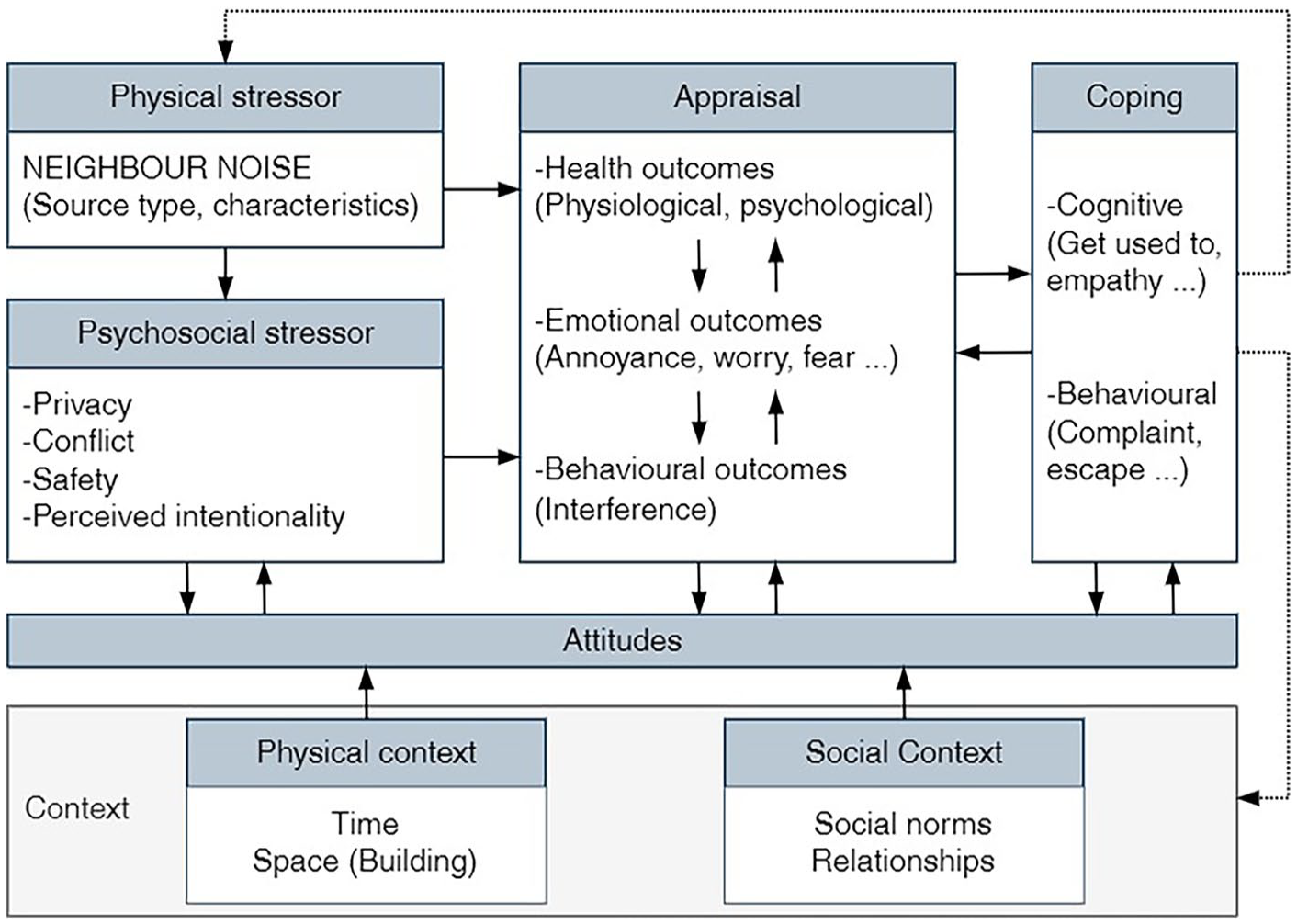
The conceptual model illustrating factors and relationships found in literature.
To mitigate the negative impact of neighbour noise, investments are needed in the built environment. Especially during the first wave of the Covid-19 pandemic, it became apparent that buildings could not adequately protect their occupants from noise or provide sufficient privacy.38 –42 While regulations define requirements for sound insulation in new buildings, compliance is unknown for many existing buildings. This is primarily due to a large percentage of building stock being constructed before the implementation of the regulations, thus typically not covered by requirements.43,44 Additionally adverse field conditions and construction errors compromise performance. This underscores the need for post-construction measurements 45 and the implementation of a labelling system.46 –48 Acoustic classification schemes have been introduced in many countries as a solution for categorising buildings based on their acoustic performance.46,47 Implementing a labelling system that indicates the acoustic class could effectively communicate a building’s performance to its future users. Examples of ‘acoustic performance certificates’ similar to an energy performance certificate can be found in Bayazıt et al. 49 and Deutsche Gesellschaft für Akustik e.V (DEGA). 50 As another example, a simplified design-based rating system with stars is proposed in Hanson. 48
This study aims to investigate residents’ experiences and attitudes concerning neighbour noise in multi-storey housing (MSH). By analysing these aspects and exploring the implications for consumer protection, the research seeks to address weaknesses and vulnerabilities arising from current noise conditions in MSH and to provide grounds for strengthening legislation. Preliminary results of this study were published in Sentop Dumen and Rasmussen. 51 Building upon these initial insights, the current paper extends the analysis with an expanded dataset, defines attitudes and explores relations based on new thematic analysis. Noise induced emotions and coping strategies are further presented in Şentop Dümen and Rasmussen 52 together with a process model.
Methods and materials
This research was designed as a qualitative study of social media comments received for two newspaper articles.53,54 At the time of data collection, institutional ethical approval was not required for this type of research. However, ethical guidelines provided by the Ethics Committee of the Association of Internet Researchers (AoIR) served as a valuable resource for developing research protocol.55,56 Only publicly shared information was collected, while recognizing the ambiguity of the public/private distinction, which can vary among individuals. 56 The users were de-identified, and comments were checked for sensitive information or potential identifiers. The findings were primarily presented as aggregated results with statements translated, shortened and paraphrased for dissemination.
Social media comments to the newspaper articles
In 2021, two articles were published in separate national newspapers in Denmark.53,54 In these articles Birgit Rasmussen, coauthor of this paper, was interviewed about neighbour noise. Addressing the challenges in MSH with regards to neighbour noise and sound insulation, these articles proposed implementation of an acoustic labelling system for housing and the improvement of existing buildings (see Supplementary Material-1 of this paper). They were also shared as social media posts on the newspapers’ official Facebook accounts, which is a popular social media platform. The articles received high public interest and interaction with a total of 723 publicly available comments and 1563 likes. The comments were retrieved from the social media posts using an online data harvesting website 57 on 26 January 2023 and processed in a spreadsheet using Microsoft Excel.
The data cleansing process involved identifying useful data and removing irrelevant and incomplete comments from the dataset. This included comments related to other issues in apartments (e.g. smoking), comments consisting only of tags to other users without any substantive statements, and comments that formed a dialogue with a specific person but lacked context for other readers’ understanding (e.g. ‘downstairs should read this’ could suggest annoyance from either the commenter or their neighbour, directed either towards them or towards other neighbours). In total, 496 comments from 378 individuals were deemed suitable for analysis.
Data analytics
The collected data was thematically analysed using the framework method. This method provides a systematic approach for reducing data into more manageable portions without losing context making it particularly advantageous, especially for large datasets.58,59 Implementation of this method requires restructuring the data into a chart where rows represent cases (each person) and columns represent themes. The text was open-coded, and codes and themes were iteratively developed into the final coding tree (Figure 2).
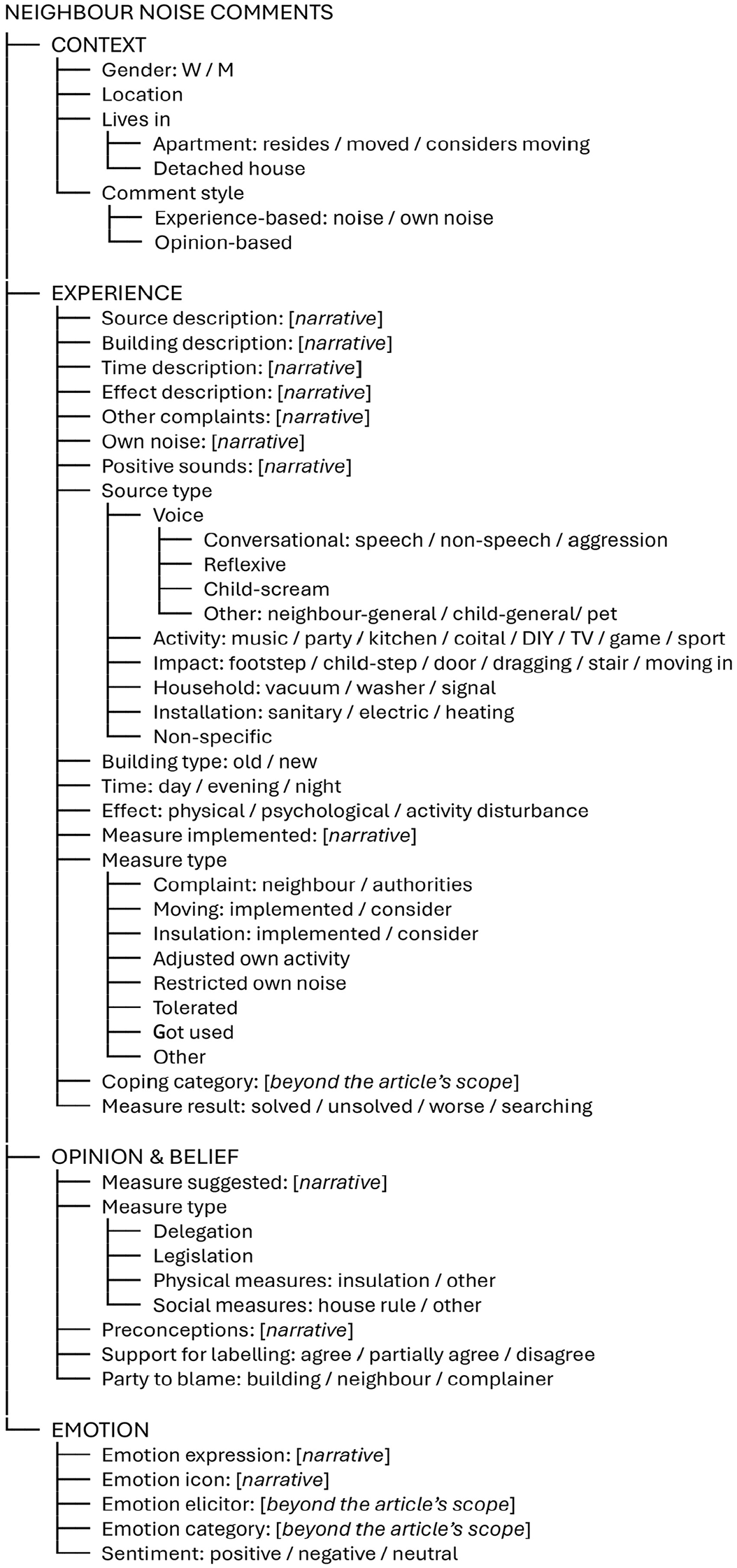
Coding tree.
Patterns in the data were analysed using pivot tables and cross tabs in Microsoft Excel. The consistency of coding was verified through multi-step comparisons and assessments of in-group similarities. Internal validation was ensured through the constant comparative method, where results from parts of the dataset were tested on the rest. 58
Sample characteristics
A social study is representative of a nation when the population distributions are accurately reflected in the sample selection. While social media platforms enable input from a diverse range of social groups across a large geographical distribution, they also come with limitations in terms of controlling the distribution and volume of data provided. The distribution of comments on the map showed a good coverage across all 11 provinces of Denmark (Figure 3(a)) with the majority originating from three largest cities: Copenhagen, Aarhus and Odense. In terms of housing type, 56% of commenters shared their experiences with MSH units, while approximately 4% shared experiences related to detached houses (Figure 3(b)). Sex distribution was uneven, with women being more represented at 65% (Figure 3(c)).
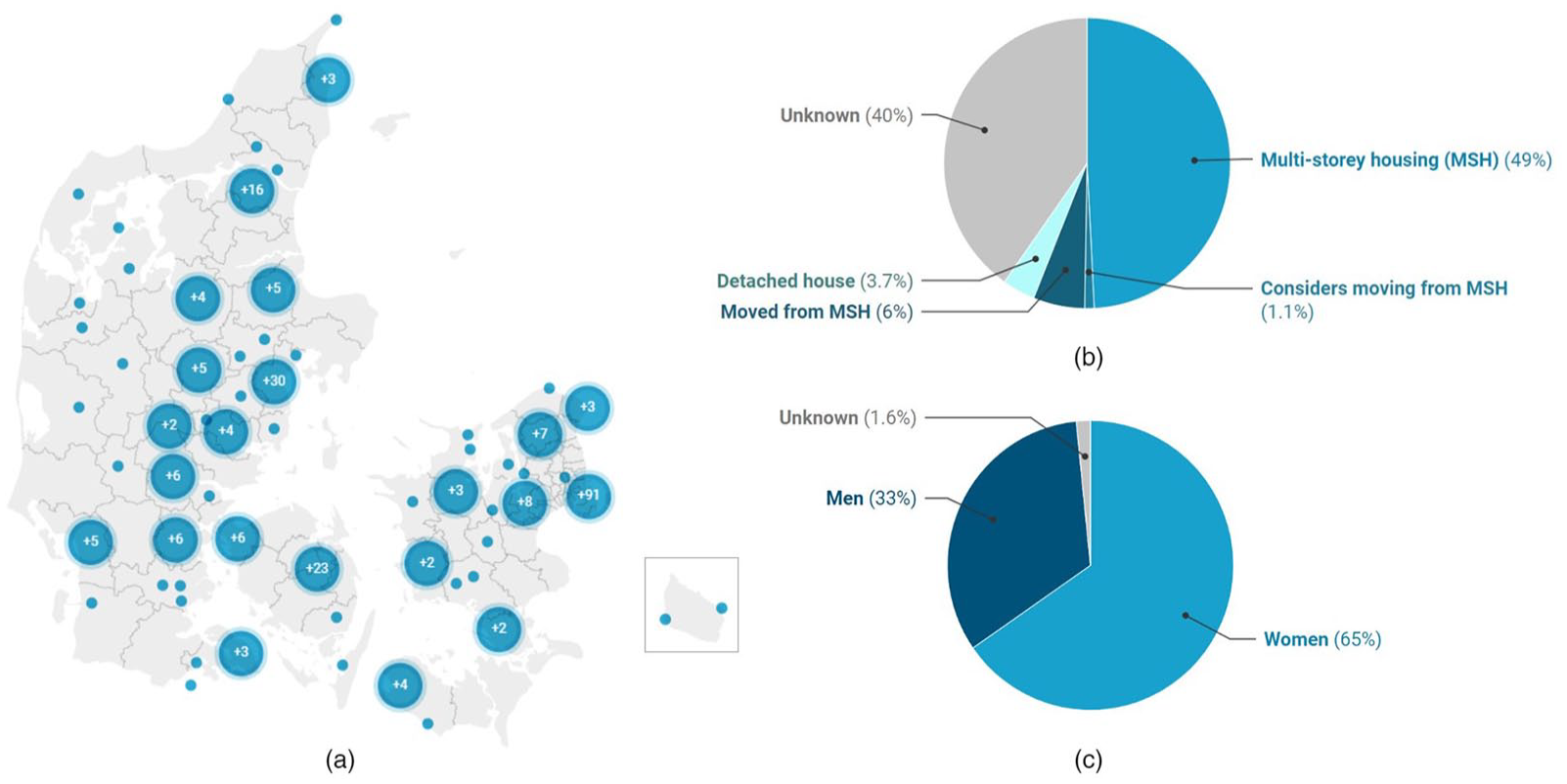
(a) Map, (b) building type, and (c) sex distributions of sample.
Acoustic performance of the Danish building stock: Facts and opinions
Construction types and acoustic performance estimation
In Denmark, the total number of dwellings is about 2.8 million, 60 with almost 1.2 million of these dwellings in multi-storey housing (MSH), 450.000 in row/double houses and others mostly in single-family detached houses. According to our experience, the majority of neighbour noise complaints are from people living in MSH, and for that reason, we focus on that type of housing, although several neighbour noise problems are also found in row/double houses.
National acoustic regulations have existed in Denmark since 1961. Further information about Danish regulations up to now is found in Rasmussen and Hoffmeyer, 61 Rasmussen and Petersen, 62 and Rasmussen. 47 Currently, the acoustic regulations in Denmark refer to fulfilment of the acoustic class C in the classification standard DS 490:2018 for dwellings. 63 Figure 4 provides an overview of the classification system (A–F) with limit values for sound insulation between dwellings, along with verbal explanations of the classes and the expected satisfaction for each class. More detailed information about the Danish classes is found in Rasmussen, 47 and Danish Standards. 63 The classes shown in Figure 4 are explained and discussed in the newspaper articles.53,54
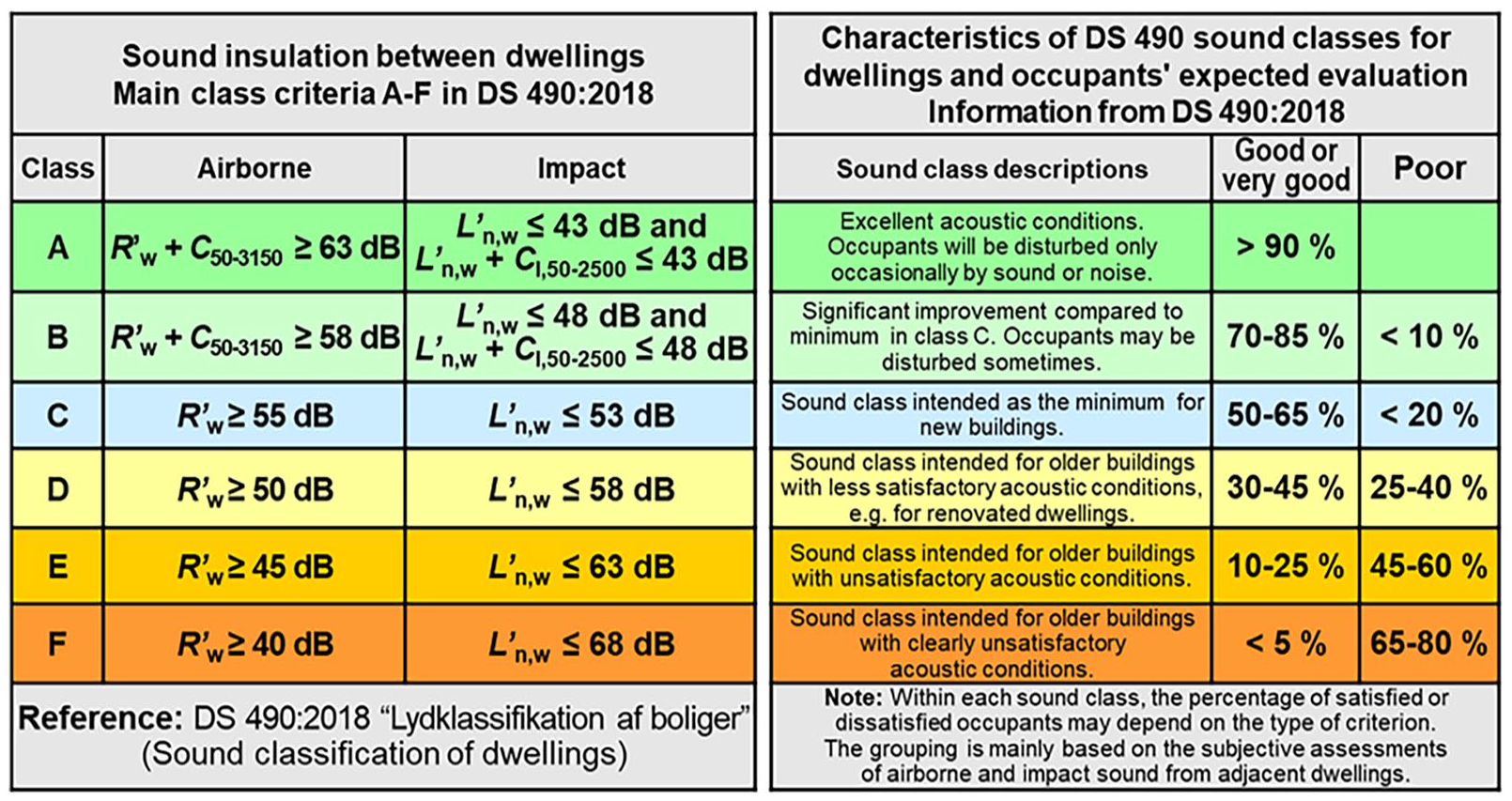
Overview of acoustic classes A–F in DS 490:2018 and occupants’ expected satisfaction for different classes. Summary based on information in DS 490.
Construction types vary over time. In a research project 61 construction details from different time periods were investigated, and a simplified overview is given in Table 1. Further information about the building types E1, E2 and E3 can be found in Rasmussen and Hoffmeyer, 61 Rasmussen and Petersen, 62 and Rasmussen. 64 Construction details for building type NEW are provided in Rasmussen et al. 65
Overview of MSH types E1, E2, E3 and NEW in Denmark, construction types, time periods, number of dwellings, estimated sound insulation performance and acoustic class.
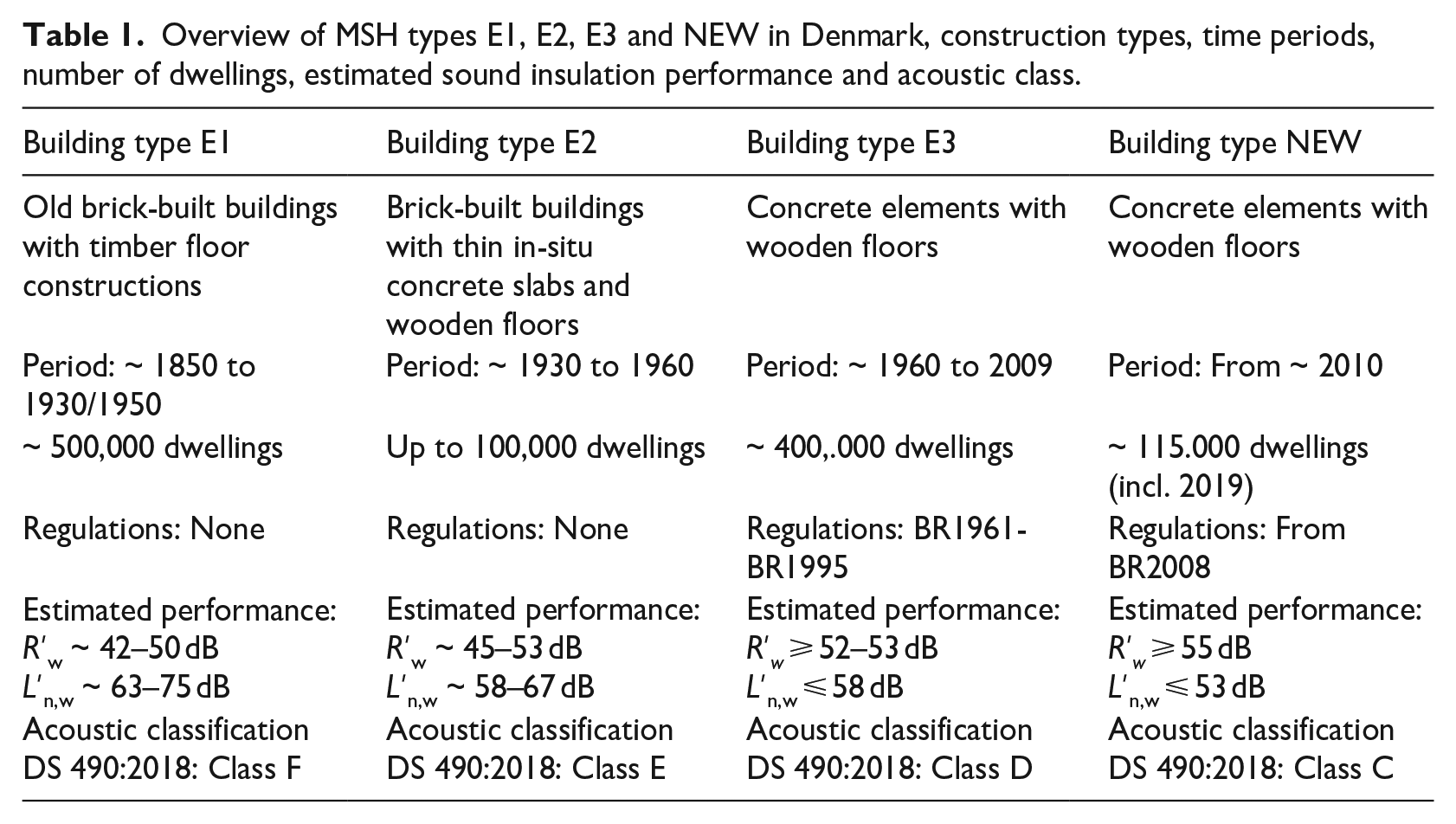
Figure 5 presents a diagram showing the number of MSH according to the construction year, along with the estimated acoustic classes F, E, D and C according to DS 490:2018. The dashed line indicates the year of the first national building regulations, 1961. The dotted line indicates the year 2008 with stricter sound insulation limit values. Number of dwellings according to construction year found from Statistics Denmark and Statbank Danmark. 60 From the figure, it is seen that in 2023, only about 10% of the MS dwellings can be expected to meet the current requirements.
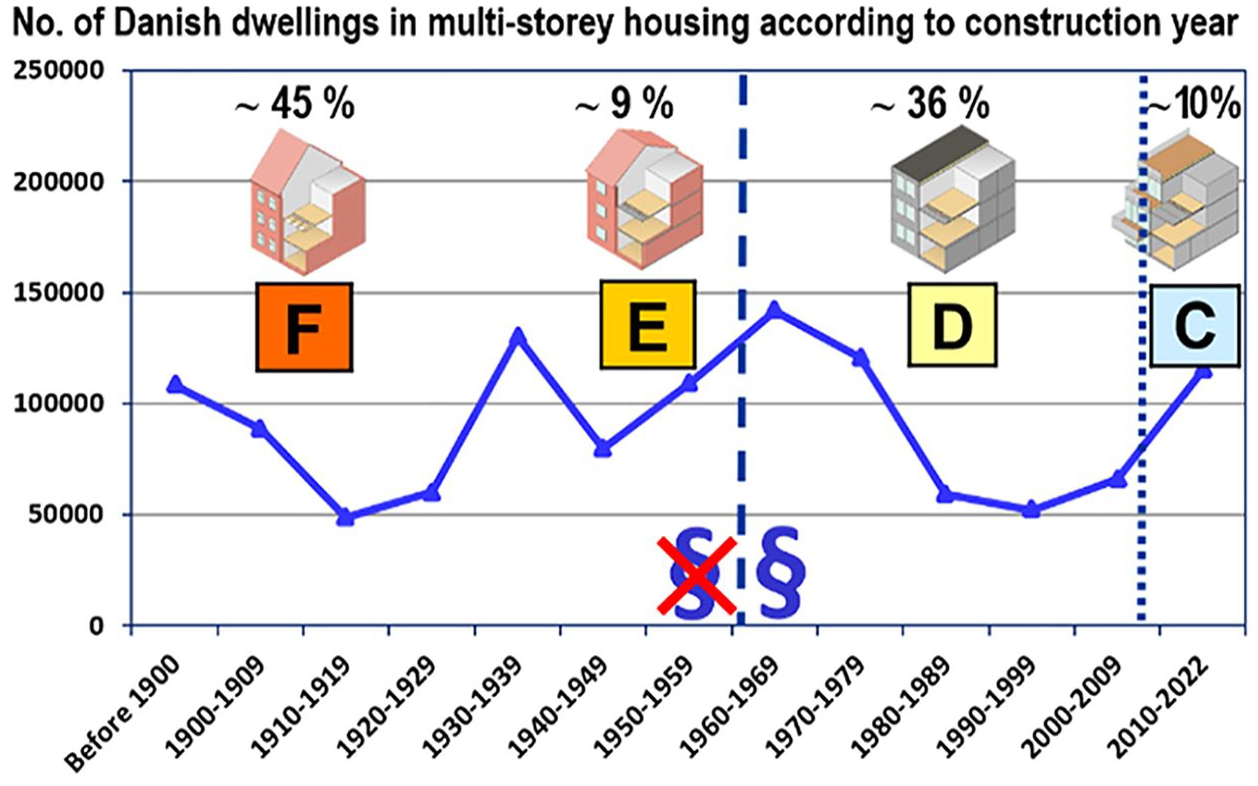
Number of Danish dwellings 1900–2022 according to construction year and estimated acoustic class.
Several countries in Europe have acoustic classification schemes for dwellings. The most recent overview information (year 2022) is found in Rasmussen,46,47 which includes a table listing 15 acoustic classification schemes from Europe 45 and also includes the ISO classification scheme. 66 Additional information about the housing stock in Europe (status 2013), with a focus on issues related to acoustic harmonization, can be found in the COST TU0901 books Levy-Leboyer and Naturel 35 and Stokoe and Hepburn. 36 An overview is given in Levy-Leboyer and Naturel 35 and details about individual countries (29 in Europe and 2 overseas) are found in Stokoe and Hepburn. 36
Subjective descriptions of construction characteristics
While the above data characterises the current situation of the housing stock with objective findings, it raises the question of how people perceive and define their physical environments and to what extent the performance meets their expectations.
Only a few individuals (38 people) described the built environment and less mentioned the age of construction. Among those who referred to the building age, 77% (33 people) lived in old buildings (defined as ‘old building’ or sometimes described with the year of construction) and the rest lived in newer buildings (defined as ‘new building’). Descriptive words used for these buildings are shown on a histogram in Figure 6. In this figure, descriptions of construction are shown with regular letters, building typology descriptions are shown with grey letters and acoustic descriptions are indicated with italic and underlined letters. The cut-off between old and new buildings refers to the date of the first national regulation in 1961, which was later revised with stricter limit values in 2008. The revision year serves as a second cut-off, even though no comments were received for buildings from this period.
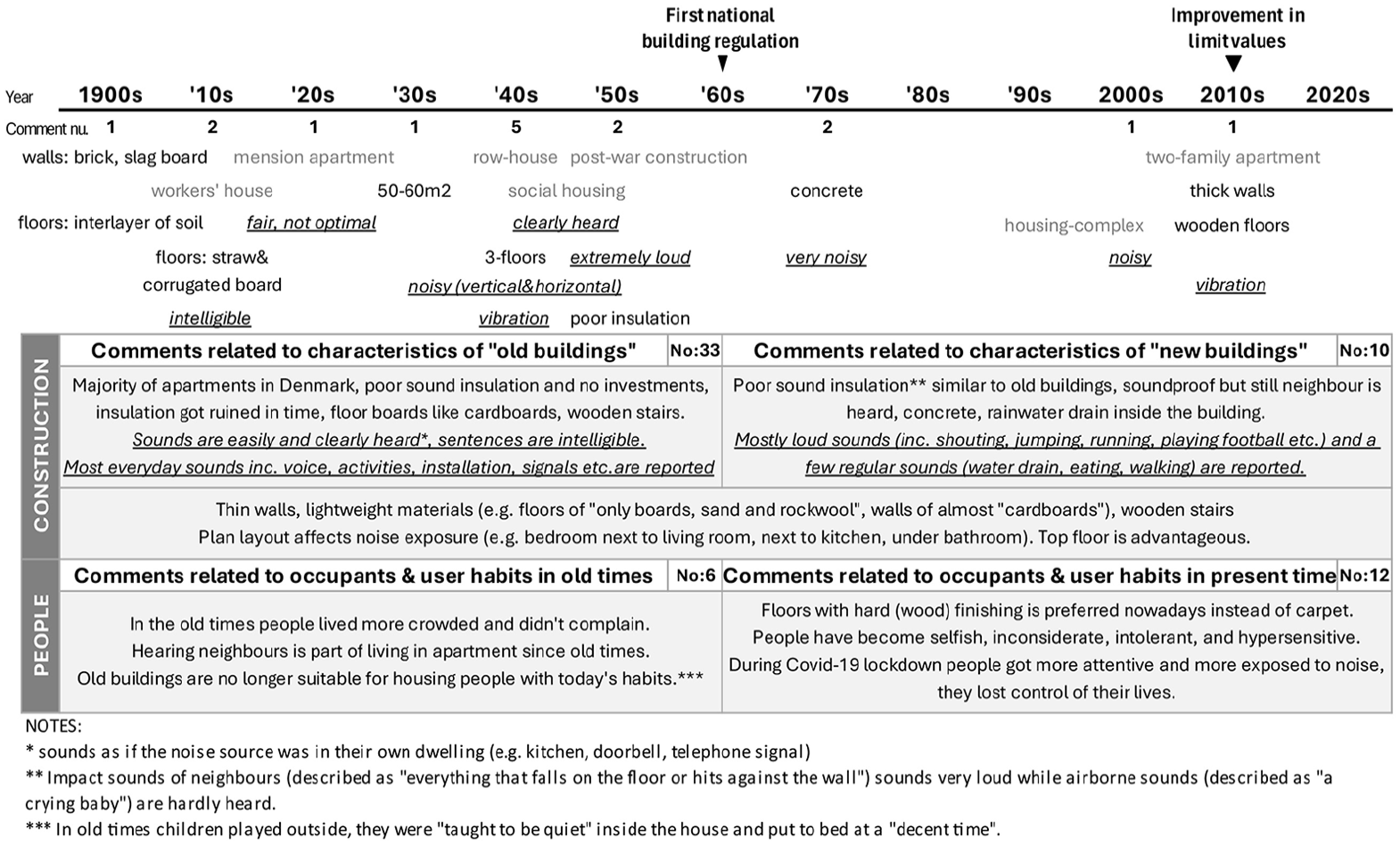
Building descriptions shown on histogram based on those comments referring to the building age.
While noise complaints exist in both old and new buildings, there were more complaints for the former. In newer buildings, complaints were more related to louder and unusual sounds (such as shouting, jumping and playing football) whereas a vast number of everyday sounds (such as conversation, sneezing, walking and other indoor activities) were reported as sources of nuisance in old buildings. Intelligibility was also mentioned. Nevertheless, the commenters believed that sound insulation was not invested in during the renovation of old buildings, resulting in continued acoustic problems for residents in existing housing stock. Those who invested in new apartments felt that they had been ‘cheated’ upon finding that the property did not meet their expectations of improved quality.
Some commenters believed that it was not the construction quality, but rather changes in peoples’ behaviours or expectations that have contributed to the perceived issues. Those comments argued that people had become more intolerant and sensitive to noise, as well as more selfish and inconsiderate of their neighbours about their own noise, suggesting that old buildings may no longer be suitable for today’s needs. Both articles were published during the ongoing effects of Covid-19, and as one commenter suggests, some of these observations might be related to the memories of a lockdown.
Noise exposure and public experience
Noise sources
Out of all commenters, 170 individuals (45%) provided definitions of noise sources with varying levels of detail. While some descriptions were overly broad (e.g. ‘neighbour’, ‘children’), others referred to specific human activities and machinery sounds. These noises were categorised and presented with the number of appearances in Table 2. The original descriptions and wordings used in the comments are presented in Table S1 in Supplementary Material-2.
Number of appearances of indoor sound sources and the responsible parties.
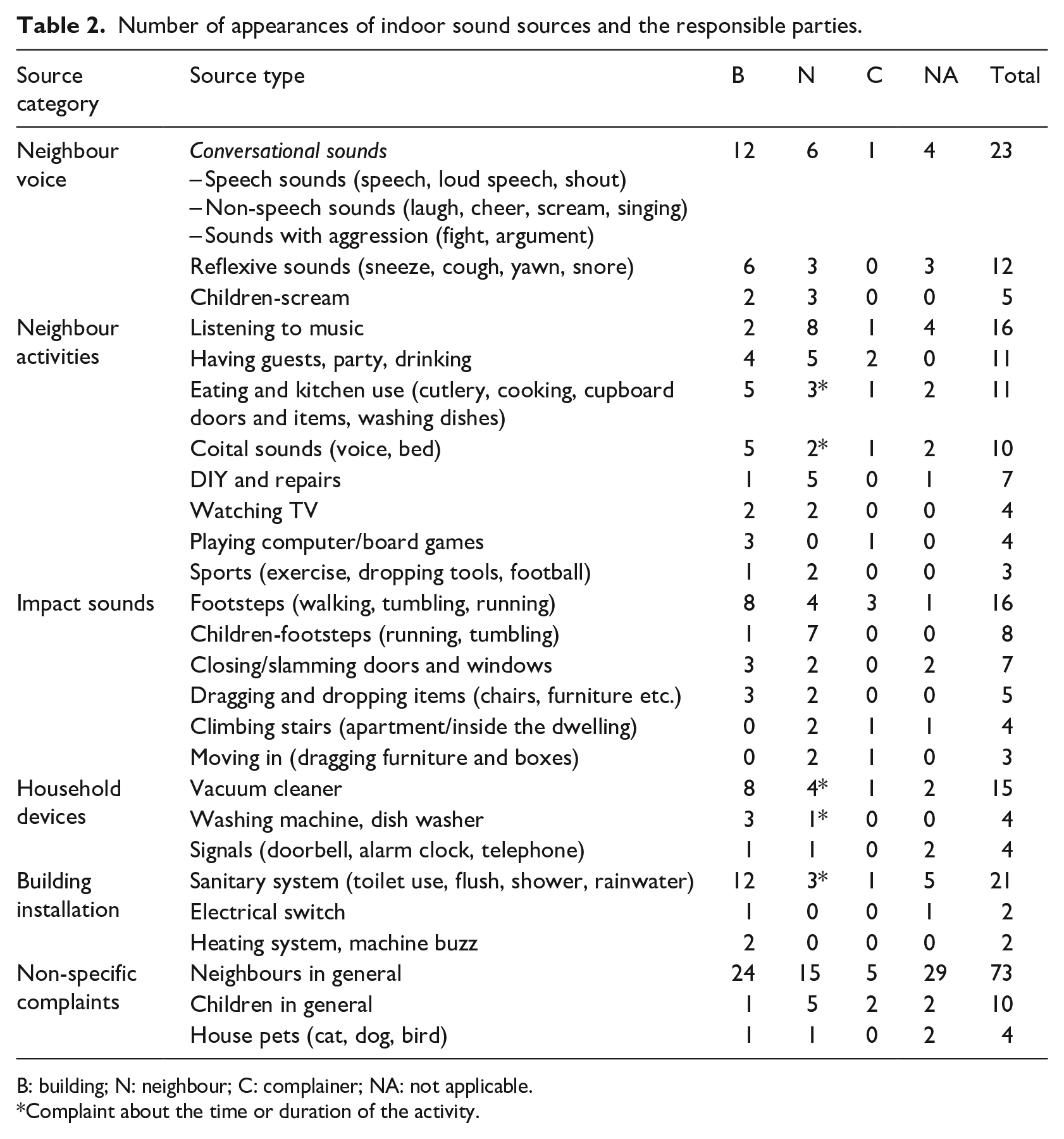
B: building; N: neighbour; C: complainer; NA: not applicable.
Complaint about the time or duration of the activity.
Regarding the source categorisation, the data was structured based on the source type (human vs. machinery sounds), function (voice vs. activity and household device vs. building installation) and acoustic performance indicators (airborne sound insulation, impact sound insulation and service equipment noise levels). Neighbour voices were divided into subcategories based on the intentionality of the sounds, as this was observed to affect attitude towards the source. Reflexive sounds, also known as vegetative sounds, refer to uncontrolled non-verbal vocalisations that are not primarily communicative and do not intentionally convey information. 67 The category of conversational sounds consists of both speech sounds (spoken words), and non-speech sounds (non-verbal vocalisations). 67 Laughter, cheers, screams and other affective and interjection sounds belonged in the latter group. An additional category of ‘sounds with aggression’ was introduced to account for the perceived intentionality (see Section ‘Attitudes against different noise source categories’) and the distinctive emotions attached to these sources (i.e. startle due to sudden and loud occurrence, worry for the neighbour, and second-hand embarrassment due to the privacy of transmitted information). Within each source category, children’s sounds were analysed separately from general statements (e.g. footsteps and children’s footsteps) based on the observation that attitudes towards children’s noise exhibit distinctive characteristics.
The results indicate that the most mentioned source type was conversational sounds, followed by sanitary system and other sounds coming from neighbours’ toilets. The latter appears to be explained not only by noise annoyance, but also by the nuisance – or amusement in certain cases – caused by the privacy violation. Neighbours’ music and footstep sounds followed these sources. The vacuum cleaner sound was also frequently mentioned, although it could be argued that these comments represented more of a reflection than a complaint, as this source was explicitly mentioned in the newspaper article. Since the noise sources were not systematically assessed one by one in a survey, these numbers may not necessarily indicate the most common noise sources, but rather the ones which elicited more affection. Studies suggest that highly arousing sounds are more memorable, 68 which may indicate that the most mentioned sources in the table were possibly the ones that elicited higher emotional arousal.
In five cases noise annoyance was accompanied by a sense of vibration due to footsteps from both upstairs and next-door dwellings. Only eight comments referred to the noise sources typical to single-family houses and suburban areas and expressing that neighbour noise is also a burden for this typology. Complaints in these cases were due to children screaming, lawn mowing, dog barking, trampoline squeaks, music from teenage sheds, hammering, traffic and truck visits. Outdoor noise was mentioned in only four comments. Lack of attention to outdoor noises as well as sounds in single-family houses was likely due to the focus of the newspaper articles, which primarily addressed indoor noise sources inside the MSH.
Time frame of nuisance
In social constructs noise is tolerated to a certain extent and a noise complaint typically becomes legitimate based on, among other factors, time, repetition and duration of the exposure. 36 The expression of time appeared in the comments to describe the gravity of the situation and justify formal (to the neighbour/authorities) or informal (in social media) complaints. Tolerance to neighbour noise depends on repetition and time frame. Figure 7 illustrates the exposure times for different types of sources based on comments that included this information. Time intervals were defined according to ISO 1996-1 69 when the description referred to parts of the day (i.e. day, evening, night) instead of specific hours. Indefinite timepoints are shown with arrows.
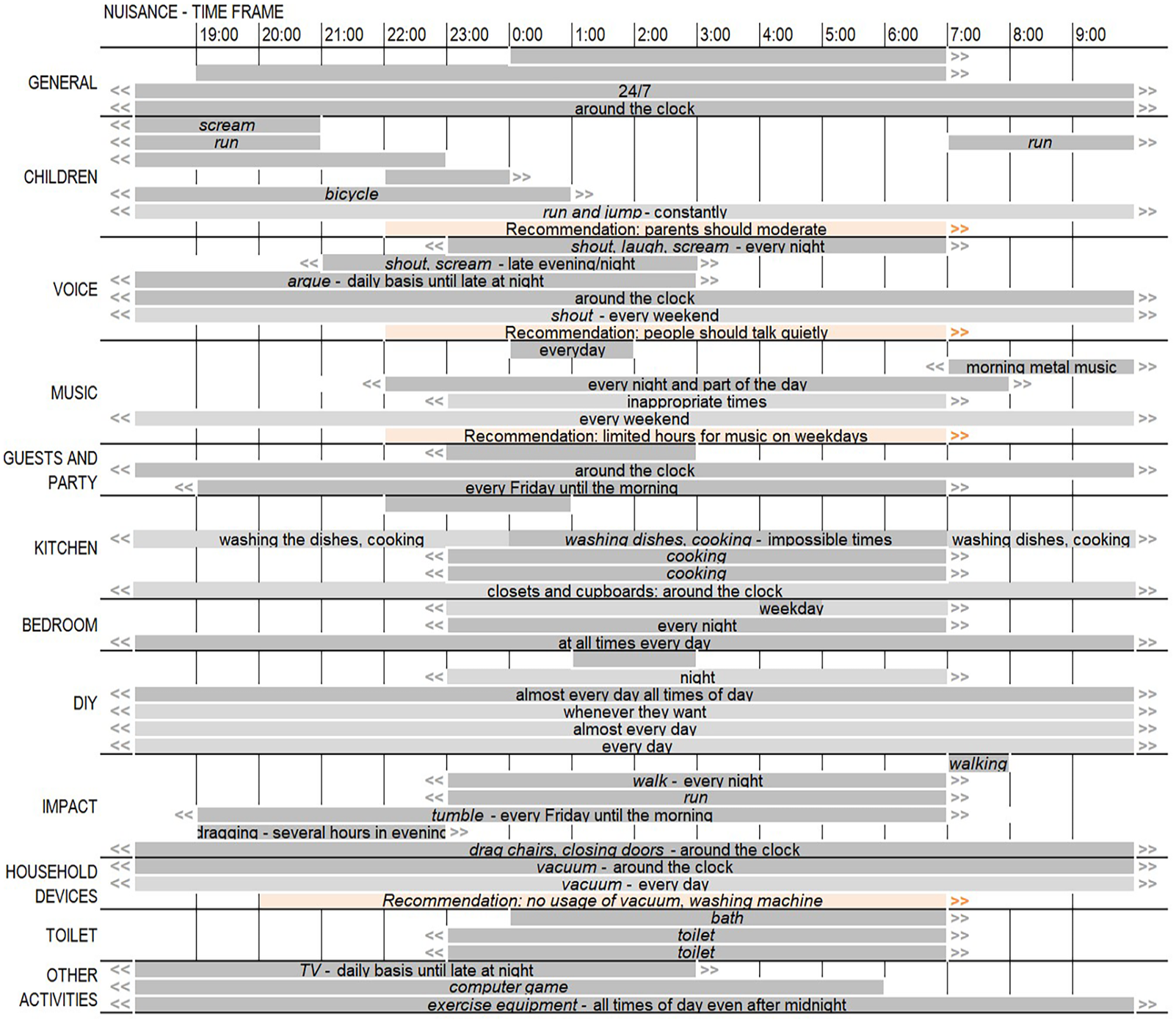
Time frame of nuisance due to indoor noise sources.
A considerable amount of these comments mentioned repetitive (e.g. every weekend, daily) and continuous (e.g. 24/7, around the clock, constantly) patterns of exposure to noise. Neighbours were criticized for making noise ‘whenever they want’, ‘at all possible and impossible hours’ contrary to house rules or social norms. Nighttime noise exposure was emphasized, along with its detrimental effect on sleep. Two night-shift workers indicated that a classification system would be valuable for this user group. People with shifted sleep cycles encountered problems due to their neighbours’ noises in the mornings, and they were unable to manage everyday tasks in their apartment due to complaints from neighbours. A different time frame was observed for children’s noise, as day and evening exposure was reported for this source. Among the eight people who complained about noises from single-family houses, five were exposed to this noise during day and night.
Noise effects and coping
Some comments explicitly mentioned the psychological and physical effects of noise exposure, as well as disturbance of daily activities. Psychological effects of noise were explicitly mentioned in 39 comments. Annoyance (‘annoyed’, ‘irritated’, ‘bothered’ or ‘driven crazy’ by noise), feeling burdened (‘burden’ or ‘burdensome’) and increased stress levels were the most frequently mentioned. Other psychological descriptions such as decreased life quality, feeling unlucky and fear (‘scared’, ‘horrified’ or ‘worried’ either due to sounds or for health effects), appeared in fewer than three comments each. Only 19 comments specifically addressed the impact on daily activities. Thirteen individuals mentioned sleeping irregularities, such as difficulties falling asleep, being woken up by noise, or deliberately changing their sleeping patterns to avoid noise. Fewer than three people mentioned difficulties in resting, working from home and home education, interference with conversation, disturbance during leisure activities such as reading, watching and listening, and confusing the neighbour’s doorbell/telephone with their own. The physical effects of noise were recognised as tiredness in three comments and chronic headaches in one. In some cases, measures taken against noise resulted in indirect effects such as sore ears due to continuous use of earplugs, financial and health consequences of moving, act of violence driven by complaints with fear and financial costs, and strained neighbour relations stemming from not receiving back the consideration and/or tolerance that was shown. Lastly, noise was also recognized as a violation of privacy, and people were reluctant for this two-way transfer of information.
Comments revealed various coping strategies directed to avoid or mitigate the negative consequences of noise. Sixty-eight individuals implemented active coping, while eighteen mentioned cognitive adaptation (got used to or tolerated noise) and in four cases, neighbours moved thereby resolving the noise problem. The most common action, reported by 38% of those employing active coping, was changing apartments (moved/scheduled a moving date/searching for options). Escaping from a noisy apartment resolved the problem in almost all cases. 31% of active coping strategies involved complaints either directly to the neighbour or indirectly through the housing association. Complaints to neighbours were successful only half of the time, while complaints to housing associations were almost always unsuccessful. Sometimes these were sequential (e.g. ‘We were even so polite that we tried to contact personally before going to the housing association and complaining’). Moving typically followed an unsuccessful complaint. Only 9% of the actions involved insulation by either implementing or searching for options. The drawbacks of this problem-solving action are likely related to the expected cost. Other actions included discussing the problem with other neighbours, preferring dwellings on the top floor, using earplugs, adjusting sleeping times, making revengeful noise for opposition, or restricting one’s own noise and behaviours for negotiation.
In some cases, coping was difficult. Twelve comments mentioned economic burden of relocation, affordability and housing shortages as obstacles to escaping current noise conditions, finding a better-quality residence with sufficient acoustic performance, or for moving to single-family houses in the countryside. One comment expressed fear of encountering worse performance in the absence of a classification system.
People with a more positive attitude towards their neighbours mentioned talking kindly, having a conversation, and building good relations and empathy. Some members of this group also implemented positive cognitive restructuring. They reported not being bothered or enjoying their sound environment. Hearing their neighbours provided feeling of safety, liveliness, coziness and human contact.
Attitudes towards neighbour noises
Responsible parties
Based on the content, comments were grouped according to the main factor indicated as responsible for noise annoyances. Three clusters were identified, namely individuals who blamed ‘buildings’ (90 people), ‘neighbours’ (64 people) and ‘complainers’ (44 people).
• Buildings
‘My bedroom is under the kitchen of the upstairs neighbour. It sounds like the furniture being rearranged every evening from 22.00 to 01.00. It’s sooo annoying.’
Buildings were deemed responsible based on residents’ observations of poor performance, the age of construction (old vs. new buildings), the typology (apartments vs. detached houses), or unfavourable plan layout when noisy and noise-sensitive rooms were adjacent. These comments typically included detailed descriptions of construction properties, complaint about the construction industry’s lack of investment in sound insulation, and support for a classification and/or labelling system. Most of those comments suggested that their building’s performance must be even lower than Class F. Many also mentioned regret for their purchase/rent.
Two comments suggested that students, retirees, unemployed individuals and young people, in particular, were residing in poor sound insulation conditions underlining a potential vulnerability. Affordable housing options such as social housing and old worker’s houses were cited in connection with noise problems.
• Neighbours
‘Some neighbours made a lot of noise that life was a hell. The housing association did absolutely nothing.’
Those who held their neighbours responsible for noise exposure accused them of being inconsiderate (reckless), behaving excessively or being unaware of their noise. The actions of neighbours might or might not be deliberate, but people’s attitudes towards them spanned a wide spectrum, from hatred to understanding. Upon continuous exposure to neighbour noise and resultless complaints to neighbours, some people made complaints to their housing associations. For a few, this resulted in the eviction of neighbours, but for others, unsuccessful complaints led to further frustration and anger. These respondents also blamed housing associations for not taking action against noisy neighbours, failing to monitor house rules and neglecting to invest in sound insulation improvements. Consequently, this cluster also included people who blamed administrative actors.
The age group and the ethnicity of the neighbour were pointed out in some of the comments. This additional information that is presented with either a hostile or a neutral attitude, seems to be used for justification of the complaint based on stereotyping and alienating the neighbour. Young people are stereotyped as inconsiderate and disruptive neighbours due to their music and partying, even in some comments where no personal noise exposure is mentioned. Noise from the elderly was also cited, attributed to high volumes of TV and radio, as well as reflexive sounds such as coughing and hooting. Foreigners or immigrants were sometimes perceived as unfamiliar with social norms or having a ‘strange culture’. Often, when children made noise, parents were held accountable (see also Section ‘Attitudes against different noise source categories’).
• Complainers
‘(. . .) It is easier to blame others for your own situation, you are free to do something yourself. (. . .)’
Some individuals placed the blame on the complainers who reacted to noise either by directly warning the neighbour or by writing a comment on social media. They were accused of being intolerant, hypersensitive and excessive. Making a complaint was seen as inappropriate because people needed to reciprocate the tolerance shown to them. Some suggested relocating complainers to the countryside unless they ‘learn to be part of the society’. Additionally, many argued that people needed to accept living with noise if they had chosen to reside in an apartment and/or in a city. For them, cities were synonyms with noise due to living in close proximity to others; and people living on top of each other were likened to ‘animals in cages’. In comparison to those who blamed buildings or neighbours, those who blamed complainers were more likely to disagree with the implementation of a classification and/or labelling system.
Attitudes against different noise source categories
Table 2 presents the distribution of responsible parties for indoor noise sources. This section introduces the explored patterns in attitudes that shape judgments toward these noise sources. This paper primarily investigates negative experiences and attitudes associated with unwanted sounds, namely noise. Most comments also revolved around noises, also due to the content of the newspaper articles. However, there were a few expressions of positive attitudes and emotions toward sounds. For instance, some individuals associated hearing neighbours’ sounds with a sense of ‘life’ and ‘security’ fostering a connection with their neighbours. Additionally, positive sentiments were evident in some of the comments about children’s screams.
Children’s noise
Eighteen people indicated diverse activities of children or children in general as a source of nuisance and twelve of them blamed their neighbours. Parents were accused of being unfair by demanding silence from the rest of the residents when their children were asleep, yet not showing the same consideration themselves (‘they believe that their children are allowed to make noise and tumble around’). It was suggested that they needed to moderate their children’s noise and teach them to be quiet. Unlike other noise sources where nighttime exposure was a significant indicator of neighbours’ fault, for children’s noise, the continuous sound during the day was important. In other words, the expectations were not limited to nighttime but extended throughout the day, thereby restricting children’s existence in their own home, and requiring continuous monitoring by parents. There were five instances of unsuccessful complaints to housing associations after failing to resolve the issue with the parents. These people also held housing associations accountable for not providing a solution to the problem.
Neighbour voice
This cluster differs from activity voices in that a vocal sound was explicitly mentioned. Voice related sounds were sub-categorised primarily as conversational sounds and reflexive sounds. An additional cluster of ‘children’s scream’ was introduced based on the inferences given above.
Those who mentioned hearing conversational sounds mainly attributed the issue to the buildings’ deficiencies. Four out of six people who blamed their neighbours for conversational sounds, complained about loud speech and shouting. Although sharing similar physical characteristics in terms of level and pattern, sounds with aggression (i.e. fighting and arguing) evoked different responses, possibly due to their social meaning. Hearing aggression sounds was always seen as a building’s deficiency. There were two possible explanations for this pattern. Firstly, people unwillingly witnessed the personal lives of their neighbours, and the violation of privacy was mentioned in several contexts. The anticipation of privacy might have convinced the eavesdropper of the unintentionality of the nuisance, thus excusing the neighbours. Secondly, these sounds evoked additional emotions such as startle, worry for the neighbour’s security, and second-hand embarrassment due to the privacy of the information transmitted with the sound. These sympathetic emotions might have moderated the negative emotions towards the neighbour and caused a shift in the perceived accountability.
Similar patterns were observed for the reflexive sounds. The unintentional nature of these sounds seems to make buildings accountable instead of neighbours. Nevertheless, some people developed negative attitude towards their neighbours due to ‘unattractiveness’ of these sounds.
Regarding children’s screams, a shift of emotions was observed for crying infants although mentioned by few (three people). Babies were seen as ‘innocent’, and the annoyance was either tolerated with tenderness or attributed to building deficiencies. On the other hand, older children’s noise was not considered acceptable.
Neighbour activities and household devices
Music listening was the most mentioned activity sound and most of the comments blamed the neighbour for this noise type. Similarly do-it-yourself (DIY) noises, that is, drill, hammer, saw, mounting, indoor workshop, were seen as neighbours’ fault. A time frame was almost always specified in the comment for indicating either the continuity or inappropriateness of the timing. Kitchen use (e.g. eating, organising, cooking) and bedroom use (coital sounds), as well as sounds of household chores (devices such as vacuum cleaner), were normal activities and typically blamed on the building, unless the time was inappropriate. When the complaint pertained to the timing of the activity, neighbours were held accountable. Coital sounds included vocal sounds, that is, moaning, shouting, as well as bed-related sounds, that is, squeaks and bangs, occurring during both partnered and solo sexual activities. Similar to the argument regarding aggression sounds, the private and unintentional nature of these sounds, along with the experience of second-hand embarrassment, possibly led to holding the buildings accountable while excusing the neighbours. The opinions on other activity types were scattered between blaming buildings and blaming neighbours, with no clear tendency emerging from the comments.
Impact sounds
Footstep noise was the most common impact sound, followed by children’s footsteps. Although both are footstep sounds, negative attitudes were directed towards building performance for adult’s walking, while they were directed towards parents in case of children’s footsteps. Another difference appears to be the pace of the activity. ‘Walking’ was the most used word to define adults’ footsteps, while children’s footsteps were defined as ‘running’, ‘tumbling’, ‘trampling’ and ‘jumping’. Additionally, neighbours’ footwear choice (heels, boots, hard slippers), walking style (tumbling, running, thumping, stomping, hitting heels first, or not lifting the foot on stairs) and carpet use were also criticised.
Building installation
Sounds from building installations were mostly regarded as buildings’ deficiency. There were several complaints regarding sanitary systems, mainly related to toilet use (defecation, urination, toilet paper rips, sound of toilet seat) and water flow (flush, shower, bath, rainwater drains). As with cases involving sounds from kitchen use, bedroom use and household chores, the time was an important factor and neighbours were criticised for nighttime uses. In other cases, building was held responsible for the nuisance. Once again, the privacy and unintentionality of the sounds seemed to affect this judgment. In one particular case, the problem was not the sound itself, but its absence, as it informed the person that the neighbour was not washing their hands after using the toilet.
Public support and arguments for labelling
In addition to noise experiences noise experiences and attitudes towards neighbour noise, some comments also included agreement (e.g. good idea, vote for, smart, yes thanks, finally, would be nice) or disagreement (e.g. bad idea, no, crazy, would be of no use) towards the implementation of the classification system. Some agreement statements were followed by additional suggestions and highlighted issues. These comments were collected in partial agreement category. In total 130 comments stated an opinion about the classification system, with 80% expressing agreement, 9% partial agreement and 11% disagreement.
• Agreement
‘I could not agree more. Twice, I have had to “flee” (not move, but flee) from noisy upstairs neighbours, the last time, with huge financial and health costs. I now live in a new construction, and it is just as noisy (. . .), so I feel that I have been cheated. If there had been acoustic classes, I would not have chosen this apartment.’
This group advocated for the right to an informed choice. Several people mentioned that this information would have influenced their decision of buying / renting their current dwelling. In addition, they suggested that the classification system could direct the demand towards better dwellings, thereby encouraging housing associations / owners to invest in improvements. Additional benefits of labelling included reducing neighbour disputes and complaints to housing associations, providing individuals with the freedom to assess their noise levels, and behave accordingly (expressed in one comment as ‘freedom’), and addressing the needs of individuals with different living patterns (such as shift-workers), sensitivity or health conditions. Some also expressed willingness to pay extra for a high performance.
• Partial agreement
‘There should also be legislation so that landlords are forced to soundproof. Unfortunately, that is not planned here.’
This group of people had a positive attitude towards addressing neighbour noise but also believed that further measures were necessary to ensure good practice. These measures included strengthening legislation to enforce sound insulation improvements, extending of the scope to cover both tenant and owner-occupied dwellings, defining separate improvement requirements for existing buildings to encourage renovations, and funding scientific research on the effects of neighbour noise and the development of cost-effective and efficient construction solutions.
• Disagreement
‘(. . .) Such are the conditions in old apartments. You don’t need to be a fool and spend a lot of money telling people that. (. . .)’
People who disagreed with the classification expressed concerns about the economic burden it would impose. They argued that labelling the buildings would cause measurement costs and expenses for construction improvements. These extra costs were expected to mainly affect the property owners, but tenants might also face increased rents as a result. Moreover, they anticipated that such labelling would impact the real estate market, potentially leading to property devaluation, a risk that house owners were unwilling to take. Additionally, some raised concerns about technical difficulties, such as access to surrounding buildings during measurements, legal constraints on making new demands on existing buildings, housing shortages and potential waiting lists for high-performance buildings. Instead, this group suggested accepting apartments as a noisy typology and addressing noise within a social context through house rules, tolerance and improved social relations.
Public opinion on mitigation of neighbour noise
The suggested measures, opinions and beliefs revealed prevalent themes for addressing noise:
Responsibilities and economic burden: There is ambiguity regarding the financial responsibility for sound insulation improvements. Comments contradicted each other regarding the suggested actors: residents, owners, housing associations or governments. Some proposed actions at a higher level, such as government funding, and incentives programs, and academic research. Opinions also diverged on whether noise should affect real estate values.
Noise legislation: People’s expectations include prioritizing noise legislation by enforcing obligations to improve existing housing stock. It’s recognized that even small improvements can be valuable; therefore, addressing improvements separately with less strict requirements is advocated. Resistance was also noted, such as advocating for decreased state intervention and individuals taking action or increasing the number of options to help the private rental market regulate itself.
Physical measures: According to many, sound insulation improvement and renovation should be prioritized by housing associations, and performance must be disclosed while selling and renting. While some believed it was impossible to improve existing buildings, others claimed that they had witnessed successful improvements. Other comments included questions and beliefs about sound insulation such as blown insulations, and carpets. Various names of materials as well as construction descriptions were shared, although not always accurately.
Social measures: Mutual respect, tolerance and consideration were among the most defended measures. Engaging in dialogue, showing empathy and warning the neighbours before a noise event were seen as beneficial. Alternatively, some suggestions hinted at social isolation strategies (such as relocation, segregating communities based on demographics or sensitivity levels), and others recommended perseverance of noise and utilizing personal mitigation tools like earplugs or headphones. Several house rules were suggested, with an emphasis on housing associations’ responsibility to monitor them. Communicating these rules with newcomers was considered important to allow them to opt in or out.
Discussion and conclusion
In this study, a thematic analysis was conducted on social media comments about two Danish newspaper articles53,54 to explore residents’ experiences and attitudes toward neighbour noise. It is worth mentioning that the research design has weakness inherent to social media studies. There was no control over sample characteristics and the information was not balanced relying on commenters’ willingness to share. Possible bias might occur related to (1) individuals’ social media habits (commenting), (2) unbalanced sex distribution with women being more represented at 65%, (3) uneven descriptions and text length in comments possibly connected with the severity of the noise issue and (4) the information on the newspaper texts. Nonetheless, this method also offered advantages by making a rich qualitative dataset available to the researchers with a broad geographical coverage in Denmark. Nevertheless, the demographical representativeness of the sample is not checked. In another research, this method was employed to gather noise experiences during the Covid-19 lockdown, which would otherwise be challenging due to restrictions. 70 Furthermore, it can be suggested that the data retrieved in this manner is robust to the influence of the study’s aim, questions, or the interviewer. The rich dataset of unfiltered opinions in this study allowed for the portrayal of residents’ experiences and attitudes toward the neighbour noise issue. The social benefit of this research lies in taking a step towards enhancing consumer protection in residential agreements.
Neighbour noise in current housing stock in Denmark
The acoustic performance of Danish housing stock was investigated through regulation developments, construction details used in different periods of time and findings from previous research projects with field tests. 61 These findings were presented on a historic timeline, offering concrete insights. A significant portion of the housing stock was built before modern regulations in Denmark. Consequently, many people live in buildings with low acoustic performance. Link between noise annoyance and construction year was also reported in a national survey in Sweden. 8 Danish social media comments to newspaper articles53,54 supported these findings by exhibiting an uneven distribution of noise complaints, with a higher number and severity of issues reported in older buildings. However, the problem was not confined to old buildings, and there were also instances of newer buildings with poor acoustic conditions. Furthermore, the comments provided insight into the perceived noise situation in MSH and its impact on residents’ wellbeing. Several adverse effects were noted, including annoyance, sleep disturbance, various health issues, negative emotions towards noise and neighbours, worsening social relations, disputes and constraints on daily life activities. These findings align with and complement other research in the field.1,2,5,16
Attitudes and their determinants
Social media comments also depicted attitudes of the residents towards the neighbour noise problem. People experience a noisy event through a multi-faceted process involving exposure, cognition, physiological and psychological reactions, behavioural outcomes and personal opinions, which collectively shape their attitudes. While many people acknowledge noise as a building construction problem, a considerable majority associates it with people (neighbours or complainers) instead of buildings. In the latter case, arguments and hostile attitudes tend to escalate. Unsuccessful complaints to neighbours or authorities result in further anger and even threats and harassment between parties. In cases of conflict, moderator teams are important, and housing associations and apartment managements develop procedures to address noise disputes. Furthermore, society should be educated about the constructional roots of the problem and risks. Increased social awareness could lead to higher demands for quality and relieve the burden on social relations.
Several factors were identified that affected the attitudes and noise annoyances. Time frame is the most important, with night-time exposure being a significant indicator of neighbours’ fault. Other studies have also demonstrated greater annoyance during the night35,36 and on weekends. 13 Most indoor noises are in fact not continuous sounds and have small impact on the statistical analysis of sound levels in a day, making it difficult to address the problem with limit values or dose-response relationships. For children’s noise, the time frame shifts towards the daytime and evening, but the continuity of the sound remains equally important. Parents are blamed for not moderating their children’s noise. These findings support the conclusions of Kerr et al. 71 and Fincher 72 that apartments are not well-designed to accommodate families with children. From the complainant’s perspective, complaints to authorities about children’s noise often prove ineffective, leaving the person to struggle for many more years until the child gets older. Another important factor is the perceived intentionality. Unintentional and unavoidable sounds are linked with less negative attitudes. 35 This research also suggests that neighbours are excused for sounds that are part of normal daily routines, thus unavoidable. Furthermore, privacy content of the sounds reduces direct noise complaints and blaming of the neighbour. This observation can be explained by perceived unintentionality, empathy and second-hand embarrassment. Argument sounds, reflexive sounds, sounds from kitchen, bedroom, toilet, cleaning fall into private and daily routine categories. When sounds from a neighbour’s apartment are not just seen as noise but also as pieces of information about the neighbour, a serious privacy breach is encountered. This is evident from the abundance of details provided in the comments regarding activities of the neighbours. Comments not only express unwillingness to receive this unauthorised information, but also concern of being heard. Recent studies also confirm the burden on perceived privacy for residents21,39,71,73 and without a doubt, this represents the other facet of the perception of poor sound insulation. Lastly, the dwelling’s position in a building is another factor affecting annoyance and attitudes. Top floors provided favourable conditions, whereas bedrooms adjacent to noisy areas, for example, neighbours’ kitchen, living room, bathroom, yielded unfavourable conditions.
Positive attitude towards neighbours is linked with positive attitude towards noises. Other research has also highlighted that better relationships are associated with less neighbour noise annoyance.5,12,18,21,22 Park and Lee 20 proposed a likelihood scheme for different coping methods based on the type of relationship (friends, strangers, or enemies). The patterns observed in the comments confirm the model, as people with positive attitude toward their neighbours either did not take action or contacted their neighbour in a friendly way. Some comments also exhibited a positive attitude or tolerance towards children, especially babies. This research also showed that for a few residents hearing their neighbours had positive outcomes expressed as liveliness, contact, safety and coziness. On the indoor affective quality model proposed by Torresin et al. 74 these definitions align with the ‘full of content’ (liveliness), ‘engaging’ (contact) and ‘comfortable’ (safety and coziness) axes. It is worth considering how to transcend a solely protective approach in policies and address diverse needs in MSH. Providing both private and engaging spaces within buildings or expanding the variety and options in the construction market can facilitate this endeavour.
A step towards consumer protection
Real estate contracts are legally binding documents with significant economic implications for both buyers and tenants. A residential property purchase is a significant financial burden for most people, and it often requires investment of a substantial portion of their life-time savings. Currently legislative schemes for consumer rights do not apply to residential properties, however The United Nations Guidelines for Consumer Protection 75 can serve as a basis for assessing and strengthening the current policies on sound insulation. Based on these principles, it is argued that noise poses a significant threat in real estate transactions and rentals due to several key aspects:
(1) Unsatisfactory residential properties lead to health and safety (violence) hazards, privacy breach and economic consequences.
(2) The information about the acoustic performance is obscure at the time of agreement for renting or buying. The market lacks variety, with higher acoustic performances (Class A or B in Denmark) being underrepresented, although preferences and needs vary greatly among people.
(3) Disputes often remain unresolved without viable redress solutions, and the absence of feedback mechanisms hinders learning from experience. Financial responsibilities need to be clarified, and incentive schemes governed to encourage improvements.
(4) Public knowledge and awareness regarding acoustic performance is notably limited. Consumer education is especially relevant in the real estate services, considering the complexity of the process for many who are involved to such transaction only rarely in their lives. 76
(5) Neighbour noise lays unequal burden on lower socio-economic groups, night-shift workers, children and their parents and leads to polarisation between people of different generations or ethnicities. Assessment of the unequal exposure and vulnerability to noise considering its health impacts can be found in European Environment Agency.77,78 While these reports elaborate on mainly environmental noise exposure, the findings of the current research also highlight vulnerabilities due to indoor noises and inequalities in the received reaction and tolerance levels when these groups are the source of noise. Human mobility, defined as ‘the ability of individuals, families or groups of people to choose their place of residence’, is yet another aspect of inequality among different socio/economic groups 79 and its effects on noise exposure should be elaborated further.
The findings of this study underline the importance of inspection and validation through post-construction measurements. States should develop legislation for improvements, create incentives and allocate costs and benefits to enhance the quality of the existing building stock. Acoustic performance declaration could be integrated in the process of real estate transactions and rentals, similar to energy performance of the building. The majority of the comments support the implementation of an acoustic classification scheme and labelling. They defend that this could give people the right to make informed choices when renting or buying, thereby increasing demand for high-performance buildings. This could also encourage the construction sector, housing associations and owners to make improvements. Willingness to pay extra was expressed in some comments and also in Rindel, 17 Andargie et al., 22 and Milford et al. 27 It is further noted that, in the absence of an information system, residents can remain unaware of the acoustic performance of their property until after years later, when a neighbour with different living patterns moves into the adjacent dwelling.
Some challenges also exist with the classification system, including legal consequences, difficulties in communicating acoustic performance to the public without expertise, and performance degradation due to residents’ modifications or material failures such as cracks and deteriorations with aging. 48 Solutions may include working with legal advisors, communicating acoustic classes in terms of audibility of various sound sources, and assigning validity periods to labels. 50 The current study also showed that social media posts and articles, when presented in a non-technical and concise manner, can be effective in stimulating interaction. Besides learning from reading an article, engaging in discussions with others can be another important method, if not always for learning, then for raising awareness, discussing and questioning. Since most people consider apartments and cities as inevitably noisy, it is important to share best practices and promote success stories of improvements to change the perception that improvement is impossible. Lastly, given the heterogeneity of apartment users and the variety of needs, special attention should be given to developing solutions from a more inclusive perspective.
Supplemental Material
sj-pdf-1-bua-10.1177_1351010X241311800 – Supplemental material for Neighbour noise in multi-storey housing: Public experiences, attitudes and the need for acoustic labelling to ensure consumer protection
Supplemental material, sj-pdf-1-bua-10.1177_1351010X241311800 for Neighbour noise in multi-storey housing: Public experiences, attitudes and the need for acoustic labelling to ensure consumer protection by Ayça Şentop Dümen and Birgit Rasmussen in Building Acoustics
Supplemental Material
sj-pdf-2-bua-10.1177_1351010X241311800 – Supplemental material for Neighbour noise in multi-storey housing: Public experiences, attitudes and the need for acoustic labelling to ensure consumer protection
Supplemental material, sj-pdf-2-bua-10.1177_1351010X241311800 for Neighbour noise in multi-storey housing: Public experiences, attitudes and the need for acoustic labelling to ensure consumer protection by Ayça Şentop Dümen and Birgit Rasmussen in Building Acoustics
Footnotes
Declaration of conflicting interests
The author(s) declared no potential conflicts of interest with respect to the research, authorship, and/or publication of this article.
Funding
The author(s) received no financial support for the research, authorship, and/or publication of this article.
Ethical considerations
At the time of data collection, institutional ethical approval or consent was not required for this type of research.
Consent to participate
At the time of data collection, consent was not required for this type of research.

Supplemental material
Supplemental material for this article is available online.
References
Supplementary Material
Please find the following supplemental material available below.
For Open Access articles published under a Creative Commons License, all supplemental material carries the same license as the article it is associated with.
For non-Open Access articles published, all supplemental material carries a non-exclusive license, and permission requests for re-use of supplemental material or any part of supplemental material shall be sent directly to the copyright owner as specified in the copyright notice associated with the article.
