



Abstract
Independent access to information is a crucial component if journalism is to fulfil one of its key roles in society: holding individuals and institutions to account for how they use their power. In 2025 governments in 135 countries have passed and implemented access to information laws that are most commonly known as Freedom of Information (FOI) or Right to Information (RTI) laws. When FOI functions well, it is a powerful tool allowing journalists and any member of the public to access unspun government created and held information which can be used to hold governments to account. This article reports on a comprehensive three-year study of FOI law implementation culture in three Australian jurisdictions. Grounded in accountability theory, our research employed a mixed-methods approach, integrating online surveys, focus groups, and in-depth interviews. Our study yielded several significant findings. The principal one being the critical importance of proactive information disclosure policies.
Keywords
Introduction
This article reports on the findings from a large study examining Freedom of Information (FOI) law implementation across the states of Victoria, South Australia (SA), and Western Australia (WA). Supported by Australian Research Council funding, the project—initiated in mid-2021 and concluded in mid-2024—aimed to capture the culture of implementing and administering FOI in the three jurisdictions. I would say what my role is supposed to be is, I guess, educating FOI [Freedom of Information] staff on things like recent FOI decisions, keeping them up to date about matters happening in the FOI space, re-examining our work practices, making sure that we're compliant, making sure that we're making the right decisions on particular sorts of documents that we are always releasing as a part of the FOI process and providing intellectual leadership as well as all the supports that you would usually associate with being a manager. In reality, what my role has been for the past 18 months is pretty much begging for resources … trying to justify why we need more people and putting together endless amounts of stats around that in different ways … so I haven't really done any intellectual leadership of the team in the past 18 months … basically, I see my role as leading a team that's in siege mode. Interview V21
The rise of big data journalism in the last 15 years and the tools connected to such journalism, has seen an increasing focus on what such tools generate. Prominent examples would be visualisation applications such as DataWrapper, Tableau and ChartBlocks. These tools have become increasingly sophisticated and taken investigative and explanatory journalism to new heights. However, a major caveat exists – the tools are highly dependent on data and information access. Put simply – they are only as good as the information fed into to them, following the age-old adage – poor information/data in – poor quality story out. This is why well-functioning access to information laws are so crucial
The first FOI laws in Australia's federal political system were passed in 1982. They have now operated for more than 40 years. By now Australian FOI laws should be fully matured and deliver on their objectives – granting easy access for the public, journalists, researchers and other FOI users. This is not the case in Australia (Lidberg, 2016). It is therefore instructive, from both a national and international perspective, to attempt to understand what inhibits their functionality.
This study focussed on comprehensively understanding the attitudes held towards FOI among three distinctive organisational cohorts: FOI practitioners (FOI officers and managers), government agency executive leadership (principal officers), and government ministers.
Central to the methodology was to critically examinine how these cohorts conceptualised their institutional roles—whether predominantly as informational gatekeepers or as information access facilitators. The study also aimed to investigate the connection between records management (RM) practices and FOI operational functionality.
The study achieved substantial participant engagement, with 96 government agencies participating, yielding survey responses from 377 public servants, supplemented by focus group and individuals with in total 257 participants. This study is, by far, the largest conducted in Australia from a participant and data collection point of view regarding FOI culture.
Many groups use FOI laws, e.g., journalists, political opposition representatives, academic researchers, broader civil society constituents and, importantly, members of the public. Despite FOI's global significance as a transparency mechanism, Australian implementations have consistently underperformed relative to international benchmarks (Lidberg, 2019b).
A key factor to the success of this study was the unprecedented collaborative research partnerships with key information access oversight bodies: the Office of the Victorian Information Commissioner (OVIC), the South Australian Ombudsman (SAO) and the Western Australian Information Commissioner Office (WAIC).
The research design encompassed a mixed-methods approach, integrating online surveys (predominantly quantitative) and focus group and individual semi-structured interviews (qualitative). Data analysis revealed a positive attitude to proactively released/published information 1 among FOI practitioners. While agency executive leadership generally exhibited similar attitudes, effective implementation of FOI was severely hampered by underfunding of FOI teams and fragmented and ineffective records management.
The most significant findings in the study are:
The crucial importance of government agencies creating proactive information release polices that are tailored to their specific agency's structure and type of information; The importance of proper funding of FOI teams enabling them to be true information access facilitators; Changing the culture of implementing FOI is more effective than changes to the FOI laws; The close to total lack of interest among government ministers for FOI/information access issues. Of the 55 government ministers invited to participate in the study, across the three jurisdictions, only three (3) participated (0 in Victoria, 2 in South Australia and 1 in Western Australia).
The findings in this study had concrete and direct impact on public policy. The government partners (information commissioners and ombudsman) accepted all 11 recommendations in the final report and will incorporate the recommendations in future information access policy documents. The authors were invited to give evidence to the Inquiry into the operation of the Freedom of Information Act 1982 run by the Victorian Parliament Integrity and Oversight Committee. We submitted our final research report to the inquiry and it was cited extensively in the committee's final report. We were invited to present our research to the newly formed federal National Anti Corruption Commission (NACC) and some of our findings were incorporated into the NACC's guidelines to government agencies on ethical decision making.
The introduction is followed by an overview of the evolution of FOI in Australia and internationally. This is followed by a literature review, an outline of the methodology, a summary of the principal findings and then finally an analysis and discussion of the findings.
Background and literature review
The origins of access to government created and held information traces its historical roots back to Sweden more than 250 years ago. In 1766, Sweden embedded FOI principles within its constitution, simultaneously establishing press freedom and information access laws (Lamble, 2002). While Swedish journalists in the eighteenth century did not frequently use FOI, it nevertheless laid critical groundwork for contemporary investigative reporting (Lidberg and McHoul, 2003).
Prior to the second pivotal historical juncture following World War Two, only Colombia and Finland had independently enacted FOI laws (Ackerman and Sandeval-Ballesteros, 2016). The post-war global landscape, particularly within the newly formed United Nations, critically examined the systemic failures that led to World War II. It was concluded that a contributing factor was government secrecy inside countries and between nation states. Based on this conclusion, the United States developed a Freedom of Information Act intended to serve as a universal legislative template for UN member states.
While widespread adoption remained constrained, eleven additional nations implemented FOI legislation between 1945 and 1990, with Australia introducing the federal and the Victorian state acts in 1982. The geopolitical transformation triggered by the Soviet Union's dissolution in 1990 led to the third FOI watershed moment, catalysing extensive FOI legislative development across Eastern European jurisdictions. From 14 FOI laws in 1990 (Banisar, 2006), in 2025 the number is 135 (Centre for Law and Democracy, 2025).
In parallel to the fall of the Soviet Union, digital information transformation emerged as an ongoing watershed moment. The transition from analog, paper-based systems to instantaneous global digital storing and sharing of information fundamentally reconfigured access to information infrastructures, representing a critical driver of accelerated FOI law adoption since 1990 (Lidberg, 2019b).
Accountability theory serves as a crucial foundation for understanding access to information systems and laws (Przeworski et al., 1999; Willems and van Dooren, 2012). According to the accountability framework, FOI provides citizens with a tool for holding governments accountable, allowing them to access the information necessary to assess the quality of governance (Paterson 2015). Traditionally, accountability has been measured through quantitative metrics, often sourced from agency annual reports. This approach has also been applied in access to information studies, relying on metrics such as the number of processed FOI requests, appeal decisions, individual and third-party requests, and so on. However, this quantitative approach offers a limited understanding of the functionality of FOI systems. By incorporating the dimension of implementation culture in the research design, this study expands the scope of accountability theory, providing a more comprehensive perspective.
The importance of well-functioning governance accountability tools is widely recognised by leading FOI scholars such as Berliner et al. (2019) and Michener and Worthy (2018). Recent global research has highlighted the importance of accountability in protecting democracies and countering autocratic influences. Laebens and Luhrmann's studies, using data from the Varieties of Democracy project (Varieties of Democracy, 2025), examined how three countries facing threats to their democratic systems–such as the erosion of media and judicial independence–used accountability mechanisms to address these challenges (2021). Particularly relevant to this project is the concept of “diagonal accountability,” which emphasizes the role of media and civil society in exerting pressure to counter autocratic forces (Laebens and Luhrmann, 2021: 908).
In liberal democracies, many political accountability mechanisms - such as fulfilling campaign promises, the prudent use of public funds, and the pursuit of good and ethical governance - are primarily based on ethical principles rather than legal mandates. A well-functioning FOI system integrates both legal and ethical aspects, making it a potentially crucial tool for accountability. This highlights the importance of capturing and analysing the practical implementation of FOI laws.
Methodology
The aims of this project were:
To capture and analyse how FOI officers view information access, and the factors that shape their attitudes towards implementing FOI. To determine the factors that play a key role in determining FOI cultures within agencies. To identify and develop practical measures that can be implemented by regulators to improve these cultures. To identify any additional measures that may be required to improve the interface between records management and FOI practice.
It should be noted that to capture the public servants’ attitudes towards information access, most of the survey questions were framed as statements that the respondents were asked to agree or disagree with using a Likert scale.
Each participating jurisdiction included numerous government agencies, with Victoria leading with just over 1000 agencies, including local government councils. An analysis of annual reports from OVIC over five years showed that only about 350 agencies received FOI requests. Of these, 30 agencies accounted for over 85% of the requests. The 2018/2019 report indicated that the top agency received 3991 requests, while the 30th agency received 175. Therefore, a sample of at least 30 agencies was deemed sufficient to provide data representative of the broader Victorian government sector, offering insights into FOI implementation attitudes and culture. The same sampling method was applied in South Australia and Western Australia, where a sample size of 25–30 was considered adequate due to their smaller public service sectors. Additionally, interview saturation was reached after interviewing more than 20 agencies, as responses began to mirror those from previous interviews and focus groups, further supporting the generalisability of the findings.
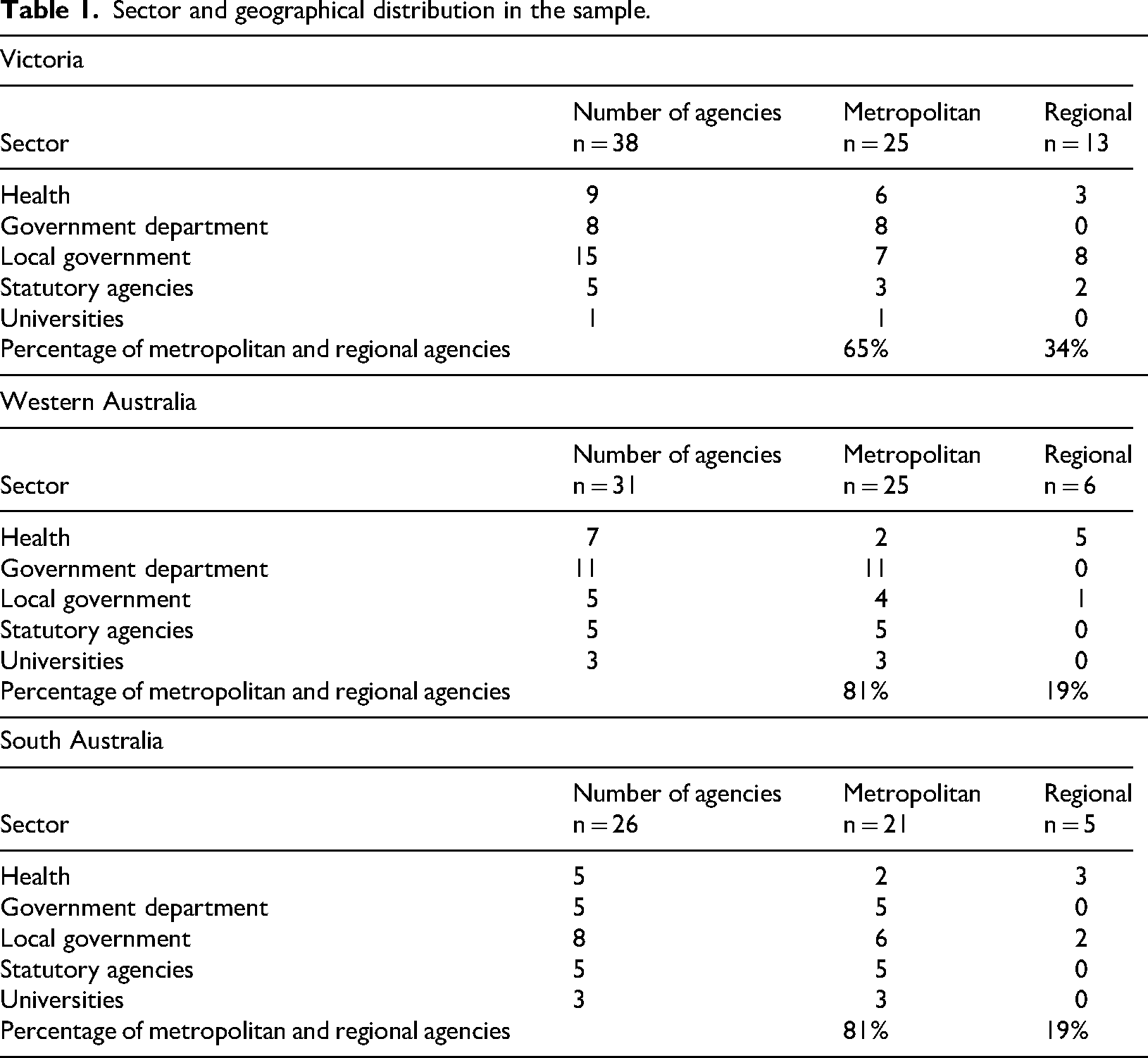
Upon analysing the composition of the agencies receiving the most FOI requests, it became clear that they could be categorized into three main sectors: health (hospitals), government departments, and statutory agencies. Additionally, local government was included in the sample due to the distinct nature of FOI requests they receive. After consulting with the Information Commissioners (IC), universities were also added to the sample, as the ICs noted that FOI issues faced by universities were unique and potentially valuable for the study. This sector-based sampling approach ensured a diverse range of government agencies ensuring varying types of requests were included. Furthermore, the study's methodology considered geographical factors, recognizing the significant differences between rural and metropolitan agencies. These differences influenced both the nature and volume of FOI requests, thereby affecting FOI implementation. Table 1 provides a summary of the sample size across different sectors.
Sector and geographical distribution in the sample.
To achieve the research objectives, a mixed methods approach was employed. Neuman (2013) suggests that this approach is particularly effective for capturing cultural aspects by primarily using qualitative data. In 2019, a pilot project was conducted in Victoria to trial the methodology. The valuable insights gained from this pilot project significantly influenced the research design of this study. The pilot study findings underscored the importance of ensuring complete confidentiality, forming focus groups with individuals of similar organisational hierarchical position and including agency executives and government ministers as additional participants in future studies (Lidberg, 2019a, 2019b).
The pilot study revealed that executive-level personnel within agencies play a crucial role in fostering a culture that promotes public access to information. It also suggested that the political level was less important to the culture of administering FOI. However, given that FOI is an Act of parliament, this finding required further scrutiny. Based on these findings, it was decided to include agency executives and government ministers in the larger comprehensive study of the three jurisdictions. Consequently, the project included three distinct cohorts: FOI practitioners (FOI officers and managers), Principal Officers (PO, executive leaders within the participating agencies), and government ministers. It was essential to examine and compare the responses of these three cohorts to identify any variations or similarities in their attitudes towards FOI and its implementation. Other cohorts, such as policy officers, were considered, but based on the pilot study findings, the three cohorts included were deemed to have the most direct influence on FOI implementation and therefore most relevant to this study.
A key element contributing to the pilot study's success was the implementation of a confidential recruitment approach for participants. By ensuring that responses to online surveys and interviews could not be traced back to individuals, the study obtained high-quality data. Therefore, the confidential design was maintained in this study, allowing participants to express their views freely. For this reason, the names of participating agencies are not disclosed in this article, and meticulous precautions were taken to prevent interview and focus group responses from being linked to specific agencies or individuals. This is illustrated by the redaction of references to agency names and other potentially identifying attributes in the analysis of the free text responses to the surveys below.
The study's foundation was an anonymous online survey that served as a baseline for examining attitudes towards FOI and information access among individuals in the participating agencies. Based on the survey findings, semi-structured interview templates were developed to explore attitudes towards FOI and information access within the three cohorts and to gain insights on how to foster and sustain a culture that facilitates access to information. The interviews were conducted in both focus group settings and individual sessions. Careful consideration was given to ensure that focus groups consisted solely of participants at the same hierarchical level within each agency. In some cases, FOI coordinators and managers were interviewed individually, while all POs and government ministers underwent individual interviews.
Focus group interviewing proved particularly valuable for interpreting complex instructions, such as those derived from legislation. It is also an effective method for exploring individuals’ perceptions of their position within a system and their attitudes towards their tasks (Neuman, 2013).
In this study, the term “FOI/information access culture” refers to the attitudes held by FOI practitioners regarding facilitating access to information and their interpretations of the FOI Act. These key parameters directly influence the implementation of the FOI/information access system, which, in this study, is considered synonymous with FOI/information access culture.
To ensure anonymity and confidentiality, participants were coded using letters or numerals (e.g., interviewee A, B, C, or 1, 2, 3) according to the research design described above. The NVivo qualitative data management and analysis software was used to examine and analyse the interview data, enabling the identification and analysis of patterns and themes within the dataset.
The Monash University Human Research Ethics Committee guarantees ethical practice in research conducted by Monash-led research teams. Approval for the research design was sought from the committee and was obtained prior to the study being implemented.
Quantitative findings
Figure one below provides an overview (Figure 1).
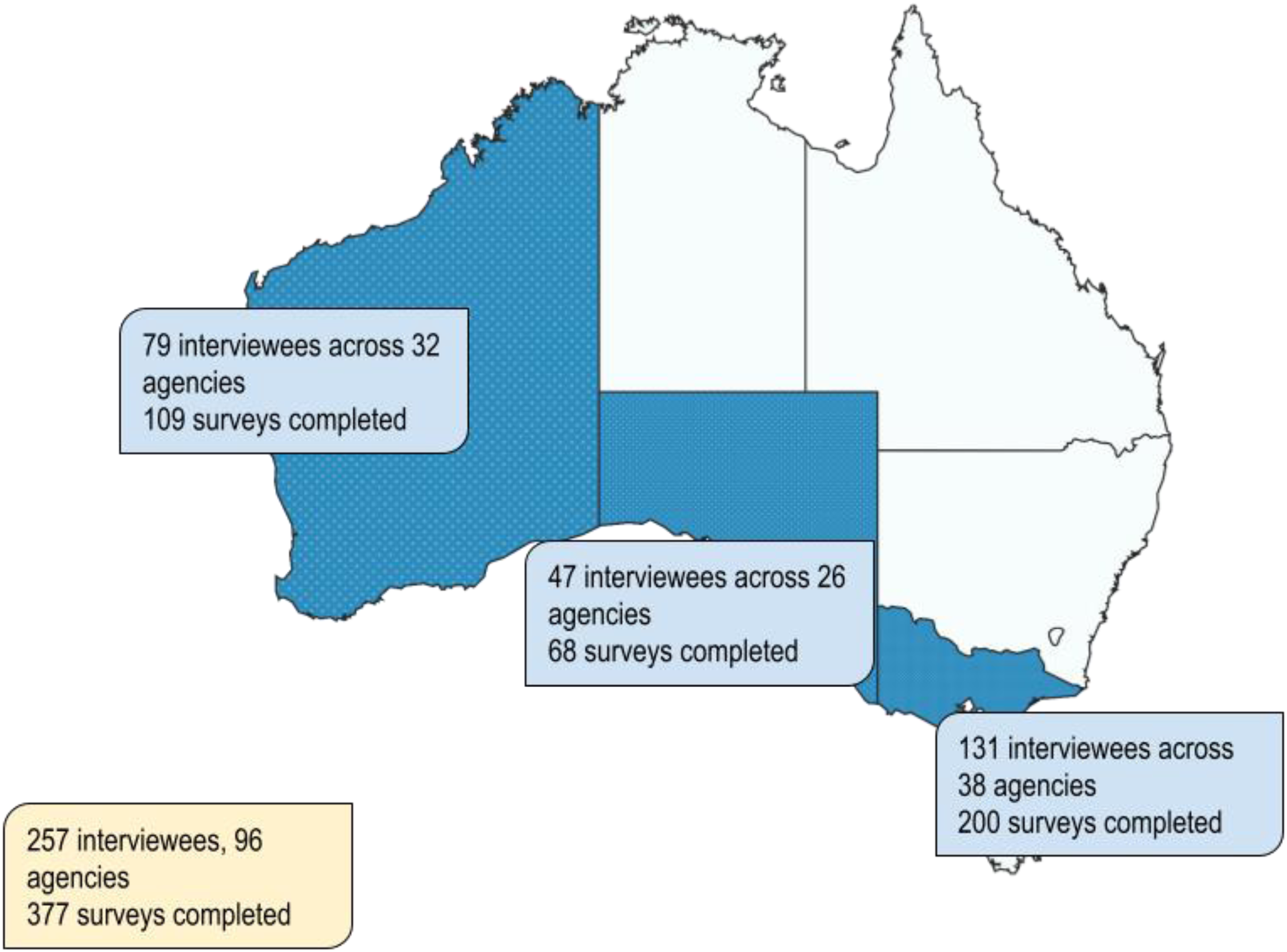
Surveys and interviews completed. From left to right – Western Australia, South Australia and Victoria.
In Victoria, the survey population was 232 individuals, with 200 responses received, resulting in an 86% response rate. This rate was slightly higher among FOI practitioners. In South Australia, the survey population was 109, with 68 responses, yielding a 62% response rate. Western Australia's survey included 148 individuals, with 109 responses, resulting in a 74% response rate among FOI practitioners, executives, and government ministers. These robust response rates enhance the generalisability of the survey data and findings for each jurisdiction.
The high response rates validate the research design, which involved collaboration with Information Commissioners and Ombudsmen to ensure strong participation. These substantial response rates provide a high level of statistical reliability for the collected data (Neuman, 2013). It's important to note that our sampling technique involved purposeful sampling of specific experts/practitioners rather than random sampling, which minimized the impact of standard variance and margin of error (ibid).
It is concerning, though not unexpected, that individuals in higher positions within agencies or sectors were less likely to participate in this study. FOI practitioners and managers were highly responsive, providing the most responses. Executives were more elusive, though some engaged actively, while others delegated responses to principal officers and FOI managers. Some executives did not respond at all.
Government ministers, who potentially have the most influence over FOI functionality, were largely unresponsive despite numerous attempts to contact them and arrange meetings. Inviting them to participate in the survey resulted in only a few, mostly incomplete, responses. Out of 55 cabinet ministers invited (25 in Victoria, 15 in South Australia, and 15 in Western Australia), only three (two in South Australia and one in Western Australia, zero in Victoria) fully participated in the study. In total, seven ministers partially responded to the survey—four in South Australia and three in Western Australia. The extremely low participation rate among ministers is a significant finding in itself and we will discuss this further in the analysis section of the article.
The surveys used the Qualtrics online survey tool and included free text responses at the end of each Likert scale quantitative survey section. Some of the free text responses will be included and analysed in the discussion part of this article. Below we list and summarise the key quantitative findings of the of the survey responses from the FOI practitioners (Figure 2).
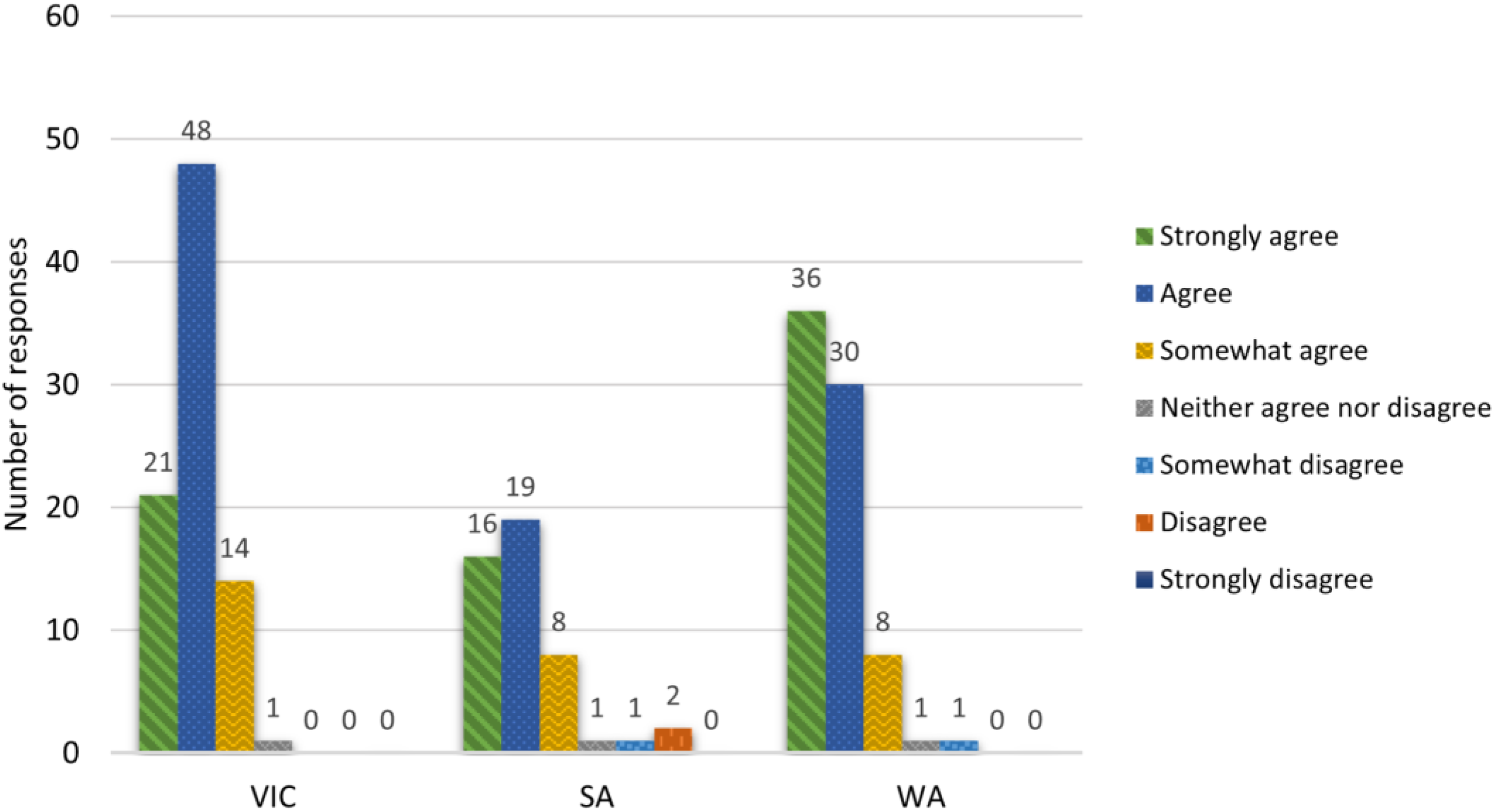
The overarching purpose of the FOI act is to provide an efficient and low cost means through which the public can access government information. Positive sentiment 97%. Neutral sentiment 1%. Negative sentiment 2%.
The results in figure two show a strong positive sentiment towards this question across all surveyed states. Western Australia had the highest percentage of ‘strongly agree’ responses, while Victoria had the highest percentage of ‘agree’ responses (Figure 3).
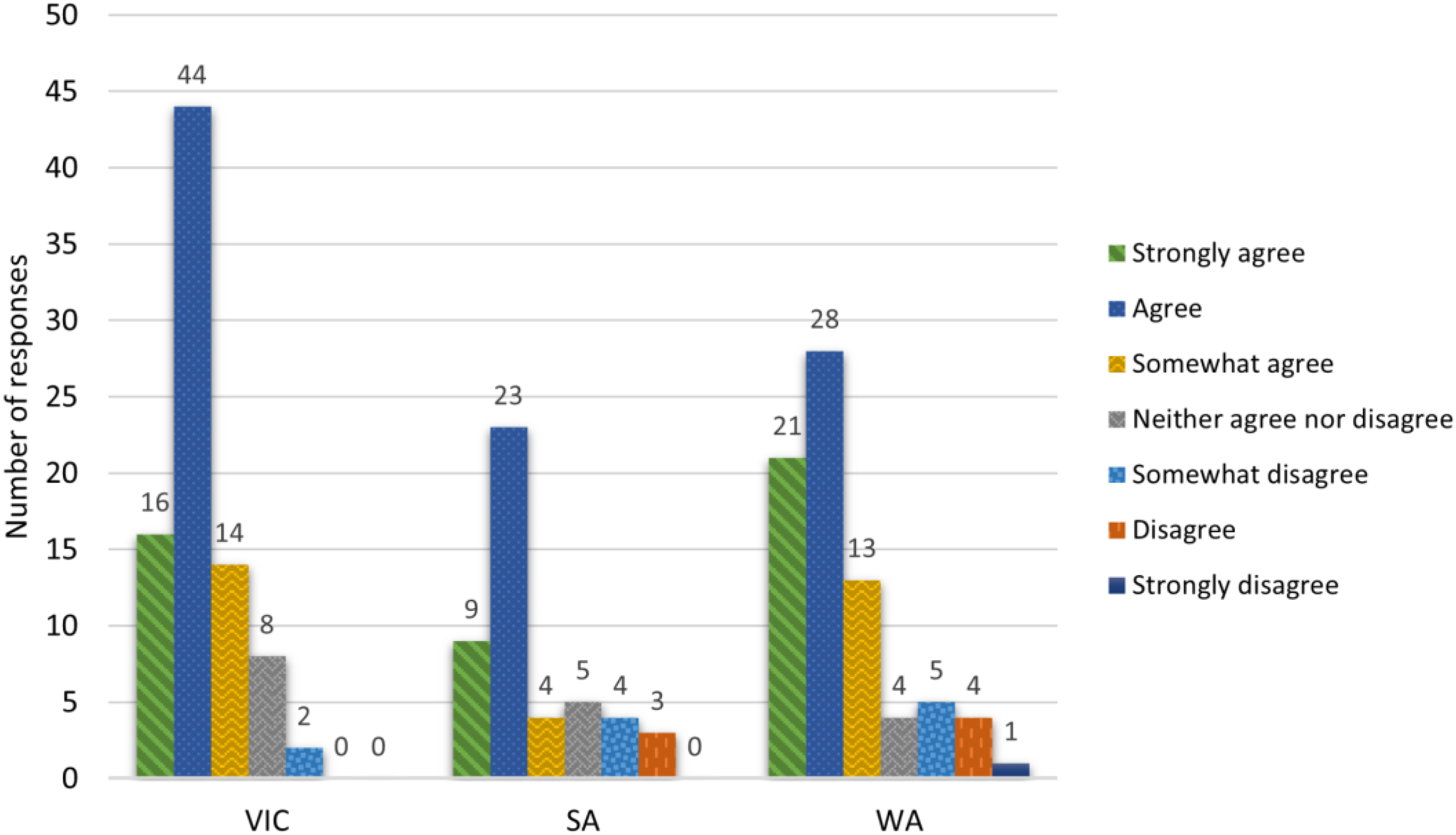
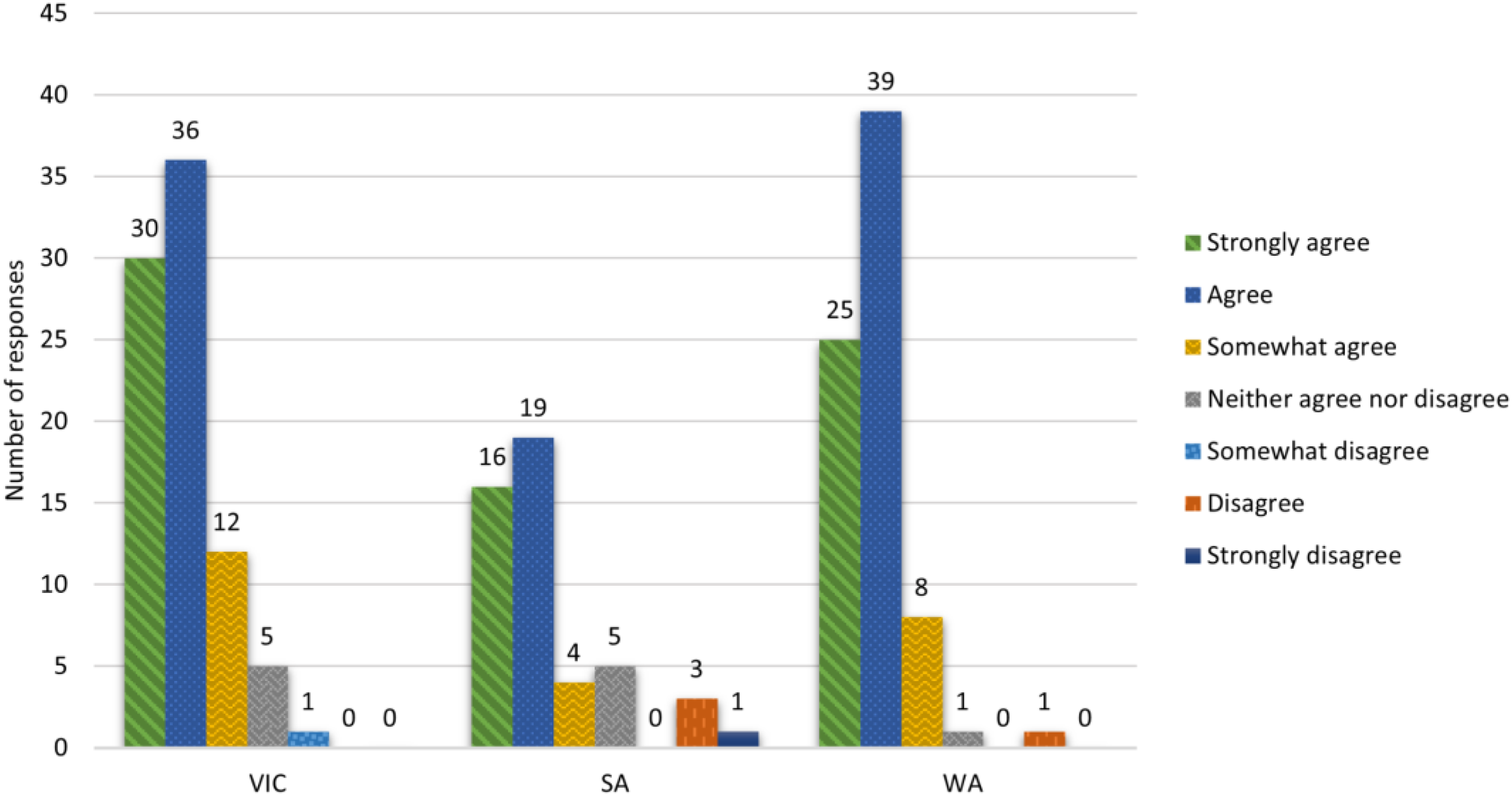
The information access system also involves the proactive and informal release of documents and information outside the FOI act. Positive sentiment 83%. Neutral sentiment 8%. Negative sentiment 9%.
In figure three, Western Australia and South Australia showed a positive sentiment towards this question, but they also had more disagreement responses compared to Victoria (Figure 4).
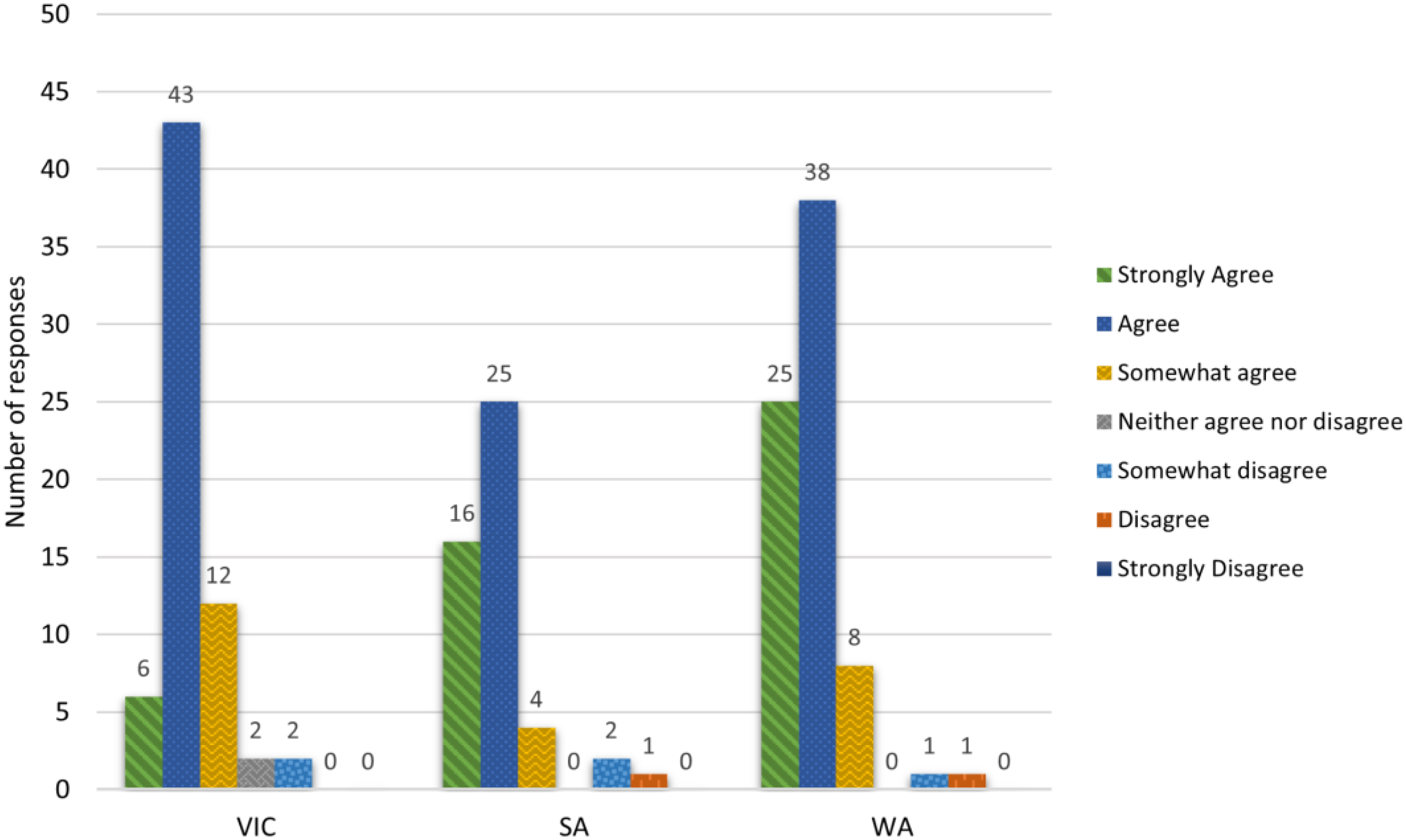
Part of my role involves facilitating or promoting proactive release of information. Positive sentiment 92%. Neutral sentiment 5%. Negative sentiment 3%.
Although the surveyed states generally show similar ‘strongly agree’ and ‘agree’ results in figure four, South Australia (SA) exhibits some differing opinions on proactive release (Figure 5).
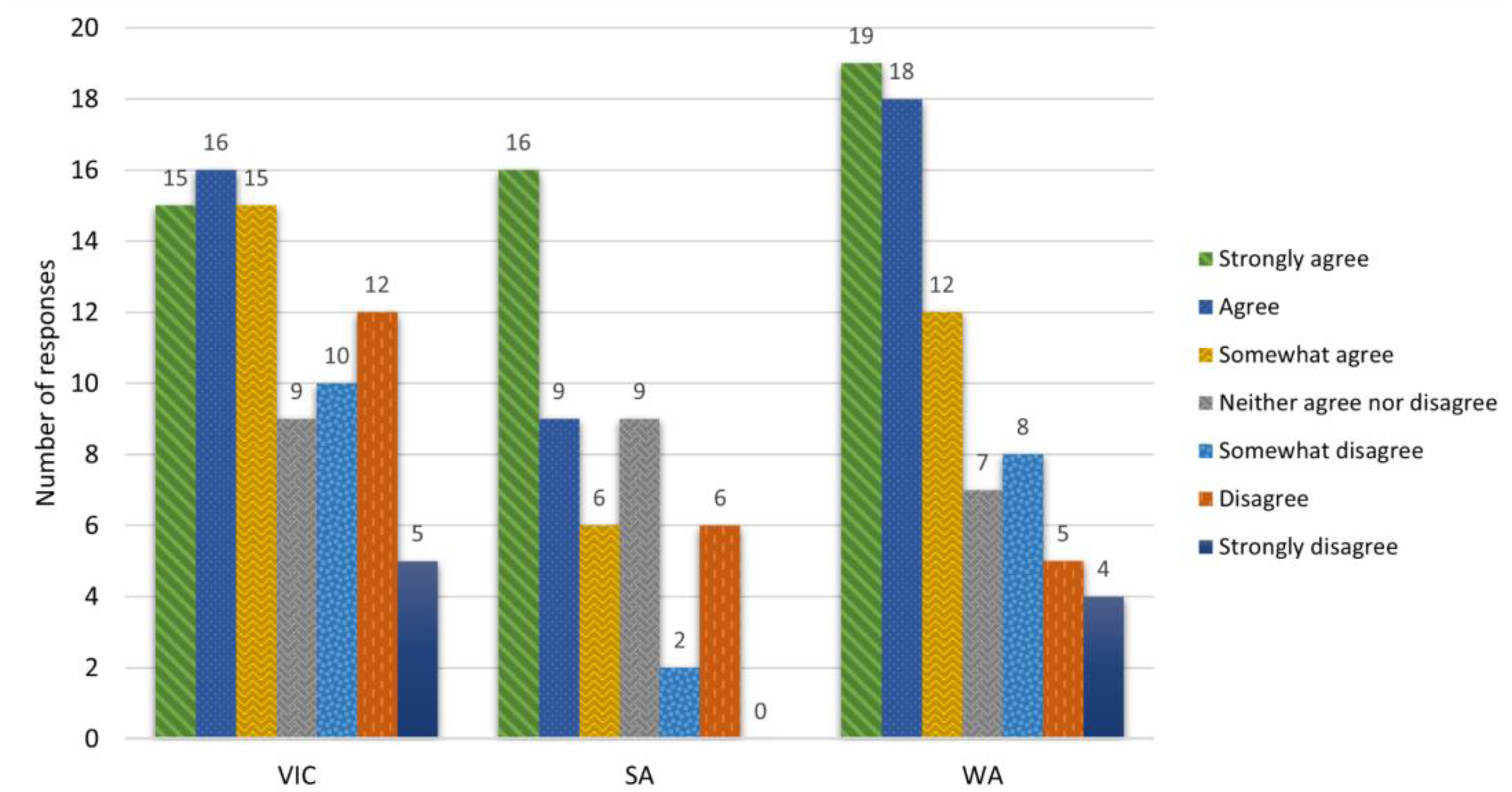
My most important duty under the FOI act is to facilitate access to information. Positive sentiment 95%. Neutral sentiment 1%. Negative sentiment 4%.
Although all three states expressed significant positive sentiment towards this question, in figure five Victoria had more respondents indicating ‘somewhat agree’ rather than ‘strongly agree’ (Figure 6).
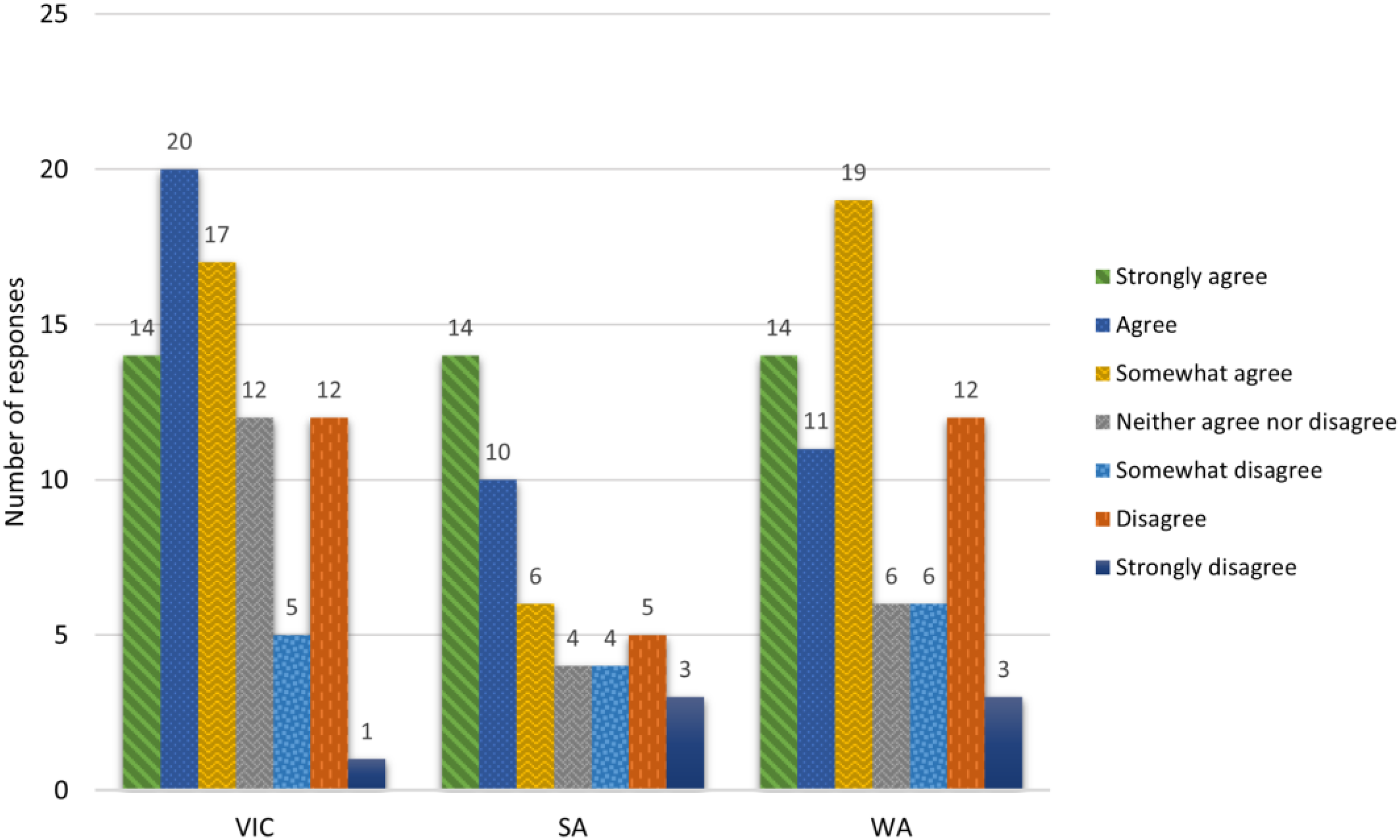
My most important duty under the FOI act is to ensure sensitive information is NOT released. Positive sentiment 62%. Neutral sentiment 12%. Negative sentiment 26%.
Figure six shows that this question elicited some of the most varied responses, likely due to differing sector interpretations of the term ‘sensitive’ (e.g., government departments or statutory agencies versus the health sector or agencies handling highly sensitive clients) (Figure 7).
In my view, a lack of resources to administer the FOI act in my agency is a significant impediment to a better functioning information access system. Positive sentiment 63%. Neutral sentiment 11%. Negative sentiment 26%.
In figure seven, the survey results mirror the feedback received during the focus group sessions. Some agencies and sectors feel their FOI departments are adequately funded, while others are desperately requesting more resources. This funding need spans all sectors and is influenced by the volume of applications received and the time and effort required from the agency's staff (Figures 8, 9)
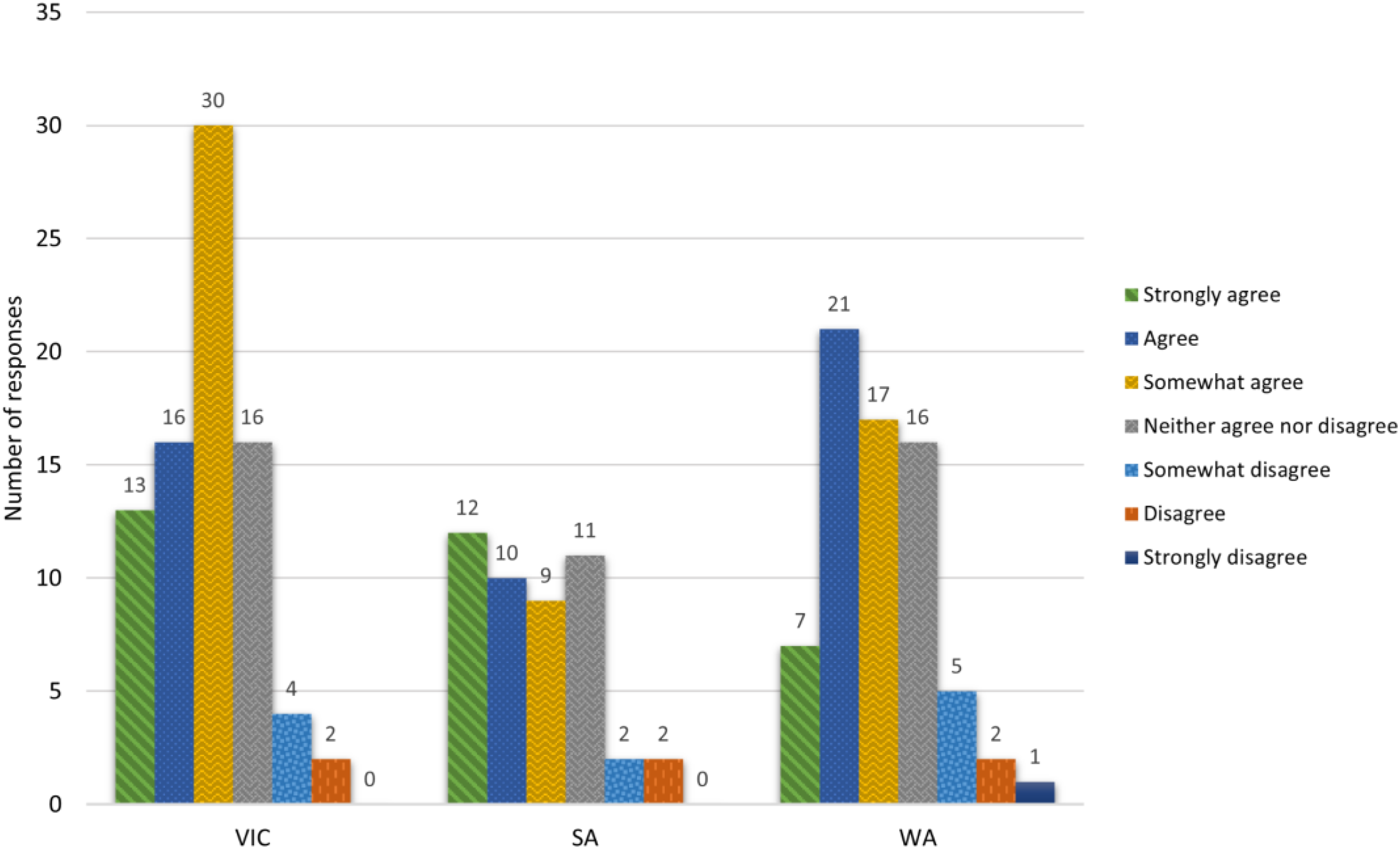
An effective way to improve the information access system is by changing legislation. Positive sentiment 69%. Neutral sentiment 22%. Negative sentiment 9%.
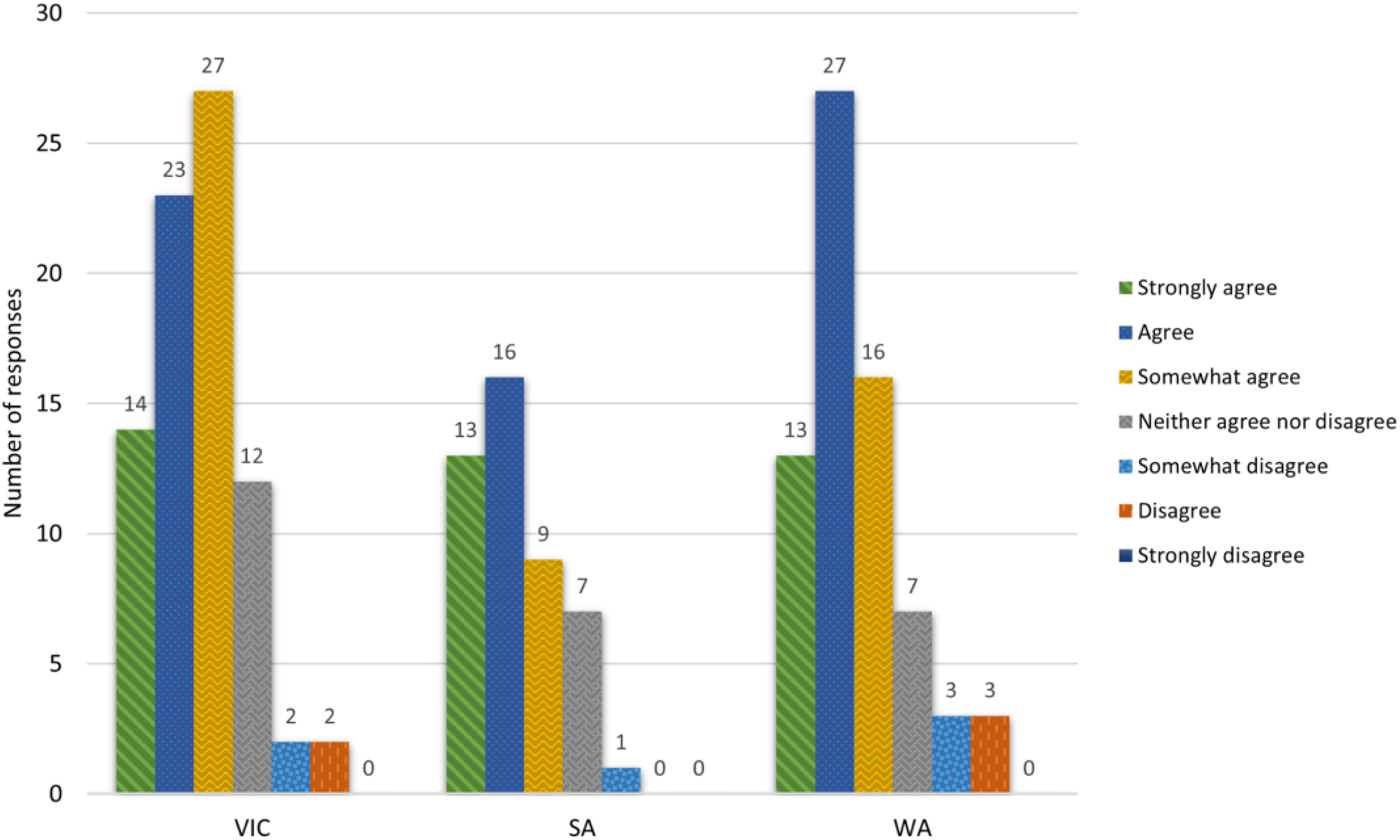
An effective way to improve the information access system is by changing culture and practice. Positive sentiment 81%. Neutral sentiment 13%. Negative sentiment 6%.
In figures eight and nine, the results of the two survey questions above align closely with the responses from practitioner interviews. FOI practitioners universally recognised the benefits of both legislative and cultural changes within agencies towards FOI, which explains the minimal shifts in positive or negative sentiment. These attitudes were further explored in the interviews. However, practitioners clearly identified that changing culture and practice is more effective than legislative change (Figure 10).
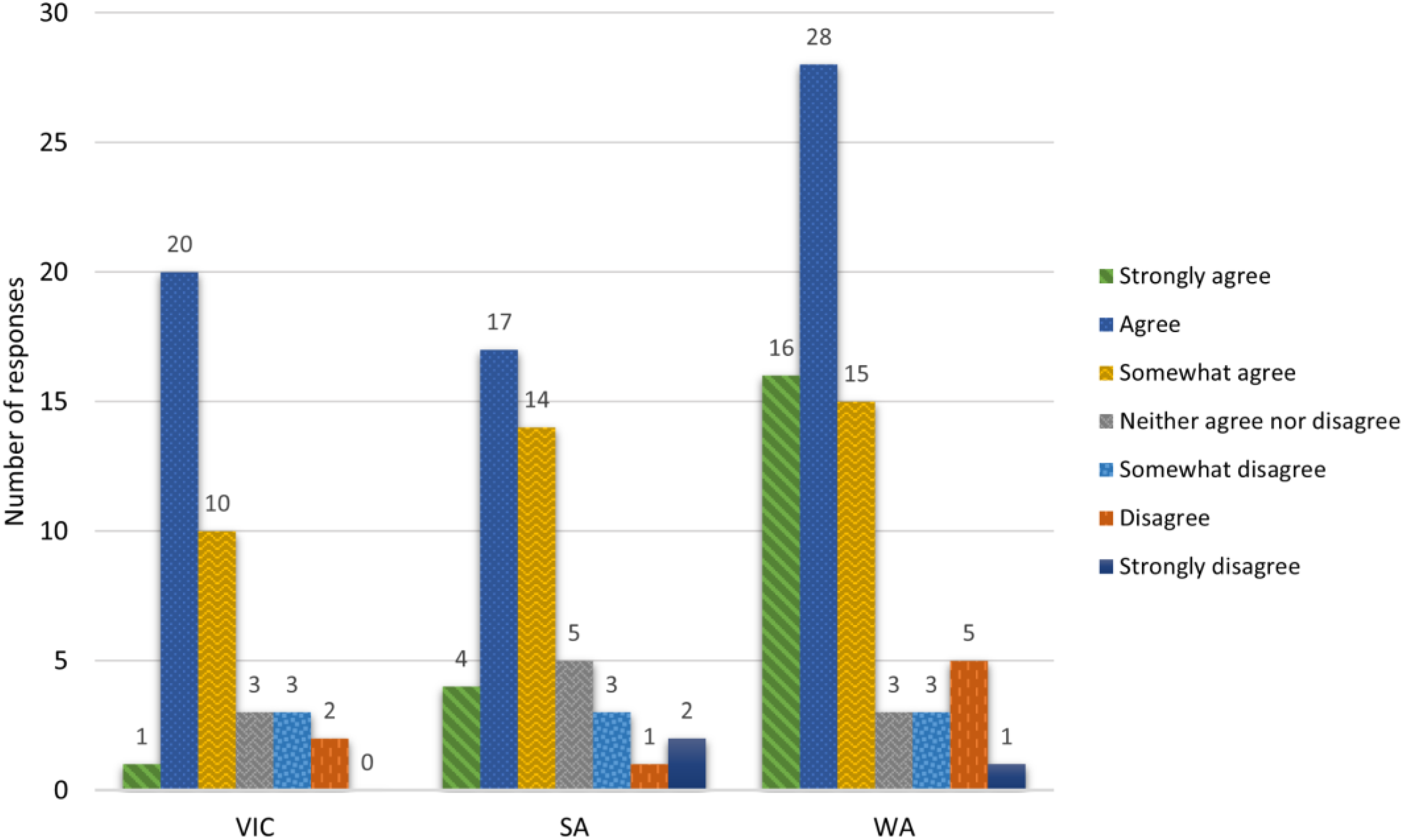
My agency uses a records-management / record-keeping system that enables me to perform effectively my role in facilitating proactive disclosure of information. Positive sentiment 83%. Neutral sentiment 3%. Negative sentiment 14%.
Although there was a varied spread across the three states, as shown in figure ten, Western Australia appears to be the most positive about their record-keeping systems. Interestingly, the data from focus groups and interviews did not align with the survey responses to this question.
The responses from the agency executive cohort largely matched the results from the FOI practitioner group. There was some disagreement regarding the importance of resourcing of FOI teams. This will be addressed in the discussion section below.
Discussion and analysis
The Venn diagrams below provide a comparative overview of the similarities and differences between the participating jurisdictions (Figure 11).
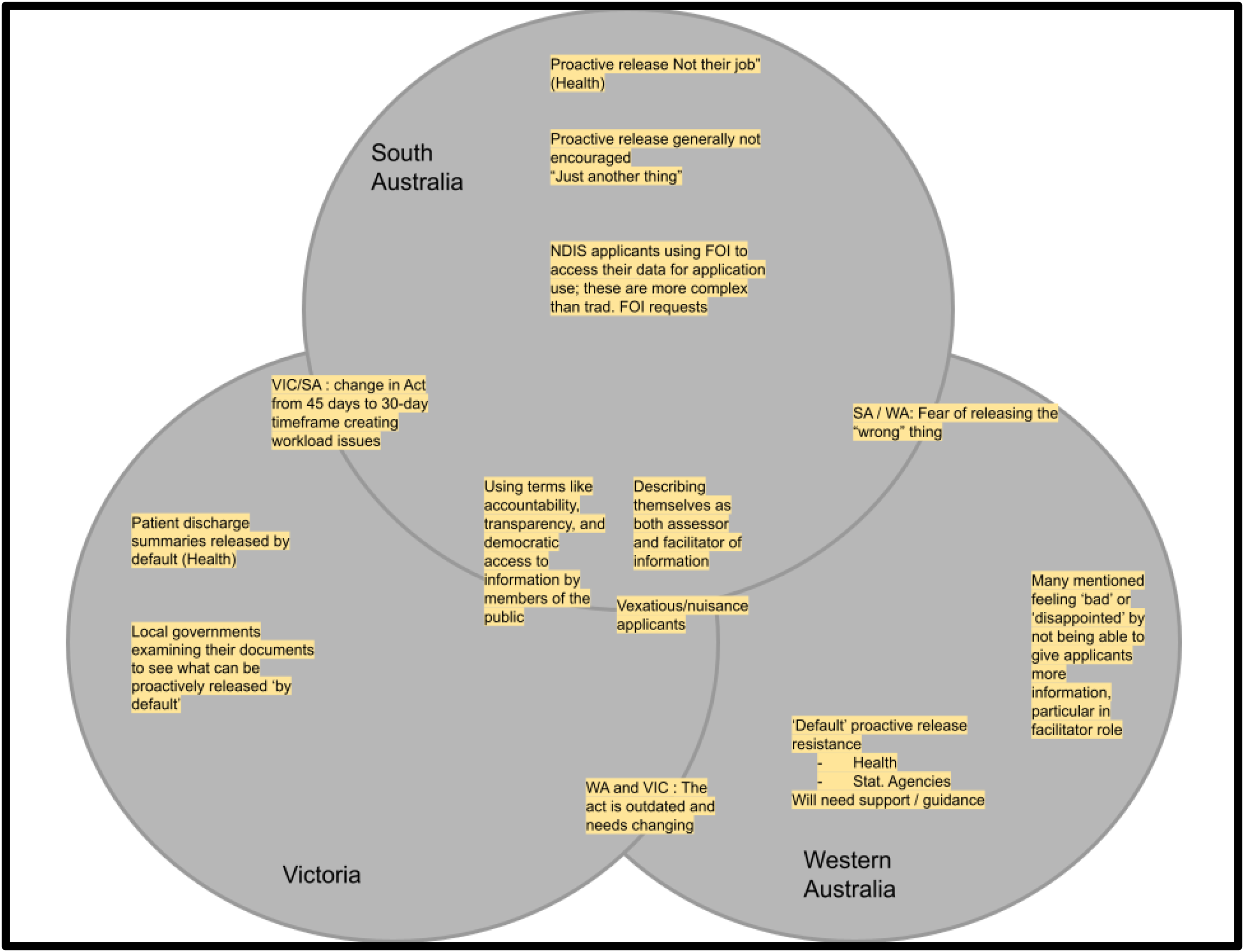
State comparison – FOI.
The diagram, in Figure 11, highlights several common themes. Practitioners and managers often described their roles as both assessors and facilitators of agency information, using similar terminology and concepts to discuss state information access systems and addressing the challenge of vexatious or nuisance applicants.
Victoria and South Australia share a common issue where legislative changes to shorter processing timeframes have increased the workload for agency staff. In both South Australia and Western Australia, interview participants expressed concerns about inadvertently sharing sensitive, private, or confidential information with applicants, leading to caution around proactive release. Both Western Australia and Victoria practitioners found their respective Acts to be outdated and suggested revisions.
In Victoria, the health sector routinely releases patient discharge summaries by default, without requiring an FOI request. Local governments are also reviewing their documents to identify information that can be proactively released by default.
In South Australia, proactive release is a contentious topic, particularly in the health sector, where it is generally not encouraged. Additionally, NDIS (National Disability Insurance Scheme) applicants in SA often submit FOI applications to obtain their full patient record, resulting in complex FOI requests within the health sector. This is partly due to miscommunication between NDIS applicants and NDIS officials. In most cases full patient records are not needed to apply for NDIS. This misunderstanding leads to the unnecessary lodging of FOI requests.
In Western Australia, there is a general resistance to proactive release, especially in the health and statutory agency sectors. Practitioners and managers in WA expressed feelings of disappointment and frustration over their inability to provide more information to applicants (Figure 12).
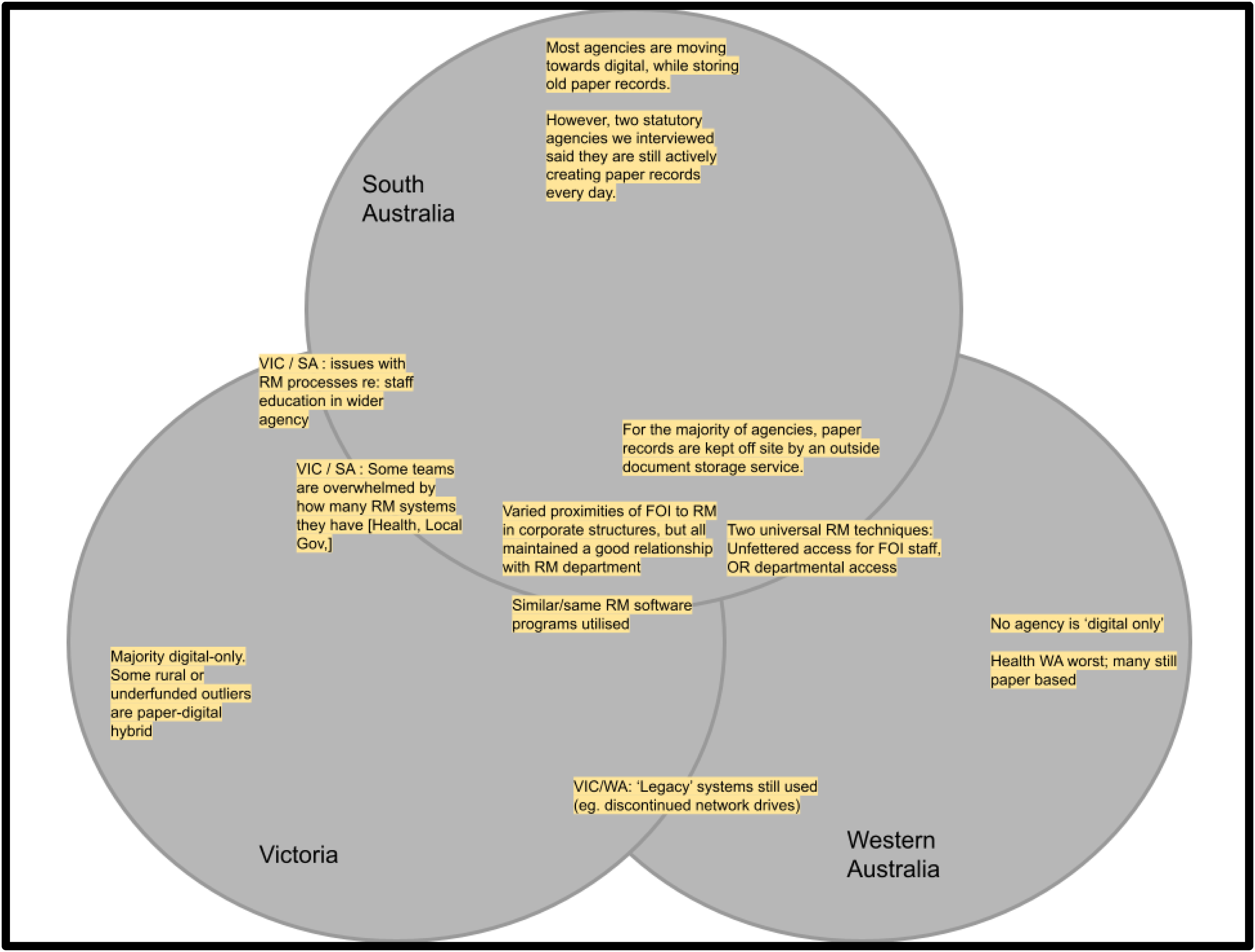
State comparison – records management (RM).
The Venn diagram in Figure 12, show that there are numerous commonalities across the three states. Most agencies in these states store older records in paper and hard copy offsite with a third-party document storage service. Interviews also revealed that agencies commonly use software programs like SharePoint and TRIM. Despite various agency corporate structures, FOI and RM practitioners consistently reported maintaining good relationships and communication lines between their areas.
Victoria and South Australia shared issues with agency RM processes, particularly regarding staff education on correct RM procedures. Practitioners and managers in these states also felt overwhelmed by the number of RM systems and programs, especially in the health sector and some local governments. Both VIC and WA were still using ‘legacy’ systems, meaning old or historic RM systems that agencies had moved on from, such as discontinued network drives.
In Victoria, most agencies had transitioned to digital-only systems, with rural or underfunded agencies still using a paper–digital hybrid system. In South Australia, most agencies were moving towards digital-only, but some statutory agencies continued to create paper records as part of their daily operations. In contrast, no agency interviewed in Western Australia was digital-only, although the health sector was the furthest along in the transition to digital-only.
Analysis of the free text sections of the surveys
There were numerous similar responses across all states and levels of the invited agencies. Staff at all levels (practitioners, managers, and executives) are clearly aware of the areas needing improvement. The survey free-text responses provided detailed insights into the participants’ choices and offered suggestions for changes to the information access systems.
A closer examination of the free-text responses revealed major issues with many interwoven themes. Across all three states, there was a noticeable gap between the idealism of FOI and proactive release and their practical implementation.
FOI idealism versus reality
This theme consists of two key, closely connected issues: information bottlenecks and departmental resourcing.
I think there is reluctance by some public offices to proactively and informally release documents outside the FOI Act. [VIC]
I think it's very common knowledge that the minister's office is cited on FOI releases before they go out. That's not spoken about in, say, legislation. Nobody would directly say this is something that happens to the ombudsman, that the ombudsman knows that it happens just as well as he knows his own name. [SA]
Whilst Question 1.3 is the intended purpose of the government to proactively release, this is not always the case especially through internal government hold ups such as waiting for documents to be allowed to be released through the etc. The agency could have finished their side of things but are blocked along the way by the higher up chain. [SA]
Responses also highlighted a lack of education or concern about FOI and its requirements among agency staff outside the FOI department.
The objects of the Act are not sufficiently understood by those who are not practitioners of the Act. There is still a tendency to be protective of information. [WA]
The legislation needs updating, but there also needs to be a major cultural shift, especially in the middle management and executive who at times can try and interfere and hinder the release of documents if they don't fully understand the requirements of the FOI Act. This can place FOI coordinators in a difficult position when trying to act in accordance with the legislation while not disobeying a directive from management. [WA]
[My role is] Providing internal advice across the agency to break down unnecessary barriers where staff assume information and work that they do should naturally be hidden/protected without any real justification. [SA]
I do not believe legislative amendments alone would result in facilitating greater public access to government information. Agency culture change is definitely relevant, in terms of improving staff awareness of FOI obligations – including at executive level. [SA]
It is difficult to balance the needs of the applicant and the desire of the organisation to not ‘look bad’. [WA]
While I don't believe that my role is ensuring that damaging information is not released – in practice, that is what is expected of me by my agency. [VIC]
In a perfect world, FOI officers would be promoting and providing access to sensitive documents and information where possible, even where there is risk to the agency and its image. Unfortunately these roles, particularly for larger agencies, act more as Public Relations Officers, addressing concerns of higher-ups and subject matter experts while attempting to follow the obligations of the Act (nothing more in terms of promoting access). [WA]
The roles of the FOI Officers is restricted by agency and ministerial pressures. [SA]
I sometimes feel quite disappointed that I am not able to provide applicants with more meaningful information. I feel that we are more focused on protecting sensitive information over releasing personal information which could make a real difference to an individual. [WA]
Both the free-text survey responses and interviews highlighted issues with resourcing, including time, human resources, and funding. The lack of agency resources for FOI means that some practitioners are unable to pursue initiatives such as identifying additional documents for default release, undergoing updated training on FOI and information access processes, or developing agency or industry-specific education modules. Instead, they are limited to performing the bare minimum, which is processing FOI applications. FOI is a small part of my role as [REDACTED] but due to the increasing volume of applications and their complexity, it is taking up more of my time than it should. We do not have a dedicated FOI officer at [AGENCY]. [WA] … resourcing is a constant issue. There are options (and things that have been implemented) to allow us to work smarter and more efficiently, but you hit a ceiling of diminishing returns fairly soon. We are exploring additional workflow improvements and restructures that would allow more efficient delivery of information both inside and outside the constraints of FOI. Generally speaking, I would prefer to see more information ‘pushed’ out rather than ‘pulled’. [WA] Whilst FOI is supposed to be a last resort, it is too often used as a first port of call by agencies as a release mechanism. In my opinion, this is due to misconceptions by higher-ups about the type of information that is released through FOI (personal information of third parties), and the lack of incentive to assign resources to create information packages and release strategies, as Freedom of Information already fills this role (albeit extremely poorly, which they likely do not care about). [WA]
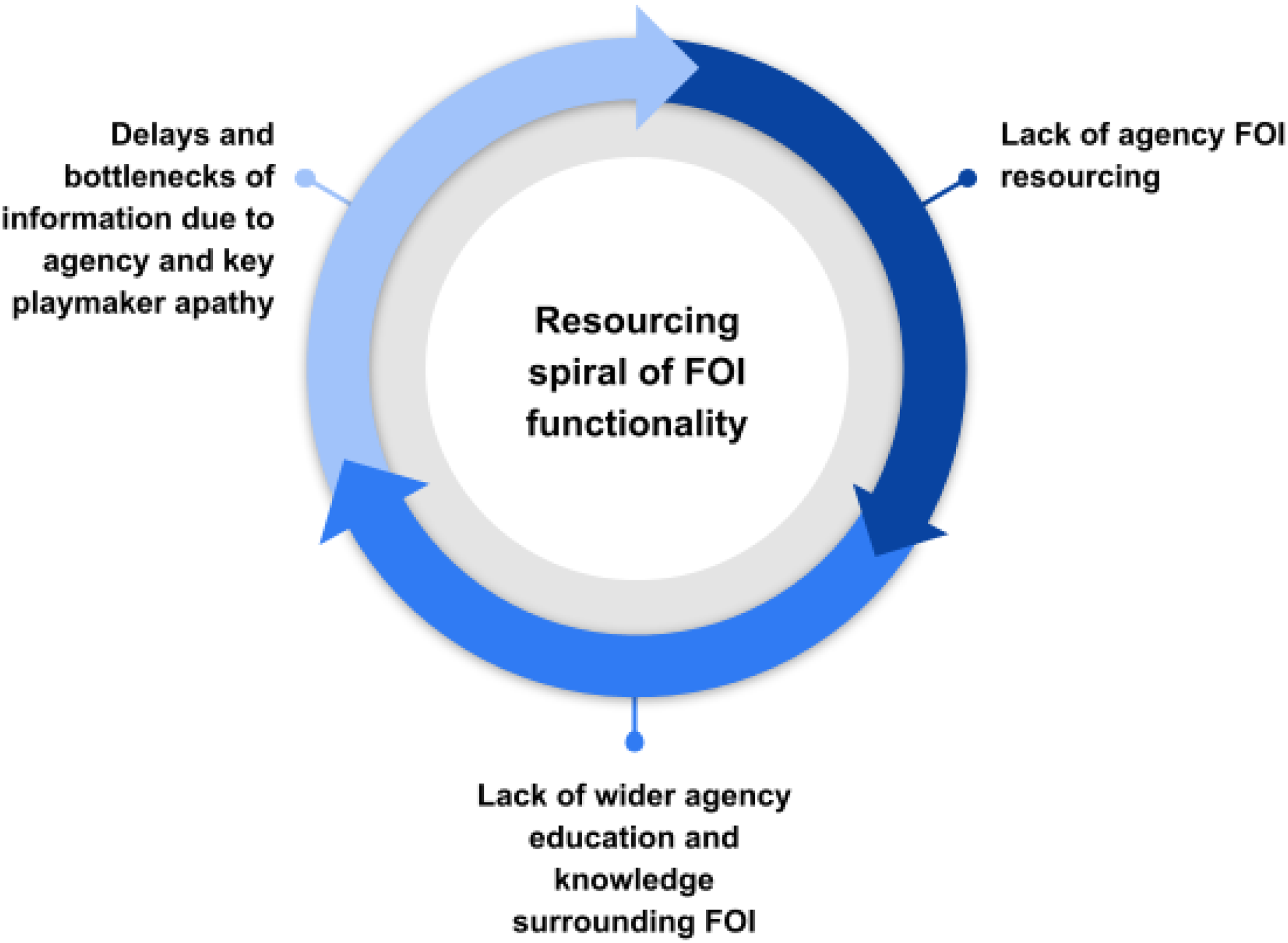
FOI resourcing spiral.
Figure 13 illustrates how poor resourcing of FOI teams in some cases turn into a self-perpetuating cycle.
This analysis of why FOI functions poorly correspond closely with Moynihan's discussion regarding state capacity (2025). Moynihan weighs state capacity (the capacity to deliver and execute policy) vis-à-vis proceduralism and politicisation of governance. The underfunding of FOI teams and processes exposed in this study is a prime example of Moynihan's principal argument – what governments choose to prioritise.
Records management
The challenges for implementing FOI were similar to those in records management.
We do not have a record management system and so searching for documents is ad hoc. [WA]
Our records system in [AGENCY] is so behind. We need to be on Objective but there is a lack of enthusiasm and costs to get this on board. [SA]
Major difficulty with the main electronic system being used (EMR) is quite complex to extract the information. These issues have been addressed on many occasions but still haven't been improved after having teams review the process and making changes. Still requires a lot of time to extract the information, running many reports to do so and then having to extract images that have been scanned into the system. [SA]
Good systems are one thing – staff compliance with them is quite another. [SA]
Increasing use of Microsoft 365 and records in email not effectively managed. [VIC]
A properly used records management system gives the FOI officer greater oversight of documents which are potentially within the scope of an FOI application. This helps ensure all relevant documents are captured/provided by other staff, and assists decision-making about documents which may or may not fall within scope. [SA]
Records management systems are an overhead on the business, however are needed to comply with legislative requirements. [VIC]
Similar to the FOI section, a lack of adequate resourcing for RM systems could be seen to have a number of flow-on effects.
This perception may contribute to the lackadaisical approach to RM funding and the broader agency apathy towards its adoption. While RM is not the primary focus of government agencies, it is nonetheless a crucial component with significant implications when neglected, such as:
Increased budgetary measures for the perpetual storage of hard copy files, which grow annually when staff lack the time to digitise them. A lack of induction and refresher training on RM processes, leading to lax behaviours by agency staff in naming and storing files. Increased time spent by FOI and RM staff searching for improperly named and stored data and information.
Throughout this project, it has been demonstrated that RM and FOI are intrinsically linked, and effective RM systems support a proficient FOI team in any agency.
One final RM issue was identified as having a major impact of the functionality of FOI.
Records are held in multiple formats; some of the newer electronic formats do not allow for effective extraction or ability to conduct specific searches and is not supportive of the FOI process needs. [VIC]
FOI is not a primary factor in record keeping systems. The focus tends to be its function and purpose for front line users and then workarounds are made at the tail end when FOI becomes a consideration. There is an attitude that systems don't need to be built with FOI in mind, the focus is on system delivery and not ease of access for record extraction/generation. [VIC]
However, they also highlighted that while certain software and programs facilitated the work of front-line staff, they made the jobs of FOI and RM staff more challenging due to their complexity or the sheer number of systems (as seen in the health industry).
Striking a balance between front-line directives and FOI and RM compliance can be difficult for agencies. Therefore, agencies, especially those with decision-making authority, should consider the feedback and opinions of FOI and RM staff when selecting software programs.
Based on the findings in this study, the researchers made the following recommendations to the Information Commissioners/Ombudsman in terms of the most important reforms ranked in the order of urgency (legislative amendments and policy updates should be implemented in parallel):
FOI legislation amendments
Making explicit that proactive information release should operate as the default rather than the use of FOI applications as a means for providing access to information.
Ensuring that terminology and procedures are reflective of modern digital environments, rather than the paper-based environments that prevailed when the FOI Acts were first enacted.
Streamlining consultation requirements to ensure that consultation is required only where it is reasonable and practicable and that it does not unduly extend decision-making timelines.
Ensuring that legislative timeframes are realistic having regard to the processes involved and based on working days, rather than calendar days.
Including within the legislation clear and adequate procedures for dealing with vexatious applications.
FOI culture/administration
Supporting agencies in developing proactive release policies relevant to their specific needs.
Ensuring that any ministerial noting processes are structured to ensure that FOI officers can process requests within required timeframes.
Providing recurring sector-specific FOI training.
Providing recurring RM and FOI education for wider agency employees, including executives.
Ensuring that RM rollout is consistent with both with RM best practice and FOI efficiency.
Working with state public record offices regarding agency adherence to RM policies and strengthening the knowledge and understanding between RM best practice and FOI efficiencies.
FOI funding
Finally, the research underscores the crucial importance of adequate funding for RM and FOI processes in fostering a culture of transparency and ensuring the effective operation of the FOI Acts. Insufficient funding for staffing, training (including guidance materials), and RM processes not only hampers the immediate efficiency of FOI operations but also negatively impacts the culture of FOI teams, resulting in ongoing inefficiencies. FOI funding sits squarely in the realm of public policy and public administration and as Berliner et al. (2019) point out, technologically driven transparency tools, utilised by initiatives such as the Open Government Partnership (OGP), will increasingly compete for funding and may further claim resources that are currently allocated to implementing FOI laws. Australia joined the OGP in 2015 and has produced two national action plans aiming for more transparency in governments in Australia. So far, the plans remain to be fully implemented.
The interviews and focus groups deepened our understanding of the themes raised above, especially when it comes to resourcing of FOI teams and the hap hazard approach to records management. To a great extent the interviews followed and confirmed the themes identified in the free text sections of the surveys. Due to word count constraints, the interview findings have not been included to any great extent in this article. Detailed analysis of the interviews and focus group data is publicly available in the final report to the Information Commissioners/Ombudsman (Lidberg et al., 2024).
There was, however, one interview quote that has major impact on journalistic practice. There should be absolutely no involvement by the minister's office in any shape or form, let alone that we need to, because for the past year we now have got a process where if it's a ‘hot topic’, if it is an application that's classed as highly sensitive. We then need to basically get it approved. It's a process devised against my will. I completely disapprove and disagree with that. But essentially I had to request permission from my senior executives that relate to the area where the application of subject matter relates to basically, saying, ‘I need to provide a notice, to issue a notification that the application is ready to be finalised and the decision is made.’ So, then the minister's office gets notified and then eventually I will receive a notification that ‘Yes, you can issue the decision.’ It is completely contradicting the object and intent of the FOI legislation. Interview WA25.
When analysing the project's findings through the lens of accountability theory, it becomes clear that FOI in the three states has the potential to be a vital accountability tool and as such, an important journalistic tool in independently obtaining government created and held information. However, systemic obstacles significantly hinder the accountability function of the FOI Acts. These obstacles include staffing and resource challenges for FOI officers, lack of engagement from agency executives, and outdated FOI Acts. This study's results support earlier research, highlighting that true accountability, whether diagonal, vertical, or horizontal, requires independent access to unfiltered information for those holding power to account (Breit et al., 2011; Roberts, 2006). Additionally, the findings show that many FOI practitioners and agency executives are open to moving towards a proactive information release framework, which could greatly enhance the accountability function of FOI in the states.
The long standing and globally comprehensive Varieties of Democracy project (2025) based at Gothenburg university in Sweden, has documented in disturbing detail how liberal democratic systems have been in decline since 2012. Using the rich longitudinal data set from the project, Laebens and Luhrmann (2021) have identified what factors and properties can slow down or stop democratic erosion. One of these factors is political and governance accountability. Thus, if liberal democracy is to be defended and indeed preserved as one of the dominant political systems in the world, accountability will play a crucial role, Laebens and Luhrmann concludes. The findings in this study confirms their conclusion by showing that the attitudes towards accountability among FOI officers and agency executives in Australia is positive and accountability is seen as a vital part of good governance.
Comparative studies of FOI jurisdictions worldwide have shown similar challenges to those found in this study (Breit et al., 2011; Roberts, 2006). However, some international jurisdictions provide valuable examples of best practices that legislators and public servants in Victoria, South Australia, and Western Australia can learn from (Lidberg and Muller, 2018). Instead of reinventing the wheel, it would be beneficial for Australian jurisdictions to study and adapt these best practices in FOI implementation, as they offer a solid foundation for effective and efficient information access systems, further strengthening governance and accountability.
Conclusion
The aims of this project were as follows:
to capture and analyse how FOI practitioners, agency executives and government ministers view information access, and the factors that shape their attitudes towards implementing FOI to determine the factors that play a key role in determining FOI cultures within agencies to identify and develop practical measures that can be implemented by regulators to improve these cultures to identify any additional measures that may be required to improve the interface between RM and FOI practice.
After analysing 377 surveys and conducting interviews with 257 individuals across 96 agencies, we conclude that the findings, analysis, and recommendations in this study are generalisable and accurately represent the cultures of FOI implementation in Victoria, South Australia, and Western Australia. Based on the findings in previous studies of other Australian jurisdictions (Lidberg, 2009, 2016), it is likely that replicating this study in other Australian jurisdictions would yield similar data and conclusions.
The survey and interview responses revealed how practitioners and executives view information access, showing that both legislation and agency culture influence behaviours and attitudes towards FOI implementation. Differences in information release practices were noted between sectors (e.g., health agencies versus local government), and several factors were identified as key in shaping FOI cultures within agencies:
Resourcing, including appropriate FTE staff for the number of FOI applications Level of experience of the practitioners Level of autonomy given to practitioners to perform their duties effectively Level of knowledge and understanding of FOI among executives Level of compliance with RM systems, which can increase the workload for some agency practitioners
Overall, our study found that FOI practitioners possess a deep understanding of the purposes, functions, and challenges of information access systems in their respective states. It is crucial for their agencies and state commissioners to heed their insights, as practitioners are eager to improve FOI processes.
This project has translated their feedback and our analysis into recommendations, as detailed in the discussion chapter. Unfortunately, government ministers in all three jurisdictions did not engage meaningfully with this study, which is a significant and disappointing finding. The group with the greatest potential impact on FOI functionality did not prioritise access to information enough to provide their views. Until government ministers include FOI and information access functionality in their policy agendas, little is likely to change.
This and other research projects have identified, analysed and recommended necessary actions. The time for FOI functionality research in Australia is over (for now). It is now time for its governments to implement the recommended changes. Effective information access systems are essential for rebuilding trust in government institutions and agencies and for supporting the growth of the digital economy.
Footnotes
Acknowledgements
The authors wish to acknowledge the crucial contribution of the lead research assistant Dr Erin Bradshaw, and the research assistants in South Australia and Western Australia Ms Sarah Davison and Ms Mary-Anne Romano.

Ethical approval
Approval for this project was granted by the Monash University Human Research Ethics Committee. Project ID number: 29722. Informed consent was obtained from all participants in this study.
Funding
Funding for this project was received from the Australian Research Council.
Declaration of conflicting interests
The authors declared no potential conflicts of interest with respect to the research, authorship, and/or publication of this article.