




Abstract
Good health and rapid progress depend on an optimal dose of nicotinamide. Too little meat triggers the neurodegenerative condition pellagra and tolerance of symbionts such as tuberculosis (TB), risking dysbioses and impaired resistance to acute infections. Nicotinamide deficiency is an overlooked diagnosis in poor cereal-dependant economies masquerading as ‘environmental enteropathy’ or physical and cognitive stunting. Too much meat (and supplements) may precipitate immune intolerance and autoimmune and allergic disease, with relative infertility and longevity, via the tryptophan-nicotinamide pathway. This switch favours a dearth of regulatory T (Treg) and an excess of T helper cells. High nicotinamide intake is implicated in cancer and Parkinson’s disease. Pro-fertility genes, evolved to counteract high-nicotinamide-induced infertility, may now be risk factors for degenerative disease. Moderation of the dose of nicotinamide could prevent some common diseases and personalised doses at times of stress or, depending on genetic background or age, may treat some other conditions.
Keywords
It is as if man had been appointed managing director of the biggest business of all, the business of evolution . . . the sooner he realizes it, the better.
Introduction
Moving down the food chain to a more plant-based diet with less nicotinamide encouraged fertility over the last 30 000 years or more. 1 This led to population booms with benefits, but the Neolithic was also the crucible of disease and inter-group violence over resources. Signalling molecules from diet and microbiome, such as serotonin, played a part in settling down and domestication.2–8 Domestication and diet is fundamental to our recent evolution (even dogs changed their diet to domesticate).9–14 A pro-fertility diet and a pro-family communal child rearing culture saved us, we think, from extinction with ornamentation religion and the arts being survival and mating mechanisms, not ‘icing on the cake’, as was enlightened pro-social thinking, language, and writing.15–49
Cereal cultivation moved down first from the ‘hilly flanks’ to Mesopotamian riverside alluvial plains that allowed animal domestication but typically still needed steppe pastoralists to specialise in meat production with surpluses to trade for cereals.50–63 History can be seen in the light of a drive for an omnivorous diet whether trades, raids, or (civil) wars; many social relationships, belief systems, and institutions may be built on this essential infrastructure needed for reproduction. Overall progress was made when amalgamations occurred between agrarian farmers and pastoralists or where geography allowed mixed farming and a balanced diet in the first place.64–68 A high-meat high-cuisine diet however was often the preserve of the clever ruling classes and more recently the middle classes that expanded on ‘wheat and beef’ in the wealthier and usually Anglophone countries.69,70 This desire for meat continues against ecological opposition and climate concerns but may have good biological reasons.71,72
Nicotinamide adenine dinucleotide (NAD) can be synthesised from tryptophan via the kynurenine ‘immune tolerance’ pathway, but the preferred source is dietary nicotinamide mainly derived from animal products (Figure 1). Nicotinamide has a detoxification pathway via nicotinamide N-methyltransferase (NNMT) that links to methyl metabolism. Nicotinamide adenine dinucleotide consumers control metabolism and NAD sensors drive the quest for food and construction of a NAD world. There are important interactions with the immune system, but it is complex with some currently irreconcilable effects including on disease models depending on dose, metabolite, and even route of administration so we have had to simplify to support our hypothesis: although some contradictions may pertain to mixing ultimate and proximate causation and a system where resting immunologic state and secondary or even tertiary homeostatic reactions cannot always be easily separated.

Nicotinamide switch. Higher doses shift the immune system from tolerance of infection to intolerance of antigens with consequences for both disease and fertility. Many modern therapies try to rebalance the immune system but moderation of the nicotinamide dose might have prevented the problem. AHR indicates aryl hydrocarbon receptor; BD, Behçet disease; IL, interleukin; MS, multiple sclerosis; NAD, nicotinamide adenine dinucleotide; RA, rheumatoid arthritis; SLE, systemic lupus erythematosus; TGF, transforming growth factor; TRYP, Tryptophan.
Our history is full of famines that did not affect fertility in the direction anticipated, except when extreme. We explain high fertility on poor diets by an interaction with tryptophan catabolism. Tolerance of the allogeneic foetus occurs by controlling indoleamine 2,3-dioxygenase (IDO) that also affects microbial survival and symbiont acceptance. Kynurenines modulate T cells.73–78 This pathway is conditioned by nicotinamide and is perhaps the basis for our constitution that, with our collaborative, sexual, and social natures, forms the mainspring for successful civilisations.79,80 Mismatched diets perhaps cause delayed demographic and exaggerated disease transitions, and friction. Dietary friction between sexes has been dated to the invention of ploughs relegating women to secondary producers of food (although women may, in fact, prefer a lower meat diet to aid reproduction).81–83
Meat as a Main Nicotinamide Source
Meat was key to our evolution with extensive meat sharing but also aggression with hustling and wars to obtain it, or the wherewithal to stock-breed whether land, water, or fossil fuels. Meat has, like cereals, been revered in our early cultures and gods, often with animal or human sacrifice, and hunting was the main subject of cave drawings. Meat has a divided literature with emotive titles such as ‘The Hunting Apes’ or ‘The Meat Crisis’.84–86 There is evidence for a genuine ‘meat hunger’ and that meat is not all about violence for violence’s sake, or status, or sexual preferment: vegetarian movements demonstrate the need for balance. 87
Steppes up to the Plate
Reversion to hunter-gathering once an agricultural society was rare – it did occur on climatic edges (such as Norse Greenland) but more tellingly where populations were short of meat and prone to pellagra, as in the Americas, suggesting that the benefit-to-risk ratio of a cereal diet could be a close call and sometimes reverse.88,89 At the end of the Roman empire, settled agriculturalists defected to the pastoralist Huns suggesting that the drive for meat can contribute to the demise of empires. Many early trading arrangements were centred on pastoralist to agriculturalist ‘meat for cereal’ deals and trading routes that originated as herding pathways, such as the Silk Road. Meat intake has long been linked with success as individuals, as tribes, or as countries. Much of African history can be seen in this light with many other examples found in all other continents. 90
Empires and Economic Divergences: Meat Eaters Win
Columbian and other exchanges and conquests: diet and ‘virgin soil’ disease
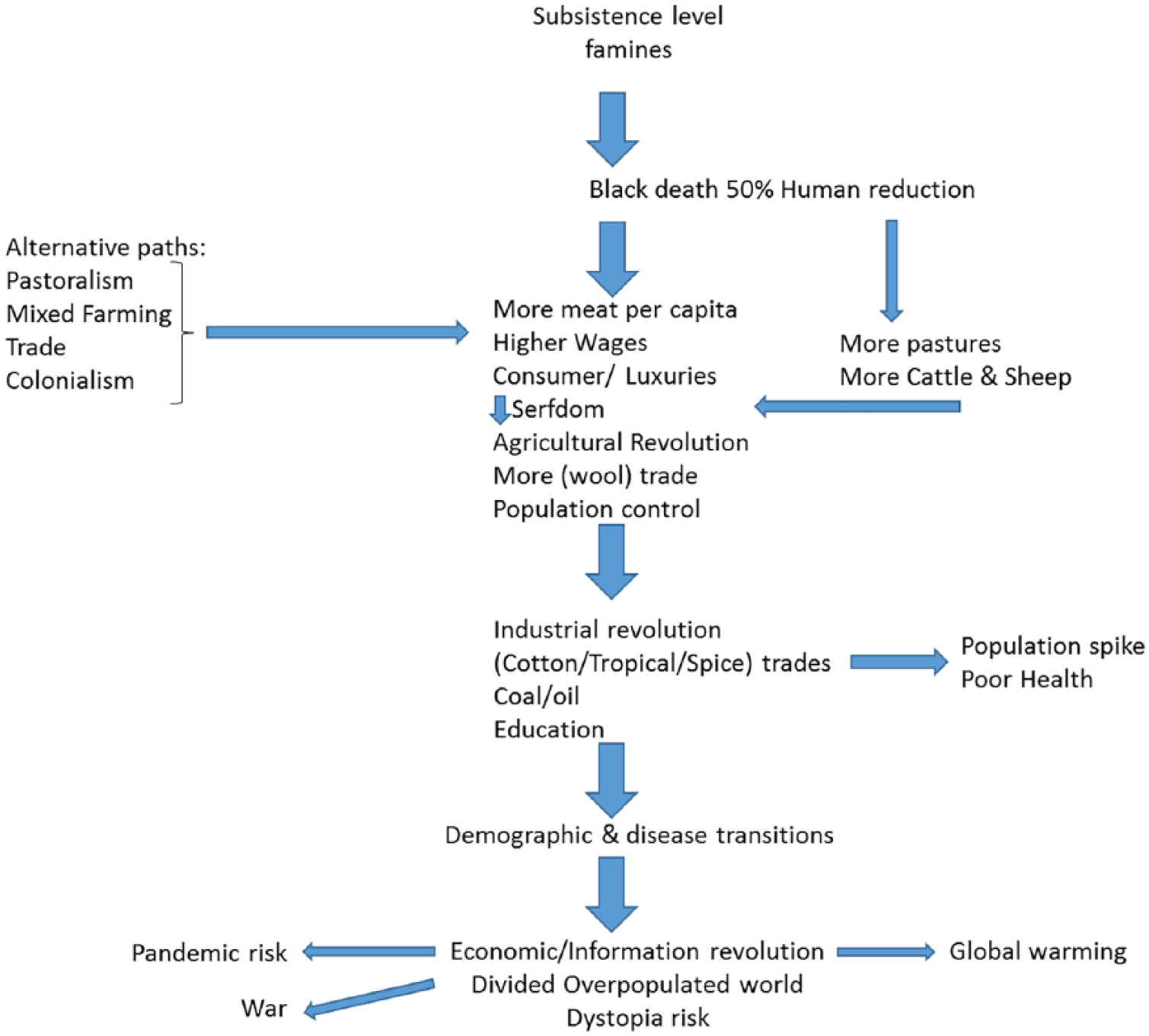
The Columbian exchange was an example of meat-eating Europeans conquering a maize-based low-meat culture with the winners having better technological brains and a better constitution to fight many infectious diseases. On other occasions, where immunity can develop, diseases can protect against ‘virgin’ colonialists as seen with yellow fever and malaria, but those with the better constitution still usually win.91–97 Animal diseases can alter dynamics – rinderpest or sleeping sickness in cattle aided the colonial acquisition of Africa and coincided with outbreaks of pellagra in the local population. It has been surprisingly difficult during our history to achieve even subsistence-level balanced diets so getting ahead of the meat curve may have been crucial for success – with more conventional explanations being secondary often necessary, but not sufficient, developments98–116 (Figure 2).

A well-balanced diet is the base from which all else follows. Formulae for success had emphasised the necessity of the higher tiers, although without much agreement. Superstructure is however important as positive feedback loops further secure a high-quality diet.
Post Black Death
Most historical crises and cycles were famine followed by plague or war then a baby boom, then repeat. The more unusual beneficial long-term effects of the Black Death are attributed to increased pastoralism and availability of meat with higher wages from a reduced workforce. Agricultural developments helped as they benefitted the nitrogen cycle through crop rotation, ploughing and feeding animals in winter, and more use of animal by-products such as manure117,118 (Figure 3). This benign period petered out in the early 18th century due to climate change from volcanic activity, poor harvests, wars (impeding use of imports), and epizootic diseases of cattle. This decline in diet quality that became virtually vegetarian coincided with a spurt of population growth due to increases in fertility (as happened in the Neolithic).119–139 Even rich peers suffered so one can imagine how much life deteriorated for the poor making the increase in population even more remarkable140–161 (Figure 4). This state of affairs was mitigated later in the mid-19th-century United Kingdom by meat imports and by revised Corn Laws that enabled the price of grain to fall along with imperialistic acquisitions to avoid crises with civil war and food revolts. The concept (and German argument for their expansion) of ‘Lebenstraum’ – farming space – is generalisable with ‘Landrush’ phenomenon explaining many aspects of many European empires’ behaviour. Sometimes, flexing between agrarian and pastoralism is done peaceably but even within economies can cause friction as with the Scottish ‘clearances’ needed to feed meat to cities.162–164
After the Black Death (triggered by famines), the population remained remarkably stable as did the supply of meat helped by increased wages. This period is generally agreed to have been a take-off for the industrial revolution.

After the Black Death, the meat supply remained affordable and in step with the price of grain until around 1650. Then in the ‘little ice-age’ (perhaps triggered by population collapse in the new world) with harvest failures, and wars, meat became very expensive and with the exception of the wealthy the population became virtually vegetarian. Consistent with our hypothesis, fertility and population took off as did TB in the period just before the United Kingdom’s demographic transition around 1850 and the decline of TB as meat became more available, largely thanks to the wealth to pay for imports. TB indicates tuberculosis.
Lessons from America: common denominator is pellagra
America’s ‘King Cotton’ states and industrial North in the 19th century form another link with pellagra. The poorer and weaker South (home to pellagra) lost the civil war, losing both men and even more cattle. The North industrialised with many Yankee inventions and better wages that emerged ‘out of thin air’. 165 In effect, a poor-meat diet and pellagra held back a modern economy for over 50 years166–169 (Figure 5). Fertility declined faster and earlier in the richer New England states and data support high fertility rates in slaves, short of starvation170–174 (Figure 6). As happened in the north of Italy, nicotinamide deficiency delays or stalls the switch to modernity however defined.175–177 A classic demographic transition as happened in the United Kingdom from 1850 correlates, by contrast, with rising meat and therefore nicotinamide levels (Figure 7).

The poor diet in pellagra-ridden American southern states delayed economic progress, despite being the source of the international cotton industry.

Comparison of birth rates between the industrial North and the South of the United States. Southern states prone to pellagra maintained high fertility for a lot longer as did the pellagra-prone province around Venice a century earlier – both examples lengthening their demographic transitions.

Fertility rates fell after the death rate and as meat intake rose in the United Kingdom’s demographic transition. This is the opposite of what happened in the pellagra-prone provinces of Italy and the United States.
There has been debate over economic divergences between England and Europe or East and West. All relate to higher wages or natural resources allowing a higher meat intake. Nicotinamide adenine dinucleotide supply is the crucial variable. The first ‘luxury’ above subsistence level is meat. We now live in an ‘Age of Extremes’ without fully recognising that a balanced diet is at the base of progress or that NAD homeostasis is not only the master variable but also the master narrative.178–184
Lessons From Asia: ‘Land to the Tillers’ and Triumph of Gardening
Over the last 75 years, ‘tiger’ economies led by Japan, Taiwan, and South Korea transformed themselves reaping a demographic dividend from a healthy youthful population. China and India are following after false starts – such as the ‘Great Leap Forward’ pulling farmers off the land for ill-conceived industrial projects causing famine – or coercive family planning. Others are behind such as the Soviet bloc, North Korea, Cambodia, and Papua, New Guinea.185–195 Land and agrarian reform whether internally or externally driven (as happened in Japan) with reversion to small-holding mixed farming and later encouragement of export-led manufacture all improving diet was key to success. The tension between rural and town is striking with the latter being motivated to keep food and meat prices low: support for rural peasants in the form of land reform drives local innovation and efficiency and seems to work. Later, corporate agricultural arrangements can make sense once countries can import quality produce such as meat – policies that subsidise or import cheap or free cereals may however be disastrous in the long term.
Avoiding Malthusian Traps
Success and prosperity relate to avoiding Malthusian traps set up by calorific surpluses leading to population booms that bust. England and later America and now China all achieved this on the back of a higher nicotinamide diet that suppressed fertility and allowed better brains and longer lives. Malthus was perhaps right when discussing cereal-dependant economies but could not factor in food quality particularly if that relates not only to the ‘food necessary for existence’ but also to his second postulate that human passion between the sexes ‘would remain in its present state’.196–199 If societies get ahead on the meat curve, either after a Malthusian crash or from economic success, then lower fertility and better brains drive technological and economic progress in positive feedback cycles.200–220 It will be ironic if meat equity could have avoided such high global populations and high meat and cattle needs that are a major contributor to deforestation and ‘green-house’ gases through the use of fertilisers, water, and fossil fuels. Technological advances, often invoked to show that Malthus was wrong, could be temporary and ultimately cataclysmic fixes unless technology changes its biases towards optimal meat intake rather than more and more cereals delaying demographic transitions221–226 (Figure 8).
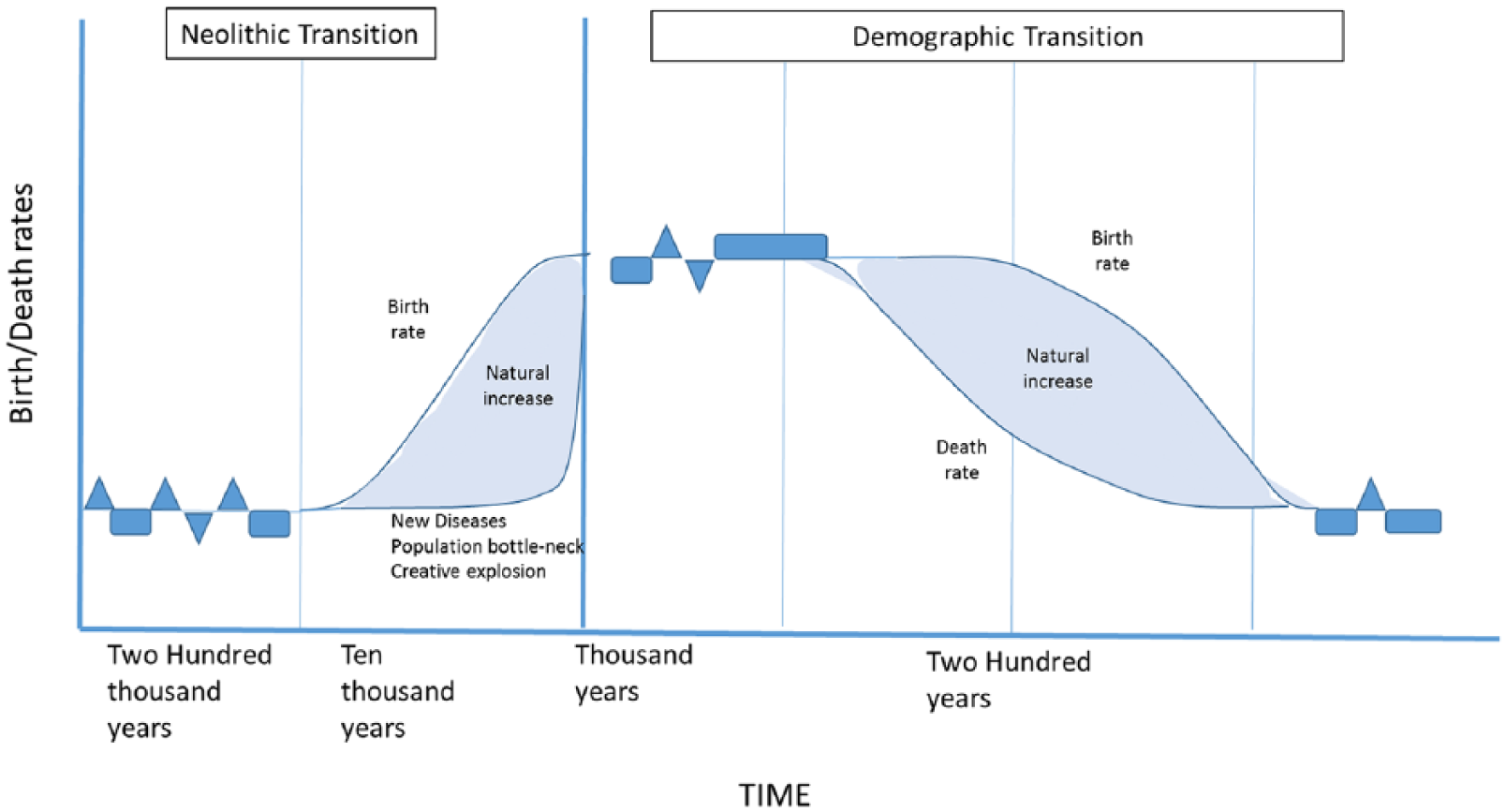
Conventional demographic transition joined to the Neolithic transition. Lower meat drove the Neolithic, whereas an increase in the meat/cereal ratio drove recent transitions. Natural increase = excess of birth after deaths. NAD indicates nicotinamide adenine dinucleotide.
Nicotinamide, Gut Microbiome, and Tuberculosis
Nutritional symbioses include organisms that are dangerous by reputation, such as tuberculosis (TB). These symbionts support poor diets as does the gut microbiome but become dysbiotic if the diet becomes very poor. ‘Latent’ TB is metabolically active using host-derived cholesterol in exchange for nicotinic acid (Figure 9). Tuberculosis rarely evolves to evade the immune system (unlike the ‘arms races’ of pathogens): hosts may be tolerant for good metabolic reasons but seem perfectly capable of sterilising granulomas when they choose.227–237 The role of nutrition in activating latent TB has long been implicated and the harvest of deaths from TB when under dietary and other stresses often noted.

Koch’s postulates need revision for nutritional symbiotic relationships. Symbionts, such as TB, enhance the supply of nicotinamide when the diet is poor but become dysbiotic if the diet becomes extremely poor. Improving diet, a preventive in the early stages, may no longer be enough to reverse pathology later. TB indicates tuberculosis.
Gut symbioses favour complex carbohydrate busters: even the oligosaccharide concentrations in breast milk affect the infant microbiome and make a contribution to nicotinamide levels (ruminants rely on their microbiome to supply vitamin B; Figure 10). Helminth interactions show extensive use of the tryptophan-NAD pathway that might benefit the host and NAD relationships extend to malaria and the host’s genetic responses. With malaria, an ecological approach is necessary as agricultural static water encourages Anopheles larvae, which grow on maize-specific pollen and then are more likely to be dichlorodiphenyltrichloroethane (DDT) resistant, and the adult malaria vector bites humans where there are few other animals to target.238–244 Emergent diseases in general are all more likely to evolve or become dysbiotic in poor ecological circumstances.

Many pathogens import niacin. TB (and some gut microbes) can export nicotinic acid. On a high-nicotinamide diet, both classic pathogens and symbionts are less virulent or dysbiotic. NAD indicates nicotinamide adenine dinucleotide; TB, tuberculosis;
Tryptophan Metabolism and the Immune System
‘Host-directed therapies’ that enhance immunity through normalising NAD-consumer and energy-related sensors, such as mammalian target of rapamycin (mTOR) and AMP-activated protein kinase (AMPK) signalling rediscover the importance of nicotinamide. Metabolic regulation, over and above bioenergetic and biosynthetic demands of T cell differentiation, of immune responses works often through simple compounds, for instance, short-chain fatty acids (SCFAs) or glutamate metabolites programming T cell fates and the ratio of T helper 17 (Th17) and induced regulatory T cells (Tregs). These are conditioned by tryptophan status and co-evolved together in placental mammals to enable reproduction: functionally these pathways ameliorate autoimmune encephalomyelitis, the model for MS, and other pathogenic Th17-mediated autoimmune disease.8,245–273
Role of Tregs
Nicotinamide insufficiency activates the ‘de novo’ pathway. This leads to dysbioses, poor defences against pathogens, and ‘autocarnivory’ with organ damage. Activation predisposes to immune tolerance through the production of more Treg but less Th17 cells.274–284 Regulation of T cells has been linked with leprosy and TB (nicotinamide is antibiotic) and MS, myasthenia, and rheumatoid arthritis. Tregs that only exist in the periphery in placental mammals cause, shown by transfer experiments or rare mutations, other autoimmune diseases including oophoritis. Tregs with Th17 cells, even though they have a common developmental path, form an immune fulcrum governing tolerance to self and non-self and pro/anti-inflammation and B cell antibody responses and even (muscle) stem cell regeneration and tumour control. High levels of specific Tregs (but low Th17) with their anti-inflammatory cytokines and effect on dendritic cells discourage elimination of TB and other organisms, but low levels encourage ‘rogue’-specific self-reactive T cells and a spectrum of autoimmune diseases and allergies.285–290
Nicotinamide Switch Explains the Hygiene Hypothesis
This system therefore has checkpoints that connect nicotinamide with metabolism and innate and adaptive immunity, specifically the balance of Tregs and other T cell populations. This forms the ‘nicotinamide switch’ controlling the inflammatory response from activation to tolerance important to the latest versions of the ‘hygiene hypothesis’.291–299 In states of affluence, we ‘miss’ an evolved dependence on nutritional symbionts that are now surplus to requirements and are therefore ‘absent’. Even the foetus is exposed to this new environment with ‘maternal immune activation’ working through excess Th17 cells and interleukin-17 and a dearth of Tregs. At the other end of the nutritional spectrum, the IDO pathway will shut down when there is not even enough of its substrate tryptophan – and that will cause frank pellagra and complete immune and dysbiotic disarray and neurodegeneration – but notably no autoimmune disease.300,301
Indoleamine 2,3-dioxygenase is also a critical mediator of autoantibody production from B cells and a pathogenic driver of organ-specific autoimmune disease alongside its role in immune privilege, whether for the foetus or immune evasion for symbionts and cancers, and has an impact on mood by diverting tryptophan away from serotonin and tryptamine synthesis. 302
High nicotinamide in diet therefore has the overall consequence of inducing immune intolerance (accepting some contradictions in the literature) and that may be behind the epidemic of autoimmune and allergic disease but perhaps also cancers and neuropsychiatric ills including autism and carbohydrate-induced obesity. A summary of the main pathways of nicotinamide metabolism is shown in Figures 11 and 12.

NAD(H) recycles (not shown) in redox and dehydrogenase reactions and supplies mitochondria to generate ATP. Here we show consumption reactions and salvage pathways that conserve the supply of nicotinamide. When the dietary supply is poor, the ‘de novo’ pathway needs a dietary supply of tryptophan. ATP indicates adenosine triphosphate; NA, nicotinamide; NAD, nicotinamide adenine dinucleotide; NAD(H), nicotinamide adenine dinucleotide plus hydrogen; NAM, nicotinamide; NAMPT, nicotinamide phosphoribosyltransferase; NMN, nicotinamide mononucleotide; NMNAT, nicotinamide mononucleotide adenylyltransferase; NNMT, nicotinamide N-methyltransferase; NR, nicotinamide-riboside; PARP, poly(ADP-ribose) polymerase.

Structure of nicotinamide showing its detoxification pathway that consumes methyl groups and produces N-methyl-nicotinamide that is metabolically active but then excreted. MNAM indicates N1-methylnicotinamide; NAM, nicotinamide; NNMT, nicotinamide N-methyltransferase; SAH, S-adenosylhomocysteine; SAM, S-adenosylmethionine.
Meat Elites
Americans and Europeans consume 150 kg of meat per annum alongside 250 kg of milk and eggs. The poorest eat negligible amounts of animal products. This is ironic as meat sharing was a defining feature of hunter-gatherer days, but later cattle ownership was the original form of capitalism that drove stratification and ‘meat elites’. Cash handouts to the poor would lead to a reasonable meat ration but is opposed currently for reasons that include cost and environmental concerns.
Too Little and too Much Meat – TB or Cancer and Autoimmunity
In recent times, these extremes have been tested with poor outcomes for billions. There is a long history of concern that too much meat causes cancer and an even longer history of advocating meat/milk supplements for the poor. One example – ‘Zomotherapy’ (zomos = meat broth) – was advocated by Nobel Laureates Charles Richet and Renee Dubos who also suggested skim milk for targeting TB (as did the sanatorium movement); this was later implemented as milk supplements and school meals with documented health benefits. Even earlier, Roget (of Thesaurus fame) in 1799 had published ‘Observations on the non-prevalence of consumption among Butchers and Fishermen’ – who, of course, had preferential access to their own produce.
Williams documented in 1908 falling TB rates with rising cancer rates and correlated them with meat intake in the United Kingdom and we replicated this finding (Figure 13). Rapid increases in TB rates have been documented on multiple occasions when diet deteriorates: some are recent, for instance, in the Russian ‘katastroika’ (around 1990) TB rates doubled in less than 5 years and life expectancy fell as the meat market collapsed. There is a further history of support for more meat for working people: for example, in the 19th-century United Kingdom there were calls for an ‘Industrial ration’, to be supplied by ‘killed and chilled’ corn-fed imports; and later for a ‘Colonial’ diet based on pioneering work done early in 20th-century Kenya showing the importance of animal products was proposed; and more recently rations (that included meat, bacon butter, and milk) were implemented to overcome the very poor meat intakes in the inter-war and world war years.303–306 Positive meat transitions from improved economics and these interventions are correlated with periods when health, height, and IQ increase and ‘modern minds are forged’.

Striking time linked correlations between the fall in TB and the rise of cancer at a time when meat intake doubled. The same was true of the rise, particularly after 1900, in allergic and autoimmune diseases, as well as Parkinson’s disease. TB indicates tuberculosis.
Diseases Disappear and Appear: Risk of Plague
Both TB and leprosy disappear when and where nicotinamide dose in diet increases – nicotinamide is, after all, the original ‘antibiotic’ for both organisms.307,308 Malaria can also ‘disappear’ and of interest nicotinamide has anti-malarial activity as it does for other parasites. However, we should not be fooled by this ‘Mirage of Health’ given the recent grim comeback of ‘medieval’ pestilences and near apocalypses, such as plague in Madagascar.309–318 Recent warnings have come concerning future plagues using the parallel of the 1918 Spanish Flu pandemic that hit hard when metabolic requirements were high in the young and diets were poor. Diet is the commonest cause of impaired resistance to a wide variety of organisms including measles and smallpox epidemics, particularly on ‘virgin soils’ where populations have no previous exposure. Such warnings emphasise air travel, the ‘global village’, and antibiotic resistance but do not always emphasise the real microbe mutant magnets of poor diet and general squalor allowing the emergence of disease that are then a danger to rich and poor alike.
Earlier global crises, discussed already, were triggered by the weather (a lesson about dangers of climate change) and poor harvests from lost summers. There were widespread revolts between haves and have-nots as populations exploded then collapsed with descriptions of pellagra within the famines; ‘blackened faces like ovens’ in prematurely aged children among widespread poor behaviour, followed by plagues, and the rise of TB. Recovering nations revolutionised their agriculture away from cereal dependence with more pastureland and a mixed diet aided by the mass emigration to America and the first welfare states.
Circumstances where people live in ‘barnyard’ circumstances point now to crucibles of plagues in Asia or Africa – but it is worth remembering that the Flu epidemic 1918 - that killed more than both world wars combined – originated in pellagra-prone Kansas. The Cuban experience shows that poor-income countries can have effective health care systems coping with an epidemic of nutritional disease with widespread vitamin supplements.319–321 Amartya Sen, the Nobel Laureate, once said ‘I wonder whether there is any way of making poverty infectious – if so, I am certain its elimination would be remarkably rapid’ – dangers from poverty are, in fact, infectious (including violence) and that is one important lesson from the history of pellagra.
Nicotinamide and Better Brains
Pellagra also causes brain atrophy. Atrophy due to poor diet can be prevented as shown by the Flynn effect. Improved diet being necessary to improve learning (and teaching) before better schooling can build on a stronger cognitive base and lead to economic progress further improving diet and education. Improvement in IQ allows better brain reserves to combat ageing and that may explain the recent decline in the incidence of dementia in rich countries.322–327
Longevity: ‘Mens Sana in Corpore Sano’
There are links between nicotinamide and longevity. The observation is not controversial as nicotinamide has been explored as an anti-ageing compound in organisms from yeasts to worms to man. Proximate reasons relate to a better constitution, DNA repairs and reductions in virulence of pathogens and dangerous symbionts.328–335
A Refresh and Call to Action
Nicotinamide deficiency is unmeasured and underdiagnosed
The Columbian exchange brought maize to the Old World as it has the advantage of being easy to grow in difficult hydrological circumstances and has big returns per grain planted. Pellagra and subclinical nicotinamide deficiency is a risk (particularly when cultural traditions of mixed farming and special cooking are not exported) and had consequences first in the Americas but now in Asia and Africa. Pellagra still exists but is rarely formally diagnosed, prevented, or treated masquerading as ‘environmental enteropathy’ or general ill health and poor cognition – there is no easy biochemical test. Social breakdown can also be a feature as a (Marxian) ‘metabolic rift’. History is repeating itself as even in the pellagra epidemics cases were missed as the symptoms are protean and vague and seasonal with remissions. As a form of sunburn, black skins are resistant even evolved for and make it harder to spot. In the southern states of America, pellagra was rife and long before the official epidemic was endemic in the slave population and among poor whites ‘antebellum’ (and may have been a determinant of Confederate defeat) and instead called ‘black tongue’ or typhoid or a (genetic)negro ‘disease’. 336
Nicotinamide: all is in the dose
A continuing role for missing symbionts is supported by evidence that re-introducing parasitic infection protects against allergic disease. This does not imply that they are metabolically needed when diet improves but emphasises their role in educating the immune system and that their absence causes problems, at least for a generation or two.
Nicotinamide at low doses is anti-cancer and neuroprotective but at a higher dose it is carcinogenic or neurotoxic. An optimal dose is even described in stem cell models as the ‘Fountain of Youth’. Some genetic and toxic and anoxic diseases respond if NAD is raised through diet or enzyme manipulation. A beneficial effect of nicotinamide on perinatal asphyxia or trauma alongside a range of developmental conditions has been demonstrated. 337 Diseases that are NAD sensitive cover a variety of phenotypes and proposed mechanisms of neurotoxicity whether mitochondrial, proteotoxic, oxidative stress, or excitotoxic and whether cell body or axonal degeneration.338–356
Nicotinamide toxicity is common
High dosage in diet with induction of NNMT indicates that there might be a hypervitaminosis state with a wide phenotype – that includes the metabolic syndrome, some cancers, Parkinson, schizophrenia, and autism with double-edged sword relationships with dose. Depending on the dynamics of enzyme induction, if the dose is not maintained throughout life, then nicotinamide deficiency could occur on an apparently normal diet with increased catabolism confusing epidemiological studies.
Obesity and cancer
NNMT may be a target for obesity using novel anti-sense technology. High nicotinamide in diet could be toxic by a number of means and even homeostatic attempts to remove it with high NNMT levels in inflamed or pre-cancerous tissue could have long-term dangers357–373 (Figure 14).

High nicotinamide in diet has consequences. The switch from infections to inflammation and autoimmunity can be explained by several overlapping mechanisms as can relative infertility and longevity alongside the metabolic syndrome and cancer. MNAM indicates N1-methylnicotinamide; NMN, nicotinamide mononucleotide; NNMT, nicotinamide N-methyltransferase; SAM, S-adenosylmethionine; PD, Parkinson’s disease.
Parkinson’s disease
Nicotinamide N-methyltransferase is raised in the brains of Parkinson’s disease (PD) patients as is N-methyl-nicotinamide excretion contributing to an argument, backed by epidemiological evidence that incidence had risen in rich high-meat-eating countries but was low in previous pellagra states, that nicotinamide could cause dopaminergic toxicity as an MPTP (1-methyl-4-phenyl-1,2,3,6-tetrahydropyridine)-like molecule. High-dose nicotinamide has shown toxicity in a proteasomal toxicity model of PD even though neuroprotective prophylactically in MPTP models. Nicotinamide is an important morphogen encouraging neuronal differentiation towards dopaminergic cells at moderate but not high doses. 374 Furthermore, NNMT has been shown to interfere, by consuming methyl groups, with DNA methylation and autophagy that controls quality of proteins and organelles, as shown by toxins or PD mutations, but if excessive can cause cell death. There is epidemiological support for PD being a disease of affluence: China had an incidence of one fifth of rich nations but this is closing rapidly as their meat intake increases. The argument that this rise in incidence is all due to an ageing population is complex if higher nicotinamide dose is driving longevity – PD then being a side-effect of the cause of better ageing, rather than due to ageing per se375–386 (Figure 15).

Nicotinamide dose matters from conception to cradle to grave. PD is a good example. An optimal dose induces NNMT and supplies NAD to mitochondria and NAD consumers and is enough to regulate DNA methylation and stimulate autophagy to keep organelles in good repair. Too much (or too little) nicotinamide and all fails, exacerbated by genetic mutations that affect autophagy known to be important in PD. MPTP indicates 1-methyl-4-phenyl-1,2,3,6-tetrahydropyridine; NAD, nicotinamide adenine dinucleotide; NNMT, nicotinamide N-methyltransferase; PARP, poly(ADP-ribose) polymerase; PD, Parkinson’s disease; SAM, S-adenosylmethionine.
International fertility: redux and review
Many have mentioned cereal diets increasing fertility by increasing carbohydrates, or indirect effects such as enabling early weaning, but have not discussed the tryptophan pathway. We showed correlations between meat intake and improved longevity and declining fertility in the United Kingdom during 1850 to 1950 and argued that averting a population collapse was helped by revisions of the Corn Laws and the ‘ecological windfall’ of using money from (cotton) exports to import meat often from colonies. Meat famines at home were mitigated by agricultural and hunting arrangements abroad – to the detriment of local populations (now the Third World) but allowing painless demographic transitions at home.
France, for instance, where maize was banned for human consumption, barely had a demographic transition: whereas low-meat eaters such as China, India, and Japan had their transition in the mid-20th century slowly and painfully with large population booms much later than Europe – cereal-dependant modern Africa fails to complete the transition. These observations are consistent with population booms on American maize, between 1750 and 1850. Looking to poor diet for high fertility makes a welcome relief from blaming poor genes or race as in the United States where eugenists believed that pellagrins were ‘feeble-minded’ and ‘shiftless’ multi-generationally and should enter legal sterilisation programmes with marriage and immigration prohibitions: casting a long shadow to later genocidal and immigration policies.
Analyses of declining birth rates first among the wealthy discuss conscious contraception or a preference for careers or a reluctance of women to produce ‘cannon fodder’ but overlook diet as a potential factor. Education, emancipation, and birth control may however be the dividend building on a food-dependant demography and higher human capital. Increased fertility on a more vegetarian diet and decreased fertility on a high-meat diet go back to hunter-gatherers such as the Khoisan people in South Africa who were out-reproduced by Bantu agriculturalists. Meat reduces and poor vegetarian diets increase fertility. This may explain (and been evolved for) baby booms after famines and why low-meat/high-cereal societies have population booms and ‘Malthusian’ corrections. Evidence from other animal populations that pumping in calories (‘paradox of enrichment’) leads to population instability will make sense once tryptophan metabolism is factored into their interpretation. Optimal meat/nicotinamide may allow for painless demographic transitions with sustainable environments and populations. As a corollary, fertility declines may reverse when extremes of high meat intake moderate.
‘Antagonistic Pleiotropy’, ‘Disposable Soma’, ‘Thrifty’ Genes and Phenotypes
In possible ‘proof of concept’ twists, the early fertility crises reversed by a more plant-based diet in the Palaeolithic left marks on our genome. Intriguingly, these pro-fertility genes, such as apolipoprotein E4 (APOE-4), interact with infections with resistance to diarrhoeal illness predisposed to by pellagra. Mutations spread at the time of fertility and infectious stress now showing up as risk factors for late-onset non-communicable diseases such as cancer and neurodegeneration.387–392 Many mutations involve NAD metabolism and DNA repair suggesting that they evolved at times when nicotinamide homeostasis was out of kilter – but could now be helped by altering the dose of nicotinamide by individual genome and depending on age.393–398 Another trade-off between fertility and healthy ageing is the ‘disposable soma’ theory whereby reproduction is metabolically favoured over repairs – this trade-off (with immunosuppression leading to greater fecundity but more infection) fades away during epidemiological transitions with a more carnivorous diet, and experimentally with increased ‘autocarnivory’.390,399–408 ‘Thrifty’ genotypes and phenotypes can also be brought into this discussion as they may be a manifestation of ‘r’ selection for quantity over quality at a price with late costs, such as the metabolic syndrome, being perhaps avoidable by fairer nicotinamide sourcing throughout and across lives.400,409–414
Conclusions
Nicotinamide is critical to ‘evolution in four dimensions’ as it affects genomic, epigenomic, behavioural, and symbolic/cultural inheritance.415–419 Nicotinamide resonates between developmental and phenotypic plasticity and a niche-constructed ecologically inherited ‘NAD’ world. Nicotinamide, buffered by the microbiome, allowed and selected hominid lineages to evolve into anatomically modern man and then a fertility crisis 30 000 to 40 000 years ago in Europe (earlier in southern Africa and Asia) drove a pro-fertility-plant-based diet with mating brains and cultural artefacts that we call civilisation.420,421
As Huxley implied, we should now direct our evolution by ensuring an appropriate diet for all as an entitlement. The flourishing of humankind’s culture in the Mesolithic and the later economic and artistic and scientific ‘take-off’ involved diet that is an independent variable for fertility, health, and brain power. Iatrogenic climate change and other worries about the future may sort themselves with higher human capital but lower numbers of people.422–427
Moving up then down the food chain led to the ‘Ultra-social conquest of Earth’ but now we can aim for individual quality. We no longer need poverty to encourage fertility and should guarantee a ‘goldilocks’ diet for all as a human right and out of self-interest to avoid plagues and wars. A well-balanced diet would underpin progress everywhere so that ‘No One’ country is dominant and return to our more egalitarian meat-sharing past.428,429 Active intervention in population control has not been that successful suggesting that we need to look at fundamental biological and dietary controls given that ‘Demography is Destiny’.430–432
Food sovereignty puts an emphasis on food quality by political and scientific means known as ‘Physiocracy’ that can be traced back to mixed farming enthusiasts, such as Virgil or Cato, and Hippocratic dietary regimens.433–449 Hippocratic regimens are only slightly different from current dietary advice. Becoming vegans in a ‘meat retreat’ is not the answer to good health, animal rights, population control, climate change, or loss of biodiversity. Meat hunger is for good biological reason and Engel’s law repeatedly shows that poor individuals (and nations) eat more meat if allowed. However, there is a limit and we propose a hypervitaminosis B3 with an equally broad phenotype to pellagra. This is the ‘Wisdom of the Body’ pertaining to NAD homeostasis. We should avoid ending, like other empires that collapsed, because we ignored historical intelligence and did not appreciate fully that progress depends on a balanced diet and sharing meat across societies and nations.450–456
Footnotes
Funding:
The authors disclosed receipt of the following financial support for the research, authorship, and/or publication of this article: This study was funded by QEHB Charity, Birmingham, UK.
Declaration of conflicting interests:
The author(s) declared no potential conflicts of interest with respect to the research, authorship, and/or publication of this article.
Author Contributions
AW and LJH wrote the manuscript, approved and submitted the final draft.
