



Abstract
An analytical investigation was carried out to assess the free vibration, buckling and deformation responses of simply-supported sandwich plates. The plates constructed with graphene-reinforced polymer composite (GRPC) face sheets and are subjected to mechanical and thermal loadings while being simply-supported or resting on different types of elastic foundation. The temperature-dependent material properties of the face sheets are estimated by employing the modified Halpin-Tsai micromechanical model. The governing differential equations of the system are established based on the refined shear deformation plate theory and solved analytically using the Navier method. The validation of the formulation is carried out through comparisons of the calculated natural frequencies, thermal buckling capacities and maximum deflections of the sandwich plates with those evaluated by the available solutions in the literature. Numerical case studies are considered to examine the influences of the core to face sheet thickness ratio, temperature variation, Winkler- and Pasternak-types foundation, as well as the volume fraction of graphene on the response of the plates. It will be explicitly demonstrated that the vibration, stability and deflection responses of the sandwich plates become significantly affected by the aforementioned parameters.
Keywords
Introduction
Among the different types of carbon nanomaterials, graphene and its derivatives have received considerable attention in many different fields due to their exceptional chemical and physical properties. Graphene varieties such as graphene oxide (GO), reduced-graphene oxide (rGO) and graphene nanoplatelets (GNPs) are available as super lightweight nano-sized particles with large surface area and excellent thermo-electro-mechanical properties [1–3]. several studies have investigated the effect of carbon nanotube on mechanical and thermal properties of polymer composites [4,5], as well as the static, dynamic and stability analyses of structural components formed by such nanocomposites [6–16]. A summary of the recent studies on graphene-reinforced composites is provided below.
Zhang et al. [17] investigated the bending, buckling, and vibration responses of functionally graded GO-reinforced composite beams based on the first-order shear deformation theory (FSDT). The effects of distribution and weight fraction of GO and slenderness ratio and boundary condition of the beams on their mechanical response were studied through a set of comprehensive numerical analyses. Rafiee et al. [18] developed a mathematical model for evaluating the large deflection, post-buckling and free nonlinear vibration responses of GNPs/fiber/polymer laminated multiscale composite beams. The model was developed based on the Euler-Bernoulli beam theory, which included the von Kármán geometric nonlinearity. Polit et al. [19] studied the effect of porosity distribution on the bending and stability responses of functionally graded graphene-reinforced porous nanocomposite curved beams by incorporating a higher-order theory, also accounting for the effect of thickness stretching. The analytical solution was developed using the Navier’s approach.
In other studies, the nonlinear bending and vibration, buckling and post-buckling responses of functionally graded graphene-reinforced laminated plates subject to thermal environments were studied by Shen et al. [20–23]. The governing equations were derived by accounting for the geometric nonlinearity using the von Kármán strains and incorporation of a higher-order shear deformation plate theory. A two-step perturbation approach was incorporated to determine the nonlinear response of functionally graded GRC laminated plates. Kiani [24,25] analyzed thermal post-buckling and large amplitude free vibration behaviour of clamped and simply-supported composite laminated rectangular plates reinforced with GNPs in a thermal environment. The analysis was based on the non-uniform rational B-spline-based isogeometric finite element formulation. The resulting nonlinear eigenvalue problem was solved using a displacement-controlled strategy.
More recently, Gholami and Ansari [26] examined the free vibration and pre- and post-buckled responses of multilayer functionally graded graphene platelet-reinforced polymer composite rectangular plates under compressive in-plane mechanical loading. The parabolic shear deformation plate theory, von Kármán type nonlinearity and Hamilton’s principle in conjunction with the variational differential quadrature technique were used to achieve the weak form of the nonlinear equations of motion. The influences of GNPs distribution scheme, weight fraction, plate’s geometry and boundary conditions on the response were investigated. The buckling behaviour of trapezoidal corrugated multilayer functionally graded GNPs reinforced nanocomposites thin plates subjected to various mechanical loadings, including in-plane uniform shear, uniaxial compression and a combination of both was investigated by Yang et al. [27]. The unilateral and bilateral buckling responses were evaluated using an analytical and the Ritz methods, respectively. Fan et al. [28] presented and discussed the nonlinear dynamic behaviours of functionally graded GRC laminated plates resting on viscoelastic foundation under various loading conditions. The effects of ambient temperature and the interaction between the plate and its foundation were both considered. The load-deflection relationship was obtained using a two-step perturbation technique and the fourth-order Runge-Kutta numerical method. In another notable study, Liu et al. [29] used the three-dimensional theory of elasticity to investigate the static axisymmetric and asymmetric bending and free vibration of the multilayer annular plates reinforced with GNPs. A semi-analytical method, which combined the differential quadrature method and the state-space based differential quadrature method was incorporated in the analysis. Numerical results for the bending response and natural frequencies were presented.
The developments and progress made in advanced composite materials in recent years have created significant interest in their sandwich construction [30–38]. In modern sandwich composite plates, two thin face sheets made of fiber-reinforced composites or functionally graded materials or nanoparticle-reinforced composites are used to sandwich an appropriate structural foam or honeycomb. The resulting hybrid plates yield significantly stiffer and stronger responses compared to their monolithic 2 D thin geometry counterparts in a cost-effective manner. As a result, the development of effective solutions for depicting the free vibration, stability and static responses of such plates has attracted considerable interest. On the other hand, the recent advancements made in the development of more effective and accurate shear deformation theories that do not rely on the incorporation of a shear correction factor have also opened another avenue of interest [39–45].
In summary, the ever-increasing applications of advanced materials in primary structural components in recent decades have necessitated the development of more advanced and accurate theoretical models by which one could accurately predict the response of sandwich plates under various loading conditions. Therefore, the present study is conducted based on two main objectives. The first objective is to investigate the effect of inclusion of graphene on the natural frequencies, critical buckling capacity and maximum deflection of sandwich plates formed with graphene-reinforced polymer composite (GRPC) face sheets subjected to various mechanical and thermal loads. The second objective is to construct an admissible mathematical model of the problem and develop its solution based on a new refined shear deformation theory, which does not require any shear correction factors and compare its results against those obtained by the available solutions. It is worth mentioning that, to the best of author’s knowledge, the characterization of the vibration, stability and static responses of graphene-reinforced sandwich plates under mechanical and thermal loadings using the presented refined shear deformation plate theory is one of the novelties of this research and has not been conducted elsewhere.
Problem formulation
A symmetrical sandwich plate (symmetry with respect to mid-plane) made of a homogeneous core and two similar GRPC face sheets, as illustrated in Figure 1, is considered. The sandwich plate is within a thermal environment and is simply-supported on its edges and maybe resting on a Winkler or a two-parameter Pasternak foundations (the latter combines the Winkler springs and a shear layer), or be foundationless. The length, width and total height of the plate are designated as
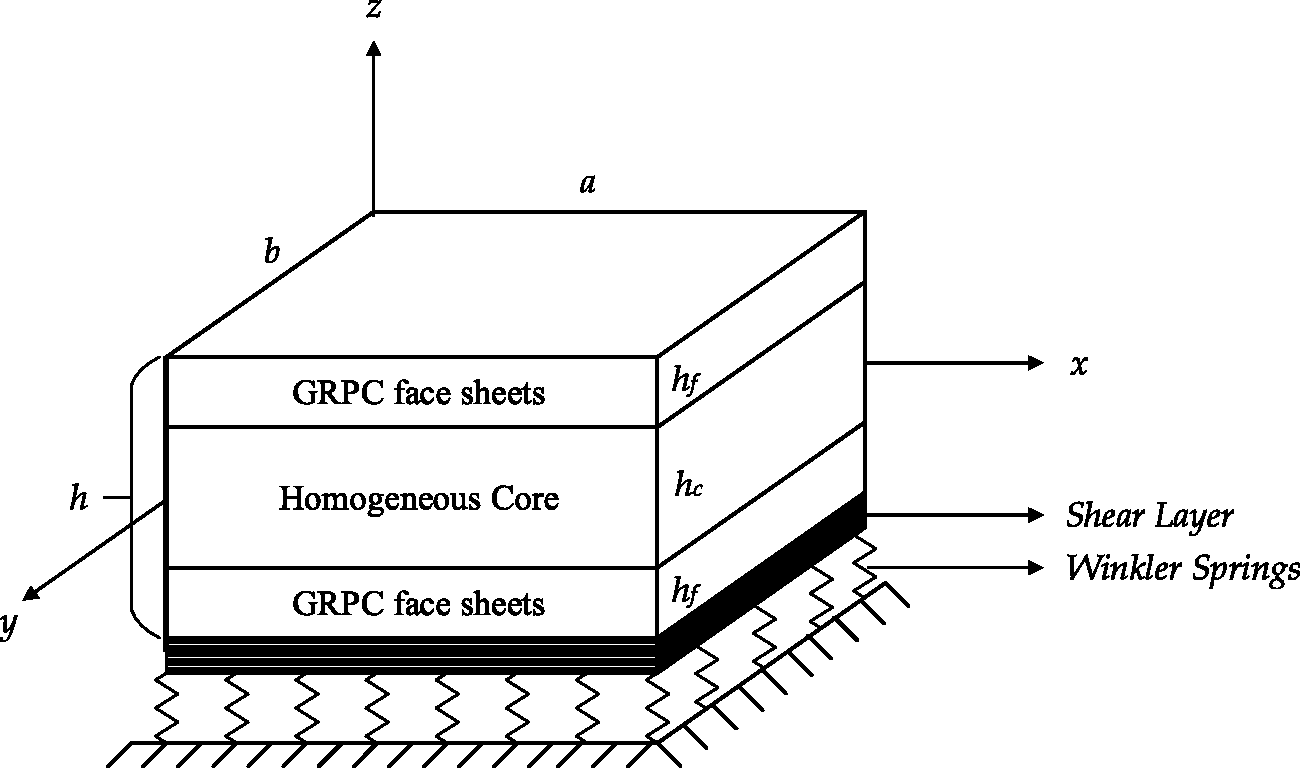
Coordinate system and geometry of sandwich plates with GRPC face sheets resting on elastic foundations.
It should be mentioned that the assumptions and limitations of the present formulation are: (1) The displacements are small in comparison with the plate thickness; (2) The thickness stretching effect is not considered; (3) The transverse normal stress is negligible in comparison with the in-plane stresses; (4) The graphene reinforcement is aligned in the x-direction and is uniformly distributed through-the-thickness direction of the GRPC face sheets and (5) the present analytical solution is applicable to plates with simply-supported edges.
Materials properties of the sandwich plates
The required effective material properties of GRPC face sheets can be expressed by the modified Halpin-Tsai micromechanical model, as follows [21]






The material properties of the matrix and graphene sheets are considered temperature-dependent in the present article. According to the Schapery model [47], the longitudinal and transverse thermal expansion coefficients of the GRPC face sheets can be given by




The four-variable shear deformation plate model and the constitutive equations
In this study, the four-variable shear deformation plate model proposed by Zaoui et al. [42] is utilized in order to establish the kinematic relations of the plate. According to this theory, the displacement field of a sandwich plate can be represented by




It can be seen that the kinematic relations of the sandwich plate presented in equation (6) include four unknowns (






The integral terms used in the above equations may be resolved by a Navier-type method and can be expressed as follows [40]






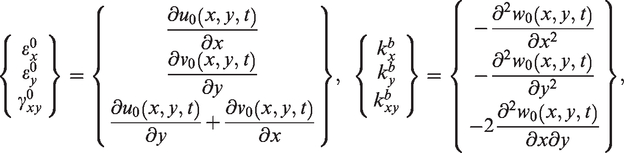
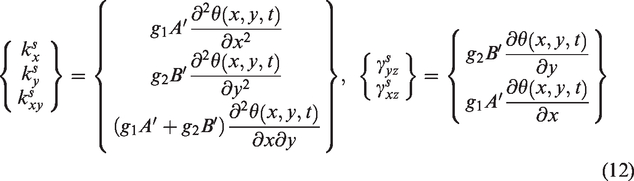
For linear thermoelastic materials, the stress field is defined as a linear function of the mechanical and thermal strain fields
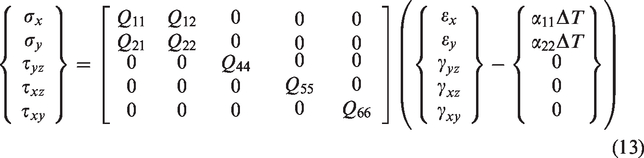
In the above equation,

The equations of motion of the aforementioned sandwich plate under thermo-mechanical loadings derived on the basis of the stationary potential energy [48] are mathematically represented as



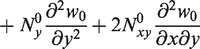





The terms
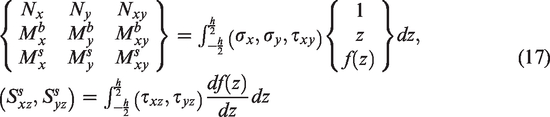
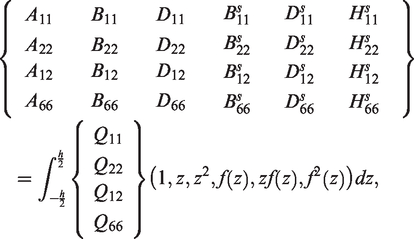
By substituting equation (11) in equation (13) and the obtained results into equation (17) one would obtain the resultant forces and moments in the following matrix form
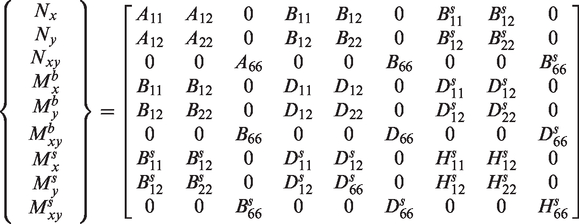
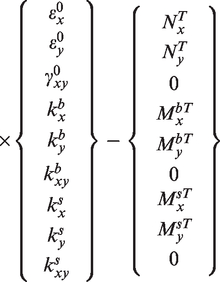


The resultant forces and moments due to the thermal loading (

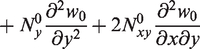
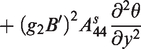
The equations of motion represented by equation (15) can be expressed in terms of the four unknowns (
















Solution procedure
The Navier method is implemented to formulate the closed-form solutions of equation (21) for obtaining the temperature-dependent free vibration, buckling and deflection responses of simply-supported sandwich plates with GRPC face sheets resting on elastic foundation subject to mechanical and thermal loadings. The applied simply-supported boundary conditions are of the following form


Here, on the basis of the Navier method, the solution of equation (21), which automatically satisfies the boundary conditions in equation (22), can be represented by


In which

It should be pointed out that

Upon substitution of the displacement functions of equation (23) into the equations of motion (equation (21)), and rearranging the terms, one can obtain the closed-form solutions through the following matrix.

For a deflection analysis, the natural frequency (

Numerical results and discussion
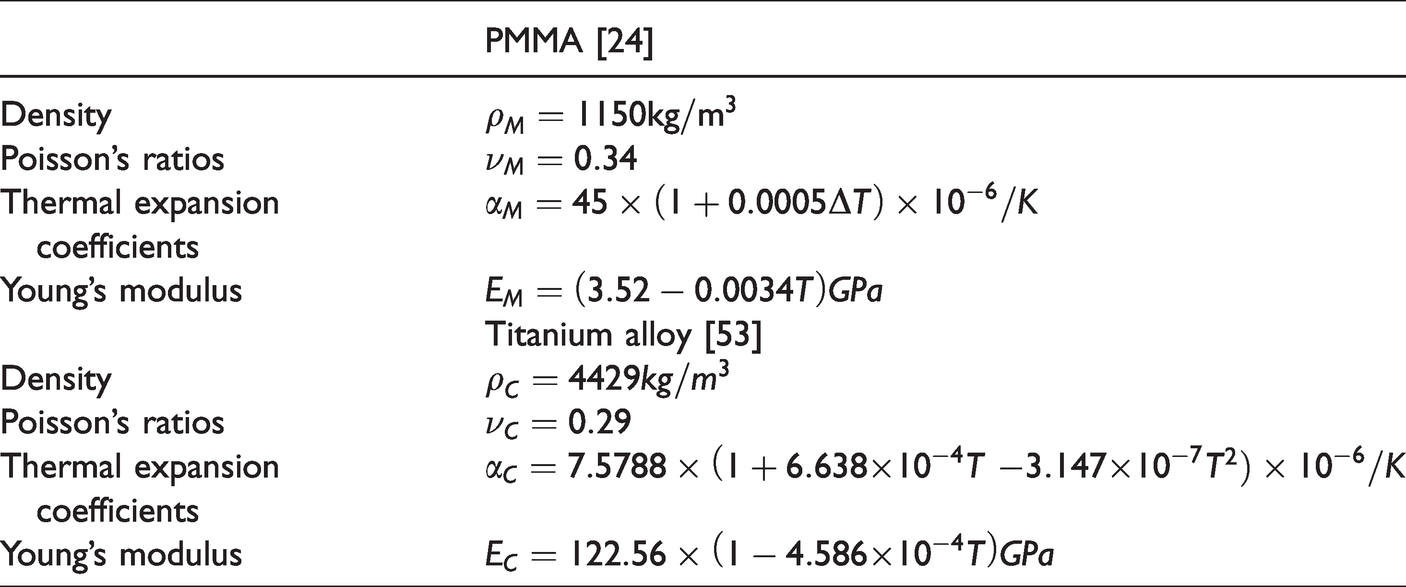
In the present paper, the natural frequencies, buckling capacity and deflection of sandwich plates with GRPC face sheets subject to various mechanical and thermal loading scenarios are investigated using the four-variable shear deformation plate model presented above. In doing so, one should first establish the effective material properties of GRPCs, which is used to form the face sheets of the sandwich plates. Poly (methyl methacrylate) thermoplastic polymer (i.e., PMMA), is adopted as the matrix, and the material properties of it are provided in Table 1, where






Material properties of PMMA and titanium alloy.
The efficiency parameters for different volume fraction of graphene and various thermal environment.
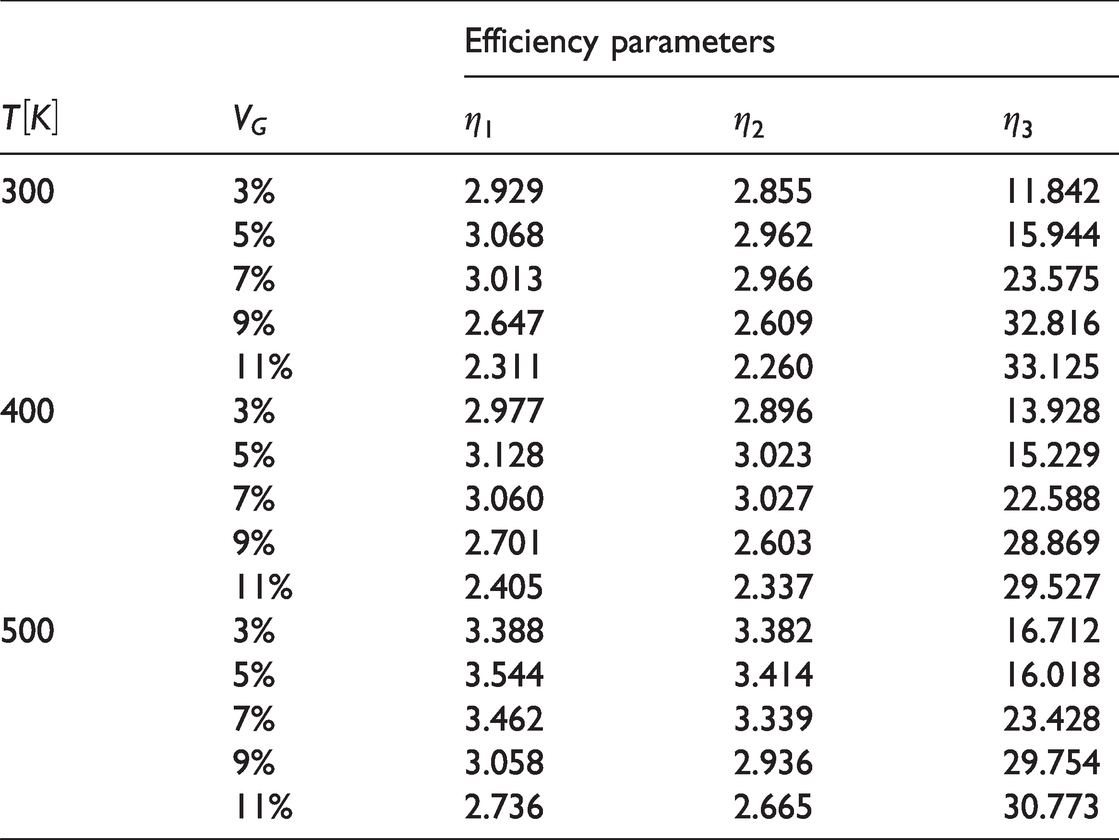
In the following, the variations of different configurations of the sandwich plate (i.e., as per GRPC face sheets types) are stated: The (1-1-1) configuration: in this configuration, the sandwich plate is made of three equal thickness layers (i.e., The (1-2-1) configuration: in this configuration, the thickness of the core is twice of the face sheets (i.e., The (1-4-1) configuration: in this configuration, the thickness of the core is four times of the face sheets (i.e., The (2-1-2) configuration: in this configuration, the thickness of the core is half of the face sheets (i.e.,
Free vibration analysis
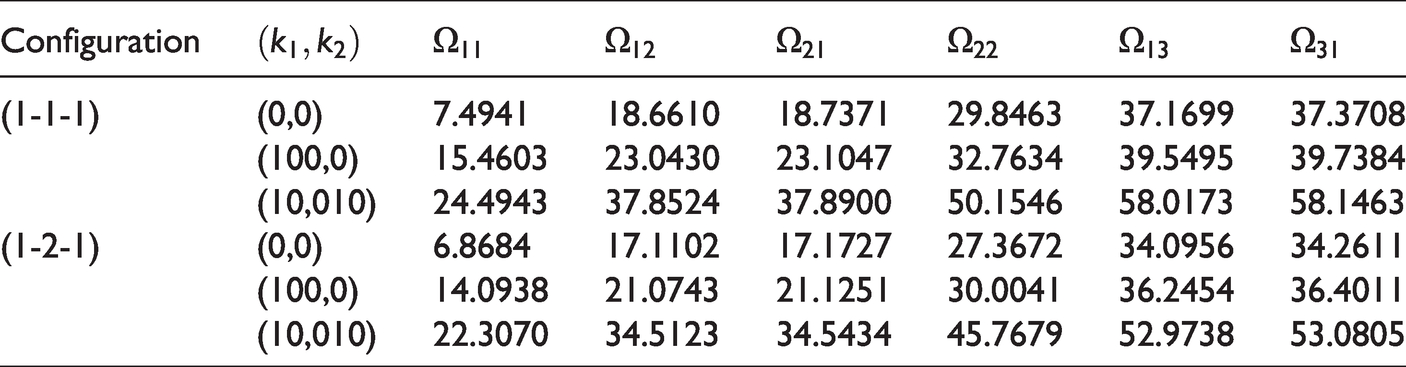
The free vibration responses of the aforementioned square sandwich plates with GRPC face sheets subject to different temperatures obtained based on the abovementioned solution are compared against some numerical results available in the literature and the results are presented in Tables 3 and 4. All plates examined in these two tables had GRPC face sheets containing 7% (by volume) graphene. Note that the natural frequency values in this paper have been presented by the following relation:
Comparison of the first six natural frequencies (
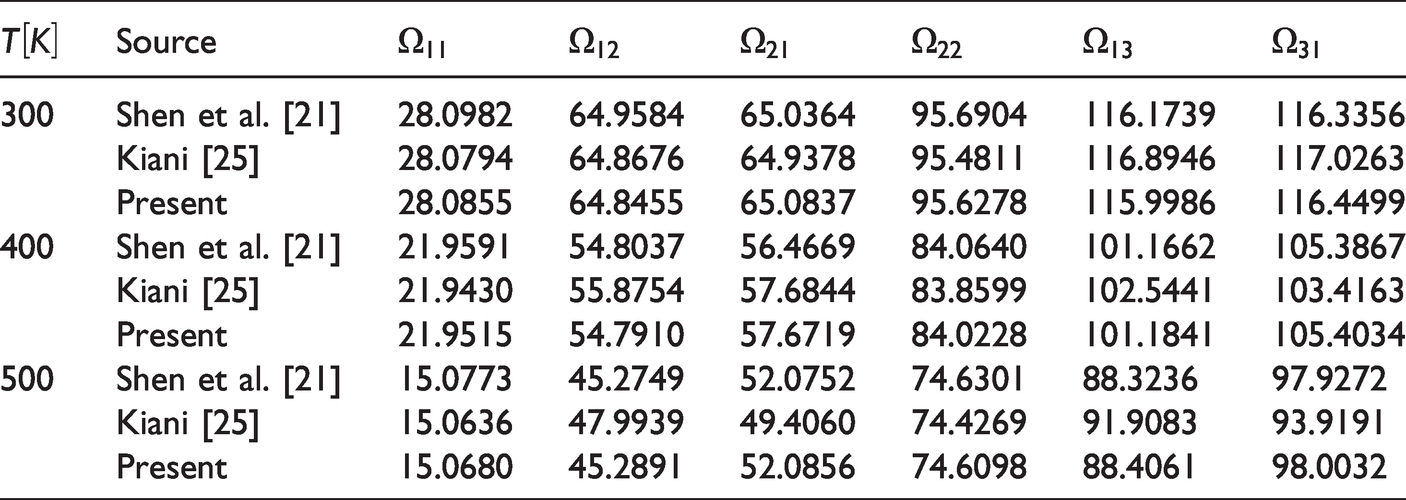
Comparison of the first six natural frequencies (
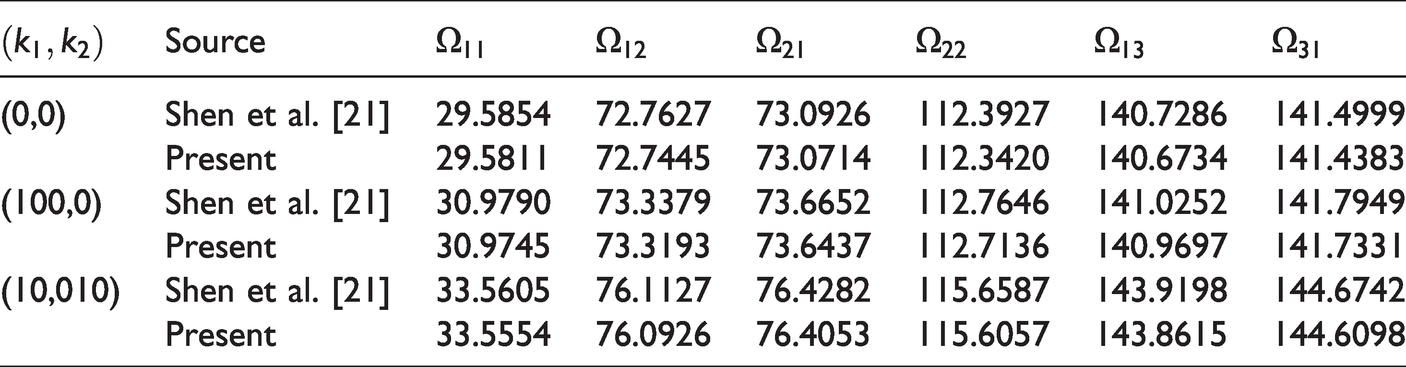
Moreover, the influence of plate configurations (i.e., the core to face sheet thickness ratio
The first six natural frequencies (
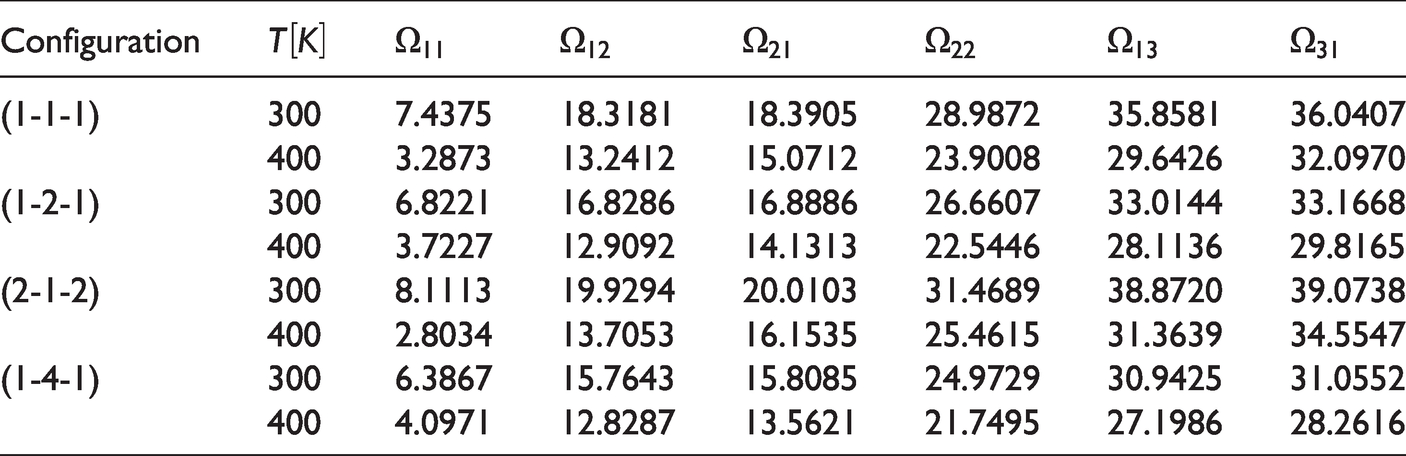
However, this margin of reduction in the frequency as a result of the applied temperature is reduced when the change in higher frequencies is considered. Moreover, it can also be observed that as expected, the natural frequencies of the sandwich plates decrease with an increase in the core to face sheet thickness ratio
The results presented in Table 6 reveals the effects of foundation stiffness and the core to face sheet thickness ratio
The first six natural frequencies (
The effect of the volume fraction of graphene on the fundamental frequency of square sandwich plates with GRPC face sheets is demonstrated in Figure 2. All tested four configurations of the sandwich plates have
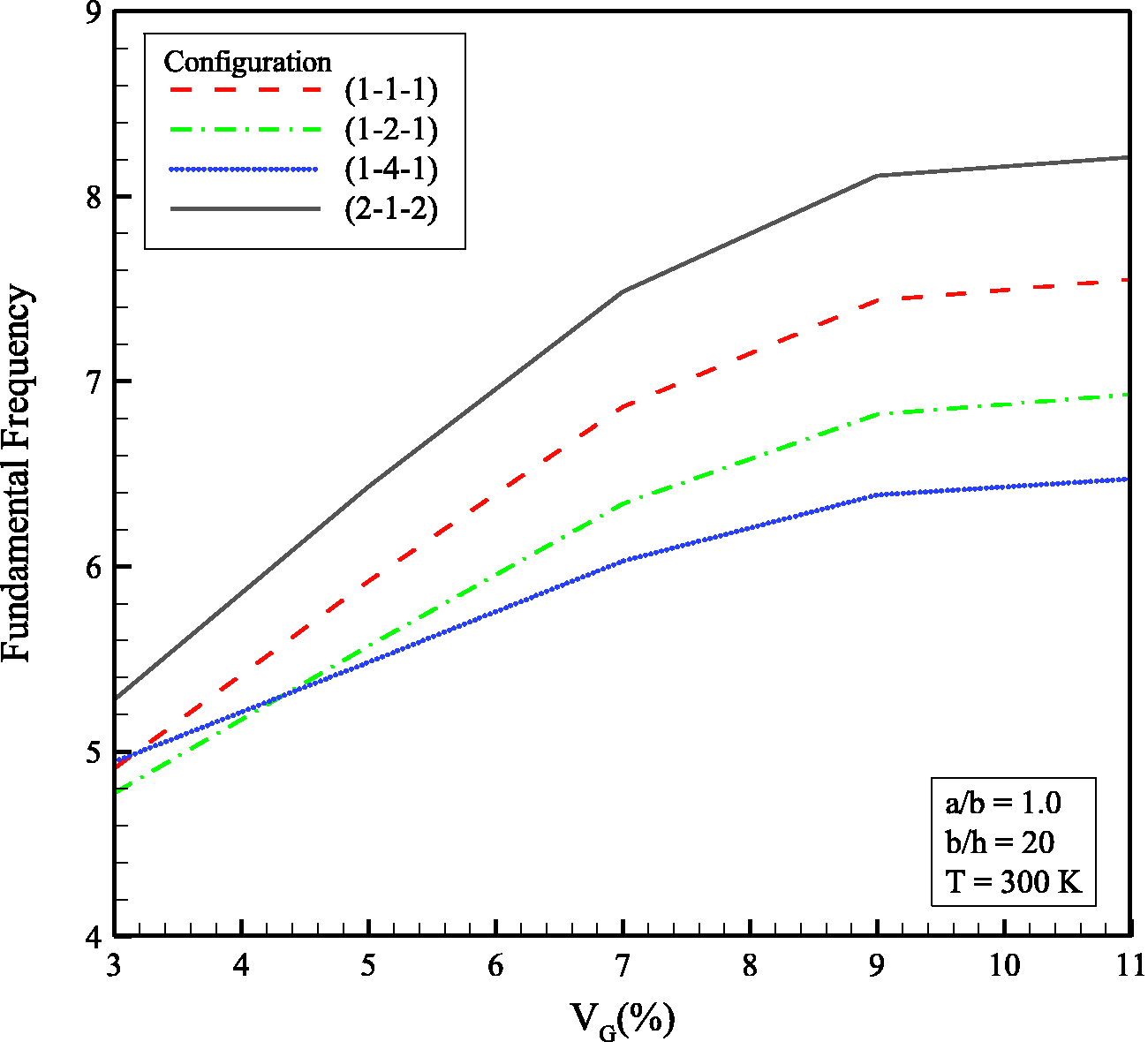
Fundamental frequency
Buckling analysis
In the following section, the effects of various parameters such as temperature, graphene volume fraction, core to face sheet thickness ratio
Buckling response under thermal load
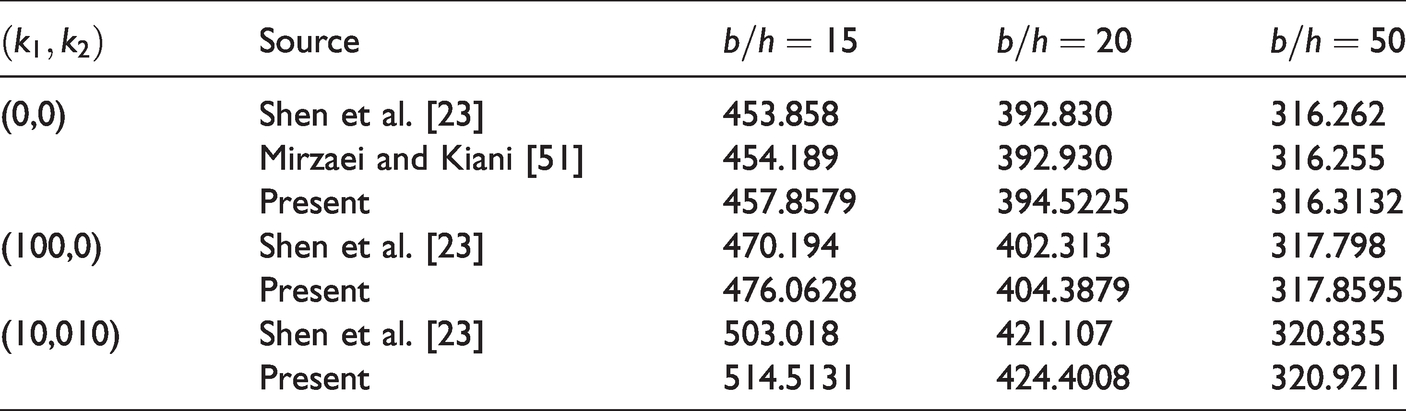
Before presenting the numerical results of the buckling analyses, it is of paramount importance to establish the integrity of the presented formulation. For this purpose, the results obtained from the present study are compared with those obtained through the literature. Table 7 presents the critical buckling temperatures of square plates resting on elastic foundations subjected to a uniform temperature rise, which have
Comparison of the critical buckling temperatures (in [K]) of square plates resting on elastic foundations under uniform temperature rise (
The variation of the critical buckling temperatures against graphene volume fraction for different configurations of sandwich plates is shown in Figure 3. The results reveal that the buckling strength increases as a function of increasing graphene volume fraction of GRPC face sheets. Moreover, increasing the amount of graphene volume fraction from 3% to 11% generated a maximum enhancement of approximately 7% in the critical buckling temperatures in (1-1-1) configured sandwich plate. Moreover, according to the results, the sandwich plates with lower core to face sheet thickness ratio
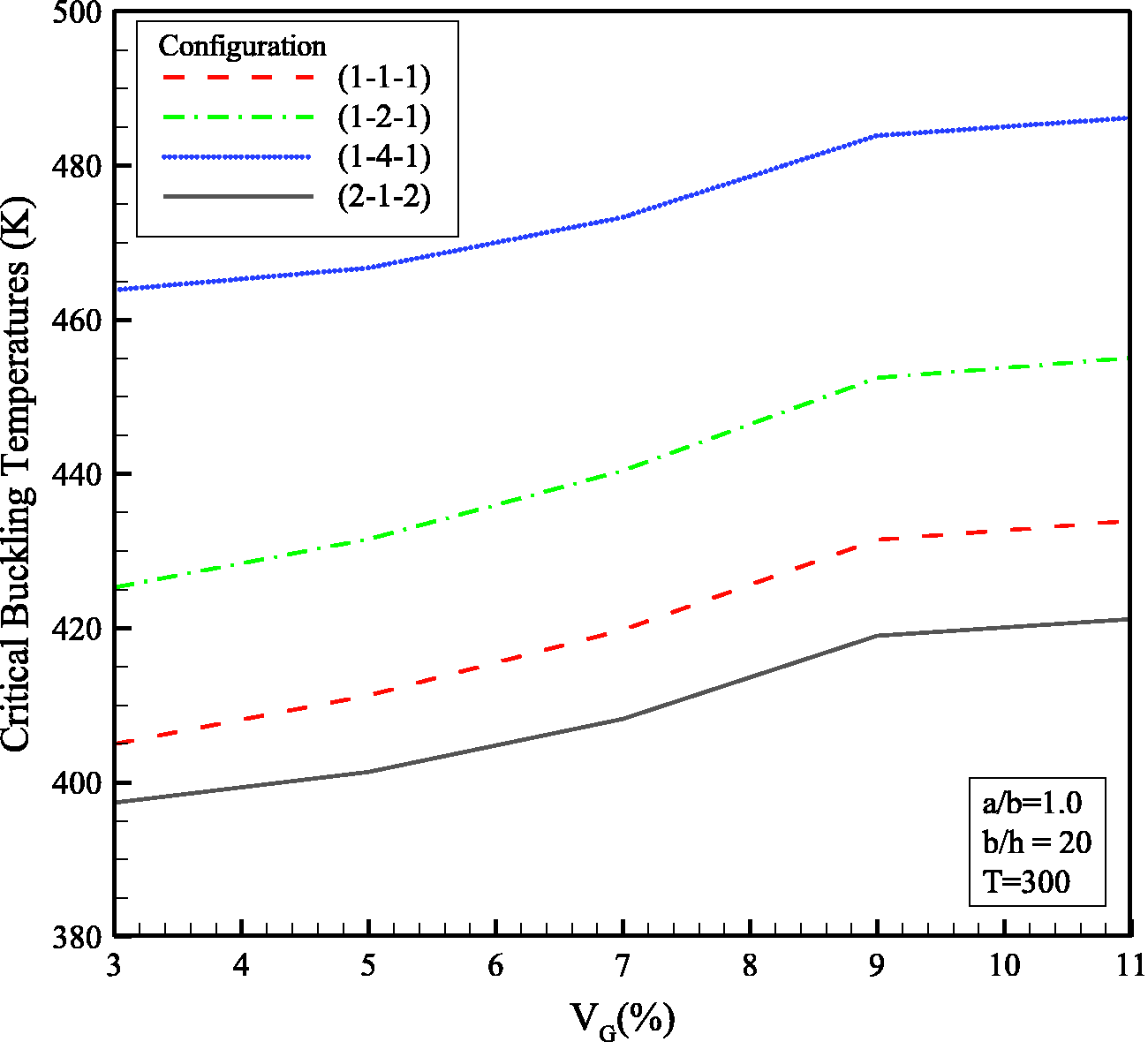
Critical buckling temperatures (in [K]) of square sandwich plates with GRPC face sheets under uniform temperature rise (
Critical buckling temperatures (in [K]) of square sandwich plates with GRPC face sheets resting on elastic foundations under uniform temperature rise (
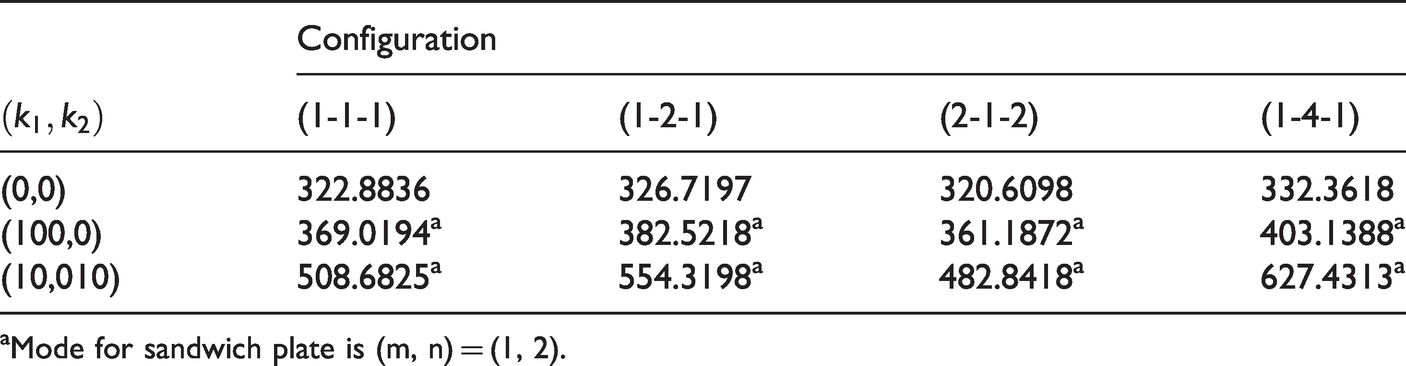
Mode for sandwich plate is (m, n) = (1, 2).
Buckling response under mechanical load
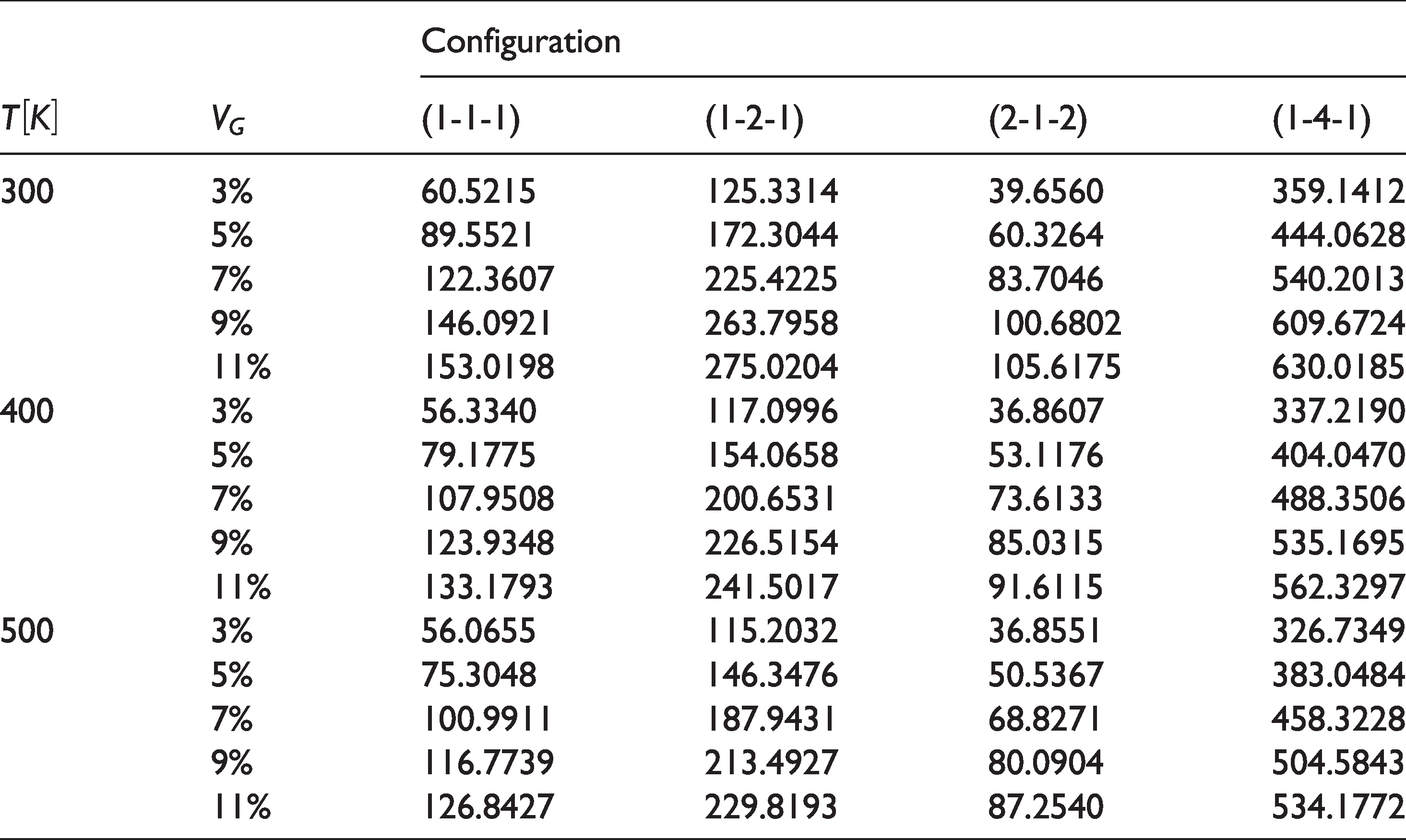
In this section, the resulting mechanical buckling capacities are presented. Tables 9 and 10 present the effects of the core to face sheet thickness ratio
Critical buckling capacities
Critical buckling capacities
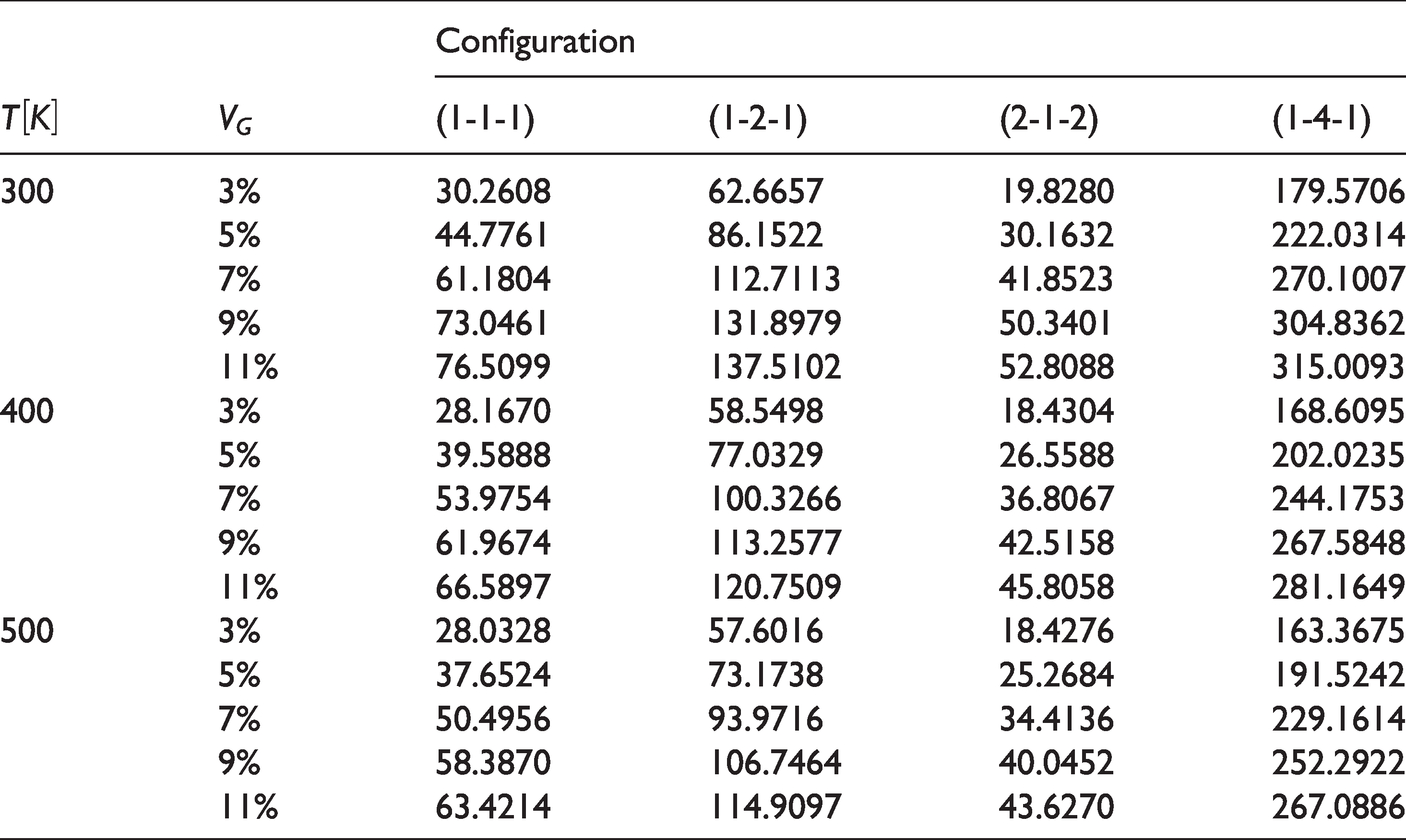
Table 11 presents the critical buckling capacities of simply-supported foundationless sandwich plates and those resting on an elastic foundation. As can be seen, the buckling capacities for the sandwich plate resting on Winkler and/or Pasternak elastic foundations are much higher than the foundationless plates. This is due to the buckling mode changing from first mode in the foundationless plates (i.e.,
Critical buckling capacities
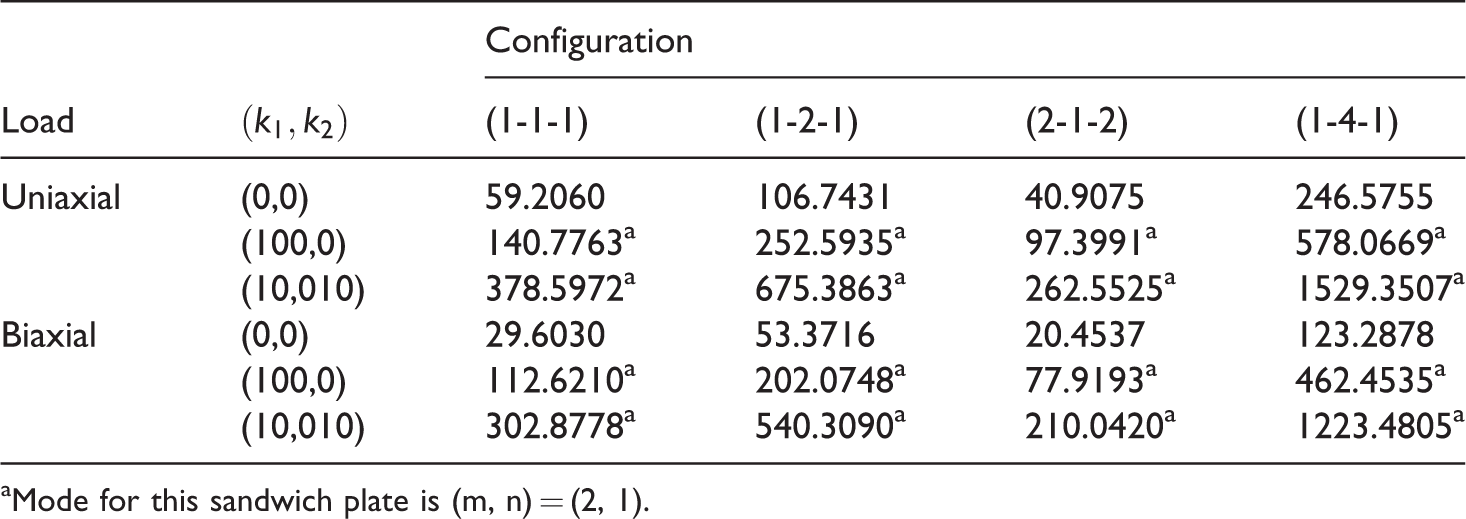
Mode for this sandwich plate is (m, n) = (2, 1).
Deflection analysis
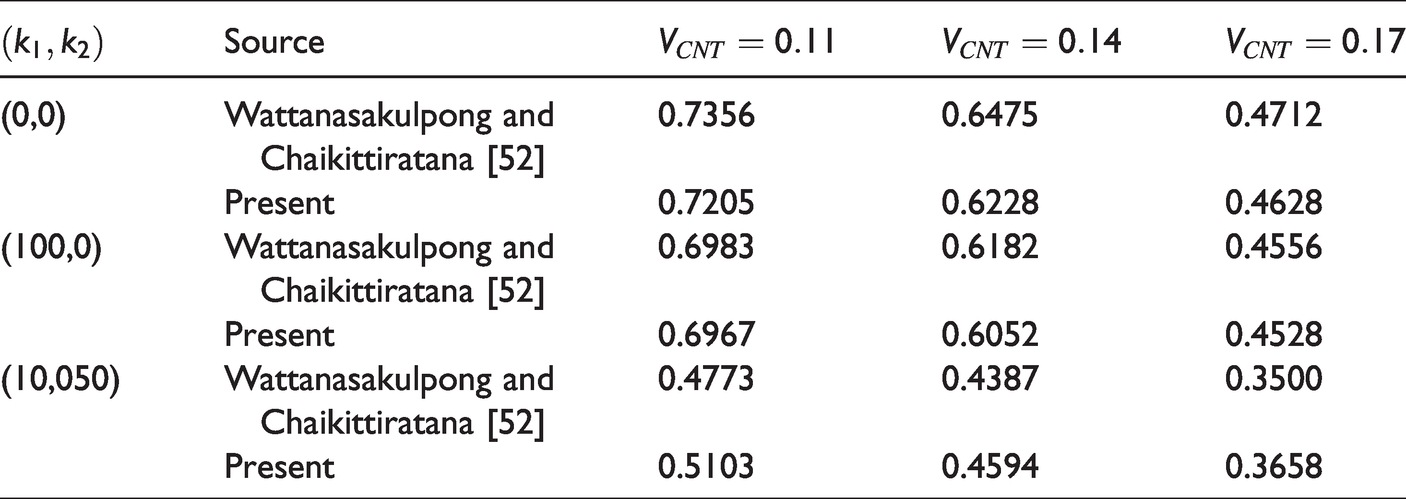
For verification purposes, the dimensionless maximum central deflections obtained by the proposed solution in this study are compared with those obtained by the recently developed existing solutions. Table 12 reports the comparison of the dimensionless maximum central deflections of a simply-supported square PmPV composite plates reinforced with carbon nanotube (PmPV/CNT) subjected to a uniformly distributed load of
Comparison of the dimensionless maximum central deflections
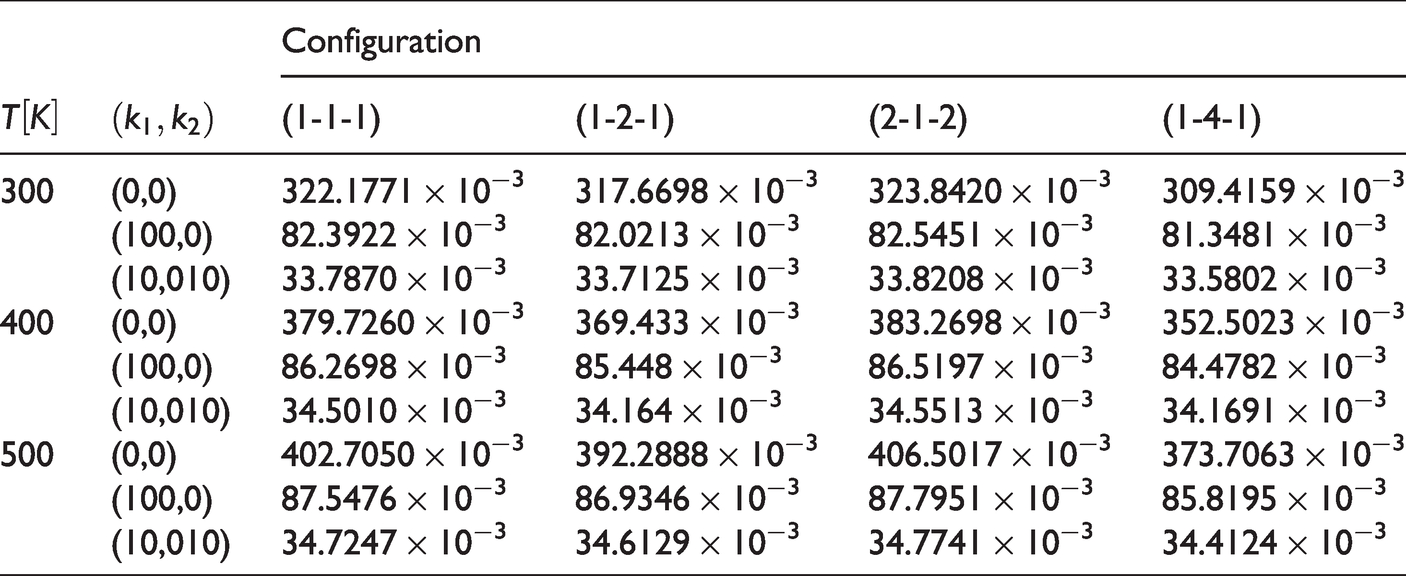
After the validation of the proposed solution, the influences of temperature variation and elastic foundation on the deflection response of all the variously configured GRPC-reinforced sandwich plates are examined. The results presented in Table 13 show the comparison of the maximum dimensionless central deflection of the plates subjected to a uniformly distributed load. The results reveal that the deflections of the variously configured sandwich plates evaluated at room temperature are significantly less than those tested at higher temperatures. This is because the increase in temperature leads to a decrease in the stiffness in the face sheets of the plates. Moreover, it can be seen that as expected, the dimensionless maximum central deflection values of the sandwich plate resting on elastic foundations are lower than those of the foundationless sandwich plate.
Dimensionless maximum central deflections
Next, the effect of volume fraction of graphene and the core to face sheet thickness ratio
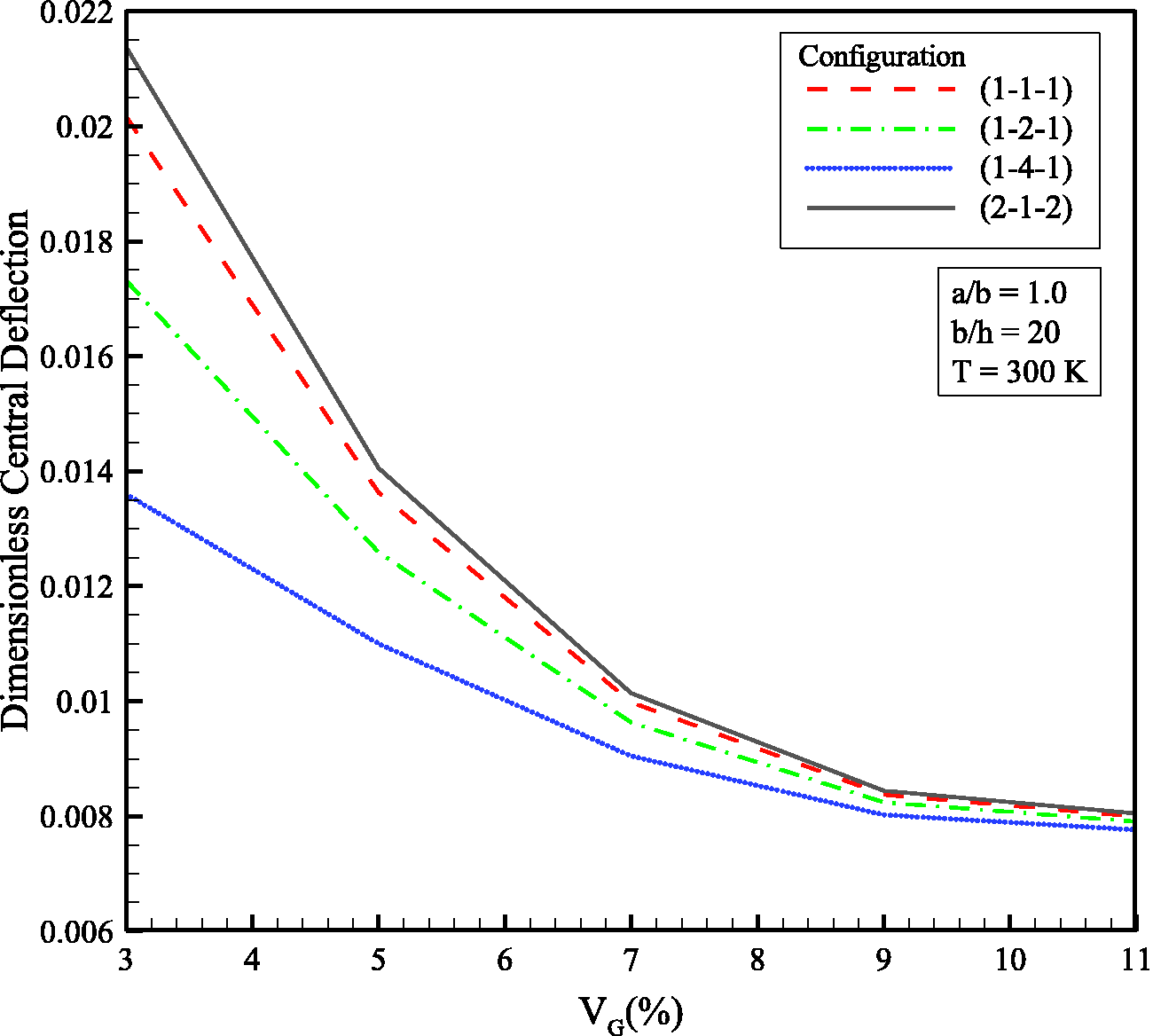
Dimensionless maximum central deflections
Summary and conclusion
This paper investigated the influence of the addition of graphene on the vibration, stability and static responses of sandwich plates. In addition, it presented an analytical solution for analyzing the natural frequencies, buckling capacity and elastic deformation of plates under various mechanical and thermal loading scenarios. Various configurations of the simply-supported sandwich plates formed with nanoparticle-reinforced face sheets, resting on different elastic foundations subject to the combined loads were investigated. Temperature-dependent material properties were considered for both the core and face sheets of the sandwich plates. The governing differential equations of motion were derived on the basis of a recently developed refined shear deformation plate theory and were subsequently solved analytically using the Navier method.
The results revealed that the natural frequencies and critical mechanical and thermal buckling capacities increased with the addition of nanoparticles, and that the plates experienced lower deflection when carrying a uniformly distributed load. Moreover, it was found that graphene volume contents beyond 9% could not further improve the natural frequencies, critical buckling and elastic deformation of the sandwich plates in a significant way. Moreover, the fundamental frequencies and buckling capacities of sandwich plates having a fixed volume fraction of graphene in their face sheets examined at lower temperatures were higher than those considered under higher temperatures. As also expected, the presence of an elastic foundation improved the buckling performances of the reinforced plates, resulting in the change of their buckling mode. As for the influence of nanoparticles on the natural frequencies, the plate with (2–1-2) configuration, which had the lowest thickness, exhibited the highest natural frequencies.
In conclusion, the refined shear deformation plate theory incorporated in this study, which includes a lower number of unknowns compared to the other pertinent theories that are involved with a greater number of unknowns, produced as accurate results. The future work will extend the formulation and assess the response of circular and skewed plates.
Footnotes
Acknowledgements
Both authors are grateful to the Killam Foundation for awarding the Killam Postdoctoral Research Fellowship to the first author.
Declaration of conflicting interests
The author(s) declared no potential conflicts of interest with respect to the research, authorship, and/or publication of this article.
Funding
The author(s) received no financial support for the research, authorship, and/or publication of this article
