




Abstract
Keywords
Key Points
Co-designed school-based dance programmes are feasible, engaging and can enhance students’ enthusiasm for dance, supporting preventative strategies for adolescent wellbeing.
Professional, skilled dance teachers with relevant dance experience improve student engagement compared to secondary school teachers with limited or no specific dance experience.
This short-term dance intervention indicated improved social connection and emotional benefits, though larger, longer trials are needed to confirm the impacts.
Introduction
Adolescent mental health in England is under unprecedented strain. According to recent NHS data, one in five young people in England, aged 8 to 25 has a probable mental health disorder. 1 Rates of depression, anxiety and loneliness are rising, exacerbated by factors including academic stress, social media, the COVID-19 pandemic and limited access to mental health services. Only around 32% of NHS mental health referrals receive timely care, 2 leaving a critical gap that could be filled through innovative, community-based solutions.
Simultaneously, school leaders and policymakers are seeking preventative interventions to support pupil wellbeing and create mentally healthy schools. 3 As a holistic, expressive and inclusive activity, dance has emerged as a promising intervention. 4 A World Health Organization Europe review affirmed the value of arts in health, with dance specifically cited for its capacity to improve physical health, anxiety, depression, learning and memory. 5 By combining movement, music, coordination and emotional expression, dance is considered a particularly effective form of exercise for promoting mental wellbeing. 6
Alongside this, the publication of the NHS 10-year plan makes this study timely. With its strong emphasis on prevention and community-based health approaches, 7 this is an opportune moment to explore innovative methods such as dance, to support children’s wellbeing.
Existing literature highlights the therapeutic effects of dance across populations. Among individuals with Parkinson’s disease, dance has been shown to improve gait, balance and cognitive functioning. 8 In older adults, it can reduce loneliness and stimulate memory and mood. 6 Evidence for adolescents is growing, for example, a Swedish randomised trial of 112 girls aged 13 to 18 found that twice-weekly dance over eight months reduced self-reported stress and psychosomatic symptoms. 9 Dance is also a relational practice involving synchronised movement and, in some forms, brief consensual physical contact, both linked to social bonding and emotional regulation. 10 Such embodied interaction may be particularly salient for adolescents’ sense of connection and safety, 11 but is often avoided in schools due to safeguarding, staffing, funding and accountability pressures. 12
Despite its potential, dance remains under-utilised in English schools. Although dance is a statutory component of the National Curriculum for Physical Education in Key Stages 1-3, 13 provision is inconsistent and often poorly resourced. 14 Many Physical Education (PE) teachers lack dance-specific training or confidence, and guidance on using dance to support emotional wellbeing is limited. 15
Moreover, many school-based mental health interventions are designed top-down, with limited input from young people, undermining their relevance and sustainability. 16 Co-design places young people at the centre of intervention development, increasing ownership, engagement and effectiveness. Research shows that involving young people in designing programmes that affect them can result in more creative, responsive and impactful solutions. 17 Co-design has also been used in similar dance related studies, including a study that co-designed a dance program for children with cerebral palsy. 18
Theoretical Framework
This study draws on an integrated theoretical framework combining biopsychosocial models of mental health, self-determination theory, and participatory co-design. From a biopsychosocial perspective, dance is conceptualised as an embodied, multimodal activity engaging physical, emotional, and social processes – pathways closely linked to mental wellbeing. 19
Self-determination theory provides a complementary lens, proposing that wellbeing is enhanced when activities support autonomy, competence, and relatedness. 20 Dance may satisfy these needs by offering opportunities for choice and self-expression (autonomy), skill acquisition and mastery (competence), and shared participation with peers (relatedness). 21 These mechanisms are particularly salient during adolescence, when sensitivity to peer evaluation and motivation for self-directed activity are heightened. 22
Finally, the study is grounded in participatory co-design theory, which argues that interventions are more acceptable, engaging and sustainable when intended beneficiaries are actively involved in shaping them. 17 In school-based mental health interventions, co-design addresses critiques of top-down provision 23 by foregrounding young people’s lived experience, culture and social norms. In this study, co-design was treated as a core mechanism through which theoretical drivers of engagement and wellbeing, particularly autonomy and relatedness, were operationalised.
Methods
Study Design
This was a prospective, school-based mixed-methods feasibility study conducted in two London secondary schools. The design combined participatory co-design workshops, with a non-randomised pre-post evaluation of a four-week dance intervention. Quantitative and qualitative methods were used to assess feasibility, acceptability and potential impact on mental wellbeing, loneliness and dance engagement. Reporting followed Strengthening the Reporting of Observational Studies in Epidemiology (STROBE) guidelines (Supplementary File 4), and the intervention is described using the Template for Intervention Description and Replication (TIDieR) checklist, a widely used framework for standardising descriptions of complex interventions.
Setting and school selection
The intervention was conducted between March and November 2024 in two state-funded secondary schools in London.
School inclusion criteria were:
State-funded secondary schools located in London.
Existing collaborative links with the research team.
Demonstrated interest in delivering school-based interventions to promote pupil mental wellbeing.
Ability to host group sessions during regular school hours in suitable indoor spaces (e.g. activity halls).
No formal school exclusion criteria were applied beyond failure to meet the inclusion criteria above.
Participants and Recruitment
Participant inclusion criteria
Pupils were eligible to participate if they:
Were aged 13 to 14 years (Year 8 and Year 9).
Attended one of the participating schools.
Expressed an interest in either:
– contributing to the mental wellbeing of their school community (rather than seeking individual mental health support), and/or – dance or movement-based activities.
Were considered able to engage in group-based activities, based on informal pastoral assessment.
Participant Exclusion Criteria
Pupils were excluded if:
School staff judged their behaviour to be likely to disrupt activities, or
Their participation was assessed as posing a potential risk to their own or others’ safety during sessions
Recruitment process
Eligible pupils were identified and selected in situ by each school’s designated wellbeing lead, an internal school member of teaching staff. Their eligibility was assessed during ad-hoc, standard interaction between pupils and the wellbeing lead who also used their understanding of each pupil built over time to identify suitable pupils and encourage them to volunteer to participate. Selection decisions were made by school staff rather than the research team, drawing on their existing knowledge of pupils’ interests and suitability for group participation. The research team were not informed of any students who expressed interest but were subsequently not encouraged to participate.
A total of 28 pupils participated (Supplementary File 1), six in both the co-design and intervention phases, 22 participated only in the dance intervention. All participation was voluntary. Schools distributed separate parent and child participant information sheets, and parental/guardian assent was obtained. No identifiable personal data were collected.
Co-design Process and Intervention Description
The co-design process aimed to develop a dance programme that pupils found relevant, engaging and supportive of wellbeing. Two 60 to 90-minute workshops were held in each school with six participants in total (three per site), facilitated by a designer, a member of the research team specialising in using human-centred design methods. Human centred design is based on the use of techniques which communicate, interact, empathize and stimulate the people involved, obtaining an understanding of their needs, desires and experiences. 24
Only 6 of the 28 total pilot participants took part in co-design because this allowed for detailed discussion between 3 participants at a time and one researcher, the co-design facilitator. Co-design groups are purposefully small to ensure that everyone’s voice can be heard, facilitate meaningful interaction, rich contributions, and detailed discussion in the design process. 25
Co-design discussions also explored comfort, consent and preferences around partner work and physical proximity, as these were identified by participants as potential facilitators or barriers to engagement in dance sessions.
During co-design participants annotated posters, suggested song playlists and completed structured discussion prompts. In the first session facilitators or barriers to engagement in dance sessions was discussed. Barriers or enablers of comfort, consent and preferences around partner work and physical proximity were identified and then explored in more detail in the second co-design session.
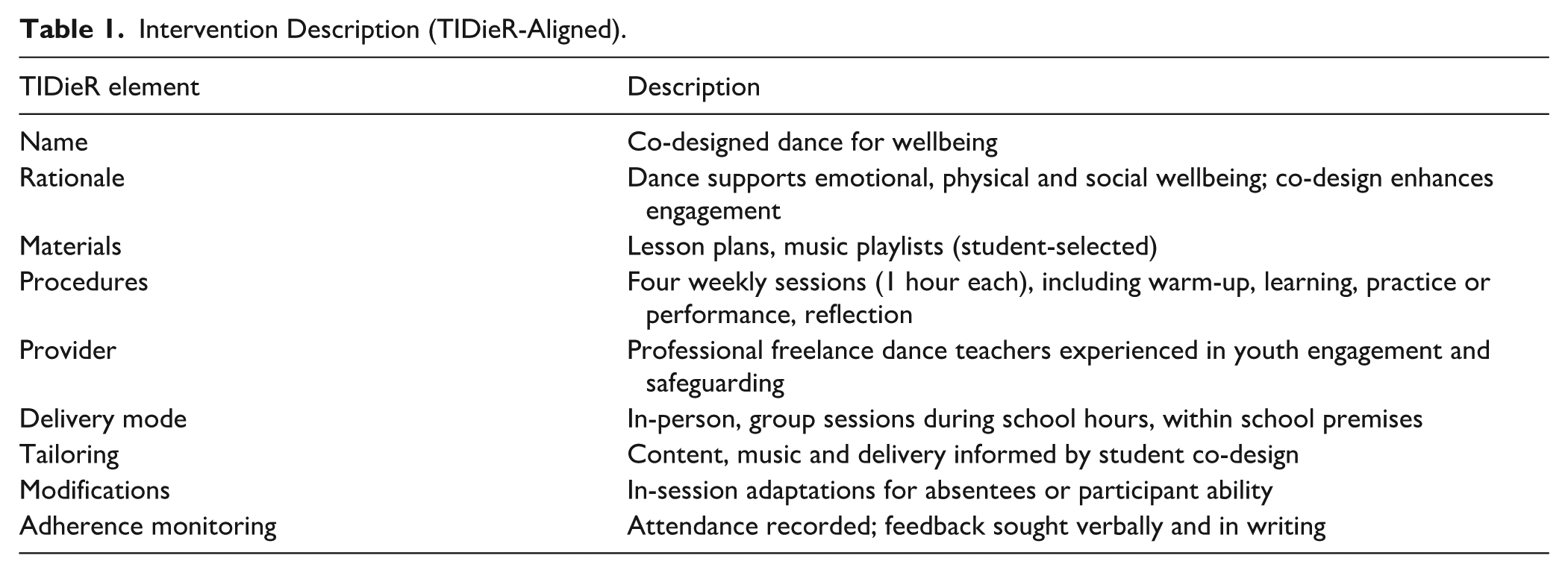
All outputs were synthesised by the research team and used to co-produce tailored plans that defined the dance activities to take place during the pilot in each school (Supplementary File 2). School A opted for street dance and a friendly competition; School B preferred varied genres with informal peer showcases. Table 1 presents the intervention details structured according to TIDieR domains.
Intervention Description (TIDieR-Aligned).
Feasibility and Acceptability Outcomes
In line with guidance for early-phase and feasibility studies, 26 this pilot prioritised assessing feasibility and acceptability over effectiveness. Feasibility was operationalised using process indicators including recruitment, attendance and retention, data completeness, and the practicality of delivering the intervention in routine school settings. Acceptability was assessed from the participant perspective using quantitative and qualitative indicators, including post-intervention Net Promoter Score (NPS) as a pragmatic measure of enthusiasm and willingness to recommend participation, alongside open-text feedback on enjoyment, perceived value and engagement. Observational notes from co-design workshops and intervention delivery contextualised findings. These indicators informed decisions on progression to a larger-scale evaluation.
Data Collection and Outcome Measures
Data were collected at two time points: immediately before the first dance session (baseline) and during the final session of the four-week intervention (post-intervention). Quantitative data were gathered via self-completed paper questionnaires administered in school under researcher and wellbeing lead supervision. Questionnaires were completed individually in approximately 10 to 15 minutes. No identifiable personal data were collected.
Mental wellbeing was assessed using the 14-item Warwick-Edinburgh Mental Wellbeing Scale (WEMWBS), validated for UK adolescents and widely used in school-based research, ensuring suitability for this study. 27
Loneliness was measured using the validated three-item UCLA Loneliness Scale for Children, chosen to minimise respondent burden. The scale captures perceived social isolation and is widely used in youth and educational research, supporting its suitability. 28
Engagement with dance was assessed using an adapted Net Promoter Score (NPS), indicating willingness to recommend participation. NPS is increasingly used as a pragmatic indicator of acceptability and enthusiasm in pilot and feasibility studies where participant experience and continued engagement are of interest. 29
Participants also reported perceived changes in their use of school-based wellbeing support services using a five-point Likert scale (“much less than usual” to “much more than usual”). This item explored potential shifts in help-seeking behaviour, recognising that increases and decreases may be interpreted differently in preventative school contexts.
Qualitative data were collected through open-text questionnaire responses pre and post-intervention and contemporaneous notes from co-design workshops. These data explored participants’ experiences, perceived mechanisms of impact, and factors influencing acceptability and engagement.
Data Analysis
A mixed-methods approach was used to analyse quantitative and qualitative data collected before and after the intervention, using the analyses described below. Descriptive statistics were reported as frequencies and percentages. Inferential tests assessed changes in wellbeing, loneliness and dance engagement. WEMWBS scores were collected pre- and post-intervention and analysed using paired t-tests for matched data; a ≥3-point increase was considered a meaningful improvement based on population norms.
Loneliness was assessed using the UCLA-3 scale for Children, 30 with pre- and post-scores compared using paired t-tests; reductions indicated improved social connection.
Dance engagement was measured using an adapted Net Promoter Score (NPS), classifying responses as promoters (9-10), passives (7-8) or detractors (0-6). Pre- and post-intervention NPS values were compared using the Wilcoxon signed-rank test due to ordinal data and small sample size.
Changes in use of school-based wellbeing services were reported on a 5-point Likert scale and summarised descriptively; no hypothesis testing was conducted due to interpretive ambiguity. Analyses were restricted to participants with complete pre- and post-data. No imputation was applied given the small, exploratory sample. Statistical significance was set at P < .05, and analyses were conducted in SPSS v29.
Qualitative analysis
Open-text survey responses and notes from co-design sessions were analysed using reflexive thematic analysis, following Braun and Clarke’s six-step framework 31 : familiarisation, coding, theme development, review, definition and reporting. Coding was conducted manually by one researcher, with verbatim quotes used to illustrate themes. Observational notes from workshops and intervention delivery captured participant responses, including engagement, opt-outs and facilitator adaptations. Themes were triangulated with co-design feedback to identify drivers and barriers to engagement and inform practical guidance for school-based dance interventions.
Ethical Approval
This study received a favourable opinion from the Imperial College Research Ethics Committee (ICREC #305483) and complied with GDPR and the UK Data Protection Act 2018. School safeguarding policies were adhered to. Wellbeing leads attended all sessions to support safeguarding or emotional concerns.
Results
Participant Characteristics
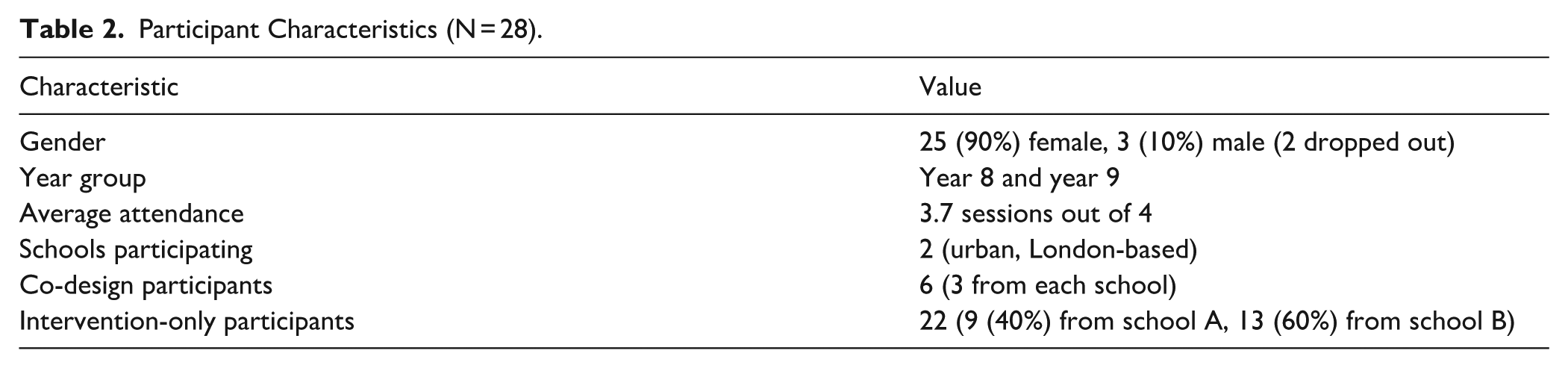
28 pupils participated. (13 from School A; 15 from School B). Six students (3 from each school) participated in both the co-design and intervention phases, and 22 in the intervention only. Participant characteristics are shown in Table 2. Twenty five participants were female; three were male, two of whom withdrew after the first session, citing discomfort being the only boys present. Attendance ranged from 1 to 4 sessions per participant, with most participants attending at least 3 sessions. Reasons for missed sessions included illness, school trips or behavioural sanctions.
Participant Characteristics (N = 28).
Feasibility Metrics
Feasibility indicators included successful recruitment across both schools, high session attendance, minimal attrition, and acceptable levels of matched pre-post data completion across outcome measures. School wellbeing leads were asked to recruit 15 participants per school. School A recruited 13 pupils and School B 16 (n = 28). Parents and guardians were informed by the wellbeing lead, and pupils provided assent; no parental consent or financial incentives were required. For partner work, teachers demonstrated movements with another teacher rather than students. To ensure pupils were willing to participate, adaptations to partner work were offered, pupils were invited to hold hands or link arms but were always offered alternatives, such as eye contact or working in groups of three, to ensure comfort and choice.
Intervention Attendance and Engagement
Mean attendance was 3.7 of 4 sessions. Engagement was high, though participants in School A often required behavioural support from staff. Pre-pilot surveys indicated enthusiasm, especially regarding music and social interaction. Completeness of matched pre-post data was 79% for WEMWBS, 71% for UCLA and 40% for NPS. No adverse events were reported.
Mental Wellbeing Outcomes (WEMWBS)
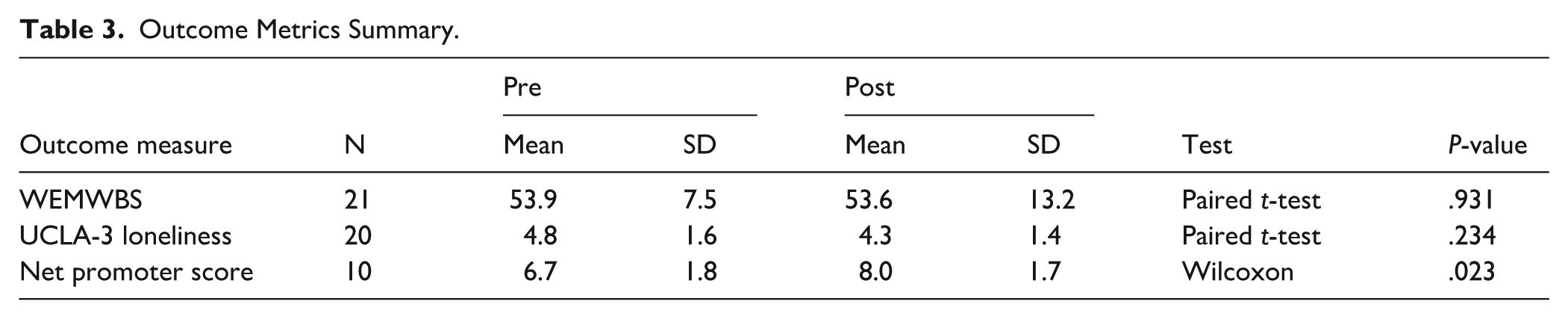
Among 21 participants who completed both baseline and post-intervention WEMWBS assessments, the mean wellbeing score showed minimal change (pre = 53.9, SD = 7.5; post = 53.6, SD = 13.2; t(20) = 0.087, P = .931) (Figure 1). Over half (52.4%) demonstrated individual improvement, though group-level change was not significant. Two participants shifted from the “low wellbeing” to the “moderate” category post-intervention, indicating potential benefit.
Spaghetti plot of change of WEMWBS pre and post intervention.
Loneliness Outcomes (UCLA-3)
Complete UCLA-3 loneliness data were available for 20 participants. Mean loneliness scores decreased from 4.8 (SD = 1.6) at baseline to 4.30 (SD = 1.4) post-intervention (Figure 2). This reduction was not statistically significant (t(19) = 1.229, P = .234). However, 13 (65%) of participants showed stable or reduced loneliness scores, with three transitioning from “lonely” to “not lonely”.
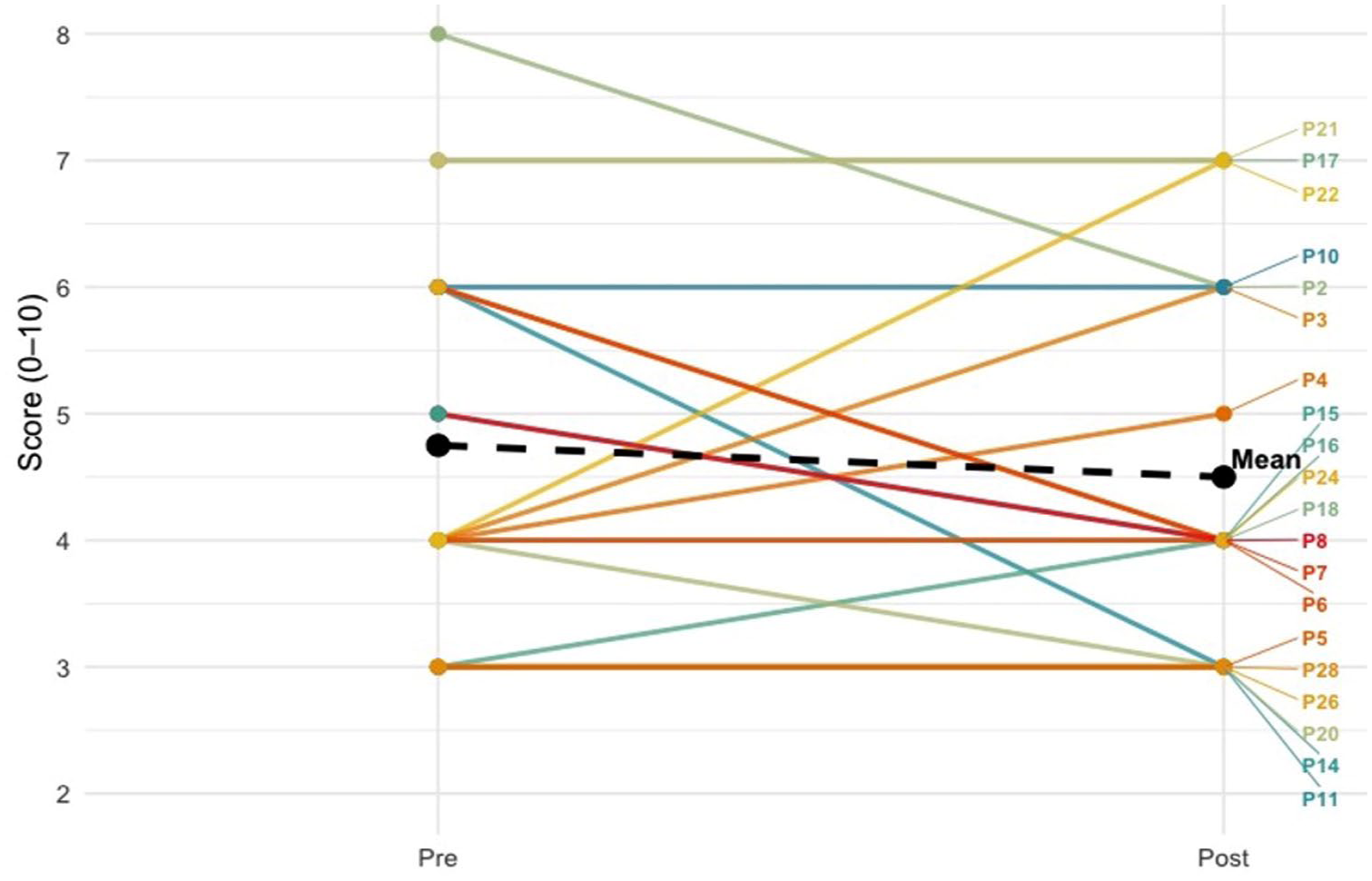
Spaghetti plot of change of UCLA-3 Loneliness Scale pre and post intervention.
Dance Enthusiasm (Net Promoter Score)
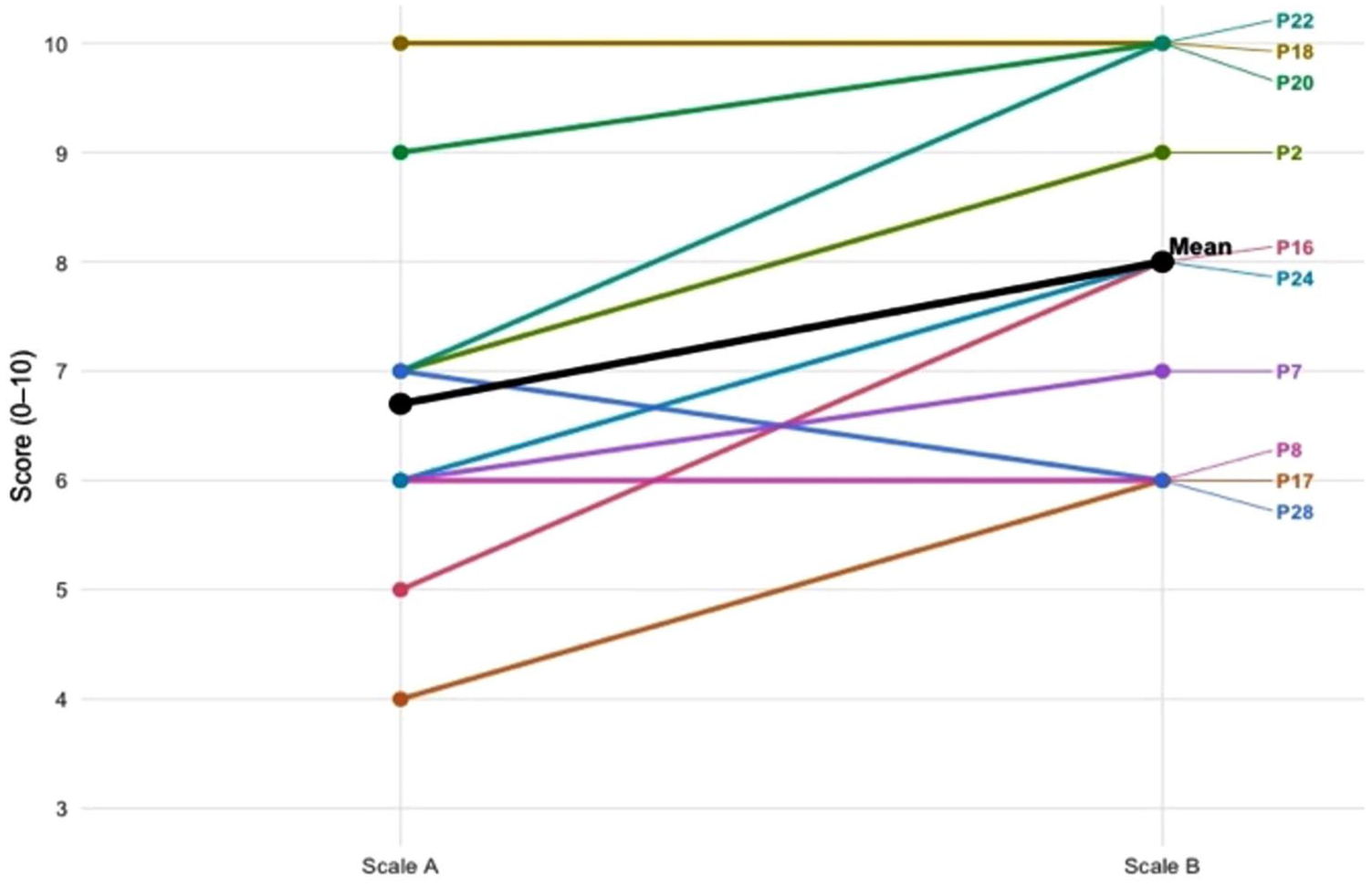
NPS data from 10 participants showed a significant increase in mean score from 6.70 (SD = 1.8) to 8.00 (SD = 1.7) (Z = 2.266, P = .023) (Figure 3). Only 10 participants fully completed the pre and post pilot survey and were therefore included in the analysis. Several participants moved from neutral or detractor categories to promoter status, indicating improved enthusiasm for dance following the intervention.
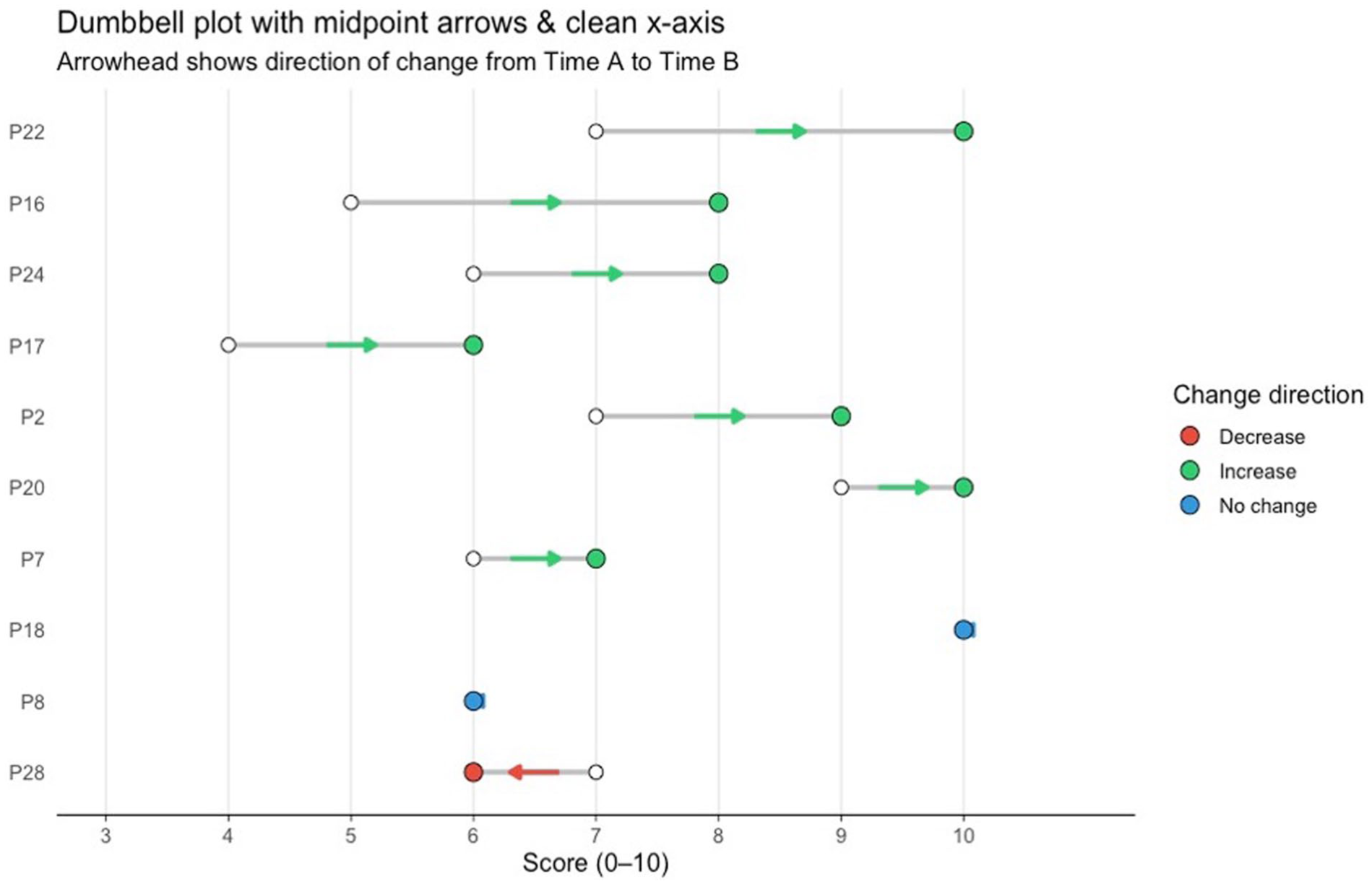
Change of net promoter score pre- and post-intervention. Dumbbell plot with midpoint arrows and clean x-axis arrowhead shows direction of change from Time A to Time B.
A summary of WEMBS, UCLA-3 and NPS is presented in Table 3.
Outcome Metrics Summary.
Use of Wellbeing Support Services
Of 25 respondents to this question in the surveys, 3 (12%) reported accessing school wellbeing services more than usual, 5 (20%) less than usual and 17 (68%) reported no change. Given the small sample size and ambiguous interpretation of increased support use, no clear trend can be concluded.
Comparative School-Level Insights
While School A preferred competition and structured performance, School B leaned towards creative expression and variety during co-design (Supplementary File 2). Despite differences, both groups demonstrated an improvement in enthusiasm for dance having taken part in the intervention and similar response patterns across outcome measures.
Qualitative Feedback and Thematic Analysis
Qualitative feedback was collected from 23 participants through open-text survey responses and co-design discussions (Supplementary File 3). Thematic analysis highlighted six interconnected themes that shaped young people’s engagement.
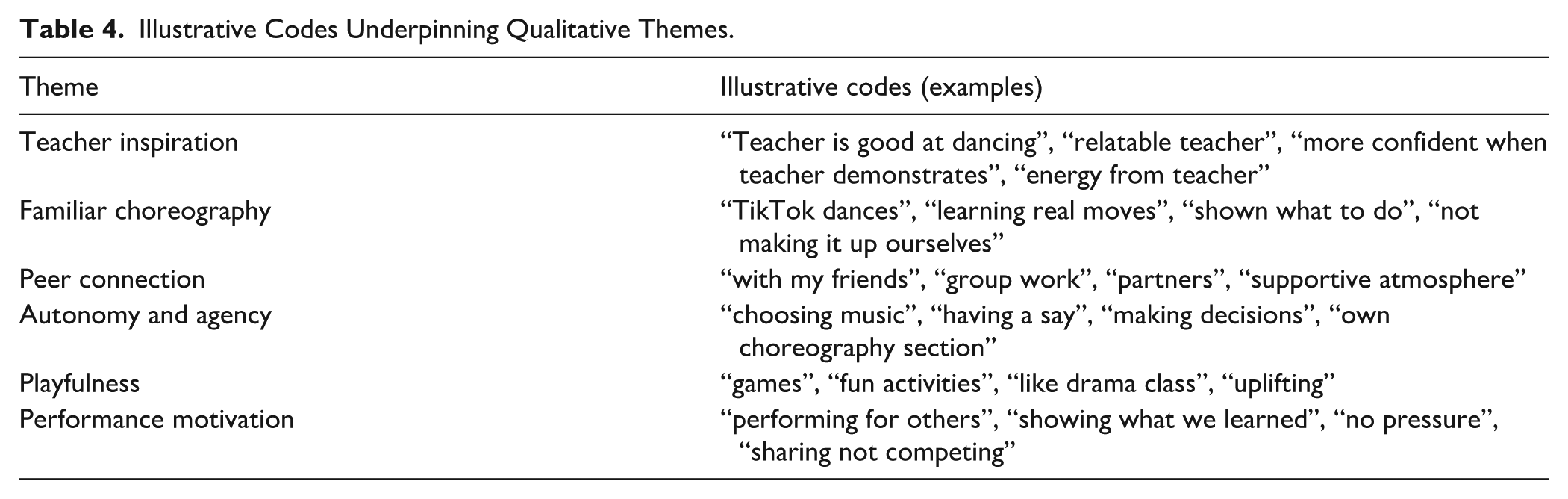
Themes were derived from inductive coding of survey responses and co-design discussions and are summarised in Table 4. Themes were selected for salience and relevance to engagement and acceptability, and offer practical guidance for inclusive, wellbeing focussed school dance interventions.
Illustrative Codes Underpinning Qualitative Themes.
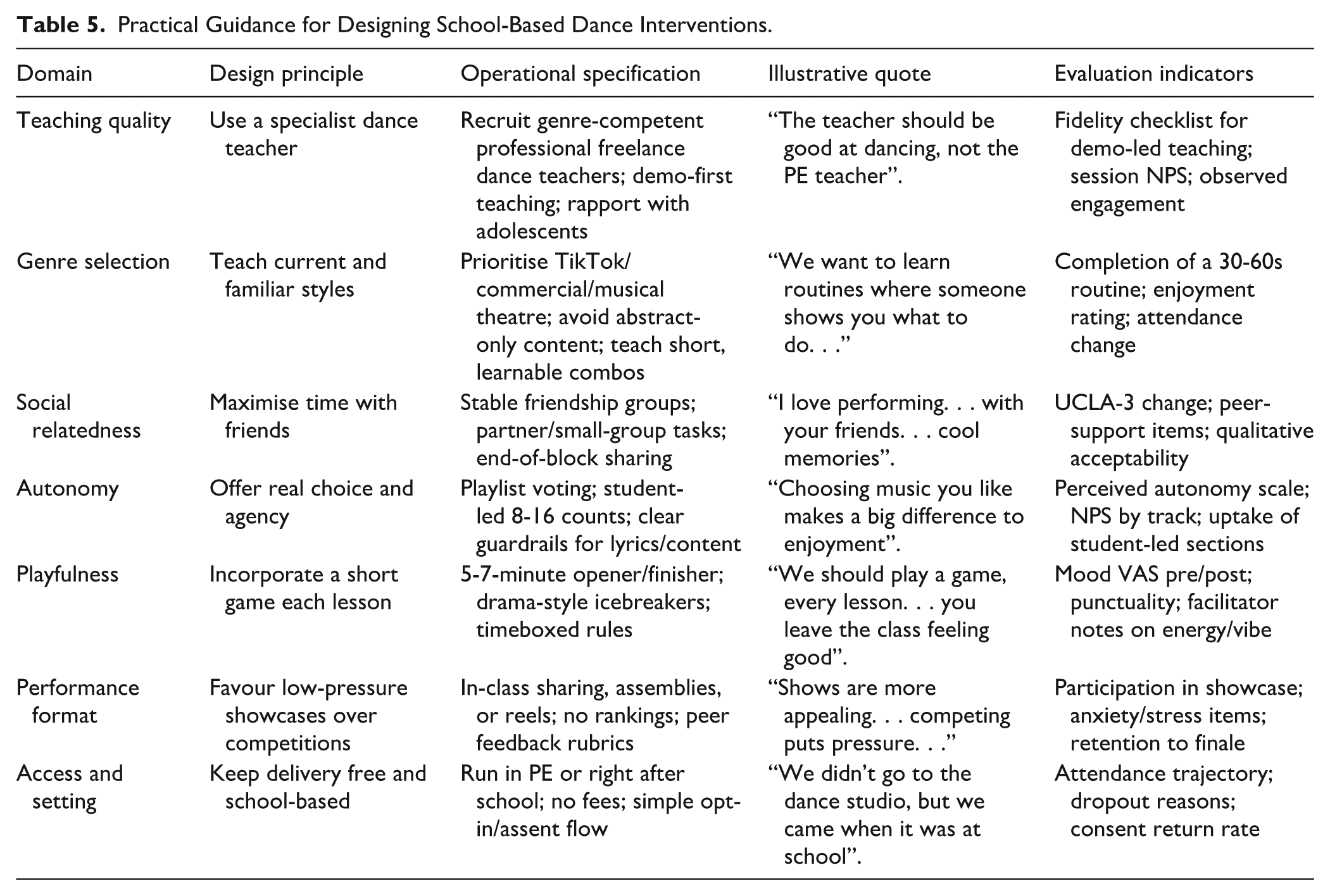
Practical guidance for designing school-based dance interventions
Thematic analysis of pupil feedback generated several practical recommendations for the design and delivery of school-based dance programmes.
Delivered by an Inspiring Dance Teacher
Participants strongly expressed the importance of being taught by a skilled, passionate dance teacher rather than a generalist PE teacher. A teacher who could demonstrate choreography and relate to students was consistently linked to higher enthusiasm: The teacher should be good at dancing, not the PE teacher.
Teach Choreography from Current and Familiar Dance Genres
Dance styles seen on platforms like TikTok and in musical theatre were favoured over traditional or abstract genres such as contemporary, which participants found less relatable: We want to learn routines where someone shows you what to do rather than just figure it out ourselves which is what dancing in school is usually like.
Emphasise Time with Friends
The social dimension of dance was repeatedly highlighted. Students valued opportunities to perform and enjoy movement alongside peers: I love performing, with your friends the whole day, cool memories.
Offer Choice and Agency
Autonomy in music selection and choreography was closely linked to enjoyment and engagement. Participants wanted to feel ownership over the sessions by contributing ideas regarding music: Choosing music you like makes a big difference to enjoyment but understand everyone’s taste is different. Picking the music you dance to will make someone more happy.
This is supported by research on boys’ experiences of dance in primary school, which found that agency, creativity and social interaction improve dance engagement. 32
Incorporate Play
Structured games were described as uplifting and familiar, borrowing positively from other school subjects like drama. Games helped create a light, joyful atmosphere that boosted energy and mood: We should play a game, every lesson, we do that in Drama and it is just fun, you leave the class feeling good.
Work Towards Low-Pressure Performance
Students preferred performance-based goals that focused on peer support over competition. While performing boosted motivation, competitive formats were described as stressful: Shows are more appealing because competing puts pressure on yourself because you want to win.
Ensure Dance Is Free and School-Based
Although initially intrigued by external studio settings, participants ultimately preferred in-school delivery due to convenience. Attendance improved once sessions were held on-site, underscoring the need to remove financial and logistical barriers: We didn’t go to the dance studio, but we came when it was at school.
Contextual and methodological reflections
Each school had differing preferences and participation: pupils at School A favoured structured choreography and competition, while those at School B preferred diverse styles and informal peer showcases, highlighting the need for local adaptation.
Co-design effectively shaped relevant and engaging content but also revealed limitations, as peer dynamics sometimes constrained divergent views. Future studies could supplement group workshops with anonymous or small-group input to capture a wider range of perspectives.
Overall, findings indicate that no single model of school-based dance provision is universally acceptable. Flexible, locally tailored approaches supported by co-design are essential for maximising engagement and acceptability. Table 5 translates adolescent feedback into actionable design principles for school-based dance delivery, synthesising qualitative themes into operational specifications with evaluation indicators covering teacher expertise, genre selection, social relatedness, autonomy, playfulness, performance format, and delivery setting.
Practical Guidance for Designing School-Based Dance Interventions.
Recommendations for introducing partner dance
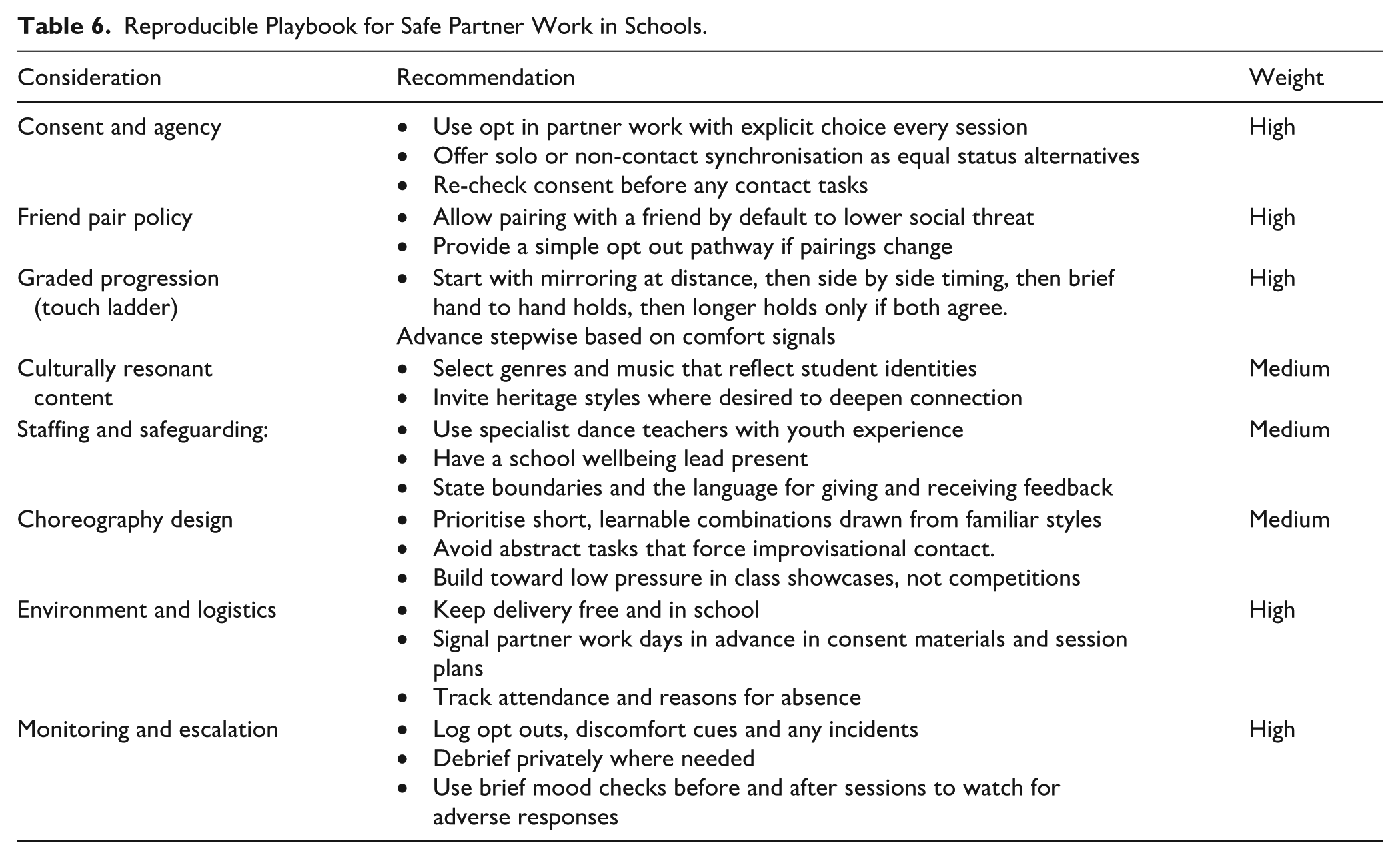
Physical touch in dance was a sensitive topic, with students displaying reluctance unless specific conditions were met. Participant-informed guidelines (Table 6) derived from workshop dialogue and observations, complement the insights regarding partner work and touch. Together, they inform practical guidance for inclusive, safe and acceptable partner-based dance activities in secondary school settings.
Reproducible Playbook for Safe Partner Work in Schools.
Discussion
Summary of Principal Findings
This study examined the feasibility, acceptability and potential impact of a co-designed dance intervention to support adolescent mental wellbeing in schools.
The intervention was acceptable and engaging, demonstrated by high attendance (mean 3.7 of 4 sessions), low attrition, improved post-intervention Net Promoter Scores, and positive qualitative feedback describing enjoyment, motivation and peer connection. These indicators support progression to a larger and longer evaluation. Students valued sessions shaped by their input, and Net Promoter Scores increased significantly post-intervention, highlighting the role of co-design in fostering ownership. Although no group-level improvements were observed in wellbeing (WEMWBS) or loneliness (UCLA-3), over half of participants showed individual gains, with several moving out of “low wellbeing” or “lonely” categories. These early signals justify testing in a larger trial.
Physical touch in dance emerged as a sensitive topic during co-design discussions and intervention delivery. Some participants expressed discomfort with partner work, while others were reluctant to engage in physical contact unless paired with friends; facilitators also observed hesitancy or opting out when contact-based movements were introduced. These observations, informed real-time adaptations, including non-contact alternatives and explicitly re-checking consent. Sensitivity around touch was identified inductively, reflecting adolescent concerns about social exposure, bodily boundaries, and peer perception in school settings. 33
Qualitative data reinforced social and emotional benefits. Students highlighted peer connection, confidence, and emotional uplift, while thematic analysis pointed to the importance of instructor charisma, culturally relevant music, enjoyable choreography, and group formats promoting fun and cohesion.
Acceptability was supported by improved Net Promoter Scores and qualitative feedback highlighting enjoyment, social connection, and motivation to participate.
The study also generated practical guidance for delivering dance in schools, including strategies to make partner dancing acceptable, inclusive, and enjoyable. These insights address a gap in the literature on physical touch in adolescent wellbeing interventions and offer direction for future curriculum design. Overall, findings demonstrate the feasibility of co-designed dance programmes and provide a rationale for larger-scale evaluation.
Comparison to Existing Literature
This pilot study contributes to emerging evidence supporting dance as a school-based intervention for adolescent mental health. Although the study did not find statistically significant group-level changes in wellbeing or loneliness, individual improvements and strong qualitative endorsements reflect patterns seen in similar studies. A Swedish trial 9 demonstrated that adolescent girls participating in twice-weekly dance experienced significant reductions in stress-related symptoms and improved self-rated health. The intervention’s benefits persisted up to one-year post-intervention, highlighting dance’s potential for sustained impact. Further, a review of 68 studies confirmed that physical activity interventions including expressive forms like dance can be protective against the development of depression and anxiety in children and young people. 34
Despite dance being part of the English National Curriculum for Physical Education, its delivery in schools remains inconsistent and undervalued, often delivered without specialist expertise and perceived as lower priority compared to team sports. 14 Our findings affirm this concern: participants expressed frustration with existing dance provision in schools, emphasising the importance of trained and inspiring dance teachers, a sentiment echoed in previous research. 35
This study’s use of co-design also builds on a growing literature advocating for participatory approaches in youth wellbeing interventions. Co-design is increasingly recognised as an effective strategy to ensure relevance and uptake, particularly among adolescents who are often disengaged by top-down efforts. Studies highlight that meaningful engagement of young people in shaping interventions leads to improved satisfaction, creativity and behavioural outcomes. 36 Our findings suggest that even limited co-design (two 60-90-minute sessions) meaningfully influenced participant engagement and enthusiasm.
Although physical touch was not a primary outcome of the study, it emerged inductively as an important contextual factor influencing acceptability, perceived safety, and social connection during dance sessions. This highlights the need for explicit, participant-informed approaches to consent and choice when incorporating partner-based movement in schools. Studies show that appropriate peer-to-peer touch (e.g. hand-holding or synchronised movement) can enhance feelings of connection and reduce physiological stress responses. 37 Our participant-informed guidelines around partner dancing, including strategies to promote autonomy and cultural resonance, offer a framework for incorporating touch safely and effectively in school-based programmes.
Study Strengths and Limitations
Participatory methods are increasingly used in dance research, 38 with this study contributing to this growth by applying co-design to develop a school-based dance intervention for adolescent wellbeing. The mixed-methods design, combining validated quantitative measures with qualitative feedback, enriched understanding of both outcomes and mechanisms.
Key limitations include the small sample size (N = 28), short intervention duration and variable attendance, which limited statistical power, data completeness and generalisability. Reliance on self-report may have introduced social desirability bias. The predominantly female sample, with male participants withdrawing early, reflects known gendered barriers to dance participation 39 and highlights the need for future interventions tailored to engage boys and non-binary students. Recruitment from two schools with existing researcher links may have introduced selection bias and limited transferability to other contexts.
Finally, the co-design process itself had constraints. Although group workshops yielded useful insights, some participants appeared reluctant to speak openly. Incorporating individual reflection or anonymous feedback in future co-design processes may capture broader perspectives.
Practical and Clinical Applications and Implications
This pilot study offers key implications for designing and scaling school-based mental wellbeing dance interventions. Involving young people in co-design increased relevance, ownership and participation, showing that even brief participatory input can enhance engagement among students.
Professional, trained and skilled dance teachers emerged as essential for success. Students valued trained dance professionals over generalist PE teachers, citing cultural relatability, enthusiasm and youth engagement skills, underscoring the importance of investing in skilled educators alongside curriculum content.
Dance proved both feasible and acceptable when delivered during the school day, reducing barriers related to cost, transport and stigma. Although stigma was not measured directly, the intervention was designed to mitigate stigma associated with mental health support 40 by embedding wellbeing promotion within a universally accessible, non-clinical activity (dance) delivered during the school day. Framing the programme around enjoyment, creativity and peer interaction, rather than mental health treatment, appeared to normalise participation. Co-design further supported acceptability by aligning the intervention with culturally relevant dance styles, peer norms and preferred modes of participation, making engagement socially acceptable rather than exceptional.
While no group-level improvements in wellbeing or loneliness were observed, individual progress and qualitative insights suggest promise. Longer, larger-scale interventions are needed to assess impact and inform national trials or policy recommendations.
Conclusion
This pilot study shows that co-designed dance interventions are feasible and well received in English secondary schools. Although group-level improvements in wellbeing and loneliness were not statistically significant, individual gains and strong engagement indicate meaningful benefits. The findings highlight the value of participatory approaches, skilled dance teachers, and culturally relevant choreography in supporting adolescent mental wellbeing. Despite limitations in sample size and duration, the results support further large-scale evaluation of co-designed dance as a promising, student-centred preventative approach.
Supplemental Material
sj-docx-1-dmj-10.1177_1089313X261451313 – Supplemental material for Co-designing Dance for Adolescent Wellbeing: A Mixed-Methods Pilot Study in English Secondary Schools
Supplemental material, sj-docx-1-dmj-10.1177_1089313X261451313 for Co-designing Dance for Adolescent Wellbeing: A Mixed-Methods Pilot Study in English Secondary Schools by Alice Gregory, Kate Grailey, David Sunkersing and Austen El-Osta in Journal of Dance Medicine & Science
Supplemental Material
sj-docx-2-dmj-10.1177_1089313X261451313 – Supplemental material for Co-designing Dance for Adolescent Wellbeing: A Mixed-Methods Pilot Study in English Secondary Schools
Supplemental material, sj-docx-2-dmj-10.1177_1089313X261451313 for Co-designing Dance for Adolescent Wellbeing: A Mixed-Methods Pilot Study in English Secondary Schools by Alice Gregory, Kate Grailey, David Sunkersing and Austen El-Osta in Journal of Dance Medicine & Science
Supplemental Material
sj-docx-3-dmj-10.1177_1089313X261451313 – Supplemental material for Co-designing Dance for Adolescent Wellbeing: A Mixed-Methods Pilot Study in English Secondary Schools
Supplemental material, sj-docx-3-dmj-10.1177_1089313X261451313 for Co-designing Dance for Adolescent Wellbeing: A Mixed-Methods Pilot Study in English Secondary Schools by Alice Gregory, Kate Grailey, David Sunkersing and Austen El-Osta in Journal of Dance Medicine & Science
Supplemental Material
sj-docx-4-dmj-10.1177_1089313X261451313 – Supplemental material for Co-designing Dance for Adolescent Wellbeing: A Mixed-Methods Pilot Study in English Secondary Schools
Supplemental material, sj-docx-4-dmj-10.1177_1089313X261451313 for Co-designing Dance for Adolescent Wellbeing: A Mixed-Methods Pilot Study in English Secondary Schools by Alice Gregory, Kate Grailey, David Sunkersing and Austen El-Osta in Journal of Dance Medicine & Science
Footnotes

Ethical Considerations
This study received a favourable opinion from Imperial College Research Ethics Committee (ICREC #305483).
Funding
The authors disclosed receipt of the following financial support for the research, authorship, and/or publication of this article: This research received funding only to incentivise participants from the Imperial College Societal Engagement Seed Fund. Austen El-Osta is grateful for support from the National Institute for Health and Care Research (NIHR) Applied Research Collaboration North West London. The views expressed in this article are those of the authors and not necessarily those of the NIHR or Department of Health and Social Care.
Declaration of Conflicting Interests
The authors declared no potential conflicts of interest with respect to the research, authorship, and/or publication of this article.
Supplemental Material
Supplemental material for this article is available online.
References
Supplementary Material
Please find the following supplemental material available below.
For Open Access articles published under a Creative Commons License, all supplemental material carries the same license as the article it is associated with.
For non-Open Access articles published, all supplemental material carries a non-exclusive license, and permission requests for re-use of supplemental material or any part of supplemental material shall be sent directly to the copyright owner as specified in the copyright notice associated with the article.
