




Abstract
Urban public lighting is an important ingredient for the social and economic development of cities and the safety and security of their citizens. Existing studies support the need for artificial light in cities to enable around the clock activities and enterprise. Although artificial light is a public service commodity, procuring and maintaining lighting in cities is challenging due to funding shortfalls and a lack of technical expertise. The objective of this paper is to identify ways through which public private partnerships can be used to procure and maintain cost-effective and energy-efficient urban streetlighting and introduces a novel approach to generate a sustainable revenue stream to fund the enterprise.
Introduction
Cities anchor and define nations. Great cities are characterized by good aesthetics, commerce, great education, healthcare, entertainment, and fantasies (Nduhura et al., 2019). Scholars have also shifted focus to the notion that cities should embrace diversity and become habitable for everyone (Steil & Delgado, 2019). Because major cities are responsible for generating the highest proportion of a country’s Gross Domestic Product (GDP), they must function around the clock. This requires artificial lighting infrastructure and services to support the urban nighttime economy and provide an enhanced climate of safety. As most lighting is installed on streets, street lighting has become an important public service in cities.
The purpose of this paper is to explore the potential for cities in East Africa to use public private partnerships (PPP) to procure and maintain cost-effective and energy-efficient urban streetlighting. It first builds a case for the importance of streetlighting in a modern urban setting, and then documents the challenges, both financial and technical, facing East African cities in the provision of streetlights. It then makes use of an extensive literature search to identify where and how PPPs have been used to provide streetlighting and other urban services and finally, it introduces a novel approach to generate a sustainable revenue stream to fund the enterprise.
Street Lighting
Adequate street lighting improves the character of space in a city while supporting the safety of persons and assets. Street lighting has been associated with convenience, enhanced safety and security, promoting economic development as well as increasing the aesthetic appeal of surrounding property (Hyodhyad and Srikaew, 2010). Street lighting can also enhance safety for motorists, cyclists, or pedestrians (Al-Haji, 2014) and help to reduce crime, increase the value of adjacent public and private properties, and provide a feeling of improved personal security (Perkins et al., 2015). Quality street lighting also improves the general urban atmosphere, making cities’ commercial and cultural centers more appealing (WCC, 2014).
Street lighting is a public good, part of the basket of services that cities must provide to their citizens. Artificial light is required to illuminate public places, traffic lanes, and monuments and sites in cities and the countryside (Ożadowicz & Grela, 2014). Although street lighting enhances the delivery of other public goods such as public transport and security, exclusion of non-payers is difficult. This is because, unlike physically measurable commodities such as water, electricity, or phone service, there is no feasible way to charge directly for the benefits provided by streetlights.
However, despite their importance to the urban environment, many public street lighting systems in today’s cities are obsolete, inadequate, and inefficient as many of them are not functioning (Mbonga, 2020). Although several studies Nduhura (2019), Twinomuhwezi (2018) and Nuwagaba (2019) have advocated for private actors to be engaged in service delivery, public street lighting has mostly been provided through direct engineering and construction contracts between the city and the service provider. While such arrangements have assisted city authorities with the installation of public lighting systems, post-delivery evidence (Milenkovic & Duric, 2020) reveals that over time, the systems become impaired as maintenance requirements soared beyond budget limits of the authorities and the commitment to infrastructure maintenance is low. For instance, the maintenance costs of public lighting systems includes the replacement of light sources and other parts (bulbs, ballasts, bulb sockets, glass protectors), the replacement of damaged poles and cable installations, and the replacement of damaged parts of measuring and control units (meters, contactors, clocks, fuses) and, if necessary, system expansion (Milenković et al.:10). In Uganda and other African countries, unmanned lighting systems have also suffered from theft and vandalism.
Elsewhere, street lighting facilities are mismanaged and outdated and thus highly inefficient (Gutierrez-Escolar et al., 2015), which increases operating and maintenance (O&M) costs and energy usage. Second-order effects include greater greenhouse-gas emissions and reduced service quality. Despite this, street lighting remains a major energy expense for cities (Ożadowicz & Grela, 2017). In some cases, it has been opined that street lighting accounts for 30 to 50% of a municipalities’ overall power consumption (Ożadowicz & Grela, 2017). Studies reviewed by Ferreira and Marques (2021) indicates that O&M costs can equate to 85% of the costs over a period of 25 years. The EPC centre for PPP recognizes that street lighting costs can constitute 40% of the city’s energy costs (Mohamed, 2013; European PPP Expertise Centre (EPEC), 2010; Ożadowicz & Grela, 2014). While studies are limited in East African cities, a study by Wambugu (2014) in Nairobi, Kenya, reveals that 10–38% of the city’s energy budget is spent on street lighting. Such inefficiency persists despite the availability of new technologies that greatly reduce energy consumption.
Contextual Scope of Study: Street Lighting in East African Cities
This study focuses on cities in East Africa. These cities were chosen because East Africa has the highest growth potential, on the continent (African Development Bank AfDB, 2022) and the highest component of national GDP growth is contributed by cities. For the purposes of this study, East Africa includes Uganda, Kenya, Tanzania, Rwanda, Burundi, and new members, South Sudan (SSD) and Democratic Republic of Congo (DRC). The study focuses on street lighting in cities because they are centres of trade and commerce and where most governments have commenced street lighting projects. Grounded by a knowledge of the prevailing conditions in East Africa, this study aims to provoke new thinking on the options available to improve public street lighting in Uganda.
Noel, Leonidas, and Petrovich, (2021) found that in East Africa, among other places, well lighted public spaces are a fundamental characteristic of any prosperous society. In this nexus, they opine that “the day is lit by the sun but when night comes artificial light becomes mandatory.” Street and outdoor lighting installations provide citizens with safe roads, stylish and inviting public areas, and enhance the security in their homes, businesses and city centres and are considered important elements of infrastructure in cities around the world (Ożadowicz & Grela, 2017). In recognition of this fact, many East African cities including Nairobi, Kampala, Gitega, Bujumbura, Kigali, Mogadishu, and Dar es Salaam, have championed efforts to provide street lighting.
However, Wambugu (2014) indicates that high costs can compromise power supply and equipment. The high costs of lighting up cities have resulted into two major challenges, first, the inability of some municipalities to pay the electric bill leaving streetlights without light and second, the need to identify and deploy more energy efficient lighting systems due to global concern about climate change. This has led many cities to consider light emitting diode (LED) lighting systems using solar cells for power Noel, et al., (2021). Figure 1 displays one of the streetlights on Bukoto Kisaasi Road in Kampala, Uganda that is regularly inoperable, either due to technical faults or failure to pay the concessioned electricity distributor, Umeme Limited and Figure 2 depicts an energy efficient, solar powered street lighting option. Common unlit lights in Kampala City, Uganda (Kisaasi-Bukoto Road). Photo Credit: Authors (2022). Solar Mini plant. Source: Noel et. al., (2021).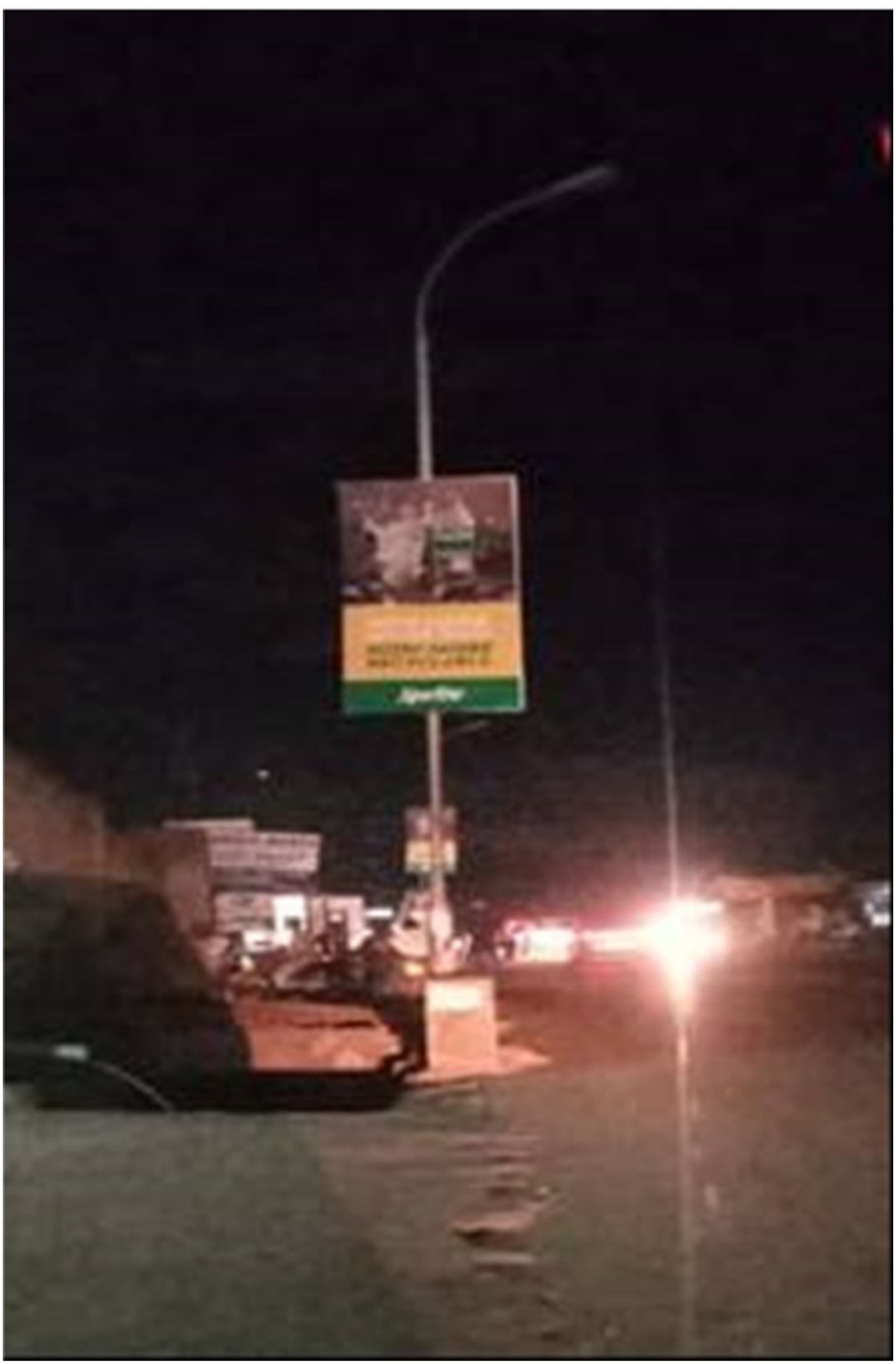
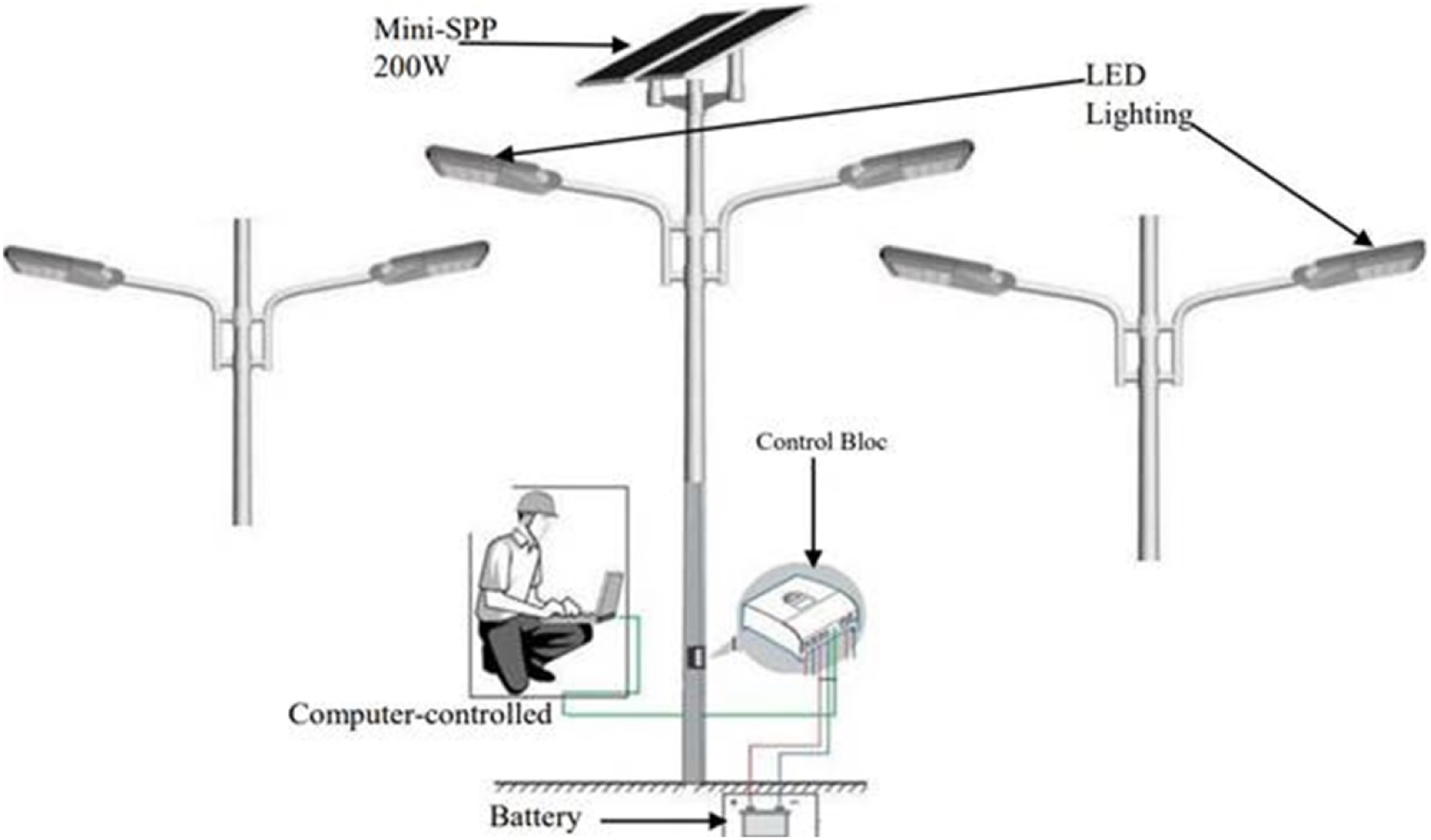
The trend to move towards solar powered starter lights has also been motivated by other benefits that such systems provide. For example, a study by Oppel, et al (2021) found that the traditional systems cause bird electrocution and collision with wires, while solar powered lighting systems do not. A study in 2017 revealed that .67–10 dead birds/km were found dead due to the traditionally electrified street lighting system (Oppel, et al., 2021).
In the matter of costs, Marques and Geddes (2019) indicate that unlike water, roads, and other public infrastructure, the cost of repairs and maintenance for street lighting systems is usually higher than the costs associated with operating and maintaining the lights. Where street lighting systems require extensive renovation, Ferreira, et al., (2021) found that many local and city authorities are unable to finance major upgrades or replacement schemes. Moreover, many local governments and city administrations lack the skills to carry out such projects and maintain the systems after completion. Although there has been little academic research on the challenges facing street lighting systems among EAC cities, the media uproar (Mbonga, 2020) over dysfunctional street lighting systems motivates this study.
Public–private partnerships (PPPs) have the potential to address these financial and technical challenges. A PPP may provide the public sector with a means to improve the quality of street lighting service and reduce its financial burden via lower electric bills while requiring little or no public-sector resources. However, this premise has received limited academia attention. This study aims to close that gap by examining how a PPP procurement model for lighting infrastructure and services could be used to upgrade and replace streetlights. It identifies the benefits and costs of such PPPs as well as incentives that could attract private actors into PPPs for street lighting.
Public Private Partnerships: Sustainable Procurement Method for Street Lighting
Public private partnerships have become a popular public management and governance tool for providing urban public services. Generally, PPPs are viewed as a collaborative governance tool that brings the public and private sectors together to co-produce and deliver services (Dunn-Cavelty & Suter, 2009; Hodge & Greve, 2008; Greve & Hodge, 2022; Emerson & Nabatchi, 2015; Florini, 2019; Lindsey, Baghai, Bigurube, Cunliffe, Dickman, Fitzgerald and Robson, 2021).
Championed in the United Kingdom as the Private Finance Initiative (PFI), PPPs are now a public policy option attracting private actor attention across the world (Greve & Hodge, 2022). PPPs are broadly defined but Smyth et al. (2021) view PPPs as “collaborative ventures between the public and private actors designed and entered into to deliver public services.” In such ventures both parties seek to share risks, costs, and resources in pursuit of shared objectives (Smyth, et al., 2021; Strasser et al., 2021).
The influx of PPPs across multiple infrastructure sectors is now a reality but African experience with them has been mixed. For example, in Uganda, PPPs have increased electricity power generation capacity but have been criticized for keeping electricity tariffs high and mostly unaffordable to the wider population (Kabanda, 2014; Nduhura, 2019). At the same time, however, PPPs have the potential to deliver services much earlier than anticipated than if the government was to act alone (Nduhura, 2019).
In a case study of a water PPP in Meyer et al. (2017) found that through micro-PPPs for water, communities can achieve other benefits and opportunities. For example, when PPPs provided water in Busembatia, children were able to go to school because they had water to clean up, women were also able to start poultry projects that were previously impossible due to shortage of water but when the water PPP delivered a reliable supply, these projects were possible. In the transport sector, PPPs have enabled governments to improve mobility which has had a considerable positive effect on economic growth and development.
However, despite their benefits, PPPs also have their critics (Matinheikki et al., 2021). The legitimacy of PPPs has been challenged on grounds that their concessions are largely opaque (Flinders, 2005), with limited transparency (Hood et al., 2006). In other cases, PPPs have spawned colossal corruption incidents (Iossa & Martimort, 2016; Takano, 2017; Wang & Ma, 2019) while other studies by Alfan and Zakaria (2012) indicate that PPPs have been used as a corporate public vehicle for hiding public debt. Galilea & Medda (2010) have also argued that PPPs are at times misused. Additionally, it is opined that while PPPs are promoted as being in the public interest at the commencement of relationships, in the later stages, they are often renegotiated with outcomes that tend to favour the private actor’s interest rather than the public interest (Cruz & Marques, 2013a).
This has been partly attributed to poor control and management of the concessions by the government (Cruz et al., 2013b). Nduhura, Lukamba and Nuwagaba (2019) and Izar (2021) also critique PPPs for lack of citizen participation. Limited participation of citizens in PPP activities has been strongly defended by public sector participants in some cases. For instance, a study by Nduhura (2019) found that bureaucrats want to limit public participation due to the complex nature of PPPs. Despite this, Nduhura, et al. (2019) cautions that bureaucrats must comply with the public’s constitutional right to be engaged. When public investments like PPPs are proposed, civil society actors have a role to play in representing the voice of the citizens in these arrangements (Nduhura, et al., 2019). By proactively engaging citizens in the process, PPPs can regain their credibility as a viable procurement method for infrastructure service delivery.
Notwithstanding the previous caveats, PPPs do have significant positive attributes. For example, in Portugal, a comparative study of the performance of PPPs versus purely public provision of hospitals revealed that PPPs can perform as well as, and in some cases outperform, public hospitals (Ferreira & Marques, 2021). Most recently, PPPs were instrumental in the speedy development of the COVID-19 vaccines that are now being used to vaccinate populations across the world (Ho, 2021; Park & Chung, 2021). Although PPPs have been used to support urban programs for various purposes including environmental and climate agendas, little is known about their potential value for the design and operation of street lighting in cities (Milenković & Đurić, 2020). As a result, the objective of this study is to investigate:
What are potential models for PPP application in street lighting for cities?
What incentive frameworks can be applied for maintenance and repairs of street lighting systems in cities?
Approach and Methods
The study began with a systematic review of the literature. According to Xiao and Watson (2019), a literature review acts an anchor for academic and scientific inquiry. By reviewing literature about a rarely researched theme, studies are able to frame the context and identify stakeholders for further empirical inquiry. Because the use of PPPs for street lighting in municipalities is under researched, a systematic literature review sought to gather insights on street lighting and its current financing mechanisms with a view of assessing whether and how PPPs could be structured to address the street lighting challenge in municipalities. Figure 3 is a diagrammatic representation of how the entire study was undertaken. Illustration of systematic review. Source: Xiao and Watson (2019) and review of literature.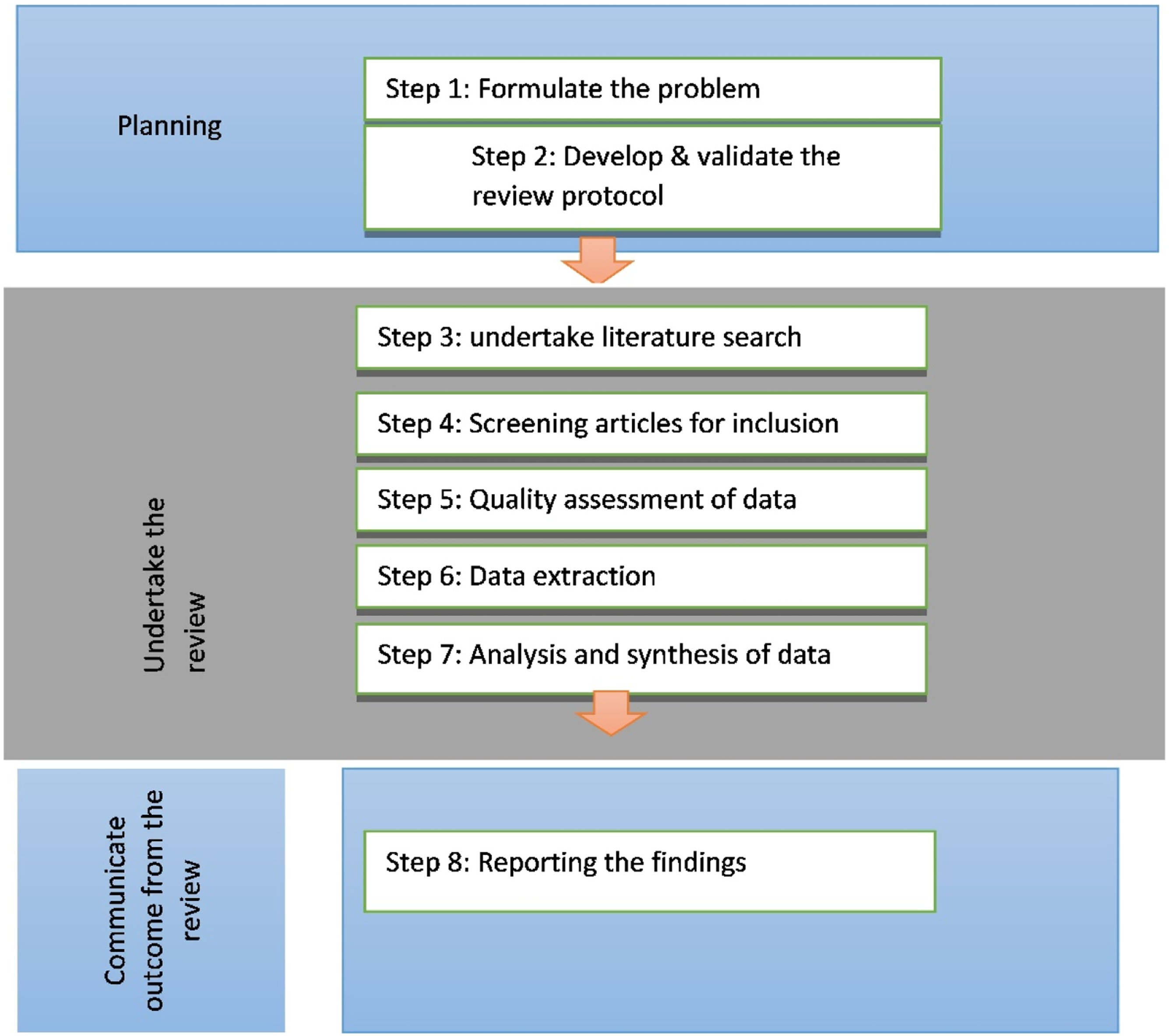
Literature Inclusion
To address the research questions, RQ1: What are models of PPP application in street lighting for cities? and RO2: What incentive frameworks can be applied for maintenance and repairs of street lighting systems in cities? We adopted a systematic to identify models for PPP street lighting and incentives for their sustainable use in existing literature. To search for data information on PPPs for street lighting we used search words “public private partnerships in cities and municipalities”. Literature search and identification. We then used academic archival search engines Google Scholar and Scopus databases. The two databases have been used extensively by similar studies on PPPs, street lighting and lighting up cities. The search generated over 100 articles. We then reviewed titles, abstracts, and conclusions as an elimination approach in order to select the most relevant information for this study on PPPs and street lighting in municipalities.
Inclusion Criteria
We read the abstracts of the 100 studies to determine their relevance to the research topic. Two research assistants performed parallel independent assessments of the manuscripts. According to Kitchenham, Brereton, Budgen, Turner, Bailey,and Linkman (2009) and Xiao, et al. (2019) the deployment of third parties, helps to reduce biases in investigations of this nature. Discrepancies between the reviewers’ findings were discussed and resolved. A total of fifty (50) studies were deemed relevant and we obtained the full-text article for quality assessment.
Quality and Eligibility Assessment
The investigation made full reads to further evaluate the quality and eligibility of the data in the articles under review. Rojon et al. (2021) emphasize the need for ensuring quality of the data used for studies that involve the review of secondary data. They point to the need to eliminate data that is not peer reviewed commonly known as “grey” data. Applied in this investigation, we ensured that all articles reviewed were extracted from peer reviewed journals with preference made to articles from Scopus, Web of sciences and IBSS. After careful review, technical reports were eliminated but a few are maintained since street lighting in cities required practice focused solutions as well. The viewpoint is held by Richardson et al. (1995). Through backward analysis and the use of references, we obtained and included three (3) articles that are included in the investigation.
Data Extraction and Analysis
We then undertook a textual and narrative synthesis of the findings. Using textual analysis, we observed similarities and differences between street lighting and PPPs practices among cities and municipalities that are reported in the findings and discussion of this study. In the next section, we present and discuss the findings from the review of the literature.
Results and Discussion
In this section, we identify and discuss models for PPPs adopted in the street lighting sector by municipalities. Several studies have identified various models associated with PPPs.
Operate and Maintain (O&M)
One such model is the Operate and Maintain PPP with scheduled payments that can be monthly, quarterly, or annual. The Detroit Metro Region Freeway System street-light PPP in the United States involved the installation of 15,000 street lighting units (Marques, et al., 2019). In this case the provider was paid on a quarterly basis to ensure that 90% of the streetlights were available and the operator was penalized by monthly deductions if the lights failed to meet the operational performance standards. The benefits achieved were savings on costs of up to 40% arising from designing, constructing, financing, operating, and maintaining the system (Palcic et al., 2019).
Consequential incentives have been argued to be a critical driver for street lighting PPP success (Milenković & Đurić, 2020; Wambugu, 2014). While the incentives can be negative, positive incentives are generally more effective. A positive incentive seeks to reward the private actor for their investments and actions that seek to provide citizens with a quality, available and quantity of a service needed by citizens for their social and economic wellbeing. The Operate and Maintain (O&M) concession requires that the public actors design an incentive structure that includes both rewards and penalties for the performance of the private actors.
One of the major challenges for managing PPPs has been the ability to monitor the performance of service providers. In the case of streetlights, monitoring has traditionally required physical verification of service delivery (Are the lights lit when they should be?) by the contracting agency or reports by the public. However, Mjøs (2007) reports on intelligent street lighting systems that have been developed and Figure 4 illustrates one such proposed system in Norway. This system has capabilities to detect changes in weather patterns remotely and adjust or switch on lights accordingly. Although the application of such technology is being newly applied to streetlights, it has been available for indoor systems with capabilities such as dimming lights and central switching systems for some time (Mjøs, 2007). , The system can detect and pinpoint poorly performing lights by means of a GPS-informed database which enables the tracking and tracing of a bulb that is about to fail, which supports planning for repairs or replacement. While private actors can provide such modern street lighting systems, pilot projects are necessary to determine what would work best in outdoor conditions that may have some unique environmental or other implications and what incentives may be required. Intelligent streetlighting system in Norway. Source: Mjøs (2007).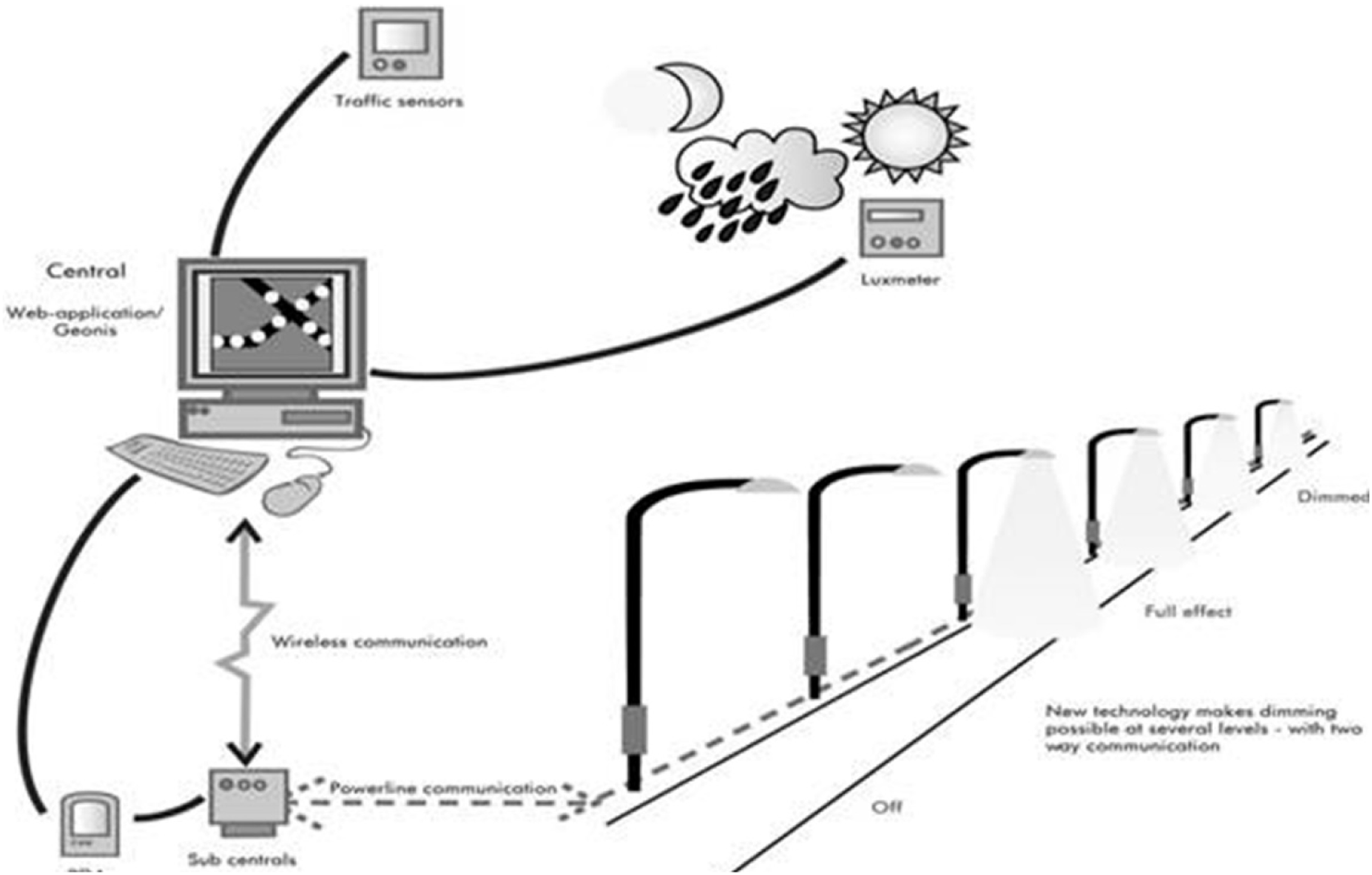
ESCO Model
The ESCO model is also popular for street lighting and has been. adopted to improve energy efficiency and savings in countries like Spain (Burgos-Payán, Correa-Moreno andand Riquelme-Santos, 2012). Under this arrangement, Energy Services Companies (ESCOs) are contracted to renew public lighting systems with the aim of designing and installing energy efficient solutions. The essence of this model is to provide cities and municipalities that are facing budget shortfalls with financial and technical solutions which achieve greater energy efficiency and reduce energy consumption when the costs of fossil fuels are unpredictable and volatile as demonstrated by the impacts of the Russian invasion of Ukraine on the global price of oil and natural gas. Using an ESCO arrangement, the total investment costs of replacing obsolete lamps for energy efficient LED (Light Emitting Diodes) lamps are financed by the savings achieved through the energy efficiency improvements delivered by the project (Jovanović, 2018). The private actor is compensated through an availability payment rather than a direct user pays model.
The rationale for availability payments is that the lighting service is a public good (Al Irsyad et al. (2020) that is difficult to charge directly to its beneficiaries. If the private actor falls below the target for energy savings, they are penalized by a reduction on payments due using a percentage pre-agreed by the municipality and the private actor. This is similar to procurements where the private actor is contracted to deliver large complex turnkey projects. The ESCO model can be implemented using either a guaranteed or shared savings approach.
In a guaranteed savings ESCO model, the municipality provides the capital investment costs while the private actor focuses on delivering services. Under a shared savings ESCO model, both the municipality and EPC private actor share the costs of investment. In such arrangements the recovery of investment costs for the private operator are factored in the design of availability payments over the concession period that may go up to 10 years. Both guaranteed plus performance-based payments must be negotiated by the private actor under an ESCO shared savings model.
Al Irsyad, et al., (2020) opine that under the ESCO model, municipalities can also secure additional benefits. For instance, improvements usually include a control management system that reduces the costs of patrols as an element of maintenance costs. Using advanced technology, the private actor is usually required to install technology that can raise system alarms. Once alarms are signalled within a central monitoring system, incentive analysis and real time correction can be undertaken. While studies on the benefits of the ESCO model are limited, an empirical study by Burgos-Payán, et al. (2012) indicates that in Spain, savings of between 10% and 43% were achieved using an ESCO model over a concession period of 10 years. Other additional benefits are that cities can secure infrastructure improvements, reduced CO2 emissions, and reduced relationship management challenges since all the necessary functions such as financial, equipment distributor, maintenance, and energy trader are performed by a single private actor. Like any PPP model, the ESCO model exposes customers to risk, since any change in maintenance or energy costs is absorbed and transferred to the customer. However, quality related risks such as installation failure and shortened equipment life affect the profitability of the private actor.
While studies indicate that bringing on private actors to overhaul street lighting systems and provide energy efficient solutions can be successful, (Polzin, von Flotow andand Nolden, 2016; Burgos-Payán, et al., 2012; Anggono et al., 2021), found that incentivizing private actors through energy savings from local governments remains difficult.
Other PPP Models
Other PPP models have been applied across various sectors to provide public services. For example, the build, own, operate, and transfer (BOOT) has been applied in the generation of hydroelectricity (Kabanda, 2014; Nduhura, 2019). Under the principles of a BOOT PPP arrangement also referred to as DBFO and in some cases BOT, the private actor is given the mandate to finance, build, own and operate public infrastructure like street lighting. Other models include a Build Operate Transfer (BOT). In other PPPs, the private actor generates commercial value from public assets, such as selling public services into wider markets. While in other PPP arrangements the government uses the private sector actor’s expertise and finance are used to exploit the commercial potential of public assets, in such case public lighting infrastructure (McQuaid & Scherrer, 2010). Infact, argues that innovations from government research laboratories including defence research may be exploited through a PPP (McQuaid, et al., 2010).
Incentives for Procuring Street Lighting Infrastructure and Services Through PPPs
As has been shown, PPPs are applicable for street lighting in East African cities. However, the success of PPP interventions is likely to depend on the risk allocation and studies have been undertaken to identify key risks associated with PPP infrastructure projects (Bagenda & Ndevu, 2023; Bing et al., 2005a; Gopalkrishna & Karnam, 2015). Ideally, the government, represented by city administration, and the private actor should equitably share the risks.
While Qiu et al. (2023) concur with the historical studies of Bing, et al., (2005a), they indicate that community attitudes to risks need to be identified and managed. Reflecting on the working of street lighting in cities, some of the probable risks that may emerge include financing, operational, and security risks. Financing risk arises because city authorities may not have the capital and operating revenue to install adequate lighting systems or maintain them afterwards. Operation and security risks relate to an inability to undertake operating and maintenance functions, coupled with security risks that manifest due to acts of vandalism and theft of lighting infrastructure such as batteries or solar panels. Gopalkrishna, et al., (2015) recognizes other risks such as time overruns, financial risks, delays in provision of right of way, and access to input resources.
With the engagement of PPPs, risk allocation is very important. Risk allocation refers to a primary measure of assignment between the project’s direct participants, the public and private sector, excluding the end-users (Bing, et al., 2005b, p. 28). When risks are transferred to private actors in PPP street lighting arrangements, city authorities must provide incentives. The rationale for the incentives is to attract private actors to invest in city street lighting.
This study identified a range of approaches to incentivize the formation and performance of PPPs. In general terms, there exists positive and negative incentives. Positive incentives can be a source of motivation, potentially inducing greater effort and commitment to problem-solving among stakeholders in undertaking or being part of a theory for change.
Several incentive frameworks have been recommended for PPPs. Marques, et al., (2019) have identified availability payments and user fees as popular incentives for PPPs. While incentive frameworks have worked for PPPs in the provision of public services across various sectors, availability payments may be more appropriate to incentive and anchor the performance of private actors under PPP frameworks for streetlights than direct user fees. Firstly, street lighting as a service is consumed as a utility for the public and no one can be restricted from the consumption of its benefits. Secondly, availability payments have been used to pay PPP actors in two phases, after installation, and for the operation and maintenance phase (Marques, et al., 2019).) While availability payments are ideal, they remain challenging in the developing world where street lighting often fails because cities and local governments do not have the funding to support maintenance and operations.
Under an ESCO model of contracting for streetlighting services, the private partner, in addition to providing project financing, guarantees, based on its expertise, the savings to be achieved and from which the fee is paid during the contract period, assuming most of the risks. These are energy services with a guaranteed effect (Jovanović, Contribution of Public-Private Partnership to the Development of the Energy Efficiency Market, 2018). The contract type that can be used is structured as a Cost Reimbursement Plus Incentive Fee (CRPIF) arrangement (sharing the savings in an agreed sharing ratio e.g., 60:40 between the PPP and the City Authority). What has not yet been researched is whether street lighting could provide dedicated revenue to local governments through the sale of advertising space on streetlighting infrastructure to support the PPP. Due to public sector reforms, this revenue no longer flows to the local government but is transferred to the central purse where budgetary allocations for street lighting is not a major priority.
Since street lighting enhances the value of property in the cities, can the PPP arrangement be packaged to include utility services and property rate collection? City authorities have been struggling with low collections of property rates and this would be an opportunity for them to improve collection rates by tying them directly to the PPP. The operation and maintenance costs would then be built into the property rates as a percentage and netted off directly to the streetlight enterprise before remitting the money to local government. This would increase the revenue flow to cover the operation costs, leading to higher returns on investment (ROI) and increased financial viability of the project. This could attract more potential investors and increase customer satisfaction with improved and better-quality services provided. This is not a totally new concept. Over the years, street lighting stands have generated revenue by providing an anchor for advertising as shown in Figure 5. This implies that some revenue has been generated from the streetlights. Under the fiscal model proposed, the city would earn revenue from adverts placed on streetlight stands and be allowed to dedicate these funds to a streetlight PPP. While such a model would work in countries where cities are allowed to earn local revenue in federal state regimes, in countries where they are not, the city may not be able to access such revenue. Therefore, in these cases, new approaches to capture such revenue at the source amidst declining central transfers will be necessary. Value capture through commercial revenue from streetlight stands. Source: Authors (2022).
Conclusion
City authorities continue to experience declining revenue to perform their decentralization and local economic development mandate. Because of inadequate resources and expertise, city authorities are adopting new public management thinking that seeks to engage private actors and principles from the private sector in order to provide essential services. Existing studies suggest that private actor participation through PPPs has been on the rise in most sectors and across cities. While PPPs are an acceptable means to support service delivery, there exists limited uptake of PPPs for street lighting. Darkness has led to higher crime rates, reduced mobility at night, and continues to reduce the habitability potential in some parts of cities. It is also important to note that darkness also reduces the economic potential of cities and their residents because without artificial lighting, commercial activity in some sectors cannot take place. The absence of funding and reduced private actor participation has also left public lighting systems obsolete and inefficient.
This article adds to the knowledge base through an investigation into how public private partnerships can be adopted as a mechanism for private actor involvement to support the operations and maintenance of public street lighting. It finds that, while availability payments and user fees have been used to incentivize private actors in some PPP arrangements, they may not work in the context of public street lighting. We have identified a novel means for incentivizing private actors to participate in public street lighting; allowing private actors to lease space on street lighting infrastructure for commercial advertising. The resultant revenue streams can be a better and more attractive option to attract private investments for the operation and maintenance function of public streetlights in cities.
Notwithstanding this finding, the article recognizes that there is a need for significant revenue and incentives to attract PPP project investors. A study by Khadaroo (2014) confirms that PPPs require a significant number of users to be profitable as do Hebson et al. (2003), Carpintero and Petersen (2014), Wang et al. (2018), Aladağ & Işik (2018), and Polzin et al. (2016). Simply stated, using PPPs to procure city infrastructure such as streetlights can only be successful if the projects can meet the revenue and profit objectives of private actors. Therefore, we recommend that municipalities design and execute joint projects under collaborative arrangements with peer municipalities. While arrangements for the use of PPPs specifically for street lighting have not been well researched, there is evidence that municipalities have partnered before and delivered benefits from PPPs (Nduhura, et al., (2019) and Polzin et al. (2016). Nduhura, et al., (2019) studied the Uganda Support for Infrastructural Development (USMID), a programme for installing and improving roads, street lighting, and drainage channels and found that when municipalities collaborate to procure together, they can enjoy benefits such as the ability to attract quality and capable contractors, gain experience, and build technical capacity. This collaborative approach to procuring street lighting could help to attract PPP investors.
Although emphasizing examples of success may galvanize positive change and public support for PPPs (Ryan and Deci, 2000), policymakers and development practitioners must tread lightly when promoting success stories lest others in the community resent the fact that they, too, were not the objects of praise. (Cammet, 2022). Therefore, it is important that policy makers and implementers share examples including benchmarking visits to learn about, and benefit from, successful PPP projects as referred to in this paper.
Footnotes
Declaration of conflicting interests
The author(s) declared no potential conflicts of interest with respect to the research, authorship, and/or publication of this article.
Funding
The author(s) received no financial support for the research, authorship, and/or publication of this article.
