




Abstract
Using qualitative (content) analysis, we provide a framework highlighting the determinants of effective inter-organization information sharing in developing infrastructure projects. We examined the determinants of effective inter-organization information sharing in publicly funded physical infrastructure projects, focusing mainly on health, education, and transportation projects. The literature search identified 2,330 citations. A review of these abstracts led to the retrieval of 86 full-text articles, of which 40 met the inclusion criteria. Coordination and collaboration were identified as two of the most important inter-organization processes required for the successful development of transportation, health, and education infrastructure projects. These two processes are enabled by several elements of inter-organization information sharing such as human resources and expertise; incentives and rewards; and effective contract management and record-keeping. Our review also demonstrated that for organizations to effectively implement the determinants of inter-organization information sharing, they must first ensure they form effective interpersonal and intra-organization information sharing.
Introduction
“The global infrastructure gap” is commonly used in the field of infrastructure to describe the gap between the need for infrastructure development and the deficiency in funding for it (Dimitriou & Field, 2020; McKinsey Global Institute, 2013). To address current infrastructure investment challenges, experts have recommended several strategies for governments to consider: reducing infrastructure demand, increasing infrastructure investments, and optimizing existing infrastructure (WEF, 2014). However, there is a paucity of literature examining the contribution of different aspects of the infrastructure planning process to project success (Berg & Horrall, 2008; Klein et al., 2016). One area that has not been extensively explored within the realm of infrastructure projects is information sharing (Collinge et al., 2009; Zhang et al., 2020).
Publicly funded infrastructure investments are generally described as complex, long, and unlikely to be carried out in isolation at one level or within one unit of government or its agencies (Liu et al., 2018; Yang et al., 2018; Zhao & An, 2016). Funding is typically transferred from a specific level of government authority into a project managed by another public body, sometimes in collaboration with the private sector (Gamper & Charbit, 2014). Managing infrastructure projects requires coordination and collaboration between a complex web of vertical (across levels of government) and horizontal (across sectors and across the same levels of government) interdependencies (Gamper & Charbit, 2014).
In order for the parties involved to collaborate with each other successfully, they must be able to collect and share the necessary information for their infrastructure project (Gamper & Charbit, 2014; Giorno, 2011). During the life cycle of any infrastructure investment, a large amount of information and data, such as project scope, timelines, cost, and material, is produced and should be effectively shared between the project partners (Zhang et al., 2020). However, due to the lengthy and complex nature of infrastructure projects, effective information retention and sharing are considered challenging (Collinge et al., 2009; Zhang et al., 2020). The inability of the partners to participate in effective information sharing can have detrimental effects on the project’s performance, causes delays, increases cost, and leads to inadequate risk assessment (Arif et al., 2015; Cheng et al., 2012; Zhang et al., 2020).
This scoping review examines the determinants of effective inter-organization information sharing in the public funding process of physical infrastructure projects, focusing mainly on health, education, and transportation projects. We build on previous work related to inter-organization information sharing (Yang & Maxwell, 2011) and provide a modified framework specific to publicly funded infrastructure projects. Our study maps the available literature on effective information sharing in the public funding process of infrastructure projects, and identifies key concepts, gaps in the literature, as well as sources of evidence to inform practice, policymaking, and future research (Daudt et al., 2013; Tricco et al., 2016). Our framework, in particular, supports the findings of Yang and Maxwell (2011) and expands on them to provide an infrastructure-specific inter-organization information sharing framework. Additionally, we emphasize to funders and providers the importance of determinants critical to effective inter-organization information sharing in the development of publicly funded infrastructure projects and the impact of these determinants on the efficiency of the project. The goal of this is to assist funders and providers in establishing practical strategies and interventions to improve the current state of inter-organization information sharing in the field of infrastructure. Finally, we outline the limits on the current understanding of information sharing in the publicly funded infrastructure planning process that could be explored in future research.
Theory
Transportation, health, education, in addition to the utilities and the water sectors, constitute the basic infrastructure needs for households and businesses (PwC, 2013), with utilities and transportation considered the highest priority in terms of basic infrastructure needs for households and businesses (PwC & Oxford Economics, 2016). When compared to utilities and the water sectors, transportation is the only sector with a gap in terms of investment needs. A recent report showed that globally, transportation investment needs are 30% higher than the current spending; meanwhile, the utilities and water sectors gap is almost negligible (PwC & Oxford Economics, 2016). Typically, the utilities and water sectors have different relationship dynamics and challenges than other infrastructure sectors (Imperial, 2005). The challenges for this field pertain primarily to complex environmental and scientific issues instead of funding issues (Imperial, 2005). As for health and education infrastructure investment needs, despite their importance in providing basic needs for the society and the economy (PwC, 2013), they have been severely understudied. Therefore, we decided to focus our study on the three sectors of the infrastructure field that demonstrated the highest need for investigation: transportation, health, and education.
These sectors are service-oriented sectors geared towards providing basic infrastructure needs for the population (PwC, 2013). They are heavily impacted by population demographic change (PwC, 2013). In most developed countries, the government plays an important role in ensuring the adequacy of these three sectors through funding and oversight (PwC & Oxford Economics, 2016). This is why it is important to find ways to optimize public investments in these sectors. One area that could be improved when it comes to publicly funded infrastructure projects is the flow and retention of information (Collinge et al., 2009).
Given the lengthy multi-phased nature of infrastructure projects, information retention and sharing are considered challenging yet crucial for the project’s success (Zhang et al., 2020). Suppose organizations are unable to effectively share the relevant information with the parties involved. In that case, they could risk jeopardizing the performance of the project, causing delays, increasing cost, and resulting in inadequate risk assessment (Arif et al., 2015; Cheng et al., 2012; Zhang et al., 2020). Information sharing can be in the form of formal documents, informal talks, email and other electronic messages, and faxes (Yang & Wu, 2014). The information shared may be in the form of raw data, analyzed data, and general knowledge (Yang & Wu, 2014).
Therefore, the primary outcome of this scoping review is to synthesize the evidence on the key determinants of effective inter-organization information sharing in the public funding process for physical infrastructure projects such as property, building, technology, and equipment (Klein et al., 2016) in the transportation, education and health sectors. This scoping review builds on a published literature review on information sharing in general (Yang & Maxwell, 2011). Yang and Maxwell reviewed existing literature to identify factors most critical for successful information sharing within public organizations and establish three information sharing frameworks: interpersonal, intra-organizational, and inter-organizational information sharing frameworks (Yang & Maxwell, 2011). Our study focuses mainly on the inter-organizational information sharing framework and reviews it from the lens of the publicly funded infrastructure industry. Our study expands on the Yang and Maxwell framework to provide a modified inter-organization information sharing framework explicitly for the development of publicly funded infrastructure projects.
Material and Methods
The protocol for this study was reviewed by the co-authors and registered with the Open Science Framework. Our methodology was based on the framework outlined by Arksey and O’Malley (2005). The review followed six stages: (1) identifying the research question, (2) identifying relevant studies, (3) selecting studies, (4) charting the data, (5) collating, summarizing, and reporting results, and (6) consulting with four systems experts from business and academia to interpret results (Arksey & O’Malley, 2005). We added an additional step to our review based on the recommendation provided by Levac et al. in 2010, completing a quality appraisal of the studies that met the inclusion criteria (Levac et al., 2010). Our study was also reported in accordance with the Preferred Reporting Items for Systematic reviews and Meta-Analyses extension for Scoping Reviews (PRISMA-ScR) checklist (Tricco et al., 2018). The PRISMA-ScR checklist includes a list of essential items to report when conducting a scoping review. The purpose of the checklist is to ensure completeness of reporting, quality appraisal, and relevance for decision making (Tricco et al., 2018).
Literature Research
We conducted a comprehensive literature search using MEDLINE, JSTOR, PAIS Index, Econ Lit, and SCOPUS from inception until March 2, 2020. The search strategy was created in consultation with an expert librarian using the Peer Review of Electronic Search Strategies (PRESS) checklist (McGowan et al., 2016) (see Supplemental Material 1). The databases were selected to generate the most relevant studies for our interdisciplinary study. We focused on databases that provide studies examining public administration and policies, project management and procurement, and information management. Finally, the reference lists of all included studies were screened for additional relevant studies using the same eligibility criteria.
Eligibility Criteria
Our scoping review assessed published literature, including peer-reviewed journal articles and book chapters, as well as the grey literature,
1
such as government reports and working papers. Minimum inclusion criteria were: • The publication reported on organizational behavior or information sharing in publicly funded physical infrastructure projects such as property, buildings, technology, and equipment; • The publication discussed physical infrastructure projects, specifically in transportation, health, or education; and • The publication assessed information sharing in unspecified large government projects.
Exclusion criteria were: • Focus on virtual instead of physical infrastructure projects (i.e., information technology [IT]); • Focus on entirely privately funded infrastructure projects (OECD, 2011); • Focus on information sharing in sectors other than infrastructure development; • No discussion about the investment process; • Focus on infrastructure project selection rather than information sharing; • Focus on formal agreements rather than continuous information sharing and informal relationships; • Focus on utility infrastructure (energy, water, and sewage); and • Language is other than English.
Citation Management
All citations were imported into the web-based bibliographic manager RefWorks 2.0 (RefWorks-COS, Bethesda, MD). Duplicate citations were removed manually. An excel spreadsheet was generated from RefWorks for the subsequent title and abstract relevance screening and data abstraction from full articles.
Data Screening
After removing duplicate citations, titles and abstracts were reviewed for potential eligibility. The first stage of screening focused on title and abstract review. A screening questionnaire was developed by the first author (RKA) and reviewed by the co-authors (see Supplemental Material 2). The second stage focused on screening the full-text articles of potentially relevant citations for inclusion. Both screening stages were completed independently by two authors (RKA and MA). To ensure the screening questionnaire criteria were clear and reproducible between reviewers, a round of pilot testing was performed prior to title and abstract screening, as well as full-text screening on a random sample of 5 studies by RA and MA.
Data Extraction
Any potentially relevant studies that met inclusion criteria underwent data extraction by the first author (RKA). A data extraction form was developed (see Supplementary Material 3), which included the following elements for extraction: • Process investigated by the study; • Barriers, facilitators, and advantages of information sharing; • The inclusion of an information-sharing framework; • Sector and funding source of infrastructure projects examined by the study; • recommendations provided by the study.
A pilot was performed in duplicate for three included articles by two authors (RKA and MA), which was subsequently modified based on feedback from the co-authors. Full data extraction was completed only after a satisfactory agreement was obtained.
Quality Appraisal
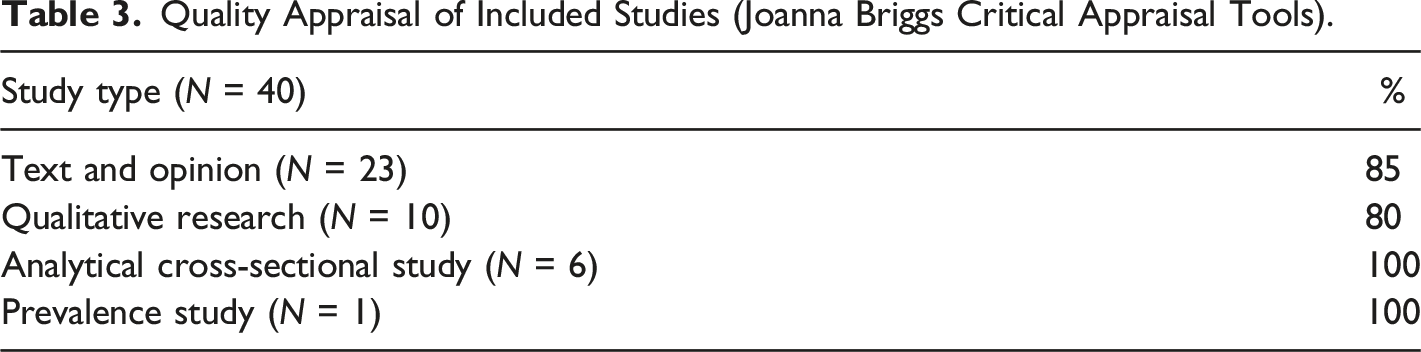
We used the Joanna Briggs Critical Appraisal Tools provided by the Joanna Briggs Institute (JBI) (Joanna Briggs Institute, 2021) to evaluate all 40 of our included studies critically. JBI provides 13 critical appraisal tools, each of which addresses a specific type of research method (Buccheri & Sharifi, 2017). The checklist provides the examiner with a list of critical questions to evaluate their selected studies and concludes with an overall appraisal decision of the study (Buccheri & Sharifi, 2017). We choose JBI because it is the only method of critical appraisal that is developed for use in evidence-based practice. It provides tools to evaluate various studies, including qualitative and expert opinions (Buccheri & Sharifi, 2017), both of which constitute the majority of our included studies. A pilot was performed in duplicate for three included articles by two authors (RKA and MA) to ensure consistency in quality appraisal.
Data Summary and Synthesis
The extracted data from included studies were compiled in a single spreadsheet and imported into a spreadsheet program (Microsoft Excel 2020) for validation and coding. Key categorization contents were developed by a single author (RKA) and subsequently reviewed by the co-authors and modified based on feedback. Qualitative (content) analysis was then conducted by the first author (RKA), and the codes developed were tested by a second author (MA) to ensure consistency and quality control (Bengtsson, 2016). Further adjustments were made to the codes after testing.
Results
Study Demographics and Quality Appraisal
A study flow diagram is shown in Figure 1. The literature search identified 2330 publications for title and abstract screening, of which 86 studies were retrieved for full-text review. Flowchart of study selection process.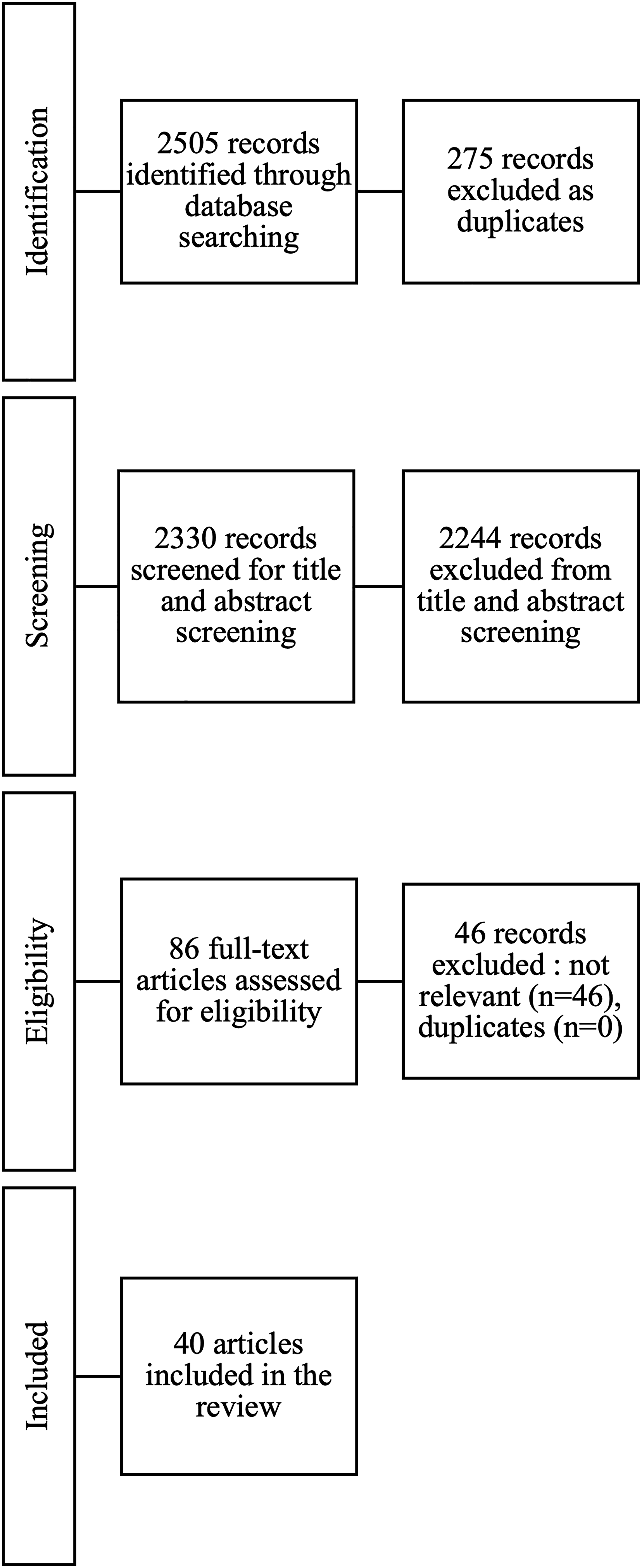
Summary of Included Studies.
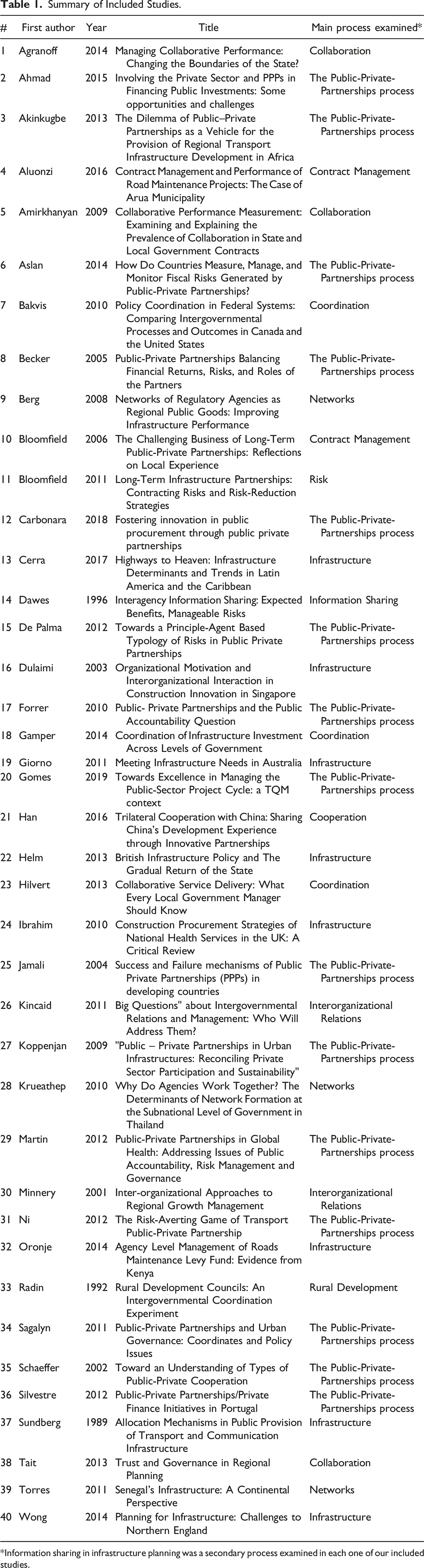
*Information sharing in infrastructure planning was a secondary process examined in each one of our included studies.
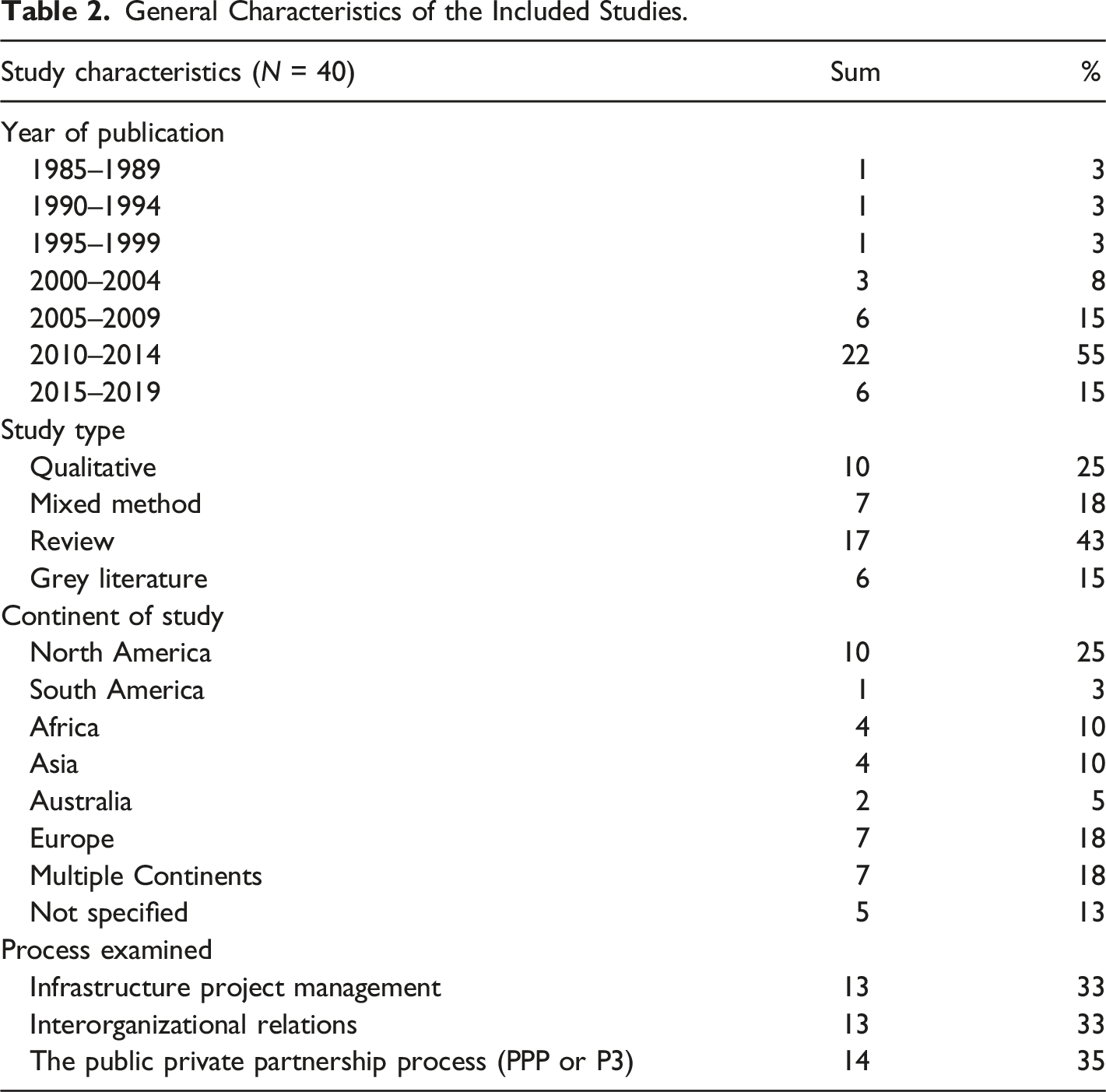
General Characteristics of the Included Studies.
Quality Appraisal of Included Studies (Joanna Briggs Critical Appraisal Tools).
Data Synthesis
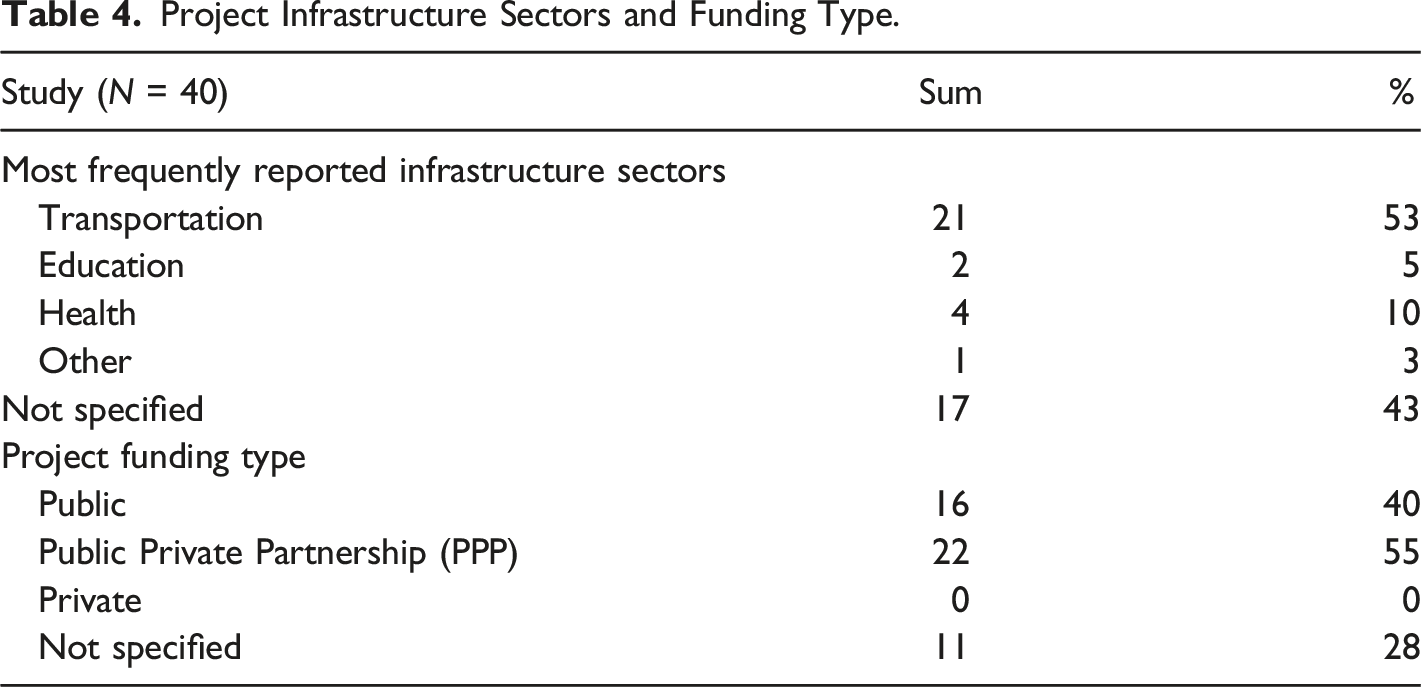
Project Infrastructure Sectors and Funding Type.
. Elements of Information Sharing.
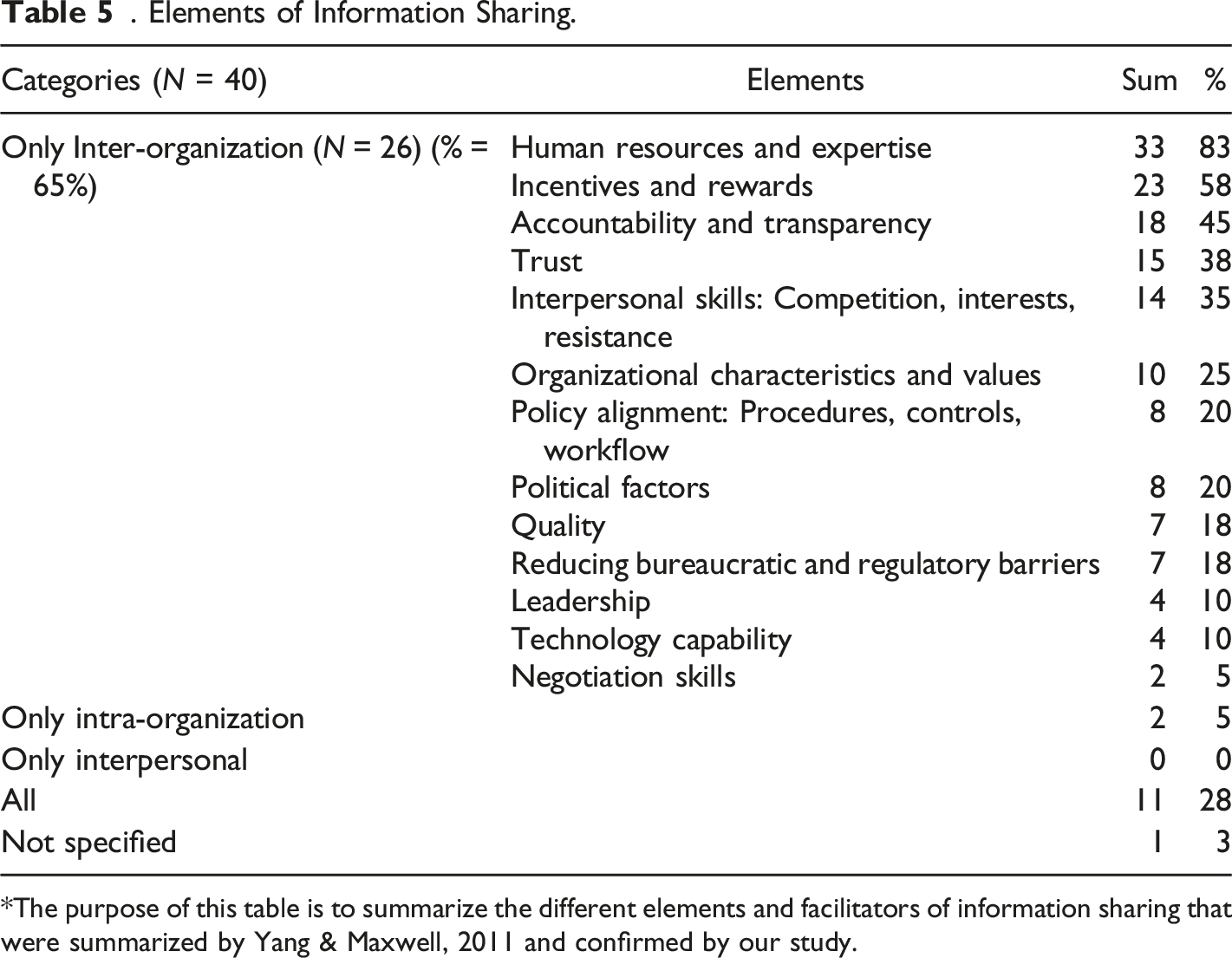
*The purpose of this table is to summarize the different elements and facilitators of information sharing that were summarized by Yang & Maxwell, 2011 and confirmed by our study.
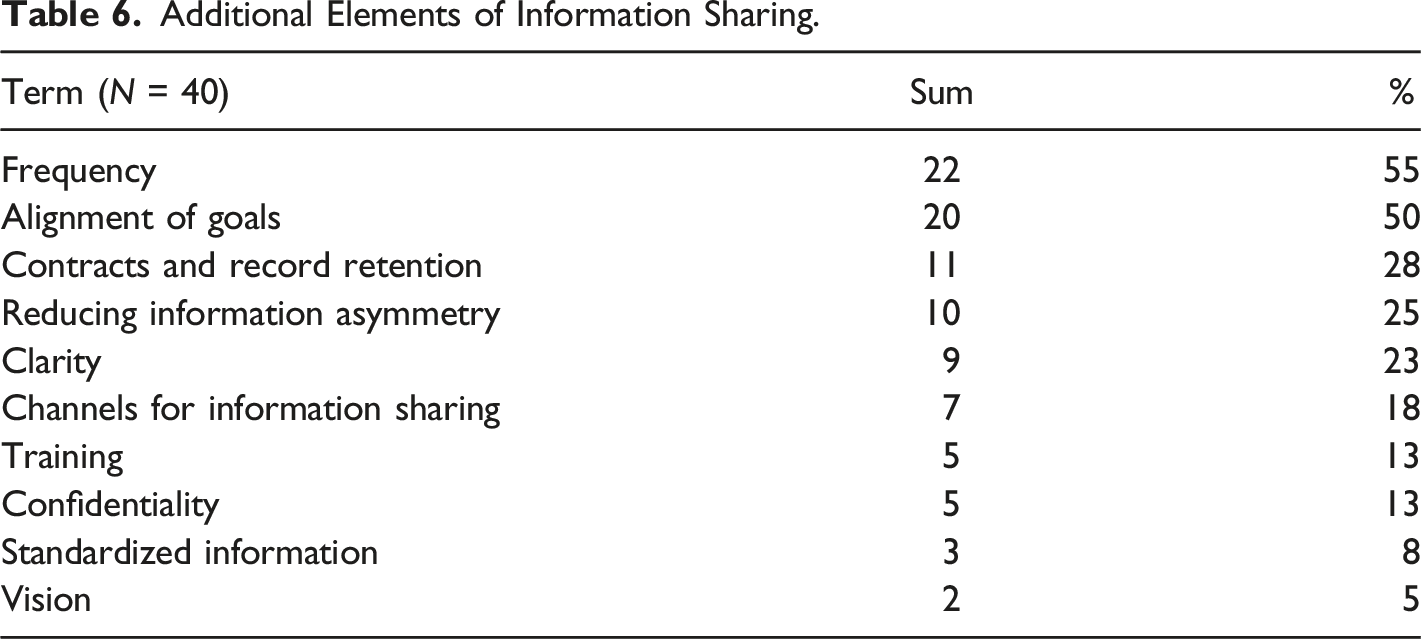
Additional Elements of Information Sharing.
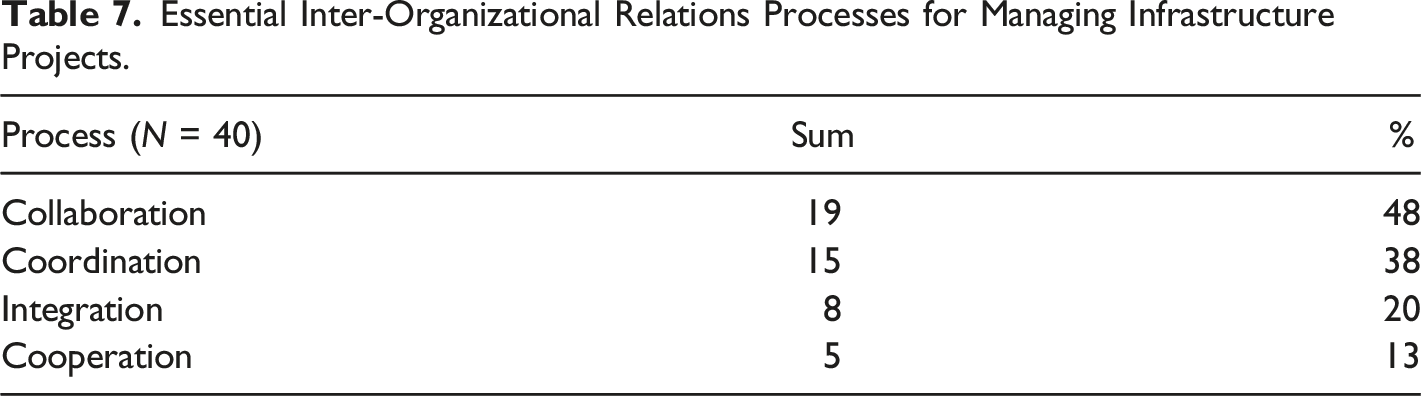
Essential Inter-Organizational Relations Processes for Managing Infrastructure Projects.
Determinants of Effective Inter-Organization Information.
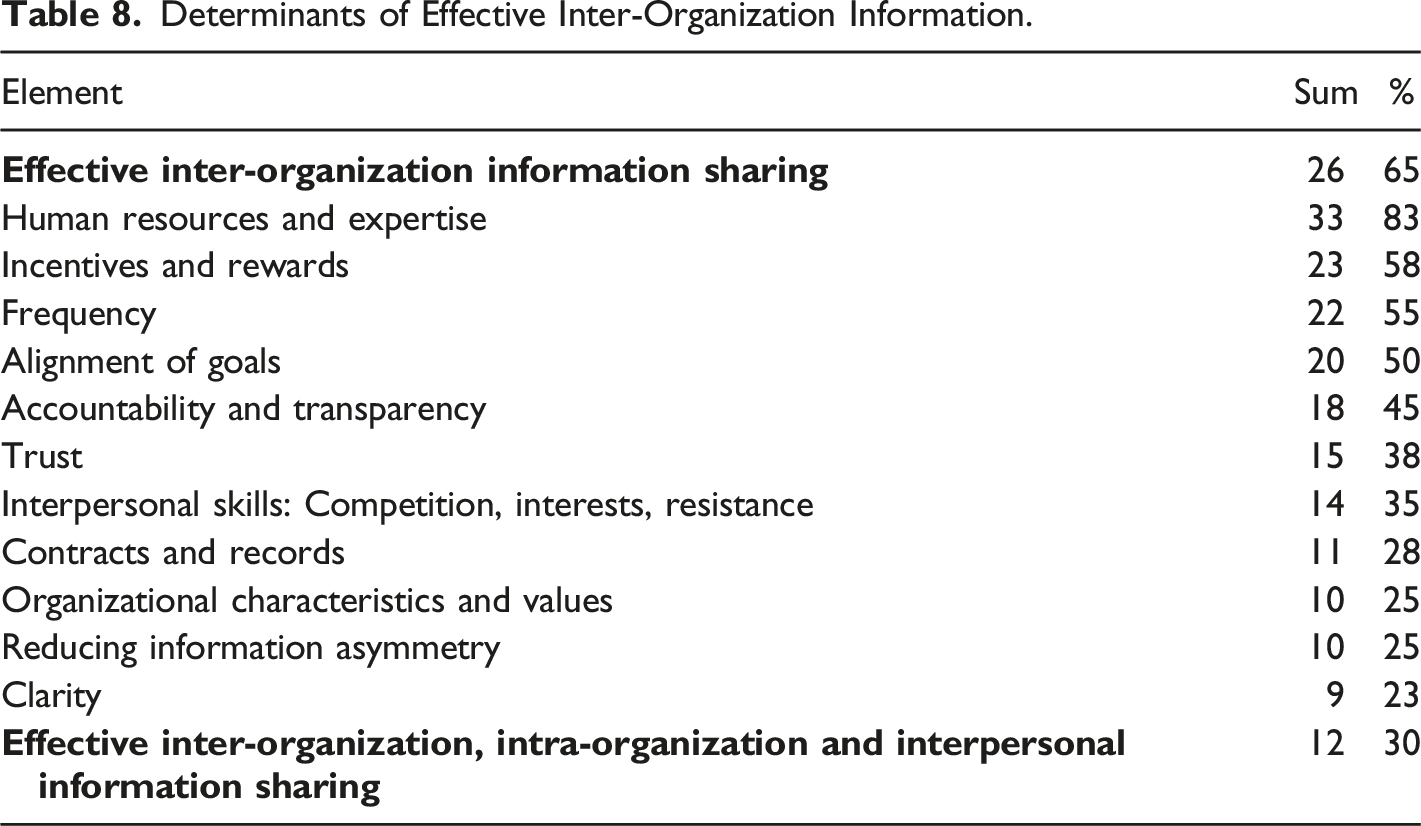
Using the determinants above, we generated Figure 2 below, which illustrates an inter-organization information sharing framework explicitly for the development of transportation, health, and education infrastructure projects. The framework shows that coordination and collaboration are two of the most frequently studied inter-organization processes required for the success of transportation, health, and education infrastructure projects. The framework suggests that in order for organizations to successfully collaborate with each other to develop an infrastructure project, they must ensure an effective flow of information from within and between the organizations. We found that it is challenging for organizations to implement effective inter-organization information sharing without first implementing effective interpersonal and intra-organization information sharing. Effective information sharing in the development of infrastructure projects.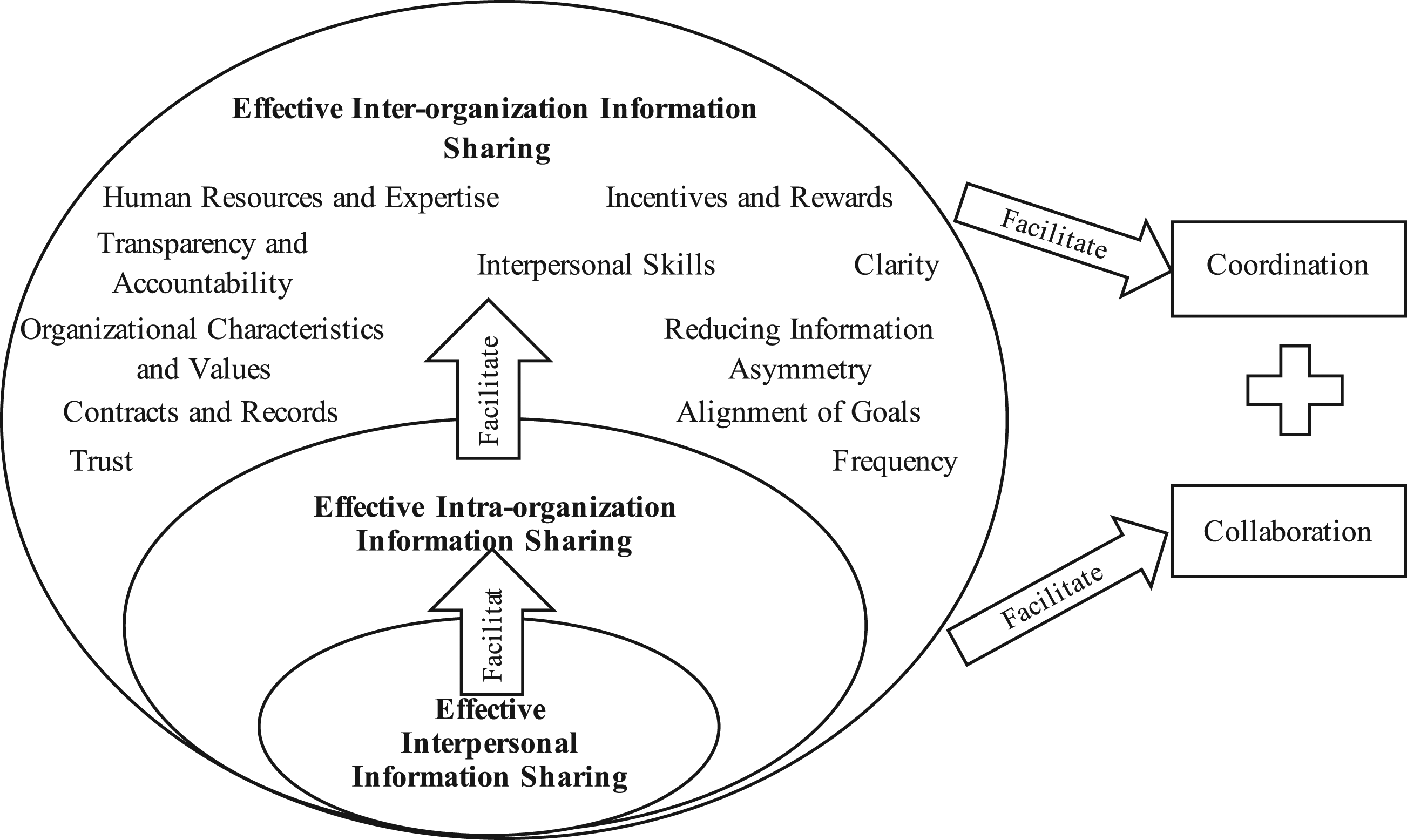
Discussion
Our study reviewed existing literature on the determinants of effective inter-organization information sharing in the public funding process of transportation, health, and education physical infrastructure projects. Our results suggest that successful projects require active engagement with the partners involved, most frequently through coordination and collaboration.
Information sharing is a foundational element of inter-organization processes for the development of infrastructure projects (Gamper & Charbit, 2014). Frequent, clear, and accurate information sharing between organizations leading infrastructure projects facilitates project alignment, improves reporting, enhances accountability, motivates staff, strengthens financial management, and expedites the planning process (Gamper & Charbit, 2014; Oronje et al., 2014). Organizations are more likely to engage with each other if they possess any of the following traits: they are large in size, which enables them to absorb additional costs if they arise as opposed to smaller organizations with fewer resources; they have experienced leaders and staff, and thus their transaction cost is lower due to their expertise; and there are both political and financial elements that incentivize organizations to collaborate with each other (Gamper & Charbit, 2014; Krueathep et al., 2010). Our review suggests that the organization’s characteristics greatly impact the staff’s willingness to share information. Larger and more established organizations are more able to create platforms to facilitate information sharing and mitigate risks associated with the information sharing process.
Our scoping review has confirmed the importance of all elements of inter-organization information sharing explored by both Dawes and Yang and Maxwell (Dawes, 1996; Yang & Maxwell, 2011). In addition, since our study focused strictly on infrastructure projects, we were able to identify several elements that were particularly important to the infrastructure planning process. We also found a variation in the frequency of appearance and study of certain determinants over others. We found a greater emphasis on the importance of staff retention and expertise for all partnering organizations, including project management, accounting, legal, construction, and policy knowledge (Gomes et al., 2019; Oronje et al., 2014). The significance of expertise in reducing inefficiencies and promoting innovation in the infrastructure funding process was also confirmed by a recently published Canadian study (Teja et al., 2020). Given the complex nature of infrastructure projects and the need for expertise, staff retention and effective knowledge transfer are crucial in reducing construction delays as new staff will require time to be trained and understand institutional dynamics (Oronje et al., 2014).
Reducing information asymmetry was another important element of inter-organization information sharing highlighted in our findings. In infrastructure projects, the construction firm is often better informed about the project than the public body, both in terms of construction risks and external factors that could impact project implementation (de Palma et al., 2012). Trust, alignment of goals, and having the applicable expertise working for the public body can help verify the information provided by the construction firm and reduce the risk of information asymmetry in infrastructure projects (Ahmad et al., 2015; Gamper & Charbit, 2014; Sagalyn, 2011). Our study also emphasized the importance of having clear contracts and effective record-keeping in the management of infrastructure projects (Carbonara & Pellegrino, 2018). Given the complexity of managing infrastructure projects and the length of their planning and implementation, contracts are an effective way to document reporting requirements, outcomes, and anticipated risks, as well as to align goals.
Our findings identified that providing certain incentives is key to ensuring effective information sharing. The incentives may be political or financial. For example, with effective information sharing, politicians can have access to data that would allow them to better understand their constituents’ infrastructure needs. Financial incentives may include funding to support training/educational programs or travel expenses (Berg & Horrall, 2008). Effective information sharing can improve needs analyses, service definitions and planning, program evaluation, risk sharing, conflict resolution, and public services integration (Dawes, 1996). In some cases, organizations are disincentivized to participate in accurate information sharing. This could be due to personal motives such as competition, political reasons, reluctancy to share power, and complex organizational structures (Gamper & Charbit, 2014).
Implications and Future Direction
Our study, which generated an inter-organization information sharing framework explicitly for the development of infrastructure projects, outlines to funders and providers the importance of determinants that influence the effectiveness of inter-organization information sharing in the planning and management of publicly funded infrastructure projects and the impact of these determinants on the efficiency of the project. To support improving inter-organization information sharing in infrastructure planning and guide future research, we offer several practical recommendations and directions for future studies. In terms of practical implementation of our findings: first, our study found that in order to optimize resources and ensure efficient planning of infrastructure projects, organizations should be willing and have the mechanisms in place to enable them to participate in effective collaboration and coordination with the partnering organizations. Second, organizations could benefit from using our framework to conduct a quality review of their current enablers of inter-organization information sharing. For example, our framework suggests that staff retention and technical expertise play an important role in enabling effective inter-organization information sharing. Organizations could benefit from evaluating their current staff and knowledge retention trends and put in place strategies to preserve them. Finally, we also suggest that organizations evaluate their current interpersonal and intra-organization information sharing enablers to ensure they have the ability to participate in inter-organization information sharing. As demonstrated in our framework, it is considered challenging for the organization to effectively share information with other organizations without first ensuring their staff willingness to sharing information within their own organization.
Our study contributes to the growing research on efficient infrastructure planning by addressing the effectiveness of information sharing in the process. As shown in our results, almost 60% of the studies that met our inclusion from across five databases were either reviews or grey literature. This demonstrates the need for more primary research in the field. Our paper produces a framework that supports the findings of Yang and Maxwell (Yang & Maxwell, 2011) on inter-organization information sharing and expands on them to provide a modified framework for effective inter-organization information sharing specifically for the development of infrastructure projects. Our expansion is based on adding factors specific to infrastructure projects such as the importance of frequency of communication between partners, alignment of goals, the necessity of contracts and record retention, and the need to reduce information asymmetry.
Additionally, Yang and Maxwell’s work (Yang & Maxwell, 2011) establishes three separate information sharing frameworks: interpersonal, intra-organization, and inter-organization; meanwhile, our framework shows that in order for organizations to successfully collaborate with each other to plan and manage an infrastructure project, the three frameworks must build off of each other. In other words, our study showed that for organizations managing publicly funded infrastructure projects, it is essential to ensure effective flow of information from within and between the organizations. Our study showed that it is challenging for organizations to implement effective inter-organization information sharing without first implementing effective interpersonal and intra-organization information sharing. This is likely due to the nature of publicly funded infrastructure projects which requires collaboration and coordination across different levels of authority and the involvement of a wide range of technical expertise (Gomes et al., 2019; Oronje et al., 2014).
Although the importance of interpersonal and intra-organization information sharing is clearly articulated in our study, we only focused on analyzing the specifics of inter-organization information sharing. We believe that further research is needed to define the determinants of effective intra-organization and interpersonal information sharing in the planning and management of publicly funded infrastructure projects. Given that we found a variation in the frequency of appearance and study of certain determinants over others, further investigation is needed to understand why certain determinants of effective inter-organization information sharing are more studied than others. In addition, future research is needed to evaluate the fiscal cost, opportunity cost, and cost-effectiveness of enhancing information sharing in the public infrastructure planning process. Case studies are also needed to investigate how different jurisdictions are performing with regard to information sharing during the infrastructure planning process, especially for understudied areas such as health and education. There is also a need to further investigate case studies where inter-organization information sharing hindered the infrastructure planning process. Finally, we believe case studies are needed to test the effectiveness of our model, particularly in terms of information sharing between public and private partners.
Limitations
This study has several limitations. First, 17/40 (43%) of the studies included did not specify the infrastructure sector and examined the infrastructure funding process in a general sense without providing sector-specific information. Additionally, 11/40 (28%) of the studies did not specify the funding type for the project. It is also important to note that 23/40 (58%) more than half of the publications were either reviews or grey literature, and thus their results were not based on primary research. However, this limitation reaffirms the need for our study and further future primary studies in this area. Finally, there are three limitations associated with the search strategy of this study. First, given that we used five different databases to find relevant studies to include in this study, our search terms had to be modified in certain cases to accommodate the different search criteria of the databases. Second, given that the search strategy of this study limited the areas of interest to specifically information sharing within publicly funded infrastructure projects, it is possible that may have led to a higher frequency of appearance of some of the determinants of effective information sharing we outlined in this paper. Finally, although we used 5 different databases to conduct our search, due to the broad nature of the topic there could be other databases that we did not cover.
Conclusion
We examined the determinants of effective information sharing in the public funding of infrastructure projects, focusing on health, education, and transportation projects. We reviewed a total of 2,330 studies, of which 40 studies met inclusion criteria. Our framework confirms that the inter-organization information sharing factors that Yang and Maxwell (Yang & Maxwell, 2011) outlined are applicable to the planning and management of infrastructure projects, and it expands on them by adding factors specific to infrastructure projects. Our study found that the essence of the two most frequently studied processes in the management of infrastructure projects: coordination and collaboration, is inter-organization information sharing. Although several factors influence the effectiveness of inter-organization information sharing, our study concluded that human resources and expertise; incentives and rewards; frequency of communication; alignment of goals; accountability and transparency; trust; interpersonal skills; effective contract management and record-keeping; organizational characteristics and values; willingness to reduce information asymmetry; and clarity are the most frequently studied factors when it comes to the successful management of public infrastructure projects. Other less frequently studied factors include policy alignment, political factors, quality, reducing bureaucratic and regulatory barriers, leadership, technology capabilities, negotiation skills, channels for information sharing, training, confidentiality, standardized information, and vision.
Our study also found that it is challenging for organizations to implement effective inter-organization information sharing without first implementing effective interpersonal and intra-organization information sharing. This is likely due to the nature of publicly funded infrastructure projects which requires collaboration and coordination across different levels of authority and the involvement of a wide range of technical expertise (Gomes et al., 2019; Oronje et al., 2014).
Supplemental Material
Supplemental Material - Determinants of Effective Information Sharing in Publicly Funded Infrastructure Projects: A Scoping Review
Supplemental Material for Determinants of Effective Information Sharing in Publicly Funded Infrastructure Projects: A Scoping Review by Rayeh Kashef Al-Ghetaa, James Shaw, Mostafa Alabousi, David Klein, Daniel Imtiaz, Bijan Teja, and Adalsteinn Brown in Public Works Management & Policy
Supplemental Material
Supplemental Material - Determinants of Effective Information Sharing in Publicly Funded Infrastructure Projects: A Scoping Review
Supplemental Material for Determinants of Effective Information Sharing in Publicly Funded Infrastructure Projects: A Scoping Review by Rayeh Kashef Al-Ghetaa, James Shaw, Mostafa Alabousi, David Klein, Daniel Imtiaz, Bijan Teja, and Adalsteinn Brown in Public Works Management & Policy
Supplemental Material
Supplemental Material - Determinants of Effective Information Sharing in Publicly Funded Infrastructure Projects: A Scoping Review
Supplemental Material for Determinants of Effective Information Sharing in Publicly Funded Infrastructure Projects: A Scoping Review by Rayeh Kashef Al-Ghetaa, James Shaw, Mostafa Alabousi, David Klein, Daniel Imtiaz, Bijan Teja, and Adalsteinn Brown in Public Works Management & Policy
Footnotes
Declaration of Conflicting Interests
The author(s) declared no potential conflicts of interest with respect to the research, authorship, and/or publication of this article.
Funding
The author(s) received no financial support for the research, authorship, and/or publication of this article.

Supplemental Material
Supplemental material for this article is available online.
Note
Appendix
Abbreviations
Author Biographies
References
Supplementary Material
Please find the following supplemental material available below.
For Open Access articles published under a Creative Commons License, all supplemental material carries the same license as the article it is associated with.
For non-Open Access articles published, all supplemental material carries a non-exclusive license, and permission requests for re-use of supplemental material or any part of supplemental material shall be sent directly to the copyright owner as specified in the copyright notice associated with the article.
