




Abstract
Gender-based violence (GBV) is a human rights violation and an issue of gender inequality, with 35% of women globally experiencing GBV. Mothers who experience GBV are a unique population, with vast implications on their health. Artmaking can reduce these health effects due to the self-expression, emotional healing, empowerment, and social change which often occur. The purpose of this study was to understand the process of independently creating a visual art form for mothers in Ontario, Canada, with histories of GBV, as a reflection of their experience of GBV. An arts-based interpretive descriptive study informed by intersectionality was conducted with 13 mothers from Ontario with histories of GBV utilizing semistructured interviews. Two themes emerged: (1) creative processes and (2) storytelling experiences of GBV through art. The findings from this study highlight the process of art creation among mothers from Ontario who have experienced GBV. However, further exploration surrounding artmaking among mothers with histories of GBV in Canada is warranted.
Keywords
Implications for Knowledge Translation
Experiences of gender-based violence (GBV) are associated with disability, injury, and chronic pain and increase the risk for post-traumatic stress disorder, depression, anxiety disorder, self-harm, and suicidal thoughts or behaviors. Violent relationships are known to impact the mothering role by reducing a mother's ability to emotionally provide for their children, who can experience post-traumatic stress, anxiety, and depression. Creating art can promote healing for women who have experienced violence, allowing them to channel negative emotions; providing a nonverbal alternative through art has been shown to facilitate the safety and security women require to share their experiences with others. Several participants shared that reflecting on their personal growth since their experiences of GBV were healing; their artwork represented a new version of themselves.
Gender-based violence (GBV) is violence directed toward an individual because of their gender and is a violation of human rights (Dlamini, 2021; UNICEF, 2022). Gender-based violence is an issue of gender inequality, with women experiencing significantly higher rates of GBV than men (Radzilani-Makatu, 2019). Gender-based violence can include various acts of physical, emotional, sexual, and psychological violence, including online abuse such as cyberbullying, sexual assault, sexual harassment, intimate partner violence (IPV), female genital mutilation, financial abuse, physical violence, emotional abuse, stalking, child marriage, and human trafficking (Dlamini, 2021; Heise et al., 2002; Kahan et al., 2019; Rees et al., 2011). Gender-based violence occurs among women of all ages, cultures, and incomes, and transcends geographic locations, with 35% of women worldwide experiencing GBV in their lifetime (Dlamini, 2021). Specifically in Canada, it is estimated that 32% of Canadian women experience GBV (Statistics Canada, 2023).
It is well established that women who have experienced GBV often experience negative physical and psychological health effects of violence both during and following the relationship (Ford-Gilboe et al., 2023; Kahan et al., 2019). Experiences of GBV are associated with negative physical health outcomes such as disability, injury, and chronic pain (Heise et al., 2002; Uvelli et al., 2024). Experiencing GBV also has a profound impact on women's mental health as it increases the risk for developing post-traumatic stress disorder, depression, generalized anxiety disorder, thoughts of self-harm, and suicidal thoughts or behaviors (Cirici Amell et al., 2023).
Consideration of how GBV might impact mothers is important, given that approximately 83% of Canadian women 50 years and older have children (Statistics Canada, 2024). Violent relationships are known to impact the mothering role by reducing maternal identity and subsequently, a mother's ability to emotionally provide for their children (Secco et al., 2016). As a result, children can experience post-traumatic stress, anxiety, and depression, among other mental health outcomes (Letourneau et al., 2007). For example, a Canadian study of 49 mothers found that experiencing violence resulted in decreased maternal identity due to the stress associated with their violent relationships in addition to being in a state of survival, unable to interact with or play with their children (Secco et al., 2016).
Creating art has the potential to promote healing for women who have experienced violence by allowing women to channel negative emotions into their art (Murray et al., 2017). Art creation can have a positive impact on mental well-being because it promotes relaxation and has a therapeutic effect by allowing individuals to express themselves (Skop et al., 2022). For example, a U.S-based study found that participation in visual art making among women with histories of human trafficking empowered them and increased their sense of self-worth (Kometiani & Farmer, 2020). Creating art can also provide space and time for women to process experiences of GBV and can facilitate reflection and reinterpretation of experiences (Furtado & Rechena, 2021). In a Canadian-based study of IPV and artmaking, participants processed memories surrounding their experiences of IPV during the artmaking process and generated new insights (Skop et al., 2022). Instances of GBV can lead to the disempowerment of women, however, creating art can empower women who have experienced GBV and facilitate communication (Kazmierczak, 2020). For example, a study from Poland and England surrounding experiences of IPV and artmaking depicted how women felt they were able to communicate their experiences of GBV effectively through their artwork (Harman et al., 2020). Providing a nonverbal alternative through art has been shown to facilitate the safety and security women require to sharing their experiences with others (Skop et al., 2022).
Currently, there is limited literature exploring the experiences of art creation among mothers with histories of GBV. An article by Jackson et al. (2024b) depicted the experiences of IPV among mothers in Ontario, Canada, using an arts-based knowledge translation method known as arts-based embodied and layered exploration. This method involved the creation of art by community members as a representation of the participants’ experiences of IPV (Jackson et al., 2024b). Our article differs because the artwork in this current study was created by the participants themselves as a reflection of their experiences of GBV. Moreover, this study aimed to explore the process of art creation among the mothers.
Given that GBV disproportionately affects women of childbearing age (Secco et al., 2016), and given the potential benefits of artmaking for this population, further inquiry regarding the experience of artmaking for these women is needed. As such, this study aimed to fill this knowledge gap, to better understand the process for mothers in Ontario who have experienced GBV to independently create visual art forms reflecting their experience of GBV. The research question guiding this study was: “What is the process for mothers from Ontario of creating a visual art form as a reflection of their experience of GBV?.” The findings from this study have the potential to provide foundational knowledge in this space and to inform future health and social service interventions aimed to help mothers experiencing GBV.
Methods
Methodology
This study was a qualitative interpretive descriptive (ID) (Thorne, 2016) substudy of a larger arts-based qualitative study entitled “The Art of Mothering” (Jackson et al., 2024a). This study was a secondary analysis that focused on the process of participating in art creation for mothers with histories of GBV. Interpretive description was the chosen methodology for this study because it seeks to answer real-world questions and generate insights that can be translated into practice (Thorne, 2016). Moreover, ID looks beyond simply describing a phenomenon and aims to uncover relationships, patterns, and associations (Thorne, 2016). By describing and interpreting the mothers’ process of creating art, this ID study aimed to guide supportive programs and nursing practices for mothers who have experienced GBV.
Arts-based research methodologies are becoming more prominent in health research due to their ability to understand the complex nature of human experience (Archibald & Blines, 2021). Arts-based research methodologies are effective in evoking emotions, disrupting social norms, and exploring complex phenomena (Leavy, 2017). As such, arts-based methodologies have been employed to study violence against women, garnering a deeper understanding of women's experiences than traditional qualitative methodologies provide (Bird, 2018). For example, Bird (2018) utilized an arts-based approach to understand women's experiences of IPV whereby the participants created a collage art piece depicting their responses to IPV. Their artwork was then used alongside participant narratives to share the participants’ experiences of IPV (Bird, 2018). The arts-based component of the study was seen to be both participatory and emancipatory for participants (Bird, 2018). Therefore, an arts-based methodology is an appropriate fit for researching violence against women.
Participant Sampling, Recruitment, and Eligibility
Convenience sampling was used to recruit participants via Kijiji advertisements and posting flyers in two women's shelters in London, Ontario, from April to November 2022. Kijiji is a Canadian website whereby advertisements can be shared nationally (Kijiji, 2011). To recruit mothers from all over Ontario, approximately 300 Kijiji advertisements were posted in varying rural areas and cities throughout the province. Advertisements on Kijiji were posted in multiple categories such as “free stuff,” “hobbies and crafts,” “clothing,” and “baby items,” to target as many individuals as possible. The study's eligibility criteria were: (1) identifying as female and a mother; (2) being over the age of 18 years of age; (3) having experienced any GBV longer than six months prior; (4) able to speak and read English; (5) having Internet access; and (6) willing to share one's art creation for knowledge mobilization purposes. Interested participants received a link to an online survey confirming eligibility for enrollment and collecting demographic data.
After completing this survey, participants received a letter of information along with basic guidelines for creating the artform through email. Participants were given two months to complete their artform, with more time provided if needed until recruitment was completed in November of 2022. A total of 70 participants expressed interest in the study; of those, 36 participants did not respond after initial contact was made. Fifteen participants completed the enrollment and baseline survey but did not continue with the study. Six participants completed their artwork but did not schedule an interview. Overall, 13 participants completed the study. Interpretive description can be conducted with a sample of almost any size but typically has samples of less than 30 participants (Thorne, 2016). Our sample size was determined by reviewing similar research with women who had experienced GBV participating in art form creation. Two qualitative studies and two mixed method studies evaluating the impact of art therapy or art creation on women who had experienced GBV had sample sizes ranging from 6 to 22 participants (Aktaş Özkafacı & Eren, 2020; Harman et al., 2020; Murray et al., 2017; Skop et al., 2022). As such, our sample size of 13 women was adequate to address our research question.
Data Collection
After confirming eligibility, participants completed an online survey collecting demographic characteristics such as gender, age, education level, Indigenous status, ethnicity, sexual orientation, marital status, geographic location, number of children, age of children, gender of children, children's living situation, and personal living situation.
Participants received an email where they were provided with guidelines for the art form creation process, encouraged to reflect on their experience of GBV while creating their art, and asked to schedule an interview via email with the research team when their artform was completed. It was suggested that participants decide their preferred medium and purchase their art supplies. They received a 100$ stipend for their art supplies. In their artform instructions, various examples of visual art supplies were provided, such as canvas, clay, paint, photography, and digital art software, to highlight a range of visual art media they could work with. For knowledge mobilization purposes and to facilitate discussion during the one-on-one interviews, participants were asked to either send the research team a photo of their art or the research team could arrange for pickup/shipping of the artwork. Participants were given the choice to either keep their artwork or donate their artwork to the research team. Asking participant permission for a photo of their artwork or the physical art piece was included in the informed consent for the study.
Two researchers conducted semistructured interviews with participants online ranging from 30 to 105 min in length. The interviews were transcribed verbatim by a reputable third-party transcription service that has high levels of privacy, confidentiality, and security and were stored on the host institution's web-based server, in a file only accessible to the research team. Open-ended interview questions for this substudy centered around the participants’ works of art and the process of art creation.
Ethical Considerations
The primary study and substudy were granted approval (NMREB #120,675) from the Non-Medical Research Ethics Board at the host institution. All participant data were deidentified to protect privacy and confidentiality. During post interview debriefs, all participants were offered resources in case they were experiencing a traumatic response or were currently unsafe. All participants were informed that they could withdraw from the study at any time and were free to not respond to any questions.
Data Analysis
Transcripts were uploaded to Quirkos, a qualitative data analysis platform, to facilitate analysis (Quirkos, 2023). The research team met recurrently to generate an initial codebook. The initial coding phase was kept broad to encourage patterns to emerge and to mitigate the risk of being too precise (Thorne, 2016). Data analysis and coding used an inductive approach to allow codes to develop over time rather than jumping to conclusions at the start of the coding process, reading the raw data, and generating themes (Thorne, 2016). The data were read as a whole, and codes were constructed throughout the analysis process (Thorne, 2016). Credibility was ensured by adhering to quality criteria guidelines by Tracy (2010) and Lincoln and Guba (1985). Credibility was strengthened by participating in prolonged engagement with participants and maintaining an audit trail throughout the research process, such that the process was repeatable (Lincoln & Guba, 1985; Polit & Beck, 2018). Dependability was enhanced through reflexivity whereby each researcher reflected on one's values and beliefs, and how they might impact the research process and research findings (Tracy, 2010). Confirmability was also achieved by iteratively reviewing themes among the research team (Polit & Beck, 2018). Finally, transferability was enhanced by obtaining rich participant descriptions (Lincoln & Guba, 1985; Tracy, 2010).
Results
Participant Characteristics
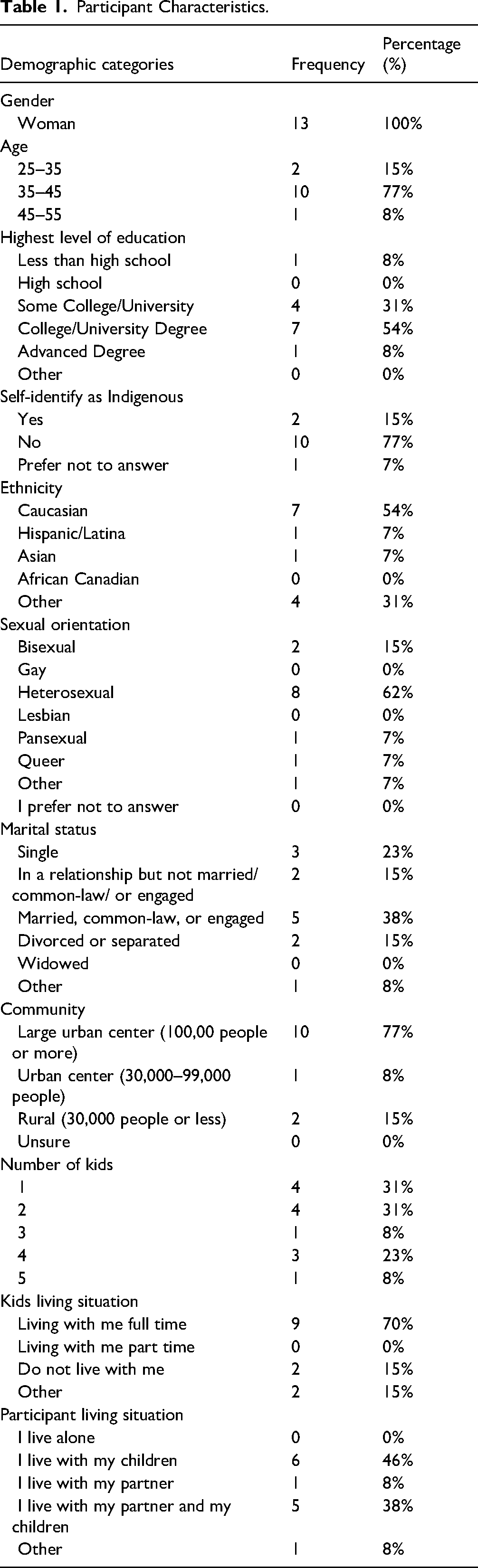
Participant characteristics can be found in Table 1.
Participant Characteristics.
Themes
Two themes provided an understanding of the process of creating a visual art form by mothers who have experienced GBV: (1) creative processes, with subthemes of choice of artistic medium, using symbols, and thoughtful color selection, and (2) storytelling experiences of GBV through art, with subthemes of art as a means of communicating, emotional processing and healing, and idea development in artmaking.
Theme 1: Creative Processes
The mothers discussed their creative processes in relation to their experiences of GBV. “I can’t imagine that it would have been able to connect … but to express it visually, and then to see it, to sort of validate, like oh right” [P10, 48-year-old, married, common law, or engaged, two children live with her]. Participants discussed three creative processes: choice of artistic medium, using symbols, and thoughtful color selection.
Subtheme: Choice of Artistic Medium. Many participants conveyed apprehension about creating their artwork because they did not consider themselves artists. Their apprehension played a role in the artistic media they chose. Participants described using media they felt comfortable working with. One participant discussed why they chose to paint rocks for their artwork saying, “I’m not really an artist, so I didn’t want to go out to Michael's and disappoint myself” [P9, 41-year-old, divorced or separated, two children live with her]. Participants also described how they turned to art media familiar to them from childhood, offering a sense of comfort when creating their artwork. Participant 1 (42-year-old, married, common law, or engaged, three children live with her, one has moved out) described how she sewed bunnies as a child and wished to recreate these stuffed animals for the purpose of this project (see Figure 1).
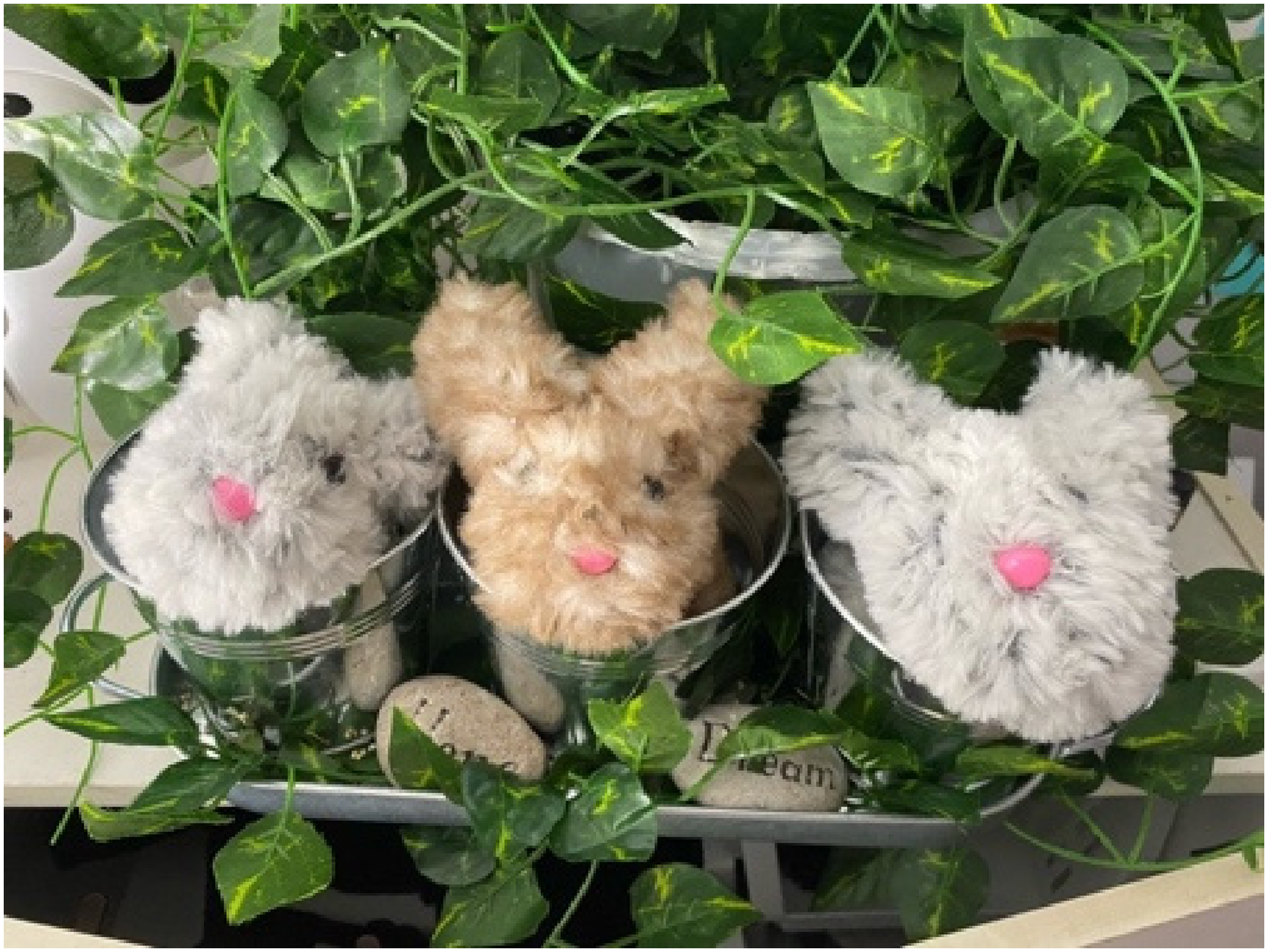
Stuffed animals as a choice of artistic medium [P1, 42-year-old, married, common law, or engaged, three children live with her, one has moved out].
Participants also described choosing art media that they had used to create art with their children. Participant 12 (43-year-old, in a relationship, five children who do not live with her) described using crayons to create their artwork because they had many memories of using crayons with their children. Choosing an artistic medium that enhanced the mothers’ comfort was evident.
Subtheme: Using Symbols. Participants described choosing common symbols in their artwork, such as a river, a flower, and an explosion to share their experiences of GBV. Participant 10 (48-year-old, married, common law, or engaged, two children live with her) used the symbol of a river to represent the tears she cried for her late father's death. Participant 12 (43-year-old, in a relationship, five children who do not live with her) used the symbol of a flower to share their experiences of GBV; “Sometimes when the petals start to drop, and you feel like the flower is going away, you feel like it's going to be gone forever, but it's not, because it will bloom again next year.” (see Figure 2).
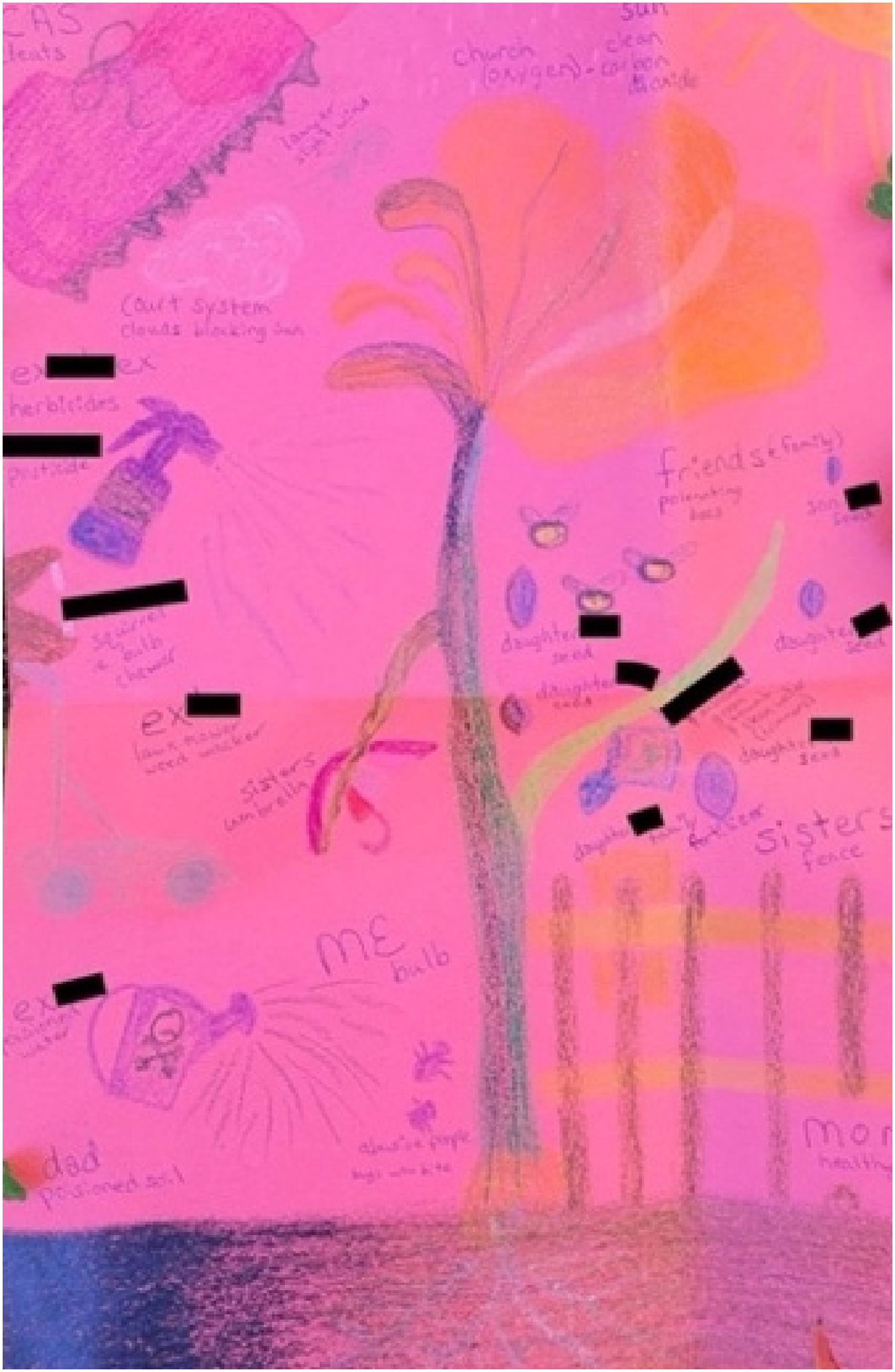
Use of a flower in a drawing as a symbol [P12, 43-year-old, in a relationship, five children who do not live with her].
Another participant used the symbol of an explosion to represent their experience of GBV. “That's why I thought the explosion was a good choice because it could be really, really dark and then when there is an explosion or a fire it's very, very bright light” [P8, 42-year-old, in a relationship, two children who do not live with her]. Symbol use in art creation allows for meaning-making (Skop et al., 2022). Using symbols helped the mothers share their experiences of GBV through art.
Subtheme: Thoughtful Color Selection. Participants discussed how they chose which colors they wanted to use in their artwork. Their color choices were representative of the emotions they felt during their experiences of GBV. Several participants described using both light and dark colors to express their emotions. As mothers, some participants described using light colors to represent the positive emotions they carried for their children. Participant 2 (35-year-old, single, one child lives with her) shared that the light colors used in their artwork represented hope despite the darkness they were experiencing in their life. They described their pregnant body, saying, “In terms of the different colors on the belly, it's lighter colors, just to show that there's another human being coming, and there's a more positive, brighter … sort of like the sun, like a brighter thing coming.” (see Figure 3).
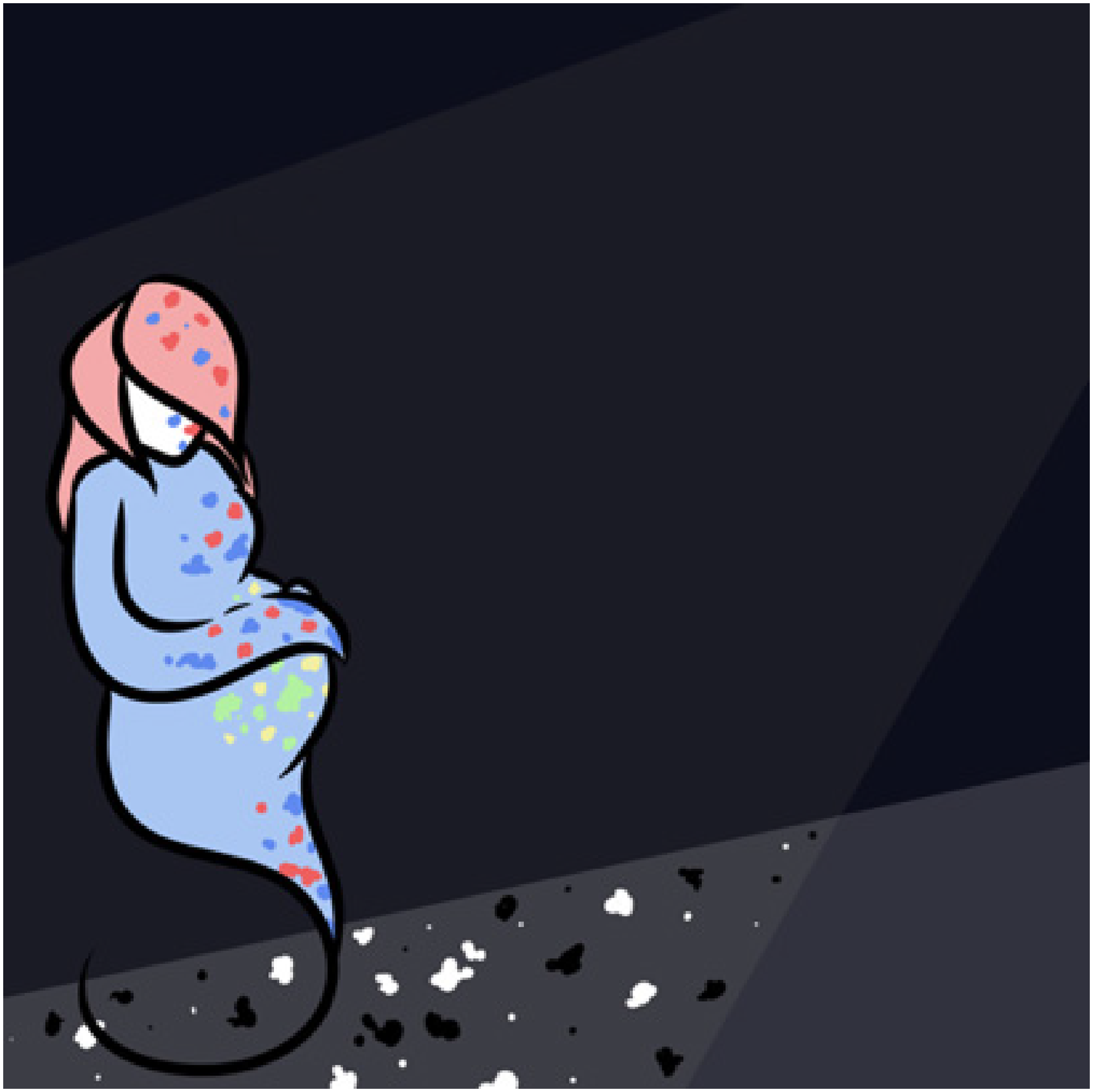
Thoughtful choice of colors in digital art [P2, 35-year-old, single, one child lives with her].
Participant 9 (41-year-old, divorced or separated, two children live with her) said, “To go back to your question about the beautiful colors, I try to remind myself that there's still beauty, and especially in my children, and despite all the hardships, they will live on.” Generally, the mothers used bright colors to represent positive emotions such as hope.
Theme 2: Storytelling Experiences of GBV Through Art
In addition to describing the creative processes involved in creating their art forms, participants also described the process of telling stories about experiences of GBV through art. “I think art could be a powerful medium for sharing any message or any emotion or anything you want to kind of share” [P2, 35-year-old, single, one child lives with her]. The three subthemes were: art as a means of communicating, emotional processing and healing, and idea development in artmaking.
Subtheme: Art as a Means of Communicating. Participants described ways in which art helped them express their experiences of GBV. Participants expressed that they were excited to use art to express their experiences of GBV because art is a valuable medium for sharing things that are challenging to verbalize. Participants were also aware that their artwork would be used for the purpose of knowledge translation in the form of an art exhibit, portraying their experiences to the public. When considering this, Participant 5 (45-year-old, married, common law, or engaged, three children live with her) said, “I think the 3-D and people being able to touch it—I think it conveys it in a way that I couldn’t with words.” (see Figure 4).
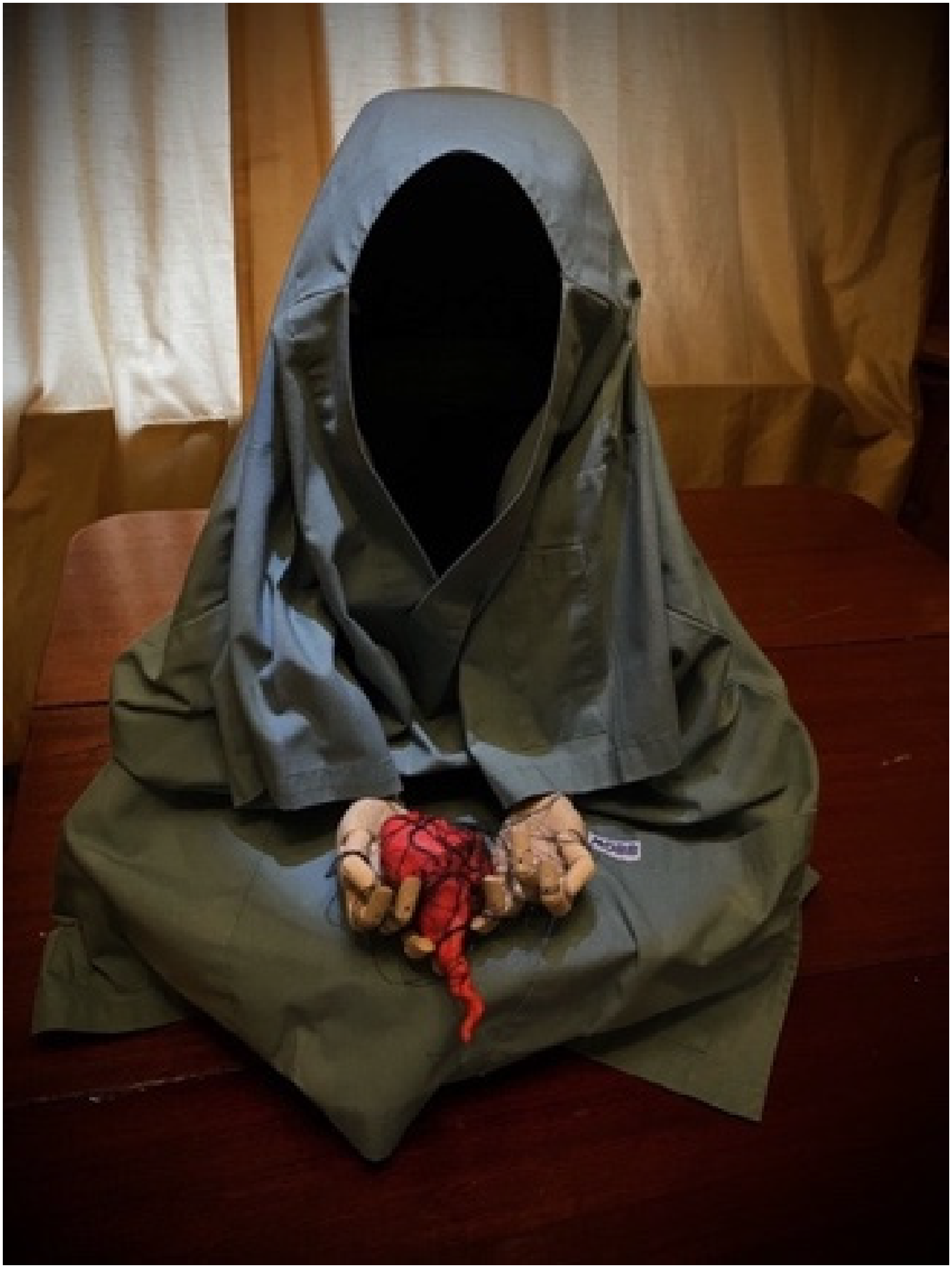
Wooden sculpture as a means of communication [P5, 45-year-old, married, common law, or engaged, three children live with her].
It was also evident that the artwork was used to communicate the participants’ emotions during their experiences with GBV. Participant 10 (48-year-old, married, common law, or engaged, two children live with her) shared, “My emotions have poured into it through the paint, or through the media in general.” As mothers, some participants used the artwork to facilitate conversations about their experiences of GBV with their children. Participant 11 (40-year-old, in a relationship, one child lives with her) described using their artwork to discuss their experience of GBV with their son for the first time.
Subtheme: Emotional Processing and Healing. Participants discussed the emotional processing and healing that occurred when creating their artwork. Creating artwork that represented their experiences of GBV allowed participants to spend time reflecting on those experiences, giving space for emotional processing. “I learned that it’s OK to have a chance to process those emotions. It’s not always good to avoid them all the time, it’s good to just deal with them. Because I feel better, honestly” [P3, 29-year-old, married, common law, or engaged, one child lives with her].
Some participants shared that this reflection and emotional processing of experiences of GBV led to healing because they were able to view their experiences in a new light. “Now I just look at them as something I had to go through, to become better. Like the way gold has to go through a fire to become gold, to become pure” [P3, 29-year-old, married, common law, or engaged, one child lives with her] (see Figure 5).
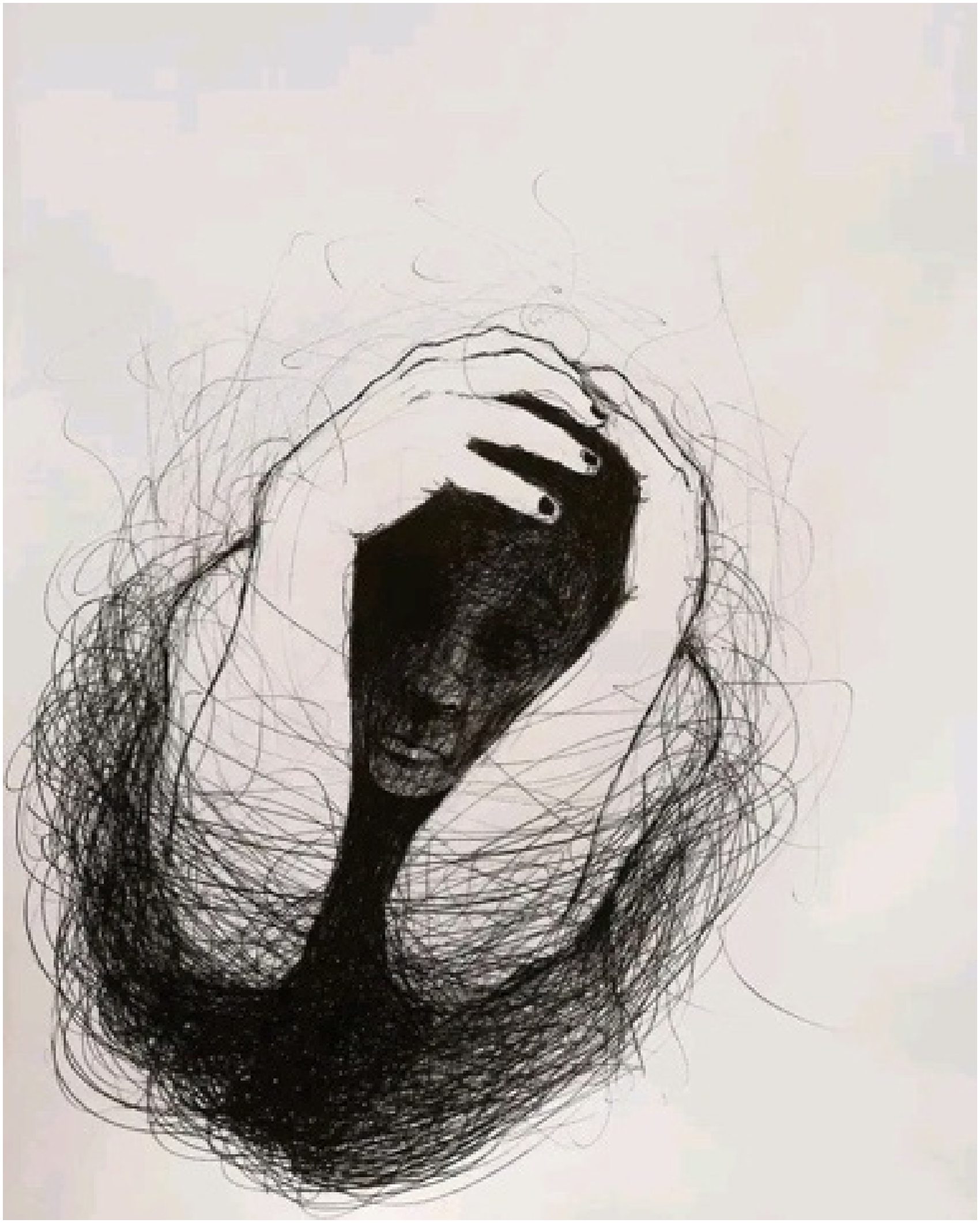
Creating digital art for emotional processing and healing [P3, 29-year-old, married, common law, or engaged, one child lives with her].
Several participants shared that reflecting on their personal growth since their experiences of GBV was healing. They described how their artwork represented a new version of themselves and their growth. Participating in art creation allowed the participants to experience emotional processing and healing.
Subtheme: Idea Development in Artmaking. Participants described the process of developing ideas for their artwork. During this time, they reflected on their experiences of GBV. Participant 8 (42-year-old, in a relationship, two children who do not live with her) stated, “I had just written down that I had lots of ideas for an art project—too many, in fact—so I didn’t know which one to do. I just wanted something that would represent my state of mind during the domestic violence.” (see Figure 6).
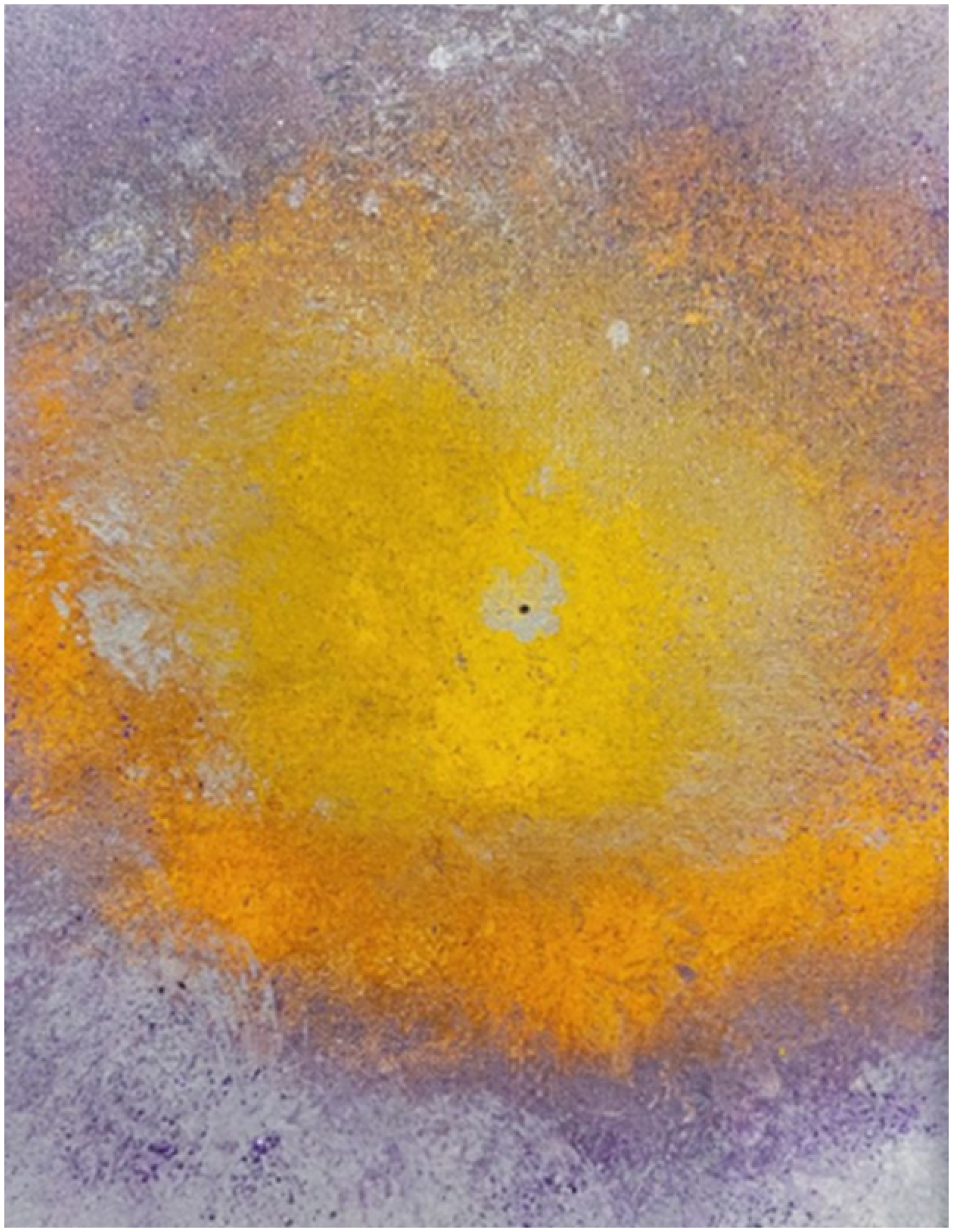
Idea development using spray paint [P8, 42-year-old, in a relationship, two children who do not live with her].
Participants felt a large responsibility when creating the idea for their artwork, knowing that it would be shared with the public, including other women who may be experiencing GBV. Participant 1 (42-year-old, married, common law, or engaged, three children live with her, one has moved out) reflected not only on their experiences of GBV but also on the experiences of others and the importance of representing in their artwork the voices of all women who have experienced violence. Some mothers commented on the idea of their artwork being positive, despite their experiences of GBV. Participant 7 (38-year-old, married, common law, or engaged, four children live with her) shared how thinking of her children influenced this choice: “I wanted to portray a message to my children. Originally, I was thinking of something much darker. And then I'm like, no, no, if I believe if you let this kind of experience take ownership of you, you will become sad, depressed, angry, or scared, or sad. And I don't want to be that kind of person.” Mothers described ruminating over the ideas for their artwork to effectively share their experiences of GBV.
Discussion
This study enhanced knowledge surrounding the process of art creation among Ontario mothers with histories of GBV. Mothers described the creative processes involved in the creation of their artwork. Participants chose their artistic media from ones that were familiar to them. Choice of artistic medium can be critical when working with individuals who have experienced trauma because an artistic medium acts as a vehicle for self-expression and reflection (Clukey, 2003). Although this study was not a form of art therapy, art therapists often choose simple media such as drawing or painting because they allow for greater self-expression and are less structured than other artistic media such as clay and string (Rubin, 1984). Moreover, simple artistic media are commonly chosen because they are easy to create and interact with, often referred to as artistic media that could be used by a child (Rubin, 1984). This might suggest why participants in this study were drawn to artistic media that were familiar to them. Participants often used symbols as a creative means to express their experiences of GBV. This finding was similar to the findings of a study in Turkey that examined art therapy with women who had experienced IPV (Aktaş Özkafacı & Eren, 2020). In this study, individuals used symbols to communicate their experiences of violence in a safe space (Aktaş Özkafacı & Eren, 2020). Knowing that instances of GBV can be challenging to verbalize (Abrahams, 2017), it is important to note that using symbols to express oneself might be a way for individuals with histories of GBV to feel safe sharing their experiences with others. The participants also shared how they utilized colors to represent their emotions in their artwork. This finding was similar to an Ontario-based study which found that light colors represented positive emotions and dark colors represented negative emotions (Damiano et al., 2023). Our research demonstrated that mothers commonly incorporated light colors to represent their children in their artwork.
Additionally, this study found that art could be used as a means of communicating experiences of GBV. These findings were similar to an art therapy study with women who experienced IPV which found that participants were more comfortable sharing their experiences of IPV using art rather than verbally (Murray et al., 2017). Creating art also facilitated emotional processing and healing with respect to experiences of GBV. Specifically, this study found that emotional processing and healing might take place because the participants spent time reflecting on their experiences of GBV and discovered personal growth. This was similar to the findings of a Canadian-based case study which found that women participating in art therapy experienced emotional healing when reflecting on their experiences of GBV (Skop et al., 2022). Art therapy not only involves art creation but also entails working with an art therapist (Ikonomopoulos et al., 2017). Art therapists are trained in counseling psychology and during art therapy, facilitate clients in expressing and sharing their emotions and thoughts (Canadian Art Therapy Association, 2023). This study demonstrates that art creation alone may facilitate mothers with emotional processing and healing after experiences of GBV. Lastly, this study described how participants engaged in a process of idea development with respect to their artmaking. During this idea development phase, the participants described wanting their artwork to share a powerful message. Currently, there is no literature surrounding the process of idea development in art creation among women or mothers who have experienced GBV, making these contributions to research novel.
Limitations
While this study employed several means to ensure rigor, it is not without limitations. This study used convenience sampling, whereby the participants approached the research team if they were interested in participating in the study. As such, only participants who felt prepared to discuss their experiences of GBV came forward to participate in the study. As a result, women who were not ready to share their experiences of GBV may have generated different findings than the participants included in this study. For example, women who were not prepared to share their experiences of GBV may have found the artmaking component more valuable than the participants who were ready to share their experiences because art offers a unique way to safely share experiences of GBV with others (Aktaş Özkafacı & Eren, 2020). Our sample comprised only Ontario residents, reducing its generalizability to other settings. There was also minimal diversity in socioeconomic status among participants, with only 8% of participants having less than a high school education and 92% having some form of college or university degree/diploma.
Implications for Further Research
Currently, there is limited research into the process of artmaking for women who have experienced GBV, and no research that aims to understand the process for mothers. In the scoping review, “Artmaking as a Health Intervention” (Kim & Lor, 2022), studies evaluating artmaking among any patient population 18 years or older included only seven Canadian studies, highlighting the need for further Canadian research in this area. Further research would strengthen the evidence to support artmaking with mothers who have experienced GBV in Canada.
Conclusion
Using an ID approach, knowledge was gained surrounding the creative processes and storytelling ability of artmaking among Ontario mothers with histories of GBV. Participants expressed the creative processes of artistic medium choice, use of symbols, and thoughtful color selection. Understanding these processes will add to our understanding of what it is like for mothers who have experienced GBV to take part in art creation as a means of telling their story. Furthermore, an understanding of storytelling experiences of GBV through art was generated. As part of the storytelling experience, women elaborated on art as a means of communication, emotional processing and healing, and idea development in artmaking. This new knowledge enhances our understanding of how art can be used to share stories and experiences of GBV.
Footnotes
Declaration of Conflicting Interests
The authors declared no potential conflicts of interest with respect to the research, authorship, and/or publication of this article.
Funding
The authors disclosed receipt of the following financial support for the research, authorship, and/or publication of this article: This work was supported by the Western University (grant number Western Strategic Support for SSHRC Success).

Author Biographies