




Abstract
This article describes the use of clusters in facilitating inquiry and expanding learning opportunities for advanced and gifted students. Options are presented that extend or reinforce the central focus of curricular investigations. These clusters enhance the gifted students' understanding of the connections that reinforce and/or extend the impact to investigate and comprehend a designated skill, concept, principle, or discipline.
The skills surrounding the major skill identified in the center of the cluster reinforce the activation of the primary or major skill.”
Introduction
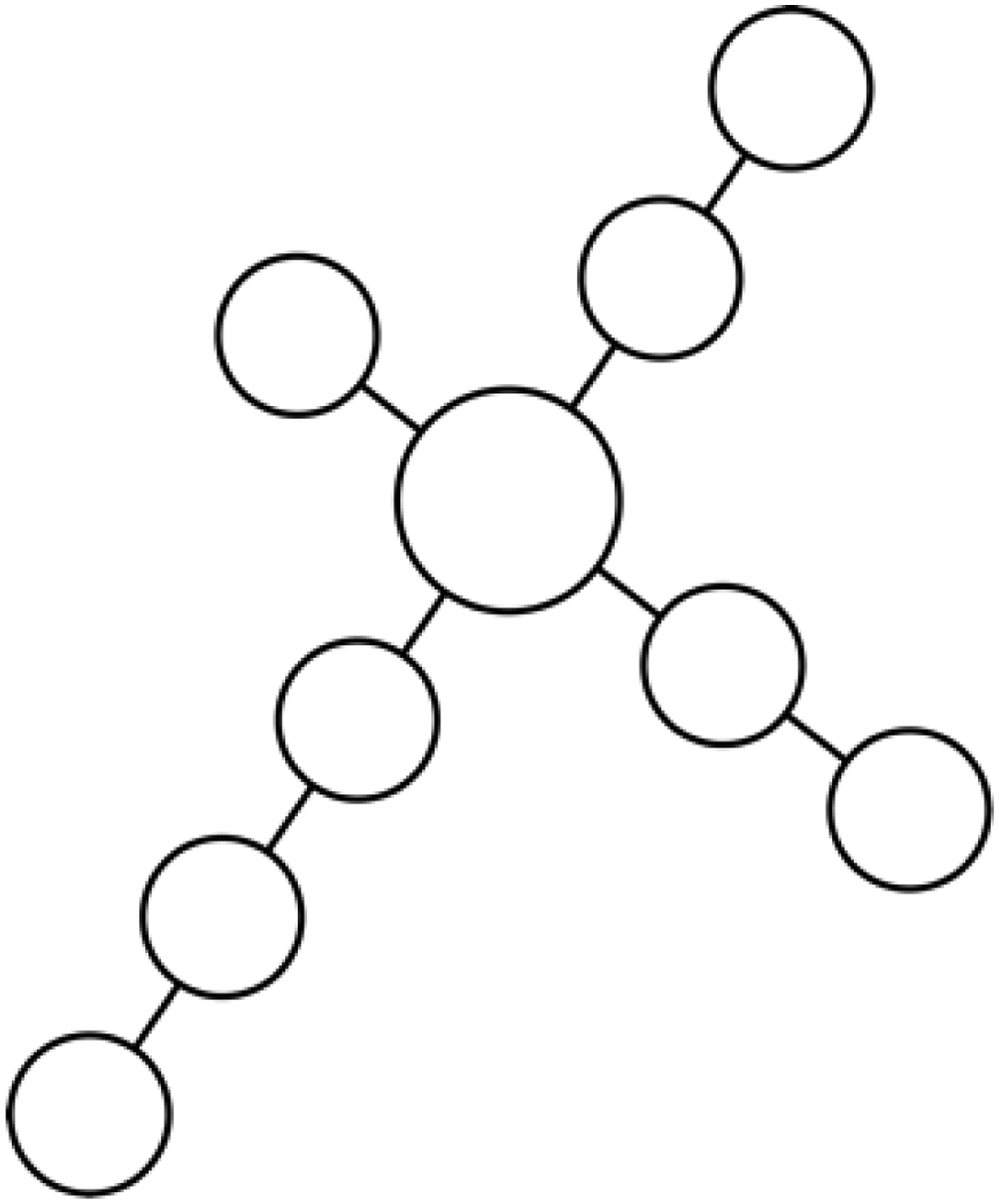
The term and concept of differentiation is a consistent reference to responding to the needs, abilities, interests, and potential of advanced and gifted learners. Relevance and design are among the elements that continually affect the definitions and practices of differentiation for these students. Elements that promote change in the definition of giftedness, various assessment tools, and the evolutionary construction of curriculum and application of instructional techniques have contributed and affected the definitions and practices of differentiation. Some educators argue that the array of differentiation strategies provides more individualized opportunities to construct the appropriate match between learners’ needs, interests, and abilities and the challenge that differentiation affords these students. Other educators argue that the plethora of options to differentiate confuses rather than clarifies the meaning of the challenge that differentiation affords these learners.
Cluster Approach to Differentiation
The cluster approach to differentiation provides a type of outline for advanced and gifted students to self-determine the course of study of a topic from a range of designated options. Too often, gifted students defer decision-making on their intellectual journey and relegate the responsibility to their teacher for many reasons: lack of sufficient self-defined understanding of the options and their implications, the belief that the teacher’s choices are more significant to the student’s personal success, and an inability to clearly accept that a lack of knowledge in certain situations does not affect their identification as a capable, advanced, or gifted learner. In addition, the cluster approach to differentiation also visually represents a broad representation of an area of study that reinforces the expansive rather than a narrow conceptualization of knowing.
Cluster Approach to Differentiation.
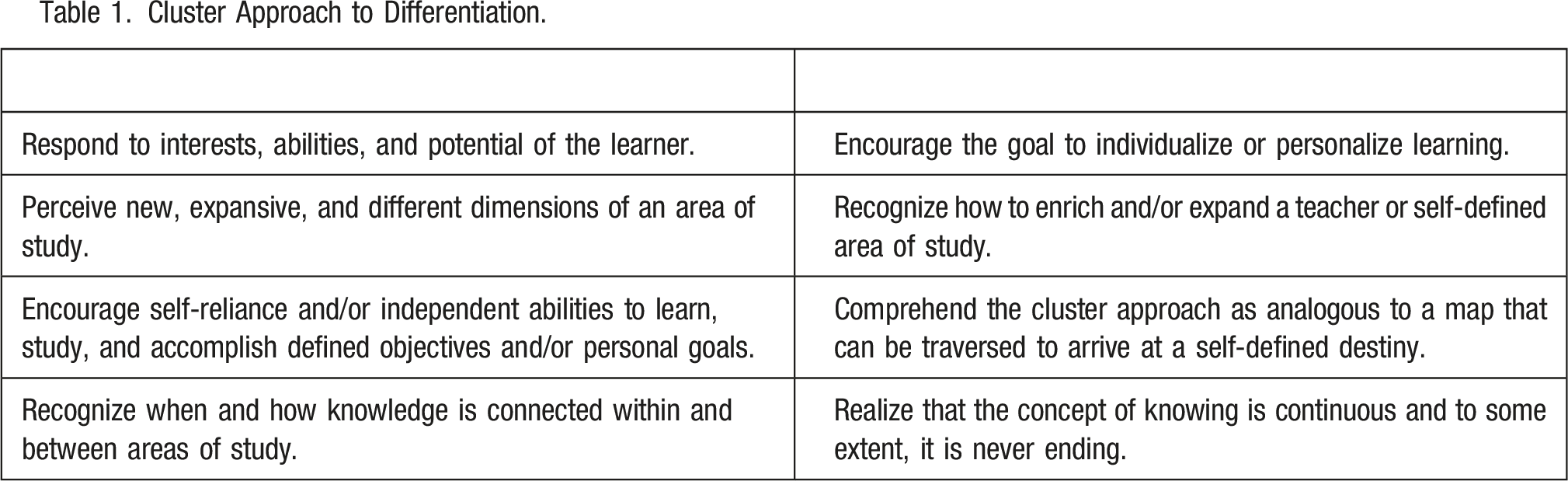
The underlying introduction and use of clusters facilitates inquiry and expands learning opportunities for advanced and gifted students by presenting a collection of options that extend or reinforce the central focus of any curricular investigation. In addition, the cluster facilitates the student’s understanding of the connections that reinforce and/or extend the impact to investigate and comprehend a designated skill, concept, principle, or discipline. Understanding the purpose and use of clusters reinforces a significant characteristic of advanced and gifted learners: the ability to make and utilize connections to enhance learning and further one’s interests and abilities.
Examples of Cluster Types and Formations
Skill Cluster
The major significance of skill clusters is their ability to identify a set of skills that can articulate the understanding and application of a designated major skill (see Figure 1). The skills surrounding the major skill identified in the center of the cluster reinforce the activation of the primary or major skill. Previous knowledge and utilization of the skills formulating the cluster can clarify how to operationalize the more sophisticated or newly introduced major skill identified in the center of the cluster. Importantly, the cluster illustrates the interdependency and performance of skills on each other. Skill cluster.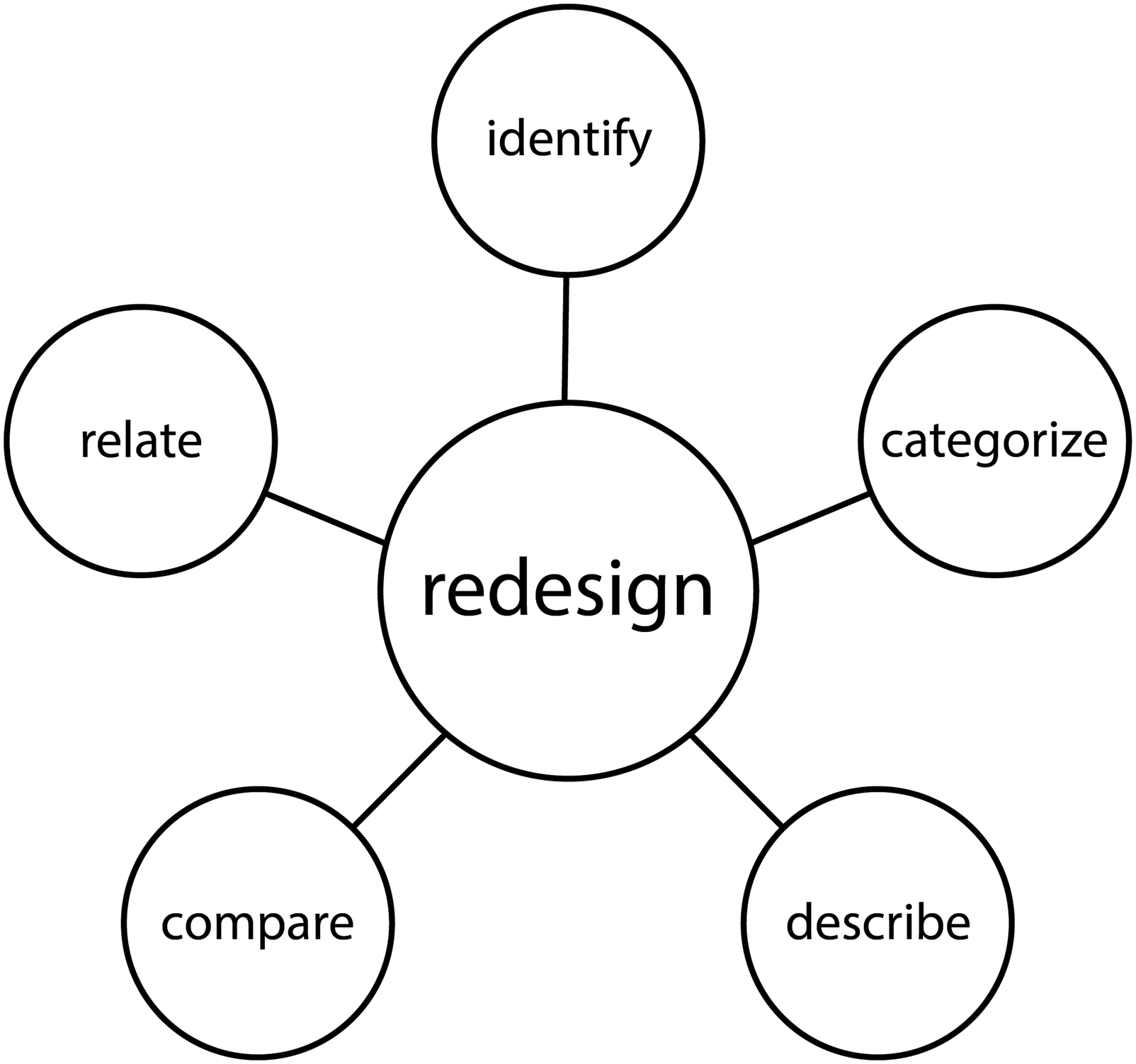
Content Clusters
The different types of content clusters provide a different means for advanced and gifted students to investigate and respond to inquiries about a content area (see Figure 2). Each cluster is intended to stimulate the investigation of an area of study defined by the teacher or self-selected by the student. Regardless of the type of content centerpiece identified in the cluster, the content areas labeled around the identified center facilitate multiple investigations of the centerpiece. The major objective of the surrounding content areas is to stimulate an in-depth understanding of the centerpiece. While investigating each area around the centerpiece is expected, students should be able to determine the type and degree of contribution each surrounding content area makes to their understanding of the centerpiece. Content cluster.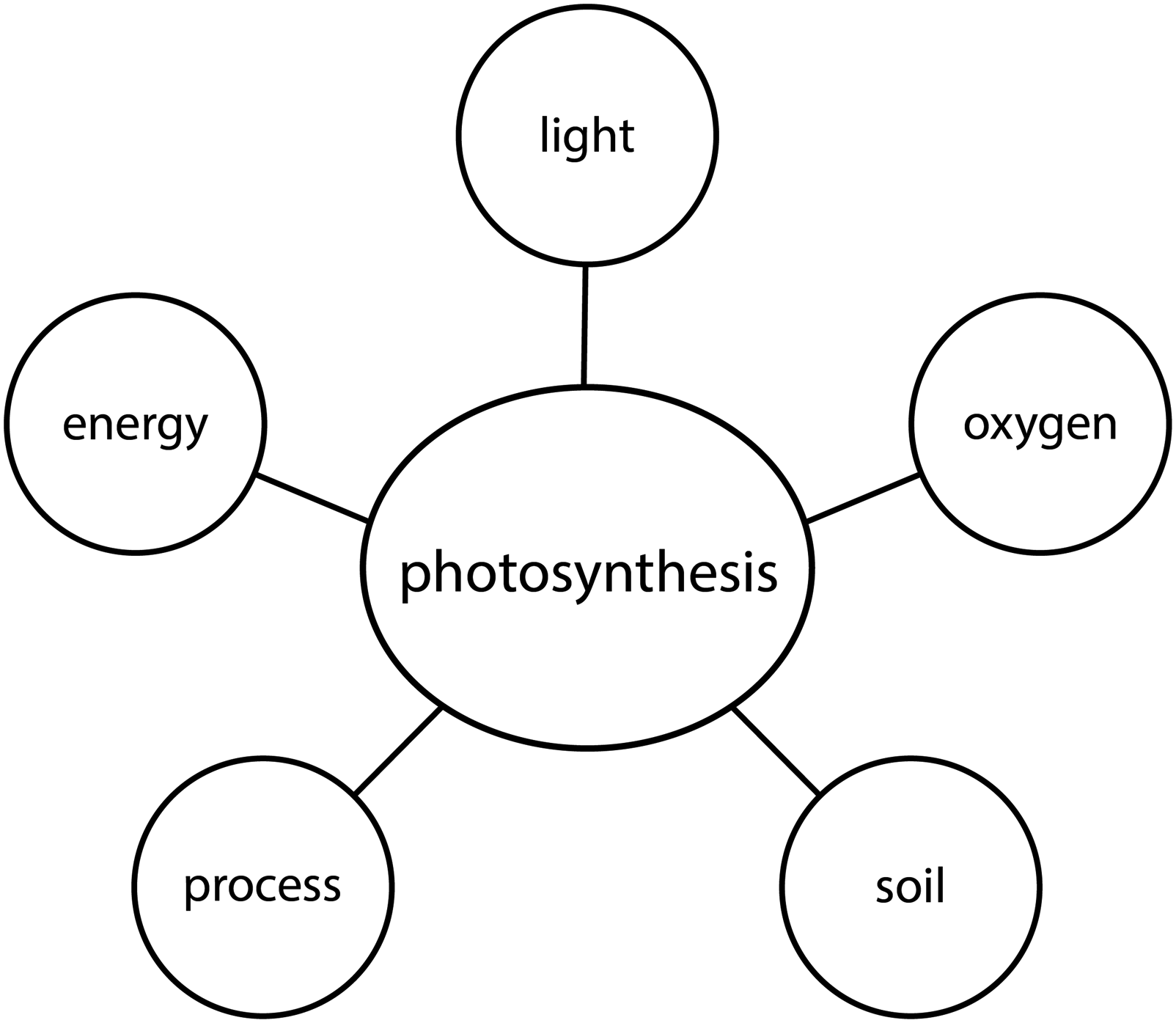
Discipline Clusters
The primary significance of discipline clusters is to introduce and reinforce the nature of interdisciplinary learning (see Figure 3). The discipline cluster is constructed to emphasize the importance of expanding the investigation of the centerpiece by investigating disciplines that will yield new and diverse points of understanding to explore and gain comprehension of the centerpiece. The discipline cluster promotes inquiry across rather than in a single discipline. Significant to the introduction and application of the discipline cluster is helping students understand why and how disciplinary connections facilitate a more sophisticated understanding of an area of study. The discipline cluster also reinforces the idea that previously acquired knowledge learned in another discipline can be utilized to provide a wider and more significant understanding of other disciplines. Discipline cluster.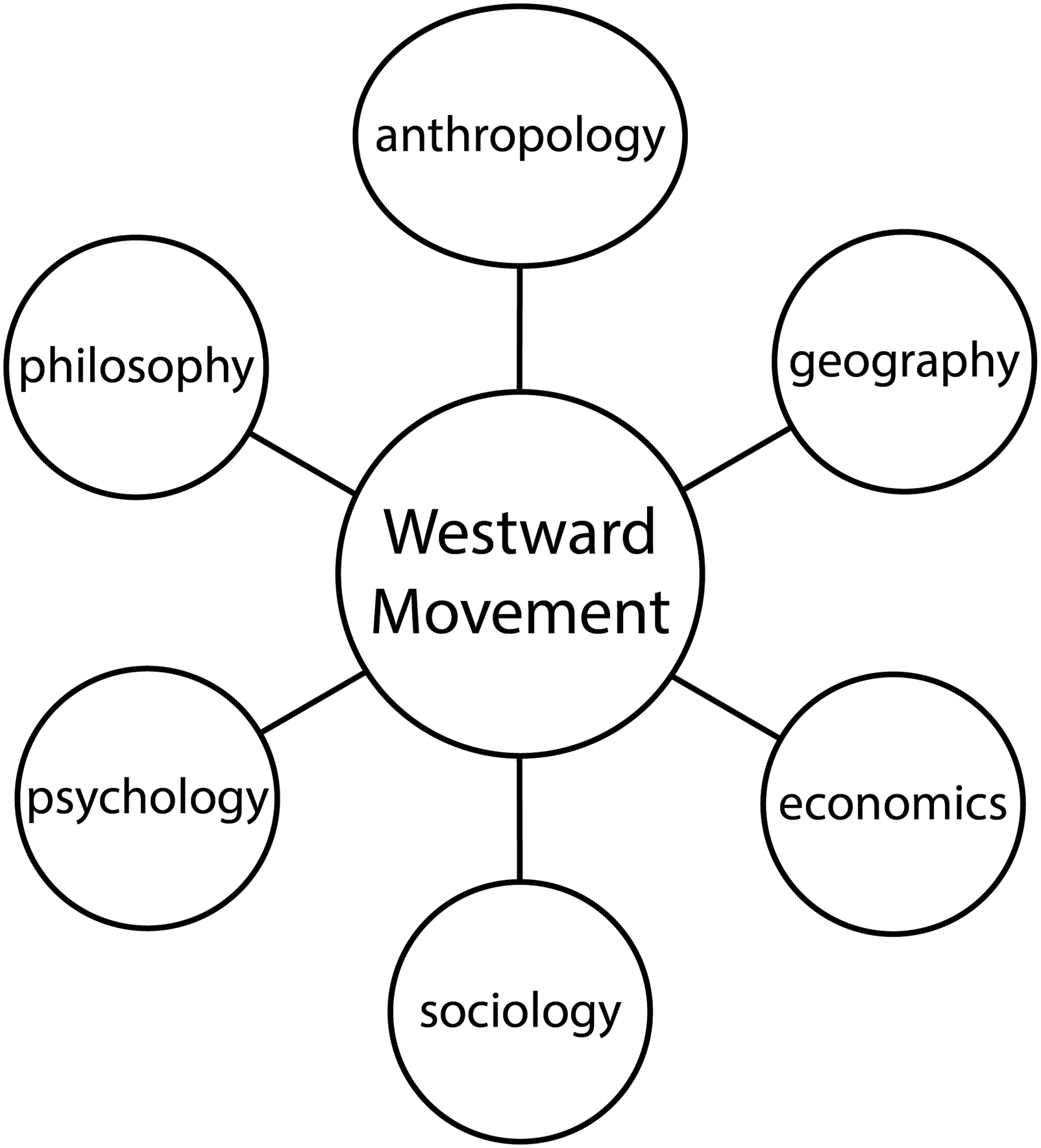
The cluster concept of differentiation is intended to expand the learning experiences of advanced and gifted learners to recognize and facilitate how and why making connections and facilitating relationships enhances knowing and learning.
Footnotes
Declaration of Conflicting Interests
The author(s) declared no potential conflicts of interest with respect to the research, authorship, and/or publication of this article.
Funding
The author(s) received no financial support for the research, authorship, and/or publication of this article.
