




Abstract
Some studies evaluated the association of factor V Leiden (FVL) with sepsis risk and mortality risk. However, the results were conflicting. Thus, we performed a meta-analysis to address the association between FVL and sepsis. PubMed and EMBASE databases were searched to find relevant studies. Odds ratios (ORs) and corresponding 95% confidence intervals (CIs) were estimated using random effects model. Five case–control studies and 3 cohort studies were included. Overall, no significant association between FVL and sepsis risk was observed (OR = 0.93; 95% CI 0.74-1.15; P = .49). In addition, there was no significant association between FVL and sepsis-related mortality (OR = 1.17; 95% CI 0.73-1.88; P = .52). In the subgroup analysis, no increased sepsis risk and mortality risk were found in caucasian population. This meta-analysis suggested that FVL was not a risk factor for sepsis and sepsis mortality.
Introduction
Sepsis remains a major global health problem with a high mortality despite major advances in the care of critically ill children and adults. Epidemiological studies have suggested a strong genetic relationship on the susceptibility and the outcome of sepsis. 1 –3 In recent years, several articles have identified the importance of factor V Leiden (FVL) in sepsis outcomes. 4,5
The FVL describes a G1691A nucleotide transition resulting in an R506Q amino acid missense mutation. 6 The FVL mutation results in a loss of 1 of the 3 activated protein C cleavage sites in factor V, which renders the protein resistant to the anticoagulant activity of activated protein C. 7 In a median lethal dose endotoxin mouse model, Kerlin et al 8 found that heterozygous mice had lower mortality than wild-type mice. In addition, Schouten et al 9 suggested that homozygosity for the FVL mutation protected against lethality due to pneumococcal pneumonia in mice treated with antibiotics. However, Brüggemann et al 10 showed that the FVL allele has no beneficial effect on mouse septic peritonitis. Moreover, clinical studies on the role of FVL in sepsis also showed variable results. Benfield et al 11 suggested that the FVL mutation may be associated with infectious disease susceptibility and an increased risk of mortality from sepsis. However, other clinical studies could not confirm this result. 12 –18 Therefore, the results of the previous studies are controversial.
To date, no meta-analyses have established the associations of FVL with sepsis risk and sepsis mortality risk. The aim of this study was to perform a meta-analysis to derive a better estimation of the associations.
Methods
Publication Search
A literature search of the PubMed, EMBASE, and Wanfang databases was conducted for English language studies published before January 2013. The following search terms were used: sepsis and (factor V Leiden or FVL or factor V) and (polymorphism or mutation or variant). The following Medical Subject Headings (MeSH) terms were used in PubMed: “sepsis,” and “polymorphism, genetic” and “factor V Leiden.” All the searched studies were retrieved, and their references were checked as well for other relevant publications. Review articles were also searched to find additional eligible studies.
Inclusion Criteria
The inclusion criteria were (1) evaluation of the FVL and risk of sepsis or sepsis mortality; (2) case–control study or cohort study; and (3) sufficiently available data to estimate an odds ratio (OR) with its 95% confidence interval (95% CI). For overlapping studies, only the one with the largest sample size was included. There was no language restriction.
Qualitative Assessment
Methodological quality was independently assessed by 2 investigators (JZ and YH). Any disagreement was resolved by consensus. Quality assessment scores of genetic association studies of human sepsis were used to assess the quality of the selected articles. 19 Total scores ranged from 0 (worst) to 9 (best) for cohort studies and 0 (worst) to 10 (best) for case–control studies.
Data Extraction
The following data from each article were extracted: first author’s surname, publication year, ethnicity, study design, age group, numbers of cases and controls, and genotype numbers in cases and controls. The data were extracted and registered into 2 databases independently by 2 investigators (JZ and YH). Accuracy of the data was verified by comparing collection forms from each investigator. Any discrepancy was resolved by discussion or a third author (WZ) would make an ultimate decision.
Statistical Analysis
The OR and 95% CI were employed to evaluate the strength of the association between FVL and risk of sepsis and death. The overall effects were calculated in a dominant genetic model (also known as FVL carrier vs non-FVL carrier or AA + AG vs GG) in this meta-analysis. The pooled OR was calculated by a random effects model, using the DerSimonian and Laird method. The statistical significance of OR was determined with Z test.
Departure from Hardy-Weinberg equilibrium (HWE) in controls was tested by the chi-square test. Heterogeneity assumption was checked by the Q test. 20 The I 2 statistic was also used to assess the degree of heterogeneity among the studies. 21 Subgroup analyses were carried out by ethnicity. Sensitivity analysis was performed through sequentially excluded individual studies to assess the stability of the results. Visual inspection of asymmetry was carried out in funnel plots. The potential publication bias was examined using Egger test. 22
All statistical tests were performed using STATA 11.0 software (Stata Corporation, College Station, Texas). A P value <.05 was considered statistically significant except for tests of heterogeneity where a level of .10 was used.
Results
Study Characteristics
After the literature search, a total of 90 records were reviewed. After removing 28 duplications and reading the abstracts, 39 articles were further excluded. After reading full texts of the remaining articles, 15 were then excluded and 8 articles remained. The study selection process is shown in Figure 1. Finally, 5 case–control studies and 3 cohort studies were included in our meta-analysis. 11 –18 Five studies were conducted in caucasian populations. Most of the studies comprised adult patients, whereas 3 studies focused on pediatric patients. The quality scores of these studies ranged from 5 to 8, suggesting high quality. The characteristics of the selected studies are presented in Table 1. Genotype numbers and HWE examination results are showed in Table 2.
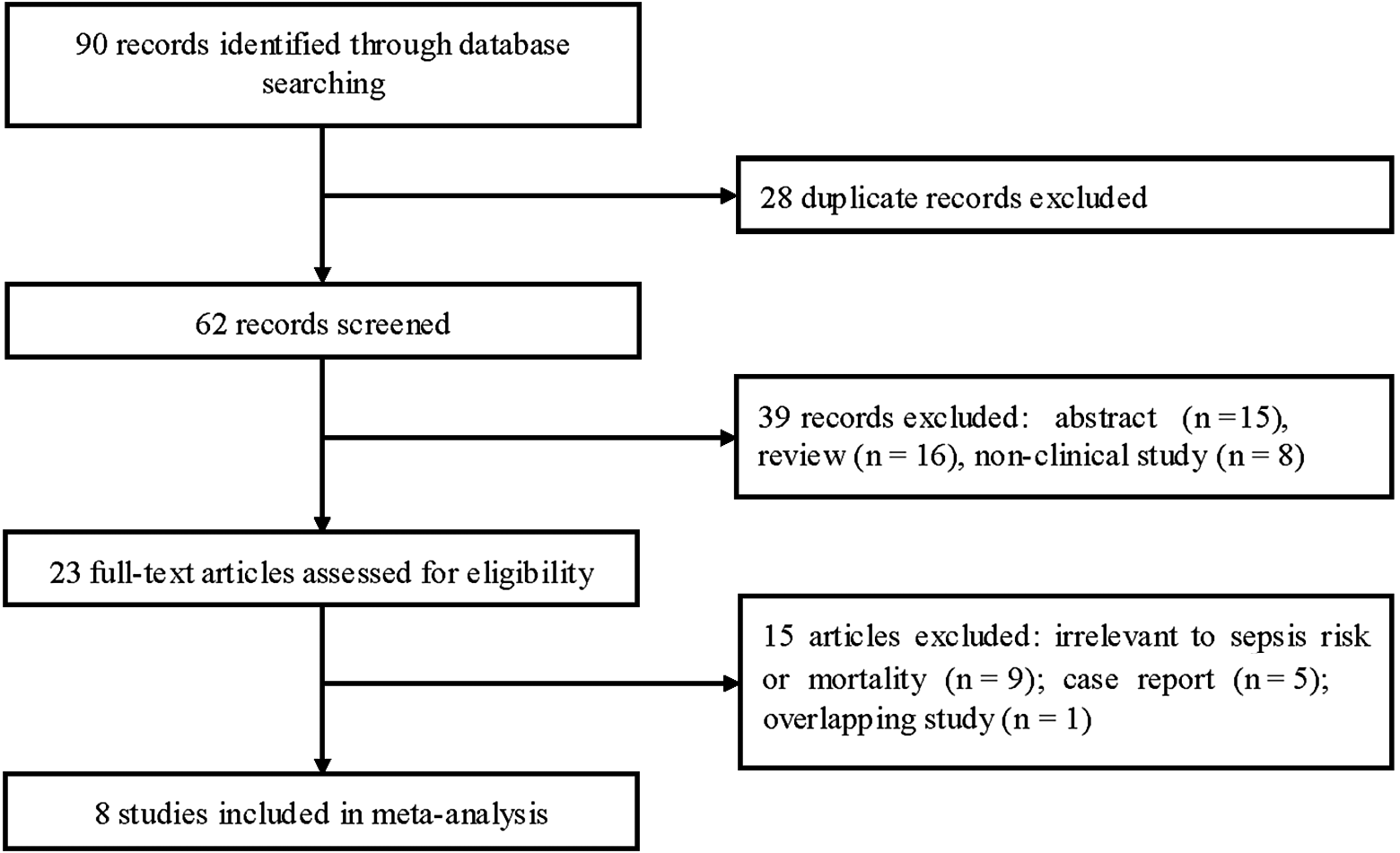
Flow of study identification, inclusion, and exclusion.
Characteristics of the Studies Included in Meta-Analysis.
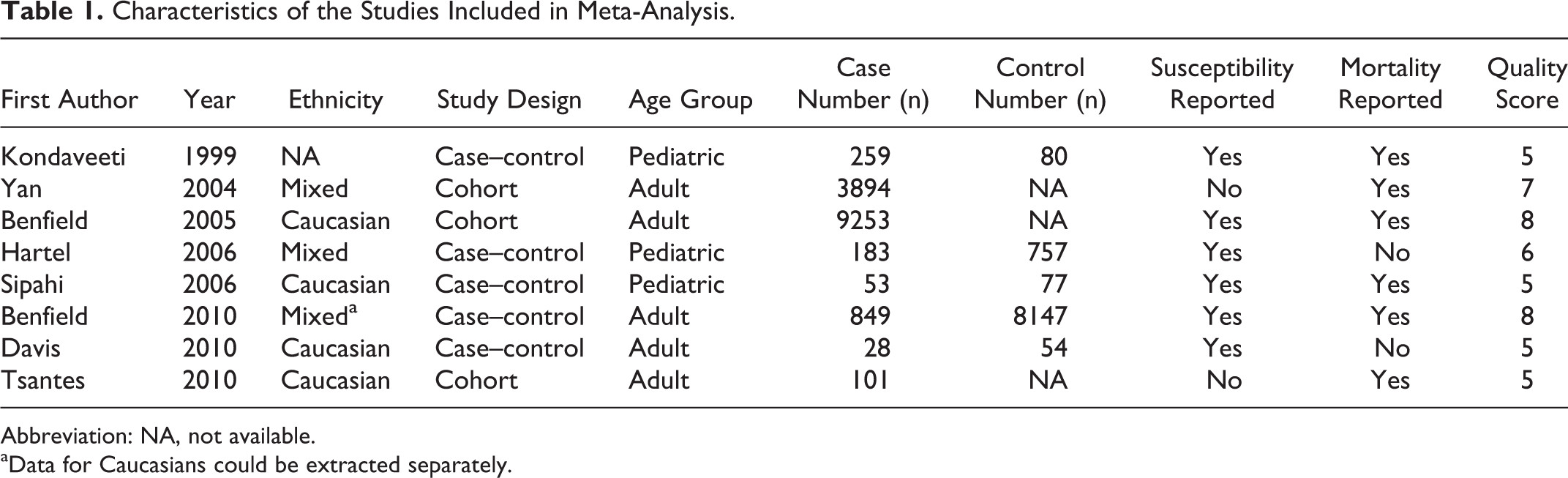
Abbreviation: NA, not available.
aData for Caucasians could be extracted separately.
Distribution of Factor V Leiden Genotype.
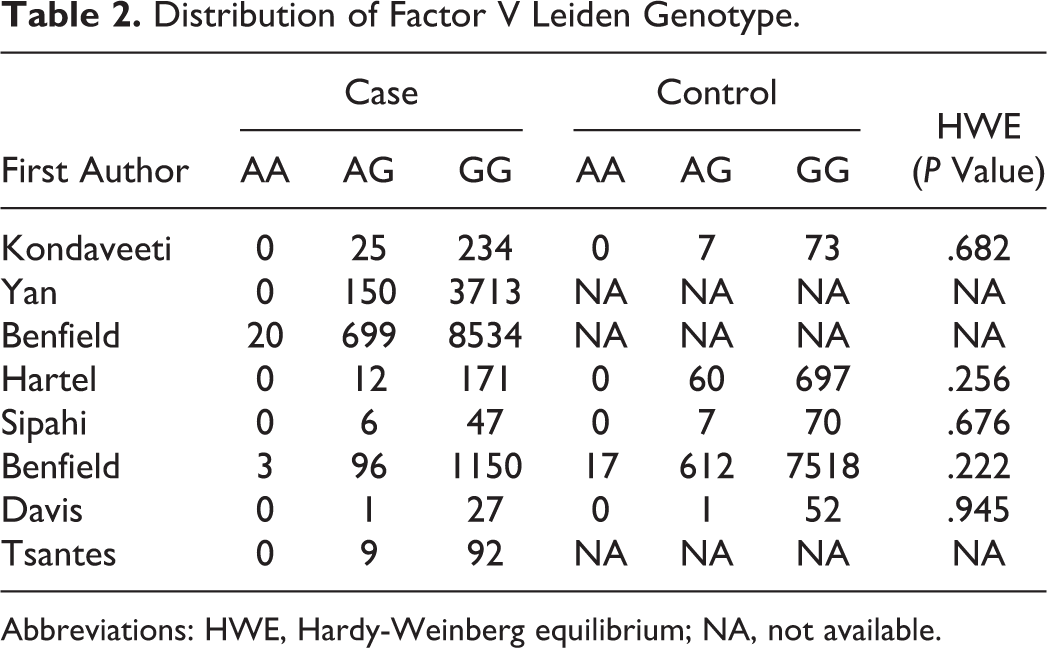
Abbreviations: HWE, Hardy-Weinberg equilibrium; NA, not available.
Quantitative Data Synthesis
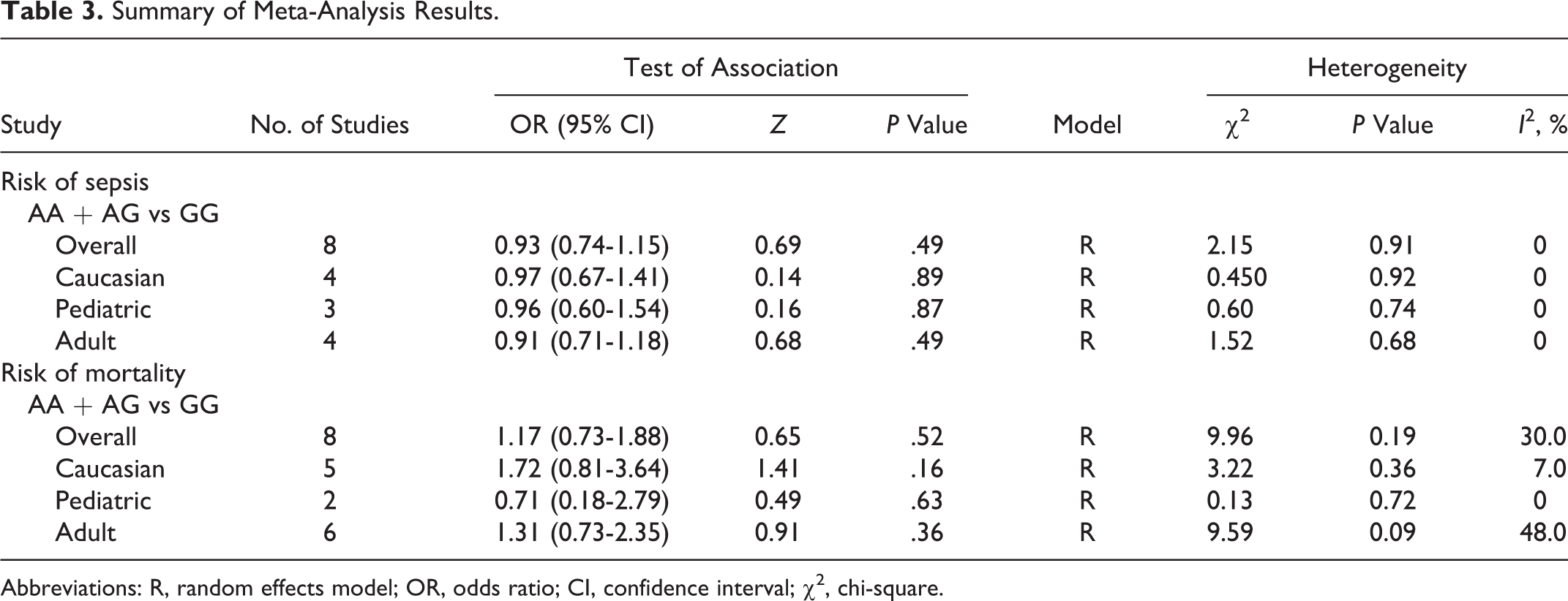
Eight studies assessed the association between FVL and sepsis risk. The pooled OR was 0.93 (95% CI 0.74-1.15; P = .49; Figure 2). This result suggested that FVL was not associated with sepsis risk. In the subgroup analysis by ethnicity, the same result was found among caucasians (OR = 0.97; 95% CI 0.67-1.41; P = .89). In the subgroup analysis by age group, no significant association was observed in pediatric patients and adult patients (Table 3).
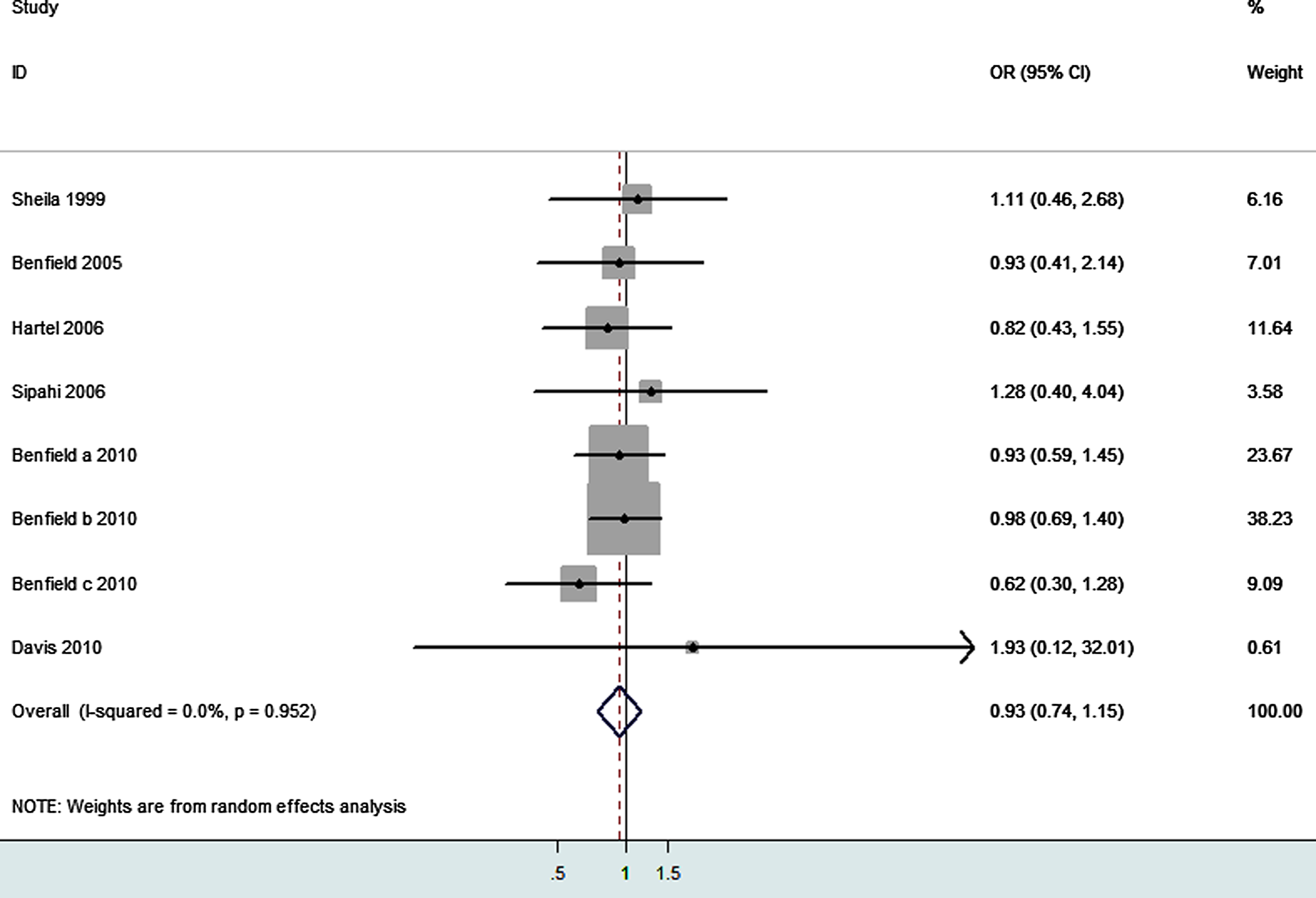
Meta-analysis of the association between factor V Leiden (FVL) and sepsis risk.
Summary of Meta-Analysis Results.
Abbreviations: R, random effects model; OR, odds ratio; CI, confidence interval; χ 2 , chi-square.
Eight studies identified the association between FVL and sepsis-related mortality risk. Total sample size of patients was 5294. Figure 3 showed that there was no significant association between FVL and sepsis-related mortality with an OR of 1.17 (95% CI 0.73-1.88; P = .52). In the subgroup analysis by ethnicity, there was also no evidence for significant association between FVL and mortality risk among caucasians (OR = 1.72; 95% CI 0.81-3.64; P = .16). In the subgroup analysis by age group, there was also no significant association between FVL and mortality risk in different age groups. Summary results of comparisons are listed in Table 3.
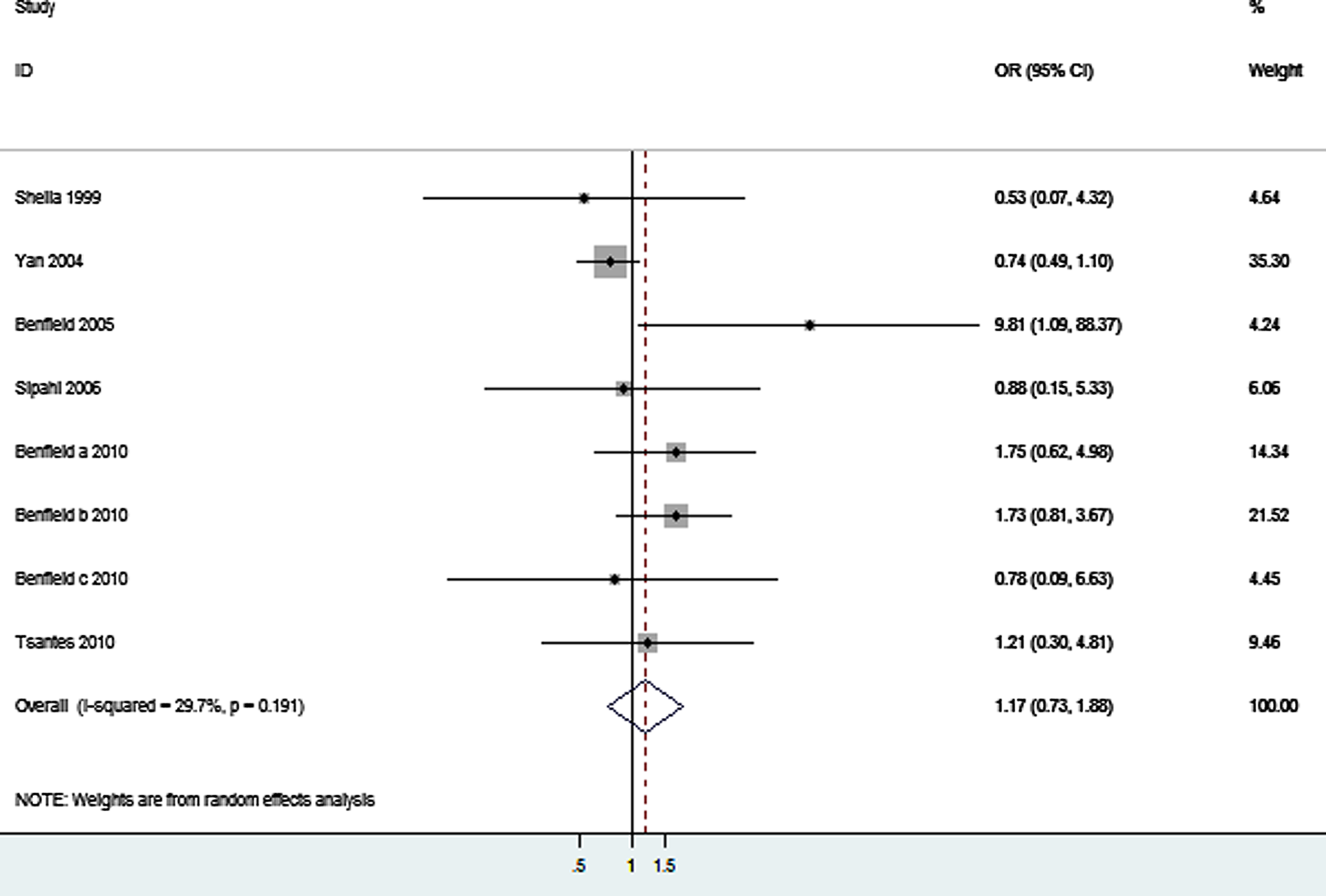
Meta-analysis of the association between factor V Leiden (FVL) and mortality risk.
Sensitivity Analysis
In order to evaluate the stability of the results of the meta-analysis, sensitivity analyses were performed through sequentially omitted individual studies. All the results were not materially changed, which suggested the robustness of our results (data not shown).
Cumulative Meta-Analysis
Cumulative meta-analyses of the 2 associations were performed via the assortment of studies by publication time. As shown in Figures 4 and 5, no significant association was shown with each accumulation of more data over time. The results suggested that the pooled ORs tended to be stable.
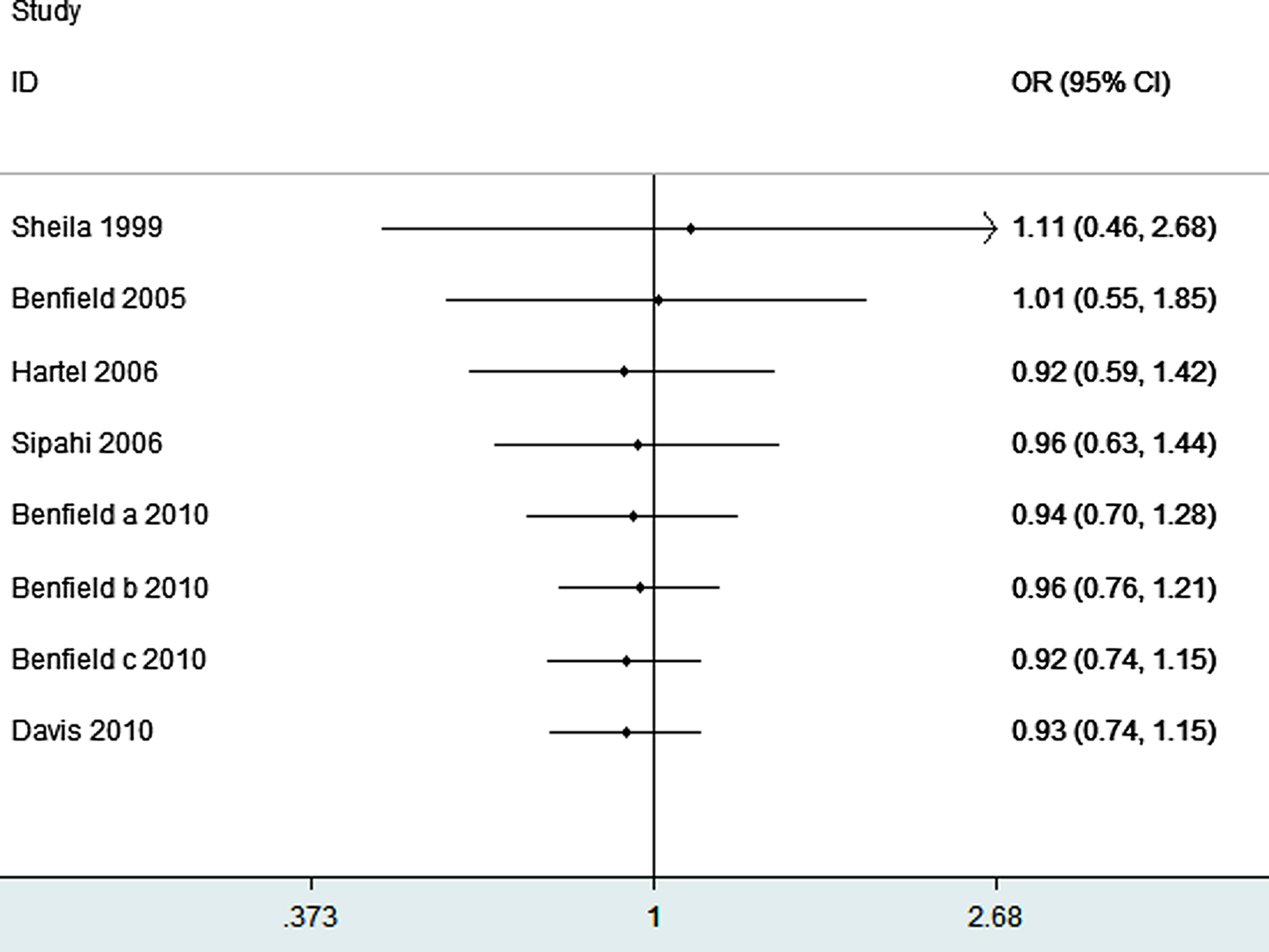
Cumulative meta-analysis of associations between factor V Leiden (FVL) and sepsis risk.
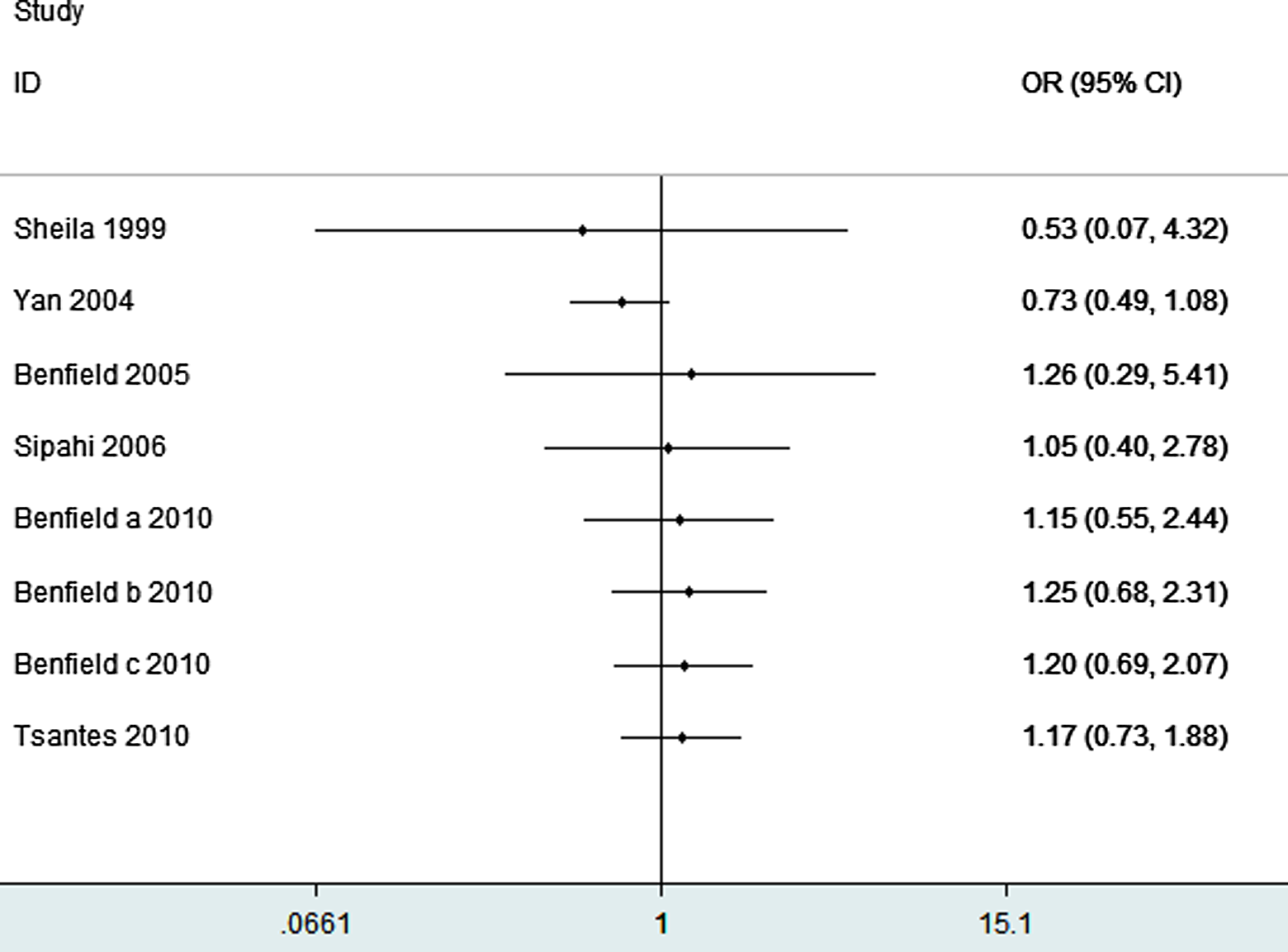
Cumulative meta-analysis of associations between factor V Leiden (FVL) and mortality risk.
Publication Bias
Funnel plots were performed to assess the publication bias in this meta-analysis. The shapes of the funnel plots were symmetric (Figures 6 and 7). Publication bias was evaluated quantitatively by Egger test. Egger test did not show evidence of publication bias for sepsis risk (P = .642). In addition, Egger test suggested the absence of publication bias for mortality risk (P = .230).
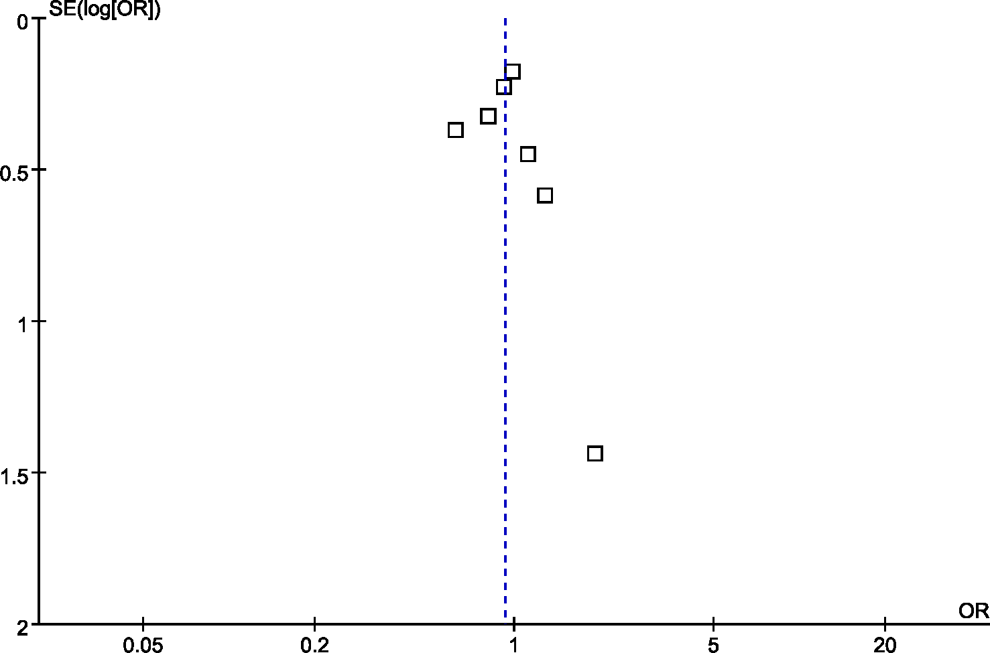
Funnel plot for sepsis risk and factor V Leiden (FVL).
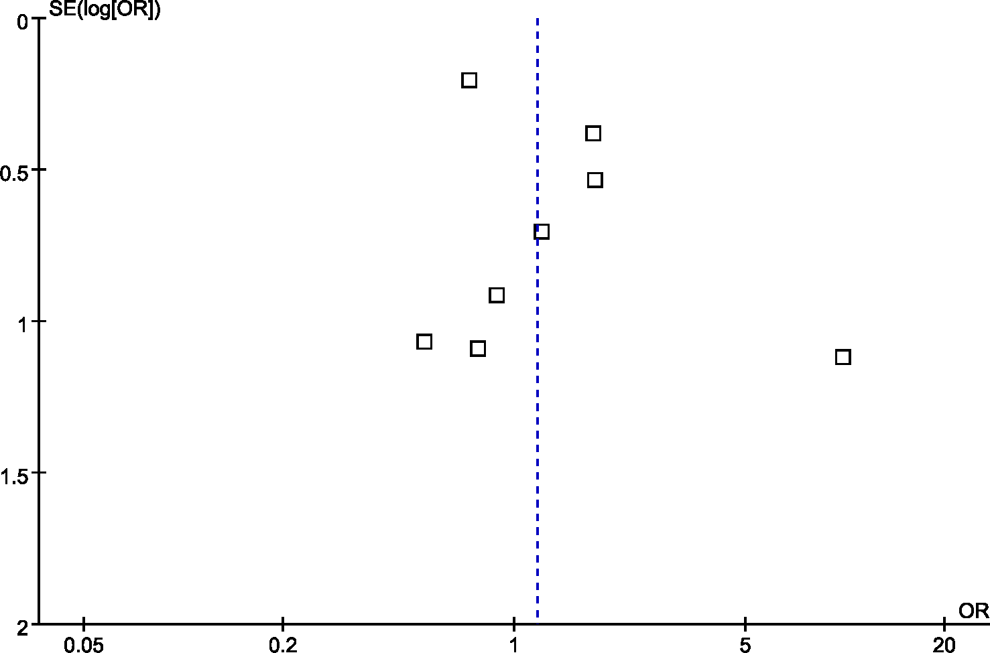
Funnel plot for mortality risk and factor V Leiden (FVL).
Discussion
Sepsis implies an inflammatory process with an important alteration in the coagulation system. 23 Hemostatic changes, such as disseminated intravascular coagulation (DIC), is often observed during sepsis. The DIC has shown to be an independent predictor of organ failure and mortality in patients with severe sepsis. 24,25 Administration of activated protein C to septic animals resulted in amelioration of DIC and an improved survival. 26 Clinical study also showed that treatment with activated protein C could improve survival from severe sepsis. 27 The FVL confers resistance to activated protein C and increases greater risk of thromboembolism. Thus, it seems that FVL may have an important role in the development and outcome of sepsis. However, both animal studies 8 –10 and clinical studies 11 –18 showed controversial results. Meta-analysis is a good method to synthesize data from different studies on the same topic and is widely used to synthesize data in genetic-association studies. Therefore, we carried out this meta-analysis including all the available data to particularly investigate the association of FVL with sepsis risk and mortality risk. To our knowledge, no meta-analysis regarding this issue has been reported previously.
In this study, we found that FVL was not a risk factor for sepsis in the overall population. In the subgroup analysis, we noted that caucasians carrying FVL also did not have increased sepsis risk. Additionally, FVL displayed lack of association with sepsis mortality risk. Similarly, nonsignificant result was shown in the caucasian subgroup. Therefore, our results suggested that FVL was not associated with susceptibility and mortality of sepsis.
There was no significant heterogeneity in the overall comparison. In addition, sensitivity analyses were conducted. Removal of each study did not alter the conclusions, suggesting the reliability of these results. The cumulative meta-analyses showed a trend of no associations between FVL and risk of sepsis and mortality as information accumulated by year. This procedure also proved that our results were robust. Furthermore, Egger tests did not show significant publication bias.
Some limitations of this meta-analysis should be addressed. First, the overall outcomes were based on unadjusted ORs, while a more precise evaluation should be adjusted by other potentially suspected factors if enough information was available. Second, lack of individual data of each study prevented more detailed analyses such as joint effect of gene–gene. Third, only published articles in the selected electronic databases were included in this study; it may be possible that some studies were not included in those databases that might bias the results.
Conclusions
In conclusion, this meta-analysis indicated that there was no association between FVL and sepsis risk and sepsis-related mortality risk. Larger well-designed studies are warranted to validate these findings. Moreover, gene–gene interactions should also be considered in future studies.
Footnotes
Declaration of Conflicting Interests
The author(s) declared no potential conflicts of interest with respect to the research, authorship, and/or publication of this article.
Funding
The author(s) received no financial support for the research, authorship, and/or publication of this article.