



Abstract
Climate change presents significant and complex challenges to rural livelihoods in developing countries. This research comprehensively analyses the factors influencing climate change adaptation practices among rural households in Yashodhara Rural Municipality of Nepal using a livelihood capitals framework. The research employed a mixed-methods approach combining qualitative exploration through focus group discussions and a quantitative household survey of 526 respondents. Key findings include 76% of households have adopted climate change adaptation practices, with most implementing 2–3 complementary strategies. The most prevalent practices were resilient crop varieties (66%), soil health improvement (37%), and year-round irrigation (37%). The factors influencing adaptation can be conceptualized within five capitals: human (education and indigenous knowledge), social (group membership and access to information), natural (land size), financial (income levels), and physical (irrigation systems). This research provides a comprehensive view of interconnected adaptation practices within a specific local context, revealing how households strategically combine different forms of capital to build resilience.
Keywords
Introduction
Nepal is ranked as one of the most vulnerable countries in the world to the impacts of climate change (GoN, 2022). According to the Global Climate Risk Index 2021, the country is ranked 12th out of 180 countries (Eckstein et al., 2021). A projection from the Asian Development Bank in 2021 anticipated that Nepal’s annual GDP will incur a loss of 2.2% by 2050 due to the impacts of climate change. Small-scale, subsistence agriculture is a mainstay of Nepal’s economy, employing 57% of the country’s workforce (NPHC, 2021). Although this sector contributes 24% to the GDP (NRB, 2022), it remains exceptionally vulnerable to the impacts of climate change (MoSTE, 2014).
It’s generally accepted that farmers know about climate change in Nepal (Devkota & Phuyal, 2018; Madhuri & Sharma, 2020). However, despite high levels of awareness of climate change, there is often critical disconnect between farmers’ recognition of climate change and their proactive measures to adapt resulting in low levels of adoption (Guo et al., 2021). As the impacts of climate change intensify, more farming families will need to make choices about various approaches to mitigate its effects, particularly in developing countries. Farmers’ decisions to adopt adaptation strategies heavily depend on specific socio-economic, institutional, cultural, gendered, and other factors in the context of challenging financial capacity (Masud et al., 2017). These factors are crucial in shaping policies to facilitate successful and efficient adoption within the agricultural sector (Marie et al., 2020; Mwinkom et al., 2021; Reidsma et al., 2010). Moreover, viable existing adaptation strategies can be harmonized with emerging strategies that can enhance environmental system resilience, that ultimately benefit farmers (Uddin et al., 2014). The choices made during this adoption process could be influenced, in part, by the success of previously adopted strategies, thereby shaping decisions regarding future adaptation practices (Velandia et al., 2009).
Trends in climate change adaptation research into rural livelihoods have been shifting from vulnerability assessment towards adaptive capacity underpinning the success of adaptation in study design. Local-level adaptation responses are vital, but these need to be comprehensive and need to link with institutional and higher-level support (Madhuri & Sharma, 2020). The renewed research focus is underpinned by farmers themselves needing to shift from single-strategy approaches and seek the potential benefits of multiple strategies. Wu et al. (2014) highlight that individuals living in vulnerable conditions often rely on a combination of livelihood capitals to develop strategies that mitigate risks and enhance resilience. This adaptability is essential for maintaining and improving livelihoods in the face of challenges such as climate change, economic fluctuations, and social upheaval.
The complex web of factors affecting farmers’ decision-making-including access to credit, land tenure issues, traditional knowledge, and gender roles-further complicates the effective implementation of adaptation measures. These barriers highlight the need for targeted policy interventions that consider local contexts and empower farmers to overcome challenges in adopting sustainable practices that can protect both their livelihoods, and the broader agricultural economy need to understand how climate change impacts on various livelihood aspect and what adaptation activities are being adopted. Understanding and integrating many factors is critical to enhancing livelihood capitals to limit vulnerability in the face of climate change.
The problem that this research addresses is the compounding scope of vulnerabilities and risks that rural farmer’s face in navigating sustainable livelihoods because of escalating climate change. Therefore, this research explores how a more comprehensive set of factors influencing the adoption of climate change adaptation strategies can improve the livelihood capitals of farming households in the Yashodhara Rural Municipality of Nepal. The significance of this research lies in its comprehensive analysis of climate change adaptation factors within a capitals approach to sustainable livelihoods.
Understanding how rural households respond to climate change requires conceptual understanding of the interrelated concepts of vulnerability, resilience, adaptive capacity, and adaptation. Vulnerability refers to the degree to which individuals, households or systems are susceptible to harm from climate-related hazards, shaped by their exposure, sensitivity, and ability to adjust to stressors (Clay, 2018). This concept is particularly relevant for rural communities where structural factors such as poverty, social differentiation, and institutional constraints often exacerbate susceptibility to climate impacts.
Resilience is drawn from ecological sciences and denotes the capacity of a system to absorb disturbances and reorganize while undergoing change. In the context of rural livelihoods, resilience highlights the ability of households and communities to persist, adapt, or transform in response to climatic and socio-economic disruptions (Clay, 2018).
Adaptive capacity bridges these two concepts and captures the ability of actors to anticipate, prepare for, respond to, and recover from climatic stresses and shocks (Clay, 2018). Adaptation encompasses the processes and actions through which vulnerability is reduced, and resilience and adaptive capacity are enhanced. In rural contexts, adaptation is inherently complex and multifaceted involving a combination of strategies that are shaped by the interplay of human, social, natural, financial, and physical capitals. We argue that this complexity necessitates more comprehensive frameworks that examine how capitals contribute to sustainable livelihoods.
The Shift in Livelihood and Capitals Research in Rural Climate Adaptation Research
The livelihoods of rural communities in developing countries are increasingly impacted by climate change resulting in resource degradation, food insecurity, lack of essential services, and increasing social inequalities (Thornton et al., 2019). There is an urgent need for comprehensive research that examines a wider range of factors influencing vulnerability and resilience because climate change disproportionately affects poor rural populations, exacerbating existing poverty and inequity (Li et al., 2023).
Emerging evidence indicates that adaptation and coping strategies among the poor in developing countries are highly varied and context-specific. Local-level studies are crucial for developing effective climate adaptation policies (IPCC, 2001). Several studies have highlighted strategies for adopting climate change adaptation practices among smallholder producers in developing countries (Kurukulasuriya & Rosenthal, 2013; Morton, 2007).
Recent research by Li et al. (2024) found that rising temperatures diminish agricultural output and threaten off-farm income sources leading to a decline in upward mobility for households while heightening risks associated with economic fluctuations. However, they also noted that households with long-term strategies reduced the immediate negative impacts of climate change through adaptive behaviors such as adjusting agricultural practices and diversifying income sources.
The success of farmers adopting climate change adaptation strategies is crucial for sustaining agricultural productivity, reducing vulnerability, and enhancing the resilience of agricultural systems to climate change (Aryal et al., 2020). Rational decision-making processes appear to be critical in adopting climate change adaptation practices (Zhang et al., 2024). Rationality is a primary driver of pro-environmental behaviors among farmers suggesting that policymakers should focus on rational incentives rather than solely ethical appeals.
Government interventions also play a significant role in shaping adaptation strategies. He et al. (2022) emphasized understanding the interplay between smallholder adaptation strategies and government interventions to develop effective policies supporting vulnerable agricultural communities. They found that government interventions such as subsidies, cooperatives, and training significantly influence farmers’ adoption of adaptation strategies. Other factors influencing adaptation include farmers’ perspectives and attitudes. Shariatzadeh and Bijani (2022) found that future-oriented perspectives are essential for enhancing adaptive behaviors and improving water management practices among farmers.
These studies provide a snapshot into the single issue or narrow view of research into climate change adaptation in rural areas. Although they do provide valuable insights into specific issues, in reality, farmers employ a combination of practices that are driven or constrained by many factors situated in the socio-political environmental landscape (Madhuri & Sharma, 2020). Therefore, there is a need for research that offers a more comprehensive view of adaptation strategies.
One such study that used a more comprehensive approach was an ecosystem-based adaptation study by Shah et al. (2019). Utilizing survey data from 360 households across three districts in Bangladesh, they documented a broader range of factors influencing adaptive practices, including agroforestry, crop diversification, intercropping, soil conservation techniques, and moisture conservation strategies as positive responses to climate change.
In Nepal, Jones & Boyd (2011) examined the importance of a broad range of social factors impeding effective adaptation to climate change in rural communities of Western Nepal. They found that social barriers-such as cognitive, normative, and institutional factors—are often overlooked but significantly restrict individuals’ ability to adapt to climate challenges. Their findings reveal how social institutions shape responses to climate-related shocks and advocate for strategic planning that incorporates these barriers at local levels.
Natarajan et al. (2022) provide a critique and suggested directions for livelihoods research. They argue that the livelihood approach often overlooks structural factors contributing to poverty and fails to adequately address power dynamics within communities. With globalization transforming rural livelihoods, integrating rural people into global markets and altering traditional practices is vital. Globalization has increased the level of risk and exacerbated vulnerabilities. In response, new sustainable livelihood research needs to incorporate a more multidimensional approach.
More recent research has highlighted the importance of multidimensional approaches in assessing climate change adaptation and vulnerability in rural communities (Li et al., 2023). Makondo and Thomas (2024) emphasize the need for ecosystem-based livelihood assessments in developing economies, while Zainab and Shah (2024) review progress in livelihood vulnerability assessments across the developing world. Similarly, Mutua and Goda (2021) apply a multidimensional assessment to the European agricultural sector, demonstrating the relevance of comprehensive approaches across different geographical contexts. These studies highlight the complex interplay between various factors affecting rural communities’ resilience to climate change. While these studies provide valuable insights into the multifaceted nature of climate change adaptation, there remains a gap in the application of the capitals approach within a livelihoods perspective. Li et al. (2023) identified 3 domains of further research in rural resilience-multifunctional capacity building of households, social capital enhancement, and empowered bottom-up driven process.
We propose that a comprehensive capital approach aligns with this call for research into the complex needs of communities in the face of climate change adaptation challenges. Although Kuang et al. (2019) and Li et al. (2017) revealed how a broader range of factors can influence adaptation strategies in rural China, their use of a limited range of factors did not fully capture the range of climate change adaptation drivers and responses. This gap presents an opportunity for researchers to develop more holistic models that integrate various forms of capital-human, social, natural, physical, and financial-to better understand and enhance rural communities’ adaptive capacities in the face of climate change.
The comprehensive capital approach advanced in this study also extends upon the sustainable livelihoods framework (Serrat, 2017) that posits individuals and communities’ reliance on a diverse set of capitals-human, social, natural, financial, and physical-to secure and improve their livelihoods. By integrating this framework with climate change adaptation theories, the approach recognizes that resilience is not simply about adopting discrete technical measures but rather about strategically mobilizing and combining different forms of capital to reduce vulnerability and enhance adaptive capacity. This perspective resonates with progressive adaptation theories that underscore the multidimensionality of capacity (Chavez-Bustamante & Rojas, 2025; Fajardo-Gonzalez et al., 2025) and integrative systems that lead to adaptive capacity (Clay, 2018). In particular, linking capitals explicitly to adaptation pathways provides a nuanced understanding of how resource access, social networks, and indigenous skills collectively shape adaptive behaviors in rural communities. Indigenous groups in this study refer to local ethnic communities who possess traditional knowledge systems passed down through generations and are closely connected to their local ecosystems.
While the research identifies a general gap in climate adaptation studies, namely the tendency to focus on isolated practices or narrow economic determinant, the comprehensive capitals approach is particularly relevant to understand rural Nepal. Smallholder farmers in areas like Yashodhara Rural Municipality face deeply intertwined challenges of fragmented landholdings, cross-border market dependencies, social inequalities and rapidly evolving climatic risks. The comprehensive capital approach offers an integrated lens to understand these overlapping vulnerabilities and opportunities making it especially suited for potential actions in complex socio-ecological systems. By highlighting how rural households combine multiple adaptation practices through various capitals, this study not only fills a methodological gap but also contributes actionable insights for context-specific and sustainable adaptation policy design in rural Nepal.
This literature review highlights the need for a more holistic and comprehensive approach to studying climate change adaptation strategies among rural households. By examining a larger range of adaptation practices and considering the complex interplay of socio-economic, institutional, and environmental factors, researchers can provide a more nuanced understanding of how rural communities build resilience in the face of climate change.
Methods
Our research was conducted in Yashodhara Rural municipality of the Kapilvastu district of Nepal. It is situated in the southern part of the country, adjoining the Indo-Nepal border, where people have experienced harsh or extreme weather conditions. With a significant majority of households (75%) relying on subsistence farming (NPHC, 2021), the fabric of livelihoods within the area is deeply entwined with the impact of climate change-induced hazards (UMN, 2023). These challenges are notably exemplified by adversities such as inundation, drought, fire, and the rigors posed by both cold and heat waves (YRM, 2018). This locality was purposively and strategically chosen due to the community’s prevailing dependence on subsistence farming and the palpable impact of climate change.
In August 2023, a household survey was conducted. As per the most recent Nepal census report, Yashodhara Rural Municipality comprises 6,999 households. From these households, a sample size of 526 households was selected. A proportionate sampling technique was used to determine the number of sample households from each ward, as the rural municipality has eight wards as a geographical division. Proportionate sampling was employed because the households in the wards are largely different in number.
We used an exploratory sequential design, a mixed-methods research approach starting with qualitative exploration to generate insights and followed up with a quantitative phase. At first, two transect walks and four Focus Group Discussions (FGDs) were conducted to identify a list of climate change adaptation practices followed at household levels and possible influencing factors. Following, a face-to-face interview with structured questionnaires using the KoboCollect mobile application was conducted to collect primary household data. Similarly, relevant secondary information from the related literature available online was also collected.
Our research used a binary logit model to analyze the various factors affecting a household’s decision to accept adaptation strategies in addressing the challenges posed by climate change. Their decision to adopt new adaptation strategies was explored in a discrete choice form (where 1 = yes and 0 = no). More clearly, one (1) denotes households that adopt strategies for climate change adaptation. In contrast, zero (0) denotes households that do not practice strategies to adapt to climate change. This research anticipated that various factors influence the households’ decisions to adopt climate change strategies in agricultural production. The binary logit model, as widely practiced since the adoption of the 1960s, the model has an analytical advantage in manipulating discrete binary outcomes (Cramer, 2003). Our research adopted general form of the binary logit model has been constructed following Cramer (2003) and Greene (2003). This model assumes that the use of adaptation strategies is a log-linear function of exogenous variables (Xi) (Peng et al., 2002).

In this expression, Pi/1-Pi is the odds ratio.
Pi is the probability of households in Yashodhara Rural Municipality applying climate-adaptive techniques, where ‘i’'is the particular technique.
1-Pi denotes the probability of not applying the techniques.
B0 is the intercept. X1, X2, and Xn are the independent variables. Similarly, B1, B2, and Bn are partial regression coefficients. The variables were secured by confirming the meeting of the assumptions of the logistic regression model.
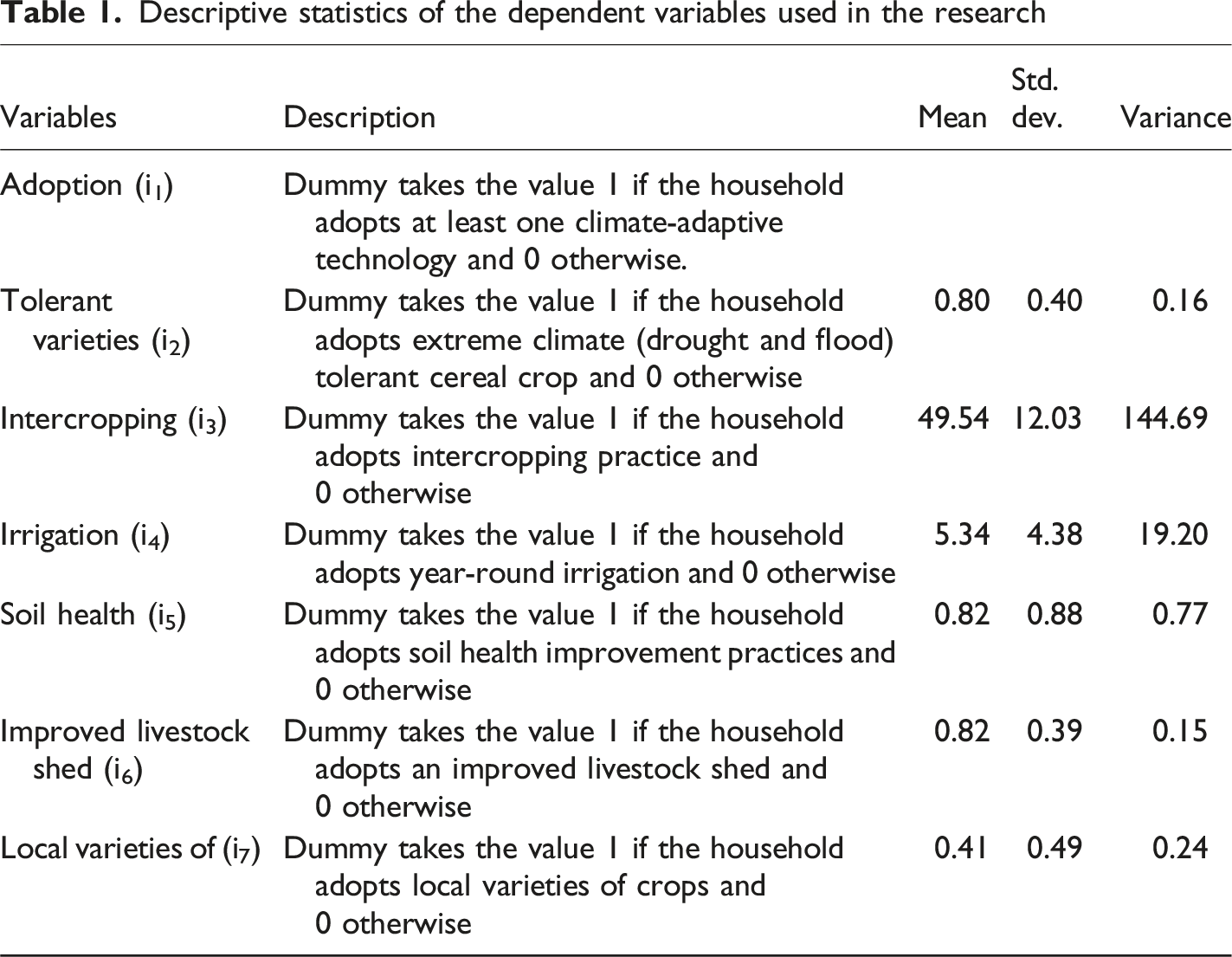
Descriptive statistics of the dependent variables used in the research
Description of the independent variables used in the study
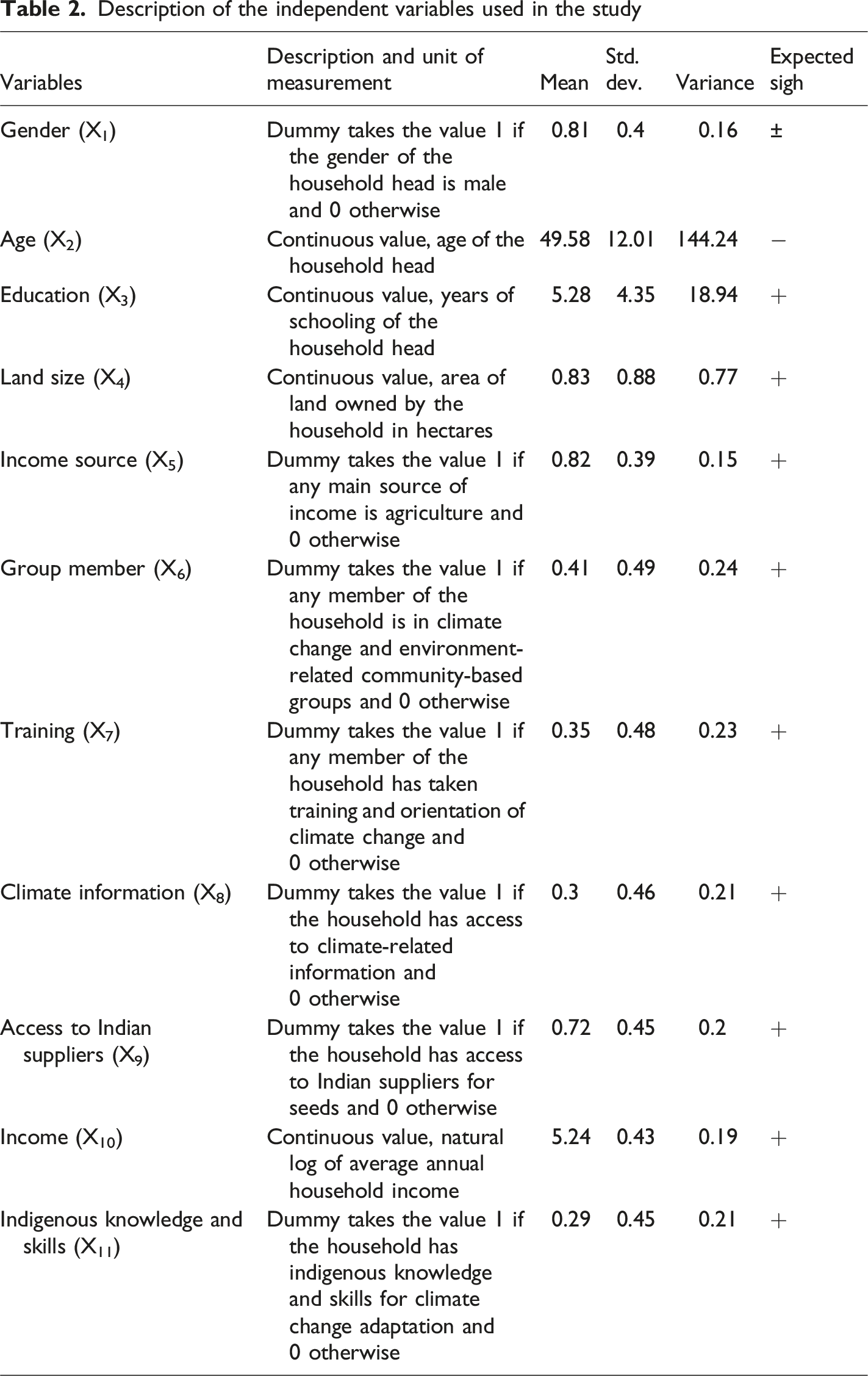
The selection of specific adaptation practices and independent variables was informed by a combination of qualitative insights from focus group discussions, a review of existing literature and local expert consultation. Practices were prioritized based on their prevalence, relevance to local agri-ecological conditions and potential impact on household livelihoods. Independent variables were chosen to capture the breadth of factors identified in the capitals framework and validated through the preliminary fieldwork.
Results
In this section, we analyze the outcomes derived from both descriptive and econometric aspects of this research. Initially we provide sociodemographic characteristics and corresponding descriptive statistics. The subsequent sections present and discuss the outcomes from the econometric analysis.
Household Characteristics
The examination of demographic attributes among the households revealed noteworthy insights. Notably, 19% of the households were led by females. The average household head’s age was approximately 50 years, about a broad spectrum spanning 24–85 years. On average, the household heads had received an education of about 5 years, although this varied across the range from 0 to 16 years. Similarly, the composition of the households reflected an average family size of 7.8 individuals, with this metric ranging from a minimum of two to a maximum of 22 members. Regarding land ownership, each family possessed an average of 0.8 ha of land. About 81% of the households reported agriculture as the main source of income. Dwelling arrangements also provided insights into the household structure. Notably, 57% of households resided in single-family setups, while the remaining 43% opted for joint-family arrangements, underlining the diversity in living arrangements.
Distribution of Households Adopting Climate-Adaptive Measures
Distribution of the households practising climate change adaptive technologies
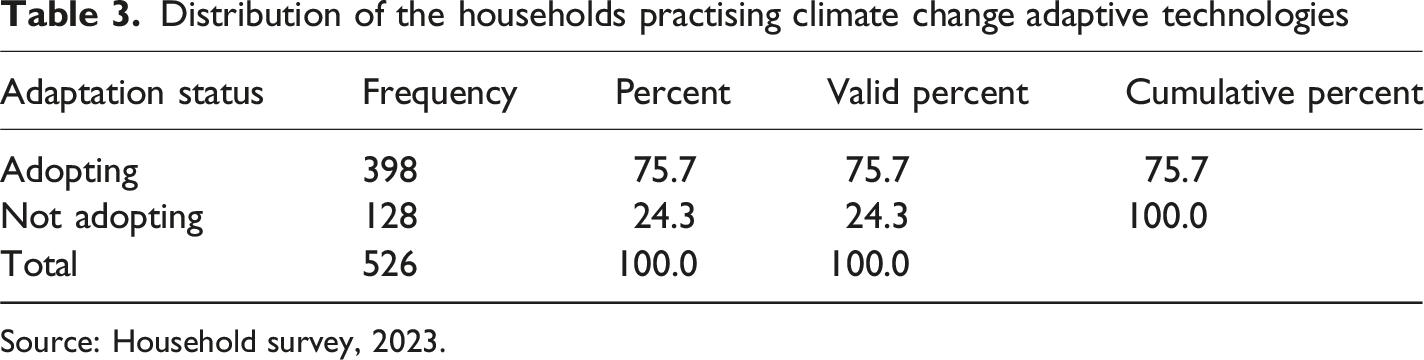
Source: Household survey, 2023.
The households in the study area implemented 12 distinct major adaptation practices. Predominantly, a substantial portion (66%) of these households were engaging with measures related to withstand extreme climates, particularly by adopting extreme climate-tolerant cereal crop varieties. These varieties, including drought and inundation-resistant wheat and paddy strains, were particularly interesting. Approximately 37% of the respondents indicated using soil health improvement practices, such as vermicompost, compost, green manure, and mulching techniques. Similarly, an equivalent proportion (37%) of respondents reported implementing year-round irrigation strategies, primarily facilitated by tapping into groundwater through shallow tube wells. Likewise, around 36% of the households were practicing intercropping, which involved cultivating wheat, lentils, and various vegetable species collectively within the same field. Nevertheless, adoption rates for the remaining technologies were notably lower. Improved animal sheds were constructed by a minority of households (9%), while local crop varieties were cultivated by only 8%. Usage of simple plastic greenhouses, Integrated Pest Management (IPM) technologies, pond construction, livestock insurance, riverbed farming, and household-level biogas plants were even less frequent, with adoption rates of 6%, 5%, 4%, 3%, 3%, and 0.4%, respectively. Figure 1 depicts the percentage of households applying the various types of climate change adaptation practices in the study area. Percentage of households applying various climate change adaptation measures in the study area. Source: Household survey, 2023.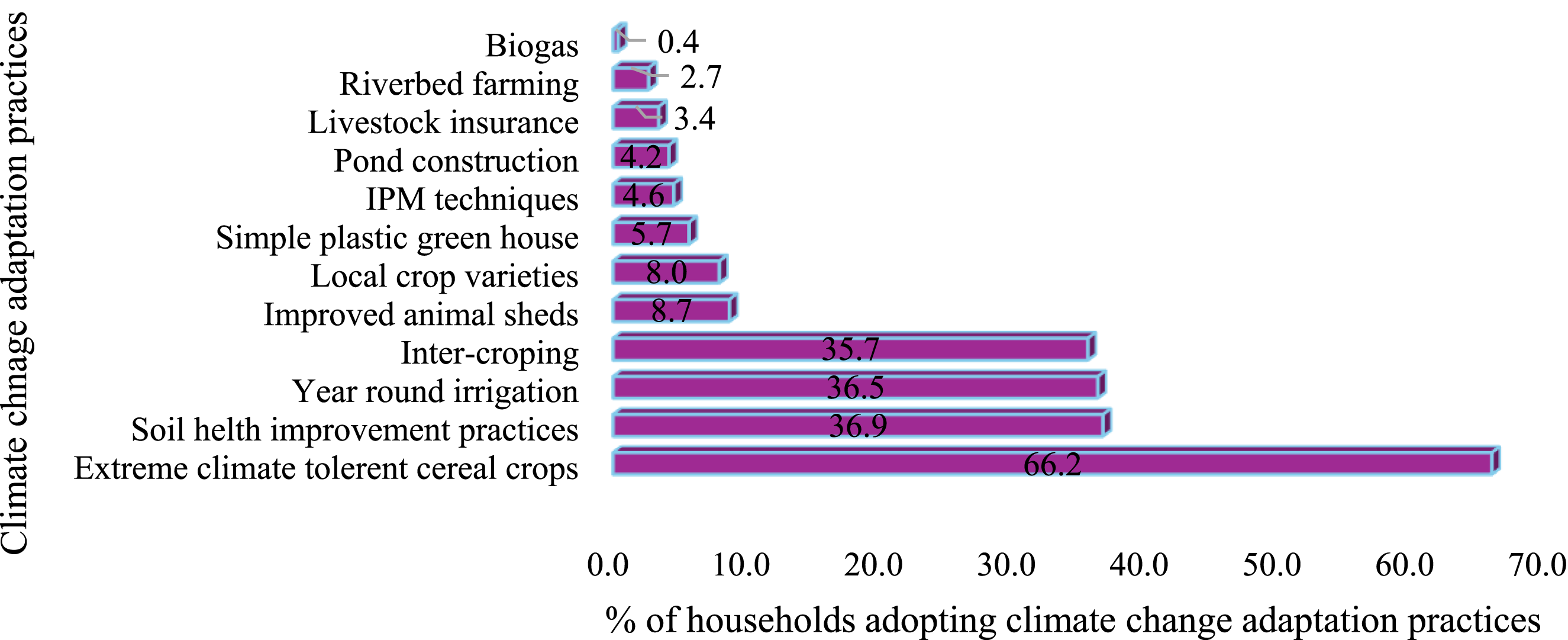
When considering the distribution of technology adoption, it is noteworthy that approximately 7% of households employed a single technology, while 28% engaged with two technologies. Furthermore, 21% of households embraced three technologies. In a similar vein, the prevalence of households employing four, five, and more than five technologies stood at 12%, 5%, and 3%, respectively. It shows that even though the number of households adopting technologies seems higher, the number of households adopting a variety of technologies is significantly lower in the study area. More than 80% of the households have adopted less than four types of climate change adaptation technologies. Figure 2 presents the distribution of households by the number of climate change adaptation practices applied in the study area. Distribution of households by the number of climate change adaptation practices applied in the study area. Source: Household survey, 2023.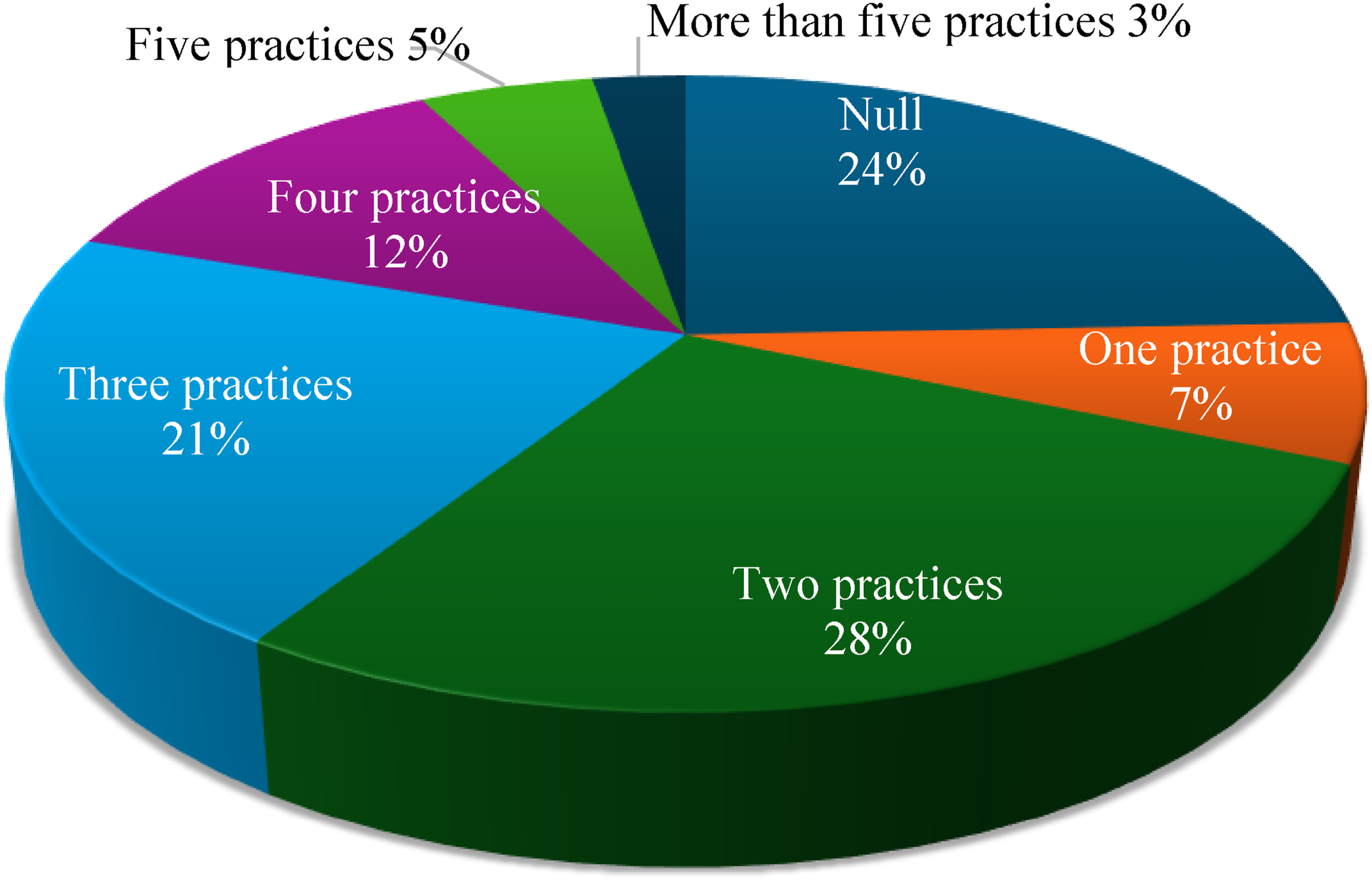
Results of Econometric Analysis
Among the 12 strategies, the six most popular among the households were considered for the analysis. Binary logistic regression models were run for all six strategies separately to identify the probability of typical farmers undertaking adaptation to climate change in the area. Variables were examined to confirm that they met the assumption of the models. In the model, the log likelihood ratio test strongly rejects the null hypothesis. Consequently, we concluded that the variables included in the model explain the variation in the dependent variables. The result of the factors influencing each dependent variable is presented and described separately in the following headings.
Factors Influencing the Use of the Crop Varieties Tolerant to Extreme Climate Conditions
Factors influencing the practices of climate-adaptive crop varieties
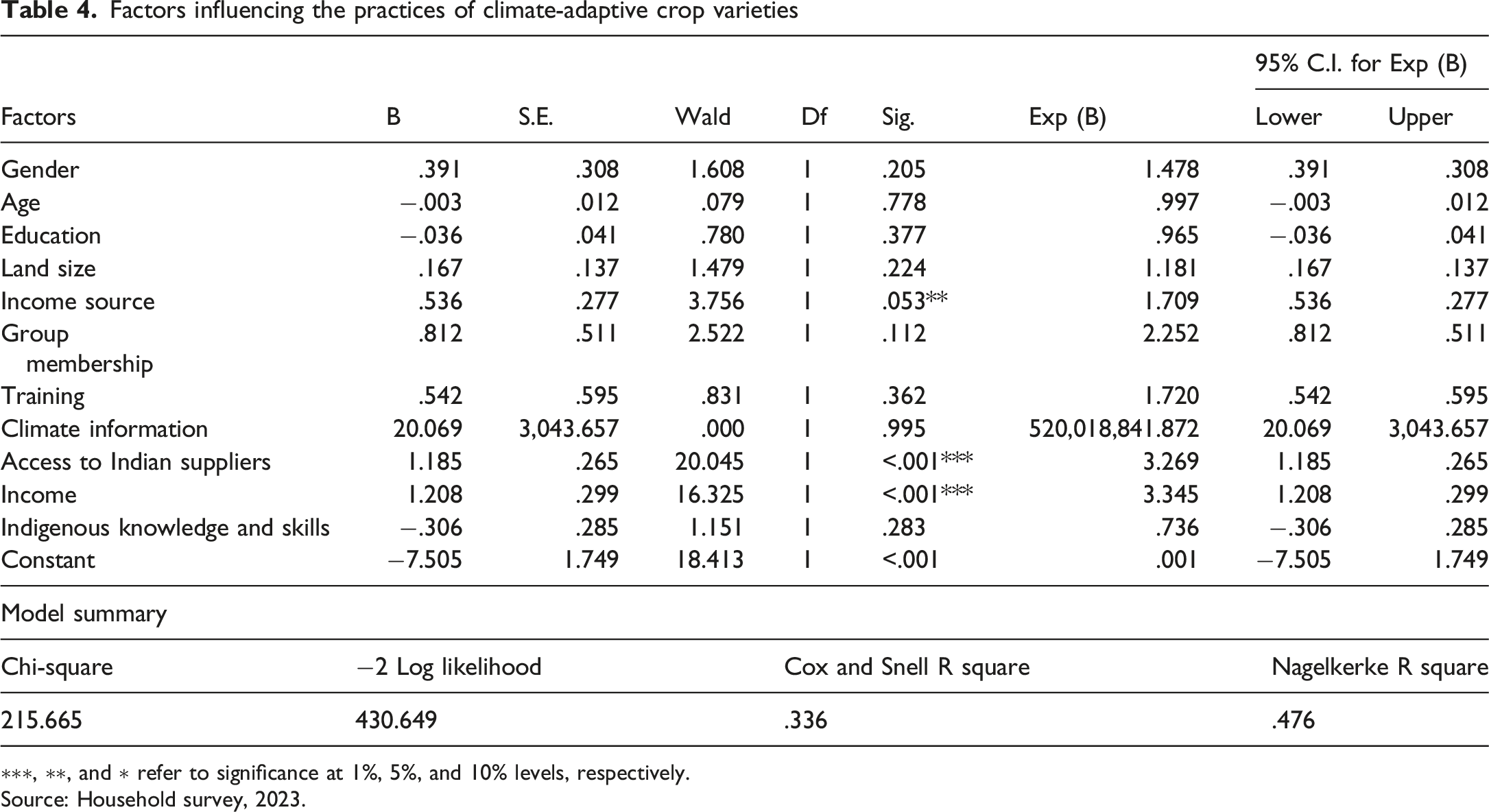
∗∗∗, ∗∗, and ∗ refer to significance at 1%, 5%, and 10% levels, respectively.
Source: Household survey, 2023.
Factors Influencing the Use of Soil Health Improvement Technologies
Factors influencing the practices of soil health improvement technologies
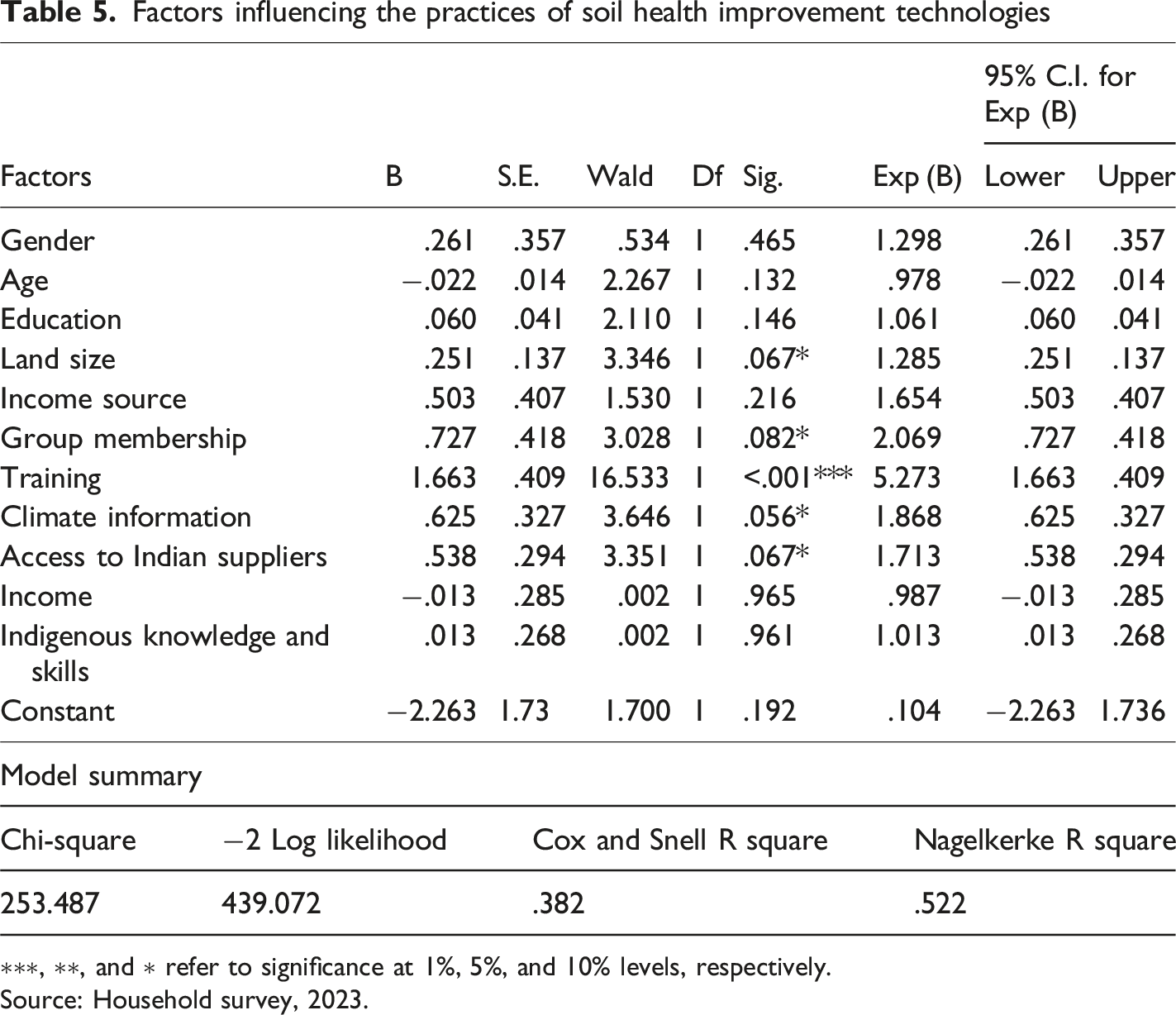
∗∗∗, ∗∗, and ∗ refer to significance at 1%, 5%, and 10% levels, respectively.
Source: Household survey, 2023.
Factors Influencing the Use of Year-Round Irrigation
Factors influencing the application of year-round irrigation
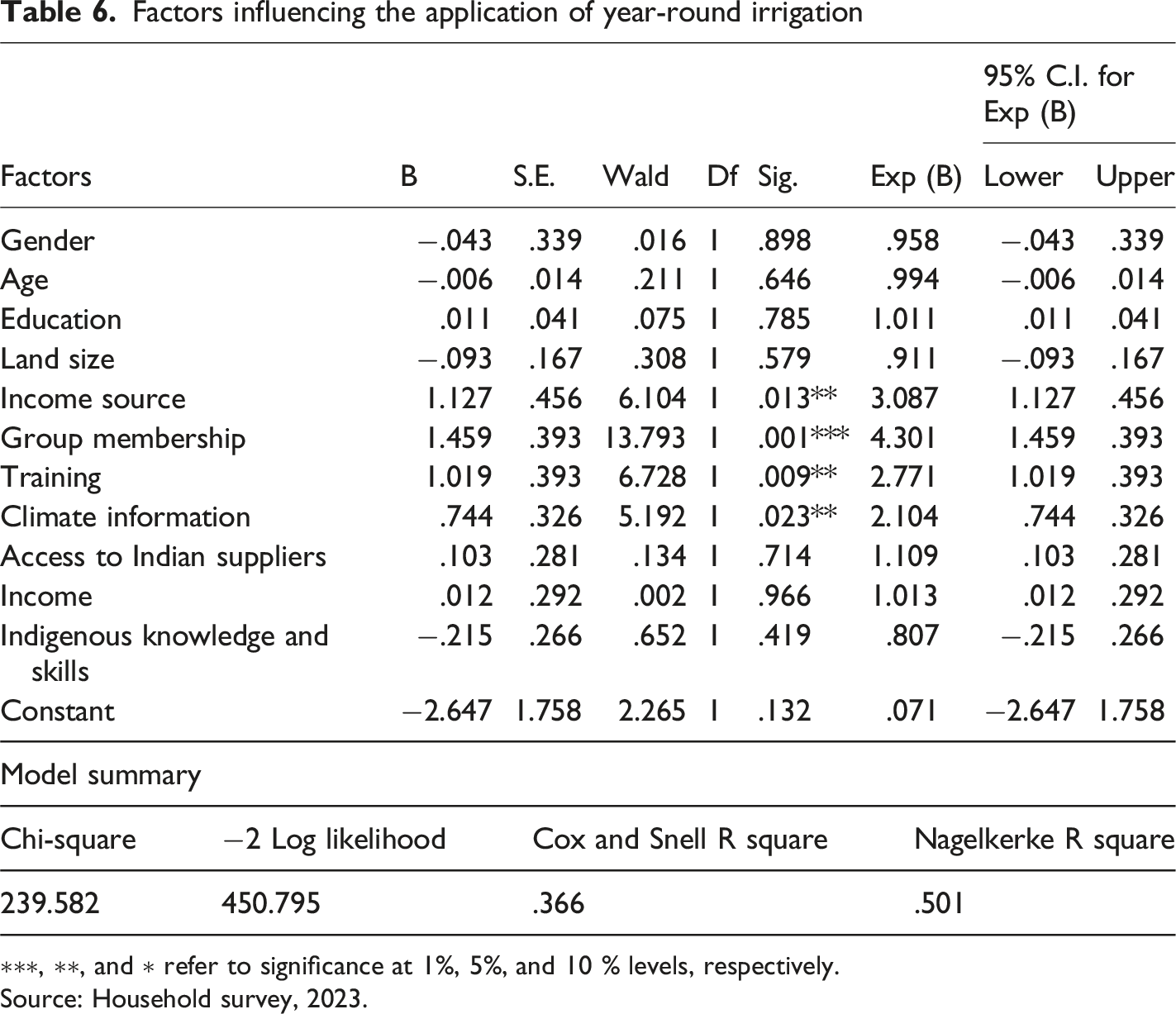
∗∗∗, ∗∗, and ∗ refer to significance at 1%, 5%, and 10 % levels, respectively.
Source: Household survey, 2023.
Factors Influencing the Use of Intercropping
Factors influencing the practices of intercropping
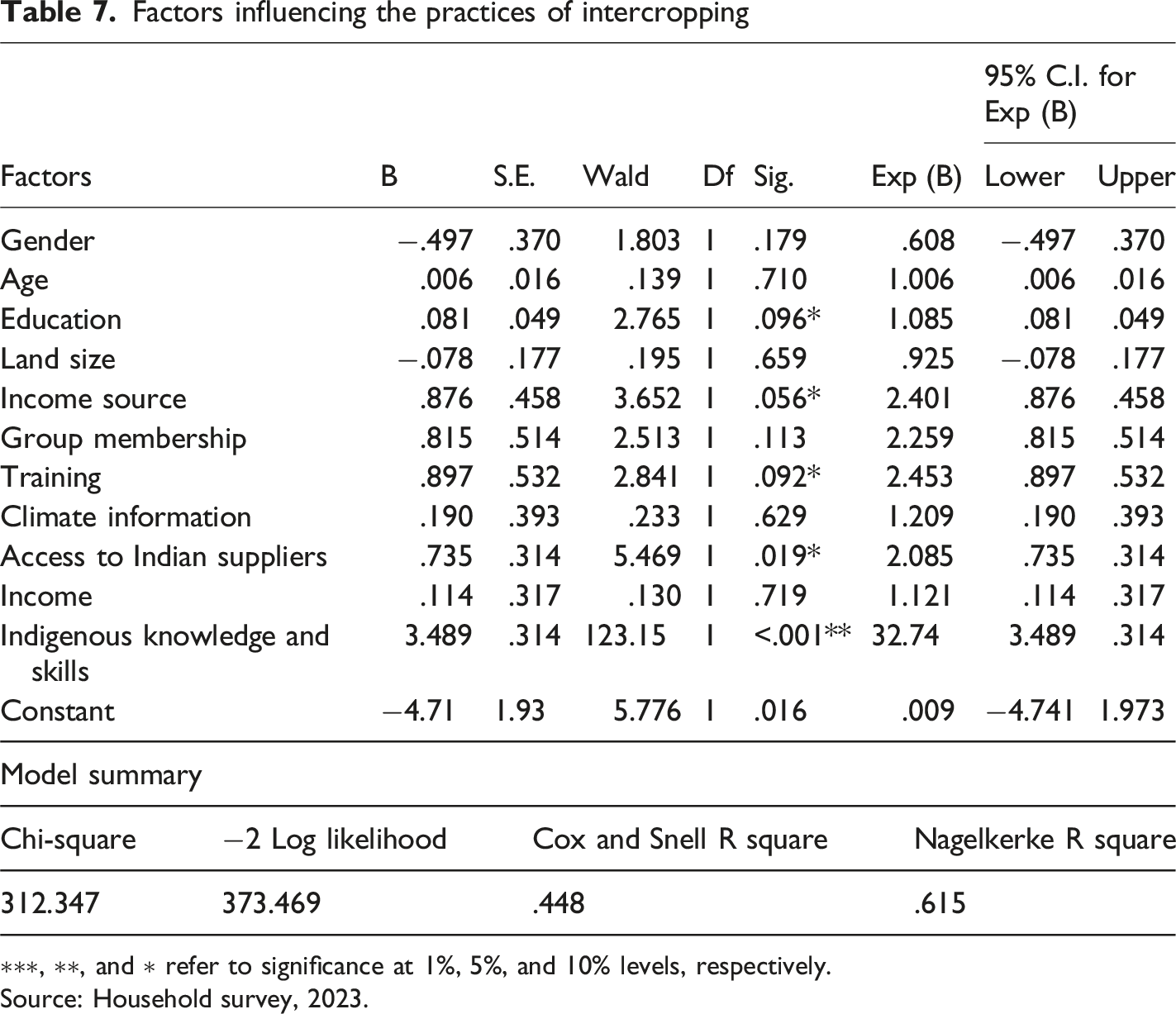
∗∗∗, ∗∗, and ∗ refer to significance at 1%, 5%, and 10% levels, respectively.
Source: Household survey, 2023.
Factors Influencing the Use of the Improved Animal Sheds
Factors influencing the practices of improved animal sheds
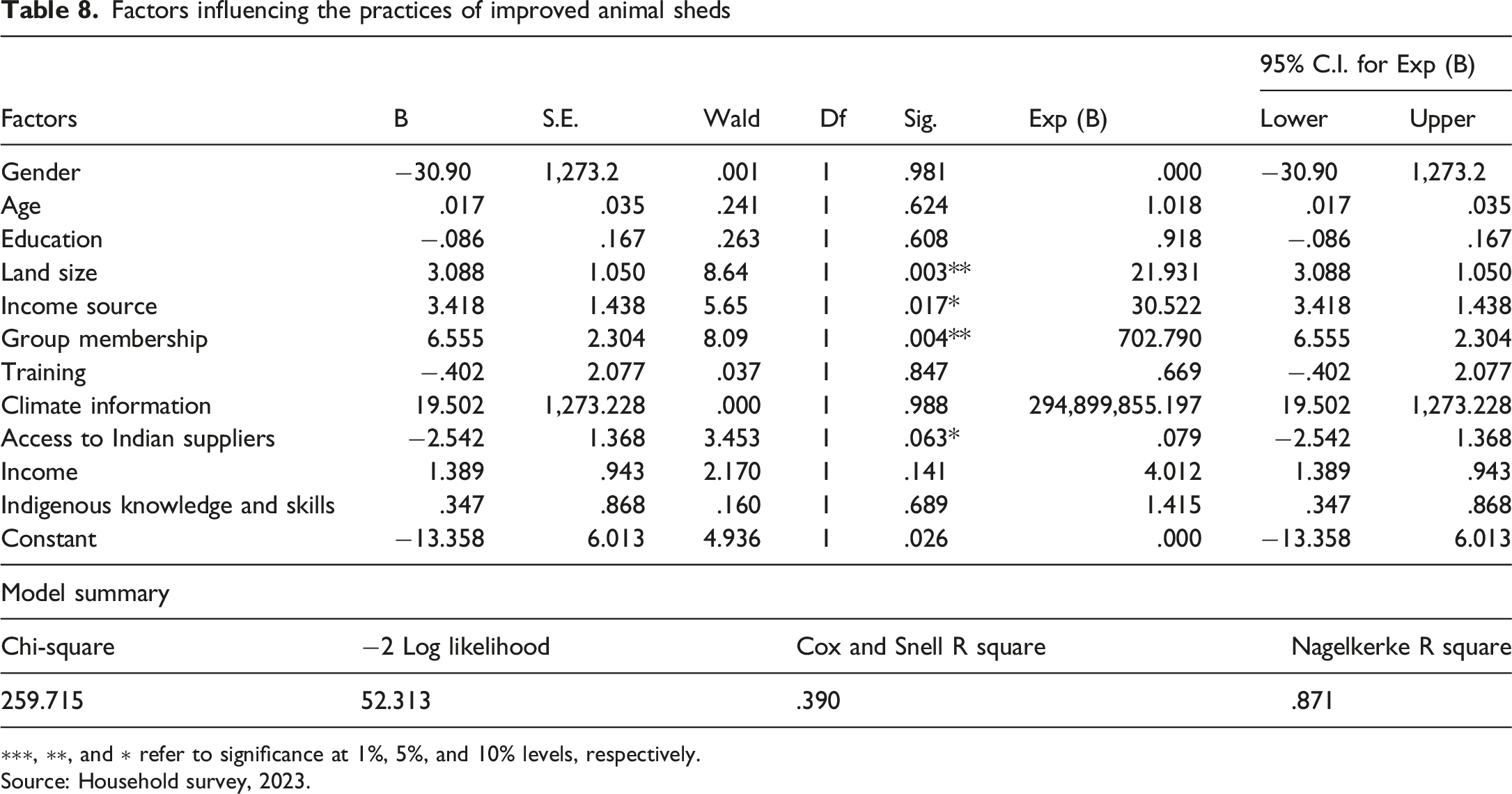
∗∗∗, ∗∗, and ∗ refer to significance at 1%, 5%, and 10% levels, respectively.
Source: Household survey, 2023.
Factors Influencing the Cultivation of Local Crop Varieties
Factors influencing the cultivation of local crop varieties
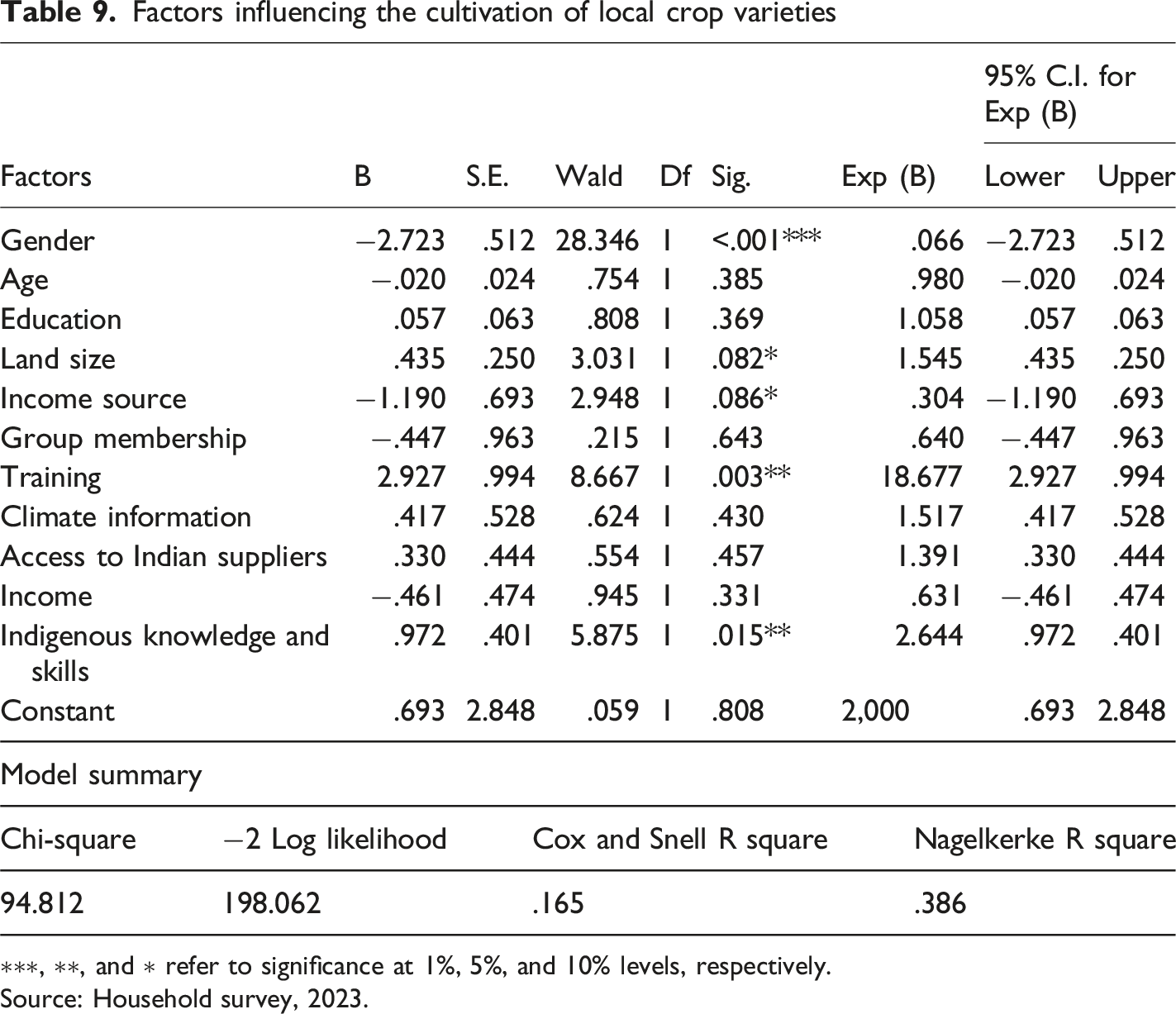
∗∗∗, ∗∗, and ∗ refer to significance at 1%, 5%, and 10% levels, respectively.
Source: Household survey, 2023.
The gender of the household head and the source of income are negatively associated, while the rest of the variables are positively associated with adopting local crop varieties. If the household head is female, the likelihood of the household cultivating local crop varieties is 0.7 times higher, and with a unit increase in land ownership, the likelihood of the household adopting the practice increases by a factor of 0.4. Similarly, if the main source of income is agriculture, the likelihood of the household growing local crop varieties is 0.3 times less likely. In the case of training, households with members receiving training are 18 times more likely to adopt the practice. Furthermore, households possessing indigenous knowledge and expertise in climate change adaptation are 2.6 times more likely to adopt the technology (see Table 9).
Factors Influencing the Adoption of Overall Adaptation Measures
Factors influencing the application of overall adaptation measures
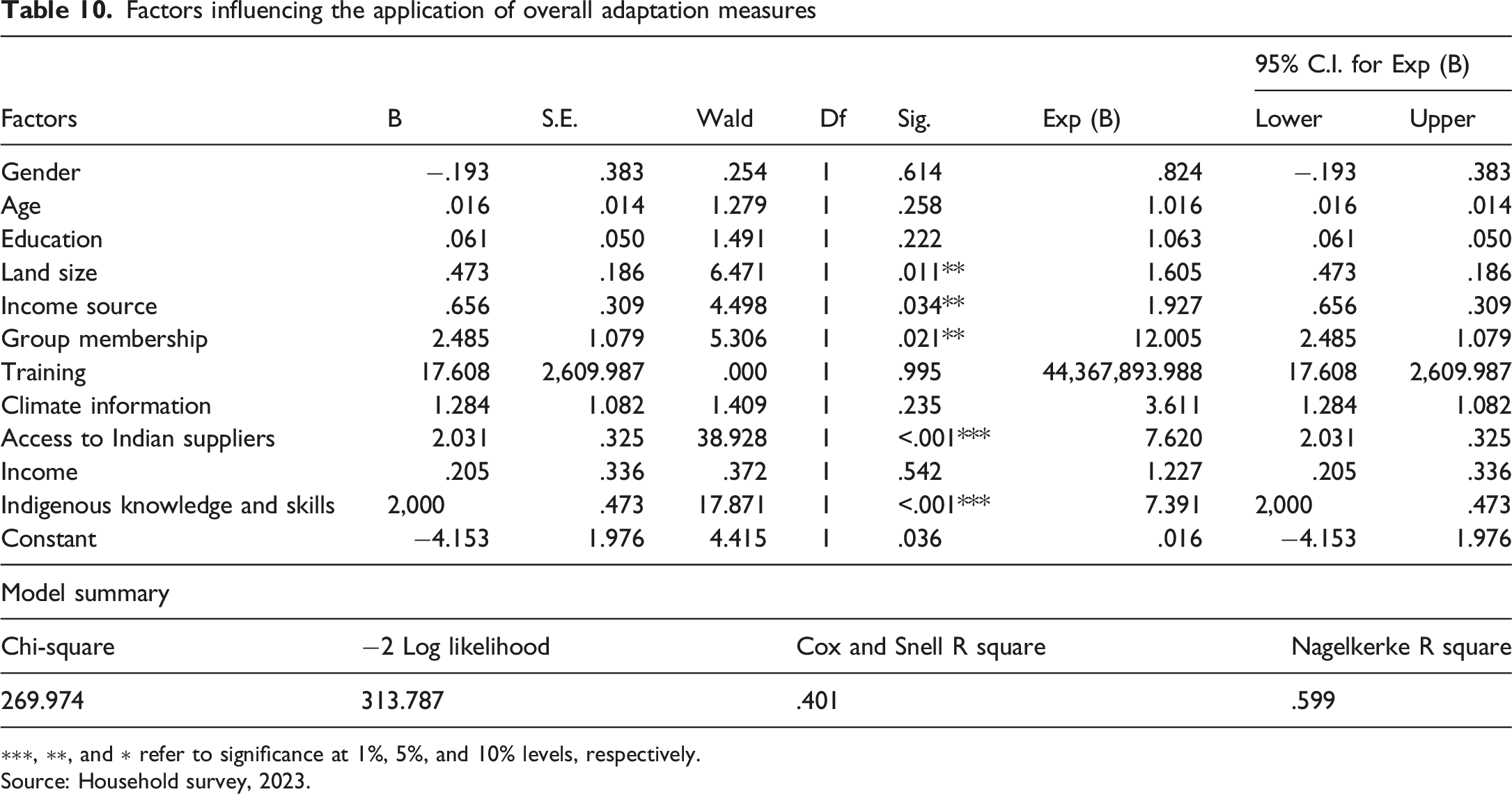
∗∗∗, ∗∗, and ∗ refer to significance at 1%, 5%, and 10% levels, respectively.
Source: Household survey, 2023.
Discussion
Synthesis of factors contributing to livelihood capitals in the face of climate change and strategies to improve them
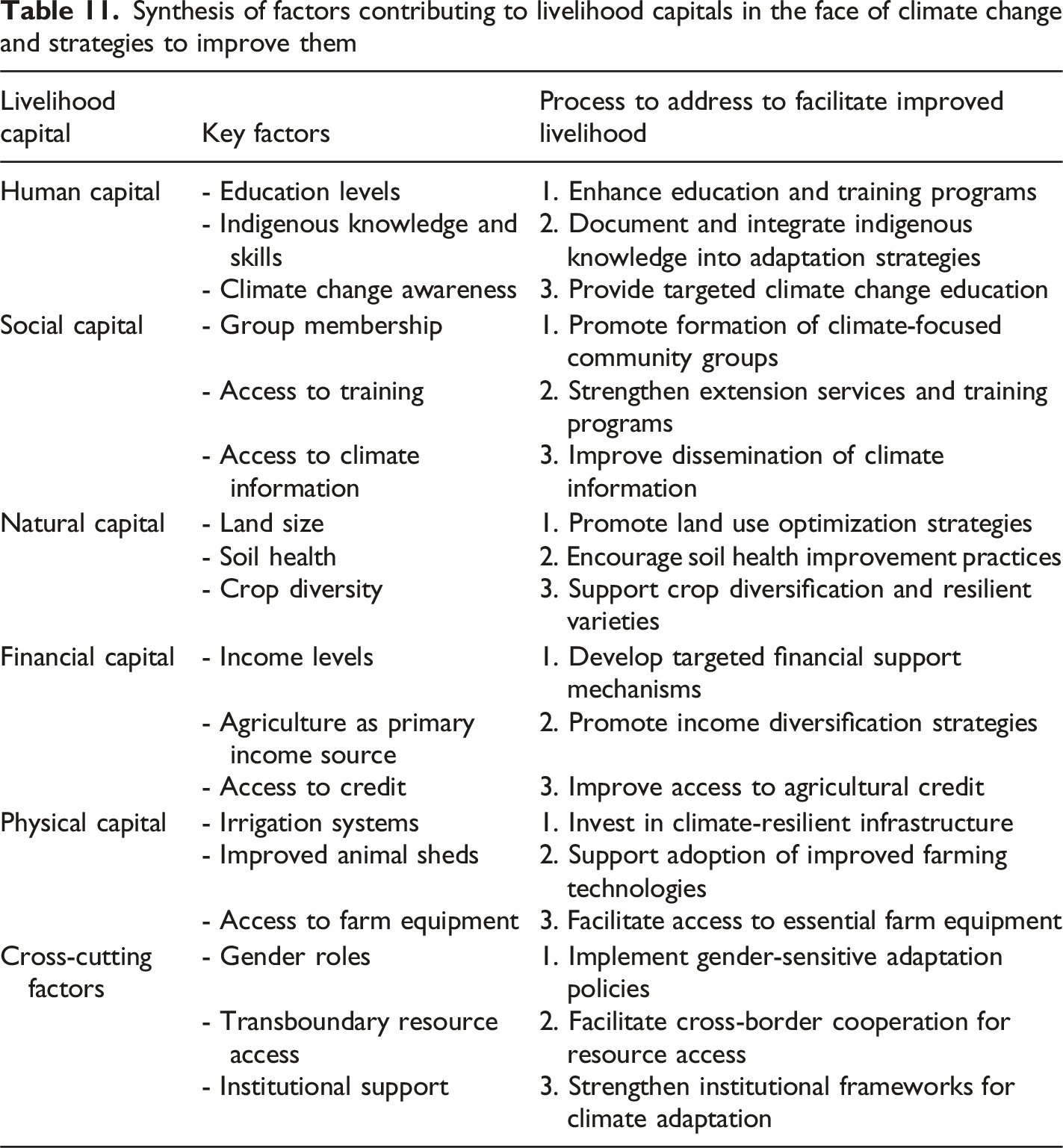
By examining 12 interconnected adaptation practices and their determinants, we offer a holistic understanding of how households combine strategies to enhance resilience and sustain livelihoods in the face of climate change. The livelihood capitals approach highlights the need for a holistic strategy in addressing climate change adaptation and improving sustainable livelihoods. This synthesis reveals how households strategically combine different strategies to build resilience, with most adopting 2–3 complementary practices. Each of the capitals is discussed.
Human Capital: Education and Indigenous Knowledge
Our research highlights the critical role of human capital in climate change adaptation. Education levels and indigenous knowledge emerged as significant factors influencing the adoption of adaptation practices. Higher education levels were positively associated with the adoption of intercropping practices, demonstrating how enhanced knowledge and decision-making skills can lead to more diverse and resilient farming systems. This finding highlights the importance of education in shaping adaptation choices. Our research contrasts with González-Hernández et al. (2019), who found that climate change awareness did not significantly influence adaptation actions. Our results also differ from Thanh et al. (2023), who found no correlation between education level and intercropping.
Indigenous knowledge and skills proved to be a powerful asset increasing the likelihood of adopting resilient practices such as intercropping, using local varieties and applying crop residues as mulching. This finding underscores the importance of integrating traditional knowledge into modern adaptation strategies, as it represents a valuable repository of time-tested, locally-appropriate solutions. This result is consistent with the adaptation strategies noted by Petzold et al. (2020). However, our research goes further by quantifying the impact of indigenous knowledge on specific adaptation practices. Unlike Devkota and Phuyal (2018) and Guo et al. (2021) who primarily described the awareness-action gap among Nepalese farmers, our research moves beyond documenting perceptions to empirically show how human capital variables directly shape adoption decisions at household level.
Social Capital: Group Membership and Access to Training and Information Access
Our research revealed the significant impact of social capital on adaptation practices. Membership in climate and environment-related community groups emerged as a key factor in adopting soil health improvement technologies, year-round irrigation systems, and improved animal sheds. This highlights the role of social networks in facilitating knowledge sharing, collective action, and access to resource. This finding aligns with previous literature which emphasized the importance of social capital in adaptation. Similar studies by Upendram et al. (2023), Teklewold et al. (2013), and Aryal et al. (2018) found that membership in farmer groups and cooperatives increases the likelihood of adopting climate change adaptation practices. Access to training and climate information also proved crucial, increasing the likelihood of adopting various adaptation practices. This emphasizes the importance of robust extension services and information dissemination systems in building adaptive capacity. This result also aligns with Thoai et al. (2018), Atube et al. (2021), and Owusu et al. (2021) who identified the positive impact of extension services on adaptation. Whereas Madhuri and Sharma (2020) focused on conceptual calls for stronger local-institutional linkages, our study offers empirical evidence showing exactly how group membership, training, and information access operationally drive adaptation at the farm level.
Natural Capital: Land Size and Agricultural Practices
Natural capital, particularly land size, emerged as a significant determinant of adaptation practices. Households with larger landholdings were more likely to adopt soil health improvement technologies, construct improved animal sheds, and cultivate local crop varieties. This suggests that access to land resources provides farmers with greater flexibility and capacity to implement diverse adaptation strategies. This finding is consistent with the literature which highlights the importance of land size in adaptation decisions (Hussain et al., 2016; Mulatu, 2013). Larger landholdings provide farmers with more resources and financial capacity to invest in adaptive measures. In contrast to Reidsma et al. (2010) and Mutua and Goda (2021), who provided regional level assessments in Europe without detailed micro level analysis, our study uniquely captures the granularity of individual household decisions shaped by natural capital in a rural Nepalese context.
Financial Capital: Income Levels and Sources
Our research found that financial capital plays a crucial role in adaptation. Households with higher incomes and those with agriculture as their main income source were more likely to adopt various adaptation practices, including the use of climate-tolerant crop varieties and year-round irrigation systems. This highlights the importance of economic resources in enabling farmers to invest in adaptive technologies and practice. This result is consistent with the literature which emphasized the role of financial resources in adaptation. It aligns with findings by Acevedo et al. (2020), who concluded that farmers with access to finance are more likely to adopt climate-resilient crop technology. Our findings provide a unique perspective on how financial capital plays a crucial role in household adaptation. While Uddin et al., 2014; Velandia et al., 2009 discussed financial barriers generally, our research provides evidence on how income levels and sources specifically affect discrete technology adoption decisions and multi-practice combinations.
Physical Capital: Infrastructure and Technology Access
Access to physical capital, such as irrigation systems and improved animal sheds, emerged as important factors in adaptation. Our research found that households with access to year-round irrigation were more likely to adopt other adaptation practices demonstrating the catalytic role of infrastructure in enhancing overall adaptive capacity. This finding supports the broader concept of the sustainable livelihoods approach, which recognizes physical capital as a key component of adaptive capacity. This empirical link expands on the conceptual work of Li et al. (2023), Makondo and Thomas (2024), and Zainab and Shah (2024) who called for multidimensional vulnerability assessments but did not detail how infrastructure interacts with other capitals in shaping adaptation choices.
Cross-Cutting Factors: Gender and Transboundary Dynamics
The research also revealed important cross-cutting factors influencing adaptation. Gender played a role, with female-head households more likely to use local crop varieties, possibly due to differences in resource access and traditional knowledge. This finding adds nuance to the mixed results reported in the literature. Some studies found male-head households more likely to adopt adaptation strategies (Aryal et al., 2020), while others found female-head households more likely to do so (Nhemachena & Hassan, 2007; Rahut & Marenya, 2021). Unlike Onta and Resurreccion (2011) and Nielsen and Reenberg (2010), who discussed gender and cultural barriers descriptively, our research quantitatively demonstrates how gender interacts with adaptation practices at the household level. The unique transboundary dimension of access to Indian input suppliers added a novel aspect to understanding adaptation strategies in border regions. This finding extends beyond the existing literature highlighting the importance of considering cross-border dynamics in adaptation research.
Conclusion
The purpose of this research was to comprehensively analyze the factors influencing climate change adaptation practices among rural households in Yashodhara Rural Municipality. Our research examined 12 interconnected adaptation practices and examined their determinants and thus provided a holistic understanding of how households combine strategies to enhance resilience and sustain livelihoods in the face of climate change. Our research provided a comprehensive view of climate change adaptation in rural Nepal through the lens of the capitals approach. The comprehensive capitals approach advanced in this study offers a transferable framework for analyzing adaptation in other rural, resource dependent contexts, both within and beyond Nepal. By demonstrating the value of a multidimensional analysis, this research demonstrates the value of integrating diverse forms of capital into adaptation policy and practice.
The significance of this research lies in the utility of a wide range of factors within, what we term the comprehensive capital framework, to reveal the root causes of vulnerability and enhance the adaptive capacity of rural communities in the face of climate change. Key factors influencing the adoption of climate change adaptation practices can be conceptualized as 5 capitals: (1) Human Capital: Education levels, indigenous knowledge, and skills (2) Social Capital: Group membership, access to training, and information (3) Natural Capital: Land size and agricultural practices (4) Financial Capital: Income levels and sources (5) Physical Capital: Access to irrigation systems and improved infrastructure
This perspective highlights the complex interplay between human, social, natural, physical, and financial capitals in shaping adaptation choices and outcomes. The unique contribution of our research lies in its analysis of multiple, interconnected adaptation practices within a specific local context, revealing how households strategically combine different strategies to build resilience.
Based on our research, policymakers and extension practitioners should prioritize the development of integrated adaptation strategies that leverage multiple forms of capital, particularly by strengthening social networks, enhancing access to climate information, and preserving indigenous knowledge. Second, there is a need for targeted interventions that address the specific constraints faced by different household types (particularly the ones yet to implement adaptation strategies), such as improving land access for smallholders or providing gender-sensitive support for female-head households. Finally, cross-border cooperation mechanisms should be established to facilitate access to resources and knowledge, recognizing the unique transboundary dynamics that influence adaptation strategies in border regions like Yashodhara.
Limitations of this research include its limited geographical scope, one-off sampling, self-reported information, and the long-term effectiveness of the practices. Further research addressing these limitations but using the same framework will provide increased generalizability of the findings.
Footnotes

Funding
The authors received no financial support for the research, authorship, and/or publication of this article.
Declaration of Conflicting Interests
The authors declared no potential conflicts of interest with respect to the research, authorship, and/or publication of this article.