




Abstract
It is increasingly necessary to develop products that are oriented toward not only economic sustainability but also social and environmental sustainability. In this article we illustrate application of the Ergonomics Quality in Design (EQUID 4.0) model in the design and development of a personal protection item for improving working conditions in one of the most common and harmful activities in Latin America: kneeling work in agriculture, construction, and mining. We conclude that the model reinforces the possibilities for ergonomics to support product design and development beyond physical and cognitive dimensions, and we reflect on the experience.
Health, Safety, Market, and Work Conditions Related to Kneeling Work.
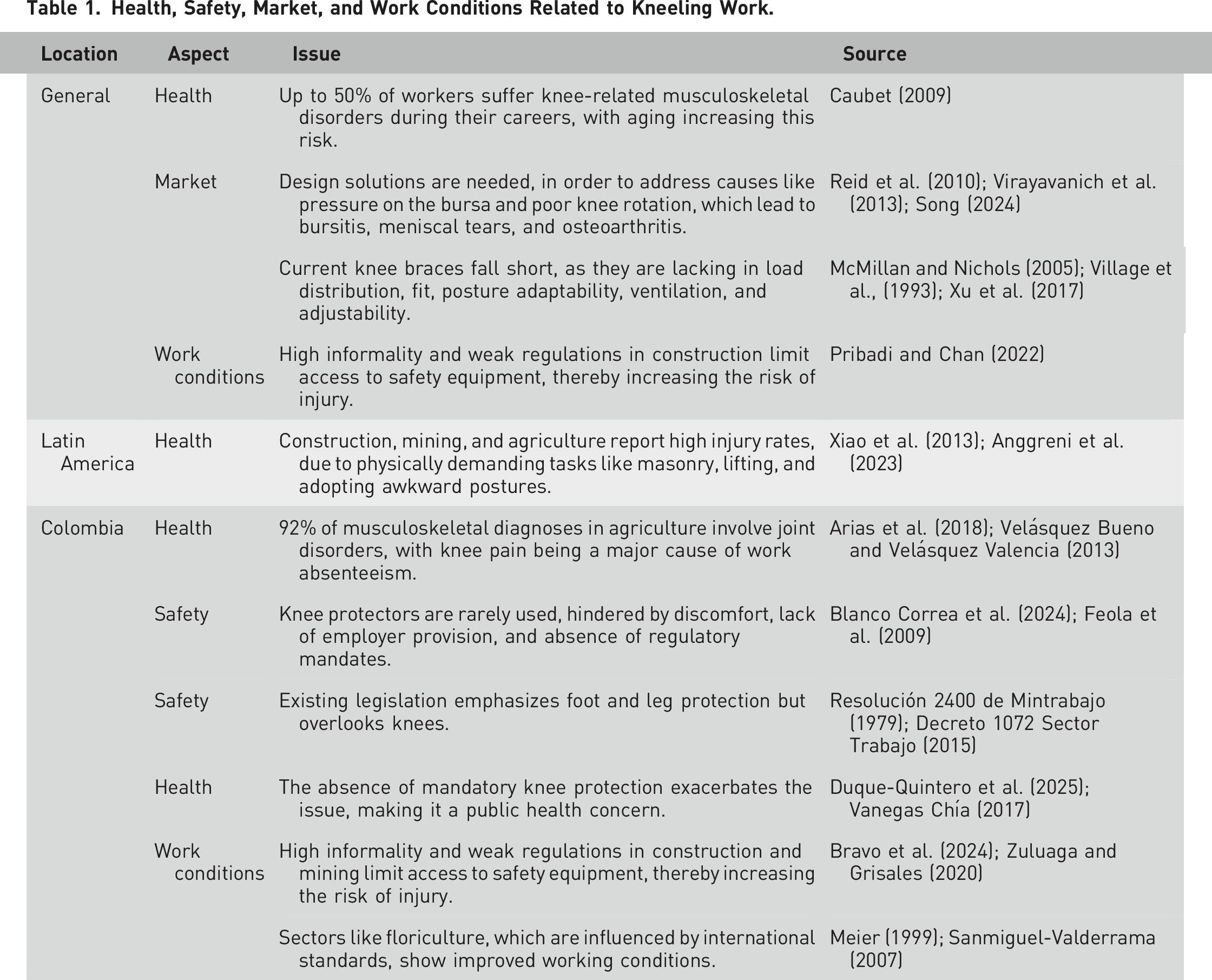
From various product design and development (PDD) approaches, we chose the Ergonomics Quality in Design (EQUID) model—an initiative by the International Ergonomics Association (IEA) aimed at reducing “ergonomic illiteracy” by promoting ergonomics in design (IEA, 2006). EQUID has evolved through several versions (Lange-Morales et al., 2014, 2024; Nael et al., 2008), each of which contributed new perspectives. This project applies Version 4.0, which integrates previous proposals and emphasizes economic, social, and environmental sustainability. The latter is particularly relevant in floriculture, a sector bound by international standards requiring attention to both social and environmental criteria (e.g., https://www.florverde.org/, 2025).
The purpose of this article is twofold: to illustrate the application of EQUID 4.0 in a PDD process in a product with a high physical demand like a kneepad, and to reflect on the experience in terms of ergonomics, quality, sustainability, and potential innovation.
APPLICATION OF EQUID 4.0 IN KNEEPAD DESIGN
EQUID 4.0 is based on five principles: PDD is a situated process; sociotechnical product cycles (CstP) serve as the backbone of PDD; design requirements are differentiated; the product should be oriented toward eco-efficiency or eco-effectiveness; and stakeholder importance and agency (Lange-Morales et al., 2024). Figure 1 summarizes these principles. We illustrate how each of these principles is applied in the design of the kneepad. The order in which the principles are presented is in line with the logic of understanding the design process and answers the following questions: Where is the design process located? Who are the stakeholders? What phases are contemplated in the design process? How is the orientation of the product decided? And finally, what are the design requirements? Basic diagram of EQUID 4.0 principles. Taken from Lange-Morales et al., (2024).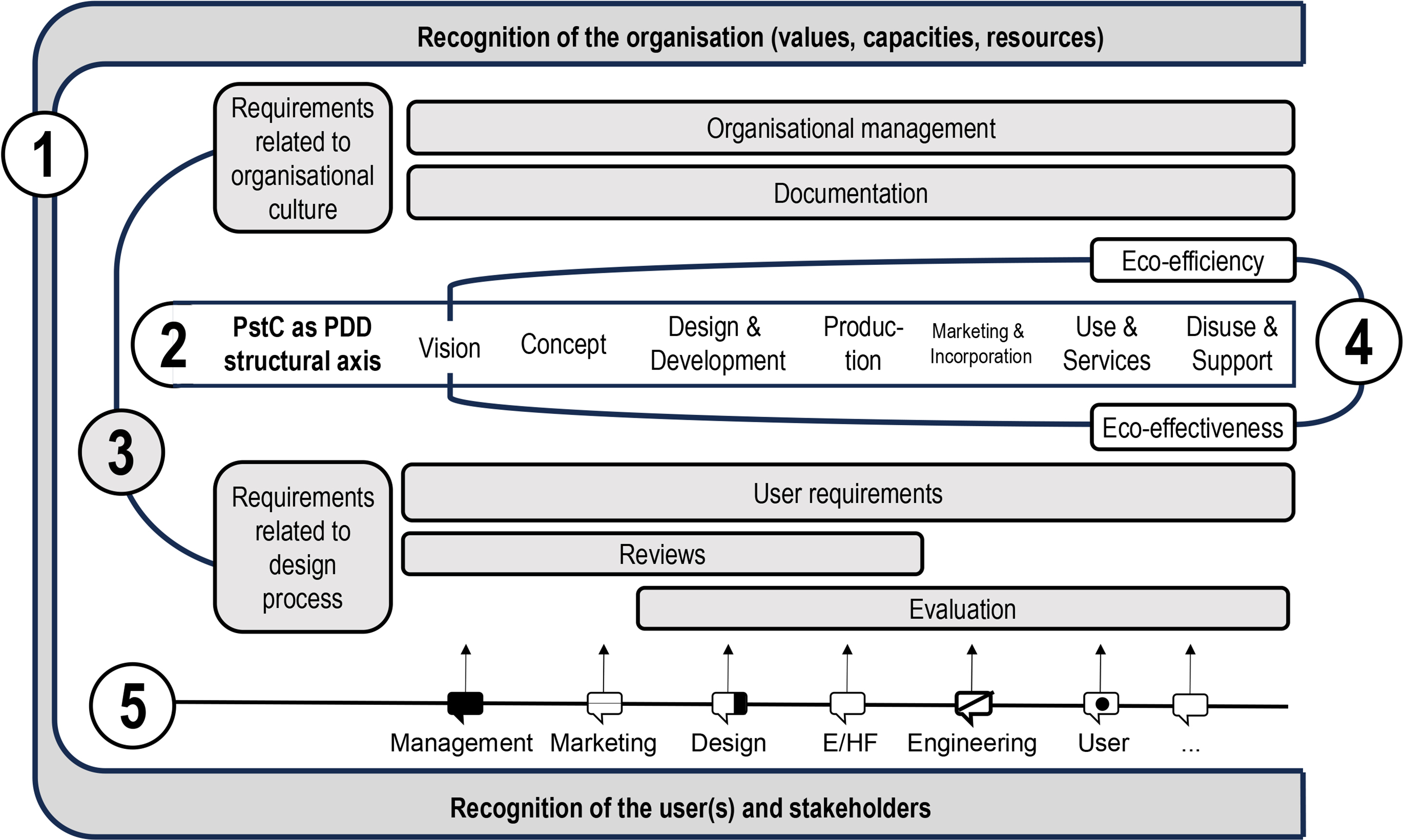
A participative ergonomics (Imada, 1991) and focalized ethnography (Lange-Morales, 2022) approach was adopted. Traditional design and ergonomics tools that ergonomics experts could feasibly use without the need for specialized equipment were applied, such as the Likert scale, the Nordic questionnaire (López-Aragón et al., 2017), and the MOST (Lange-Morales et al., 2012), among others. Figure 2 shows the relationship between the general approach, EQUID principles, EQUID requirements, and the methods and tools used. Methodological project design and development approach.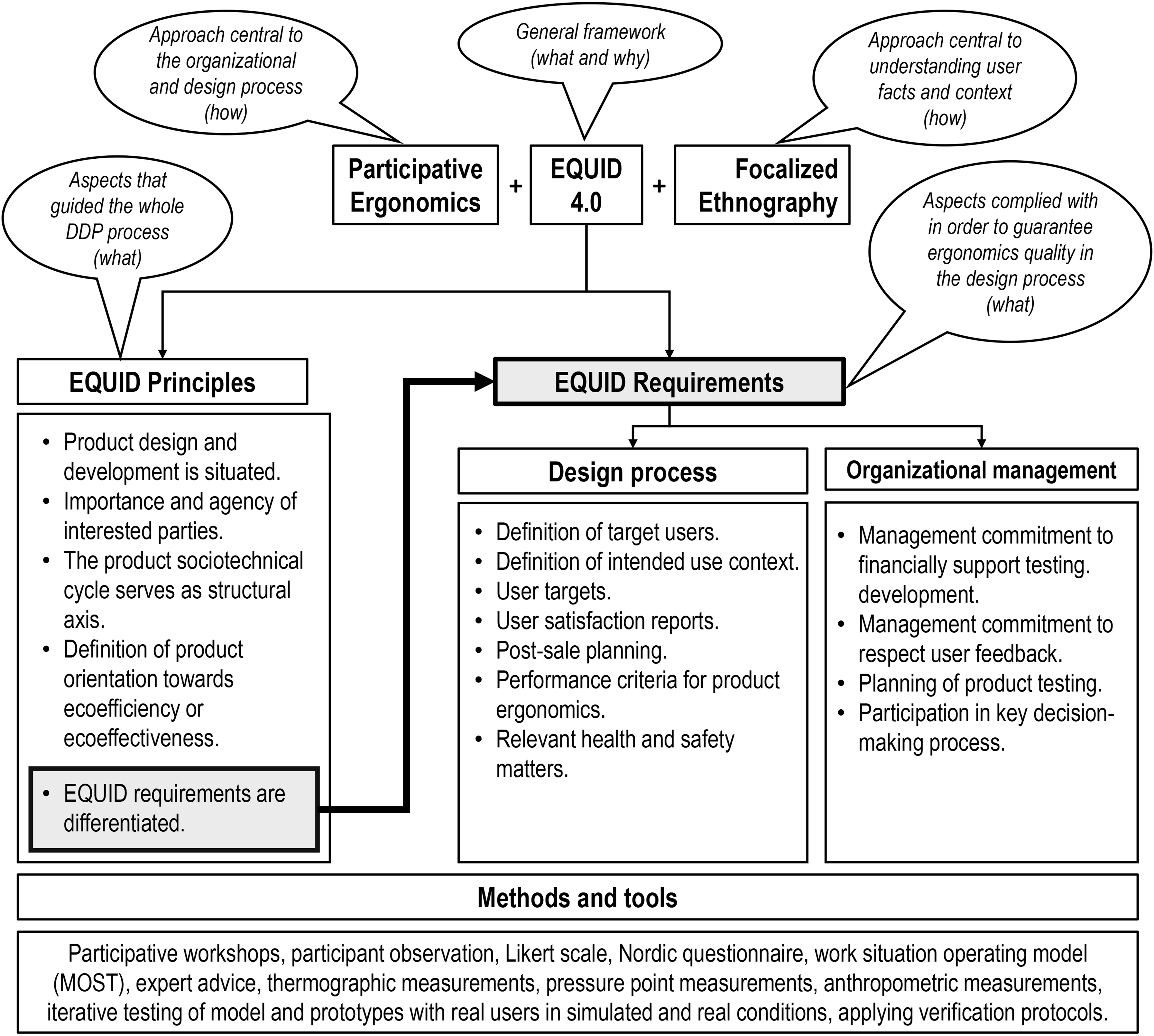
There now follows a brief description of key aspects of how each EQUID principle was applied.
PDD is a Situated Process
One of the most important aspects of this principle is its recognition of the capabilities, resources, and values of the organizations that develop the product. In this case, the development was the result of an alliance between a micro-enterprise and a sole proprietor, with support from a usability laboratory, a group of flower-growing companies, and a marketing company. Figure 3 presents a summary of the roles, values, capabilities, and resources of those who formed the alliance. Organizations involved in the alliance, roles in the process, values, capabilities, and resources. Based on the diagram in EQUID 4.0.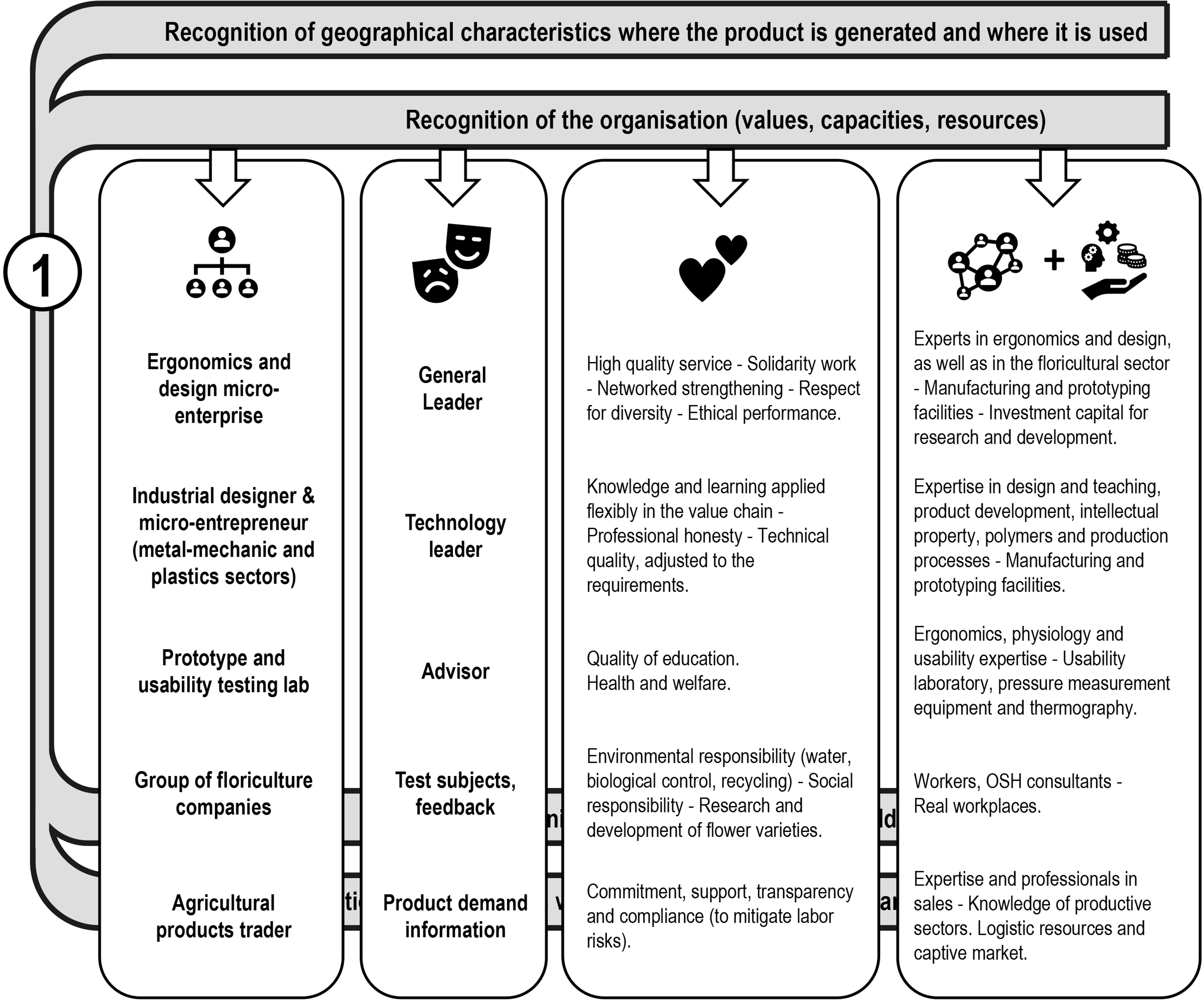
Stakeholder Importance and Agency
This principle looks in depth at the people-centered approach, in that it recognizes the motivations, concerns, and practices of all stakeholders. We identify three groups of stakeholders. The first group, originators, includes the people and organizations involved in product design and development. The second group, the transferors, refers to the people and organizations involved in the process between production and use of the product. Finally, the third group comprises the people and organizations where the product will be used (recipients). Figure 4 summarizes the most relevant activities of all stakeholders in this development, as well as the point when their participation was included in the process. Relevant activities of stakeholders involved in the process. Based on the diagram in EQUID 4.0.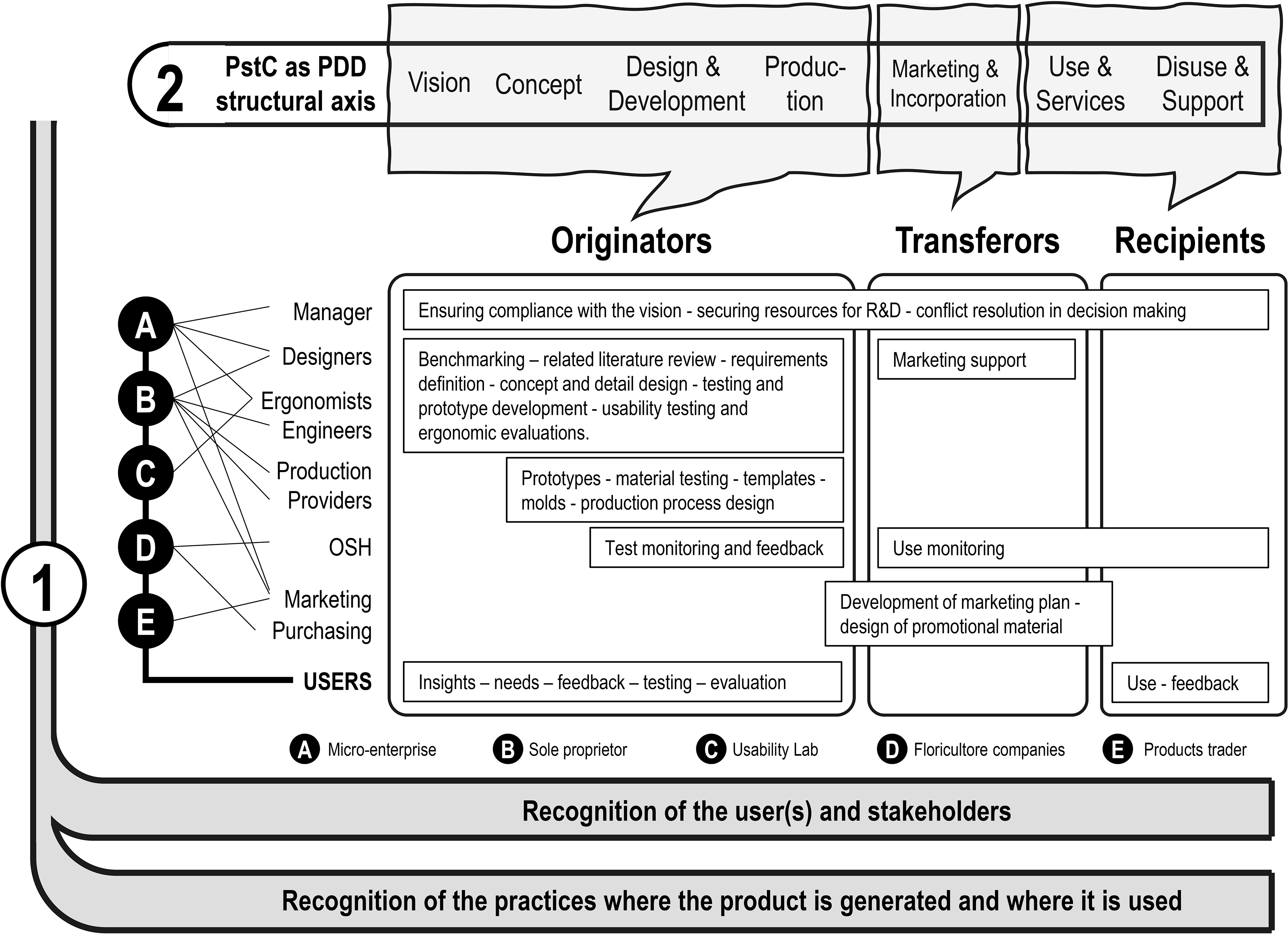
Orientation to Eco-Efficiency or to Eco-Effectiveness
EQUID 4.0 proposes that it should be defined at the vision stage whether the product is oriented toward eco-efficiency or eco-effectiveness. The development of the kneepad was oriented in the first instance toward eco-efficiency; in other words, toward seeking the closure of sustainable cycles of materials that were not glued or ended up as non-recyclable composite materials. This vision was proposed so that, on reaching the disuse and support stage, the technological metabolism of the kneepad’s parts and components would be facilitated. However, if a 100% recovery and recycling of all product components can be achieved with a reverse logistics process, eco-effectiveness could finally be achieved (see Figure 5). Product orientation in terms of environmental sustainability and some factors considered. Based on the diagram in EQUID 4.0.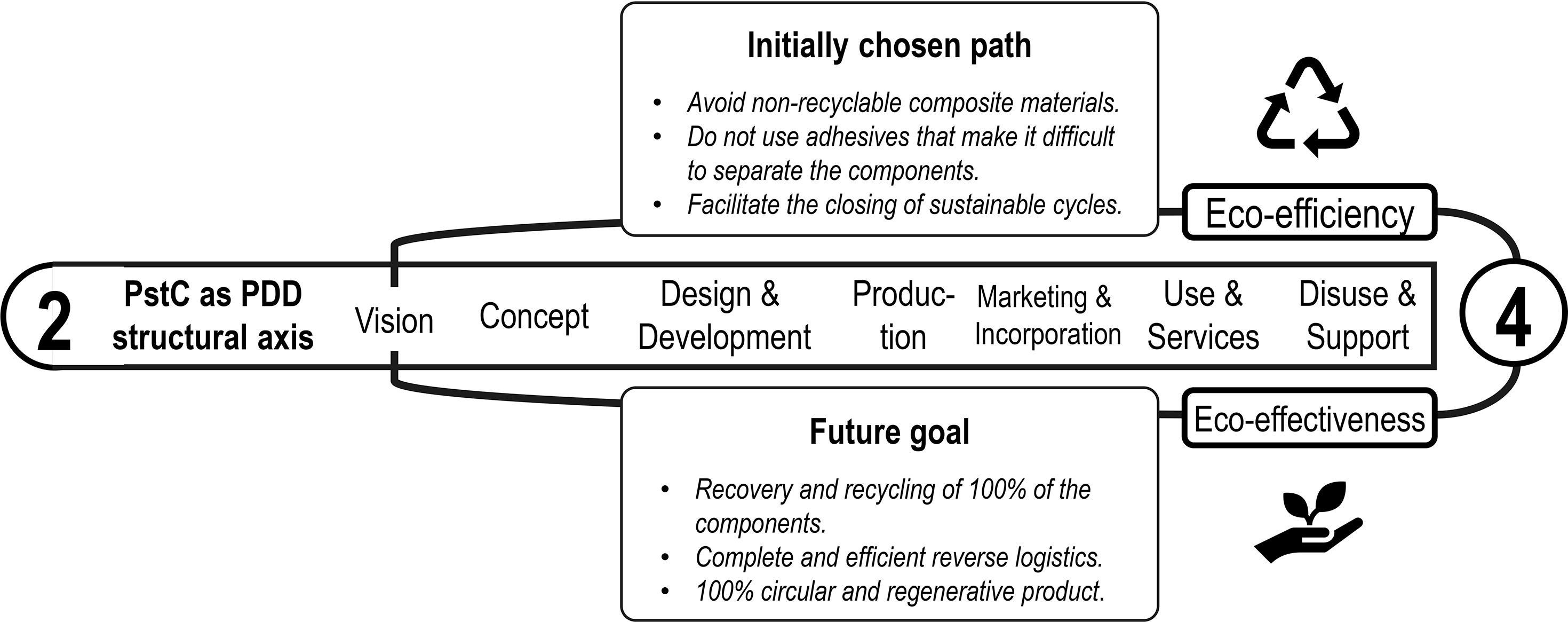
CstP as a Product Development Axis
The structural axis for the design and development of the kneepads was based on the seven stages proposed in EQUID 4.0 (see Figure 1, Principle 2). In the vision stage, we agreed from the outset on a path toward ease of compliance with circular economy requirements for the materials and components used (environmental sustainability). Also, in the concept phase and the design and development phase, we expressed the need to define the best morpho-anatomical coupling, cushioning, and joint stability characteristics when adopting the kneeling posture. These design parameters are oriented toward comfort and dignified, protected work, with a view to avoiding injuries and reducing the possibility of osteoarticular disorders (social sustainability). Furthermore, although it would imply a bigger investment in functional quality and protection, it would be fully offset from two perspectives: on the one hand, more time of use, better quality, and greater comfort during the functional existence of the kneepad, and on the other hand, less absenteeism from work and, in the medium term, a reduction in costs arising from illnesses or injuries deriving from working conditions, due to a lack of adequate personal protection items (economic sustainability). Elsewhere, in the marketing and incorporation stage, we forged a strategic alliance with a marketer, thereby contributing to promoting incorporation and transfer of the new kneepad, with its commercial qualities of protection and the circular economy. Finally, in the disuse and support stage, having focused on eco-efficiency but also on providing items that comply with eco-effectiveness means that the kneepad is a product that can continue to innovate, in terms of materials, until it achieves sustainability.
Ergonomics Requirements are Differentiated
Aspects Considered in Line With EQUID Requirements.
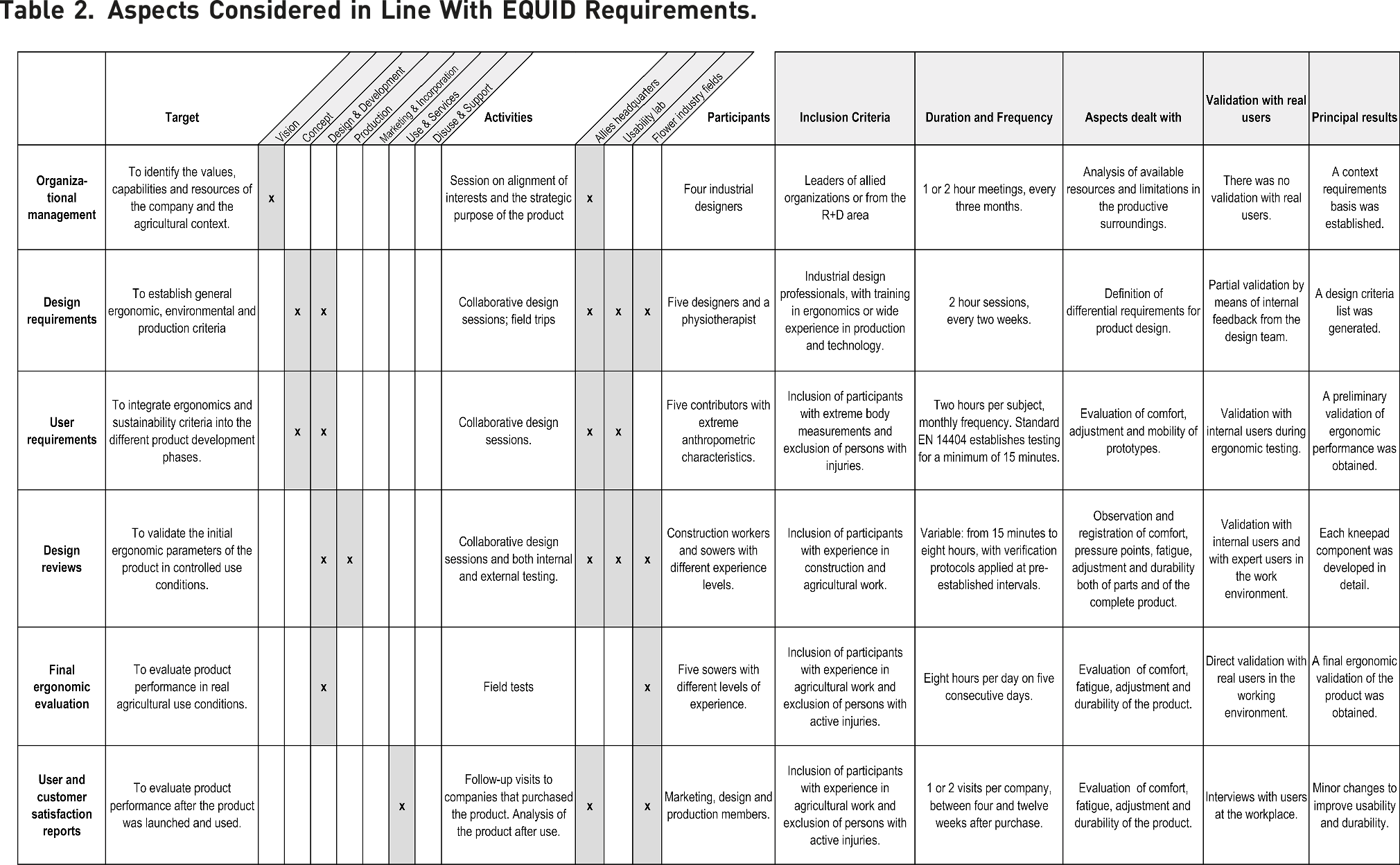
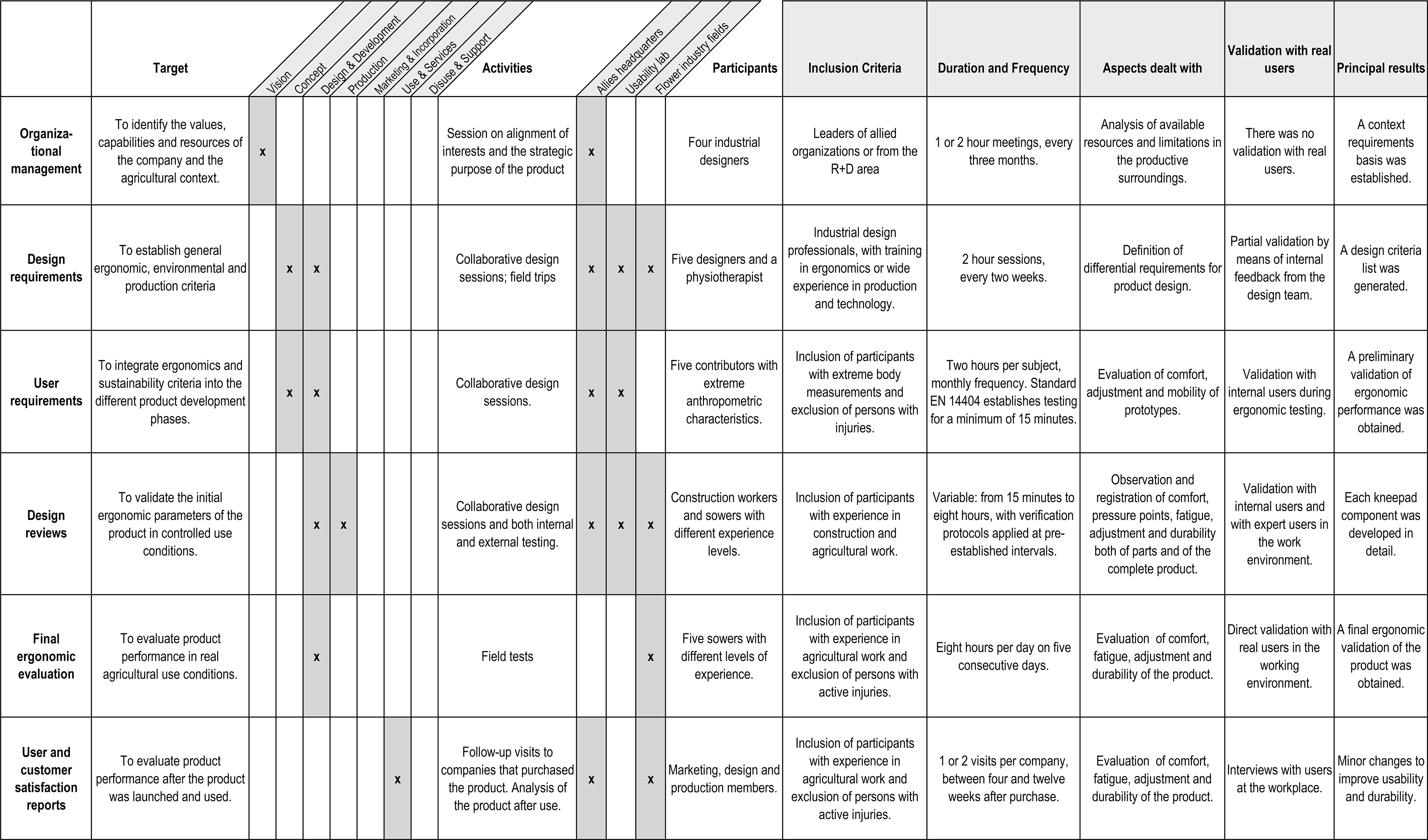
Among the internal guidelines established, we found the commitment of top management to the application of state-of-the-art ergonomics principles reflected in periodic meetings to review design progress, formal documentation of decisions, and continuous validation of alignment with the organizational quality policy. The organization defined specific ergonomic quality objectives and integrated them into the overall project objectives, establishing plans for user evaluations, design reviews, and post-sale satisfaction measurements. In addition, an internal communications manager was appointed, in order to ensure that these guidelines were known by all project stakeholders and thereby promote a culture of responsible innovation, safety, and differentiation in the market. This organizational scaffolding enabled the design process to develop in a coherent and structured manner, focused on responding to the characteristics and expectations of real users in the flower and construction sectors.
As far as the design process requirements are concerned, the kneepad project was structured in line with the stages recommended in EQUID 2.0, starting with the initial definition of user needs. A detailed analysis of user profiles, including age, gender, level of experience, and time of use contexts, was carried out, in order to ensure that the design responded to both anthropometric variability and real work situations at flower farms and on construction sites (see
Relationship Between Risk Factors, Design Parameters, Performance Criteria, and Validation Method.
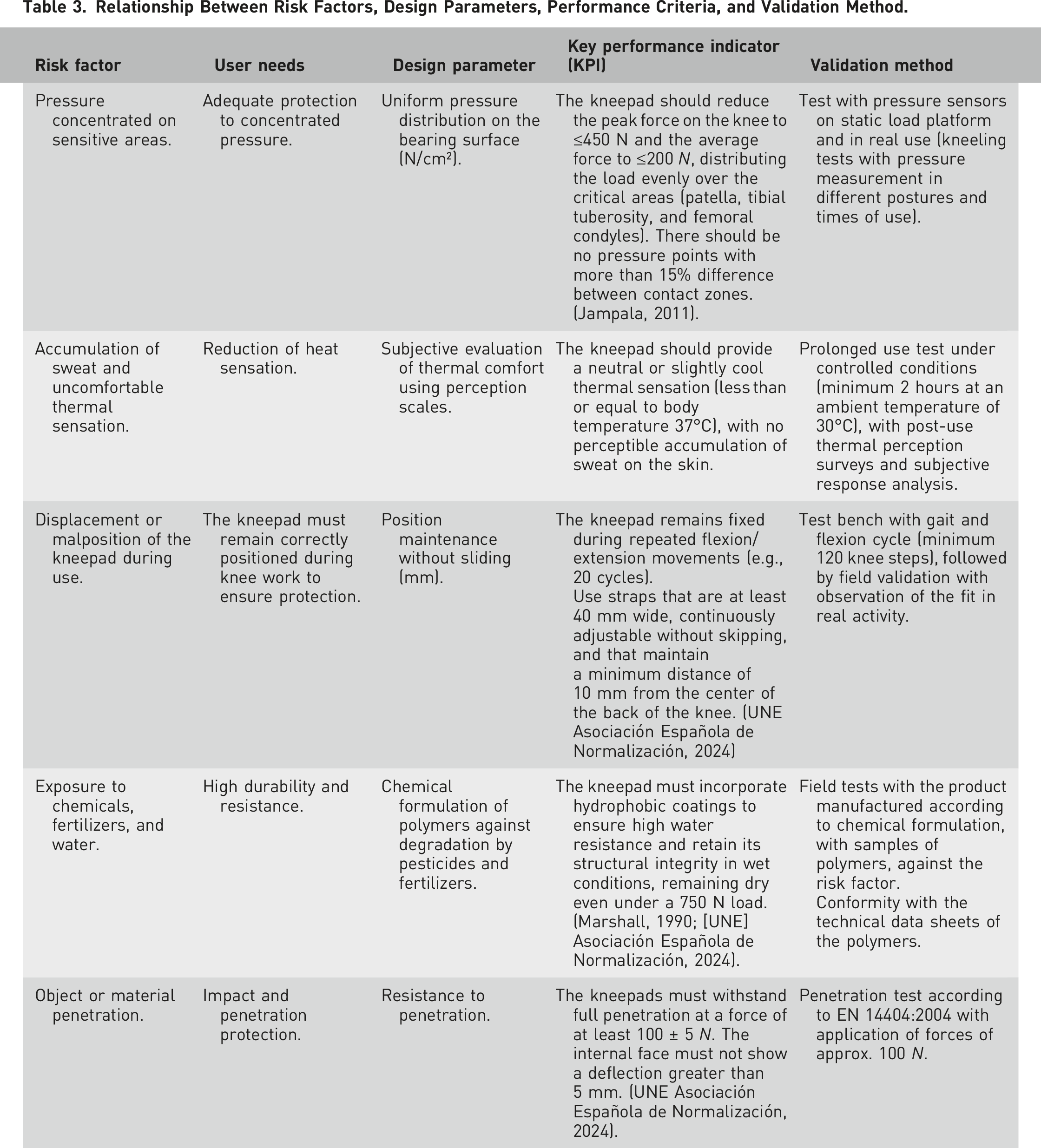
These structure guided design decisions by prioritizing adjustments and validating solutions based on predefined performance criteria are shared among designers, users, and management. Successive prototype development meant that periodic reviews could be conducted, where results were compared with these criteria, field performance was assessed, and necessary corrections were made by the design team under project management supervision. Final ergonomic validation involved structured user testing in both simulated lab conditions and real work scenarios, and collecting objective and subjective data against agreed acceptance thresholds. A post-sale evaluation plan was also established, in order to monitor user satisfaction, identify improvement opportunities, and inform future product versions and innovations . Workers wearing kneepad prototypes in floriculture and construction scenarios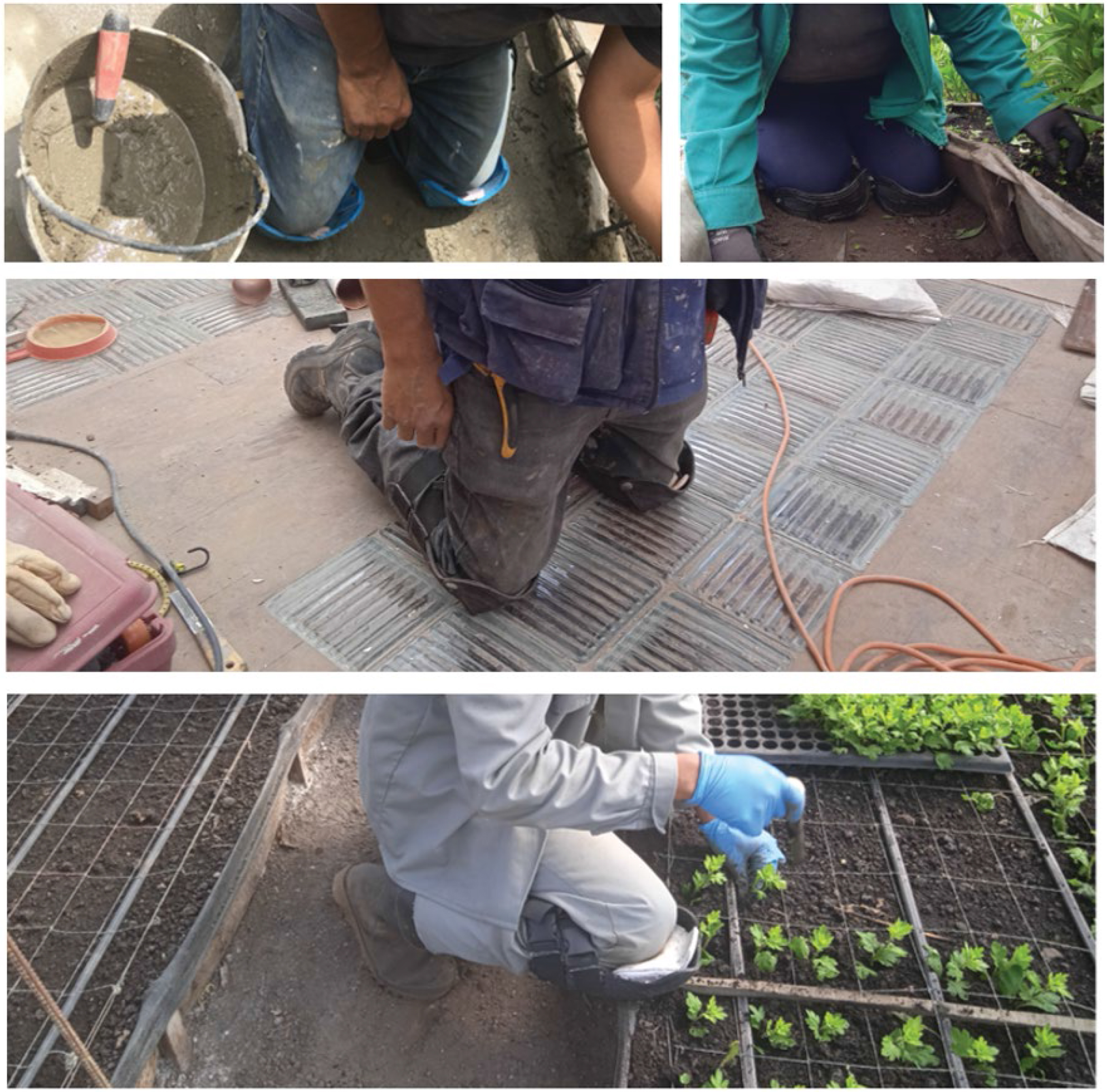
RESULTS
The benchmarking that formed part of the concept phase identified 21 similar products that could be categorized in four typologies proposed by Xu et al. (2017). Based on this classification, the principal result of the PDD process can be categorized in the hard cap/rigid shell type, due to its materials, weight, and load distribution characteristics. However, the product obtained does not share the tendency to slip that can occur with this typology. As a complement to the product itself and thanks to the degree of innovation obtained, it was possible to apply for a utility model patent and an industrial design registration. Figure 7 summarizes the features of the product. Features of the designed kneepad regarding the market, sustainability, and innovation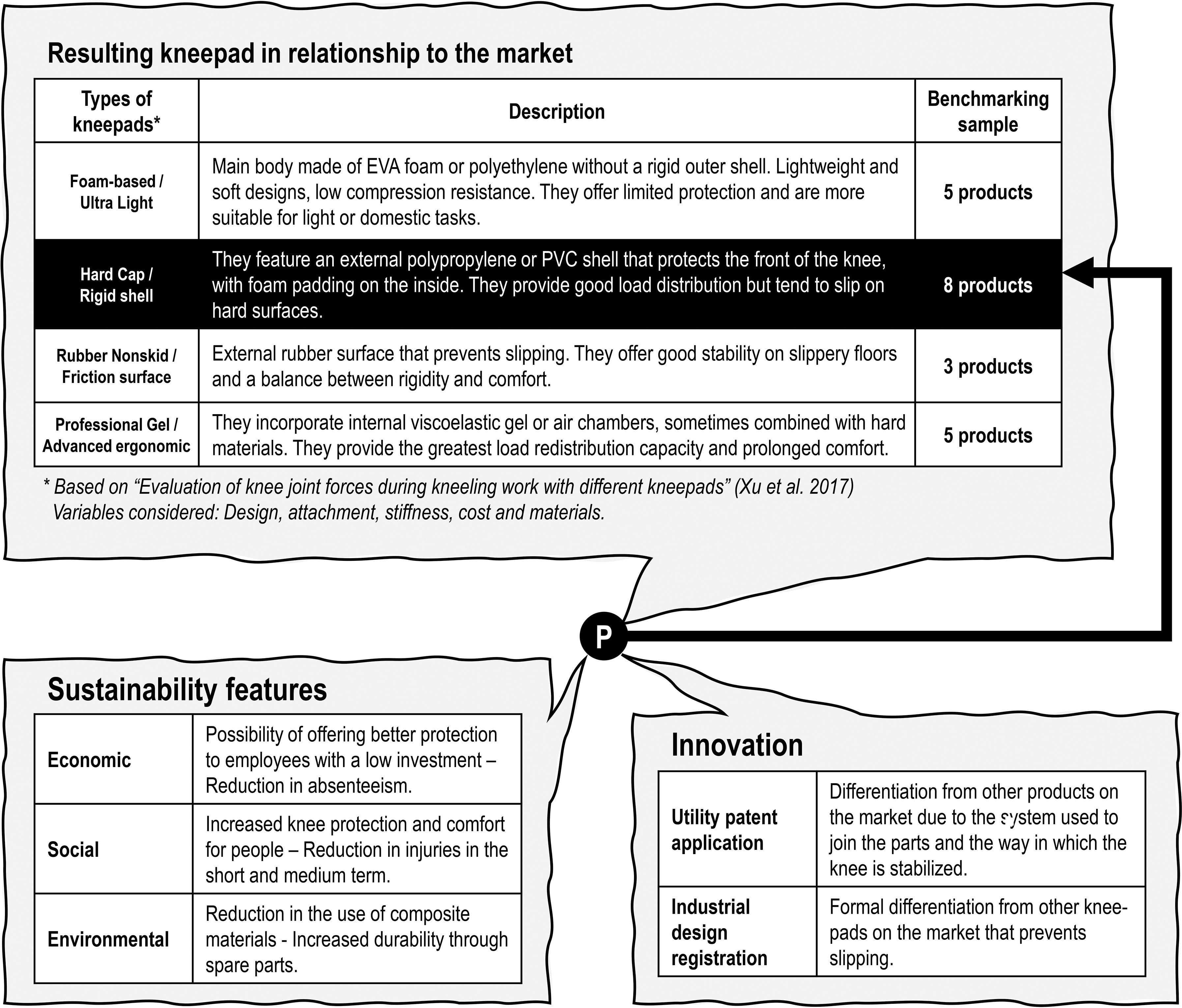
DISCUSSION
EQUID 4.0 is a model born from an initiative to take ergonomics to every sphere possible, founded on quality and sustainability. It also promises to contribute to innovation, in terms of both product and processes. We reflect on these aspects, that is, quality, sustainability, and innovation in relationship to ergonomics. It is pertinent to point out that PDD is part of industries’ know-how, and it therefore tends to be considered an industrial secret, since it gives them a differentiating factor on the market. It is accordingly not common for companies to publish this know-how, which limits the possibilities for discussion.
No articles were found that relate quality, sustainability, and innovation aspects to the PDD for kneepads for work, and few works explicitly integrate the four fundamental axes, that is, ergonomics, quality, sustainability, and innovation in other scenarios. Several case studies support the importance of connecting ergonomics with quality and how this increases the possibilities for innovative design (Prasad et al., 2024), but the most common association between ergonomics and quality is found through the application of QFD as a tool (Pinthanon et al., 2025; Rianmora et al., 2023).
The prevailing trend in PDD is to understand ergonomics as a quality of a product. This happens because ergonomics in design often focuses only on the physical and cognitive dimensions and neglects organizational aspects that can misalign design and management needs. There are methods from macroergonomics for diagnosing and promoting organizational changes (e.g., Kleiner, 2006), but there are few (if any) models from macroergonomics for addressing PDD. EQUID 4.0 addresses this gap by incorporating organizational ergonomics (e.g., management commitment, communication, and training), thus reinforcing both the design process and organizational practices.
Many aspects of product design and development are not in the sphere of ergonomics, such as materials, for example, yet they play a decisive role in variables like weight, comfort, and durability. Not only do they directly affect the economic, social, and environmental sustainability of a product, they are very often antagonistic: polyurethane offers mechanical advantages but is highly contaminating; ethylene vinyl acetate (EVA) is very light but has no memory; silicone acts very well as a buffer but is very expensive and heavy. Having a clear vision and an awareness of the product being oriented towards human and environmental sustainability in parallel meant that the design team had to look for alternatives that contributed to innovation.
Interesting works exist that relate innovation to prospective ergonomics approaches (Liem & Brangier, 2012), documents that talk of the importance of ergonomic design in product innovation (Windrum et al., 2017), and research that closes gaps and integrates ecodesign and ergonomic innovation (Murani, 2022). However, innovation cannot always be an aim that is proposed from the vision stage. Cases can arise which follow a rigorous process based on the quality and comprehensiveness of ergonomic aspects yet fail to develop alternatives that meet real patentability requirements and requirements for the new product to be adopted socially, which is the real innovation. In relation to the above, what was obtained by rigorously applying ergonomics procedures in the kneepad design was to establish “non-negotiables” for achieving the three dimensions of sustainability, which in the end forced the team to think of novel alternatives that ended up as vindications that were able to be subjected to patent processes.
CONCLUSIONS
Applying the EQUID 4.0 model in a personal protection product showed that it is a robust model for PDD, thereby positioning ergonomics beyond a product quality, as a strategic ally for increasing the possibilities of innovation.
Designing products oriented toward overall sustainability (economic, social, and environmental) requires models that make a consistent decision-making process possible. EQUID 4.0 showed that it is useful for that purpose by ensuring that all stakeholders participate in the process, thereby establishing a clear framework for making decisions.
There is a need to continue working on documentation and the publication of case studies, to encourage product development companies to use the model, especially those companies whose economic resources are limited.
Footnotes
Funding
The authors received no financial support for the research, authorship, and/or publication of this article.
Declaration of conflicting interests
The authors declared no potential conflicts of interest with respect to the research, authorship, and/or publication of this article.
