




Abstract
The World Economic Forum’s Future of Jobs Report highlights the importance of innovative problem-solving skills. Paradox literature suggests that managing tensions between competing exploration and exploitation demands, or ambidexterity, is essential in innovation contexts such as these. Yet little is known about how to design learning experiences that cultivate an ambidextrous mindset and behaviors. This mixed-methods study developed and evaluated a paradox pedagogy designed to build ambidexterity competence and capabilities in management education, delivered through a workshop for business students. Competence was assessed through changes in awareness and self-efficacy, and capabilities through the originality and usefulness of the solutions produced. Results showed that the pedagogical model enhanced competence and capabilities, supported by four key pedagogical features: experience, exposure, engagement and extension. Emergent findings also revealed two developmental processes that explain how ambidexterity develops and is enacted: reflexive agility (mindset) and adaptive integration (behavior). These processes operated through interconnected preparation and action phases, forming a recursive feedback loop that illuminates the microfoundations of ambidexterity. The study contributes to management education by offering an evidence-based, sequenced paradox pedagogy for developing innovative problem-solving. It also extends our understanding of how paradox theory can be applied in management education by clarifying how ambidextrous mindset and behavior co-evolve.
Keywords
Introduction
The contemporary work context requires individuals to navigate complex, competing demands (Heucher et al., 2024; Pitelis et al., 2024). Kanter (1984) notes that integrating novel problem-solving approaches into workplace contexts can spark the innovative thinking needed to manage these complex demands, while Csapó and Funke (2017) emphasize that innovative problem-solving involves identifying, exploring, and creatively addressing real-world challenges.
Real-world challenges requiring innovative responses often contain inherent tensions from the competing demands, such as the need to contest the status quo through exploration while simultaneously incrementally developing feasible solutions through exploitation (Abdallah et al., 2011). Research in this area highlights the paradoxical nature of these tensions and the need to manage them effectively (Zimmermann et al., 2018). Paradox theory, therefore, provides a useful lens for understanding the competing demands embedded in problem-solving contexts that require an innovative approach (Gallos, 1989, 1997; Smith & Lewis, 2011).
Managing these paradoxical competing demands simultaneously is known as ambidexterity, which can be developed at both the organizational and individual levels (Birkinshaw & Gupta, 2013; Cameron & Quinn, 1988; Smith & Tushman, 2005; Wang et al., 2024). Building ambidexterity skills at the individual level is increasingly important for navigating uncertain and rapidly changing environments (Cairns & Malloch, 2017), and management education is a critical site for developing these capabilities (Csapó & Funke, 2017; Schoemaker, 2008). However, limited research examines how ambidexterity develops at the individual level or how it can be intentionally cultivated through educational design. In particular, little is known about the underlying learning processes through which paradoxical thinking emerges or the pedagogical mechanisms that support the development of ambidexterity.
Although scholars have argued for integrating paradox perspectives into management education (Schad et al., 2016), empirical studies demonstrating how paradox principles can be operationalized in learning environments remain scarce (Lewis & Dehler, 2000; Knight & Paroutis, 2017; Simpson et al., 2021). Recent work suggests that paradoxical thinking can be fostered through targeted learning activities (Khan et al., 2025), yet the link between such activities and the development of ambidexterity for innovative problem-solving is not well understood.
This study aimed to address this gap by identifying and evaluating a pedagogical model designed to cultivate ambidexterity in management students, and by examining the learning processes through which paradoxical thinking develops. In this research, we asked: Does a paradox pedagogy designed to cultivate ambidexterity improve competence and capabilities in innovative problem-solving? To answer this question, we reviewed the paradox literature to identify relevant principles, designed a pedagogical model grounded in these principles, implemented the model through a workshop intervention, assessed its effectiveness using a mixed-methods approach, and identified emergent phenomena that explain how ambidexterity develops.
Theoretical Background
Paradox as a Theoretical Lens for Innovative Problem-Solving
Operating in contexts that require innovative approaches will surface inherent tensions. Individuals must simultaneously pursue exploration (which requires challenging assumptions, seeking new ideas, and experimenting) and exploitation (which requires refining, analyzing, and delivering feasible solutions – also described in this paper as “preservation” for this particular purpose; Andriopoulos & Lewis, 2009; Rosing & Zacher, 2017; Tushman & O’Reilly, 1996; J. A. Zhang et al., 2022). These competing demands create paradoxical tensions that can either hinder or enhance innovative development depending on how they are managed (Berti & Simpson, 2021; Clegg et al., 2002).
Paradox theory offers a framework for understanding and navigating such tensions by encouraging individuals to accept and engage with opposing demands rather than suppressing or choosing between them (Miron-Spektor et al., 2011; Smith & Lewis, 2011). Traditional responses often privilege one pole at the expense of the other (Berti & Cunha, 2023; Lewis, 2000). In contrast, a paradox approach emphasizes embracing contradictions as both competing and complementary, enabling creative synthesis and more innovative outcomes (Knight & Cuganesan, 2020; Knight & Harvey, 2015; Miron-Spektor & Beenen, 2015; Smith, 2014).
Paradoxical thinking refers to the cognitive and behavioral capacity to work with these tensions by leveraging both poles (Andriopoulos & Lewis, 2009; Calabretta et al., 2017; Smith & Tushman, 2005; Sparr et al., 2022). When applied to innovation, paradoxical thinking manifests as individual ambidexterity, a microfoundation of organizational ambidexterity (Pertusa-Ortega et al., 2021). Individual ambidexterity is defined as, “the capability of individuals to perform contradictory activities and switch between different mindsets and action sets” (Bledow et al., 2009, p. 322). Developing ambidexterity is therefore critical for navigating the innovation paradox successfully. Figure 1 illustrates the innovation paradox and the role of ambidexterity in navigating this, revealing why developing ambidexterity is essential for teaching innovative thinking and problem-solving in management education.

Balancing competing exploration and exploitation (preservation) demands in innovation contexts through ambidexterity
Using Paradox Principles to Inform Pedagogical Design
Management students must learn to navigate ambiguous, complex challenges that involve competing demands (Audebrand et al., 2017; Axley & McMahon, 2006; Waldman & Bowen, 2016). Paradox principles offer a promising foundation for designing learning experiences that help students recognize, interpret, and work productively with such tensions. Although paradox concepts have been applied in various educational contexts (Fischer & Dobbins, 2023; Kark et al., 2016; Lips-Wiersma, 2004; Poole & Van de Ven, 1989; Smith et al., 2012), and some scholars have theorized about the importance of paradox pedagogy in supporting paradoxical thinking (Ingram et al., 2016), the application to teaching innovative problem-solving remains underexplored. Scholars have therefore called for more research in this area, emphasizing the need for more empirical research (Tjemkes et al., 2025; Yin, 2022).
Developing paradoxical thinking involves cultivating both a cognitive-emotional orientation toward tensions and the behavioral capacity to act on them (Miron-Spektor et al., 2018). Research on mindset development indicates that cognitive change is more enduring when reinforced through behavior (Ross et al., 1975), and conversely, behavior change is likely to be longer lasting when paired with the development of a cognitive mindset (Mendoza & Yan, 2025).
A paradox mindset, which presents as an openness to and acceptance of tensions from competing demands, supports cognitive flexibility and reflective learning (Pradies et al., 2021) and is linked to innovative behavior and workplace performance (Y. Liu et al., 2020; M. Liu et al., 2023). This enables both the cognitive readiness and applied performance required for ambidexterity (Papachroni & Heracleous, 2020). This mindset is malleable and can be strengthened through targeted interventions (Griffin et al., 2022; Zheng et al., 2018), making it appropriate for management education (Boemelburg et al., 2023).
Associated behavioral development is equally important for cultivating ambidexterity (Papachroni & Heracleous, 2020). Engaging in both explorative and exploitative tasks fosters the ability to alternate between and integrate opposing approaches – core elements of ambidexterity (Rosing et al., 2011). A pedagogical model designed to develop ambidexterity should therefore provide opportunities for open exploration alongside structured evaluation, enabling learners to challenge assumptions while also producing feasible solutions (Smith & Lewis, 2011). Such a model should help students experience, identify, accept, and integrate contradictions (Smith et al., 2012) while reducing anxiety by offering a clear structure and practical outcomes (Lewis & Dehler, 2000).
Prior research has underscored the importance of both ambidextrous mindset and behavior, yet far less is known about the developmental pathways through which these capacities emerge. Existing studies often treat mindset and behavior as static attributes rather than dynamic, mutually reinforcing processes (Miron-Spektor et al., 2018; Pradies et al., 2021). Scholars have called for research examining how individuals move from recognizing paradoxical tensions to acting on them, and for identifying the learning mechanisms that support this transition (Schad et al., 2016; Smith & Lewis, 2011). Addressing this gap requires attention to the micro-processes of learning that underpin paradoxical thinking and ambidexterity.
Together, these insights suggest that pedagogical approaches grounded in paradox principles should provide learners with opportunities to experience and understand the tensions arising from competing innovation demands, as well as to apply the principles in practice to realistic and unfamiliar contexts. These elements align with recommendations in paradox pedagogy research (Lewis & Dehler, 2000) and with broader work on learning through tensions and dualities (Ingram et al., 2016; Miron-Spektor et al., 2022). Yet these components have not previously been strategically targeted and integrated into a coherent pedagogical model for developing ambidexterity in contexts requiring innovative thinking and problem-solving.
Assessing the Development of Ambidextrous Competence and Capabilities
Building competence and capability supports the development of mindset and behavior. Competence encompasses knowledge, skills, and attitudes (Cairns & Stephenson, 2009), and is linked to the cognitive and mindset foundations that enable individuals to recognize and interpret paradoxical tensions. Capabilities reflect the behavioral enactment of these insights in practice (Bandura, 1997; Stephenson, 2013). Although these dimensions are conceptually distinct, paradox theory suggests they are recursively linked (Miron-Spektor et al., 2018; Smith & Lewis, 2011). This dual focus provides a holistic basis for evaluating how ambidexterity develops in educational contexts.
This study examined whether a paradox pedagogy could enhance innovative problem-solving by developing both competence and capabilities in ambidexterity. Competence was assessed through perceived changes in awareness and self-efficacy. Awareness reflects recognition of the demands of innovative problem-solving, while self-efficacy reflects confidence in navigating those demands (Adams et al., 2020; Bandura, 1997). Self-efficacy has also been found to enhance ambidexterity through fostering resilience (Y. Zhang et al., 2022), and both are foundational for engaging with complex challenges (Cordova et al., 2014; Harlim & Belski, 2013; Jung et al., 2022; M. Liu et al., 2023) and solving problems innovatively (Wu et al., 2014).
Capabilities were assessed by changes in the perceived originality and usefulness of the solutions produced. These criteria reflect widely accepted indicators of high-quality creative output (Amabile & Pratt, 2016; Sternberg & Lubart, 1996) and demonstrate the ability to generate ideas that are both novel and feasible, an essential marker of ambidextrous problem-solving (Stephenson & Yorke, 2013).
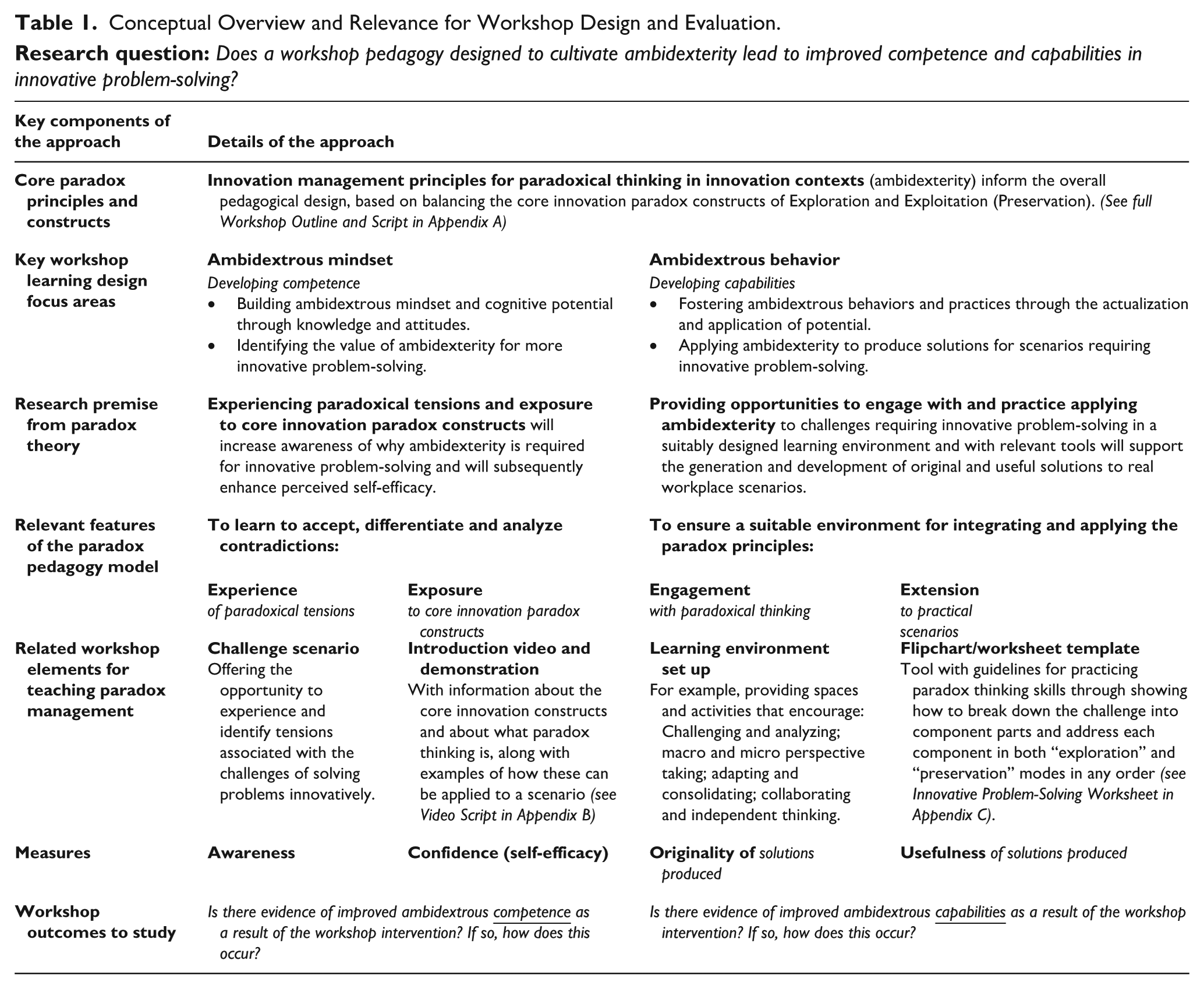
Table 1 summarizes the paradox principles that informed the pedagogical model and the evaluation methods used in this study. Based on this review, our research aimed to deepen our understanding of how to deliver management education experiences that support the development of ambidexterity.
Conceptual Overview and Relevance for Workshop Design and Evaluation.
Methods
Overview and Context
The study used a mixed-methods approach, including a two-group quasi-experimental design, to examine the effects of a workshop intervention on participants’ innovative problem-solving competence and capabilities. All participants attended a 75-min workshop, and were asked to complete pre- and post-intervention questionnaires, along with a three-month follow-up survey.
Participants
A total of 368 undergraduate and postgraduate business students at the University of Sydney, Australia, participated in the study. These students responded to a voluntary call distributed through the business school’s communication channels over a 2-year period. The consisted of 64% females sample and 36% males. Participants were assigned to an experimental group (282 students; 69% female, 31% male) or a control group (86 students; 59% female, 41% male) based on their workshop timing preferences. Participants were randomly assigned to 13 workshop sessions, and within each session they were again randomly assigned to tables of four to eight participants for discussion. Seventy-six of the original participants (21%) completed the three-month follow-up survey.
Procedure
The workshop intervention was based on the paradox pedagogy model developed from the literature review. The experimental group received instructions and activities focused on ambidextrous thinking; the control group received unrelated content. Pre- and post-intervention measures assessed awareness and self-efficacy, as well as the originality and usefulness of solutions to a problem-solving scenario. The three-month follow-up survey assessed longer-term effects.
The workshop design included the following components, with additional details in the Appendices. (See Appendix A for the full Workshop Outline and Script, Appendix B for the Video Script, and Appendix C for the Innovative Problem-Solving Worksheet):
(a) Initial questionnaire – General demographic questions questions assessing awareness, and items from a self-efficacy measure to gauge confidence prior to the intervention.
(b) Scenario introduction – Participants were asked to read the scenario, answer questions about their responses to the scenario, and produce solutions.
(c) Solution evaluation – Participants were asked to rate the quality of the solutions they produced to assess the perceived originality and usefulness of the ideas prior to the intervention.
(a) Scenario follow-up – Participants were asked to reconsider the original scenario and to generate new solutions.
(b) Solution evaluation – Participants were asked to rate the quality of the solutions they produced to assess the perceived originality and usefulness of the ideas following the intervention.
(c) Final questionnaire – Including questions assessing awareness following the intervention, a question about whether the workshop experience would change the way they think about or approach situations requiring innovative problem-solving in the future, and questions from the same self-efficacy measure as in the initial questionnaire to assess any changes in confidence following the intervention.
Measures
The four dimensions measured were awareness, self-efficacy, originality (of solutions produced), and usefulness (of solutions produced). Awareness was measured with a single-item question asking participants how aware they were of the capabilities needed to improve innovative problem-solving, rated on a 5-point Likert scale from “Not at all aware” to “Highly aware.” Self-efficacy was assessed with the ten-item Generalized Self-Efficacy Scale (Schwarzer & Jerusalem, 1995), selected for its relevance to perceived problem-solving situations. Items were rated on a 4-point scale from “Not at all true” to “Exactly true.” The originality and usefulness of participants’ solutions to the challenge scenario were each evaluated with single-item measures using 10-point rating scales.
To complement and deepen the quantitative findings, open-ended qualitative questions were incorporated. These questions supported triangulation (Bans-Akutey & Tiimub, 2021; Patton, 1999) and were supplemented by the researchers’ field-notes. Participants were invited to elaborate on their quantitative ratings (e.g., “Why did you give these answers?”) and to reflect on their emotional responses to the scenario. Additional prompts explored their approaches to generating solutions, including any strategies used, to identify evidence of ambidexterity. After rating the originality and usefulness of their ideas, participants again explained their reasoning to illuminate potential learning processes. They were also asked whether the workshop experience might influence their future approach to innovative problem-solving.
A three-month follow-up questionnaire (see Appendix D) assessed retention and application of the model introduced in the workshop. Participants described what they remembered, whether they had applied the model, and how they approached a new challenge scenario, enabling further examination of paradoxical thinking.
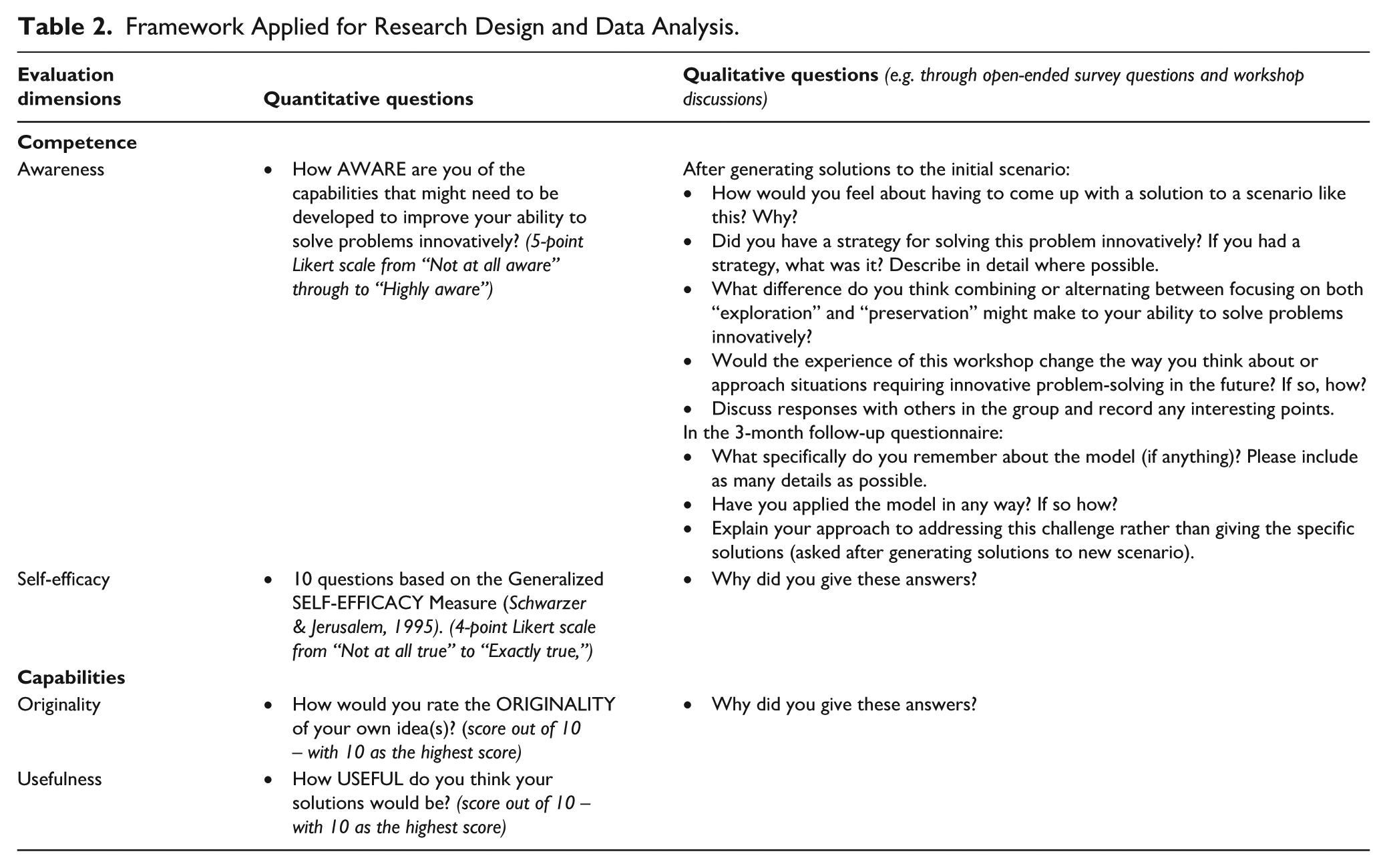
Only results directly relevant to the research question are reported in this paper, selected for their thematic salience and contribution to the study’s theoretical and pedagogical claims. A summary of the research design and procedures, including the data collection procedures for the mixed-methods study and the key questions used to gather both quantitative and qualitative data, is presented in Table 2.
Framework Applied for Research Design and Data Analysis.
Analyses of the Quantitative and Qualitative Data
The second author analyzed the quantitative data with support from the first author. When analyzing the quantitative data related to the outcomes of the innovative problem-solving workshop, the dependent variable of interest was the magnitude of change between the pretest and post-test scores, specifically: for competence, on Awareness of the skills needed for innovative problem-solving, and on Self-efficacy in innovative problem-solving; and for capabilities, on the Originality and Usefulness of the solutions produced. Our main hypothesis was that perceived competence and capabilities would increase for both groups, with a larger increase expected in the experimental group. The expected greater increase in the experimental group would be attributable to the inclusion of the innovation paradox model.
A Repeated-Measures Analysis of Variance (RM-ANOVA) in SPSS (IBM Corp., 2020) was conducted to analyze the data. The main effects for each construct (Awareness, Self-efficacy, Originality, and Usefulness) and for group (experimental vs. control) were examined. However, the primary goal of the RM-ANOVA was to test for an interaction between group (experimental vs. control) and scores (pre- and post-test) across the four constructs, suggesting that the experimental group benefited more than the control group on each measure.
The first author analyzed the qualitative data with support from the second author. Responses to the open-ended qualitative questions were analyzed in NVivo software (Lumivero, 2023) using established qualitative analysis approaches (Braun & Clarke, 2006; Ryan & Bernard, 2003). Questionnaire responses were first coded into broad Nodes within NVivo. Each Node was then examined by reviewing its Coded References, which filtered the dataset to content relevant to that topic. Case Classifications were applied to further filter these references by participant attributes, allowing patterned ideas to be compared across groups. NVivo’s automated functions such as text search queries, filtering, and classification-based grouping were used to organize and retrieve data efficiently.
Theme development, however, was not automated. Emergent themes were identified through an iterative, researcher-led interpretive process. NVivo served as a data management and coding tool, supporting the organization of transcripts, retrieval of coded segments, and execution of queries. All interpretive judgments, comparisons, and thematic decisions were made manually by the authors. In this way, NVivo augmented the analytic workflow while human researchers retained full analytic agency.
The analysis focused on the post-test open-ended questions, which aimed to identify improvements in participants’ performance across the constructs and to determine whether features of the intervention contributed to changes in thinking or perceptions. Filters were applied to each category to identify related comments, including synonyms and derivatives. The categories included awareness (9 mentions), self-efficacy (39 mentions), originality (68 mentions), and usefulness (49 mentions). Results were compiled into a summary table featuring representative verbatim comments to illustrate and elaborate on the emergent themes.
Results and Findings
Quantitative Results
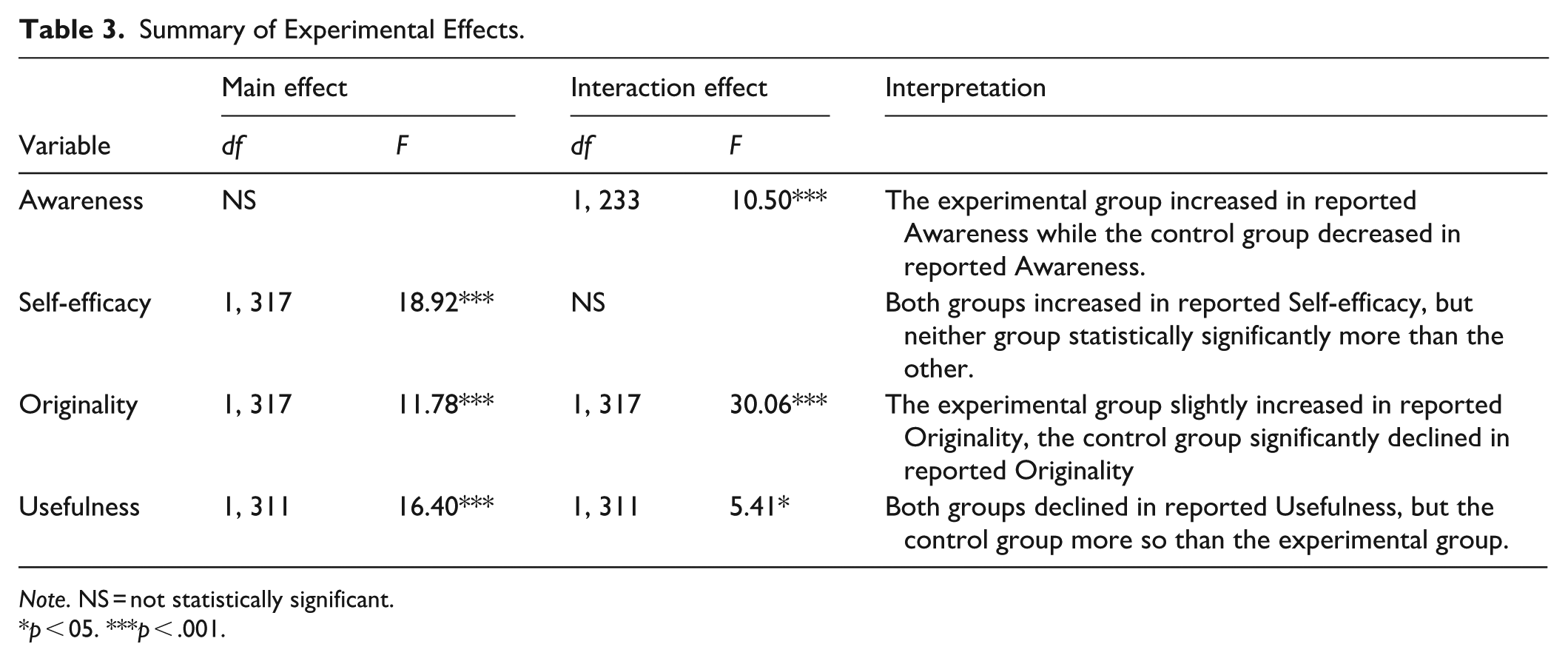
The quantitative results of the study are reported in Table 3 and Figure 2. These results show that there was a significant interaction effect favoring the experimental group on three of the four variables assessed (Awareness, Originality, and Usefulness). Both groups (experimental and control) increased in Self-efficacy. The quantitative results indicate that the intervention successfully elicited the hypothesized responses from participants, particularly the experimental group. However, the decline in both groups in perceived Usefulness of their solutions ran counter to our hypothesis. This result along with the other quantitative results, are discussed later in the paper.
Summary of Experimental Effects.
Note. NS = not statistically significant.
p < 05. ***p < .001.
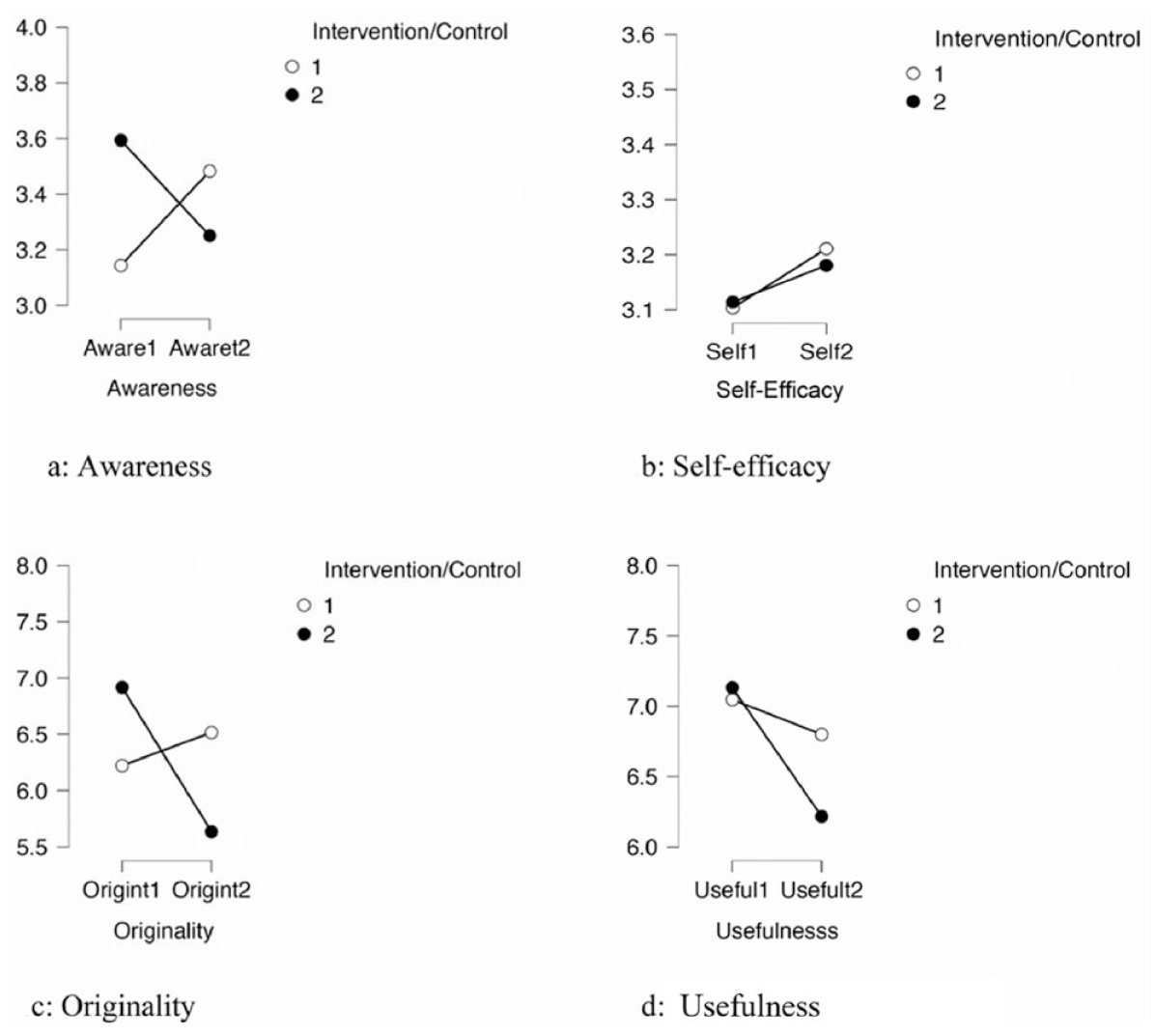
Main and interaction effects.
Qualitative Results
Awareness
The verbatim quotes from the qualitative data clearly reflected a new awareness resulting from learning about the core innovation paradox constructs (“exploration” and “preservation”). These references indicated increased awareness of the effectiveness and relevance of paradoxical thinking. In response to learning about the exploration construct, participants described becoming “more open-minded” and “widen(ing) the scope,” as well as experiencing “expanded thinking” and a “broadened approach”. Evidence supporting an awareness of the efficacy of exploration skills for generating original ideas included, “I think [the workshop] has effectively highlighted the need for. . . thinking outside the box when faced with complex challenges,” and, “I found this makes it a lot easier to solve problems more innovatively as now you can begin to be more creative and combine ideas.” In response to learning about the preservation construct, participants discussed learning to “focus,” “ensure feasibility,” and “operate safely,” as well as being “more consistent” and “more realistic.” Evidence supporting an awareness of the efficacy of preservation skills for targeted analysis and producing practical solutions included, “[The workshop] enabled me to think twice and more deeply to find more feasible solutions,” along with, “Preservation allows you to draw on skills you feel comfortable with, allowing you to operate safely and confidently . . . to identify the feasibility of ideas.” When asked how the experience of learning about the paradox approach introduced in the workshop might influence their future handling of situations requiring innovative problem-solving, participants noted the importance of having a greater awareness of ambidexterity through comments such as: “After the workshop I now know the theory behind how we think innovatively [providing] increased awareness”; and, “If we are aware of the two different approaches. . . it allows us to think more laterally (exploration), whilst also being realistic (preservation)” (relevant construct terms added in italics in brackets).
Self-Efficacy
Qualitative responses to the survey questions indicated an increase in perceived self-efficacy related to learning about the core innovation paradox constructs. For example, one participant noted, “Learning about the preserve and explore concepts . . . has boosted my confidence.” It was also clear that learning to identify the paradoxical tensions within the challenge scenario affected self-efficacy. For instance, one participant shared, “Engaging in tasks that forced me to think through an innovation lens helped my confidence in coming up with original ideas.” Participants described growing confidence in applying this new knowledge to future challenges. As one stated, “The innovative problem-solving technique opened up my mind to different ways of problem-solving and boost(ed) my confidence when facing an issue.” Another remarked, “After learning about the preserve and explore concepts, it has boosted my confidence and made me more aware of ways to solve problems innovatively.”
Originality
Participants’ evaluations of their solutions indicated that they learned to generate more original and creative ideas, resulting in a clear shift from predictable to more inventive solutions. For example, when faced with a scenario in which they couldn’t contact a colleague for information needed for an important project deadline, participants noted a move away from routine responses that didn’t directly address the problem, such as “wait for the colleague to return” to more innovative approaches such as “use technologies and AI to assist with the project,” and “refer to similar past cases/projects.” Participants also credited the increased originality of their ideas to the workshop tool introduced as noted in their comments, for example, “This workshop gave me another tool to use when trying to ideate and come up with innovative and creative solutions.” Some participants reported that their prior struggles with originality and with developing new strategies had been partially overcome by participation in the workshop, as in the comments: “I tend to lean toward solutions that I deem to be feasible. I have learned to be more open to a wider range of solutions to expand my options”; “I [usually think] about what would be a more effective solution. But I started to think about how I can creatively solve the problem,” and; “Helps to think of possible paradigms and diminishes the mindset that an idea is ‘too crazy’ or too ‘unfeasible’ from the get-go.”
Usefulness
Qualitative comments indicated that participants learned to identify and produce useful (feasible, viable, practical) solutions through the innovation paradox model, particularly the preservation construct. For example: “When we then have a clear overview of solutions, their effectiveness and issues, we can start solving for the issues that are most feasible and will yield the best result”; “Creative ideas may be novel but may not be useful and implementable. So, I think we need to . . . be ‘preserving’ when we land the ideas,” and; “Sometimes maybe I will not be realistic enough to solve the problem itself.” Key strategic factors participants identified that supported the production of more practical and useful outcomes included: “Being aware of the parameters that control the situation helps in developing the possible solutions”; “[A solution must] be feasible and fit with all the objectives. You can’t present a solution that on the surface sounds great but has many underlying issues,” and; “Having a lot of ideas without thinking realistically is the same as not having a solution. Keeping yourself logical and realistic in your innovative ideas will create better decision-making.”
Further Findings Regarding the Intervention
Evidence for the effectiveness of the pedagogical approach is provided by several verbatim quotes from qualitative data, particularly regarding the experience of paradoxical tensions and exposure to the core innovation constructs through a paradox pedagogy (for developing competence), along with engagement and extension in the practice of ambidexterity (for developing capabilities). The qualitative data provided insights into how participants recognized that the learning environment and resources offered useful principles, strategies, and tools to facilitate ambidexterity for innovative problem-solving. Evidence of the impact of the learning environment and the introduced worksheet tool on the participants’ ability to prepare for and apply ambidexterity in practice emerged from their clear references to the principles that shaped the pedagogical design.
(i)
(ii)
We identified this new area of competence that emerged through the pedagogical process as a reflexive agility mindset, which demonstrates how participants learned to recognize, reflect on, and relate to ambidexterity.
2.
(i)
(ii)
We identified this emergent new area of capability as adaptive integration practices, as they reveal how participants could learn to assess, adapt, and activate ambidexterity.
3.
(i)
(ii)
These qualitative findings collectively demonstrated the ability to maintain the reflexive agility mindset and to continue applying the adaptive integration practices over the long term. Figure 3 shows how the data analysis was structured to identify these key immediate and longer-term findings and the emergent phenomena related to developing an ambidextrous mindset and behaviors.
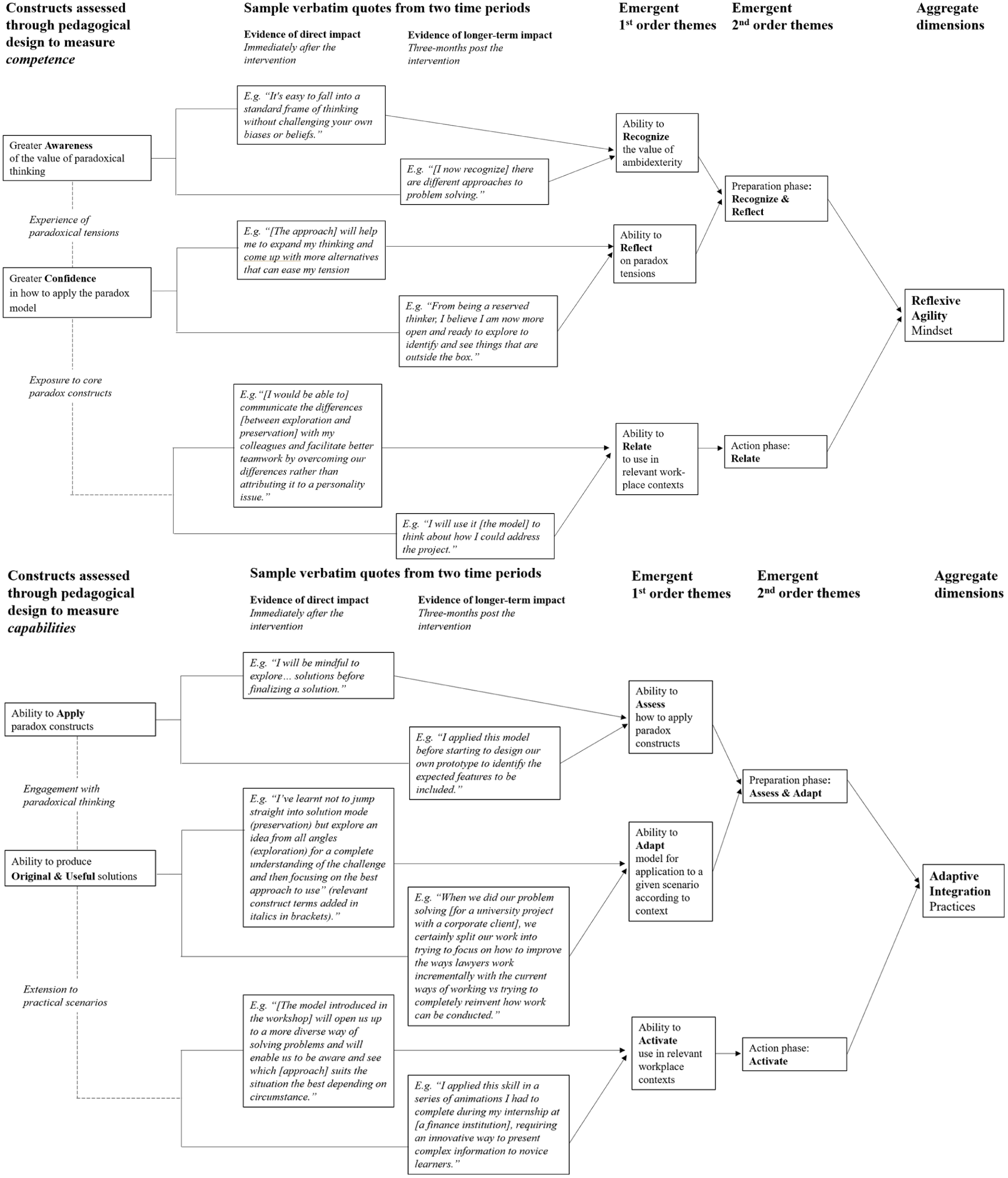
Representation of the data structure that enabled the identification of the emergent phenomena.
The quantitative data also reinforced the impact and long-term effectiveness of the paradox pedagogy model introduced during the workshop, as reported in the results of the three-month follow-up survey. Participants in the intervention group reported significantly greater cognitive and behavioral change than those in the control group, with strong recall and application of the model evident even three months later. These quantitative findings are presented in Table 4, with visual interpretations in Figures 4 and 5.
Summary of Participant Responses on the Effectiveness and Recall of the Paradox Pedagogy Model.
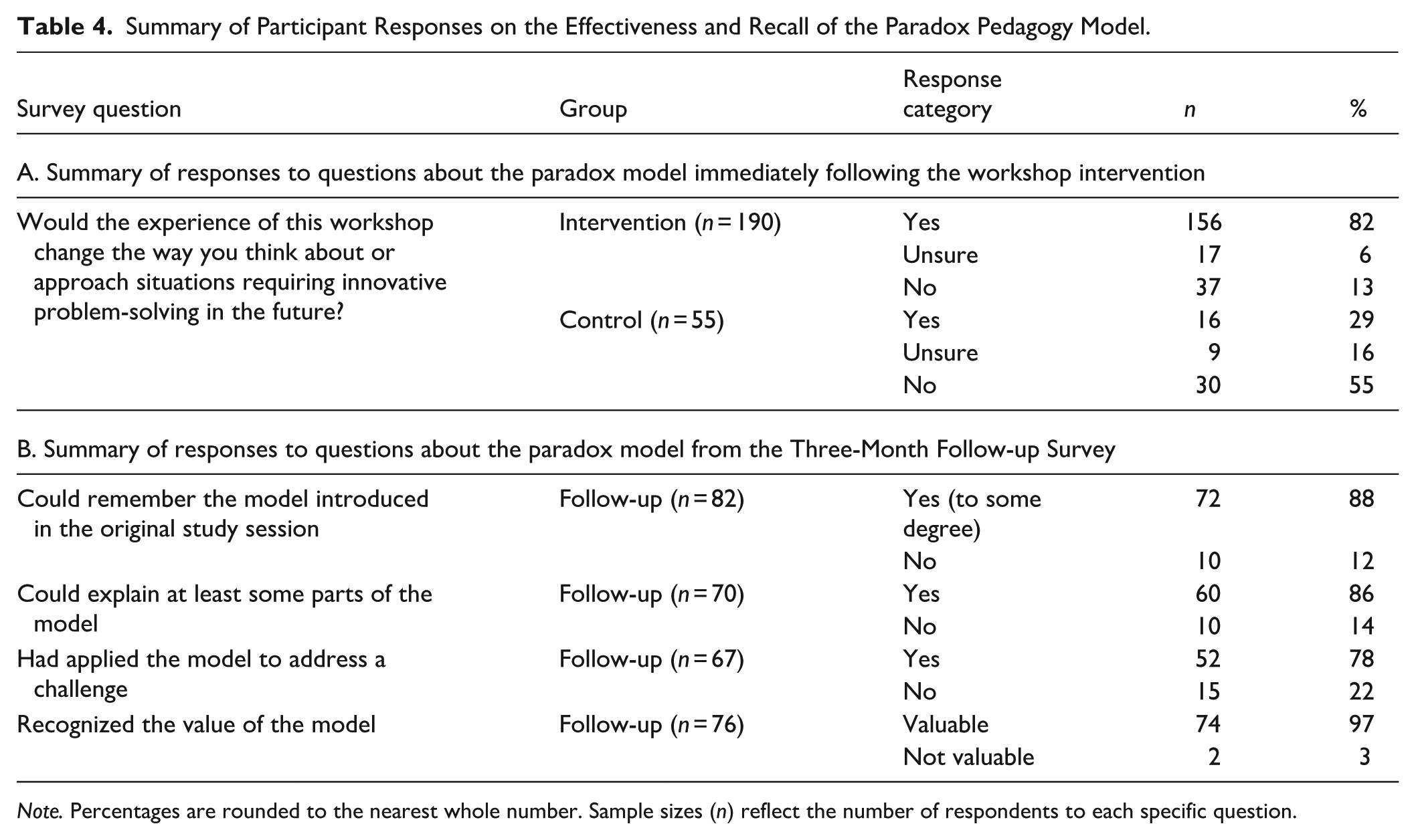
Note. Percentages are rounded to the nearest whole number. Sample sizes (n) reflect the number of respondents to each specific question.
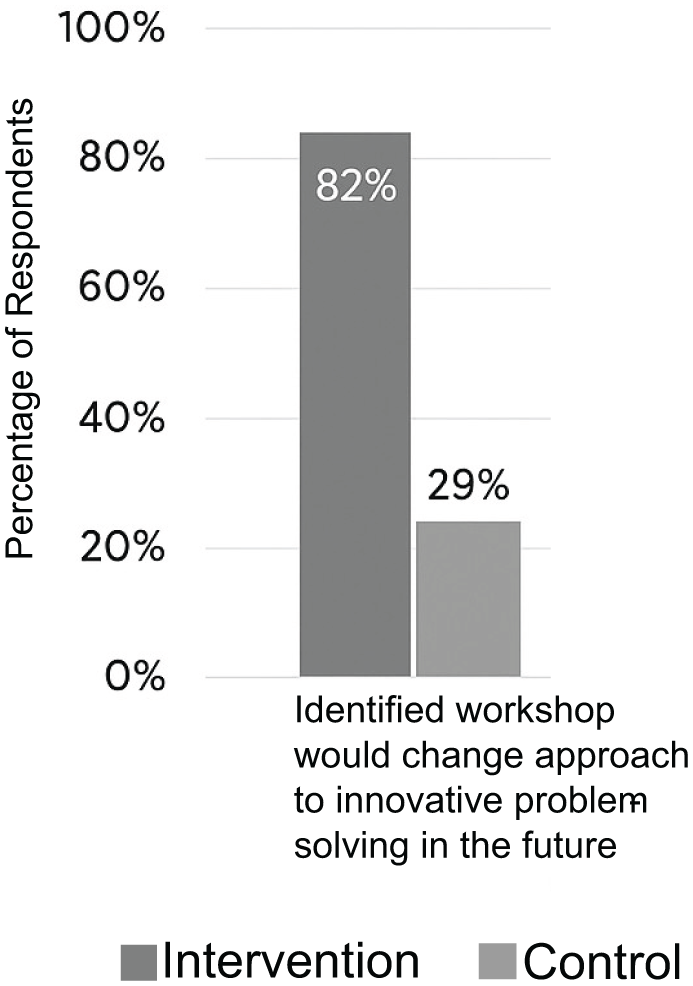
Summary of responses to questions about the paradox model immediately following the workshop intervention.
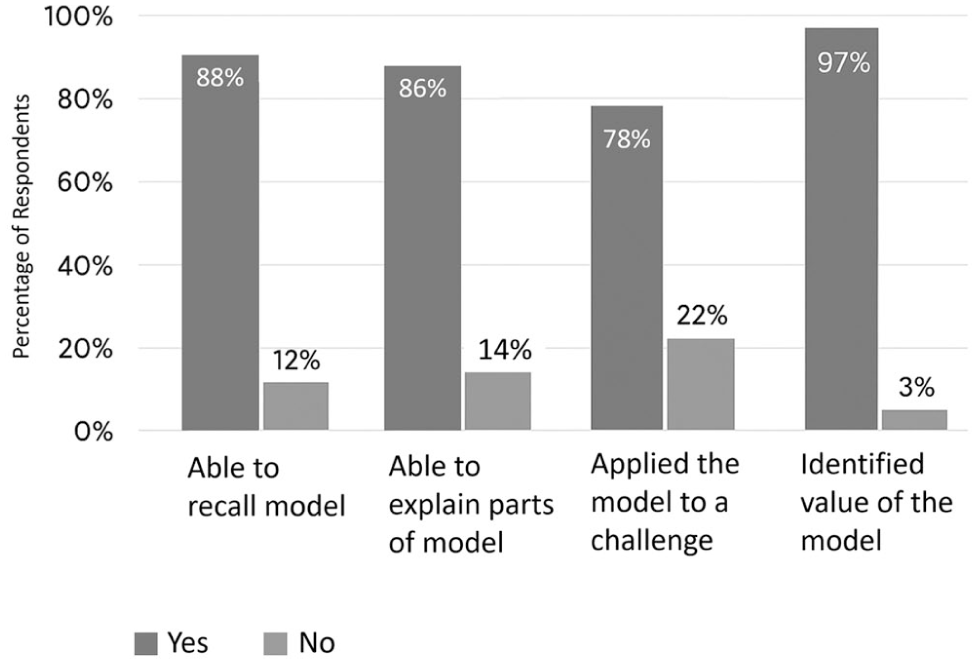
Summary of responses to questions about the paradox model from the Three-Month Follow-up Survey.
These results suggest that the paradox pedagogy model not only enhances immediate engagement but also fosters sustained learning and practical application across a range of contexts. The positive responses across multiple measures affirm the model’s efficacy as a tool for innovative problem-solving.
Discussion
This study examined how a paradox pedagogy can cultivate ambidexterity for innovative problem-solving in management education. By integrating paradox principles into a structured learning experience, we demonstrated that students can develop both the cognitive readiness and behavioral flexibility required to navigate competing innovation demands. The findings clarify how competence and capabilities in ambidexterity develop, which pedagogical mechanisms enable it, and why our paradox pedagogy offers a distinctive contribution to innovation education. In doing so, the study responds to long-standing calls for more intentional, evidence-based approaches to teaching paradoxical thinking in business schools.
The paradox pedagogy model we designed and tested titled “Developing Ambidexterity for Innovative Problem-Solving” is illustrated in Figure 6, with further details on how our analysis informed the design of this model following.
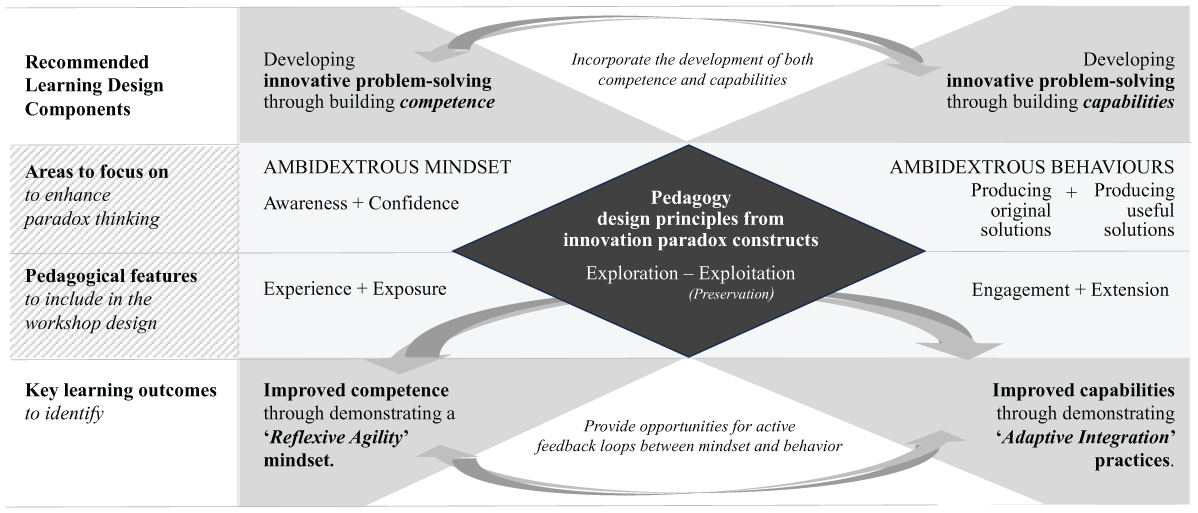
Paradox pedagogy model – Developing Ambidexterity for Innovative Problem-Solving.
Developing Ambidextrous Competence: Building Mindset and Cognitive Readiness
The paradox pedagogy strengthened students’ competence in ambidexterity by enhancing their awareness of innovation tensions and their confidence in navigating them.
Increased awareness was evident as a result of experience with paradoxical tensions and exposure to core innovation paradox constructs, which enabled the students to recognize and interpret competing demands and shift from single-lens to dual-lens thinking. This aligns with research showing that awareness develops through reflection on new knowledge and the integration of unfamiliar information into existing schemas (Flavell, 1979), and our findings provide empirical support for this process. In our study, students described how the intervention helped them “be aware,” “ease tension,” and “become more ambidextrous in thinking,” indicating a meaningful shift in mindset and cognitive framing.
Self-efficacy also increased, consistent with prior work demonstrating that confidence grows when learners are taught structured approaches for tackling complex problems (Liu et al., 2023). The rise in self-efficacy in both the experimental and control groups suggests that business students’ confidence may naturally increase over time through additional coursework or increased practice and experience. These results may also indicate that reflecting on how to approach challenging situations enhances confidence, regardless of the specific intervention employed. The qualitative evidence also revealed, however, that the paradox-focused activities uniquely deepened students’ confidence by providing a vocabulary and structure for understanding and managing tensions. Students in the experimental group described how learning to “think through an innovation lens helped my confidence,” particularly “when facing an issue.” Confidence in applying this new knowledge to future challenges suggests that the paradox pedagogy supported a qualitatively different form of confidence: one grounded in the ability to navigate competing demands rather than simply feeling more capable in general.
These findings illuminate the cognitive processes and mindset shifts underlying our concept of reflexive agility – a mindset characterized by recognizing paradoxical tensions, reflecting on the implications, and relating paradox constructs to practical situations. We found that reflexive agility involves both a preparation phase (recognizing and reflecting on tensions) and an action phase (relating paradox constructs to prepare for application in real scenarios), offering a more granular account of how an ambidextrous mindset develops.
Developing Ambidextrous Capabilities: Applied Performance
The paradox pedagogy also supported the development of capabilities, as evidenced by the ability to generate both original and useful solutions in unfamiliar contexts. The intervention encouraged learners to move fluidly between divergent and convergent thinking, expanding the range of ideas they considered while also evaluating feasibility.
For originality, quantitative gains were supported by qualitative data, with students producing more original solutions after the intervention and reporting greater “confidence in coming up with original ideas.” Students also described learning a practical tool “to use when trying to ideate and come up with innovative and creative solutions.”
Evidence of an increase in the usefulness of ideas generated was more nuanced. While qualitative data indicated that students became more attuned to the practical relevance of their ideas, quantitative measures showed a slight decline in perceived usefulness. This pattern could suggest that as students become more aware of the complexities of innovative thinking and problem-solving, they may also become more critical of their own ideas. Rather than signaling a failure of the intervention, this shift could reflect a more discerning evaluative stance, which is an important component of ambidextrous capability. The paradox pedagogy may have helped buffer against a sharper decline by equipping students with tools to integrate creative and practical considerations.
Together, these findings illustrate how students began to enact adaptive integration – which we identify as the capability to switch between exploration and preservation strategies and to integrate insights into workable solutions. This dynamic interplay between creativity and practicality is central to innovative problem-solving. We found that adaptive integration involves a preparation phase (assessing and adapting paradox principles to a specific context) and an action phase (activating paradoxical thinking to produce original and useful solutions), providing a detailed account of how ambidextrous capabilities emerge.
Pedagogical Mechanisms That Enable Ambidexterity
The study identified four pedagogical features that collectively cultivate ambidexterity: experience, exposure, engagement, and extension. These features operated in sequence to support the development of both competence and capability.
Two features were identified as cultivating ambidextrous competence: experience and exposure. Experience with paradoxical tensions surfaced habitual assumptions and made competing demands visible, as students described moments of discomfort and surprise when they encountered tensions they had not previously recognized. Exposure to paradox constructs provided a conceptual scaffold for interpreting tensions (as demonstrated by naming and framing them) as students gained a vocabulary for understanding and discussing paradoxical dynamics.
Two additional features were identified for developing ambidextrous capabilities: engagement and extension. Engagement with structured tools and activities enabled students to practice alternating between divergent and convergent approaches – since worksheets, guided exercises, and scenario-based tasks helped students operationalize paradox principles. Extension into realistic scenarios supported transfer, helping students apply paradox principles across contexts – as students reported using the paradox model in internships, group projects, and workplace challenges. This demonstrated the transferability of the learning.
Together, these features show that ambidexterity develops through intentional sequencing: making tensions visible, framing them conceptually, enabling guided practice, and supporting application. This sequencing moves paradox pedagogy beyond abstract discussion toward a replicable, evidence-based approach to teaching innovative problem-solving.
The Recursive Feedback Loop Between Reflexive Agility and Adaptive Integration
The interrelationship we identified between the two emergent ambidextrous processes, reflexive agility and adaptive integration, clarifies how students internalize paradoxical thinking. These processes form a recursive feedback loop. Reflexive agility prepares learners for innovative problem-solving by helping them approach problems with openness, curiosity, and cognitive flexibility. It enhances their ability to enact adaptive integration. Adaptive integration enables learners to apply paradoxical thinking and generate solutions that are both original and useful, thereby reinforcing and deepening cognitive capacity and mindset.
This dynamic interplay challenges static linear models of learning and offers a more dynamic account of how competence and capability evolve over time in paradoxical contexts. The recursive loop reflects a Hegelian process in which mindset and behavior continually shape one another. Through this process, learners first recognize and reflect on tensions then relate paradox constructs to practical scenarios. They assess and adapt these constructs to specific contexts before activating them to produce solutions. This cyclical movement illustrates how paradoxical thinking becomes internalized and sustained.
Evidence from the three-month follow-up survey reinforces this interpretation. Students reported continued use of the paradox model in new contexts, describing how they applied the dynamic interplay between reflexive agility and adaptive integration to workplace challenges, team conflicts, and strategic decision-making tasks. This longitudinal insight highlights the durability and transferability of the pedagogical model.
Figure 7 shows a diagram of the components of this recursive feedback loop and how we found it functions. Overall, we found that the pedagogical approach equips participants with practical models and resources to effectively develop ambidexterity.
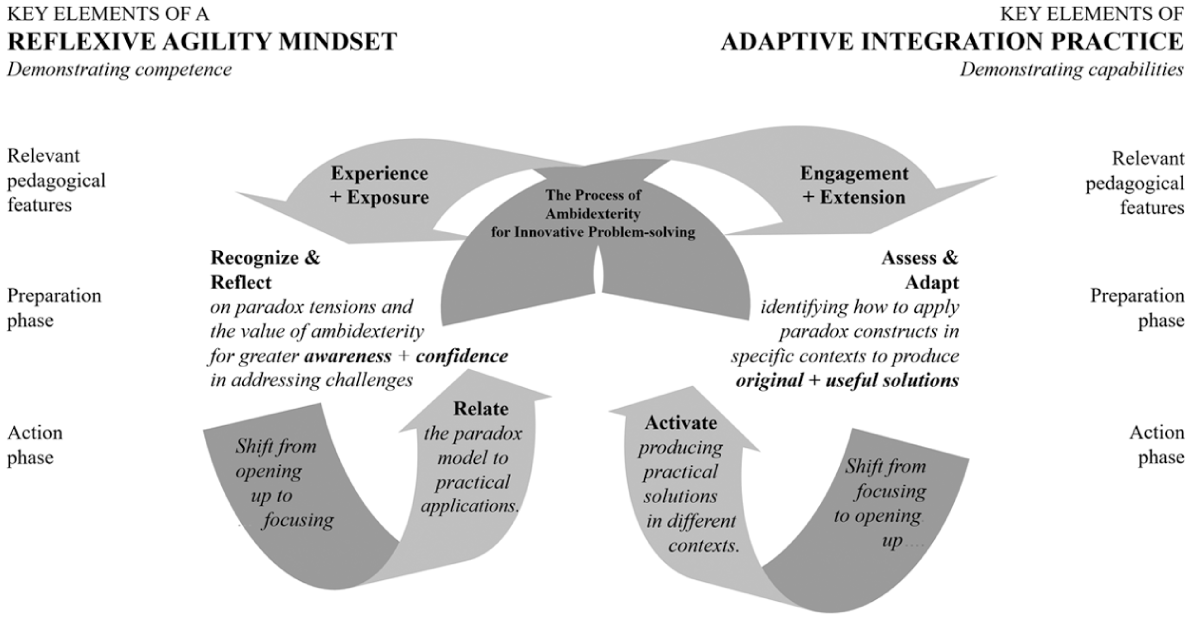
Details of the active feedback loop between mindset and behavior required for ambidexterity in innovative problem-solving.
Contributions to the Literature
This research advances management education by demonstrating how a paradox pedagogy can intentionally cultivate ambidexterity for innovative problem-solving – which is recognized as increasingly essential for navigating complex and uncertain environments. Three key contributions to the literature emerge.
First, the study advances management education theory by responding to long-standing calls to embed paradoxical thinking in business schools (Khan et al., 2025; Schad et al., 2016; Tjemkes et al., 2025). It provides an evidence-based pedagogical model that intentionally develops the competence and capabilities required for innovative problem-solving through the scaffolding of experience, exposure, engagement, and extension. It thereby offers a scalable and actionable approach for preparing students to navigate complexity and generate original and useful solutions to challenges.
Second, we clarify how an ambidextrous mindset and related behaviors can be developed in this context. While prior work emphasizes the value of a paradox mindset (Khan et al., 2025; Miron-Spektor et al., 2018), there is limited guidance on how to cultivate it. Our model identifies the developmental pathways underlying this process as reflexive agility (competence) and adaptive integration (capability), offering a detailed account of the micro-processes through which paradoxical thinking develops and providing educators with a structured approach for teaching ambidexterity for innovative problem-solving. We extend understanding of how competing innovation demands can be pursued simultaneously (Knight & Harvey, 2015; Lin et al., 2013) in management education through a practice of rapid switching between exploration and preservation activities, and we unpack the mechanisms through which learners can alternate between poles and integrate insights into solutions that are both original and useful. This moves ambidexterity from a conceptual ideal to a teachable practice, offering management educators a concrete method for helping students enact paradox rather than merely discuss it.
Third, we contribute to debates challenging static or linear views of paradox mindset and behavior (Griffin et al., 2022; Zheng et al., 2018) by identifying the interrelationships within the dynamic microfoundations of paradox management in innovation contexts. The recursive interaction between reflexive agility and adaptive integration illustrates how ambidextrous mindset and behavior co-evolve through preparation and action phases, offering a detailed account of how paradoxical competence and capability develop over time and addressing calls for more dynamic models of paradox learning.
Implications for Management Education
The findings demonstrate that paradox pedagogy offers a practical and theoretically grounded approach to developing the ambidextrous competence and capabilities required for innovative problem-solving. Building on the emergent processes of reflexive agility and adaptive integration and on the interrelationship between them, three pedagogical implications follow.
First, innovation education must balance competence and capability development. Paradox thinking, and in particular ambidexterity, develops through deliberate attention to both mindset and behavior. Students benefit from learning experiences that cultivate cognitive readiness and build competence, which requires awareness of tensions and confidence in navigating them, thereby supporting the development of reflexive agility as a mindset. They also need opportunities to apply paradox principles in practice to generate original and useful solutions, strengthening adaptive integration practices. This combination supports deep behavioral change and prepares students to engage with complexity rather than avoid it. Designing curricula that intentionally integrate both dimensions ensures that learners develop the mindset and the performance skills needed for innovative thinking and problem-solving.
Second, embedding core paradox principles into the general pedagogical design enables students to internalize ambidexterity as a dynamic practice. Learning through experience and exposure to paradox principles will help develop an ambidexterous mindset. This requires appropriate reflective activities, conceptual framing, and structured noticing to identify and interpret competing demands. Learning through engagement with ambidexterity along with the opportunities to extend and apply the principles to a range of scenarios through targeted exercises will encourage students to both assess the paradox principles required and adapt them across varied contexts. Activities that require divergent and convergent thinking, macro and micro perspectives, creative exploration and pragmatic evaluation, and collaborative and independent work help students experience and integrate opposing approaches. Building ambidexterity into these learning activities supports deep behavioral change and prepares students to engage with complexity rather than avoid it. Streamlining these activities into a coherent learning sequence can enhance the accessibility and teachability of paradoxical thinking.
Third, designing for feedback loops strengthens the connection between mindset and behavior. Realistic, complex scenarios that require iterative movement between exploration and preservation reinforce the recursive relationship between reflexive agility and adaptive integration. Embedding these loops into coursework enhances students’ ability to transfer paradoxical thinking across contexts and over time. These feedback loops can be most effectively embedded into the learning design by ensuring a deliberate shift in learning modes. The first shift involves a transition from opening up thinking through recognition and reflection, to focusing on how to relate the paradox model to practical situations to prepare for innovative problem-solving in practice. The second shift involves a transition from focused assessment and adaptation in practice, to providing the opportunity to open up thinking again by applying the model in new contexts. Clarifying these transitions helps create a structured cycle that deepens student’s capacity to develop and connect ambidextrous mindset and action.
Together, these implications offer management educators a clear, evidence-based pathway to prepare students to embrace complexity and generate innovative and practical outcomes.
Limitations and Future Research
Several limitations present opportunities for further inquiry. The repeated scenario may have heightened students’ critical evaluation of their ideas, potentially contributing to the decline in perceived usefulness despite qualitative evidence of improved evaluative judgment. Future studies could introduce new scenarios at each stage of data collection and incorporate peer or external ratings to complement self-reports.
The quasi-experimental design and reliance on a single institutional context also limit generalizability. Research across different cultural, disciplinary, and professional settings would help assess the broader applicability of reflexive agility and adaptive integration. Additionally, treating self-efficacy as an independent variable may deepen understanding of how perceived competence shapes the development of ambidextrous capabilities.
Further work could also explore additional pedagogical features that support paradoxical thinking, examine long-term behavioral outcomes beyond three months, and investigate how paradox pedagogy interacts with other experiential learning approaches.
Conclusion
This research developed and evaluated a paradox pedagogy model that enhances the competence and capabilities required for ambidexterity in innovative problem-solving. By identifying the processes of reflexive agility and adaptive integration along with four pedagogical features that enable them, the study provides actionable guidance for educators seeking to equip students to navigate competing demands with confidence and creativity. The findings demonstrate that paradox pedagogy offers a robust, evidence-based approach for preparing future leaders to engage productively with complexity and drive innovative outcomes.
Footnotes
Appendix A
Workshop Outline and Script.

| 1. Participant information document: Shared on screen & pdf provided Consent form: https://sydney.au1.qualtrics.com/jfe/form/SV_0vnp9QBN2qMx3D0 |
|
| 2. This section of the session includes both quantitative and qualitative questions to assess self-perceptions of competence and capabilities. The initial questions focus on the dimensions of competence: awareness and self-efficacy. Participants respond to a problem-solving scenario designed to create contradictions and evoke paradoxical tensions while exploring innovative solutions (Lewis & Dehler, 2000). They are then evaluated on capability dimensions, including the perceived originality and usefulness of their solutions. |
|
|
|
- Region, role, gender etc • Question regarding awareness of what skills are required for innovative problem-solving: How aware are you of the capabilities that might need to be developed to improve your ability to solve problems innovatively? (5-point Likert scale from “Not at all aware” through to “Highly aware”) • Question regarding source of skills required for innovative problem solving: Where did you learn your skills from? (six options provided including: 1 = University, 2 = Work experience, 3 = Self-learning, 4 = From a combination of the above, 5 = I have no experience or skills, 6 = Not sure) Initial pre-intervention Self-efficacy measure questions (4-point Likert scale from “Not at all true” to “Exactly true,” Schwarzer & Jerusalem, 1995). • I can always manage to solve difficult problems if I try hard enough |
| • If someone opposes me, I can find the means and ways to get what I want
|
|
|
|
|
|
|
|
|
|
|
|
|
|
| come from recognizing your strength and challenge areas and deliberately developing these. Focusing on both sides is known as being “ambidextrous.” If you only “explore” you might come up with great creative ideas but you may not be able to ground them or follow through on them. If you only “exploit” or “preserve” you may be able to take a safe and reliable approach that provides long term stability, but you may be too unoriginal or inflexible. Most of us have our personal biases or preferences for one orientation or the other. What do you think your personal preference is based on your responses to the questions? Becoming more ambidextrous is about becoming more competent, confident and agile – to be able to stretch in your more challenging areas and shift quickly if and when needed. At the very least it is important to be aware of your strengths and weaknesses and, if necessary, to ensure you work well in a team with complementary capabilities.
|
|
|
|
|
|
|
|
|
|
|
|
|
|
Appendix B: Video Script
Are you interested in learning about a strategy for solving problems more innovatively and effectively?
I am going to introduce you to a tool for innovative problem solving – or coming up with original ideas to address challenges. This “extend” model involves adopting an ambidextrous mindset, which means looking for solutions based on both incremental small adjustments as well as breakthrough new thinking.
This video will cover how to start thinking in these two modes to address challenges more effectively. First, you will learn how to think in PRESERVE mode – which is developing “inside the box” ideas – stretching and adapting current concepts for incremental change. Next, you will learn how to think in EXPLORE mode – which is developing “outside the box” ideas – breaking the paradigm and changing the parameters for breakthrough new solutions. You will hopefully be surprised to consider how differently you can start thinking about a challenge when you are given the tools to extend your problem-solving skills.
I will explain how to really stretch your thinking and to generate potential solutions in this way using this tool by giving you an example to start with. I want you to imagine that you are a keen rower, and you want to buy a car that will transport your rowing boat to the river. The challenge is that you can’t afford a car large enough. So the problem question would be something like: “How can I transport my boat to the river when I don’t have the budget to pay for a car the right size?”
The first thing you do is break the problem down into the key words. In this case the key words might be: “river,” “budget,” “car”, and “size.” You can then use the worksheet template to write these key words in the left column as shown.
So with our example, you could start generating ideas by focusing on the first key word “boat”:
Appendix C: Innovative Problem-solving Worksheet
Appendix D: Three-Month Follow-up Survey Questionnaire
Does being reminded about this model impact your thinking about innovative problem-solving in any way? (Please select the relevant number):
Why did you give this answer?

Funding
The authors received no financial support for the research, authorship, and/or publication of this article.
Declaration of Conflicting Interests
The authors declared no potential conflicts of interest with respect to the research, authorship, and/or publication of this article.