




Abstract
The discipline of social work has emphasized the necessity of methodological robustness and evidence-based practice in recent decades. Peer-reviewed journals are crucial in this intellectual and professional development as the main forum for information sharing, professional discussion, and cumulative research. The journal Research on Social Work Practice (RSWP), which has been published by SAGE since 1991, is one of the leading publications dedicated to developing social work knowledge, and it is based on evidence from empirical studies.
RSWP evolved to promote the community of social work practitioners, educators, and scholars committed to strengthening the empirical foundation of social work practice and policy (Thyer, 1991). It has produced extensive empirical studies, methodological advancements, intervention assessments, and practice-based evidence reviews. Its emphasis on methodological soundness and therapeutic relevance has positioned it as a critical journal at the intersection of research and practice.
Tague-Sutcliffe (1992) defines bibliometric analysis as a systematic and quantitative tool for analyzing academic exchange, identifying trends in publication and citation, identifying key contributors, and mapping a discipline's intellectual structure and evolution. Citation analysis, co-authorship networks, keyword co-occurrence, and institutional productivity are some of the basic bibliometric techniques of inquiry that offer an in-depth understanding of how knowledge is created and spread within the field.
Holden et al. (2010) conducted a bibliometric analysis of RSWP covering its first decade (1991–2000), discovering that articles published in the journal were cited within a median of 2 years, with most articles receiving a modest number of citations during the first 6 years post-publication. According to their findings, citation frequency was positively correlated with several structural characteristics, including article length and reference count, and RSWP publications had a quantifiable influence on the field.
There have not been any comprehensive bibliometric studies on RSWP conducted since the first decade. Given the rapid advancements in digital databases, collaborative research methods, scientific publishing, and the increasing demand for multidisciplinary participation, a new and thorough bibliometric analysis of the journal is both relevant and necessary.
This study undertakes a comprehensive bibliometric analysis of RSWP over the 25-year period from 2000 to 2024. It aims to systematically document and critically assess the journal's publication trends, citation impact, collaborative authorship patterns, thematic evolution, and overall scientific influence. By building upon and extending the earlier work of Holden et al. (2010), this analysis provides a longitudinal perspective on the development of empirical social work literature as reflected in one of the field's leading peer-reviewed journals. The findings provide vital insights into the method by which RSWP has helped shape the intellectual and methodological landscape of social work research, as well as indicating emerging issues and potential avenues for development in the field.
Objectives
This study pursues the following objectives: (a) to analyze publication and citation trends in RSWP (2005–2024); (b) to identify the most productive authors, institutions, and countries; (c) to highlight highly cited articles and patterns of collaboration; (d) to examine key research themes using keyword co-occurrence analysis; (e) to trace the thematic evolution of the journal over time; and (f) to propose future research directions that can advance social work practice.
Methodology
This study adopts a bibliometric approach to analyze the scholarly evolution and thematic development of the RSWP journal over a 20-year period (2005–2024). Bibliometric methods, rooted in library and information science (Broadus, 1987), are widely used for objectively analyzing large volumes of scholarly output. This approach helps identify publication trends, research impact, collaboration patterns, and conceptual structures in a given field.
Data Source and Retrieval
The bibliographic data for this analysis were retrieved from the Web of Science (WoS) Core Collection, a reputable and comprehensive database of peer-reviewed scientific literature. The search was limited to publications from the journal RSWP for the period 2005–2024. We retrieved 1,783 records from WoS (2005–2024) classified under various document types. While the majority were research articles and reviews, the dataset also included some nonresearch materials such as book reviews, editorials, corrections, biographical notes, and retractions. The dataset was downloaded in BibTeX format, including metadata such as publication titles, authors, affiliations, source titles, abstracts, keywords, and citations.
Analytical Tools and Techniques
The analysis was conducted using the Bibliometrix R package (Aria & Cuccurullo, 2017) within RStudio, along with its web based interface Biblioshiny, which enables interactive and user friendly exploration of bibliometric data. Two core bibliometric techniques were applied: performance analysis and science mapping, in accordance with established best practices (Donthu et al., 2021; Zupic & Čater, 2015)
The performance analysis component of this study focused on measuring the productivity and scholarly impact of publications in RSWP. Key indicators examined include annual scientific production, total citations (TC), citations per publication (TC/P), the most productive and most cited authors, leading contributing institutions and countries, as well as the most cited articles. In addition, authorship patterns were analyzed to identify trends in sole-authored versus co-authored works, highlighting shifts in collaboration over time. Complementing this, science mapping techniques were employed to explore the journal's intellectual and thematic structure. This involved keyword co-occurrence analysis to identify conceptual clusters and major research themes within the journal. Furthermore, thematic evolution mapping was conducted across four time periods 2005–2009, 2010–2014, 2015–2019, and 2020–2024 to track the development and transformation of research topics over the two decade span.
Performance Analysis
Publication and Citation Structure
The publication and citation structure of the RSWP journal over the last two decades has revealed (Table 1) a consistent and evolving intellectual space. The journal consistently published between 75 and 98 articles each year from 2007 to 2021, showing its steady growth and reliable contribution to research. In 2024, the number of publications jumped to 126, which might suggest the journal expanded its focus or changed its publishing strategy. The journal's total citations were highest in the earlier years, especially in 2008 and 2009, showing that articles from that time had a strong and lasting impact. However, more recent years, particularly 2023 and 2024, show a sharp decline in total citations per publication (TC/P), which is a common temporal lag effect because new publications typically take time to accumulate citations. A clear trend is observed in authorship patterns, where sole-authored publications (SAP) have steadily declined, dropping to single digit figures in the most recent years, while co-authored publications (CoAP) have increased significantly, reaching 117 in 2024. This shift reflects a broader move towards collaborative and interdisciplinary research. Additionally, the proportion of publications cited (PPC) remained high often above 0.70 throughout most years, suggesting wide visibility and engagement, although it declined to 0.46 in 2024 due to the recency of publications.
Publication and Citation Structure of RSWP.
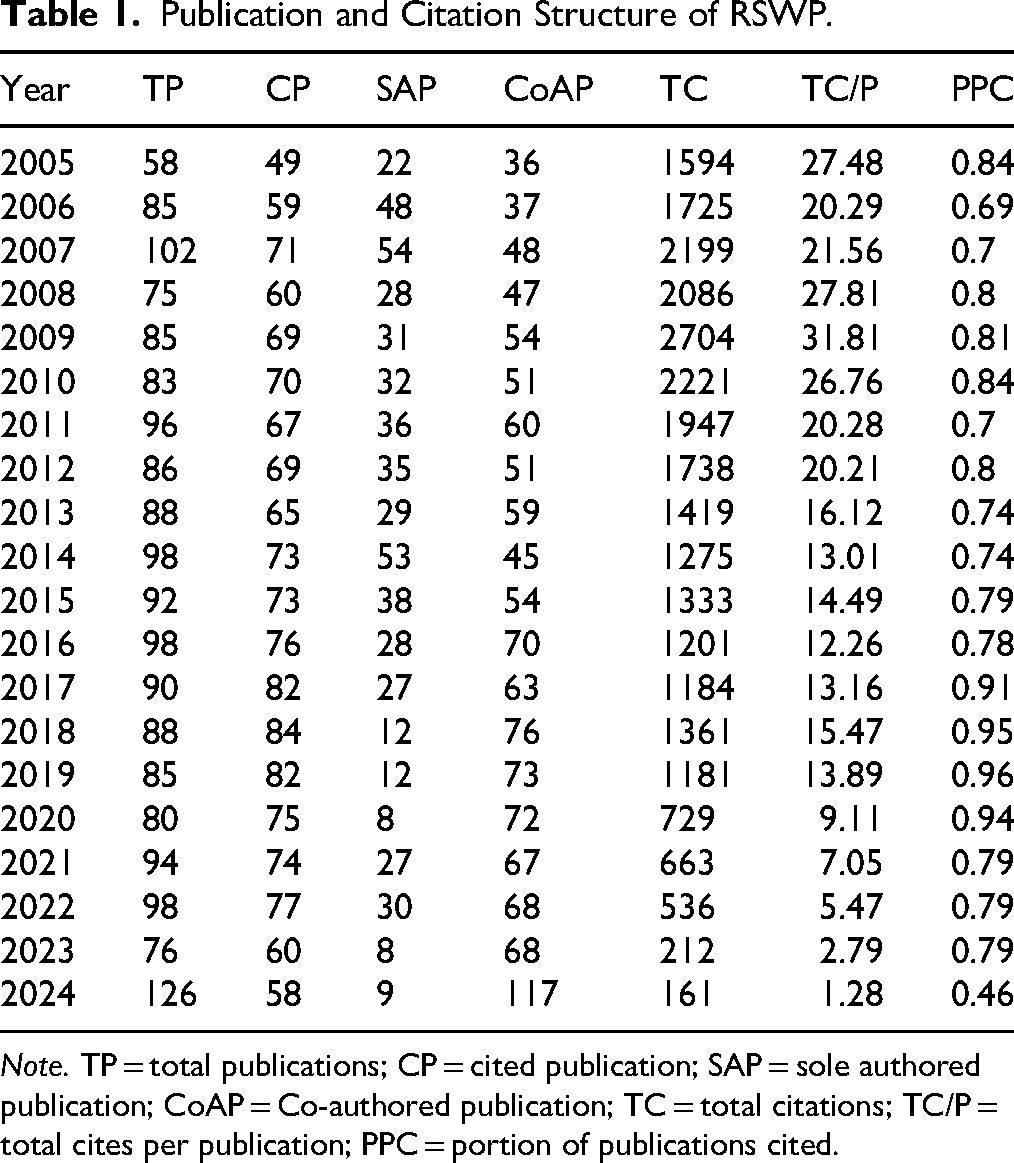
Note. TP = total publications; CP = cited publication; SAP = sole authored publication; CoAP = Co-authored publication; TC = total citations; TC/P = total cites per publication; PPC = portion of publications cited.
Most Cited Article
An analysis of the most cited articles in RSWP underscores the journal's strong contribution to foundational, evidence-based, and practice-oriented research in social work (see Table 2). The article “Core Implementation Components” by Fixsen et al. (2009), which has garnered 747 citations and an average of 46.69 citations per year, is recognized as a foundational work in implementation science. It provides an essential framework for structuring and applying evidence based programs within social service contexts. Following closely is “A Meta Analysis of Motivational Interviewing” by Lundahl et al. (2010), with 662 citations, indicating the field's significant interest in therapeutic approaches and client-centered interventions. Dearing's (2009) application of Diffusion of Innovation Theory, with 307 citations, underscores the critical role of theoretical models in guiding program development and adoption. A notable trend among the most cited works is their methodological robustness, particularly in meta-analyses, psychometric validations, and implementation strategies. Articles such as MacKinnon (2011), which examined mediators and moderators in research design, Liebenberg et al. (2012), which validated the CYRM-28 resilience measure, and Powell et al. (2014), which reviewed implementation strategies in mental health services, further illustrate the journal's commitment to methodological rigor and practice relevance. Thematic focuses on implementation science, mental health interventions, youth resilience, and culturally validated tools reflect RSWP's responsiveness to both academic inquiry and practical needs. Overall, an examination of the most frequently cited articles reveals that numerous high impact contributions advance conceptual frameworks and methodological models that have facilitated subsequent empirical research. For instance, MacKinnon (2011) elucidated mediation and moderation frameworks that are pivotal to causal analysis, Liebenberg et al. (2012) validated the CYRM-28 within the context of resilience theory, and Powell et al. (2014) synthesized implementation strategies that effectively bridge research and practice. Based on this analysis, specifically by scrutinizing the nature and function of these high-impact works, we interpret these contributions as exemplifying theoretical and methodological depth that has significantly influenced subsequent research.
Most Cited Articles of RSWP.
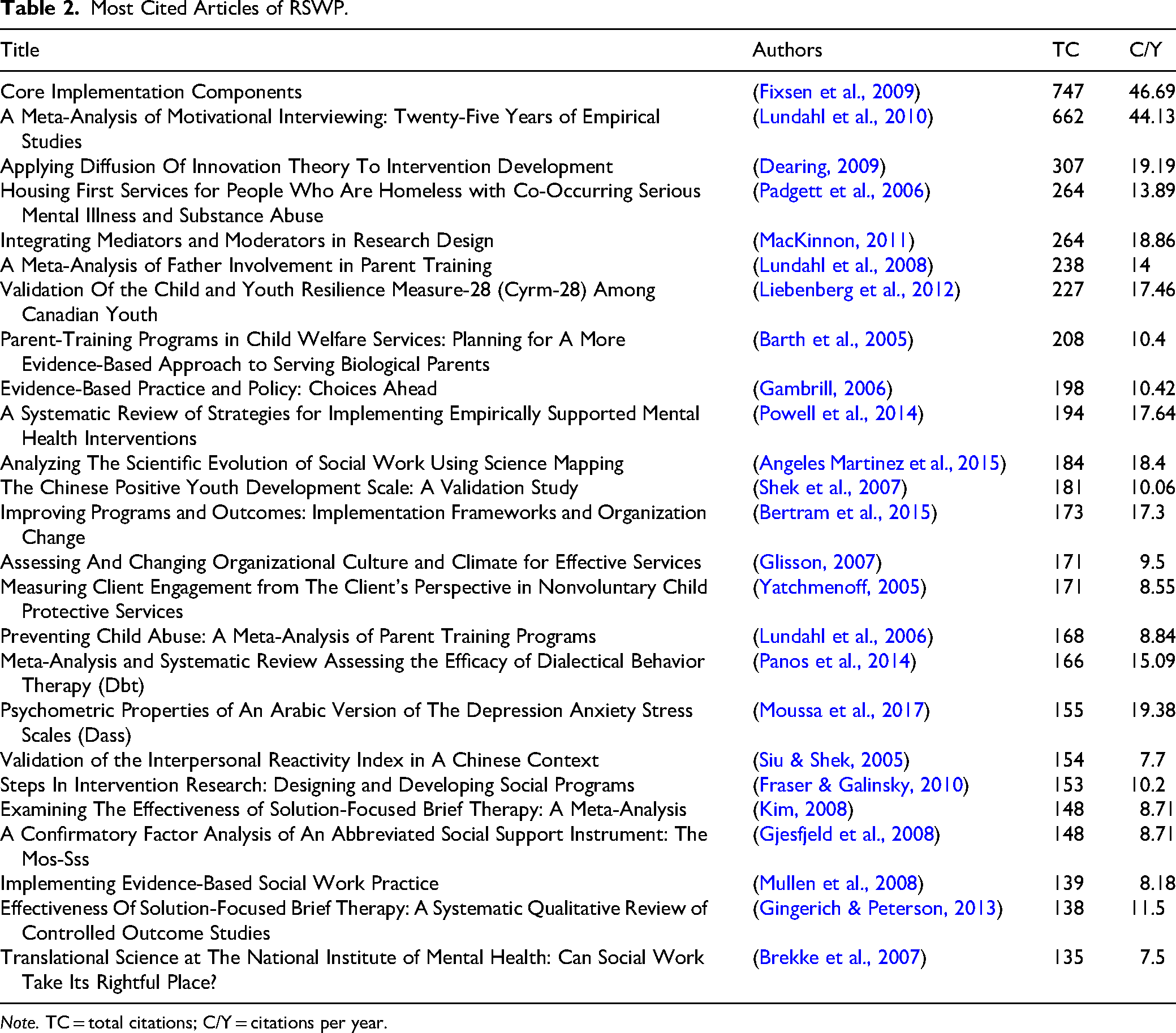
Note. TC = total citations; C/Y = citations per year.
Most Productive Authors
An analysis of the most active authors in the RSWP journal (Table 3), specifically those with a minimum of ten publications, identified a cohort of scholars who have substantially contributed to the journal's academic impact and thematic evolution. Holosko MJ and Stoesz D were at the forefront, each with 20 publications. Holosko had a notable impact, with 305 total citations and an average of 15.25 citations per article. In contrast, Stoesz, despite his productivity, has a comparatively lower citation count, with only 66 citations. Among the most eminent contributors is Shek DTL, whose 18 publications have amassed an impressive 772 citations averaging 42.89 citations per paper indicating his significant scholarly influence, particularly in culturally relevant and psychometric research topics. Barth RP also distinguishes himself with 590 citations across just 12 papers, achieving the highest average citation per publication (49.17), likely due to the high relevance and empirical robustness of his work. Authors such as Maynard BR, Gambrill E, and Rubin A demonstrate a strong combination of output and impact, with average citations per publication ranging between 24 and 32, signifying consistent contributions to evidence based and practice oriented research. Others, including Fraser, Shlonsky, Parrish, and Thyer, exhibit sustained scholarly engagement, integrating methodological rigor with practical relevance. Conversely, some authors, such as Epstein WM, despite having a high number of publications, have relatively low citation counts, suggesting that their work may be more conceptual or specialized. Overall, the profile of these authors illustrates that the RSWP has been shaped by a blend of prolific contributors and highly cited scholars whose work collectively advances the journal's mission of promoting rigorous, impactful, and practice relevant social work research.
Most Productive Authors of RSWP.
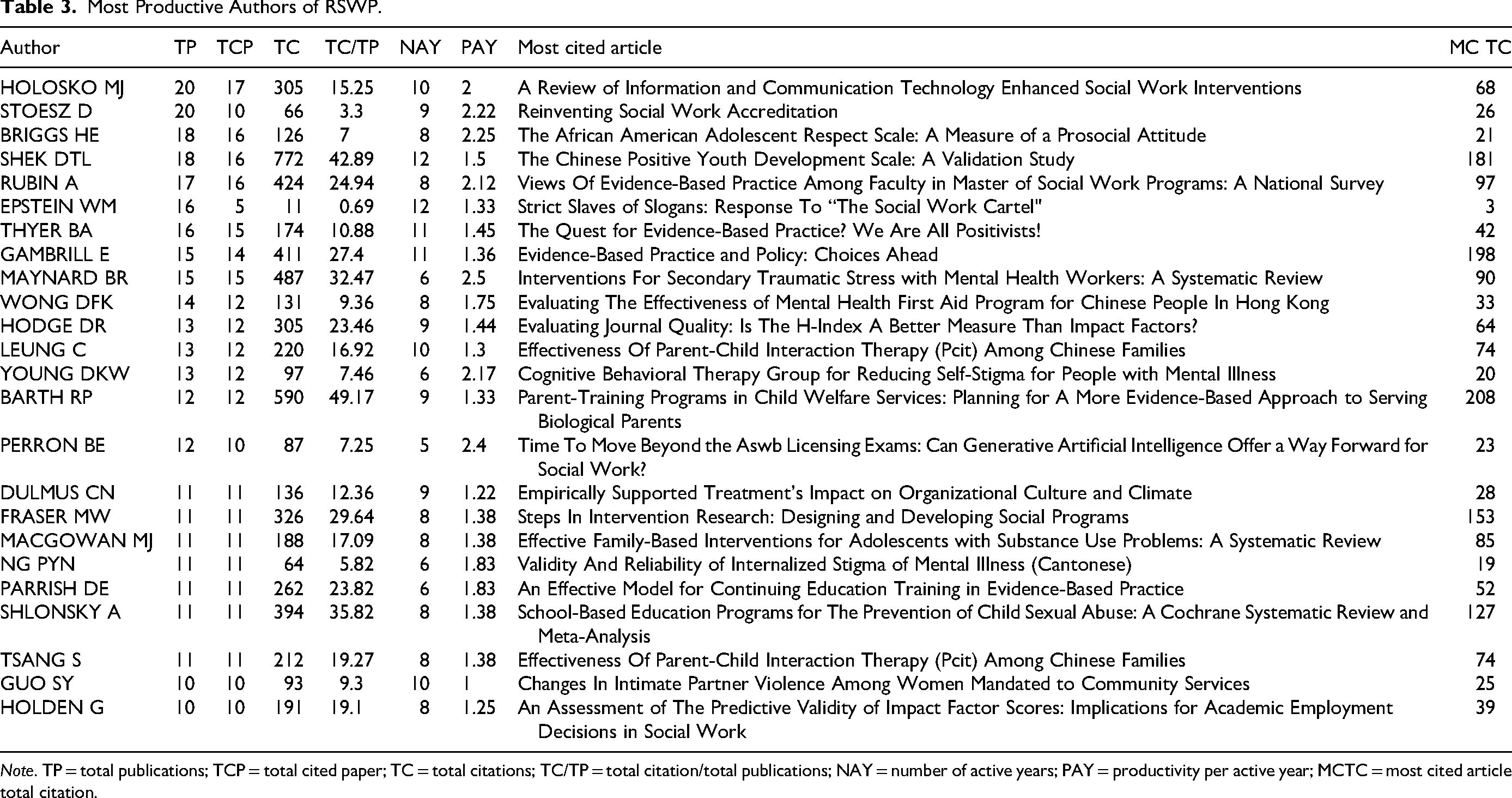
Note. TP = total publications; TCP = total cited paper; TC = total citations; TC/TP = total citation/total publications; NAY = number of active years; PAY = productivity per active year; MCTC = most cited article total citation.
Distribution of RSWP Publications Based on the Number of Contributing Authors
Authorship trends in RSWP indicated in Figure 1 a pronounced shift towards collaborative efforts. Whereas earlier publications frequently featured single authorship, recent years have witnessed an increase in co-authored articles, particularly those involving two or three authors per article. There was a notable rise in publications with four or more authors, indicative of larger, cross institutional teams engaged in complex studies or evaluations. Overall, this evolution reflects the RSWP's commitment to fostering teamwork, interdisciplinary collaboration, and shared commitments, aligning with the journal's emphasis on advancing evidence based social work practice.
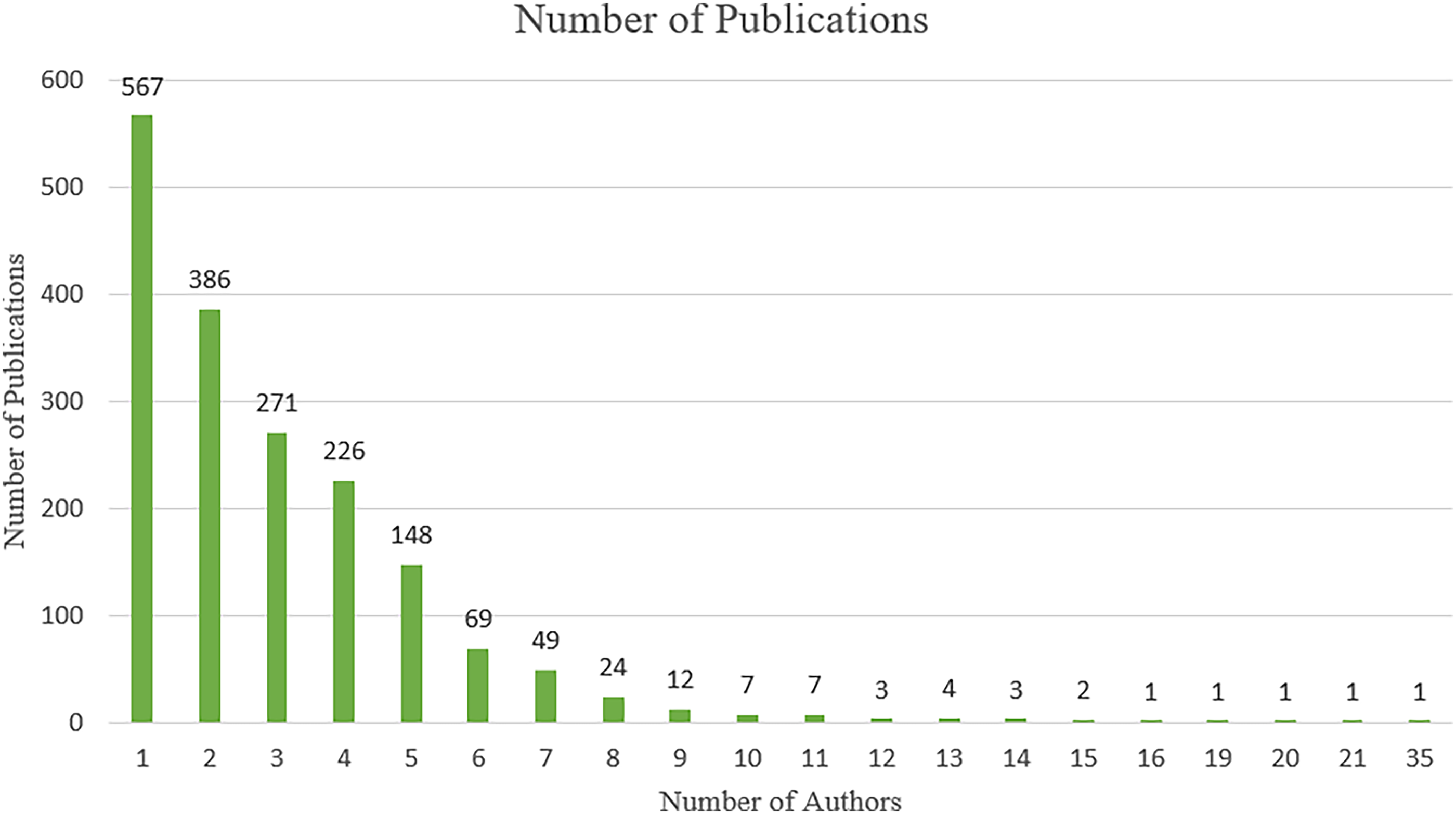
Distribution of RSWP Publications Based on the Number of Contributing Authors.
Most Productive Countries
An analysis of countries with a minimum of ten publications in the RSWP journal (Table 4) identified the United States as the foremost contributor, with 1,245 papers, 20,121 citations, and a significant collaborative presence (TCP = 959), signifying both dominance and enduring academic influence. China ranked second in volume (160 papers) but exhibited a lower average citation rate (TC/TP = 14.97) and relatively limited visibility (PAY = 8). Canada, despite having fewer publications (54), demonstrated the highest impact per paper (TC/TP = 24.33), indicating strong research quality. England and Israel displayed moderate publication counts but maintained above average citation performance. Countries such as Australia and Ireland exhibit superior collaboration and citation efficiency compared to others with similar outputs, whereas Sweden and Germany show average performance. Notably, Spain is distinguished by its high impact per article (TC/TP = 28.33), indicating fewer, but highly cited contributions. Conversely, Korea, Africa, and Indonesia exhibited limited impact, with Korea and Africa having low citation averages and Indonesia having no citations, possibly due to recent publication dates. The Netherlands maintains a robust balance between quantity and its impact. Overall, while the USA leads in volume, countries such as Canada, Spain, and the Netherlands distinguish themselves with high-quality, impactful research, reflecting both global participation and varied academic influence in this journal.
Most Productive Countries of RSWP.
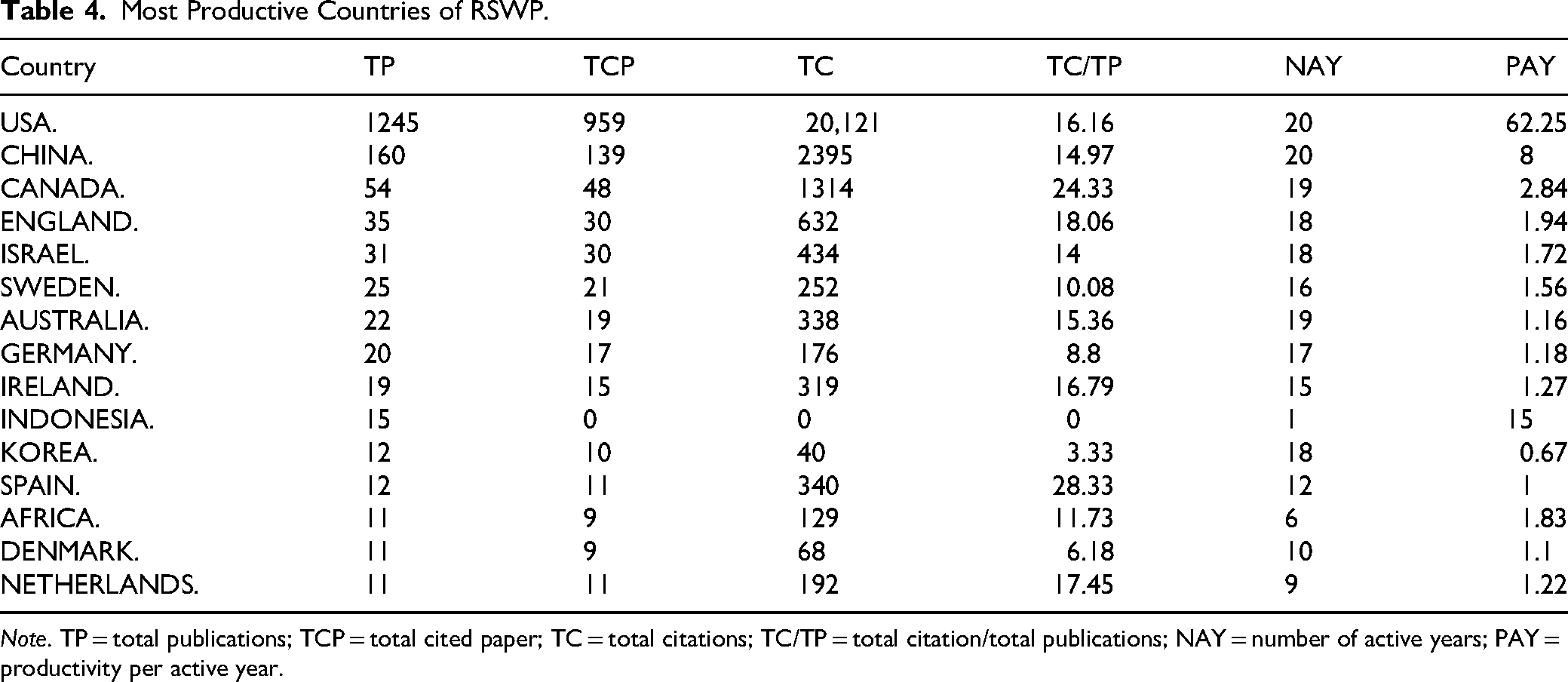
Note. TP = total publications; TCP = total cited paper; TC = total citations; TC/TP = total citation/total publications; NAY = number of active years; PAY = productivity per active year.
Most Citing Journals
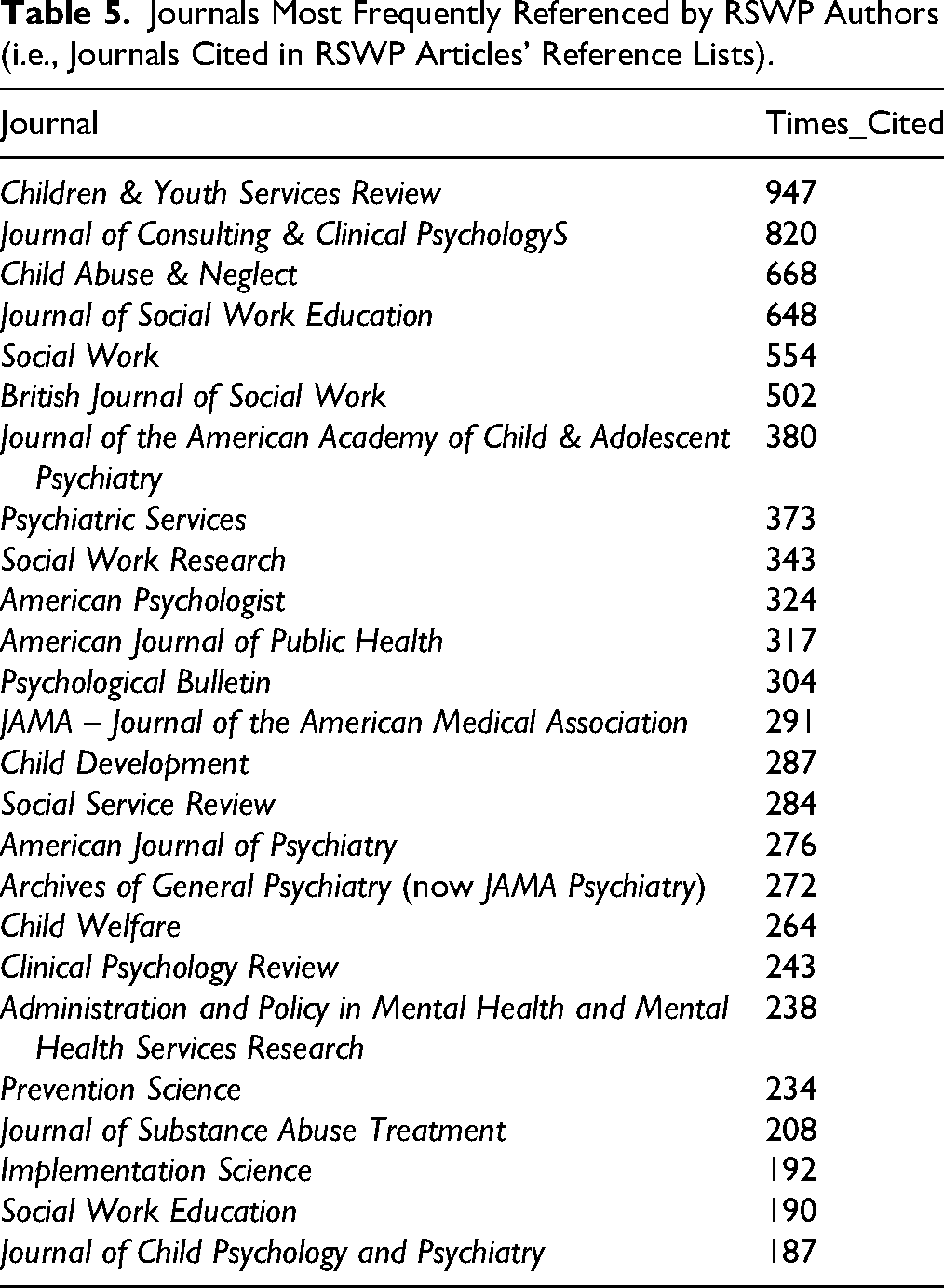
The “Most Citing Journals” analysis (Table 5) shows that RSWP authors most often referenced journals such as Child and Adolescent Social Work Journal, Journal of Social Service Research, and Journal of Consulting and Clinical Psychology. The leading citing journal, Children and Youth Services Review, contributed the highest number of citations, reflecting its strong thematic overlap with the RSWP, particularly in child welfare, youth policy, and social service interventions. Similarly, the Journal of Consulting and Clinical Psychology, Child Abuse & Neglect, and the Journal of Social Work Education are among the top cited sources, indicating robust engagement from journals focused on mental health, child protection, and educational aspects of social work. The presence of high-impact medical and psychological journals, such as JAMA, the American Journal of Psychiatry, Psychological Bulletin, and American Psychologist, suggests that RSWP research is not only relevant to social work but also resonates across clinical and psychological sciences. Furthermore, the inclusion of policy and practice oriented titles such as Administration and Policy in Mental Health, Social Service Review, and Implementation Science underscores the RSWP's role in shaping policy driven, evidence-based practices. This diverse citation landscape demonstrates that the RSWP serves as a cross-disciplinary platform that bridges social work, psychology, psychiatry, education, and public health. The strong referencing by both practice-based and theoretical journals also suggests that the RSWP contributes meaningfully to both academic discourse and applied professional contexts.
Journals Most Frequently Referenced by RSWP Authors (i.e., Journals Cited in RSWP Articles’ Reference Lists).
Science Mapping
Co-Occurrence of Author Keywords
A science mapping analysis was conducted using co-occurrence data of author keywords across 1783 articles in the RSWP journal. The resulting author keyword co-occurrence network, shown in Figure 2, reveals seven major clusters of interconnected terms, showing how different themes in the journal are conceptually linked. Below is an interpretation of each thematic cluster.
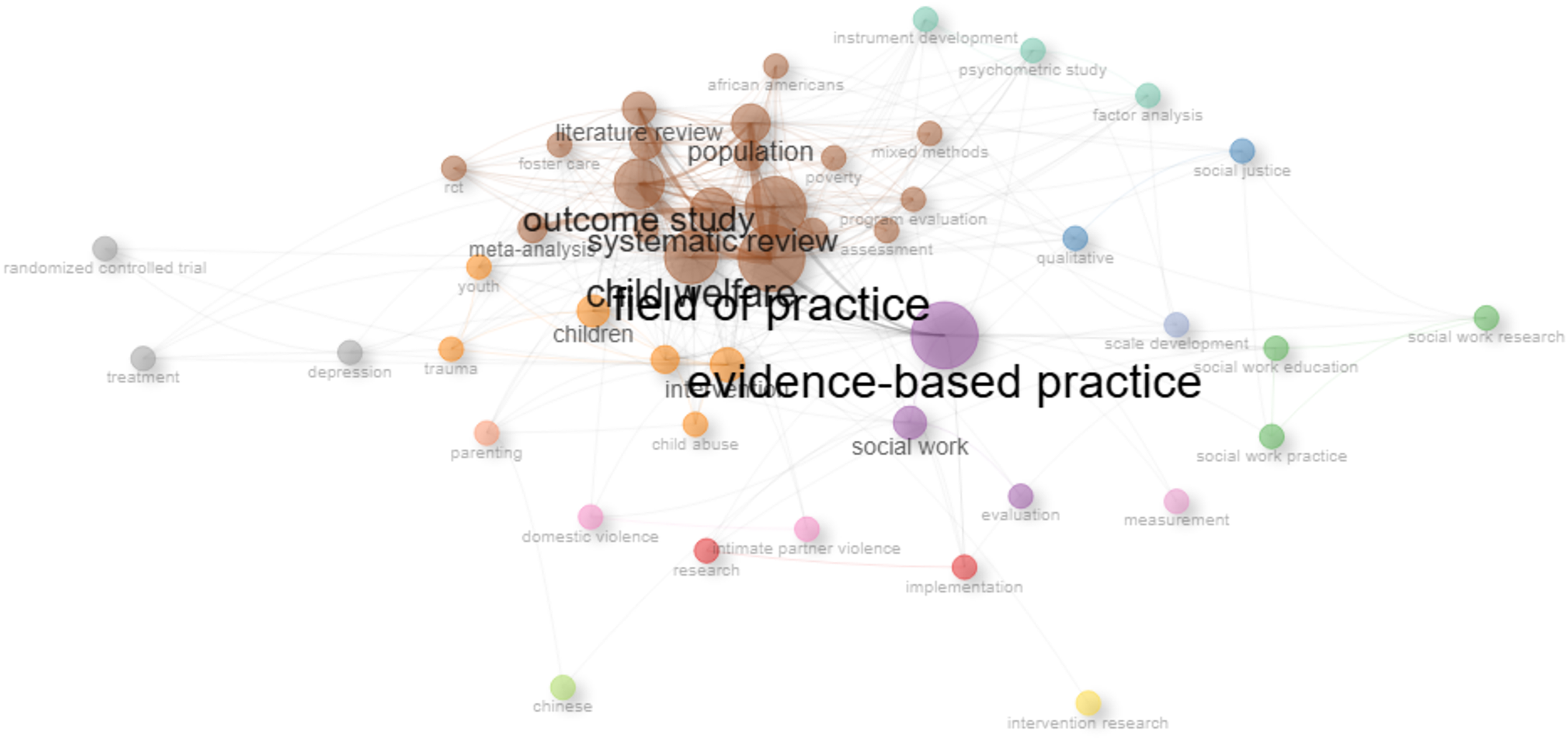
Co-Occurrence of Author Keywords.
Cluster 1: Evidence Based Practice & Field Application
This is the largest and most central cluster, revolving around keywords like evidence-based practice, field of practice, social work, and child welfare. These terms represent the core identity of the journal emphasizing the application of validated practices in real world social work settings. Key concepts like implementation, evaluation, and outcome study are closely tied to field application, indicating the journal's strong orientation toward research that influences on the ground interventions and policies. This cluster shows RSWP's role in advancing practice oriented, outcome driven knowledge.
Cluster 2: Meta Analytic & Systematic Methodology
This cluster includes keywords such as systematic review, meta analysis, literature review, program evaluation, mixed methods, and population. It represents the methodological engine of the journal focused on synthesizing evidence, evaluating programs, and building generalizable knowledge. The heavy concentration of review related terms suggests RSWP has contributed significantly to evidence synthesis, particularly in areas like child and youth services, where policies benefit from high quality consolidated research.
Cluster 3: Trauma, Youth, and Family Risk
Comprising terms like trauma, youth, children, parenting, child abuse, and poverty, this cluster captures RSWP's strong focus on vulnerable populations and adverse childhood experiences. These studies explore the risk and protective factors affecting development and well-being, especially in the context of family violence, poverty, and child maltreatment. The connections to treatment and RCT (randomized controlled trials) imply that many of these themes are backed by empirical intervention research.
Cluster 4: Gender Based Violence & Domestic Issues
This cluster is centered on terms like domestic violence, intimate partner violence, and research. It points to a focused but vital research stream dealing with gender-based violence, its psychosocial consequences, and the role of social workers in both prevention and intervention. Although slightly peripheral in position, the cluster is well connected to trauma and child centered themes, indicating cross-thematic relevance.
Cluster 5: Psychometric & Instrument Development
Including terms such as instrument development, scale development, factor analysis, and psychometric study, this cluster highlights RSWP's contributions to measurement science in social work. These terms suggest sustained efforts in tool creation, validation, and adaptation, particularly for assessing outcomes in clinical and community based settings. It supports the journal's reputation for rigor in evaluation frameworks.
Cluster 6: Social Work Education and Professional Identity
This smaller but distinct cluster connects terms like social work education, social work research, and social work practice. It reflects a stream of research dedicated to teaching, training, and professional development within the discipline. This research often explores curriculum design, pedagogical models, and practitioner readiness, signaling RSWP's role in shaping the future of the field.
Cluster 7: Mental Health Interventions & Research Design
Containing keywords such as depression, treatment, randomized controlled trial, and intervention research, this cluster reflects the journal's clinical research foundation, especially in addressing mental health issues. The inclusion of RCTs and controlled trials emphasizes that RSWP supports experimental and quasi-experimental designs, reinforcing its orientation toward evidencebased policy and practice.
Thematic Evolution
The thematic evolution of the RSWP journal offers a multidimensional view of how research in the journal has grown, matured, and diversified over time. Together, these methods reveal not only the dominant themes that define the journal's identity but also how those themes have shifted in response to changing scholarly priorities and real world needs.
Core Foundations and Early Focus Areas
From the early 2000s onward, RSWP was grounded in core social work values and practice oriented research, as evidenced in both the thematic evolution map (see Figure 3) and the strategic diagram for 2005–2009 (see Figure 4). This period was characterized by a strong emphasis on evidence-based interventions for vulnerable populations (Barth et al., 2012; Braun, 2021), a focus on family centered practices, case management, and service delivery (Johnson & Wagner, 2005; Michalopoulos et al., 2012; Shaw & Funk, 2019), and the establishment of social work as a rigorous, research based profession (Kourgiantakis et al., 2020).
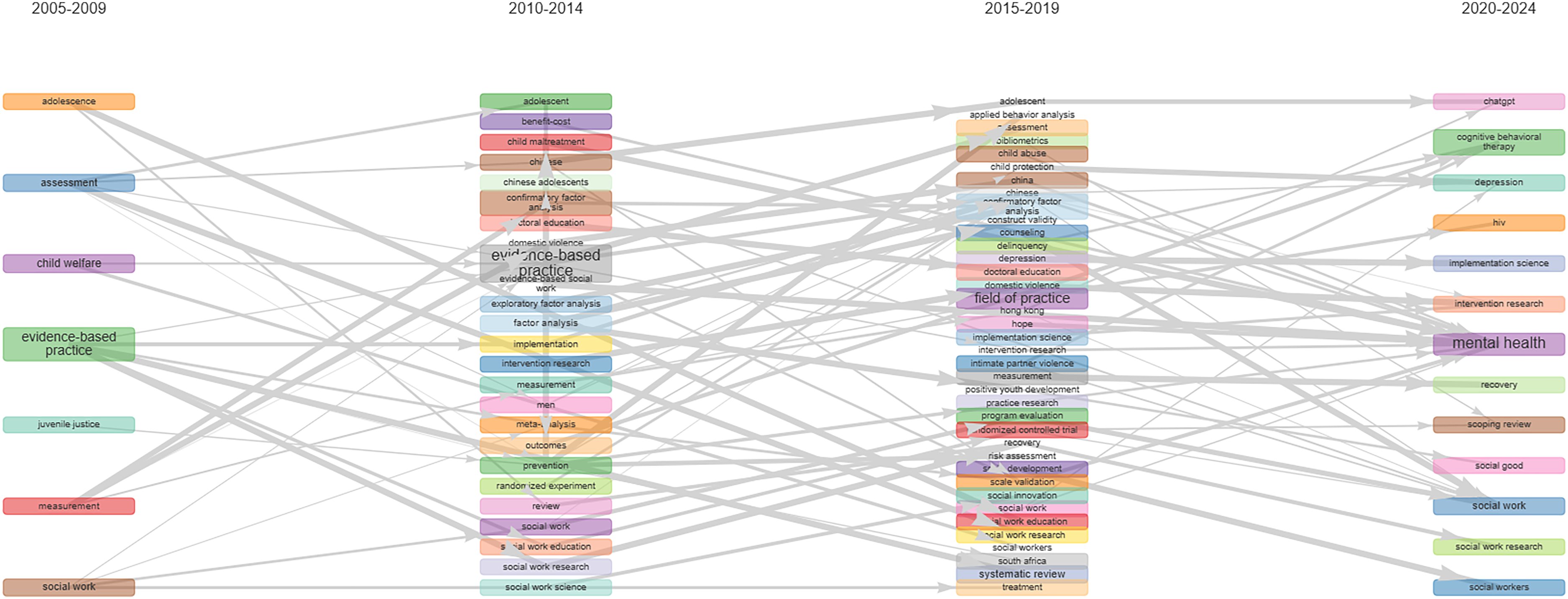
Thematic Evolution of Keywords From 2005 to 2024 of RSWP Journal.
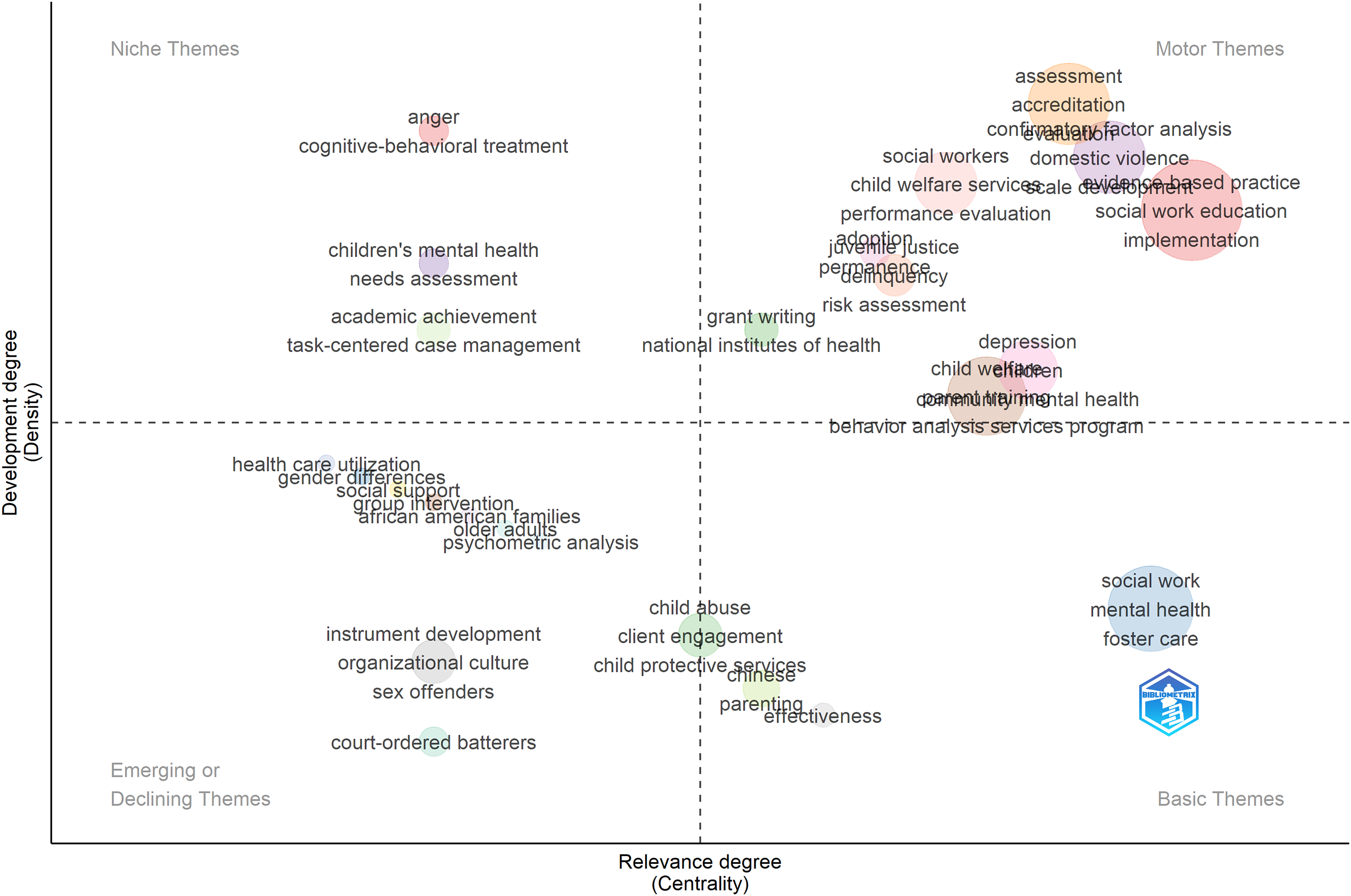
Strategic Diagram of Thematic Structure (2005–2009).
Expansion into Mental Health and Psychosocial Interventions
As time progressed, RSWP expanded into mental health services, trauma related issues, and therapeutic strategies. The strategic diagram of thematic structure for 2010–2014 (see Figure 5) shows the emergence of themes such as depression, trauma informed care, anxiety, and behavioral health (Chen et al., 2006; Moussa et al., 2017). This period also saw the rise of high impact techniques like motivational interviewing, which became a landmark contribution and was reflected in one of the most cited articles in the journal's history (Lundahl et al., 2010).
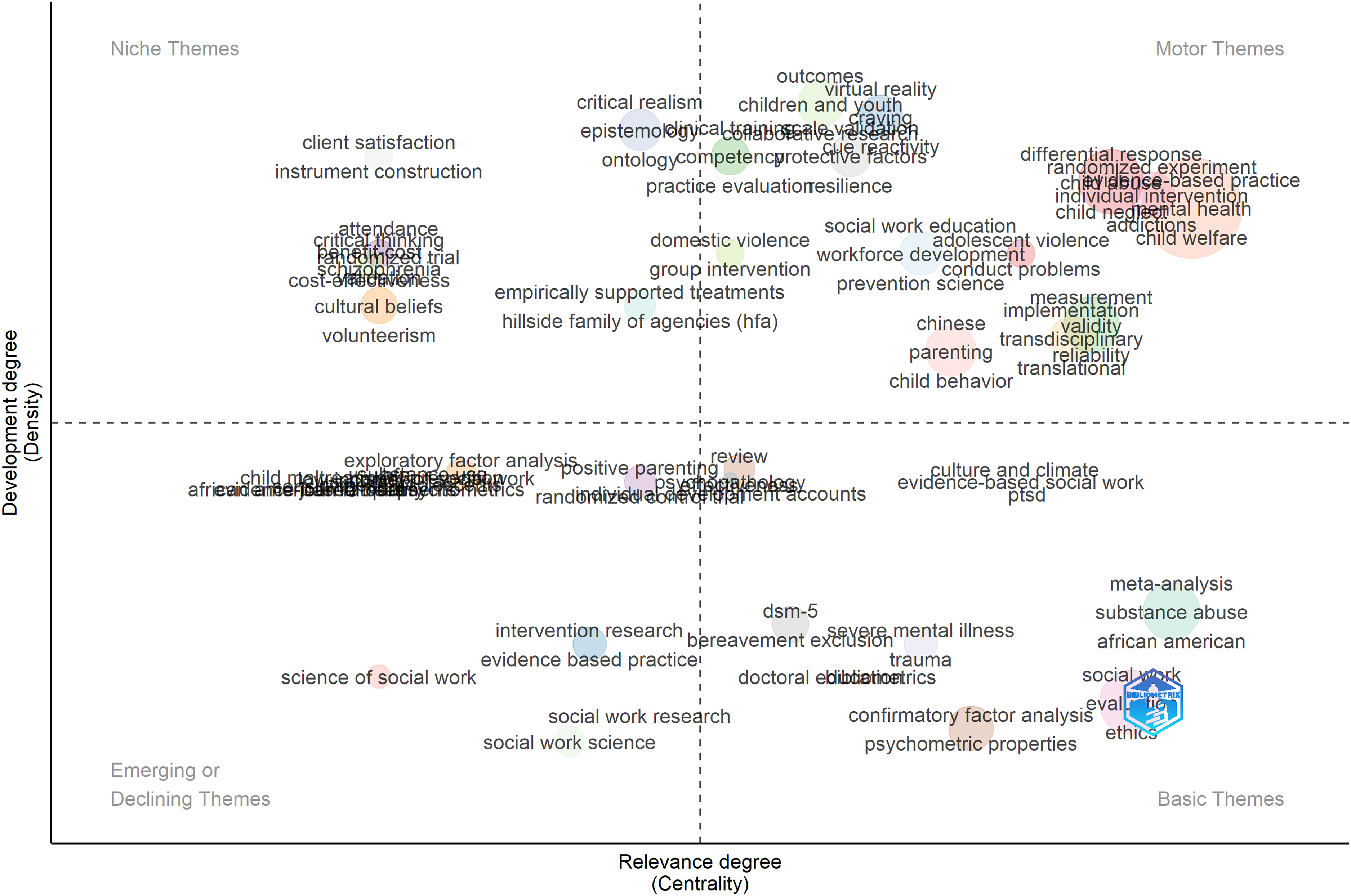
Strategic Diagram of Thematic Structure (2010–2014).
Methodological Sophistication and Evidence-Based Frameworks
By the early 2010s, RSWP transitioned into a phase marked by methodological advancement. This period was dominated by studies involving meta-analyses, scale development, psychometric validation, and program evaluation evidenced in strategic diagram for 2015–2019 (see Figure 6) (Adams et al., 2008; Holden et al., 2008; Maynard et al., 2018). At the same time, implementation science was introduced and institutionalized, eventually becoming the largest and most central thematic cluster (Albers et al., 2021, 2022). Complementing this, the development of tools for measuring outcomes and assessing intervention effectiveness gained traction (Ward et al., 2020). Collectively, these emphases reflect the journal's increasing commitment to rigor, reliability, and replicability, helping to standardize evidence-based approaches across the profession.
Modern Directions: Systems Thinking, Equity, and Inclusion
In the most recent decade (2015–2024), RSWP has demonstrated a clear thematic shift toward macro-level and equity oriented research. The strategic diagram for 2020–2024 (see Figure 7) highlights the emergence of themes such as cultural competence, racial equity, policy implementation, organizational behavior, and community level services (DeCarlo, 2022; Littell & Shlonsky, 2010; Schudrich, 2014). This shift has also included a growing focus on fidelity to planned programs, strengthening systems, and cross sector collaboration (Austin, 2018; Renn et al., 2021; Spencer et al., 2021). Furthermore, a blending of policy research, community engagement, and culturally sensitive practice has become evident, reflecting contemporary concerns in both the academic world and social service sectors (Ashcroft et al., 2024; Levin, 2020; Shaw & Funk, 2019; Stern et al., 2008).
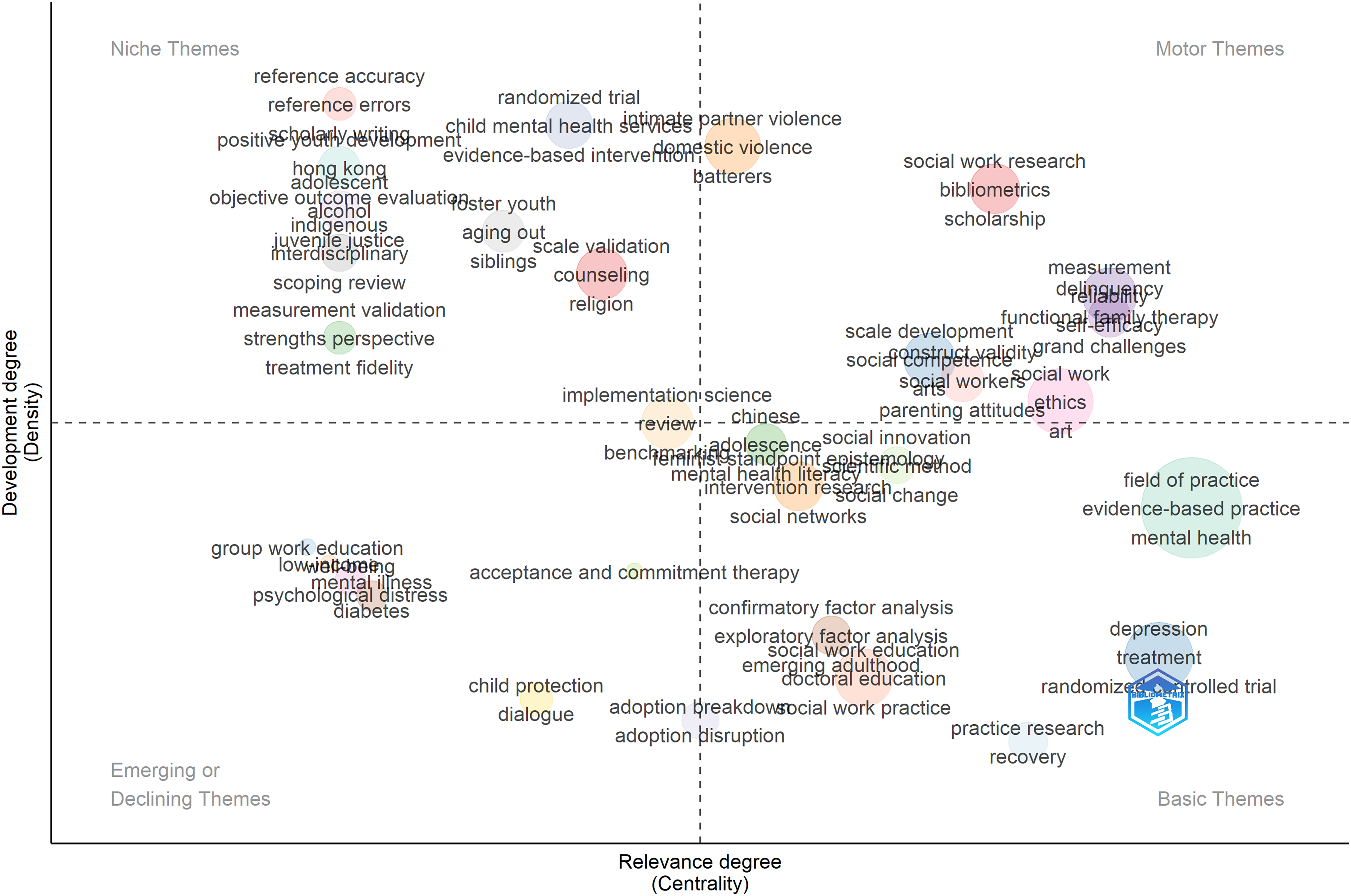
Strategic Diagram of Thematic Structure (2015–2019).
Discussion and Application to Practice
Our bibliometric findings suggest several opportunities for future research that align with RSWP's mission to advance empirical evaluation of interventions, validation of assessment methods, and evidence-based reviews. These directions are not prescriptive but are interpretations based on observed publication and citation patterns within the journal.
Cross-National and Cross-Cultural Evaluation Studies
Table 4 shows that over 70% of contributions originate from the United States, with far fewer from Africa, Latin America, or Southeast Asia. This imbalance suggests a need for comparative evaluation studies that test the effectiveness and adaptability of interventions across diverse cultural and policy contexts.
Focus on Underrepresented Populations
Keyword co-occurrence (Figure 2) and thematic clusters emphasize youth, trauma, and child welfare. However, populations such as older adults, refugees, and LGBTQIA + groups appear rarely (<2% of total keywords). This indicates an opportunity for empirical evaluation of interventions targeted at these communities, supported by validated tools.
Methodological Innovation in Practice Evaluation
Our analysis of most cited works (Table 2) shows strong influence of systematic reviews, meta analyses, and psychometric validation studies. Yet, fewer papers applied longitudinal designs or advanced modeling approaches. This points to opportunities for methodological innovation, particularly in outcome evaluations and mixed-methods studies that expand beyond short-term results.
Interdisciplinary and Systems-Level Approaches
Thematic evolution (see Figures 5–7) shows the rise of clusters around organizational behavior, implementation science, and policy application in the 2015–2024 period. Future work could build on these trends by evaluating system level and cross sector interventions that connect social work with public health, law, and education.
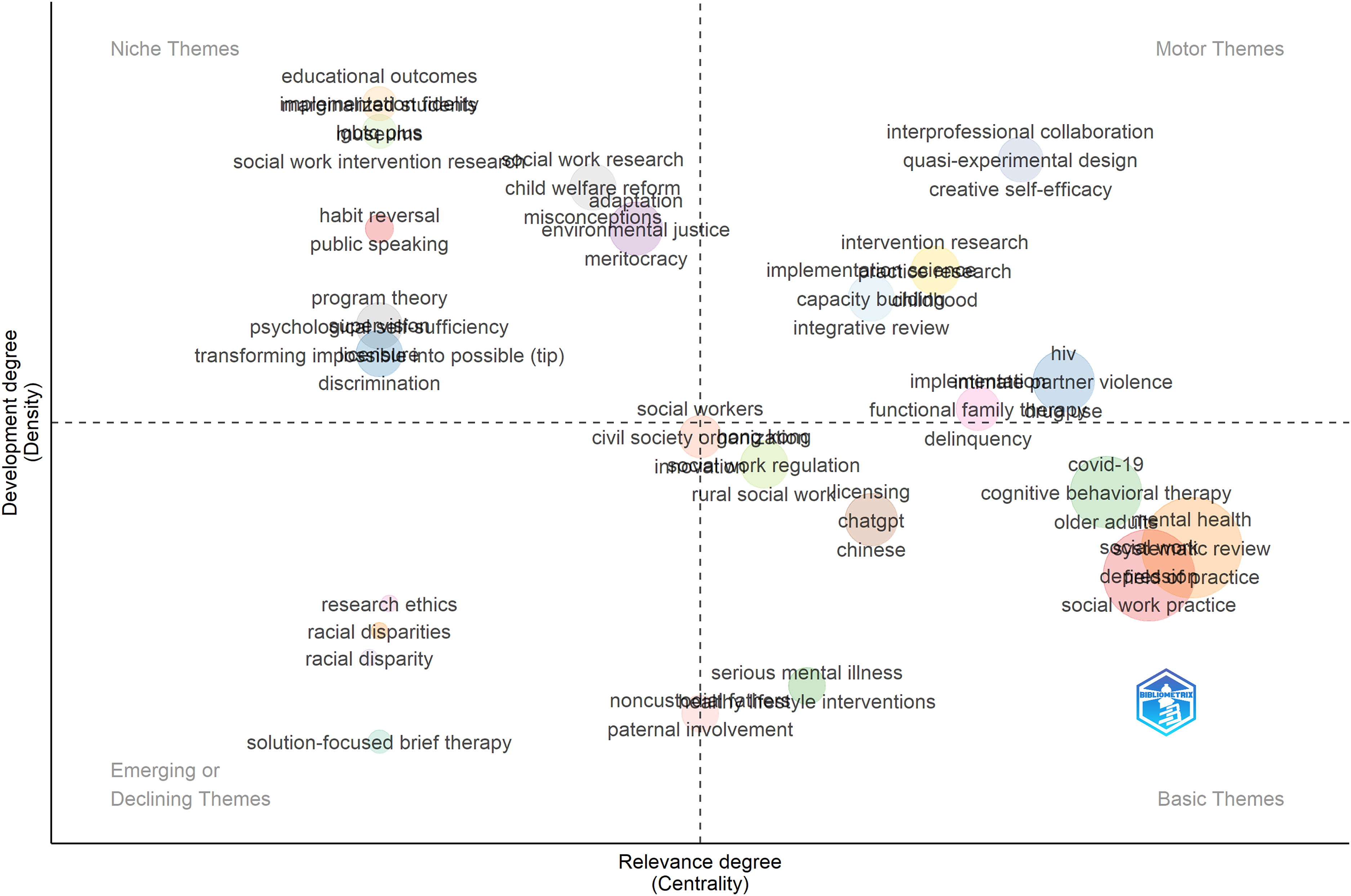
Strategic Diagram of Thematic Structure (2020–2024).
Evaluation of Digital and Technology-Based Interventions
Although recent years show growth in keywords like “digital innovation,” these represent fewer than 1% of all terms analyzed. Given the growing role of technology in practice, rigorous evaluation of digital and AI-enabled interventions remains an underrepresented but promising area.
Social Work Education and Training Interventions
Cluster analysis identified “social work education” as a smaller but distinct area (Cluster 6). Despite its importance, relatively few empirical evaluations of training methods (e.g., simulations, trauma-informed teaching) were found, highlighting a gap that directly connects to practitioner readiness.
Climate Justice and Community Resilience
Only a handful of publications addressed environmental or climate related themes, despite their increasing relevance in social work practice. While this area is less represented in the data, we highlight it as an emerging frontier where empirical evaluations of interventions (e.g., disaster response, displacement support, resilience building) may become increasingly necessary.
Limitations
This study had two key limitations. First, the WoS dataset included some nonresearch items (e.g., book reviews, editorials, corrections, and biographical notes), which may slightly inflate publication counts but are unlikely to affect overall bibliometric patterns. Second, WoS sometimes aggregates institutions under system level labels (e.g., SUNY, State University System of Florida), making reliable disaggregation impossible. Therefore, we removed the institutional productivity analysis to avoid misrepresentation.
Conclusion
This 20-year bibliometric evaluation of RSWP illustrates the journal's pivotal role in shaping evidence-based, intervention-focused, and practice-relevant social work scholarship. The steady output, growing international collaborations, and sustained citation impact signify RSWP's maturity and intellectual leadership in the field. Our co-word and citation analyses reveal a dynamic thematic evolution shifting from foundational child and family practice towards more nuanced explorations of mental health, psychometrics, implementation science, and systems level transformation. Importantly, emerging topics in trauma informed care, racial equity, and digital innovation reflect the journal's responsiveness to contemporary societal challenges. To build on this momentum, RSWP can continue to encourage high impact studies that embrace methodological diversity, intercultural breadth, and system wide relevance. Doing so will not only deepen the journal's scientific contribution but also reinforce its commitment to advancing socially justice oriented, community centered, and empirically grounded social work practice.
Footnotes

Funding
The authors received no financial support for the research, authorship, and/or publication of this article.
Declaration of Conflicting Interests
The authors declared no potential conflicts of interest with respect to the research, authorship, and/or publication of this article.