




Abstract
Background
The integration of Artificial Intelligence (AI) and gamification in higher education has shown promise in enhancing engagement and learning outcomes, particularly in fields requiring experiential training like finance. However, university trading labs—critical for bridging financial theory and practice—often struggle to sustain student motivation and translate knowledge into real-world decision-making. Existing research predominantly examines AI or gamification in isolation, leaving a gap in understanding their synergistic potential to address these challenges.
Objectives
This systematic literature review investigates how the combined use of AI-driven adaptive systems and gamification strategies enhances learning experiences, motivation, and skill acquisition in university finance trading labs.
Methods
Following the systematic review protocol, 28 peer-reviewed studies were analyzed. Thematic coding and synthesis were employed to evaluate empirical findings, theoretical frameworks, and methodological approaches across AI-driven adaptivity (e.g., machine learning, NLP) and gamification elements (e.g., leaderboards, narrative scenarios).
Results and Conclusions
The integration of AI and gamification significantly improves engagement, knowledge retention, and decision-making agility in simulated trading environments. AI-driven personalization tailors challenges to individual proficiency, while gamification elements foster motivation and resilience. However, challenges such as algorithmic bias, resource disparities, and ethical concerns require interdisciplinary collaboration for equitable implementation. This review provides actionable insights for designing adaptive, game-informed learning ecosystems that prepare students for real-world financial markets, advocating for balanced innovation in pedagogy, technology, and policy.
Keywords
1. Introduction
In recent years, integrating Artificial Intelligence (AI) and gamification into higher education has become a promising strategy to enrich learning, increase student motivation, and improve educational outcomes. This trend is especially relevant for disciplines that benefit from experiential, hands-on learning. Among these, finance and trading education stand out. They not only require a solid understanding of theoretical principles but also demand the ability to apply that knowledge in high-stakes, unpredictable conditions. University trading labs, which simulate real market environments, provide an effective way to bridge theory and practice. Yet, despite their potential, these labs often face challenges in keeping students engaged, sustaining motivation, and helping learners translate theory into practical skills (Khakpour & Colomo-Palacios, 2021).
AI-driven adaptive learning systems have attracted attention in education research for their ability to deliver personalized instruction at scale (Kim et al., 2022). By using machine learning techniques such as predictive analytics, reinforcement learning, and natural language processing, AI can adjust content difficulty, provide timely feedback, and address individual learner needs. Studies have shown that this type of personalization can deepen conceptual understanding and support sustained involvement in complex subjects (Lopez & Tucker, 2018). Meanwhile, gamification—the use of game design elements like points, badges, leaderboards, narrative challenges, and collaborative tasks in non-game educational settings—has been shown to improve learner engagement, motivation, and persistence (Bai et al., 2020). By encouraging competition, goal setting, and social interaction, gamification helps students engage with learning materials, build confidence, and continue working through challenges.
Although AI and gamification each enhance education on their own, there is still limited understanding of how best to combine them to meet the unique needs of finance education in trading labs. Early research suggests that adaptive AI systems can help guide the use of gamification elements, ensuring that game mechanics stay relevant and fit learners’ changing skill levels. However, few studies have systematically examined how AI-driven adaptability and gamification strategies work together to improve engagement, skill mastery, and decision-making abilities. Addressing this gap is important for advancing theory in educational technology and for developing practical solutions that prepare students for the demands of real financial markets.
To explore this issue, this study focuses on three research questions that align with the objectives set out in Section 3:
This study adopts a systematic literature review (SLR) to investigate how AI and gamification can be integrated to enhance student engagement, motivation, and learning outcomes in university trading labs. Complemented by a teaching case from a postgraduate finance course, the research provides both theoretical and empirical insights into the synergistic potential of AI-driven adaptivity and gamified learning design. Theoretically, it aims to clarify how adaptive AI technologies and gamification elements interact to deepen learning, increase motivation, and build skills. Practically, it seeks to guide instructors, instructional designers, and policymakers in effectively using these strategies in trading labs and other hands-on learning environments. As adaptive AI models and gamification approaches develop, their use should be based on strong pedagogical principles, ethical guidelines, and evidence-based practices (Akter et al., 2021; Zimmer, 2018).
In the end, this research aims to show how AI and gamification together can improve finance education. It also seeks to identify how these approaches can best help students build skills, prepare for unpredictable financial markets, and gain fair access to high-quality, student-centered learning experiences.
2. Basic Literature Study
2.1 AI in Education
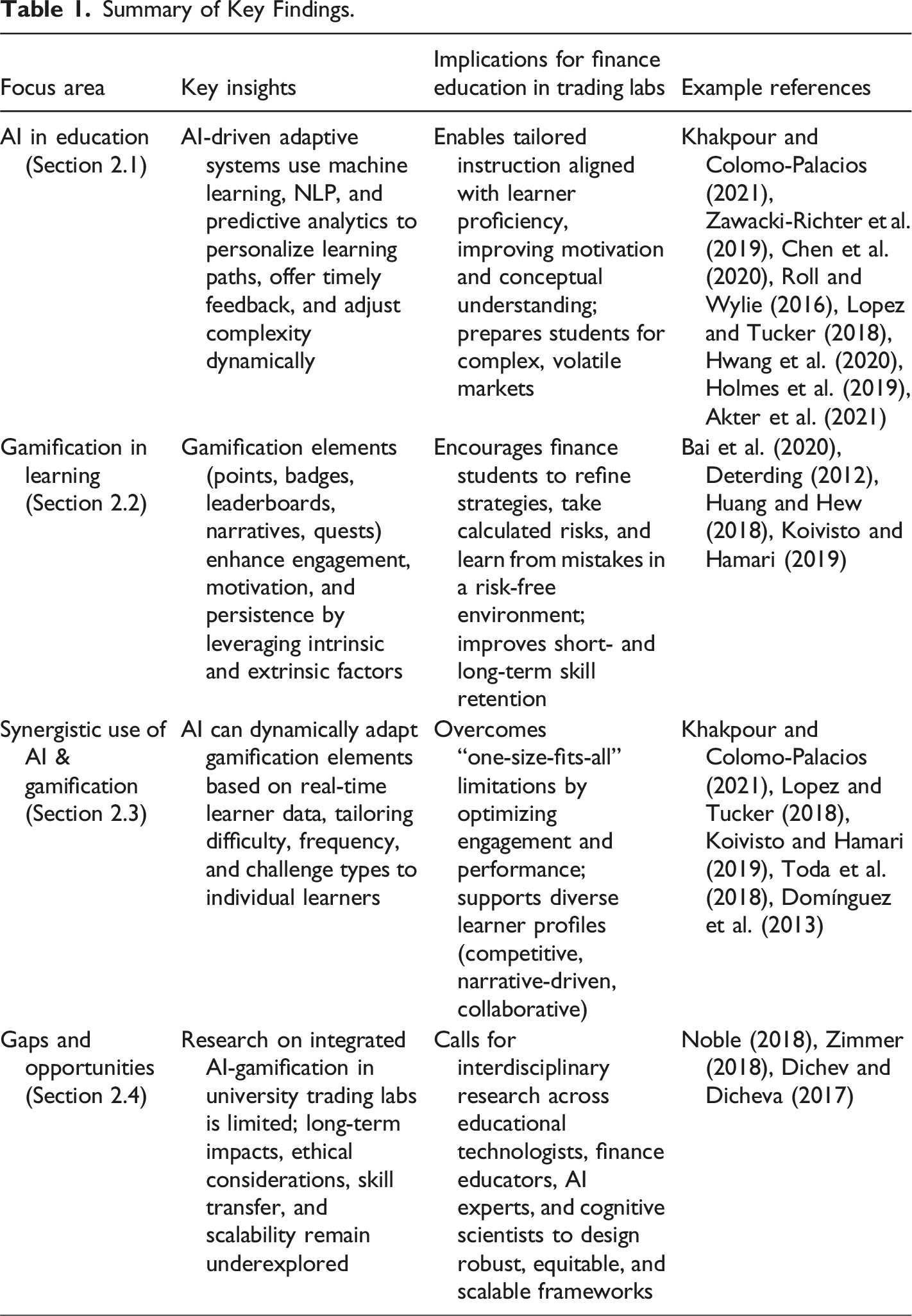
AI has become increasingly important in modern education, supporting the development of adaptive and intelligent learning environments that address individual learner differences. AI-driven systems use machine learning, natural language processing, and predictive analytics to personalize learning paths, deliver timely feedback, and adjust content complexity (Khakpour & Colomo-Palacios, 2021; Zawacki-Richter et al., 2019). By monitoring learner interactions—such as response times, problem-solving strategies, and even emotional cues—these systems can detect misconceptions early, provide targeted support, and help students build knowledge more effectively (Chen et al., 2020; Roll & Wylie, 2016).
In finance and trading education, where conceptual precision and analytical skills are essential, the role of AI-based learning tools is particularly significant. Traditional classroom methods often struggle to connect theory and practice, leaving students unprepared for the unpredictable, fast-paced realities of financial markets. AI-based adaptive tutoring systems and simulations can help close this gap by customizing problem sets, adjusting scenario conditions, and offering personalized hints that align with each student’s skill level (Lopez & Tucker, 2018). Research has shown that such personalization improves motivation, confidence, and long-term retention. These improvements help align education with industry needs for skilled, well-prepared professionals (Hwang et al., 2020).
Recent studies highlight the range of AI applications in education, from personalization and automated assessment to cognitive modeling and intelligent feedback (Holmes et al., 2019). As the field develops, advances in explainable AI and fairness-aware algorithms aim to ensure that personalization does not come at the cost of equity or transparency. This strengthens AI’s role in creating responsible and effective educational systems (Akter et al., 2021).
2.2 Gamification in Learning
Alongside the growth of AI, gamification has proven to be an effective teaching strategy to improve engagement, motivation, and persistence. By incorporating elements such as points, badges, leaderboards, stories, and quests into learning, gamification turns educational tasks into challenges that offer immediate feedback and rewards (Bai et al., 2020; Deterding, 2012). This approach uses both intrinsic and extrinsic motivation to keep students interested and participating, which can lead to deeper cognitive engagement (Huang & Hew, 2018).
In finance education and trading simulations, gamification helps students apply theoretical concepts in practical settings. For instance, awarding badges for reaching certain trading milestones or ranking students by portfolio performance on leaderboards encourages them to refine their strategies, manage risk, and learn from mistakes in a low-risk environment. Meta-analyses show that gamification not only boosts short-term engagement but also improves knowledge retention and skill development over time (Bai et al., 2020).
Collaborative game features—such as team challenges and cooperative tasks—also build a sense of community, encourage peer learning, and promote shared problem-solving. These social aspects are particularly relevant to professional finance, where teamwork and communication are critical (Koivisto & Hamari, 2019).
2.3 Synergistic Use of AI and Gamification
Although AI and gamification have each shown promise in education, combining them offers a new way to create richer and more effective learning experiences. This synergy comes from AI’s ability to adjust gamified elements in real time using learner data. Rather than using fixed game mechanics, AI can tailor the type, frequency, and difficulty of challenges to match each student’s skill level and learning needs (Khakpour & Colomo-Palacios, 2021; Lopez & Tucker, 2018).
Adaptive gamification has several benefits. It avoids the “one-size-fits-all” problem by giving students challenges that fit their abilities and keep them motivated. It also supports diverse learner profiles. Some students respond well to leaderboards and public recognition, while others prefer story-driven tasks or cooperative goals (Koivisto & Hamari, 2019; Toda et al., 2019). By studying engagement patterns, performance data, and even learner sentiment, AI can help choose the most effective gamification strategies. This reduces frustration and improves overall learning results.
In finance and trading labs, adaptive gamified systems can closely mirror real-world market dynamics. AI-driven scenarios can introduce volatility, unexpected events, and changing economic indicators that require students to adjust strategies. This approach builds critical thinking, strategic planning, and flexibility—skills that are essential in professional finance work.
2.4 Gaps and Opportunities
Despite strong evidence supporting the use of AI and gamification in education, their combined application in university trading labs remains largely unexplored. Most existing research focuses on either AI-driven personalization or gamification on its own. Few studies examine how their integration might systematically improve finance education.
Summary of Key Findings.
3. Objectives and Research Questions
3.1 Rationale
The extant literature on educational technology underscores the transformative potential of combining AI and gamification to enrich learning experiences, increase student motivation, and facilitate deeper understanding of complex subject matter (Bai et al., 2020; Chen et al., 2020; Khakpour & Colomo-Palacios, 2021). While both AI-driven adaptive learning systems and game-based learning strategies have independently demonstrated value in various educational contexts, their joint application in university trading labs—a setting that demands the practical application of theoretical financial concepts in high-fidelity market simulations—remains insufficiently examined.
University trading labs provide an ideal environment for hands-on, experiential learning in finance education. However, challenges persist: students often struggle to connect abstract theoretical principles with real-world market dynamics, leading to gaps in skill acquisition and practical application. AI-driven adaptive systems can personalize instruction, adjusting complexity and content based on individual learner profiles, while gamification can enhance motivation and engagement through competition, collaboration, and meaningful feedback loops (Lopez & Tucker, 2018). The intersection of these two paradigms has the potential to create a more holistic educational ecosystem—one that not only tailors the learning experience but also sustains learner interest and encourages iterative skill refinement.
Yet, empirical investigations that systematically analyze the outcomes of integrating AI personalization with gamification mechanics in university trading labs are scarce. Previous studies have tended to focus on one strategy in isolation, often in more generalized educational settings (Bai et al., 2020; Zawacki-Richter et al., 2019). Understanding how these tools can be synergistically employed to support the development of critical trading competencies, such as strategic thinking, risk assessment, and decision-making under uncertainty, represents an important research Frontier. Filling this gap can guide educators, instructional designers, and policymakers in optimizing pedagogical interventions and resource allocation.
3.2 Research Objectives
The central objective of this study is to explore and empirically validate how the convergence of AI-driven adaptive learning and gamification strategies can elevate student engagement, motivation, and learning efficacy in university trading labs. By focusing on a specialized domain—finance and trading—this research seeks to provide evidence-based insights into how sophisticated adaptive technologies, when coupled with well-designed game elements, can translate complex financial theories into skills that students can apply confidently in simulations and, ultimately, in their professional lives. Specifically,
3.2.1 Examine the Role of AI-Driven Adaptive Systems
This objective involves a granular analysis of how AI capabilities—such as predictive analytics, reinforcement learning, and natural language processing—facilitate personalized learning paths. The study will investigate how these adaptive systems provide just-in-time feedback, adjust difficulty levels based on performance indicators, and offer supportive scaffolds that enable students to master nuanced trading concepts more effectively (Chen et al., 2020; Lopez & Tucker, 2018).
3.2.2 Identify the Most Effective Gamification Elements
Gamification is not a monolithic construct; it encompasses a wide range of design elements including points, badges, leaderboards, narrative contexts, time-bound challenges, and collaborative missions (Bai et al., 2020; Koivisto & Hamari, 2019). This objective involves isolating which of these game-based elements most significantly enhance engagement and participation among finance students. By correlating engagement metrics (e.g., frequency of interaction, persistence in challenge completion, emotional responses) with specific game mechanics, the study aims to determine which elements align best with the learning preferences and motivational drivers of finance students.
3.2.3 Assess the Combined Impact of AI and Gamification on Learning Outcomes
While individual applications of AI or gamification have been shown to improve learning experiences, the integrated effect of these strategies remains under-investigated, particularly in trading labs (Khakpour & Colomo-Palacios, 2021). This objective will compare the performance, knowledge retention, and skill transferability of students exposed to AI-enhanced gamified environments against those who experience only AI-based personalization or solely gamification elements. The study’s outcomes can reveal whether the synergistic application surpasses the sum of its parts, leading to superior educational results, heightened student satisfaction, and more durable skill acquisition.
3.3 Research Questions
To address these objectives, the study is guided by the following research questions:
This question investigates the specific contributions of AI-driven personalization—such as tailored difficulty levels, targeted feedback, and real-time adjustments—to learners’ comprehension and practical application of intricate financial concepts.
By examining a range of game design features—from points and badges to narrative scenarios and collaborative missions—this question seeks to identify which components resonate most strongly with learners, thereby fostering sustained participation and skill development.
This question evaluates whether an integrated approach—where AI adaptively shapes and refines gamification mechanics—produces superior results in terms of knowledge retention, strategic decision-making, and learner satisfaction, surpassing the incremental benefits generated by AI or gamification alone.
3.4 Anticipated Contributions
By systematically addressing these questions, the study aims to contribute to theoretical, methodological, and practical dimensions of educational technology research. Theoretically, it will refine our understanding of how adaptive AI and gamification interact, complementing existing frameworks in personalized and experiential learning. Methodologically, it will illustrate a research design capable of evaluating complex, technology-enhanced learning interventions within domain-specific contexts. Practically, the findings can inform instructional design strategies, guiding educators in aligning digital tools with pedagogical aims, budgetary constraints, and ethical considerations (Selwyn, 2019).
Ultimately, illuminating the synergy between AI and gamification in university trading labs can have far-reaching implications for finance education and beyond. By offering a robust evidence base, this study aspires to shape the next generation of adaptive, game-informed learning environments that empower students to thrive in an increasingly complex and data-driven professional landscape. The logical Framework is illustrated in Figure 1. Logical framework of research objectives, research questions and anticipated contributions.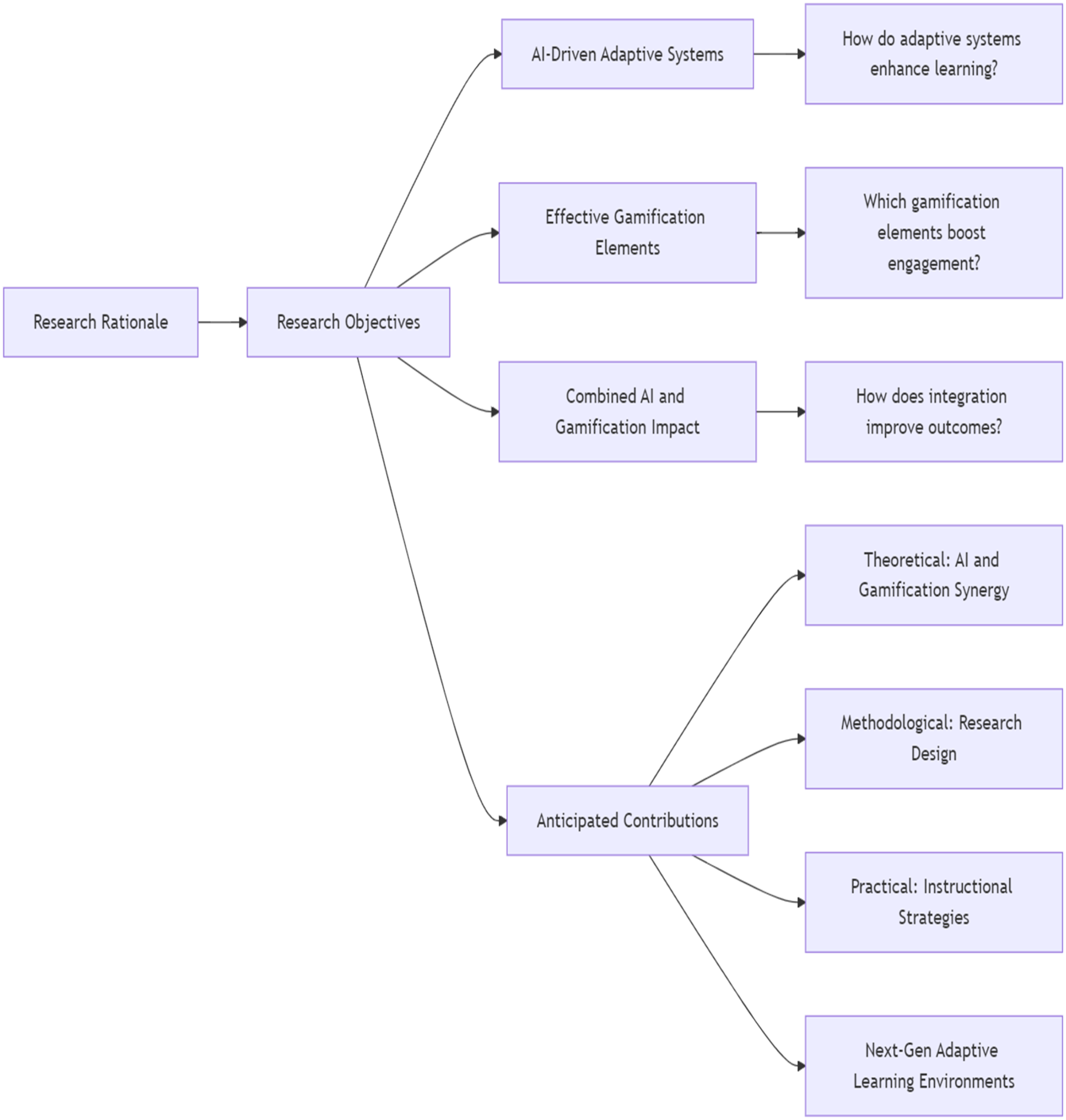
4. Methodology
This study employs a SLR to investigate how AI and gamification can be integrated as synergistic tools within university trading labs to enhance student engagement, motivation, and learning outcomes. By systematically identifying, selecting, and synthesizing existing empirical research, the review aims to provide evidence-based insights into how AI-driven adaptive systems, gamification elements, and their integrated application can improve the practical acquisition of trading competencies.
Building on the objectives and research questions outlined in Section 3, this SLR focuses on three key areas: (1) the role of AI-driven adaptive learning systems in enhancing learning experiences (RQ1), (2) the identification of the most effective gamification elements for boosting engagement among finance students (RQ2), and (3) the combined impact of AI and gamification tools on overall learning outcomes compared to their independent use (RQ3).
4.1 Planning the Review
The SLR follows a structured protocol based on the guidelines of Kitchenham (2004), encompassing three main phases—planning, conducting, and reporting—as illustrated in Figure 2(A). During the planning phase, the research questions and inclusion criteria were defined to maintain alignment with the study’s objectives and ensure that the selection of studies directly contributes to answering RQ1, RQ2, and RQ3. (a) Screening and selection process for literature review. (b) The complete screening process presented in accordance with PRISMA-style review standards.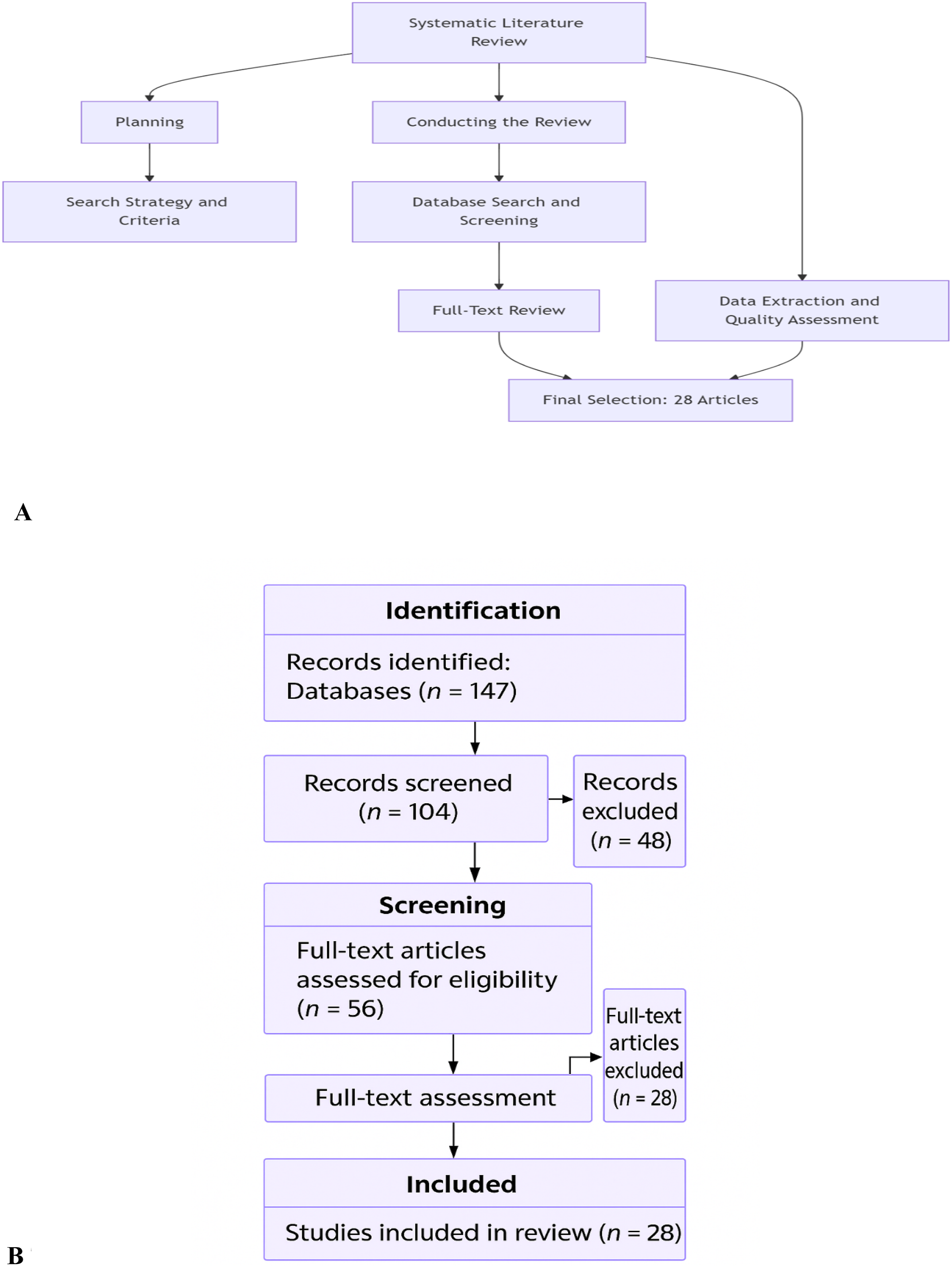
To capture literature relevant to these research questions, search strategies targeted publications focusing on AI-driven adaptivity, gamification elements, and their integration within higher education trading contexts. Keywords were selected to reflect the interplay between these domains and the desired outcomes of improved engagement, motivation, and practical skill acquisition. Examples of search terms include: “AI in trading education” “Adaptive learning in university trading labs” “Gamification in finance or investment education” “AI AND Gamification AND (trading OR finance)”
The review scope was restricted to peer-reviewed journal articles, conference proceedings, and scholarly book chapters published between 2013 and 2023 to ensure the inclusion of current technological and pedagogical advancements. This time frame aligns with the recent surge in interest in AI-driven personalization and gamification in higher education.
4.2 Conducting the Review
4.2.1 Data Sources and Search Strategy
Searches were performed in major academic databases recognized for their comprehensive coverage of educational technology and finance education research, including IEEE Xplore, ScienceDirect, SpringerLink, Taylor & Francis Online, and Google Scholar. Boolean operators and integrated keyword strings (e.g., “Artificial Intelligence AND Gamification AND University Trading Labs”) were applied to ensure the retrieval of a wide range of studies. Additionally, backward and forward citation chaining was employed to uncover relevant studies not captured by the initial keyword searches.
4.2.2 Inclusion and Exclusion Criteria
To ensure transparency and methodological rigor, the study followed the PRISMA (Preferred Reporting Items for Systematic Reviews and Meta-Analyses) 2020 guidelines (Page et al., 2021), which provide standardized procedures for documenting identification, screening, eligibility assessment, and inclusion of studies.
To ensure transparency and relevance, we established clear inclusion and exclusion criteria prior to the review. These criteria guided the identification of studies that directly addressed the research objectives and research questions (RQ1–RQ3).
Inclusion Criteria: • Studies must focus on higher education settings, specifically finance or investment-related programs that utilize AI-driven adaptive learning systems, gamification strategies, or a combination of both in university-level trading simulations. • Eligible contexts included formal curricular activities such as capstone projects, finance laboratories, structured trading simulations, and coursework-integrated investment platforms. • Only empirical studies—quantitative, qualitative, or mixed-method—were included. These studies had to report measurable outcomes related to student engagement, learning performance, motivation, or skill development relevant to our review focus. • Studies had to be peer-reviewed and published in academic journals to reflect recent technological developments and pedagogical practices.
Exclusion Criteria: • Studies focusing exclusively on K–12 education, corporate or professional training, or informal learning settings were excluded to maintain a focus on tertiary education environments. • Non-empirical publications—including opinion pieces, conceptual papers without data, editorials, and conference abstracts lacking methodological transparency—were excluded to ensure empirical robustness. • Studies not written in English or lacking full-text availability through institutional access were excluded due to practical screening limitations.
We conducted a structured database search (see Section 4.2.1), which initially identified 147 studies. After removing 43 duplicates, 104 records were screened based on their titles and abstracts for topic relevance. Of these, 48 were excluded, resulting in 56 articles subjected to full-text review. Following assessment against the inclusion criteria, 28 empirical, peer-reviewed studies were retained for final analysis, with 28 full-text articles excluded. The full screening process is illustrated in Figure 2(b), in accordance with PRISMA-style review standards.
All screening steps were conducted independently by two trained reviewers. Disagreements during screening were resolved through joint discussion and reapplication of the criteria to ensure consistent interpretation and application across studies.
4.2.3 Data Extraction and Synthesis
A standardized data extraction form was employed to systematically capture key characteristics from each study, including: • Contextual details (e.g., participant demographics, course type, and institutional setting) • Nature and type of AI-driven adaptivity (e.g., predictive analytics, reinforcement learning, recommendation systems) • Specific gamification elements (e.g., points, badges, leaderboards, narrative scenarios) and their reported effectiveness in enhancing motivation and engagement • Learning outcomes such as knowledge retention, skill acquisition, decision-making accuracy, and student satisfaction measures • Evidence addressing the comparative impact of AI-only vs. gamification-only vs. integrated AI-gamification interventions on student performance and engagement
The extracted data were thematically coded (Braun & Clarke, 2006) to align with RQ1, RQ2, and RQ3. For instance, themes related to AI-driven personalization and immediate feedback were mapped to RQ1, findings highlighting effective game elements were linked to RQ2, and patterns illustrating the combined effects of AI and gamification on overall learning outcomes were associated with RQ3.
4.3 Quality Assessment
To further enhance the rigor of our review, we conducted a structured quality assessment of the final 28 studies. This evaluation used a standardized checklist adapted from Kitchenham (2004) for systematic reviews in empirical software engineering and supplemented with criteria from Braun and Clarke (2006) on qualitative research rigor.
Each study was assessed independently by two reviewers based on the following five criteria: 1. Clarity of Research Design and Methodology 2. Transparency and Reliability of Data Collection Methods 3. Validity of Findings and Logical Consistency of Interpretation 4. Alignment with Research Questions (RQ1–RQ3) 5. Overall Relevance to AI, Gamification, or Trading Lab Contexts
Studies were scored on a 3-point scale:
1 = Low quality (serious methodological or reporting flaws)
2 = Moderate quality (minor limitations, acceptable relevance)
3 = High quality (robust design, clearly reported, strong relevance)
Discrepancies between reviewer scores were discussed until full agreement was reached. Only studies scoring 2 or above were included in the final synthesis to ensure reliability and academic credibility. This multi-stage quality assurance process strengthens the trustworthiness of our findings and provides a solid foundation for the synthesis presented in Sections 5 and 6.
5. Findings and Discussion
This section systematically synthesizes the literature and conceptual frameworks related to the three key research questions. By directly addressing these questions, the findings advance a nuanced understanding of how AI-driven adaptivity and gamified mechanics interact to foster deeper engagement, improved skill mastery, and heightened learning efficacy in the specialized context of finance education.
5.1 RQ1: Enhancing Learning Experiences Through AI-Driven Adaptive Systems
AI technologies—ranging from machine learning-based predictive modeling to reinforcement learning (RL), Bayesian Knowledge Tracing, Natural Language Processing (NLP), and affective computing—are critical in delivering personalized instruction that aligns with learners’ evolving proficiency levels and cognitive states (Chen et al., 2020; Khakpour & Colomo-Palacios, 2021; Lopez & Tucker, 2018).
In university trading labs, the complexity and volatility of market simulations necessitate adaptive learning solutions that can dynamically adjust to individual learners’ needs. AI-driven systems can, for instance, identify when a student struggles with risk assessment or strategic asset allocation and then tailor supplementary scenarios or targeted feedback loops that scaffold skill development (Barata et al., 2013; Domínguez et al., 2013; Hmelo-Silver & Barrows, 2008). Such adaptive capabilities not only improve conceptual understanding but also cultivate learners’ confidence, resilience, and decision-making acumen under real-world market conditions.
Extended Mapping of AI Techniques, Educational Objectives, and Pedagogical Strategies in Finance Education.
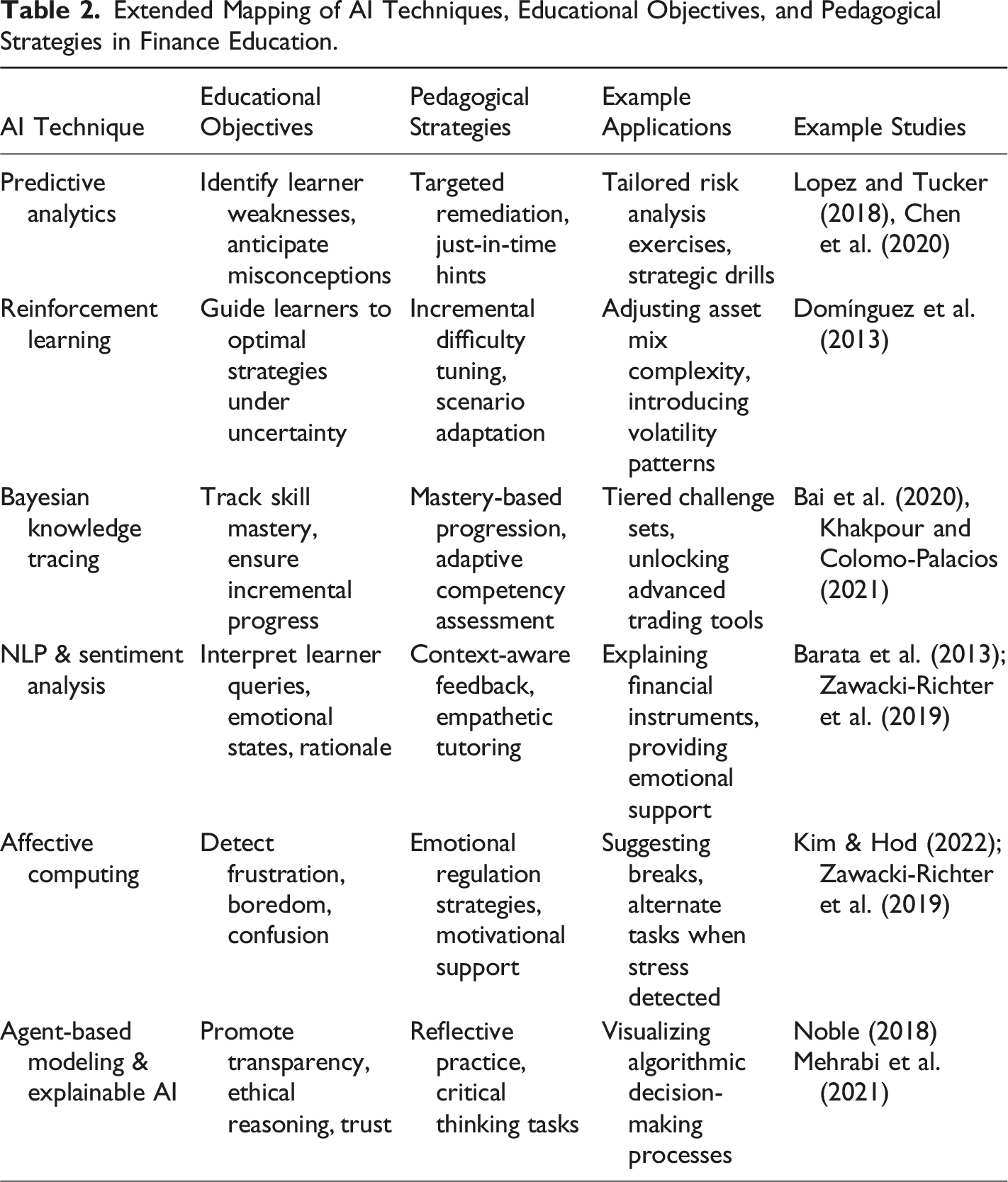
Figure 3 provides a high-level conceptual overview of how AI adaptivity integrates within the trading lab ecosystem, highlighting the flow of learner data into AI engines, the adaptation of tasks, and the subsequent delivery of targeted feedback. Conceptual integration of AI adaptivity in trading labs.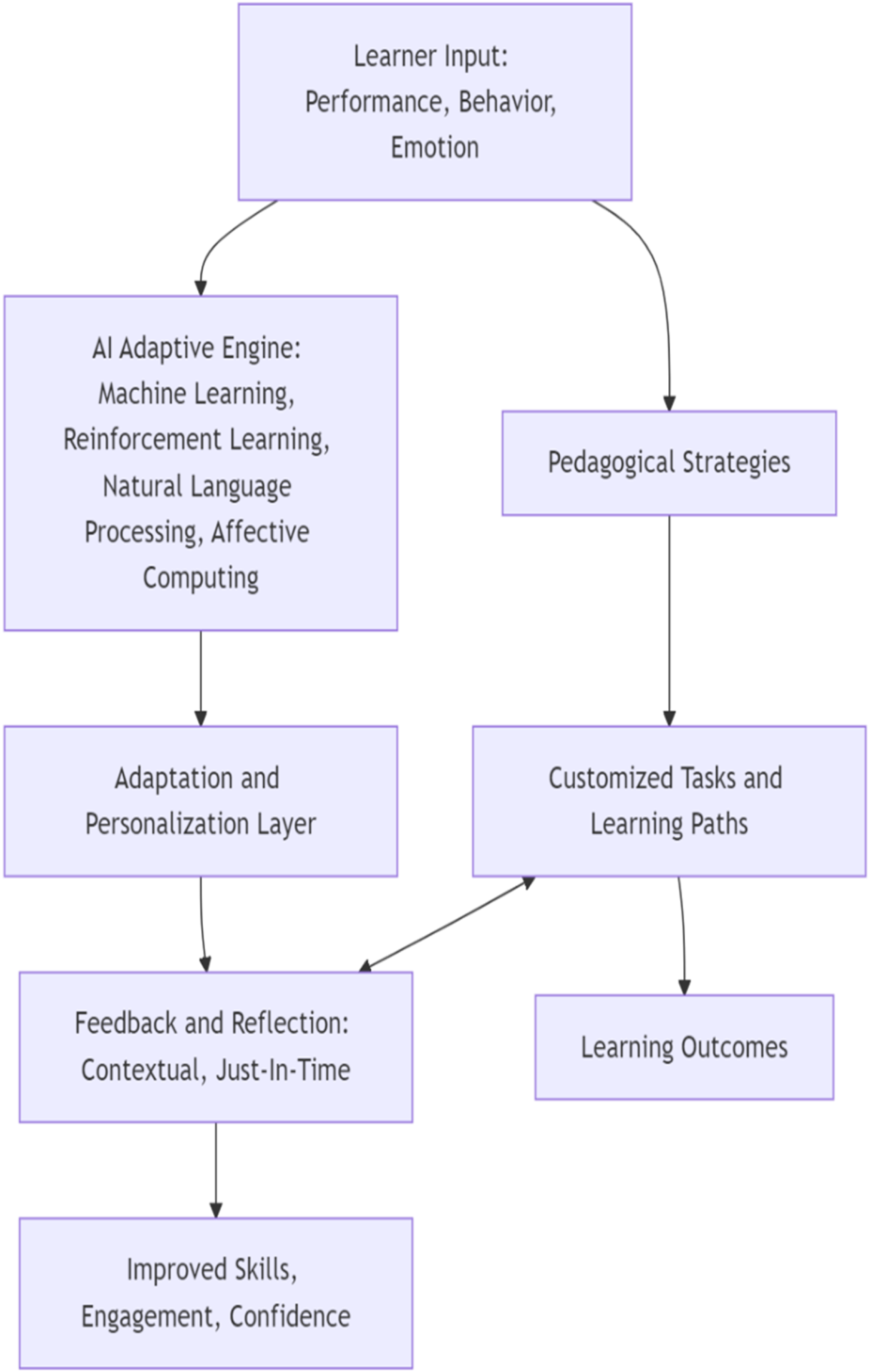
5.2 RQ2: Identifying the Most Effective Gamification Elements for Finance Students
Not all gamification components exert equal motivational force. This is particularly true in finance education, where students must rapidly absorb complex theory while applying it in volatile and dynamic market environments (Bai et al., 2020; Dichev & Dicheva, 2017; Koivisto & Hamari, 2019). In such settings, students benefit most from gamified systems that provide meaningful milestones, adaptive challenges, and structured social learning opportunities.
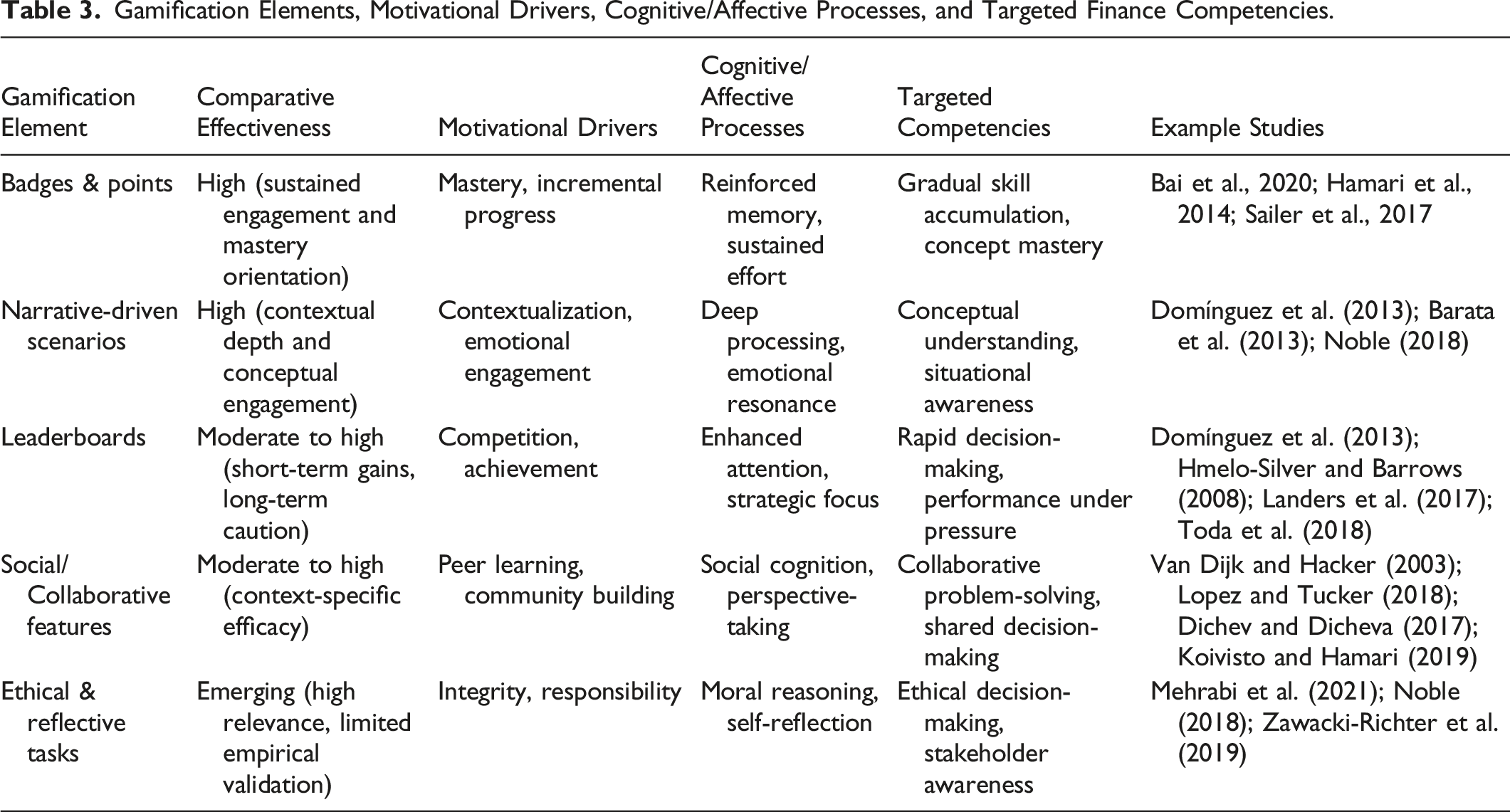
Leaderboards and competitive features appeal to learners driven by performance comparisons and achievements (Domínguez et al., 2013; Koivisto & Hamari, 2019). Badges and incremental reward systems support mastery-oriented learners who value tangible indicators of progress (Hamari et al., 2014). Narrative-driven scenarios engage learners who seek contextual depth and emotional resonance, enhancing conceptual understanding (Barata et al., 2013; Domínguez et al., 2013). Collaborative elements and peer comparison tools foster community, social cognition, and collective problem-solving (Lopez & Tucker, 2018; Van Dijk & Hacker, 2003). Ethical and reflective tasks encourage learners to consider the moral and societal implications of their decisions, resonating with calls for responsible finance education (Mehrabi et al., 2021; Noble, 2018).
To determine comparative effectiveness, we synthesized findings from 28 peer-reviewed empirical studies, using frequency of inclusion, consistency of positive outcomes, and alignment with core motivational theories (e.g., Deci & Ryan, 2000) as ranking criteria. Where possible, we triangulated these findings with results from prior meta-analyses (e.g., Hamari et al., 2014; Sailer et al., 2017) and systematic reviews (e.g., Dichev & Dicheva, 2017) to strengthen our conclusions.
Leaderboards and competitive elements consistently demonstrate significant short-term improvements in engagement and performance due to their direct appeal to achievement-oriented students—traits common in business and finance cohorts (Hamari et al., 2014; Landers et al., 2017). However, these effects may be accompanied by increased anxiety or declines in intrinsic motivation over time, particularly among less confident learners (Toda et al., 2018).
In contrast, badges and point systems demonstrate high effectiveness in fostering long-term engagement, as they provide continuous, tangible reinforcement of progress and support the development of self-efficacy (Hamari et al., 2014; Sailer et al., 2017). Narrative-driven challenges are especially effective in enhancing deep cognitive processing and contextual understanding, which are essential for scenario-based finance training (Barata et al., 2013). Collaborative features perform well in contexts that simulate real-world teamwork environments, particularly when used in conjunction with peer feedback mechanisms (Koivisto & Hamari, 2019).
Although experimental comparisons remain limited, preliminary findings suggest that ethical and reflective gamification tasks hold significant promise for developing responsible financial reasoning and stakeholder awareness. Future experimental research is recommended to empirically validate their long-term effects.
Drawing from both qualitative synthesis and meta-analytic insights, we propose a tentative hierarchy of gamification effectiveness in finance education: (1) Badges and Points (sustained engagement and mastery orientation), (2) Narrative-driven Scenarios (contextual depth and cognitive integration), (3) Leaderboards (short-term motivation with mixed long-term effects), (4) Social/Collaborative Features (effective for team-based environments), and (5) Ethical/Reflective Tasks (theoretically promising but under-validated empirically).
Gamification Elements, Motivational Drivers, Cognitive/Affective Processes, and Targeted Finance Competencies.
5.3 RQ3: The Combined Impact of AI and Gamification on Learning Outcomes
While AI and gamification independently offer substantial benefits—improved personalization, heightened engagement, incremental skill growth—their integration creates a synergy that surpasses the sum of their parts (Khakpour & Colomo-Palacios, 2021; Lopez & Tucker, 2018). AI-driven adaptivity ensures that gamified challenges remain relevant and appropriately challenging, while gamification elements embed motivational scaffolds that foster persistence, curiosity, and exploration (Domínguez et al., 2013; Hmelo-Silver & Barrows, 2008).
Empirical evidence suggests that learners exposed to both AI adaptivity and gamified tasks exhibit greater knowledge retention, more robust conceptual transfer, and higher learner satisfaction than those experiencing either intervention alone (Domínguez et al., 2013). This integrated environment aligns with the third objective of the study: determining whether synergistic application enhances learning efficacy. Indeed, integrated systems can promote long-term engagement with complex financial scenarios, reinforce metacognitive strategies, and foster an agile learning mindset essential for thriving in dynamic professional ecosystems.
Figure 4 offers a broader ecosystemic perspective. Building on the AI adaptivity model in Figures 3, and 4 integrates the gamification layer, illustrating how combined feedback loops facilitate continuous improvement, deeper learner reflection, and goal-oriented skill development. Integrated AI-gamification ecosystem: Enhanced visualization.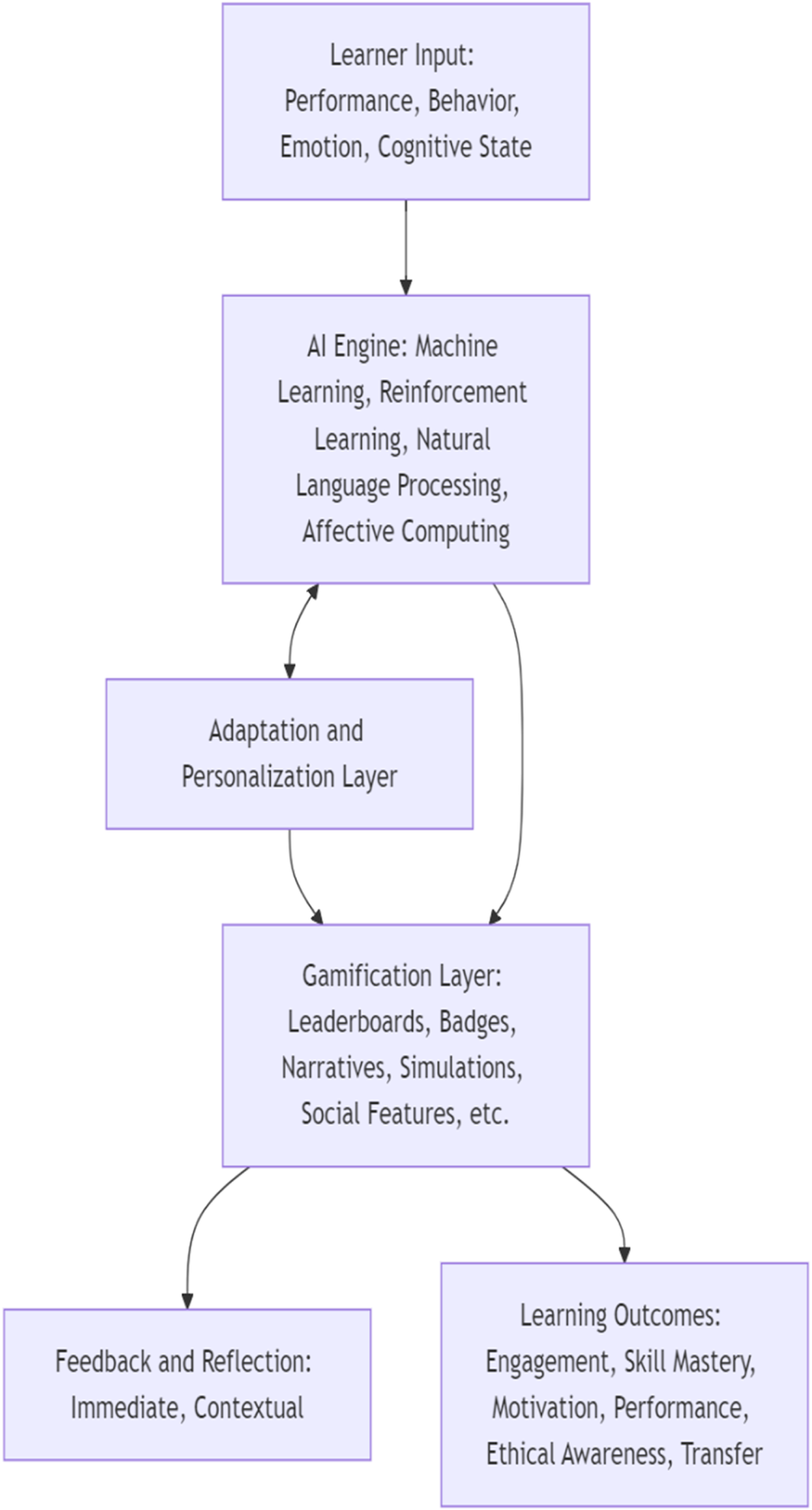
5.4 Integrating AI and Gamification in University Trading Simulations: a Teaching Application Overview
To illustrate how the proposed theoretical framework can be implemented in practice, this section reflects on the instructional use of AI and gamification in a postgraduate finance course at an Australian university. All activities were part of regular teaching and assessment practice, without additional data collection beyond standard learning analytics. The course is offered twice a year, with typical enrolments of 40 to 50 students. Students include both domestic and international students who have completed prerequisite coursework in business finance and investment, including key theories such as Markowitz’s Modern Portfolio Theory.
As part of regular course delivery, a ten-week simulation activity was embedded into the curriculum. Students worked individually or in teams to manage virtual investment portfolios using a professional trading platform that simulated real-time market dynamics. These activities formed an integral component of the teaching and assessment process.
Several gamification elements were integrated into the simulation to enhance student motivation and participation: • Leaderboard Rankings: Students’ portfolio performance was updated weekly on a visible leaderboard. This fostered a competitive atmosphere and encouraged students to refine their trading strategies and maintain consistent engagement. • Achievement Badges: Milestone-based rewards (e.g., “Highest Weekly Return,” “Consistent Performer,” “Risk Manager”) were awarded within the platform interface as students reached specific performance thresholds. • Real Monetary Prizes: At the conclusion of the simulation, the top three students or teams with the highest cumulative returns received cash prizes funded by the department (e.g., $1,000, $700, and $300), providing additional motivation and recognition of achievement.
To further support learning, a basic AI tool was incorporated to generate automated weekly feedback. This module analyzed students’ simulation logs and provided brief summary comments (e.g., trade concentration, risk exposure) via the university’s Learning Management System. Additionally, students experiencing repeated low performance were supported with slightly moderated simulated conditions to help maintain learning momentum and build confidence.
The integration of these AI and gamification features aimed to scaffold learning through differentiated instruction. The competitive and reward-driven environment encouraged sustained effort, while the AI feedback promoted self-reflection and individualized learning adjustments. These elements together created a more dynamic, inclusive, and student-centered simulation experience.
Class-level reflections from teaching staff and anonymous comments received through the university’s standard end-of-course feedback channels indicated significantly improved engagement and perceived usefulness of the simulation. Compared to earlier versions of the course that lacked these enhancements, participation levels and student responsiveness were markedly higher.
These insights support the theoretical model proposed in this study. First, the automated feedback feature contributed meaningfully to students’ strategic thinking and trading decisions (RQ1). Second, gamified elements such as leaderboards and badges were identified as effective in fostering motivation (RQ2). Third, the combined use of AI and gamification demonstrated added value over past iterations of the course that employed either technique in isolation (RQ3).
Future research should expand this model through controlled experimental designs to isolate interaction effects, test transferability across disciplines, and validate long-term learning outcomes.
6. Challenges and Limitations
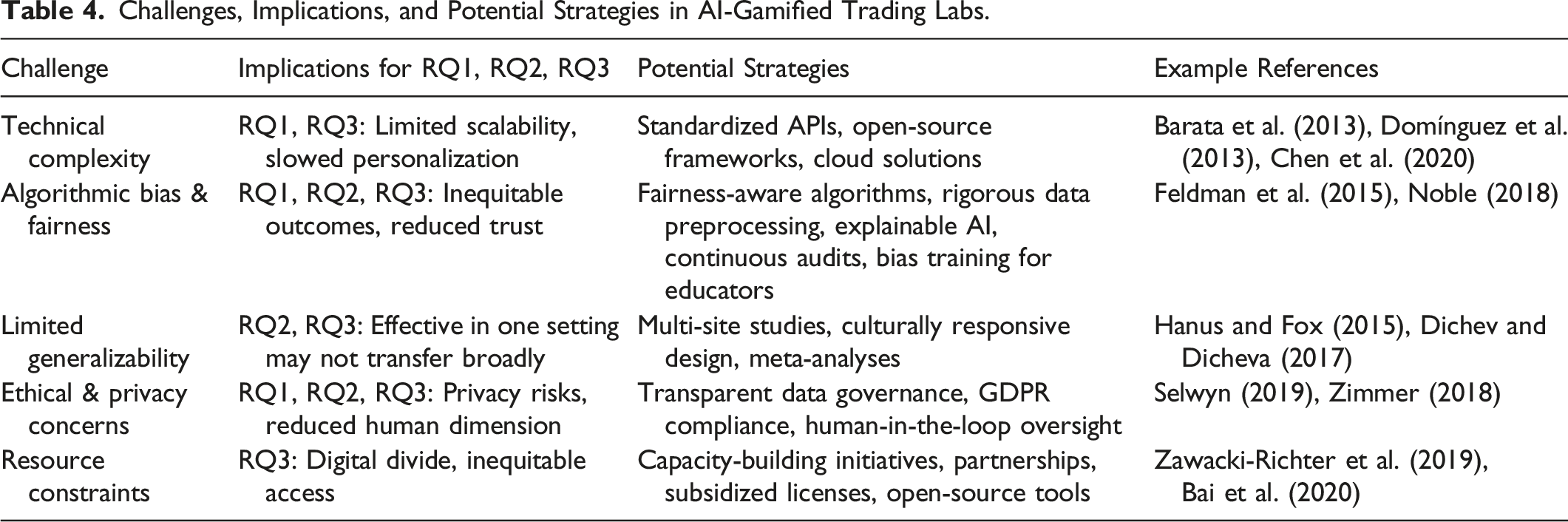
While the integration of AI and gamification into university trading labs holds substantial promise for meeting the objectives associated with RQ1, RQ2, and RQ3—enhancing learning experiences, identifying effective motivational strategies, and ultimately achieving superior educational outcomes—the literature consistently highlights a series of challenges and limitations. These issues align with findings from the broader domain of AI-driven gamification in education (Khakpour & Colomo-Palacios, 2021) and encompass technical integration complexities, algorithmic bias and fairness, limited generalizability across diverse contexts, ethical and privacy concerns, and persistent resource constraints. By understanding and proactively addressing these challenges, stakeholders can move closer to realizing the full potential of AI-enhanced gamified learning environments that are equitable, context-sensitive, and pedagogically aligned with the goals of finance education.
6.1 Technical Integration Complexities
Relation to RQ1 & RQ3: The pursuit of adaptive AI systems (RQ1) and their integrated application with gamification (RQ3) often confronts technical barriers. Implementing advanced AI models—ranging from reinforcement learning to natural language processing and explainable AI—within high-fidelity simulations demands robust computational infrastructures, stable network architectures, and specialized technical expertise (Barata et al., 2013; Domínguez et al., 2013). Without standardized protocols or APIs, institutions risk prolonged development cycles and ad-hoc solutions, hindering seamless personalization and timely feedback loops essential for RQ1 and long-term sustainability for RQ3.
Figure 5 provides a conceptual model illustrating key technological bottlenecks. Differing data formats, inconsistent assessment metrics, and varied feedback channels complicate interoperability and scalability, thereby challenging both the continuous adaptivity (RQ1) and long-term sustainability of integrated AI-gamification environments (RQ3). Technological bottlenecks in AI-gamified trading labs.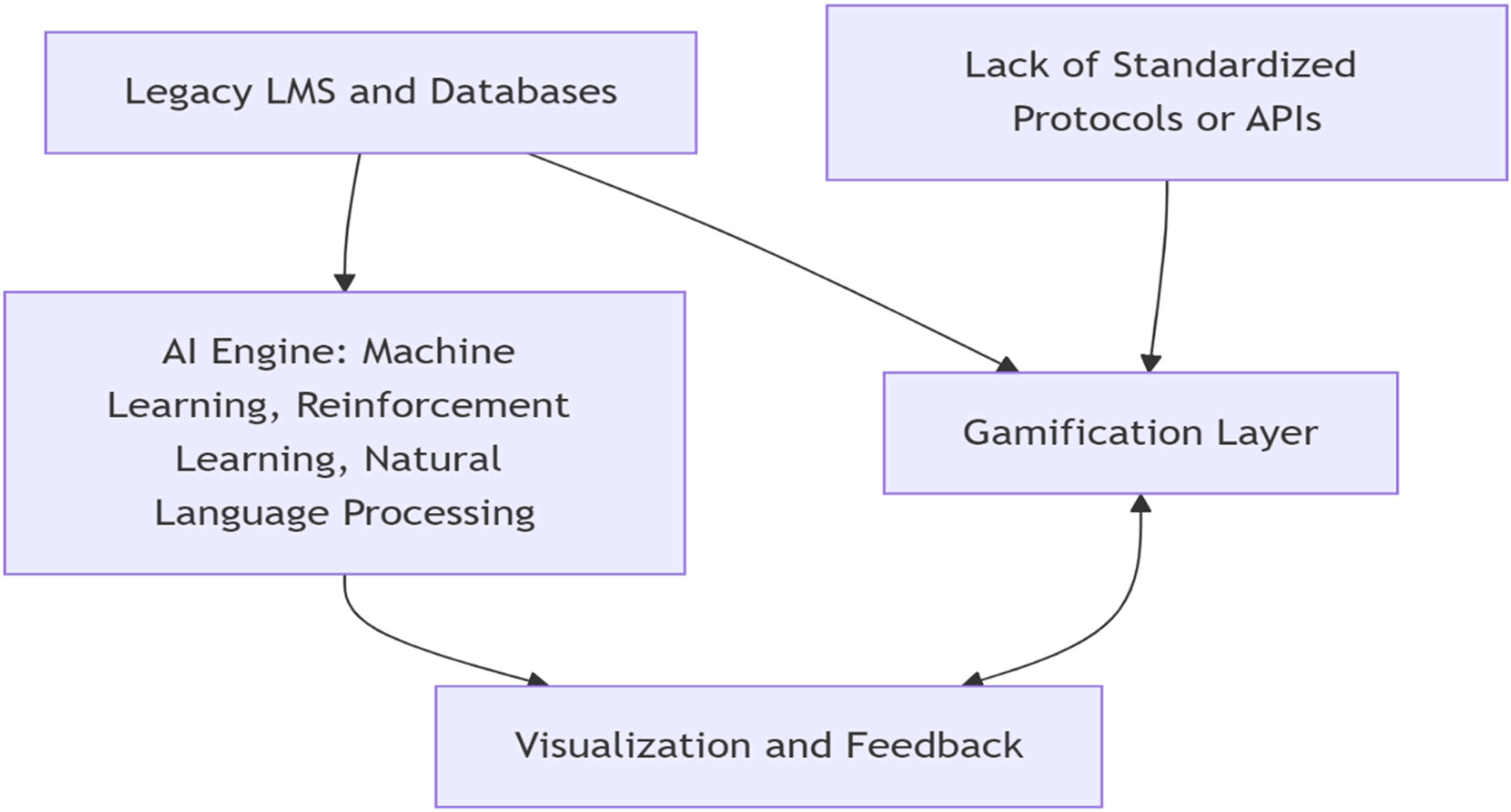
6.2 Algorithmic Bias and Fairness
Relation to RQ1 & RQ2: Personalized AI models that tailor content and difficulty levels (RQ1) or dynamically adjust gamification elements (RQ2) rely on extensive learner data. If these datasets contain historical biases or fail to represent all demographic groups fairly, certain learners may receive systematically different challenges or fewer advancement opportunities (Feldman et al., 2015; Noble, 2018). Such disparities are especially concerning in finance education, where differences in prior experience, confidence, and risk tolerance may intersect with demographic variables, leading to unintentional disadvantage.
In gamified finance education, algorithmic bias may manifest in reward distributions, leaderboard rankings, or personalized feedback pathways, demotivating underrepresented learners and eroding trust in AI-driven personalization. Moreover, bias can compound over time, as AI systems trained on skewed data continue to reinforce existing disparities unless actively monitored and corrected (Mehrabi et al., 2021).
To address these challenges, educational institutions must move beyond technical fixes and adopt a layered approach that integrates ethical design, operational policy, and inclusive pedagogy. This includes utilizing fairness-aware algorithms that identify and minimize biased outputs (Mehrabi et al., 2021), conducting rigorous dataset pre-processing to detect and correct hidden biases (Akter et al., 2021), and integrating explainable AI frameworks that ensure transparency in personalization decisions (Holmes et al., 2019). Regular audits of AI-driven systems are crucial for real-time monitoring and adjustment of potential inequities (Mehrabi et al., 2021).
At the institutional level, universities can adopt the following practical measures: • Establish internal governance boards to evaluate AI tools for classroom deployment, with representation from data scientists, learning designers, and equity advocates. • Mandate algorithmic transparency in vendor contracts and require external validation of AI performance across demographic groups before system rollout. • Incorporate ‘fairness checkpoints’ within academic calendars—designated times when instructors review system-generated outputs for patterns of unequal treatment. • Ensure that students have access to opt-out mechanisms or alternative learning pathways when personalization is perceived as unhelpful or biased.
Additionally, institutions should form collaborative oversight committees composed of AI experts, educators, policymakers, and student representatives to monitor AI applications and develop transparent ethical guidelines (Zimmer, 2018). Providing targeted training on algorithmic fairness for educators and system administrators further strengthens institutional capacity to manage bias effectively (Selwyn, 2019).
Ultimately, a coordinated, multi-stakeholder approach—grounded in continuous feedback loops, transparency, and human oversight—can ensure that AI-driven personalization and gamification promote fairness, inclusivity, and trust. By translating ethical frameworks into concrete institutional practices, universities can mitigate the risks of algorithmic discrimination while ensuring that all learners benefit equally from emerging educational technologies.
6.3 Limited Generalizability Across Contexts
Relation to RQ2 & RQ3: Determining which gamification elements most effectively engage finance students (RQ2) and verifying that integrated AI-gamified systems yield better outcomes (RQ3) require evidence drawn from diverse contexts. Many studies focus narrowly on specific cohorts or educational settings, limiting the generalizability of findings (Dichev & Dicheva, 2017). Gamification features that prove effective in one cultural or institutional environment may not resonate elsewhere, and AI-driven adaptivity strategies validated in trading labs may not translate seamlessly to other disciplines with distinct cognitive demands or pedagogical norms (Hanus & Fox, 2015).
Addressing this challenge entails multi-site studies, cross-cultural analyses, and meta-analytical approaches to identify stable patterns and adapt strategies to varied educational ecosystems.
6.4 Ethical and Privacy Concerns
Relation to RQ1, RQ2, RQ3: The quest for adaptive personalization (RQ1), effective motivational strategies (RQ2), and integrated AI-gamification solutions (RQ3) necessitates extensive data collection—including performance metrics, behavioral analytics, and emotional cues (Zimmer, 2018). While these data streams enable richer insights and tailored feedback, they also raise privacy, consent, and autonomy issues. Learners must be informed about what data are collected, how they are used, and must retain control over their personal information.
Furthermore, entrusting AI with pedagogical decision-making can reduce educator involvement and limit opportunities for human interaction. Balancing technological advancement with human oversight is crucial for maintaining educational integrity. Human-in-the-loop models ensure that AI recommendations supplement rather than supplant instructor judgment (Selwyn, 2019).
6.5 Resource Constraints and Digital Divides
Relation to RQ3: Achieving superior outcomes through integrated AI-gamification strategies (RQ3) often presupposes that institutions can invest in the necessary infrastructure, software, and expert personnel. For less well-funded universities, implementing advanced adaptive systems or complex gamification modules may be cost-prohibitive, potentially exacerbating the digital divide. Such disparities limit widespread access to cutting-edge learning environments and undermine the broad-based educational improvements these technologies promise.
Challenges, Implications, and Potential Strategies in AI-Gamified Trading Labs.
6.6 Addressing Challenges Through Multi-Stakeholder Collaboration
No single actor—educator, technologist, policymaker, or researcher—can overcome these challenges alone. Instead, a multi-stakeholder approach is essential. Educators ensure pedagogical alignment; policymakers and funding agencies promote supportive frameworks and allocate resources; technologists develop fairness-aware, scalable solutions; and researchers generate robust, context-rich evidence to inform best practices.
Figure 6 visualizes this multi-stakeholder ecosystem, illustrating how interdisciplinary collaboration can align technical advances with pedagogical priorities, ethical standards, and equitable access goals. Multi-stakeholder ecosystem for addressing challenges.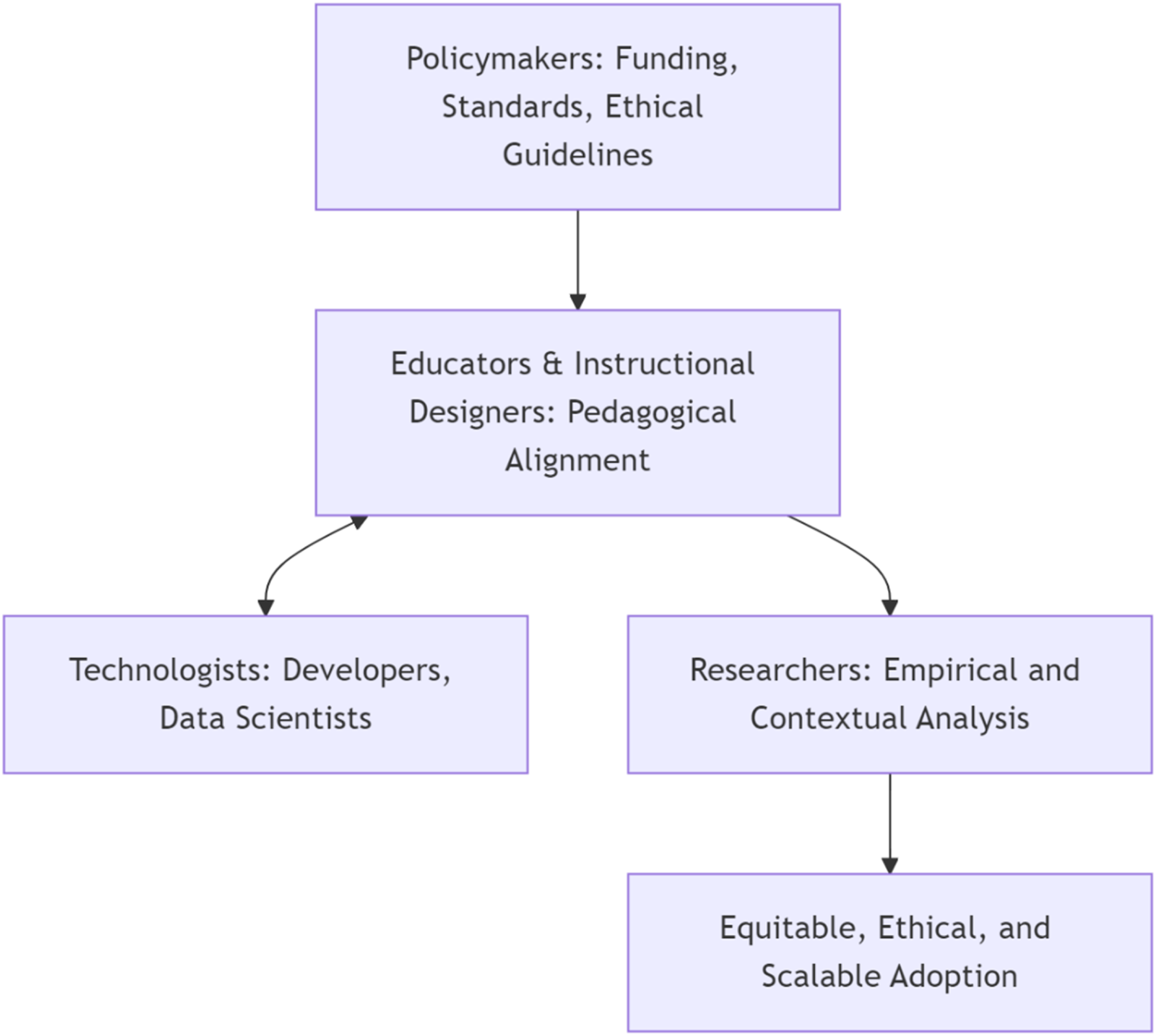
In conclusion, while AI-driven adaptivity and gamification can fundamentally transform learning experiences in university trading labs, significant hurdles must be overcome to fully realize the study’s objectives and address RQ1, RQ2, and RQ3 comprehensively. Technical complexities impede seamless personalization (RQ1) and integrated benefits (RQ3); algorithmic bias and fairness issues threaten equitable improvements (RQ1, RQ2, RQ3); limited generalizability constrains the universal applicability of effective gamification elements (RQ2, RQ3); ethical and privacy concerns demand careful stewardship (RQ1, RQ2, RQ3); and resource constraints risk widening the educational digital divide (RQ3).
Addressing these challenges necessitates interdisciplinary collaboration, continuous refinement of AI algorithms and gamification frameworks, and the development of accessible, ethically sound, and pedagogically robust solutions. Through concerted efforts, stakeholders can pave the way for adaptive, gamified finance education that not only engages learners but also embodies principles of fairness, inclusivity, and sustainable innovation.
7. Conclusion and Future Directions
7.1 Summary of Findings
This literature review examined the convergence of AI and gamification within university trading labs, aiming to understand how AI-driven adaptivity enhances learning (RQ1), which gamification elements most effectively engage finance students (RQ2), and whether integrated approaches yield superior outcomes (RQ3). The findings corroborate that: • For RQ1: AI-driven adaptive learning systems can personalize content, provide timely feedback, and dynamically adjust complexity based on individual learner profiles. This adaptivity supports deeper comprehension of complex financial concepts and improves learners’ ability to navigate volatile market conditions (Khakpour & Colomo-Palacios, 2021; Lopez & Tucker, 2018). • For RQ2: Among diverse gamification elements—points, badges, leaderboards, narrative scenarios, collaborative missions—those that align with learners’ cultural backgrounds, motivational drivers, and skill levels prove most effective. These elements sustain engagement, reinforce skill mastery, and foster strategic thinking essential for finance education (Bai et al., 2020; Domínguez et al., 2013). • For RQ3: Integrated AI-gamification ecosystems surpass the sum of their parts by ensuring that adaptive challenges remain contextually relevant and motivationally resonant. Empirical evidence suggests that students in these environments exhibit enhanced skill acquisition, greater retention, and improved decision-making capabilities compared to scenarios where AI or gamification alone is employed (Dichev & Dicheva, 2017).
Furthermore, as AI and gamification mature, educators and policymakers gain insights into creating more inclusive, ethically grounded, and privacy-conscious learning spaces. Yet, the literature underscores the need to address technical integration challenges, algorithmic fairness, ethical considerations, generalizability issues, and resource constraints (Zimmer (2018)). These complexities highlight the importance of thoughtful, iterative implementation strategies guided by pedagogical principles and continuous evaluation.
7.2 Recommendations
Building on the insights aligned with RQ1, RQ2, and RQ3, several strategic recommendations emerge to guide institutions, educators, and developers in implementing AI-enhanced gamification in university trading labs. These recommendations ensure that adaptivity (RQ1), effective gamification design (RQ2), and integrated improvements in learning outcomes (RQ3) remain central objectives.
Recommendations Linked to Research Questions and Expected Outcomes.
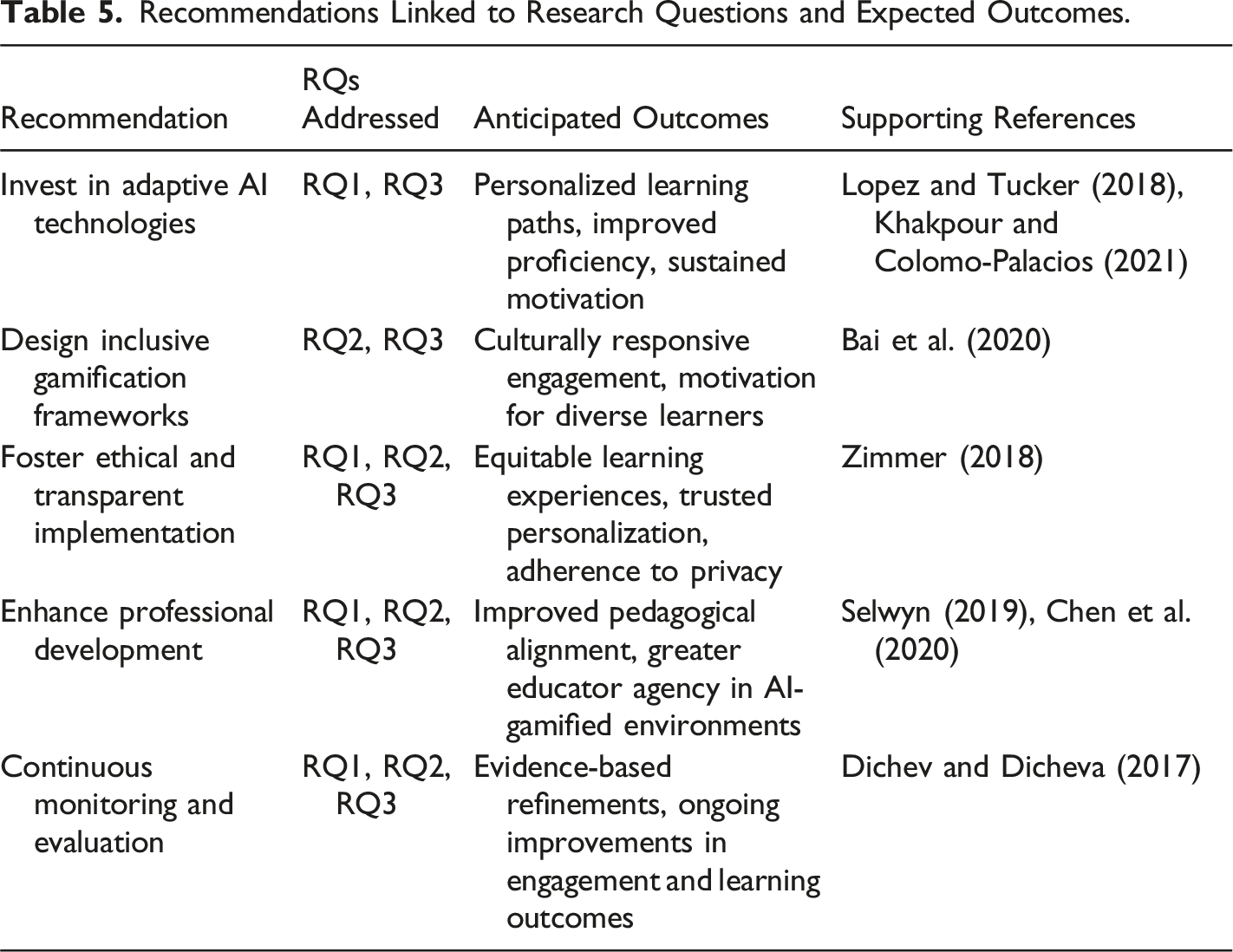
By following these recommendations, institutions can ensure that AI adaptivity and gamification mechanics work in concert to support learners’ skill development, sustain motivation, and mitigate risks related to bias, equity, and misalignment with pedagogical goals.
7.3 Future Research Directions
While the reviewed evidence indicates a promising trajectory for AI-driven gamification in trading labs, several key areas require deeper empirical attention to fully realize the objectives associated with RQ1, RQ2, and RQ3: • Longitudinal and Impact Studies (RQ1, RQ3):
Investigate long-term effects on knowledge retention, career preparedness, and skill transfer to professional contexts. Understanding sustained impacts will validate the enduring value of adaptive, gamified systems. • Cross-Contextual and Cross-Disciplinary Replicability (RQ2, RQ3):
Examine how AI-driven gamification performs in various disciplines (e.g., healthcare, engineering) to confirm generalizability and identify discipline-specific adaptations. Such insights ensure that effective gamification elements are not contextually locked to finance education alone. • Ethical and Fairness Frameworks (RQ1, RQ2, RQ3):
Develop robust frameworks for transparency, explainability, and consent in AI-driven personalization. Ensuring fairness and equity will prevent inadvertent educational inequalities. • Cost-Benefit and Scalability Analyses (RQ3):
Evaluate economic feasibility and return on investment for implementing AI-enhanced gamification at scale. Understanding cost structures and comparing proprietary versus open-source solutions can guide resource allocation. • Human-AI Interaction Dynamics (RQ1, RQ2, RQ3):
Explore how educators can collaborate with AI systems, complementing adaptive interventions and game mechanics without diminishing human judgment or empathy. Identifying best practices for human-in-the-loop approaches ensures that pedagogical intent remains paramount.
Figure 7 Suggests a developmental roadmap for future research, mapping focus areas (aligned with RQ1, RQ2, RQ3) from initial pilot implementations to broad institutionalization. Future research roadmap for AI-gamification in education.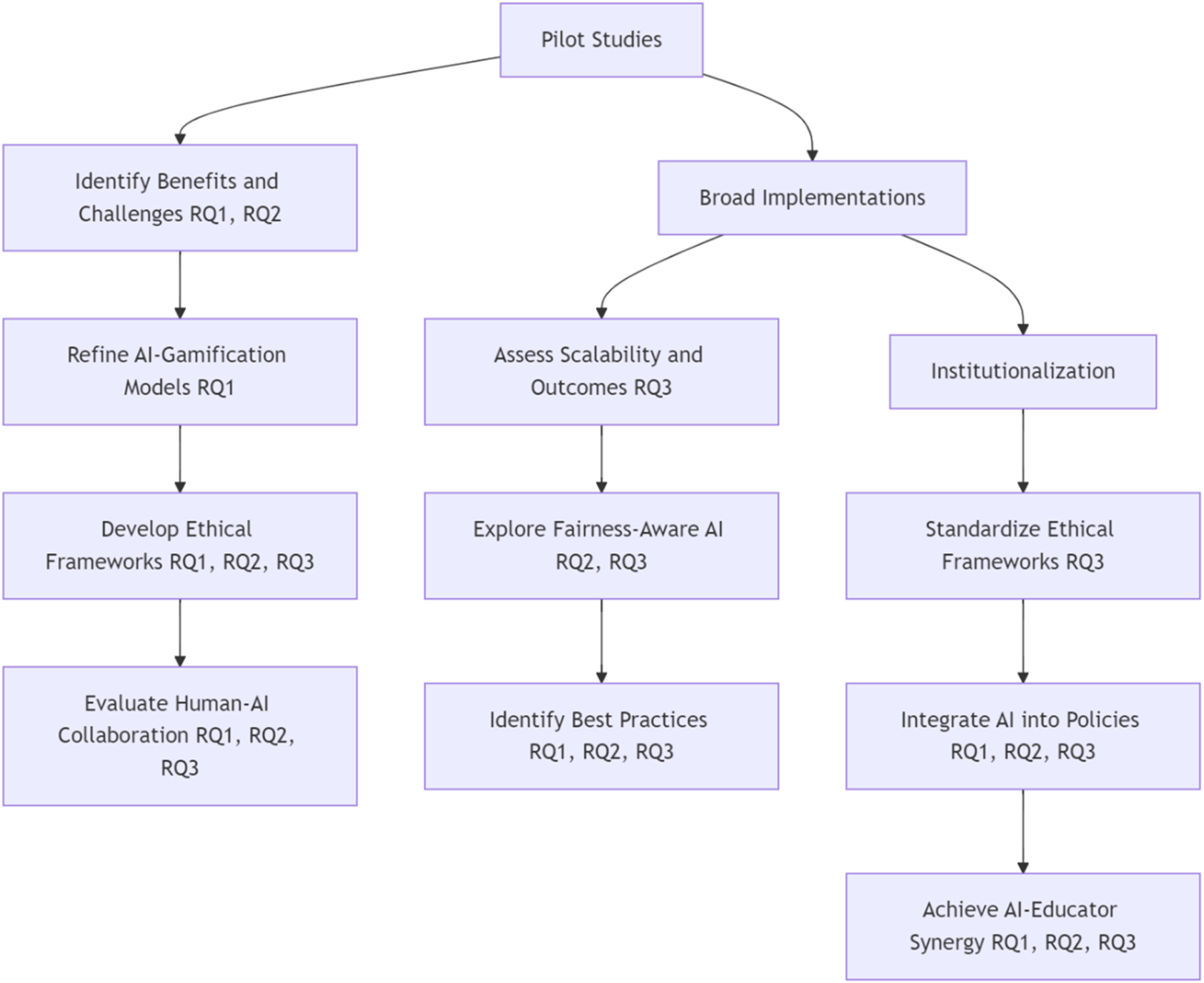
In sum, this literature review reaffirms that AI-driven adaptivity and gamification can enrich university trading labs by personalizing learning pathways (RQ1), optimizing motivational elements (RQ2), and offering integrated improvements in learning outcomes (RQ3). The evidence suggests that these technologies, when carefully implemented, enhance learners’ engagement, skill mastery, and readiness for real-world financial markets. Yet, challenges—technical complexities, algorithmic biases, ethical considerations, context-dependent results, and resource constraints—must be addressed to ensure that the benefits are widely accessible and equitably distributed.
Future research and practice should emphasize rigorous, context-rich evaluations, fairness-aware AI models, open-source solutions, and human-in-the-loop frameworks. By fostering ethical, learner-centered ecosystems and adapting strategies to diverse educational landscapes, stakeholders can fully capitalize on the synergy of AI and gamification. Ultimately, this aligns with the overarching objective of empowering students with meaningful, adaptive, and motivating learning experiences that prepare them to thrive in an ever-changing global environment.
Footnotes
Acknowledgement
The author acknowledges the valuable mentorship provided by the Accounting and Finance Program and UniSA Business, and the financial support of the UniSA Business Scholarship Fund and Research Recognition Scheme.
Author Contributions
Gordon Yuan: Sole author, responsible for all aspects of the study.
Declaration of Conflicting Interests
The authors declare no conflicts of interest.
Funding
No funding associated.
Informed Consent
This manuscript uses the systematic literature review approach and does not involve human subjects research requiring ethical clearance or informed consent. No individual student data were collected, analyzed, or reported. All insights are presented at the cohort level and are based on anonymized data. Accordingly, the study falls outside the scope of human research ethics review, and no informed consent form is required under current institutional guidelines. Therefore, the informed consent form is not applicable in this case.

Data Availability Statement
Data sharing is not applicable to this article as no new data were created or analysed in this study.