




Abstract
Though relatively new, the concept of smart villages empowers rural communities by providing essential amenities that support a self-sustaining lifestyle, reducing the need for migration to urban areas. As climate change intensifies, maintaining the current urban-to-rural population ratio of 60:40 is crucial in mitigating global warming and ensuring planetary sustainability (United Nations (UN), 2017, World Population and Housing Census Program). The increasing adoption and use of the internet play a pivotal role in socio-economic development, particularly in rural areas where connectivity has the potential to transform lives. Enhanced digital access can empower communities, foster economic growth and curb urban migration. However, despite its recognised importance, rural regions struggle with inadequate internet access and usage. This study examines internet adaptation and usage patterns in rural areas, focusing on Assam, a state in north-eastern India where the digital divide hampers progress in education, healthcare and economic activities. Data were collected from 2,058 households across 12 villages, analysing mobile phone ownership, internet service quality and usage trends. The findings reveal that while approximately 75% of the surveyed population has mobile phone services, only 19% report internet access, and a mere 9% consider the internet quality satisfactory. Among those with connectivity, the primary uses include social networking (90%), education (85%) and entertainment (85%), followed by work-related activities (60%) and online shopping (40%). Despite the potential benefits of digital inclusion, infrastructure deficiencies, affordability constraints and limited digital literacy remain significant barriers to widespread internet adoption. The study further highlights that, for many rural residents, improved internet access is not yet a top priority compared to pressing needs such as clean water and sanitation. However, the research underscores the transformative potential of internet connectivity in fostering smart village development. By providing valuable insights into the relationship between digital adaptation and sustainable rural development, this study offers a framework for addressing connectivity challenges in similar global contexts.
Introduction
Internet access is increasingly recognised as a cornerstone for advancing personal well-being and national economic growth, particularly in developing smart villages (Prieger, 2013). Numerous studies have established that access to internet services enhances the quality of life by improving rural education, healthcare and social connectivity (Holt & Jamison, 2009; Larose et al., 2011). For instance, the internet enables small-scale web-based businesses in remote and decentralised regions, overcoming the limitations imposed by geographic isolation (Doloi, 2024). The positive correlation between internet availability and economic growth is well-documented, but the relationship remains underexplored in rural areas and their potential transformation into smart villages (Koutroumpis, 2009). Smart villages focus on providing essential amenities to communities, enabling them to sustainably meet their needs while fostering growth, well-being and comprehensive, self-reliant development. One of the core principles of smart villages, as defined by the Smart Villages Research Program at the University of Melbourne, is the localised and context-sensitive implementation of the United Nations Sustainable Development Goals (SDGs). This approach ensures that development outcomes are both holistic and climate-positive (Doloi, 2024; Doloi et al., 2019). Studies such as Lawrence et al. (2013) highlight the significance of addressing systemic issues like food security within broader policy contexts. These approaches underscore the importance of integrated development strategies, where internet connectivity is pivotal.
In rural development, the transition to smart villages relies heavily on leveraging the internet for integrated development (Doloi et al., 2019). Bjørkhaug and Richards (2008) noted that the role of multifunctional development approaches suggests that rural policies should consider diverse and interconnected needs, such as sustainable agriculture and community-driven initiatives. For instance, access to the internet can enable smart farming through Internet of Things (IoT) technologies, enhancing agricultural productivity and sustainability. Similarly, it opens new educational opportunities through e-learning platforms, allowing rural students to access quality education remotely. Furthermore, healthcare delivery can be revolutionised through telemedicine and mobile health (mHealth) services, addressing the critical gap in medical access for remote populations. Even though the application of internet-based services in community upliftment programmes such as agriculture, education and healthcare sectors is quite widespread, general infrastructure availability and high-speed connectivity alone do not usually guarantee the adoption or effective usage of internet services among rural communities (Puschita et al., 2014). Barriers such as unreliable and unaffordable connectivity and low levels of digital literacy hinder meaningful adoption and realisation of tangible contributions in the community development process. These challenges require targeted strategies, including digital literacy programmes, scalable technological solutions and robust infrastructure investments (Doloi et al., 2019).
Based on an empirical study, this article explores the intersection of internet adaptation and smart village development, proposing a multi-faceted approach to bridging the digital divide. As mentioned above, the smart village, focusing on economics in the Global South, the scope in the current research encompasses the effective implementation of the United Nations’ SDGs and the enabling power of the internet (Doloi et al., 2019).
Thus, the research emphasises the need for investments in robust infrastructure, affordable and scalable technological solutions like community Wi-Fi and satellite internet, and tailored digital literacy programmes. There is a lack of understanding of how rural populations generally use internet services, especially in implementing or leveraging SDGs in development programmes (Doloi et al., 2019; Liu, 2011). These understandings could potentially assist policymakers and stakeholders in aligning their strategies from the insights of internet accessibility and usage to transform rural areas into thriving smart villages, ensuring inclusive and sustainable development.
Background Reviews
Rural economies, traditionally reliant on agriculture and limited industrialisation, face increasing difficulty meeting the demands of a rapidly evolving global market. Recent literature highlights the transformative role of IoT in addressing these challenges, particularly in agricultural sectors. Smart farming practices enabled by IoT technologies optimise irrigation, fertilisation and crop monitoring, boosting productivity and sustainability (Ahmed & Hussain, 2018). Enhancements like Fog and Cloud computing further extend IoT’s scalability and efficiency in rural contexts, suggesting that digital innovation is a pivotal driver for rural revitalisation (Doloi et al., 2019).
Beyond agriculture, improved internet access stimulates broader economic opportunities. It facilitates entrepreneurship by enabling rural businesses to access larger markets and promotes rural tourism through enhanced connectivity (Pesonen, 2015). Migration trends such as counter-urbanisation show that internet-enabled businesses and remote work opportunities can attract new populations to rural areas (Mitchell, 2004). Nevertheless, studies caution that such migration introduces sociocultural complexities requiring thoughtful policy interventions (Annes & Redlin, 2012). Further, despite the potential benefits, rural enterprises often fail to fully exploit internet services, highlighting persistent knowledge gaps and the need for targeted support to foster digital adoption.
In the healthcare sector, rural isolation and resource limitations hinder service delivery (MacLeod et al., 2008; McGregor et al., 2005). However, mHealth solutions (such as smartphones, tablets and smartwatches), leveraging mobile and IoT technologies, have shown promise in bridging these gaps. mHealth and internet technology enable remote consultations, real-time health data collection and improved provider communication (World Health Organization, 2011). Especially in areas with limited infrastructure, mobile phones have emerged as critical tools for delivering healthcare services, extending the reach of healthcare professionals and reinforcing the smart villages concept (Labrique et al., 2013).
Education, another pillar of sustainable development, similarly benefits from internet connectivity. IoT-enabled smart education platforms provide rural students access to virtual classrooms, online resources and certification programmes (Uzelac et al., 2015). The internet empowers rural learners to overcome geographical barriers and access advanced learning opportunities. However, challenges such as digital illiteracy, lack of affordable devices and reluctance towards technology adoption constrain educational transformation in rural areas.
The adaptation of internet technologies also influences rural social dynamics. Internet access strengthens social ties, reduces isolation and discourages out-migration (Larose et al., 2011). However, income, education and available infrastructure critically affect adoption rates (Whitacre & Mills, 2010). Global data reflect the disparity: nearly half the world’s population remains offline, with rural communities disproportionately disadvantaged. In India, stark connectivity gaps remain, with only 1.3% of individuals subscribing to fixed broadband services as of 2017 (Puschita et al., 2014).
Despite these insights, a major research gap persists regarding the detailed patterns of internet adaptation and usage in rural regions, particularly in developing economies. To address this, the present study draws empirical evidence from Assam, India, where over 86% of the 35 million population resides in rural areas. This research investigates how the internet is currently used and how digital connectivity can accelerate the development of smart villages aligned with the United Nations SDGs.
Thus, this research is built on two core objectives: first, to understand rural internet engagement patterns, and second, to identify pathways for enhancing digital infrastructure to drive inclusive, sustainable rural transformation.
Research Design and Data Collection
This study employed a quantitative research design, utilising a structured questionnaire as the primary data collection tool. According to Kolb (2008), questionnaires consist of questions with predetermined response options, enabling systematic data collection. The questionnaire was designed based on the United Nations’ census templates, which were deemed most suitable for capturing comprehensive household-level demographic data (United Nations (UN), 2017). Given that the study was conducted in Assam, India, the questionnaire was further adapted and refined using the Indian Census framework for reference (Census India, 2011). Due to its length—spanning 20 pages—the whole questionnaire is not included in the manuscript for brevity. The study primarily employed closed-ended questions, as they facilitate faster data collection, enable straightforward comparisons across groups and require minimal training for effective administration (Oppenheim, 2000). The standard tests for the data set’s reliability, sensitivity and validity were performed to ensure the study’s robustness (Field, 1998).
The data collection followed a between-groups design, which, Field (1998) explains, involves manipulating independent data across different entities in each test condition. Randomisation was employed to minimise systematic bias and enhance the study’s reliability. The sample included participants from 2,058 households across 39 villages in the river island, Majuli, in Assam, India, ensuring a diverse demographic representation, including gender, internet priorities, mobile phone coverage, ownership of networking devices, internet service quality and usage patterns. As the research aims to comprehensively understand the villagers across the studied villages, ensuring the entire demography in the data sample was a crucial target. The data were collected as part of a collaborative project between the state government of Assam and the University of Melbourne, following the university’s ethical research protocols. The Central Ethics Committee obtained the ethics clearance. Due to the length of the questionnaire and the remote study locations, a custom-built smartphone app was designed and used to collect the data from individual households across the villages on the ground. Six volunteers from the local communities were trained to collect the data using tablets equipped with the smart app.
Participants’ responses were analysed using IBM SPSS Statistics Version 25, a widely recognised software for quantitative data analysis (Field, 1998). The remainder of the article reports descriptive and inferential analyses of the collected data, providing insights into the patterns and implications of internet adaptation and usage in rural Assam.
By adopting a rigorous methodological framework and leveraging robust analytical tools, this study ensures that the findings are reliable and contribute meaningfully to understanding the potential of internet adaptation in driving smart village development.
Results, Findings and Discussions
Current Networking Devices in Rural Areas
The findings of this study reveal that significant disparities exist in internet and digital device access within the data sample. As illustrated in Figure 1, the dominant networking device in these households is the basic mobile phone, with 1,116 units reported, accounting for approximately 54% of all networking devices. This dominance reflects the widespread affordability and accessibility of mobile phones in rural areas. In contrast, only 480 households—representing around 23%—reported ownership of smartphones, which are essential for effective internet usage and online engagement.
Ownership of Different Types of Networking Devices.
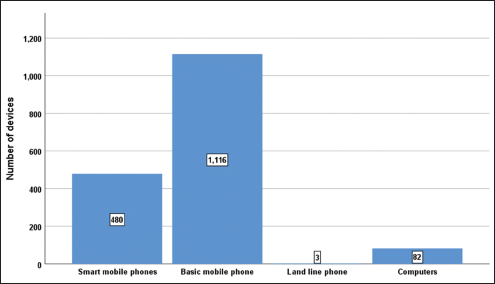
Interestingly, other networking devices such as computers (82 units, or about 4%) and landline phones (3 units, less than 1%) remain scarce, underlining these populations’ infrastructural and economic barriers. Furthermore, approximately 36% of households lack any networking device, highlighting a critical digital access and inclusion gap. Despite 64% of rural households having at least one networking device, the study underscores that only 27% possess internet-compatible devices like smartphones and computers. This disparity poses challenges for leveraging internet technologies to advance education, healthcare and economic development—key pillars aligned with the SDGs.
Smartphone Operating Systems in Rural Areas
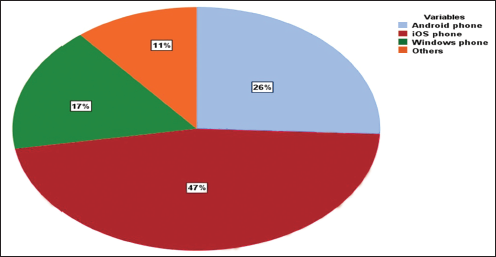
Figure 2 provides a detailed breakdown of smartphone operating systems in rural regions, emphasising the population’s technological diversity. The data reveal that 47% of smartphones operate on iOS, while 26% run on Android. Windows phones account for 17% of the total, and the remaining 11% use other operating systems. This distribution highlights several significant insights regarding how rural populations engage with internet-enabled devices and internet services, as discussed below.
The Percentage of Each Mobile Operating System.
Understanding Current Internet Engagement in Rural Areas
The predominance of iOS devices in the data sample, which accounts for nearly half the smartphone market share, suggests that a significant segment of the population may be using high-end devices, likely benefiting from advanced features and consistent software updates. However, despite being a globally dominant platform, the share of Android smartphones (26%) indicates potential barriers to adopting more affordable and versatile options. Windows phones (17%) and other operating systems (11%) represent a smaller yet relevant portion of the digital ecosystem. These systems, often associated with older or less versatile devices, could signal limited access to contemporary internet services due to compatibility issues. This fragmentation in operating systems directly impacts how rural populations access, use and benefit from the internet.
Challenges to Internet Accessibility
While the widespread use of iOS devices might suggest technological advancement, it also poses a challenge for inclusive internet engagement. Premium devices often require higher-cost data plans, which may exclude economically weaker households. Conversely, the relatively low adoption of Android, known for its affordability and compatibility with various applications, suggests a missed opportunity for broader internet penetration in these areas. Additionally, the presence of legacy systems, such as Windows phones and other older platforms, reflects the need for more inclusive infrastructure. These devices may lack the functionality required to support modern applications, limiting the potential for meaningful internet use in education, healthcare and economic development.
Opportunities for Comprehensive Rural Development Aligned with SDGs
To realise the objectives of rural digitisation, especially in alignment with the SDGs, targeted strategies are essential for expanding the reach of Android devices, which offer cost-effective solutions with broad app compatibility that could significantly enhance internet adoption. Notably, critical digital services, such as e-learning platforms, telemedicine apps and e-governance portals, are compatible across iOS, Android and older systems, which is crucial for equitable access. Internet infrastructure in rural areas, particularly to accommodate the bandwidth needs of high-end devices, is essential for maximising the utility of existing iOS and Android smartphones.
Bridging the Digital Divide
The observed disparity in operating system adoption highlights the need to bridge the digital divide in the data sample. Tailored interventions, such as device literacy programmes and affordable data plans, can empower more households to engage with internet services meaningfully. Additionally, leveraging the growing iOS user base to pilot advanced services while simultaneously expanding Android adoption offers a dual approach to digital inclusivity. Overall, the diversity in smartphone operating systems in rural areas reflects opportunities and challenges for internet engagement. By addressing the limitations of legacy systems, expanding the reach of affordable devices and ensuring equitable access to digital services, it is possible to unlock the transformative potential of internet technologies. Such initiatives not only foster comprehensive rural development but also contribute to achieving key SDGs, including reducing inequalities (SDG 10), promoting economic growth (SDG 8) and ensuring inclusive access to education and healthcare (SDGs 4 and 3).
Mobile Phone and Accessibility to Internet Services
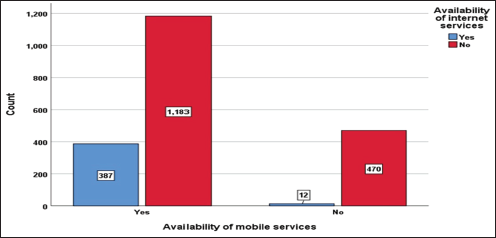
Figure 3 highlights the relationship between mobile service availability and access to internet services in the data sample, providing critical insight into the connectivity challenges and opportunities in these areas. The data reveal that while 75% of respondents reported access to mobile services, only 19% of households had internet access. This significant disparity highlights some underlying challenges in translating mobile service availability into meaningful internet connectivity, as discussed below.
Correlation Between the Availability of Mobile and Internet Services.
Insights into Mobile and Internet Availability
As illustrated in Figure 3, the findings reveal a clear correlation between mobile service availability and internet access. Among respondents with access to mobile services, approximately 25% also reported having internet connectivity. In stark contrast, 98% of households without mobile service reported no internet access, underscoring the foundational role of mobile infrastructure in facilitating digital connectivity in rural areas. This relationship is further supported by statistical analysis. A Chi-square test of independence confirms a significant association between mobile service and internet availability (χ2(1) = 115.617, p < .001), with a moderately strong effect size (φ = 0.237). These findings underscore the critical importance of strengthening mobile service infrastructure as a strategic pathway to expanding internet access in underserved regions.
Challenges to Internet Accessibility
As shown in Figure 3, the low percentage (19%) of internet service availability in rural households points to persistent infrastructural and socio-economic barriers. Even in areas with mobile services, the relatively low internet penetration rate indicates potential challenges such as high costs of data plans or smartphones capable of accessing the internet, limited digital literacy or awareness of internet-enabled opportunities, and poor quality of mobile networks, with inadequate bandwidth to support internet services effectively. The almost complete absence of internet access for households lacking mobile services illustrates a dual-layered digital divide. This group faces technological constraints and likely suffers from socio-economic disadvantages that impede connectivity.
Opportunities for Advancing Internet Connectivity
Appropriate measures are crucial to bridge this gap and promote comprehensive development aligned with the relevant SDGs. For instance, expanding mobile network infrastructure, including public Wi-Fi provisions in underserved areas, can increase internet accessibility. Investments in 4G and 5G networks should prioritise rural regions to ensure equitable connectivity. Subsidising data plans and offering low-cost smartphones can help economically marginalised households access internet services at an affordable rate. Similarly, educating rural populations about the benefits of internet use can foster greater adoption. Awareness programmes may emphasise how internet access supports education, healthcare and entrepreneurship, which align with SDGs such as quality education (SDG 4) and decent work (SDG 8).
Implications for Rural Development
The results underline the interdependence of mobile and internet services in fostering digital inclusion. Addressing the infrastructural and economic barriers to mobile service expansion is critical for creating a foundation for broader internet access. Such initiatives can act as catalysts for advancements in rural education, healthcare and economic opportunities, contributing to sustainable development at both local and national levels. These efforts address immediate connectivity gaps and lay the groundwork for achieving long-term SDGs, including reducing inequalities (SDG 10) and promoting inclusive infrastructure (SDG 9).
Internet Usage in Rural Areas
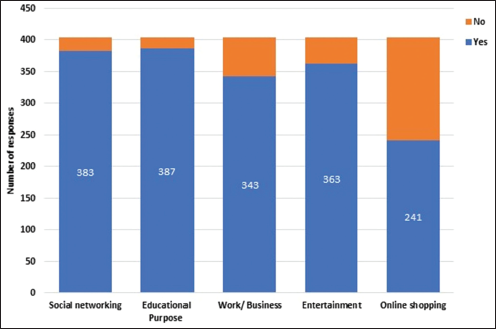
Examining how rural populations use the internet for five distinct purposes: social networking, education, work/business, entertainment and online shopping, the findings (depicted in Figure 4) reveal distinct patterns in internet usage and provide critical insights into the digital behaviour of rural communities. Echoing findings by Casey (2019), the findings highlight the interplay between digital access and broader socio-economic benefits, including urban challenges like food security (SDG 2).
Internet Usage Pattern in Assam Rural Areas.
Insights from Internet Usage Patterns
Most households with internet access reported using it for social networking and educational purposes, accounting for approximately 95% of respondents in both categories. Entertainment was the subsequent most popular use, with about 90% of respondents utilising the internet for activities such as games, movies and music. Work- and business-related activities followed closely, with 85% of households engaging in such usage. Online shopping lagged significantly behind, with only about 60% of respondents reporting its use.
This usage pattern reflects rural populations’ immediate needs and priorities, where internet access is primarily leveraged for communication, learning and entertainment. At the same time, economic activities such as online shopping are less prevalent. This disparity underscores the limited integration of e-commerce into rural lifestyles, likely due to ‘barriers and limited digital literacy’.
Statistical Analysis of Usage Correlations
This section highlights some key correlations of community-specific phenomena to better understand the potential of internet usage in community development programmes. A hierarchical log-linear analysis identified several significant two-way associations, as highlighted below.
Social networking and education: A moderately strong positive association (χ2(1) = 32.620, φ = 0.284, p < .001) suggests that individuals using the internet for social networking are also likely to use it for educational purposes.
Social networking and work/business: A strong positive correlation (χ2(1) = 64.491, φ = 0.400, p < .001) highlights the multifunctional nature of social networking platforms in rural areas, often serving as a medium for business-related activities.
Social networking and entertainment: The strongest correlation observed (χ2(1) = 77.598, φ = 0.438, p < .001) indicates the dual use of social networking platforms for leisure and communication.
Education and entertainment: A moderately strong association (χ2(1) = 57.929, φ = 0.379, p < .001) demonstrates the interrelated use of educational and entertainment resources online.
Education and online shopping: A smaller but significant correlation (χ2(1) = 13.011, φ = 0.179, p < .001) indicates limited overlap between educational use and online shopping.
Work/business and online shopping: A moderately strong positive association (χ2(1) = 47.719, φ = 0.344, p < .001) suggests that individuals using the internet for work/business are also more inclined to engage in e-commerce.
These findings reveal an interconnected ecosystem of internet usage, where certain activities, such as social networking, serve as a gateway to other purposes like education, work and entertainment. Conversely, activities like online shopping remain somewhat isolated, reflecting structural and contextual barriers to broader adoption.
Implications for Internet Development and Rural Development
The observed internet usage patterns offer critical insights into how internet technologies can better serve rural populations. Addressing the key research objective, the findings highlight that with education (referring to SDG 4: quality education) emerging as a key usage category, enhancing digital learning platforms and ensuring their accessibility can significantly contribute to rural development. The strong association between work/business and online shopping underscores the potential of digital platforms to enhance rural livelihoods. E-commerce infrastructure and capacity-building investments can facilitate this transition, addressing SDG 8 (decent work and economic growth). Social networking remains a dominant use case, suggesting that digital platforms can foster community engagement and reduce social isolation in rural areas, supporting SDG 10 (reduced inequalities).
Priority for Internet Access Among Different Groups of Communities
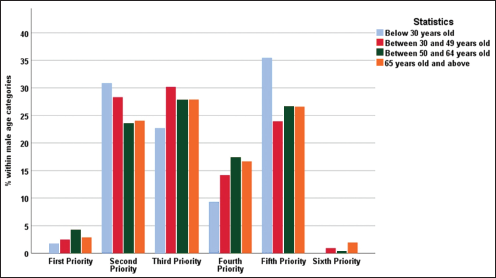
To understand the prioritisation of internet access among male respondents across different age groups, the respondents were asked to rank their priority for internet access for smartphones or computers on a scale from one (highest priority) to six (lowest priority). Figure 5 provides a breakdown of the percentage distribution of responses, offering critical insights into how the importance of internet access varies by age group.
Percentage of Male Priority Ranking to Access to the Internet Services.
Insights from Male Priority Rankings
The Chi-square analysis revealed a statistically significant association between male age groups and their priority rankings for internet access, χ2(15) = 33.634, p = .004. However, the association was small (Cramer’s V = 0.076, p = .004), indicating that while age is a factor, it is not the dominant determinant of internet access priority. Across all age groups, only a small fraction (3%) of respondents ranked internet access as their top priority. This low percentage suggests that internet access is not yet perceived as a critical need among most male participants, regardless of age. The rankings were the most common across second, third and fifth priorities, with approximately 27%, 28% and 26% of respondents selecting the positions, respectively. The similarity in percentages highlights a moderate level of importance attached to internet access, which may be secondary to more immediate needs such as livelihood or healthcare. Internet access is preferred to be only the fourth priority among the 15% of respondents, indicating a mid-level importance across the surveyed population. Less than 1% of participants ranked internet access as the lowest priority, suggesting that while it may not always be a top concern, it is rarely seen as unimportant.
Age-specific Trends Among All Groups
The breakdown by age group reveals some interesting variations. Respondents under the 30-year age group were more likely to rank internet access as a higher priority (first or second), reflecting the younger generation’s increasing reliance on digital connectivity for education, employment and social interaction. The group in the 30–40-year age group showed a balanced distribution across second, third and fifth priorities, indicating that while internet access is valued, it competes with other priorities like family and work responsibilities. The 50–64-year age group exhibited similar trends, with most responses clustered around the third and fifth priorities. The relatively lower emphasis on internet access may be attributed to limited digital literacy or perceived relevance. Interestingly, respondents of 65 years and above showed the least interest in ranking internet access as a top priority, likely due to generational differences in technology adoption and usage patterns.
The findings shed light on the factors influencing internet adoption and prioritisation in rural areas. Addressing the research objectives requires improving infrastructure and raising awareness about the potential benefits of internet access across different age groups. The strong interest among younger respondents highlights the need for targeted programmes that leverage the internet for education, skill development and employment opportunities, directly contributing to SDG 4 (quality education) and SDG 8 (decent work and economic growth). The lower prioritisation among older age groups suggests the need for awareness campaigns emphasising the practical benefits of internet access, such as telemedicine and social inclusion, aligned with SDG 3 (good health and well-being) and SDG 10 (reduced inequalities). Encouraging collective access models, such as community internet centres, could address the mid-level prioritisation observed among middle-aged respondents while promoting shared digital literacy and resource optimisation.
Female Participants’ Priority Rankings for Internet Access
To understand how women in rural Assam prioritise access to internet services, responses from 1,976 female respondents were further analysed to rank their priorities for internet access on a scale from one (highest priority) to six (lowest priority). Figure 6 illustrates the distribution of these rankings across four age categories, providing key insights into gender-based and age-specific trends in digital prioritisation.
Percentage of Female Priority Ranking to Access to the Internet Services Within Their Age Groups.
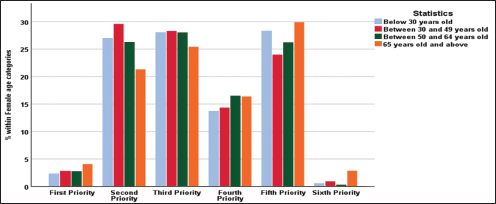
Unlike the male respondents, the statistical analysis revealed no significant association between age and Internet priority rankings among females, χ2(15) = 24.685, p = .054. This lack of a significant relationship suggests a more uniform perception of internet priority across different age groups for women. Like male participants, only a small proportion of female respondents (3%) ranked internet access as their top priority, irrespective of age. This result reflects the general perception of internet access as a secondary need compared to other immediate necessities in rural contexts. Second, third and fifth ranks accounted for the majority of responses, with approximately 27%, 28% and 26% of females selecting these priorities, respectively. This pattern closely mirrors that of male respondents, indicating a moderate but consistent importance attached to internet access. Around 15% of female participants ranked internet access as the fourth priority, reflecting a mid-level importance across all age groups. A negligible 1% of females ranked internet access as the lowest priority, suggesting that while it may not be the top concern, it is rarely dismissed as unimportant.
Age-specific Trends Among the Female Population
While no statistically significant differences were found across age groups, specific trends did emerge. Among younger women under 30, there was a slightly higher tendency to rank internet access as a higher priority (second or third), highlighting the growing relevance of digital connectivity for education, social interaction and career development within this demographic. Women aged 30–49 showed a more evenly distributed prioritisation pattern, mirroring their male counterparts’ responses—likely shaped by a balance of family responsibilities and economic engagement. Women in the 50–64 age group generally assigned internet access as a mid-level priority, with most rankings falling in the third, fourth or fifth categories. In contrast, older women aged 65 and above were the least likely to prioritise internet access highly, reflecting generational barriers to technology adoption and limited exposure to its practical benefits.
Gender Comparisons and Broader Implications
The findings reveal a noteworthy similarity between male and female respondents in their prioritisation of internet access, with no statistically significant differences observed. This shared ranking indicates a consensus across genders regarding the relative importance of internet connectivity. However, the consistently low placement of internet access as a top developmental priority across both male and female groups reflects broader systemic challenges. These include limited digital awareness, inadequate infrastructure and competing socio-economic needs that overshadow the perceived value of digital services.
Aligned with the research objectives, the data suggest that targeted interventions, particularly those focusing on women, especially in younger age groups, could foster increased digital engagement. Programmes that promote digital literacy and showcase the utility of the internet in areas such as education, healthcare and entrepreneurship can help enhance its perceived value. These initiatives directly support SDG 5 (gender equality) and SDG 10 (reduced inequalities) by empowering women and narrowing the gender digital divide.
Conversely, among older demographics, regardless of gender, the internet continues to rank lower in developmental priorities. This highlights a critical need for awareness-building initiatives demonstrating internet access’s tangible benefits. Applications such as telemedicine, online education and digital market platforms could help shift perceptions and elevate their importance. By integrating digital tools into everyday life and livelihoods, such strategies contribute to SDG 3 (good health and well-being) and SDG 8 (decent work and economic growth).
Ensuring equitable access to digital infrastructure and resources is essential to inclusive rural development. Addressing gender disparities in internet usage through inclusive design and outreach will advance digital equity and reinforce broader development goals.
Female Priority of Other Infrastructure Needs for Internet Accessibility
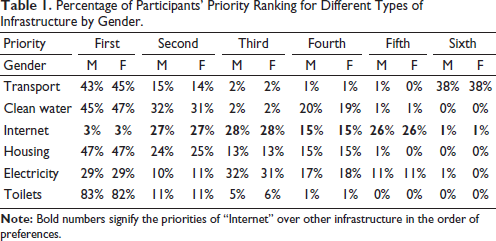
Exploring the priority rankings assigned by the respondents to internet access and other critical infrastructure needs, an analysis was conducted to assess how broadband services align with the broader developmental priorities in the context of the study location. Table 1 highlights how internet access compares with other infrastructure priorities, such as clean water, transport and hygienic toilets.
Percentage of Participants’ Priority Ranking for Different Types of Infrastructure by Gender.
Comparative Analysis with Other Infrastructure Needs
The findings reveal that while internet access is a recognised priority among both genders, it competes with more immediate and tangible needs such as sanitation, clean water and housing. This reflects the multidimensional challenges of rural development, where basic infrastructure often takes precedence over digital connectivity. However, the moderate prioritisation of internet access across all age groups suggests latent demand, which could grow as other infrastructure needs are addressed. Looking at the broader set of infrastructure priorities, over 82% of female respondents ranked clean and hygienic toilets as their top priority, emphasising the urgent need for improved sanitation facilities in rural areas. Clean water was the second most prioritised need, with 47% ranking it first, reflecting its critical role in health and well-being. Affordable housing and consistent electricity supply were prioritised higher than internet access, with significant proportions ranking these needs first or second. Better transport to nearby towns was also ranked higher than internet access, underscoring the importance of physical connectivity in rural livelihoods. As seen in both Figure 6 and Table 1, internet access consistently ranked lowest among all infrastructure categories, with only 3% of respondents assigning it the highest priority.
Implications for Rural Internet Development
Referring to the key research objectives, the moderate prioritisation of internet access, particularly among younger women, highlights its growing relevance for education, employment and social inclusion. This aligns with SDG 5 (gender equality) and SDG 4 (quality education), emphasising the potential for digital platforms to empower rural women. While not the highest priority, internet access can be a transformative tool once foundational infrastructure needs are met. By integrating internet development with initiatives to improve sanitation, water and housing, policymakers can create a holistic framework for rural development, addressing SDGs 3 (good health and well-being), 6 (clean water and sanitation) and 11 (sustainable cities and communities).
As revealed in this research, combining internet expansion efforts with programmes addressing sanitation, water and housing will better impact internet access support and complement broader infrastructure improvements. Targeted awareness campaigns, including gender-inclusive digital policies, may help entice digital literacy programmes and ensure equitable access to internet technologies. Internet infrastructure can be leveraged to access health services, market information and educational resources, particularly among women leading the smart villages programme in rural areas.
Conclusion
The research evaluates the ownership of networking devices, patterns of internet usage and the quality and availability of mobile and internet services. The findings revealed that over 60% of the population owned at least one networking device, with basic mobile phones being the most prevalent (53%), followed by smartphones (23%). Despite a moderate correlation between mobile service and internet access, only 19% of households reported having internet connectivity, and a mere 9% rated the quality of their service as satisfactory.
Internet usage patterns indicated that social networking (90%), education (85%) and entertainment (85%) were the most common purposes, followed by work-related activities (60%) and online shopping (40%). However, the study highlighted a significant infrastructural and service gap, as rural residents prioritised essential amenities—such as clean water and hygienic sanitation—over internet access.
These findings underscore the internet’s transformative potential to enhance rural livelihoods through improved access to education, healthcare and economic opportunities. For example, smart farming enabled by IoT technologies, e-learning platforms and telemedicine services can significantly improve agricultural productivity, learning outcomes and healthcare delivery in rural contexts. Nevertheless, realising these benefits depends on overcoming key challenges, including poor infrastructure, limited service quality and low levels of digital literacy.
The study offers actionable insights for policymakers, network providers and development practitioners. Recommendations include prioritising investments in robust broadband infrastructure, leveraging scalable solutions such as community Wi-Fi and satellite internet, and implementing digital literacy programmes tailored to the needs of rural communities. These strategies can accelerate internet adoption and usage, transforming rural regions into sustainable smart villages.
While the study presents valuable trends, it is constrained by the absence of detailed analysis on how individual factors—such as income, education, gender and occupation—influence internet adoption. Future research should explore these variables and examine the role of complementary infrastructure, including reliable power supply and affordable internet services, in advancing digital inclusion. Addressing these gaps will enhance our understanding of how internet connectivity can support equitable and sustainable rural development, ultimately contributing to a climate-positive future through the smart villages mission.
While the research reveals the significance of internet technology in smart village development based on the limited sample sizes collected in Assam, India, further investigation is required with a much broader data set collected from other demographic profiles before making general assertions on the topic. A larger data set and underlying findings will certainly shed significant light on this otherwise less-published area and support the development of rural communities globally.
Footnotes
Acknowledgment
The author acknowledges the support of five volunteers in collecting the field data in the broader project. Also, the author is thankful for the research assistance support offered by Dr Mehdi Amirkhani data analysis aspects.
Declaration of Conflicting Interests
The author declared no potential conflicts of interest with respect to the research, authorship and/or publication of this article.
Funding
The author disclosed receipt of the following financial support for the research, authorship, and/or publication of this article: While a larger project was conducted as part of a collaborative project between the Government of Assam and the University of Melbourne, author received no specific financial support for this piece of research, authorship and/or publication of this article.
