




Abstract
Plastic waste mismanagement in India presents significant environmental and social challenges, with striking differences in collection and disposal between urban and rural areas. Here, we apply a two-phase, mixed-methods framework to quantify household plastics waste (HPW) generation and trace its end-of-life (EOL) pathways. In Phase I, we synthesized literature and government reports to establish baseline HPW generation rates and to identify the primary sectors contributing to waste production. Phase II combined Material Flow Analysis (MFA) with data from reported waste audits and ministry data to map estimate EOL pathways across urban and rural contexts. Our results show that urban India collects 96.8% of generated HPW, 75%–80% handled by formal municipal services and 20% by informal collectors, yet only 12% of all plastics is recycled; the remaining 68% ends up in landfills or dumpsites. Informal actors supply 42%–86% of feedstock to material recovery facilities, underscoring their critical, though often unrecognized role. In rural areas, informal recyclers achieve a 70% recycling rate for the plastics, but 60% of flexible plastics remains uncollected, with 20% openly burned and 40% openly dumped, resulting in environmental losses of plastics. We also document that synthetic textile waste, funneled through informal reuse networks, bolsters rural recycling practices. By identifying distinct waste-generation patterns and EOL dynamics, our study offers actionable insights for tailoring region‑specific interventions. Strengthening informal–formal sector linkages and improving rural collection infrastructure emerge as pivotal strategies for reducing plastics losses into the environment.
Keywords
Introduction
Plastics pollution is a critical global environmental issue that demands urgent attention (Cottom et al., 2024). In India, where rapid urbanization, population growth, and uneven development intersect, the management of household plastics waste (HPW) presents unique challenges (Emami et al., 2024). While plastics are valued for their durability, versatility, and low cost, these same properties contribute to their environmental persistence and long-term harm to ecosystems and human health (Geyer et al., 2017; Lassen et al., 2015).
India generated an estimated 4.1 million tons of plastics waste in 2020–2021, with HPW contributing significantly to this total (MoEFCC, 2023). In urban areas, high consumption patterns are combined with limited segregation and processing infrastructure (Singh et al., 2024), while in rural regions, waste often goes uncollected or is improperly disposed of through open dumping or burning (CPCB, 2017) (Bhatia & Sengupta, 2023). Despite these challenges, much of the focus remains on urban systems, with relatively little known about rural plastics flows and end-of-life (EOL) pathways (Salve & Mishra, 2024).
Moreover, India’s plastics waste management is shaped by diverse socio-economic and regional characteristics, such as variations in income, access to waste infrastructure, literacy, availability of local markets for recyclables, and community engagement in waste practices. For instance, some rural regions manage localized recovery through self-help groups or micro-enterprises, while others lack basic collection systems altogether (IRC, 2022). These variations imply that national-level policies often struggle to account for ground-level realities, underscoring the need for data-driven, context-specific interventions.
While studies have acknowledged the role of informal collectors and recyclers, their integration into waste management systems remains poorly quantified. Furthermore, tools such as Material Flow Analysis (MFA), useful for mapping plastics from production to EOL pathways, are rarely applied comprehensively in the Indian context, especially across both urban and rural domains (Emami et al., 2024; Schwarz et al., 2023).
This study addresses these knowledge gaps by:
Applying a mixed-methods MFA approach (systematic literature review, waste audits, and secondary data) to quantify HPW flows across India. Quantifying the roles of both formal and informal sectors in the plastics waste value chain. Exploring how regional socio-economic characteristics (such as infrastructure access and market linkages) influence waste management outcomes in different regions of the country.
The research is guided by the following questions:
What is the quantity and composition of HPW generated in urban and rural India? What are the respective EOL pathways for HPW across formal and informal sectors in these settings? How do regional socio-economic characteristics influence plastics recovery, recycling, or environmental losses?
By answering these questions, this study provides a comprehensive and nuanced understanding of plastics waste flows in India and offers evidence-based recommendations for more regionally adaptable and inclusive waste management strategies.
Literature Review
Plastics waste has emerged as one of the most critical environmental challenges globally, with profound implications for sustainability and public health (UNEP & ISWA, 2024). India’s unique socio-economic, cultural, and infrastructural diversity makes its plastics waste management problem complex and multifaceted (Kumar et al., 2017). This literature review synthesizes findings from academic studies, government reports, and other credible sources to establish a comprehensive understanding of HPW management. It covers areas such as plastics waste generation, EOL pathways, informal sector roles, MFA, and environmental and social challenges. This review also identifies critical research gaps and informs the study’s methodological framework.
Plastics Waste Generation and Composition
India generates over 3.3 million metric tons (MMT) of plastics waste annually, with HPW forming a significant component (UNDP & NITI Aayog, 2021). HPW includes rigid and flexible packaging materials, consumer product remnants, and synthetic textiles (PlastIndia Foundation, 2023). Flexible plastics, such as multilayered packaging, are especially problematic due to their low recyclability and high prevalence in waste streams (UNEP, 2021).
Urban areas contribute disproportionately to plastics waste generation due to high consumption of single-use plastics and packaged goods (MoCF, 2019). In contrast, rural regions generate plastics waste predominantly from packaging items, synthetic textiles and agricultural inputs, revealing distinct consumption patterns (Bhatia & Sengupta, 2023). These regional differences underscore the need for disaggregated data and region-specific strategies.
EOL Pathways of Plastics Waste
Recycling, incineration, landfilling, and open dumping are the major EOL pathways for plastics waste in India (Neo et al., 2021). While urban areas have access to formal waste management systems, including material recovery facilities (MRFs), recycling rates remain low due to poor segregation and contamination (NITI Aayog, 2022). Studies have shown that 42%–86% of plastics waste entering MRFs originates from informal sector collection efforts (PBVS, 2022).
In rural areas, formal infrastructure is absent, leading to high rates of open dumping and burning of plastics, which contribute to environmental degradation and health risks (Chaudhary et al., 2021). These disparities in waste pathways between urban and rural settings are seldom captured in national-level assessments, highlighting the need for a more granular analysis.
Informal Sector Contributions
The informal sector is a vital component of India’s plastics waste management system (Singh, 2022). Comprising waste pickers, kabadiwallahs, and scrap dealers, this decentralized network often achieves higher recycling efficiencies than formal systems, especially in rural areas where access to formal waste collection is limited (Sengupta et al., 2023). Despite their significant contributions, these workers face hazardous working conditions, have limited access to resources, and lack recognition in formal policy frameworks (Gunsilius, 2024). Current research acknowledges the informal sector’s contributions but often fails to quantify its role within system-wide waste flows. There is also limited data on how these actors operate in rural areas, where they may be the only functioning waste management system (Sengupta et al., 2023). Addressing this evidence gap is critical for designing inclusive and effective waste management policies.
MFA in Waste Management
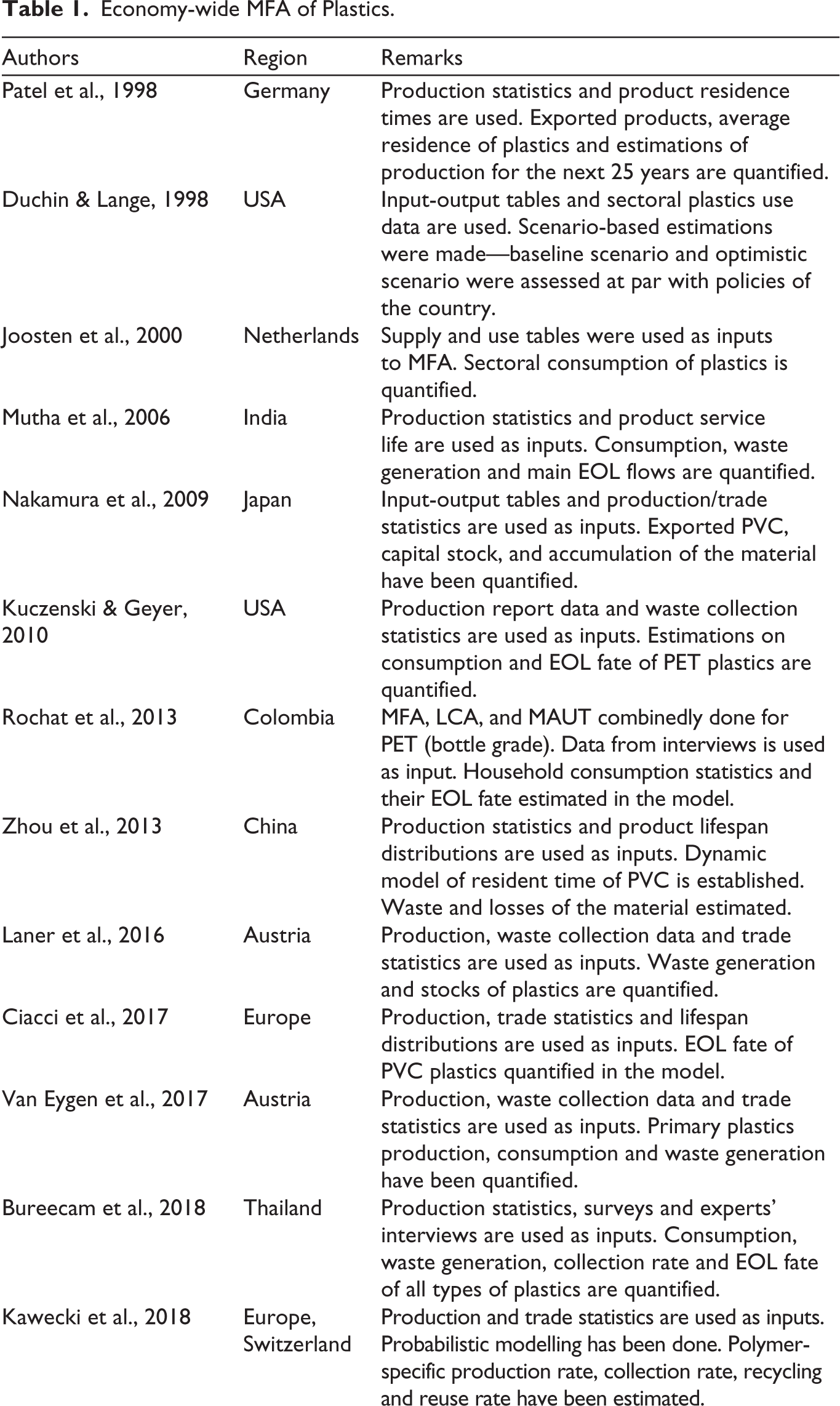
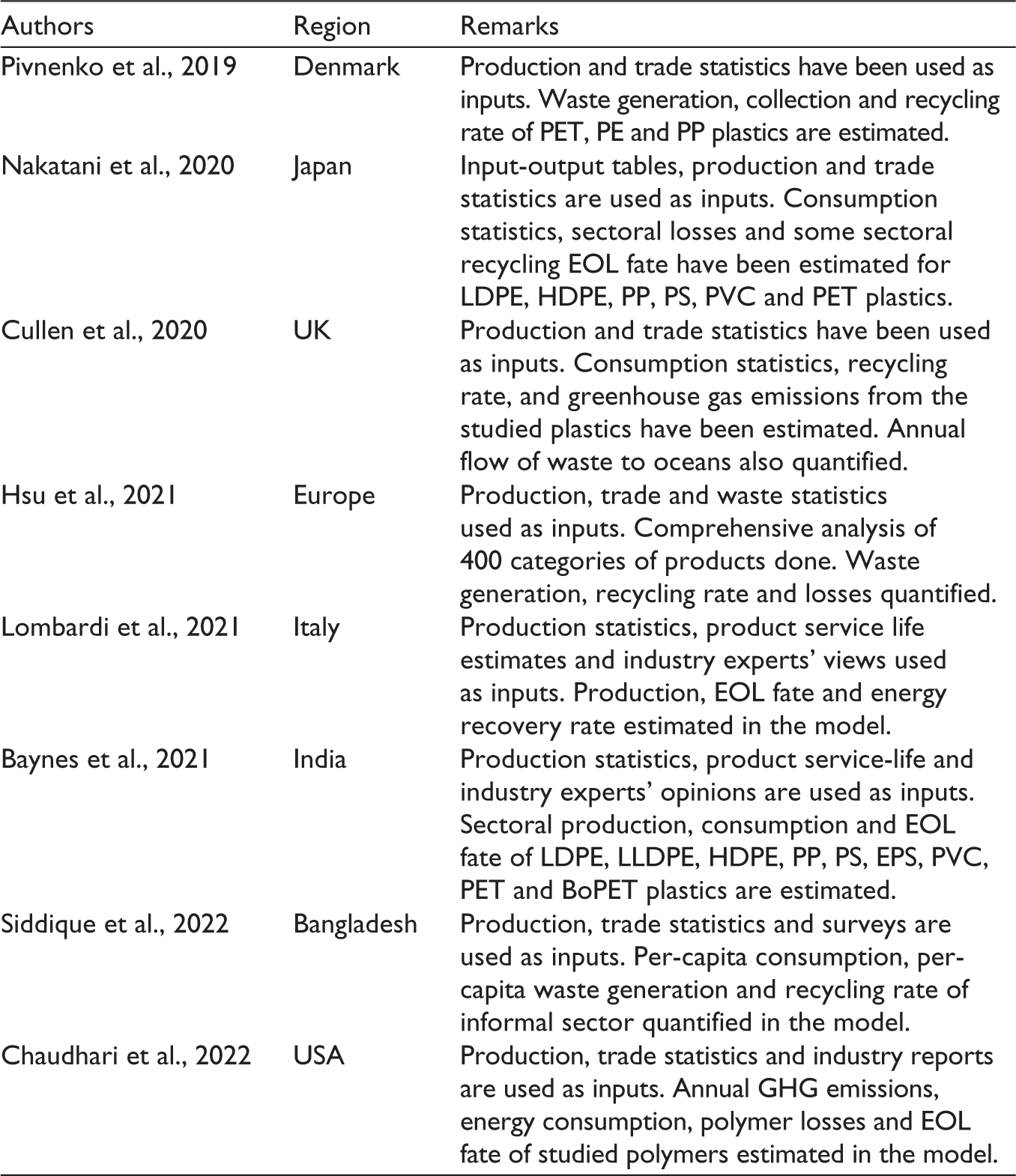
MFA is a systematic tool used to track the lifecycle of materials within a defined system (Allesch & Brunner, 2017). Numerous studies have employed MFA to assess plastics flows at national and regional scales. For instance, Patel et al. (1998) conducted an MFA for Germany, while Mutha et al. (2006) and Baynes et al. (2021) applied MFA in the Indian context. These studies typically use inputs such as production, trade, and waste statistics to quantify plastics consumption, waste generation, and EOL pathways.
Table 1 summarizes key economy-wide MFA studies conducted from 1998 to 2022. However, most of these studies focus on aggregate plastics flows without disaggregating household plastics or addressing rural–urban differences. Moreover, MFA studies rarely integrate informal sector contributions or environmental/social externalities into their models. This underscores a methodological gap that the present study addresses through a dedicated MFA of HPW in India.
Economy-wide MFA of Plastics.
Social Challenges in Plastics Waste Management
Mismanaged plastics waste has far-reaching social implications. In urban areas, informal waste workers face unsafe and unhygienic working conditions, while in rural areas, open burning and dumping cause health hazards and reduced agricultural productivity (Sen & Yadav, 2024). Awareness gaps in rural communities further hinder the adoption of sustainable waste management practices (Mihai et al., 2022).
While these social challenges are acknowledged in literature, they are often treated separately from technical assessments such as MFA. Few studies integrate social dimensions, such as the health and economic well-being of waste workers, into systems-level evaluations of HPW management. This study attempts to bridge this gap by incorporating social context into the flow analysis of HPW.
Environmental Impacts of Plastics Waste
The environmental consequences of plastics waste are profound and multifaceted. Landfilling and open dumping contribute to soil and groundwater contamination, while open burning releases harmful toxins, including dioxins and furans, into the atmosphere (Pathak et al., 2023). Microplastics generated through the degradation of plastics further infiltrate ecosystems, threatening biodiversity and food safety (Yadav et al., 2022).
Although environmental impacts are widely recognized, very few studies link these effects directly to material flows or EOL pathways of HPW. This study aims to establish those connections by quantifying plastics losses and assessing implications for environmental quality.
Research Gaps and Study Contribution
Despite an expanding literature base, several critical gaps persist. First, most MFA studies on plastics do not focus specifically on household plastics waste or disaggregate findings by urban and rural regions. As a result, there is insufficient understanding of the diverse consumption and waste generation patterns across India.
Second, while the informal sector is widely acknowledged as essential to plastics waste management, its quantitative role within MFA frameworks remains poorly documented, particularly in rural areas where it dominates collection and recycling.
Third, environmental and social dimensions of plastics waste are often discussed anecdotally but are rarely integrated into system-level waste flow models. This restricts the development of effective, evidence-based interventions.
In response, this study conducts a detailed MFA of HPW in India, incorporating data from both formal and informal sectors, and differentiating flows across urban and rural areas. The analysis also contextualizes social and environmental challenges to provide a holistic understanding of HPW management. This integrated approach contributes novel insights to the literature and supports the design of region-specific, inclusive waste management strategies.
Methodology
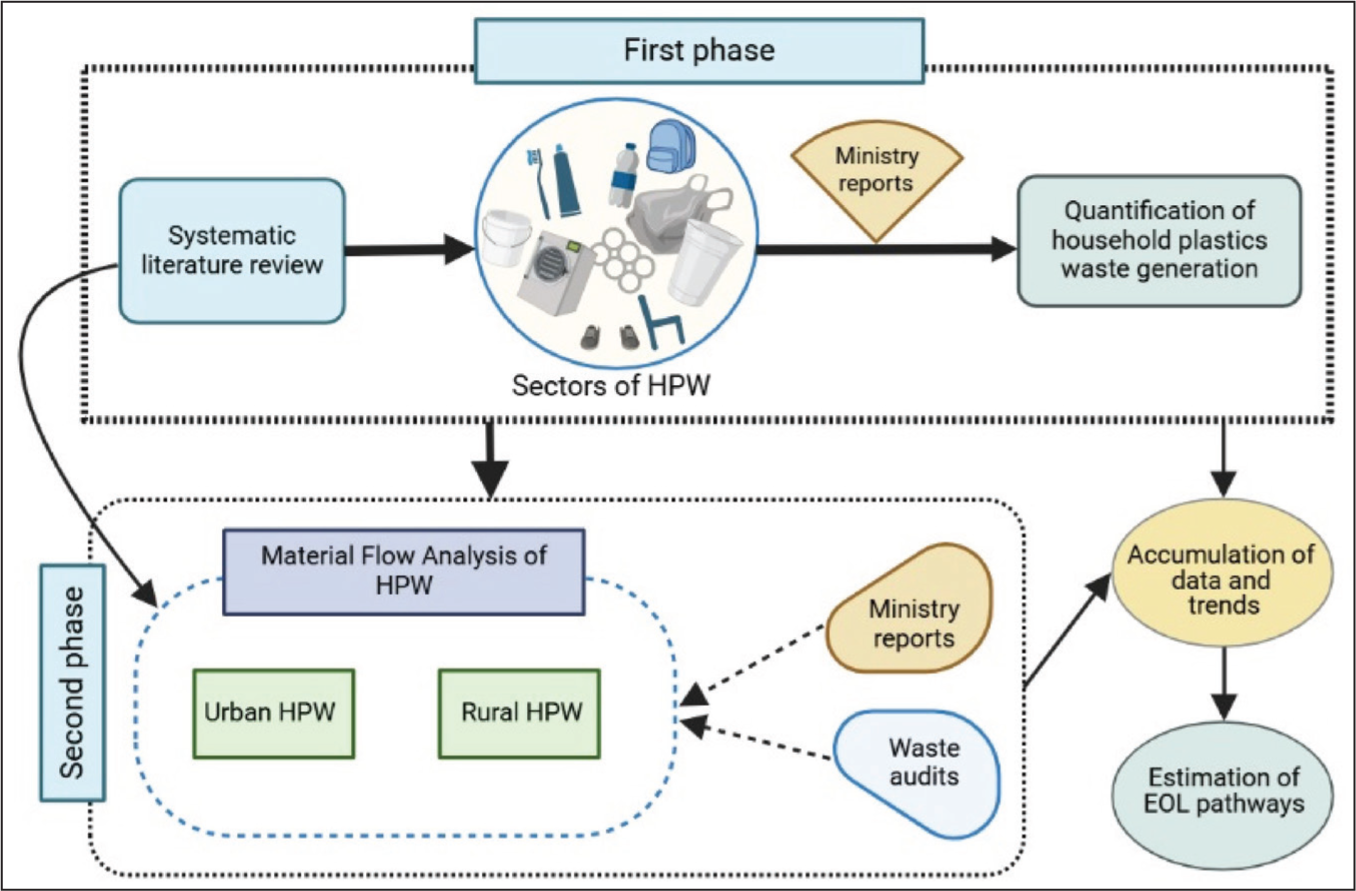
This study follows a mixed-methods approach to quantify the generation, flows, and EOL pathways of HPW in India. The methodology framework (Figure 1) is structured into two sequential phases: (a) HPW generation estimation, and (b) EOL fate modelling using MFA and Monte Carlo simulations. Data sources include government reports (CPCB, 2017, 2021; MoEFCC, 2023), waste audits, secondary data (Lal et al., 2007; Mandawat, 2017; Sutar & Gawande, 2015), and literature-based estimates (PBVS, 2022).
Methodological Framework for Quantifying HPW Generation and End-of-life Pathways.
Phase I: Estimation of HPW Generation
Data Collection and Sources
HPW generation was estimated using sectoral data on plastics consumption and waste generation derived from multiple sources:
Government and independent agencies reports, including the Ministry of Environment, Forest and Climate Change (MoEFCC, 2023), Central Pollution Control Board (CPCB, 2017, 2021), and independent entities (PBVS, 2022), provided data on formal waste flows, collection coverage, and plastic consumption patterns. Waste audits and field surveys conducted across 20 rural villages in India, sourced from three key studies: Lal et al. (2007), Mandawat (2017), and Sutar and Gawande (2015), were used to derive rural household waste generation estimates. These are among the only publicly available village-level plastic waste audits in India and thus were adopted for their unique granularity and coverage. National-level estimates are then extrapolated using population-weighted scaling. Urban-rural disaggregation was guided by insights from these studies and supplemented with plastics consumption statistics and population distribution data.
Phase II: Modelling of EOL Pathways
Material Flow Analysis
MFA was applied to trace HPW flows from generation through collection, recovery, and disposal. Models were developed for urban and rural settings to reflect variations in waste infrastructure and informal sector participation. MFA was chosen for its ability to track material transformations and quantify flows across the entire waste management chain, including losses to the environment.
Key data inputs for MFA:
Ministry and waste audit reports. Provided estimates of collection rates, sector-wise recycling efficiencies, and disposal pathways. The audits included data published by government bodies and independent agencies. Literature-based field data. Helped model informal sector contributions (e.g., waste pickers and kabadiwallahs) and open dumping practices in both urban slums and rural areas.
Monte Carlo Simulations
To account for data uncertainties, especially in rural household waste generation and collection flows, a Monte Carlo simulation was conducted. Input variables such as average plastics consumption rate per household and collection efficiency were assigned probability distributions based on available literature and reported survey-based estimates. For example, plastics consumption was modelled using a triangular distribution with minimum, most likely, and maximum values drawn from national consumption datasets. The simulation was run over 10,000 iterations, generating a probabilistic distribution of HPW generation and EOL flows. The output ranges (95% CI) were used to report uncertainty bounds in key results.
Data Validation and Integration
Data from all sources, including ministry reports, waste audits, and field observations, were triangulated to validate the model outputs. National-level estimates were compared with published CPCB data, local audits, and prior academic studies to ensure internal consistency. Formal and informal sector contributions were disaggregated, and recovery, dumping, and loss rates were validated through available literature and secondary field data.
Results and Discussion
This study quantifies the generation, collection, and disposal pathways of HPW in India using an MFA. The findings underscore regional disparities in waste handling between urban and rural areas, emphasizing the unique environmental and social challenges in each context. The results also serve as a basis for managerial and policy insights to improve plastics waste governance.
Plastics Waste Generation and Collection Disparities
India generates an estimated 8.17 MMT of HPW annually (95% CI: 7.5–8.8 MMT), with rural areas contributing 53% and urban areas 47%. The composition of rural waste streams is notably different from urban ones, being dominated by flexible packaging plastics, which account for nearly 65% of the rural HPW.
The collection coverage of HPW shows stark contrasts between rural and urban regions. In rural areas, only 35% of plastics waste is collected. This collection is almost entirely managed by informal actors who selectively recover higher-value materials, leaving around 60% of the waste uncollected and often unmanaged. In contrast, urban areas report a much higher collection average of 96.8%. Here, 75%–80% of the waste is managed by formal municipal systems, while the remaining 20%–25% is handled by informal waste collectors operating within city boundaries. These disparities in collection practices directly influence how waste enters various EOL pathways and impact the overall effectiveness of plastics waste management systems.
EOL Pathways of HPW
Figure 2 illustrates the flow of HPW from generation through collection (formal/informal) to various EOL outcomes. The Sankey diagram presents the distribution of plastics waste across treatment and disposal routes, highlighting critical leakage points. The thickness of each flow is proportional to the mass of plastics moving through that pathway.
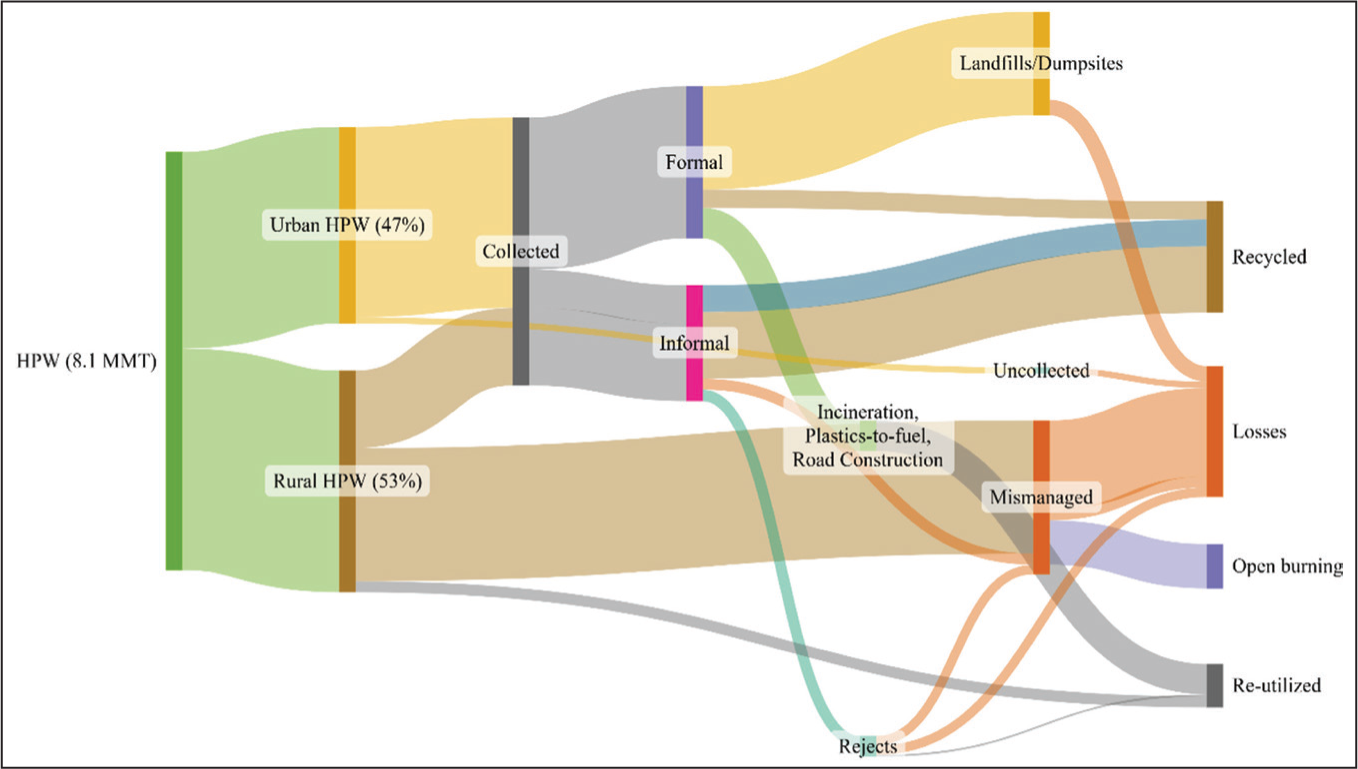
In urban areas, 12% of formally collected waste is recycled, 20% incinerated or co-processed, and 68% is landfilled or dumped. Informal actors, while limited in scope, show a recycling efficiency of ~70%, although 30% of this stream is rejected, with 17% of rejects reutilized and the rest lost to the environment. In rural areas, approximately 60% of rural HPW remains unmanaged, of which 20% is openly burned and 40% dumped. Of the collected rural waste, 86% is recycled, primarily through informal systems. However, even within collected fractions, some waste is dumped due to a lack of formal infrastructure.
Overall, the MFA estimates that 1.9 MMT (95% CI: 1.6–2.2 MMT) of plastics are mismanaged and deposited in uncontrolled open dumps, contributing to environmental losses of plastics. Rejects from recycling, landfilled waste (~15%), and mismanaged uncollected fractions represent the main sources of plastics losses to the environment.
Insights from Waste Audits
To explore regional differences in the composition of rural HPW, this study examined published field audits from 20 Indian villages. As summarized in Table 2, a statistical comparison reveals significant regional variation. The mean plastics content in sampled villages is 3.87%, notably lower than the rural average of 6.60%. A one-sample t-test confirms this difference to be statistically significant (t = −4.32, p < .001), with a mean difference of −2.73%, indicating regional disparities in consumption and disposal patterns.
Statistical Analysis of Plastics Composition in Waste Audits.
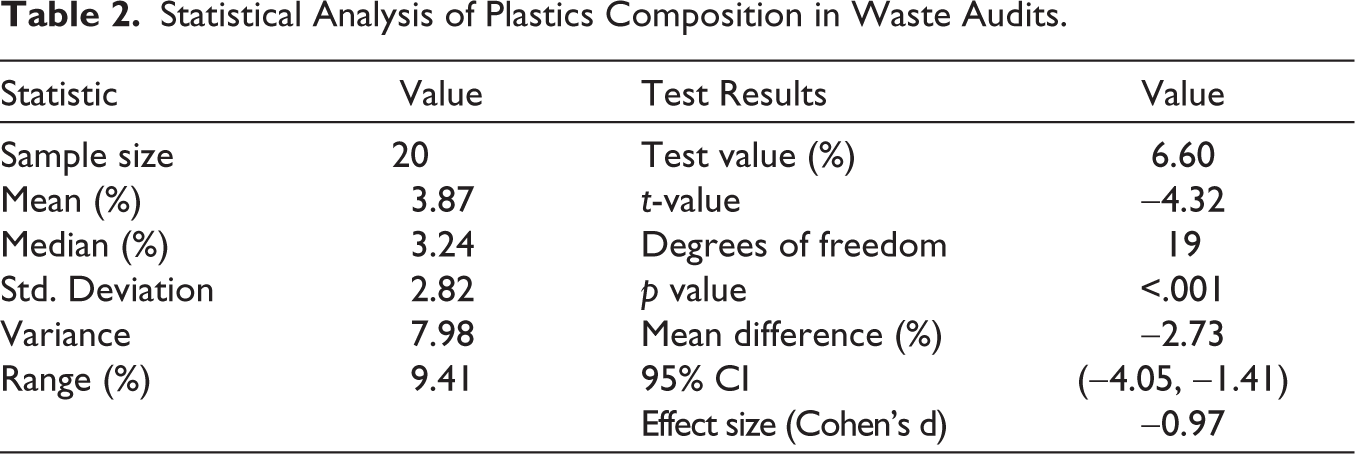
This variation emphasizes the need for region-specific interventions and cautions against over-generalization when designing national strategies.
Environmental Challenges of Plastics Waste Mismanagement
Environmental consequences of mismanaged HPW differ notably between urban and rural areas. In cities, the relatively small fraction of uncollected waste, about 3.2%, can still have outsized impacts. This waste often clogs stormwater drains, exacerbates urban flooding, and eventually reaches rivers and marine ecosystems. Even formally collected waste, when landfilled (as is the case with 68% of urban HPW), poses long-term threats such as leachate pollution and microplastics losses due to weathering and degradation over time.
In rural areas, the reliance on open dumping and burning results in a wide range of environmental and health hazards. Open burning releases toxic fumes and contributes to greenhouse gas emissions, while dumped plastics contaminate soil and water, threatening local agriculture and biodiversity. Additionally, animals may ingest plastics waste, causing further ecological damage. The lack of formal disposal infrastructure in rural areas amplifies these risks and perpetuates cycles of environmental degradation.
The analysis confirms that mismanaged HPW is a key contributor to plastics losses into the environment, especially from open dumping, landfills, and rejected recycling materials. These losses have implications not only for local ecosystems but also for global concerns like marine litter and climate change.
Social Challenges of Plastics Waste Mismanagement
The dominance of flexible packaging in both urban and rural waste streams, as revealed in the MFA (~65% in rural areas), reflects a key driver of social challenges in plastics waste management. These materials are low-value and labor-intensive to recycle, making them unattractive to informal waste pickers who already operate with limited economic incentives. This contributes to high rates of uncollected or mismanaged waste (~60% in rural areas), which is often openly dumped or burned.
In urban areas, although 96.8% of HPW is collected, around 20% still depends on informal systems. These informal workers often sort and recover plastics without social protection or access to formal infrastructure, reflecting systemic exclusion despite their contribution to achieving the high recycling efficiency of ~70% observed in the informal sector.
The waste audits also reveal disparities in plastics content across rural villages, suggesting region-specific consumption and disposal behaviors that informal workers must adapt to without institutional support. This further reinforces the need to recognize and support informal labor as a central stakeholder in sustainable plastics management.
Managerial Implications and Policy Recommendations
Addressing the systemic challenges in plastics waste management requires a multi-pronged managerial strategy. First, rural collection systems must be strengthened. This can be achieved by extending formal services or establishing decentralized, community-based collection and sorting infrastructure. Introducing financial incentives, equipment, and training programs for informal collectors can enhance their efficiency and safety.
Second, municipalities should integrate informal workers into formal systems through public-private partnerships, co-operative models, or social enterprise platforms. Recognizing their role legally and institutionally can improve both service delivery and worker welfare.
Third, policies must incentivize the collection and recycling of low-value and flexible plastics, perhaps through extended producer responsibility frameworks or viability gap funding. Promoting the adoption of eco-friendly packaging alternatives can also reduce the burden of non-recyclable waste. In addition, investing in source segregation, decentralized processing units, and digital traceability tools can enable region-specific optimization of waste flows and reduce environmental losses.
Conclusion
This study presents an MFA of HPW in India, quantifying its generation, EOL fate, and environmental losses. The results highlight substantial disparities in plastics waste management between urban and rural areas. Urban regions, although having higher collection coverage, exhibit inefficiencies in recycling and disposal. In contrast, rural areas suffer from severe infrastructure deficits, leading to higher rates of open dumping and burning. Monte Carlo simulations further reinforced the variability and uncertainty in rural waste flows, underlining the importance of region-specific strategies.
The findings support the need for integrated formal-informal systems and targeted policy interventions. Specifically, the high proportion of low-value plastics in both rural and urban waste streams underscores the necessity of incentivizing their recovery and recycling through mechanisms such as Extended Producer Responsibility. Our analyses suggest that improving formal collection and expanding co-processing could significantly reduce both environmental losses of plastics and GHG emissions, reinforcing the environmental and climate relevance of these interventions.
Based on these results, we recommend a multi-pronged approach:
Policy and infrastructure: Establish decentralized waste infrastructure in rural areas and strengthen integration between formal and informal systems in urban settings. Economic and social incentives: Support informal recyclers with financial tools and develop markets for low-value plastics. Behavioral interventions: Promote community engagement in waste segregation and enforce policies against single-use plastics. Environmental and climate action: Prioritize technologies and monitoring systems to reduce open dumping and assess microplastics risks.
Limitations and Future Research
This study is limited by data gaps, particularly in rural consumption patterns and informal sector dynamics, which were addressed using probabilistic simulations. Further, environmental fate beyond the mismanaged fraction, such as specific terrestrial or aquatic losses, is not disaggregated. Future research should explore the socio-economic outcomes of proposed interventions, long-term impacts of plastics pollution, and monitor policy effectiveness in real-world settings.
Footnotes
Declaration of Conflicting Interests
The authors declared no potential conflicts of interest with respect to the research, authorship and/or publication of this article.
Funding
The authors received no financial support for the research, authorship and/or publication of this article.