




Abstract
Public awareness and understanding of air quality in Central Asia remain considerably low. The present study assesses the perception, attitude and environmental knowledge of local air quality among adult urban residents (n = 870) in a city with high air pollution among cities of Central Asia: Astana, Kazakhstan. Structural equation modelling (SEM) was employed to investigate the causal relationship between perceived air quality, environmental literacy and willingness to pay for environmental protection. Over half of the Kazakhstani population has higher education, yet environmental literacy remains low compared to countries with fewer university graduates. Participants’ age, education and health status significantly affected (p < .001) their environmental knowledge and awareness. The SEM indicates knowledge as a major determinant in improving public awareness and perception of air pollution. The present study provides valuable insights for researchers and governmental institutions to promote a better understanding of air quality within a rapidly growing urban environment.
Keywords
Introduction
A large body of theoretical and empirical environmental research demonstrates that exposure to ambient air pollutants such as particulate matter (PM) and gaseous pollutants (e.g., CO, SOx, NOx and O3) is directly linked to adverse health outcomes (such as asthma, bronchitis, cardiovascular conditions) (Aztatzi-Aguilar et al., 2018; Farina et al., 2011; Kelly & Fussell, 2012; Xue et al., 2019). As a developing country, Kazakhstan is currently experiencing rapid economic development, increased exploitation of resources, population growth and intensive urbanization. As a result, air pollution is a major public health concern. Respiratory diseases account for 43.5% of the population’s morbidity (Abakhanov, 2020). Moreover, in Kazakhstan, exposure to PM is linked to 2,800 premature deaths each year (Kerimray et al., 2018).
Astana is the capital city of Kazakhstan and is characterized by extremely harsh climate conditions with long and cold winters, leading to a heating period via central heating plants that lasts from October to April. A high concentration of air pollutants, such as PM2.5, is particularly present during the heating period. For example, the concentration of PM2.5 during wintertime ranges between 100 and 200 µg/m3 on several days (Assanov et al., 2021). Recent environmental legislation in Kazakhstan, effective since December 2019 with 75 new amendments, has not improved environmental quality or established permissible pollutant concentrations (Abakhanov, 2020). Moreover, studies in Kazakhstan often focus on ambient air pollution levels, neglecting social aspects, while public knowledge about air pollution remains low.
The sociological aspect of air pollution research (e.g., attitude, behaviour intentions, anxiety related to air quality) is a component that can increase public involvement in mitigating risks associated with air pollution and may determine the success of potential public interventions. Most of the sociological studies in this domain investigate the association between demographic characteristics and perception, attitude and knowledge of air pollution (Odonkor et al., 2020; Qian et al., 2016; Wang et al., 2015). Other studies focus on the perceived air pollution risks in urban environments (e.g., levels and sources of air pollution and related health effects) (Maione et al., 2021; Saksena, 2012), individual intervention strategies to reduce exposure to ambient air pollutants (Janjua et al., 2019; Laumbach et al., 2015), information channels about air pollution-related topics and pro-environmental behaviour and challenges in behaviour change (Carducci et al., 2021; Ramírez et al., 2019).
Environmental attitudes, crucial in environmental psychology, reflect individual predispositions towards the natural environment with varying degrees of favourability or unfavourability (Milfont, 2007). Measuring environmental attitudes is challenging due to their multidimensional nature (Milfont & Duckit, 2010). Traditionally, environmental attitudes consist of cognitive (e.g., thoughts and ideas regarding the subject of the attitude), affective (e.g., emotional response) and behavioural elements (Steg et al., 2014). The theory of planned behaviour explains the complex nature of individual behaviour, suggesting that it is dictated by behavioural intentions that are also influenced by internal factors such as personal attitudes, perceptions and subjective norms in a particular situation. Essentially, a strong intention to engage in a certain behaviour reinforces it. Individual behaviour also depends on the degree of perceived behaviour control (Ajzen, 1991). The theory of planned behaviour was adopted in the context of environmental behavioural intentions.
Environmental behaviour is greatly influenced by perceived risks that shape individual behaviour intentions; thus, the individual motivation for behaviour change is highly correlated with a negative outcome (e.g., adverse health effects) and with the perceived probability of that outcome (Keller et al., 2012; Li & Hu, 2018; Saari et al., 2021). Moreover, research also suggests that environmental consciousness is defined by the perceived knowledge of what an individual can or cannot do (Hungerford & Volk, 1990; Keller et al., 2012; Li & Hu, 2018; Saari et al., 2021). This is especially important in the context of willingness to pay (WTP) for environmental protection, which is largely influenced by knowledge of the related topic (Vassanadumrongdee & Matsuoka, 2005). Moreover, the awareness of the general public about air pollution can be built through knowledge-increasing tools (i.e., media and online resources that publish information on air pollution topics) (Li & Hu, 2018; Rajper et al., 2018; Ramírez et al., 2019).
Based on the literature reviewed, the following hypotheses were set for the present study:
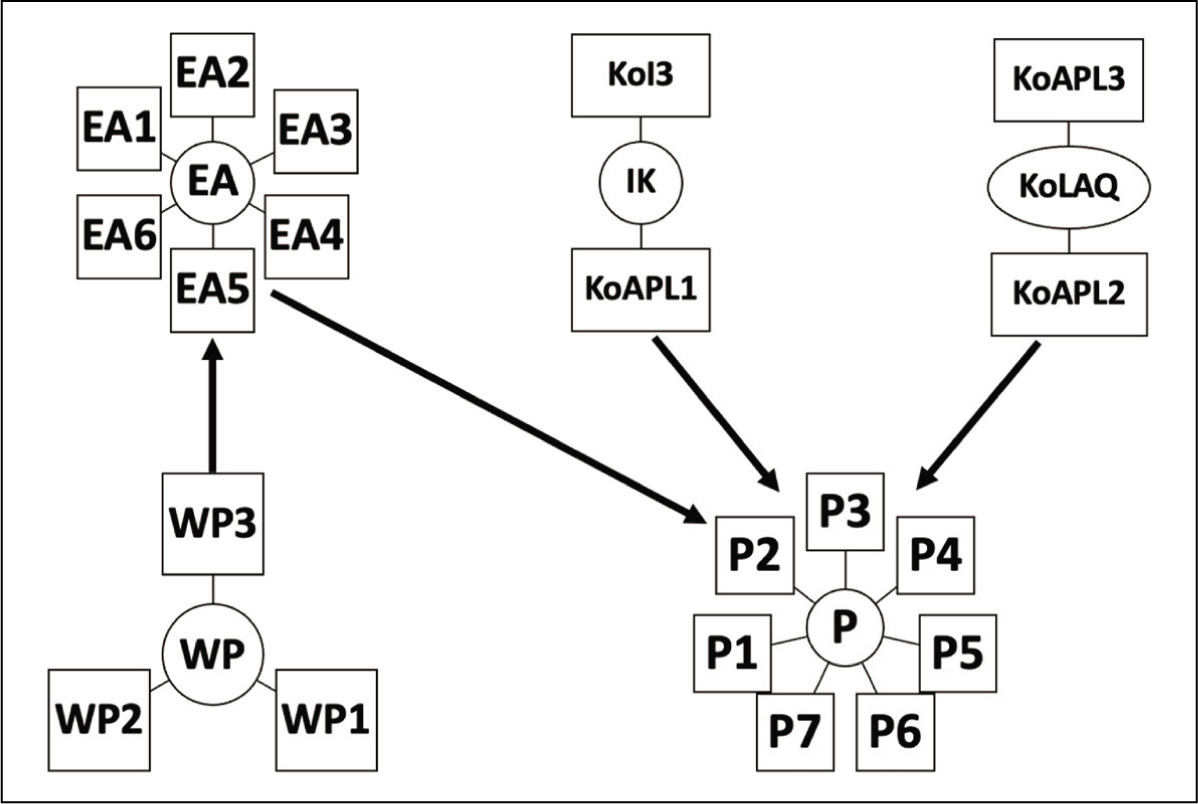
Environmental attitudes affect the perception of national air pollution and the economy. Environmental attitudes being a key component of individuals’ perceptions of the economic impact of air pollution can guide their support for environmental regulations and policy implementation, while also providing a basis for policymakers to effectively address environmental issues considering economic factors. Institutional knowledge affects the perception of national air pollution and the economy. Institutional knowledge, which refers to a collective understanding of environmental topics within organizations or institutions can shape environmental perception and decision-making regarding air pollution and its economic implications. Knowledge of local air quality affects the perception of national air pollution and the economy. Awareness of local air quality can shape public perception of national pollution levels and their economic, social and individual impacts which are crucial for effective environmental management. WTP affects environmental attitudes. A high WTP typically indicates a strong environmental attitude reflected in concern for the environment and support for environmental conservation.
The present study aims: (i) to assess the level of knowledge of air pollution and its health effects among adult urban residents in the capital city of an emerging economy (Astana, Kazakhstan; an area of very high air pollution levels according to the Air Pollution Index [API]); (ii) to evaluate the public perception of air pollution in the city; (iii) to assess the attitude of the studied population towards environmental protection; and (iv) to estimate the relationship between knowledge, attitude and perception using the structural equation modelling (SEM) approach. The present study evaluates public understanding of air pollution in a heavily polluted area with a developing economy, with implications for health interventions and policy. It also aims to assess pollution-related health risks, address knowledge gaps and promote sustainable practices.
Background
Structural Equation Modelling
SEM enables multivariate analysis of variable relationships, rising in popularity due to its comprehensive evaluation capabilities (Hair et al., 2018, 2017; Lee et al., 2011). It integrates exploratory factor and structural path analyses, explaining more variance than multiple regression.
PLS-SEM is preferred for its robustness with non-normal data, typical in social sciences (Hair et al., 2017). Furthermore, PLS-SEM allows for predictive exploratory analysis, rather than confirmation and explanation of certain theories, as in covariance-based [CB] SEM. In the present study, we do not aim to confirm theories, rather, we would like to explore which of the identified variables could be the key drivers of the latent constructs. Reflective models, such as in the present study, can be effectively analysed with both PLS and CB. Given ordinal data in collected survey responses, PLS-SEM is more effective and thus utilized in the present study.
Environmental Attitude
Attitudes are defined as positive or negative relationships or beliefs towards something (Kollmuss & Agyeman, 2002). Environmental attitudes are shaped by individual values, which can influence perceptions, feelings and behaviours regarding environmental protection. In addition, education is another important factor that can impact environmental attitudes (Arslan, 2012; Erhabor et al., 2016). Thus, changes in the latent construct of ‘environmental attitude’ are expected to be mirrored across beliefs, personal values and education.
Perception of National Air Pollution and Economy
An informed understanding of environmental issues is often associated with opinions on economic development versus environmental protection (Hanley et al., 2009; Voorhees et al., 2001), shaping attitudes towards balancing economic growth and environmental sustainability, individual efficacy in addressing pollution and the role of science, technology and governmental involvement (Hanley et al., 2009; Voorhees et al., 2001).
Willingness to Pay
Individuals’ evaluation of non-market goods, such as air quality, can be impacted by their willingness to accept personal costs. Thus, ‘willingness to pay’, as a latent construct, is reflectively influenced by individual values and preparedness for sacrifices for environmental protection (Akhtar et al., 2017; Carlsson et al., 2000).
Institutional Knowledge
In a reflective model, ‘institutional knowledge’ shapes individual understanding of environmental issues and perceptions of policy and economic trade-offs (Gupta, 2018). Effective knowledge dissemination is a key strategy for environmental awareness further underscores the importance of strategic knowledge in enhancing public consciousness of air pollution (Loopmans et al., 2022).
Knowledge of Local Air Quality
Understanding environmental issues, including air quality, influences individual perceptions and beliefs. Knowledge about science and local industrial development can reflect attitudes towards air quality (Bickerstaff & Walker, 2001; Kelly & Fussell, 2015).
Methodology
Study Area
The present work is a cross-sectional study of the urban adult population of Astana, Kazakhstan. The city’s population was estimated at 1,239,744 at the start of 2022, with 594,742 male and 645,002 female residents, respectively. The average age of Astana residents was 30.1 years in 2021. At the beginning of 2022, 795,969 adults (≥20 years) were registered in Astana (National Bureau of Statistics, 2022).
Astana’s population has grown rapidly (11.2% increase in 2021 compared to 2020, National Bureau of Statistics, 2022), leading to increased transportation demand (26 vehicles per 100 people) (Assanov et al., 2021). Heavy traffic, coal-powered plants (CHPPs) and residential heating contribute to air pollution exposure, particularly during winter (Assanov et al., 2021; Kerimray et al., 2018).
Instrumentation
The framework of the survey instrument was adapted from Chin et al. (2019). The 32-item questionnaire was created via an online research software, Qualtrics (Qualtrics LLC, UT, US), in the form of a self-administered questionnaire. The snowballing sampling technique has been used. The online questionnaire was designed in three languages: English, Kazakh and Russian, to guarantee that respondents could comfortably respond to questions in their preferred language.
The survey questionnaire was divided into three sections: The first part contained seven questions on the socio-demographic parameters of the studied population (age, gender, education, employment status, work environment, average household income and chronic health conditions). The second part contained three questions to assess the awareness of the studied population about air pollution. This section had three multiple-choice questions to understand the perception of the general public on air quality in the region, knowledge about potential sources of air pollution and the sources of information regarding air pollution-related topics. It also contained six true/false questions further evaluating participants’ knowledge of air pollution monitoring systems, sources of gaseous pollutants, air pollution-related indicators (e.g., API), and air pollution-related health effects. The third part evaluated the participants’ attitudes towards environmental protection and contained 16 statements on a 5-point Likert scale, covering the attitude of the studied population towards economic costs and governmental pollution management prices, as well as WTP for environmental protection.
Data Collection
The survey responses were collected during May and June of 2022. Two rounds of pre-testing with 20 respondents were conducted to ascertain the correct and rational interpretation of the survey questions. The link to the anonymous survey was distributed through social media platforms and the university’s mail services. A total of 870 responses were collected. Incomplete, ‘straight-line’ and inconsistent survey responses were excluded from further analysis, leading to a final total of 782 responses that were analysed. The present research received prior approval from the Institutional Research Ethics Committee of Nazarbayev University (NU IREC).
Statistical Analysis
With regard to the assessment of knowledge of potential sources of air pollution in Section 2a of the questionnaire, each correct answer was given 1 point, leading to a total of 8 maximum points. In Section 2b, 1 point was given for a correct answer, −0.2 for an incorrect response, and 0 points when answered ‘I don’t know’ (a total of 6 points). In Section 3 of the questionnaire, a higher score on a 5-point Likert scale indicated more positive attitudes in statements 17, 19, 21, 25, 27, 28, 29, 31 and 32; whereas statements 20, 22, 23, 26 and 30 were scored in reverse.
Four statements (#17, 23, 26 and 30) represent the affective component of the attitude scale, whereas five statements (#18, 25, 27, 28 and 32) denote the cognitive element. The conative component of the attitude scale is reflected in the five statements related to WTP for environmental protection (statements #19, 21, 24, 29 and 31).
The statistical analyses, including descriptive analysis, t-tests and chi-square association tests have been conducted via Stata 14.2 by StataCorp. 2015 (TX, US) to assess the relationships between knowledge about air pollution, concerns about air quality, attitudes towards environmental protection and demographic characteristics.
SEM and Model Validity
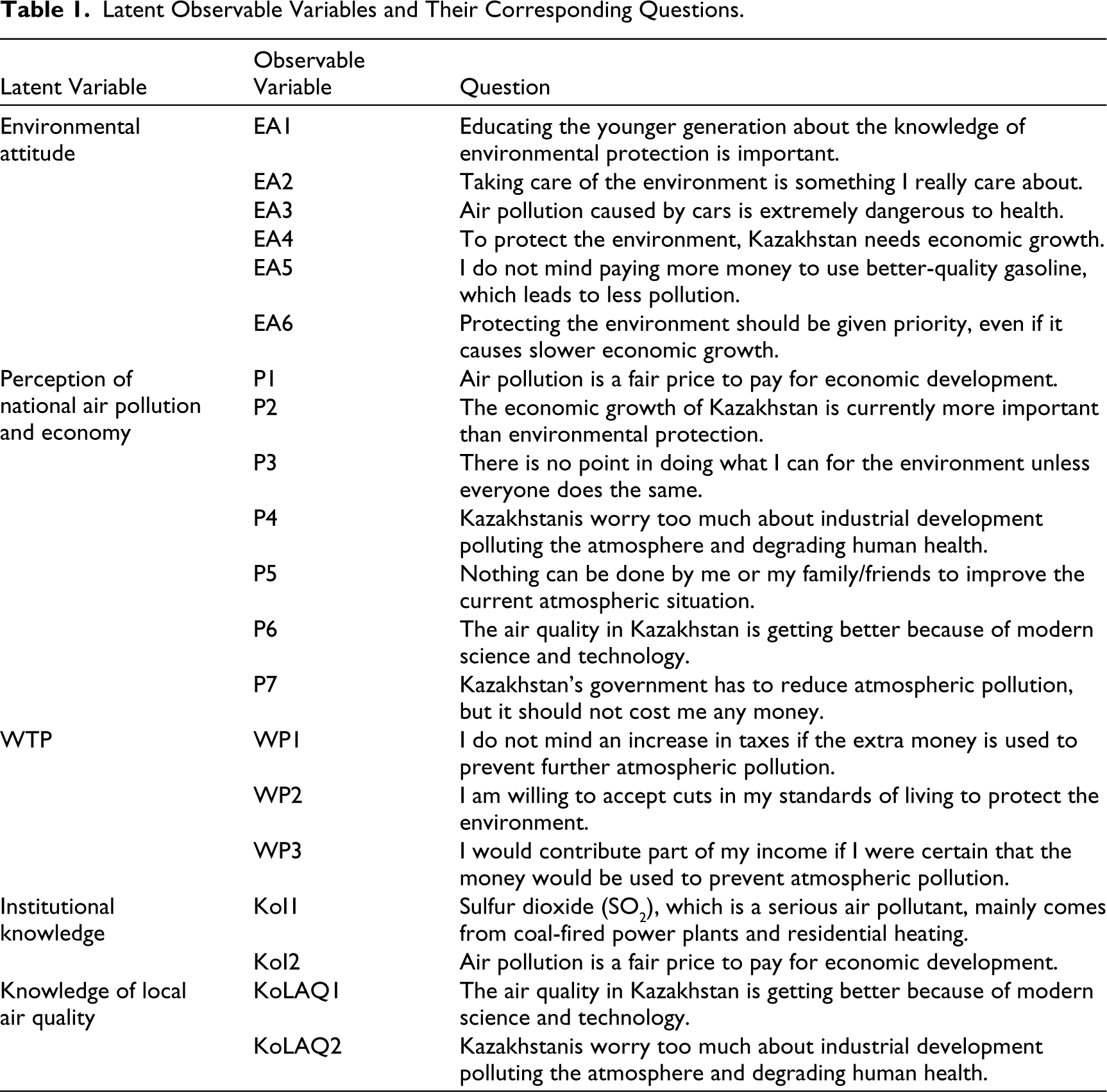
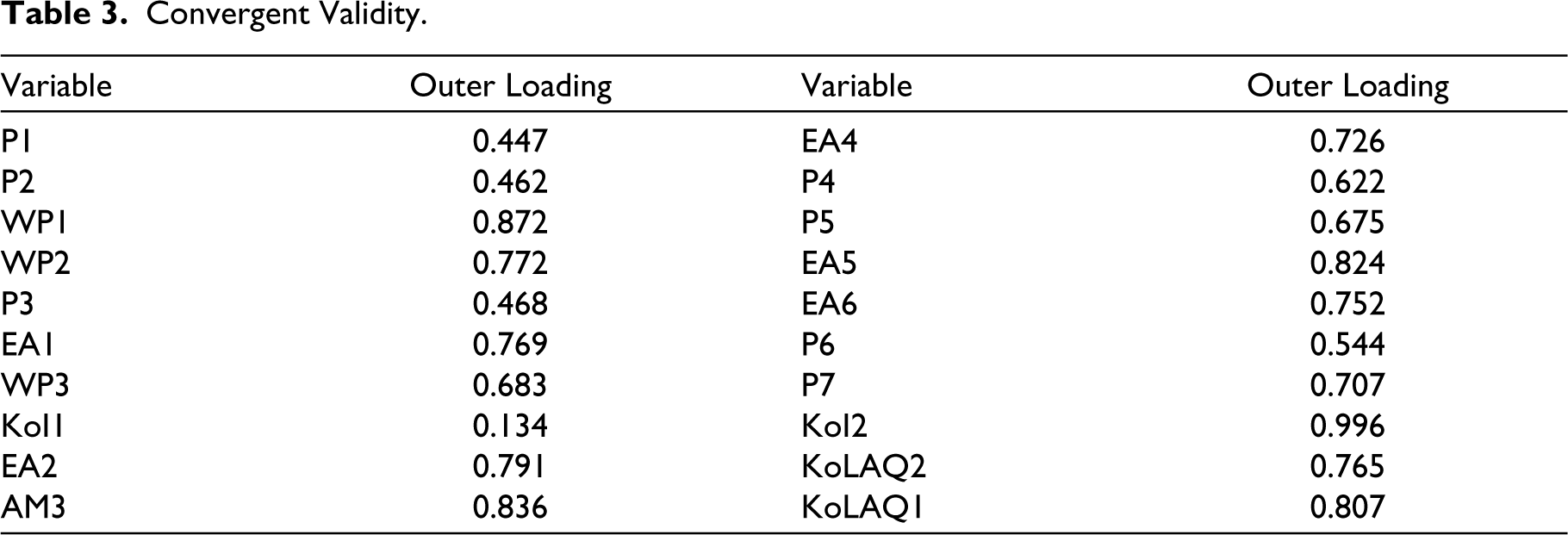
The SEM tool was used to evaluate the proposed model’s reliability and validity and to test the hypotheses set. Table 1 and Figure 1 represent the SEM’s latent, observable variables, related questions and the model itself. The model is reflective, as the observed variables manifest the behaviour of the latent construct. First, the partial least squares technique was used to identify the path loadings. Each latent variable was described through a minimum of two observable variables. Then, to check the hypothesis, bootstrapping was used to derive heterotrait–heteromethod correlation statistics, thus, calculating the standard error, which helps to identify the bootstrap confidence interval (95% limit). The model’s validity was then checked through statistical values including outer loadings, Cronbach’s alpha, average variance extracted, Dillon–Goldstein’s rho and composite reliability. The acceptance criteria were the following: outer loadings > 0.7, Cronbach’s alpha > 0.7, Average variance extracted > 0.5, Dillon–Goldstein’s rho (rho_A) > 0.7 and composite reliability > 0.7.
Latent Observable Variables and Their Corresponding Questions.
Proposed SEM Model.
Results
Socio-demographic Characteristics of Studied Population
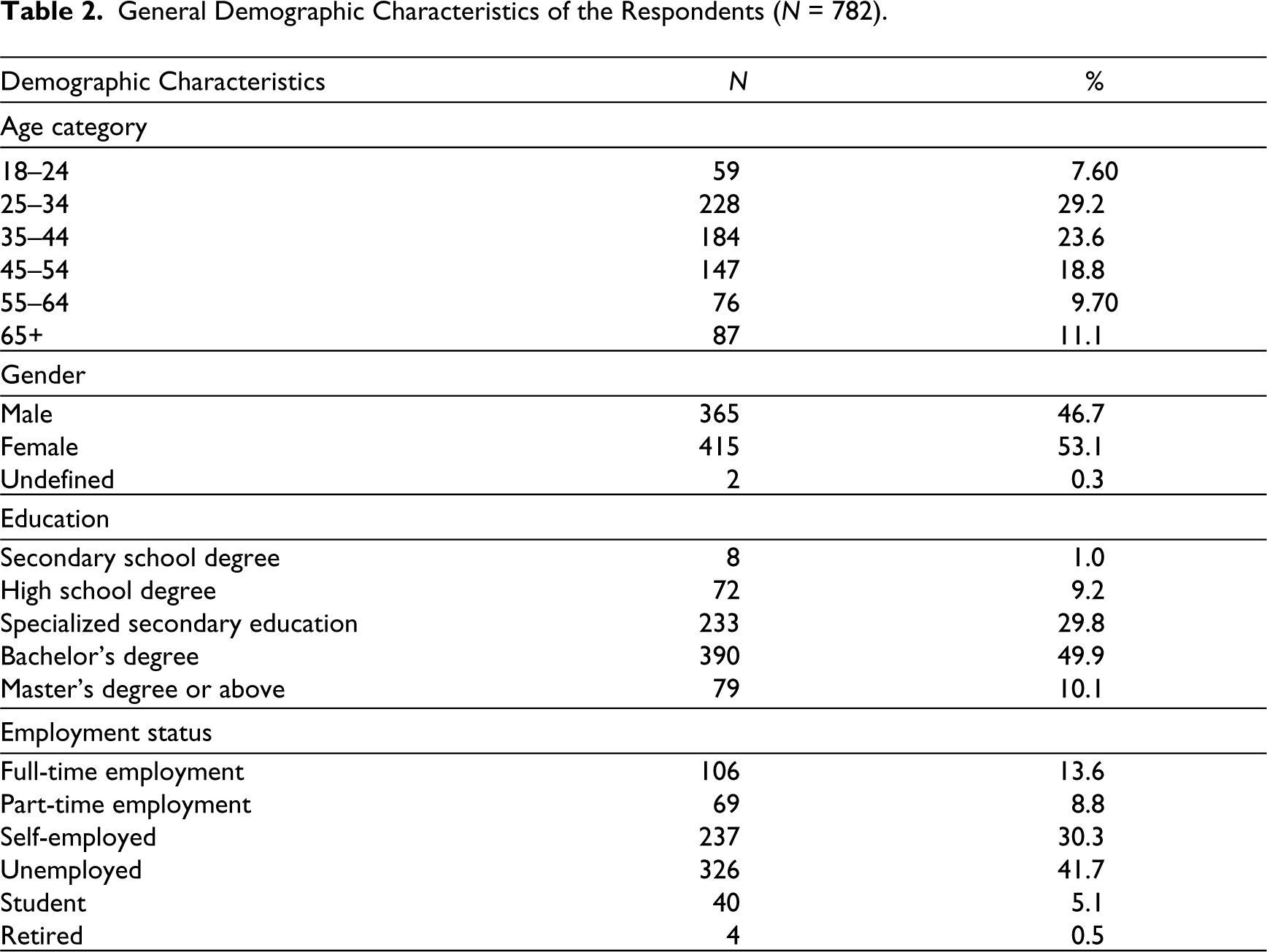
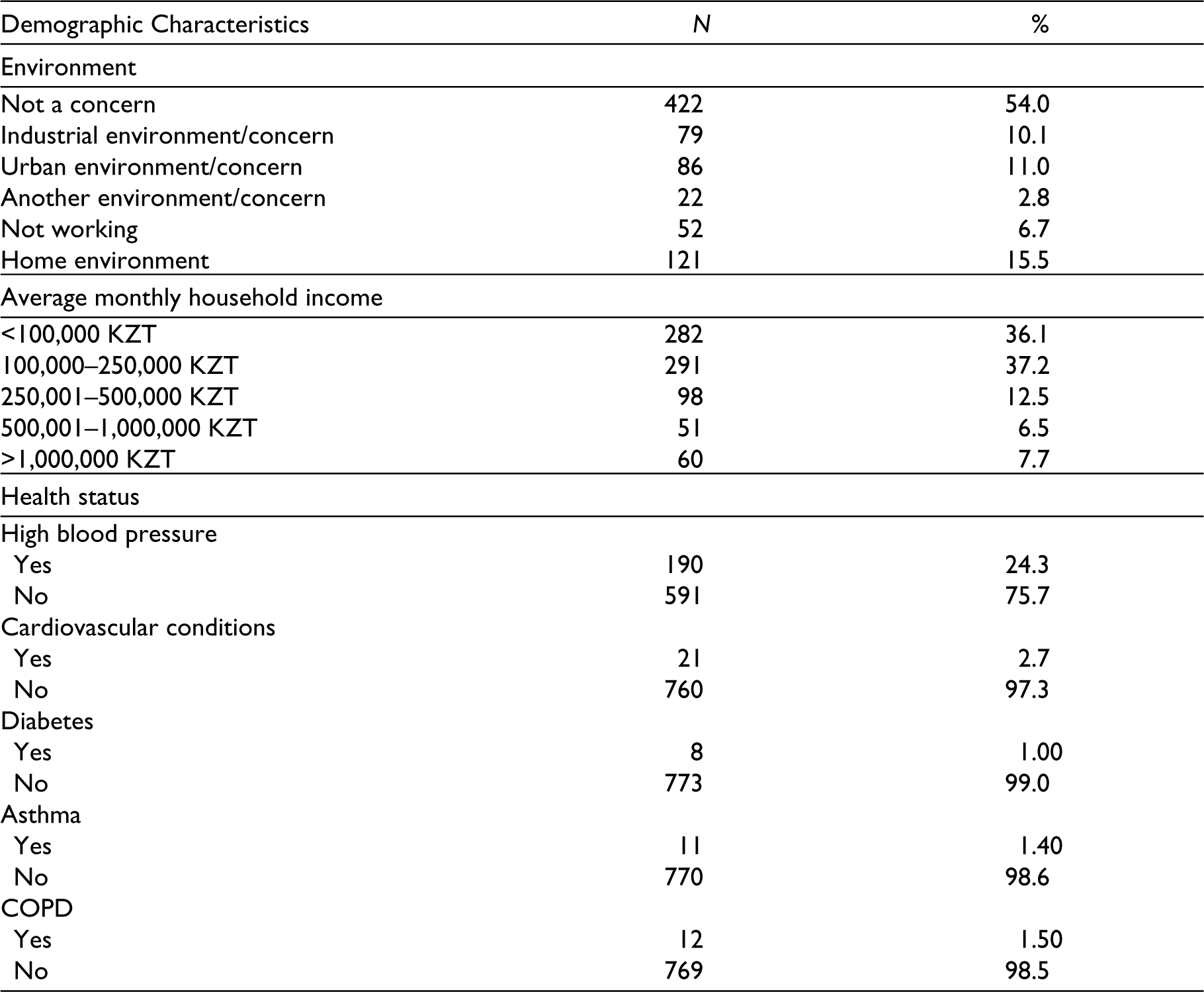
The general demographic characteristics of the participants (Table 2) show that out of the total 782 respondents, the most prevalent age group of the participants was 25–34 years old (29.2% [n = 228]). Half of the respondents had at least a bachelor’s degree (49.9% [n = 390]). More than a third of the study population (41.7% [n = 326]) was identified as unemployed, while 30.3% [n = 237] were self-employed. The majority (54.0% [n = 422]) of the participants described the environment they spend most of their time in as an environment where air quality is not a concern, whereas 10.1% [n = 79] and 11.0% [n = 86]) were engaged in industrial and urban sectors, respectively. Only 37.2% [n = 291] of the participants reached the average wage of the Kazakhstani population (263,905 KZT in 2022) (Bureau of National Statistics, 2022).
General Demographic Characteristics of the Respondents (N = 782).
SEM Validity Check
The model underwent validity checks using partial least squares analysis, with hypotheses confirmed/rejected via bootstrapping. Convergent validity check results (Table 3) showed most values exceeding the 0.7 limit, indicating strong representation except for KoAPI1. Lower values (P5, P3 and P7) remained within acceptable limits (0.4‒0.7). Reliability and validity checks (Table 4) revealed institutional knowledge as the least reliable construct due to limited questions (Hair et al., 2018).
Convergent Validity.
Construct Reliability and Validity.
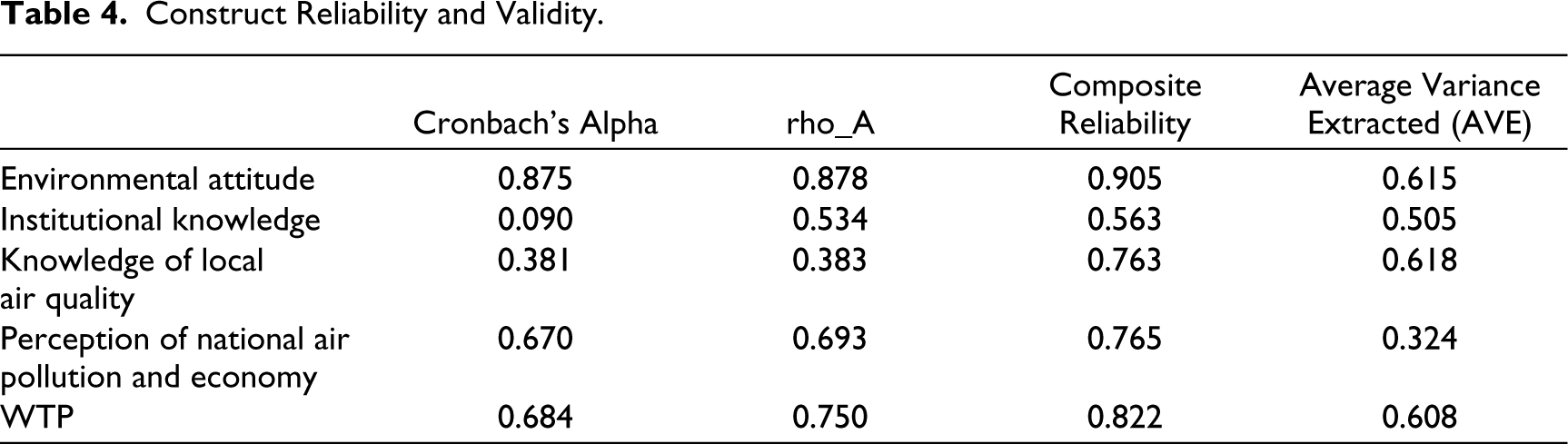
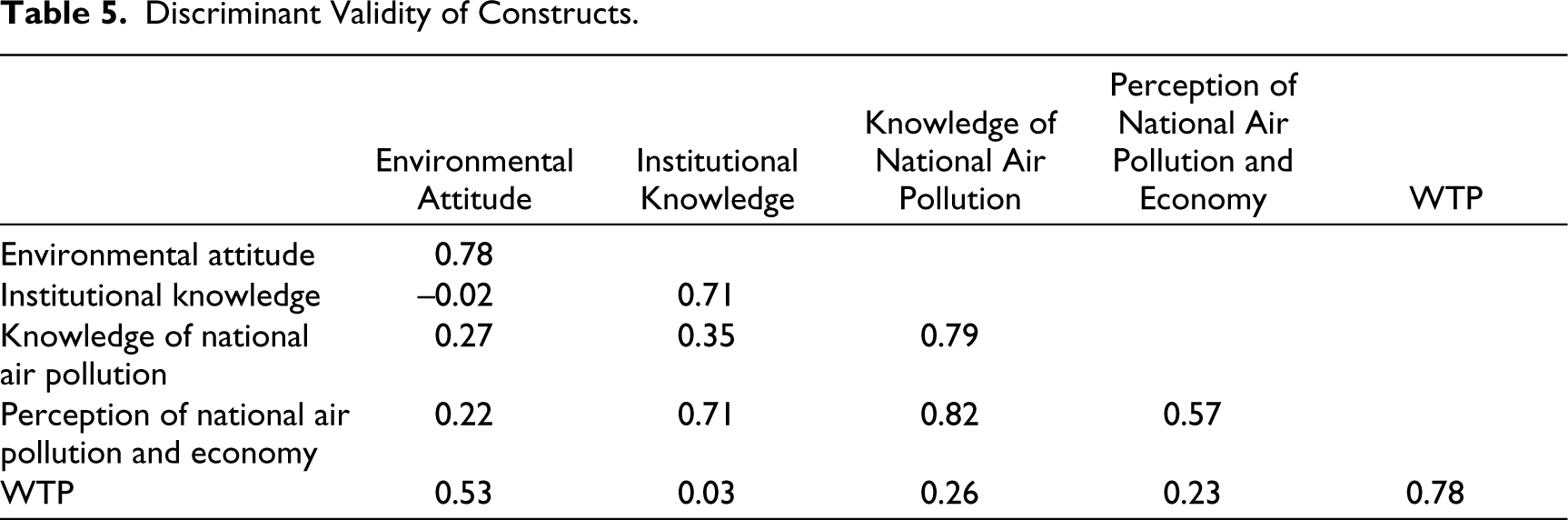
Table 5 demonstrates the values for discriminant validity which indicates the differences between the constructs. All the values are distinct and discriminant. Table 6 represents the hypothesis test check using bootstrapping, showing that all four hypotheses are supported.
Discriminant Validity of Constructs.
Hypothesis Test Results.
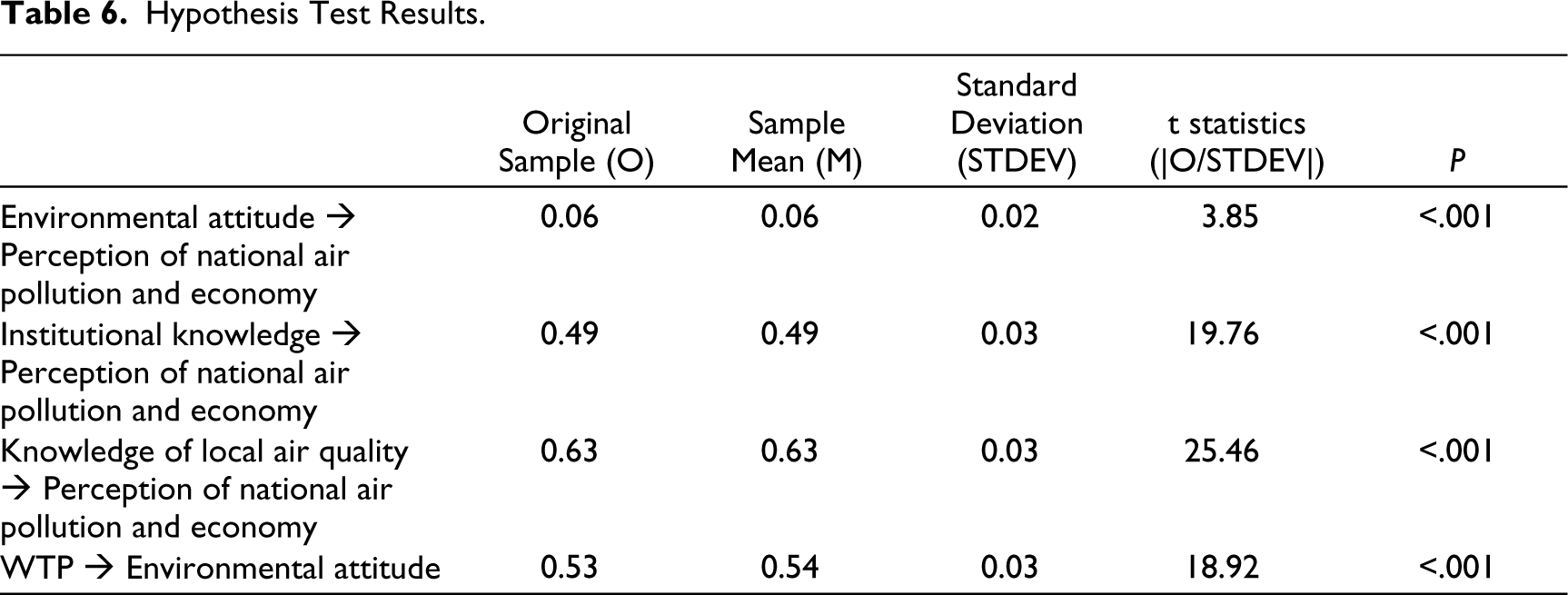
Table 7 shows that the effect of knowledge of local air quality on the perception of national air pollution and the economy is the strongest (i.e., with the largest path value: 0.626). The effects of institutional knowledge on the perception of national air pollution and economy and WTP on environmental attitude are also strong (0.492 and 0.533, respectively). Interestingly, the effect of environmental attitude on the perception of national air pollution and the economy is minimal.
Path Coefficient Values.

Relationship Between Air Quality Perception and Socio-demographics
The public perception of air quality in Astana was affected by participants’ age, gender, education, employment status, the environment in which the respondents spent most of their time, average monthly household income (p < .001) and health status (HBP [p < .001] and COPD [p = .005]) (Table S1, Supplementary Material).
Almost half of the respondents (42.1% [n = 329]) classified the air quality as moderately polluted and causing no harm. Among the respondents in the 35–44 age category, half (52.7% [n = 97]) considered the air quality in Astana moderately polluted, causing no detrimental effect to the general population. However, one-third of the respondents in the 45–54 and 55–64 age groups (34.3% [n = 50], and 30.3% [n = 23], respectively) classified the air quality as highly polluted.
Respondents with graduate degrees and full-time employment were more likely to consider the air quality level as moderately dangerous to human health (55.7% [n = 44]; 49.5% [n = 52], respectively). The majority (69.6% [n = 55]) of participants working in an industrial environment noted a high level of air pollution.
Respondents’ Knowledge of Air Pollution-related Topics
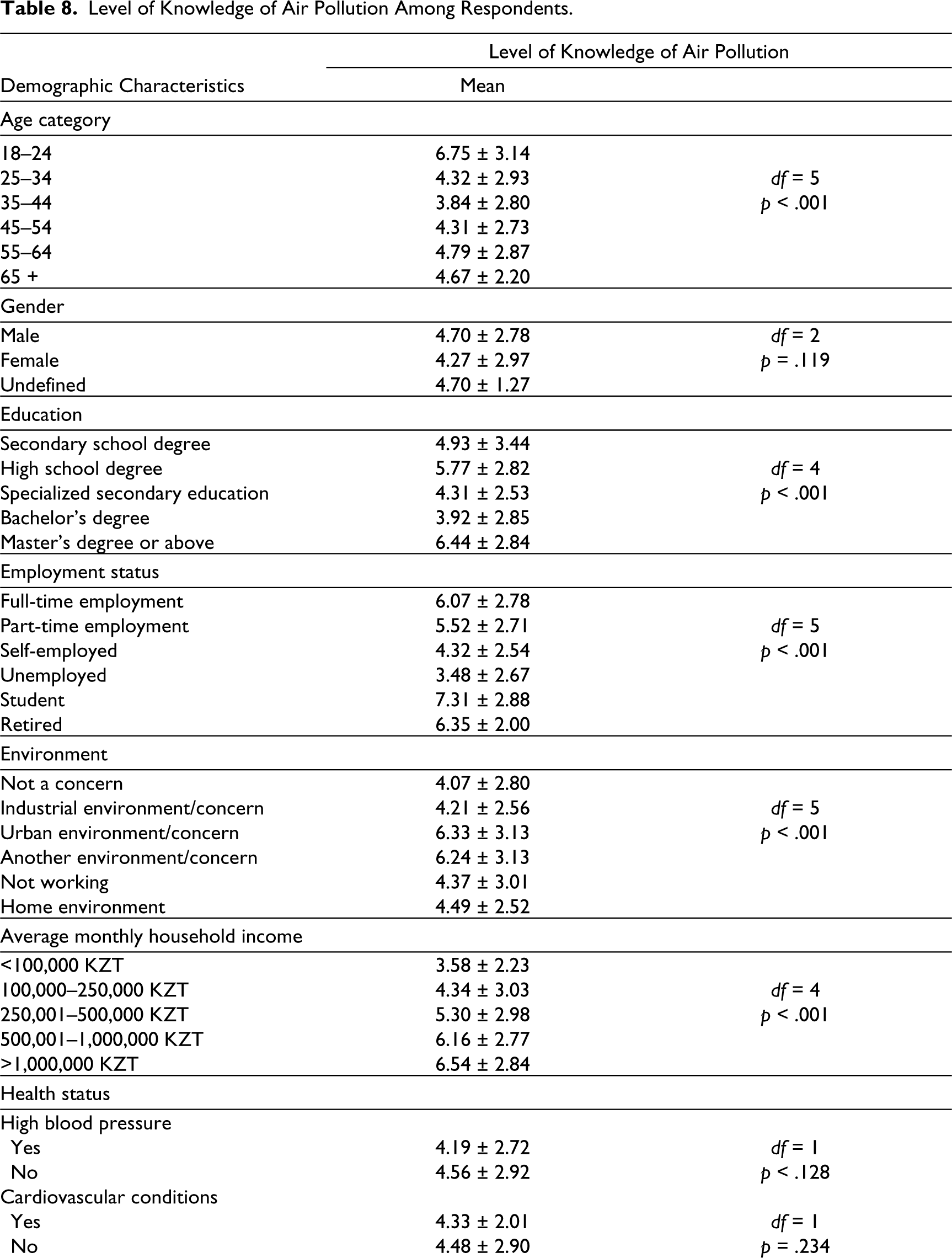
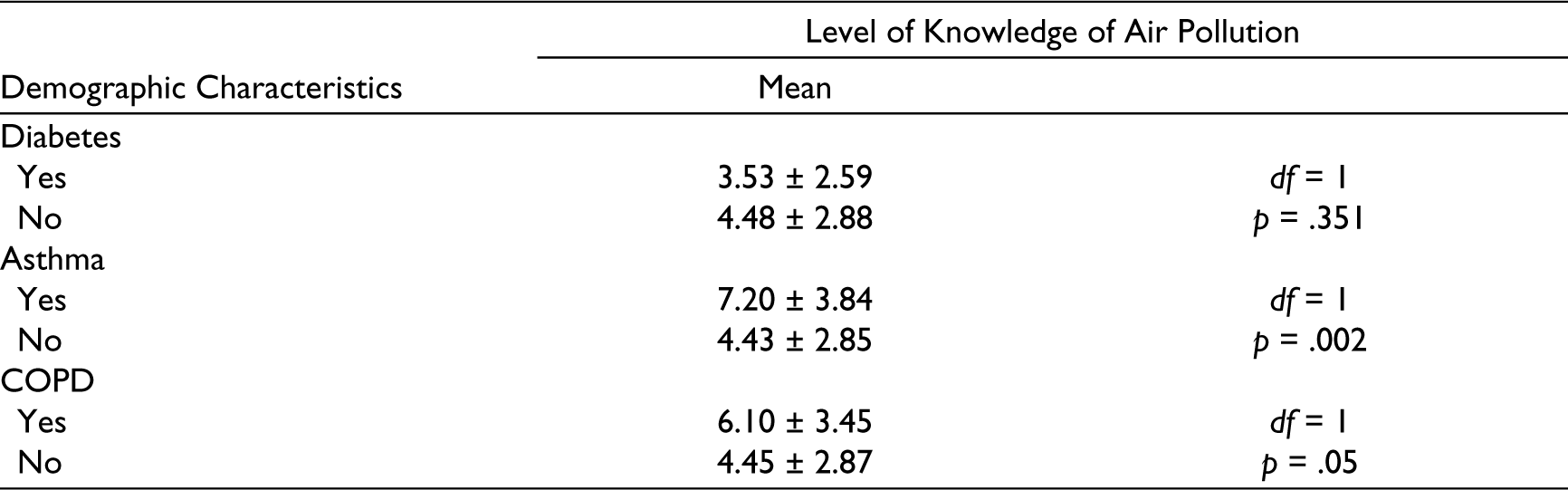
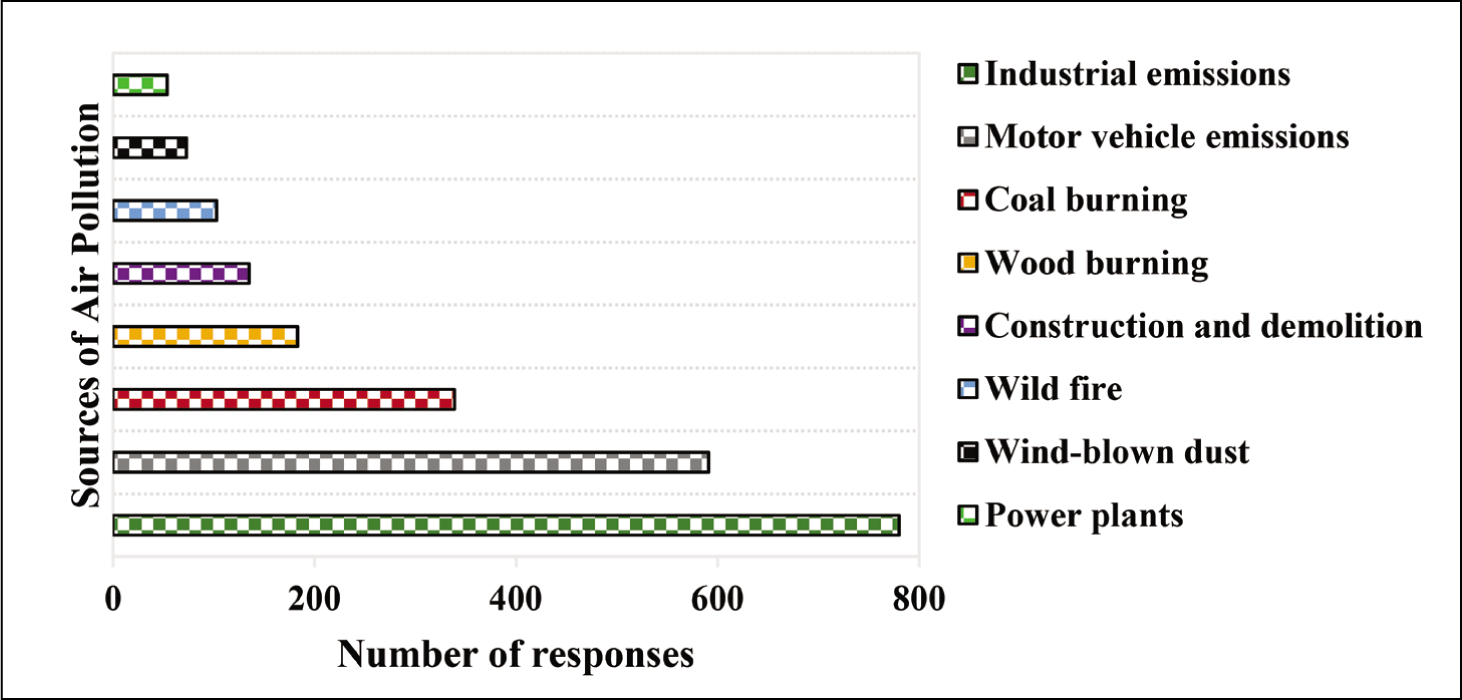
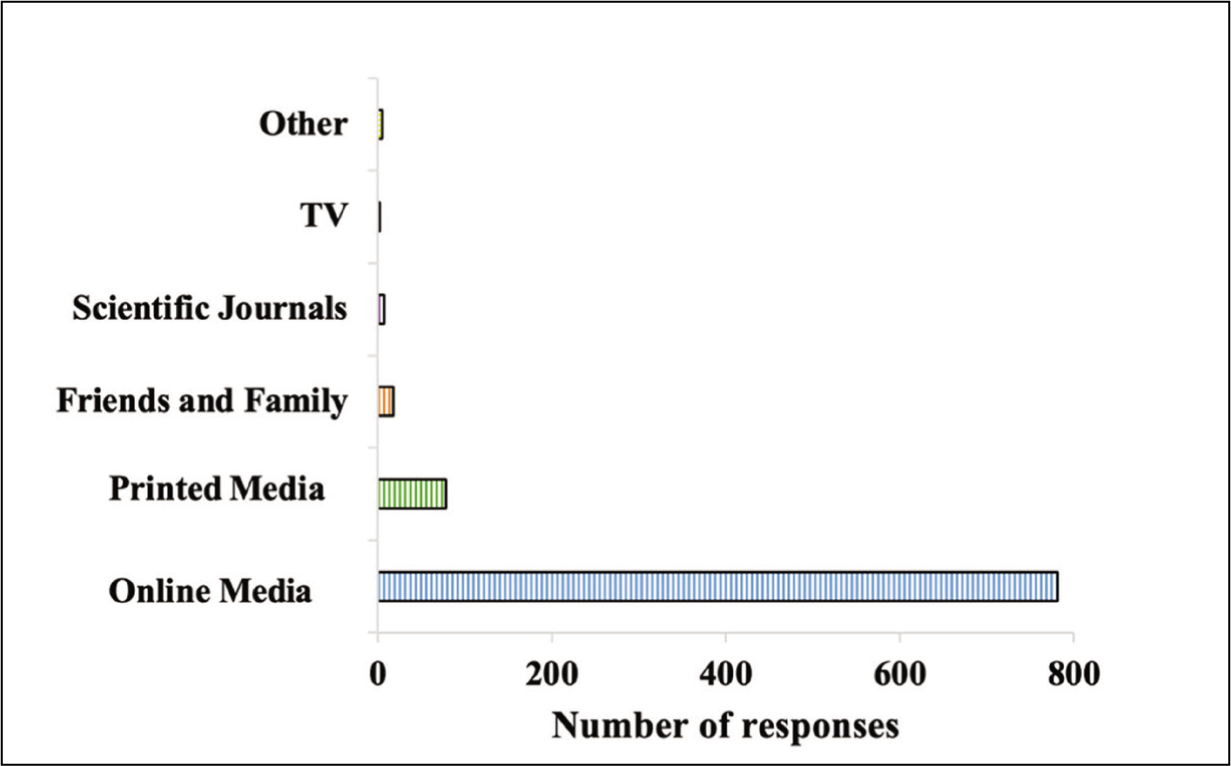
Table 8 summarizes the relationship between participants’ knowledge of air pollution-related topics (maximum score: 14.0) and demographics. Most participants consider industrial emissions, vehicle exhaust and coal burning as the major sources of air pollution (Figure 2). Furthermore, almost all respondents (99.9%) use online resources for air pollution-related information (Figure 3). The knowledge score was considerably low and varied significantly (p < .001) by age group, education, employment status, environment where respondents spend most of their time and average monthly household income. A higher level of knowledge was noted among participants in the 18–24 age group (mean = 6.75 ± 3.14 [p < .001]). Overall, participants with a graduate degree demonstrated a higher level of knowledge of air pollution-related topics (mean = 6.44 ± 2.84 [p < .001]).
Level of Knowledge of Air Pollution Among Respondents.
Sources of Air Pollution Perceived by Participants.
Sources of Information about Air Pollution-related Topics Among the Participants.
Students, participants who worked in urban environments and those with higher economic status (i.e., average monthly household income>1 million KZT) showed a higher level of knowledge compared to the rest of the population (Table 8). Notably, participants diagnosed with asthma had the highest average knowledge score (mean = 7.20 ± 3.84 [p = .002]).
Attitude Towards Environmental Protection and WTP
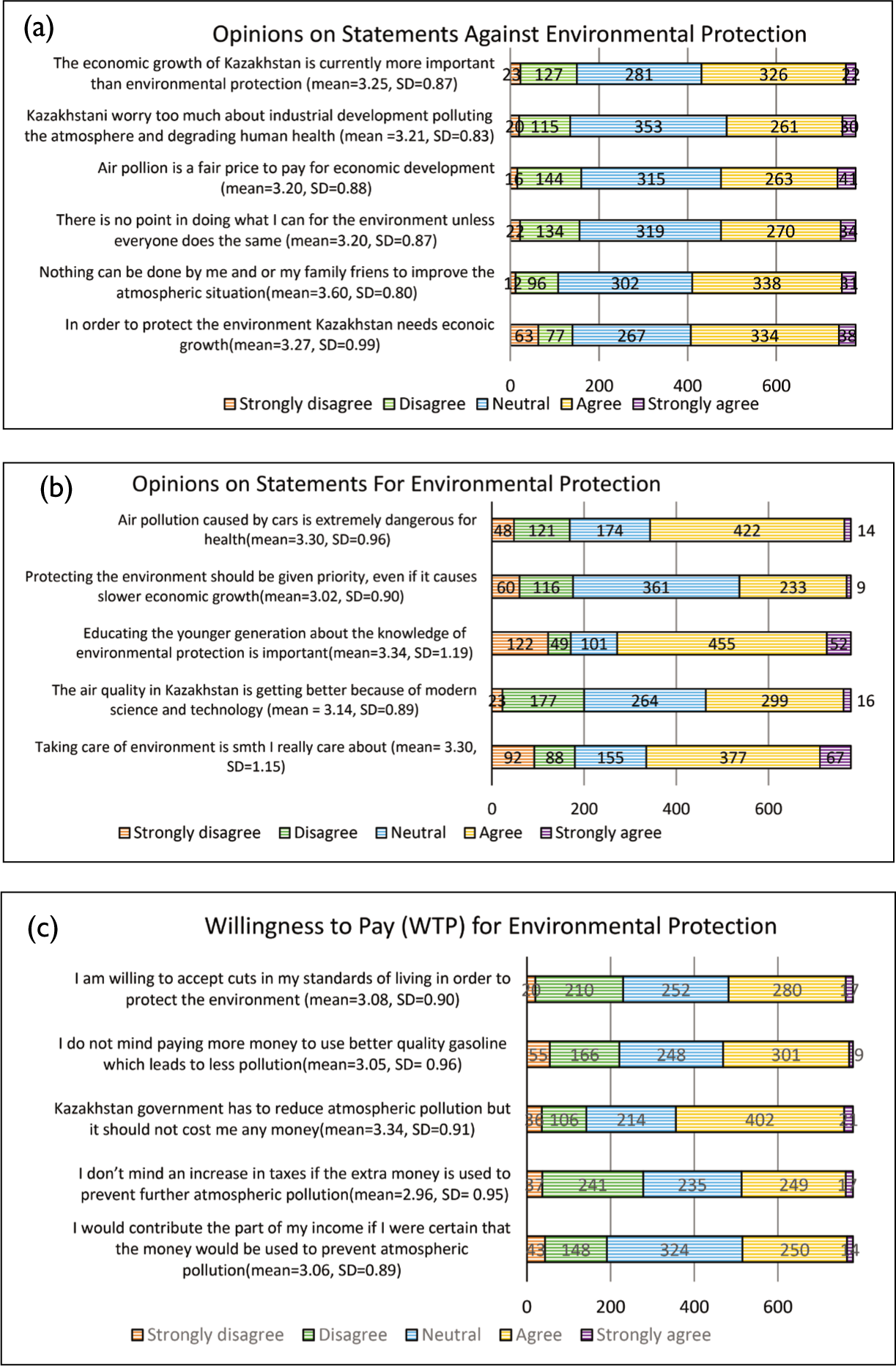
Most participants were largely in agreement with the statements regarding environmental protection, (mean score > 3.00 [neutral response]) (Figure 4). Almost 30% of the respondents prioritized environmental protection over economic growth. The strongest agreement was noted for statements about the importance of environmental literacy (mean = 3.34): ‘Educating younger generations about the knowledge of environmental protection is important;’ and general attitude towards environmental protection (mean = 3.30): ‘Taking care of the environment is something I really care about.’
Opinions against environmental protection were mostly neutral or supportive (mean > 3.20). Almost 42% of the study population supported the statement ‘The economic growth of Kazakhstan is currently more important than environmental protection.’ Almost half of the respondents (43.2%) were sceptical about the individual actions that can be taken to improve air quality: ‘Nothing can be done by me or my family or friends to improve the atmospheric situation.’ One-third of the participants expressed a lack of motivation towards individual actions unless the initiative is supported in the community: ‘There is no point in doing what I can for the environment unless everyone does the same.’
Most respondents either demonstrated a WTP for environmental protection or remained neutral in their WTP statements (Figure 4). Half of the respondents (51.4%) supported the idea of governmental intervention for environmental protection without self-involvement (mean = 3.34): ‘Kazakhstan’s government has to reduce atmospheric pollution, but it should not incur any costs to me.’ Only 32% of the surveyed population expressed their WTP extra taxes for enhancing air quality (mean = 2.96): ‘I do not object to a tax increase if the additional funds are utilised to prevent further atmospheric pollution.’ Furthermore, 36.0% of participants expressed their preparedness to accept a reduction in their participants expressed their preparedness to accept a reduction in their standard of living to protect the environment.
Respondents’ Opinions For (a) and Against (b) Environmental Protection, and (c) WTP for Environmental Protection.
Discussion
The results of the SEM analysis highlight the significance of local air quality knowledge and its effect on the public perception of national air pollution and the economy. This resonates with other studies where knowledge and education are prime factors in improving environmental attitudes (Meinhold & Malkus, 2005; Sudarmadi et al., 2001). It suggests that increasing environmental literacy among the general public should be considered a priority to promote pro-environmental behaviour. In addition, since almost all respondents use online resources for air pollution-related information, it is crucial to disseminate knowledge of air pollution and related health effects through easily accessible means (e.g., social media) to benefit a population with varying socio-economic backgrounds (Finn & O’Fallon, 2017; Yang & Wu, 2019).
The bivariate analysis further supported the impact of participants’ knowledge on their environmental attitudes and perceptions. Similar to the present study, Hou et al. (2021) also noted moderate air pollution health literacy, linked to factors such as education and living arrangement. In Accra, Ghana, Odonkor and Mahami (2020) found lower literacy among the elderly and less educated population. Graduates exhibited higher environmental knowledge, emphasizing the role of education. The highest level of environmental knowledge was evident for participants with a graduate degree, suggesting formal education is a leading factor in promoting environmental awareness. In Kazakhstan, despite 51.7% of employed individuals holding bachelor’s degrees (Bureau of National Statistics, 2022), the majority still display low environmental literacy levels. Interestingly, countries such as Germany and Sweden, with lower bachelor’s degree percentages, exhibit higher environmental awareness (Grund & Brock, 2020). In China, where tertiary education reaches only 10% of the population aged 25–64 (OECD, 2023), environmental education is mandatory in primary and secondary schools (Wu, 2012). A study on Chinese students and adults by Clayton et al. (2019) found moderate environmental knowledge levels and a strong intention for pro-environmental behaviour, suggesting additional factors beyond institutional knowledge influencing environmental literacy.
Low environmental knowledge may explain Astana residents’ perception of air quality as non-threatening. Despite being the most polluted cities in Kazakhstan by API ranking with substantial regional variations in the concentration of airborne pollutants, public awareness remains low (Kerimray et al., 2018). Increased coal combustion in CHPPs and households during winter degrades air quality substantially (The World Bank, 2021). Astana’s CHPPs consume 3.2 million tonnes of coal annually, and two-thirds of Kazakhstani households still use solid fuels (e.g., coal, biomass and wood) for heating.
Promoting pro-environmental behaviour involves putting more emphasis on associated health hazards and individual intentions (Bamberg & Möser, 2007). Personal self-consciousness and identity influence intention for actions (Huang et al., 2020). Individuals identifying as environmentalists are more inclined to act (Carfora et al., 2017; Tabernero et al., 2015). Moreover, a perceived lack of control over environmental issues hinders individual actions and WTP for environmental protection (e.g., environmental taxes or higher-quality gasoline) (Vicente et al., 2021).
Developing countries may prioritize survival over environmental concerns, yet studies show no income–WTP link. Moreover, research also suggests that higher pollution levels could increase environmental concerns (Dunlap & York, 2016; Shao et al., 2018). In the present study, SEM analysis found a link between WTP and environmental attitude, suggesting spending on environmental protection influences attitudes and perceived control. This underscores the impact of perceived control on behaviour intentions and attitudes towards pro-environmental actions. Bivariate analysis aligns with SEM findings, as most respondents expressed WTP or neutrality.
One form of payment for environmental preservation is environmental taxation. New environmental regulations introduced penalties and fees to minimize non-compliance with emission standards in Kazakhstan. However, the emission limit values (ELVs) established for industrial plants in the country are higher than those recommended by international guidelines (e.g., the EU Industrial Emissions Directive) (Assanov et al., 2021). Moreover, environmental sanctions are more directed towards government budget revenue rather than towards environmental protection (Abakhanov, 2020). However, the Kazakhstani Environmental Code, implemented in 2021, introduced a payment for negative environmental impact (NEI) for large corporations, that gradually increases every three years. NEI assessment for stationary sources depends on emission concentrations. Stationary sources with emissions higher than ELVs are subjected to administrative penalties and environmental damage payments (The World Bank, 2021). Around 40% of respondents favour higher-quality fuel, and WTP more for reduced pollution levels. Mobile source pollution tax considers engine size and fuel type e.g., unleaded gasoline, diesel fuels, compressed gas), varying between summer and winter periods (The World Bank, 2021).
Limitations and Recommendations
The present study has several limitations: While the sample size was adequate for the current study objectives, a larger and more diverse sample covering a broader population can provide more robust and generalizable results. Moreover, with a smaller sample size, SEM may tend to overestimate the relationships among variables. Although the study population encompassed individuals from diverse socio-economic backgrounds, the present study solely focused on urban residents, with the majority having attained tertiary education. Furthermore, the responses from participants in the present study may not accurately represent the overall perception of air pollution in the country, as there are other cities in Kazakhstan that the general public associates with higher levels of air pollution. The section of the survey instrument addressing the WTP should incorporate open-ended questions to explore the reasons behind participants’ reluctance to invest in environmental protection measures. This approach will facilitate a more thorough understanding of public attitudes towards air pollution.
Conclusion
The present study assessed the perception, attitude, and knowledge of the local air quality among adult urban residents of Astana, a city with a population boom situated in Kazakhstan which is a developing economy. SEM was the tool used to investigate the causal relationship between perceived air quality, knowledge of air pollution-related topics and WTP for environmental protection:
SEM highlights knowledge as a crucial factor for improving awareness and perception of national air pollution levels. Prioritizing online channels for public education, especially via social media, is vital for effective air pollution mitigation. Individuals with low environmental literacy tend to underestimate Astana’s pollution levels, while industrial workers perceive higher pollution and health risks. Overall, there’s intermediate-level agreement among population groups on environmental protection and WTP. Despite limited support for financial measures, SEM indicates that increased taxes can increase environmental protection attitudes.
Supplementary Material
Supplementary Material for this editorial is available online.
Footnotes
Consent to Participate
Informed consent was obtained from all individual participants included in the study.
Data Availability Statement
The datasets generated during and/or analysed during the current study are available from the corresponding author upon reasonable request.
Declaration of Conflicting Interests
The authors have no competing interests to declare that are relevant to the content of this article.
Ethics Approval
The present study was approved by the appropriate institutional research ethics committee (Nazarbayev University Institutional Research Ethics Committee (NU IREC)).
Funding
The authors acknowledge the financial support from the Nazarbayev University Faculty Development Competitive Research Grant Program (Funder Project Reference: 280720FD1904).