




Abstract
Waterbodies and wetlands in urban areas face fragmentation due to multiple administrative boundaries, necessitating collaboration among various stakeholders. To enhance stakeholder involvement in social-ecological systems (SES), participatory tools have been employed. This article aims to identify factors affecting the sustainability of Najafgarh Lake and Wetland in Northern India, by identifying relevant stakeholders, examining their perceptions about the current state of the lake using a problem analysis participatory tool (PAST), and presenting the findings along the four subsystems of Ostrom’s (2007) general framework for analyzing the sustainability of SES. An analysis of stakeholders’ perceptions reveals the factors affecting Najafgarh Lake’s sustainability and highlights two competing and conflicting interests: reducing water inflow into the lake and constructing an embankment, versus designating the lake as a wetland. Balancing the two competing issues namely immediate gains from draining the lake and the long-term benefits arising from its preservation is crucial. These insights can guide policymakers in developing a sustainable lake and wetland management plan.
Introduction
Waterbodies and their wetlands are increasingly acknowledged as biodiversity reservoirs and economically valuable components of inland and coastal water systems (Shine & Klemm, 1999). To ensure their ecological integrity and facilitate sustainable utilization of their resources by different stakeholders, monitoring and management plans reliant on robust information bases are crucial (Davis, 1994; Tomas Vives, 1996). These information bases typically encompass data on their status, the extent of degradation and loss, conservation measures, and the efficacy of management and monitoring strategies (Finlayson & van der Valk, 1995).
Waterbodies and wetlands in urban areas are increasingly fragmented across administrative boundaries, necessitating collaboration among stakeholders (Gawler, 2002). It is widely recognized that sustainable wetland management should incorporate the perspectives and priorities of stakeholders or users, not just concepts from governments or experts (Gawler, 2002). This understanding arises from the fact that natural resources such as water, have multiple users and require collaboration among all users (Simpungwe, 2006) creating social capital for improved future benefits from resource use (Ostrom, 1992). Stakeholder participation emphasizes the importance of involving all individuals and groups involved in resource management. Participatory Natural Resource Management (PNRM) argues that involving stakeholders in decision-making results in better and more enduring solutions (Simpungwe, 2006). Therefore, adopting a participatory approach and involving a wide range of stakeholders in collaborative governance is strongly advocated for natural resource management (Ansell & Gash, 2007; Reed, 2008).
Previous research across various fields emphasizes the significant role of stakeholders in shaping policy discourses. Examples include stakeholder engagement in watershed development (Leach & Pelkey, 2001), forest planning (Buchy & Hoverman, 2000), land use change (Morris et al., 2011), fisheries management in Europe (Mikalsen & Jentoft, 2008), sustainable planning of niche crop systems in the Indian Himalayas (Sen & Kansal, 2019), and establishing sustainable phosphorus loops (Nanda et al., 2019). In the water systems domain, community participation and expert consultation were instrumental in developing the Canadian Water Sustainability Index (CWSI) (PRI, 2007). Sudha et al. (2013) involved stakeholders in creating the Water Bodies Protection Index (WBPI) as a monitoring and ranking tool for periurban waterbodies in Chennai. Vollmer et al. (2018) conducted stakeholder workshops to develop the Freshwater Health Index (FHI) for monitoring freshwater ecosystem health at the basin level and identifying management priorities.
Qualitative methods, tools and techniques have improved stakeholder involvement in the analysis, assessment and planning of social-ecological systems (SES) (Al-Qubatee et al., 2017; Van der Schans & Lemperière, 2006). These participatory approaches engage stakeholders from diverse spatial scales with varying power, interests, knowledge and influence (Mikkelsen, 2005; Sen & Kansal, 2019; SIDA, 2002). They shift from a top-down to a bottom-up approach, prioritizing stakeholder knowledge and interactive learning (Cavestro, 2003; Chambers, 1994). Participatory rural appraisal (PRA) is a well-known approach to describe these evolving participatory approaches that has expanded to include Participatory Reflection and Action (Chambers, 2007) and Participatory Learning and Action (Narayanswami, 2009; Uddin & Anjuman, 2013). These methods employ verbal and visual techniques for data collection, analysis and communication among stakeholders (Kernecker et al., 2017; Mukherjee, 2002). The tools can be categorized based on space, time and relations, and are used individually or combined for comprehensive investigation and data triangulation (Kumar, 2002; Narayanswami, 2009).
Against this backdrop, the present study aims to investigate the factors influencing the sustainability of Najafgarh Lake, an inland surface waterbody awaiting wetland notification, using a participatory tool (Basu et al., 2015). Najafgarh Lake, listed in the National Wetland Atlas (Haryana state), is located in India’s National Capital Region (NCR). The lake faces complexities due to its jurisdiction spanning multiple governments (Delhi and Haryana states and the central government) and is situated in an area where land is highly valued. Moreover, the lake has various stakeholders with divergent and conflicting interests. This article specifically aims to identify the factors affecting the sustainability of Najafgarh Lake by identifying relevant stakeholders, examining their perceptions of the current lake condition through a participatory tool, and presenting the findings within a framework for analyzing sustainability of SES. This would not only enrich the existing literature in the field but also facilitate stakeholders’ informed decision-making for management of waterbodies and wetlands.
Materials and Methods
The study collected primary data from stakeholders affecting or affected by Najafgarh Lake. They were categorized into groups based on their roles in waterbody use, management, policy formation and information provision (Hargrove & Heyman, 2020). Stakeholders were identified and sampled based on the literature review, research objectives and saturation concept (Baker & Edwards, 2012; Mason, 2010; Sen & Kansal, 2019).
Stakeholders’ inputs were analyzed using the participatory problem analysis tool (PAST; Basu et al., 2015; Sen & Kansal, 2019). PAST is commonly used to (a) decompose problems and identify their causes; (b) map the effects of these problems; and (c) identify potential solutions for managing the problems and their effects (El Ayni et al., 2012; MDF, 2005; ODI, 2009). These tools utilize tree diagrams, resembling stylized trees where causes and key problems represent the roots and trunk respectively, and effects represent the branches and leaves (ODI, 2009; Snowdon et al., 2008). Solutions are typically presented in a separate tree (Narayanswami, 2009; Snowdon et al., 2008).
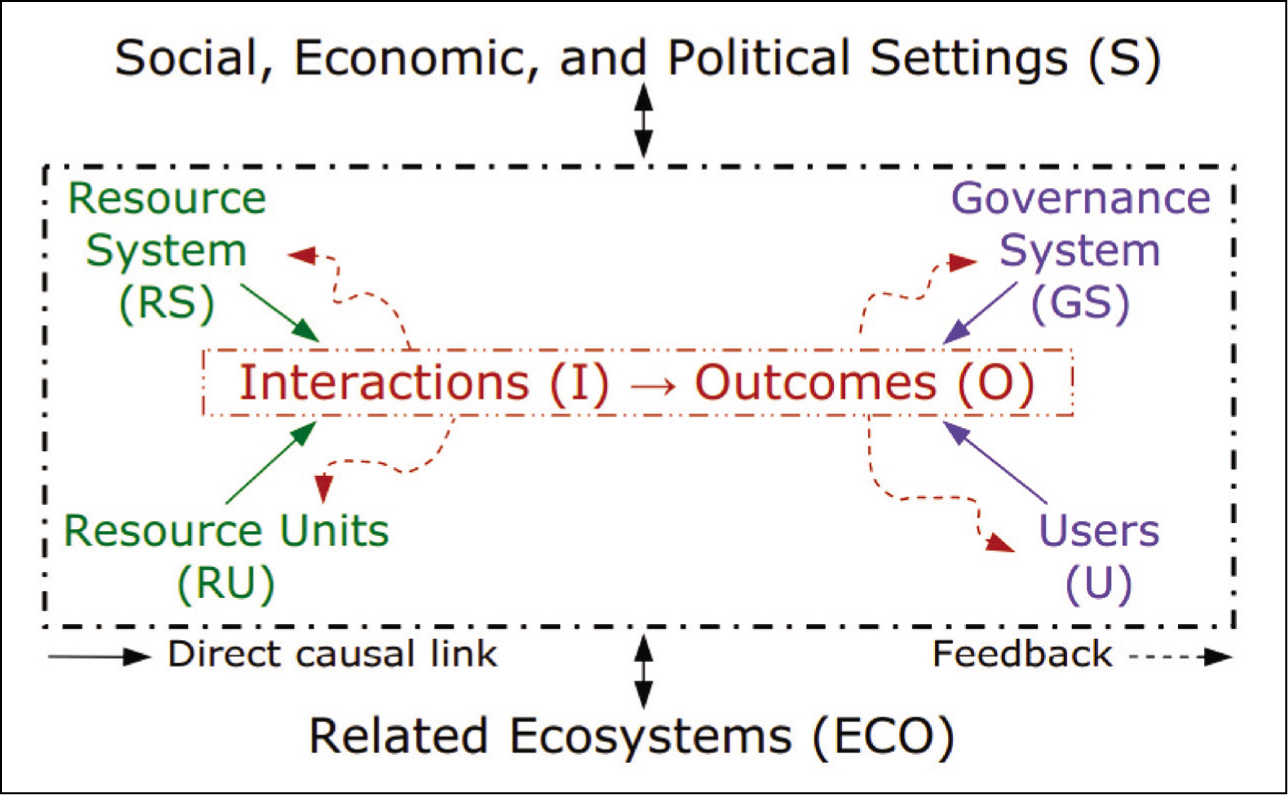
The problem trees developed with PAST were presented within Ostrom’s general framework for analyzing SES sustainability across four subsystems: resource system, resource units, users and governance systems (Ostrom, 2007). In this framework, the waterbody and wetland act as the resource system, with ecosystem services serving as the resource units. The users represent the stakeholders directly or indirectly impacted by or impacting the waterbody, while the governance systems encompass the organizations and rules governing the waterbody (Figure 1). The suggested solutions for the problems within each subsystem were examined and discussed separately.
Ostrom’s Multi-tier Framework for Analyzing Sustainability of SESs (Ostrom, 2007).
To develop problem trees and explore potential management solutions, the researcher conducted in-depth interviews with stakeholders belonging to the identified groups between July and October 2022. Stakeholders were provided with relevant information about the research’s context and objectives, and interviews were conducted using a pre-defined interview schedule. Interviews were conducted in either English or Hindi, based on the stakeholders’ language preference after obtaining their prior consent and appointment. The interviews typically lasted between 45 minutes to 1.5 hours on average. Permission was obtained from interviewees to record the interviews, and in cases where they were uncomfortable with this, detailed notes were taken during the interview and transcribed immediately afterwards. In some instances, interviewees chose to respond to the interview questions via email.
Stakeholders’ inputs were gathered on four research questions within each subsystem of Ostrom’s framework. The first question aimed to explore stakeholders’ perceptions on the problems associated with the subsystem. The second question aimed to identify the causes underlying these problems. The third question sought to understand the effects resulting from these problems. Last, the fourth question focused on eliciting potential solutions for effective management. The interview questions were intentionally designed to be open-ended, enabling the researcher to freely inquire and stakeholders to freely provide their insights on each of the four research questions. More information regarding the interview schedule and stakeholder details is available in the supplementary files (SI-1 and SI-2).
The stakeholder interviews were transcribed and coded using an abbreviation system. The system utilized the first three letters of the organization name or acronym (or the first three letters of the first word if the name is less than three words, in case the first word is ‘The’ the first three letters of the second word is taken) to identify stakeholders. Subsystems and research questions within the interviews were sequentially numbered and separated by a comma in the abbreviation (e.g., INT, 1a represented the first research question in the first subsystem from the interviewee from organization INTACH). If a stakeholder had no organizational affiliation or worked for multiple organizations, the first three letters of their profession were used. Multiple interviews from different villages were abbreviated with the first three letters of ‘village’ and a serial number. If multiple interviewees were from the same organization or profession, a serial number was added to the abbreviation. Quoted statements from stakeholders in the article were also abbreviated using lowercase letters (e.g., INT, a). The responses provided by stakeholders to the four research questions within each subsystem recorded by the researcher in interviews were transcribed and coded as described above and presented in the form of problem trees. The problem trees were constructed with the problems box in the middle representing the trunk, causes box at the bottom representing the roots and effects box at the top as the branches and leaves. The problem trees, including problems, causes, effects and solutions, can be traced back to individual interviews through the interview codes. In other words, the problem trees and solutions represent stakeholders’ perceptions about the problems confronting each subsystem, the causes for these problems, the effects of these problems and the possible solutions to tackle these problems.
Study Area
Najafgarh Lake in northern India is a shallow inland waterbody and wetland in the Sahibi River basin. The basin covers 10,611 km2 with the states of Rajasthan, Haryana and Delhi accounting for 65%, 29% and 6% of the catchment, respectively. The study was limited to the lake/wetland (about 7 km2) straddling Delhi and Gurugram and its surrounding areas. It measured 226 sq. km in 1883 (Wetland Authority of Delhi [WAD], 2020). Historically, the lake received water from the northern districts of Haryana via Outfall Drain No. 8 and sheet flow from Delhi in the north, River Sahibi from southwest Haryana and Rajasthan, and surface run-off from Gurugram in the south.
Najafgarh Lake as Depicted in Delhi EMP (Wetland Authority of Delhi, 2020).
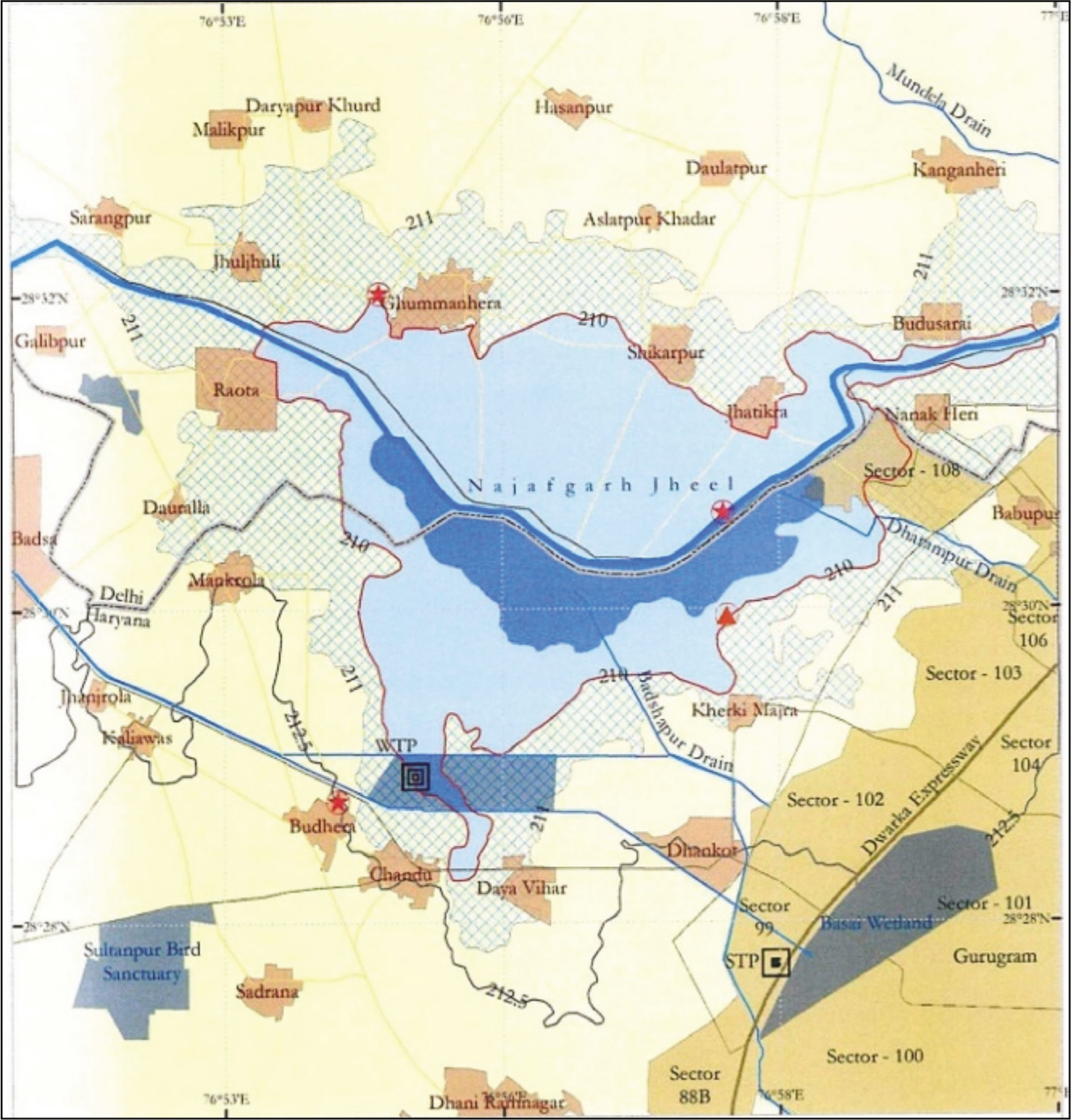
Due to its shallow depression and limited outfall, the lake has faced recurrent flooding. An embankment was built on Delhi side after a significant flood in 1964, dividing the lake into north and south segments. The embankment disrupted natural flood cycles and led to conversion of a large portion of the lake into agricultural fields and built-up areas. The lake no longer receives water from River Sahibi and relies on overflow from Outfall Drain No. 8, sewage from Gurugram, industrial effluents from Manesar, and sheet flow from nearby villages. Sedimentation, eutrophication and invasive species have affected the lake, but it still supports a diverse range of bird species and rich diversity of butterflies and dragonflies (WAD, 2020).
Najafgarh Lake involves multiple stakeholders with competing interests and is managed by various government agencies in Gurugram and Delhi. In Delhi, it falls under Zonal Plan L for lake environment maintenance, while the Gurugram master plan designates the area as open spaces. The lake is surrounded by privately owned farmlands and some panchayat lands. It is subject to several policies and legislation, including the Wetland Rules (2017), River Ganga Authorities Order (2016), Biodiversity Act (2002) and National Action Plan for Central Asian Flyway (CAF) (WAD, 2020). The National Green Tribunal (NGT) in its order of January 2022, in response to an execution application by Indian National Trust for Art and Cultural Heritage (INTACH) filed in March 2019 had ordered both states to enforce the Environment Management Plans (EMP) for the lake prepared by both states ((Execution Application No. 16/2019; earlier O.A. No. 153/2014). The WAD constituted a Najafgarh Wetlands Committee in July 2022 under the chairmanship of the District Magistrate (South West district) to guide effective management planning of the lake (
Results and Discussion
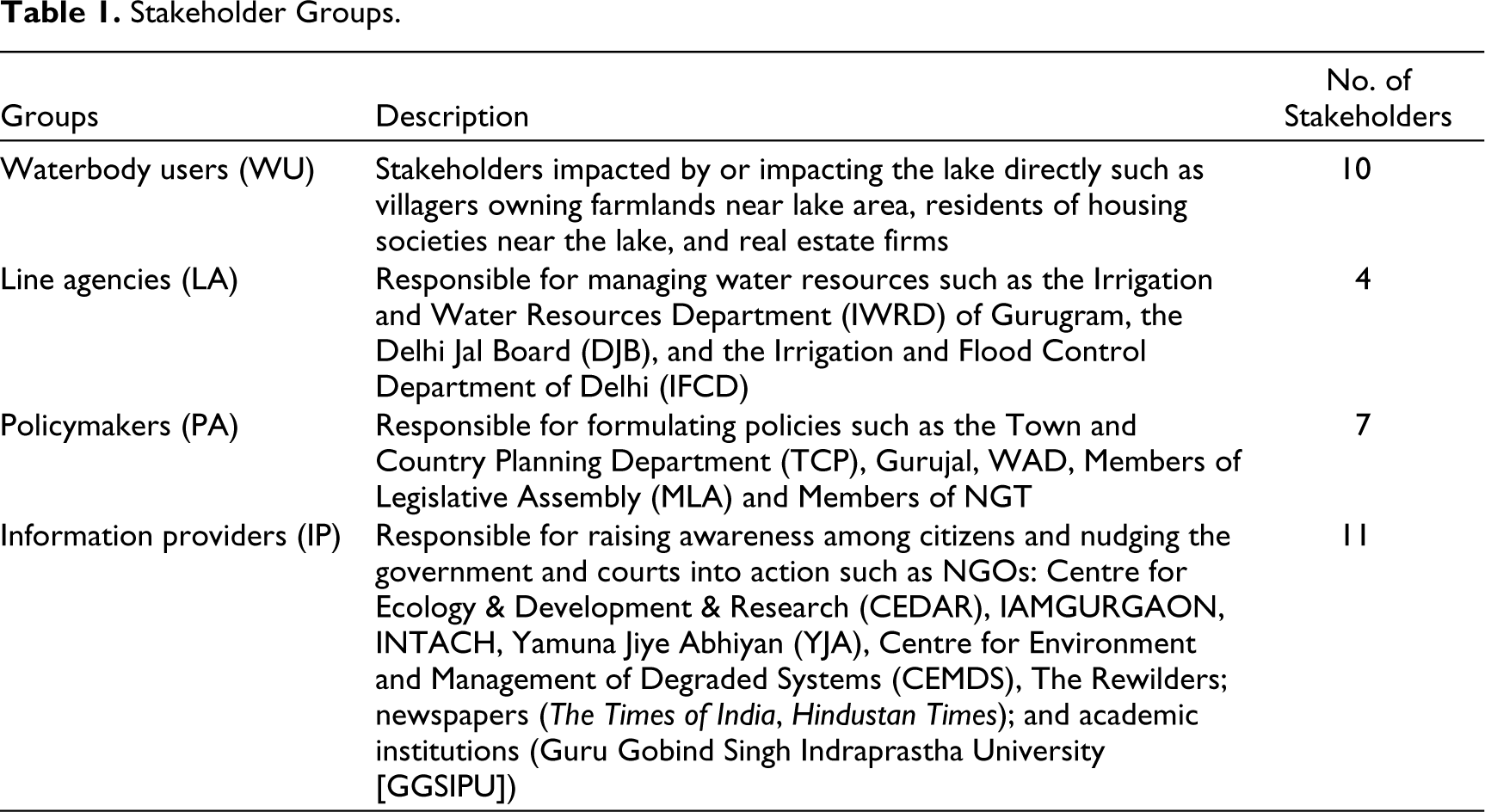
The four stakeholder groups identified for Najafgarh Lake are explained in Table 1. Although 36 stakeholders were approached, only 32 consented to be interviewed. Four stakeholders, serving in the government and real estate sectors did not consent to be interviewed due to the sensitive nature of the issue. The analysis of these interviews through a problem tree is presented along four subsections corresponding to the four subsystems of Ostrom’s framework, followed by a discussion of the possible solutions in the fifth subsection.
Stakeholder Groups.
Resource System
The problem tree analyzing the stakeholders’ inputs to the three research questions (problems, causes and effects) of the resource system has been depicted in Figure 3.
Resource System Problem Tree.
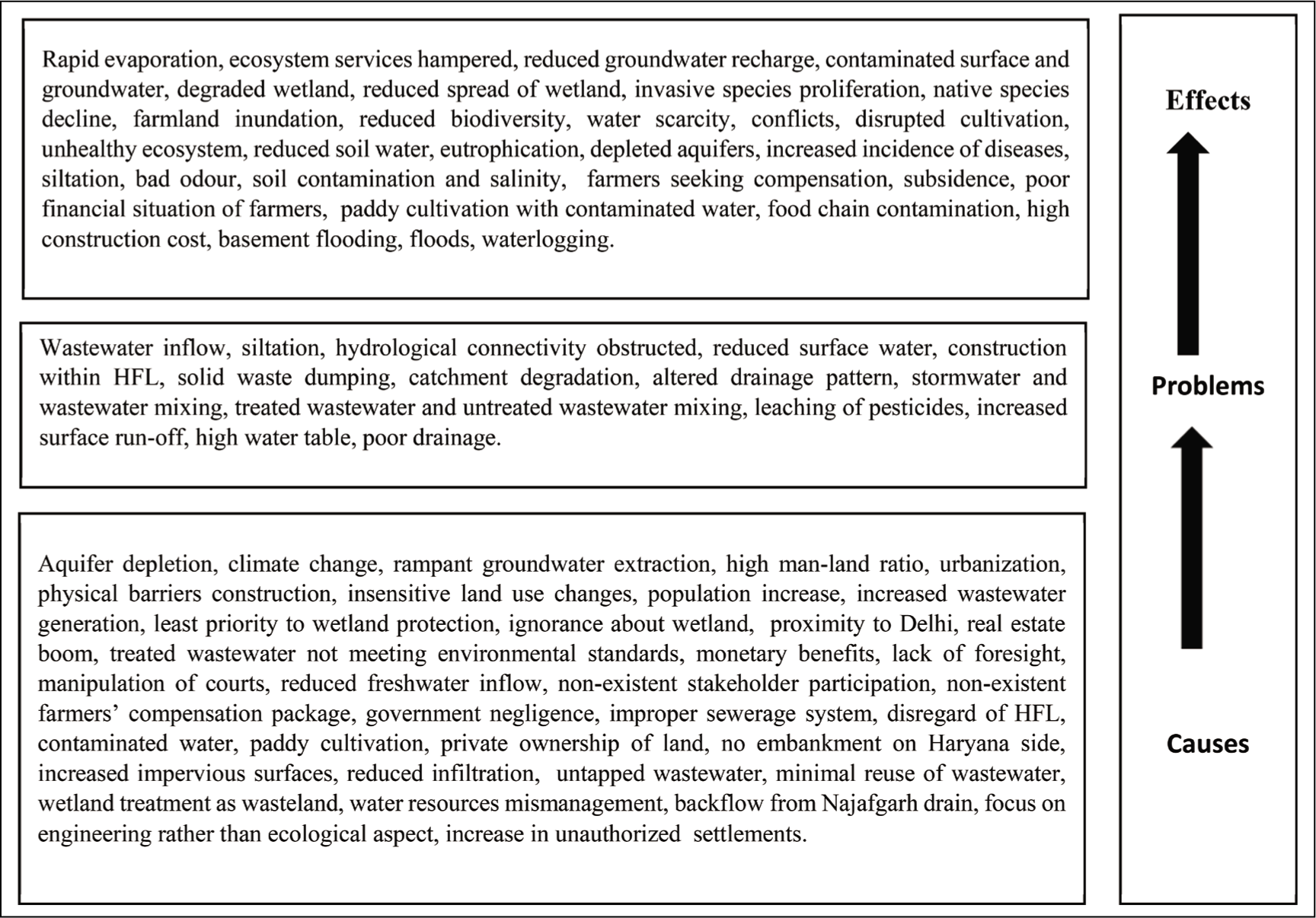
Primary challenges facing the resource system, as indicated by stakeholders (excluding real estate stakeholders), include the inflow of treated and untreated wastewater and obstruction of hydrological connectivity (VIL, 1a; EMN, 1a). According to line agency department stakeholders, the lake currently receives around 500 MLD of wastewater from Gurugram, with only 20%‒30% being treated (IWR1, 1a; GUR, 1d). Another prevalent issue is the mixing of stormwater with wastewater (IWR2, 1a). Real estate stakeholders express concern about the high water table in the lake area and poor drainage (EXP, 1a). Following the 1977 floods, extensive planting of eucalyptus trees on the Delhi side aimed to address the high water table (VIL3, 1a). Additional problems requiring attention include catchment degradation, altered drainage patterns, solid waste dumping, siltation, waterbody degradation, construction within the High Flood Level (HFL), heat waves and intense rainfall in short periods (GGS, 1a; INT, 1a; EMN, 1a).
The causes for these problems are attributed to various factors, with urbanization, population growth, increased wastewater generation, and physical barrier construction being the most cited (YJA, 1b; EMN, 1b). Improper sewerage systems and the inflow of treated wastewater not meeting environmental standards are also significant causes (M3M, 1b; DJB, 1b). Villagers point to the lack of embankment on the Haryana side of the lake as a key cause (VIL2, 1b; VIL5, 1b). Additional factors such as ignorance about wetlands, low priority given to wetlands in protection hierarchy, and treating wetlands as wastelands contribute to the degradation of the resource system (REW, 1b; EMN, 1b). Planning-related causes include overlooking the hydrological cycle, over-emphasis on engineering rather than ecological aspects, lack of foresight, land use changes insensitive to local ecology, and commercially driven decisions (ACT, 1b; GUR, 1b). Real estate stakeholders attribute the degradation of the resource system to unregulated development (EXP, 1b).
The contamination of surface and groundwater is the most commonly cited effect of these problems (IAG, 1c; REW, 1c). Farmland inundation, floods and disrupted cultivation are also significant effects (CED, 1c; TCP, 1c). Stakeholders report that approximately 2000 acres of land on the Haryana side and around 550 acres on the Delhi side are inundated with wastewater (IWR2, 1c; MLA1, 1a). Experts from NGOs, academic institutions, journalists and line agency officials emphasize an unhealthy ecosystem, decline in native species, proliferation of invasive species, and reduced biodiversity as effects (YJA, 1c; NAV, 1c). Villagers perceive farmland inundation, disrupted cultivation, foul odour, increased incidence of diseases, food chain contamination, paddy cultivation with contaminated drain water, water scarcity, soil contamination and salinity as effects (VIL1, 1c; VIL2, 1c; VIL5, 1c). Residents of housing societies near the lake face basement flooding, waterlogged roads, high monthly maintenance charges and water scarcity as effects (M3M, 1c; RAH, 1c). Real estate developers who have obtained licences to build within the HFL cite high construction costs and floods as the main effects (EXP, 1d).
Resource Units
Figure 4 depicts the problem tree created from the analyses of stakeholder inputs on the three research questions of resource units.
Resource Units Problem Tree.
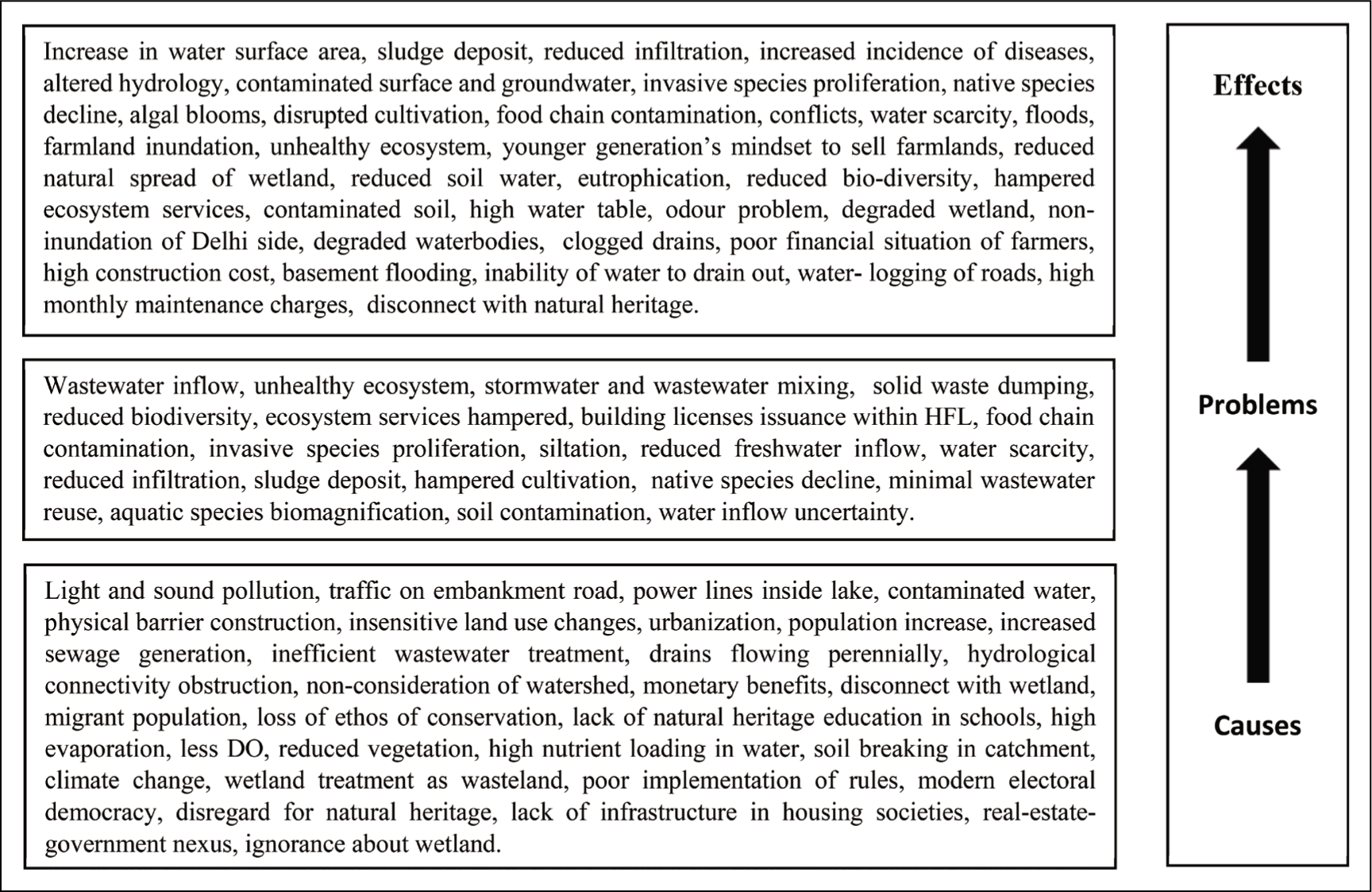
Stakeholders highlight hampered ecosystem services, wastewater inflow and food chain contamination as the primary challenges facing the resource units of the lake (GGS, 2a; VIL1, 2a; DJB, 2a). The lake no longer provides the ecosystem services it did decades ago, making it unsuitable for drinking water or cultivation purposes (VIL2, 2a). Some farmers grow crops using wastewater or groundwater, which results in food chain contamination (GGS, 2a; MLA1, 2a). On the Delhi side, large-scale paddy cultivation takes place using drain water, requiring minimal investment but yielding high returns (MLA1, 2a). Certain areas of the lake have been converted into fish ponds, where catfish (locally known as mangur) are raised with wastewater, and some farmers have chosen flower cultivation for profitable market returns (GGS, 2a). Stakeholders also identify siltation, water scarcity, biomagnification in aquatic species, sludge deposition, reduced biodiversity and an overall unhealthy ecosystem as additional challenges (WAD, 2a; DJB, 2a). A rewilding stakeholder emphasizes the importance of healthy wetlands as ‘biodiversity hotspots and nurturing grounds for expanding biodiversity’ (REW, a).
According to stakeholders including villagers, politicians and real estate developers, contaminated water is seen as the main factor contributing to the issues in the resource units (VIL, 2b; EXP, 2b). However, experts, academics, line agencies and policymakers identify other factors as well, including population growth, urbanization, increased sewage generation, inefficient wastewater treatment systems, obstruction of hydrological connectivity, lack of conservation ethos, monetary benefits, disregard for natural heritage, modern governance system, insufficient natural heritage education in schools and migrant population (GGS, 2b; NAV, 2b). Additionally, the development of linear infrastructure within the lake, such as roads, power lines and housing societies, leads to light and sound pollution, exacerbating the problems faced by the resource units (INT, 2b).
Most effects in this subsystem are similar to those in the resource system. Cultivation in the area has been negatively impacted by farmland inundation, resulting in the inability to grow crops as before (VIL4, 2b). Villagers have reported an increase in diseases such as cancer, asthma, skin disease, dengue, malaria, etc. (VIL1, 1a; VIL2, 2a; VIL3, 2c). The local MLA on the Delhi side has observed that ‘areas closer to the lake have a higher incidence of diseases than places 25 kilometres away’ (MLA1, a). Farmers in the region have suffered financially due to the loss of income from cultivation (VIL1, 2c), and there is water scarcity in villages and housing societies (M3M, 2c). Housing societies near the lake on the Haryana side use dewatering pumps during the monsoon months to remove water from basements and roads, and they rely on treated water from an RO system or they purchase water from private tankers to address their water shortages (M3M, 1a, 3a). The delivery of ecosystem services by the lake has been hindered (HTD, 2c), leading to reduced reliance on it by the community, and as a result, the younger generation is in favour of selling farmlands (GGS, 2d).
Users
The analysis of stakeholder inputs on the three research questions regarding users is presented in the problem tree in Figure 5.
Users Problem Tree.
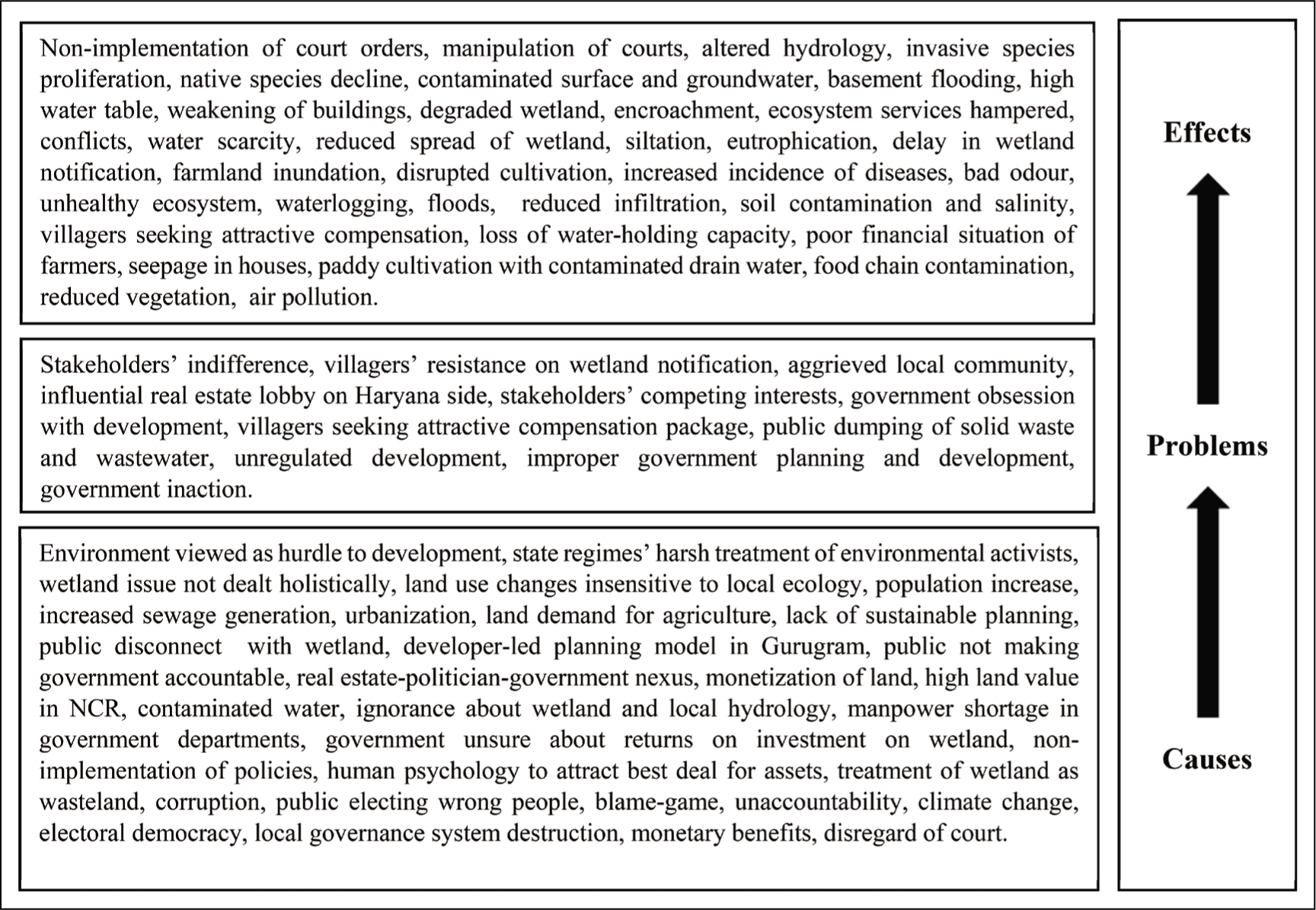
The primary problems faced by users include the competing interests of stakeholders, stakeholder indifference and government inaction (IAG, 3a; ELD, 3a; ACT, 3a). Improper planning and development by the government, as well as villagers seeking compensation for their flooded farmlands are also significant issues (EMN, 3a; IFC, 3a). An influential real estate lobby on the Haryana side, multiple government bodies responsible for the lake, the government’s excessive focus on development, and unregulated development have been identified as additional problems (INT, 3a; EXP, 3a). NGOs and policymakers perceive resistance from villagers regarding wetland notification as a major obstacle (WAD, 3a). A mindset shift among farmers in Gurugram has been noted, with a preference for attractive compensation at market rates for their flooded farmlands instead of continuing cultivation (IWR2, 3c). On the Delhi side, villagers expect compensation in the form of land transfer for their flooded farmlands. A resident of Delhi village went so far as to state that ‘the villagers will allow wetland notification only when they are compensated with suitable lands for their inundated farmlands’ (VIL3, a). As a result, the Delhi government’s 2020 proposal to lease flooded farmlands from villagers at Rs 77,000 per acre, was immediately rejected. An official in the policymaking department justified this by stating that ‘it is human character to have the best deal for their assets’ (WAD, a).
The problems identified stem from various causes, including real estate-politicians-government nexus, lack of foresight in planning, pursuit of monetary benefits, disconnect and ignorance about wetlands, land use changes that disregard local ecology, and inadequate implementation or enforcement of policies (IAG, 3b; ELD, 3b; REW, 3b). The real estate-government nexus is particularly prominent in Gurugram, where town planning principles are blatantly ignored due to commercial interests, leading to government negligence and inaction (EXP, 3b). Non-compliance with court orders is also an issue, as the NGT has mandated geotagging and restoration of waterbodies nationwide, but only a few states are actually implementing these orders (ACT, 3c). Some stakeholders believe that the government is disregarding court actions and impeding their implementation through delays or engineering changes that hinder compliance with the orders (ACT, 3a; INT, 3c). One stakeholder stated that ‘environmental ministries in India seem to be functioning not for protecting the environment, but for diluting the entire framework of environmental laws in order to facilitate development’ (INT, a).
In addition to the previously mentioned effects, such as contaminated water and farmland inundation, stakeholders anticipate conflicts arising from water scarcity and floods (ACT, 3c; REW, 3c). Water sharing conflicts between Delhi and Haryana are a recurring issue. There is also a notable economic disparity between wealthy residents in eastern Gurugram, who generate significant wastewater, and less affluent villagers in western Gurugram, who bear the impacts of wastewater discharge in the lake, potentially leading to conflicts (IWR1, 3c). A stakeholder commented that ‘people on the eastern side of Gurugram have made water unusable and the western side is suffering’ (IWR1, a) due to the drainage pattern being from east to west. According to one stakeholder, ‘the present system of planning and development has brought significant unsustainability, pushing the situation to a point where collapse may occur’ (EXP, a).
Governance Systems
The analysis of stakeholder inputs on the research questions of governance systems are presented in the problem tree in Figure 6.
Governance Systems Problem Tree.
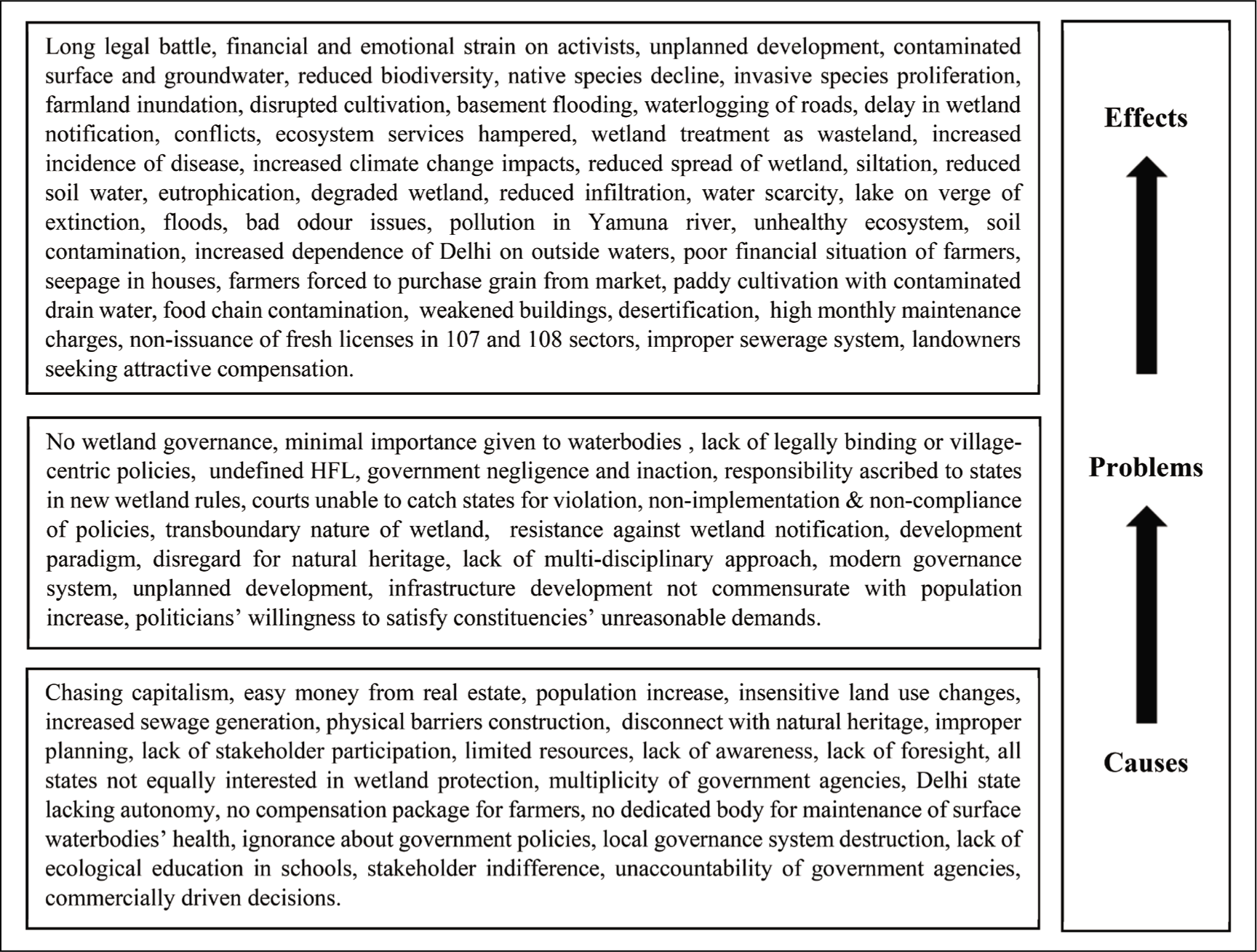
Most stakeholders have highlighted non-implementation of policies as a significant problem in the governance systems of Najafgarh Lake (IWR1, 4a; TOI, 4a). This is evident from the lack of completion certificates issued to many housing societies in Gurugram, as critical infrastructure such as water supply, sewerage system and power supply are not in place (M3M, 3c; RAH, 4a). Societies without completion certificates pay higher electricity costs and rely on purchasing water from private tankers due to inadequate public water supply, which is not only expensive but also of questionable quality (M3M, 3a). The lack of proper policies including legally binding and village-centric ones, the absence of wetland governance and government neglect and inaction are additional problems (YJA, 4a; REW, 4a; EMN, 4a). The transboundary nature of the wetland poses challenges, as the Wetland Rules, 2017 require all party states to notify and protect the wetland, rather than notifying it separately on a piecemeal basis (WAD, 4a). While Delhi is actively working towards notifying the wetland by constituting a Najafgarh Wetlands Committee, the Haryana government is delaying the process (WAD, 4b). Haryana has instead devised a two-year action plan that includes the construction of an embankment, the diversion of treated wastewater from the lake, and the connection of Badshahpur (L3) and Dharampur (L2) drains from Gurugram to the Sahibi river (also known as Najafgarh drain in Delhi). Haryana believes that an accurate assessment of the actual submergence caused by rainwater or the true extent of the lake area can only be determined upon the completion of the aforementioned project and that the EMP will be implemented only for the naturally submerged areas. Some stakeholders identify the development mindset that disregards natural heritage as the primary problem (YJA, 4a; REW, 4a; EMN, 4a).
Stakeholders attribute the lack of accountability in government agencies and the real estate-government-politician nexus as primary causes (REW, 4b; M3M, 4b). Contributing factors include the disconnect with natural heritage, population increase, stakeholders’ indifference, ignorance about wetlands, improper planning and commercially driven decisions (IAG, 4b; CEM, 4b). A frustrated stakeholder remarks that ‘at the end of the day there is nobody you can hold accountable’ (REW, b). The real estate-politician nexus is driven by the need for politicians to secure re-election, often through financial support from builders, land mafias and contractors (M3M, 4b). Local politicians are willing to fulfil unreasonable demands from their constituency, such as monetizing farmlands in the lake area (REW, 4a). This demand arises from the community’s disconnect with the wetland and their ignorance of its long-term consequences (CEM, 4b). The lack of ecological education in the school system contributes to public indifference towards natural heritage (SAJ, 4b). Additionally, government’s commercially driven decisions and ignorance about wetlands lead to land use changes that disregard local ecology, such as granting building licences to real estate developers within the lake’s HFL (YJA, 4b; EXP, 4b). Destruction of local governance systems is also cited as a cause, with one stakeholder stating that ‘the modern governance system is a farce created to divert attention from important issues like those confronting environment’ (NAV, 4b). Lack of stakeholder participation in lake rejuvenation and management, as well as preparing EMPs without consulting affected stakeholders, contribute to the problem (GGS, 4b). A stakeholder observes that ‘the biggest problem in our country is that all policies are being prepared without the consultation of stakeholders who are either sufferers or beneficiaries’ (GGS, a). Delhi’s limited autonomy in decision-making due to its special status is also cited as a cause (DJB, 4b). Finally, the multiplicity of government agencies without a dedicated entity for lake rejuvenation and management results in delayed decisions and lack of accountability (TCP, 4b; EMN, 4b).
The effects cited by stakeholders in this subsystem largely align with those reported in previous subsystems. However, some effects are specific to this subsystem, including the delay in wetland notification, prolonged legal battles, financial and emotional strain on activists, non-issuance of fresh licences within the lake’s HFL, and increased dependence on Delhi on external water sources (GGS, 4c; INT, 4c).
Possible Solutions
The potential interventions proposed by stakeholders for addressing the issues are fairly consistent across the four subsystems of Najafgarh Lake. Below is an examination of the various solutions offered by stakeholders that the policymakers could consider implementing.
According to stakeholders, the most commonly cited solutions are public awareness building and notification of the area as a wetland. Notification of the lake area as a wetland has been recommended by stakeholders as an effective long-term solution. This designation protects the lake and its surrounding areas from further encroachment for building purposes and ensures that it is managed based on wetland-wise use (YJA,1d; HTD, 2d; TCP, 3d; IFC, 4d). Stakeholders have emphasized the importance of raising public awareness about the negative consequences of lake extinction, climate change impacts, water scarcity and reduction in freshwater through social media and capacity-building programmes (REW, 1d; ACT, 2d; EXP, 3d; SAJ, 4d).
Additional solutions proposed include demarcation of lake boundaries, efficient treatment and reuse of wastewater, compensation for affected farmers, embankment construction on the Haryana side, establishing public connection with the lake, and judicial intervention. The EMPs of both states have provided guidelines for the demarcation of lake boundaries, but the physical demarcation and notification of the lake are still pending (WAD, 2020). Haryana has been directed by the NGT to treat its wastewater before discharging it into the Yamuna River. The existing capacity is 388 MLD, with another 20 MLD capacity soon to be operational (MLA2, 1d). While housing societies in Gurugram have a zero-discharge policy, unauthorized settlements are discharging wastewater illegally (EXP, 1d). Stakeholders have suggested reusing treated wastewater in new constructions, green belts, parks and toilets to prevent its flow into the lake (IWR1, 2d; MLA, 2d). It is also proposed that stormwater should be stored in the foothills of the Aravallis for groundwater recharge and to reduce inflow into the lake (IWR1, 1d). The line agency department in Gurugram has started work to divert treated wastewater to villages in Gurugram and Jhajjar for irrigation purposes by expanding the existing capacity of 188 MLD to 550 MLD (IWR2, 1d).
Some experts suggest that instead of reducing the inflow of water, the focus should be on rejuvenating the lake, rejuvenating River Sahibi and treating the entire catchment (EMN, 1d). The villagers’ resistance can be ameliorated by providing them compensation through leasing land or acquiring land at market rates (INT, 3d; CED, 3d). Villagers are more receptive to land acquisition at market rates or land transfer than leasing land, as it provides better remuneration for their inundated farmlands (VIL3, 3d; VIL5, 1d). Experts have suggested that the cost of this compensation can be met by putting a surcharge on the broader catchment around the lake or the entire city (CED, 3d) as well as by extracting water from the lake for supply (INT, 3d).
Villagers on both the Haryana and Delhi sides, along with residents of housing societies and policymakers on the Haryana side see embankment construction on the Haryana side and channelization of wastewater by connecting drains from Gurugram to Najafgarh drain as effective solutions (VIL1, 1d; VIL2, 1d; VIL3, 1d). This will prevent inundation of farmlands in the lake area (VIL2, 1d; IRW2, 1d) though the freed-up land is bound to succumb to real estate pressures due to high land values in the area owing to proximity to the administrative capital (CED, 1d). Furthermore, experts have written to NGT stating that these steps are detrimental to the lake and the river Yamuna downstream, exacerbating the urban flooding problem in Gurugram as the lake serves as the natural slope and depression of Gurugram, providing the only outlet of floodwaters towards the river Yamuna (mail to NGT by YJA). Villagers also suggest pumping out existing water in farmlands and discharging it into the Najafgarh drain (VIL1, 1d; VIL6, 1d). Desilting of the Najafgarh drain has also been suggested, which would allow water from the lake to flow out more quickly (VIL6, 1d).
Establishing a connection with the lake through its rejuvenation, livelihood opportunities creation and awareness building has been suggested by experts from NGOs and society members (REW, 3d, 4d; CEM, 2d; EMN, 2d). According to some experts, involving the local community in the rejuvenation and management of the lake along with creation of livelihood opportunities for them is essential for ensuring the lake’s long-term sustainability (CEM, 2d). Journalists and environmental activists believe that judicial intervention is the only way to protect the lake (HTD, 4d). Making the chief ministers of states accountable is also considered an effective solution by some stakeholders (ACT, 3d).
Unregulated development is considered a significant problem, and it is suggested that it should be curbed through proper planning and development (EXP, 4d). Reviving the local governance system is also considered important by some stakeholders (NAV, 4d). Furthermore, formation of a dedicated entity for the rejuvenation and management of the lake has been suggested as multiplicity of government bodies causes inaction and unaccountability (EMN, 4d). Furthermore, giving more powers to the Delhi state leading to quick decision-making and faster implementation of lake rejuvenation goals has been offered as a solution (DJB, 4d). Ecologically sensitive planning by having dedicated hydrological and ecological layers in master plans of cities and following a town planning model instead of a developer-driven model has also been cited as important solutions (REW, 2d; EXP, 4d).
Conclusion
An analysis of stakeholders’ inputs reveals that the sustainability of Najafgarh Lake is affected by a number of factors. These factors, discussed below, contribute to the challenges faced by the lake in maintaining its ecological balance. One major contributing factor is the inflow of wastewater into the lake, leading to soil and water contamination, ecosystem degradation and an increase in diseases. Reduction of water flow into the lake through diversion of inflow and construction of embankments poses a threat by exacerbating urban flooding in Gurugram and adversely affecting both the lake and the Yamuna River. Najafgarh Lake, functioning as the natural slope and depression of Gurugram, serves as the primary outlet for floodwaters towards the Yamuna River through the Sahibi River (Najafgarh drain). Constructing embankments would retain more floodwater within Gurugram, especially considering the rising frequency of extreme rainfall events. Decreasing the influx of water into the lake or wetland will not only deprive the wetland but will also contradict the hydrological needs of the downstream Yamuna River in Delhi. A minimum of 250 MGD water must be discharged into the river to preserve its fluvial character. Land use changes, a direct consequence of the current planning and development system, have allowed construction within the HFL of the lake. This not only disturbs the lake’s fragile ecosystem but also forces developers to incur high construction costs and poses challenges such as basement flooding, waterlogging and high monthly maintenance charges for housing societies located within the HFL. The reduced reliance of the community on the lake stemming from the degradation of the wetland has led to a shift in mindset. As a consequence, there is a tendency to seek monetary compensation for inundated farmlands in the wetland, ultimately resulting in their sale to real estate developers. The Haryana government’s commercially driven decisions and a lack of awareness about wetlands have contributed to the emergence of a real estate-government nexus. This partly explains the Haryana government’s inaction in officially designating the lake area as a wetland. Furthermore, the nexus between real estate and politicians arises from the latter’s need for re-election, requiring both financial resources and public support. This also explains their tendencies to satisfy unreasonable demands from their constituencies, such as diverting water from the lake or constructing embankments to prevent flooding of farmlands in the wetland. The widespread non-implementation or inadequate implementation of policies has resulted in the degradation of the wetland. Development-oriented policies and vested interests have led to the neglect of natural heritage as well as a failure to implement court orders aimed at safeguarding the natural heritage. The Wetland Rules, 2017 assume equal interest from all states in notifying wetlands, causing delays in the notification process. The destruction of the local governance system, erosion of conservation values, the influx of migrant populations and inadequate ecological education in schools are significant factors contributing to public indifference and apathy towards the natural heritage, such as waterbodies and wetlands. Moreover, the lack of stakeholder participation in decision-making and the presence of multiple government bodies hamper policymaking, lead to delayed decisions and promote unaccountability. These factors collectively affect the sustainability of Najafgarh Lake.
Moreover, these factors highlight the existence of two conflicting interests regarding Najafgarh Lake. The Haryana government advocates reducing water inflow to the lake and constructing an embankment to repurpose the land. On the other hand, experts, environmental activists, journalists and some policymakers support designating the lake area as a wetland, restoring its ecosystem services and managing it based on its wise use. The primary stakeholders, the villagers, are inclined to support the side that resolves their immediate issues and offers favourable compensation for their flooded farmlands. This makes the Haryana government’s approach more appealing to them. However, they may be unaware of the long-term negative consequences of lake extinction, making the Haryana approach detrimental in the long run. If the side advocating for wetland rejuvenation prevails, the villagers would have to accept the compensation offered by the government, which may be less lucrative initially but beneficial in the long-term. Ultimately, there is a trade-off between the immediate gains of draining the lake and the long-term benefits of preserving it as a wetland. However, it is important to consider the significant opportunity cost of losing Najafgarh Lake to developmental pressures, especially in light of the impending impacts of climate change. Preserving the lake as a wetland becomes crucial when weighing the long-term benefits against the immediate gains.
Policy makers need to recognize these competing interests and evolve a strategy of lake management that is in the interest of all concerned stakeholders in the long run. The first step in this direction could be to carefully consider the various factors affecting the lake’s sustainability and prioritizing solutions offered by stakeholders that have potential for implementation.
Footnotes
Declaration of Conflicting Interests
The authors declared no potential conflicts of interest with respect to the research, authorship and/or publication of this article.
Funding
The authors received no financial support for the research, authorship and/or publication of this article.