




Abstract
Background:
This study aimed to understand the parental stress, psychological distress, and parenting practices of parents of pre-schoolers during the COVID-19 pandemic.
Methods and Materials:
An online cross-sectional survey was conducted with the parents of preschool children aged 3–6 years. Researchers used the Parental Stress Scale, Self-Reporting Questionnaire, and Parent Practice Interview to collect data from parents in the Southern Indian city of Bengaluru.
Results:
A total of 60 responses were obtained from the online survey. Moderate to a high level of parental stress and mild to moderate levels of psychological distress were found among the parents. Around 21 (35%) of parents were found in need of mental health consultation. The study found no group differences in parental stress and psychological distress among various socio-demographic variables. The study found a significant association between parental stress and the parenting practices of participants. Higher mean scores were observed on mothers in setting clear expectations of pre-schoolers.
Conclusion:
Parenting young pre-schoolers is a difficult task. COVID-19 pandemic has made the parenting process challenging for parents. Parents must engage the children at home, and helping them cope with the new environment is a tightrope walk. Such uncertainties are supposed cause distress and lead to poor parenting parents among the parents, especially with pre-schoolers who are more demanding. There is a need to address parents’ concerns and train them to deal with the situations effectively.
Introduction
India has 158.7 million children in the 0-6 years of age group, which is 13.59% of the total population. 1 Ensuring this population’s holistic mental and physical development is well acknowledged in India. Families are an essential and primary socializing agent for the development of children. The development of young children depends on how well the parent-child relationship is established. 2 Parenting is a series of practices that helps develop preschool children, shape their self-identity, attitudes, and social competencies, and enhance their well-being. 3
It is well-established that parental mental health status significantly impacts their parent behaviors, use of harsh parenting, and inconsistent behaviors, affecting children’s mental health. 4 The COVID-19 pandemic has brought drastic changes in the family’s functioning and has influenced the regular routines of parents. The changes in daily practice, work-life difficulties, and uncertainties of the pandemic have led to increased stress among parents. As parents struggle to manage the uncertainties due to the pandemic, they will likely show more rigid and abusive parental practices towards their children. 5 Studies have reported increased child abuse and neglect, exploitation, and children exposed to domestic violence during the COVID-19 pandemic and lockdown. 6 Some studies have explored parental stress during the COVID-19 pandemic, its impact on parenting, and emotional and behavioral problems among children.7–9 However, very few studies are available regarding psychosocial issues and parenting practices of parents caring for preschool-aged children during the COVID-19 pandemic.10, 11 However, no attempt has been made to study the parenting problems and issues of preschool parents, particularly in the Indian context during the pandemic period, as per researchers’ knowledge.
Therefore, this study attempts to understand parental stress and psychological distress among parents of pre-schoolers during the COVID-19 pandemic. The analysis also tried to examine the potential effects of parental stress and psychological distress on the parenting practices of young parents in the metropolitan city of Bengaluru, India.
Methods
Setting and Participants
An online cross-sectional survey was conducted involving the parents of preschool children aged between 3 and 6 years. Parents aged above 18 years, able to read and write the English language, were requested to participate in the study. The data was taken from the five Kindergarten Schools within a radius of 5 km of the researcher’s institute in Bengaluru, a metropolitan city in Southern India. All the participants were well-versed in using the internet and social media sites.
Data Instruments
Socio-demographic Data Sheet
The researchers prepared a socio-demographic data sheet to gather individual information about the parents. The data sheet contained socio-economic status, work details, family constellation, educational details, religion, and other relevant details of the parents.
Parental Stress Scale
The Parental Stress Scale (PSS), 12 a five-point, 18-item questionnaire, was used to understand the parents’ feelings about their parenting role and the positive and negative aspects of parenthood. It can be used for parents who have children with or without clinical illness. This scale contains various stress, emotion, and role satisfaction measures, including perceived stress, work/family stress, loneliness, anxiety, guilt, marital satisfaction/commitment, job satisfaction, and available social support. The scores represent one for strongly disagree and five for strongly agree. The possible scores range from 18 to 90. While calculating the overall score, a higher score on the scale indicates higher stress and a low score represents low-level stress.
Self-Reporting Questionnaire
The Self-Reporting Questionnaire (SRQ20) a 20-item, self-reporting instrument developed by the World Health Organization (1994) 13 was used to screen the parents for distress and mental illnesses. It includes screening for the symptoms of depression, anxiety-related disorders, and somatoform disorders. The SRQ20 scale mirrors the multidimensional nature of mental illness. The responses are scored as 0 or 1, where 1 indicates the presence of symptoms during the last month and 0 indicates the absence. The total score ranges from 0 to 20.
Parent Practice Interview
Parenting Practice Interview (PPI) was developed by Webster-Stratton et al. 14 The PPI is adapted from the Oregon Social Learning Centre’s Discipline Questionnaire and revised for young children. It can be administered as an interview or used as a self-report questionnaire and is completed by the child’s primary caregiver. The latest revision includes 15 questions with options rated by the parent. The questions in the statements related to the child’s issues and opportunities are about how parents react to the situations indicating the parenting practice. The authors permitted the researchers to use the scale for the present study.
Selection of Variables
The study indented to understand parental stress and psychological distress of parents caring for pre-schoolers. This study has included both first-time parents and those with more than one child. During the COVID-19 school, children had planned routines like attending online classes, completing homework, and other teacher-assigned activities. But for pre-schoolers, all such activities were not there, and parents had to schedule their routines. Despite being clingy and demanding, managing them inside the house and addressing their concerns were challenging for parents. The study did not include the details of other children other than pre-schoolers. However, parents were told to mention if they have other children apart from pre-schoolers. The study also did not include those parents who have lost any family member due to COVID-19 as it may influence their responses. The variables were selected based on expert opinion and the general feasibility of data collection ethical concerns during the pandemic.
Data Collection Process
The study was conducted in Bengaluru, a metropolitan city in Southern India. The researchers approached the KG schools for data, and the purpose of the study was discussed. Permission was obtained from five schools to use the data of parents’ details. Due to COVID-19 safety restrictions, the universe for data collection was restricted to kindergarten Schools within a radius of 5 km from the study institute. The researchers could identify five KG schools that permitted data collection. Parents were contacted through email and phone and invited to participate in the study. Researchers explained the purpose of the study by sending them the information brochure through the mail and social media sites (WhatsApp, Facebook, Telegram). One hundred four parents were contacted from 01 January to 30 March 2021. Sixty participants gave their consent and completed the online questionnaires.
The researchers in the information brochure sent to the parents mentioned that parents who are diagnosed with any mental illness or taking any treatment (Psychopharmacological or psychotherapy) are not eligible to participate in the study. The information documents and online consent forms given to participants contained clear information about the exclusion criteria. All parents of pre-schoolers with neurodevelopmental conditions were excluded from the study. In the online survey form, parents were required to mention the health status of pre-schoolers. Parents of pre-schoolers diagnosed with Neuro-developmental disorder and physical illness were not eligible to participate in the study. All parents noted that pre-schoolers were healthy and active during the online survey form.
An anonymous online form was created on the Google Form platform consisting of all the tools mentioned above and shared with the participants through the mail and social media. Respondents were well informed about the confidentiality of their information. Participants were given information about the study on the first page of the form. After reading and signing the informed consent form, participants were taken to the next page containing the socio-demographic details and tools of PSS, SRQ20, and PPI. A total of 60 participants completed the online survey.
Maintaining Ethical Standards
Utmost care was taken to maintain this online survey’s integrity and ethical standards at various points. First, the invitation, information brochures, and survey forms were sent individually to the participants based on the contact details provided by KG schools. The researchers got the details of 104 parents, and all parents were contacted individually. Considering this topic as new and hoping immediate response, researchers contacted all the listed participants to achieve a representative sample. Among the 104 parents, only 60 participants provided consent and completed the questionnaires. Second, participants were told to complete the online survey only once to avoid any bias and survey fraud. Participants were given enough time to read the details, the purpose of the study, and the research question provided in the information brochure. Once they agreed to fill out the survey, participants had to acknowledge that they had read the details of the survey to avoid casual entries. Third, confidentiality and anonymity of participant information were maintained throughout the research process. Steps were taken regarding the data safety and privacy of information by keeping the data password protected on the computer. Data was collected without individual identifiers, and only team members had access to the data. The same precautionary steps about data protection were communicated to participants.
Data Analysis Software
Furthermore, all data were collected anonymously and analyzed using the SPSS software (SPSS for Windows, 22.0 IBM Crop., Armonk, NY, USA). The normality of data was checked using the Shapiro Wilk test in SPSS. Data was found to be normally distributed except for SRQ20 and the sub-scale of Physical Punishment in PPI. Appropriate statistical tests were used based on the normality of the data.
Ethical Approval
The study was approved by the Institute Ethics Committee. The permission from the KG Schools to use the parents’ contact information was taken prior to the data collection.
Results
Characteristics of the Participants
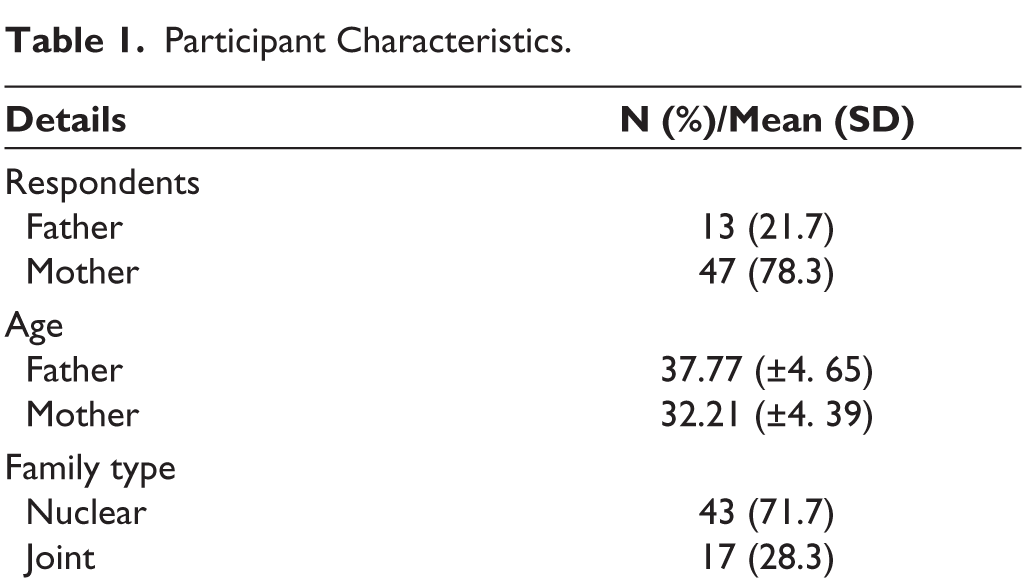
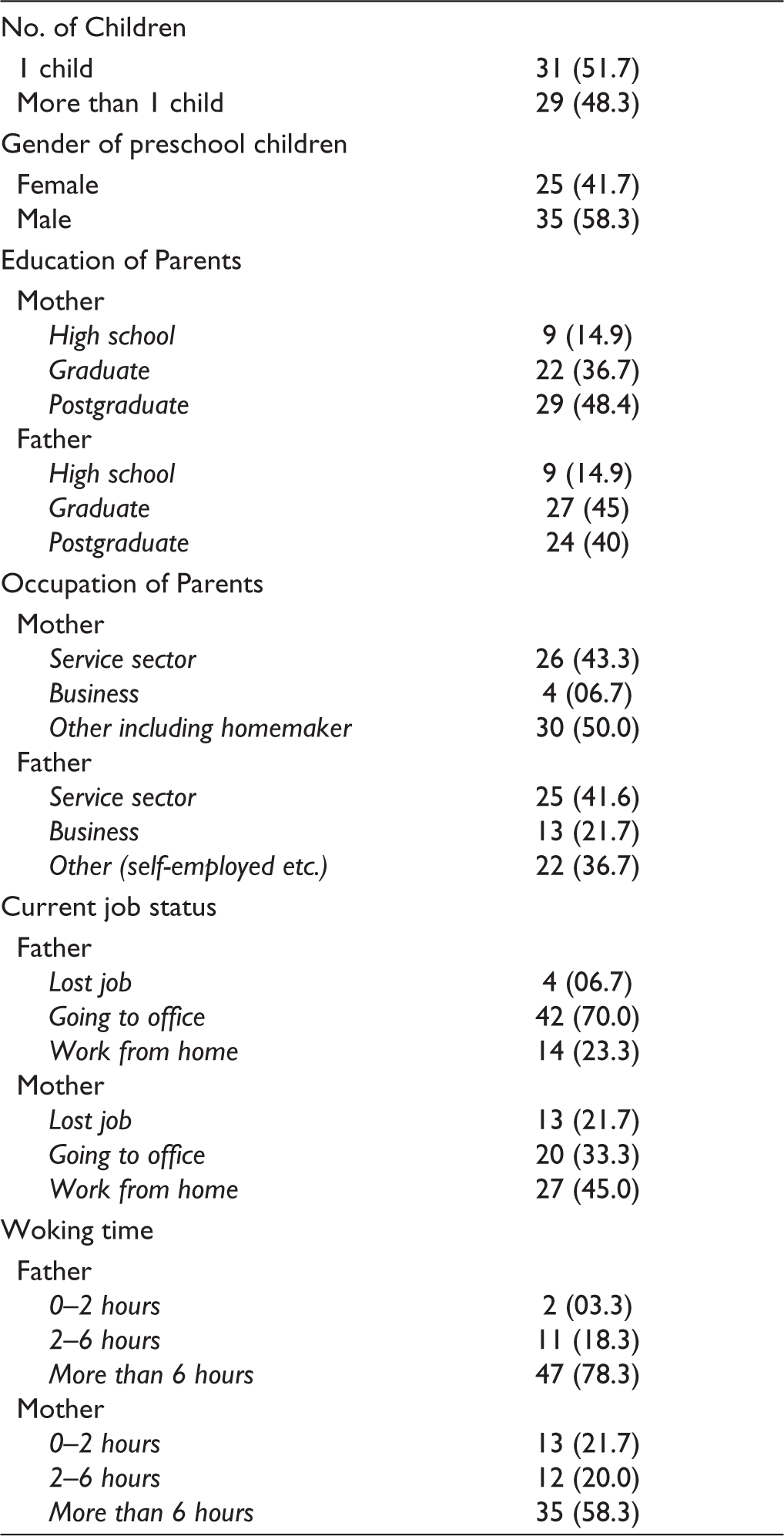
A total of 60 parents (father, 13 (21.7%), and mother 47 (78.3%) gave their consent and completed the questionnaires. The mean age of the participants was (fathers’ 37.77 ± 4.65) and (mothers 32.21 ± 4.39). Most parents had only one child, 31 (51.7%). The gender of the preschool children was predominantly male, 35 (58.3%). A total of 43 (71.7%) parents lived in nuclear families. Other socio-demographic details of the participants about the educational profile, occupational information, current job status, working durations, and so on are shown in Table 1.
Participant Characteristics.
Parent Stress and Psychological Distress
The results show the details of parental stress and psychological distress reported by parents of preschool children. Table 2 shows the scores on PSS used to assess parental stress. The scores ranged from a minimum of 22 to a maximum of 61 (Mean 42.38 ± 9.07), suggesting the presence of a moderate level of stress among parents of preschool children.
The scores on the SRQ20 ranged from a minimum of 0.00 to a maximum of 20, with a median score of 04.00 (IQR 1–10). The results of SRQ suggested mild to moderate levels of psychological distress present among parents during the pandemic. The SRQ also calculated the probable need for mental health consultation for parents for mental health concerns. It was found that 21 (35%) of parents have scored more than 7 in SRQ, indicating the need for mental health support. In PPI, parents rated appropriate discipline (49.88 ± 10.44), harsh and inconsistent discipline (58.28 ± 14.75), positive verbal discipline (44.45 ± 08.52), and mild level of physical punishment (median 19.50 (IQR 11.25-25.75)) found along with details of other domains given in Table 2.
Score of Participants on Parental Stress, Psychological Distress and Parenting Practices.
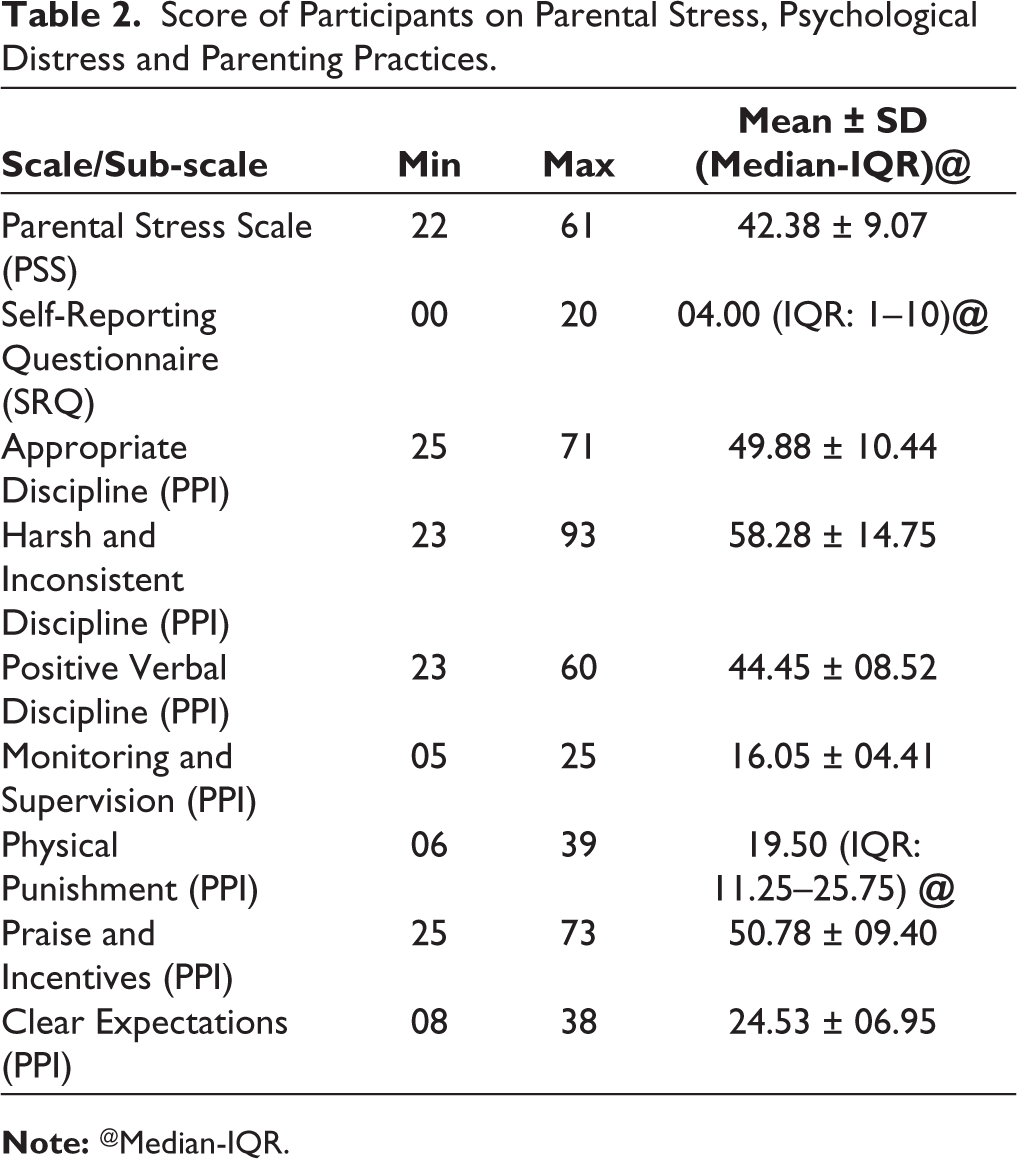
Table 3 presents details about the frequency of participants based on the cut-off and severity scores on PSS and SRQ20. The results show that 21 (35%) participants have a score above the cut-off score of 07 on SRQ, indicating the need for a mental health consultation. The range of participant scores based on SRQ was between 0 and 20 (Table 2). Similar scores were also noted from PSS, and it was found that none of the participants scored a minimum of 18 as per PSS. Most participants, 40 (66.66%) scored between 22 and 45, indicating the presence of mild to moderate stress levels. The table also shows 20 (33.33%) participants score 45 and above, indicating moderate to high stress. The overall range of participant scores based on PSS was 22 to 61 (Table 2).
Levels on Parental Stress and Psychological Distress.

Gender Differences of Parents on Parent Practices, Parental Stress, and Psychological Distress During the Pandemic
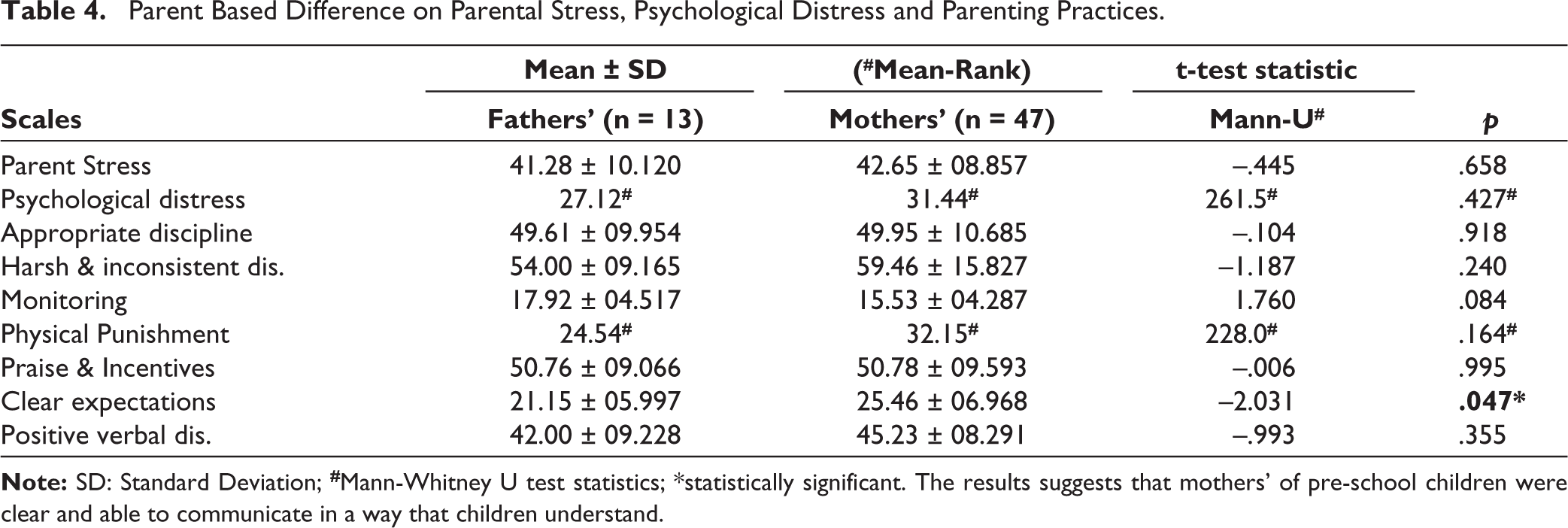
The parametric and non-parametric tests such as the independent sample t-test and Mann-Whitney U test were used to understand the difference in fathers and mothers of pre-schoolers on parenting stress, psychological distress, and parenting practices. The results did not suggest any significant mean difference in Parental Stress among fathers and mothers of pre-schoolers (t = –.445, p > .658). Similarly, on Psychological Distress, no significant difference between the fathers and mothers of pre-schoolers (U = 261.5, p > .427). The results suggest that fathers and mothers taking care of pre-schoolers had equal levels of parental stress and psychological distress during the pandemic. Similarly, no significant mean difference on the majority of subscales of the PPI except the clear expectations sub-scale, which shows a statistically significant difference, where mothers’ (t = –2.031, p > .047*) were found high on setting clear expectations towards the children (Table 4).
Parent Based Difference on Parental Stress, Psychological Distress and Parenting Practices.
Socio-Demographic-based Differences in Parental Stress and Psychological Distress During the Pandemic
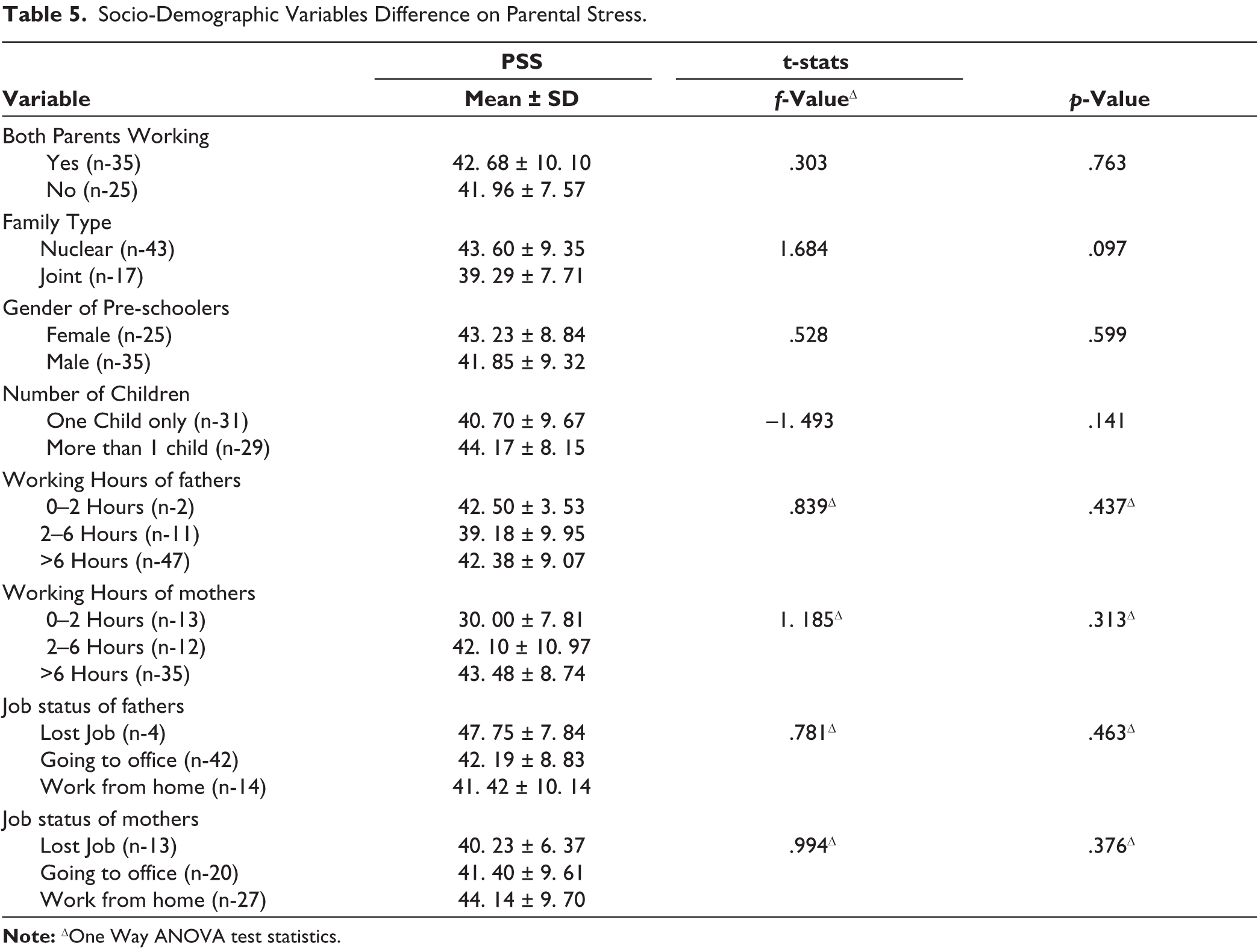
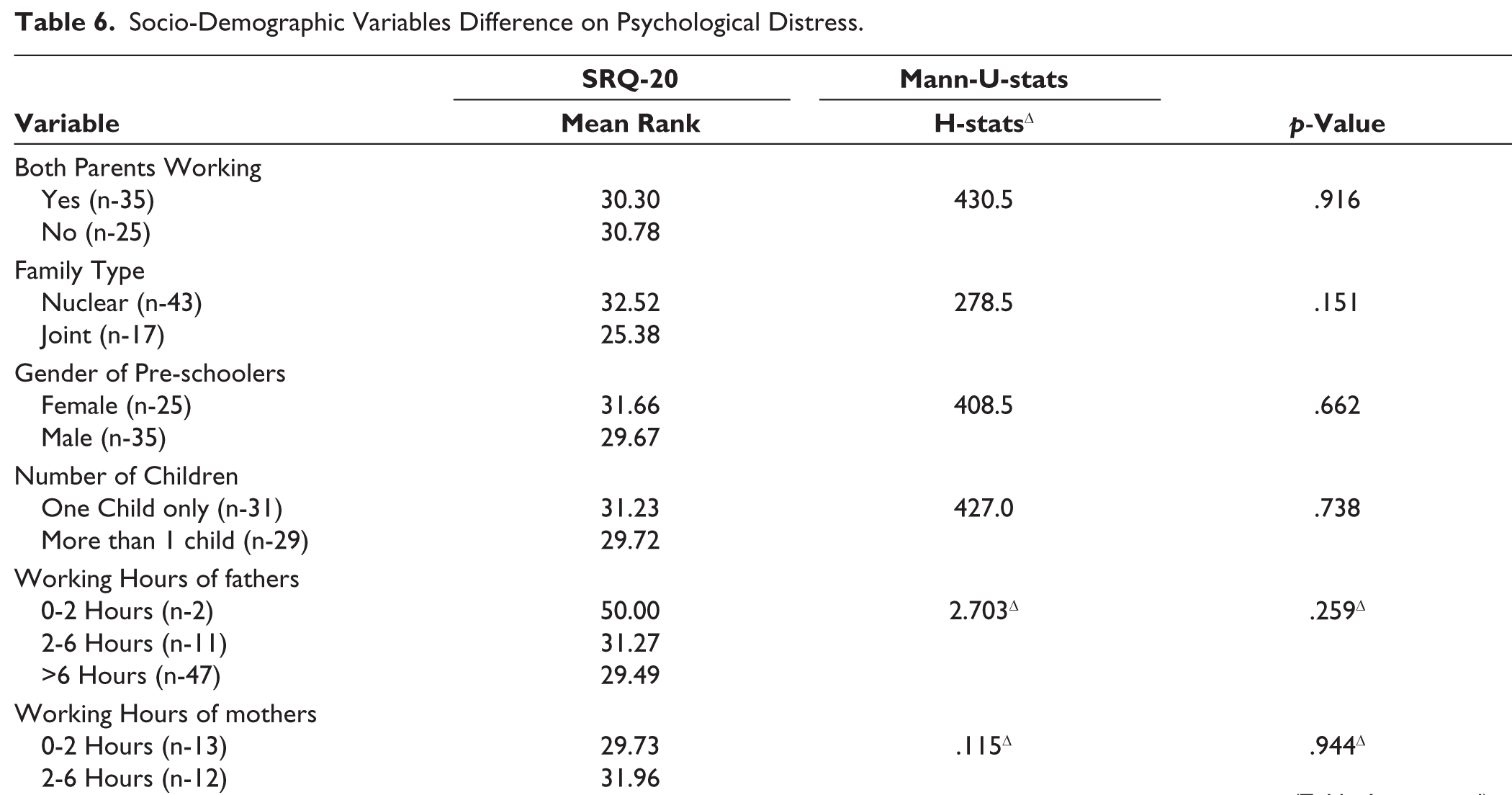
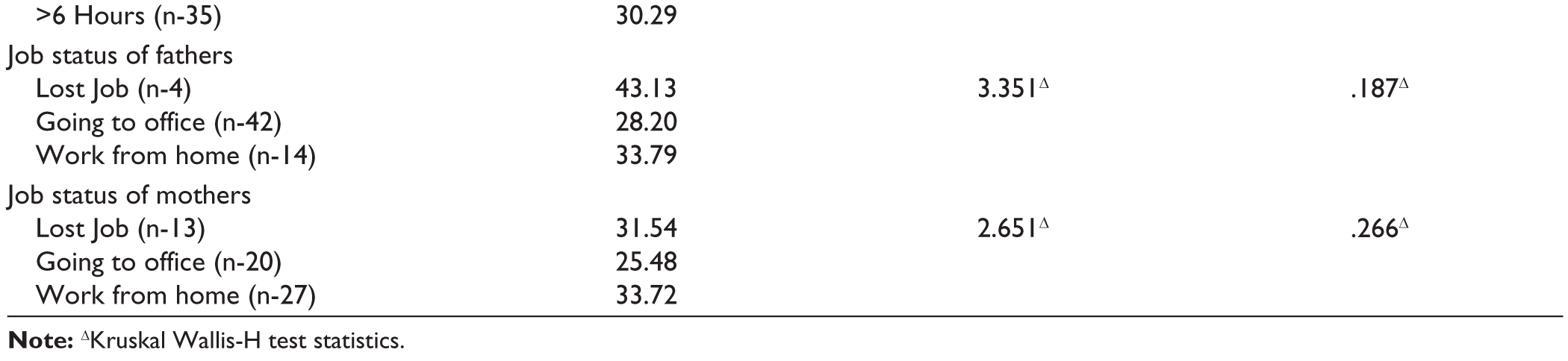
Parametric and non-parametric testing of independent sample t-test, One Way ANOVA, Mann-Whitney U test, and Kruskal Wallis-H tests were used to understand the socio-demographic-based differences of participants with Parental Stress (Table 5) and Psychological Distress during the COVID-19 (Table 6). The variables identified to cause a potential impact on parental stress level, and psychological distress were analyzed. The factors such as the working status of parents; family type; gender of pre-schoolers; the number of children cared for; working hours of fathers and mothers, and current job status of fathers and mothers were analyzed with Parental Stress and Psychological Distress Scales. The analysis shows no statistically significant mean differences between the potential variables and parental stress and psychological distress levels among the participants.
Socio-Demographic Variables Difference on Parental Stress.
Socio-Demographic Variables Difference on Psychological Distress.
Relationship Between Parental Stress, Psychological Distress, and the Parenting Practices
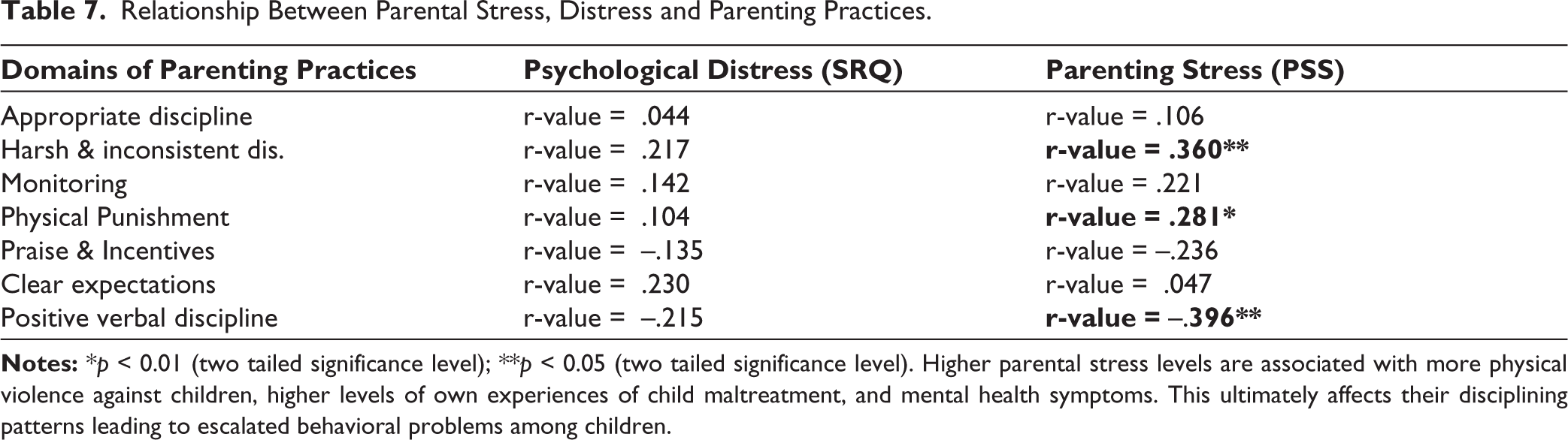
Spearman’s rank correlation analysis was also carried out to understand the relationship between the variables of parenting practices, parental stress, and psychological distress of the parents of preschool children. The results show a significant positive correlation between parenting stress and harsh and inconsistent discipline (r = .360, p < .000), physical punishment (r = .281, p < .030), and a negative correlation with positive verbal discipline (r = –396, p < .002). The results indicated an increase in negative parent practices resulting from increased parental stress among the parents during the pandemic. No significant relationship was found between psychological distress and parenting practices (Table 7).
Relationship Between Parental Stress, Distress and Parenting Practices.
Discussion
This study was carried out to understand the parental stress and psychological distress of parents raising pre-schoolers and its association with parenting practices during COVID–19 pandemic. Children’s development during preschool (3-6 years) is significant. Pre-schoolers prepare themselves for schooling and socialization with the outside world other than family, and parents must ensure that pre-schoolers engage in meaningful activities throughout the day. The COVID-19 pandemic lockdown, planned as a community-based mitigation strategy such as closing schools, parks, playgrounds, and so on, led to substantial poor interaction of pre-schoolers with the outside world and larger responsibilities for the parents at home. The massive pressure on parents to keep their children safe, maintain work and care for pre-schoolers indirectly impacts parental well-being and negatively impacts child mental health. Such situations have led to problems in parenting and relationships between parents and children. 10
Due to the restricted environment during the lockdown, children were becoming more demanding and impatient, resulting in aggression. Parents were perplexed about the pandemic situation and unsure about dealing with the same on the other hand. This complex situation made the children the victims of mental and physical abuse by their parents, resulting in poor child mental health, distress, and mental frustration among parents and caregivers. 15
Our study found a moderate level of parental stress and mild to moderate psychological distress among the parents during the pandemic. During the COVID-19 pandemic, parents had to ensure that pre-schoolers were engaged in meaningful activities throughout the day. At the same time, they have been juggling their jobs, the safety of their and their children’s health, financial difficulties, uncertainties such as work-from-home, educational role, closure of parks and peer play, and other aggravated domestic issues. Such situations have significantly contributed to increased stress and emotional problems in parents. These situations can potentially negatively impact the normal well-being and development of children. 16
This study’s findings indicate moderate harsh and inconsistent parenting among parents. The parents were also found resorting to mild physical punishments with pre-schoolers during the lockdown. These findings are consistent with other studies that increased parental stress during the COVID-19 pandemic has led to negative parenting styles, poor parent-child relationships, and increased use of harsh parenting.10, 17
The COVID-19 pandemic has had a substantial impact on families. Globally families are collectively facing a new set of stressors that have put their lives, health, well-being, and safety at risk. While some studies have reported mothers have experienced tremendous workloads and higher levels of stress, anxiety, depression, and behavioral changes than fathers. 18 Our study found that fathers and mothers have experienced similar parental stress and psychological distress levels. The reason for these similar experiences can be dealing with the new COVID-19, and related preventive measures is a stressful experience for both parents. Such parents must balance work and personal life, raising children, managing household expenditures, and availability of inadequate resources and support systems in metropolitan cities during the pandemic. 9
A strong association has been noted between parental stress and distress during the COVID-19 pandemic and negative parenting practices. We found that parental stress was positively associated with harsh and inconsistent parents, and physical punishments, and negatively associated with positive verbal disciplining patterns. Stress is often related to rude behaviors and difficulty explaining limits and affects the positive discipline behavior of parents. Highly stressed-out parents find it more challenging to understand their child’s needs and respond sensitively.19, 20 It has also brought many changes in children’s lives; they need responsive answers from their parents about their preoccupations. 21 Due to their low personal resources to deal with the pandemic, pre-school-going children may show more emotional and behavioral problems, which can cause more parental stress and negative parental behaviors. 22 These study findings are corroborated with the previous studies reporting that psychological distress among parents is highly associated with poor childhood outcomes and parent-child attachment. 15
Implications and Future Directions
This online cross-sectional survey was carried out with a relatively small sample to understand the parental stress, psychological distress, and parent practices among parents of preschool children. This is still an unexplored area, no doubt some studies7–10 have studied parent and children’s aspects during the COVID-19 pandemic. In many studies, the pre-schoolers are clubbed with other age groups of children, ignoring this population’s special and unique issues. The study’s findings help target the intervention program for preschool children and their parents in the Indian context. It also provides grounds for providing adequate directions to parents on parent skill training and parent management program, particularly during emergencies like the COVID-19 pandemic. Programs need to be initiated on how parents must deal with the daily chores during the pandemic while addressing pre-schoolers’ needs. The importance of parent-child communication and spending quality time must be promoted the time to share emotions, and this may support parents in being helpful for children’s emotional and behavioral regulation. Qualitative studies with preschool parents could provide more insights into their experiences managing their children during the pandemic. Interventions are needed to promote parents’ well-being and increase their capacity to handle such situations better.
Limitations and Strengths
The limitation of the study is related to the smaller sample size. The sample size was affected by COVID-19-related safety restrictions and poor participation from the respondents. A randomly selected large sample could have given more clarity about the phenomenon and made findings more generalizable. Online surveys cause survey fatigue, and having a more significant number of questions can limit the participants to provide meaningful information, particularly of questions with higher complexity fully. The other limitation of this online survey is the chances of measurement effect. This is because of differences in engagement, understanding of statements, and methods of tool administration, as the instruments are designed for face-to-face examination rather than online surveys. 23 Due to the nature of the COVID-19 pandemic and following the safety measures, the data collection was performed online using electronic survey forms, therefore, the response bias cannot be ignored irrespective of the utmost care taken during the study. Another limitation of this study is the lack of physical interviews/interactions with participants. This would have allowed the researcher to observe the participants and rule out mental health status and neurodevelopmental and physical disorders in pre-schoolers. The parental stress and psychological could have got influenced due to other factors during the pandemic. However, such factors were not assessed and not included in the study. The strengths of this study are that it is the first of its research in the Indian context studying the parenting challenges, parental stress, and distress of preschool parents. Secondly, multiple measurement tools were used to the holistic insights into parental stress, distress, and practices giving the researchers more strength in our findings.
Conclusion
In this investigation, the parents of preschool children reported a moderate stress level and mild to moderate psychological distress. There is an interplay of parental stress and rude behaviors, which can negatively affect preschool children’s normal development and well-being. There is a dire need to address the psychosocial concerns of parents of preschool children. The focus should also be on training them with required parent management interventions by providing training, necessary guidelines, mental health support, and so on. The holistic parenting interventions would benefit young children in their positive and healthy development.
Footnotes
Acknowledgements
The authors are thankful to the kindergarten schools of Bengaluru City for their tremendous support during the data collection phase.
Declaration of Conflicting Interests
The authors declared no potential conflicts of interest with respect to the research, authorship, and/or publication of this article.
Ethical Approval
Approval was taken from IEC, NIMHANS under No. NIMH/DO/BEH.Sc/2020-21 dated 20-07-2020
Funding
The authosr received no financial support for the research, authorship and/or publication of this article.
Informed Consent
Written Informed Consent was taken from participants before their participation in the study.