




Abstract
In Nigeria, there is a stigma associated with small farming. There is also the assumption that farming is the occupation of last resort. However, there is a lack of empirical evidence to support or dispute these assertions. We examine data from 2,446 small farmers intending to find the answer to some lingering questions. Are farmers in the occupation out of choice or a lack of options? Are farmers generally satisfied with their jobs? Do most farmers have the intention to quit? Contrary to postulations that farming in Nigeria is the occupation of last resort, we find that Nigerian farmers choose to farm and take pride in their job. Notably, 67% have been farming for over 10 years, and 89% intend to continue. The logit regression suggests that job satisfaction, age, education and livestock ownership influence farmers’ intent to quit. We conclude that the government needs to make agriculture more attractive for younger and more educated farmers. This may be achieved through policies and interventions that prioritise improving rural infrastructure, address volatility, limit market fluctuations, remove barriers to markets for local farmers and facilitate the agricultural value chain so that agriculture can thrive as a business.
Introduction
In rural areas in Nigeria, agriculture employs almost 84% of households and accounts for 56% of rural net income (World Bank 2014). In addition, small farmers constitute about 88% of the farming population nationally (FAO 2018). However, there is a stigma associated with small farming. This stigma perhaps is exacerbated by the fact that although more than half of the population in the country lives below the poverty line (World Bank 2018), the incidence of poverty is higher in rural areas where the majority of small farmers are located (Anyanwu 2014). There is also the assumption that farming is the occupation of last resort, that is, and many take up the job due to lack of options or not having the skills needed to succeed in other occupations (New Agriculturist 2005). Particularly among young and educated people, agriculture is perceived as backward, demanding and even demeaning (Tadele and Gella 2012). However, there is a lack of empirical evidence to support or dispute these assertions. So far, several questions remain unanswered. For example, do people engage in farming out of choice or because they do not have options? Are Nigerian farmers generally satisfied with their jobs? Do most farmers have the intention to quit?
This paper addresses these gaps by exploring whether the intention to quit is influenced by job satisfaction among farmers, self-motivation, and farmer and farm characteristics. To our knowledge, there are no published empirical studies on job satisfaction, motivation and intent to quit working in agriculture among farmers in Nigeria. Globally, this strand of literature is also limited. In addition, studies using a large representative sample to address these questions on small farmers in Nigeria are non-existent. The paper is also important from the perspective that it contributes to the broader literature on the understanding of job satisfaction of entrepreneurs considering that small farmers are constantly innovating, growing the farm businesses themselves, and taking full responsibility for all aspects of the farm business. In view of the important role of small farmers in the rural economy where most of the farming is done and their contribution nationally, a better understanding of why farmers take up the occupation and whether they see a future in farming is necessary to ensure farming sustainability.
In the sections that follow, we set the context of the small farmer in Nigeria (i.e., role, perception, and theoretical arguments), review the literature on potential factors that contribute to farmers’ intention to quit, present the results, discuss the finding, and highlight the implications for rural economies, policy and practice.
Literature Review
The agricultural sector in Nigeria consists mostly of small farmers (World Bank 2014) that cultivate 0.5 hectares of land on average (FAO 2018). These small farmers produce 99% of Nigeria’s agricultural outputs (Anderson et al. 2017). However, small farmers are faced with hurdles that they need to overcome to become more productive, prosperous, and resilient (Nelson 2019). This challenge is made worse by changes and disruptions to supply and demand arising from the COVID-19 pandemic. As such, small farmers have seen their incomes, livelihoods, and their communities threatened.
The agenda of the Nigerian government has focused on commercialisation among small farmers to help them increase incomes for their households. This agenda can drive an expansion in local nonfarm employment opportunities and make rural communities prosperous. However, in the current pandemic scenario and even in normal times prior, the exit of small farmers negatively impacts the equity within agriculture, affects the productivity and efficiency of farming, and the welfare of rural communities.
Agriculture is viewed as an occupation that is not sufficiently attractive to motivate interest as it is often perceived to involve hard physical work, volatile economic conditions, and weather uncertainty (May et al. 2019). Further, the contention as to whether farming is a business or a way of life may have impacted the perception and stigma associated with small farming. In Nigeria, as with many countries in Africa, agriculture traditionally has the image of producing at subsistence and is not necessarily seen as a business. These views and negative perceptions around farming are one of the main reasons why African youths are leaving small farming (IFAD 2016). Jones (2016) opines that for farming to be sustainable in the long term, it needs to be treated as a business. Several studies highlight the implication of perceiving farming as a lifestyle. For example, Brewster (1961) conjectured that a farmer willingly accepts lower returns compared to other investors due to the lifestyle benefits derived from farming. However, Milone and Ventura (2019) argue that farming combines a profession and a way of life—a crucial perspective to change the current narrative.
There is a large body of literature on the intention to quit jobs. Dissatisfaction with one’s job contributes to the intention to quit various jobs (Firth et al. 2004). Job satisfaction encompasses the attitude toward a job, which in certain cases is expressed as a hedonic response of liking or disliking the work itself, the rewards pay, promotions, recognition, or the context, for example, the working conditions or benefits (Tillman and Tillman 2008). Low job satisfaction has been cited as a possible cause of farmers leaving agriculture in emerging and developing countries (Agarwal and Agrawal 2016). Given that a significant part of a person’s life is dedicated to working, satisfaction with work is an important factor that requires investigation.
Many small farmers can be considered entrepreneurs and managers (Maican et al. 2021). In addition, it has often been argued that the complexity of farming arises because it requires skills involving business management, agronomy, production, etc. (Hansen and Stræte 2020). From this perspective, farmers’ attitudes toward their work can also be partly explained by their internal motivation. Motivation is important as it enables an individual to persist in running a business even in the face of difficulties (Chen et al. 2017). Maican et al. (2021) found that motivational factors and job satisfaction influenced Romanian farmers’ decision to remain in agriculture. The lack of studies on the impact of motivation and job satisfaction on intention to quit the agricultural sector and particularly focusing on small farmers have been previously highlighted (Maican et al. 2021; Peel et al. 2016). Hence, this paper is important as it contributes to filling this gap. We use a proxy for quitting in the absence of information about actual quitting. The intention to quit is a reliable proxy for eliciting quitting behaviour (Firth et al. 2004). Several studies have found a relationship between quitting intention and actual quitting (Seston et al. 2009).
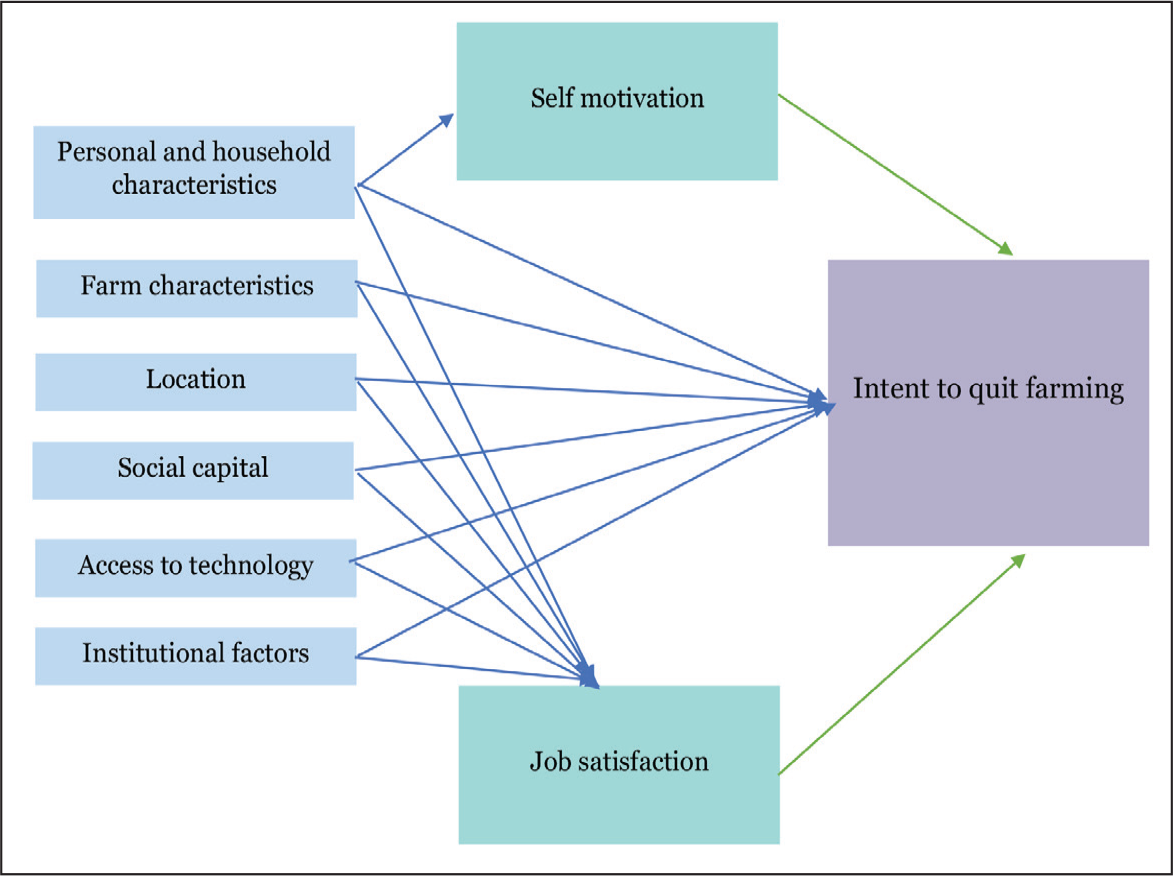
A summary of the literature examining variables that influence the intent to quit farming suggests that the important variables can be categorised as personal and household characteristics, farm characteristics, social capital, location, access to technology and institutional factors. We review these factors to inform our decision to exclude or include variables in our analysis.
Several personal characteristics have been reported to influence the decision to leave farming. Among these, age and education are widely documented to drive exit decisions. In other words, more educated operators are more likely to exit farming (Dong et al. 2016). The effect of age and education may be correlated. For example, younger farmers with a high education level have a greater intent to quit farming, considering that they can find better-paid employment elsewhere (Cavicchioli et al. 2018). From a different perspective, young rural people who may want to become or remain farmers struggle to access land (White 2012). Gender, family size and personal health or health of a family member is also associated with the quitting intention (Berk 2018; Leal et al. 2018).
In terms of farm characteristics, the smaller the farm size, the greater the exit intentions (Leal et al. 2018). Pokhrel et al. (2020) found that farmers who rented out or rented-in agricultural land are significantly more likely to exit farming. Labour availability is also an important determinant. Reliance on family labour reduces the likelihood of exit (Viira et al. 2009). Having alternative livelihood strategies has also been a driver in the intention to leave. Non-agricultural and agricultural diversification reduces the exit probability (Viira et al. 2009). Specifically, mixed-crop livestock production has been reported to discourage quitting farming (Ahmad et al. 2020). In addition, Dong et al. (2016) observed that farms without successors are more likely to exit. Leal et al. (2018) found that the capacity of farm income to sufficiently meet the household expenditure were positively associated with the intention to continue farming.
Aside from external factors such as the consequences of urban expansion, for example, the rising value of farmland and the proximity to a metropolitan area with high population densities have been reported to be linked with farmers’ decision to quit farming. For example, farmers living in or in proximity to the more urbanised areas are more likely to exit farming (Agarwal and Agrawal 2016; Berk 2018). This may be attributed to the more lucrative job opportunities in an urban area. However, these findings contradict Leal et al. (2018), which found that the distance to a city was positively associated with the intention to continue farming. This finding could be explained by the proximity and accessibility to larger consumer markets in urban areas.
Access to technology positively influences intention to continue farming (Agarwal and Agrawal 2017). Farmers that have access to technology are likely to have higher productivity making it difficult for farmers without technology to compete. For farmers who cannot keep up, the most viable option is to quit farming (Peel et al. 2016). Institutional factors such as government policies and subsidies, better access to extension and farm advisory services mitigate farm exit decisions (Ahmad et al. 2020). On the contrary, market failures, like credit markets and encourage farm exit decisions (Ahmad et al. 2020).
Social capital is known to drive more reasoned and better-informed intentions and decisions. According to May et al. (2019), pessimism about farming and community and family integration significantly impacts quitting decisions. Cooperation from participation in an association is also positively associated with the intention to continue farming (Leal et al. 2018). However, the investigation of this factor is limited as not much is known about the role of trust, norms, connectedness, power, and reciprocity in quitting intentions.
Conceptual Framework
Based on the existing literature, we build the conceptual framework in Figure 1. Most of the studies that examine the variables that explain the intent to quit observed a direct effect between intention to quit and the individual components of personal and household characteristics, farm characteristics, social capital, location, access to technology and institutional factors. However, some studies suggest that job satisfaction and self-motivation attenuates this relationship or moderates the effects. Therefore, we investigate both (with and without mediation) pathways.
Data
We use the 2016 National Survey and Segmentation of Smallholder Households in Nigeria (Anderson et al. 2017; World Bank 2016). The data were obtained through stratified multistage sampling to ensure a nationally representative sample of small farming households. It covered households from 36 states and Nigeria’s Federal Capital Territory (FCT), Abuja. In total, 3,457 households were selected for the survey. The response rate was 91%. Thus, the final sample stood at 3,060. Of this sample, this paper analyses data from the 2,446 respondents without missing responses. The classification of small farmers was households with 5 hectares of land or less (owned or rented) or kept less than livestock of 50 heads of cattle or 100 goats, sheep, pigs or 1,000 chickens. In addition, agriculture had to be a significant contributor to household livelihood, income, or consumption.
Methodology
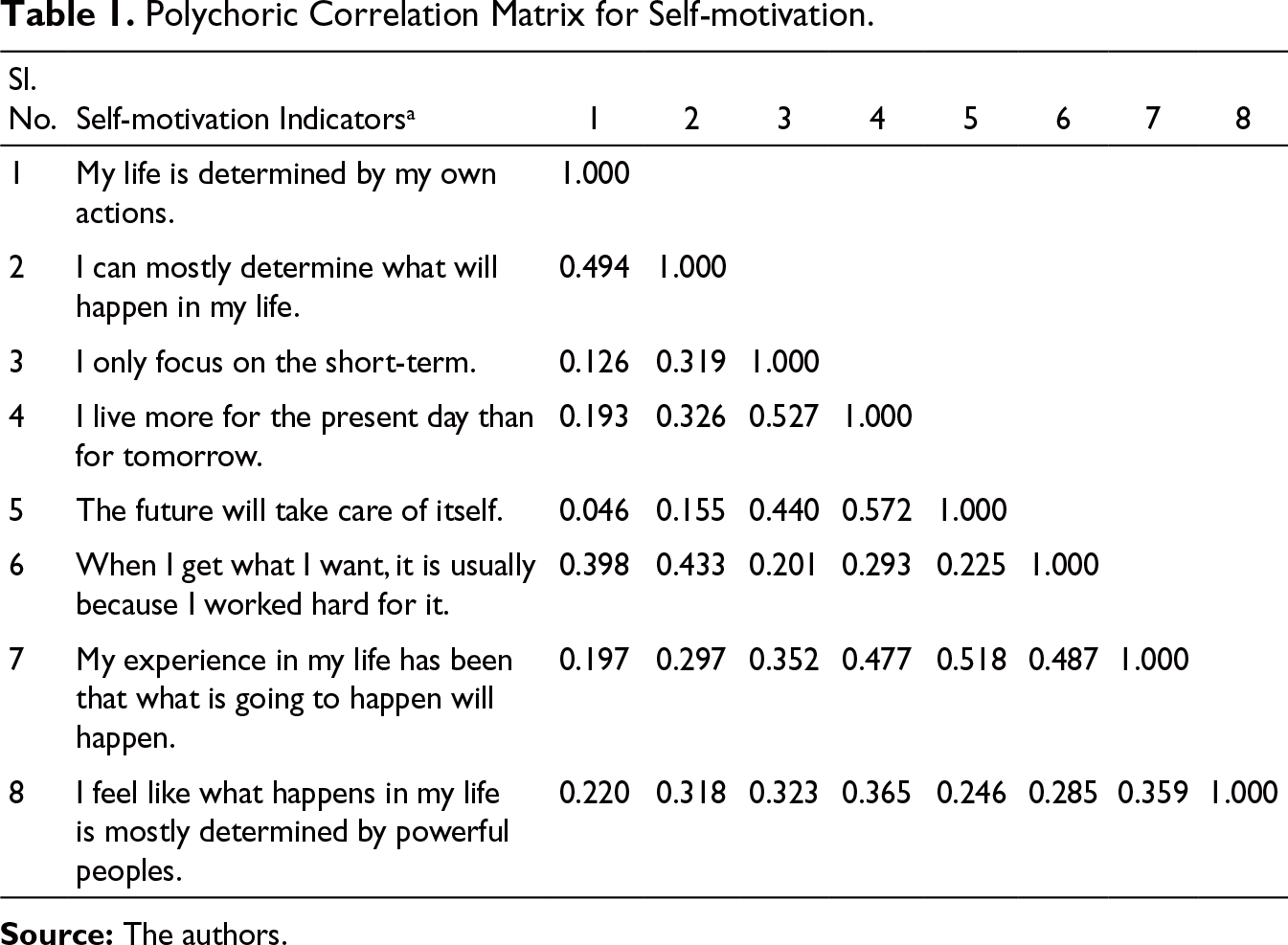
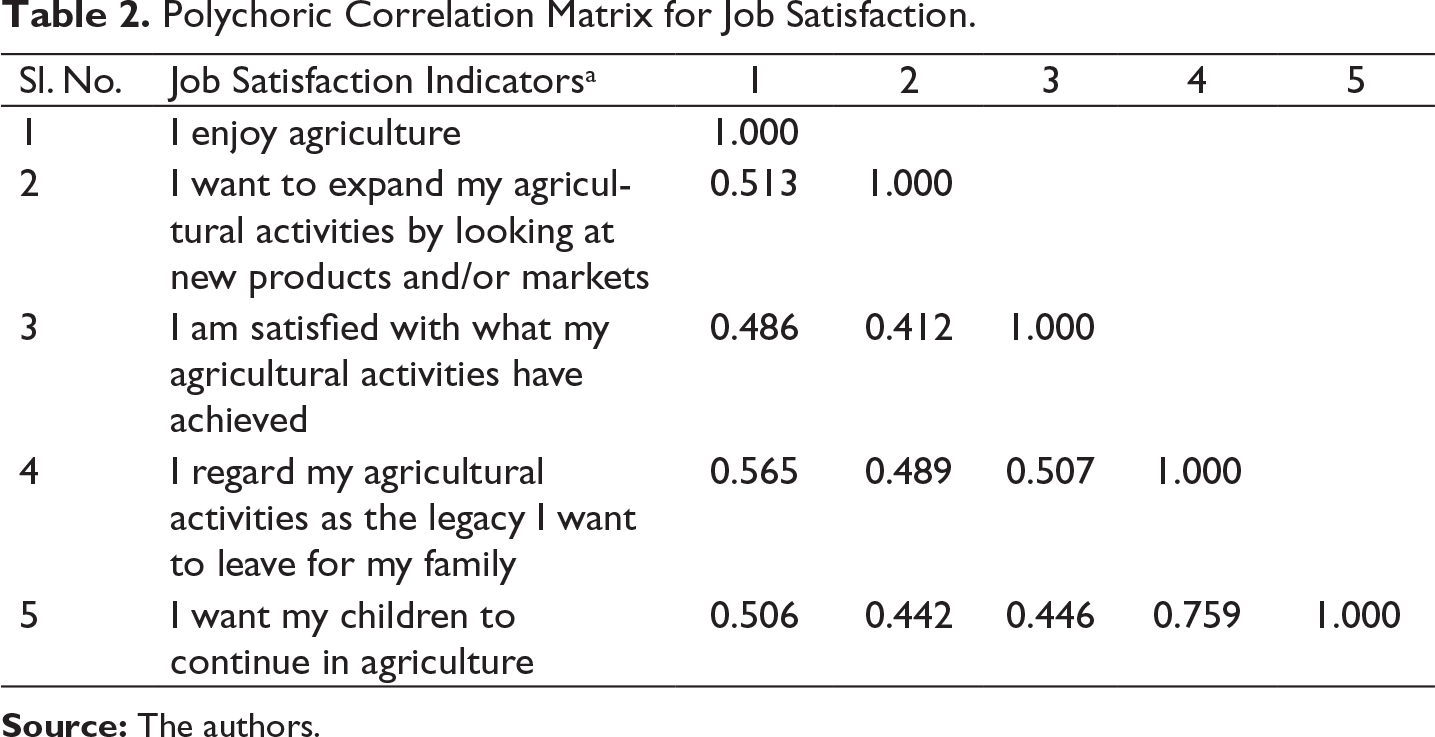
The question on intention to quit the job (which was the dependent variable in this paper) was phrased as: ‘Do you intend to keep working in agriculture?’. Answer options were ‘yes’ and ‘no’. On the contrary, for the questions related to job satisfaction and self-motivation, farmers were asked to agree or disagree with several statements which constituted these measures. However, to use this information, we grouped the eight self-reported job satisfaction factors using a Polychoric correlation matrix (Tables 1 and 2) and factor analysis (Table 3). We repeated the procedure for self-motivation.
Polychoric Correlation Matrix for Self-motivation.
Polychoric Correlation Matrix for Job Satisfaction.
Factor Loadings from with Promax Rotation Summarising the Factor Analysis of Multi-item Measures.
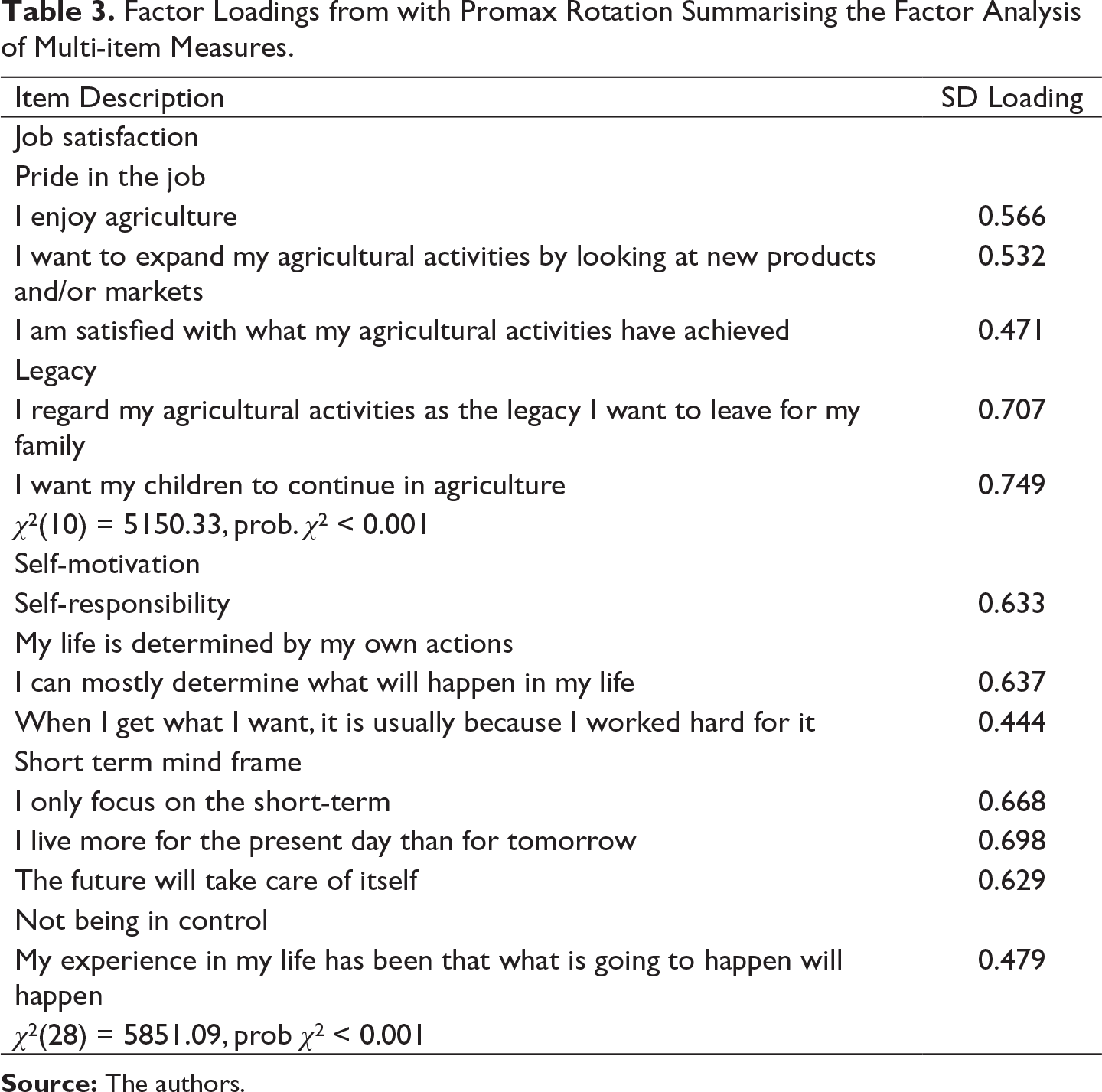
Given there are also theoretical grounds for postulating that the factors may correlate, we perform a Promax rotation on the data. The Factor Loadings of the items are presented in Table 3. ‘I regard my agricultural activities as the legacy I want to leave for my family’, ‘I want my children to continue in agriculture’ heavily loaded into Factor 1. Factor 2 was highly loaded with ‘I am satisfied with what my agricultural activities have achieved’, ‘I enjoy agriculture’ and ‘I want to expand my agricultural activities by looking at new products and/or markets’. We classified these factor loadings as legacy (Factor 1) and pride in the job (Factor 2).
As for self-motivation, ‘I only focus on the short-term’, ‘I live more for the present day than for tomorrow’, ‘The future will take care of itself’ loaded heavily on Factor 1. Factor 2 was highly loaded with ‘My life is determined by my own actions’, ‘I can mostly determine what will happen in my life’, ‘When I get what I want, it is usually because I worked hard for it’, Factor 3 was highly loaded ‘My experience in my life has been that what is going to happen will happen’. As shown in Table 2, we categorise these as short-term mind frame (factor 1), self-responsibility (factor 2), and not being in control (factor 3).
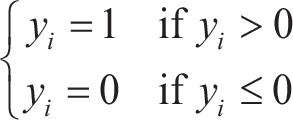
To examine the relationship between self-motivation, job satisfaction and intent to quit farming, we estimated a regression model. Considering that the dependent variable was binary, we estimated a logistic regression. Suppose Y is the binary outcome variable indicating that subject i takes a value of 1 if the variable Yi is greater than 0, Yi otherwise it takes a value of 0.
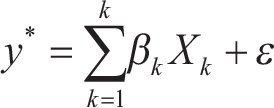
Then the logistic regression is specified as:
Solving for the logistic distribution this gives:
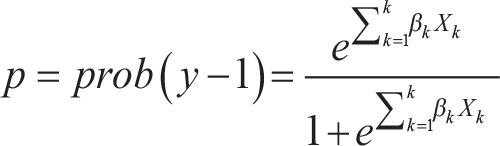
where p represents the probability of 1, e is the base of the natural logarithm and βk are the coefficients to be estimated; Xk are the explanatory variables. We also estimated a recursive bivariate probit model to test alternative pathways. Only farmers with valid data for each of the variables in Table 4 were included in the regression (N = 2446). We conducted a univariate analysis to compare farmers who intend to quit with those who do not. t-Test and χ2 are reported for continuous and categorical variables, respectively.
Description of Regression Variables.
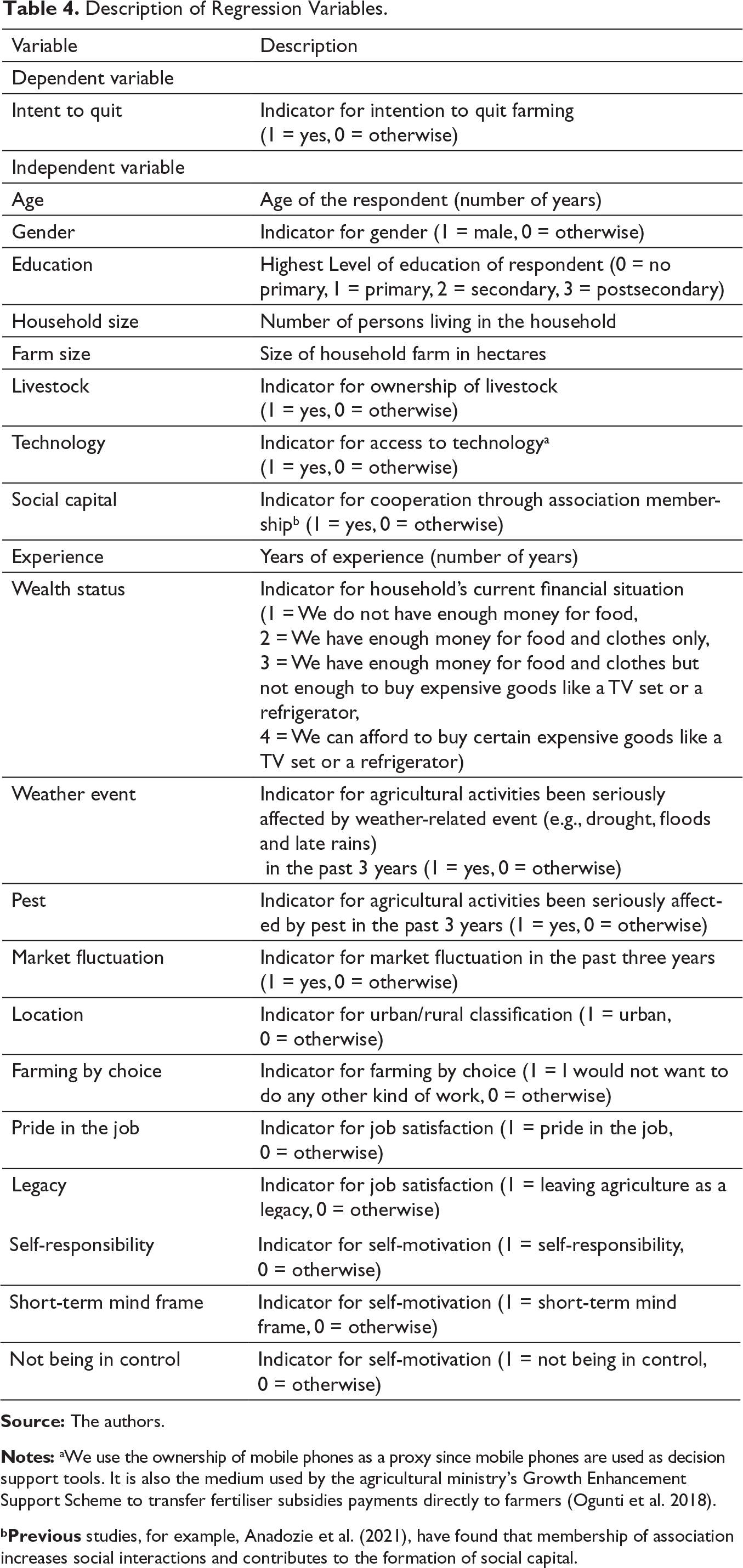
b
Result
The average age of farmers was about 40 years which corroborated Chamberlin et al. (2021), which used similar nationally representative survey data to debunk the assumption that most farmers in Sub-Saharan Africa are over 60 years. Most farmers (67%) were males. Approximately 31% have completed secondary education at the least. 67% have been farming for over 10 years, and 89% intend to keep working in agriculture. Disaggregating the farmers into categories by their intent to quit shows a decline with the number of years of farming experience. 5% of farmers with more than 10 years of farming experience intend to quit compared to 15% for 6–10 years, 24% for 2–5 years and 38% for farmers that have been farming for less than 2 years. Against all expectations, agricultural extension is a sparsely used source of information as 82% reported they never use this source.
Contrary to postulations that farming in Nigeria is a residual occupation and most take it up due to lack of options or having little or no skill for other occupations, we find that Nigerian farmers take pride in farming and engage in farming as a choice. Approximately 51% reported that they would not want to do any other kind of work. Most farmers (65%) consider farming a good legacy to leave behind for their family, and 59% will encourage their children to take up farming.
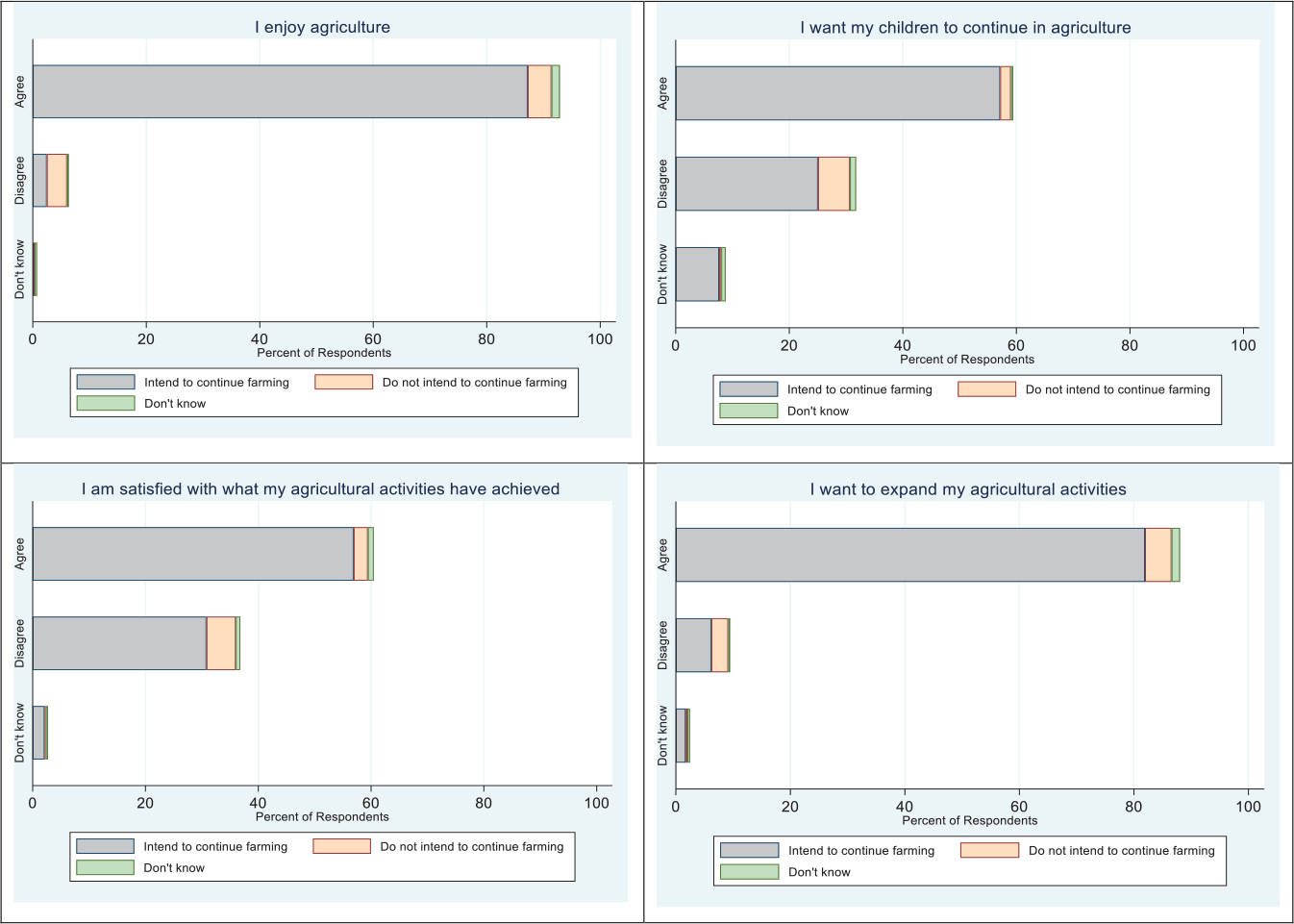
In terms of job satisfaction, younger farmers were less satisfied with farming than older farmers. For small farmers between 15 and 29 years, 54% reported being satisfied with the achievement of their agricultural activities, whereas 61% of this group would take full-time employment if offered a job. The intent to quit farming categorised by job satisfaction show that this intent is lower among those that enjoyed farming and are satisfied with their agricultural achievements (Figure 2). Similarly, farmers that are planning to expand their farming activities and those that are considering family succession mainly constitute the category that does not intend to quit farming.
Factors that pose the most significant risk to farmers quitting farming are pests and diseases (30%), Weather-related events such as drought, floods, late rains (26%), market prices (11%), prices or availability of inputs (9%). Further, an examination of the frequency of occurrence of the factors that pose the most significant risk to farmers suggests that in the past 3 years, the incidence of pests and disease was the most frequently occurring threat (60%). In addition, 40% and 31% have experienced weather-related events and unexpected price fluctuation in the market, respectively.
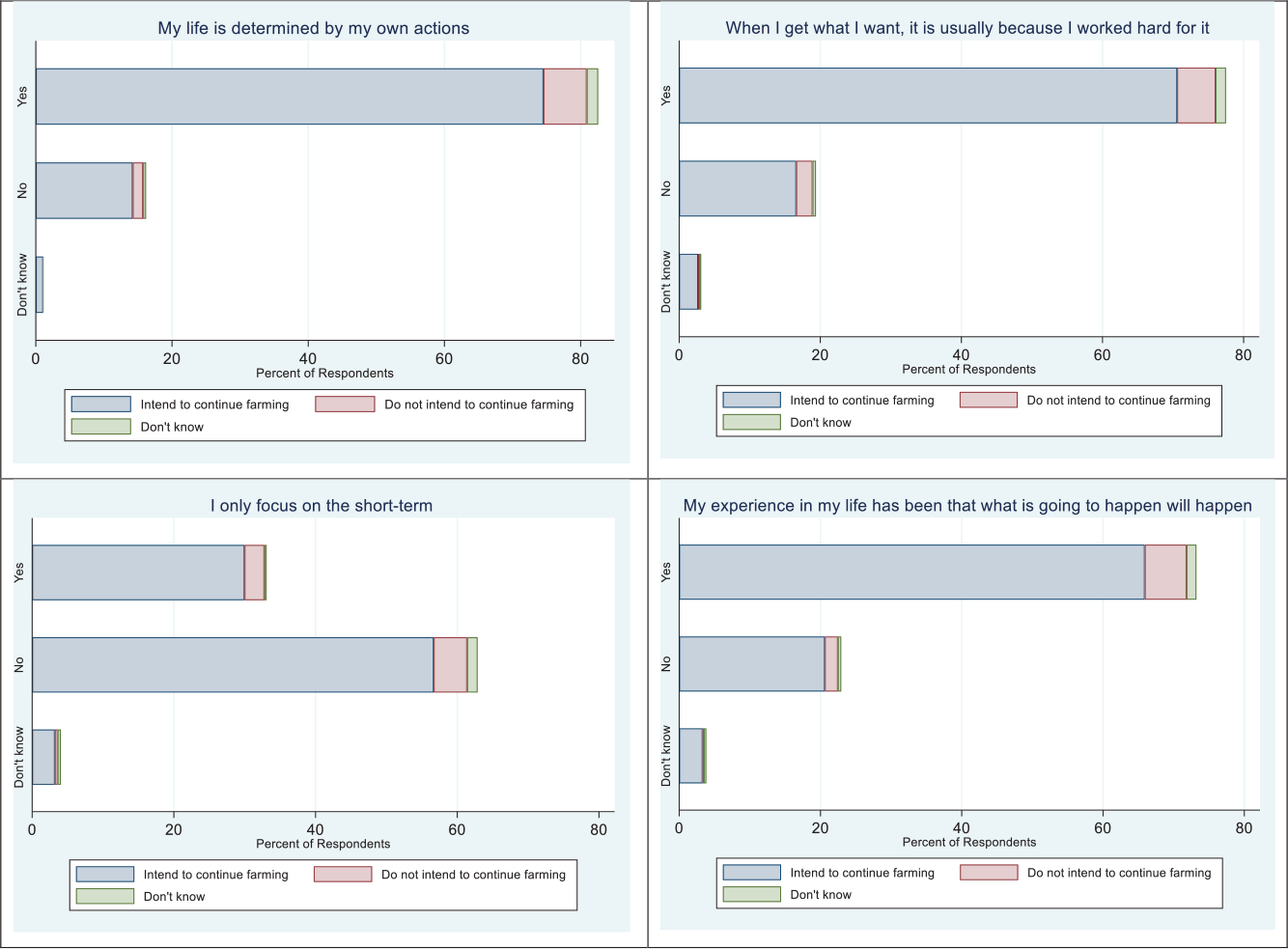
A description of farmers’ intent to keep farming by self-motivation is presented in Figure 3. We find that farmers who see a future in agriculture are mainly not short-term focused. This group of farmers also believe that their life is determined by their actions, and achieving goals is a result of hard work. Also, intention to quit farming is lower among farmers who believe that certain things are not within their control. Although this may appear contradictory at first glance, it may be related to the fact that farming is heavily weather-dependent, so even though most farmers with the intent to remain in agriculture feel their life is determined by their actions, they acknowledge that such external factors are beyond their control.
Results of the Univariate Analysis
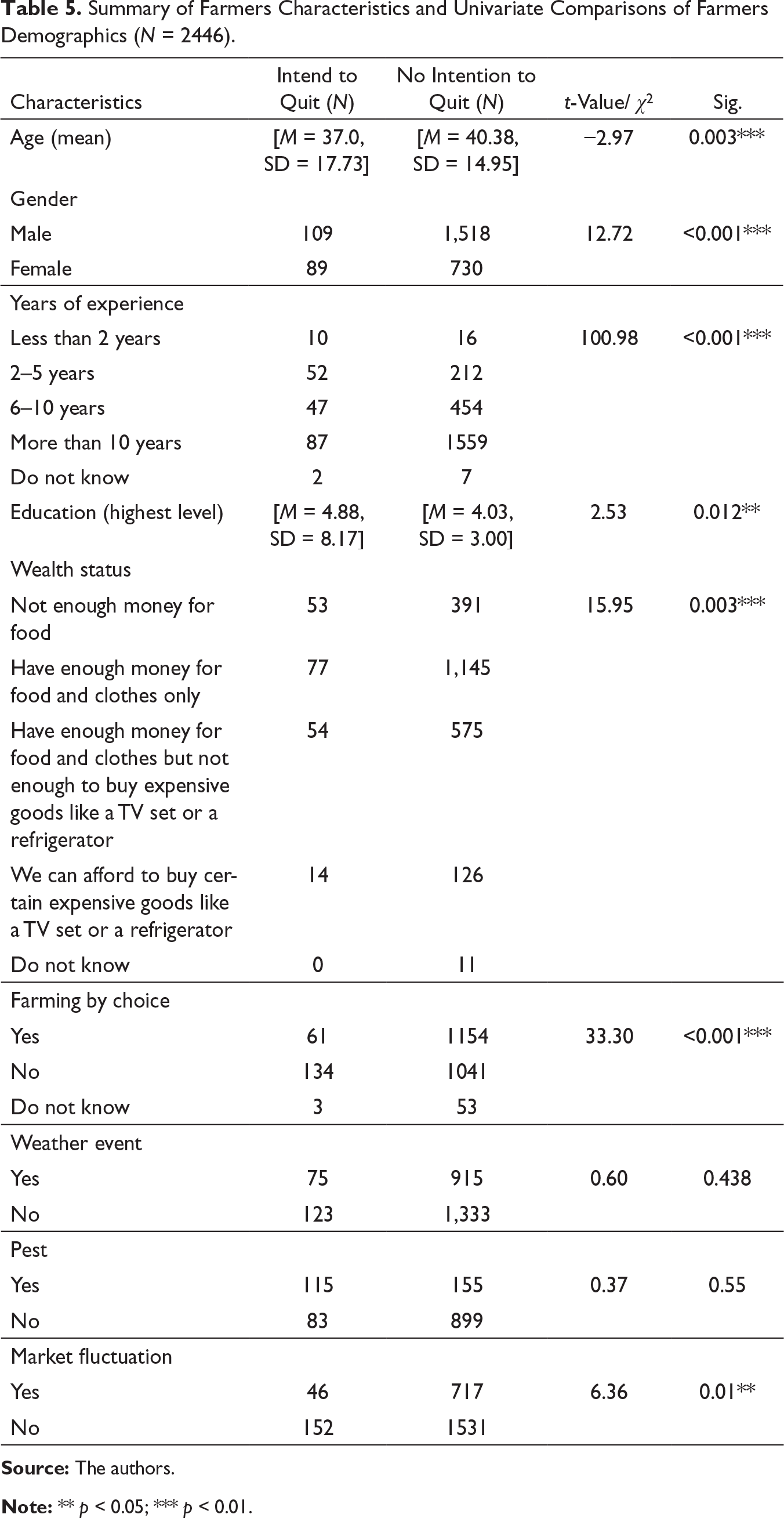
Table 5 compares key summary statistics between farmers with intent to quit and those without such intent. We find that both groups differ in age, gender, years of experience, education, wealth status, farming by choice and recent experience of market fluctuation. Specifically, evidence suggests that farmers with the intent to quit were younger and had a higher proportion of female farmers. They were also more educated but had less farming experience. In addition, a higher proportion of farmers who intended to quit were poorer than those who intended to remain. However, a lower proportion had experience market fluctuation compared with those who had no intention to quit farming. Notably, the proportion of those farming by choice who intend to remain in agriculture is higher.
Summary of Farmers Characteristics and Univariate Comparisons of Farmers Demographics (N = 2446).
Regression Results
The logistic regression was estimated for the determinants of the intention to quit farming (Table 6). The logistic regression results show an acceptable model fit. The chi-square values indicate that the null hypothesis that all the predictors’ regression coefficients are equal to zero in the model should be rejected. The Hosmer and Lemeshow (H–L) goodness of fit test statistics gives p = 0.29, indicating no evidence of poor fit and suggesting that the model prediction does not significantly differ from the observed. The regression examining the determinants of farming choices of small farmers in Nigeria suggest that job satisfaction, age, education, and livestock ownership influences farmers’ intent to quit farming. The calculated odds for the relationship between multiple factors (personal and household characteristics, farm characteristics, social capital, location, access to technology and institutional factors), job satisfaction, personal motivation, and intent to quit farming is also presented in Table 6. The dependent variable is ‘intend to quit farming’ = 1, 0 otherwise.
Logistic Regression Examining Determinants of the Intent to Quit Farming.
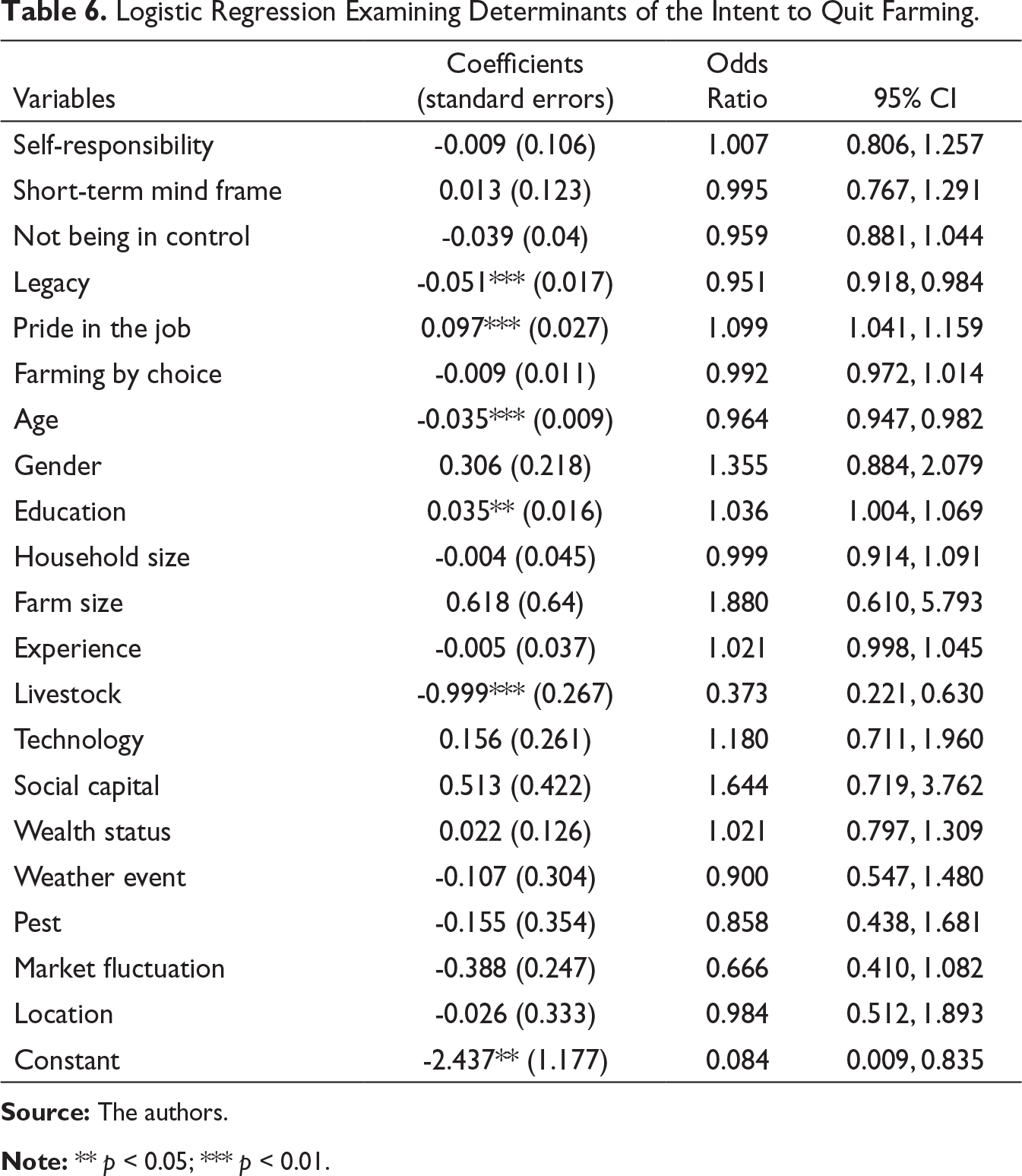
Younger farmers were more likely to harbour the intention to quit, and quitting intentions were higher among male farmers. Farmers that had livestock as investments in combination with crops were less likely to want to quit farming. However, the marginal effects (Table 6) are rather small. Among the job satisfaction variables, ‘legacy’ influenced the intent to quit. That is farmers that reported that farming is an important legacy (i.e., regarded their agricultural activities as the legacy they wanted to leave for their family or wanted their children to continue in agriculture) were less likely to have the intent to quit farming. Contrary to expectation, farmers who reported taking pride in the job were more likely to harbour the intent to quit farming. We investigate this result further and find a high proportion of farmers whose agricultural activities have been seriously affected by conflict in the past 3 years fall within this category. Many states in Nigeria have witnessed conflicts like the farmer–herder conflict that has led to thousands of displacements and death in rural communities (Egbuta 2018; Madu and Nwankwo 2020). This finding is alarming as keen and more experienced farmers may feel forced to leave.
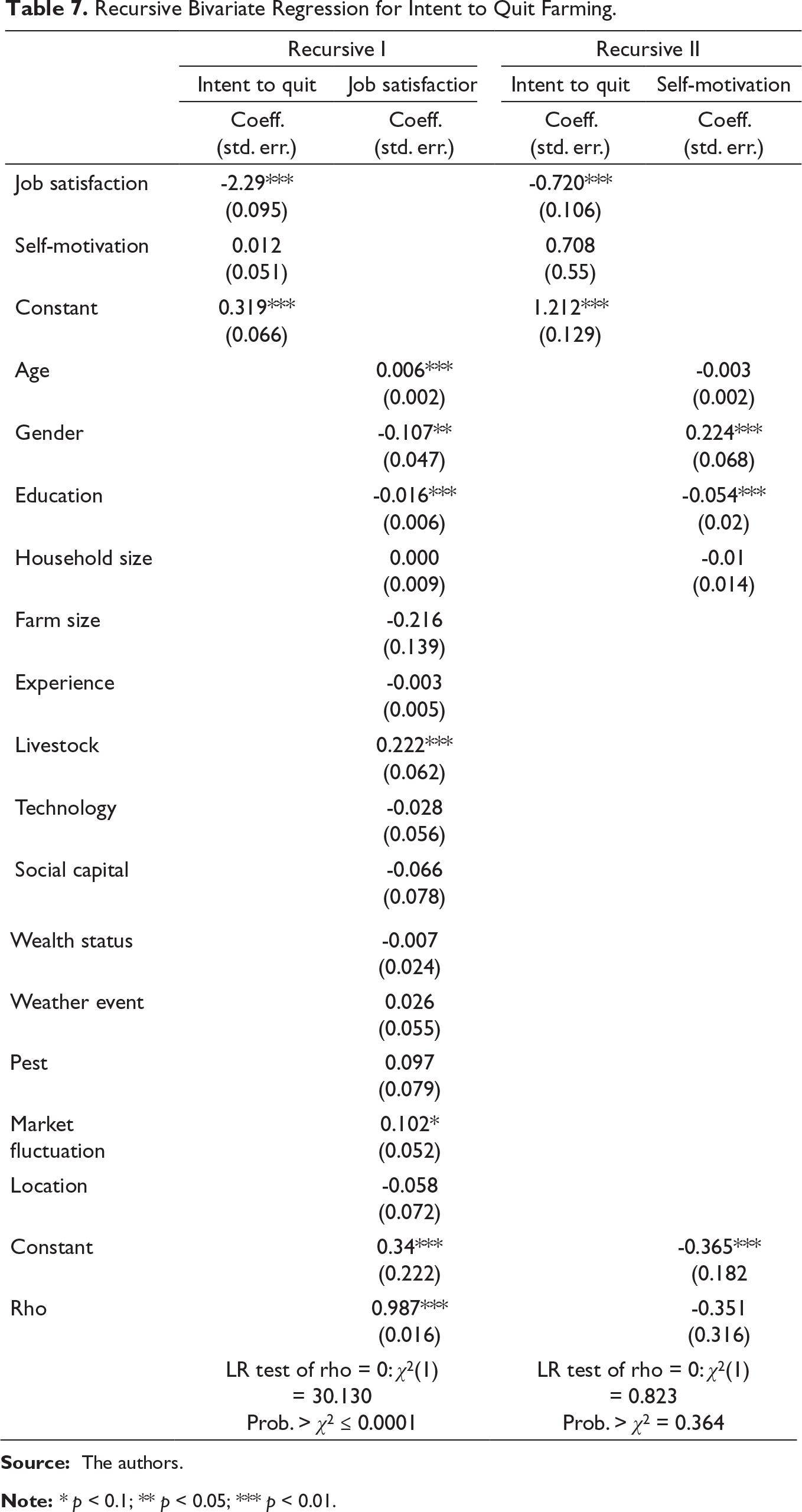
The results from the recursive bivariate probit model are presented in Table 7. The statistically significant rho (in the Recursive I model) indicates that job satisfaction and the intent to quit farming are jointly determined. The results also show that age, gender, education, market fluctuation, and livestock ownership had a significant effect on job satisfaction, whereas job satisfaction had a negative effect on the intent to quit farming. Prior, we performed the Durbin–Wu–Hausman test to evaluate endogeneity. The endogeneity test results imply that we fail to reject the null hypothesis of job satisfaction and intent to quit exogeneity (p = 0.943), which implies that there is minimal endogeneity that can lead to biased, inaccurate, and deleterious effects.
Recursive Bivariate Regression for Intent to Quit Farming.
Discussion
We focus our attention on small farmers considering the important role in rural economies and the country overall. Also, there is empirical evidence from previous studies that small farmers may have greater incentives to leave farming for nonfarm activities compared to medium-size farmers. This study is timely given the considerable implications for local livelihoods and rural futures. This study has the advantage of using a large representative sample having a high response rate indicating negligible selection bias. We provide important empirical evidence to dispute some assumptions around farming in Nigeria. Several important quantitative results need to be highlighted for the factors that determine intent to quit farming.
Age being a significant determinant of intention to quit farming aligns with Cavicchioli et al. (2018) findings that young farmers are little satisfied with their job. The finding that younger people (who account for about 36% of the small farmer population in Nigeria) feature mostly among farmers that intend to quit farming have implications for the future of farming in Nigeria. In addition, there are implications for sustainable agriculture from the perspective of perceived loss of potential in making farming more competitive and innovative as younger farmers are more likely to adopt new technologies to drive positive change (as reported in Dhraief et al. 2018).
Education plays a vital role in explaining the intention to quit farming because more educated young farmers have the potential to find better-paid employment elsewhere. This finding corroborates several studies (e.g., Bertoni and Cavicchioli 2016). However, government support in eliminating the obstacles that motivate intent to quit farming among young people could reverse this situation. Further, interventions should account for gender-related factors to ensure quitting intentions are not translated into action.
The findings that job satisfaction (legacy) decreases farmers’ intent to quit farming indicate that helping farmers become resilient and adapt to change is crucial to encourage succession in the farm business. Our results also show that even though farmers may enjoy farming, instability like conflict can force farmers to quit. Therefore, the government needs to bring such disputes under check to prevent intent from being translated into action.
It should be acknowledged that agriculture in Nigeria is towing the path of developed countries in terms of structural change wherein farms are becoming more efficient with the aid of technology (Adeyinka et al. 2013; Ajibola and Olugbenga 2017). However, the need for a substantial portion of the population to remain as farmers is declining. Therefore, validating that small farmers are in the occupation for the right reasons is key to ensuring farming sustainability. Our finding confirms that more than half of small farmers are in the occupation by choice and would not want to do any other kind of work. The current argument is that even farmers who may have chosen the job because of a lack of options could have reported enjoying it and decided to stay because they are satisfied. However, we acknowledge that job satisfaction, work-related motivation and personal characteristics only play a part in determining the farming choices of small farmers. Thus, other factors (such as the availability of alternative employment, conflicts or rural–urban migration) may be examined in future studies for a holistic understanding of the issue.
In Nigeria, the challenges faced by rural societies are qualitatively different from their urban counterparts. For example, the poor access to infrastructure and services and being more vulnerable to environmental shocks and stresses. The institutional environment is important in either serving as a barrier or driver of an individuals’ intention to quit. For example, the government offering incentives or, on the other hand implementing policies that result in the neglect of small-scale agriculture and rural infrastructure could be detrimental and, thus, drive the intention to quit farming irrespective of the motivation of the individual. Policies must consider both the intrinsic and extrinsic factors influencing quitting intentions among small farmers and work within this structure to effect change.
Conclusion
This paper addresses questions on whether small farmers take up the occupation out of choice or because of a lack of options, whether Nigerian farmers are generally satisfied with their jobs, and crucially, whether most farmers have the intention to quit. This investigation was imperative as farmers leaving the sector without control can threaten food production and the livelihoods and rural economies that depend on it. Contrary to postulations that farming in Nigeria is the occupation of last resort, we find that Nigerian farmers choose to farm and take pride in their job.
In view of the factors which farmers reported to pose the most influence on their farming decision, we conclude that government support to minimise stressful work conditions and assist farmers in preventing and controlling pests and diseases will result in fewer farmers translating their intentions into action. Crucially, since younger and more educated farmers are more likely to exit farming, the government needs to make agriculture more attractive. This may be achieved through policies and interventions that prioritise improving rural infrastructure, address volatility, limit market fluctuations, remove barriers to markets for local farmers and facilitate the agricultural value chain so that agriculture can thrive as a business. In addition, encouraging on-farm diversification, particularly to include livestock, will serve as insurance and improve farmers’ economic resilience, which is necessary to protect farmers and discourage exit decisions. All stakeholders also need to work together to change the stigma of farming and the misleading perception that it is an occupation of last resort or strictly a way of life. The outcome of such effort will shift the narrative to ‘agriculture as a business’, which would positively impact the occupation and the rural economy where most of the farmers are located.
Footnotes
Declaration of Conflicting Interests
The authors declared no potential conflicts of interest with respect to the research, authorship and/or publication of this article.
Funding
The authors received no financial support for the research, authorship and/or publication of this article.
