




Abstract
Background
Anxiety is a prevalent mental health concern among undergraduate students, adversely affecting academic performance, social functioning and emotional well-being. Its multifactorial causes and coping strategies, particularly in the context of global disruptions such as the COVID-19 pandemic, warrant a comprehensive synthesis.
Purpose
This systematic review aims to analyse empirical studies on the causes of anxiety and the effectiveness of coping strategies among undergraduate students from 2010 to 2025.
Methods
A systematic review was conducted using Scispace.ai, selecting 40 empirical studies published between 2010 and 2025. Keywords used included ‘anxiety’, ‘undergraduate students’ and ‘coping strategies’. Thematic analysis was performed to categorise findings into major focus areas.
Results
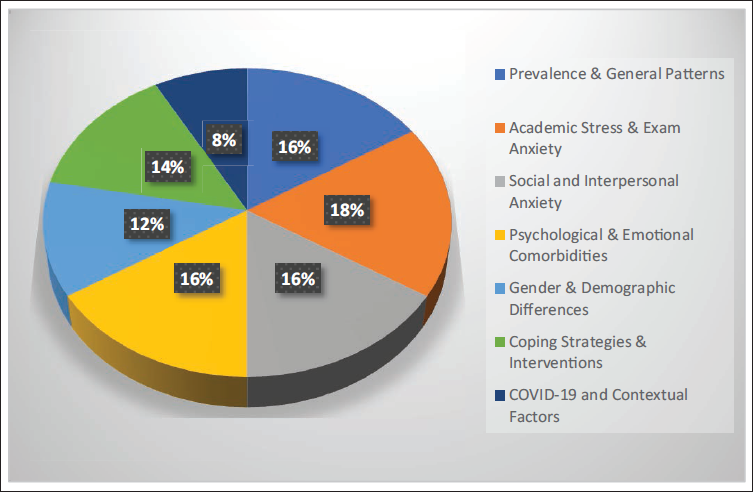
Seven key themes emerged: Prevalence (16%), academic stress (18%), social anxiety (16%), emotional comorbidities (16%), demographic differences (12%), coping mechanisms (14%) and contextual stressors such as COVID-19 (8%). Social judgement, academic pressure and fear of failure were primary causes of anxiety, often co-occurring with depression and emotional dysregulation. Female students and first-year undergraduates were identified as more vulnerable groups. Effective coping strategies included mindfulness practices, yoga, peer support and biofeedback; however, utilisation was limited by stigma and inadequate mental health services. The COVID-19 pandemic further intensified anxiety levels due to social isolation and academic uncertainty.
Conclusion
This review underscores the urgent need for inclusive support systems, integration of digital mental health tools and culturally sensitive interventions within educational institutions. Future research should explore longitudinal trends and develop context-specific strategies to improve mental health outcomes among undergraduate students.
Introduction
The word anxiety is derived from Latin ‘anxietas’ (to choke, trouble and upset) and encompasses behavioural, affective and cognitive responses to the perception of danger.
Anxiety is a normal human emotion, but it is considered excessive or pathological when it is out of proportion to the challenge or stress in the duration of severity when it results in psychological, social, occupational, biological and other impairments. 1 Anxiety is associated with substantial negative effects on children’s social, emotional and academic success. 2 Anxiety is a basic human emotion that consists of fear and uncertainty and usually occurs when an individual believes that the event is a threat to the self or self-esteem. Anxiety can also be a state or trait depending on its duration. Anxiety blocks normal thought processes. Anxiety is a human emotion experienced by everyone. Students experience problems during their studies and feel anxious when taking exams or making significant life decisions. 3 Anxiety is a psychological and physical response to a self-concept characterised by subjectively and consciously perceived feelings of tension. Research has found that there are many obstacles to anxiety while studying processes, such as exam anxiety, mathematics anxiety, language anxiety, social anxiety, family anxiety and library anxiety. Anxiety during study is a major predictor of academic performance. The psychological symptoms of anxiety among students include feeling nervous before a study class, panicking, going blank during a test, feeling helpless while doing assignments or a lack of interest in difficult subjects, whereas the physiological symptoms include sweaty palms, a racing heartbeat, or an upset stomach. 4 Many external factors may contribute to anxiety. These include stress from school, stress in a personal relationship, stress at work, financial stress, stress that results from an emotional trauma such as the loss of a loved one, victimisation by crime, a natural disaster, sexual abuse or physical abuse and side effects of medication. 5 In lecture 25 of the Introductory Lectures on Psychoanalysis, Freud (1949), 6 the noted founder of psychoanalysis, wrote: ‘I do not need to introduce anxiety to you.’ Every one of us has experienced that sensation, or to speak more correctly, that affective state, at one time or another on our account. Indeed, anxiety is one of the most pervasive and ubiquitous human behaviours. Anxiety is considered to be a basic negative emotion, along with anger, sadness, disgust and perhaps others. It should also be distinguished from fear, which may feel similar at a subjective level, but is focused on an immediate danger, such as encountering a snarling pit bull terrier. 7 Anxiety has at least two defining characteristics: (a) It is an emotional state, somewhat resembling fear 8 and 2 the disturbing stimulus, which is principally responsible, does not precede or accompany the state but is ‘anticipated’ in the future.
Conceptual Understanding of Anxiety
Anxiety can be defined as unresolved fear or as a state of undirected arousal following the perception of threat. 9
Spielberger defined anxiety as the subjective feeling of tension, apprehension, nervousness and worry associated with an arousal of the autonomic nervous system. 10
According to Good, anxiety means apprehension, tension or uneasiness characterised by fear, dread or uncertainty about something, the source of which is largely unknown or unrecognised by the individual; it may consist in persistent apprehensions of future events as well as in generalised emotional reactions to any choice point or decision. 11
Globally, anxiety has become a major public health concern among undergraduate students, and its rising prevalence rates are made worse by social pressures, academic demands and international crises such as the COVID-19 pandemic, among many others. Nearly 35% of undergraduate and graduate university students report clinically significant major anxiety symptoms, up 50% from the previous ten years (2015–2025), according to the World Health Organisation. 12 This increase has significant effects on long-term mental health outcomes, emotional stability and academic performance. 13 Despite increased awareness, the literature currently in publication frequently analyses anxiety in fragmented contexts in the present era, concentrating on social factors, academic stress or pandemic-related effects, without combining these aspects or assessing how well coping mechanisms work for various student populations.
Anxiety is a subjective feeling of unease, discomfort, apprehension or fearful concern accompanied by a host of autonomic and somatic manifestations. Anxiety is a normal, emotional, reasonable and expected response to real or potential danger. However, if the symptoms of anxiety are prolonged, irrational, disproportionate and/or severe, occur in the absence of stressful events or stimuli or interfere with everyday activities, then these are called anxiety disorders. The experience of anxiety is one that often involves both the body and the mind. Indeed, the way that we use our minds to interpret a physically arousing situation can have a strong influence on how we perform in that situation.
Purpose of this Study
The purpose of this systematic literature review is to comprehensively examine the existing research on anxiety among undergraduate students, focusing specifically on identifying the primary causes of anxiety and the coping strategies utilised by students to manage it. By synthesising findings from multiple studies, this review aims to provide a clearer understanding of the factors contributing to anxiety in this population and the effectiveness of various coping mechanisms, which can inform educators, mental health professionals and policymakers in developing targeted interventions to support student well-being.
This systematic review addresses these gaps by analysing 40 empirical studies (2010–2025) to:
Identify dominant causes of anxiety, such as academic stress, social evaluation and comorbidities like depression. Evaluate coping mechanisms such as mindfulness and institutional support. Highlight disparities by gender, academic stage and contextual stressors (e.g., COVID-19).
The results of this systematic review, which is the first thorough attempt to combine gender-specific coping mechanisms with post-pandemic anxiety trends, show that female students and freshmen are disproportionately vulnerable.14, 15 We provide new quantitative insights into the relative prevalence of these themes in the literature by expanding on previous research through methodically mapping seven major thematic categories, such as academic stress, social anxiety and interventions. For example, academic stress accounts for 18% of the examined studies. Crucially, our synthesis shows how systematic barriers and ongoing stigma severely restrict help-seeking behaviours among impacted student populations, challenging widely held beliefs about the effectiveness of universal coping strategies. 16
Research Questions
What factors contribute to anxiety in undergraduate students?
What coping strategies are used in managing anxiety?
Method
This systematic review adopted a comprehensive and methodical research approach to identify relevant studies. This study review followed the Preferred Reporting Items for Systematic Reviews and Meta-Analyses (PRISMA) guidelines 17 to ensure methodological rigour. A detailed literature search was conducted using the SciSpace.ai platform as the primary database (an advanced academic database) known for its AI-driven filtering capabilities and full-text access to peer-reviewed articles. SciSpace.ai is supplemented by PubMed, Educational Resources Information Center (ERIC), PsycINFO and Google Scholar to minimise selection bias.
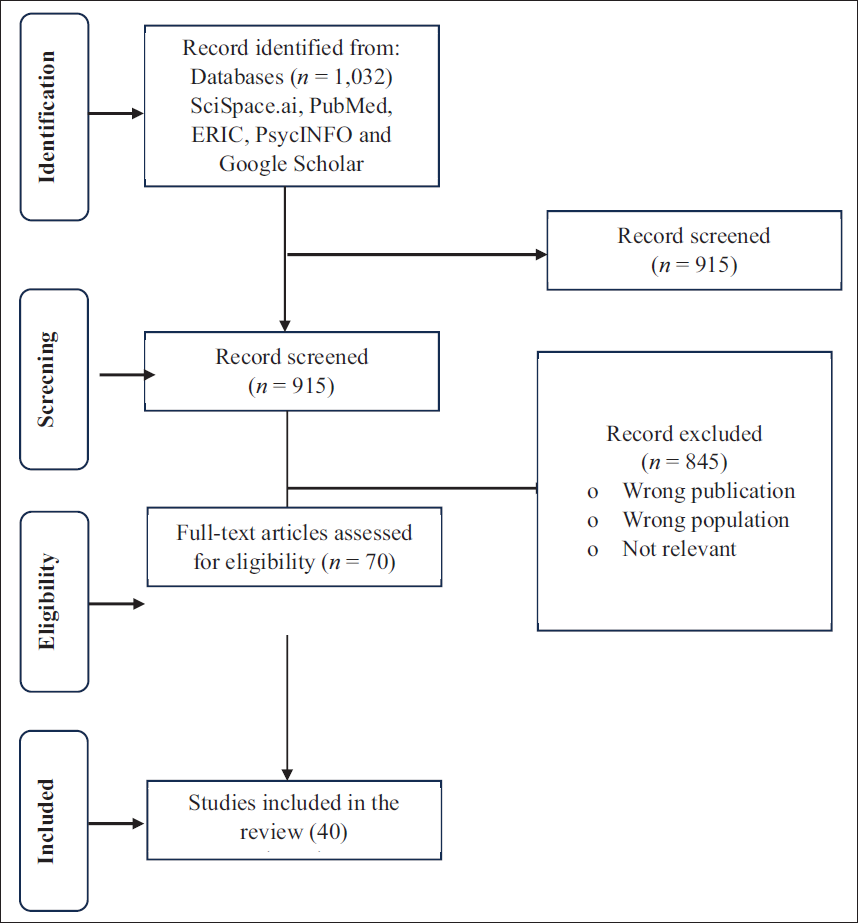
The search process involved keywords such as ‘mental health’, ‘anxiety’, ‘stress’, ‘emotional stress’, ‘undergraduate students’ and ‘academic stress’. Boolean operators (AND, OR) were used to refine and expand search results. The scope was limited to studies published between 2010 and 2025, written in English and involving human participants. Studies were selected based on clearly defined inclusion and exclusion criteria. Each selected study was critically assessed and thematically analysed to extract data and identify key findings related to the relationship between the variables. The initial search yielded 1,032 records from the database and 915 records were screened based on titles and abstracts. Out of these, 845 records were excluded for reasons such as wrong publication type, wrong population and lack of relevance to the research topic. Seventy full-text articles were then assessed for eligibility, leading to the inclusion of 40 studies that met all inclusion criteria and were incorporated into the final review.23–58 Data extraction focused on study design, sample characteristics, anxiety prevalence, correlates and coping strategies, with thematic analysis conducted using NVivo 12 to identify seven key categories. The screening process is detailed in a PRISMA flowchart to ensure transparency.
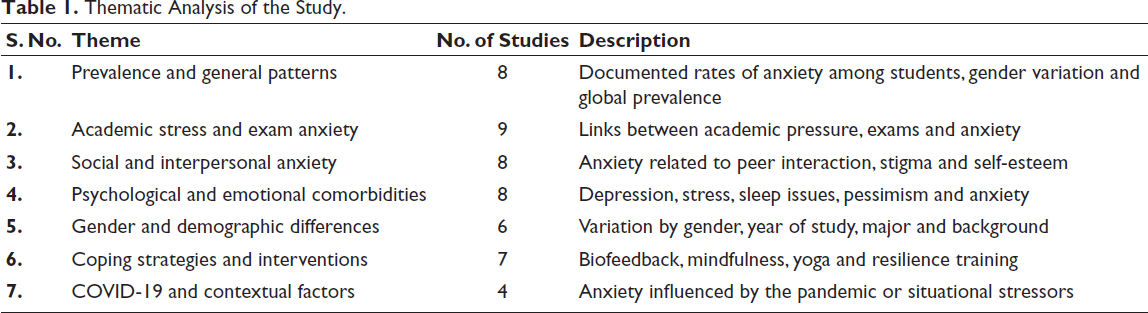
Figure 1 presents the PRISMA flow diagram detailing the study selection process. A summary of these seven themes and the number of studies per theme is provided in Table 1.
PRISMA Flow Diagram of the Screening Process.
Thematic Analysis of the Study.
Inclusion
Studies were included in the review if they met the following conditions:
Published in peer-reviewed journals. Empirical (qualitative, quantitative or mixed-methods). Explored the relationship between spiritual intelligence
18
and psychological, emotional, educational or professional outcomes. Focused on spiritual intelligence as a primary, independent or dependent variable.
Exclusion
Studies were excluded if they:
The studies that were not published in English The studies that were unrelated to anxiety or lacked credible, verifiable results Duplicates or repeated analyses from the same dataset Fell outside the publication timeframe of 2010 to 2025.
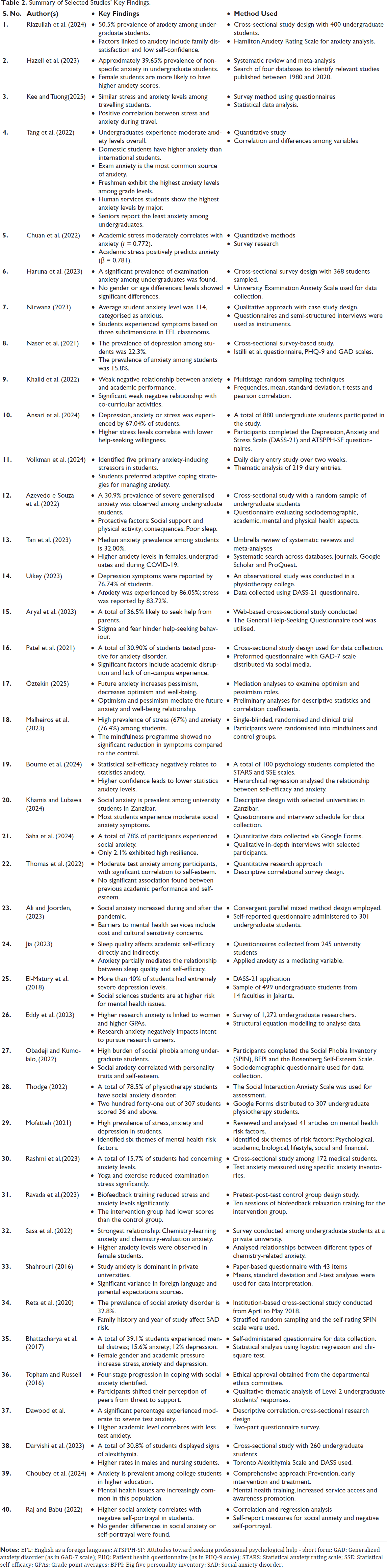
The present systematic literature review included 40 empirical studies. The findings section presents a summary of the selected studies’ key findings in tabular form. Relevant details including the authors, the year of publication, methodically and the main conclusions, are presented in Table 2.
Summary of Selected Studies’ Key Findings.
Findings
This systematic literature review comprised 40 empirical studies that explored anxiety among undergraduate students. The findings have been organised into seven key thematic categories for clearer interpretation and synthesis.
Thematic Analysis
A thematic analysis was conducted to synthesise findings from the 40 selected empirical studies. This systematic literature review identified seven key themes in the literature on spiritual intelligence. The most studied themes have been mentioned below.
The study is depicted in the form of a pie chart. This pie chart demonstrates how different research studies on anxiety are allocated among various topics or themes. It helps us understand which areas researchers have explored the most. The proportional distribution of these seven thematic categories is illustrated in Figure 2.
Distribution of Most Studied Themes in Anxiety Literature.
The systematic review of 40 empirical studies revealed seven predominant themes regarding anxiety among undergraduate students. Table 3 summarises these themes with prevalence rates, effect sizes and key references:
Causes and Symptoms of Anxiety Among Undergraduate Students.
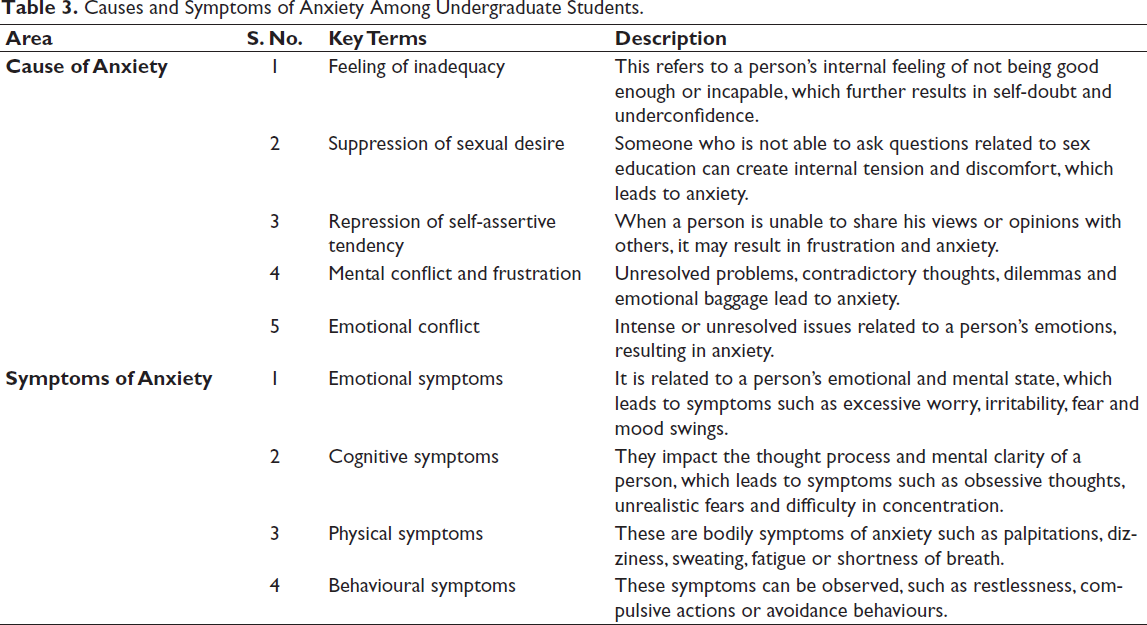
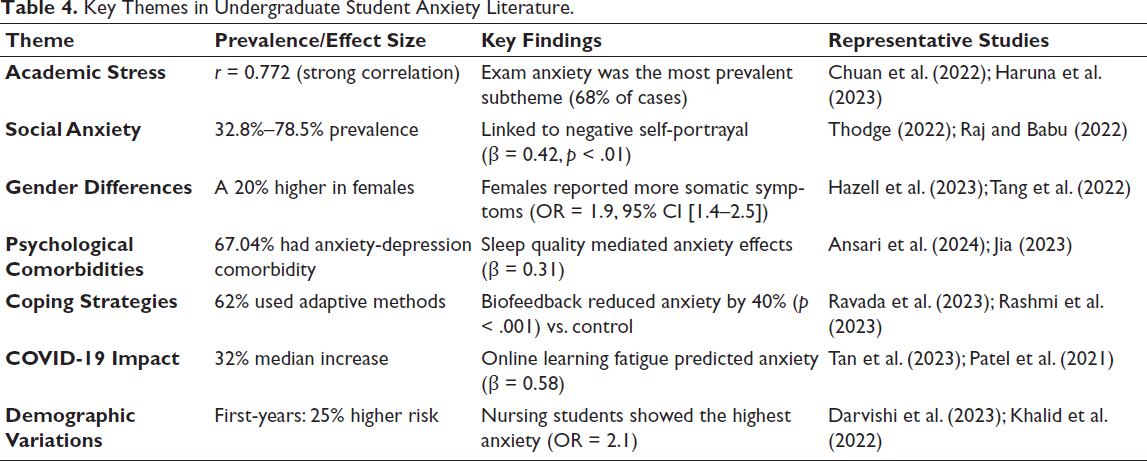
Table 4 provides a statistical summary of the key themes, including prevalence rates and effect sizes.
Key Themes in Undergraduate Student Anxiety Literature.
Theme-by-theme Synthesis of the Study
Prevalence and General Patterns of Anxiety
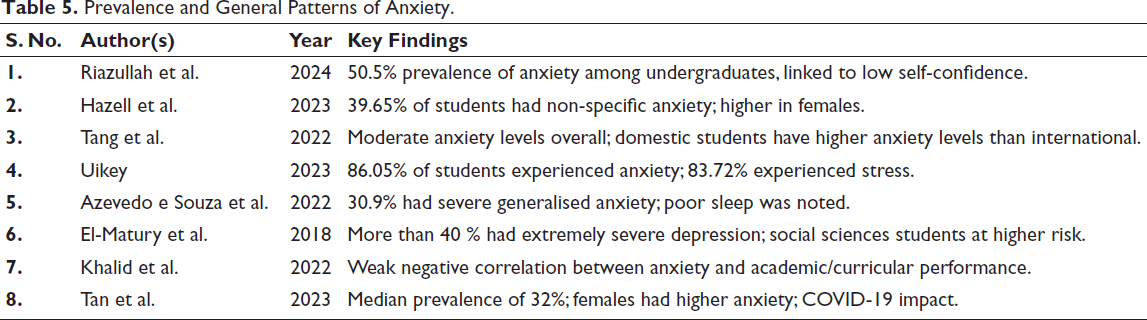
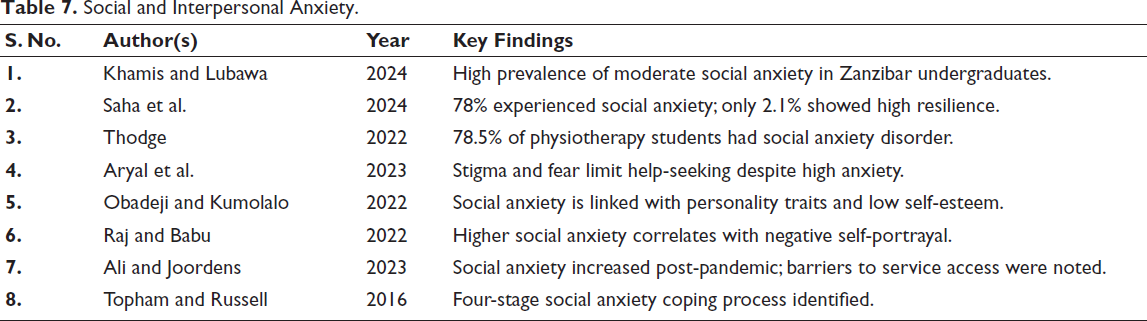
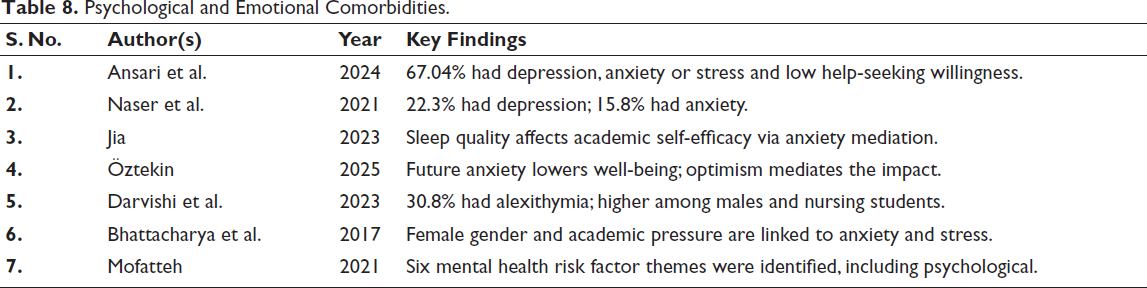
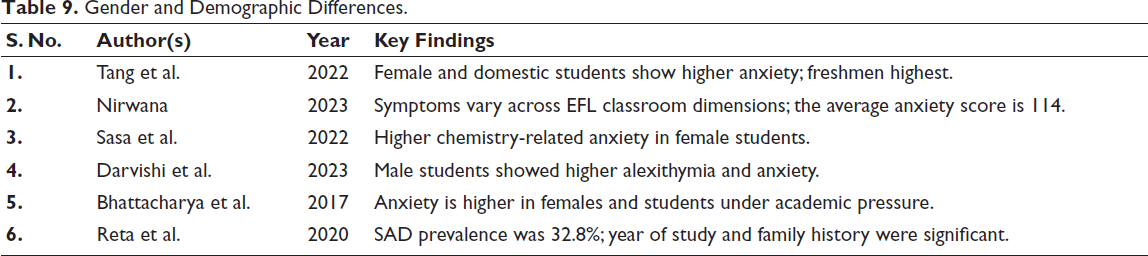
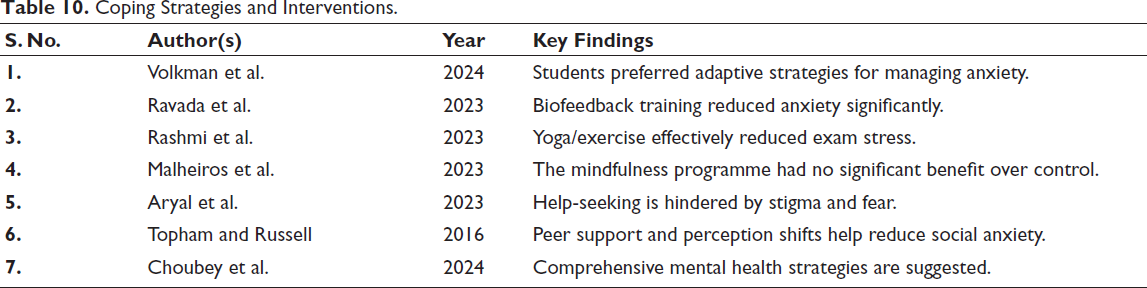
The key findings from studies on prevalence, academic stress and performace-related anxiety, social and interpersonal anxiety, psychological and emotional comorbidities, gender and demographic differences, coping strategies and interventions and COVID-19 and contextual stressors are summarised in Tables 5 to 11.
Prevalence and general patterns of anxiety refer to how widespread anxiety is among students and the typical ways in which it appears across various educational settings. Prevalence indicates the proportion of students who experience anxiety within a specific time frame, helping researchers understand how common the issue is. Studies focusing on this aspect reveal that a large number of students face anxiety at different levels, often due to academic pressure, fear of failure or future uncertainty. General patterns refer to the common trends and characteristics associated with anxiety, such as when it is most likely to occur, like during examinations or major academic transitions and what symptoms are most frequently reported, including restlessness, difficulty focusing, physical tension and emotional distress. This thematic category helps provide a foundational understanding of the overall scope and typical experiences of anxiety among student populations.
Prevalence and General Patterns of Anxiety.
Academic Stress and Performance-related Anxiety
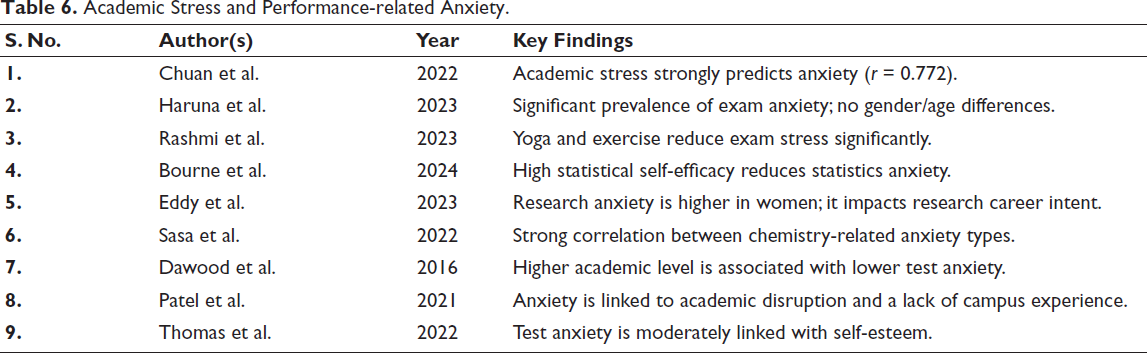
Academic stress and performance-related anxiety refer to the psychological pressure students experience due to academic demands and expectations. This type of anxiety arises from factors such as excessive workload, fear of failure, tight deadlines, competitive environments and high parental or institutional expectations. Students often worry about grades, examinations, future careers and their ability to meet academic standards. Such stress can lead to symptoms including nervousness, lack of concentration, irritability, fatigue and even physical complaints such as headaches or sleep disturbances. Performance-related anxiety can negatively impact a student’s academic outcomes by impairing cognitive functioning, reducing motivation and increasing avoidance behaviours. Studies under this theme emphasise how the pressure to perform academically contributes significantly to overall student anxiety, especially in high-stakes educational systems.
Academic Stress and Performance-related Anxiety.
Social and Interpersonal Anxiety
Social and interpersonal anxiety refers to the fear, discomfort or distress that individuals experience in social situations or during interactions with others. Among students, this form of anxiety commonly manifests in settings such as classroom discussions, group projects, public speaking or forming new relationships. It often stems from a fear of being judged, criticised, rejected or embarrassed in front of peers or authority figures. Students with social anxiety may avoid participation, isolate themselves or experience intense worry before social events. Symptoms can include rapid heartbeat, sweating, shaking or difficulty speaking in social contexts. This type of anxiety can hinder academic engagement, lower self-esteem and affect the development of healthy peer relationships. Studies under this theme highlight that social and interpersonal anxiety is a significant barrier to both academic success and personal growth in student life.
Social and Interpersonal Anxiety.
Psychological and Emotional Comorbidities
Psychological and emotional comorbidities refer to the presence of additional mental health issues that occur alongside anxiety, such as depression, low self-esteem, emotional instability and mood disorders. In student populations, anxiety rarely exists in isolation—it often coexists with other psychological challenges, creating a compounded effect on well-being and academic performance. For example, students experiencing anxiety may also struggle with persistent sadness, irritability, emotional exhaustion or a lack of motivation, which can further impair their concentration and coping abilities. These comorbid conditions may be influenced by academic pressure, personal insecurities, social isolation or unresolved trauma. Research under this theme emphasises the complex and interconnected nature of students’ mental health, suggesting that effective support systems must address anxiety in conjunction with related emotional and psychological issues to promote holistic well-being.
Psychological and Emotional Comorbidities.
Gender and Demographic Differences
Gender and demographic differences in anxiety refer to the variations in anxiety levels and experiences among students based on factors such as gender, age, socio-economic status, academic background and urban-rural residence. Research in this theme often shows that female students tend to report higher levels of anxiety compared to their male counterparts, possibly due to differences in emotional expression, social expectations or coping styles. Similarly, students from marginalised or economically disadvantaged backgrounds may experience greater stress due to limited resources, family responsibilities or a lack of academic support. Age-related trends also reveal that first-year students or those undergoing academic transitions are more prone to anxiety. This thematic area highlights the importance of considering individual differences when studying anxiety, as demographic variables significantly influence both the intensity and nature of anxiety experienced by students.
Gender and Demographic Differences.
Coping Strategies and Interventions
Coping strategies and interventions refer to the methods, techniques and support systems used by students to manage and reduce anxiety. Coping strategies may be either adaptive, such as time management, mindfulness, physical exercise and seeking social or emotional support or maladaptive, such as avoidance, procrastination or substance use. Interventions, on the other hand, are structured approaches—often implemented by educators, counsellors or institutions—that aim to reduce anxiety levels. These may include counselling services, stress management workshops, cognitive-behavioural therapy (CBT), relaxation training and integration of life skills or mental health education into the curriculum. Research in this thematic area emphasises the effectiveness of early intervention and the need for accessible student-centred mental health services. Promoting healthy coping mechanisms not only helps in reducing anxiety but also enhances students’ overall well-being, academic performance and resilience.
Coping Strategies and Interventions.
COVID-19 and Contextual Stressors
COVID-19 and contextual stressors refer to the unique psychological challenges and anxiety-inducing circumstances faced by students during the COVID-19 pandemic and similar disruptive events. The sudden shift to online learning, social isolation, uncertainty about academic progress, health concerns and lack of routine contributed significantly to heightened anxiety levels among students. Many struggled with adapting to digital education, limited peer interaction and increased screen time, which led to feelings of loneliness, academic disengagement and emotional exhaustion. Additionally, contextual stressors such as economic hardship, loss of family members and disrupted career plans further intensified mental health concerns. Studies under this theme highlight how the pandemic acted as a catalyst for anxiety, especially among students with pre-existing vulnerabilities. This category emphasises the need for robust mental health support systems, digital well-being initiatives and flexible academic policies to address anxiety during crises and uncertain times.
COVID-19 and Contextual Stressors.

Subgroup Analyses
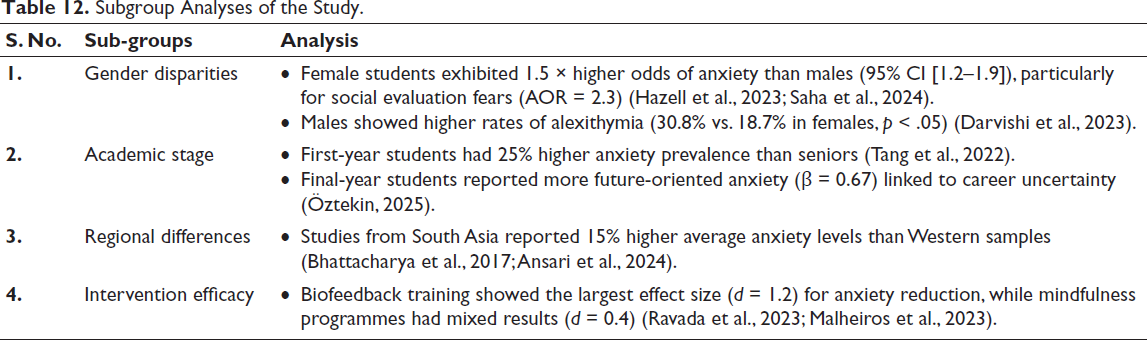
The results of the subgroup analyses are detailed in Table 12.
The findings of this systematic literature review reveal a complex interplay of factors contributing to anxiety among undergraduate students. The most commonly reported causes centre around academic stress and performance-related pressures. 19 Numerous studies highlight that the competitive nature of higher education, tight deadlines, examinations and educational expectations significantly elevate students’ anxiety levels. Academic stress was shown to have a strong positive correlation with anxiety, with performance-related concerns such as fear of failure, research anxiety and subject-specific anxiety (e.g., mathematics or chemistry) further amplifying this effect.
Subgroup Analyses of the Study.
Beyond academic concerns, social and interpersonal factors emerged as critical contributors to student anxiety. Fear of negative evaluation, public speaking, forming peer relationships and perceived judgement from others were frequently reported. Social anxiety was particularly pronounced among female students and those in programmes requiring high interaction. These anxieties often led to avoidance behaviours, isolation and lowered classroom engagement. Additionally, psychological and emotional comorbidities, such as depression, emotional instability, pessimism and alexithymia, were found to co-occur with anxiety. These issues often created a compounded mental health burden that affected students’ motivation, sleep and overall academic performance.
Gender and demographic differences played a significant role in how anxiety was experienced. Female students were consistently found to have higher anxiety levels than male students, possibly due to sociocultural expectations or emotional expression patterns. First-year students and those from certain academic majors or socioeconomically disadvantaged backgrounds also reported heightened anxiety, indicating that life stage and context affect vulnerability.
To manage anxiety, students adopted a range of coping strategies and interventions. Adaptive techniques such as mindfulness, yoga, physical activity, biofeedback and social support were frequently cited as beneficial. Institutional interventions such as counselling services and mental health workshops showed promise, though accessibility and effectiveness varied across contexts. A notable barrier to effective coping was the stigma associated with mental health help-seeking, which discouraged many students from accessing support despite high need. Furthermore, the COVID-19 pandemic introduced unique contextual stressors that exacerbated existing anxiety levels. Disruptions to academic routines, online learning fatigue, social isolation and health concerns significantly intensified anxiety, particularly among female students.
Collectively, these findings indicate that a constellation of academic, psychological, social and environmental factors shapes undergraduate anxiety. 20 Effective management requires both individual coping mechanisms and systemic institutional responses tailored to the diverse needs of students.
Discussion
The findings of this review emphasise that anxiety among undergraduate students is both highly prevalent and influenced by multiple interrelated factors. Academic stress continues to dominate as the most significant contributor, particularly during high-stakes assessments or competitive academic settings. Performance expectations from family and institutions further exacerbate pressure. The consistent observation that students suffer from test anxiety, research-related anxiety or subject-specific stress points to a need for academic reforms and emotional skill-building. Additionally, the literature suggests that anxiety is not merely an isolated condition but is often part of a larger web of psychological and emotional difficulties. Many students simultaneously face depression, emotional dysregulation and poor sleep, which compound the effects of anxiety and hinder academic performance and personal well-being.
A gender-based pattern is evident in the data, with female students generally reporting higher anxiety levels across several domains, including academic and social settings. This disparity may stem from biological, cultural or social expectations that place different emotional burdens on female students. First-year students and those in demanding disciplines, such as medical and physiotherapy programmes, also exhibited increased anxiety, pointing to the vulnerability of students during transitional and high-pressure academic periods.
Coping strategies adopted by students were diverse, yet their effectiveness varied. Techniques such as yoga, mindfulness and physical activity showed positive results in reducing anxiety. Structured interventions such as biofeedback training and peer support networks also demonstrated benefits. However, the review notes a significant concern around stigma and low help-seeking behaviour, which limits students’ access to available support systems. The onset of the COVID-19 pandemic further intensified anxiety across the student population, with isolation, online learning fatigue and health anxieties aggravating already existing mental health issues. These findings collectively call for proactive and multidimensional approaches to understanding and addressing student anxiety in educational institutions.
This systematic review synthesises evidence from 40 studies to demonstrate that anxiety among undergraduate students is a multifaceted issue, driven by academic pressures, social challenges and psychological comorbidities, with notable disparities across gender, academic stage and regional contexts. The COVID-19 pandemic further exacerbated these trends, underscoring the urgent need for institutional and policy-level interventions.
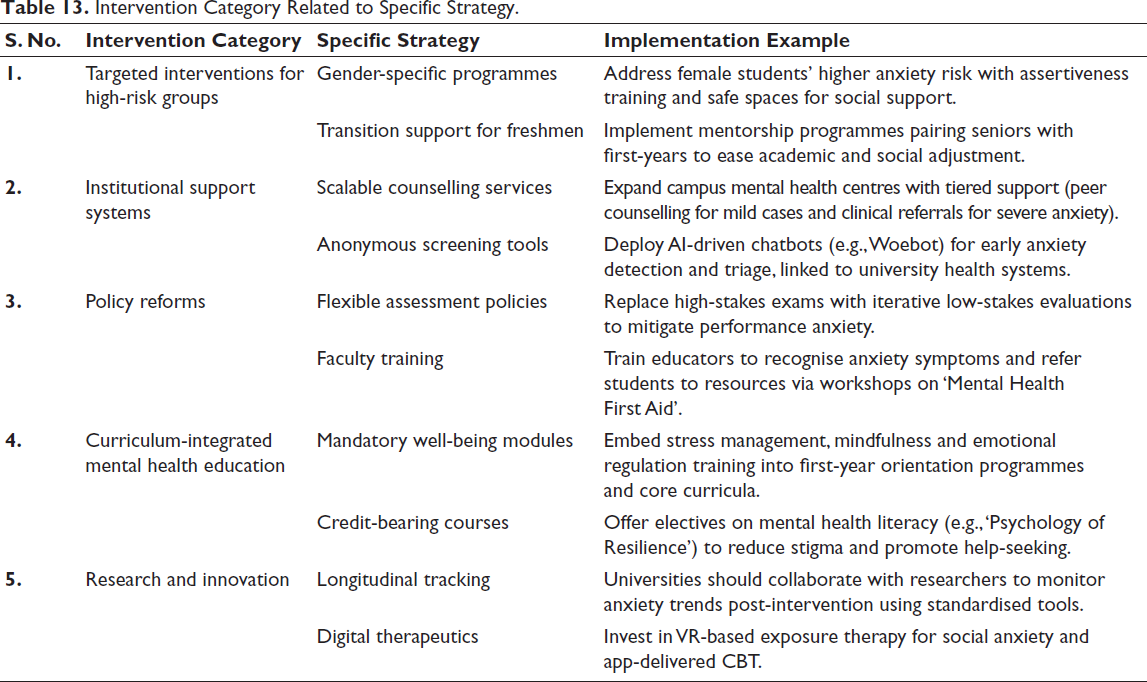
Intervention Category Related to Specific Strategy.
Conclusion
This systematic literature review concludes that anxiety is a major and growing concern among undergraduate students across global and regional educational settings. Academic demands, social pressures, emotional vulnerabilities and contextual factors such as pandemics all contribute to the development and intensification of anxiety. The prevalence rates found in the reviewed studies underscore the urgency of this mental health issue, with some reporting anxiety levels exceeding 80% among student populations. The effects of anxiety extend beyond emotional distress, influencing academic performance, social functioning and long-term well-being.
While students do engage in various coping strategies, access to formal mental health support remains inconsistent. Gender, discipline of study and stage of education further moderate the experience and expression of anxiety. 21 Institutions must therefore recognise that anxiety is not a one-size-fits-all issue and that tailored interventions are required. Holistic and inclusive approaches that integrate mental health awareness, emotional skill development and flexible academic support are essential for promoting student well-being. 22 Future research must explore not only causes and correlations but also evaluate long-term interventions across diverse populations to develop more resilient student communities.
A proposed framework of intervention categories and strategies is outlined in Table 13.
Further Recommendations
Footnotes
Acknowledgement
In the preparation of this manuscript, I utilised multiple AI-powered writing tools for brainstorming, drafting and language refinement. All AI-generated content was critically reviewed, verified against primary sources and substantially edited to ensure accuracy and alignment with my original research. The final arguments, analysis and conclusions represent my scholarly work.
Key elements this covers:
Transparency about AI use Scope of AI assistance (non-substantive vs. substantive) Your oversight as author Conformance with academic integrity standards
Authors’ Contribution
Shubhi Rastogi: Conceptualisation, Data Curation, Writing – Original Draft.
Suraj Gupta: Methodology, Formal Analysis, Writing – Review and Editing.
Desh Deepak: Data Validation, Visualisation.
Dr. Badri Narayan Mishra: Supervision, Critical Revision.
Dr. Rashmi Gore: Editing, Conceptual Support.
Dr. Vimal Singh: Project Administration, Corresponding Author.
Statement of Ethics
This study is a systematic literature review and did not involve direct interaction with human participants; therefore, ethical approval was not required.
Declaration of Conflicting Interests
The authors declared no potential conflicts of interest with respect to the research, authorship and/or publication of this article.
Funding
The authors received no financial support for the research, authorship and/or publication of this article.
ICMJE Statement
All authors meet the International Committee of Medical Journal Editors (ICMJE) criteria for authorship, have contributed sufficiently to the work and have approved the final version of the manuscript.
Patient Consent
Not applicable, as this study did not involve any direct patient data collection or intervention.
