




Abstract
Background:
Type 2 diabetes needs a better understanding of etiological factors and management strategies based on lifestyle and constitutional factors, given its high association rate with many cardiovascular, neurological disorders, and COVID-19 infection.
Purpose:
The present study was undertaken to investigate the effect of Diabetes-specific integrated Yoga lifestyle Protocol (DYP) on glycemic control and lipid profiles of diabetic adults. Along with the DYP intervention, the individuals residing in Chandigarh and Panchkula union territories in the northern part of India were assessed for Ayurveda-based body–mind constitutional type. Ayurveda describes body–mind constitution as “prakriti,” which has been discussed from two angles, namely physiological and psychological as body and mind are correlated.
Methods:
Cluster sampling of waitlist control study subjects was used as the sampling method for the study. A total of 1,215 registered subjects (81 diabetic) responded in randomly selected clusters in Chandigarh and Panchkula. Ayurveda physicians did Ayurveda body–mind constitutional assessment called prakriti assessment (physiological body–mind constitution assessment) in 35 participants (23 diabetic, 12 prediabetic) as a part of the study.
Results:
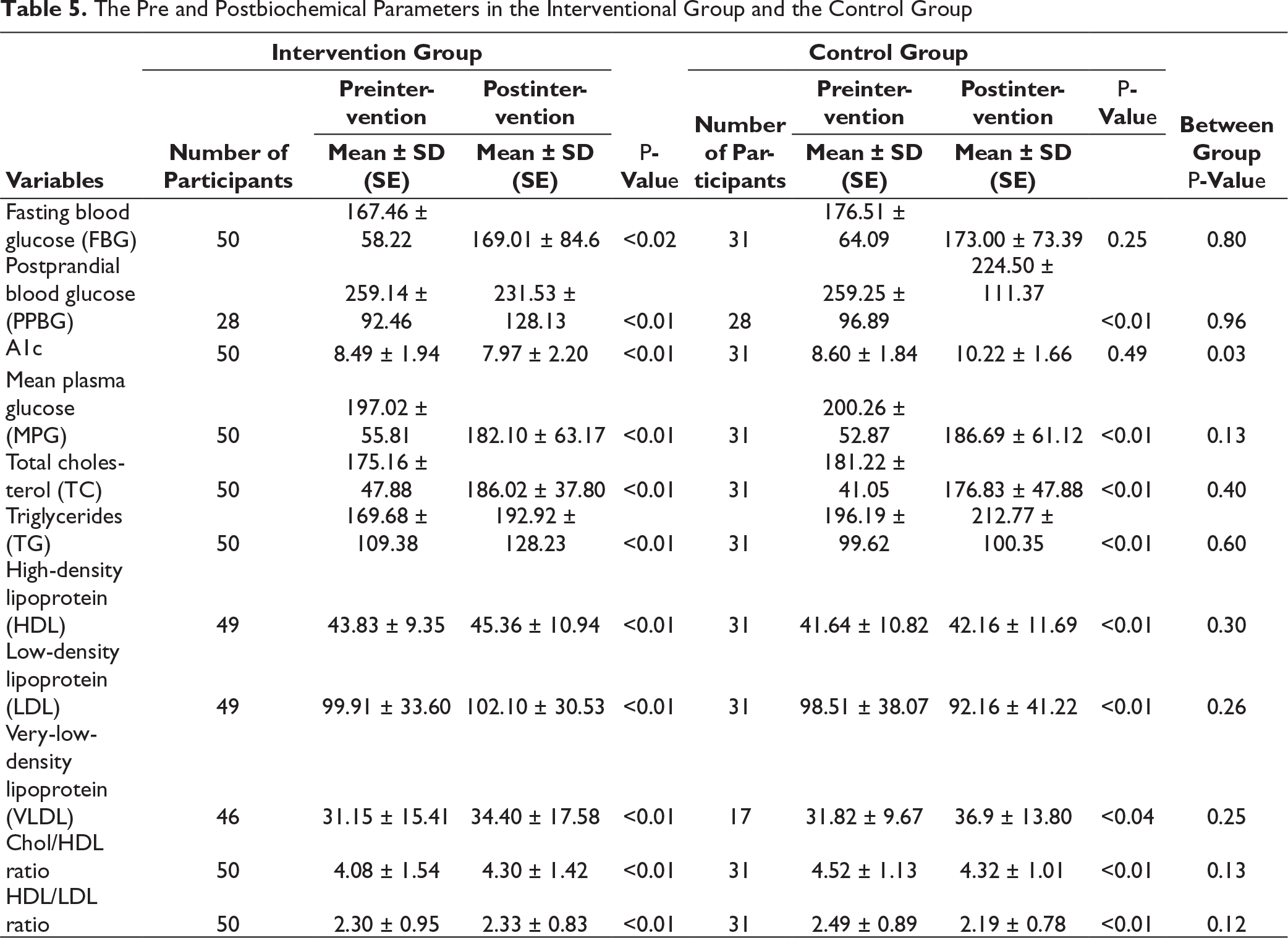
A group of 50 subjects was randomly selected for yoga intervention out of 81 diabetes mellitus adults, and 31 subjects were enrolled as waitlist controls. A significant decrease in the glycosylated hemoglobin levels from 8.49 ± 1.94% to 7.97 ± 2.20% in the intervention group was noticed. The lipid profiles of the DYP intervention and control groups were monitored. Three-month follow-up results of lipid profile diagnostic tests in intervention and control groups showed a significant difference between the two groups (P < 0.05). Most diabetic and prediabetic individuals were found to have pitta dosha (pitta controls all heat, metabolism, and transformation in the mind and body) as dominant constitution type.
Conclusion:
The study results demonstrated significant positive effects of yoga in diabetic individuals. This study has indicated the evidence for the safety and efficacy of the validated DYP for community-level interventions to prevent maladies like brain damage and stroke.
Keywords
Introduction
Diabetes mellitus (DM) is a metabolic disorder, and it has become an epidemic with about 463 million people (20 to 79 years) affected as per 2019 estimates, which represents 9.3% of the total world’s population. It has an expected prevalence of 700 million by 2045 globally. 1 The International Diabetes Federation 2019 report revealed that 1 in every 11 adults (20 to 79 years age) has diabetes, and 79% of them belong to low- and middle-income countries. The high mortality rate (4.2 million in 2019) associated with DM has been a growing concern and has created a global pandemic. 2 The most affected nations are China, India, and the USA. In India alone, there are approximately 77 million individuals who are affected by diabetes. The total global health expenditure on DM is nearly about USD 760 billion (10% of total healthcare expenditure). 3 The total number of deaths is alarming in different regions such as South-East Asia (1,150,300), Europe (465,900), Middle East and North Africa (418,900), North America and the Caribbean (301,700), South and Central America (243,200; 9.4%), and Western Pacific (1,265,100). 1 In a developing country like India, where there is a shortage of resources, it is expected that the number of DM patients will increase by 134.2 million by the end of 2045.
The apex body in India for biomedical research, the Indian Council of Medical Research (ICMR), conducted a phase I study and projected that there are 62.4 million individuals affected by diabetes, and 77.2 million people have been living with prediabetic conditions in India. 4
The current global prevalence and mortality rate associated with DM indicate the burgeoning socioeconomic burden on society. Complications of diabetes range from microvascular, such as neuropathy, nephropathy, and retinopathy, 5 to macrovascular complications involving cardiovascular diseases and others. 6 American Diabetes Association classified diabetes into type 1 (insulin-dependent), type 2 (noninsulin-dependent), gestational DM, and diabetes from other causes. 7 Metformin is the most common antidiabetic agent but is associated with increased homocysteine levels and vitamin B12 deficiency because of vitamin B12 malabsorption on prolonged use. 8
Despite the proven benefits of oral drugs and/or insulin, there are several adverse drug reactions, metabolic complexities in patients, and economic ramifications that cannot be overlooked. DM, being a chronic disease, requires long-term compliance with the medications. A meta-analysis report indicated that exercise, both aerobic and resistance, positively increased insulin sensitivity, improved glycemic level, and decreased cardiovascular risks in diabetic patients. 9 However, many studies have indicated that people with restricted joint mobility and those who are either overweight or lead the sedentary lifestyle are unable to participate in the conventional physical exercise regimen despite being aware of the benefits of exercise in managing diabetes. There are several studies that have documented the benefits of yoga on DM and indicate practicing evidenced-based yoga could be possible cost-effective interventions suited particularly to those who have difficulty engaging in physical exercise, remaining active, and utilizing community resources for the management of DM. 10
Yoga is a mind–body practice that originated from ancient India and focused on the sequence and combination of different asanas (postures) synergizing with breath and mind control.11, 12 These asana/postures are not merely practicing physical movements but exert a coordinated positive impact on health and lifestyle. 13 Yoga, through the neuroendocrine mechanism, has been proven to be associated with the decrease in the glycemic status 14 and lipid profile of the individuals. 15
Prakriti (Pra = primary, Kriti = creation), or human being’s physiological personality, is an essential Ayurveda construct that explains an individual’s biological variability that is distinguishable based upon genetic specificity and epigenetic effects. 16 Accordingly, a person’s prakriti is determined by the dominance of one or more of the three doshas (vata, pitta, and kapha). Dosha is considered a condition in the body caused by certain substances, and different combinations of its elements interfere with physiological activities. Vata refers to wind, energy, or all movements inside the body; pitta designates bile and its functioning; and kapha refers to phlegm and other problems in nose, ear, and throat in modern science, and their balance and imbalance refer to different Ayurveda personalities. An individual’s physiological strengths and weaknesses, mental status, and susceptibility to various illnesses can be explained by the prakriti type of an individual. 17 Several Ayurveda texts give directions for a personalized healthy living based upon one’s prakriti type. Therefore, a unique aspect of this study was the inclusion of an analysis of prakriti type on a small subset of individuals in a randomized waitlisted controlled research on yoga for the primary prevention of diabetes in Chandigarh and Panchkula in India.
Methodology
Subjects
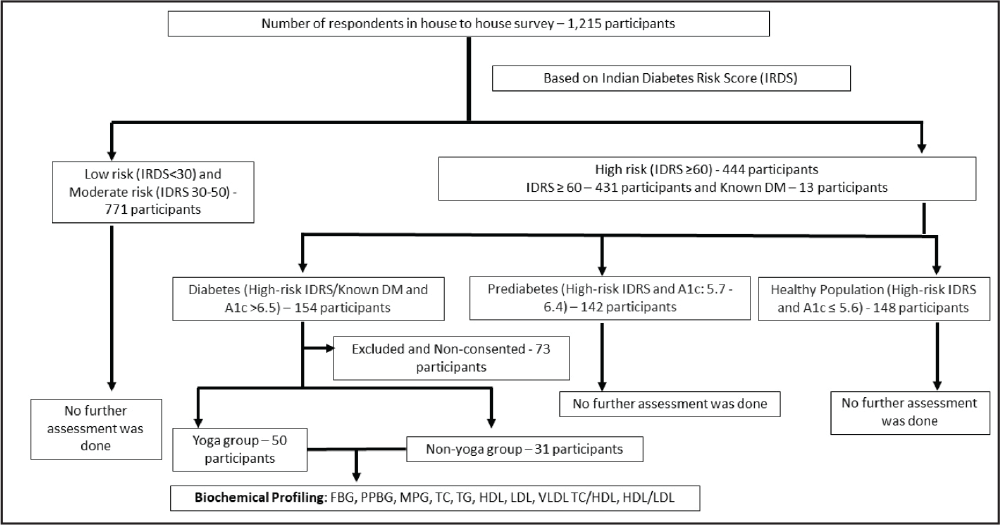
This study was a part of a multicenter randomized control pan-India study with the primary goals of the prevention of diabetes. The results of the larger study have been published.18, 19 In the present study, the data of yoga interventions conducted in Chandigarh and Panchkula have been included for analyses considering homogeneity in the population of the identified areas. A total of 1,215 individuals were screened for identifying the high-risk diabetic population using the Indian Diabetes Risk Score (IDRS). The survey conducted the door-to-door survey in the randomly selected rural and urban clusters by trained field volunteers. Of these, a total of 444 participants were identified at high risk on IDRS (>60) and were invited for detailed assessments. There were 154 participants with glycosylated hemoglobin (A1c) level greater than 6.5%, who were identified as the diabetic group. The prediabetic group constituted 142 participants whose A1c was between 5.7% and 6.4%, whereas 148 participants with A1c less than or equal to 5.6% were considered a healthy population. All 154 diabetic group participants (both males and females) were requested to participate in the free Diabetes-specific integrated Yoga lifestyle Protocol (DYP) intervention camps organized by the Indian Yoga Association. Because of time constraints, 73 subjects denied participating in yoga interventions. Of the remaining 81 participants, 50 subjects received yoga intervention, and 31 subjects constituted waitlist control clusters, following four levels of randomizations. The follow-up period was three months, and the waitlist control group was trained with the same DYP after the collection of the data (Figure 1). Both the intervention and the control groups were on the antidiabetic medications.
The Study Profile of Chandigarh and Panchkula
DYP Intervention
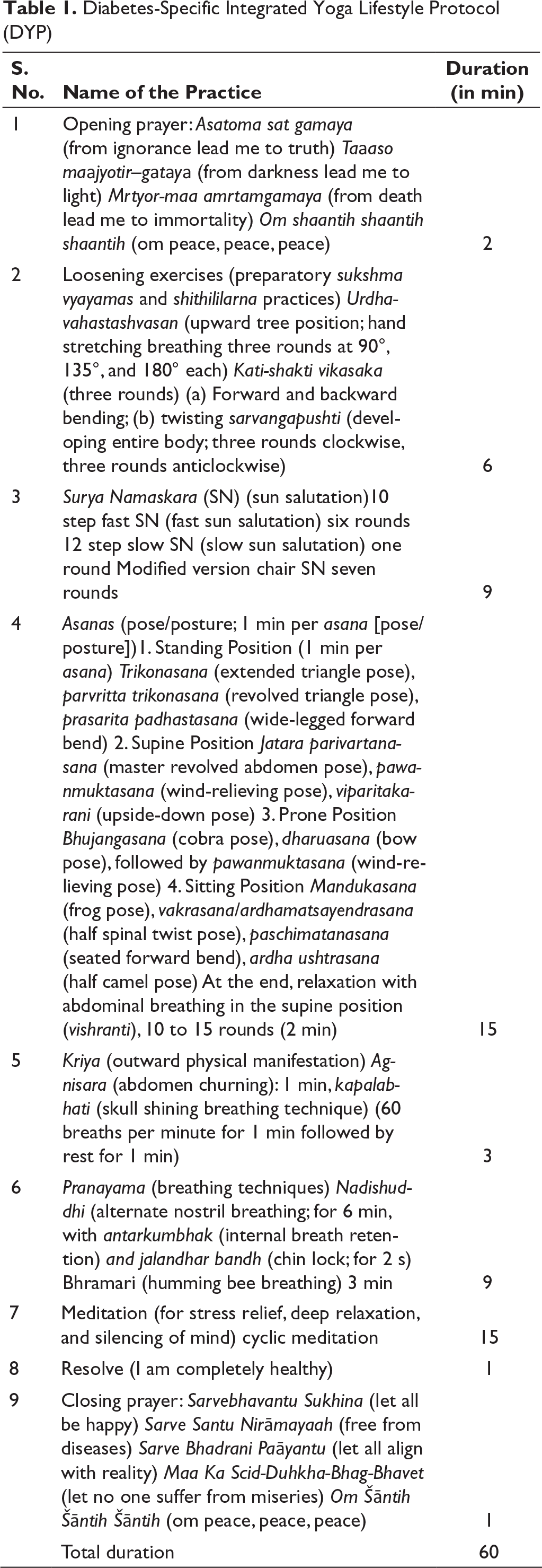
The intervention group comprised of 50 subjects and were categorized as known diabetes and newly diagnosed groups based on A1c (>6.5%). They were trained by qualified yoga instructors of the Indian Yoga Association on validated DYP. The training was conducted initially in camps at local community centers for nine days following 2-h daily practice of yoga either in the morning or in the evening. The yoga practice was followed by counseling on using instruction charts and DVDs to continue yoga at home for one hour daily. The subjects were monitored once a week by the yoga instructor, and the same instructor performed a 2-h review session for three months. Attendance and feedback on daily home practice were maintained during the weekly visits as well as through phone calls and WhatsApp messages.
Control Group
The control group comprised of 31 subjects who were screened and diagnosed as DM and consented to serve as waitlist controls.
Diabetes-Specific Integrated Yoga Lifestyle Protocol (DYP)
Diabetes-Specific Integrated Yoga Lifestyle Protocol (DYP)
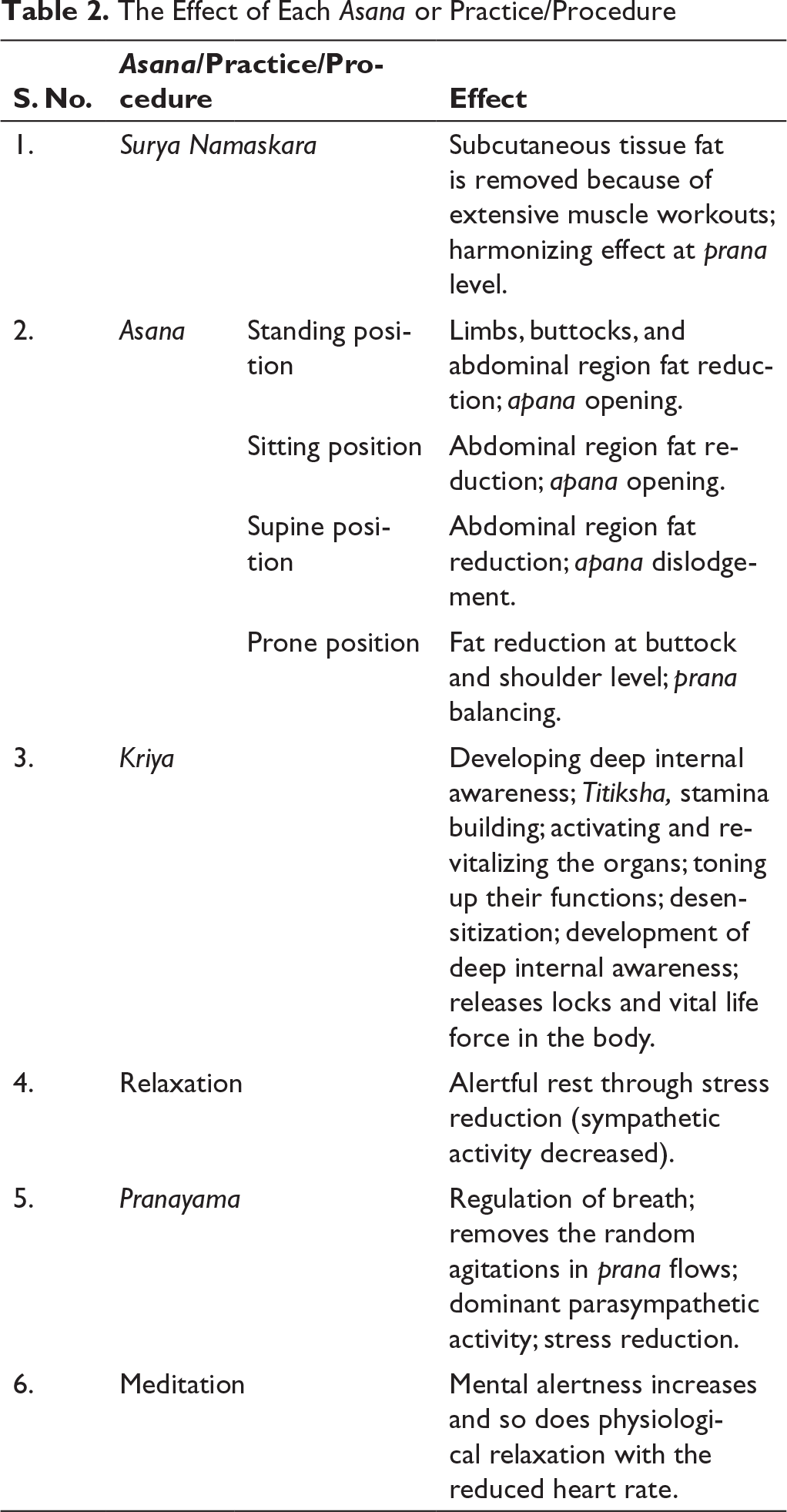
The Effect of Each Asana or Practice/Procedure
Assessments
Biochemical Analyses
Fasting blood sugar (FBG), postprandial blood glucose (PPBG), A1c, and lipid profile were assessed from the blood samples using standard laboratory procedures in an NABL accredited lab. 22 The blood samples were collected after 10 to 12 hours of overnight fasting and also 2 hours after breakfast, on day 1 and on day 90.
Prakriti Analysis
Out of the total number of participants from the door-to-door survey, 23 diabetic subjects and 12 prediabetic subjects, and 5 normal subjects consented and were evaluated for the prakriti analysis by Ayurveda acharyas, senior physicians of the Indian system of medicine. There were three methods of examining a person (pareeksha), namely darshana (inspection), sparshana (palpation), and prashna (history taking) pareeksha. Each of the three types of pareeksha has 10 items with 3 choices for each of the three doshas (health constitutional traits), namely vata, pitta, and kapha. 17 Thus, each item had 10 scores constituting a total score of 30.
Questionnaire for
Prakriti
(Ayurveda Personality) Analysis
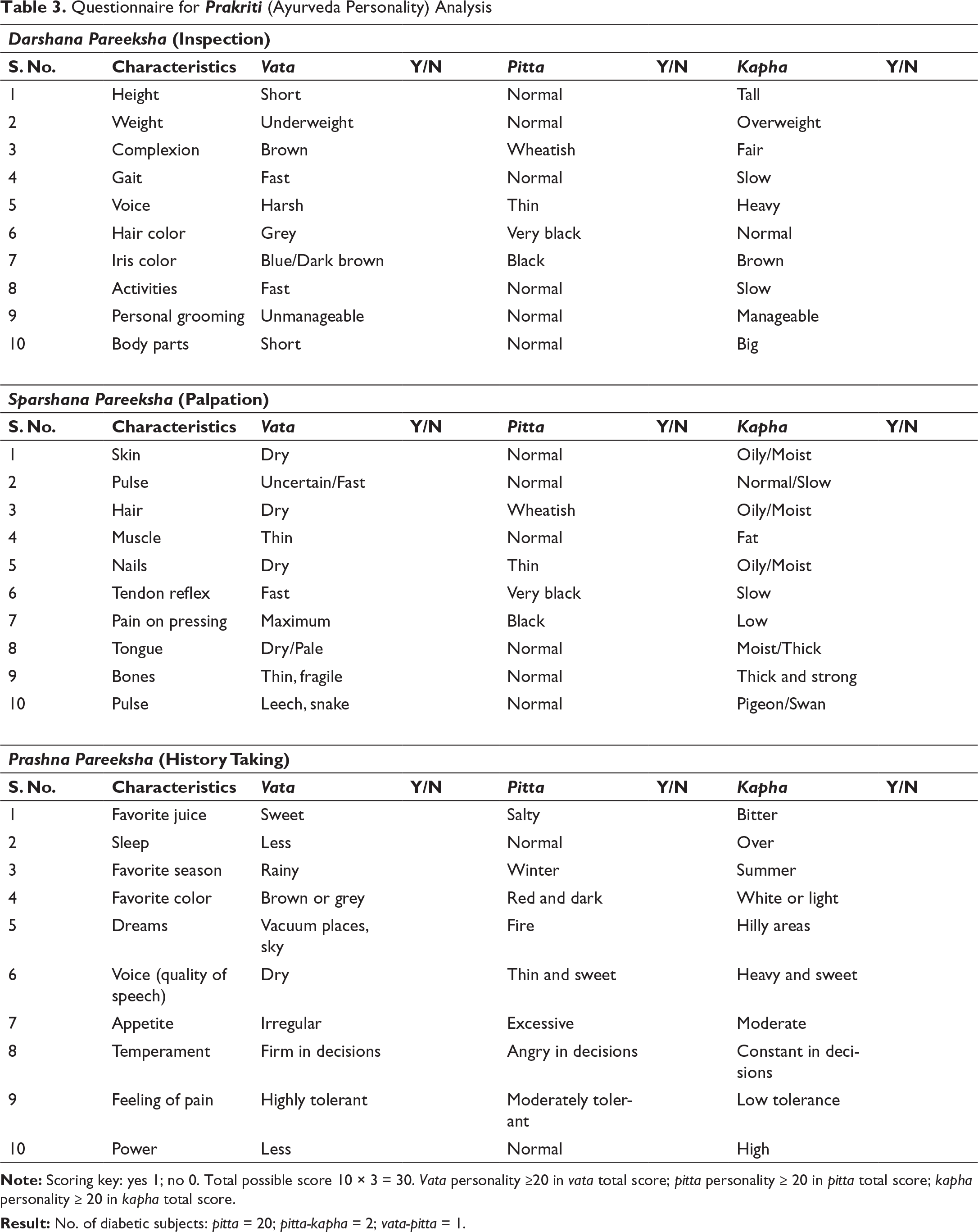
Note: Scoring key: yes 1; no 0. Total possible score 10 × 3 = 30. Vata personality ≥20 in vata total score; pitta personality ≥ 20 in pitta total score; kapha personality ≥ 20 in kapha total score.
Result: No. of diabetic subjects: pitta = 20; pitta-kapha = 2; vata-pitta = 1.
Data Analysis
The biochemical data generated from the treatment and control subjects, before and after the intervention, was recorded in the Microsoft Excel version 10. The statistical analyses were performed using the SPSS software version 21.0. The recorded data was compared using a paired t-test following the normal distribution curve. A P-value of less than .05 was set as the significance level.
Results
Baseline Characteristics
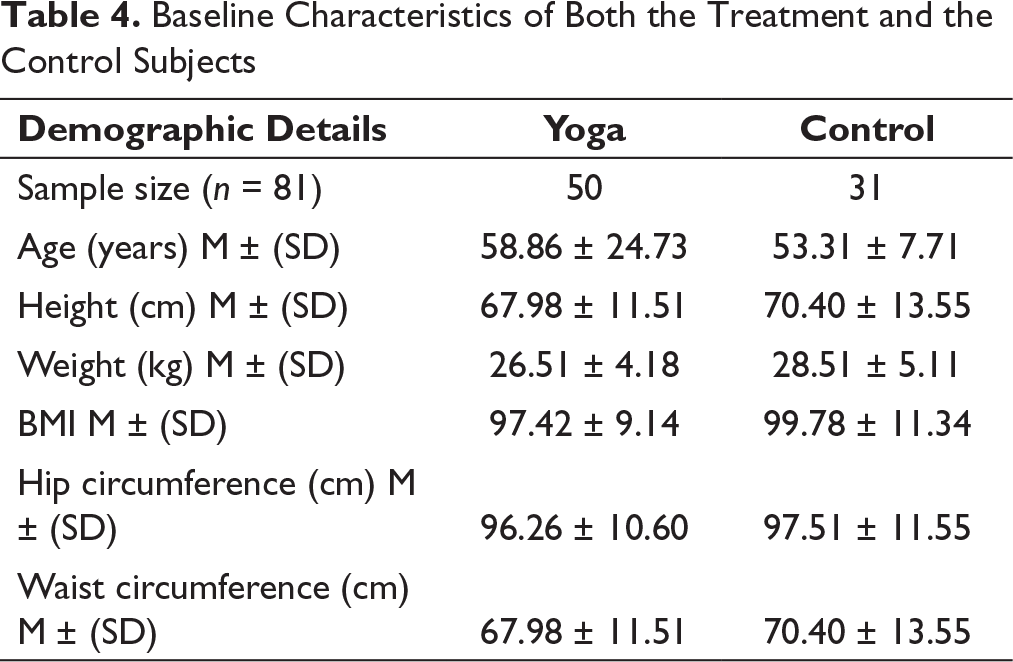
Baseline Characteristics of Both the Treatment and the Control Subjects
Effect of DYP on A1c and Mean Plasma Glucose (MPG)
The Pre and Postbiochemical Parameters in the Interventional Group and the Control Group
Effect of DYP on Lipid Profile
A comparison of lipid profile parameters after three months of DYP in the intervention group showed statistically significant differences in the total cholesterol (TC), triglycerides (TG), low-density lipoprotein (LDL), high-density lipoprotein (HDL), and very-low-density lipoprotein (VLDL) levels. In contrast, in the control group, no statistically significant results are seen (Table 5).
When compared between the intervention and the control groups, no statistically significant difference was noted (Table 5).
Prakriti Analysis
Tridosha Characterization in the Subjects
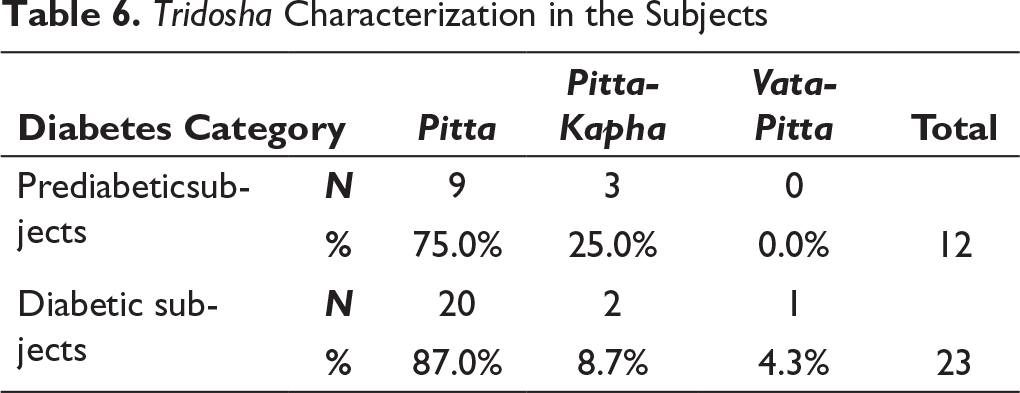
The statistical analysis results of the studied population indicated that diabetic and prediabetic subjects were more of pitta prakriti than the vata-pitta. However, the association between prakriti scores and the status of diabetes (based on A1c levels) was not significant.
Discussion
There is a growing body of evidence that supports yoga as a cost-effective adjunct therapy for DM. With regard to practicing DYP, each practice/procedure has its clinical significance, which helps in the control of DM as an adjuvant to the medications in a more effective way (Table 2 shows the significance of each asana/practice/procedure). This study investigated the influence of practicing DYP in diabetic patients for a period of three months. The biochemical analysis results of these patients showed a statistically significant reduction in A1c and MBG levels after the intervention of DYP. The results of this study support the beneficial effect of early yoga interventions corresponding to the evidence in the literature. The nonsignificant differences in the control group indicate the effectiveness of the intervention protocols of the study.
Yoga and glycemic control have been studied earlier among adults with DM patients. In a meta-analysis, Thind et al., studied the effects of yoga interventions among adults with type 2 DM. They found that yoga participants had significantly decreased levels of A1c, FBG, and PPBG compared to controls, 23 suggesting the biochemical effects of yoga on the glycemic control of DM in the adult population. In our study, it was also noted that the MBG along with A1c decreased and were statistically significant after DYP intervention in diabetic patients. However, in that meta-analysis, most of the included studies had a nonuniform protocol, and different studies used different yoga protocols. In the present study, DYP, a protocol designed specifically for diabetic patients, was used for the specified period of three months. This is consistent with current reports that showed the yoga group had significantly decreased FBG, PPBG, A1c, and lipid profile. 24 However, our study did not examine glycemic control based on duration, other comorbidity conditions, or DM with other complications.
Diabetes in Ayurveda is considered as kapha dominant metabolic disorder where “agni” (digestive power) both at the gastrointestinal level and at the tissue level is disturbed. This eventually leads to a state of improper digestion. The imbalance in digestion and metabolism is associated with disturbed glycemic control and lipid profile. This can be of three types according to the predominant dosha in causative factors, that is, vata type, pitta type, and kapha type. In a study reported by Govindaraj et al., the genome-wide analysis correlates with prakriti analysis. 32 Prakriti analysis basically describes the biological specificity operating at cellular and genomic level. 33
Tridosha balance and prakriti analysis being the core philosophy of the Ayurveda system of medicine are shown to be linked with chronic diseases, metabolic pathways, and genotypes, which throws light on its potential applicability of the concepts in personalized medicine and personalized preventive healthcare. 17 For example, in a diabetic patient, a better understanding of a complex interaction between an individual’s prakriti and genomic pathways may enable instituting personalized prevention and management strategies that can lower the susceptibility of an individual to high-risk vulnerabilities. Each of the doshas in the prakriti has a set of metabolic tendencies that determine an individual’s mind and bodily reactions to a confronted stimulus. The disturbances in equilibrium of any doshas can cause certain diseases, depending on the prakriti of the person.
In our retrospective prakriti analysis, based upon the established scoring system, we assessed the types of prakriti which were more prone to DM in this population. Prakriti analysis in the diabetic population of Chandigarh and Panchkula showed pitta prakriti preponderance based on our nonstandardized structured questionnaire. This was inconsistent with other studies that investigated the profiling of prakriti in diabetic patients, showing an association of vata-kapha or vata prakriti with diabetes. 34 This deviation may be because of a small sample size was taken in our study, however much larger sample studies are needed to make apt conclusion. A study conducted in an Indian Ayurvedic research institute found that approximately 65% of diabetic individuals had kapha only or kapha-vata or kapha-pitta prakriti compared to 35% comprising only pitta or only kapha or only vata dominant prakriti type. 32 Another study conducted by Mahalle et al., reported a significant association of DM, hypertension, and dyslipidemia with vata-kapha prakriti. 33 Every individual has a natural predominance of one dosha or a combination of two doshas that marks the uniqueness of their physical, physiological, and psychological functions. In our study, pitta predominance in the diabetic population could be because of the fact that pitta prakriti governs metabolism, thermal regulation, and homeostasis in the body, and people living in this northern territory of India may have unique features of heightened metabolism. 17 A study conducted by Tiwari et al., found that individuals with vata-pitta prakriti in the DM exercise group showed a statistically significant decrease in the PPBS after exercising compared to the control group. This indicates that blood sugar may be well controlled in vata-pitta prakriti individuals. 36
It should be noted that diabetes is a risk factor for cardiovascular diseases, stroke, neuropathy, and retinopathy, but the prakriti analysis for diseases was not carried out earlier including our own published work in respect of the risk factor analysis of age-related macular degeneration,37–40 dementia, 41 and others. However, there are studies showing that DM acts as a protective factor by delaying the motor symptoms and the cognitive functions become worse in patients with amyotrophic lateral sclerosis.42–44 Ayurvedic practices, such as prakriti analysis included in this paper, should be included as a part of the research, when studying various diseases and conducting human experiments. Such integration of Ayurvedic framework with modern medicine will be useful for an integrative health and patient-centered approach.
Limitations
This study did not assess glycemic control and lipid parameters by stratifying study participants based on gender, risk factors, and diabetes-associated complications. Small sample size and sample dropouts remain the major challenge. This study also could not assess glycemic control in long-standing cases of diabetes with other comorbid conditions and did not investigate the effect on other parameters of metabolic syndrome.
Conclusion
After three months of DYP, the yoga group showed promising results in terms of glycemic control and a good lipid profile. The study findings provide promising evidence for the effect of yoga, particularly DYP, on type 2 diabetes management, providing insights into the sensitivity of the given protocol that may not be efficient in improving the lipid profile. Therefore, the protocol should be customized for both diabetes and hyperlipidemia. Prakriti analysis in the diabetic population of Chandigarh and Panchkula showed pitta prakriti preponderance. Long-term follow-ups should be performed to assess glycemic control in diabetic individuals. An extended protocol of DYP should also be structured and examined on patients with both DM and hyperlipidemia.
Footnotes
Author Contribution
The conceptualization of the project was done by RN, IC, HRN; the conceptualization of the manuscript was by AA, RN, HRN; the literature search was done by MSS, SJ, VS; The data acquisition was done by NK, RN, IC, SP, SB, HRN; the data analysis was by NK, RN, SP, SB; the statistical analysis was by RN, SB, SP; the manuscript preparation was by MSS, AA, RN, SJ; the manuscript editing was by MSS, VS, RN, AA; and the manuscript review was by MSS, VS, RN, AA, IC.
Declaration of Conflicting Interests
Ethical Statement
Ethical clearance was obtained from the ethical committee of the Indian Yoga Association (vide Res/IEC-IYA/001 dt 16.12.16) constituted as per the ICMR guidelines. Informed consent was obtained from all the participants.
Funding
The authors would like to acknowledge the Ministry of Health and Family Welfare and Ministry of AYUSH (through CCRYN), government of India for funding the project (grant number: 16-63/2016-17/CCRYN/RES/Y&D/MCT/ dated 15.12.2016), and Indian Yoga Association for overall project implementation.
