



Abstract
This article argues that during the neoliberal and post-Washington consensus era, a broader development debate around state versus market has led to the dominance of instrumental articulation of the gender empowerment agenda. Although scholarship around empowerment has evolved, in the works of the development agencies and broader development discourse, constrained by the overarching debate around state versus market, gender empowerment has been robbed of its transformative potential. The present study frames the empowerment debate around three parameters: (a) narrow versus broad, (b) individual agency versus intersectionality and (c) instrumental versus intrinsic justification for empowerment. Finally, future avenues of research are identified, especially how NGOs, transnational advocacy networks (TANs) and civil society organisations (CSOs) can effectively challenge the current corporate agenda or paradigm.
Introduction
Before the 1970s, in the era of modernisation theories, gender was not considered a development priority. The 1975 World Conference of the International Women’s Year in Mexico City and the United Nations Decade for Women (1976–1985) gave significant impetus to addressing gender issues (Miller & Razavi, 1995a). The pioneering work of Boserup et al. (2007/1970) articulated women’s role in economic development, and her research, among other things, highlighted the fundamental role of women in African agriculture, along with the negative impact of colonialism and capitalism on women and the gendered distribution of labour.
During the height of the neoliberal era, in the 1980s, the idea of women in development (WID) was already rooted in liberal feminism, and it was absorbed by various development agencies, such as the United Nations Development Programme (UNDP) and the World Bank, as part of their women empowerment strategies (Hafner-Burton & Pollack, 2002). In their review of WID and gender and development (GAD) approaches, Miller and Razavi (1995a, p. 41) wrote:
Many women and development advocates now emphasise women’s NGOs as key actors in development. The present enthusiasm for NGOs voiced by donors and governments in an effort to roll back the state should be approached with caution by women and development advocates…. [I]n encouraging NGOs to undertake projects with welfare or production objectives in the hope that this will ‘empower’ women, advocates may be neglecting the need to bring pressure on the state to regulate macro-level forces in a more gender-equitable manner.
In this article, the historical context of this quote (the ‘neoliberal’ period) is reflected, explicitly referring to how the state–market debate has shifted over time, with specific attention given to the different approaches to addressing gendered forms of inequality. This study showcases how the neoliberal era, the post-Washington consensus era and the broader development debate around state versus market led to the dominance of instrumental articulation of the gender 1 empowerment agenda.
The study starts with the beginning of the neoliberal era (the 1970s) because before that, gender had a secondary role in the development discourse. Kabeer (1994) states that the ‘first development decade (1961–1970) was devoid of any specific reference to women’ (p. 1).
The first three sections provide a historical narrative explaining how the gender empowerment agenda has evolved. In each section, the key terms are defined, and the evidence of how the state–market debate led to the dominant instrumental articulation of gender during that period is provided. These sections primarily focus on microfinance and cash transfer programmes as they are common development tools used to promote gender empowerment (Cornwall et al., 2008). In addition, while scholarship around gender empowerment has steadily expanded and evolved (moving from WID to GAD), in the works of development agencies and broader development discourse, constrained by the overarching debate around state versus market, gender empowerment has been robbed of its transformative potential. The fifth section attempts to make sense of this predicament or trend, arguing that the narrow, individual-focused, instrumental articulation of gender empowerment—as opposed to the broader, intersectional, intrinsic articulation—is a result of three potential factors: the bureaucratisation of aid, the re-emergence of state-led productivist development agenda and the increasing role of the private sector in aid and development discourse. The conclusion summarises the study’s key argument and provides future avenues for research.
Emergence of Neoliberalism and WID
After the Second World War, the era of development projects was born with the Truman Proclamation (Esteva, 1992). Keynesian (2018/1936) state-led aggregate demand management theories were foundational to the New Deal policies and the formation of the Bretton Woods institutions. In development economics, similar statist models emerged, such as Rosenstein-Rodan’s (1943) big push theory, Rostow’s (1960) growth theory and Lewis’s (1958) two-sector model. Development during this period reductively implied economic growth and was rooted in the modernisation paradigm, focusing on industrialisation and technological advancement (Esteva, 1992; Hulme, 2014).
The research of Boserup et al. (2007/1970) showed that the work of women was grossly underestimated in the discourse and statistics. By focusing on industrialisation, development projects favoured men, who often monopolised new equipment and sidelined women, tasking women with manual activities of lower economic returns. 2 WID was rooted in liberal feminism and neoclassical economics, and it viewed women as rational and utility-maximising economic agents operating in a market economy (Wilson, 2015). Boserup et al. argued that, beyond prejudice, women were constrained in trying to enter modern sectors by a lack of proper qualifications, and that hence, better designed education could improve their labour market participation.
In the early 1970s, the World Bank and others started going beyond economic growth and focusing on issues such as poverty analysis and providing basic needs and capabilities (Hulme, 2015; Sen, 1980). Sen (1980) advocated for a broader measurement of equality based on capabilities. However, these approaches were subsumed by a renewed focus on economic growth that stemmed from the rise of neoliberalism (Hulme, 2014). At the same time (i.e., in the 1970s), within the World Bank, drawing on research by neoclassical economists, an argument was made that state-led development leads to market inefficiency through misallocation of resources, distorted prices, rent-seeking, government failures, and so on (Stein, 2008). Neoliberalism is a political and economic concept wherein individual well-being can be best achieved in an institutional structure characterised by a free market/trade, where individuals with maximal freedom freely engage in transactions (Harvey, 2007). The elections of Thatcher and Reagan after 1979 were the start of the neoliberal era (Harvey, 2007), 3 which brought economic growth to the centre of the developmental discourse.
Thus, during the early 1980s, the climate shifted towards the market. Drawing on various research studies, women’s role in food production/nutrition and population received particular emphasis in international development organisations such as the Food and Agriculture Organisation (FAO) (Kabeer, 1994). This paved the way for the conceptual link between economic growth and gender empowerment and consequently created the basis for instrumental argumentation of gender mainstreaming. Due to the two oil shocks, stagflation in the US economy and declining global demand, developing countries were faced with mounting debt, which ballooned in many countries following import substitution industrialisation (Rapley, 2002). The World Bank and the International Monetary Fund (IMF) were concerned about third-world debt recovery, and they advocated for economic austerity, privatisation, deregulation, trade liberalisation and dismantling of ‘state’/bureaucratic control, allowing the free market to allocate resources efficiently (Colclough & Manor, 1991).
WID scholarship already entailed an efficiency-based argument: Since innate abilities are randomly distributed, women’s economic participation improves efficiency through the allocation of underutilised talent (Kabeer, 1994). Murphy et al. (1991) reported a link between talent allocation and economic growth. Drawing on a similar argument, another WID scholar Rogers (1980) stressed the adverse impact of women’s exclusion on development. Hence, it seemed that development needed women, which directly fed into the dominant market primacy-based efficiency argument (Kabeer, 1994). WID provided the theoretical basis for further integrating women into global capitalism: ‘Women were given increasing recognition as key agents in the development process—as the new micro-entrepreneurs, as the “nimble fingers” behind the export successes of global market factories and the food farmers who would solve sub-Saharan Africa’s food crisis’ (Kabeer, 1994, p. 8).
Major donor agencies such as the UNDP and the World Bank started integrating WID within their development agenda. After 1985, Barbara Herz, a senior economist, was appointed as WID Advisor; subsequently, the World Bank began to commission various studies arguing how investing in women can lead to economic efficiency gain (Hafner-Burton & Pollack, 2002). Aligned with the neoliberal paradigm, there were also arguments for rolling back the state and structural adjustment programmes (SAPs), further reducing the state’s commitment to the social sector, and shifting the burden of social provisioning and care work towards women (Hassim & Razavi, 2006). Another consequence of this rolling back of the state was the increased interest of development agencies to directly work with NGOs and social organisations, which raised questions about sustainability and the extent to which such programmes can overcome power relations that marginalise women (Miller & Razavi, 1995b).
Emergence of Microfinance
The 1980s resulted in the boom of the NGO-led microfinance industry (MFI) (Wilson, 2015). Microfinance, by design, focuses on individual women as the agent of change, often undermining class/gender solidarities (Karim, 2008). Research suggests that microfinance has led to the feminisation of debt, is insufficient to raise income meaningfully and has limited gender-transformative potential (Goetz & Gupta, 1996; Wilson, 2015). Some researchers argue that the proliferation of the MFI within development organisations is part of the neoliberal agenda, focusing on ‘individual notions of empowerment, self-reliance and self-responsibility’ (Berkovitch & Kemp, 2010, p. 160), promoting market-centric norms—a substitute for other social policies—and limiting the state’s role (Peters, 2001). In 2010, the state government of Andhra Pradesh, India, introduced stringent policies that effectively closed the MFI; this was carried out to protect the poor from indebtedness and to address consumer protection and human rights concerns (Thomas, 2013).
On the other hand, Rahman et al. (2017) concluded that women-focused microfinance has led to significant empowerment and different, positive gender-equal outcomes. However, there are methodological issues in their research; in line with Duflo’s (2012) criticism, their assessment did not look at counterfactuals as virtually all the recipients were women, so one cannot control for gender. They also used a recall baseline, which is particularly problematic as some households within the sample have been receiving microfinance services for more than 20 years. Thus, for these women, recalling the outcomes before joiningmicrofinance services is probably unrealistic. Furthermore, their conception of empowerment is highly focused on the individual. Banerjee et al. (2015), drawing on a large body of evidence from studies using randomised control trials, found no significant impact of the MFI on women empowerment and stated that such microenterprises are limited in profitability and productivity.
Bateman (2010), based on work carried out in the mid-1990s and the early 2000s, argued that microfinance is a localised manifestation of neoliberalism that has limited transformative potential. Bateman and Chang (2012) argued that the number of MFIs has increased since the mid-1990s because they adhere to market primacy logic and political acceptability among the neoliberally minded development establishment. Microfinance efforts lead to labour flexibilisation and expansion of the informal sector, which is ‘positioned as the substitute for social welfare spending’ by the state (Bateman & Chang, 2012, pp. 28–29). In some cases, microfinance programmes have been deployed to pre-emptively contain potential backlash against privatisation (Shiva, 2002). This is akin to Bernstein’s (2000) argument that intentional ‘development’ in colonies was initiated and designed ‘to anticipate and contain the social and, above all, class contradictions of capitalist development’ (p. 267).
Ali and Hatta (2012) reported in their study of MFI interventions in Bangladesh that although these interventions contribute to income generation, they are insufficient to sustainably improve the economic base or to address gender disparity, such as broader norm-related issues like patriarchy or sociopolitical exclusion. Kabeer (2001) agreed with some of the criticisms against microfinance but made the case that ‘Women’s higher repayment records do not merely reflect their socialised compliance in the face of the instrumentalist authority of NGO or government officials…but also the compliance which comes with having few choices’ (p. 83). Thus, structural issues, such as entrenched patriarchal norms, heavily constrain women from realising their entrepreneurial potential. Even at the prospect of indebtedness and high interest rate, entrepreneurial women are willing to take microfinance. By exclusively focusing on individual women as economic agents, such agent-based neoclassical economic programmes disregarded the ‘social connectedness’, ‘togetherness’ and familial relationship between women and others in society (Miller & Razavi, 1995a) and, at the same time, ignored the pervasiveness of structural constraints and entrenched patriarchal norms that women face in developing countries.
Proliferation of CCT Programmes
Similarly, conditional cash transfer (CCT) programmes have gained much prominence in the development discourse, and through their focus on the individual, they have become highly attractive to development agencies. Molyneux (2006) criticised the design of celebrated CCT programmes, such as Progresa/Oportunidades, as they instrumentally use women in their care-taker role and they fortify and normalise their motherhood role to achieve the programme objective to ensure children’s well-being and education, and hence the productivity of future generations. Molyneux and Thomson (2011), in a study investigating CCT programmes in Peru, Bolivia and Ecuador, found that the programmes strengthen women’s maternal care responsibilities, emphasise the motherhood role, disregard their role in income-generating activities and contain little design aspects that target gender equality and empowerment goals.
Klasen (2000) outlined the family pathway as one of the mechanisms through which gender empowerment can lead to economic growth, arguing that an increase in women’s access to valued resources translates into children’s well-being and education, and hence the productivity of future generations. This is also reflected in the 2014 and 2019 reports of the Research and Data Section of UN Women. However, as Kabeer (2016) pointed out, this instrumental approach to empowerment is not necessarily attributable to ‘women’ per se but to women in specific gender roles. Such preferences are not random but are socially constructed under a specific societal context.
Social programmes such as CCT explicitly encourage women’s conformity to socially ascribed maternal roles by ensuring children’s well-being and education, and hence the productivity of future generations (Molyneux, 2006). Thus, though such CCT programmes are promotive in some respect, they are unlikely to challenge the existing social inequalities and instead reproduce them; in Kabeer’s (1999) framework, they have limited ‘transformative significance’. Duflo (2012) investigated the relationship between economic development and gender empowerment and found that programmes like cash transfers are methodologically challenging to evaluate as they often exclusively target women; hence, there are virtually no counterfactuals for gender. The few programmes that allow such comparison show that when the recipients are women, the spending on children’s education goes up but find no evidence of improving their bargaining power or empowerment (Duflo, 2012). Hence, they may contribute to human capital growth via children’s education but not so much to women’s economic empowerment.
Furthermore, contrary to widespread expectations and the economic efficiency argument, evidence suggests that cash transfer programmes may reduce women’s labour force participation. Evaluation of cash transfer programmes in Punjab, Pakistan, showed a statistically significant reduction in women’s labour force participation (Hasan, 2010). In Uruguay, a cash transfer programme led to a 17.1% reduction in working hours for women as opposed to 5.1% for men (Borraz & González, 2009). In Brazil, the Bolsa Familia CCT programme has also led to a modest decrease in women’s labour force participation (Kabeer & Waddington, 2015); the nature, extent and prevalence of patriarchal norms influence the outcomes.
Kabeer (2016) heavily criticised Duflo’s argumentation and supported social programmes targeting women but agreed that the empowerment agenda should be intrinsically supported rather than used as an instrumental basis for economic growth. Nevertheless, where Kabeer (2016) disagrees with Duflo is in that she does not rule out that there is evidence for instrumental support for empowerment, that is, social programmes supporting empowerment also lead to economic growth; rather, ‘the evidence in support of it relies strongly on women’s conformity to socially ascribed maternal roles’ (p. 316). Thus, the type of the social programme matters in terms of transformative potential: whether it is a substantial citizen-basic income programme (McKay, 2007), a women-targeted basic income programme that attempts to improve agency (Park & Inocencio, 2020), a CCT programme that expands women’s capabilities or enhances job skills (Robeyns, 2001) or part of a large constellation of promoting social protection programmes (Elgarte, 2008). Molyneux and Thomson (2011) argued that for CCT programmes to be gender transformative, they need to be supported with additional programmes, have equality design principles so that women are viewed as citizens with rights and ‘not merely instruments of their children’s welfare’ (p. 57), and promote ‘more gender-equitable relations in the household’ (p. 60).
Rathgeber (1990) argued that WID gained prominence within development agencies precisely because it had a non-confrontational approach that did not challenge the structural constraints faced by women and acted as a technical fix (e.g., CCT programmes, provision of training, cash and credit) that could be integrated to the existing development project design. One of the lingering impacts of WID economic efficiency arguments was that it shifted the focus away from ‘politicising women’s needs and interests…to calculating what development needs from women’ (Goetz, 1994, p. 30). As shown in the following sections, many modern-day development approaches to empowerment are still heavily influenced by WID.
WAD and GAD
In this section, the evolution of woman and development (WAD) and GAD theories is discussed while exploring the shift in the broader development debate around market and state.
Women and Development
In the broader development discourse, the heterodox perspective challenged the mainstream neoliberal analysis of underdevelopment. Cardoso and Faletto (1979) and dependency theorists emphasised the need to analyse sociopolitical factors, such as class/social groups, to understand the industrialisation process and how benefiting elites sustain the dependency. Latin-American structuralists, such as Raúl Prebisch, Executive Director of the Economic Commission of Latin America (ECLA), were concerned about the lack of industrialisation in the periphery, and they argued that technological progress and associated industrialisation were favoured towards the centre. At the same time, peripheral countries depended on such technologies (Fischer, 2015). Post-colonial and neo-Marxist authors such as Rodney (1974) and Frank (1970) argued that colonial capitalist exploitation by the West led to underdevelopment and cast doubt on the entire development project, which can be construed as the new form of exploitation. As McMichael (2012) described:
In the context of the Cold War between First and Second Worlds…‘development’ was simultaneously the restoration of a capitalist world market to sustain First World wealth through access to strategic natural resources, and the opportunity for Third World countries to emulate First World civilisation and living standards…The epithet [development] project emphasises the political content of development, as an organising principle. It also underlines the subjective meaning of development, as defined by those with the means to make the rules (p. 46).
Like the broader development debate, WID was challenged by dependency and Marxist feminists, which came to be called WAD. WAD scholars argued that women were adversely integrated into the economy, maintaining the unequal international global capitalistic structure and perpetuating their oppression and subjugation (Elson & Pearson, 1981; Rathgeber, 1990). Scholars were already arguing that ‘intentional development’ was influenced by colonial history and its civilising missions (Bernstein, 2000). Dependency feminists drew on such a notion and argued that sexual inequalities were part of the process of capitalist accumulation (Kabeer, 1994). They expanded the Marxist class analysis to include women’s role in unpaid care work and its service towards the maintenance and ‘reproduction’ of ‘labor’ (Benería, 1979). As Elson and Pearson (1981) stated, drawing on their studies across factories in Asia, ‘the problem is [not] one of the women being left out of the development process. Rather, it is precisely the relations through which women are ‘integrated’ into the development process that needs to be problematised and investigated’ (p. 87).
However, some of these dependency theorists shared the traditional Marxist tendency of excessively focusing on the means of production and not appreciating the pervasiveness of patriarchy and how gender division of labour also benefited men (Kabeer, 1994). Some German feminist scholars expanded the Marxist analysis with the concept of patriarchy (e.g., Mies, 1986). They argued that the status of women, that of subjugation and oppression, was part of an older system of male dominance, which was expanded through colonialism and international capitalism (Kabeer, 1994). Many issues raised by various WAD scholars were later incorporated into the GAD paradigm and reflected in the research of feminist scholars on the instrumentalisation of poor third-world women’s work (Mohanty, 1997). The debate in the 1970s among Marxist feminists focused on the relationship between capitalism and patriarchy and the sexual division of labour, the relationship between sex and class, and so on. However, some scholars homogenised and overgeneralised the impact of capitalism and patriarchy on women (Kabeer, 1994; Wilson, 2015). It is worth noting that the term ‘gender,’ as opposed to women, emerged later in the 1980s as the dominant paradigm.
Gender and Development
In the mid-1990s, it was obvious that neoliberal policies were not working, and Latin-American countries that abided by Washington consensus policy prescriptions were not experiencing high economic growth (Rodrik, 2007; Williamson, 2000). In the early 1990s, a new institutional economics school led by Douglas North emerged. He criticised the neoliberal interpretation of neoclassical economics and argued that institutions are the key drivers of economic change (North, 1991). Meanwhile, with the success of East Asian Economies, various researchers brought back a renewed interest in the state, arguing that successful developmental states engineered economic development through structural transformation and state-led industrial policies (Amsden, 1989; Chang, 1993; Leftwich, 1995). With the failure of SAPs in fostering inclusive growth, there was renewed interest in state and institutions; development agencies started focusing on ‘good governance and the state’ (Hassim & Razavi, 2006; World Bank, 1997).
In this dynamic environment, where elements of the rigid neoliberal paradigm were weakening, GAD emerged. It is worth noting that gender has come to mean different things to researchers and practitioners. As such, Miller and Razavi (1995a) provided two dominant frameworks within GAD to structure the debate: (a) gender roles and (b) social relations analysis.
It is not surprising that although most feminist scholars argue for social relations analysis, most of the development agencies have adopted a gender roles framework in their programme design. This is discussed in the following section.
Gender in the Post-Washington Consensus Era
In this section, some of the recent trends in development programmes targeting gender empowerment and equity are explored. The section ‘SDGs and Gender’ attempts to explain the emergence of these trends in line with the broader development debate.
Smart Economies and Corporate Agenda
After the UN’s Fourth World Conference on Women in Beijing in 1995, the World Bank and other organisations further integrated gender empowerment into their core strategies. Later, this was reflected in the Millennium Development Goals (MDGs) around gender equality and empowerment (Chant & Sweetman, 2012). However, the instrumentalisation of women for economic growth, as envisioned during the WID era, continued under new disguises, such as the promotion of ‘smart economies’ by the World Bank and other organisations. In 1999, Kofi Annan introduced the Global Compact between Donors, CSO/NGO and the private sector, and subsequently, in 2000, the corporatist tripartite arrangement was further solidified when a shared knowledge platform was launched with representations from the UN, the CEO of BP-Amoco, and the general secretary of the International Confederation of Free Trade Unions (Ottaway, 2001).
Chant and Sweetman (2012) defined smart economies as the rationalisation of ‘investing in women and girls for more effective development outcomes’ (p. 199). They argued that smart economies are descendent of the WID efficiency arguments, wherein women empowerment is used instrumentally to promote economic productivity and efficiency, as well as the well-being of their families and communities. Thus, women are faced with a triple burden, going beyond paid work outside and unpaid domestic work, and unpaid care work additionally entails ‘ensuring the emotional well-being’ of family members (Chung, 2020). However, Marie Goetz of NYU/IDS (2020), Former Director of the UN, acknowledged the achievement of the transnational feminist movement and argued that engagement with the private sector is actually,
a shift in the understanding of the mechanics of policy change and the power and cultural roles of state authorities. Global corporations and wealthy individuals command more resources than some states. Celebrities can recommend actions to fan bases bigger than some countries’ populations. (p. 174)
However, these individualised agent-based models put the responsibility on women and girls as the sole driver of change (Chant & Sweetman, 2012; Parpart, 2014). They argued that by supporting human capital development, women/girls could supposedly bargain their way out of entrenched structural constraints and gendered norms (Wilson, 2015). To further complicate this, the politico-economic project of ‘transnational business feminism’ (TBF) has emerged through a coalition of NGOs, development agencies and transnational corporations (TNCs) (Roberts, 2015). Movements such as Nike’s ‘Girl effect’ perpetuate corporate neoliberal agendas, ignoring the historical and structural basis of gender inequality while couching their mission under supposedly empowerment-friendly terms such as ‘double bottom line’ (Roberts, 2015).
Like microfinance programmes, such TBF-led programmes are ‘predicated on the continuation rather than challenging the gendered compulsions to be hardworking and altruistic’ (Wilson, 2015, p. 818). This hijacking of the development agenda by TNCs is not new; even during the 1980s, dependency theorists argued that industrialisation through foreign direct investments and TNCs was no longer opposed to imperialism but was its new tool (Larrain, 2013). Beyond these developments, traditional neoliberal programmes around microfinance and cash transfer have continued to expand during this era (Cornwall et al., 2008).
SDGs and Gender
Post-colonial feminist scholars have also raised issues with framing the sustainable development goals (SDGs). Struckmann (2018) agreed that SDGs are an improvement on MDGs but argued that when it comes to gender, the SDGs are still anchored in liberal feminism and economic neoliberalism paradigm, favouring ‘economic growth at the expense of addressing the structural drivers of women’s subordination and oppression’ (p. 13). For instance, when negotiations for the SDGs were concluding in 2014, several leading development researchers sent an open letter to the Secretary-General of the United Nations urging him ‘to champion the cause of economic growth as the foundation for achieving long-term poverty reduction’ (Collier, 2014).
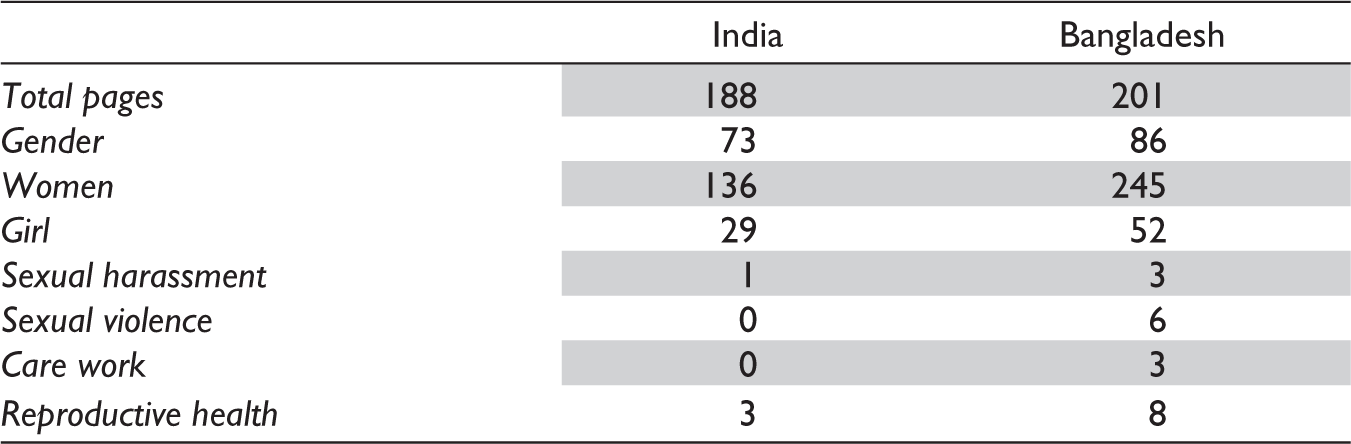
However, there is heterogeneity in terms of strategies and implementation followed by different countries. The UN 2030 SDG Agenda calls for ‘cohesive nationally owned sustainable development strategies’ (p. 33). To this end, it is worth looking into country-specific examples or voluntary national reports (VNRs). For instance, India’s 2020 VNR in gender (SDG 5) focuses on financial inclusion, bankability, credit and workforce participation (Government of India, 2020). Though the section on gender equality starts with a discussion on gender justice, it quickly moves to economic empowerment and women’s participation in the economy. Interestingly, Bangladesh’s 2020 VNR acknowledges deep-rooted traditional patriarchal norms as a key barrier and argues for social safety net programmes that can reduce the feminisation of poverty; however, it also has elements of smart economies. Furthermore, Bangladesh is tracking men’s involvement in domestic care work (Target 5.4) to reduce women’s time poverty (Government of Bangladesh, 2020). This shows that at the country level, there are differences in SDG implementations, especially in terms of gender. Table 1, using a few keywords, shows a simple textual analysis of the VNR reports of Bangladesh and India.
As shown in Table 1, although both the reports are similar in size (188 pages in the case of India versus Bangladesh’s 201 pages), Bangladesh’s VNR mentions gender, women, girl and other gender-related terms more frequently than India’s VNR. One key challenge for India is the ‘absence of gender-disaggregated data sets’ (Government of India, 2020, p. 63). In the absence of such data, it is challenging to analyse and understand the differential impacts of policies and programmes on women in different parts of the country (Dhar, 2018). On the other hand, Bangladesh has better collated gender-disaggregated data, linking gender empowerment with national development and having a gender lens in policy formulation. For instance, Bangladesh defines those who are digitally left behind as vulnerable, and the government has identified that women and girls suffer more from the digital divide and has undertaken digital inclusion programmes with a clear gender lens (Oda, 2019).
Textual Analysis of VNR.
In line with the post-colonial feminist criticism, SDGs have numerous limitations. However, we should not throw the baby out with the bathwater and need to focus on historically grounded universalism (Kiely, 1999). At the same time, from the earlier discussion, it becomes clear that some of the trends originated in the WID era have continued and even expanded in modern times, at least in some countries. The following section analyses this trend.
Explaining the Trends
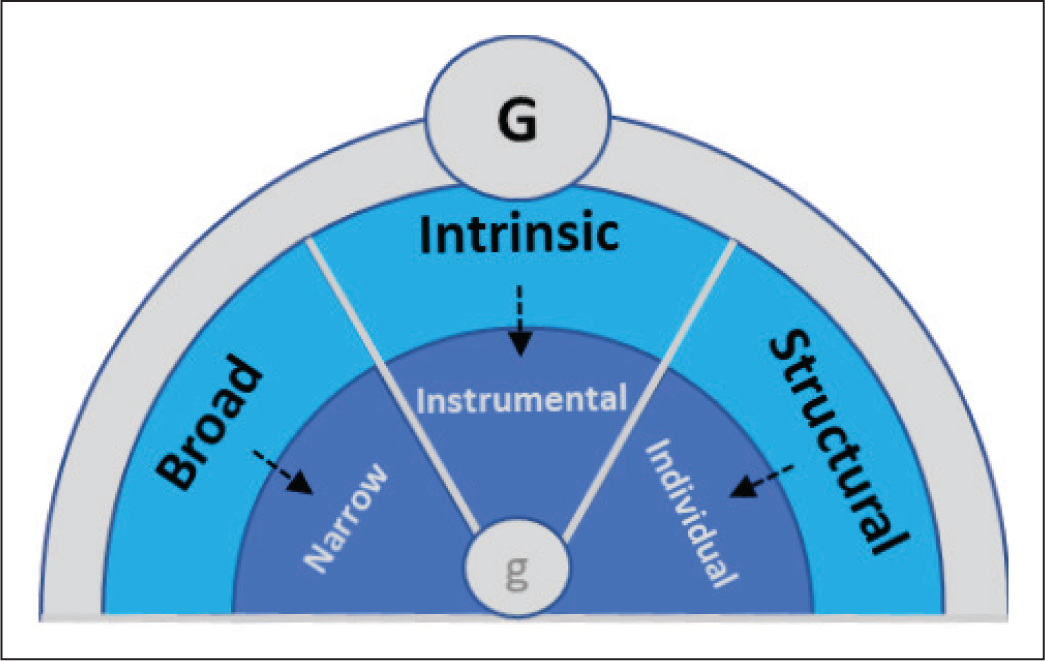
Feminist authors and others have debated the transformative potential of social programmes in promoting women empowerment. Drawing on Hulme’s (2014) similar discussion around poverty, the debate around gender empowerment and its transformative potential for social programmes, as discussed previously, can be structured around the following overlapping parameters and conceptual issues:
The framing issues overlap, and one should view this as a continuum. For instance, The Research and Data Section of UN Women (2014) discussed women’s role in spurring economic growth but, at the same time, was concerned that women may not truly have control over income sources from cash transfer; The Research and Data Section of UN Women (2019) acknowledged the problem of time poverty resulting from the feminised nature of unpaid care work or structural societal constraints. Similarly, authors such as Amartya Sen are challenging to pin down. In Sen (1987), he discussed broader structures of subordinations that hinder empowerment, whereas elsewhere, such as about capability approach and role market, he argued that expanding freedom leads to economic growth (Sen, 2001). The earlier discussion can be captured in the following framework.
As discussed in the previous section, development agencies have positioned gender empowerment as an instrumental agenda, with a narrow articulation of empowerment and an almost exclusive focus on individual agencies, which is shown as ‘g’ in Figure 1. However, feminist scholars and others have argued for a broader conceptualisation of empowerment, which should be intrinsically pursued, and implementation of policies/programmes that challenge the intersectional and structural forms of gender inequalities/constraints and therefore entail a broader conception of gender empowerment ‘G’. There are three potential reasons for this trend:
Some authors, such as Easterly (2015), severely critiqued SDGs for having too many indicators. In contrast, Kanbur et al. (2018) argued that the multiplicity of indicators and goals allows more flexibility for the national governments to prioritise. Forestier and Kim (2020) reviewed the VNRs of 19 countries and found that countries cherry-picked their SDG priorities. Not surprisingly, SDG 1 (poverty reduction) and SDG 8 (economic growth) received the highest priority, especially among low-income countries. Thus, a bottom-up push towards prioritising poverty and economic growth programmes can be observed, which, as discussed before, often tends to reinforce or not challenge the existing gender stereotypes and patriarchal norms.
Gender Empowerment from ‘G’ to ‘g’.
These three trends have created a synergistic effect on the gender empowerment agenda. The bureaucratisation of the aid industry has flattened concepts, such as intersectionality and social interconnectedness, to fit the technocratic programme design. At the developing-country level, though the state has a more significant role than Miller and Razavi (1995a) discussed, much of the focus is on economic growth and poverty reduction. Furthermore, NGOs have started collaborating with the state, and much of the agenda around ‘good governance’ and institution building from the donor side has also begun to align with the economic growth agenda (Hassim & Razavi, 2006). Added to this mix is the expanded role of the private sector and the further financialisation of the aid industry, which has introduced influential corporate agenda to development planning. Given these developments, it is understandable that the gender empowerment agenda has been robbed of its transformative potential.
Conclusion
During the zenith of the neoliberal period, Miller and Razavi (1995a, p. 41) wrote the following: ‘(t)he present enthusiasm for NGOs voiced by donors and governments in an effort to roll back the state should be approached with caution by women and development advocates.’ This exemplifies the influence of the broader development debate, especially around state versus market, on gender empowerment policies and practices. This study attempted to show how the neoliberal agenda incorporated the WID approach into gender empowerment, facilitated the state’s rolling back and provided social services via NGOs/MFIs. The author argued why, in the post-Washington consensus era, WID and the gender roles framework have continued to influence the gender policies of major development agencies. Furthermore, the fact that bureaucratisation of aid has led to the conceptual flattening out of empowerment was discussed; women have been seen as ‘conduits of policy’, that is, instrumentalised. With the resurgence of ‘productivist’ states in developing countries that prioritise economic growth and poverty reduction, and corporate agendas seeping into development via the logic of SDG funding, the gender empowerment agenda has been robbed of its transformative potential.
In terms of future avenues of research, one area that requires more focus is how NGOs, transnational advocacy networks (TANs), and CSOs can effectively challenge the current corporate agenda or paradigm. For instance, Ottaway (2001) provides a typology of engagement between donor/national government/corporate and CSOs/NGOs/TANs, namely, confrontational, lobbying and, finally, inclusion as partners through consultation. Fox (2015) developed a sandwich strategy, which outlines how multipronged strategic approaches are more successful in terms of social accountability than tactical approaches, which are ‘bounded, localised and information-led’ (p. 359). Country context also matters as countries with less developed democratic institutions might offer limited scope for CSOs to operate. Vu (2019) discussed how NGOs in Communist one-party-ruled Vietnam use embedded activism to organise community mobilisation around critical issues. Fox and Brown (1998) discussed Narmada Project and how transnational networks and local NGOs effectively challenged the World Bank. These research areas are beyond the scope of the present study but are ripe for further investigation.
Footnotes
Acknowledgements
The author wishes to acknowledge the detailed, constructive comments received from Professor Stephen Baranyi, Professor Geoff McCarney, and Dr Susan Spronk of the University of Ottawa. The author also wishes to thank Tasnuva Ahmed Oni for her insightful comments and suggestions during the preparation of this article.
Declaration of Conflicting Interests
The author declared no potential conflicts of interest with respect to the research, authorship and/or publication of this article.
Funding
The author received no financial support for the research, authorship and/or publication of this article.