




Abstract
Entrepreneurship in disadvantaged sections of society has always been in focus. Researchers have explored the entrepreneurship development phenomenon in various disadvantaged groups, namely tribal, rural, native, women, differently abled and other backward sections of society. There is an emergent stream of literature that explores the phenomenon among people with disabilities. Though in its infancy, this area has enriched entrepreneurship research in the past 50 years. This article aims to map and review the literature on differently abled entrepreneurs, with 130 articles contributing to this field. It highlights details about the top publications, major citations, authors, institutions and countries that have contributed over the years. Beyond a comprehensive bibliometric overview, the article performs a thematic analysis and identifies a spectrum of eight major themes, highlighting a pathway for future studies. Lastly, the implications for enhancing the adoption of entrepreneurship among the differently abled are discussed in brief.
Differently abled entrepreneurship is an emerging field of research, especially since the past five years. The journey started with the social inclusion of differently abled people, moving towards economic inclusion through employability. With a small transit, this course took a curve towards self-employability and entrepreneurship in the later stage. Until 2011, the primary focus was on supporting differently abled people through inclusion in society and equal chances at employability. In the 2000s, the mode of support changed with a new buzz of self-employability and entrepreneurship among differently abled people.
Until the nineteenth century, there was no concept of ‘disability’, ‘impairment’ or ‘differently abled’. Philosophers came up with these terms, making it possible to discuss and generalise them. Later, disability was seen as a source of discrimination and oppression. According to the Stanford Encyclopedia of Philosophy (2016), the definition of disability is highly contentious. Some organisations and legislation, such as the World Health Organisation, Disability Discrimination Act (United Kingdom) and Americans with Disabilities Act (United States), define what exactly ‘disability’ means. According to the Centers for Disease Control and Prevention, ‘a disability is any condition of the body or mind (impairment) that makes it more difficult for the person with the condition to do certain activities (activity limitation) and interact with the world around them (participation restrictions)’. According to the World Health Organization (2011) records, there are approximately 1 billion people with disabilities, which makes up 15 per cent of the world’s population.
According to a poll conducted by the National Organization on Disability, in the United States of America (1986–1994), most differently abled people who were not employed wanted to work; however, finding a suitable job has always been a problem. Entrepreneurship gave them the flexibility for what they wanted to do, the amount of work and the time at which they wanted to work. The transition from employability to entrepreneurship was not easy (Holub, 2001). It brewed as a global phenomenon, and many national governments acknowledged self-employment and entrepreneurship as an opportunity for economic inclusion among differently abled people. The United States of America, the United Kingdom, Europe, Australia and South Korea are considered pioneers in supporting differently abled entrepreneurship (Maritz & Laferriere, 2016).
The research on entrepreneurship was trending at the outset of the twenty-first century. Many studies on entrepreneurship explored the phenomenon from different dimensions, but these studies focused only on able entrepreneurs. Even studies on disadvantaged entrepreneurs mainly included women entrepreneurs, rural entrepreneurs, ethnic minority entrepreneurs and migrant entrepreneurs. There remained many questions regarding differently abled entrepreneurs. Gradually, the phenomenon of entrepreneurship among differently abled people drew the attention of researchers, and they started exploring it.
This article aims to examine the history of the past 50 years of research on differently abled entrepreneurs. It describes the journey and how the two topics ‘entrepreneurship’ and ‘differently abled people’ emerged over the years and collaborated as a prominent area: ‘differently abled entrepreneurs’. Over the years, many journals have emerged with a particular focus on the upliftment of this section. Academicians and researchers have collaborated on diverse platforms and contributed to these journals. All such efforts have led to a change in the position and status of the disabled in the society.
The article provides a detailed and comprehensive picture of the emergence of this stream of literature with the help of a bibliometric analysis. It also provides a retrospective evaluation of the leading trends of this field’s past and present. Along with this, the article also offers future scopes for prospective research in this field.
Search Strategy
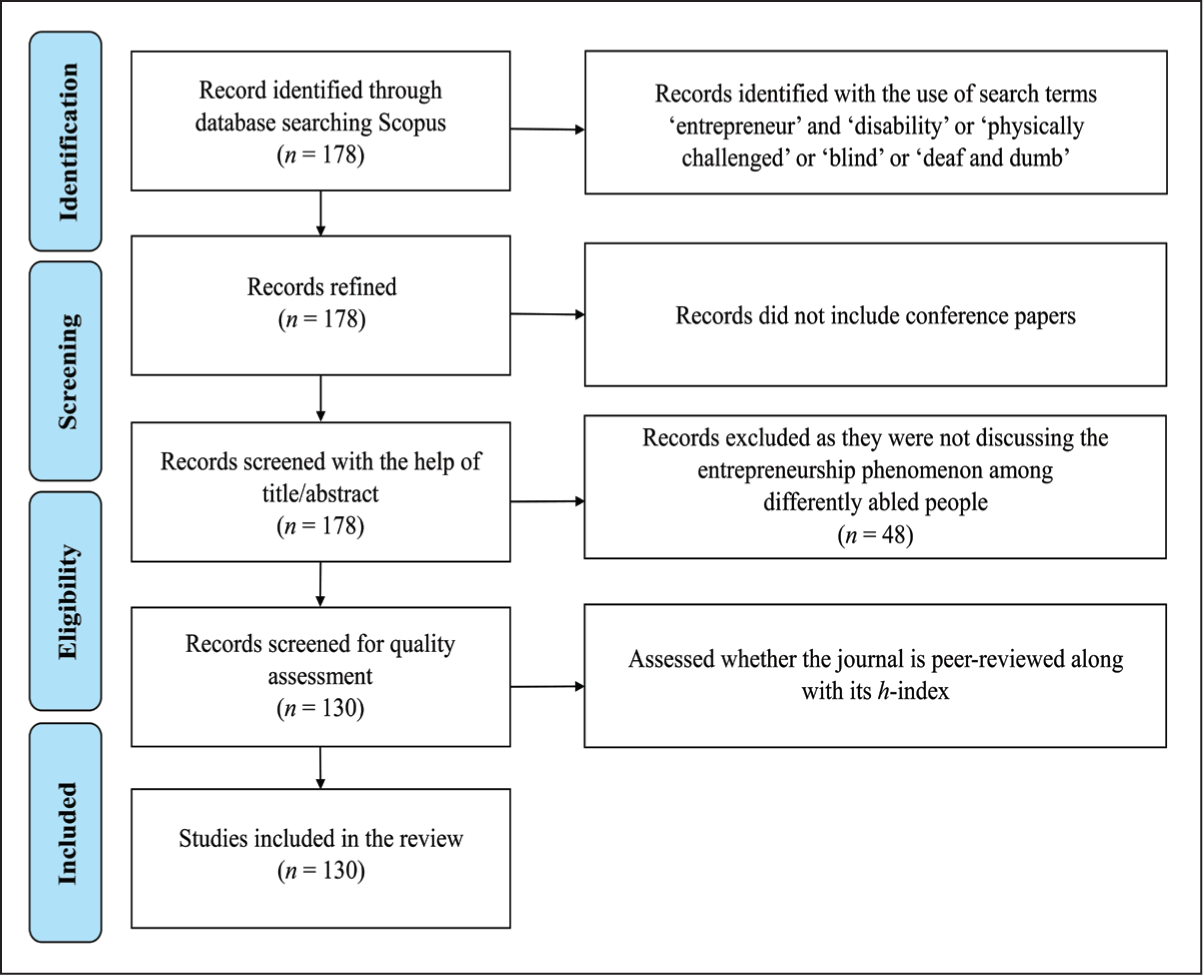
The data was retrieved from the Scopus database and was derived through the keywords ‘entrepreneur’ and ‘disability’ or ‘physically challenged’ or ‘blind’ or ‘deaf and dumb’. This search provided a set of 178 papers (excluding conference papers). For the inclusion assessment, the abstracts of all 178 papers were read. Some papers did not discuss the entrepreneurship phenomenon among differently abled people, and 48 such papers were excluded. Further, a quality assessment of these papers was done. For that, it was checked whether the journal was peer-reviewed along with its h-index. After the quality check, 130 papers were derived (refer to Figure 1). The time frame of all the included papers was from 1971 to 2021, providing the research data for the past 50 years. The bibliometric analysis was done with the help of R software.
PRISMA Diagram.
Analytical Strategy
Bibliometrics offers various tools for analysis and scientific mapping. It can process systematic, transparent and producible reviews based on the statistical measurement of scientific work. It helps in gaining more objective and reliable analyses. The descriptive analysis includes relevant sources; most cited publications, which further comprehend total citations, total citations per year and normalised total citations; and leading authors, institutions and countries that have contributed to this research field, indicating their total publications, citations, first publication, h-index, g-index and m-index and single and multiple country production. The descriptive analysis also provides a cumulative count of publications across years.
Through bibliometrics, various network metrics could be generated for better data analysis. The collaborative work of authors, institutions and countries is studied along with the world collaboration map. A three-field plot describes the network among various sources, keywords and countries. Lastly, keyword co-occurrence analysis is done with the help of a keyword co-occurrence network. For the three-field plot and co-occurrence network, the author’s keywords are considered.
This article is organised as follows: It starts with an introduction along with a search and analytical strategy in the first section. The second section briefly describes the bibliometric methodology and tools used in the article. The third section contains a literature review of the most cited papers in the Scopus database. The fourth section presents detailed information about publications and citation structure, followed by the evolution of the most cited articles. This section also describes the most productive authors, institutions and countries; a three-field graph (sources–keywords–countries); thematic analysis; and a co-occurrence network of the author’s keywords. Following this, the fifth section describes future research directions, supported by a detailed table of emerging themes. This section also points out some limitations of this work. The sixth summarises and concludes the article.
Bibliometric Methodology
The bibliometric method or ‘analysis’ is an established scientific tool and an essential part of research evaluation methodology. Mainly, bibliometric analysis is used to provide a quantitative analysis of existing publications. Along with this, it also provides the quantitative aspect of content analysis through the harvesting of keywords. The most prominent is citation analysis, which is considered the most traditional and scientific method for ranking universities and institutions and for analysing publications and their impact on further research. Bibliometric analysis can examine an existing work by the researchers and provide a future scope of research in a particular research field (Ellegaard & Wallin, 2015).
A systematic review using R software has gained immense popularity across the globe. R provides a flexible and free environment for research bibliometric analysis. For this article, Bibliometrix in R software has been used. With the help of this tool, descriptive analysis and network extraction were done. For a descriptive analysis, tables with required details such as frequency, total publications, total citations, h-index, g-index and m-index were exported. The authors’ h-index helps measure the publication’s productivity and citation impact (Aria & Cuccurulo, 2017). The collaboration networks and co-occurrence networks of the author’s keywords were used for network extractions. These networks provide a visual graphic representation of data and help in better analysis.
Literature Review
In the 1990s, countries across the globe were talking about the development of disabled people in society. That was when movements for the betterment of the disabled in society were observed in different parts of the world. Governments focused on helping disabled people and their inclusion in society with the help of different advisory boards, committees and suitable policies. This era witnessed many new schemes and plans that supported disabled people for a better life. The United States of America witnessed its first disruptive protest in 1977, considered the beginning of the disability rights movement. That led to the formation of the Americans with Disability Act (ADA) in 1978, and various organisations were formed for disabled people (Sharp, 1994). Researchers such as Altman and Bamartt (1993), Sharp (1994) and Dowrick (1998) explored the impact of policies for disabled people and discussed the role of public opinion in policy-making. Similarly, Priestley (2007) examined the 35 years of policy development for people with disabilities in Europe. Pettinicchio (2013) argued about the evolution of the U.S. policy agenda and how it contributed towards reshaping legislative activities for people with disabilities and social change.
In 1998, the United States of America created the Presidential Task Force on Employment of Adults with Disabilities, which took the initiative of examining the attitudes of disabled people towards employment. The task force’s goal was to increase employment opportunities for disabled people. Another committee, the President’s Committee on the Employment of Persons with Disabilities (PCEPD), started a project in the United States to help disabled people through training and assistance that helped them in employment and self-employment. Observing the trend of literature, by early 2000, the research extended further towards self-sufficiency among disabled people and their involvement in the labour market (Blanck et al., 2000). Still, the employment rate among disabled people was extremely low compared to people without disabilities. Only 30.4 per cent of disabled people were in the labour force, compared to 82.3 per cent of non-disabled people (U.S. Census Bureau, 1998). Slowly, the percentage of employment among disabled people rose in the labour market. However, satisfaction among disabled people was low. Where two-thirds of non-disabled people were satisfied with life, only one-third of disabled people were satisfied (National Organisation on Disability, 1998). Blanck et al. (2000) explored the phenomenon of employment among people with disabilities and found that the primary reason behind dissatisfaction in employment among people with disabilities was that jobs were not of their interest and never provided them with economic independence. Disabled people also reported reasons such as being unable to find a suitable job, discrimination because of disability, being denied health insurance and promotions by employers and being paid less than non-disabled co-workers. The research suggested further studies to examine the role of employment discrimination as a correlate of self-employment and entrepreneurship among people with disabilities.
Based on the impression of the literature, until 2002, the research was more focused on employment discrimination, which became the cause for people with disabilities shifting towards self-employment (Blanck et al., 2000; Hagner & Davies, 2002). It was believed that the most viable option for disabled people was self-employment. A shift in literature was observed as various scholars, including Doyel (2002) and Hagner and Davies (2002), started exploring the phenomenon of self-employment among disabled people. Doyel (2002) discussed the risk of setting up a business, the assessment of risk considering disability as a factor and how disabled entrepreneurs can increase profitability. According to Hagner and Davies (2002), people with a disability believe that self-employment provides many advantages over employment, the most significant being flexibility and autonomy.
Authors such as Lemon and Lemon (2003), Hoppenfeld et al. (2013) and Johnson (2019) focused on niche segments among people with disabilities. Research by Lemon and Lemon (2003) emphasised public services and community-based entrepreneurship as a way for independent living among intellectually disabled people. Hoppenfeld et al. (2013) researched on entrepreneurship boot camps for 9/11 veterans with disabilities. The paper discusses the entrepreneurship boot camps’ challenges and success stories and how they helped disabled veterans acclimatise back to civilian life and become successful entrepreneurs. Johnson (2019) has discussed about live streaming as an economic and inclusion opportunity for people with mental disabilities. The research argues about the entrepreneurial potential a live streaming platform can provide to people with mental disabilities.
As per the literature, researchers such as Larsson (2006), Van Niekerk (2006) and Lorenzo et al. (2007) focused on the phenomenon of entrepreneurship among people with disabilities. According to the study by Larsson (2006), success among disabled entrepreneurs is roughly the same as that among other entrepreneurs. The paper further emphasises entrepreneurship as a viable option for people with disabilities. Van Niekerk et al. (2006) conducted participatory action research and discussed the challenges faced by disabled people in establishing their enterprises and found two major challenges: starting with nothing and lack of capacity. In 2007, Lorenzo worked with Van Niekerk and Mdlokolo on a participatory action research on entrepreneurial skill development among disabled people.
Considering the entrepreneurship phenomenon and challenges among people with disabilities, researchers such as Labie et al. (2015) and Dakung et al. (2017b) discussed different factors that impact the entrepreneurial journey of people with disabilities. Labie et al. (2015) argued about the discrimination faced by people with disabilities when accessing financial facilities. According to research, non-discriminatory welfare-maximising microfinance institutions discriminate on the grounds of disability, and the situation is worse for disabled women. Either the disabled entrepreneurs’ loan requests are rejected, or they are given loans with harsher conditions than other borrowers. The paper also emphasised the reluctance of loan officers to interact with disabled people approaching them for a loan. Maritz and Laferriere (2016) examined the phenomenon of disabled entrepreneurship in Australia. The research discussed the primary pull-and-push factors of entrepreneurship among disabled people and pointed towards the importance of training for business start-ups among disabled entrepreneurs. Dakung et al. (2017b) also discussed the impact of entrepreneurial education, especially the pedagogy and course content, on shaping entrepreneurial action among people with disabilities. According to the research, a positive and significant relationship exists between pedagogy and entrepreneurial action.
According to Harris et al. (2013), social entrepreneurship has gained much attention as an economic opportunity for people with disabilities. Researchers have tried to understand the phenomenon of social entrepreneurship and how it is different from commercial entrepreneurship among people with disabilities. Many other researchers such as Caldwell et al. (2012), Harris et al. (2013, 2014) and Bekmansurov et al. (2019) have studied social entrepreneurship among people with disabilities.
Results: Yesterday and Today
Publication and Citation Structure
Among the included data set of 130 publications, the maximum number of work is published in the Journal of Entrepreneurship Education, followed by the Journal of Vocational Rehabilitation and Information, Communication & Society. These three journals alone contribute to 20 per cent of the total publication by all journals. Table 1 represents the list of top journals that have published work on disabled entrepreneurs.
List of Top Journals.
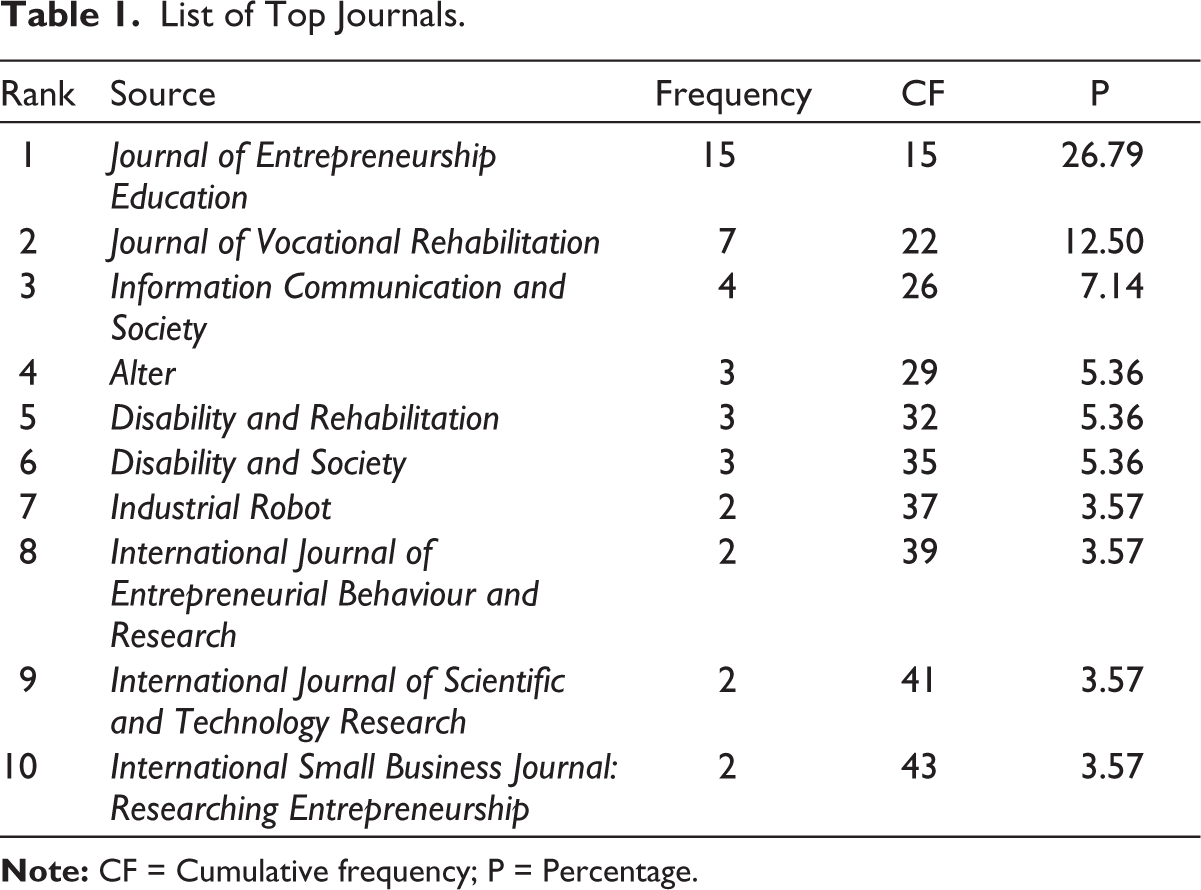
The most cited paper in the Journal of Entrepreneurship Education is ‘State Support for Person with Disabilities in the Field of Entrepreneurship’ by Bekmansurov et al. (2019). This paper focuses on social entrepreneurship among disabled people and the support provided by state institutes for disabled social entrepreneurs. According to the data, the journals involved in the latest work of 2021 are Disability and Society, Journal of Population and Social Studies and World Review of Entrepreneurship, Management and Sustainable Development. Out of these three journals, Disability and Society has been the most consistent in its publications.
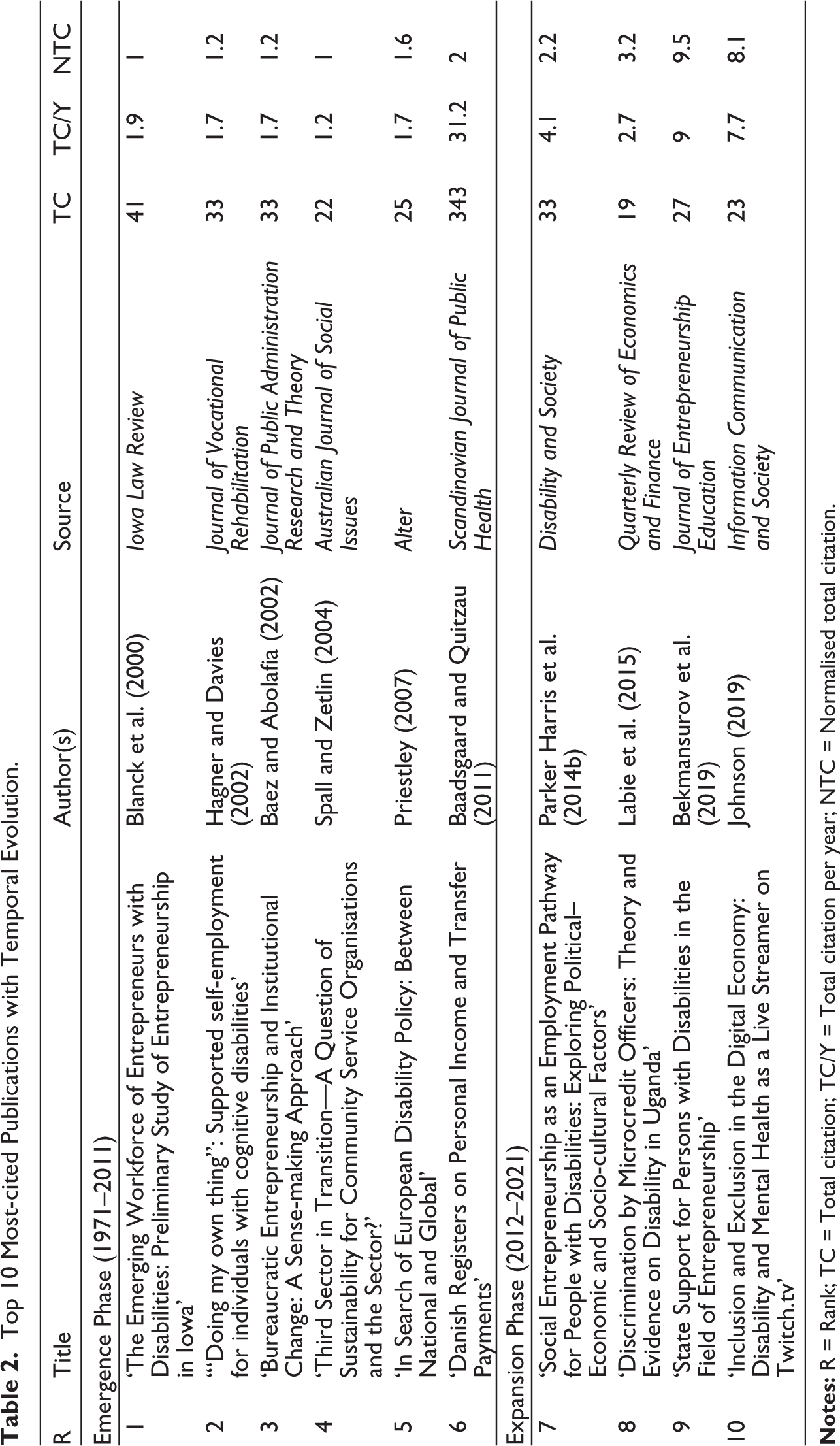
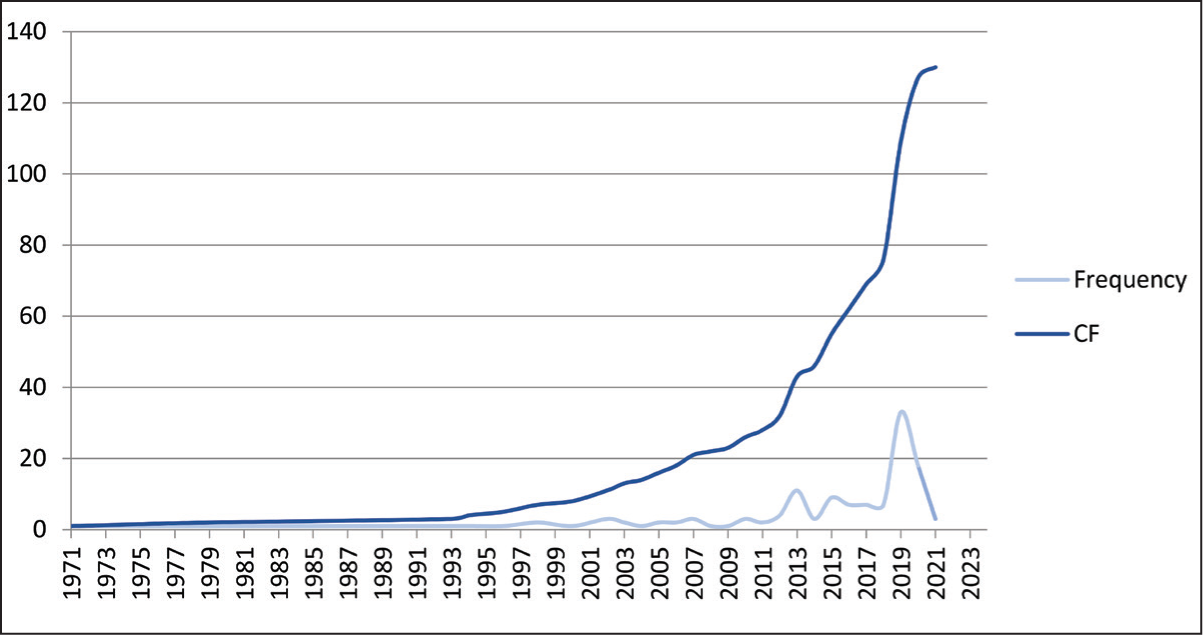
The most-cited paper is ‘Danish Registers on Personal Income and Transfer Payments’ by Baadsgaard and Quitzau (2011). The article has 343 total citations, with 31.2 citations per year. The second most-cited paper, ‘The Emerging Workforce of Entrepreneurs with Disabilities: Preliminary Study of Entrepreneurship with Disabilities’ by Blanck et al. (2000), has 41 citations, with 1.9 citations per year. The third most-cited paper is by Parker Harris et al. (2014b), ‘Social Entrepreneurship as an Employment Pathway for People with Disabilities: Exploring Political–Economic and Socio-cultural Factors’, with 33 citations in all and 4.1 citations per year. These three papers are published in the Scandinavian Journal of Public Health, Iowa Law Review and Disability and Society. Figure 6 displays the count of publications over the years and the cumulative count of publications.
The top 10 publications have been divided into two sub-periods: the emergence phase (1971–2011) and the expansion phase (2012–2021). Until 2011, the work in this field was stagnant. From 2012 there was an increase in research, and after this year, a considerable uptake in research in this area was observed. Therefore, the period is divided accordingly. Table 2 provides details regarding the two phases. In the emergence phase, the maximum number of publications was recorded in 2002. Work from the emerging phase has been cited a lot, with a total of 621 compared to the expansion phase. The expansion phase observed more publications, especially after 2013, but the total citations of this phase were just 251, which is around one-third of the emerging phase. In the expansion phase, the maximum publications were observed in 2019.
Top 10 Most-cited Publications with Temporal Evolution.
The phases are also divided based on research topics across the years. From 1971 to 2011, the researchers mainly discussed about supporting disabled people. In that time frame, support was provided for the social inclusion of disabled people. Some countries also provided pension schemes to disabled people. Further, to support the disabled community, social efforts were made to involve them in the labour market. Gradually, the discussion shifted towards self-employment and entrepreneurship among disabled people. Until 2011, entrepreneurship among disabled people was at the pioneer stage. By 2012, concentrated studies on entrepreneurship among disabled people were observed. By this time, a major focus of the research was on supporting disabled entrepreneurs, such as financial support, training and consultation and government policies to support disabled entrepreneurs. Researchers also focused on different barriers and struggles faced by disabled entrepreneurs. The most prominent theme that emerged in this phase was social entrepreneurship among disabled people.
Leading Authors, Institutions and Countries
This section analyses the most productive authors, institutes and countries that have contributed to the research on disabled entrepreneurship. Table 3 lists the top 10 most productive authors. The ranking is based on the total number of publications by the author and the total citations of their publications. The first three authors contribute 29.09 per cent of publications with 259 total citations (45.60 per cent). The most productive author is Caldwell, from the University of Illinois (USA), with six publications and 96 citations. The author’s first publication was in 2012, with an average of 2.82 citations per year. His most-cited publication is ‘Social Entrepreneurship as an Employment Pathway for People with Disabilities: Exploring Political–Economic and Socio-cultural Factors’ from 2014, with 33 total citations. This paper was published by Disability and Society. The second most-productive author is Renko, from De Paul University (USA), with a total publication count of six. The total citations of his work are 96, with an average of 2.82 citations per year. Parker Harris is the third most-productive, author from the University of Illinois (USA), with four publications. His work is cited 67 times, with an annual average of 3.67. The first three most-productive authors belong to the United States. These three authors have the maximum research in co-authorship with each other. Their work is evident in the second phase of evolution and has majorly contributed towards research on social entrepreneurship. The maximum number of most-productive authors is from the United States.
Top 10 Most Productive Authors.
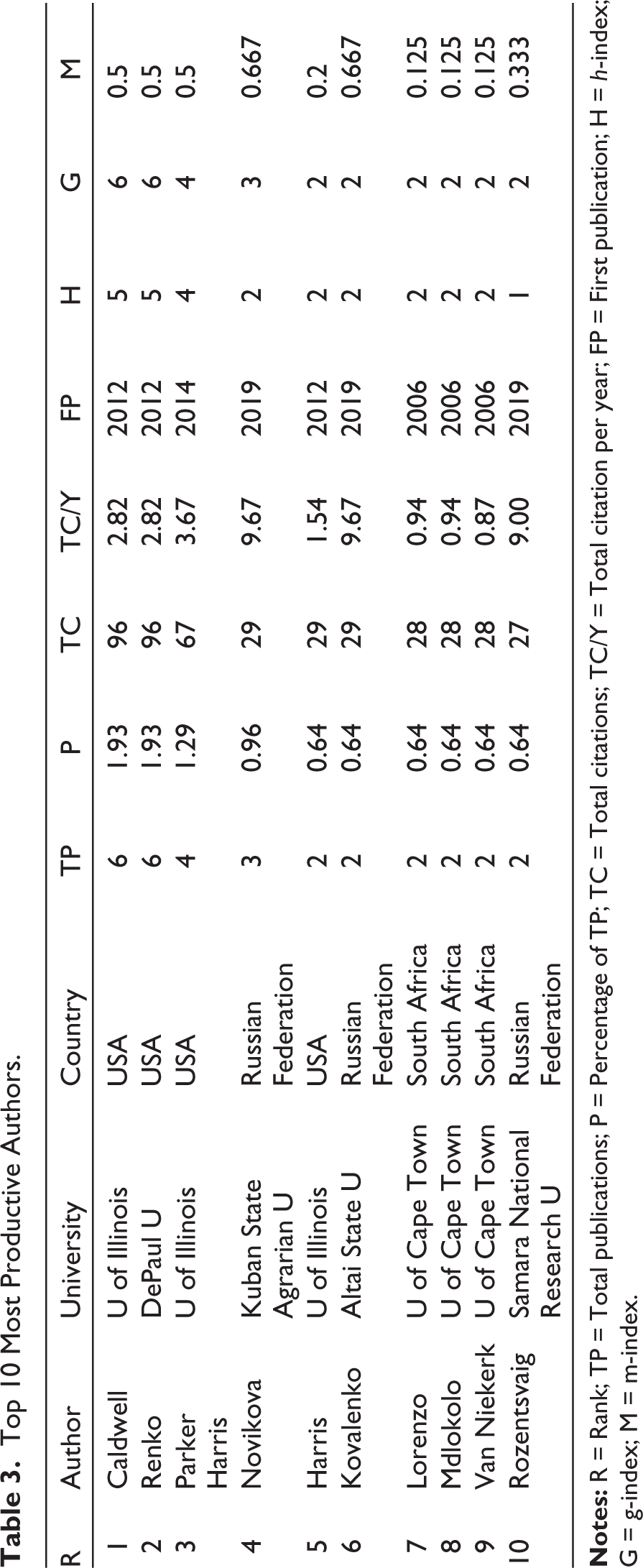
Figure 2 provides a detailed graphical representation of the collaboration network between the authors. Caldwell, Parker Harris, Renko and Harris from the United States have built the most prominent collaboration network. The collaboration network makes clusters according to the correlation of work between the authors. Figure 2 shows the clusters with various colours according to the collaborations, and the size of bubbles represents the amount of contribution by different authors.
Collaboration Network of Authors.
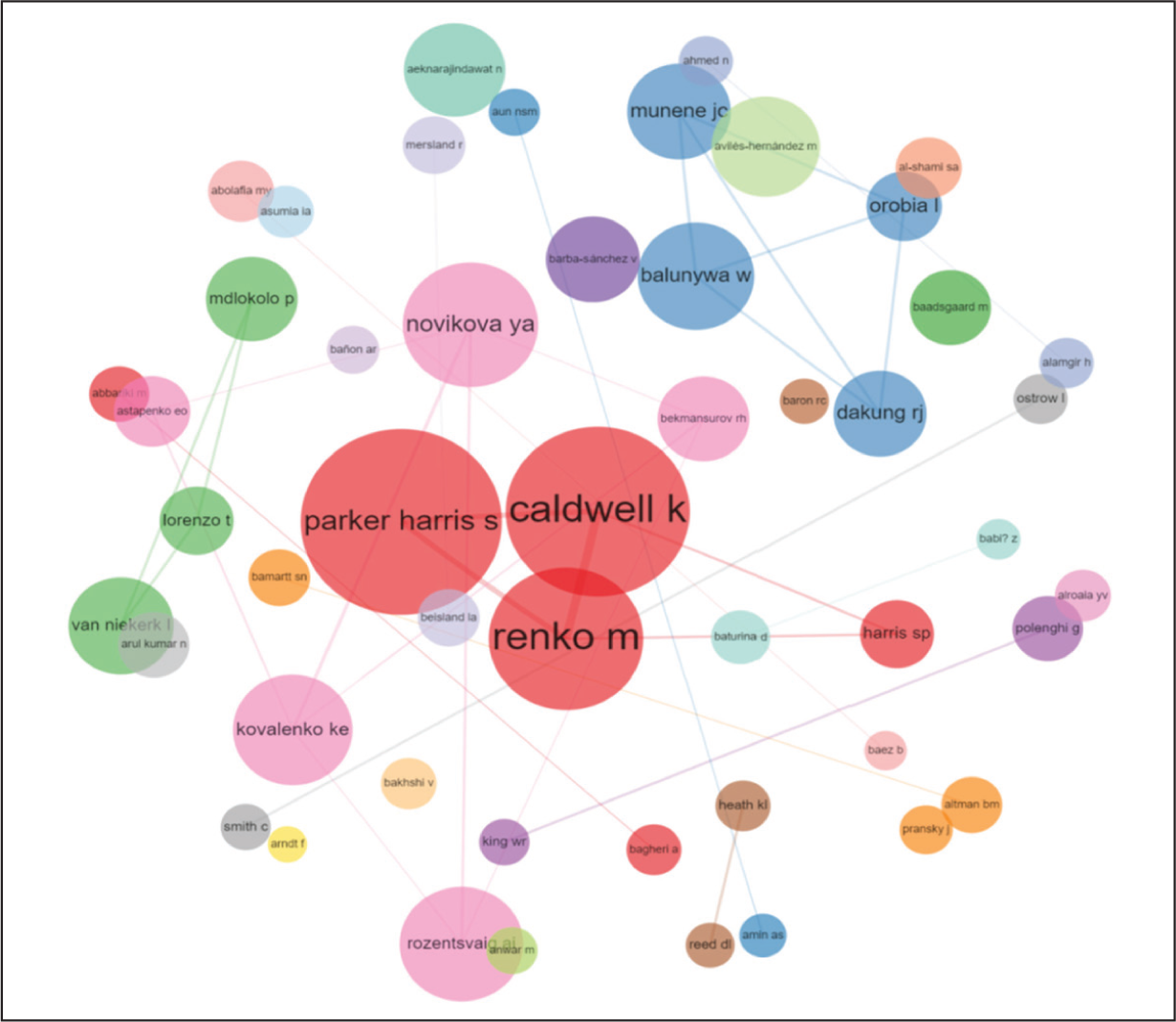
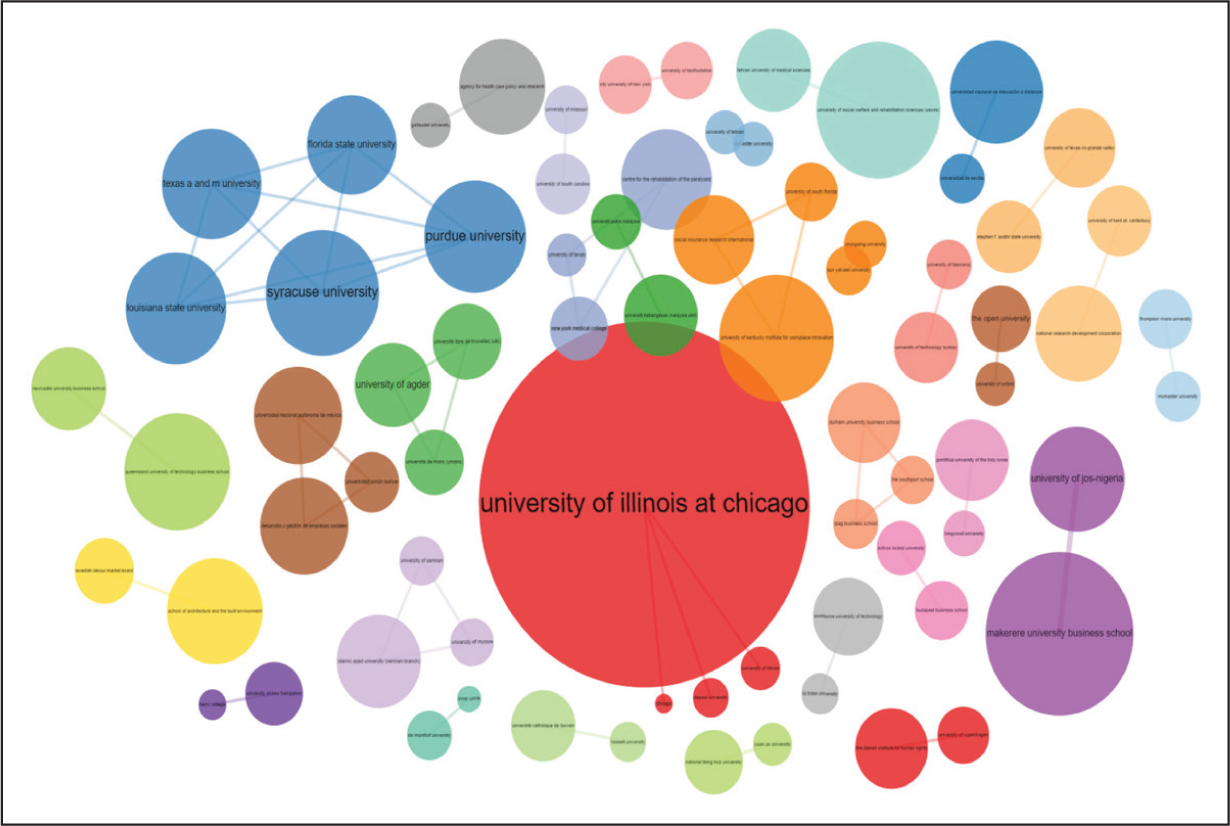
Figure 3 provides a graphical representation of the collaboration network among various institutes. The most significant contribution is by the University of Illinois, Chicago, USA. Further, Table 4 discusses the most productive countries contributing to this research area. In terms of total publications, the United States of America leads the list of the most productive countries, followed by the United Kingdom and Canada. The United States contributes single-country publications and has many multiple-country publications. It has the maximum number of multiple-country publications, followed by Iran and Nigeria. The research conducted in the United States also has an exhaustive count of citations. Considering the country’s scientific production, the United States again stays at the top, followed by Spain and the United Kingdom.
Collaboration Networks of Institutions.
Top 10 Most Productive Countries.
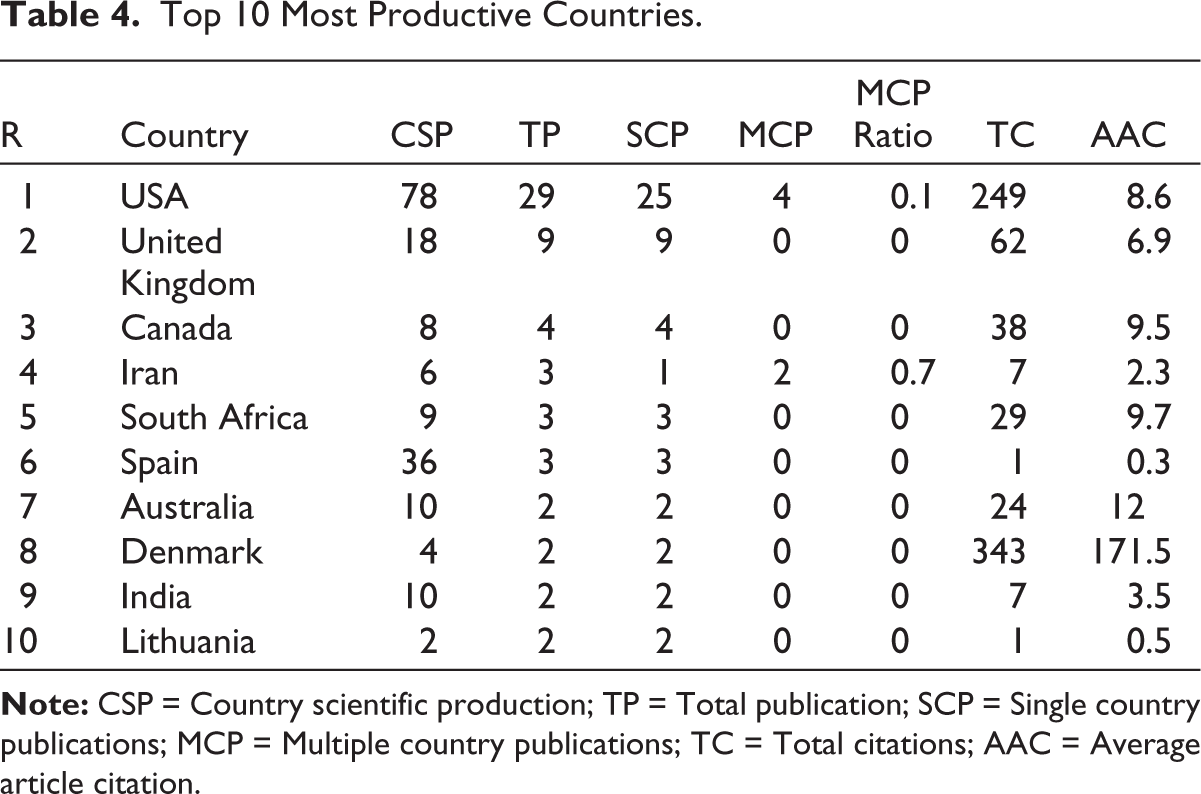
In the United Kingdom, the most emerging theme is disability entrepreneurship. Canada has focussed on themes such as self-employment and the digital divide. All three most productive countries have policy as their common theme. Only the United States and India have contributed towards equipment design in affiliation with the Bannari Amman Institute of Technology.
Figure 4 is a three-field plot representing sources (left), keywords (middle) and countries (right). The research published in different journals and countries on a particular topic can be interpreted through this figure. According to this plot, the primary keywords are ‘entrepreneurship’ and ‘disability’. The research on entrepreneurship is majorly published in the Journal of Entrepreneurship Education, followed by the Journal of Vocational Rehabilitation. The journal with the maximum focus on disability is the Journal of Entrepreneurship Education, followed by Information, Communication & Society.
Three-field Plot (Sources–Keywords–Countries).
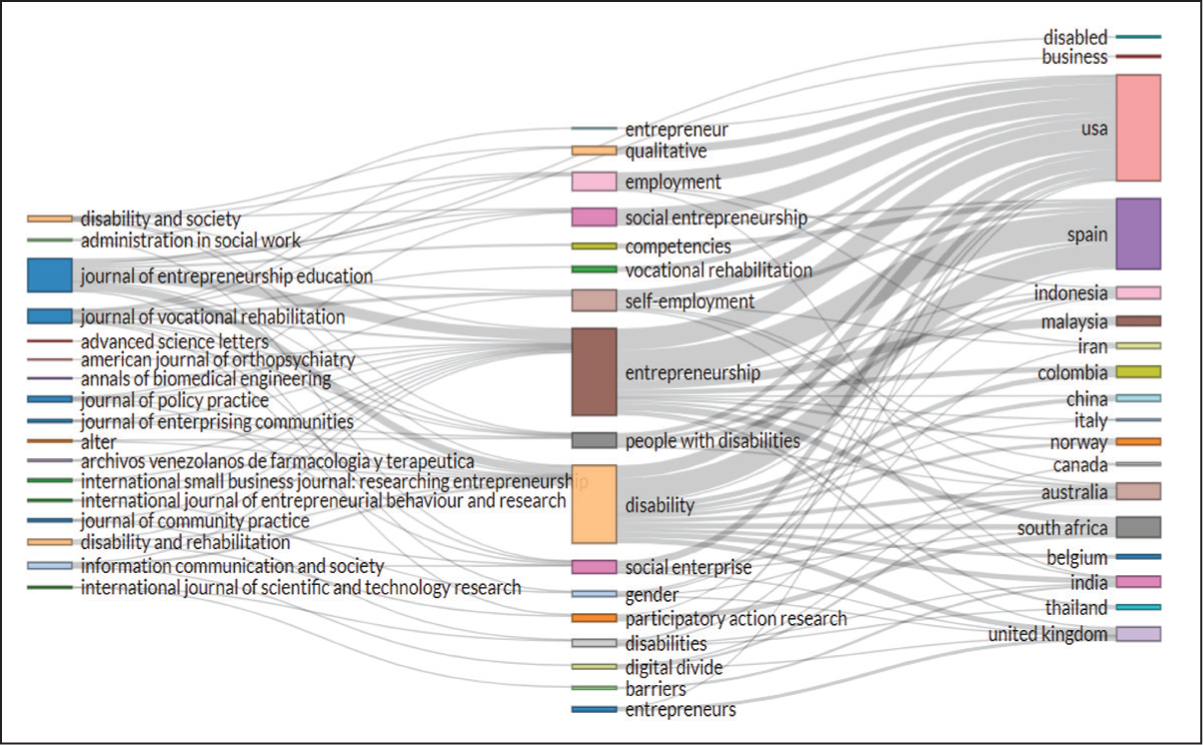
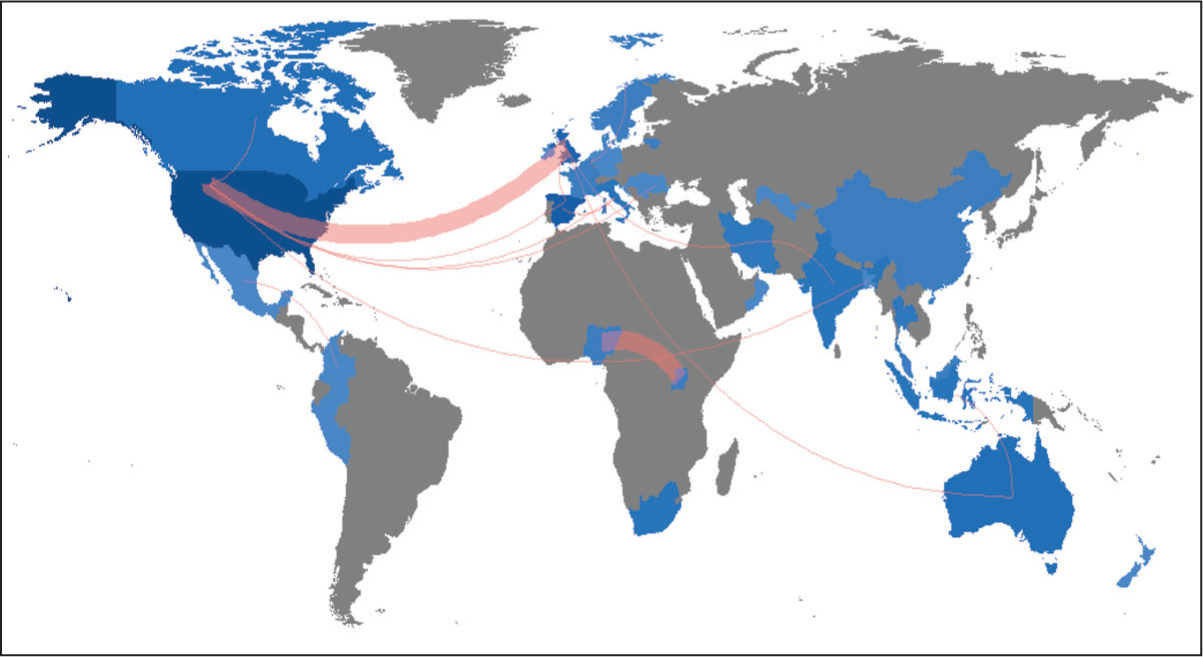
The country with the maximum research on entrepreneurship is Spain. After Spain, many countries such as the United States, Malaysia, South Africa and Norway have also contributed to entrepreneurship research. Further, disability is also majorly focused on by Spain, followed by the United States, Colombia, China, Norway, Australia, South Africa, India, the United Kingdom, Belgium and Italy. Significantly, India is the only country contributing to the barriers faced by differently abled entrepreneurs. For a more precise understanding of the collaborations and affiliations, Figure 5 provides a world map representing collaborations among various countries.
Collaboration World Map.
Thematic Analysis
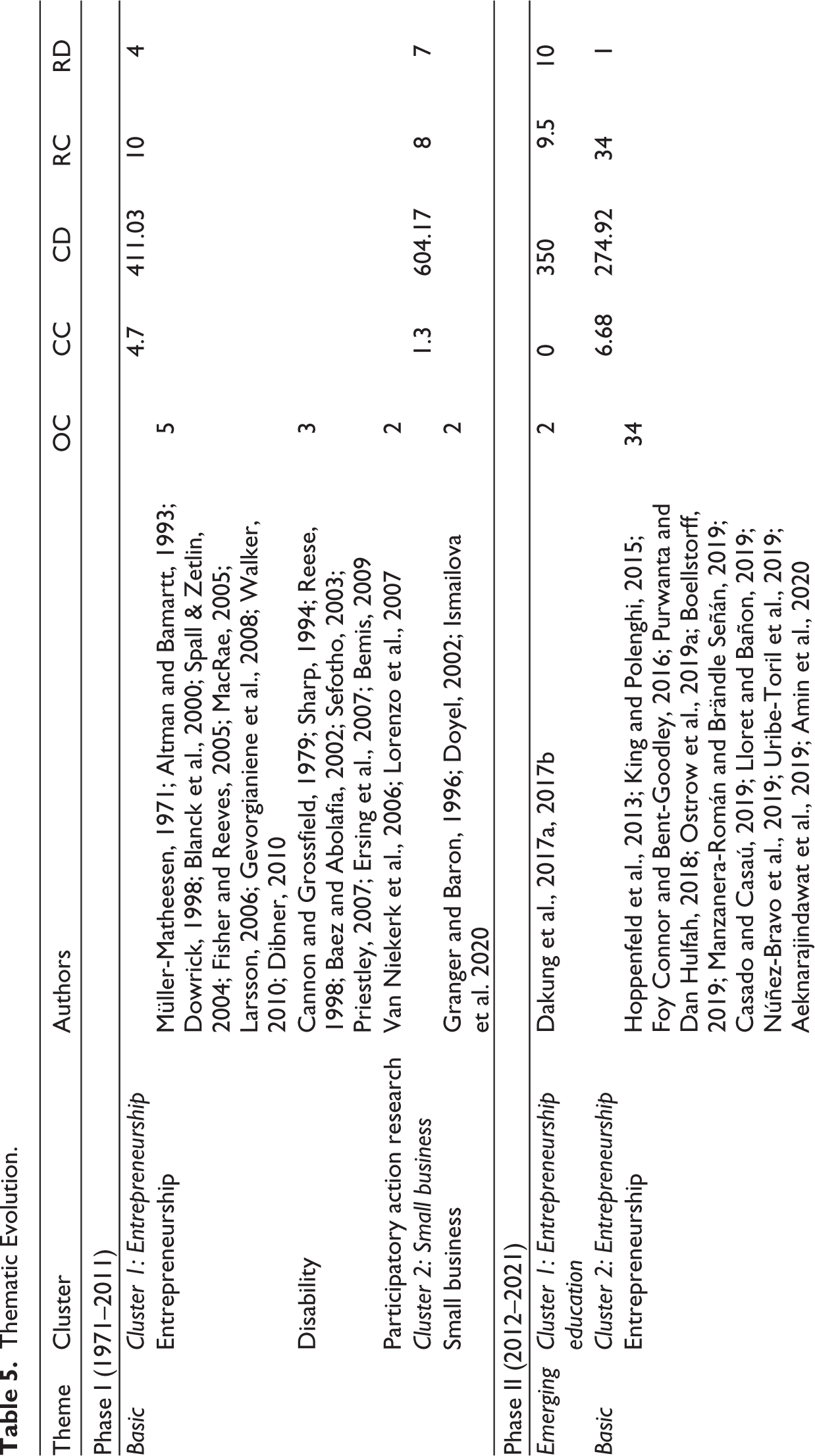
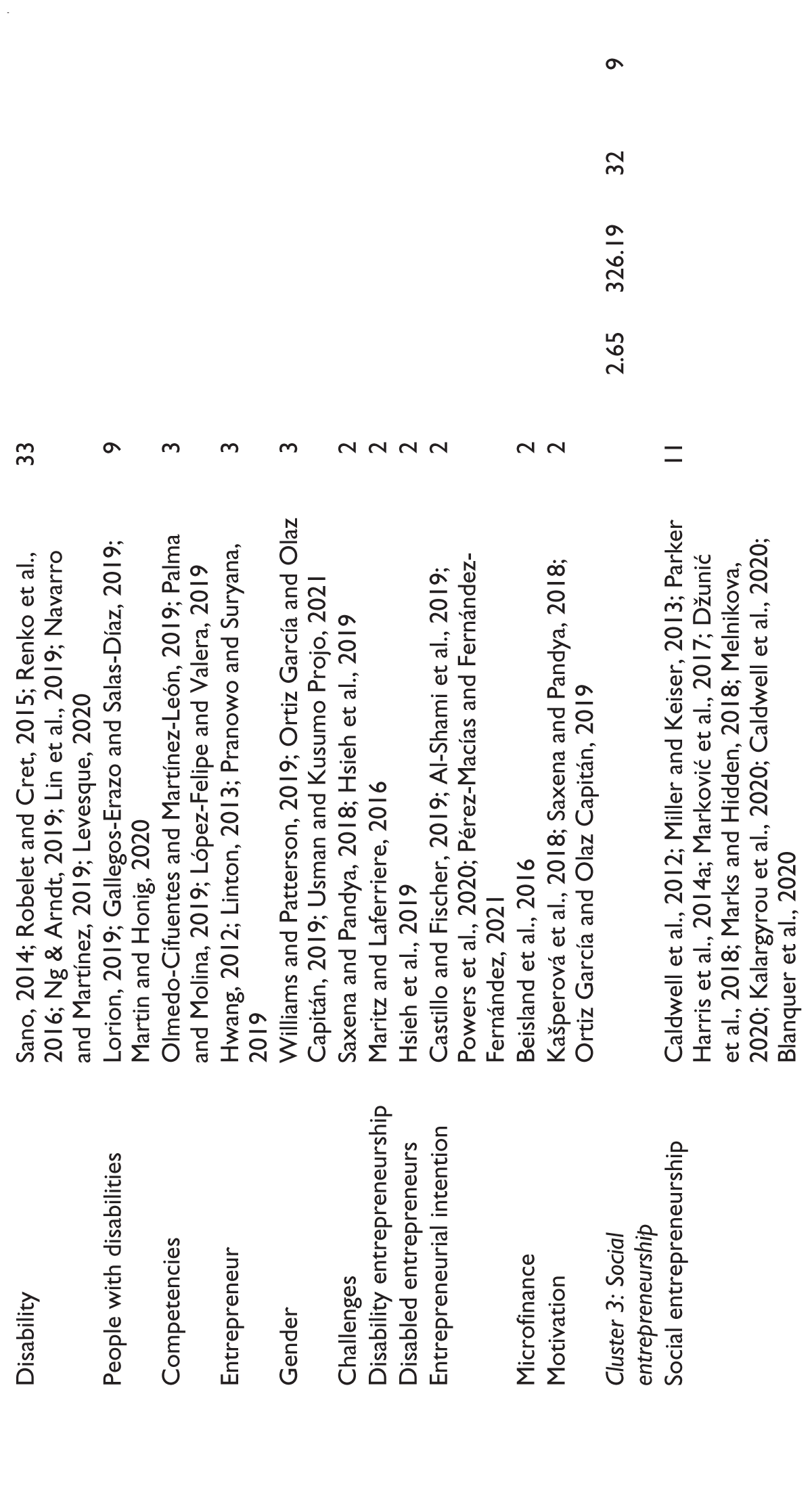
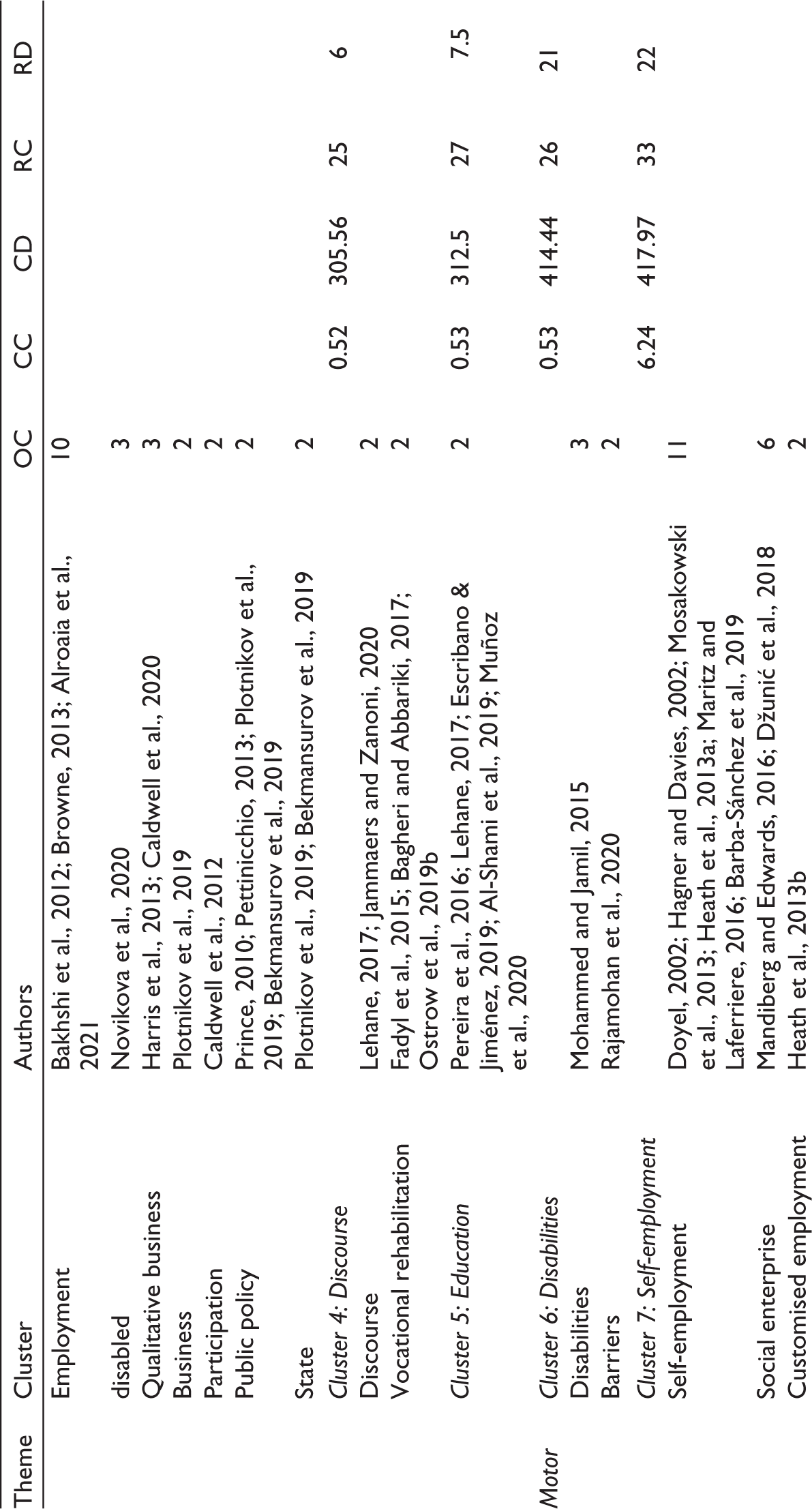
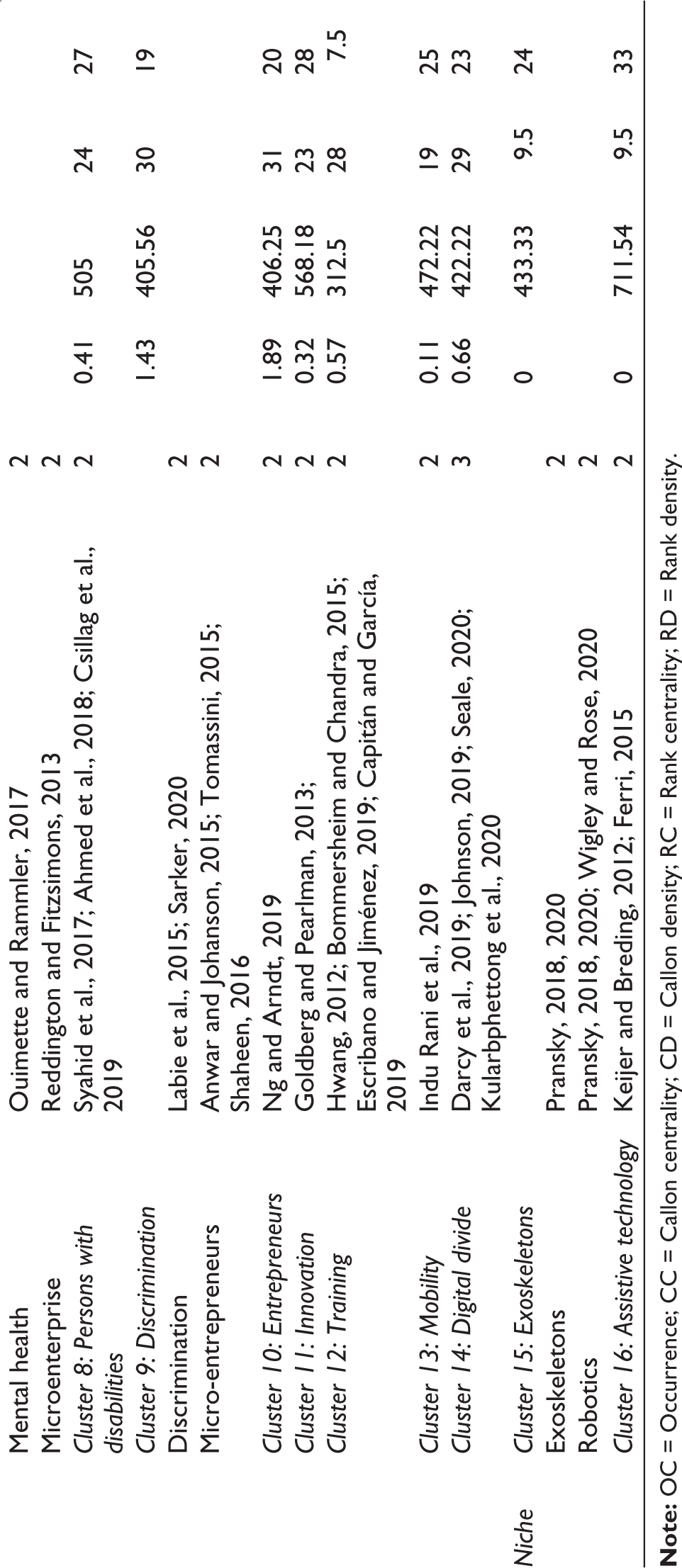
To understand the evolution of research on disabled entrepreneurship, the article further discusses the thematic evolution and emerging themes. The time is sliced between two phases for thematic analysis: 1971–2011 and 2012–2021. Table 5 displays the clusters and sub-themes that have emerged in different time frames. It further explains the distribution of clusters as emerging or declining themes, basic themes, motor themes and niche themes. Emerging or declining themes are the ones with low density and low centrality. Clusters with basic themes are essential for research but have not been developed. Motor themes are well-developed and important for structuring the research field. Lastly, the niche themes are well-developed but of marginal importance for the research field. These themes are very specialised and peripheral.
Thematic Evolution.
Topics of Interest
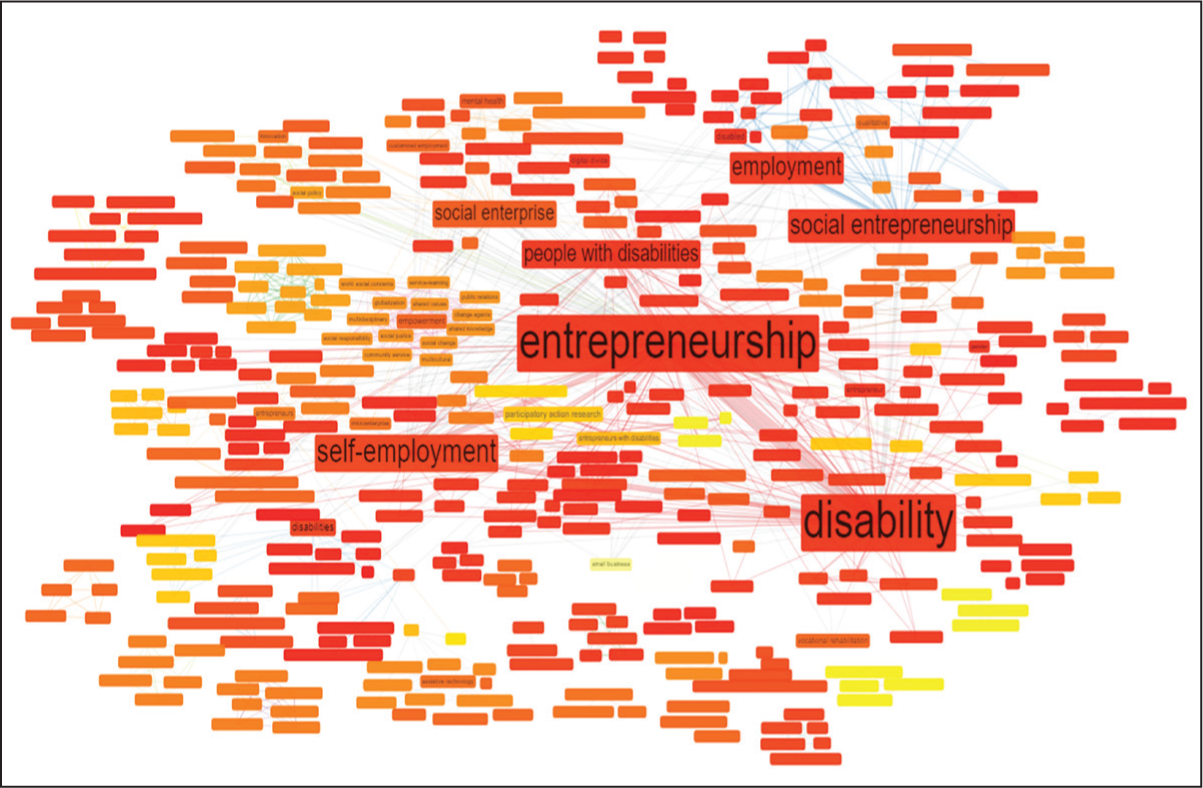
In this section, the key topics published in various journals are discussed. Figure 6 represents the cumulative count of these publications across the years. According to this figure, there is some addition to research in 2013. Especially after 2009, a considerable rise in research has been witnessed. The maximum contributions were recorded in the year 2019. Figure 7 shows the co-occurrence network of the authors’ keywords. The most prominent keywords used by authors are ‘entrepreneurship’, ‘disability’, ‘self-employment’, ‘social entrepreneurship’, ‘people with disability’ and ‘social enterprise’. The figure also shows various clusters according to the associated keywords used by the authors. The different colours represent the work in different time frames across the years. Boxes in red show the most recent interests of the authors.
Cumulative Number of Publications Across the Years.
Co-occurrence Network of Authors’ Keywords.
Future Directions
Avenues for Future Research
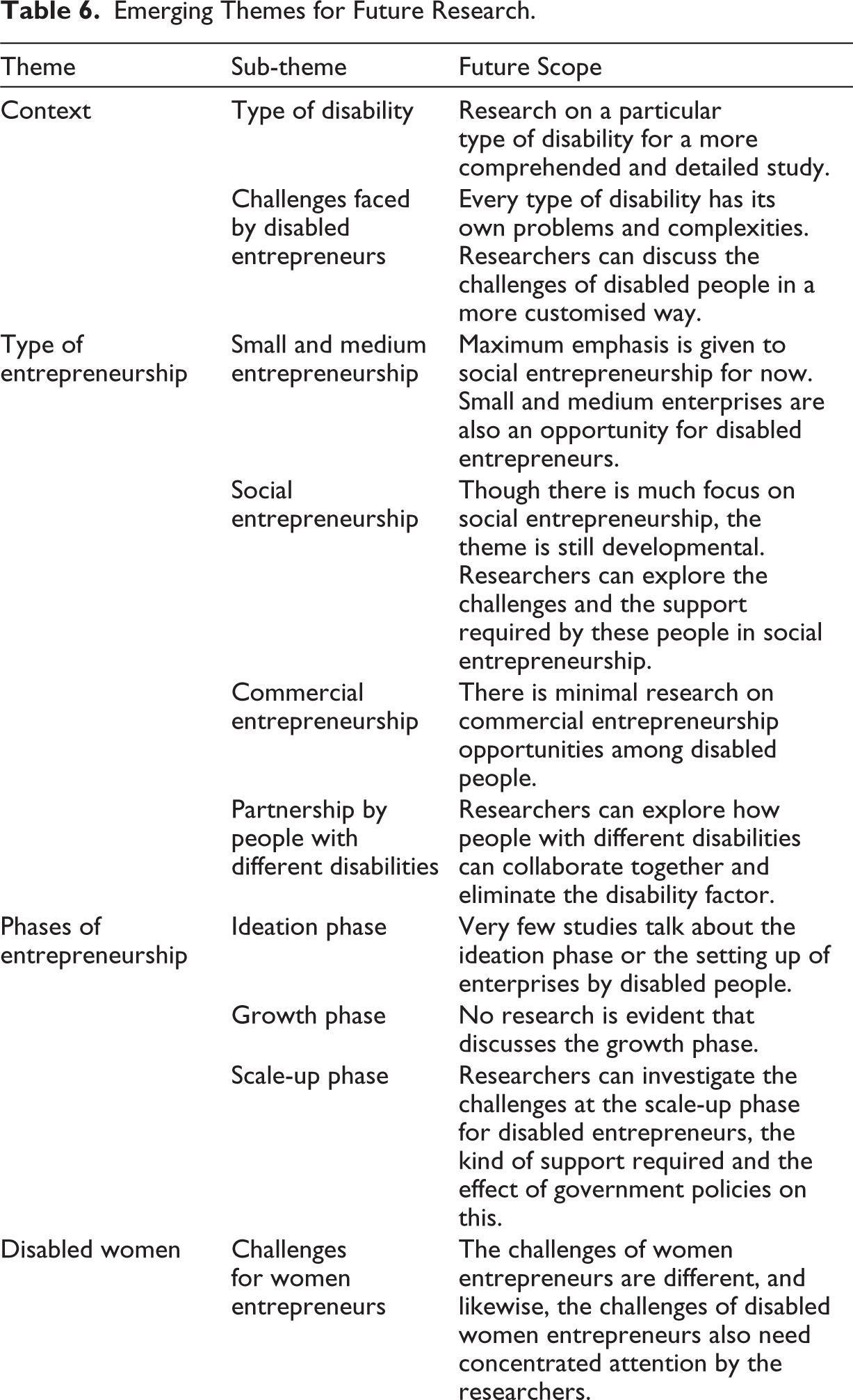
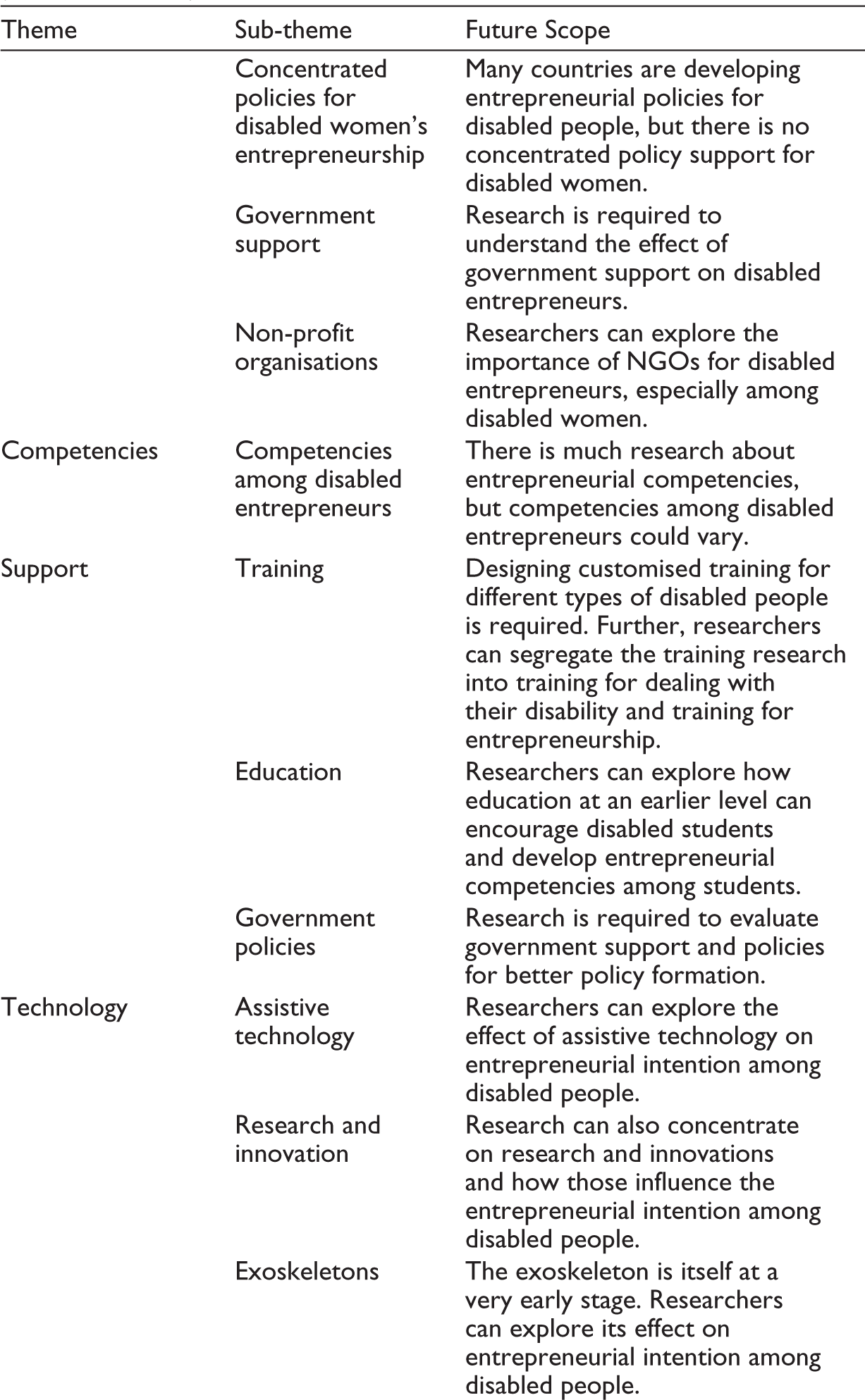
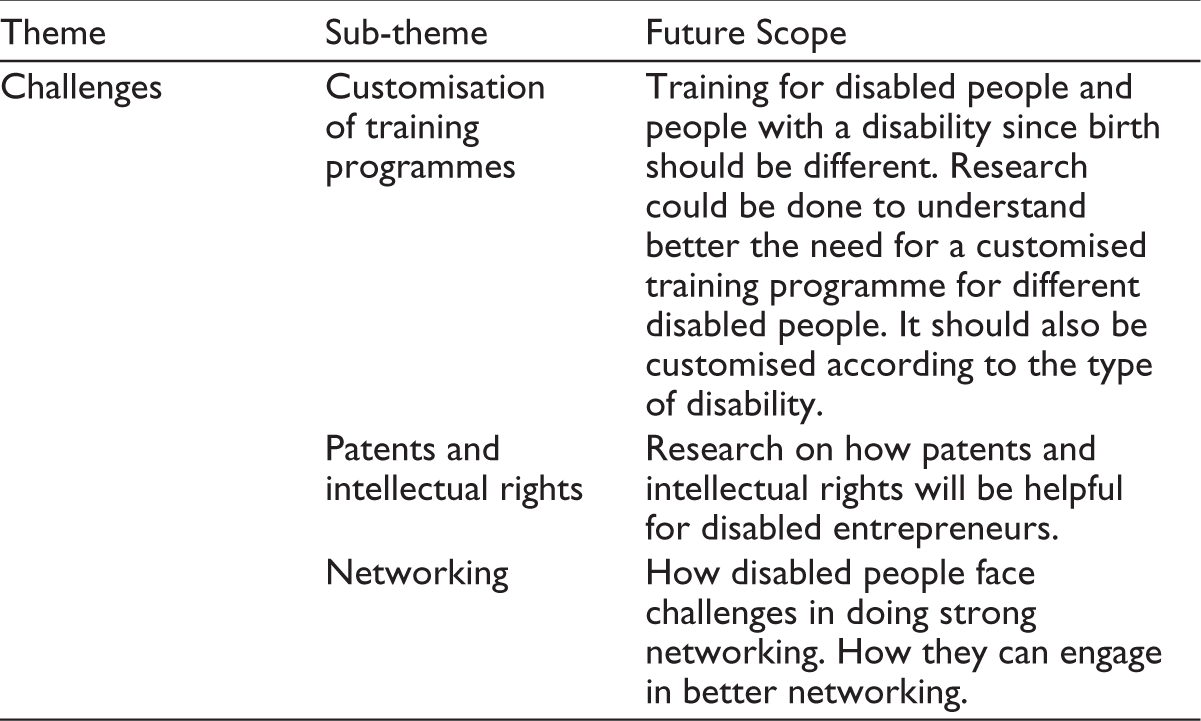
The bibliometric analysis helps highlight the gaps leading to many interesting future research directions. The thematic analysis provides a comprehensive picture of topics that are emerging as future research directions. Basic, motor and niche themes were chosen considering their density and centrality. Parallelly, the literature review of the papers provided a clearer picture of future research needs in the area. Table 6 highlights many areas and clusters, providing an idea of the current gaps and scope for future research. The research gaps can be organised into the following primary needs: ‘context’, ‘type of entrepreneurship’, ‘phases of entrepreneurship’, ‘disabled women’ and ‘competencies’, ‘support’, ‘technology’ and ‘challenges’.
Emerging Themes for Future Research.
Implications for Research
Our systematic literature review aims at contributing to research in the area of entrepreneurship by providing a comprehensive view of the evolving literature and potential research areas that can be addressed by scholars undertaking research in the domain of differently abled entrepreneurs. With reference to the emerging themes, scholars can take forward the research and explore various types of enterprises, such as micro-, small and medium enterprises. For now, the literature mainly discusses social enterprises among differently abled entrepreneurs (Harris et al., 2013; Marković et al., 2017; Shaheen, 2016). However, policy-focussed research is crucial for better economic inclusivity of people with disabilities (Shastri, 2023). This will help policymakers to understand the phenomenon better (Sodhi & Dwivedi, 2022, 2023a).
While considering the challenges of differently abled entrepreneurs, understanding the different phases of an enterprise is crucial (Shastri, 2016). It is vital to support enterprise creation (Ng & Arndt, 2019). However, much support is required at further stages that can help sustain the enterprise in the market. Future scholars can explore the growth and scale-up stages of enterprises among the differently abled. This will help policymakers not only in creating but also in strengthening an inclusive ecosystem for entrepreneurship.
Both creation and sustainability of an enterprise require expertise, which can be enriched through capacity-building of potential and existing entrepreneurs. Taking forward the discussion on capacity building and training among differently abled entrepreneurs (Escribano & Jiménez, 2019; Martin & Honig, 2020; Pereira et al., 2016; Shukla et al., 2022; Smilor, 2022), future research would contribute to developing advanced capacity-building training programmes for differently abled entrepreneurs (Sodhi & Dwivedi, 2023b).
Conclusion
This article offers a systematic literature review of the research on differently abled entrepreneurs across 50 years (1971–2021). The article discusses the top journals, publications and evolution across the years of work. It further discusses the top authors contributing to this field of research, major institutions and countries. The literature review of the papers provides a comprehensive view of the evolution of research in this area. According to the analysis, the evolution of the most-cited articles represents the shift in research from self-employment and entrepreneurship among disabled people (1971–2011) to entrepreneurial education and government support for disabled entrepreneurs (2012–2021).
Further analysis reveals the leading authors, institutions and countries. The leading author is Caldwell, associated with the University of Illinois, United States. He has collaborated with other top authors such as Parker Harris, Renko and Harris. The United States of America leads as the most productive country, with maximum publications in single-country as well as multiple-country publications, while the most productive institute is the University of Illinois at Chicago, United States. Likewise, other countries which have contributed considerably are Spain, the United Kingdom, the Russian Federation, India, South Africa and Uganda.
Laying the groundwork for future research developments, this article provides directions for future research with the help of thematic analysis and a co-occurrence network of authors’ keywords. The thematic evolution is sliced into 1971–2011 and 2012–2021. The first phase has two significant clusters with four sub-themes. Phase II has 16 clusters with nearly 30 sub-themes. The themes are divided into emerging or declining, basic, motor and niche themes. In Phase II, there is one emerging theme, five basic themes, eight motor themes and two niche themes. For a better understanding of themes, the keyword ‘co-occurrence network’ is used.
The limitation of our study results from the choice of a single database, Scopus. Some of the data might have been missed, restricting the complete analysis. Second, the data is restricted to a time frame, because of which there could be deviations in the current information. For instance, the authors’ affiliations and institutions might have changed. Another limitation of this article is that the co-citation analysis could not be performed accurately due to a lack of information. There is no comparison between total citations and total citations excluding self-citations. The tables do not discuss the total citations without self-citations. Despite these limitations, this systematic analysis offers a sound and comprehensive overview of the years of research on differently abled entrepreneurs. The article would be helpful for students, professionals and especially scholars.
Footnotes
Declaration of Conflicting Interests
The authors declared no potential conflicts of interest with respect to the research, authorship and/or publication of this article.
Funding
The authors received no financial support for the research, authorship and/or publication of this article.