




Abstract
Social media influencers significantly impact consumer behaviour, particularly in the realm of green cosmetics. This research uses the stimuli–organism–behaviour–consequence model to examine how social media influencers’ credibility dimensions affect brand trust, how brand trust influences consumers’ purchase intentions for green cosmetics and how these purchase intentions impact their willingness to pay a premium price. The stimuli–organism–behaviour–consequence model is unique in the milieu of green cosmetics. It was applied to examine 208 responses obtained through a structured questionnaire. The analysis was conducted using the covariance-based structural equation modelling method. The study found a positive association, as hypothesized, among the constructs considered, which include stimuli (source credibility dimensions), organism (brand trust), behaviour (purchase intention) and consequence (willingness to pay a premium price). The results of this study have the potential to aid stakeholders in the cosmetics sector by improving their strategies for promoting and selling green cosmetics with environmentally friendly attributes.
Introduction
Social media has evolved into an essential component of everyday lives because of ‘internet-based applications that build on the ideological and technological foundations of Web 2.0’ and ‘allow the creation and exchange of user-generated content’ (Kaplan & Haenlein, 2010, p. 61). According to Bianchi et al. (2017), the increasing number of social media users has an impact on marketing trends and tactics, and as a result, marketers now see social media platforms as vital channels for interacting and connecting with customers. In 2021, the worldwide user base of social media surpassed 4.26 billion individuals, and projections indicate a substantial increase to almost six billion users by the year 2027 (Statista, 2023). The rise in social media usage has brought about a surge in the prominence of novel domain in digital marketing known as social media influencer (SMI) marketing (Saima & Khan, 2020). In the realm of influencer marketing, businesses and marketers engage in a collaborative effort with chosen influencers, providing compensation for the creation and promotion of branded content. The aim is to reach not only the influencers’ established audience but also the intended consumers of the brands (Yodel, 2017). Beginning at a modest $1.7 billion in 2016, influencer marketing experienced substantial growth, reaching an approximate market size of $16.4 billion in 2022. Further, recent projections from Influencer Marketing Hub (2023) suggest a 29% increase in 2023 with the estimated market value at $21.1 billion.
While companies often use well-known celebrities or the public to promote their products and services through conventional advertising channels, SMIs are individuals who gain popularity online for their expertise in various fields, including technology, travel, fashion, sports, food, reviews, education and more (Lou & Yuan, 2019). SMIs gain large audiences on social platforms by creating aesthetically compelling and linguistically captivating content (Argyris et al., 2021), granting them a level of social influence akin to that of traditional celebrities (Khurana et al., 2024). Consumers now consider their friends and the influencers they follow to be the most reliable source; therefore, the perceived credibility of influencers is a crucial consideration (Rebelo, 2017). Consequently, a considerable body of literature explores source effects, with a specific focus on the correlation between source effects and purchase intentions (PIs) (AlFarraj et al., 2021; Lim et al., 2017; Lou & Yuan, 2019; Saima & Khan, 2020; Weismueller et al., 2020; Yılmazdoğan et al., 2021).
Ye et al. (2021) suggested conducting research on influencer marketing across a diverse range of product categories, not only encompassing the conventional domains of fashion, beauty and travel but also extending to areas such as food, gaming, toys, fitness and health. Since consumer trust in green cosmetics and businesses may be offered through the consumer–influencer interaction, creating an intention to purchase and pay premium price for green cosmetics is a natural conclusion about the importance of the influencer phenomenon to the green cosmetics industry. As social media experiences have led customers to rely more on green businesses, digital influencers greatly impact purchases made through social media (Kang & Hur, 2012). Furthermore, it was found by Murwaningtyas et al. (2020) that the inclinations of Instagram users to purchase organic cosmetics is positively influenced by credibility of celebrities. Influencers can encourage sustainable purchasing habits, particularly in young people. This is extremely important because research indicates that younger consumers are more receptive to SMIs (Bakker, 2018).
The term ‘green’ describes things such as ‘eco-friendly’, ‘environmentally responsible activities’, ‘environmentally friendly’ or ‘sustainable’ combinations (Han et al., 2009; Roberts, 1996). Lin et al. (2018, p. 2) defined green cosmetics as a ‘multifaceted construct for the preservation of the environment, minimisation of pollution, responsible use of non-renewable resources, and animal welfare and species preservation’. Thus, environmentally friendly or green items are recyclable or reusable, do not harm the environment and do not deplete natural resources (Shamdasani et al., 1993). Green cosmetics and personal care items are designed to use natural ingredients and the exclusion of synthetic chemicals (Prakash, 2025). As consumers become more aware of the potential health risks linked to cosmetic use, more consumers are turning to safer, more natural resources (Rocca et al., 2022). Consumers who focus their purchases on the advantages of the environment are more likely to choose eco-friendly or green products (Panopoulos et al., 2022). Despite the growth of green cosmetics, there is still a significant lack of awareness and understanding of these products, particularly in emerging markets (Dlamini & Mahowa, 2024; Shimul et al., 2022).
The study intends to investigate the relationship between the SMIs’ credibility dimensions and brand trust. Subsequently, the research seeks to investigate the connection between trust in a brand and the intention to buy green cosmetics. In effect, the research endeavours to explore the association between the desire to purchase green cosmetics and the willingness to pay a premium price for them. We propose and assess the SOBC framework to accomplish this. This led to the formulation of the subsequent research questions (RQs):
RQ1: Does the SMIs’ credibility dimensions influence brand trust in green cosmetics? RQ2: Does brand trust influence the purchase intention of green cosmetics? RQ3: Does the purchase intention of green cosmetics lead to willingness to pay a premium price for these products?
This study addresses three gaps. First, it highlights the importance of the intention–behaviour gap in the green cosmetics industry using the SOBC paradigm. Though the SOBC model is well-established in other fields, the use of the model in influencer marketing has not yet been investigated, offering a novel perspective on how SMIs affect consumer behaviour. Second, the interplay of influencer marketing and green cosmetics is also not well studied. This research fills this gap by investigating the connections between SMIs’ credibility dimensions, brand trust, purchase intentions and willingness to pay a premium price for green cosmetics. Third, there could be indications of a potential conceptual relationship between these constructs, but these concepts have not been investigated together before the development of this research. Thus, this research makes theoretical contributions as it emphasizes the necessity of jointly analysing all the constructs, and this link highlights the relevance and novelty of this research.
This study contributes to the theoretical landscape. First, it undertakes a novel approach by using the SOBC model within the domains of influencer marketing and green cosmetics. Thus, this study makes a noteworthy contribution, presenting an opportunity to delve into an area that has not been commonly explored. Through this integration, the research aims to provide a more holistic and thorough comprehension of the intricate psychological processes that underlie SMIs’ influence on consumer behaviour, especially in the context of green cosmetics. Second, the SOBC model is adapted in this study to better reflect the dynamics of influencer marketing in the context of green cosmetics. It provides a more specialized understanding of how SMIs’ credibility dimensions affect consumer behaviour in the context of sustainable and eco-friendly products, which helps to improve the applicability and specificity of the SOBC model in the influencer marketing domain.
The study also unveils practical contributions. This research sheds light on the ways in which SMIs can effectively establish brand trust for green cosmetics. Marketers can therefore create influencer partnerships that highlight sustainability and eco-friendly principles in order to strengthen their relationships with customers that place a high value on these issues. This study adds practically by making it possible to create tailored marketing campaigns and offers a nuanced knowledge of the psychological processes involved in the influence of SMIs on consumer behaviour for green cosmetics. Marketers can increase the efficacy of their promotional efforts by creating influencer-led campaigns that correspond with the unique motivations and concerns of customers interested in green cosmetics.
In the subsequent sections of this research article, a comprehensive examination of previously published academic works will be provided in the literature review section. Following the literature review, the materials and methods sections will provide a detailed overview of the theoretical background of the study, instrument development, sample and data collection. The results section will then provide the empirical findings derived from the data analysis. Subsequently, the conclusion section will synthesize the key findings, discuss theoretical and managerial implications, address any limitations inherent in the study and propose potential avenues for future research.
Literature Review
SMIs have the ability to create their own pages, groups and channels to provide interesting content about goods and brands (Koay et al., 2022). As more brands are realizing this new way to engage with their target audiences, they are collaborating with SMIs in larger numbers. The significance of SMI marketing has led researchers to concentrate on how it affects businesses’ financial success, particularly on how SMIs communicate with the brands they promote (Ki et al., 2020). Hughes et al. (2019) highlighted the important role that SMIs’ credibility plays in elucidating customers’ propensity to engage, as evidenced by the frequent occurrence of likes and comments on Facebook pages. SMIs play a pivotal role in the green cosmetics industry, bringing about significant impacts on brand awareness, consumer engagement and the overall growth of sustainable beauty products.
According to Csorba and Boglea (2011), green cosmetics are crafted from botanicals and fruit-based materials, without incorporating chemicals, non-natural substances and colouring additives. Because of the health trend, more and more customers are demanding green cosmetics that are gentle on the skin and have least adverse effects on the environment. As consumer attitudes and pro-environmental beliefs become more consistent, brand trust and loyalty are strengthened, leading to increased consumer involvement and engagement with the brand (Sun & Xing, 2022). Consumers are considering protecting the environment and future generations more and more while making selections (Amberg, 2018).
Although the constructs employed in this research have also been examined before, they have not been utilized collectively. For instance, Garg and Bakshi (2024) have also analysed the impact of influencer marketing on purchase intention towards beauty-related items, while Nagvanshi et al. (2023) have studied the impact of influencer marketing on purchase intention towards sustainable cosmetic brands. Additionally, Minocha et al. (2025) have applied the SOBC framework in their study in the context of natural personal care products. The conceptual framework of the current study has also used the SOBC paradigm to emphasize the impact of influencer marketing on consumer behaviour in the context of green cosmetics.
Conceptual Framework
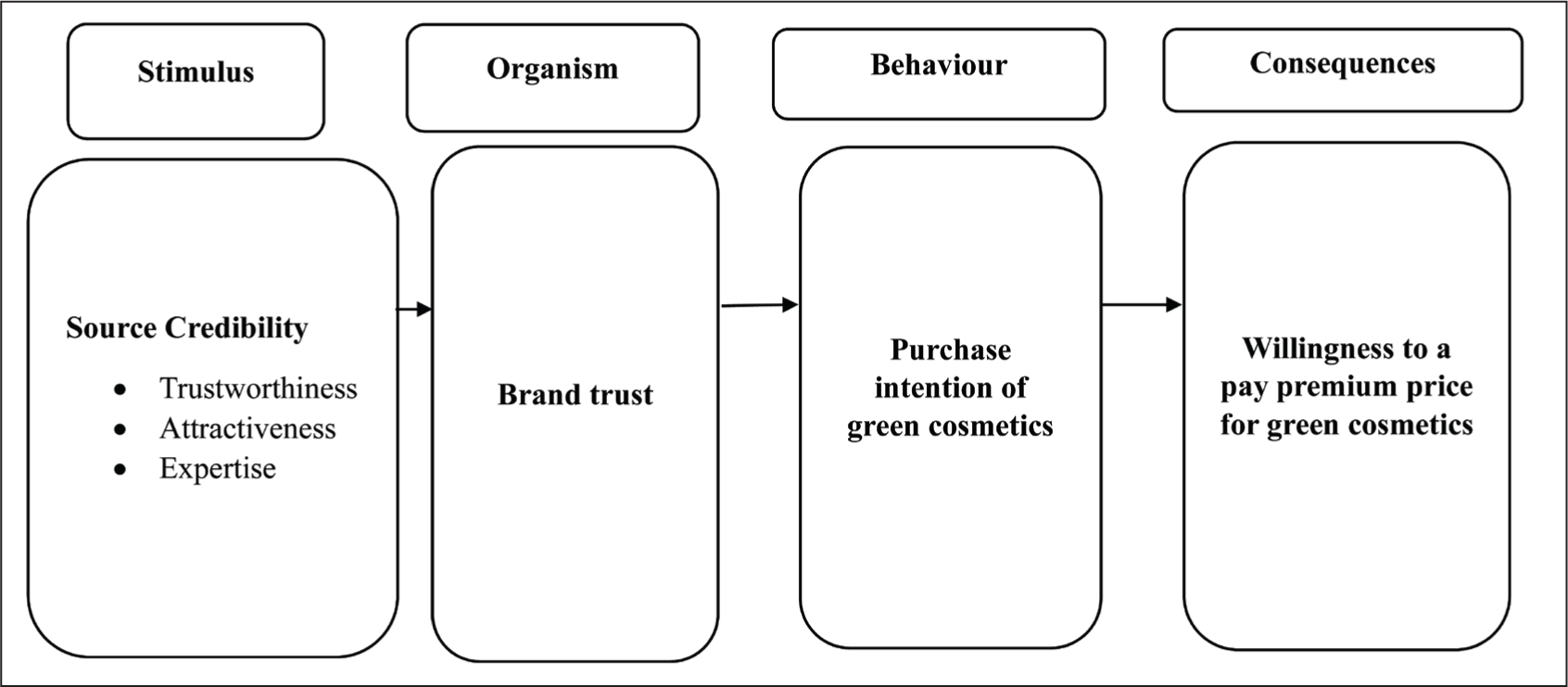
The current study employed the SOBC framework to create a conceptual model. In this study, SOBC is preferable over other behavioural prediction theories like SOR, which also posits that environmental cues prompt the response of an individual by affecting its internal state (Anubha & Jain, 2024) whereas SOBC is an advancement over SOR (Panda, 2024) with an additional component named ‘Consequence’ emphasizing that the likelihood of future behaviour is modified by the outcomes (Davis & Luthans, 1980). In contrast to the theory of planned behaviour, which assumes only planned and rational behaviour (Duong, 2024), SOBC has a wider scope, encompassing psychological constructs along with cognitive processes (Talwar et al., 2021). Hence, the SOBC framework is employed for theoretical underpinning in the current study. It examines SMIs’ credibility dimensions as stimuli (S), brand trust as the internal state of the individual (O), purchase intention of green cosmetics as behaviour (B) and willingness to pay a premium price for green cosmetics as consequence (C) (Figure 1).
Conceptual Framework.
Stimuli
Previous studies have indicated that SMIs’ credibility has a significant influence on consumers’ intentions to make purchases; thus, we conceptualize SMIs’ credibility dimensions as stimulus (Saima & Khan, 2020). According to Ohanian (1990, p. 41), ‘Source credibility is a term commonly used to imply a communicator’s positive characteristics that affect the receiver’s acceptance of a message’. Theorists propose that when a source is perceived as credible, individuals or information recipients are likely to quickly accept the communication (Alam et al., 2024). Source credibility is composed of three sub-dimensions: trustworthiness, attractiveness and expertise (Ohanian, 1990). Trustworthiness, as defined by Mattson (2005), pertains to how buyers perceive the source’s character, credibility and honesty. When followers perceive an SMI as trustworthy, they are more inclined to trust the information provided about product endorsements (Cheung et al., 2008). For the purpose of this study, trustworthiness denotes how participants perceive the source in terms of honesty, sincerity, reliability and dependability. A person’s physical appeal is measured by their attractiveness. A visually appealing SMI is likely to enhance consumers’ willingness to accept the recommended product (Lim et al., 2017). In this study, attractiveness is defined as the perceived physical appeal and likability of an individual based on aesthetic qualities. The endorser’s perceived level of knowledge, skills and understanding is commonly referred to as their expertise (Hovland et al., 1953). Expertise, in the context of this study, denotes the extent to which the source is seen as informed, competent, reliable and experienced. Consumers’ purchase intention has been proven to depend on the endorser’s credibility (Chin et al., 2020; Hayes & Carr, 2015). Influencers on social media, especially in niche areas like green cosmetics, have a significant impact on building brand trust because of their reach and credibility. Given the growing importance of social media marketing, our study focuses on the influencer’s credibility dimensions as the stimulus to understand its effect on purchase intention and willingness to pay a premium price for green cosmetics. These results lead us to conclude that the SMIs’ credibility dimension is a suitable study stimulus.
Organism
Brand trust is induced as an organism’s internal state. It is defined as ‘the willingness of the average consumer to rely on the ability of the brand to perform its stated function’, hence reducing any uncertainty customers may have regarding a brand (Chaudhuri & Holbrook, 2001, p. 82). Brand trust signifies the psychological disposition of an organism that can forecast its future behaviour and intention (Ebrahim, 2020; Hanaysha, 2022). It is primarily a cognitive aspect with emotional and conative components, unlike confidence, which is a sense of assurance and reliance (Moorman et al., 1992). When someone trusts a brand, they believe that the brand will operate in a way that benefits them and will not be bad for the environment (Robinson, 1996).
Through interaction and relationships with a brand and its various components on social media, trust in a brand can be developed (Habibi et al., 2011). Gaining a sustained competitive advantage is the primary goal of trust-building (Ha, 2004). An enduring relationship is established between the seller and the buyer because the firm delivers on its promise of quality. Brand trust was found to be a crucial component that supports sustained brand loyalty and purchase commitment (Chaudhuri & Holbrook, 2001) and favourably influences consumers’ word-of-mouth activity (Lee et al., 2011). The more a person trusts a brand, the more likely it is that they will think favourably of it (Luk & Yip, 2008). Thus, SMIs increase brand trust by developing credibility, relatability and authenticity and forging real connections with their followers.
Behaviour
The intention to purchase green cosmetics is conceptualized in our framework as behaviour (B). According to Hwang and Zhang (2018, p. 13), purchase intention means ‘consumers’ intentions to purchase a product or a service based on their subjective judgment with their general evaluations’. Within the complex journey of a consumer’s decision-making process, the inclination to make a purchase marks a pivotal step (Kotler & Armstrong, 2010). Moreover, Kotler and Armstrong (2010) argue that there are five stages that consumers go through when making a decision: determining what they need, gathering information, evaluating options, making a decision and exhibiting post-purchase behaviour. Consumer behaviour has significantly changed in the last few decades, with health and environmental consciousness having a major impact. Amberg (2018) asserts that consumers increasingly take environmental preservation into account while making purchases, in addition to considering the requirements of future generations.
Consequence
The willingness to pay a premium price for green cosmetics is conceptualized as an outcome. Willingness to pay is the maximum amount a customer will spend for a specific number of products or services (Acquisti & Spiekermann, 2011). Consumers frequently encounter a dilemma as they perceive green cosmetics to be more expensive than conventional alternatives, making their decision-making process challenging. Additionally, as noted by Pickett-Baker and Ozaki (2008), the initial cost of freshly released low-energy-consumption products can be somewhat high in certain situations. Husted et al. (2014) contended that high-cost structures are a problem for environmentally conscious businesses and have a direct impact on their offer prices. Thus, we think it is intriguing and practically useful to investigate in our study whether individuals are open to paying a premium price for green cosmetics.
Materials and Methods
Theoretical Background
Stimulus–Organism–Behaviour–Consequence Model
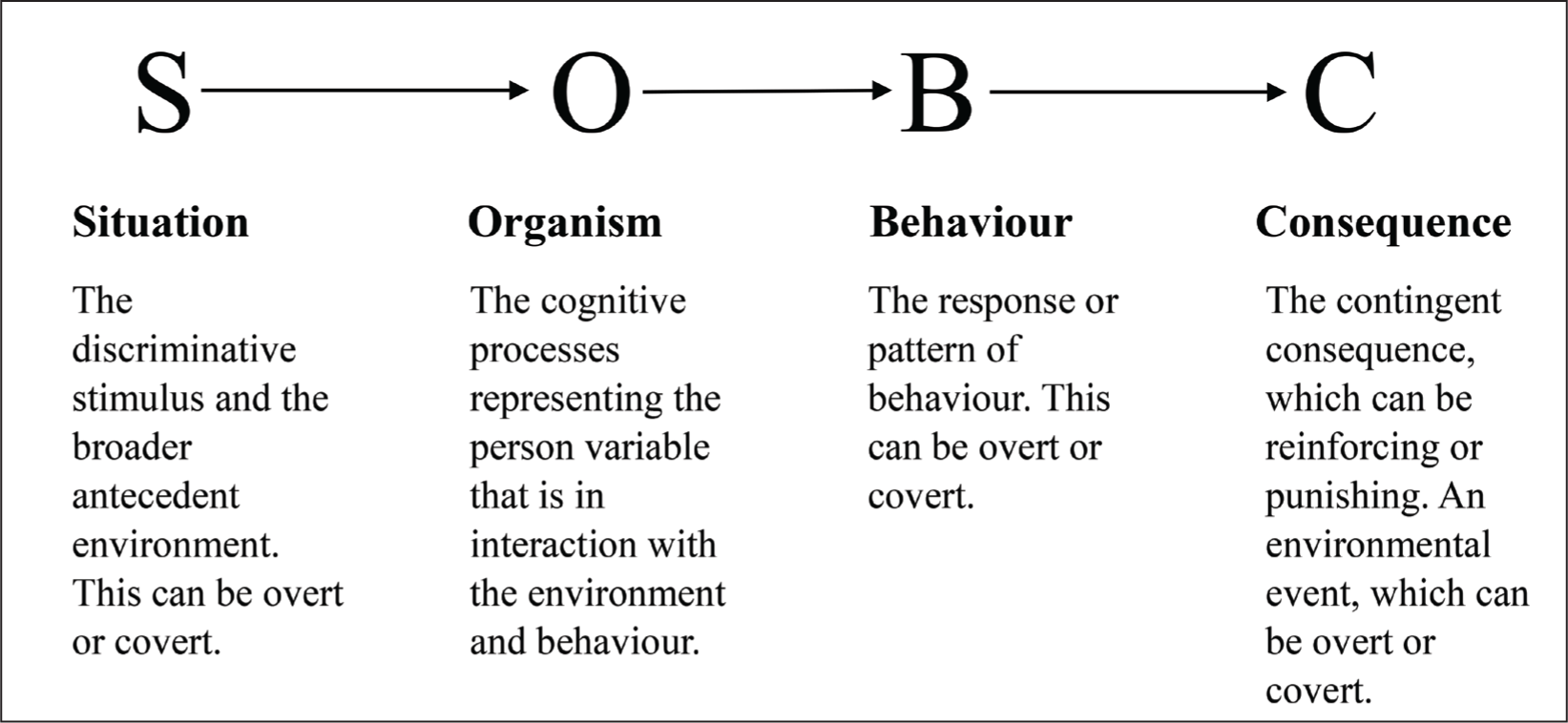
Bandura’s (1977) social learning theory serves as the foundation for the SOBC model, which is based on the stimuli–organism–response (SOR) framework (Mehrabian & Russell, 1974) and the antecedent–behaviour–consequence (ABC) model (Skinner, 1963). Initially introduced by Davis and Luthans (1980) and later refined by Whelan et al. (2020), the SOBC model asserts that diverse external situational factors (S) impact the internal states (O) of individuals or species, subsequently influencing their behavioural responses (B) and resulting in consequential outcomes (C) (Figure 2). Stimulus is a trigger that causes a particular reaction or action (Talwar et al., 2021) and can be either internal (i.e., coming from within) or external (i.e., coming from outside a person’s body or mind) (Kim & Lennon, 2013). The term ‘organism’ refers to both physiological and psychological aspects of an individual (Dhir et al., 2021). While behaviour refers to the behavioural pattern and the consequence component considers the potential rewarding or punishing effects of a behavioural pattern (Davis & Luthans, 1980), the SOBC model takes into account how environmental events (S and C variables) interact and are reciprocal with aspects of cognition and behaviour (O and B variables). The framework examines the outcome of an individual’s behavioural responses when they encounter internal or external stimuli that impact their beliefs, attitudes and thought processes (Rani et al., 2024).
Hypotheses Development
Stimulus–Organism
Trust from one individual or entity can be transferred to another, suggesting that if someone places trust in a specific subject, that trust might extend to a different entity or individual through association or recommendation (Stewart, 2003). This suggests that the confidence bestowed onto an SMI may also apply to a brand that the influencer uses or endorses—that is, a brand in which they have confidence. By instilling confidence in customers regarding the brand’s performance and helping mitigate psychological risks associated with brand trust (Dwivedi et al., 2016), endorsing the credibility of SMIs may cultivate positive brand associations. Businesses that are backed by selected, reliable SMIs have a higher chance of establishing or maintaining relationships with customers (Dwivedi & Johnson, 2013). Aligned with findings, we conceptualize that SMIs’ credibility dimensions would influence brand trust.
H1: The trustworthiness dimension of SMI has a positive impact on brand trust.
H2: The attractiveness dimension of SMI has a positive impact on brand trust.
H3: The expertise dimension of SMI has a positive impact on brand trust.
Organism–Behaviour
Brand trust is established when consumers have faith in a service provider’s dependability and morality (Morgan & Hunt, 1994). Previous studies have shown that a brand endorser’s personality can increase brand trust (Lassoued & Hobbs, 2015) and that word-of-mouth advertising and creating a brand’s own community can increase brand trust (Hajli et al., 2017; Hudson et al., 2016). Trust is considered as a predictor of purchasing behaviour (Doney & Cannon, 1997), and trust in a brand that an influencer promotes looks likely to have an impact on purchase intention. Trust transfer occurs when initial trust in an individual, a group or an organization is extended to another target (Stewart, 2003). If customers trust a brand due to their previous interactions, they are more inclined to make subsequent purchases (Lee et al., 2011). Previous research has also demonstrated the importance of brand trust in shaping consumers’ purchase intentions for green products (Guerreiro & Pacheco, 2021; Klabi & Binzafrah, 2022; Tan et al., 2022). Likewise, the study by Nuryakin et al. (2023) revealed a positive influence of brand trust on consumers’ purchase intention in the context of halal cosmetics. Kanwar and Huang (2022) also found a positive impact of brand trust on consumer purchase intention, reinforcing the importance of consumer confidence in influencing purchasing decisions. As a result, it can be inferred that brand trust may influence purchase intention because it can operate as a foundation for such intention (Dodds et al., 1991). Thus, the following hypothesis is proposed:
H4: Brand trust positively influences the purchase intention of green cosmetics.
Behaviour–Consequence
Price is a major factor in influencing consumer purchase intent, particularly when it comes to environmentally friendly items because their costs are higher than those of traditional products (Yadav & Pathak, 2017). As suggested by certain researchers (Zhang et al., 2017), consumers’ intentions may precede their willingness to pay a premium price, as exemplified by environmentally friendly products (Barber et al., 2012). Green consumption is often hindered primarily by elevated prices and a deficiency in eco-literacy (Cheah & Phau, 2011). Studies have shown that customer intentions might influence real consumer behaviour in situations such as willingness to pay a premium price and e-WOM (Farzin et al., 2023; Makvandi & Farzin, 2022). We can draw the conclusion that consumers’ intention to buy green cosmetics leads to their readiness to pay a higher price for green cosmetics.
H5:
Instrument Development
The instrument used in this study was created based on prior studies, using a 5-point Likert scale that ranges from ‘strongly agree’ to ‘strongly disagree’. To ensure that the participants can easily understand the questions, the questionnaire was prepared in a straightforward and objective manner. The source credibility scale is based on the research of Munnukka et al. (2016). The scale developed by Chaudhuri and Holbrook (2001) was used to analyse brand trust. Furthermore, the Shimul et al. (2022) scale was utilized to assess the purchase intention of green cosmetics. Subsequently, the willingness to pay a premium price for green cosmetics was analysed by adapting the scale from the study of Kai et al. (2013).
Sample and Data Collection
The questionnaire was developed and disseminated to customers in Delhi NCR by both offline and online modes. Because the entire population could not be analysed, a non-probabilistic sampling strategy was adopted from which the purposive sampling method was used for practical reasons. A preliminary filter question was included in the survey to identify participants who followed influencers on the social media platforms they used. Only those who responded affirmatively were allowed to proceed to the next section of the questionnaire, which contained statements about the factors taken into consideration in the study. From the 300 responses collected, 250 participants confirmed following SMIs. Following data screening to remove incomplete and invalid responses, 208 responses were deemed suitable for further analysis. This sample size is considered adequate for multivariate analysis, as it satisfies the 10:1 respondent-to-parameter ratio recommended by Hair et al. (2010), supporting the reliability of the structural equation modelling (SEM) approach used in this study.
Data Analysis
The analysis of the data involved the use of AMOS-22 software, a tool that incorporates a statistical package for social sciences and facilitates SEM. CB-SEM is the predominant approach in SEM, and numerous researchers commonly use the term SEM to specifically denote CB-SEM (Astrachan et al., 2014). SEM is a multivariate analytical technique that enables researchers to simultaneously explore interactions among multiple latent factors (Hair et al., 2010). Important model fit indicators are also thoroughly investigated in this approach. Thus, we employed CB-SEM in our investigation to improve the variables’ reliability, the theoretical relationship and the model fit.
Demographic Profile of Respondents
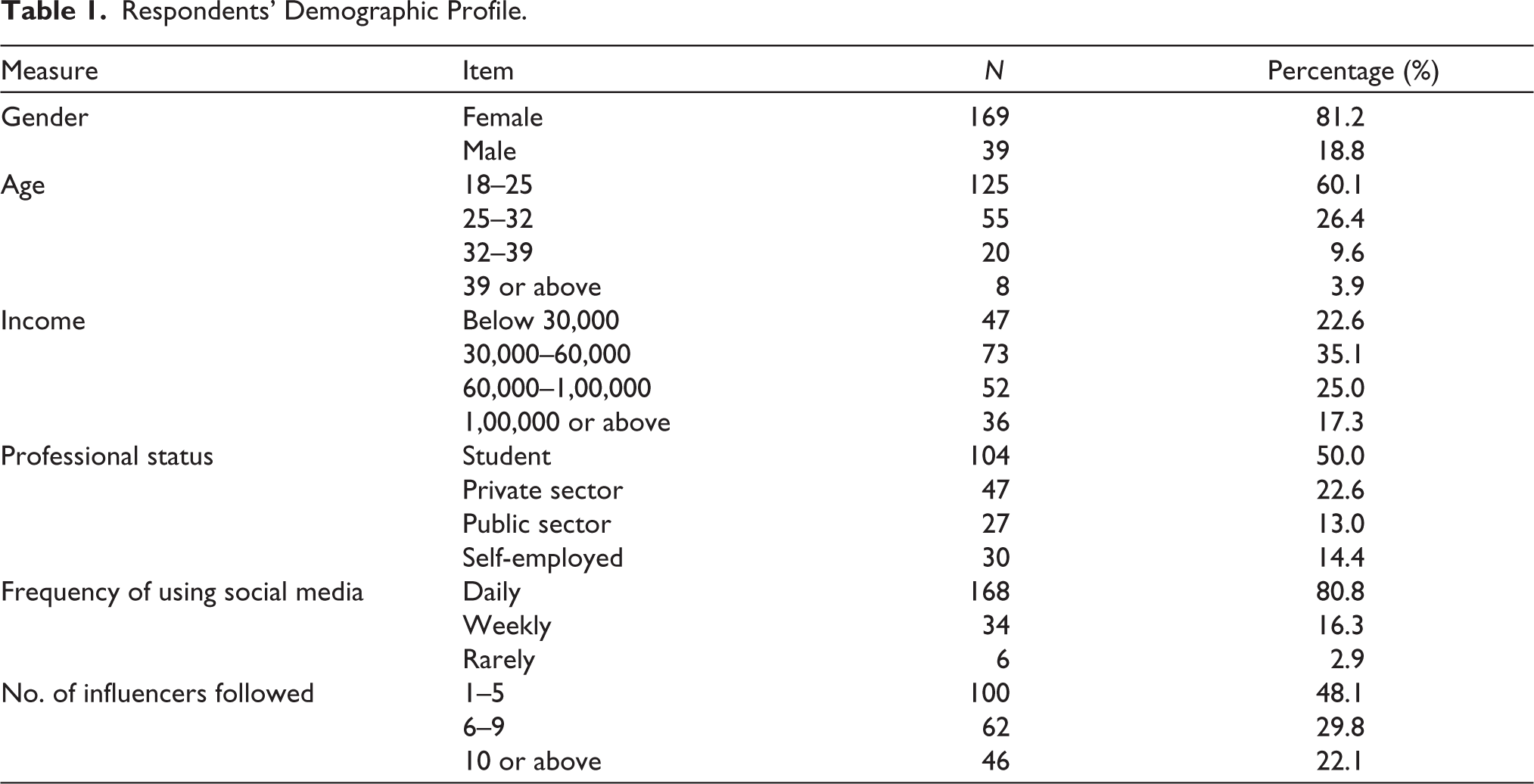
The respondents’ demographic profile (Table 1) shows that there are 81.2% females and 18.8% males, respectively, with the majority of them (60.1%) being between the ages of 18 and 25. The rationale behind this lies in the fact that young adult women make up the largest segment of cosmetics industry (Ramshida & Manikandan, 2014). This sampling composition focusing on young adult women aligns with the work of Amberg and Fogarassy (2019). Furthermore, 26.4% fall within the age range of 25–32, while 9.6% are aged between 32 and 39. Additionally, 3.9% of the remaining respondents are aged 39 or above. Of all those surveyed, 50% are students, 22.6% belong to the private sector, 13% are part of the public sector and the remaining 14.4% of the respondents are self-employed. As for income, 22.6% have income below 30,000, 35.1% between 30,000 and 60,000, 25% between 60,000 and 1,00,000, and 17.3% above 1,00,000. The majority of participants (80.8%) reported that they use social media daily (n = 168) and 22.1% of respondents followed 10 or more influencers.
Respondents’ Demographic Profile.
Results and Discussion
Measurement Model
Based on the reliability assessment, every scale item demonstrated a satisfactory level of reliability, with Cronbach’s alpha surpassing 0.70 (Hair et al., 2013). The common method variance (CMV) in this study was assessed using Harman’s one-factor test before examining the measurement and structural models (Hafez, 2021). To conduct this evaluation, exploratory factor analysis was performed. During this process, items representing all constructs were loaded into a single factor using principal components without rotation. Single-factor test results showed that the highest factor explained 34.081% of the total variation, within the suggested 50% or below range (Podsakoff et al., 2003). This result indicates non-existence of common method bias in the research.
The maximum likelihood confirmatory factor analysis (CFA) results, which were as follows: χ2/df = 1.264, IFI = 0.968, TLI = 0.963, CFI = 0.967 and RMSEA = 0.036, indicate that the measurement model appears to be well-fitted (Table 2).
Results of Measurement Model.

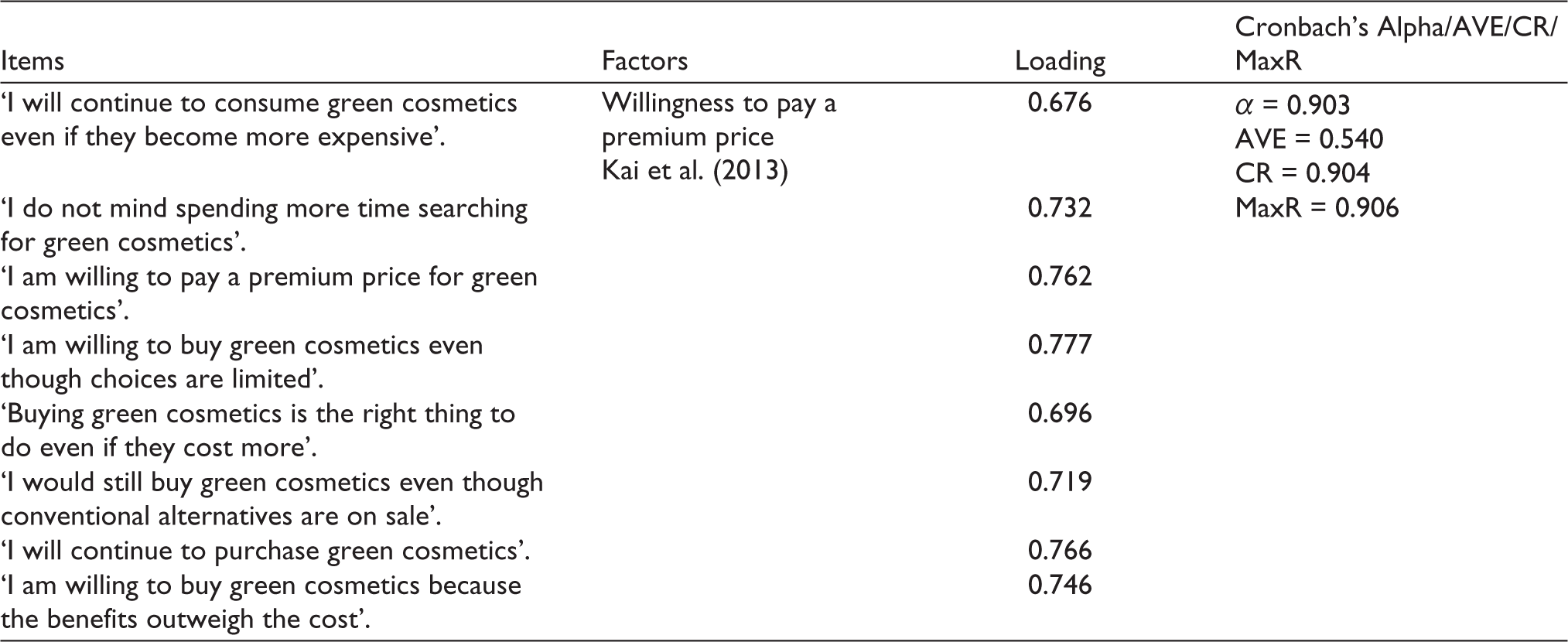
Moreover, the factor loadings were greater than 0.5 and significant for each item. Table 3 shows the comprehensive findings of the measurement model evaluation. The maximum reliability (MaxR) values ranged from 0.810 to 0.906, the composite reliability (CR) values from 0.807 to 0.904 and the Cronbach’s alpha values from 0.805 to 0.903, all exceeding the 0.7 criterion. This indicates strong internal consistency and reliability for all the constructs.
Measurement Model Results: Illustrating Reliability, CR, Cronbach’s Alpha, AVE and MaxR.
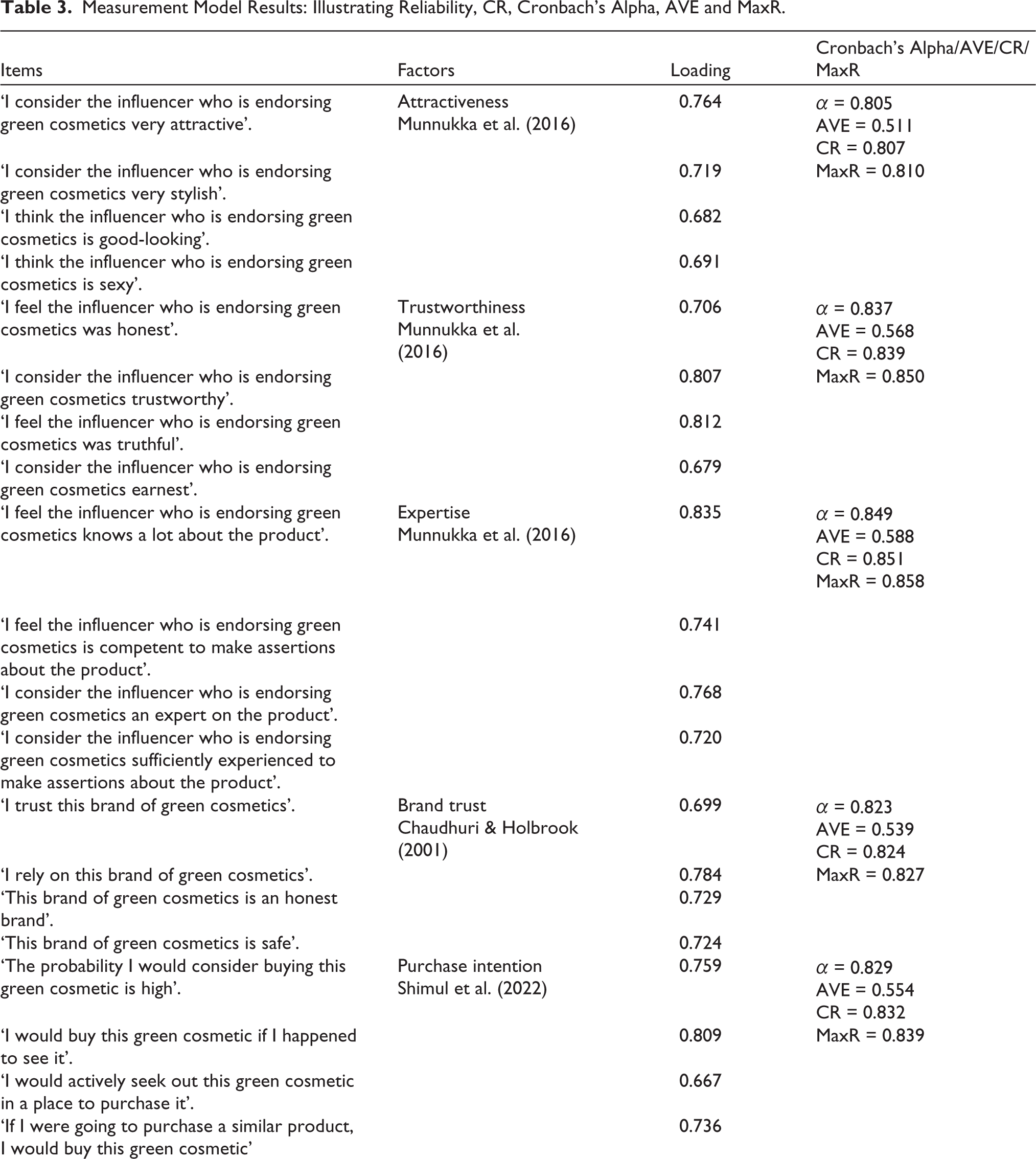
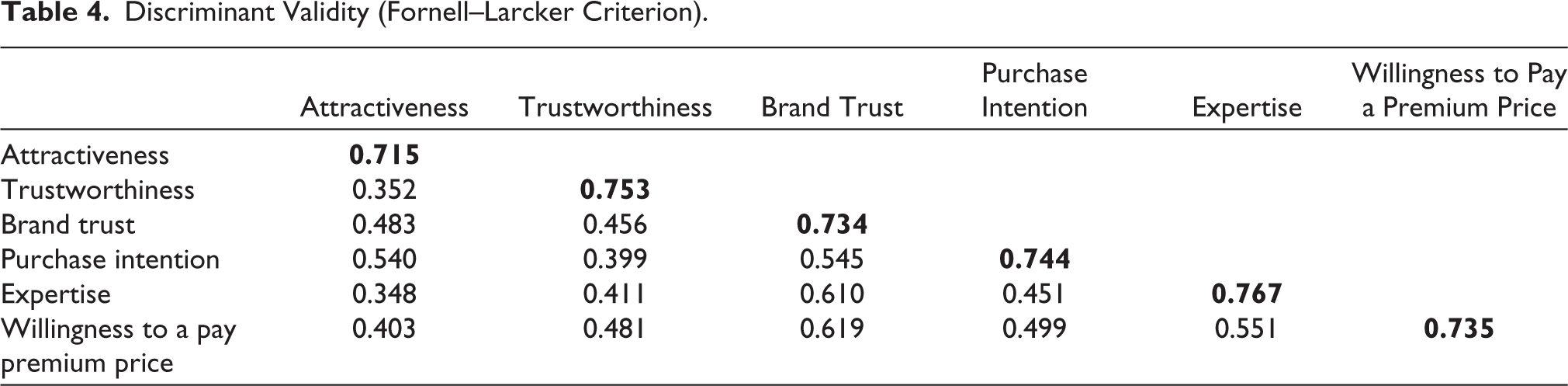
Additionally, the average variance extracted (AVE) of all constructs in this study was higher than 0.5, supporting the convergent reliability of all constructs. The square roots of AVE are calculated and placed on the diagonal of the Table 4 and compared with the off-diagonal values to assess discriminant validity. As a result, the AVE value for each construct exceeded the absolute value of its relationships with other constructs, affirming discriminant validity (Fornell & Larcker, 1981).
Discriminant Validity (Fornell–Larcker Criterion).
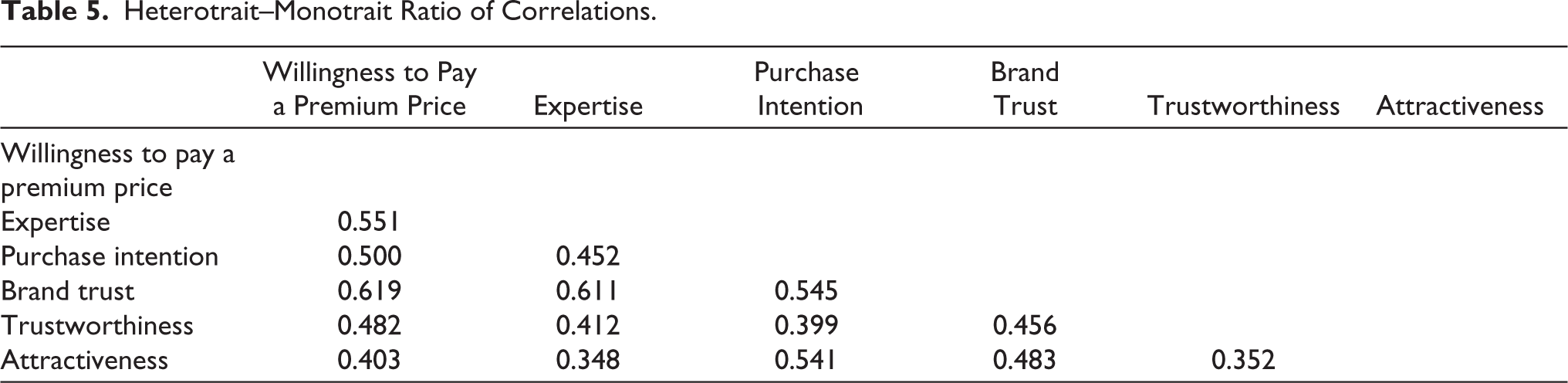
As reported in the study by Henseler et al. (2015), it was also found that all values in the heterotrait–monotrait (HTMT) matrix (Table 5) were below the 0.85 cutoff. This result validates the discriminant validity of all constructs.
Heterotrait–Monotrait Ratio of Correlations.
Structural Model
The suitability of the observed variables was validated using the measurement model assessment. Subsequently, SEM with the assistance of AMOS was employed to conduct path analysis and assess the proposed hypotheses. Table 6 displays various goodness-of-fit indices for assessing model fit. The results from these indices suggest that the model effectively fits the data set.
Path Model Fit.

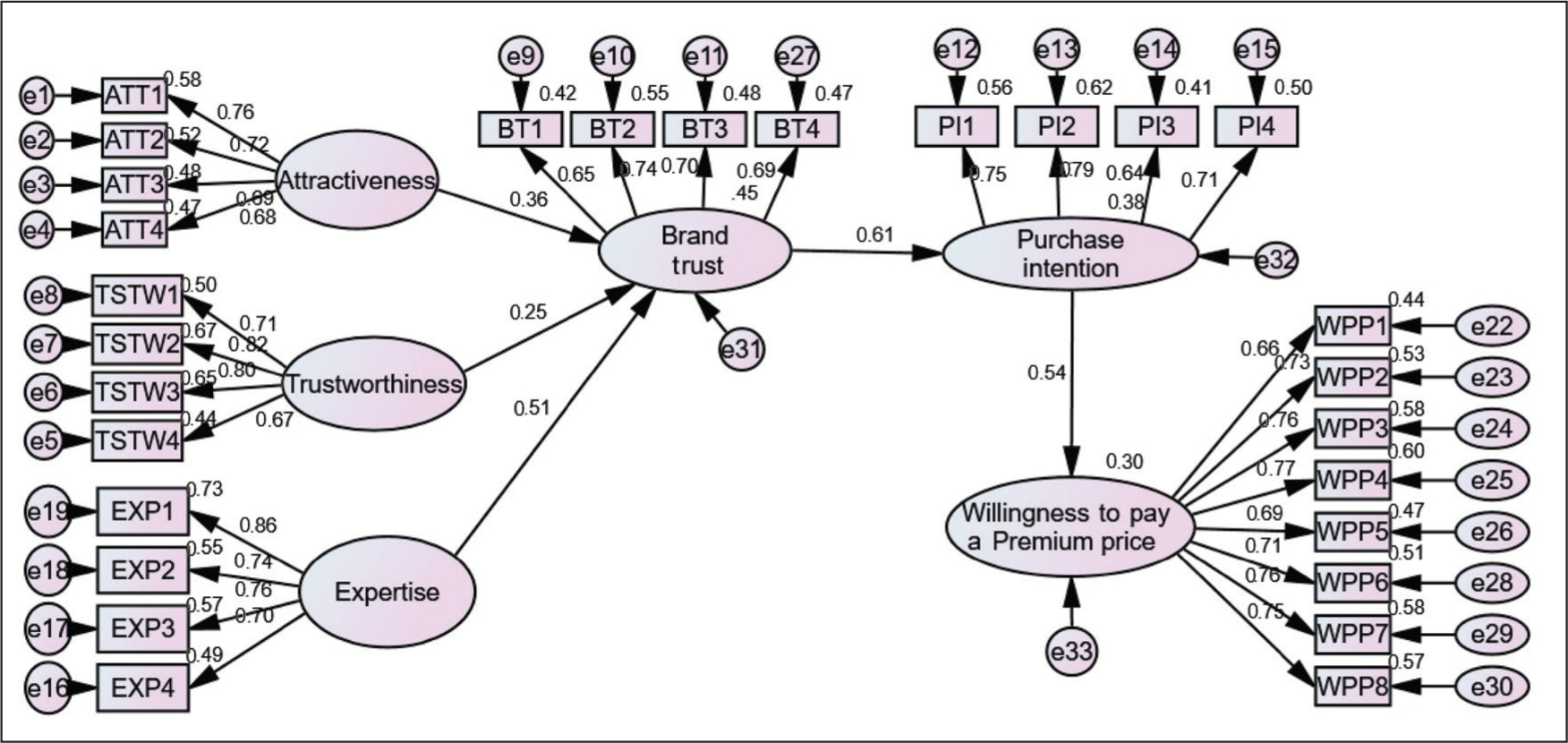
The outcomes of the SEM analysis are illustrated in Figure 3.
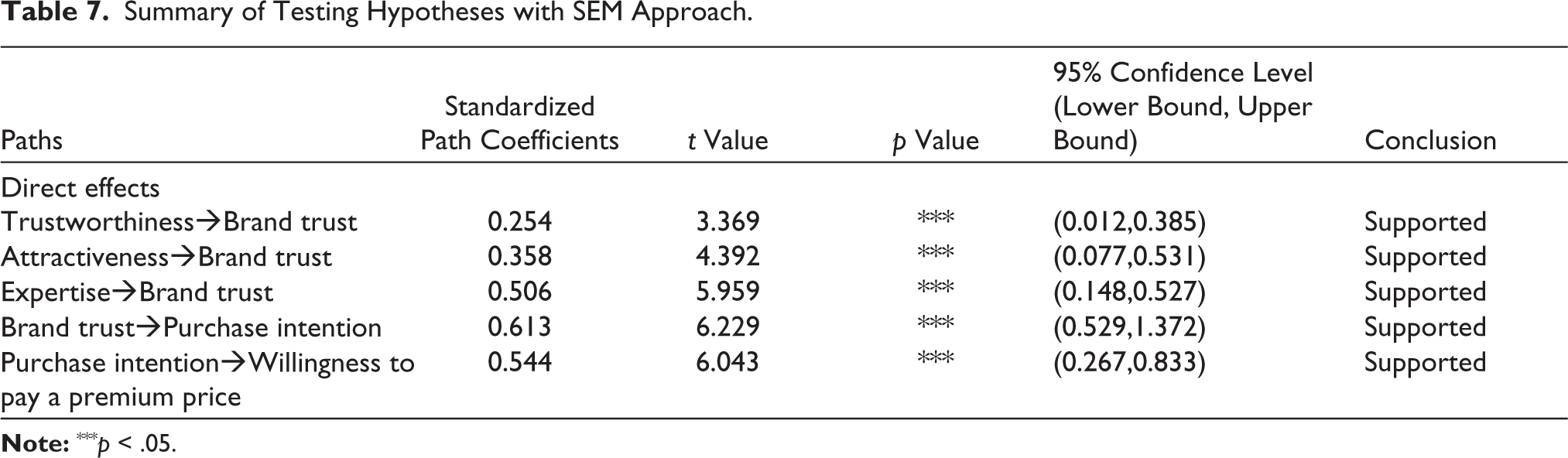
To validate the hypotheses, the t values for the relationships must be more than ±1.96 and the p value must be less than .05. Table 7 presents an overview of the findings from the research hypothesis tests. The findings indicate that, with a significance level of 0.05, all relationships are supported. With β = 0.254 and a t value of 3.369, H1 is validated, indicating that trustworthiness has a significant and positive impact on brand trust. With a β coefficient of 0.358 and a t value of 4.392, H2 asserts that attractiveness has a significant and positive impact on brand trust. H3, with a β coefficient of 0.506 and a t value of 5.959, posits that expertise exerts a substantial and positive influence on brand trust. H4 suggests a favourable relationship between brand trust and the intention to purchase green cosmetics (β = 0.613; t value = 6.229). Similarly, H5 asserts that purchase intention is positively correlated with the willingness to pay a premium price for green cosmetics with a t value of 6.043 and a β coefficient of 0.544.
Structural Model.
Summary of Testing Hypotheses with SEM Approach.
Conclusions
This section analyses and contextualizes the study findings about the research hypotheses and existing literature. Relationships between various constructs related to the four stages of the model were assessed using the SOBC model in this study. This research aimed to assess the impact of SMIs’ credibility dimensions (stimuli) on brand trust (organism), the consequential relationship between brand trust and purchase intention (behaviour) and the ultimate effect of purchase intention on the willingness to pay a premium price for green cosmetics (consequence). Previous research provides evidence for the connection between source credibility and brand trust (Bergkvist & Zhou, 2016; Leite & Baptista, 2022) (H1, H2 and H3 supported). The perceived attractiveness, expertise and trustworthiness of SMIs might increase trust in their product reviews (Djafarova & Rushworth, 2017; Lou & Yuan, 2019). This implies that transferring trust from an SMI to a brand that the influencer uses or advocates for can boost brand trust.
According to the findings, brand trust is favourably correlated with buying intentions for green cosmetics. Previous studies have consistently shown how important brand trust is in influencing consumer purchase intentions (Ali et al., 2018; Chae et al., 2020; Dam, 2020) (H4 supported). This idea is further supported by Luk and Yip (2008), who contended that people are more likely to respond positively to a brand when they have a greater degree of trust in it. When making decisions about brands, brand trust assists consumers in overcoming any uncertainty they may be experiencing (Lee et al., 2011). Brand trust and positive responses are correlated, which emphasizes how important trust is to consumers when making decisions. Therefore, companies should place a high priority on establishing and preserving trust. The findings imply that the purchase intention of green cosmetics and the willingness to pay a premium price are positively correlated (H5 supported). Studies reveal that consumers who indicate a greater inclination to purchase green products are open to pay premium prices for goods that are consistent with their moral and environmental principles (Al Mamun et al., 2023).
This research has several significant theoretical implications. As far as we know, there has been no prior research that has explored this conceptual model employing the SOBC framework. The SOBC model is extended in this study to influencer marketing in the green cosmetics industry. This novel application provides new insights into customer behaviour, especially regarding the influence of source credibility dimensions on brand trust and subsequent purchase intents. Furthermore, this study broadens our theoretical understanding of the linkages between environmental sustainability and ethical consumption by incorporating these concepts into the SOBC framework. This opens up new directions for future research in different industries or contexts. Furthermore, our research indicates that the SOBC paradigm is effective in elucidating the relationship between SMIs’ credibility dimensions, brand trust, purchase intention and willingness to pay a premium price.
Based on the results of this study, we came out with several significant practical implications. In our investigation, we delve into the influence of influencer marketing on consumer purchase intentions and their willingness to pay a premium price, specifically in green cosmetics industry, an area that lacks extensive empirical research. Influencers raise consumer awareness and encourage the adoption of eco-friendly products by educating their followers about the advantages of green cosmetics for the environment in addition to promoting their products. Because of this change in consumer behaviour, more businesses may decide to implement sustainable practices, which could contribute to the expansion of the green cosmetics market.
Furthermore, the study shows consumers are willing to spend more on green cosmetics, demonstrating their dedication to sustainable practices. This willingness may result in a general decrease in the usage of harmful chemicals, improving public health outcomes and the environment.
Moreover, consumers who support sustainable businesses help strengthen the green economy and motivate other companies to prioritize sustainability. A cycle of environmental responsibility and social well-being can be strengthened by the financial support provided to these companies, which may inspire additional innovations in sustainable practices.
The results of this study will also assist the players involved in the green cosmetics industry in selecting the most credible influencers to promote their products. As the connection between source credibility and purchase intention, the SOBC model highlights the significance of brand trust. This demonstrates how consumers’ intentions and, consequently, their willingness to spend more for green cosmetics are greatly influenced by their level of confidence in a brand. This insight can be valuable for marketing strategies aimed at building brand trust. The research’s findings can be used by companies to improve their influencer marketing plans. They can choose influencers that fit well with their brand values and image by knowing how source credibility dimensions affect brand trust. Consumers’ degree of trust in their business will rise as a result. Developing a strong sense of brand trust might provide an advantage over competitors. Businesses in the green cosmetics sector may be able to outperform rivals and take a bigger chunk of the eco-aware customer base if they can successfully leverage source credibility to foster confidence and motivate purchase intentions. Companies operating within the green cosmetics industry can leverage this research to make well-informed pricing decisions. By successfully cultivating a strong brand trust and positively influencing purchase intentions, they are more likely to have a solid basis for justifying premium prices for their products. This becomes especially significant in markets where green and sustainable products typically command higher price points.
Limitations and Future Research Directions
This study is subject to various limitations. First, since applying a probability sampling approach in our framework would not have been practical, data were gathered using purposive sampling, which has been criticized for being a non-probability sampling technique. Second, the sample size of the study is comparatively limited, making it challenging to draw broad generalizations for the vast population. Furthermore, the respondent pool is significantly composed of young adults. Although the composition follows the existing literature (Al Mamun et al., 2023; Khan & Salim, 2021; Limbu et al., 2022) due to the dominance of young women in cosmetics industry, future studies may use a more diverse age and gender representation for a broader generalization of findings. Therefore, future research endeavours could consider increasing the sample size and targeting individuals aged 40 or above, as their perspectives on influencer marketing may differ. Further, brand trust is considered as a generalized construct in our study. Future researchers can focus on specific brands of green cosmetics for a more detailed analysis. Building on our findings, other researchers can investigate if more factors that fit the SOBC paradigm have greater predictive potential. In this study, brand trust has been considered as the organism component within the SOBC model. This framework can be expanded upon in future studies by adding other variables that fall under the organism component.
Footnotes
Declaration of Conflicting Interests
The authors declared no potential conflicts of interest with respect to the research, authorship and/or publication of this article.
Funding
The authors received no financial support for the research, authorship and/or publication of this article.